Seoul Travel Guide: Tips From A Local Who Has Lived Here Since 2006
Last Updated on September 14, 2026
Seoul is huge, and when you start planning a trip to the capital of Korea it can feel overwhelming. There is a lot to see. The city has earned global attention not only for a beautiful culture but for the Hallyu wave that has reshaped how the world sees Korean food, music, beauty, and television, and the city itself has grown and changed significantly over the past two decades.
I first came to Seoul as an English teacher in 2006. I’m still here. Having lived through every season, every major neighborhood transformation, and every wave of new developments, this is the guide I’d want someone to hand me if I were arriving for the first time. It covers the practical stuff like money, transport, safety, what to pack, and the good stuff: what to do, where to eat, where to stay, and where to go when you want to get off the tourist trail.
Whether it’s your first time in Korea or your fifth, read through and make sure you’ve found everything worth finding.
This is a massive travel guide with all of the information you need for any trip to Seoul, Korea. Because it’s so long, definitely feel free to skip around. Here is what you’ll find in this post:
- What To Do To Prepare For Your Trip
- Is Seoul Safe To Travel?
- Money and ATMs in Seoul
- Best Areas To Stay In Seoul
- Best Time To Visit Korea
- Itineraries & Travel Planning
- The Top Things You Must See & Do In Seoul
- Korean Beauty, Spas, and Self-Care
- Free Things To Do In Seoul
- Tours
- Day Trips From Seoul
- Off The Beaten Path In Seoul
- Places To Take Trips From Seoul
(This post contains affiliate links, which means I receive a certain percentage of a sale if you purchase after clicking at no cost to you. Thank you for your support.)
What To Do To Prepare For Your Trip To Seoul
Flights: Check Skyscanner.com for the best rates to Incheon International Airport (ICN).
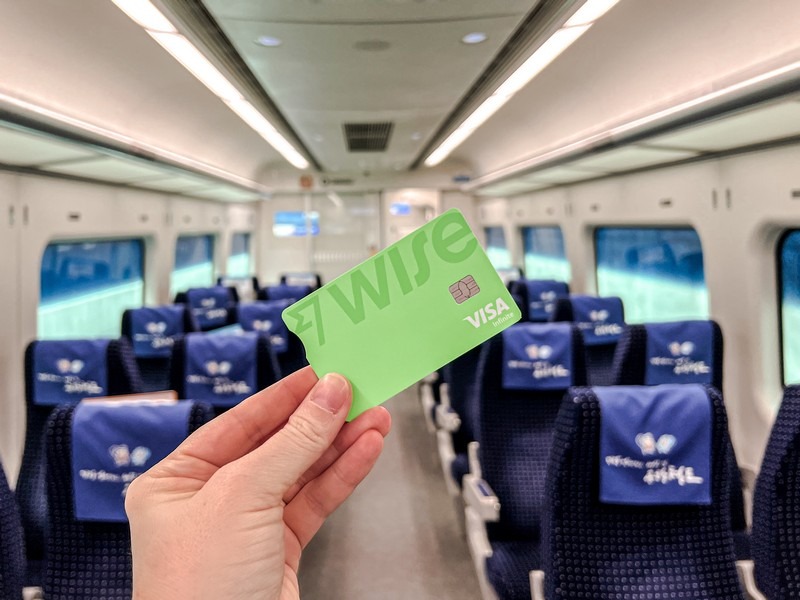
Wise Travel Card: Whether you’re visiting or moving to Korea, the Wise travel card handles currency conversion without the fees and bad exchange rates that standard bank cards charge. My first time here I had significant trouble with my debit card. The Wise card solves this problem. Read the full Wise travel card review, or check them out directly on the Wise website.
Get a Visa/Korea Electronic Travel Authorization: Entry requirements for Korea have changed multiple times in recent years. Before booking anything, check the current K-ETA (Korea Electronic Travel Authorization) requirements for your specific nationality at the official K-ETA website. Approval typically arrives within 24 hours. Do not assume your requirements are the same as a previous visitor’s, verify directly.
Travel Insurance: Always have it. SafetyWing is worth checking for price comparisons across packages.
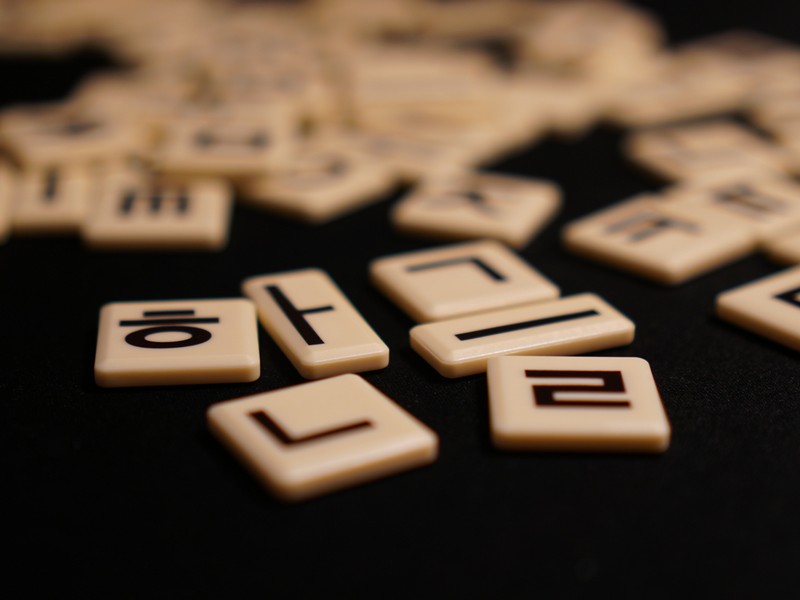
Study Korean: Learning to read Hangul takes about an hour, seriously. It won’t make you fluent but it changes how you navigate the city. 90 Day Languages has a good beginner course. Read the complete guide to learning Korean online and through apps.
Airport Transfers: There are several options from Incheon Airport to Seoul including the AREX Airport Railroad (40-60 minutes, most budget-friendly), limousine bus, private transfer, or taxi. For the full breakdown of costs and how each works, read the complete guide to getting from Incheon Airport to Seoul. For private transfers, book in advance for the most seamless arrival on Klook.
International Driver’s License: To be honest, I wouldn’t recommend driving in Seoul if it’s your first time to this massive city. BUT, if you plan to and will rent a car while you’re here, then remember to bring your International Driver’s License. I highly recommend renting a car if you’ll be headed to Jeju Island or anywhere aside from Seoul and Busan though because it’s much easier to get around that way in those cases.
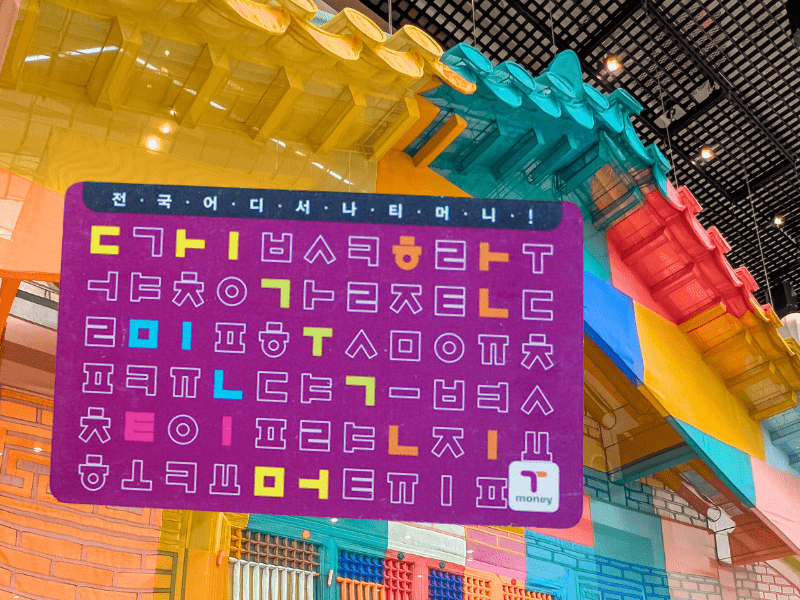
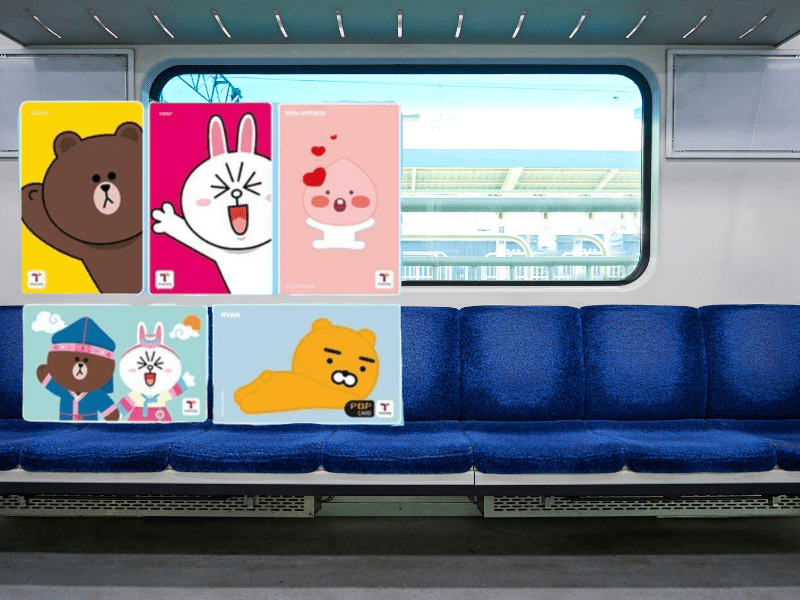

T-Money Card/Discover Seoul Pass: To use the Seoul subway, buses, and taxis, you need a T-Money card (Note if you’re bringing kids, they can get discounted T-money cards, but you need to register them. Learn about T-money cards for kids.). Load credit and tap in/out at every turnstile and bus door. If you’ll be doing a lot of tourist activities, the Discover Seoul Pass may be better value: it covers admission to palaces, Hanbok rentals, viewpoints, and major attractions, works as a T-Money card, and includes a free AREX ride from the airport. Read the complete Discover Seoul Pass guide. To understand subway system, read the guide to the Seoul Subway system so you can navigate it efficiently.
Hop On Hop Off Bus: A good option for getting the lay of the land on your first day. Read the Seoul City Tour Bus guide for how to use it.
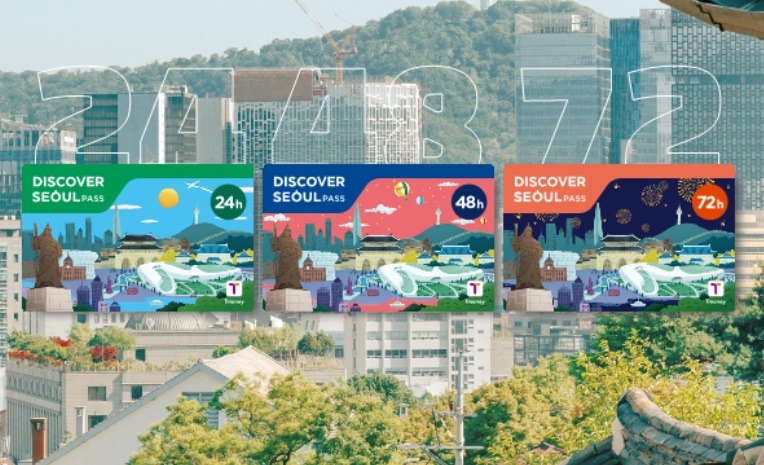
Korea Rail Pass: If you’re planning to travel outside Seoul by train more than twice, the Korea Rail Pass saves money. Covers destinations from Nami Island to Andong to Busan.
SIM Card / WiFi Eggs: Mobile connectivity throughout Korea is excellent. Pre-reserve a SIM card on Klook to pick up at the airport, or get an eSIM for even simpler setup on eSIM Korea. Read the complete guide to Korean SIM cards.
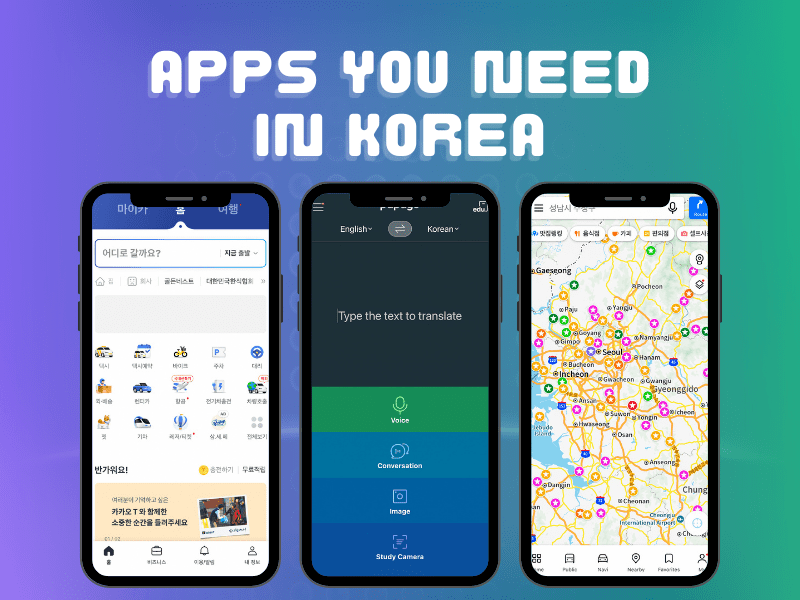
Apps to download: The Seoul subway app for navigation. Kakao Maps (not Google Maps — Google Maps is unreliable in Korea). Kakao Taxi for local taxi hailing. Naver Translate or Papago for language help. Read the complete guide to useful apps for traveling in Korea.

Pack for the season: Seoul has four very distinct seasons. Summer is humid and hot; winter is genuinely freezing. Read what to pack when visiting Korea.
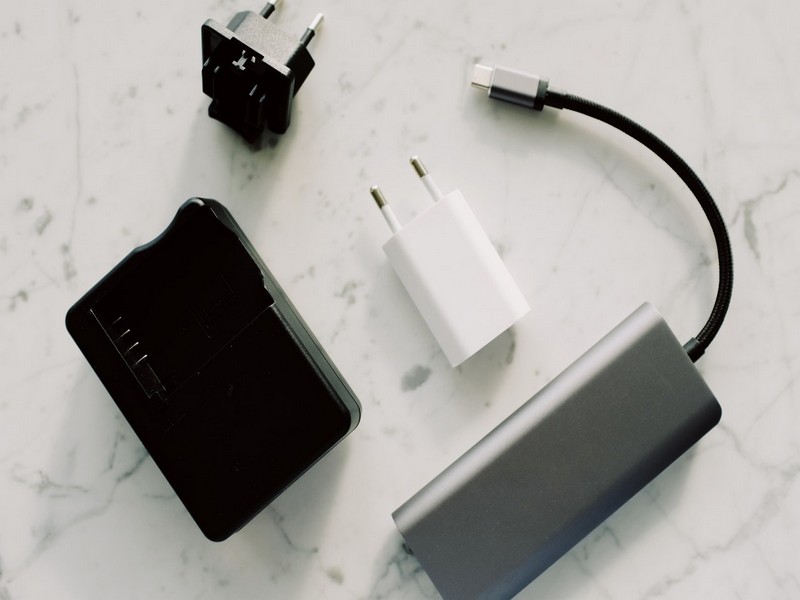
Power adapter: Korea uses Type C/F plugs at 220V. Read the Korea power adapter guide so you’re not scrambling at the airport.
Is Seoul Safe To Travel?
Generally, yes, it is very safe in Korea. That said, many foreigners come here assuming that because there is no gun violence or drug issues in Korea it’s MUCH safer than it really is. While you will likely not have any problems while you’re here, certainly don’t put yourself in situations you wouldn’t in your home country.
While I don’t think there is a ton of scamming to look out for, I do want to say you should be wary of cults in Korea that will see tourists coming a mile away. Most vendors aren’t jacking up prices just because you speak a different language, but I would watch out for people that spike drinks. Just be mindful as you should be at all times.
Is tap water safe? Yes. Read the complete guide to tap water in Korea for why most Koreans still prefer bottled despite this.
Money and ATMs in Seoul
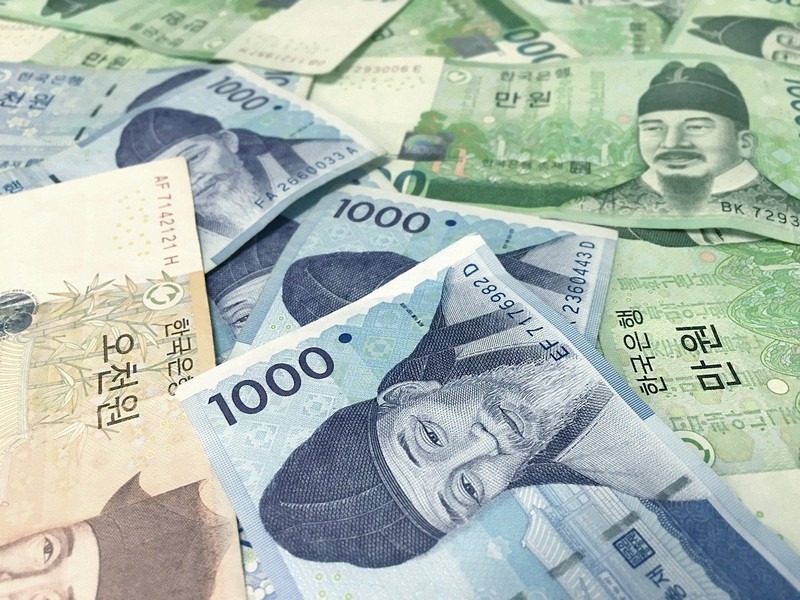
The currency is the Korean Won (KRW). Cards are accepted almost everywhere in central Seoul, contactless and chip payment is standard at restaurants, shops, cafes, and convenience stores. However, ATM compatibility varies significantly between machines, and some smaller local spots are still cash-only.
Bring at least ₩200,000-₩300,000 in cash for the first day or two, before you’ve located an ATM that accepts your card. GS25 and 7-Eleven convenience stores tend to have the most tourist-compatible ATMs. Let your bank know you’re traveling before you leave.
The Wise travel card is the most straightforward solution for avoiding fees and exchange rate losses.
Tipping: Not expected. Not customary. Do not tip at restaurants, taxis, spas, or tour guides. If you leave extra money, it may be returned to you. For the full cultural context, read the guide to tipping in Korea.
Is Korea budget-friendly? It can be. Street food, traditional markets, and local restaurants are inexpensive. Trendy restaurants, foreign-cuisine spots, and bars add up quickly. There are also dozens of completely free things to do in Seoul, read the complete list of 35 free things to do in Seoul.
Best Areas to Stay in Seoul
Seoul is large. Staying in the wrong area means spending a significant amount of time in transit. Here are the neighborhoods that work best for tourists:
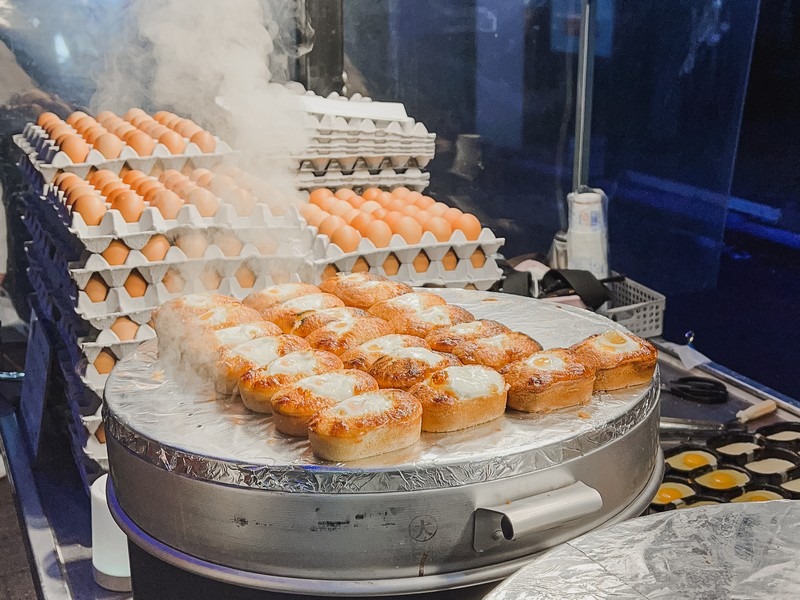
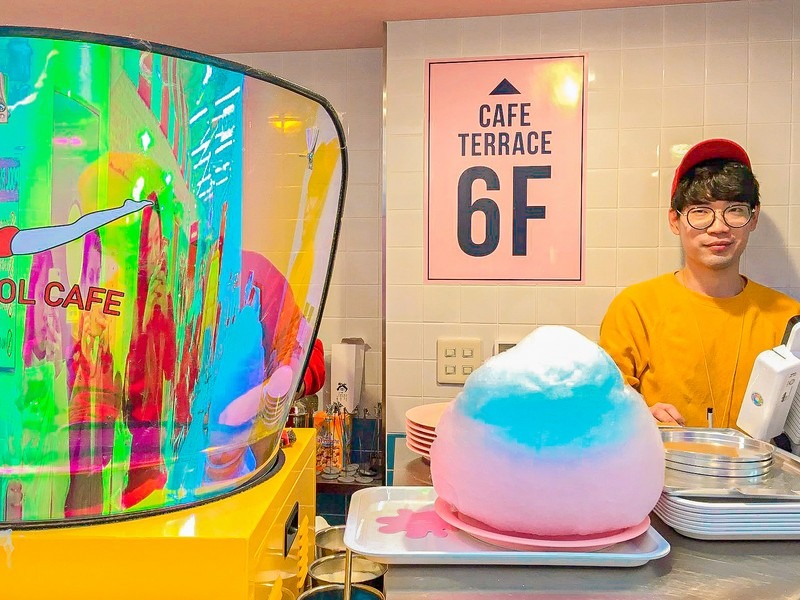
Myeongdong: The most central tourist area. Major shopping brands, international menus at most restaurants, easy transport to palaces and cultural sites, plus the best street food in the city. Most tourist sites are within 20-30 minutes. Read the complete Myeongdong guide. For accommodation options, read the guide to the best places to stay in Myeongdong.
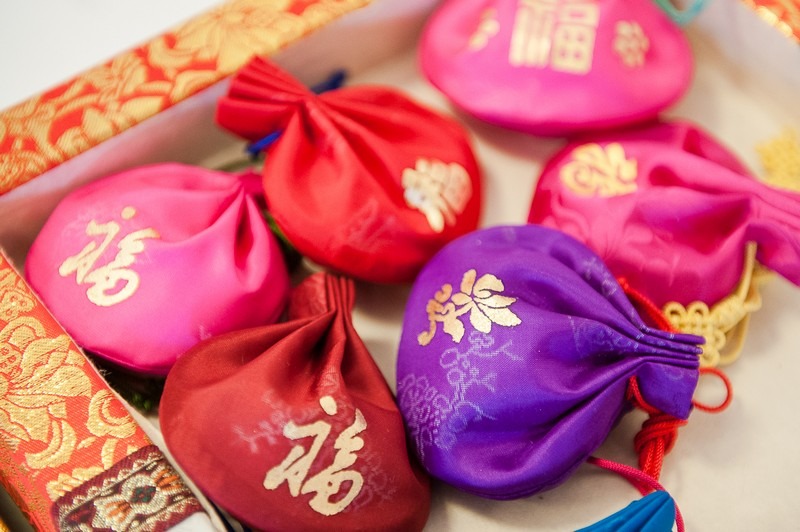
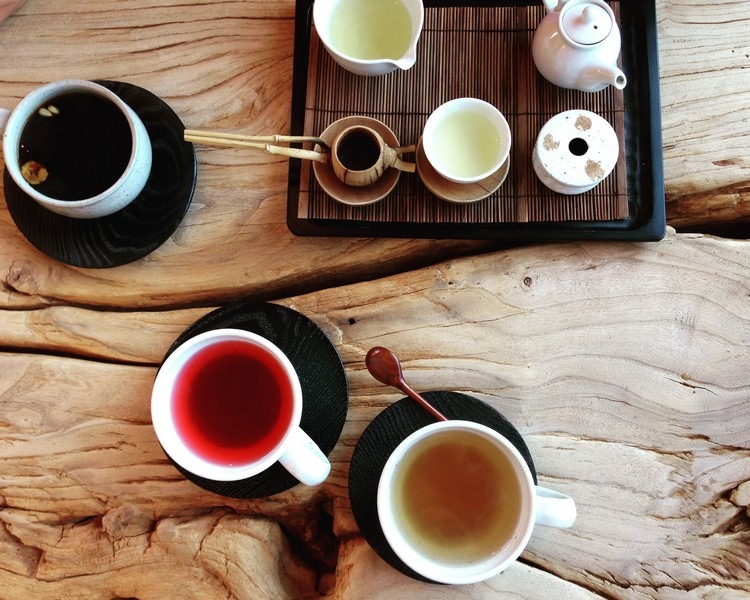
Bukchon Hanok Village: Stay in a traditional Hanok house between the two main palaces, close to cultural experiences. A genuinely different Seoul experience. Read the complete Bukchon Hanok Village guide for what’s in the neighborhood.
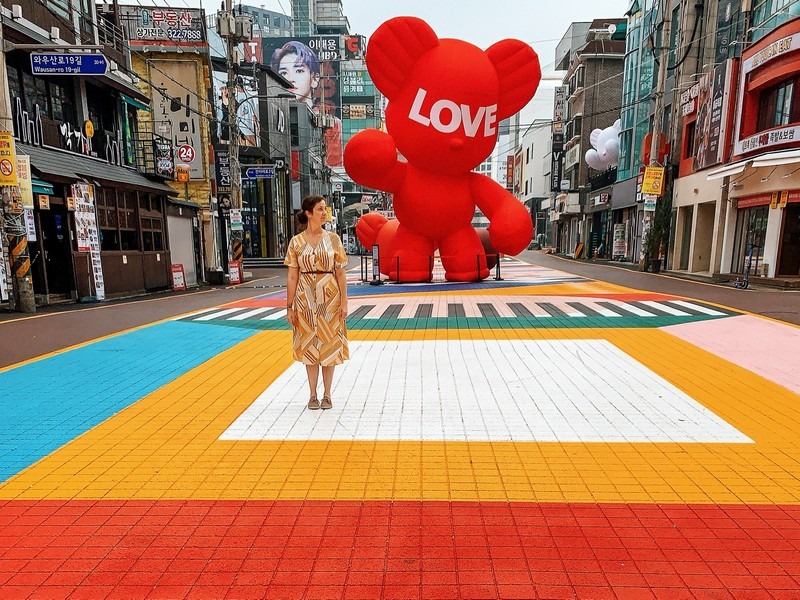
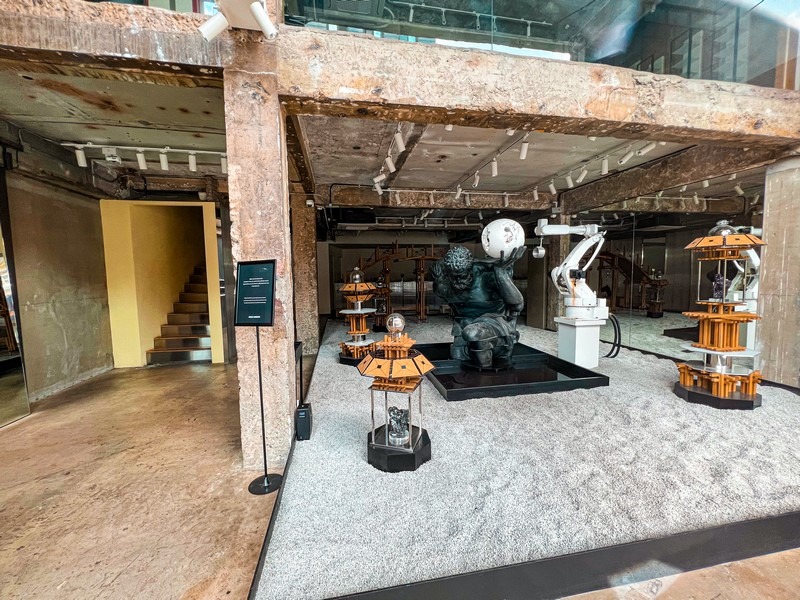
Hongdae: Younger, livelier, with live music, an arts scene, great cafes, and active nightlife. Better for night owls than early risers. Read the complete Hongdae guide. For accommodation, read the best places to stay in Hongdae.
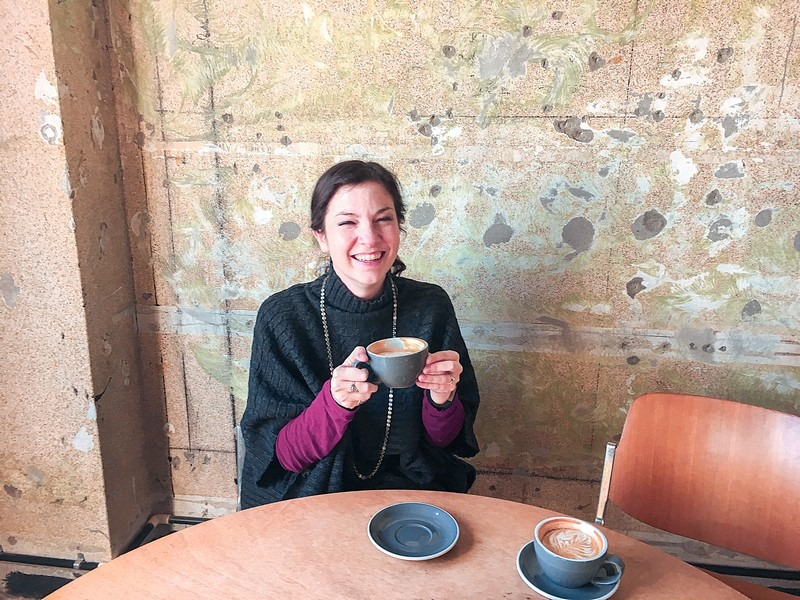
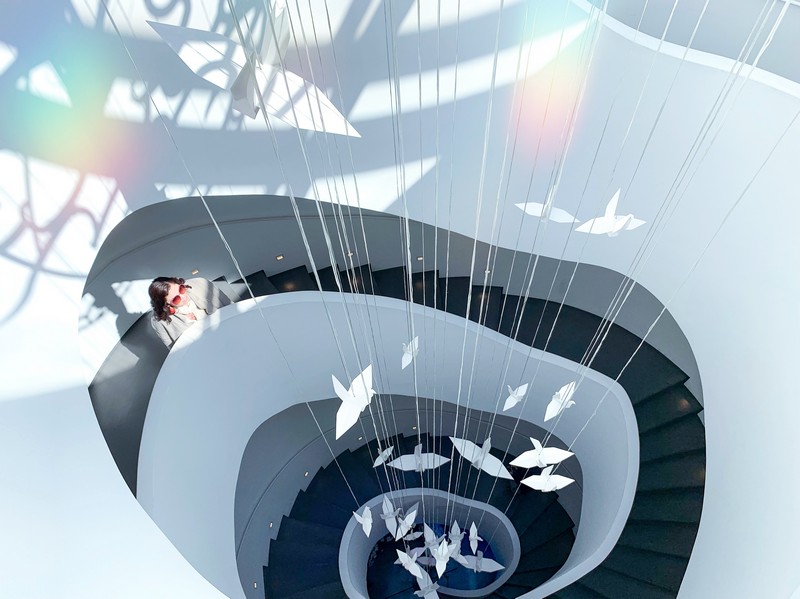
Itaewon/Hannam-dong: The international district, good foreign food options, central between northern historic sites and Gangnam. Better for those splitting time between both sides of the river.
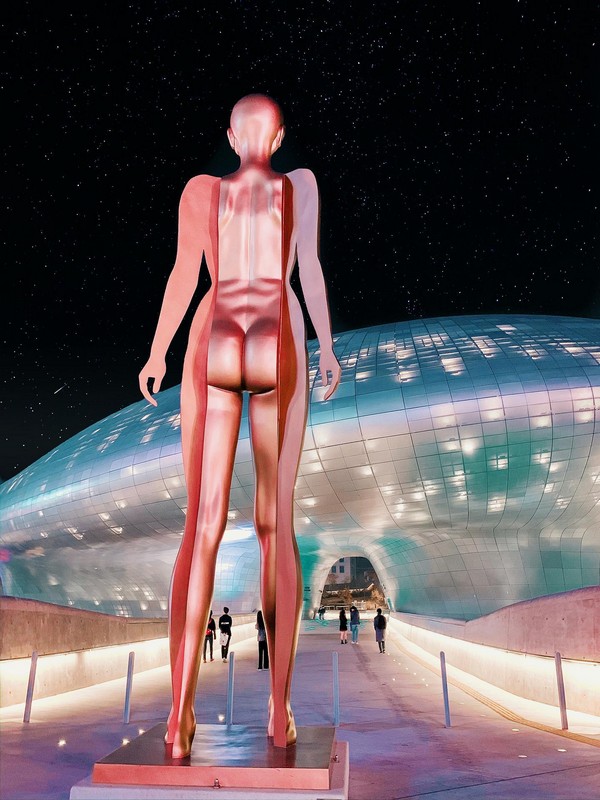
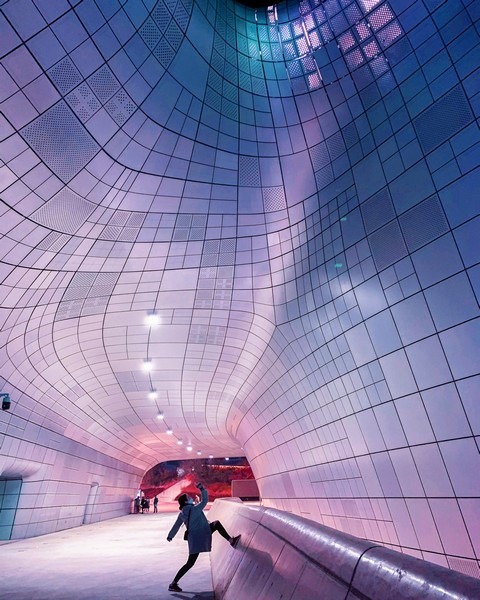
Dongdaemun: A shopping district with excellent transport connections north and south. Vibrant neighborhood with hidden gems. Good for those wanting easy access to different parts of the city.
Get Connected Before You Arrive
There are a few things worth sorting out before you fly to Seoul, and your phone connection is one of them. I use my phone constantly here for KakaoMap, subway directions, translations, messaging, reservations, and looking up the Korean address for wherever I’m headed next. Try Nomad eSIM. Nomad offers South Korea eSIM plans starting from KRW5,396, with access to major Korean networks including SK Telecom, KT olleh, and LG U+.
You can purchase and install your eSIM while you still have a reliable internet connection at home. Once you arrive in Korea, turn on the eSIM line and data roaming, select Nomad for cellular data, and it should automatically connect to a supported local network.
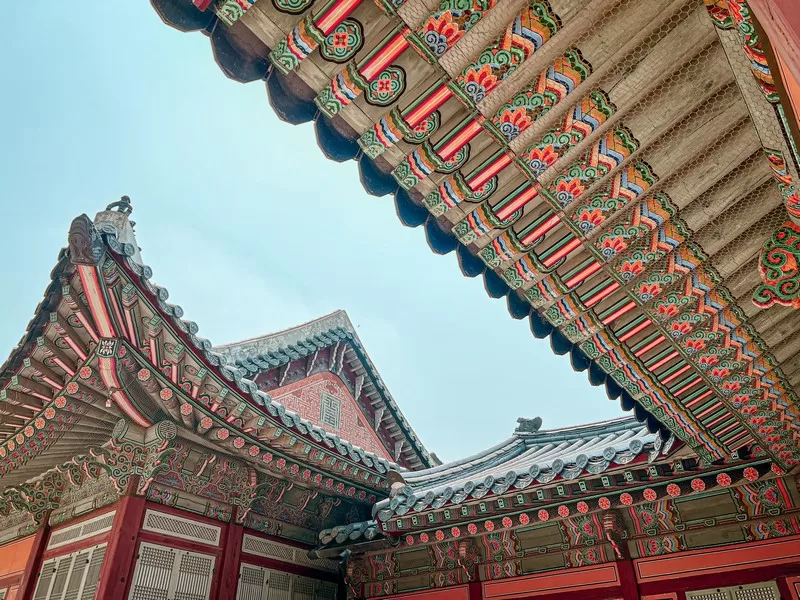
What is the best time to visit Korea?
There are four distinct seasons in Korea… well maybe five if you include monsoon season. Since I live here and have gone through every season, I can honestly say that they are all amazing for one reason or another.
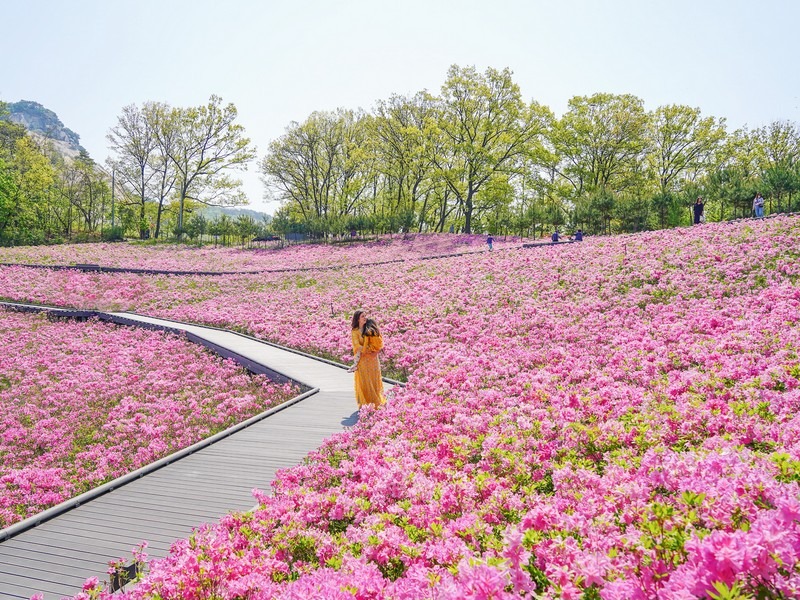
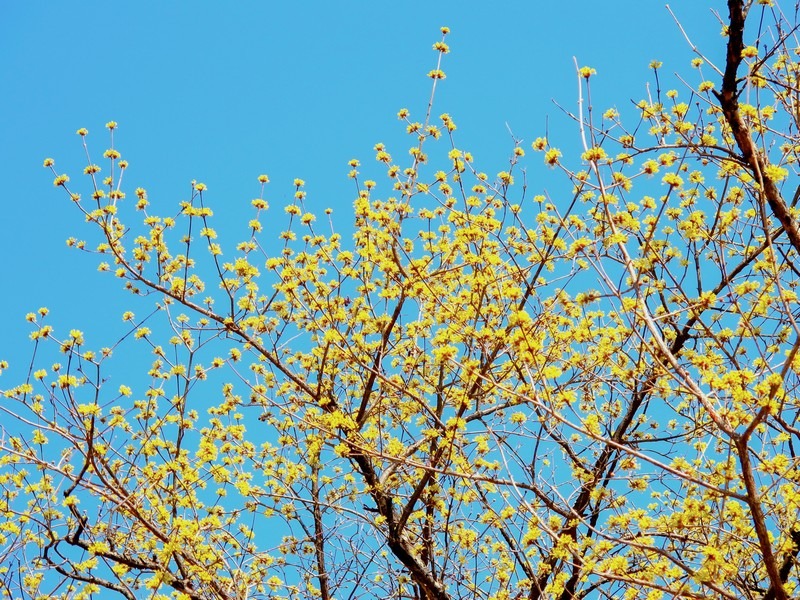
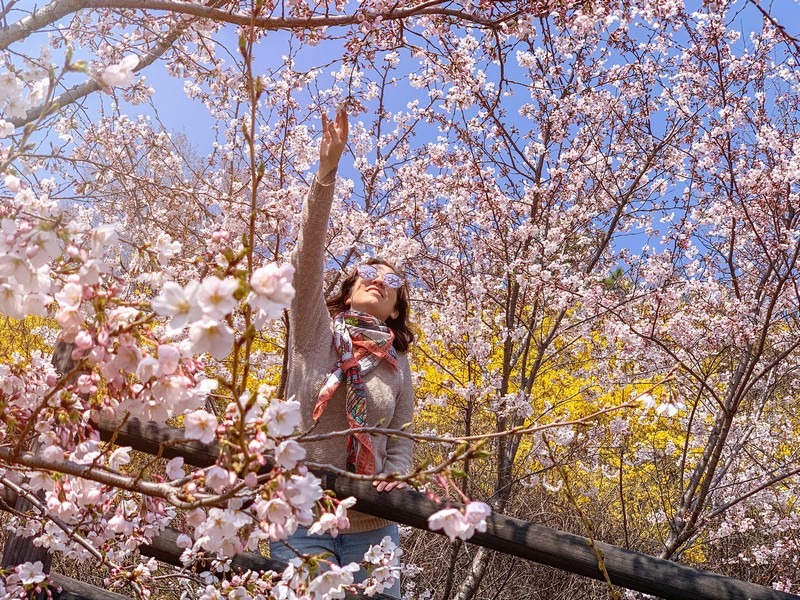
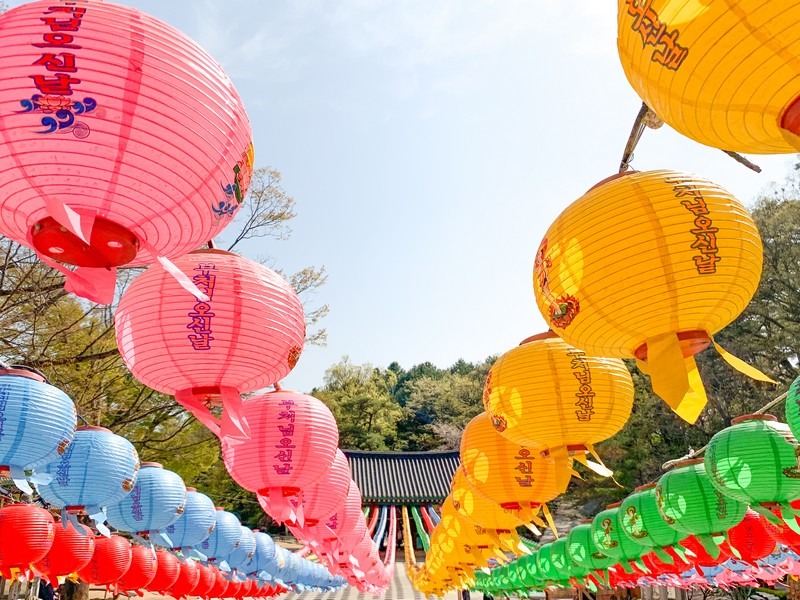
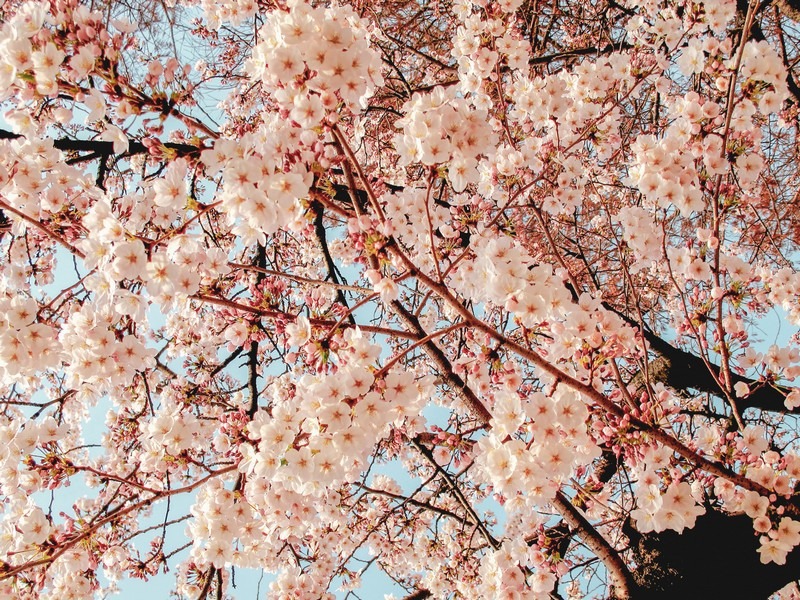
Spring (March ~ May): Cherry blossoms, mild temperatures, and flowers throughout the city. The cherry blossom window is unpredictable, some years early April, some years late March. Read the guide to seeing cherry blossoms in Seoul. Spring flowers continue well into May. Read the complete spring in Korea guide and what to expect in Korea in April and Korea in May.
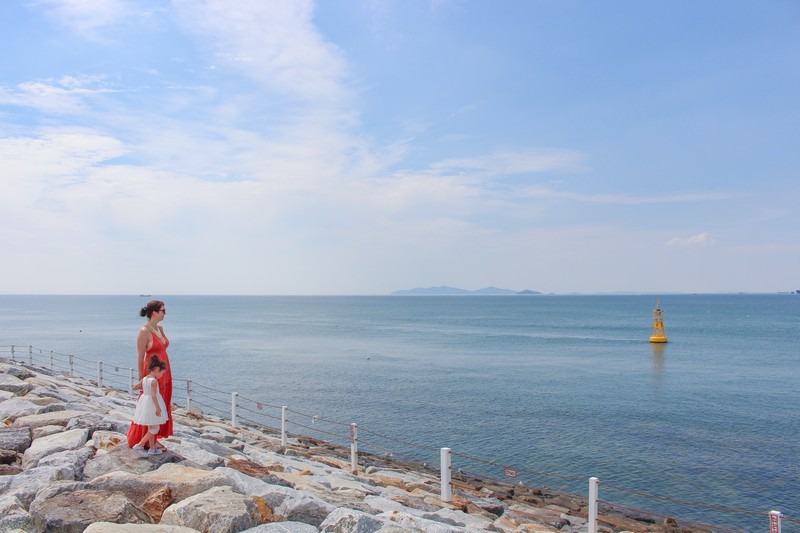
Summer (June ~ Mid-September): Summer can be horribly humid. Most Seoulites head to the coast whenever they can or up into the mountains to soak in the rivers and lakes because that is just the best way to cool off. There are beautiful beaches on the eastern, southern, and western coasts of Korea so make sure to have time to visit one. Find out all there is to know in this complete guide to summer in Korea for more information.
Note that Seoul’s monsoon season can run from July to August. Generally it doesn’t rain every day, but when it rains, it pours and you’ll want to be inside. From museums to indoor theme parks and escape rooms, read this guide to the best things to do on a rainy day in Seoul to prepare back up options!
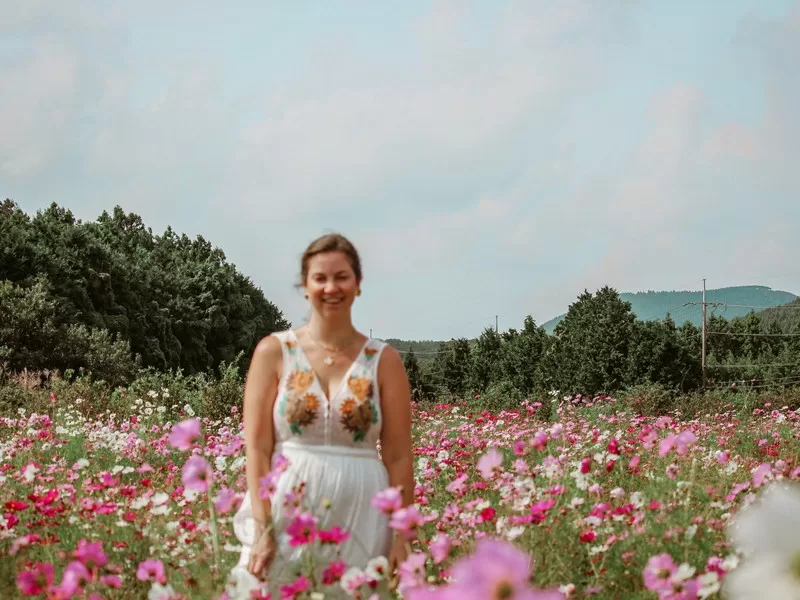

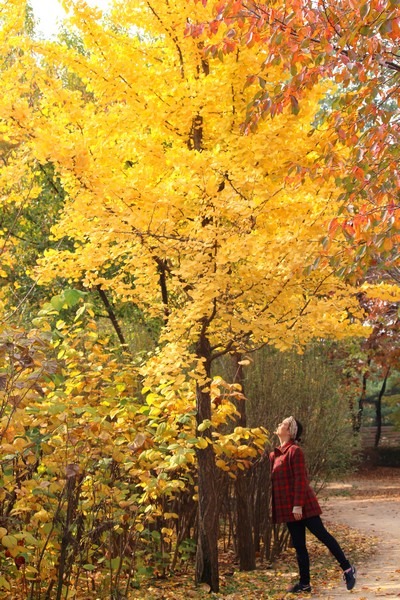
Autumn (Mid-September ~ November): Autumn is definitely one of the most beautiful times to visit Korea when the fall foliage bursts into an array of colors across the peninsula and the scents of cinnamony hoddeok waft down the streets. Not only do the leaves change, but there are flower fields that burst into bloom as well. You can find some gorgeous flowers in the World Cup Parks as well as at Nari Park. Find out all there is to know in this complete guide to fall in Korea for more information.
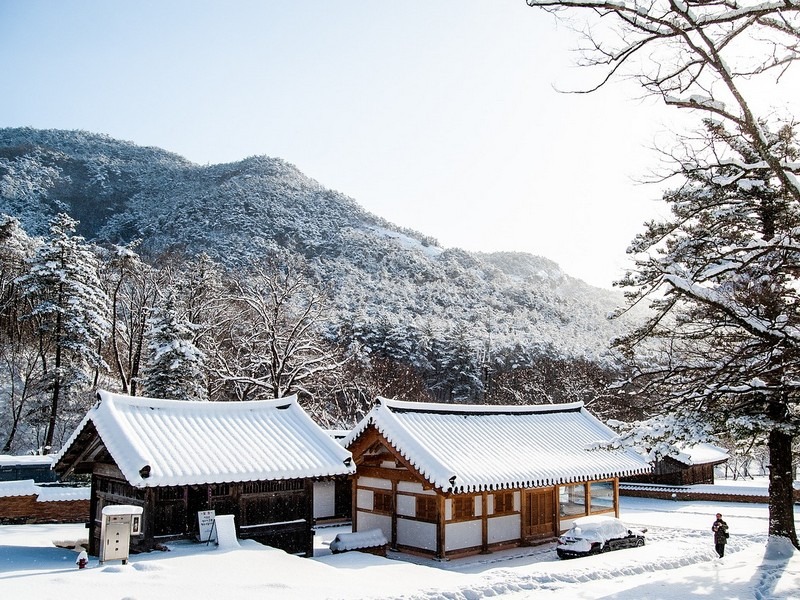
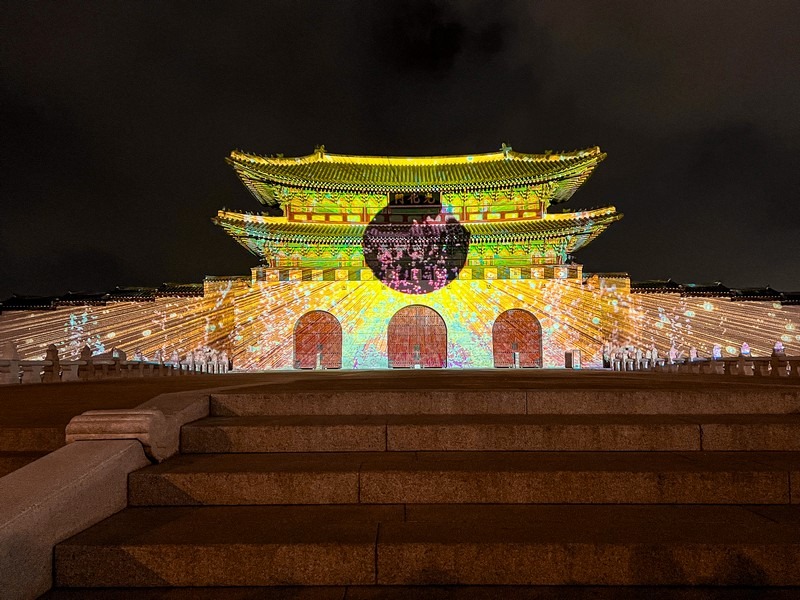
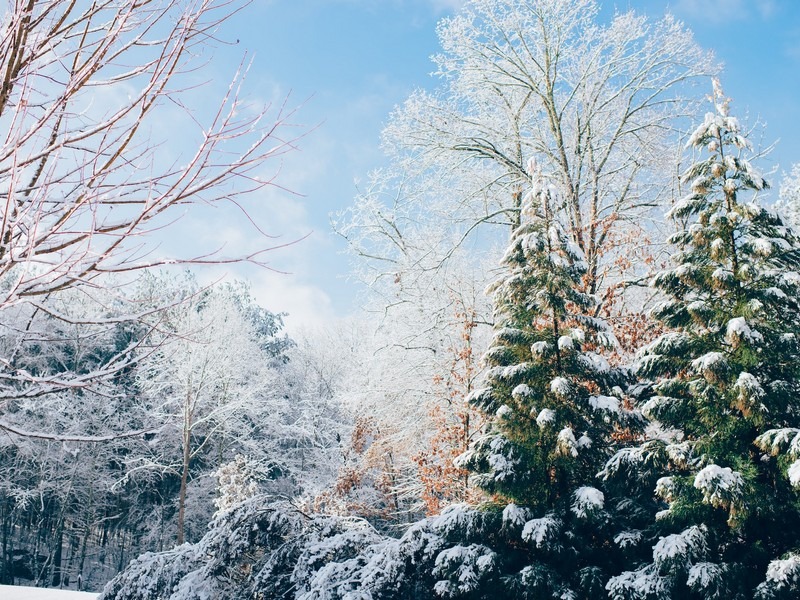
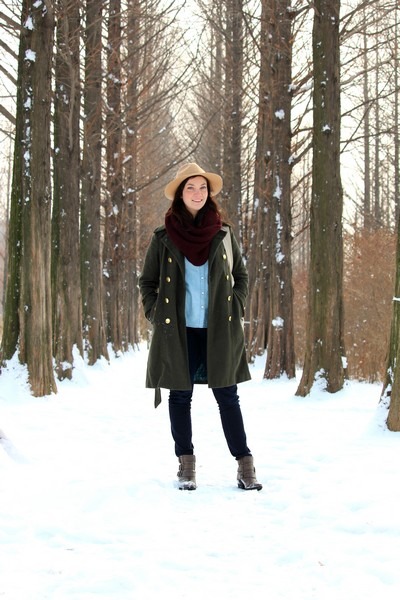
Winter (December ~ February): Winter is not easy in Seoul. It can be beautiful if it snows and I know a lot of tourists headed here in the winter are hoping for that winter wonderland they may have seen in Korean dramas. If you definitely want to see snow, make plans to head out of Seoul to the mountains where you can ski or snowboard or just visit a resort with a ton of snow. Find out all there is to know in this complete guide to winter in Korea for more information.
Itineraries & Travel Planning
15 Seoul Itineraries: I have a lot of experience building the perfect itineraries for travelers to Seoul. I’ve created 15 interchangeable daily itineraries for Seoul, Korea that cover the popular spots you must see, some districts that aren’t so touristy but offer great fun, and more. This is a great place to start if you like planning your own adventures but want a basis to start with.
The Seoul Itinerary Pack – 15 Seoul Itineraries
$25.00
Personalized Itinerary: I have lived in Korea since 2006 and if you start doing a deep dive into The Soul of Seoul, you’ll discover the range of amazing places and spaces you can go. Want me to help you?
Personalized Itinerary by The Soul of Seoul
The Top Things You Must See & Do In Seoul
1. A Korean Palace
There are five palaces in Seoul. The largest and most famous is Gyeongbokgung Palace, the essential first-timer visit, though it gets crowded during peak seasons. The Changing of the Guard ceremony at Gyeongbokgung is completely free, no ticket required.
Did you know: A lot of tourists rent Hanboks and visit the palaces. Did you know you actually get free entry if you’re wearing a Hanbok?
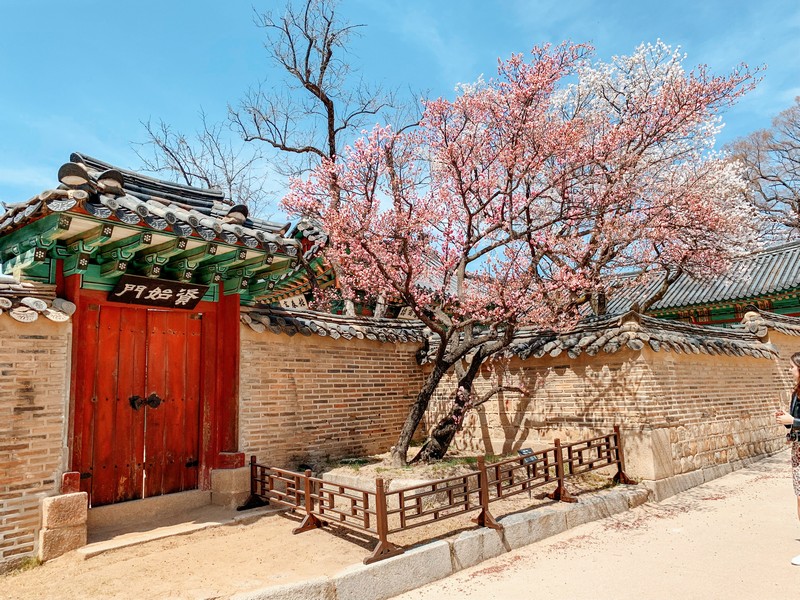
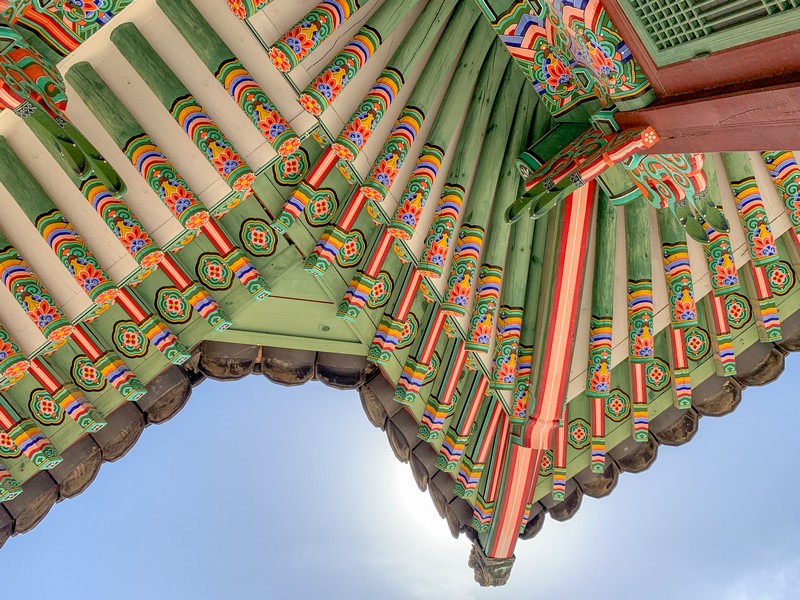
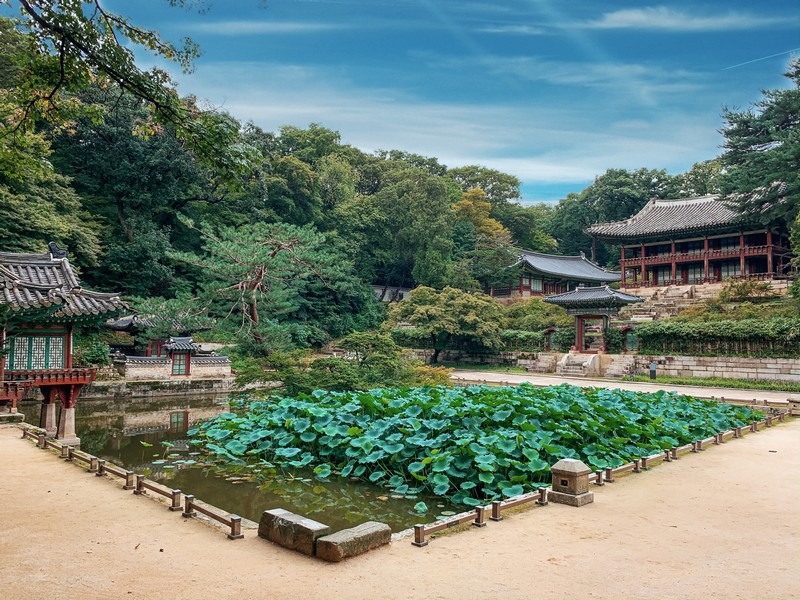
The nearby Changdeokgung Palace and Secret Garden require a tour reservation and is known for having gorgeous views in every season. Changgyeonggung Palace is just around the corner from Changdeokgung Palace and actually connects in the back corner and yet most people never even see this one.
If you want a palace to yourself with a beautiful pond and a gorgeous greenhouse built during the Japanese colonization, don’t miss it and then you can walk through the back gate into Changdeokgung Palace. Kind of a two for one experience and a unique one at that.
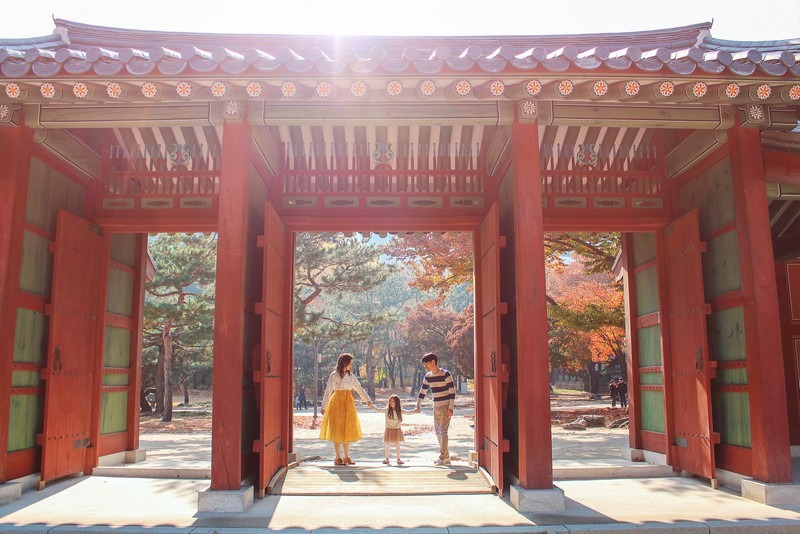
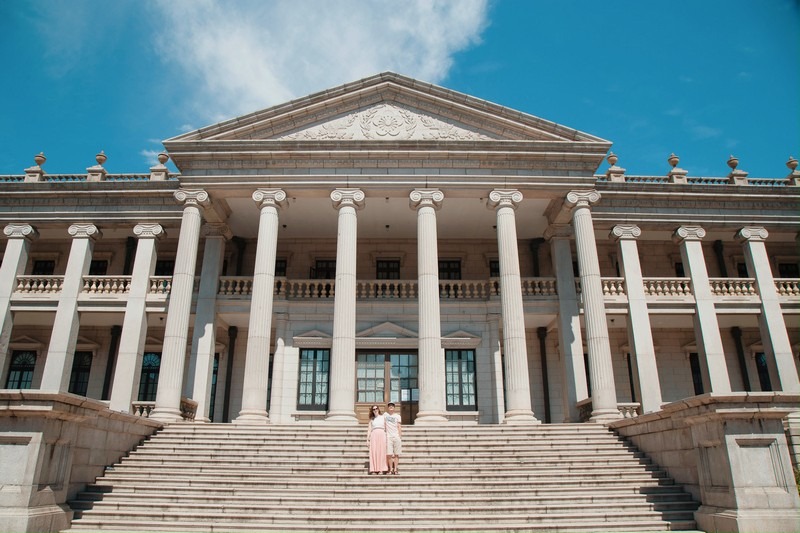
Deoksugung Palace is one that’s rather well known because it’s easy to find near City Hall and they have a changing of the guard ceremony which is great fun to watch. This palace is unique in that there are numerous architectural styles on the grounds as well as an art museum inside one of the buildings in the grounds. This palace is much smaller than the others and easy to see quickly if you don’t have much time in your schedule.
Gyeonghuigung Palace is the smallest and least popular of the palaces, which doesn’t mean it shouldn’t be visited, so do look at the info for it. This palace is actually free to enter and often void of people.
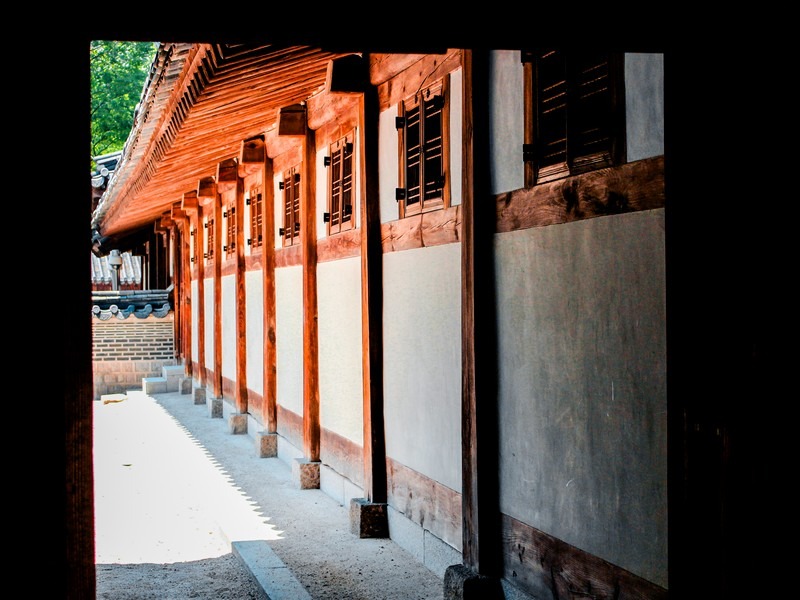
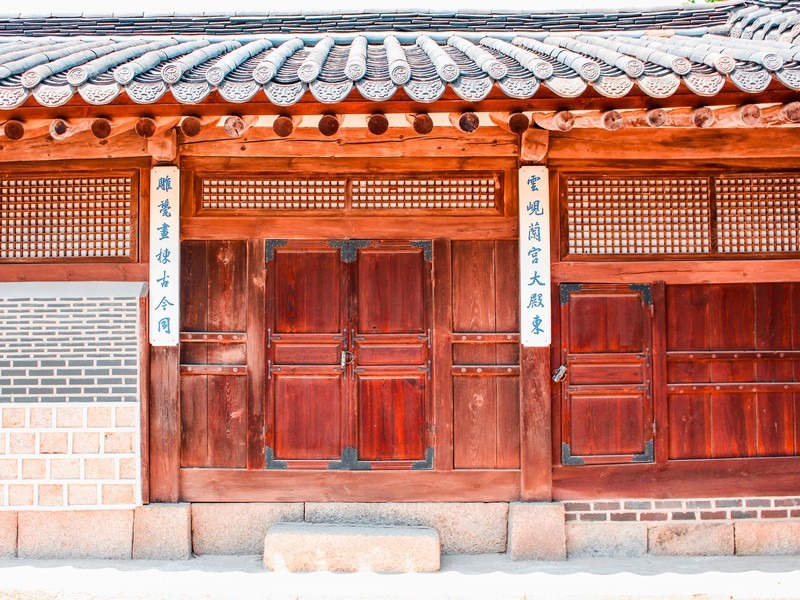
The Unhyeongung Royal Residence is not technically a palace but a historic royal compound worth visiting, unpainted wood, quieter than the main palaces, and used by locals for family photography.
2. A Traditional Market
In just about every district, some are more popular than others, but what’s for sure is that traditional markets are fun to visit and always have delicious food to eat. Read a guide to the beset traditional markets Seoul to visit.
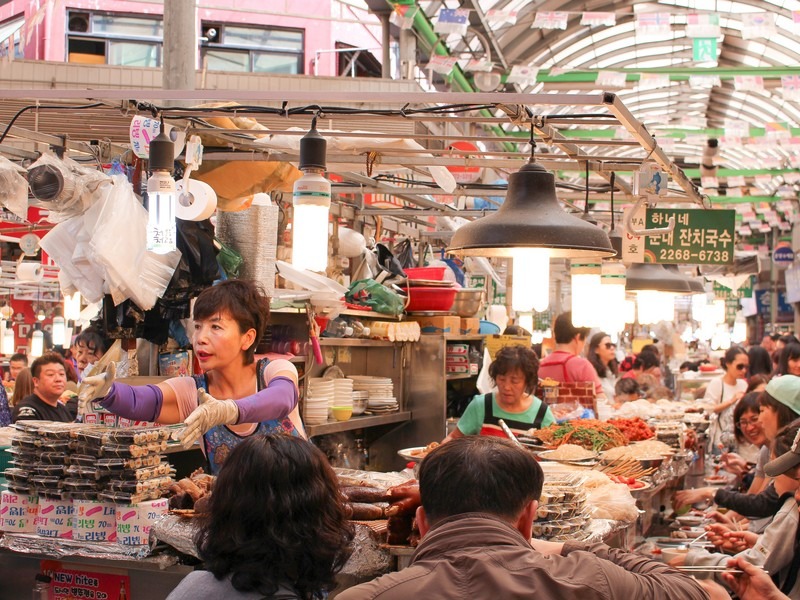
Gwangjang Market: This is my FAVORITE spot to take visitors and get good authentic eats in the city of Seoul. It is hustling and busy and delicious This is the market that appeared in the Netflix documentary series on street food and remains one of the best eating experiences in the city. The oldest traditional market in Seoul, check out my guide to Gwangjang Market if you want to know what to eat.
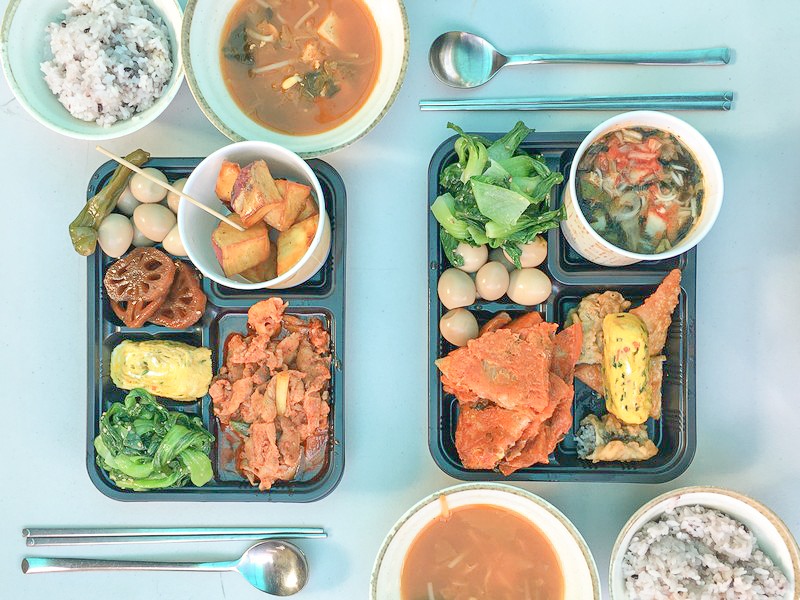
Tongin Market: This market which is just west of Gyeongbokgung Palace, a neighborhood not often visited by tourists but more well known by locals, does a cool thing with old traditional coins and food. This is a great option if you aren’t sure what you like yet and want to try a little of a lot of different things. Here is some information on how to use the coins at Tongin Market and what you can get.
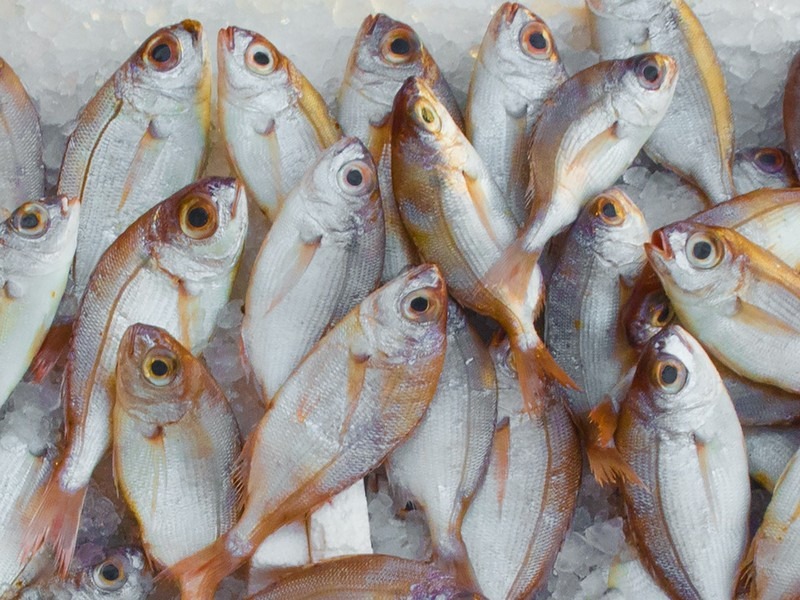
Noryangjin Fish Market: If you want to see the largest fish market in Seoul, then Noryangjin Fish Market is the one for you. While it is by no means the ONLY fish market in the city, it is the most popular for tourists to visit. If you want to see the real action, you’ll have to wake up before sunrise to see the sale, but if you want to some good eats, definitely go later so you can pick out your own fish and then eat it in the market.
3. Rent a Hanbok
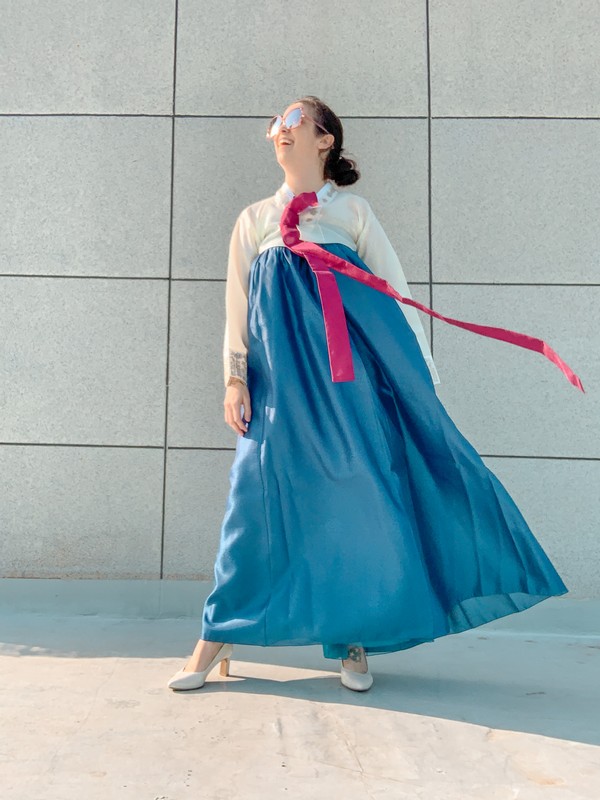
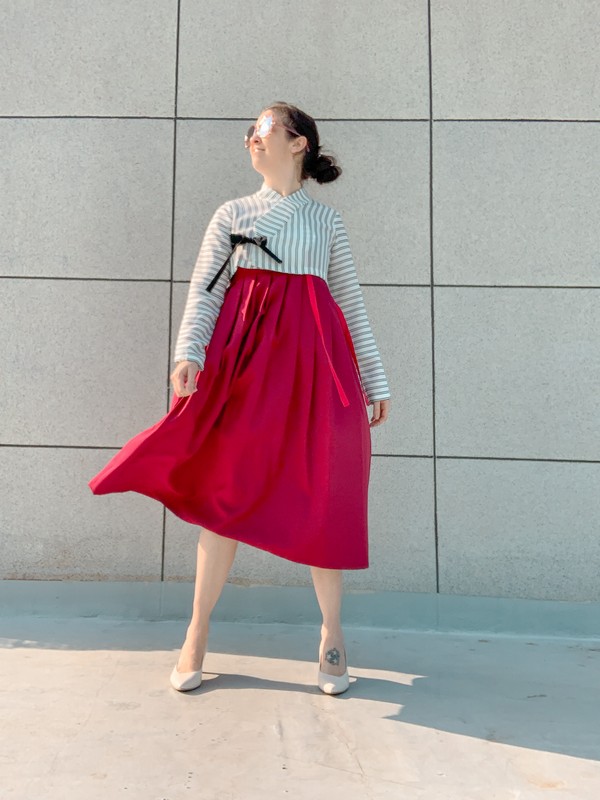
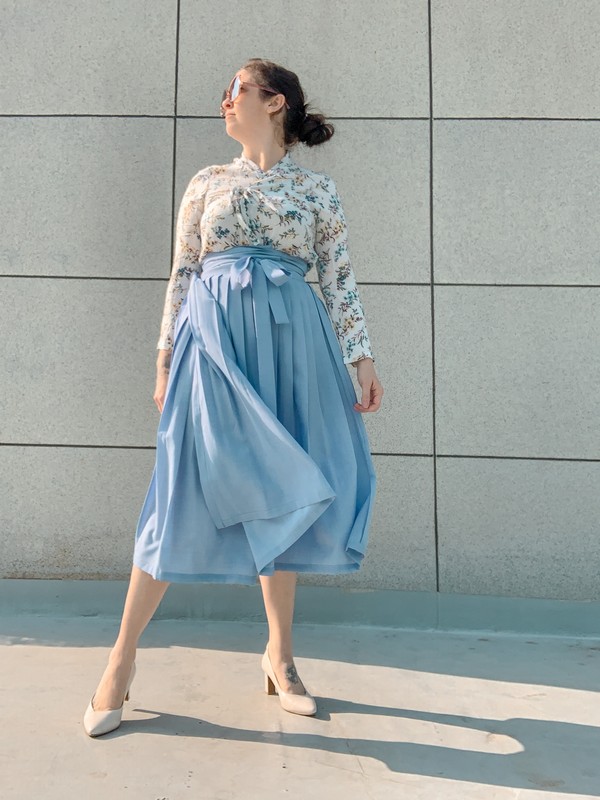
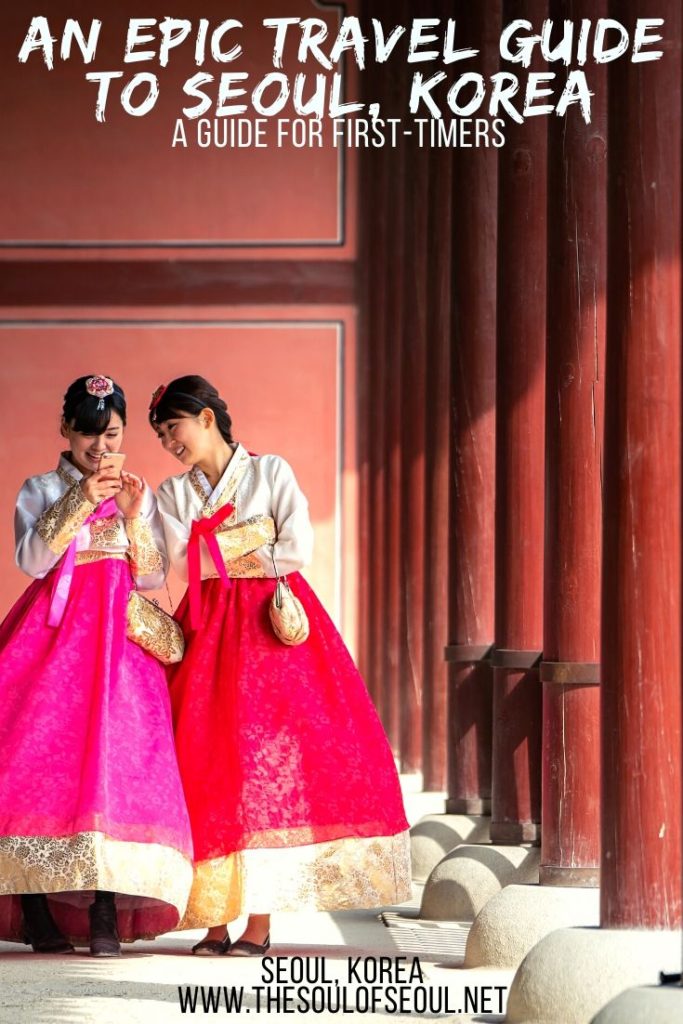
Renting a Hanbok is one of the most memorable and unique experiences you can have in Seoul. On top of it being a great way to learn more about the culture, it’s also a lot more budget friendly than you might realize and you can even get into traditional sites for FREE when you’re wearing a Hanbok. Read the complete guide to Hanbok rental in Seoul.
4. Find the Hotspots
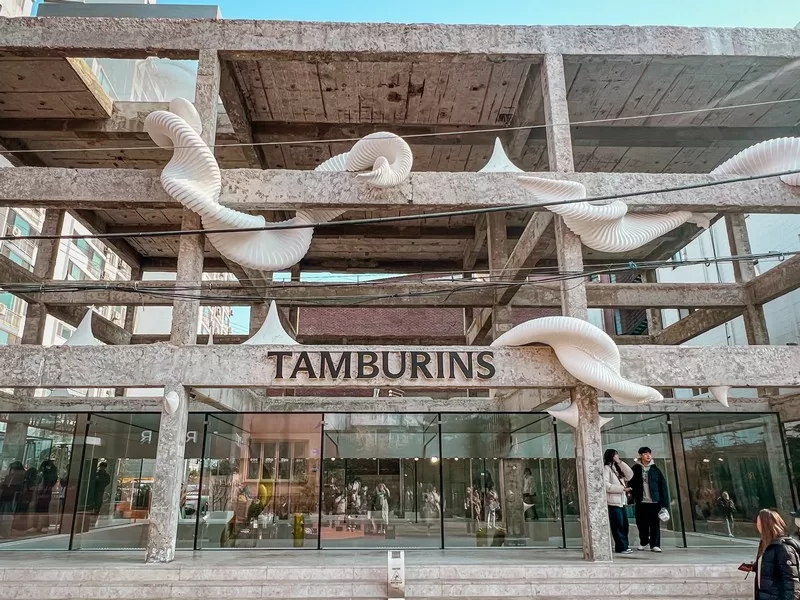
Seongsu-dong: The Brooklyn of Seoul. Former factories converted into galleries, cafes, and restaurants. Hip, creative, and less tourist-facing though more and more tourists are finding the area for pop-ups and beauty experiences, read the complete Seongsu-dong guide so you don’t miss the fun in the most popular local hotspot right now.
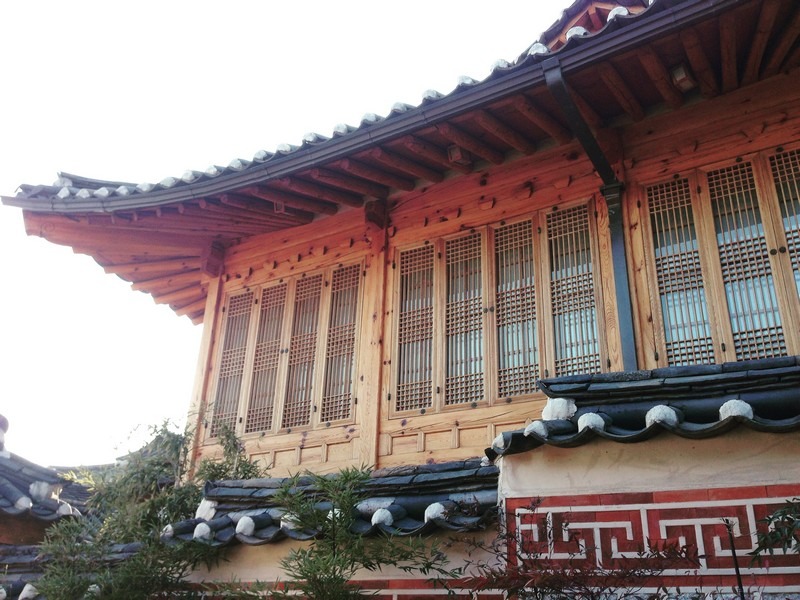
Bukchon Hanok Village: Nearly 900 preserved traditional Hanok houses between Gyeongbokgung and Changdeokgung palaces. Beautiful alleys, traditional cafes, craft workshops, and tea houses. Most visitors see only the famous photo street, there’s significantly more if you know where to look. Read the complete guide to what to do in Bukchon Hanok Village and the Bukchon walking route guide.
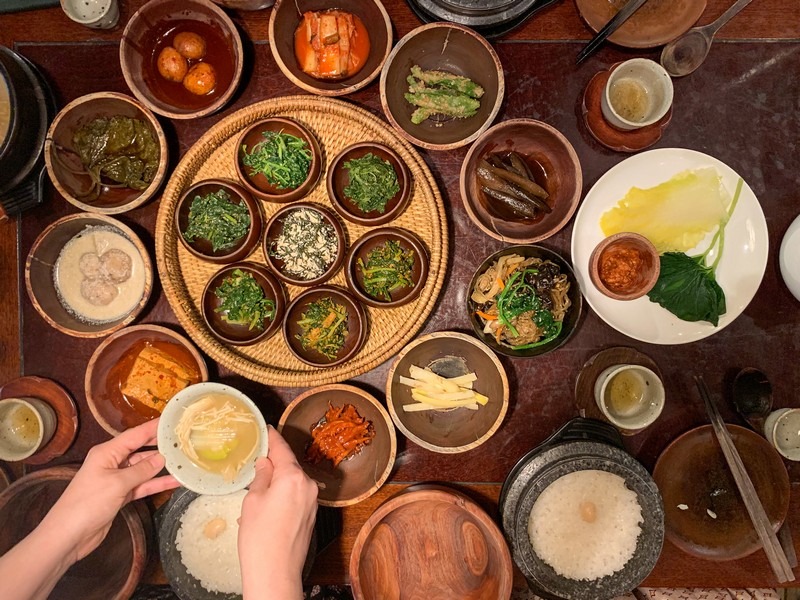
Insadong District: Traditional tea houses, Buddhist restaurants, and the best neighborhood in Seoul for purchasing Korean souvenirs. There are some great restaurants here and no matter how long you’re in Seoul, you will likely pass through this area at least once. Read the complete Insadong guide.
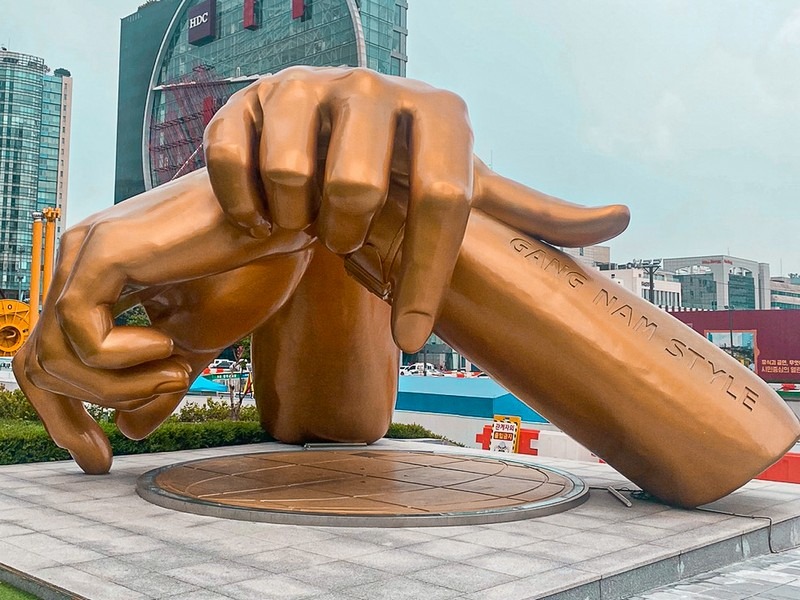
Gangnam: Seoul’s affluent southern district with high-end dining, K-beauty clinics, design museums, and the Banpo Bridge Moonlight Rainbow Show. Known globally thanks to the 2012 Psy song, but far more interesting than that reference suggests. Read the complete Gangnam guide.
Hongdae: Live music, street performers, K-pop dance groups, quirky cafes, and the best pub scene in the city. The neighborhood extends into Yeonnam-dong and Mangwon-dong, both worth exploring. Read the complete Hongdae guide.
Myeongdong Shopping District: The central shopping and street food district. Major Korean and international brands, K-beauty shops on every block like the SKIN1004 Flagship Store and MIXSOON Flagship Store, and some of the best street food in the city. Read the complete Myeongdong guide.
5. See a Show
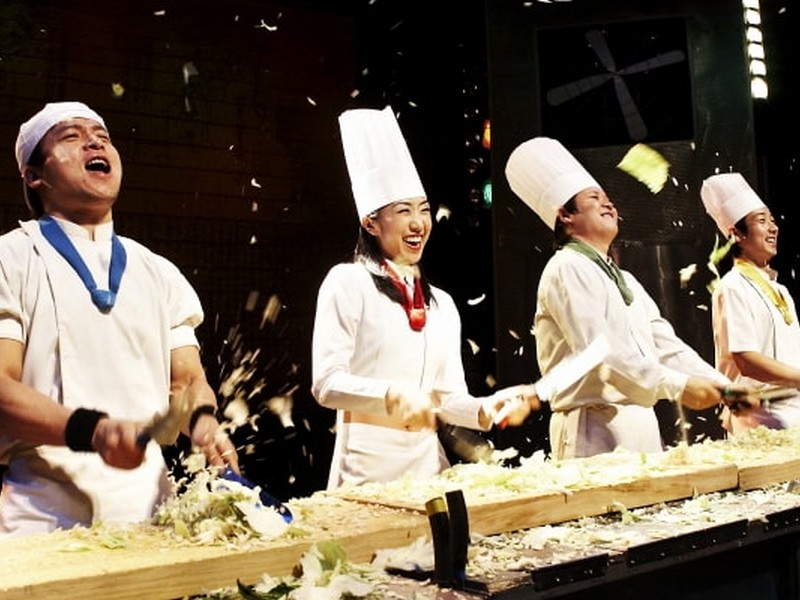
Nanta: This is the most popular and longest running theater show in Seoul. The show is a hilarious kitchen-based performance with a talented group of performers who have a mix of traditional folk pieces as well as modern skits. Don’t worry if you can’t understand Korean, this performance is non-verbal and fun fun fun.
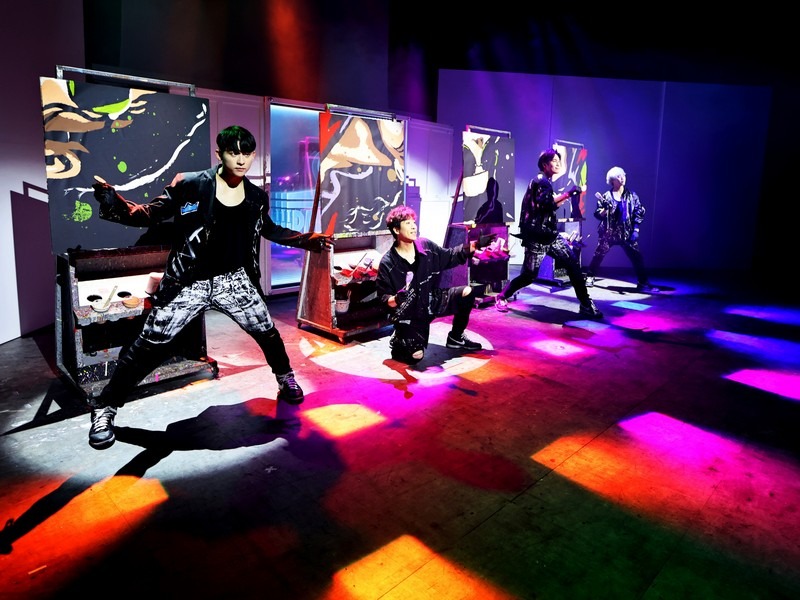
The Painters: A concept art performance that combines colorful live drawings with cutting-edge media art and actors resembling idols express world-famous paintings such as Michelangelo’s ‘Creation of Heaven,’ Vincent Van Gohee’s ‘Self-Portrait,’ and Gustav Klimt’s ‘Kiss’ with splendid choreography and live drawings. Their super luxurious stereoscopic images and live performances create a a new impression of painting.
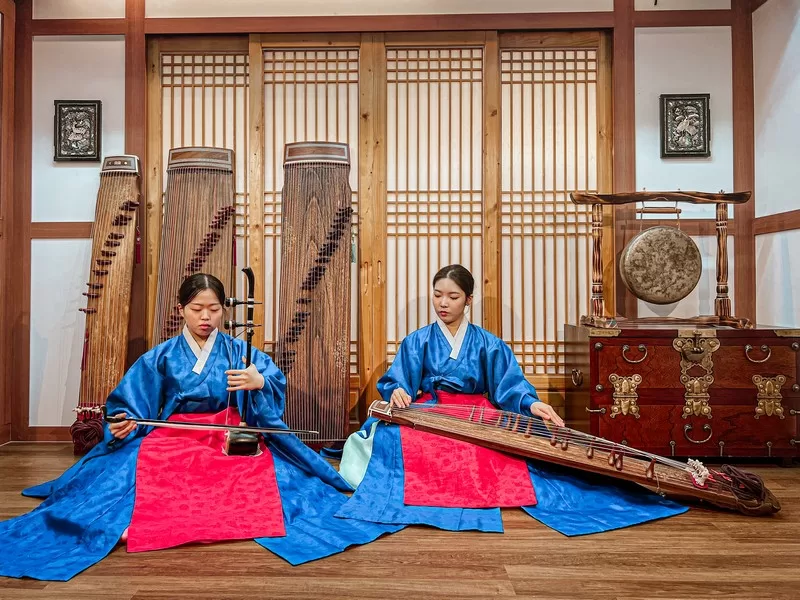
Gugak Performance: Traditional Korean music at the National Gugak Center is held every Saturday. It’s a distinctly different experience from the commercial shows above.
Jinyeon: See an intimate performance in Insadong that features traditional Korean instruments like the beautiful gayageum. The performance starts off with traditional Korean music and then the duo in beautiful Hanboks begins to play modern musical renditions that you are sure to recognize. It’s a great opportunity to be up close at a performance in Korea.
6. Visit the Han River
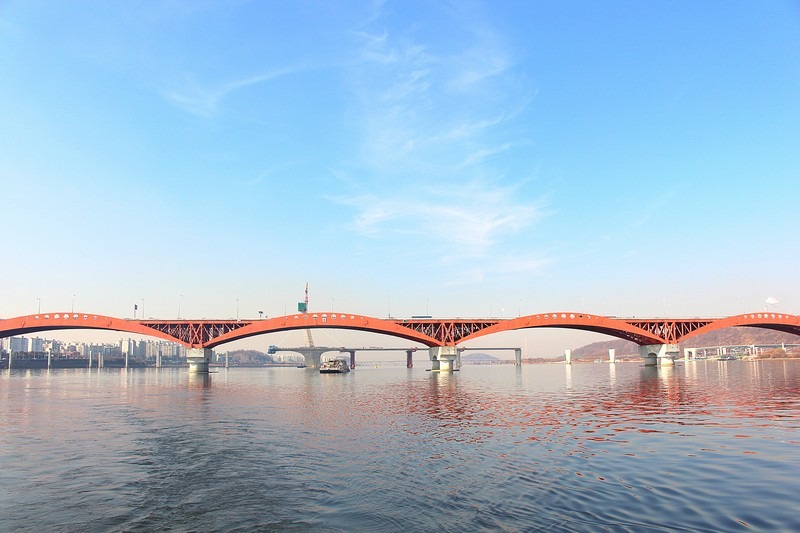
The Han River divides Seoul north-south and the riverside parks are some of the most pleasant spaces in the city. There are 11 parks along the river, each with a different character, some with outdoor swimming pools, kayak rentals, bike hire, and more. Read the complete guide to all 11 Han River parks.
7. Get a Good View
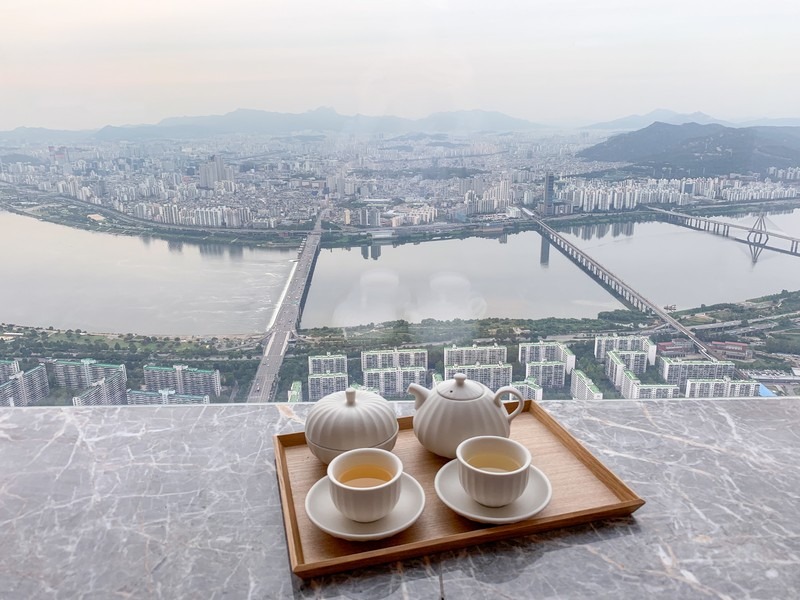
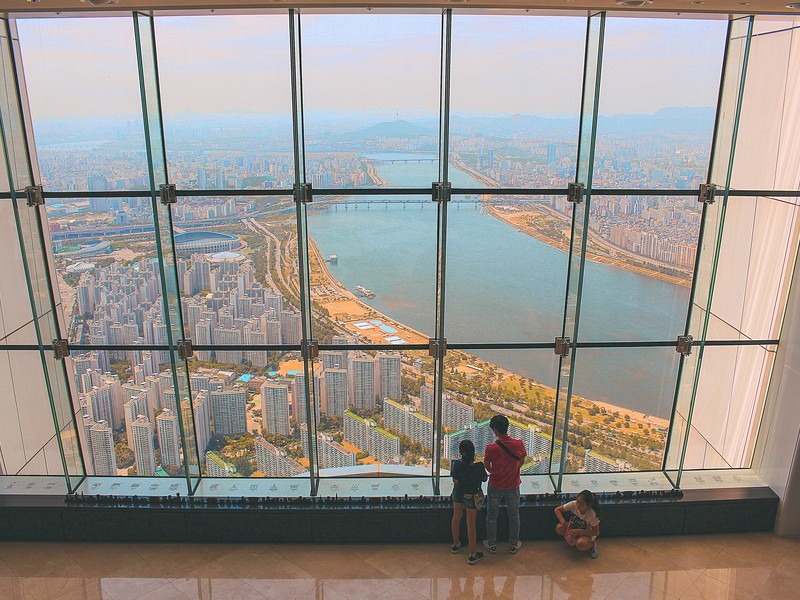
Seoul Sky Tower: Seoul Sky Observatory is the third highest observatory in the world and features the highest glass deck in the world. The views are absolutely stunning and there are multiple floors for viewing from the 117th to the 120th floor. To top it off, if you want to stay in the tallest hotel in Seoul and get the most beautiful views right when you wake up in the morning, then look no further than Signiel Hotel which is right in this tower too!
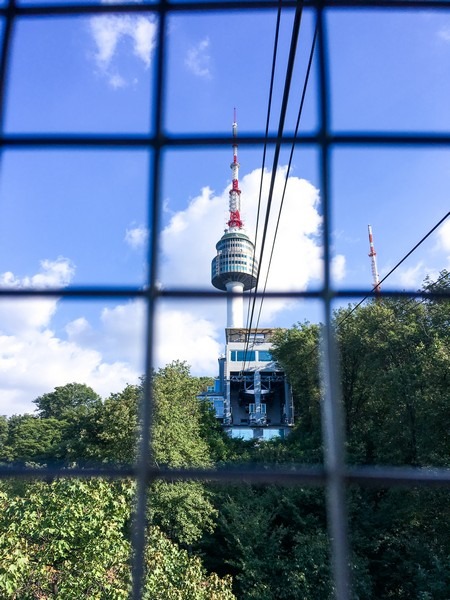
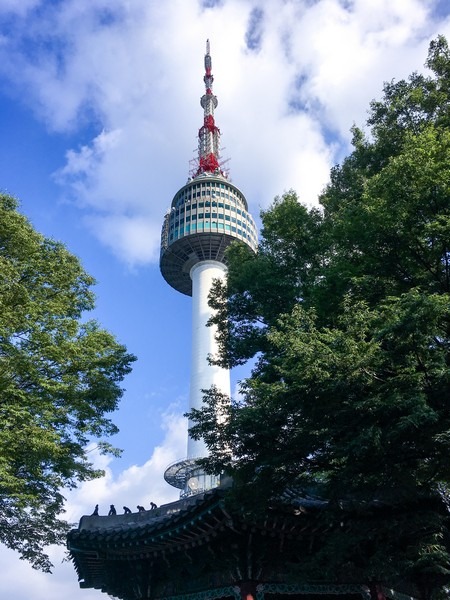
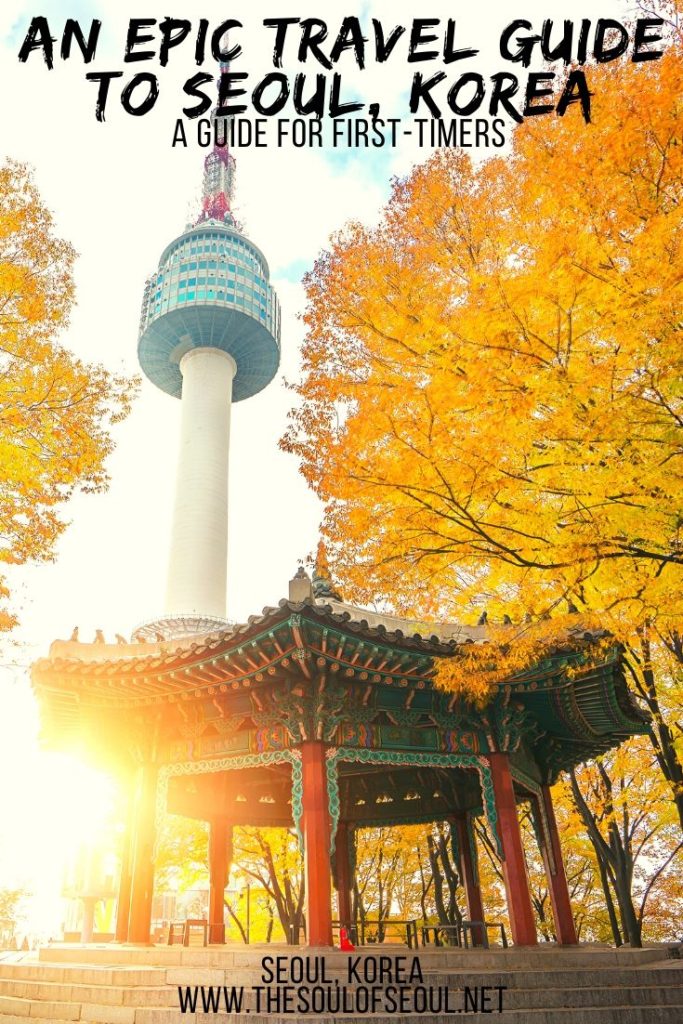
N Seoul Tower: While Seoul Sky is the newest dazzling spot in the city to get views from, Namsan Tower, also called N Seoul Tower, is older, more central, and a bit more romantic. Take a cable car up to the tower and then sit beneath a beautiful pagoda until your time to head up to the top. It’s an iconic spot that is definitely one of the top three must visit locations in the city.
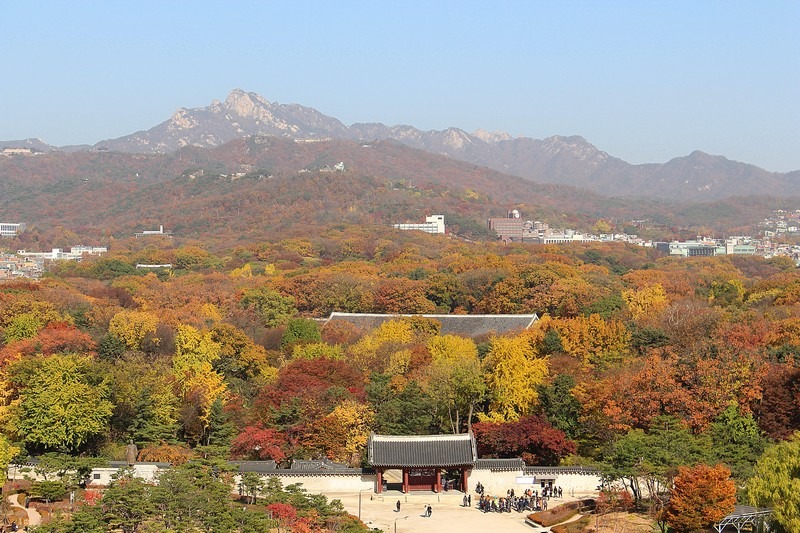
For more budget-friendly view options that most tourists never find, read this guide to great views in Seoul.
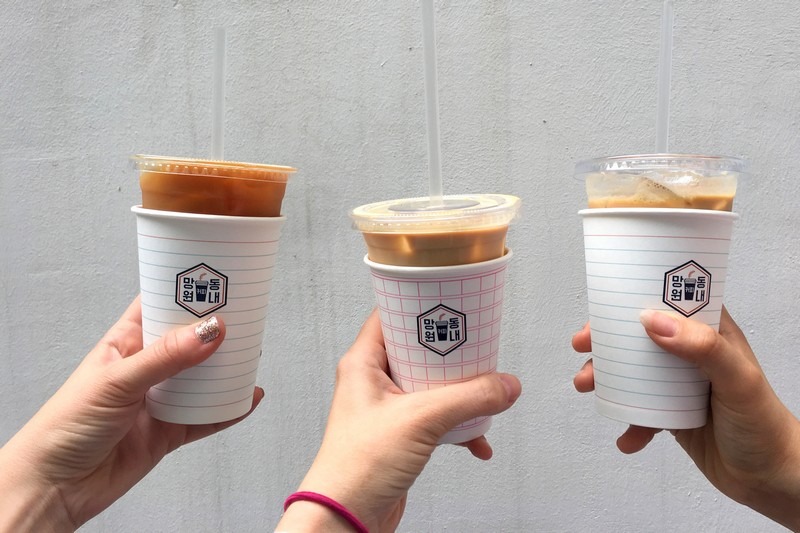
8. Visit Lots of Cafes
Korea’s cafe culture is extraordinary. The density, the aesthetics, the variety. Seoul has more interesting cafes per square kilometer than almost anywhere. Don’t miss the cafes in Mangwon-dong and the complete Hongdae cafe guide. For something immersive, check out the greenhouse cafes around the city.
9. Visit a museum
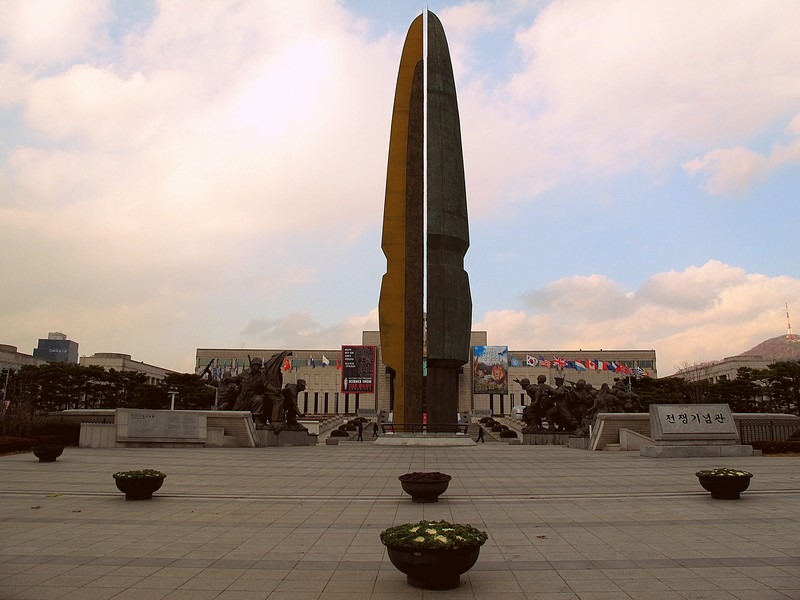
The Korean War Memorial: One of the best free museums in Seoul. 13,000 artifacts, extensive coverage of Korean War history, and often has veteran docents available to speak with visitors. Aircraft and military vehicles outside that children can explore add a fun adventure for families. Learn more about the War Memorial of Korea.
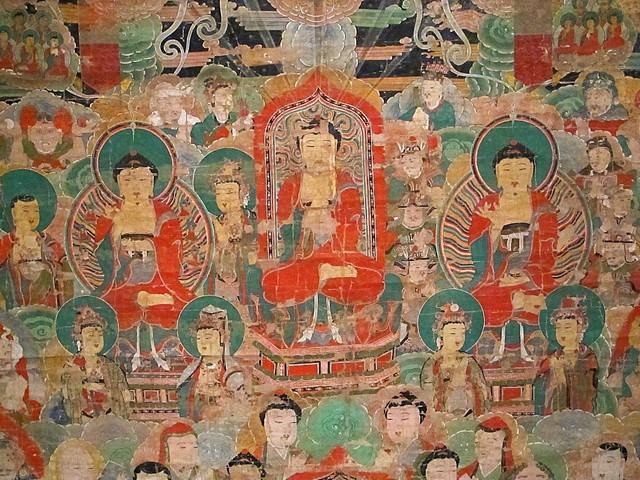
The National Museum Of Korea: Over 420,000 artifacts. Free to enter. One of the largest museums in Asia and one of the most visited museums in the world. Learn more about the National Museum of Korea here.
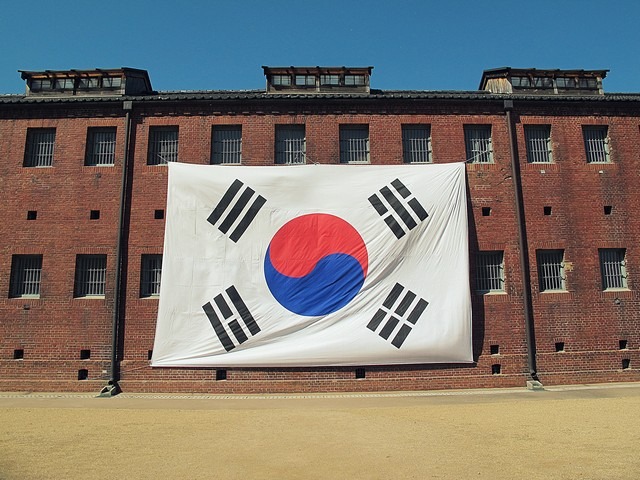
Seodaemun Prison History Museum: The Seodaemun Prison History Museum is a former prison that housed martyrs during the Japanese colonization of Korea and is now a museum dedicated to tell the stories about the people that were once housed there. Here is more information about the Seodaemun Prison History Museum.
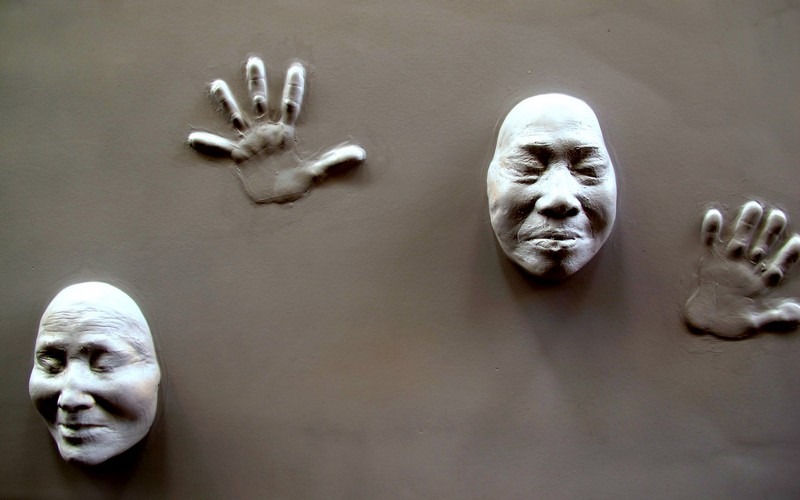
The War & Women’s Human Rights Museum: A much smaller but no less impactful museum in Seoul is the War and Women’s Human Rights Museum which is dedicated to tell the story about the comfort women. The Korean comfort women are still fighting to be heard. Go visit this museum to learn more about what they went through and the fight they continue to have today.

The Museum of Modern & Contemporary Art (MMCA): If you’re more interested in the arts, then don’t miss this museum just east of Gyeongbokgung Palace so it’s easy to add to any itinerary in downtown Seoul. This museum uses varying architectural styles and hosts some gorgeous exhibitions. To check out the hours and learn more about the Museum of Modern & Contemporary Art, check out this guide.
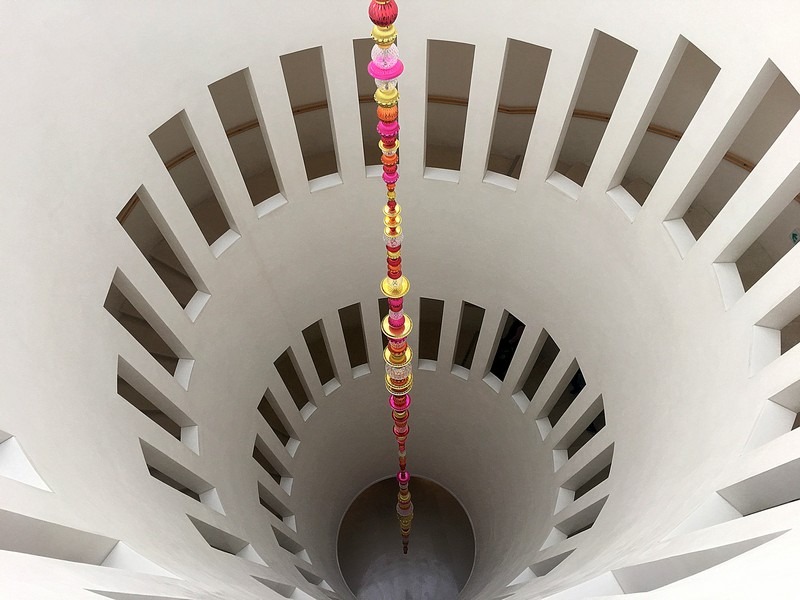
Leeum Samsung Museum: Both architecturally stunning and always has some amazing exhibitions to check out. It’s in the easy to visit area of Hannam-dong and is one of my favorite art museums in the city. Leeum Museum of Art is off the beaten path for most first-travelers but might just be up your alley if you like art and architecture.
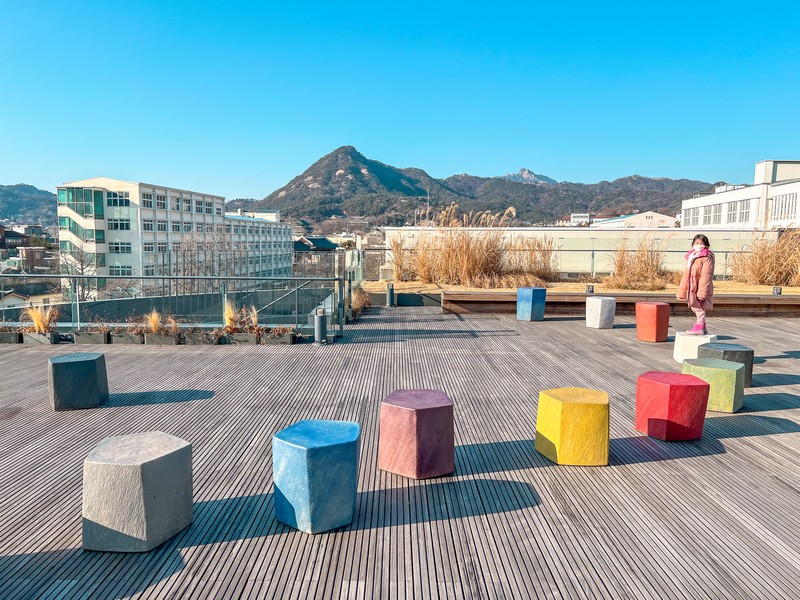
Seoul Museum of Craft Art: SeMoCA is the first national museum in Seoul created to showcase Korean crafts. The museum is made up of seven buildings so you need to weave in and out and around much like some of the embroidery products you’ll see inside. Not only is the museum amazing, the children’s museum offers so many free experiences for kids. Learn more in this guide to the Seoul Museum of Craft Art.
10. Visit a Spa
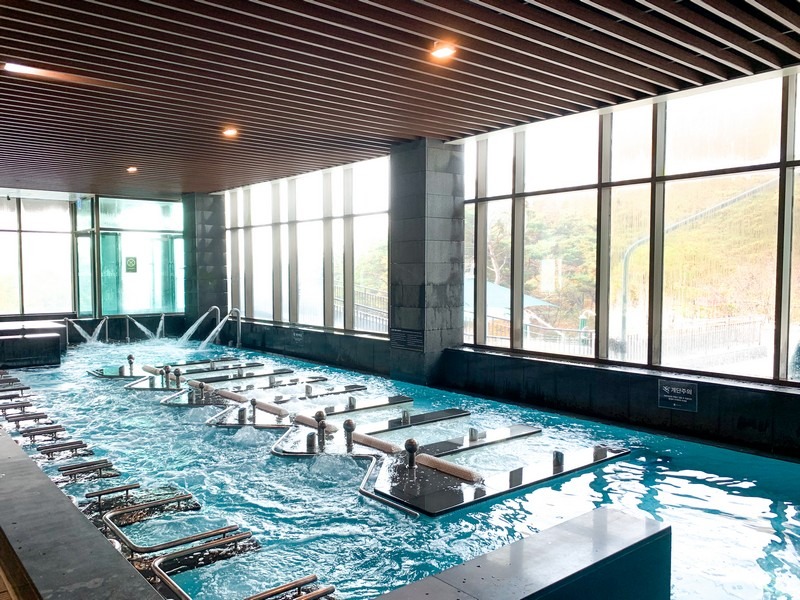
Seoul is one of the best cities in the world for beauty treatments. From full-day jjimjilbang (Korean bathhouse) experiences to premium facials, the infrastructure here is built for it in a way most cities aren’t. For the Korean bathhouse experience with hot pools, saunas of varying types, full-body scrub, read the complete Korean bath house guide with step-by-step advice and the best spots in Seoul.
For Korean facials and skin treatments, from affordable neighborhood clinics to celebrity-level luxury spas in Gangnam, read the complete guide to where to get a facial in Seoul.
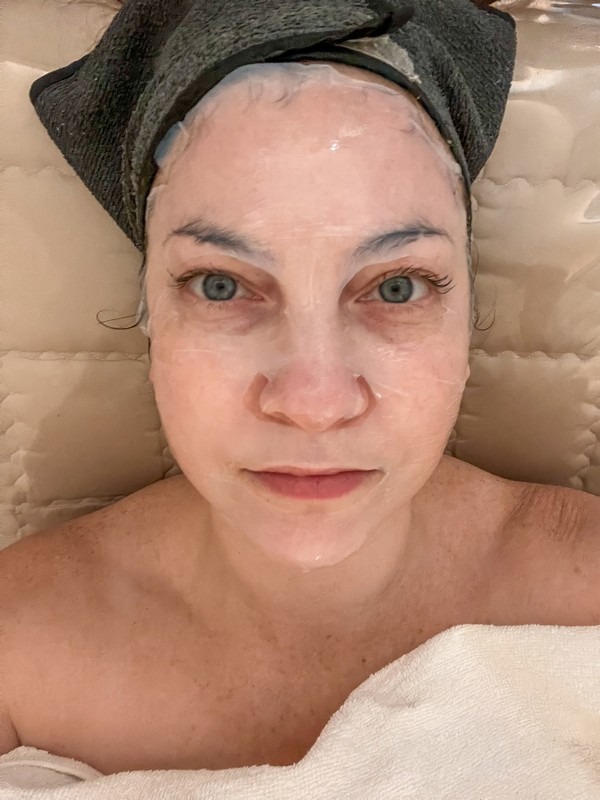
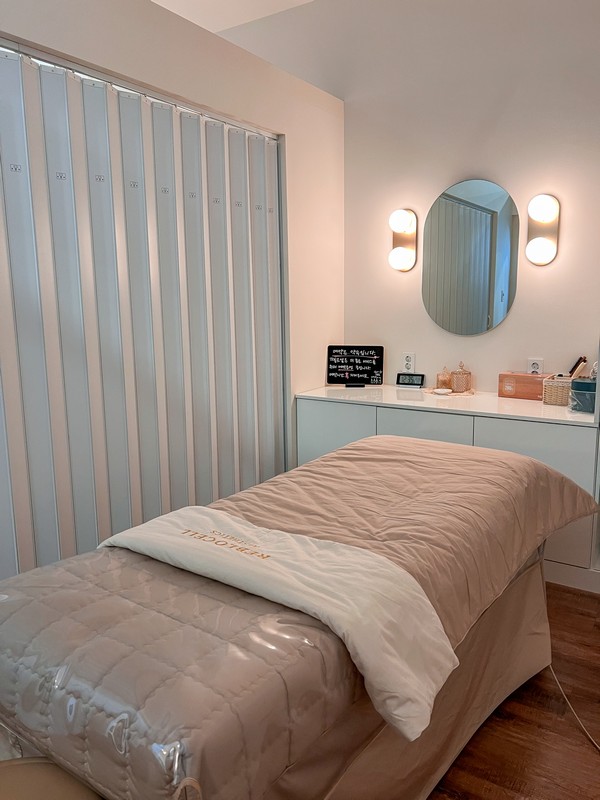
Yeo Yong Guk Korean Traditional Medicine Spa: Want something more traditional? Visit this spa which is one of the 25 must visit wellness attractions in Korea as designated by the Korea Tourism Organization. After a quick physical analysis, the staff will provide a customized spa package using natural medicinal plants, pressure point, and massage. It’s a truly unique spa experience here in Seoul.
Hana Mud Spa: If you want a more local experience, check out this Korean bath house. The spa is a bit extra with their mud masks straight from the Boryeong mud that’s rich in minerals, but other than that, it’s a pretty standard spa for women only. Prepare to bare and enjoy the experience.
11. Visit an Amusement Park
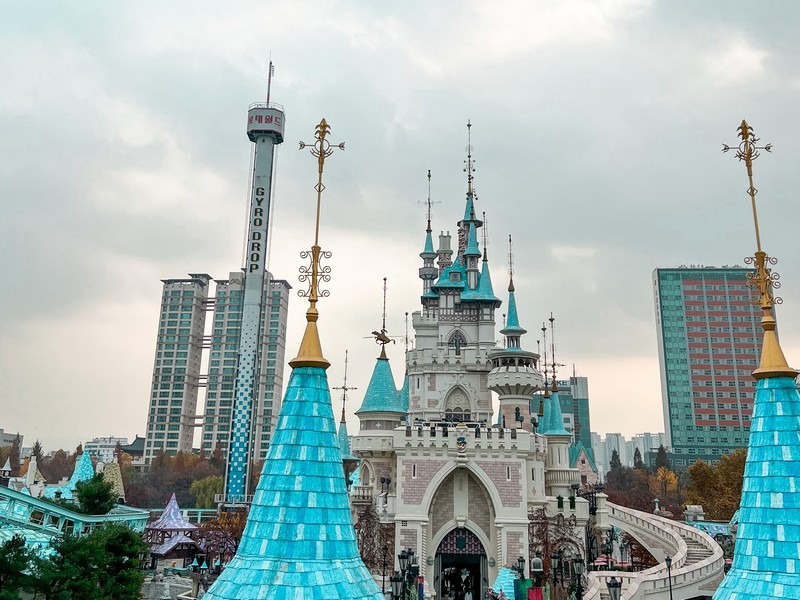
Lotte World: The most popular theme park in Seoul, partly indoors, partly outdoors, open 365 days a year. Read the complete Lotte World guide with ticket discounts, Magic Pass strategy, and crowd timing tips.
Everland: If you’ve got a bit more time, visit Everland, outside of the city of Seoul, but hop on the shuttle bus and you can get there. It is one of the world’s largest theme parks and features a ton of rides and experiences to be had.
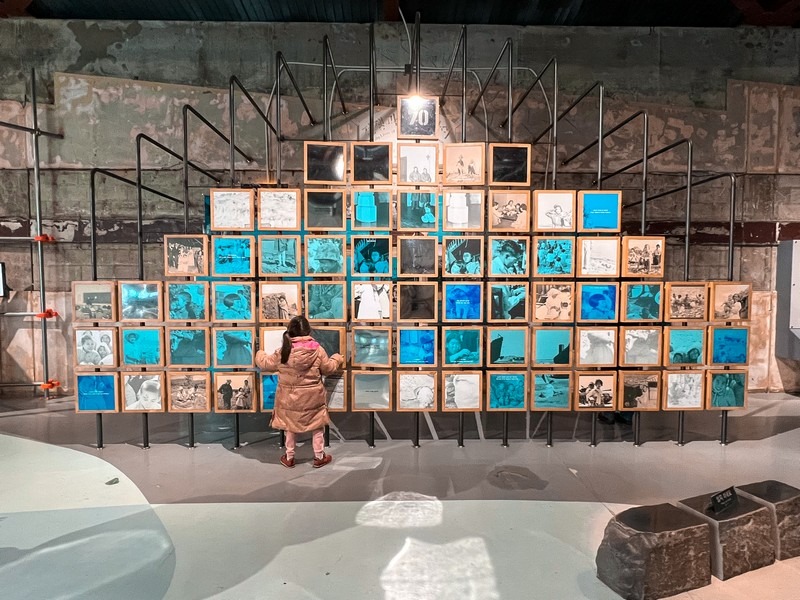
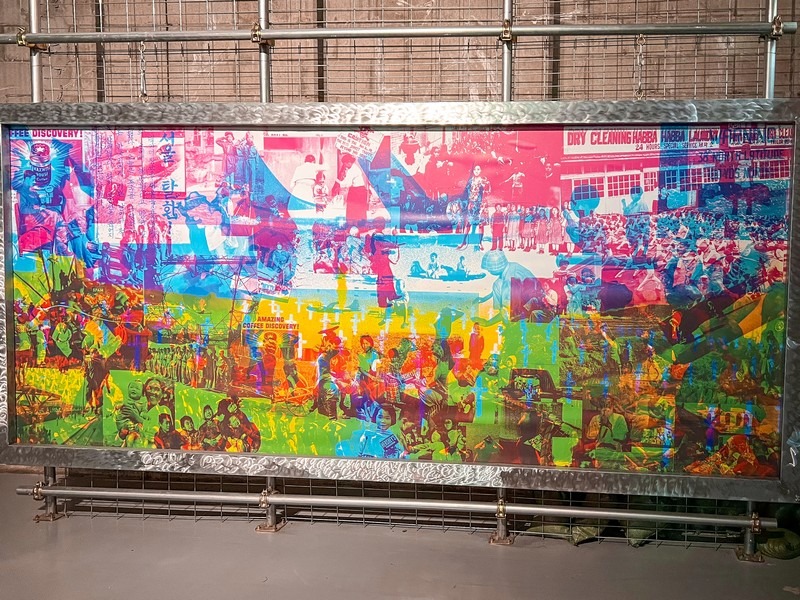
12. See the DMZ
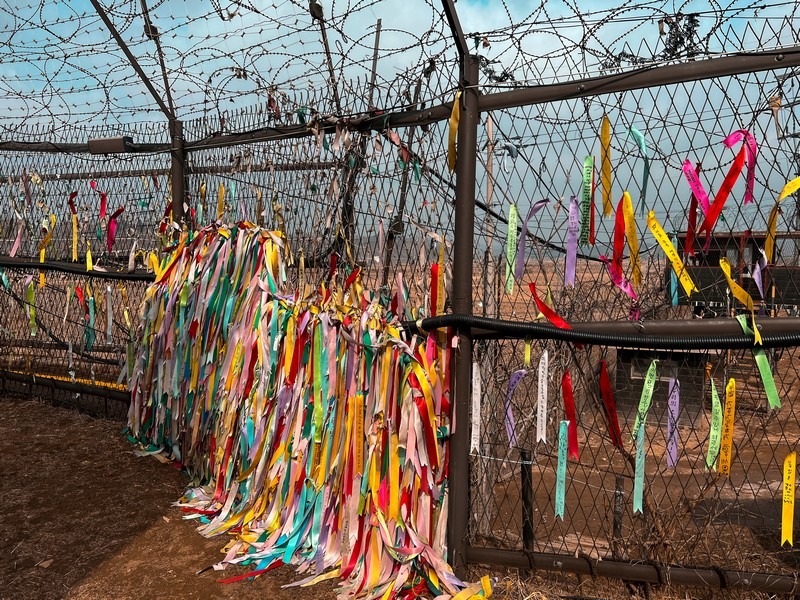
At just 60 kilometers from Seoul, the Demilitarized Zone between North and South Korea is one of the most extraordinary places in the world to visit, a 4km buffer zone at the most heavily armed border on earth.
You can only enter the DMZ proper with a government-approved tour. Tours frequently sell out, so book in advance if this is a priority. Find out the various tour options in this guide to visiting the DMZ.
You can go in to see Camp Greaves which was formerly an American base which was given back to the Korean people and is now a museum featuring art and history information. Another option if you want to go it on your own a bit, head up to the Cheorwon DMZ area where you can enter with an approved taxi.
13. Check Out Some Notable Spots
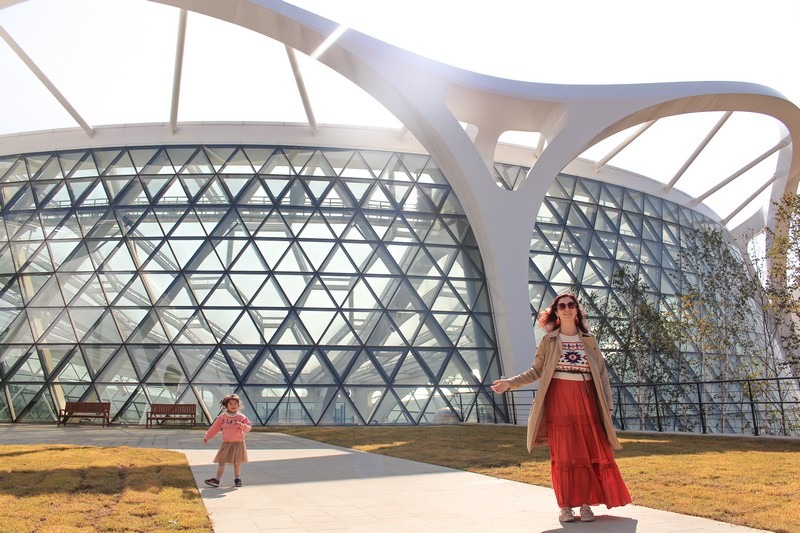
Seoul Botanic Park: A gorgeously huge greenhouse and surrounding park in the up-and-coming Magok district of Seoul. It’s warm and lush in the winter and features beautiful gardens in the summer. To learn more about this greenhouse and park, check out this complete article on the Seoul Botanic Park.
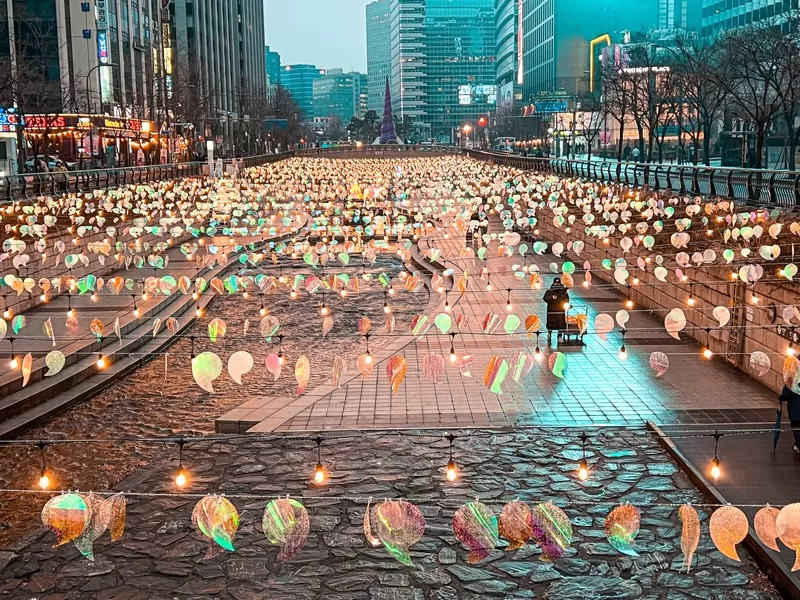
Cheonggyecheon Stream: An urban stream running through central Seoul, restored from beneath a highway. Not only did it make for a beautiful green space in central Seoul, but it helped in lowering the temperature downtown and birds and fish returned. Walk from Gwanghwamun Square past Gwangjang Market all the way to Dongdaemun Design Plaza. Read the complete Cheonggyecheon guide.
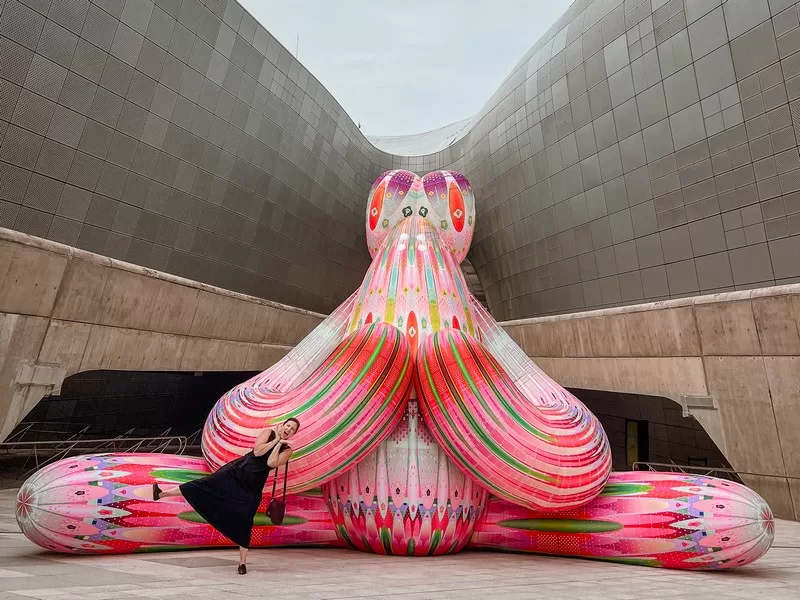
Dongdaemun Design Plaza (DDP): Zaha Hadid’s iconic building, host to Seoul Fashion Week and rotating exhibitions. Walk around, through, and across it. It’s iconic and a must visit even if you’re just walking through. Read the complete DDP guide.
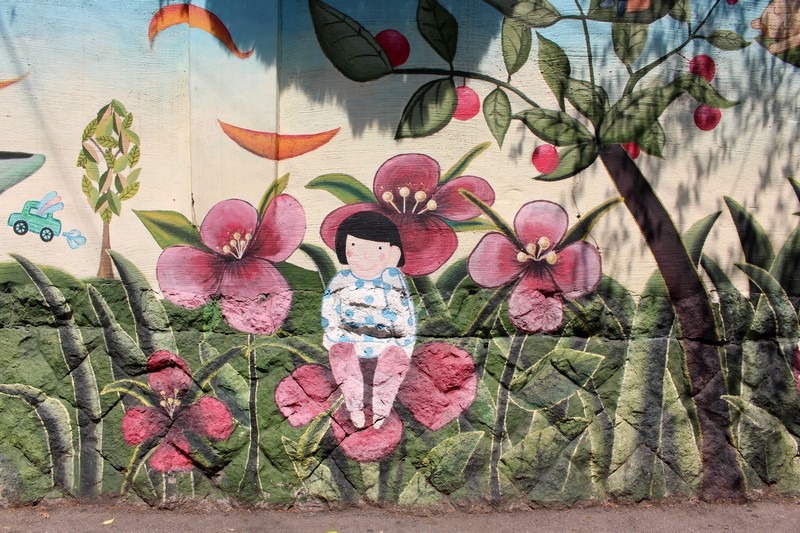
Ihwa Mural Village: A fun neighborhood in central Seoul near the palaces that provides a great spot to take a walk. See the murals as you walk up and then connect naturally to the Seoul Fortress Wall for great views out over the city. Read this guide to the Ihwa Mural Village to know how to find it.
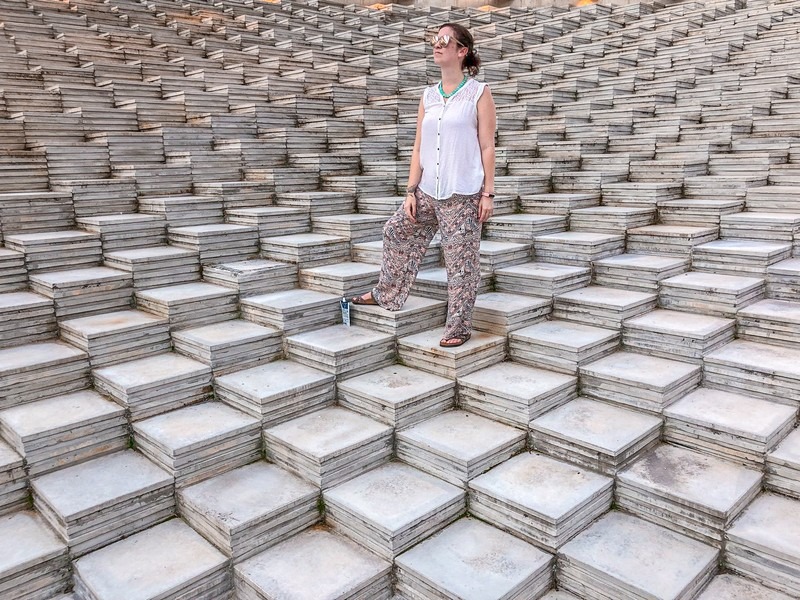
Seoullo 7017 Walkway: An elevated pedestrian walkway built on a former highway overpass outside Seoul Station. It’s a fun spot to take a walk with outdoor installations, trampolines for kids, tons of plants and greenery and often events. Take some time to walk along Seoullo 7017 and check out how they converted the original train station into Culture Station Seoul 284.
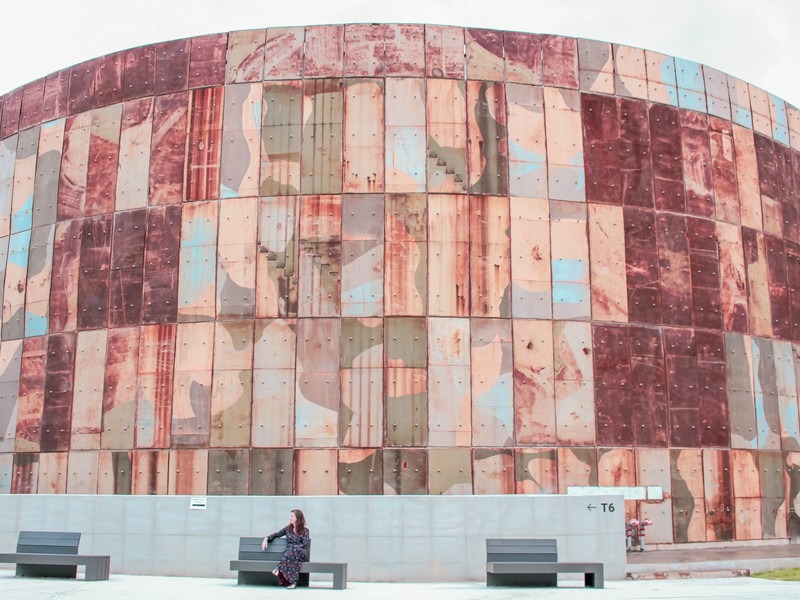
Oil Tank Culture Park: Six former oil tanks converted into a public cultural space with galleries, a performance venue, and a cafe. It’s an interesting example of Seoul’s urban reinvention.
If you want to see some awesome eco-friendly innovation, this is a must visit. Learn more about the Oil Tank Culture Park here.
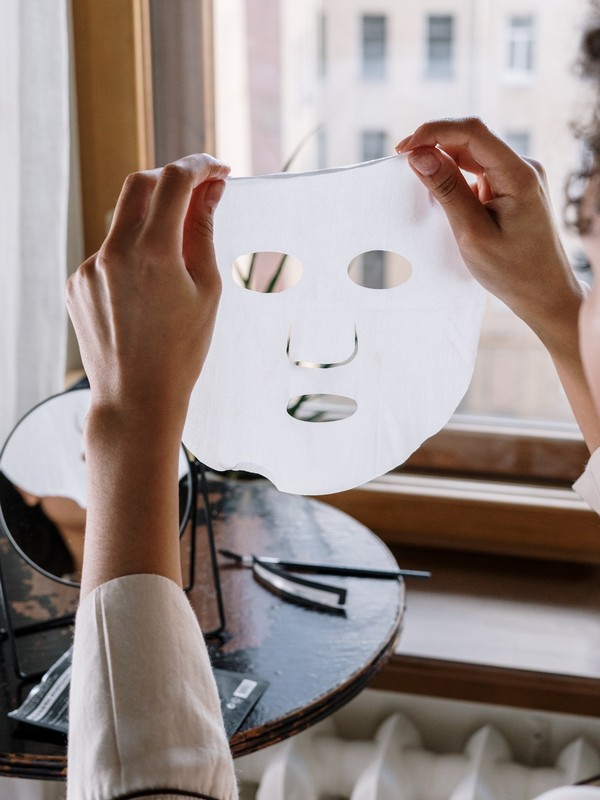
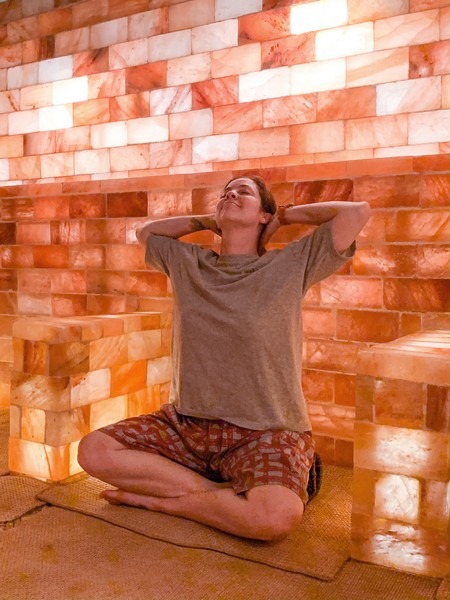
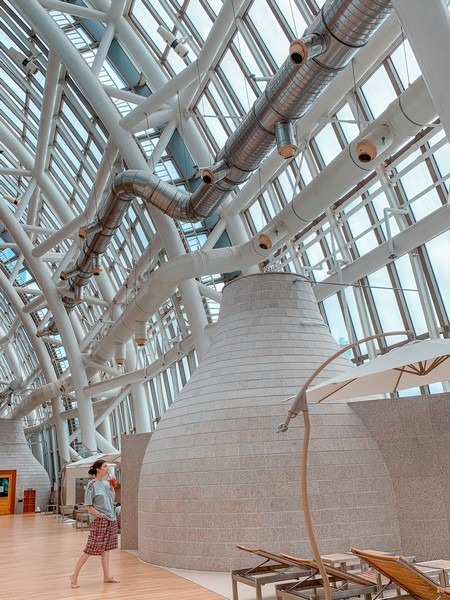
Korean Beauty, Spas and Self-Care
Taking care of one’s appearance is a part of daily life in Korea, not a luxury, but a regular practice. The infrastructure for it is everywhere.
For the full jjimjilbang experience (Korean bathhouse): hot pools, cold pools, various saunas, full-body scrub by a professional, read the complete Korean bath house guide.
For facials and skin treatments from Myeongdong to Gangnam: read the complete guide to where to get a facial in Seoul.
Some fun K-beauty stops along the way include:
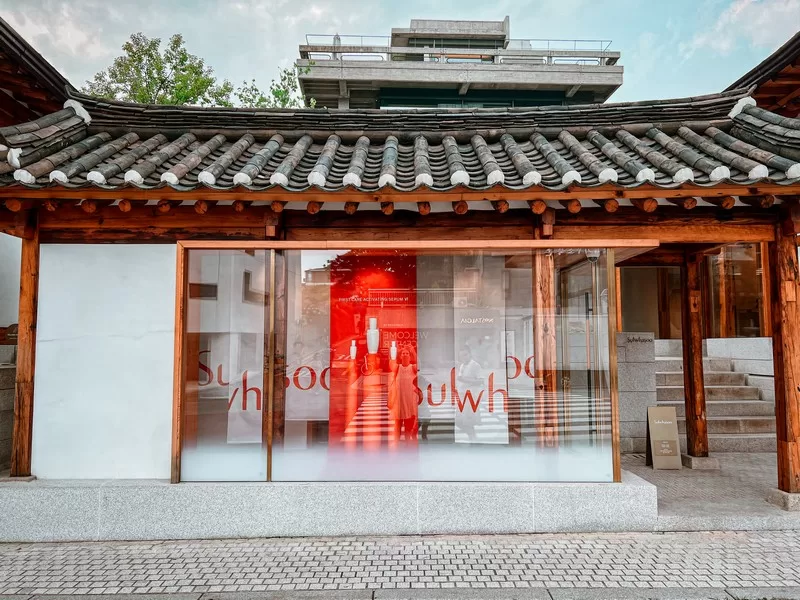
The House of Sulwhasoo Bukchon: One of the premier Korean beauty brands, Sulwhasoo has a gorgeous flagship in a Bukchon Hanok from the 1930s. Don’t just walk by, enter to learn about the brand’s heritage and test their line of products based on ginseng. Find out more about The House of Sulwhasoo Bukchon.
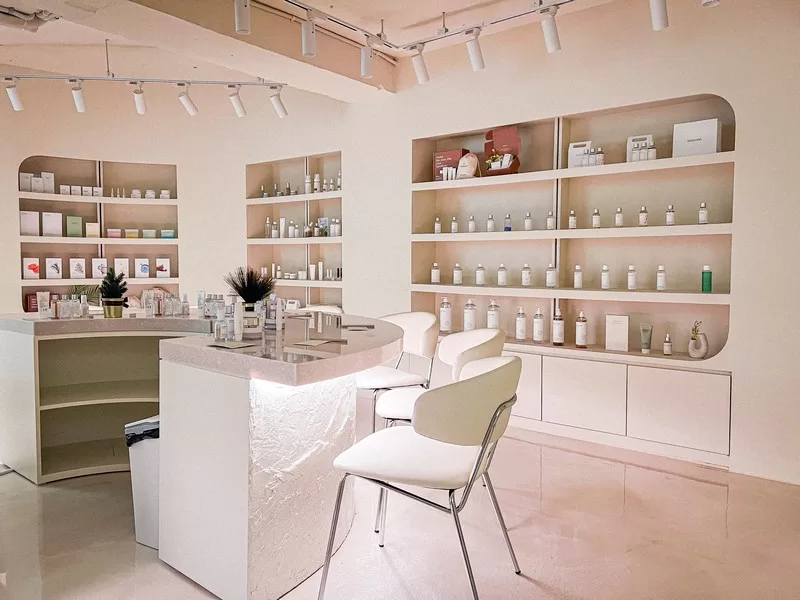
MIXSOON Flagship Store: A minimalist Korean beauty brand that extracts high quality ingredients through a low temperature and a high-frequency method so that the useful ingredients in plants are not harmed and remain as effective. Unique in the industry, learn about the MIXSOON flagship store in Myeongdong.
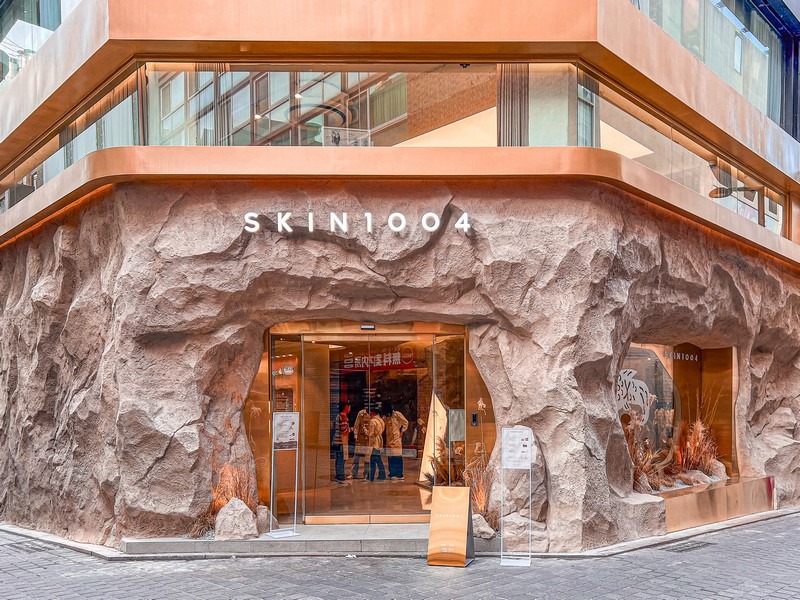
SKIN1004 Flagship Store: This Korean brand focuses on Centella Asiatica from Madagascar and has created a beautiful flagship store that pays homage to the concept through their intense rock-textured facade and natural focused interior. Find the SKIN1004 Flagship Store in Myeongdong and don’t miss their photobooth upstairs.
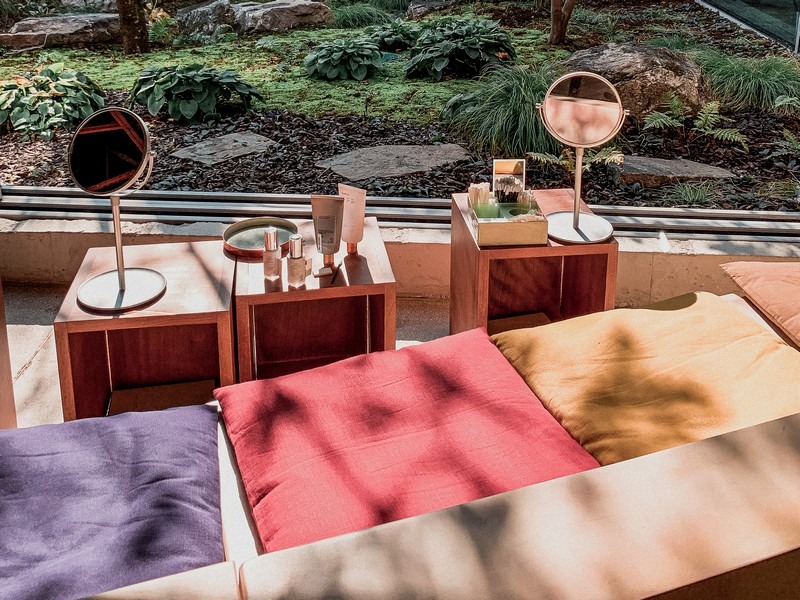
Amore Seongsu: A multi-space beauty lounge of sorts spanning three floors, a creation of Amore Pacific, the 12th largest cosmetics company globally. It’s not just a store; it’s a celebration of beauty, inviting you to explore over 30 of their brands, including Sulwhasoo, Laneige, Mamonde, Ryeo, mise en scène, IOPE, ETUDE, Innisfree, and HERA. Find out how to maximize your time at Amore Seongsu.
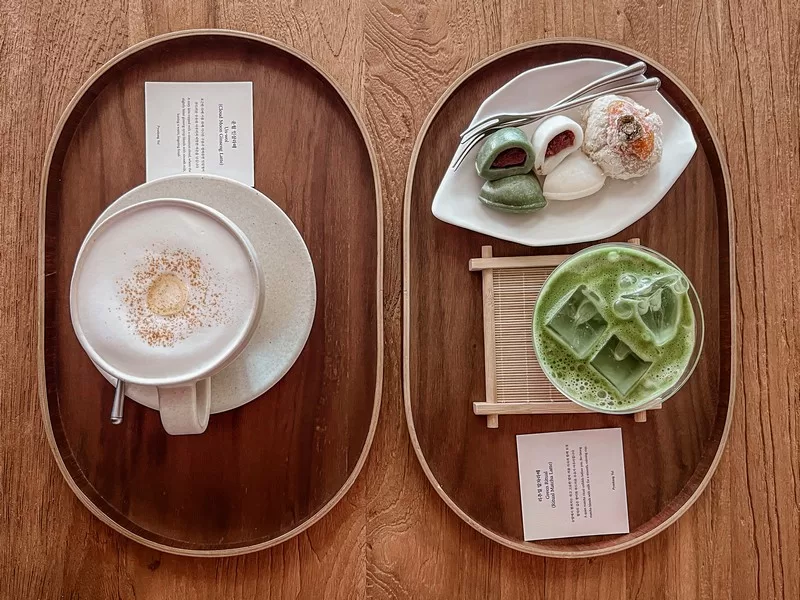
Pyunkang Yul Flagship Store and Tea House: A brand known for their calm, minimalist skincare for sensitive skin has a beautiful flagship store that is also an ideal Korean traditional tea experience. Find out how they blend skincare, traditional aesthetics, and quiet moments in this article about the Pyunkang Yul Flagship Store and Tea House.
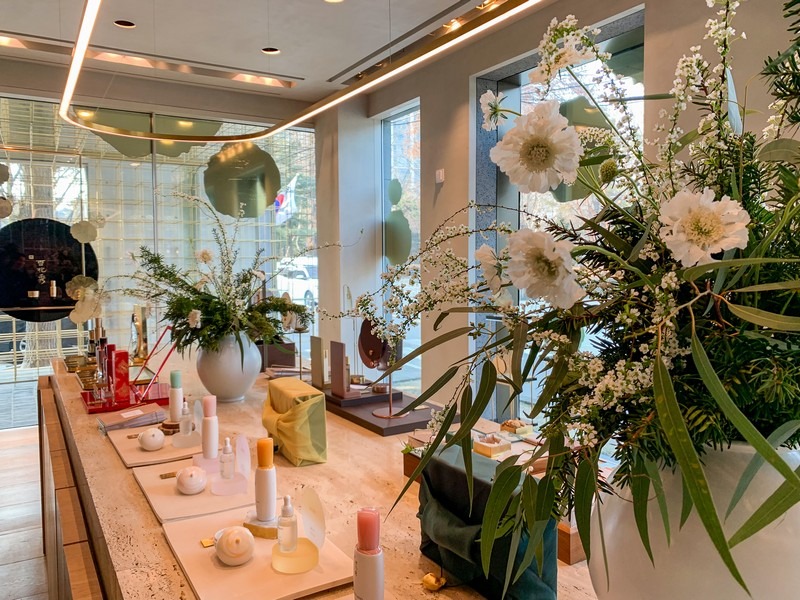
For more K-beauty flagship stores where the experience is what you’ll remember, read the article to Seoul’s best K-beauty Flagship Stores.
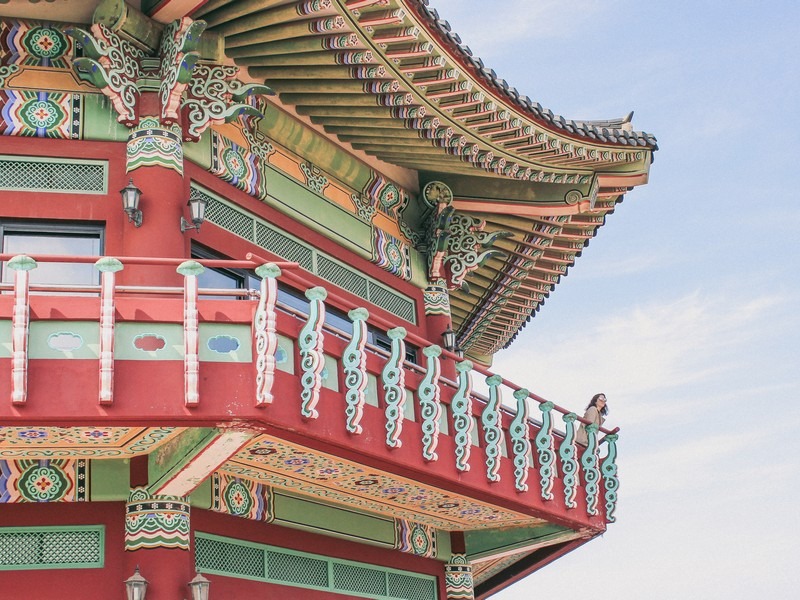
Free Things To Do In Seoul
Seoul is far more generous with free admission than most major cities. I’ve already highlighted some of the fantastic museums like the National Museum of Korea, the War Memorial, the National Folk Museum, and the Seoul Museum of Craft Art, but there are great culture spaces and and hidden gems worth mentioning.
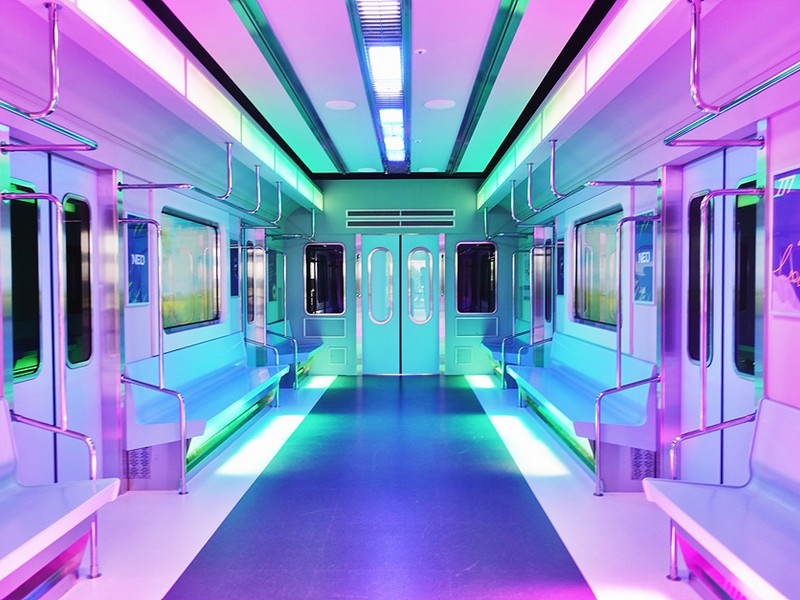
HiKR Ground: A Hallyu playground, if you like immersive tourism, stop into this multifloor culture space next to the Cheonggyecheon Stream to dance to you favorite K-pop songs, learn about Korean wellness, and see the everchanging installations and pop-ups. Learn more about why you should visit HiKR Ground here.
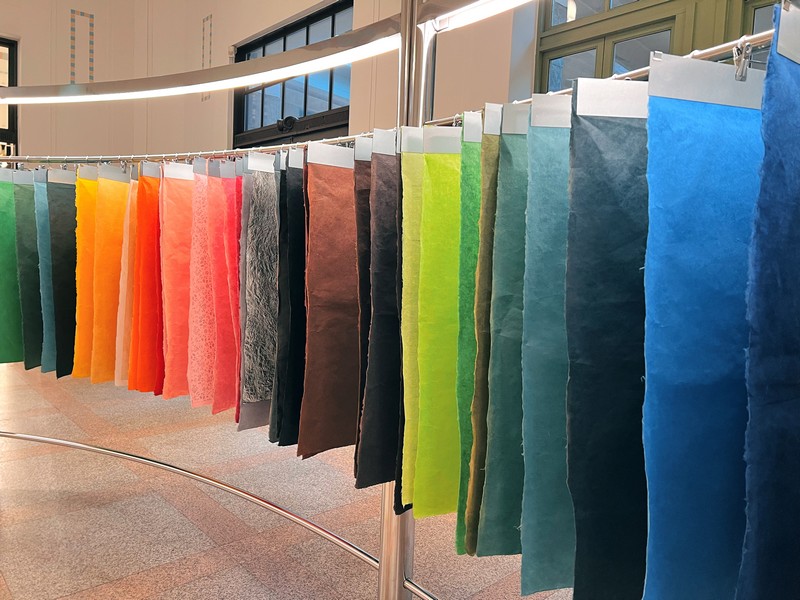
Culture Station Seoul 284: Old Seoul Station sits just next to the newer main transit station. It has been converted into an arts and culture space for the public and showcases fantastic free exhibitions throughout the year. Excellently curated, read this guide to Culture Station Seoul 284 to learn more.
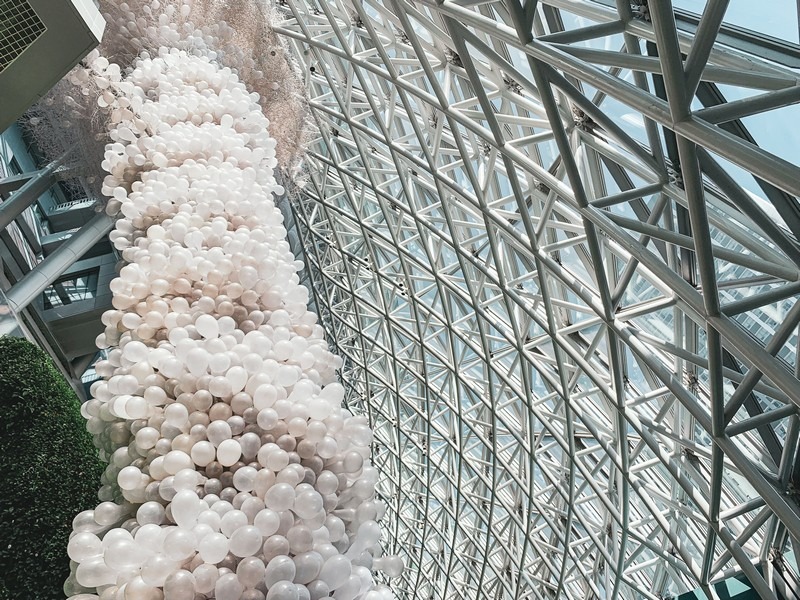
Seoul City Hall: A government building might be a surprise, but this one is special. Designed to look like a wave (the Hallyu wave?), the Seoul City Hall has some stunning installations inside and the basement floor is set up for tourists to visit. Read more about what to find and the secret cafe in the wave of Seoul City Hall.
For the full guide, read the guide to free things to do in Seoul and for more budget-friendly tips, like where you can get free hiking gear, check out this guide with ways to save money on travel in Korea.
Tour
Booking tours and tickets in advance in Korea typically saves 10-50% compared to door price. This is not a tourist markup, it’s simply how Koreans book things. Taking a tour is highly recommended, especially if it’s your first time. There are so many cultural nuances, traditions, and a vast history to learn about to help you understand Korea today.
Some recommendations:
Here are some ideas I’d recommend:
- History of Joseon Dynasty Tour: Palaces, Changing of the Guard, Jogyesa Buddhist Temple, ginseng center, folk village. A comprehensive introduction to traditional Seoul. Book on Klook.
- Cooking classes in Seoul: There are a number of cooking classes in Seoul that I think are great not only to try some great food, but to learn about Korea’s culinary history, tradition, and culture and you can ask questions about dining etiquette in Korea and more. Check this guide to cooking class in Seoul to find a yummy option.
- 40 Free Walking Tours: The Seoul City Government runs 40 free walking tours in different districts, led by volunteer guides. Quality varies but the best are excellent. Check the Seoul Walking Tour website for current options.
Where To Get Out Of Seoul For a Day Trip
Daytrips are awesome and there are so many places you can get to if you’ve got a free day on your itinerary. Here are a few ideas, but if you want more, check out my list of “Best Day trips to take from Seoul“.
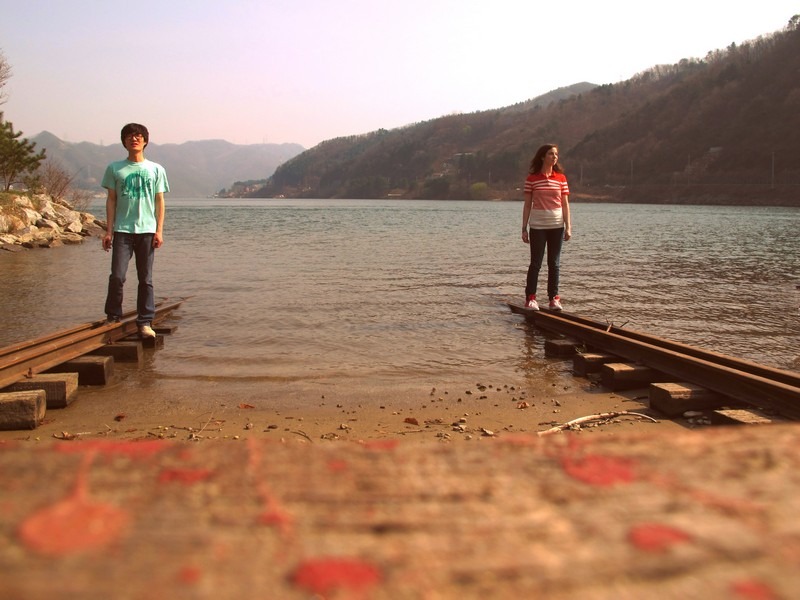
Nami Island: The most popular day trip, an island famous for tree-lined paths, art installations, and K-drama filming locations. It’s well known for beautiful year-round views.
It’s an easy option for a day trip and can be combined with some other great spots in the area. Read this guide to Nami Island if its on your list.
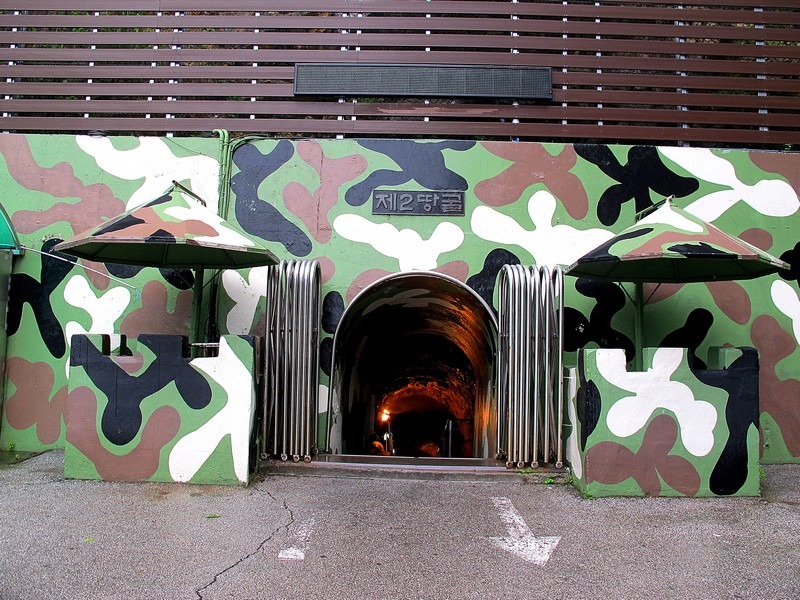
The DMZ: At just 60km from Seoul, it’s easy enough to visit the DMZ, but only if you book a tour in advance. Tours do sell out so if you’re at all interested in visiting the border between North and South Korea, you’ll want to plan this ahead of time.
Read this guide to the DMZ and how to see it to learn about the various places you could go, either on a tour or not.
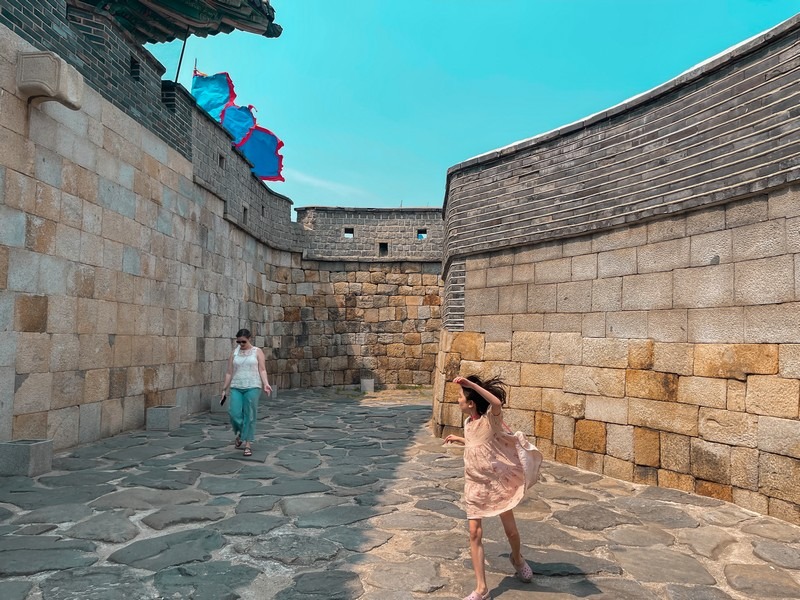
Suwon: With access to the subway line in Seoul and buses going back and forth quickly, Suwon is an easy day trip from Seoul with a fortress, palace, mural villages, and interesting art spots too. Check out this guide to Suwon to plan a day trip south.
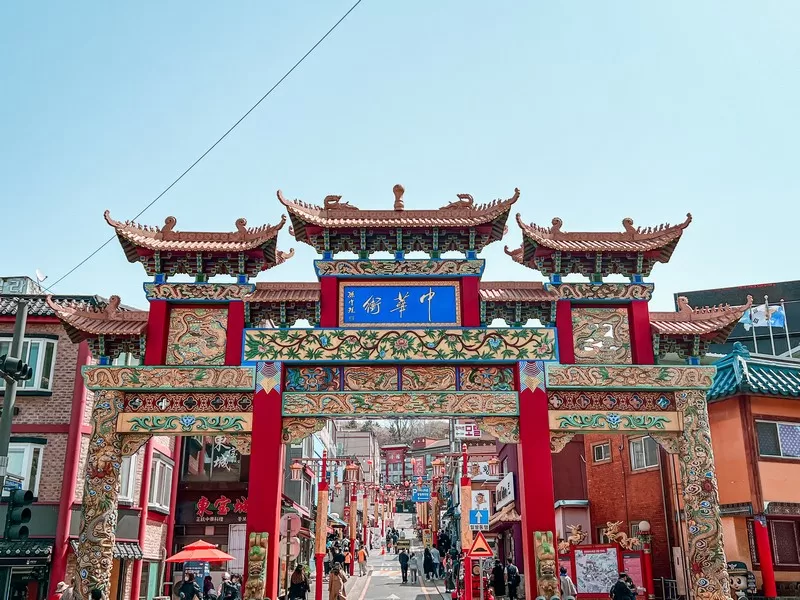
Chinatown: Incheon is home to the only official Chinatown in Korea and is known as the birthplace of Korean-Chinese delicacy ‘jjajangmyeon‘. A day trip here could also easily include a trip on the monorail to Wolmi Island for fun and mural views. Learn more in this guide to Korea’s Chinatown.
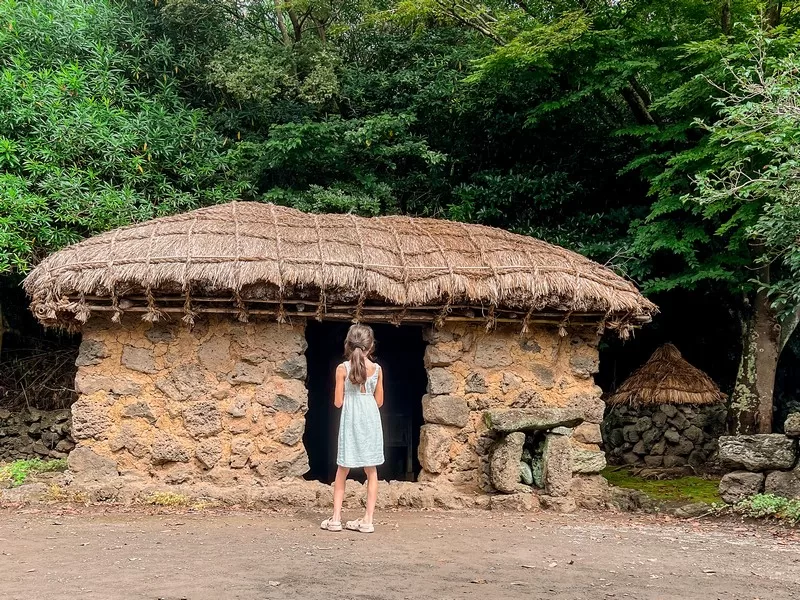
Korean Folk Village: There are folk villages all over the country and they are an interesting way to learn about and experience Korea’s history and culture. The Korean Folk Village in Yongin represents a village from the Joseon Dynasty and has a ton of experiences to try. Learn more in this guide to the folk villages you can find in Korea.
Off The Beaten Path In Seoul
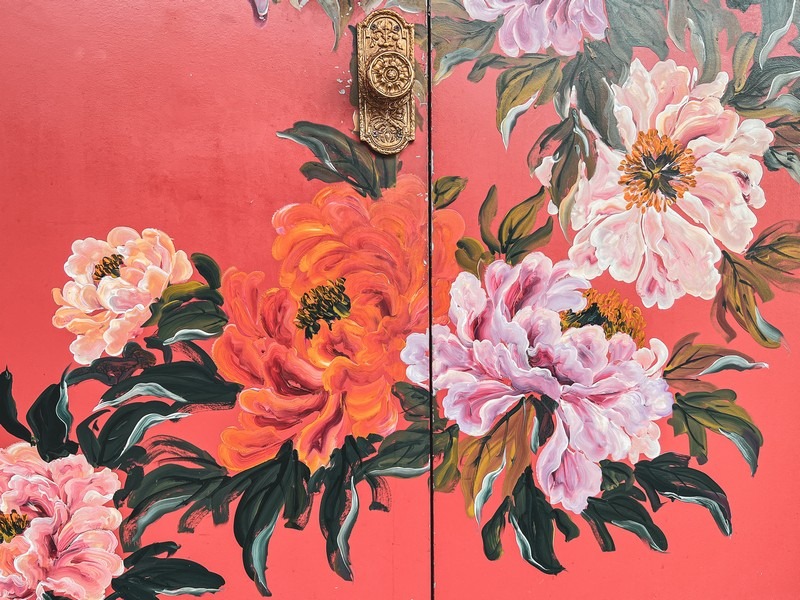
Mullae-dong
Industrial by day, artistic by night. Iron factories alongside artist-run galleries and restaurants. A real neighborhood rather than a tourist destination. Some years ago, artists from Hongdae that couldn’t afford the rent in the popular district moved south and found homes in Mullae-dong.
It’s off the beaten path to tourists for sure, but there are some cool things to be found if you like to have a good hunt. Here are my suggestions for what to see in Mullae-dong if you want to head there.
Sindang
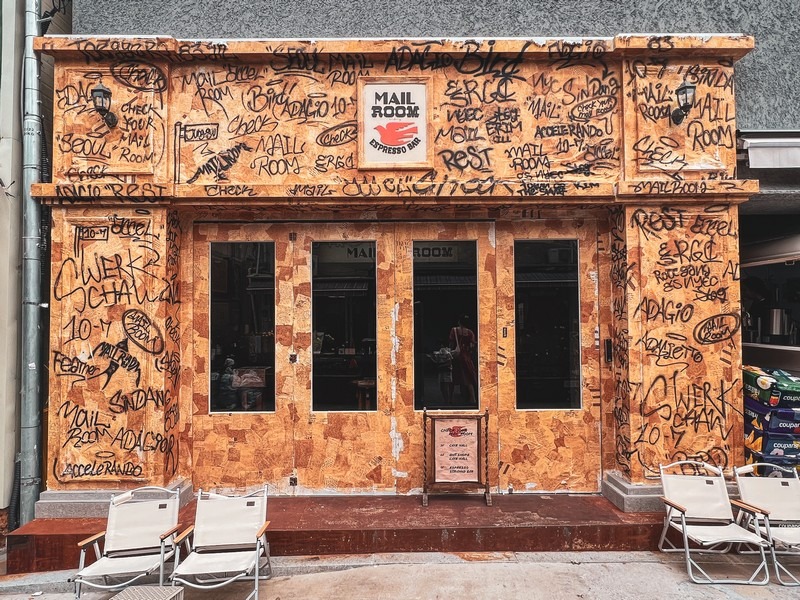
A mix of old-Seoul rice vendors and newtro bars and restaurants, Sindang, aka “Hipdang” has a unique mix of things to find. Centered around one of the three largest traditional markets in Seoul, Korea, young locals are flocking to the old alleys of this unassuming area where it’s not so neat and tidy but that’s what makes it fun. Read this guide to Sindang to find the hidden cafes and restaurants.
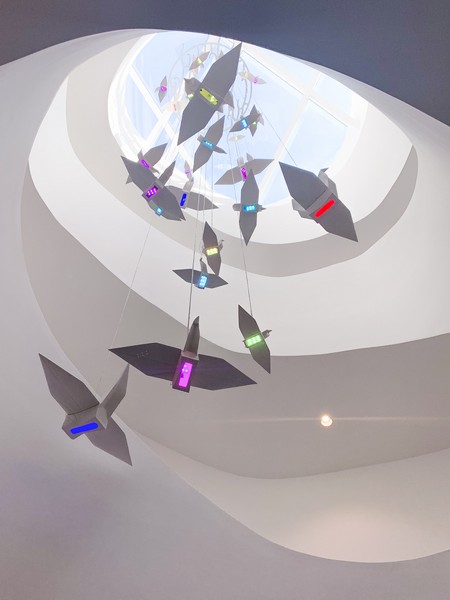
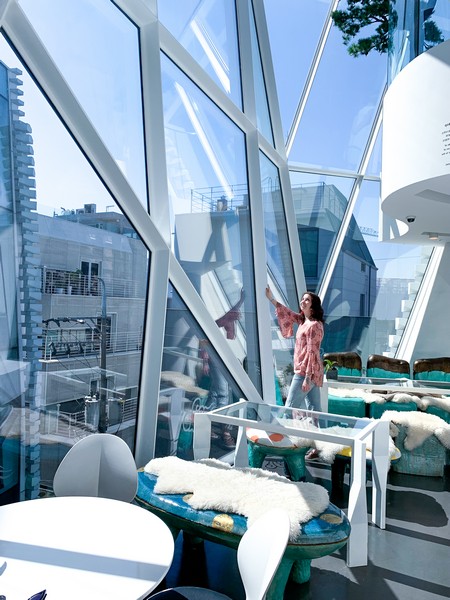
Hannam-dong
Art museums, excellent foreign restaurants, and some of Seoul’s most interesting bookstores and interiors. More popular with the locals than tourists, there are some fantastic museums and galleries here to visit. Here’s a guide to the Hannam-dong area.
Places To Take Trips From Seoul
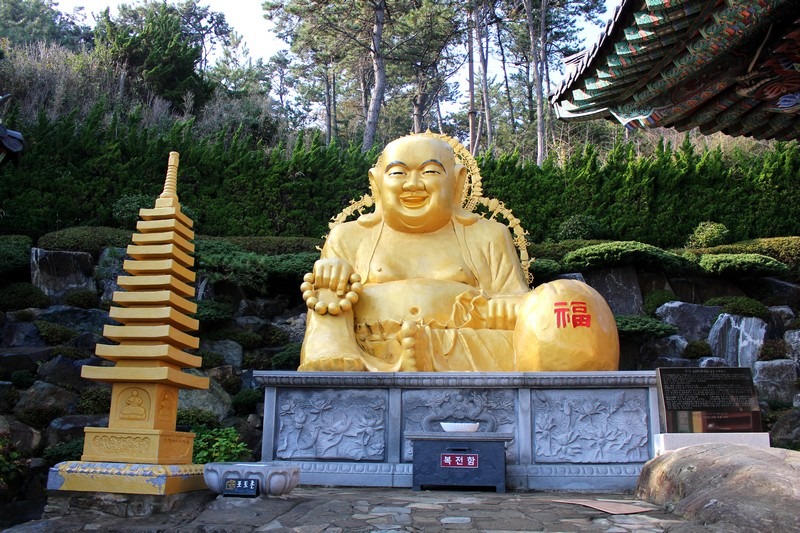
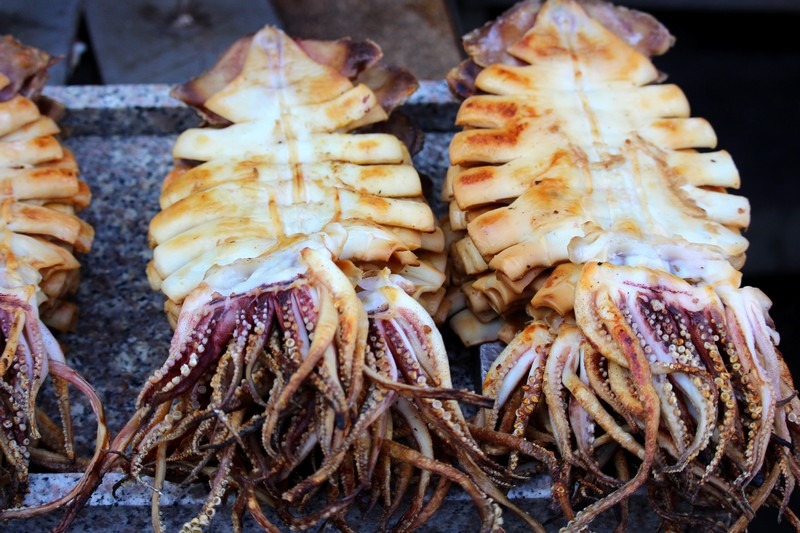
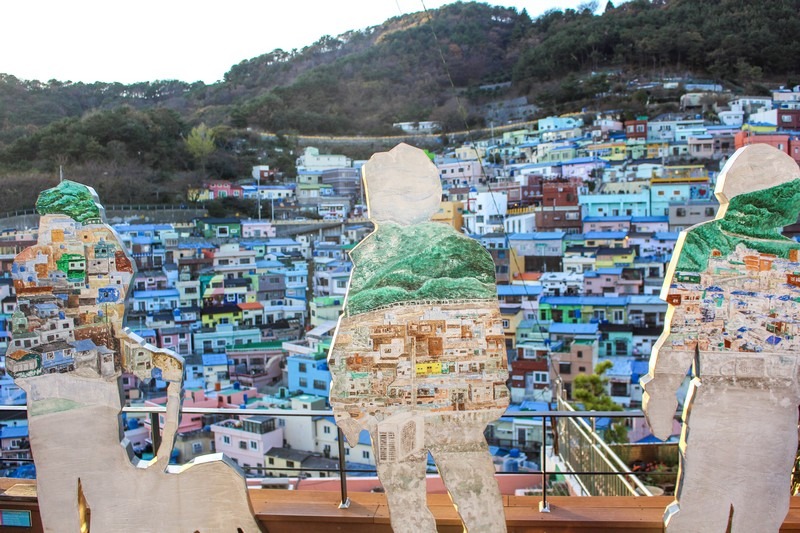
Busan
Korea’s second city, on the southern coast. Beaches, Gamcheon Culture Village, the famous seaside temple at Haedong Yonggungsa, and the world-class Spa Land Centum City. Easy by KTX. Read the complete Busan guide.
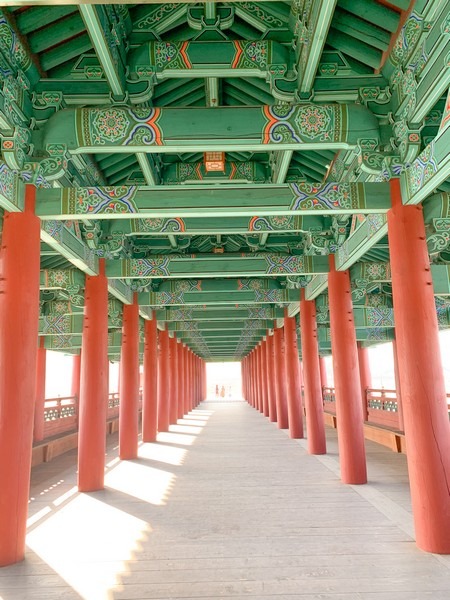
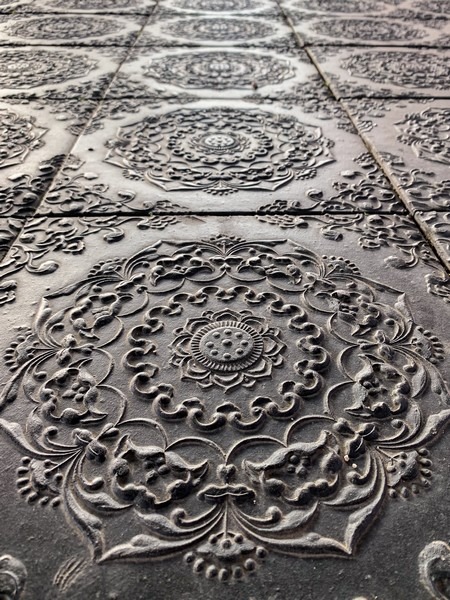
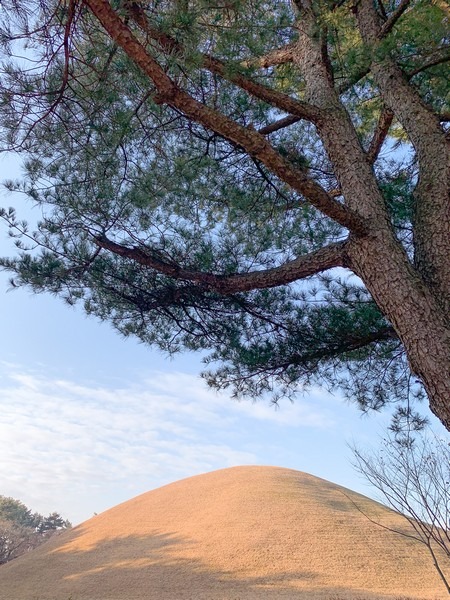
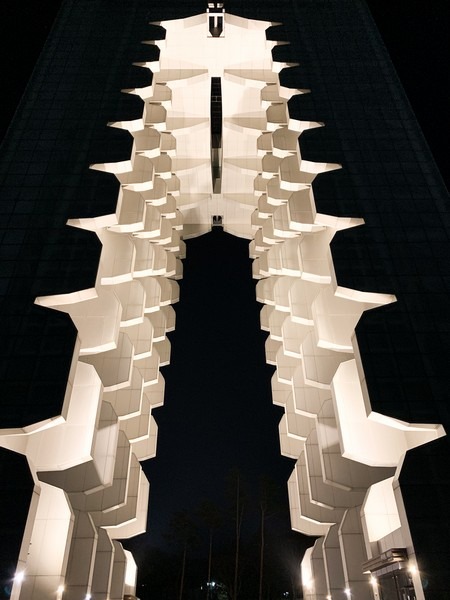
Gyeongju
Gyeongju was the capital of Korea during the Silla Dynasty and the capital before Seoul. It’s one of the most historic, if not THE most historic, cities in the entire country and features more pagodas, relics, and historic sites in one city than any other in the country. Read the guide to Gyeongju with more information on what you can find there.
Andong
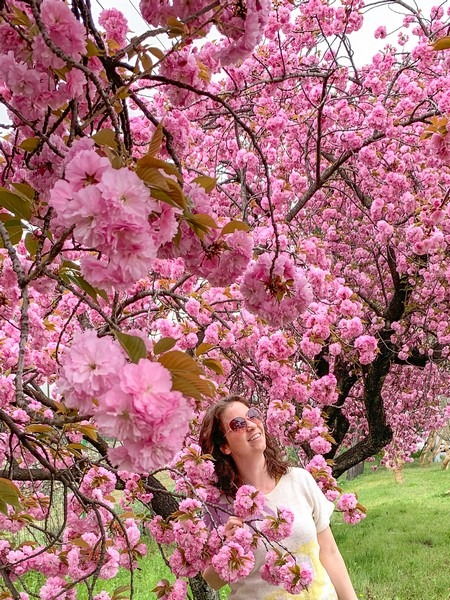
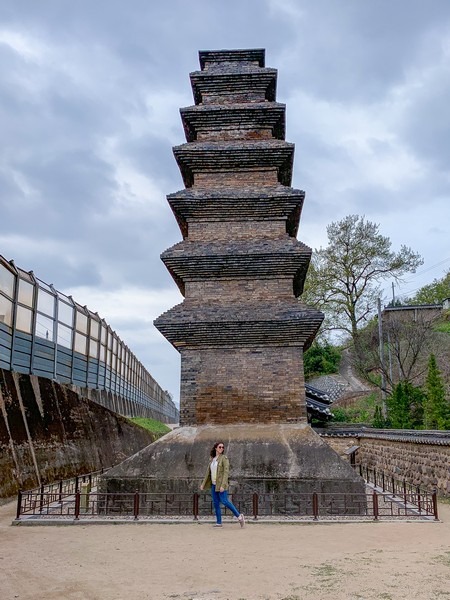
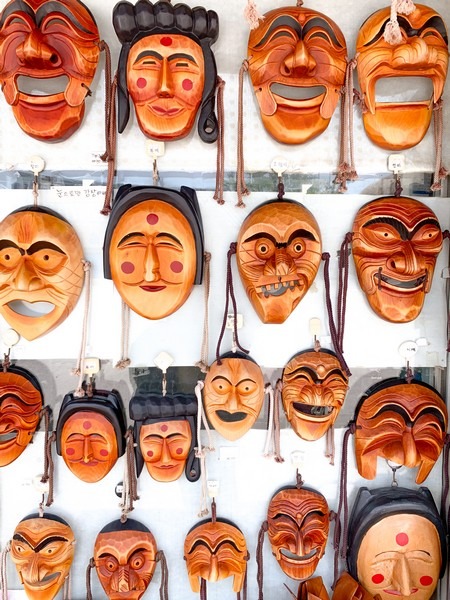
Andong has been called the most traditional city in Korea. There is a beautiful huge traditional village and some amazing food to eat in Andong. It’s gorgeous in the spring when the cherry blossoms bloom and the Andong Mask Festival is an amazing event to check out in the autumn. Read the complete guide to Andong, how to get there, and what to do if it sounds like the spot for you.
Incheon
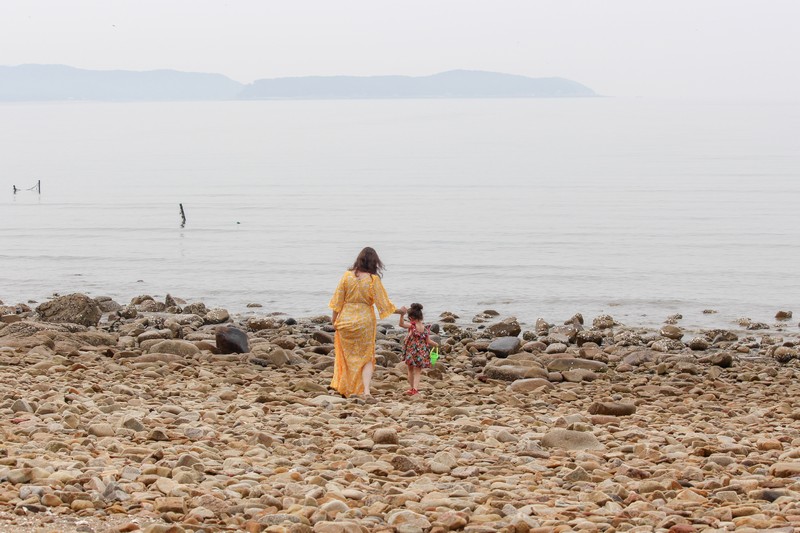
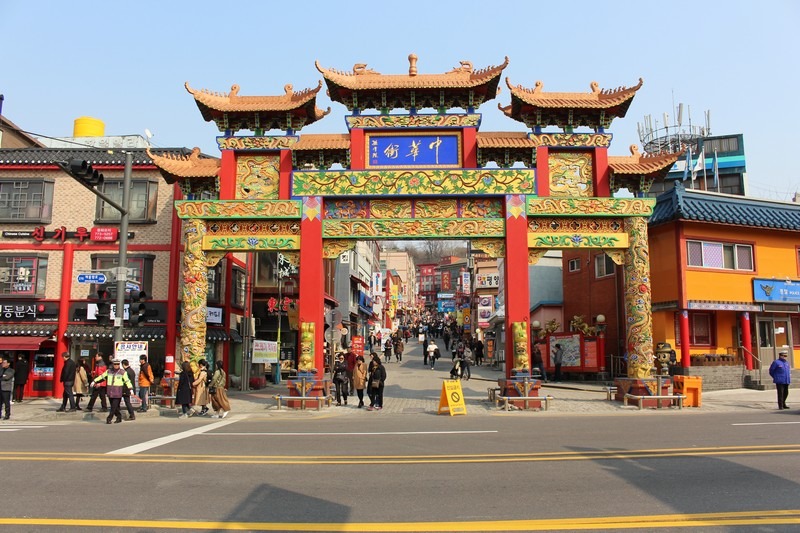
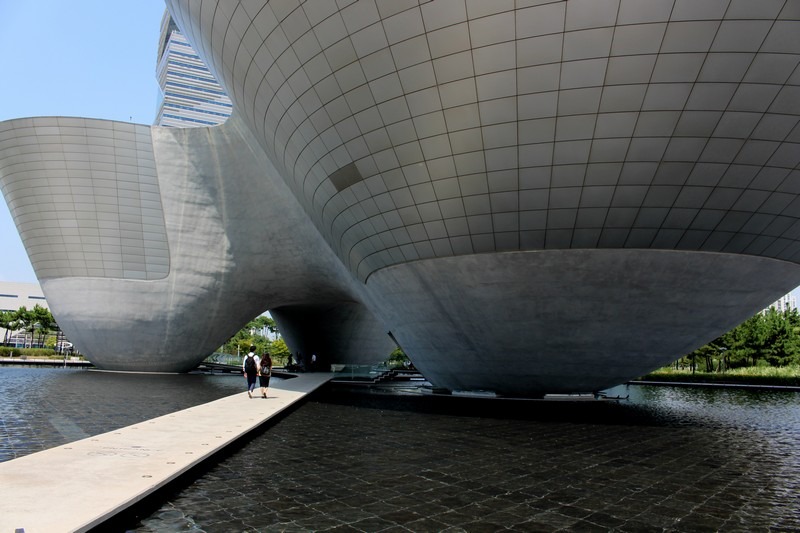
Most likely you came into Korea through Incheon but you probably didn’t stay too long as you headed into Seoul. You should definitely head back out there. The city deserves more what with Chinatown, Ganghwa Island, Songdo’s futuristic urban design, and 70+ islands to explore. Read the complete Incheon guide.
Jeju
Jeju Island is the most popular and largest island in Korea. It has been called the Hawai’i of Korea and is absolutely stunning. Choosing where to stay on Jeju Island is very important so you’re near what you want to see. Some popular adventures include hiking Mt. Halla, the tallest mountain in South Korea, relaxing on Hamdeok Beach, walking through the O’Sulloc Green Tea Fields, and seeing the gigantic and gorgeous Jeongbang Waterfall. Find out what other secrets are to be found on the Jeju travel guide page.
Danyang
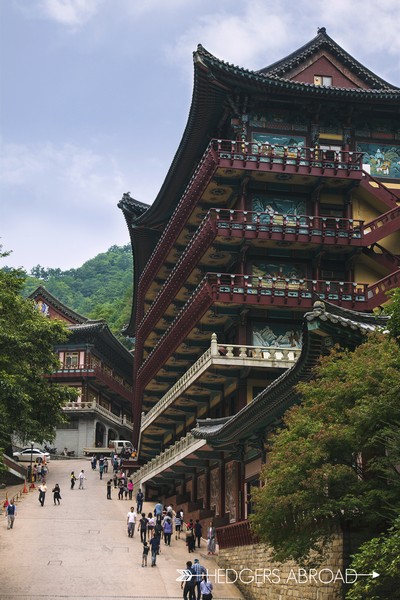
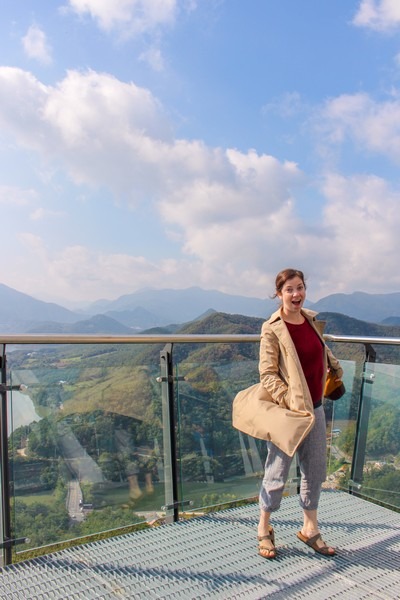
Danyang, Korea is in the central area of Korea so a lot of people pass right by on the way south without stopping. Adventure-focused travelers love this location with Mancheonha Skywalk, ziplines, Chungju Lake ferry, Gosu Caves (450 million years old), and paragliding. Find out more in the guide to Danyang.
Seoul takes some planning but it also rewards wandering in roughly equal measure. Use this guide to build a framework, then give yourself permission to follow whatever looks interesting when you’re actually there. Some of the best things I’ve found in 19 years of living here happened when I opened a door I wasn’t sure about.
Did you like this post? Pin It!

11 Comments
Alexander Ciecierski
I am interested in coming to Seoul in April or May of 2027.
You have so many options to choose from.
Where should I start? ☺️
Hallie Bradley
That’s a good question. If you want a clearer breakdown of how days might look, I recommend getting my itinerary pack for Seoul. There are 15 itineraries and none of the sights overlap so they are individual. They are great to use on their own, or as a basis for creating days. Seoul is so much larger than a lot of visitors realize so it’s best to focus on districts and narrow down to what you want to see in those districts and then see what you really have time for.
Harriet Hill
Thank you, Hallie. I came here for the first time as a tourist (had been on business earlier) with my 12 yr-old granddaughter who finds S Korea ‘cool’. I spent a lot of time on your site in prep for the trip–thanks for all the help.
Our hotel, Lotte City Hotel Myeondong, was wonderful and in a great location–we could pop in our room to rest between outings. We enjoyed walking the streets, the markets–esp the preschool groups buying their veggies at the Tongin market.
The hanok you recommended were all booked and we stayed at one Agoda recommended (Sophia Hanok Guest House) which was in a great location but was awful (junk everywhere, small room/no windows, no shower/hot water, mosquitoes, unfriendly). We booked 2 nights but left after one, covered in mosquito bites.
I learned a couple things: 1) carry passports all the time as you need them to get into places and for tax refunds, 2) each person needs a separate pass for the metro (learned the hard way), 3) the airport bus limo has several drop off points in Myeondong (we got off too soon), 4) Uber Korea works easily (!), 5) most places took my Visa card (the easiest to use), 6) WOW pass does not take a Visa card (but they do have online chat which helped me figure out why I couldn’t get it to work).
Thank you so much for all your work. We found some great spots and enjoyed our stay here so much–thanks to all your work! Time to go back home to the US now, but my granddaughter would like to stay forever. “Everyone is so pretty here!” she says.
Hallie Bradley
Harriet, thank you so much for the comment and the tips. Since I’ve been here for so long, sometimes it’s easy to forget things I think are so normal, like everyone needing their own transportation card, and therefore forget to mention. I’ll add your tips to some of my articles for others. Too bad about the Hanok you stayed out. It sounds like it didn’t change your opinion overall though, which I’m happy about.
Yanitsa
This is look incredible . Thank you for every part where you explain what have to do when someone arrive there. It’s so helpful and everybody can take a hint for their trip to Seoul. Thank you for hard working and keep up on good work.
Dimitar
Amaizing and so useful website! Congratulations! I will arrive in Korea on 20th of May and can’t wait to explore the country.
Michelle Topham
Wow, I just discovered your site and, honestly, it’s probably the best travel site I’ve ever seen.
I’m currently considering moving to Korea within the next 18 months, and was looking for a site that could answer the thousands of questions I have about the country.
And then I stumbled across yours.
(I’ve only been on an airport layover in Seoul a couple of times during the 14 years I lived in Bangkok so, weirdly, never actually visited Korea. But, after 6 years in Europe, I’m desperate to get back to Asia permanently and Korea interests me. A lot),
An absolutely superb site, with SO much useful information. I have you bookmarked and will be back pretty much every day as I read through everything you have written — and maybe with some questions too 🙂
Thanks for this. I couldn’t be happier to hav e found something so darned useful 🙂
San
I really envy you. I wish I could do the same thing. Thank you for sharing such valuable information. I am planning a trip to Seoul and this is definitely very very useful. thank you.
Hallie Bradley
I hope you have a fantastic trip!
Mary
Hi you mentioned a subway app under useful apps to download. I’m curious if you could tell me the name of the app? Thank you!
Sam Smith
I am just amazed! What a fantastic job you did here Hallie. Hello from Centerville Ohio!