The War and Women’s Human Rights Museum: Learn About The Comfort Women In Seoul
Last Updated on August 21, 2026
There are histories that don’t get told as loudly as they should. The story of the halmoni, Korean survivors of Japan’s WWII military sexual slavery, who chose to call themselves grandmothers rather than accept the term their captors gave them, is one of them. The War and Women’s Human Rights Museum (전쟁과여성인권박물관) in Mapo-gu exists to make sure it isn’t forgotten.
I first visited years ago and left unsettled in the way that important things should unsettle you. A recent visit left the same feeling. The museum has grown considerably since it first opened, and what’s here now, the expanded exhibitions, the Memorial Hall, the interactive life records of thirty grandmothers, is more complete and more emotionally precise than most museums manage to be.
If you’re spending time in Seoul, particularly around Hongdae, this deserves a place in your plans.
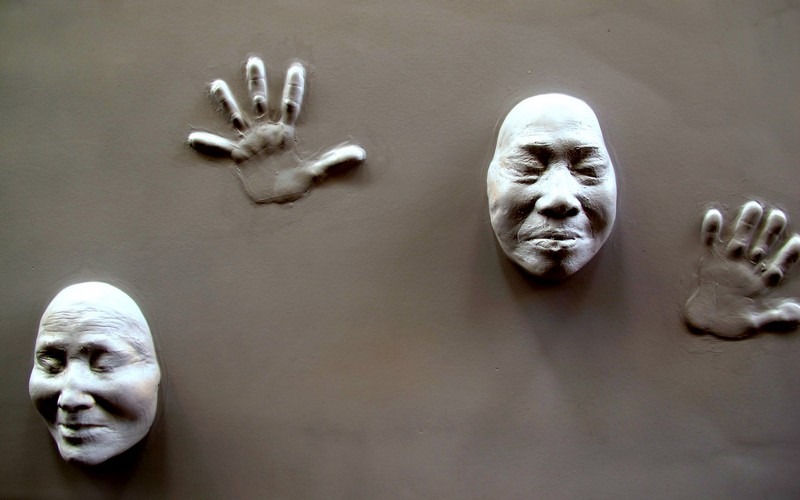
Plan a trip to the War and Women’s Human Rights Museum in Seoul:
- Basic Info
- Why “Halmoni,” Not “Comfort Women”
- Why It Took Nine Years to Build
- What To See
- Wednesday Protests
- FAQ
(This post contains affiliate links, which means I receive a certain percentage of a sale if you purchase after clicking at no cost to you. Thank you for your support.)
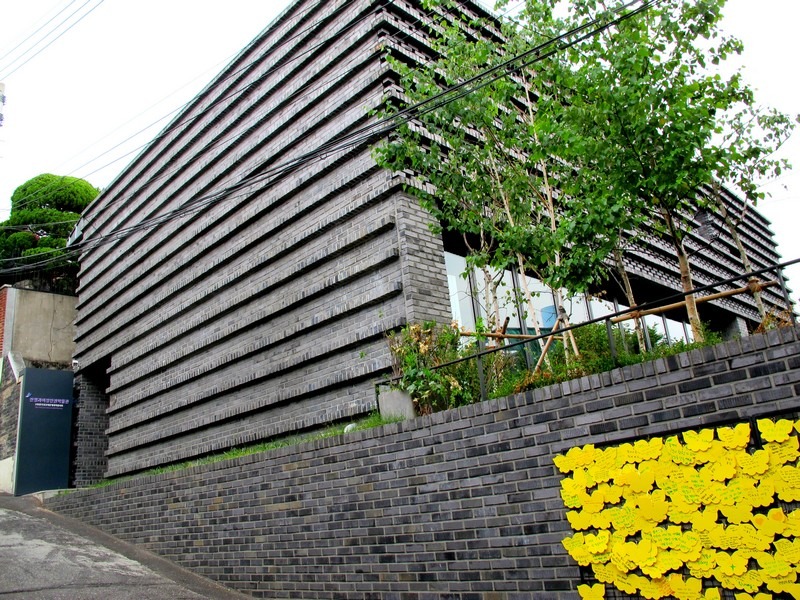
Basic Info To Know
Address: 39-13 Seongsan-dong, Mapo-gu, Seoul (서울시 마포구 성산동 39-13)
Directions: From Hongik University Station Exit 2, take local Mapo bus 15 and get off at Gyeongseong High School intersection, or do a u-turn from the exit and catch green bus 7711, 7016 or 7737 from the stop and get off at the same stop.
Hours: Tuesday – Saturday: 10:00am ~ 6:00pm
Admission: Adults (19 – 64): W5,000; Children (7-18): W3,000; Children 6 an under and ages 65 and over are Free
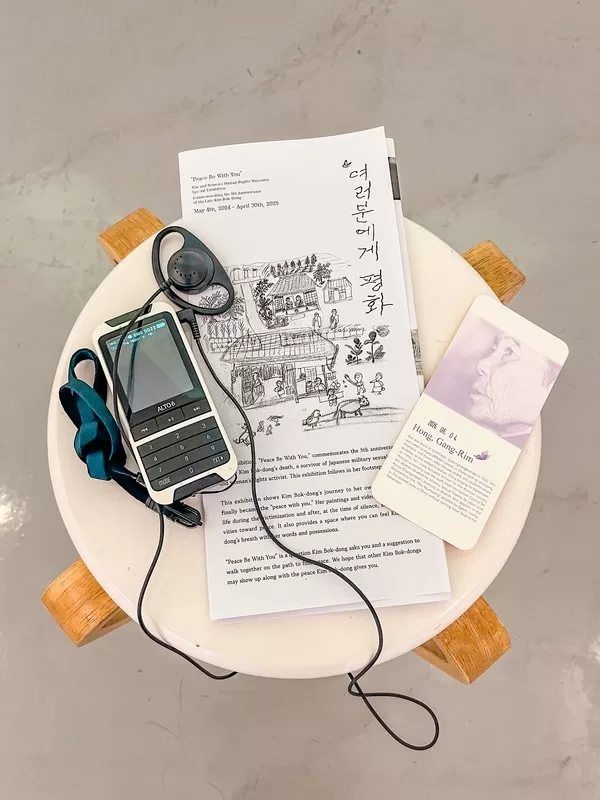
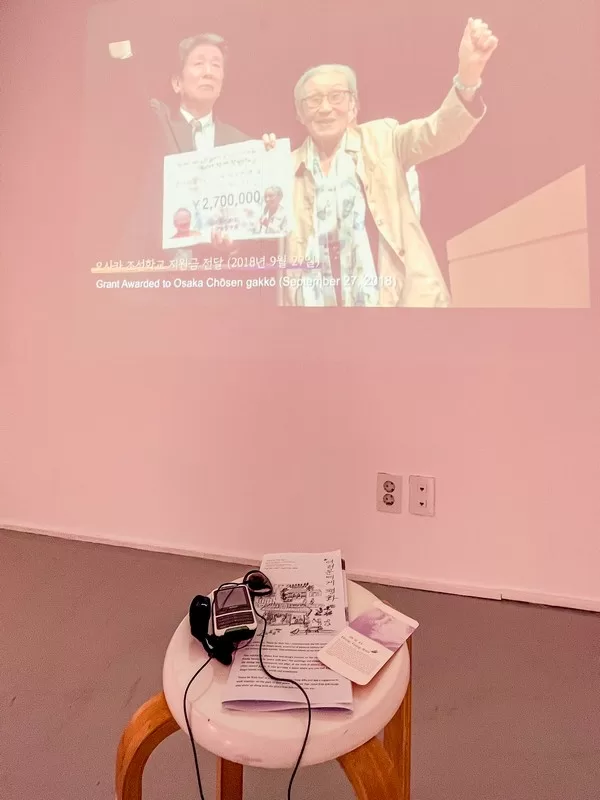
Audio Guide: Devices are available in English, Japanese, and Korean
Website: https://womenandwarmuseum.net/
Why “Halmoni,” Not “Comfort Women”
“Comfort women” (위안부) was the term used by the Japanese military, a sanitizing phrase that suggested the women were there voluntarily and served a soothing function. They were neither voluntary nor comforted.
These women, many of them girls when it began, were coerced or deceived into sexual slavery by the Japanese military during WWII and forced to service soldiers dozens of times daily for years. At the end of the war, many were abandoned, massacred, or forced to take their own lives. Those who survived and returned home often kept silent for decades because speaking meant shame in a society that blamed them.
The survivors prefer to be called halmoni, grandmother in Korean. That is what they call themselves. “Comfort women” remains the most widely searched term for this history, which is why it appears in this article, but always in the awareness that it belongs to the people who perpetrated the crime, not the people who survived it.
Why It Took Nine Years to Build
Talks to build this museum began in 2003. That it took until 2012 to open reflects how contested this history remains, not only in Japan, but in Korea.
The Seoul city government initially granted permission to build on the grounds of Seodaemun Independence Park in 2006. Two Korean veterans’ associations objected, arguing it would be undignified to place a museum for the halmoni in a space honoring national martyrs. The fight slowed the administrative process for years.
Eventually, organizers identified a location on Mt. Seongmi in Mapo-gu, and the museum opened on May 5, 2012, Children’s Day in Korea. The building was funded through approximately two billion won (roughly US$1.8 million) raised through donations. The nine-year delay is itself part of the story the museum tells.
The nine-year delay is part of the story the museum tells.
What To See
The museum is organized into three parts that follow a deliberate emotional arc: the past, the present, and the global future. There are English-guided tours, but the self-guided visit, with the audio guide, is effective too.
The Waiting Room: Bond With a Grandmother
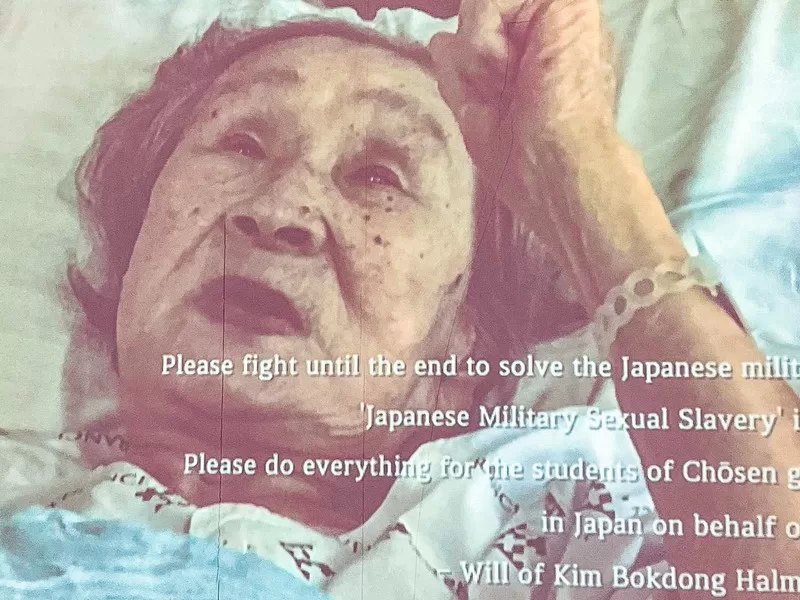
The experience begins before the exhibits. When you purchase your ticket, you’re paired with one grandmother, her photograph, her name, her story. The ticket you carry through the museum is her life. Later in the underground hall, you’ll meet her by video. This is a deliberate design decision: you don’t enter as a neutral observer. You enter as someone who already has a relationship, however small, with a specific person.
A short video plays in the waiting area: a butterfly breaking free through walls of violence and discrimination. It sets the tone before the darkness begins.
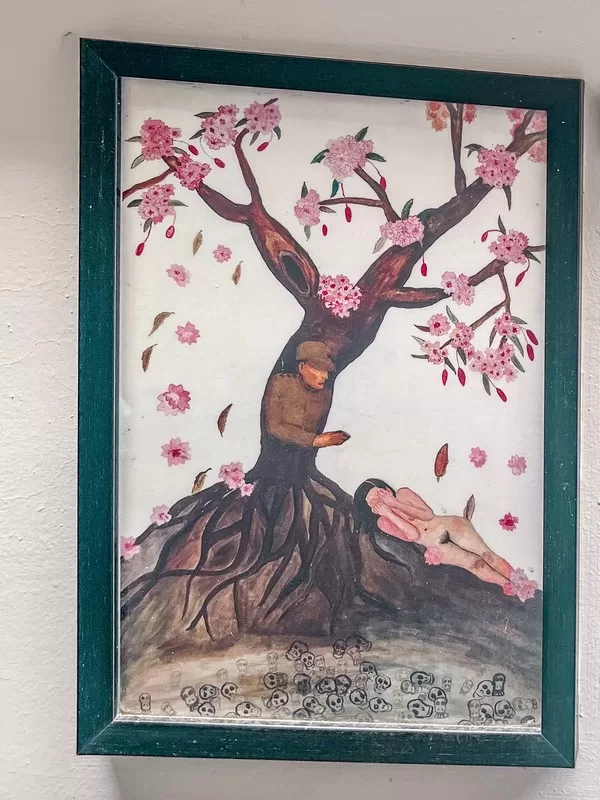
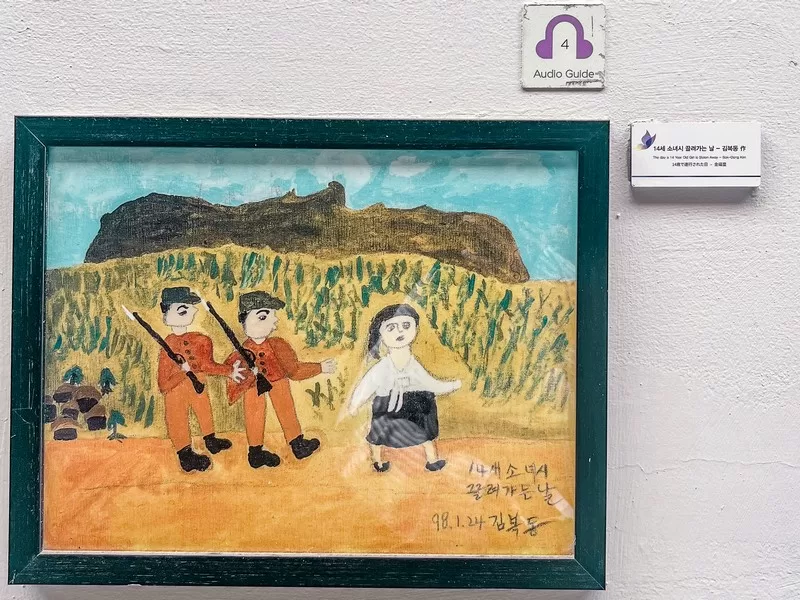
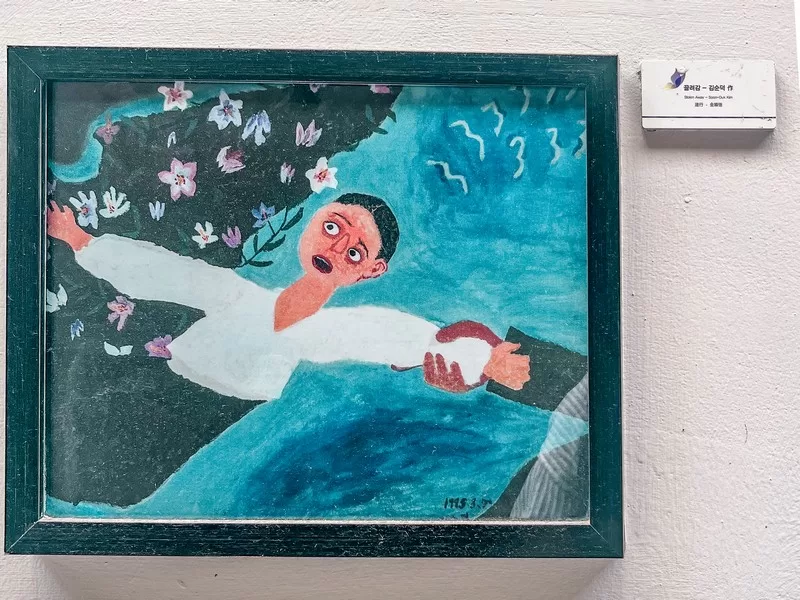
Part 1: The Past
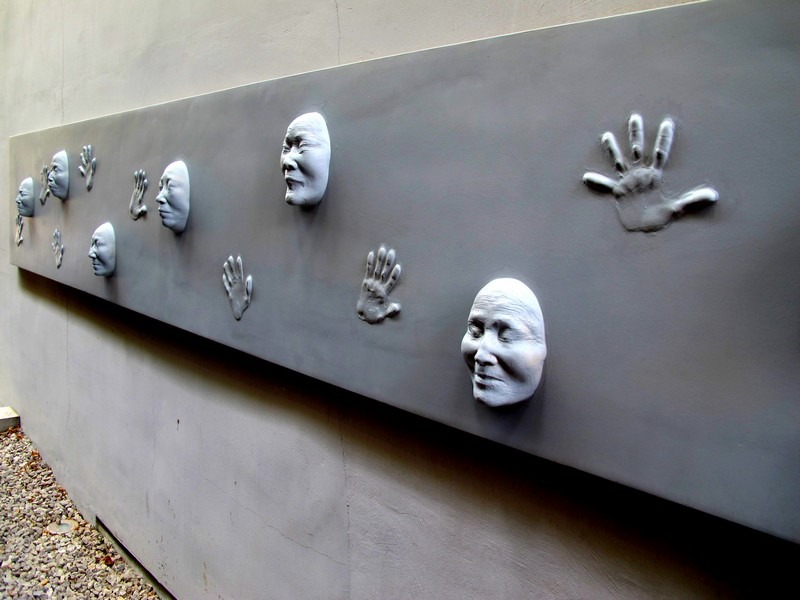
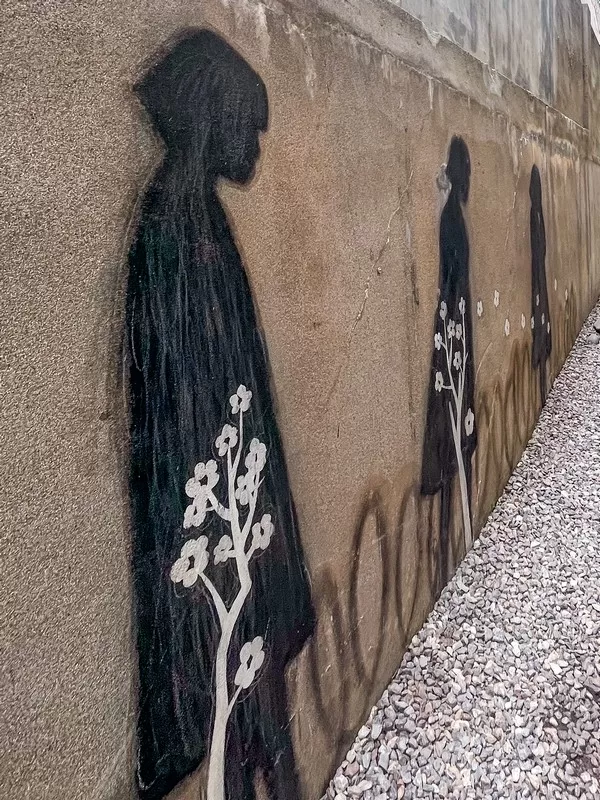
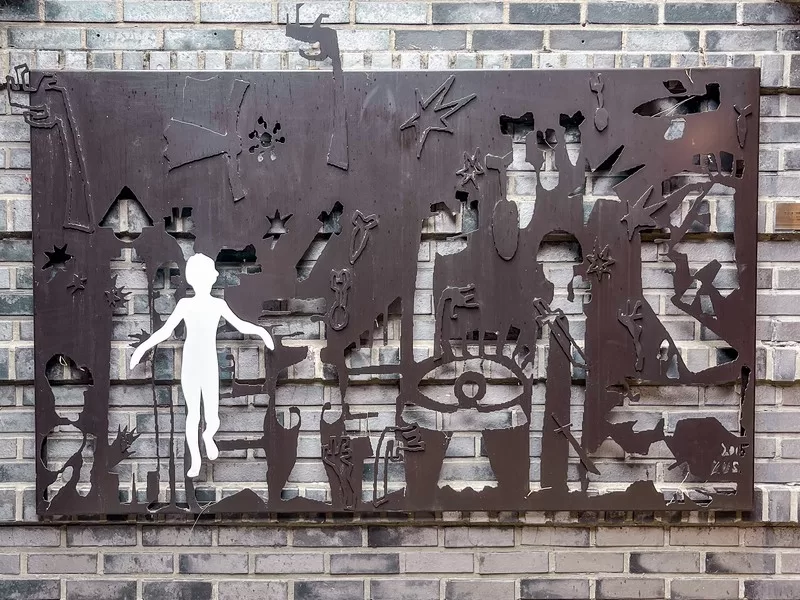
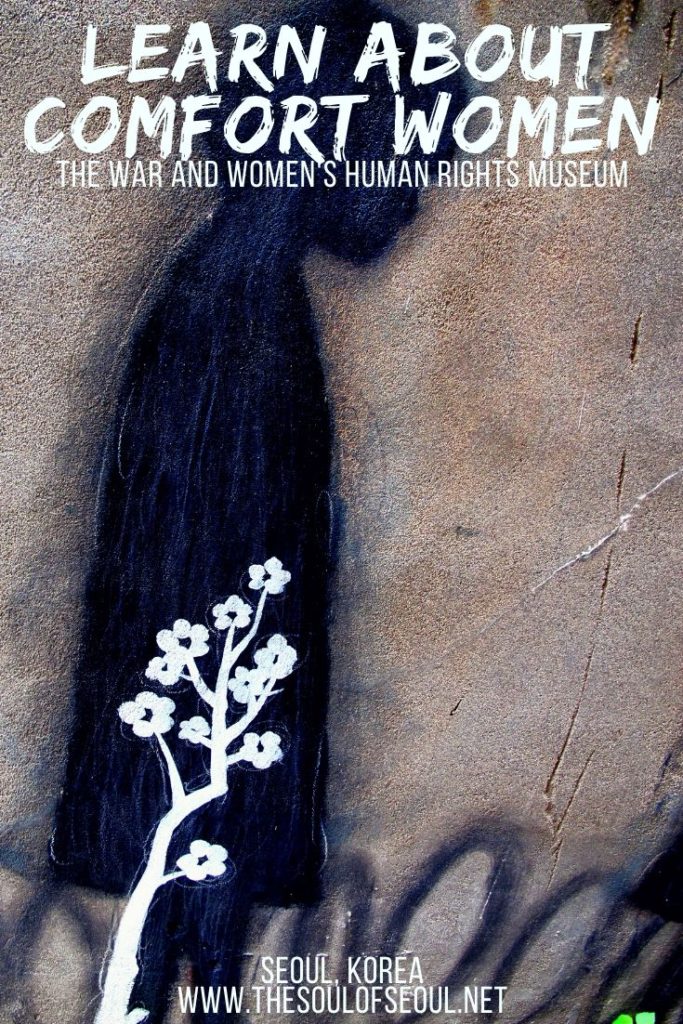
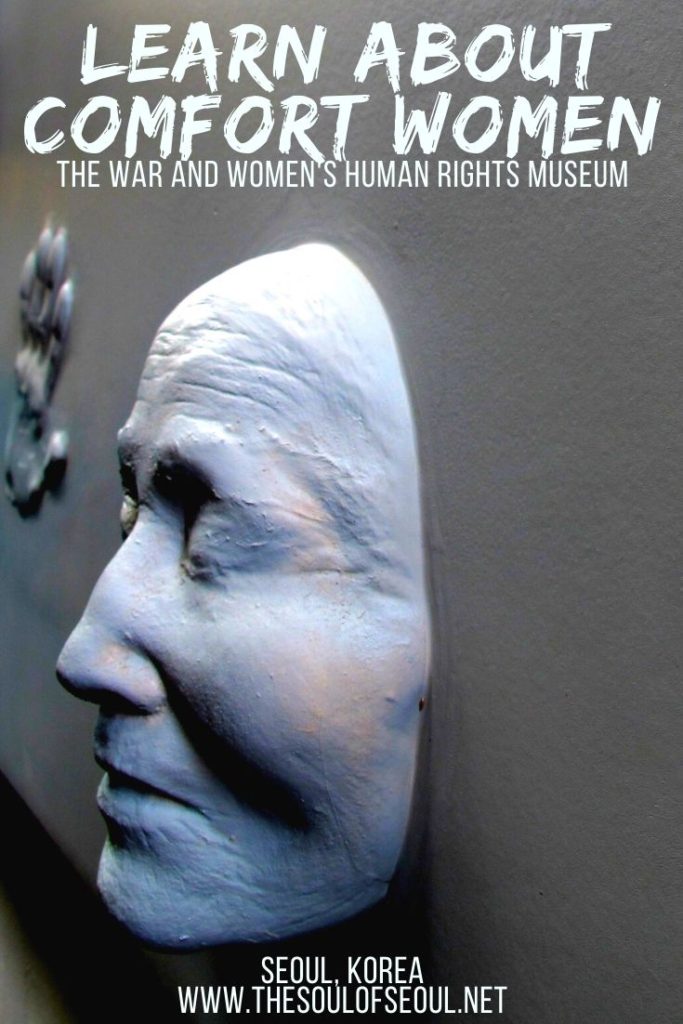
The path leads outside along a narrow crushed-stone corridor beside the building. One wall is painted with shadows of young girls while the other shows the faces of the old women as they are today pushing themselves out of the cement. The path leads down into a dark basement: close, dim, lit by a single hanging lamp.
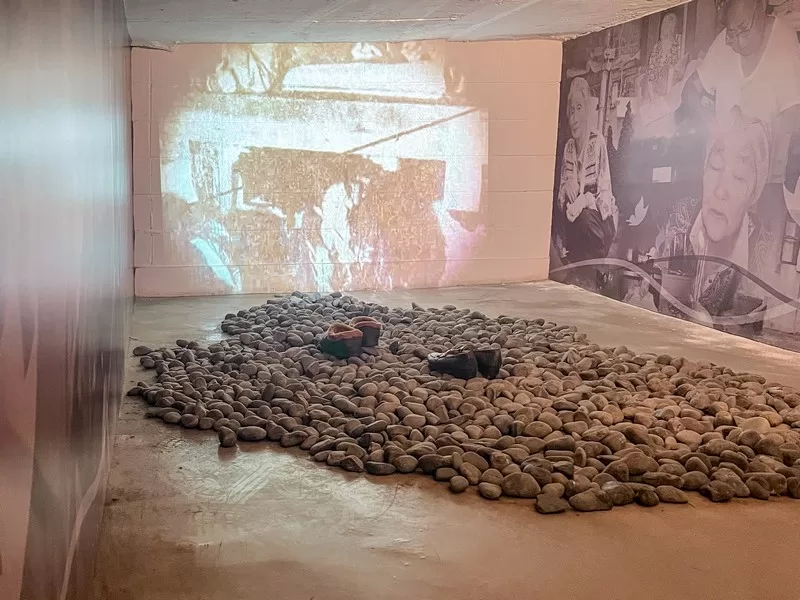
The gravel lined path leads down into a dark dank basement lit by just one hanging lamp and a feeling of despair is immediately palpable. The small dark room is meant to leave guests feeling isolated and oppressed and after hearing appalling testimonies read aloud the feeling is certainly achieved.
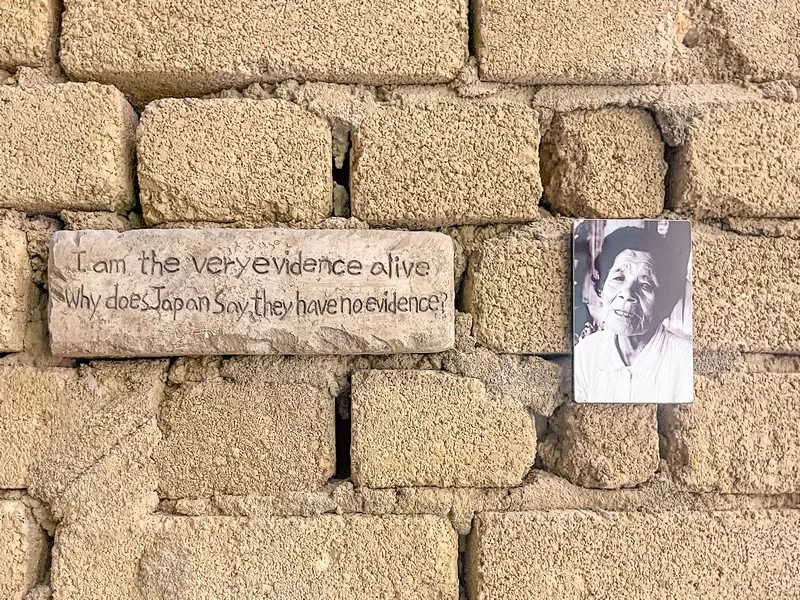
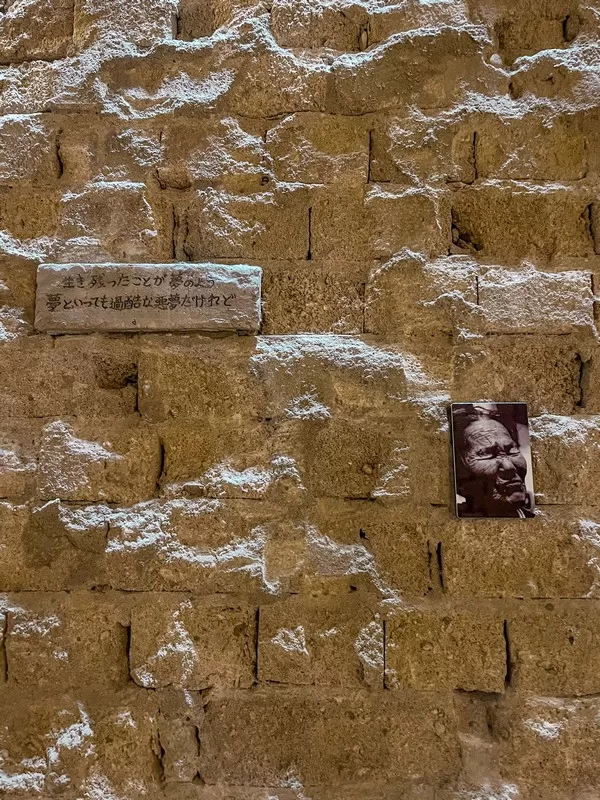
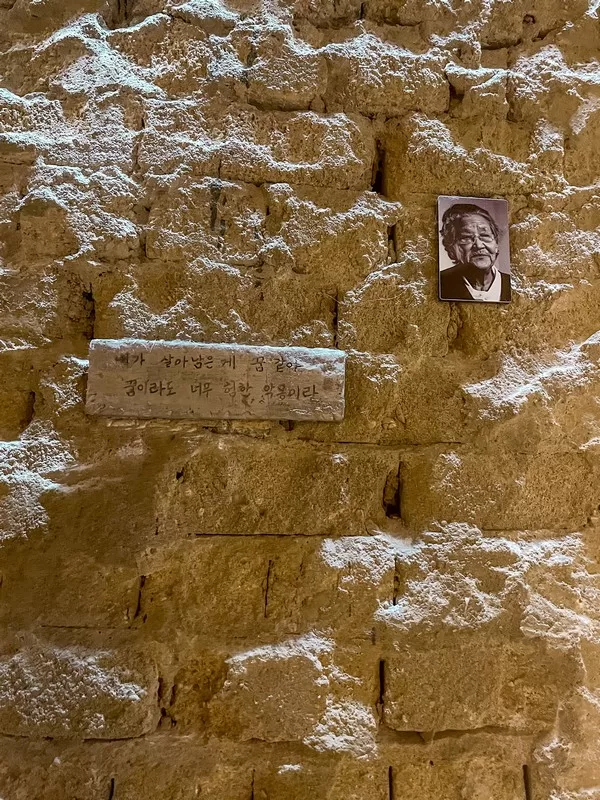
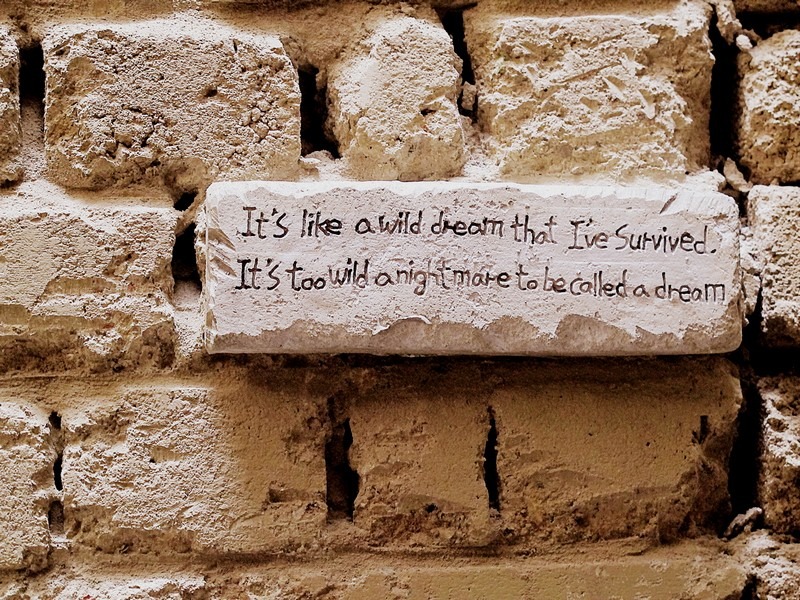
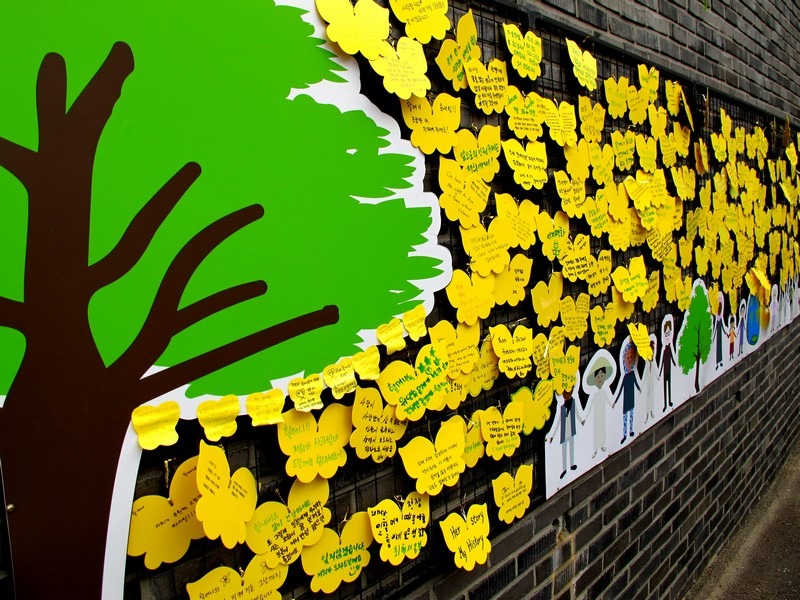
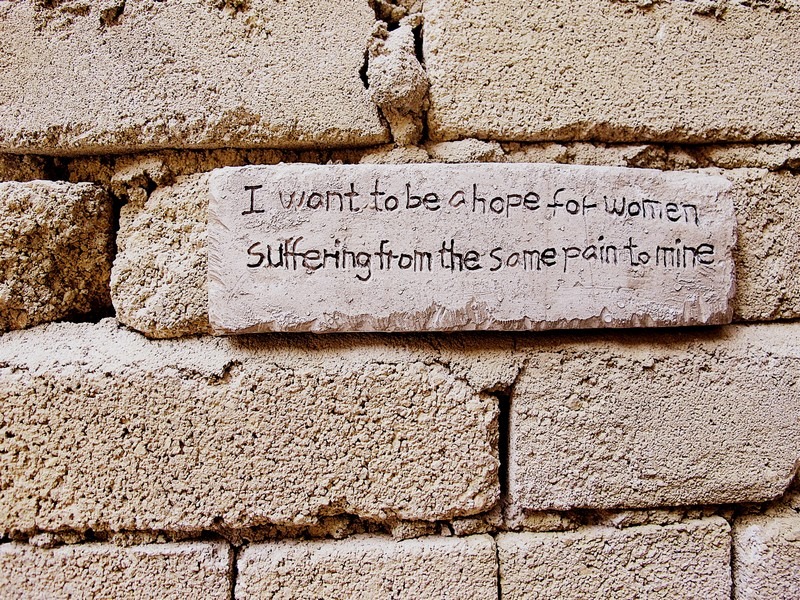
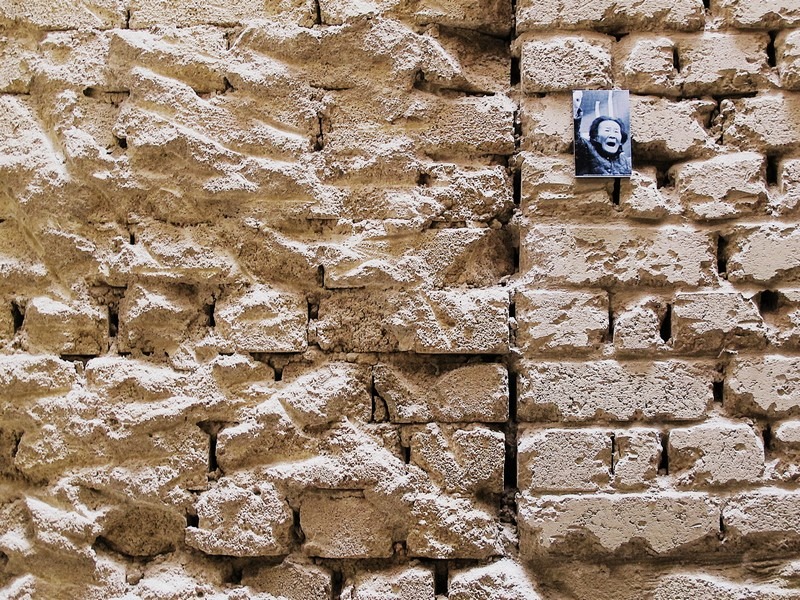
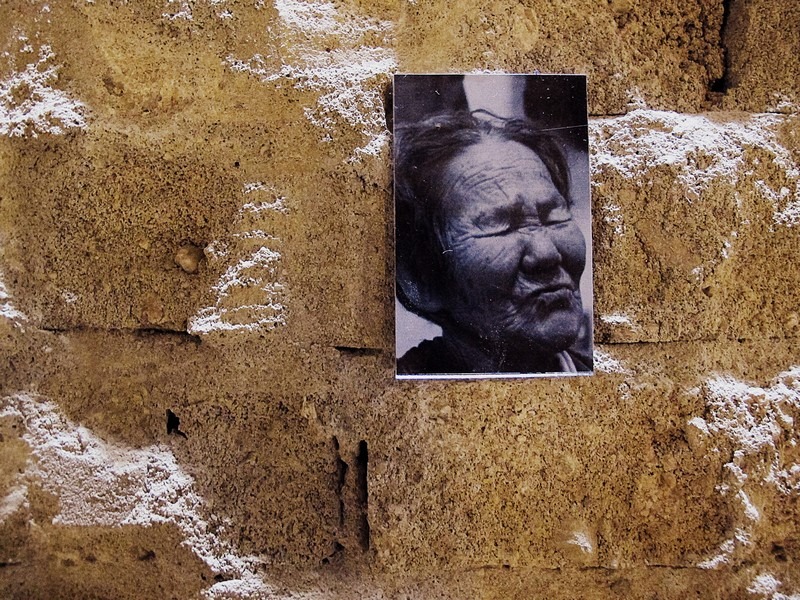
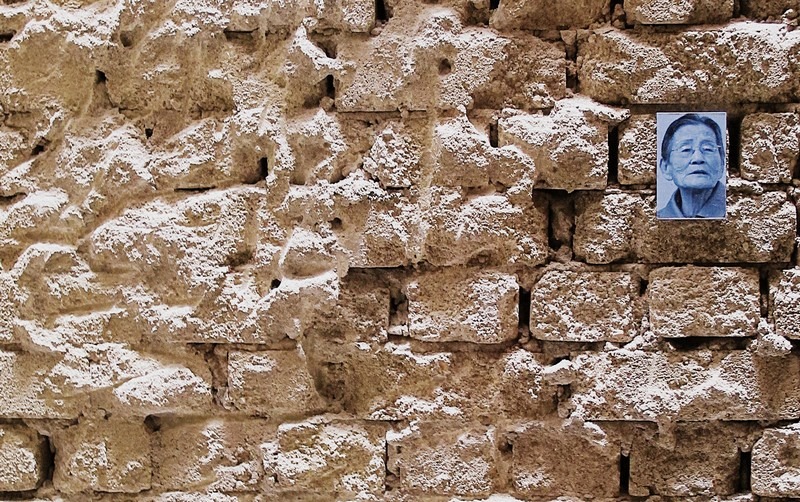
A staircase winds upward through the Wall of Appeal, exposed brick lined with photographs and appeals written in Korean, English, and Japanese. The screams of pain that the exhibition describes as echoing along the stairs transform, as you climb toward the light, into voices of hope. The visual transition from dark basement to bright staircase is precise and moving.
Part 2: The Present, History Into Herstory
The upper floors hold the documented record: Japanese military documents, accumulated testimonies, legal cases, international advocacy materials, and the history of the movement since 1992. The exhibitions here are formally titled to reflect a deliberate reframing: “herstory.”
The Touchscreen Life Records allow visitors to examine the lives of thirty grandmothers in detail, photographs, newspaper articles, video testimonies, by touch. It’s one of the most intimate elements of the museum, giving individual identity to women who might otherwise blur into a collective historical category.
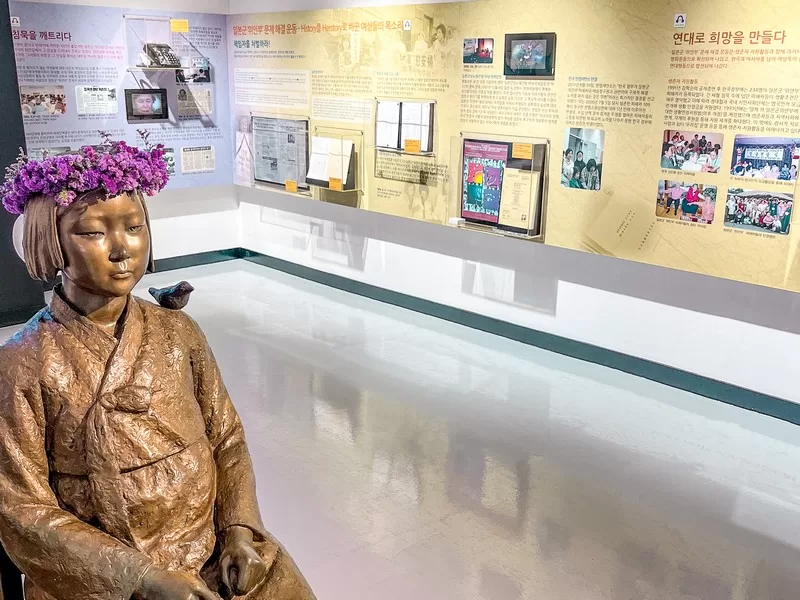
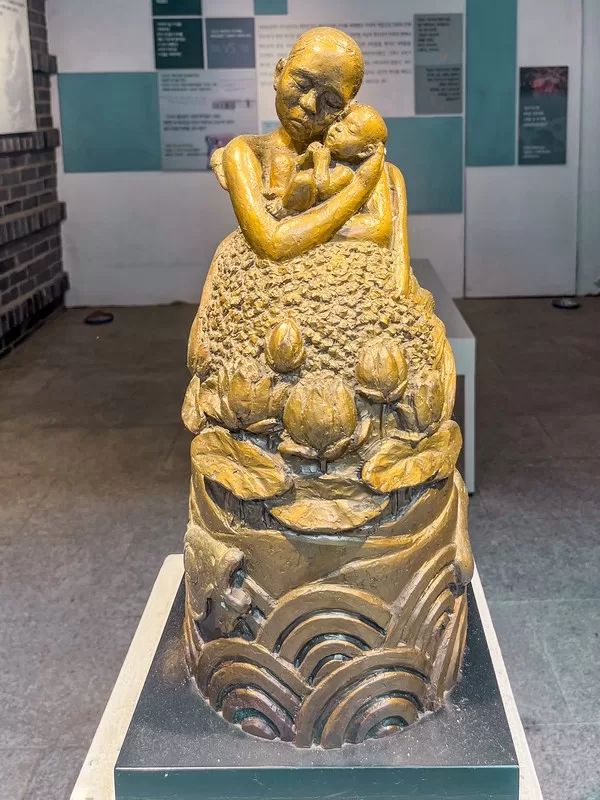
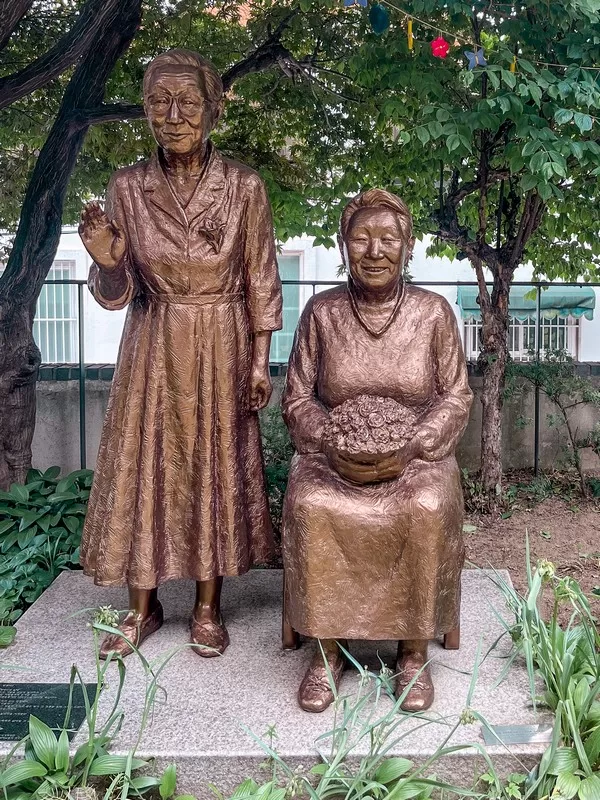
Here you can also see a Statue of Peace, a statue that you can now find all around Korea and abroad that represents the girls that were abducted, came home or didn’t come home. Make sure to stop and appreciate the symbolism of this statue while you’re there.
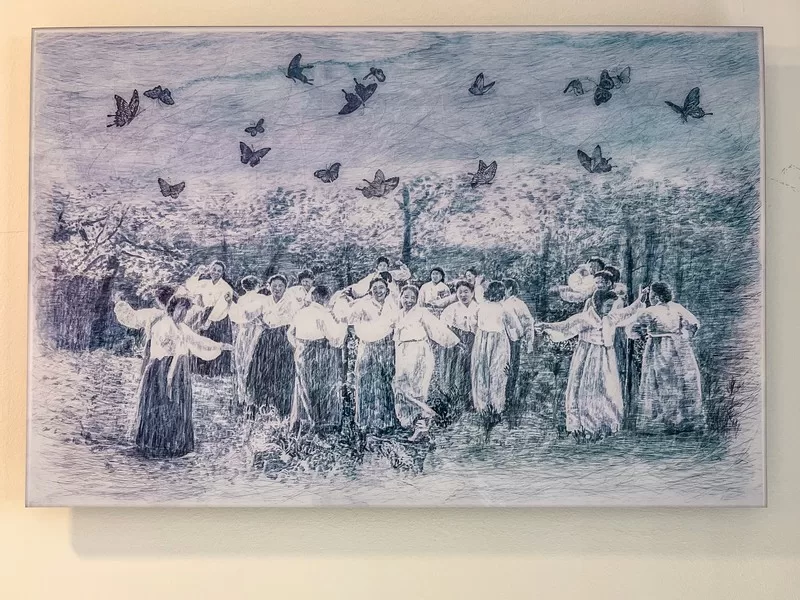
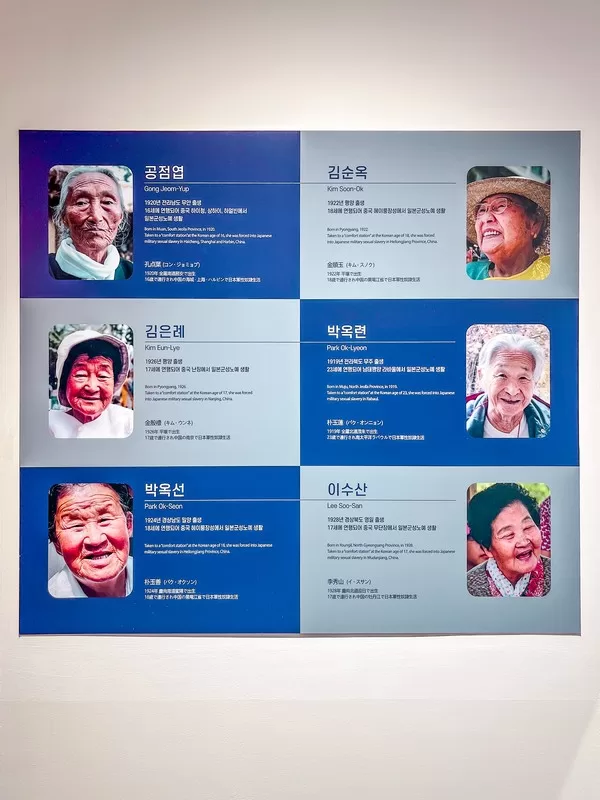
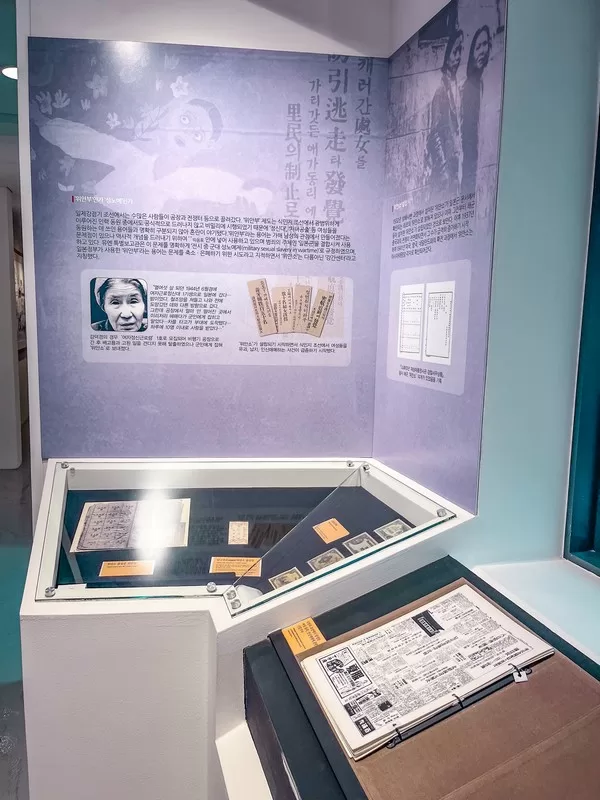
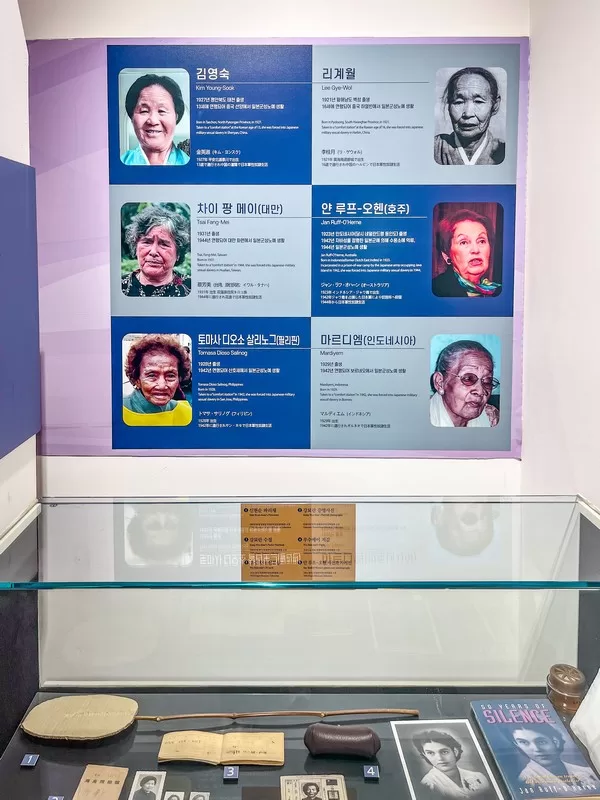
The Grandmothers’ Belongings cases hold personal items alongside panels recording the time and location of each woman’s arrest. A comb. A photograph. A garment. Small objects that make the abstraction of historical atrocity specific and personal.
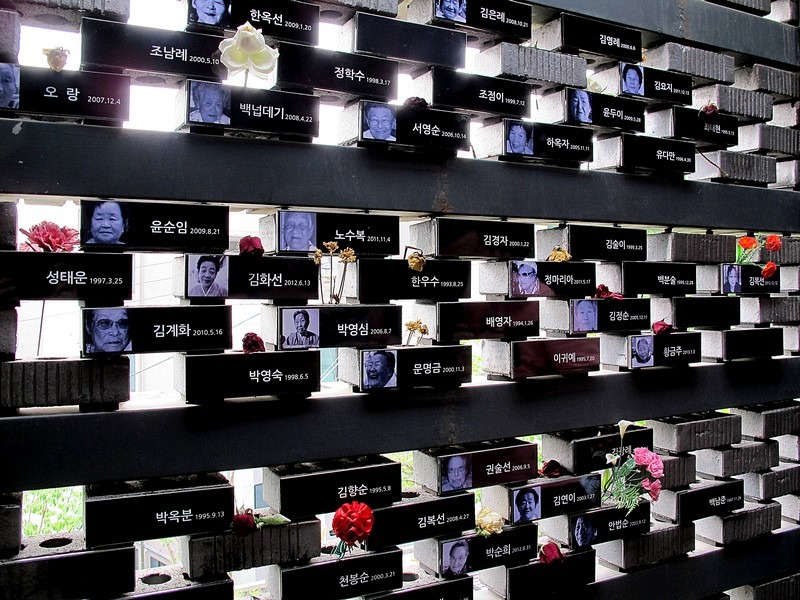
The Memorial Hall: Grandmother in the Black Brick
The Memorial Hall is a wall of black brick. Faces and death dates of identified victims fill the surface. Bricks without faces represent the unnamed, those who died without leaving a record or a photograph. Anyone can lay flowers. Donations can be made for flowers to be provided on behalf of visitors who cannot be there.
Part 3: Toward the Future
The third section of the museum expands the frame: what happened to these women was not a historical anomaly. Violence against women during war is ongoing. The Democratic Republic of Congo. Rwanda. Afghanistan. Iraq. The museum documents how rape has been used as a strategic weapon of war in modern conflicts, systematically, deliberately, and with impunity.
This section is harder to sit with than the history sections in some ways, because it removes the comfort of historical distance. It is also the section that most directly asks: what do you do with what you’ve learned here?
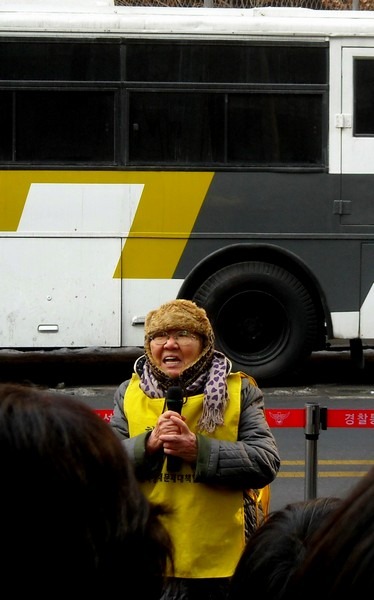
Wednesday Protests
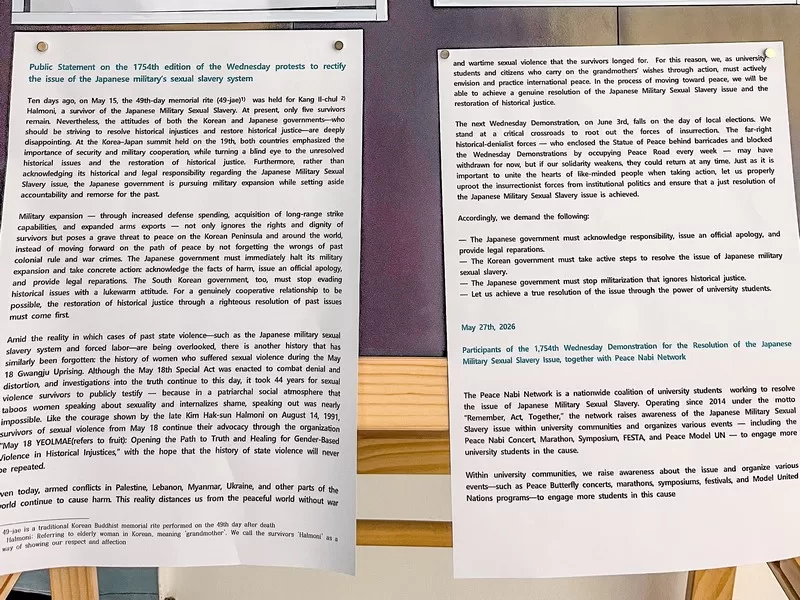
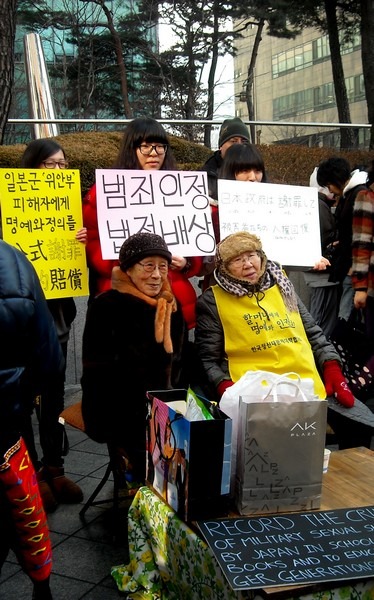
Since January 8, 1992, the day former Japanese Prime Minister Miyazawa visited Seoul, a Wednesday demonstration has been held demanding a formal apology and legal reparations from Japan. It began with about ten participants from the Korean Council for Women Drafted for Military Sexual Slavery by Japan (KCW). It reached its 1,000th session in December 2011. It continues.
The demonstration is held every Wednesday at noon. If you visit Seoul on a Wednesday, this is worth knowing about. This is also the only protest that foreigners/tourists can attend without fear of deportation.
FAQ
What is the War and Women’s Human Rights Museum in Seoul?
The War and Women’s Human Rights Museum (전쟁과여성인권박물관) is a museum, memorial, and education center in Mapo-gu, Seoul dedicated to the survivors of Japan’s WWII military sexual slavery, women known as halmoni (grandmother) in Korean. It opened in May 2012 after nine years of fundraising and political obstacles, and tells the survivors’ stories through testimonies, documents, photographs, and immersive exhibition design.
Who are the comfort women?
“Comfort women” is the term used by the Japanese military during WWII for women, most of them Korean, but also from China, the Philippines, and other occupied territories, who were coerced or deceived into sexual slavery at military “comfort stations.” The women themselves prefer to be called halmoni, meaning grandmother in Korean. They were subjected to rape and abuse repeatedly over years. Many did not survive. Those who did often kept silent for decades before speaking publicly.
Is there still an apology from Japan?
Japan and Korea have negotiated agreements on this issue, most notably in 2015, but the halmoni and advocacy groups have consistently said a full formal apology with legal reparations has not been meaningfully delivered. The dispute continues. The museum addresses this directly.
What are the Wednesday protests?
The Wednesday Demonstration (수요시위) has been held every Wednesday since January 8, 1992, demanding a formal apology and legal reparations from Japan. It is recognized as the longest-running weekly protest in the world.
Is there an English tour?
Yes, English-guided tours are available on select days each month. The tour takes approximately two hours and is the recommended way to experience the museum. Check the museum website for the current schedule before visiting.
Should I visit with children?
This is a judgment call for each family. The museum deals with sexual violence, war crimes, and human suffering, and does not soften these topics. For teenagers who are ready for an honest conversation about historical atrocity, it can be a genuinely meaningful experience. For younger children, it is likely not appropriate.
The women who came forward, who chose, after decades of silence, to stand in front of cameras and tell the world what had been done to them, did so because they hoped the world would not forget. The museum exists to make sure it doesn’t.
Did you like this post? Pin It!


2 Comments
Busola
Hi, do you know how I can get in contact with the organizers of the women’s global solidarity action network? I am interested in collaborating on a project for peace for women in South Korea and would love to be put in touch with this organization.
Hallie
Check out their Facebook page and you can send them a message there: https://www.facebook.com/groups/wgsan/