Seodaemun Prison History Museum: A Complete Visitor’s Guide
Last Updated on August 21, 2026
There are numerous museums in the capital city of Seoul in Korea with some devoted to the arts, history, and science, but there are also museums devoted to the numerous wars that have befallen the country. Whether you’re a tourist or someone coming to live in Korea for even a short amount of time, you’ll hear about the wars and if you want to learn more about what happened in Korea, there are a few great places to check out.
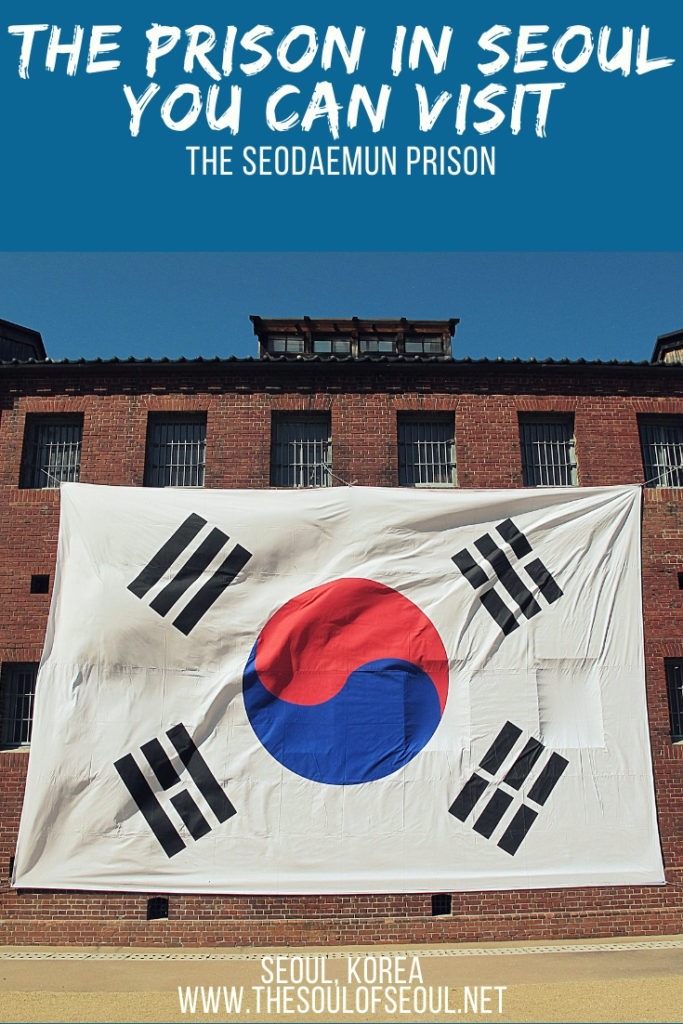
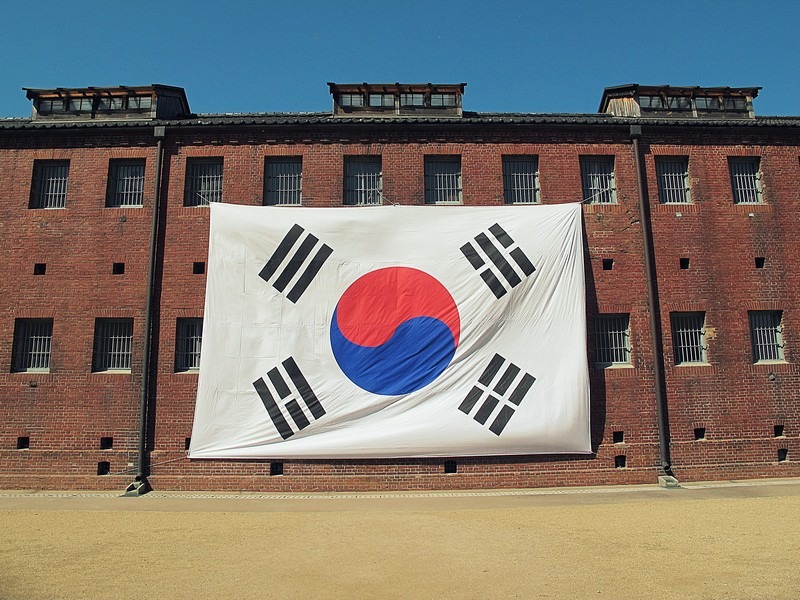
Seodaemun Prison History Museum (서대문형무소역사관) is a former colonial-era prison turned museum in Seoul’s Independence Park, where Korean independence activists were imprisoned, tortured, and executed under Japanese rule. This park and museum provides a unique perspective and really showcase more poignantly what the activists in Korean history went through during the Japanese occupation. It’s a good stop for history buffs as well as budget travelers because the entrance fee is very minimal for this historic site here in Seoul.
What you’ll find in this post:
- How To Get There
- Basic Info You Should Know
- The History Of Seodaemun Prison
- What To Expect In The Prison History Museum
- Is Seodaemun Prison History Museum Worth Visiting?
- What To Expect In Independence Park
- Seodaemun Prison History Museum vs. War Memorial of Korea
- Other Related Sites In Korea That You Might Be Interested In
- FAQ
(This post contains affiliate links, which means I receive a certain percentage of a sale if you purchase at no cost to you. Thank you for your support.)
Basic Info
Address: 251 Tongil-ro, Seodaemun-gu, Seoul (서울특별시 서대문구 통일로 251)
By Subway: Head to Dongnimmun Subway Station, exit 5. Turn left out of the station and walk through a small thicket of trees and bushes and you’ll come to the prison.
Hours: March – October: 9:30am ~ 6:00pm; November – February: 9:30am ~ 5:00pm
Independence Park Admission: Free
Seodaemun Prison History Museum Admission: Adults (19–64): W3,000; Teens (13–18): W1,500; Children (7–12): W1,000; Ages 6 & under and seniors 65+: free
Discover Seoul Pass: Note that this is a spot that you can gain entrance to with the Discover Seoul Pass. If you’re planning to purchase this pass specifically for tourists, plan to visit when you have the card! You can purchase the card here.
The History of Seodaemun Prison
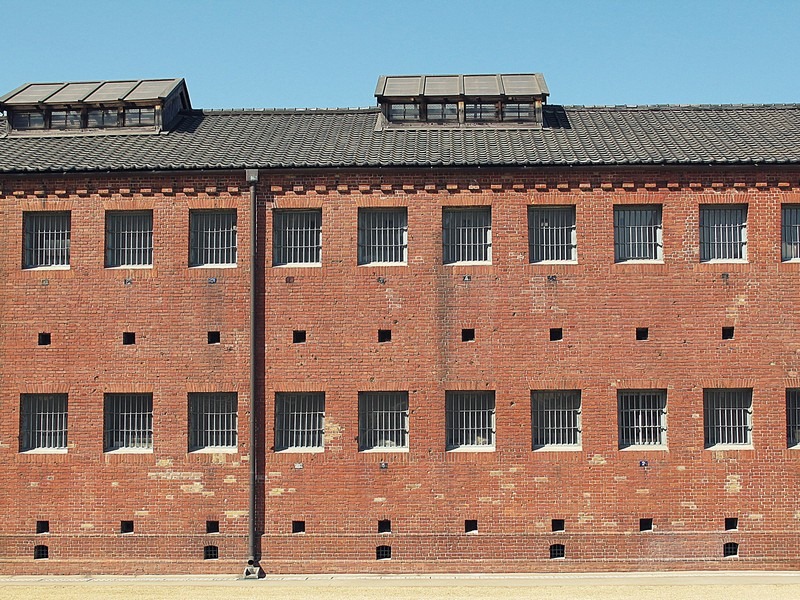
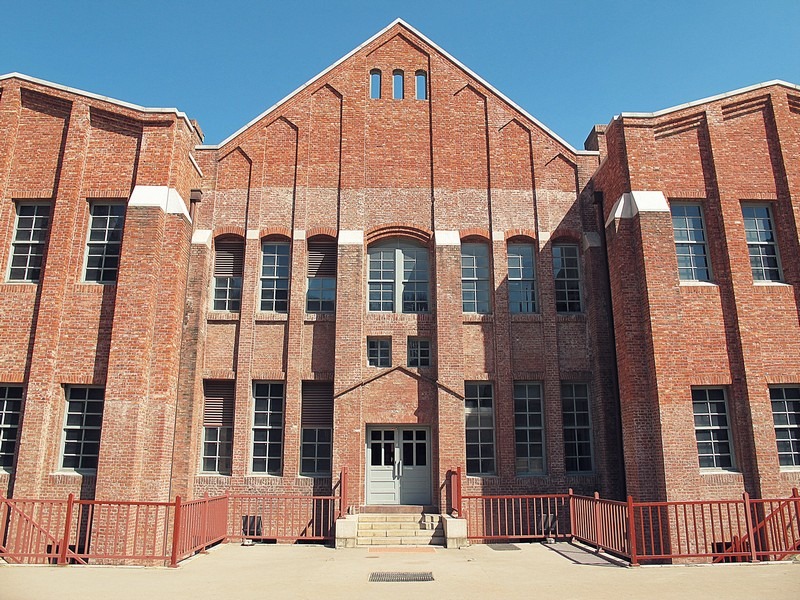
Seodaemun Prison was originally built in 1907 and opened in 1908 to imprison Korean independence fighters who resisted the Japanese colonization. Originally called Gyeongseong Prison, at its height held more than 2,000 prisoners when it was only meant to house 500.
At the time, even the capability to house 500 inmates made this a huge prison as the entire capacity of all of the prisons across the country at the time only totaled 300. Inmates not only died from torture and starvation but because of the cramped space and lack of basic human necessities, died of heat stroke in the summers and froze to death in the winters.
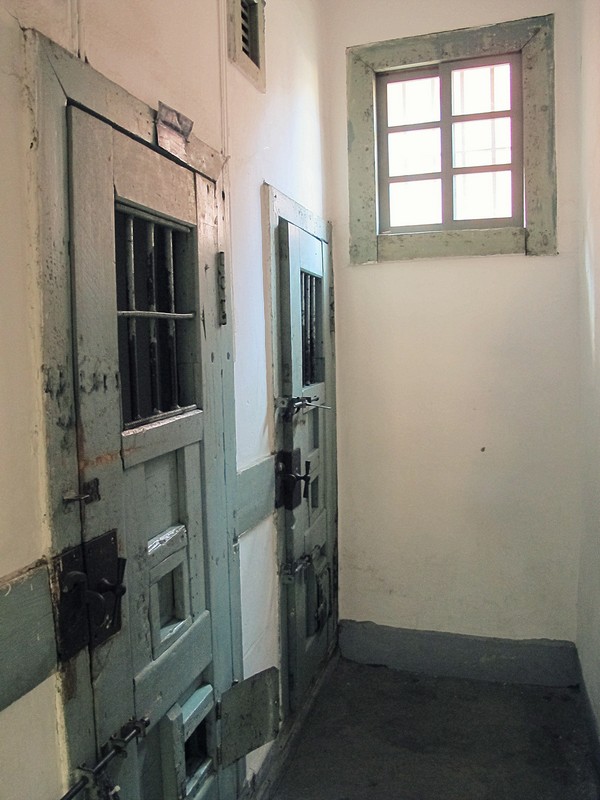
I’ve visited in both winter and summer, and each time reveals something different about how brutal this place really was. Go in the winter and you’ll feel the cold seep into you within minutes of stepping into the barren cells, no insulation, no heat, just bare concrete and stone. It’s not hard to imagine how someone froze to death here. Go in the summer, and it’s the opposite: the same bare cells trap heat with nowhere for it to go, and you start sweating almost immediately just standing still. Visiting both seasons makes the “died of heat stroke in summer, froze in winter” line in the history books feel real.
In 1987, part of the prison was moved to Uiwang, Gyeonggi-do but the 9th, 10th, 11th, 12th, and 13th prison halls as well as the leper house and the execution building were left in the area because of their historical significance.
The area around the prison became a park in 1988 and monuments were relocated and erected and in 1992 the block became known as Seodaemun Independence Park. The park and prison are worth a visit to learn more about the history between Korea and Japan and the Korean fighting spirit.
Timeline at a Glance
- 1907 — Construction begins under Imperial Japan
- 1908 — Opens as Gyeongseong Prison
- 1945 — Korea liberated; prison continues to operate under new administration
- 1987 — Facility partially relocated to Uiwang, Gyeonggi-do
- 1988 — Site becomes a public park
- 1992 — Formally designated Seodaemun Independence Park
- 1998 — Opens to the public as Seodaemun Prison History Museum
What To Expect In The Prison History Museum
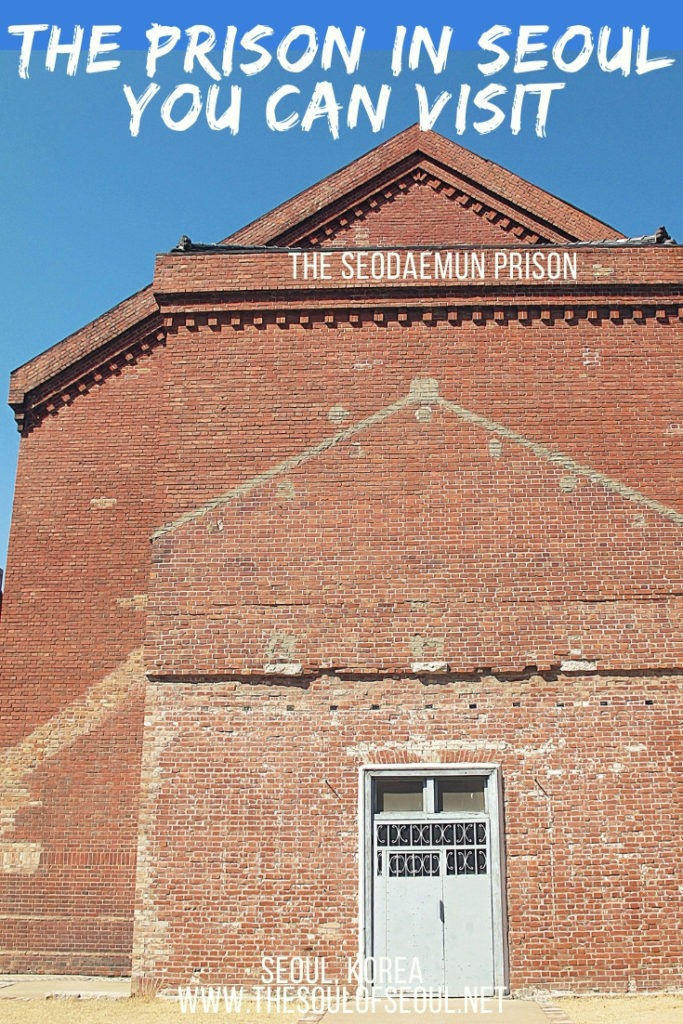
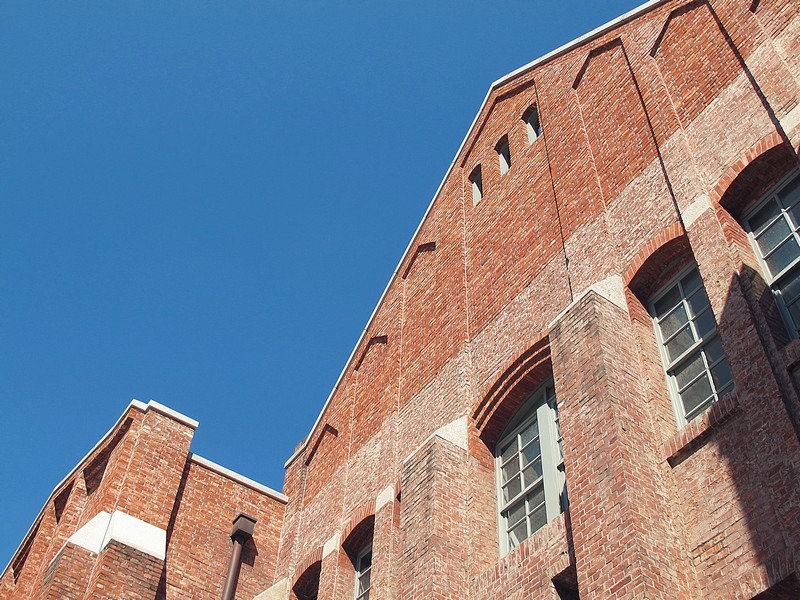
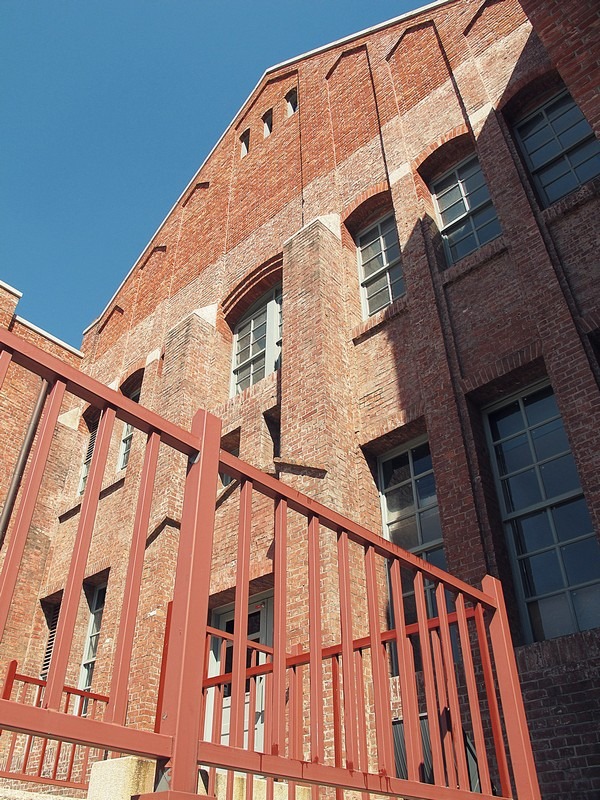
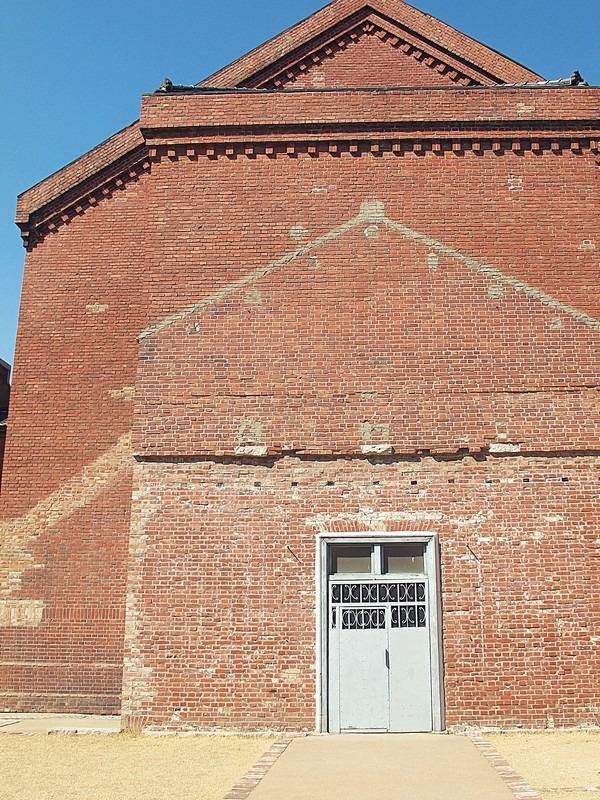
After purchasing a ticket, visitors follow signs throughout the eerily quiet complex that is unsettlingly beautiful with the red brick against the bright blue skies that Seoul often enjoys. The first building is the museum itself which offers three floors of information, and English information is available throughout, so you don’t need to speak Korean to follow along.
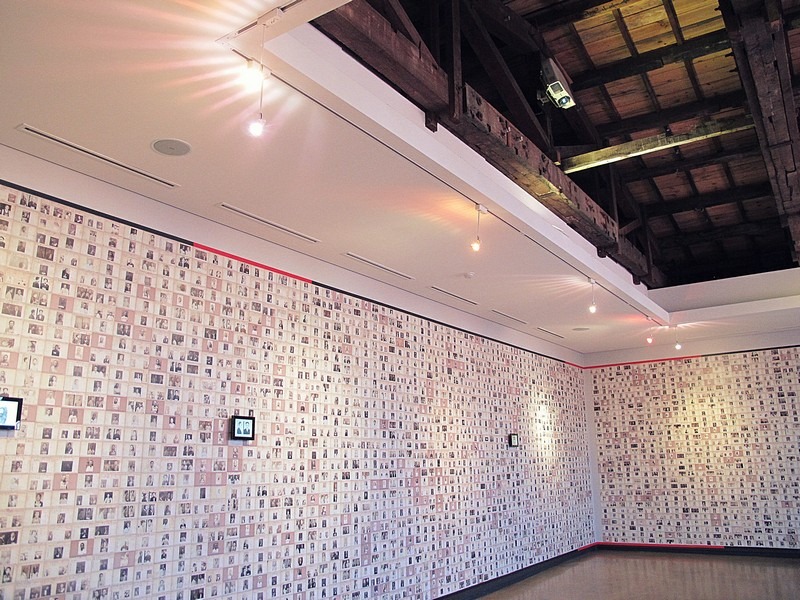
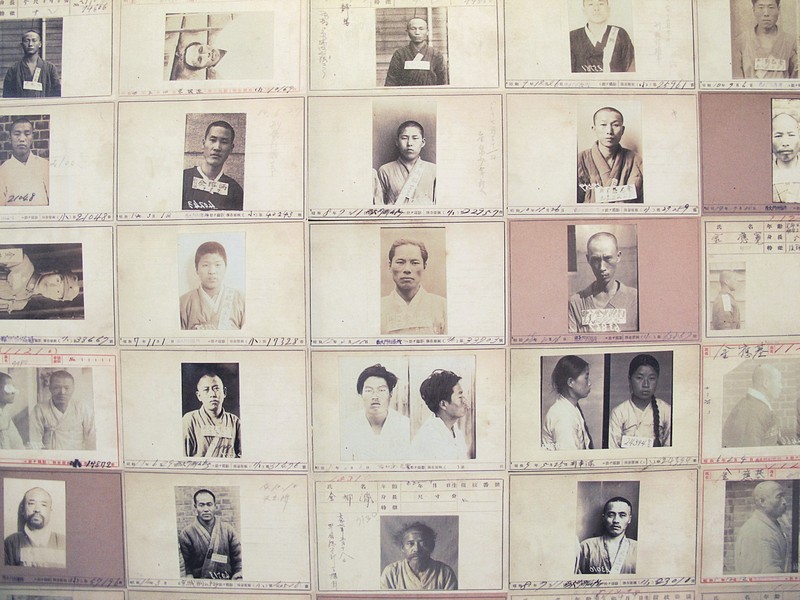
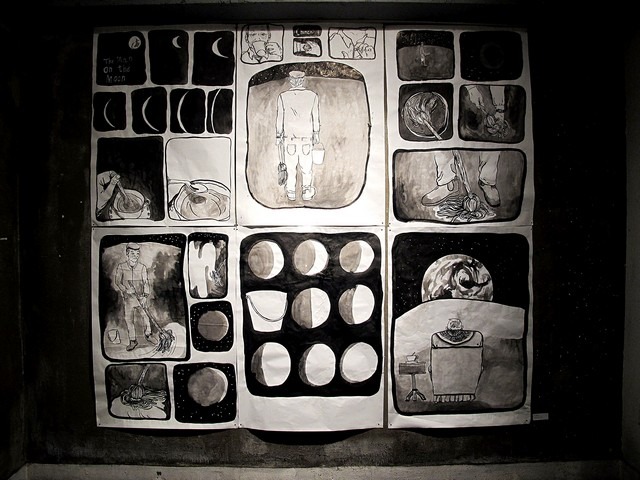
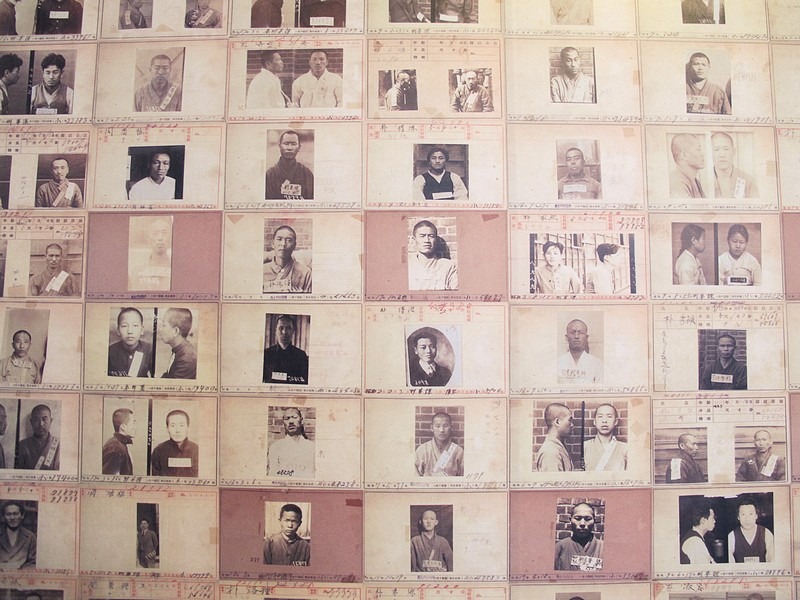
The first floor is “A Place of Reverence” to learn more about the prison and its history. Visitors then follow the signs up to the second floor which is “A Place of History” with one room that might be the darkest of all, three walls covered from top to bottom with photographs of those that died here and finally the signs lead into the basement where the torture scenes are depicted.
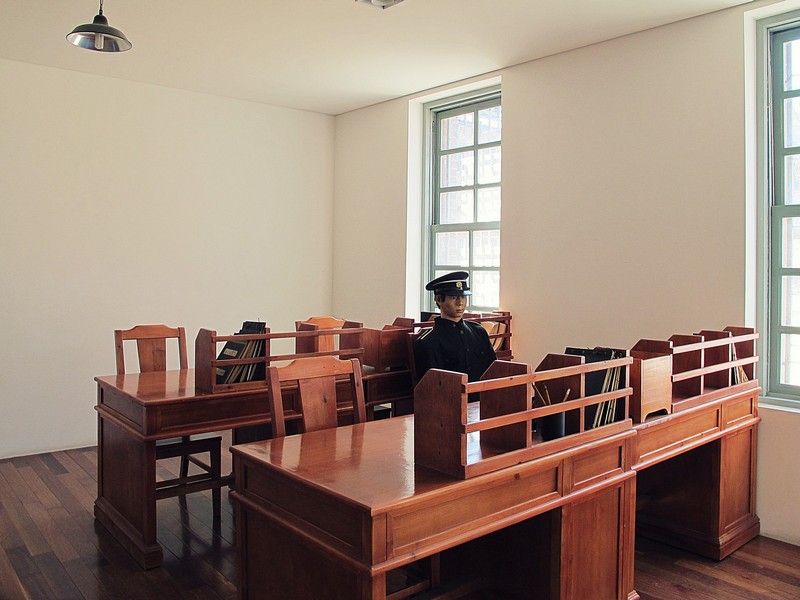
Videos and lifelike mannequins portray what the imprisoned went through, and while the English subtitles and translations are sometimes limited, they’re not really needed, these representations communicate on their own. As with most Korean history museums, the dioramas here are built to educate rather than shock, which is part of why I think this is a place you can bring kids without worrying you’re walking them into something too graphic.
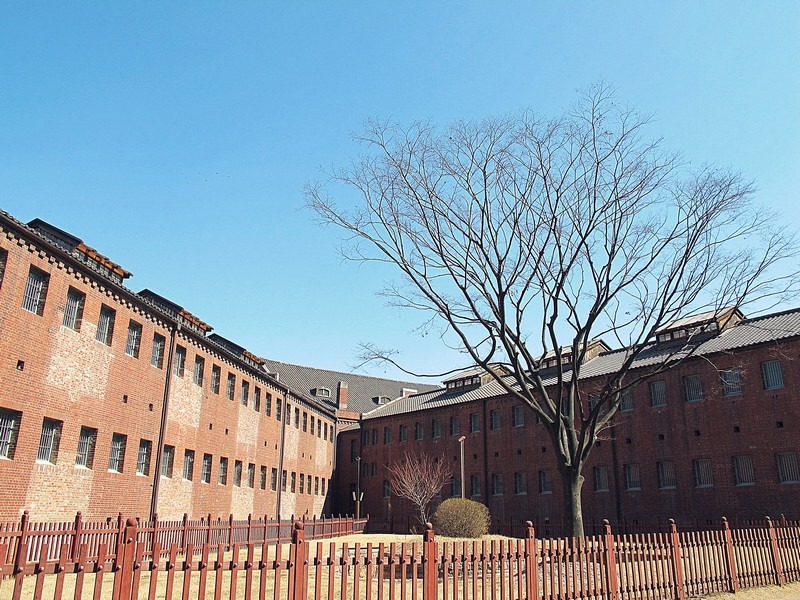
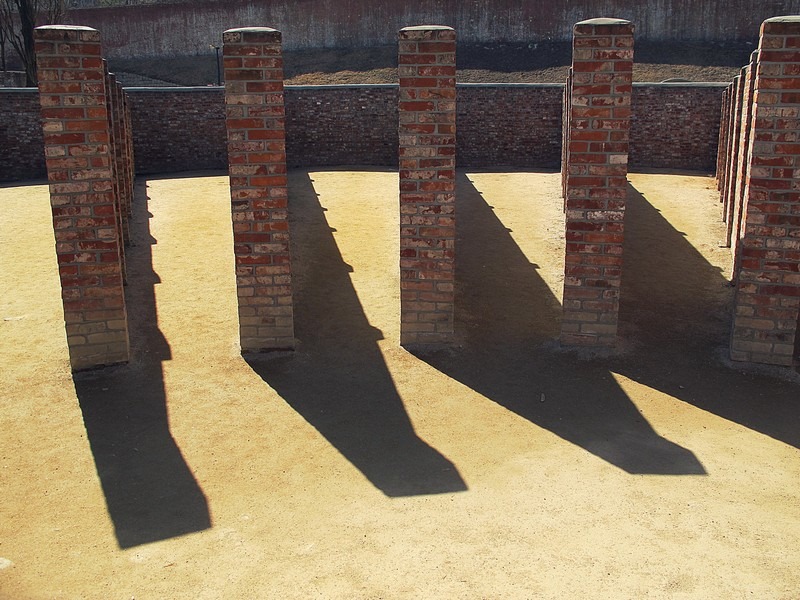
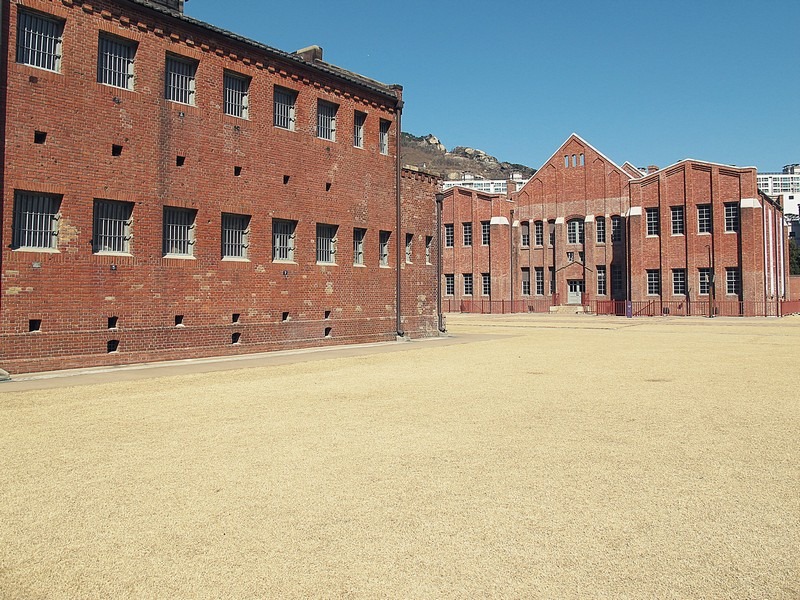
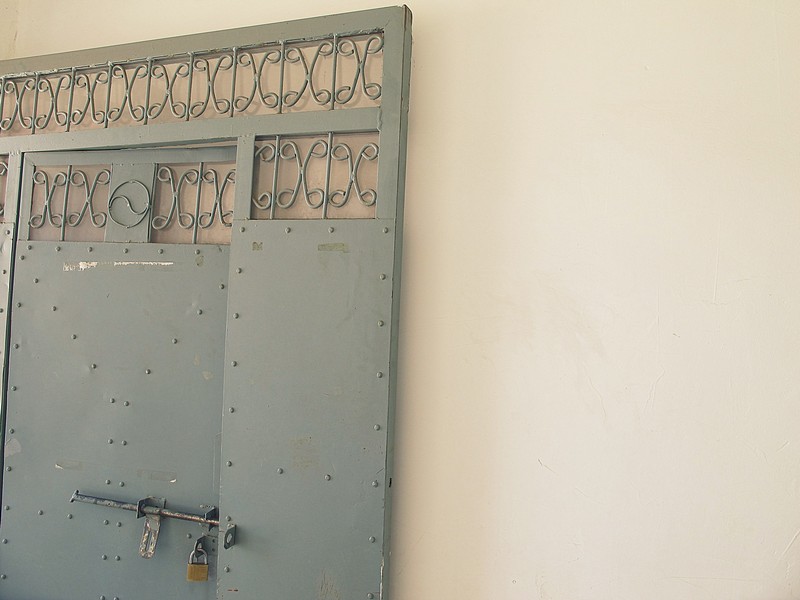
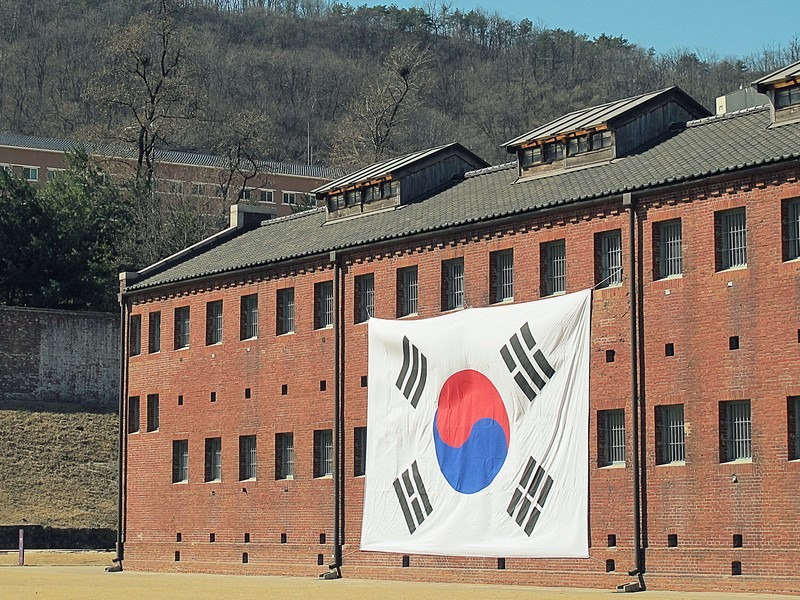
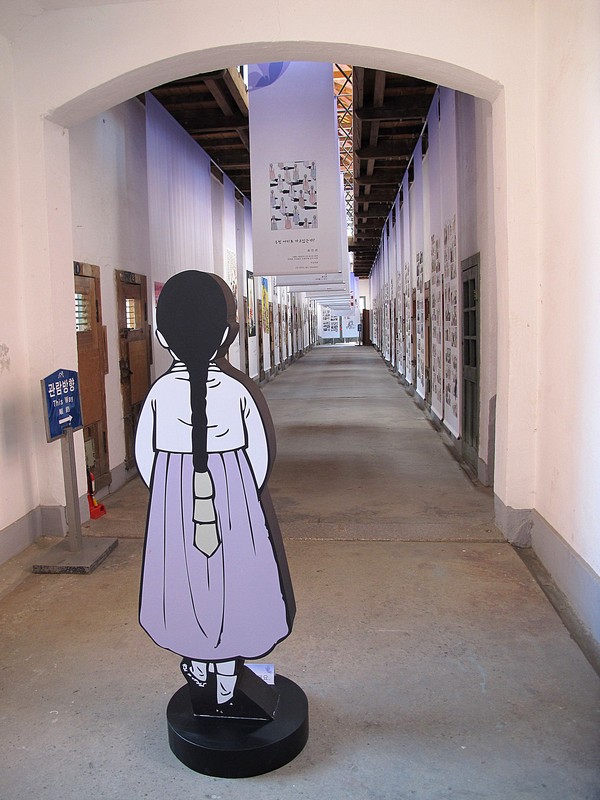
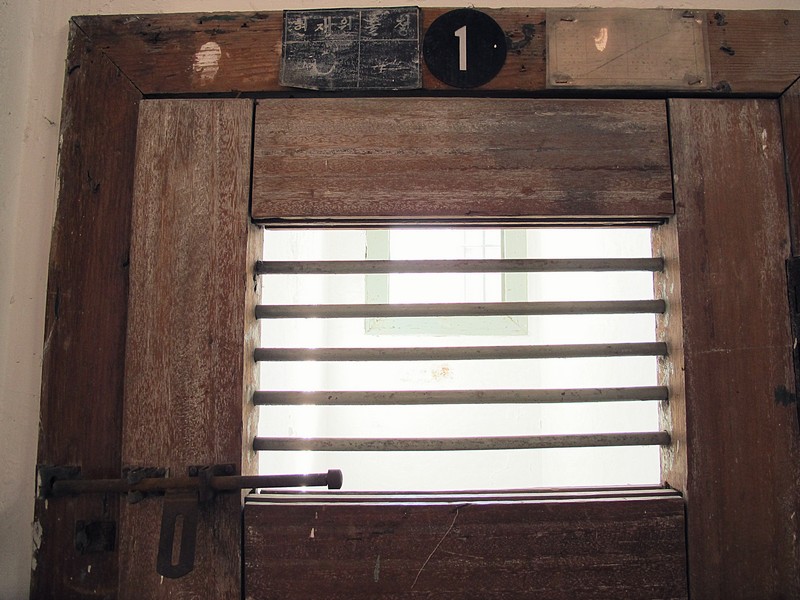
After this in depth look at the grounds and the history, arrows lead visitors into the prison halls. The doors swing open and some rooms house mannequins to allow visitors to see how they communicated by knocking on the walls and how they got through the daily struggles housed here.
The dimly lit dank feeling of the prison gives visitors an overwhelming feeling of loss and hopelessness especially when one tries to picture how 2000 activists could possibly be housed here at one time. After the prison halls have been visited, the arrows lead to the execution chamber and a small tunnel. The dead bodies were removed through this tunnel so that the executions could be concealed.
Is Seodaemun Prison History Museum Worth Visiting?
Yes, and it’s one of the most affecting history museums in Seoul for the price of admission. It’s appropriate for kids, too. There’s plenty of deep, detailed history here if you go looking for it, but nothing in the museum is so graphic it would traumatize a child. Like a lot of Korean museums, Seodaemun uses dioramas and reconstructed scenes to represent what happened rather than leaning on shock value, so you can bring the family without worrying you’ll need to explain something horrifying on the walk out.
What To Expect In Independence Park
The area surrounding the Seodaemun Prison Museum is now well maintained and lush with green areas, walking paths and statues commemorating the path to independence.The area became a park in 1988 and the monuments and statues were relocated and erected here in 1992.
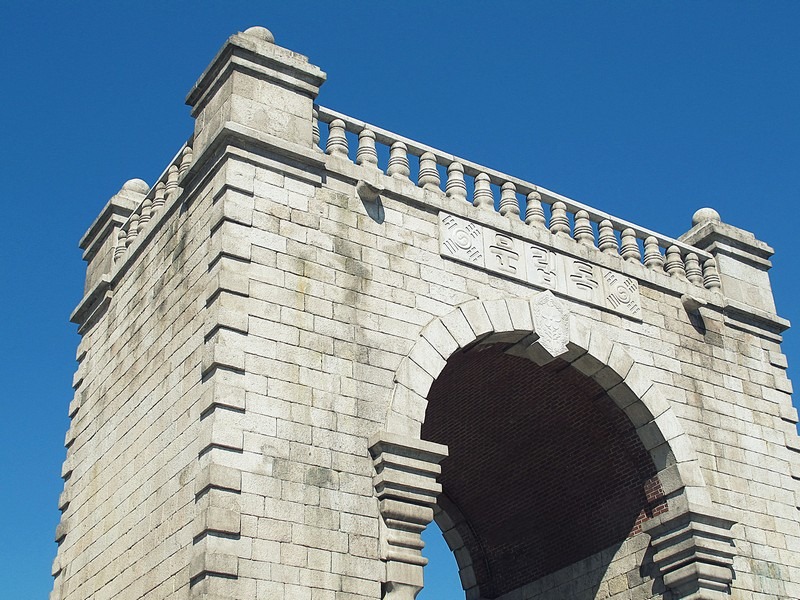
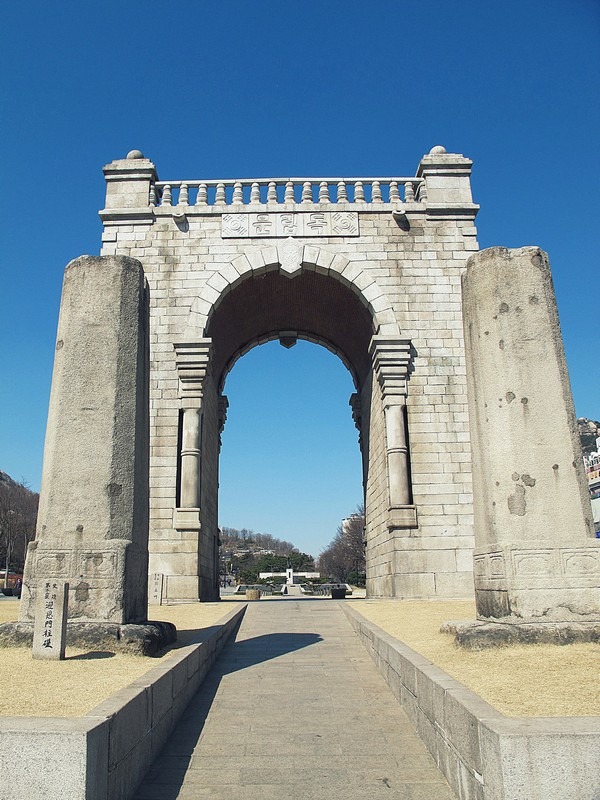
One of the biggest things to stand out in the park is Dongnimmun Gate which was built in 1897. The gate was built by the Independence Club after the Gabo Reform which aimed for internal and systematic reform of the Joseon government, according to the signage in the area.
The reforms ultimately failed due to foreign powers taking over, but the gate still stood. The granite gate that stands 14.28 meters high and 11.48 meters wide was designed by Korean architect Sim Uiseok who modeled it after the Arc de Triomphe in Paris. The gate is now historic site number 32.
Just in front of the gate are the remnants of Yeongeunmun Gate which are historic site number 33. The remnants once sat at the front gate of Mohwagwan in this area during the 7th year of King Taejong’s reign. The gate was later dismantled by the Independence Club.
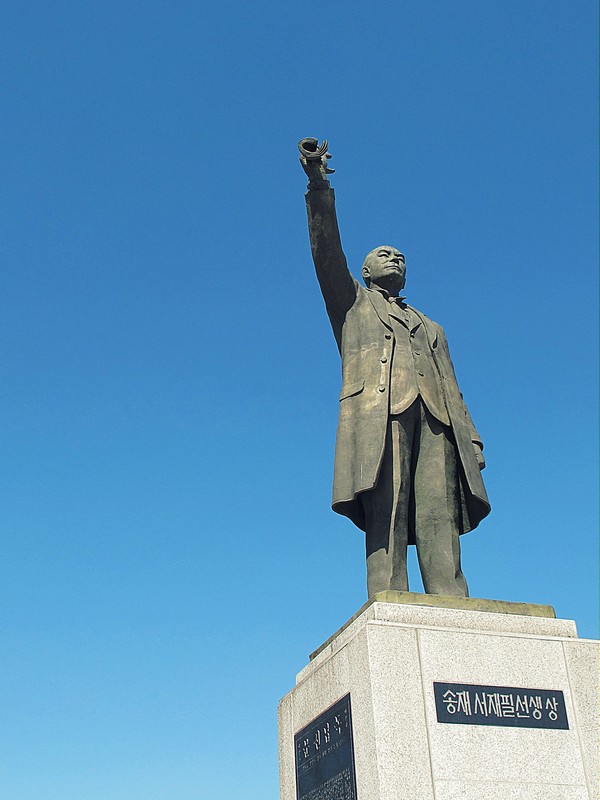
If you walk toward the prison from Dongnimmun Gate you’ll come to a statue of Suhr Jae Phil an activist for independence who published Korea’s first private newspaper “The Independence” in 1896. He had a large role in the Civil rights movement in Korea during the 1880s and 1890s and ultimately when they failed he took refuge in the US and became the first Korean to gain American citizenship.
Suhr Jae Phil is also credited with organizing the Independence Association with Yun Chi-ho and Lee Sang-Jae and together they pulled down Yeongeunmun Gate which was a symbol of Korea’s foreign policy with China as this was where envoys from China were met and welcomed. They sought to change the gate into a symbol of Korea’s independence by building Dongnimmun’s Independence Gate.
After WWII, he returned to Korea to act as the chief adviser to the US Army Military Government of South Korea at the time. He had a tremendous impact in the fight to independence in Korea.
The park is often filled with students from the nearby schools riding their bikes and eating snacks and older folks enjoying a snack on the seats and benches that are strategically placed. It’s a great place to spend a few hours not only enjoying the weather, but also learning about some of Korea’s history and historical figures.
If you want to visit another historic park in the city, don’t miss a visit to Tapgol Park which is right downtown at the end of the popular Insadong Street. Tapgol Park was the site of the first Declaration of Independence here in Korea.
Seodaemun Prison History Museum vs. War Memorial of Korea
If you only have time for one war-history museum in Seoul, here’s how the two compare. I’d actually recommend visiting both in the same trip if you can, going to Seodaemun first gives you a much more visual, human sense of what was actually happening during the occupation, and that context makes the War Memorial’s larger, more sweeping exhibits land harder.
| Seodaemun Prison History Museum | War Memorial of Korea | |
|---|---|---|
| Admission | W3,000 (tiered by age) | Free |
| Focus | Japanese colonial occupation, imprisonment and torture of independence activists | Full military history of Korea, including the Korean War |
| Size / time needed | Smaller, more intimate | Much larger; can easily fill half a day |
| Intensity | Emotionally heavy but not graphic; appropriate for kids | Large-scale exhibits, less emotionally intense in a personal sense |
| Best for | Understanding the human cost of the occupation up close | Broad overview of Korean military history |
Other Related Sites In Korea That You Might Be Interested In
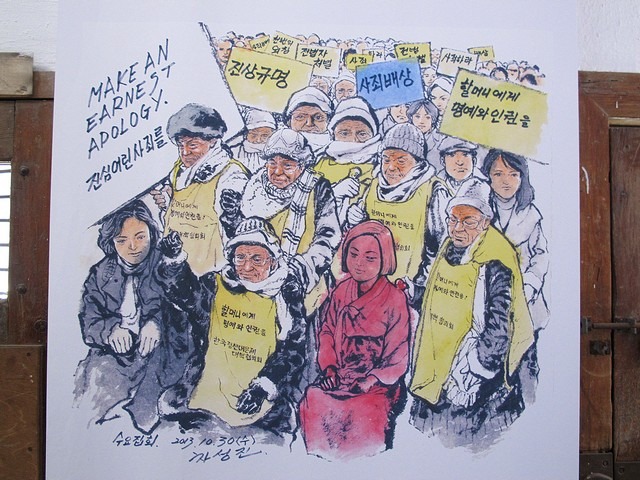
- The War & Women’s Human Rights Museum: This museum in the Mapo-gu area is dedicated to teaching future generations about the comfort women, their past, and what they’re doing today. This is a must visit if you’re interested in Korean history and how it effected the women of this country specifically.
- POW Camp On Geoje Island: If you’re headed down to Busan, Korea at some point during your stay, make time to visit Geoje Island and see the POW camp there. It once held 173,000 prisoners.
- Cheorwon DMZ Tunnels: There are a few different spots on the DMZ that you can visit to see the tunnels the North Koreans tried to build but Cheorwan really stands out for also featuring the North Korean Labor Party Building and some other historic sites that you can only visit with a guide.
- The DMZ In Paju: If you don’t have much time, the Paju DMZ sites are the closest to Seoul, Korea and are where most tourists go to see North Korea and learn more about past struggles. The area is also home to numerous sites devoted to the hopeful reunification.
- Camp Greaves: This American military installation was given back to the people of Korea and is now home to a museum as well as artistic installations promoting reunification between North and South Korea. It’s a very unique stop to learn more about war on the peninsula.
FAQ
Is Seodaemun Prison History Museum worth visiting?
Yes. It’s one of Seoul’s most affecting history museums, and at ₩3,000 for adult admission, it’s also one of the most affordable. It gives visitors a close, personal look at the human cost of the Japanese occupation that larger museums like the War Memorial of Korea don’t cover in the same way.
Is Seodaemun Prison appropriate for kids?
Yes. There’s plenty of in-depth history if you go looking for it, but the museum isn’t graphic. Like most Korean history museums, it uses dioramas and reconstructed scenes to inform rather than shock.
What’s the difference between Seodaemun Prison and the War Memorial of Korea?
Seodaemun Prison History Museum focuses specifically on the Japanese colonial occupation and the imprisonment of independence activists, it’s smaller, more intimate, and emotionally close-up. The War Memorial of Korea is free, much larger, and covers the full sweep of Korean military history, including the Korean War. Visiting Seodaemun first gives helpful, visual context that makes the War Memorial’s broader exhibits hit harder.
Is English information available at Seodaemun Prison?
Yes, English information is available throughout the museum, so you don’t need a guide or Korean fluency to understand the exhibits.
Is Seodaemun Prison free?
Independence Park itself is free to enter. The museum charges ₩3,000 for adults, with lower rates for teens and children and free entry for ages 6 and under and seniors 65+.
Is Seodaemun Prison the same as Seodaemun Museum of Natural History?
No, these are two completely different museums that just happen to share the “Seodaemun” name. Seodaemun Prison History Museum covers the colonial-era prison and independence movement; Seodaemun Museum of Natural History, located separately, is a science museum focused on natural history.
Did you like this post? Pin It!