How to Visit the Cheorwon DMZ From Seoul: Tunnels, Birds, and History
Last Updated on October 13, 2026
There is always a point for tourists when they decide whether or not to visit the DMZ. The areas in the demilitarized zone open to tourists center on tunnels North Korea built decades ago in failed attempts to infiltrate the South. The most visited and easiest to reach is the Paju-area DMZ, but it’s also, for my taste, a bit too touristy. The trek to Cheorwon takes more time and thus the experience is completely different.
Cheorwon offers something Paju doesn’t: real distance from crowds, a sobering atmosphere, and, depending on the season, one of the best birdwatching destinations in Korea. This guide covers how to get there, what the tour involves, and what you’ll actually see.
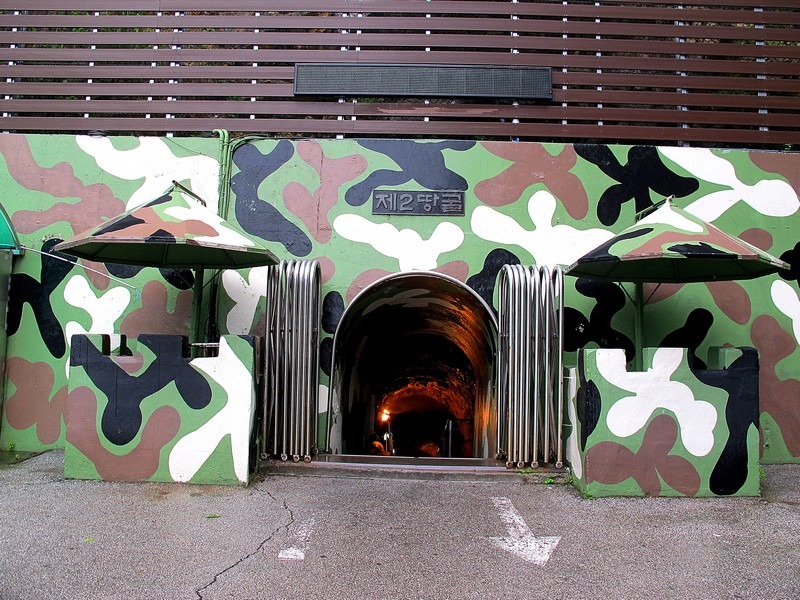
Want to know how to visit the DMZ from Seoul, Korea? Let me get you to the Cheorwon DMZ area centered around the second underground tunnel for an experience you won’t forget.
- How To Get There
- Booking and Reservation
- 2nd Underground Tunnel
- Woljeong-ri Station
- North Korean Labor Party Building
- Birdwatching in the DMZ
- FAQ
(This post contains affiliate links, which means I receive a certain percentage of a sale if you purchase after clicking. These funds go to maintain the site. Thank you for your support.)
How To Get There
Getting to Cheorwon is not the easiest trip, and it’s worth budgeting extra time. The intercity bus from Seoul stops frequently along back roads, turning what could be a 90-minute highway drive into a 3-hour journey.
By bus: From Dong Seoul Bus Terminal (near Gangbyeon Station), take an intercity bus toward Cheorwon. Expect around 3 hours depending on the route and stops. Alternatively, buses run from the Express Bus Terminal to Uncheon Bus Terminal (운천버스터미널), also about 3 hours; from there, a taxi to Goseokjung (고석정) gets you close to the starting point.
From the bus terminal to the Reception Center: A taxi is necessary, and the timing can be tight, budget extra time. We arrived with about 15 minutes to spare and made it work, but it’s safer not to cut it that close.
Without a car: You’ll need to hire a taxi for the day if you’re not joining an organized tour, since the official tour itself doesn’t include transportation between stops outside the tunnel route. If you go this way, negotiate a flat rate for the full day rather than letting the meter run. We negotiated ₩60,000 for three hours; the meter would have read closer to ₩90,000 by the end.
Join a tour: For the tour from the Cheorwon DMZ Peace(security) Tourism Reception Center, visitors also need to have their own car or hire a taxi that has the proper permits to go through the gates. Basically, there are quite a few logistics to figure out and time that is required. If you don’t want to figure it all out on your own like we did, definitely join a tour. Here are some good options:
Book with Trazy: Get picked up in central Seoul and visit the 2nd Tunnel and other important stops in the region.
Booking and Reservation
If arranging your own visit rather than booking a pre-packaged tour, here’s how the official system works:
Departure times: 9:30am, 10:30am, 1:30pm, and 2:30pm (2:00pm in winter), four sessions daily.
Registration: Applications must be submitted 30 minutes before departure. If demand is high, registration may close before the official deadline, don’t cut it close.
Individual visitors: On-site, same-day registration only. No phone or internet reservations. Limited to 50 vehicles per session.
Groups: Must inquire in advance, same-day registration is not available for groups, to manage congestion in the tunnels. Groups of 20 or more paid visitors receive a discount.
ID requirements: Each vehicle needs one designated representative who carries and presents a passport. Staff hold passports temporarily during the tour and return them afterward. Foreign nationals are not eligible for fare reductions.
Closed: Every Tuesday, Children’s Day, Seollal, and Chuseok holiday periods.
The tour itself runs from the Reception Center through an entrance checkpoint, to the 2nd Tunnel, to the Cheorwon Peace Observatory, then out through an exit checkpoint.
Website: Check the Cheorwon website for updates on the official tour and departure times here www.cwg.go.kr
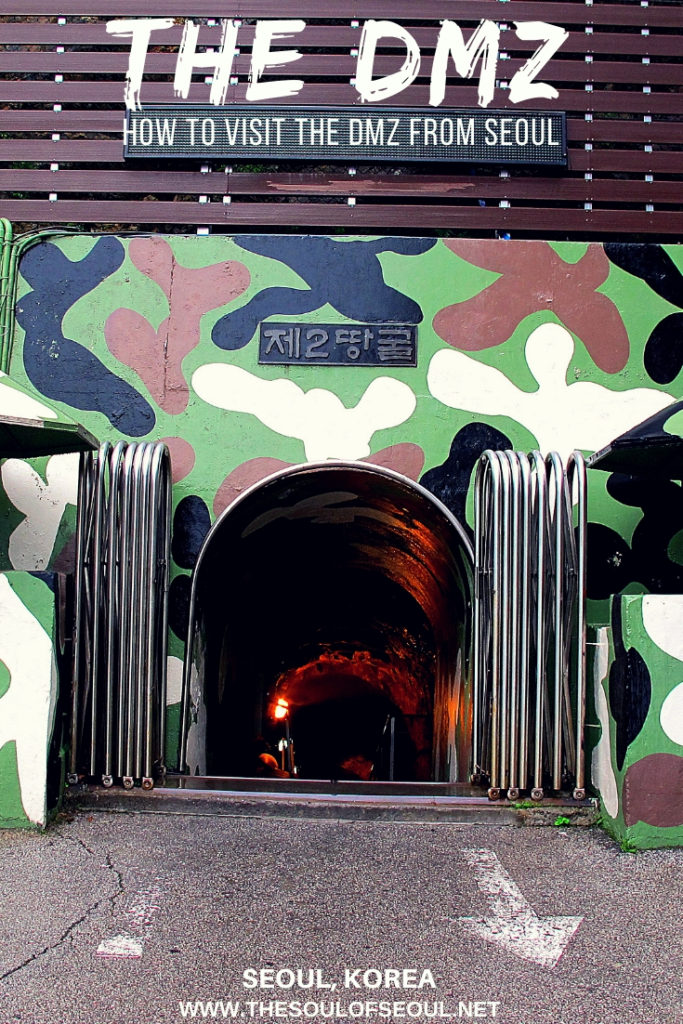
2nd Underground Tunnel
Discovered in March 1975, about 800 meters south of the Military Demarcation Line, after a soldier heard an explosion underground. The tunnel runs 3.5 kilometers long, up to 2 meters high and 2.1 meters wide, cutting through bedrock 50 to 160 meters below the surface.
This wasn’t a minor infiltration route. The tunnel was apparently designed for a surprise assault on Seoul, with capacity for 30,000 troops per hour alongside light weaponry, a staggering figure that puts the scale of the threat into perspective.
North Korea initially denied building it, then claimed it was part of a coal mine, blackening the tunnel walls with explosive residue to support the story. The tunnel signage points out the obvious problem with that explanation: the visible walls are granite, an igneous rock, while coal deposits form in sedimentary rock. The cover story doesn’t hold up to anyone looking closely. Four tunnels have been discovered total; intelligence suggests there may be as many as twenty more still undiscovered.
Inside, hard hats are provided for the wet, dark descent. Along the route, you’ll see holes the original engineers cut to the surface for visibility. At the tunnel’s end, mannequins in uniform and active cameras monitor against anyone attempting to go further.
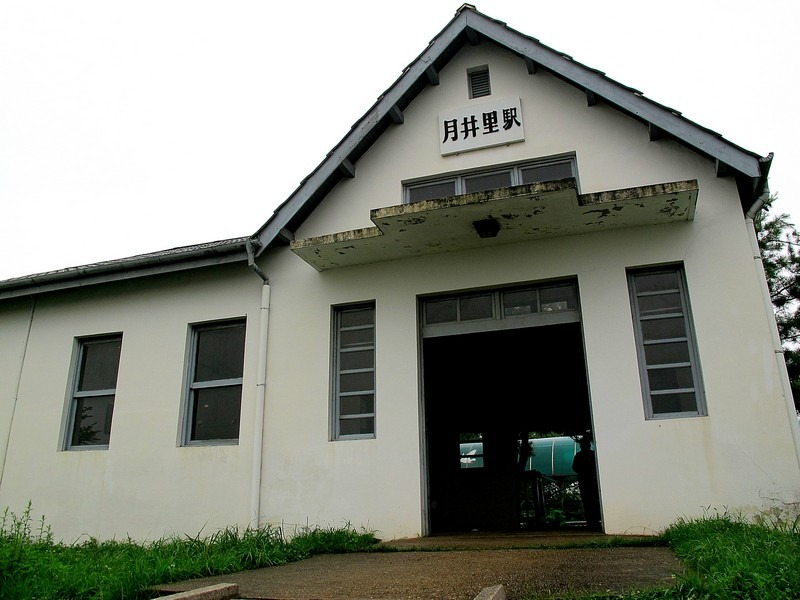
Woljeong-ri Station
The name means “moon and well,” and it comes with a local legend: a girl whose father was gravely ill dreamed that water carried from a nearby well, by hand, one thousand times before moonset, would heal him. She completed the task and saved her father’s life, but died from the exertion. The town takes its name from her memory. A small statue near the station honors her, the station itself is far less remarkable than the story behind its name.
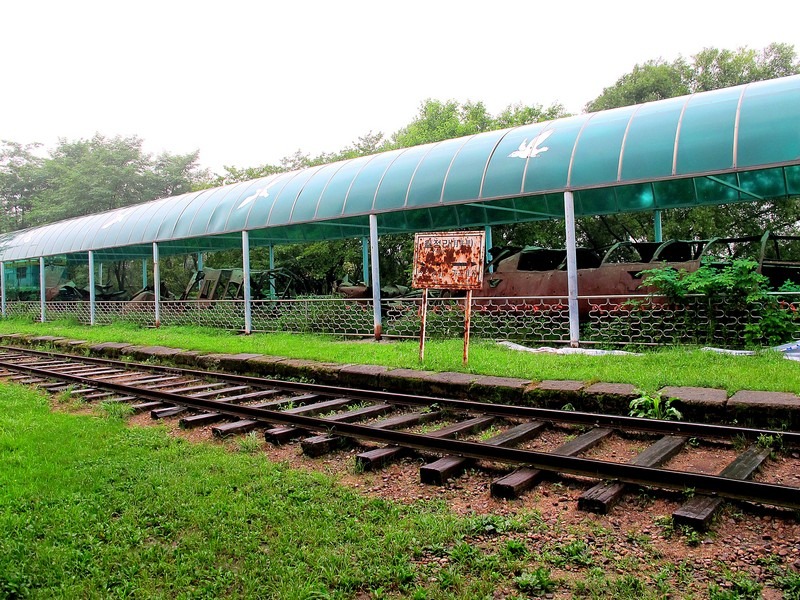
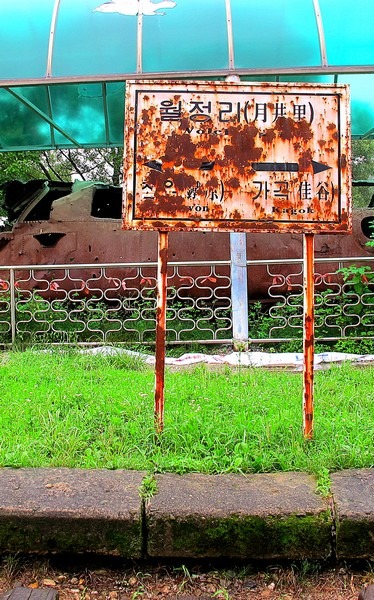
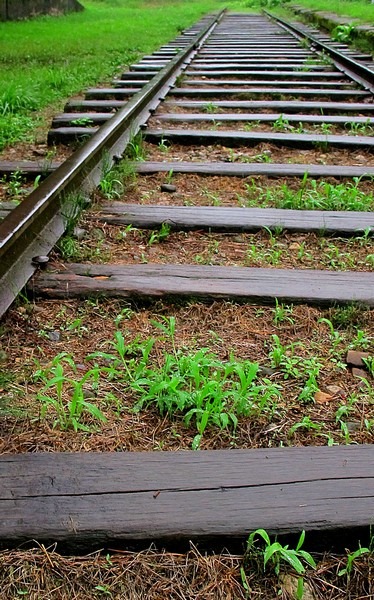
What remains is essentially a shell of its former self, once a stop on the Seoul-Gangwon line and a small rail yard where stock was stored before continuing to Wonsan, now in North Korea. Behind the building sits an old North Korean transport train, bombed by UN forces, windows twisted upward, frame rusted and crooked.
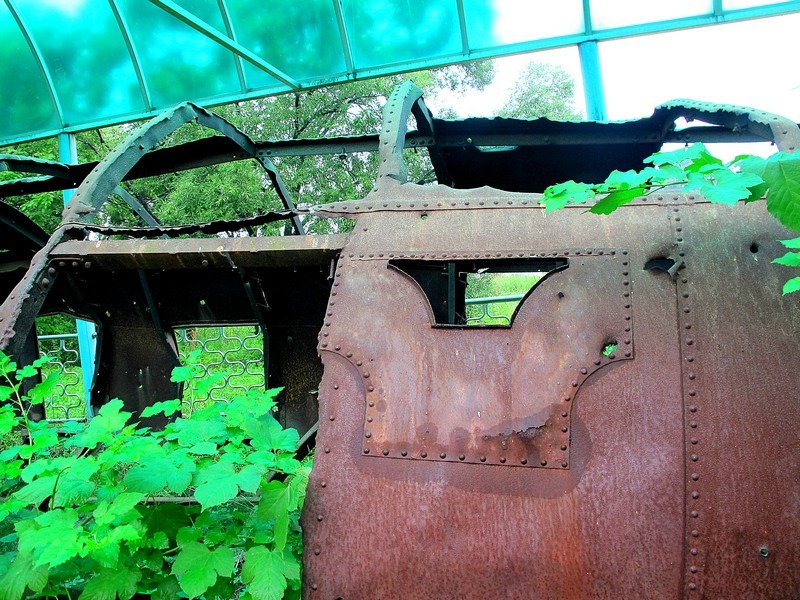
On one visit, a group of women picked berries growing wild through the train’s skeleton and shared them while reflecting on the area’s recent past. A sign nearby reads “The iron horse wants to run”, a quietly devastating epitaph for a train that once made regular trips into what is now North Korea, on a line that used to connect the two halves of the peninsula.
Address: 1882 Durumi-ro, Cheorwon-gun, Gangwon-do.
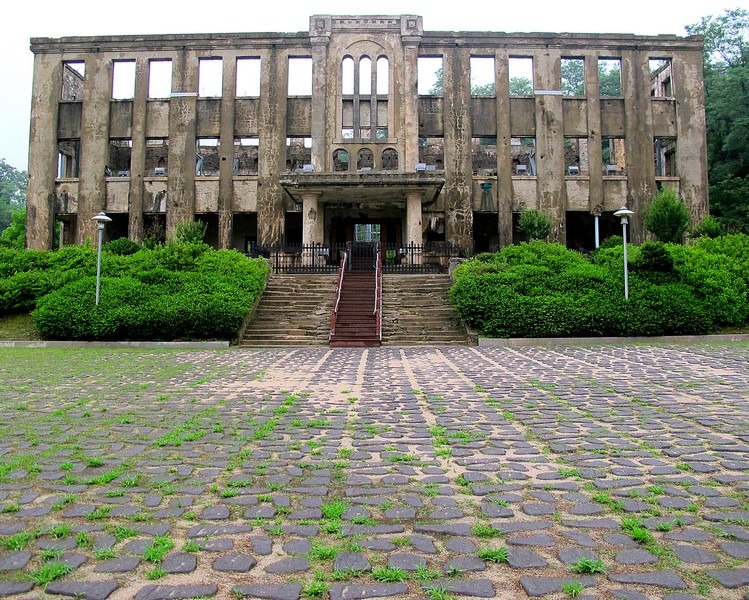
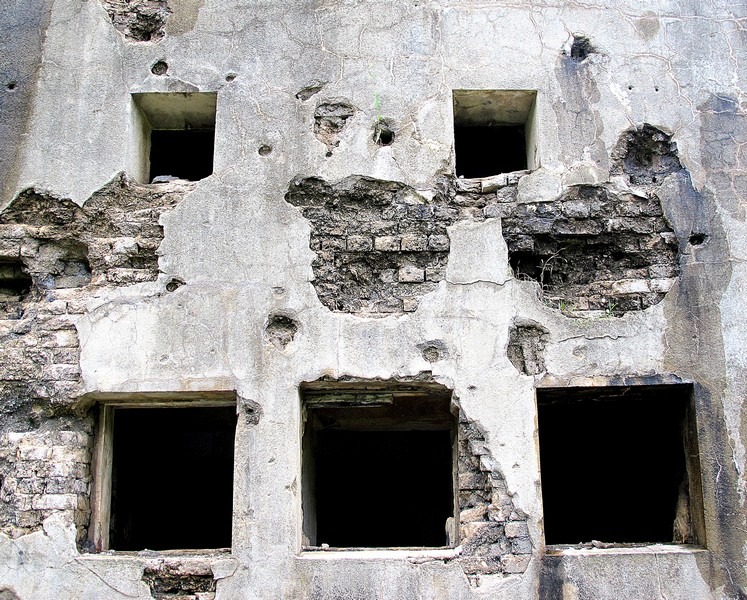
North Korean Labor Party Building
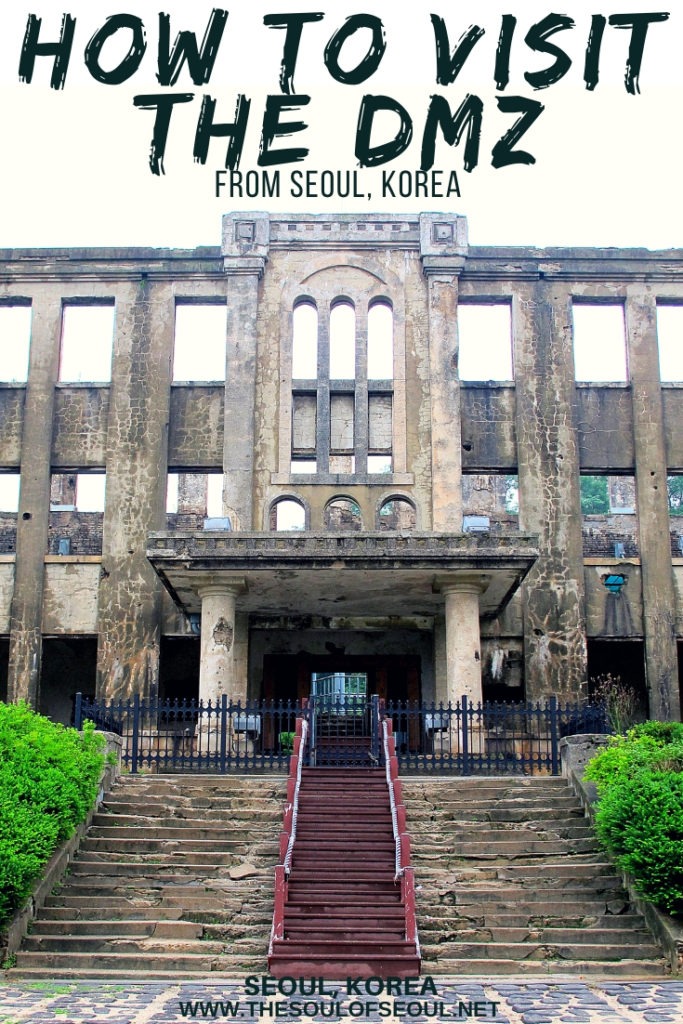
Built in 1946 and used by the party until the 1953 armistice. North Korea controlled this territory for five years, as it sits above the 38th parallel, but South Korean and UN forces took control during the war, and the armistice left it under South Korean control.
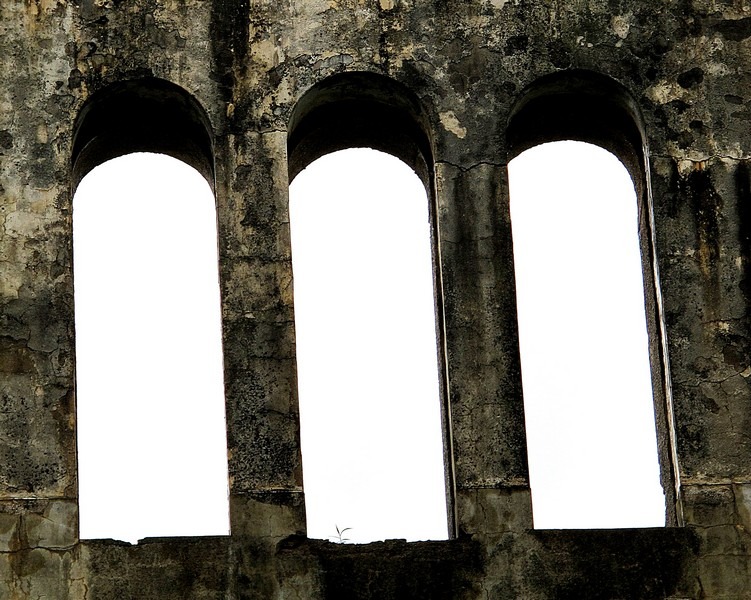
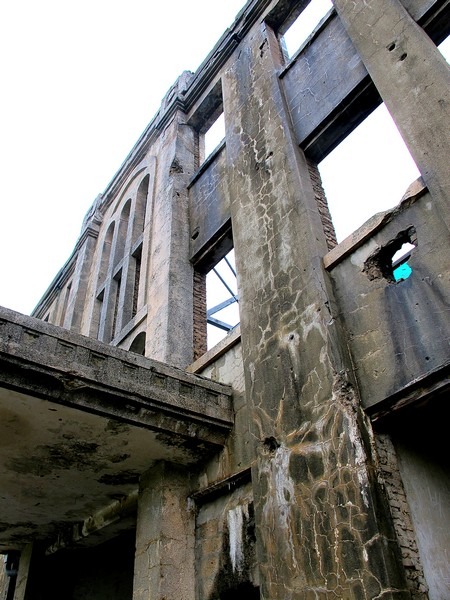
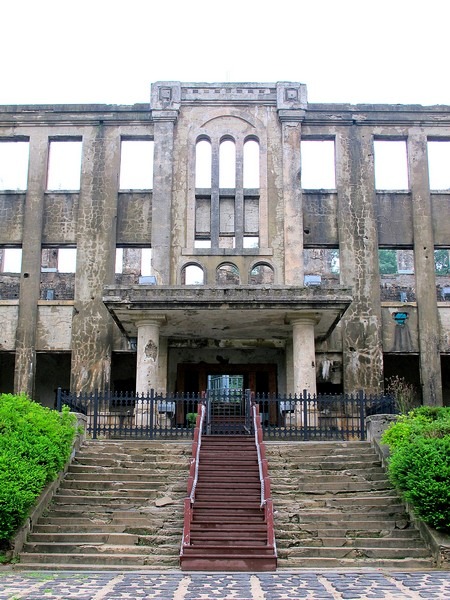
The bullet holes and missing ceiling are blunt evidence of the violence here, on top of the violence the building itself reportedly hosted, local accounts describe the building’s reputation for brutal interrogations, with a saying that “anyone who goes in there never comes out unscathed.” Where a vibrant city once stood, there are now rice paddies and checkpoints.
The building is now a Registered Cultural Asset of Modern Cultural Heritage, drawing hundreds of thousands of visitors annually who come to remember and learn.
Birdwatching in Cheorwon
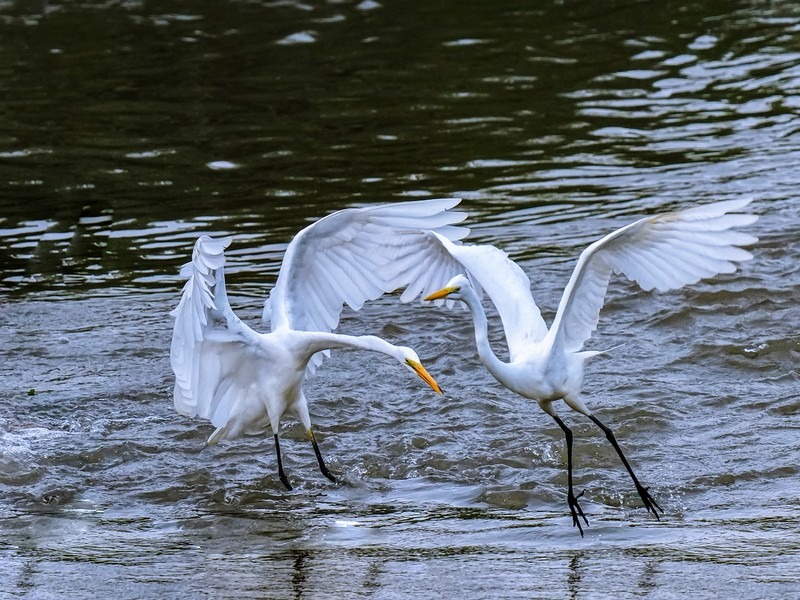
Beyond the war history, Cheorwon’s DMZ buffer has become an unlikely sanctuary. Decades without human disturbance turned the area into Korea’s largest habitat for the red-crowned crane. During winter, the region also hosts white-naped cranes, hooded cranes, Eurasian black vultures, white-tailed eagles, whooper swans, and Baikal teals.
If birdwatching interests you alongside the history, winter is the season to visit, the cranes and other migratory species are present from roughly December through February. This gives Cheorwon a dual identity that Paju’s DMZ sites don’t really have: a place of war history that has also become, almost accidentally, one of Korea’s most important wildlife refuges.
Access to the wider DMZ buffer area is possible by car along a roughly 40-kilometer circular route, though this is a heavily controlled area and ID is required to access most points along it. Read the guide to birdwatching in Korea for more information.
FAQ
How is the Cheorwon DMZ different from the Paju DMZ?
Cheorwon is more remote, less touristy, and offers a more somber, historically grounded experience. It also functions as a major wildlife habitat, particularly for cranes during winter migration, something the Paju-area sites don’t offer. Paju is easier to reach and more developed with tourist infrastructure; Cheorwon requires more effort but delivers a different, often more memorable experience.
How long does it take to get to Cheorwon from Seoul?
By intercity bus, expect around 3 hours due to frequent stops along back roads, even though the direct highway distance would normally take about 90 minutes. Organized tours with direct transportation from Seoul can be more time-efficient.
Do I need a tour to visit the Cheorwon DMZ?
You need either an organized tour or your own vehicle plus the proper permits to pass through checkpoints. Independent visitors without a car will need a taxi with appropriate clearance for the controlled area.
What will I see on the Cheorwon DMZ tour?
The standard route covers the 2nd Underground Tunnel, Cheorwon Peace Observatory, Woljeong-ri Station, and the North Korean Labor Party Building, departing from and returning to the Cheorwon DMZ Peace Tourism Reception Center.
When is the best time to visit Cheorwon for birdwatching?
Winter, roughly December through February, when red-crowned cranes, white-naped cranes, and several other migratory species are present in large numbers.
What was the purpose of the 2nd Underground Tunnel?
Intelligence assessments suggest it was built for a surprise military assault on Seoul, with the capacity to move 30,000 troops per hour. North Korea denied building it, then falsely claimed it was a coal mine, a story disproven by the granite (rather than coal-bearing sedimentary) rock visible in the tunnel walls.
Cheorwon isn’t an easy add-on to a Seoul itinerary, and that’s part of the point. The distance keeps the crowds away, and what’s left is history that hasn’t been smoothed over for tourists. There are bullet holes, a tunnel built for an invasion, a station named for a girl who died saving her father, and, improbably, one of the best places in the country to watch a crane in flight.
Did you like this post? Pin It!


3 Comments
TC
I used to be stationed nearby in the Korean Army and we used to pass by the Labor Party during our long distance marching as part of the exercises. Always gave me butterflys and very exotic. Beautiful place with something super soviet like standing in contrast, can’t really describe how I feel. Thank you bringing back the memories
Rachel
Hi there! Thank you so much for putting all of this information together. I was looking for an alternative to the Paju DMZ options and your site has been so helpful. I’m going to be in Seoul in a couple weeks with my mum – she’s 70 years, in good health generally speaking but does get tired after walking an hour or so and has a bit of a bum knee. Is the second tunnel too arduous for her? And also, if she doesn’t think she’s able to do it, is it possible for her to wait for the rest of the group to finish or does she need to be with the group at all times? Thanks!
Hallie Bradley
Hi Rachel, Usually at the tunnels, the guides will ask people if they can/are able to get down and back up on their own. Anyone who can’t, should wait at the top. The local guide will be able to help you determine if it’ll be too arduous for your mom and her abilities I’m sure. Good luck with your trip!