-
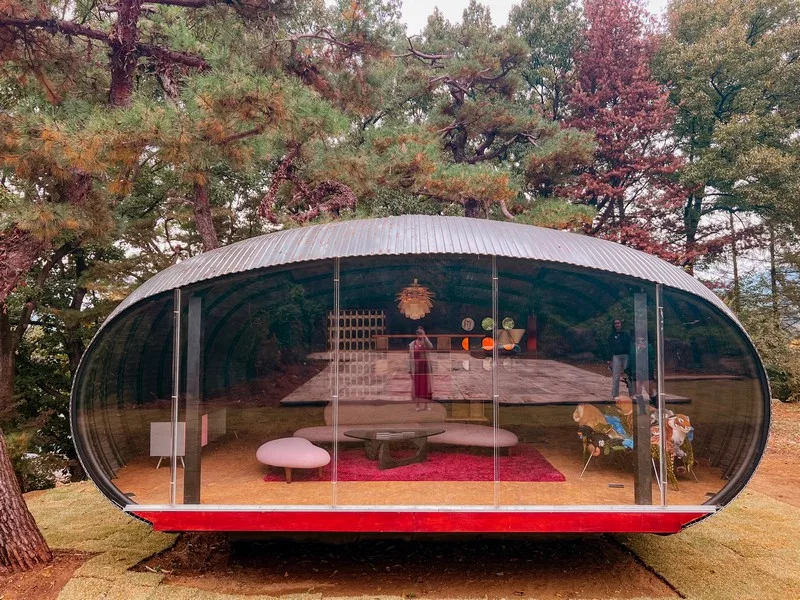
Eham Campus: A Space for Art and Architecture in Yangpyeong
A great thing about Korea is that no matter where you look, there is bound to be something interesting to see. Take Yangpyeong-gun in Gyeonggi-do. Just outside of Seoul, it’s an area that rarely gets promoted and yet it has all kinds of interesting arts and culture spaces. I have had a hankering to visit the Lee Jae Hyo Gallery in that direction for some time, so when the perfect day arose and my friend suggested stopping at Eham Campus (이함캠퍼스) on the way, I said, absolutely! When I first saw the name, I actually thought it was a university or a company campus, because those are everywhere in Korea.…
-
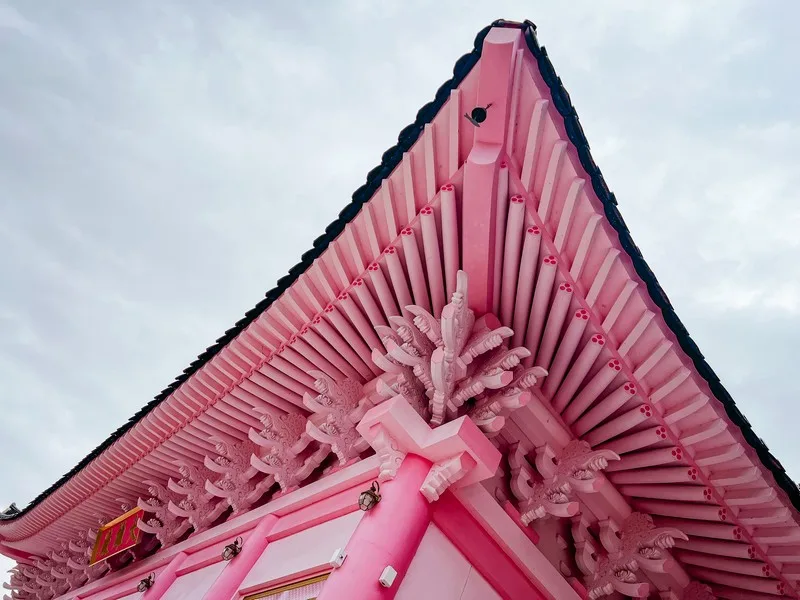
Doamsa Temple: Where To Find Korea’s Pink Buddhist Temple
I’ve heard it from many of people visiting Korea that all temples in Korea look the same. “If you’ve seen one, you’ve seen them all,” they’ll say. And sure, generally, you’ll see the same architectural styles, statues, and usually color scheme. But they really do not look all the same, and sometimes there are some really really unique temples in Korea too, like Doamsa (도암사). Need some other recommendations from towering buildings to golden exteriors? Check out my guide to Buddhist temples in Korea you must see. Doamsa temple is a small Buddhist temple at the foot of Yongmunsan Mountain in Yangpyeong, Gyeonggi-do about an hour and a half east…
-
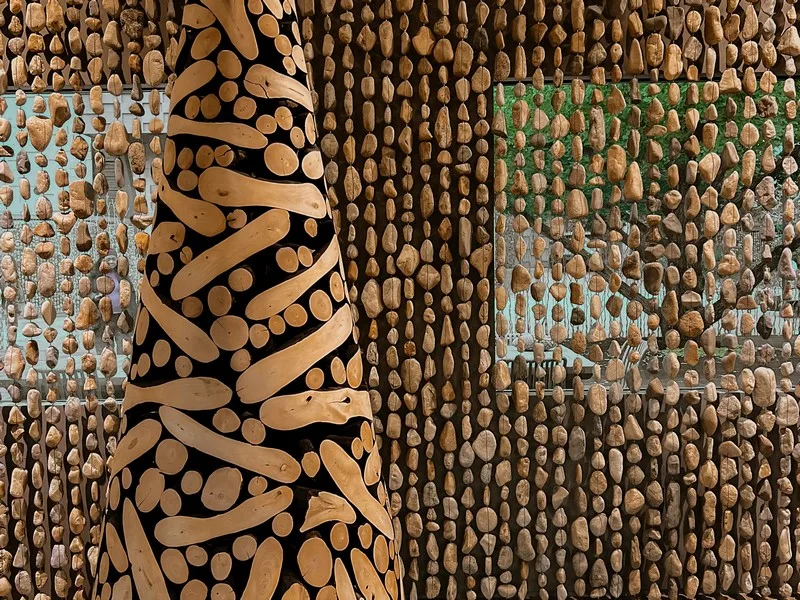
Lee Jae Hyo Gallery: Where Wood Takes On Impossible Forms
If you’ve spent any real time in Korea, you’ve probably seen a Lee Jae Hyo work without knowing it. A giant sphere made of hundreds of pieces of wood, sanded so smooth it almost looks liquid or perhaps hanging stone insallations. For years I kept bumping into his work, and every time I’d stop and stare and think, how is that even physically possible? After spotting the works for years, I realized there was a gallery out in Yangpyeong where he worked and added it to my list to visit. It took another few years before I did, but boy was the day trip from Seoul worth it. The Lee…
-
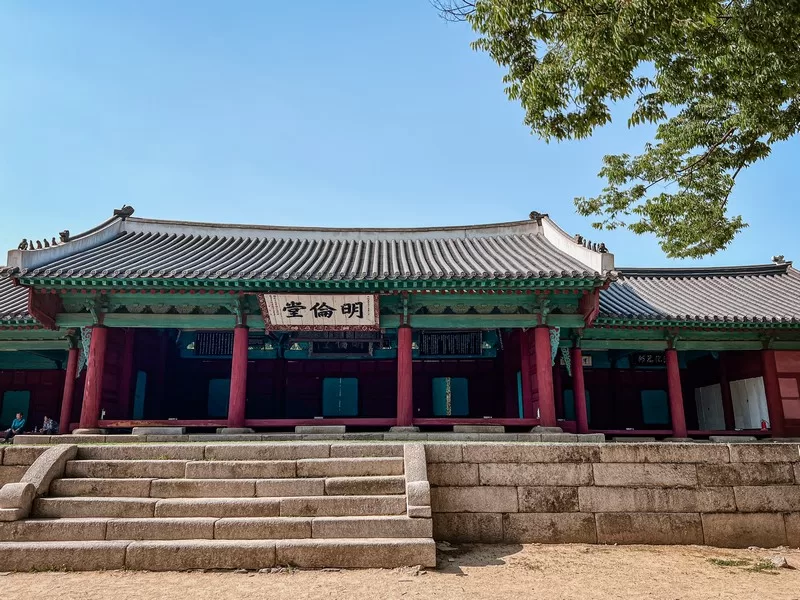
Sungkyunkwan and Munmyo Shrine: Seoul’s Joseon Royal Academy
Sungkyunkwan (성균관) was the highest national academy of the Joseon Dynasty, and Munmyo (문묘) is the Confucian shrine that stands in front of it. Founded in 1398 and tucked just inside the main gate of Sungkyunkwan University in Jongno, it’s free to visit and one of the only places in Seoul where you can walk through a working Confucian shrine and a 600-year-old school in the same hour. It’s a place that you won’t hear about just anywhere which means most days, it’s quiet, calm, and a break surrounded by history that makes it a unique place to visit in Seoul. It’s not a large site. But it’s a fascinating…
-
Tage Retinal Review: PDRN Pore Cream vs. Volufiline Stick
One of the first things you’ll learn when diving into Korean beauty is how important it is to protect your skin from the sun, and not just on those fun beach days. That’s why brands like Tage, a Korean skincare brand solely focused on sun exposure and damage exist. Tage’s philosophy is “Shield and Repair”, promoting protecting the skin from the sun during the day, but also helping it recover at night. For the past three weeks, I’ve been using two of Tage’s new retinal products: the Retinal PDRN Pore Vita Cream and the Retinal Dual Volume Vita Multi Balm. The second one is a twist-up stick made with the…
-
Arirang Meaning: Korea’s Folk Song and Its Many Versions
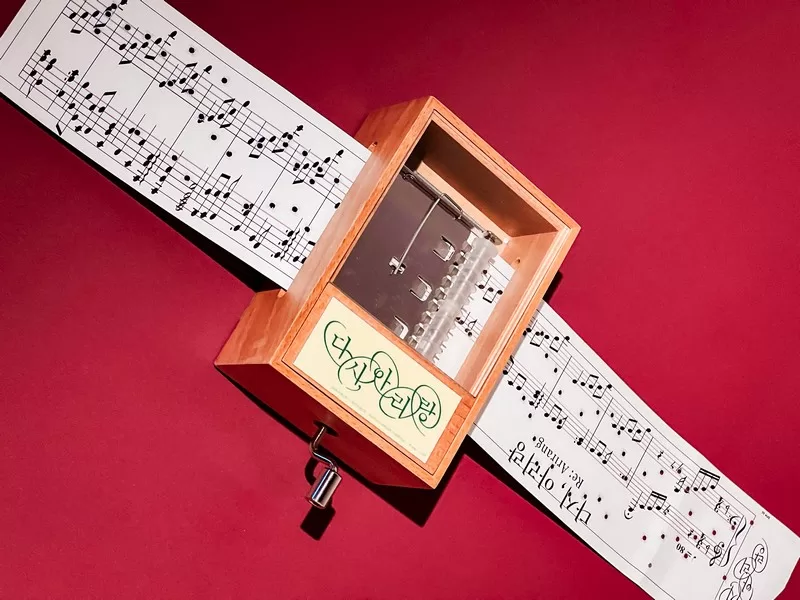
Arirang is Korea’s best-known folk song, often called the country’s unofficial national anthem. Honestly, whenever I try to remember the national anthem, Arirang always comes out first. And every time I hear it, it’s the same song, so boy was I surprised when I found out Arirang isn’t one song at all, it’s a whole family of songs. UNESCO cites roughly 3,600 variations belonging to about 60 versions in South Korea. They share a refrain built around the word “arirang” but change from region to region, singer to singer, and era to era. This guide covers what Arirang means, the lyrics everyone knows, how the regional versions differ, the surprising…
-
What Is Beolcho? Experiencing Korea’s Ancestral Grave-Cleaning Tradition
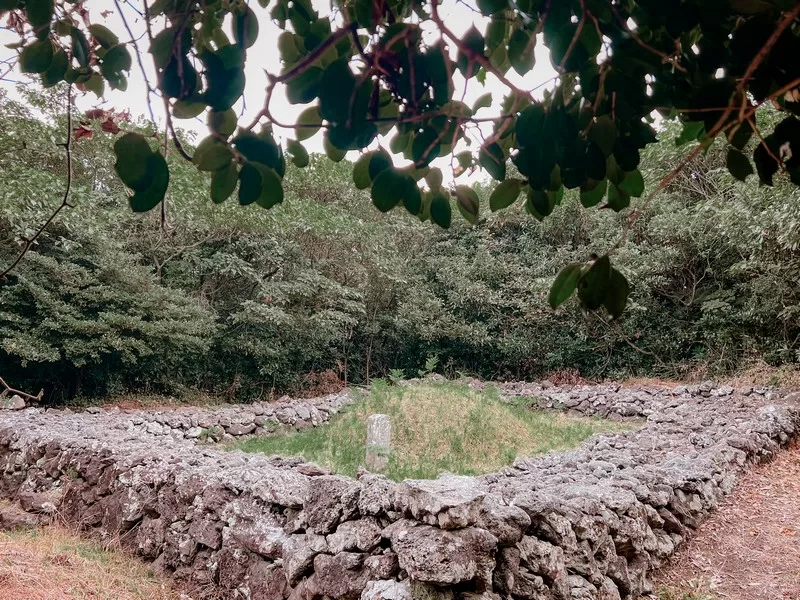
This year, I joined my husband, father-in-law, and daughter to visit our family’s ancestral graves, and I finally got to see what beolcho (벌초) is all about. Living in Jeju and enjoying a daily walk, I see graves all over. You can find these little plots with mounds between farms, up on hillsides, they’re everywhere, but always out of the way. The ones I’d noticed were always visible from the road, so I had always imagined that we’d drive somewhere, walk up to a family gravesite, clean around a few burial mounds, and pay our respects. Our family’s graves aren’t on Jeju, though. My husband’s family is from Anui-myeon in…
-
Korean Poop Culture: Why Koreans Are Obsessed With Poop
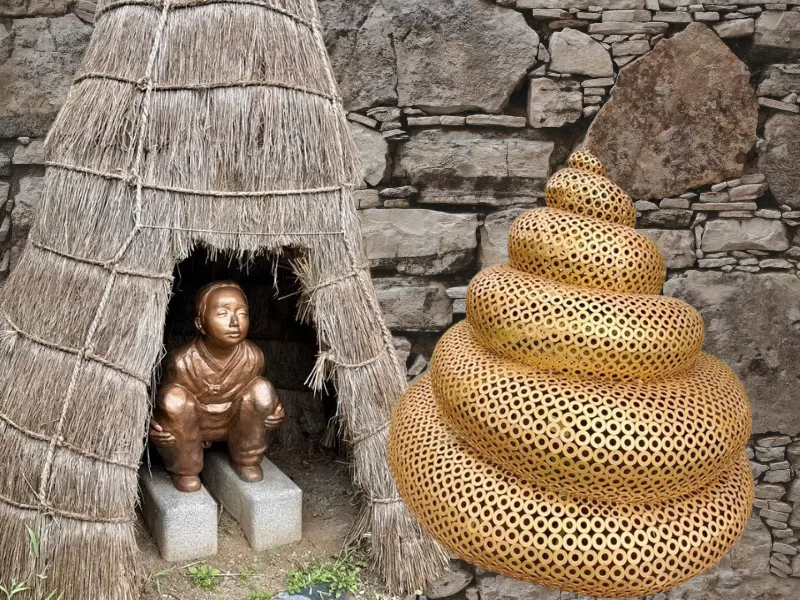
There’s an obsession with poop in Korea that I’ve just never understood so I decided to do a deep dive into the obsession to learn myself and I’m going to share all of my findings because it’s honestly fascinating. If you have kids, read this with them, they will likely enjoy this topic of conversation as well. Oh the things I’ve learned. Poop is discussed in Korea much more than I ever heard it discussed back in the States and I’m pretty sure my mom would never be able to live here because of that. Not to say it’s bad, I have appreciated the openness. But it’s just so surprising…
-
How To Get Home After Midnight In Seoul: Night Buses, Taxis & The Last Subway
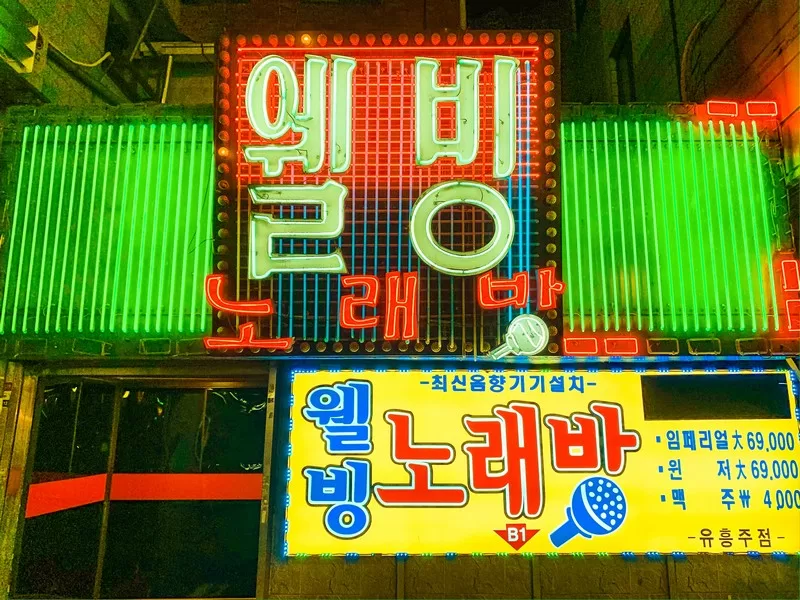
I recently saw a video of a traveler standing outside in Seoul at 5:00 in the morning saying, “What they don’t tell you about clubbing in Seoul is that you won’t be able to get home after.” She couldn’t get Uber to work and seemed upset as she sat at a taxi stand. But here’s the thing: you absolutely can get home after midnight in Seoul. You just need to know how, and need to understand what works when and when things work. Seoul’s subway may stop running around midnight, but Seoul certainly doesn’t, of course most locals will know exactly when the last train that will get them home…
-
Ring the Bosingak Bell: One of Seoul’s Most Overlooked Experiences
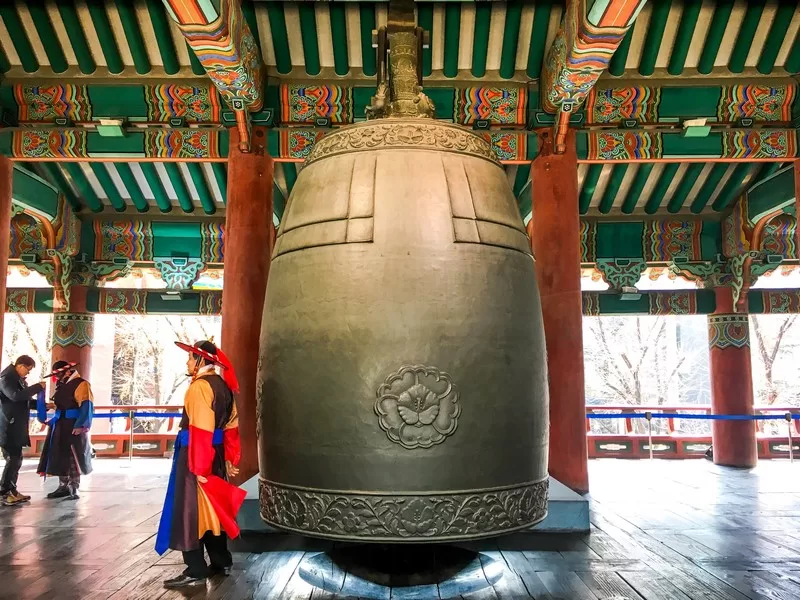
Most people, locals and tourists alike, walk right past Bosingak Belfry (보신각 터) in downtown Seoul and don’t even realize they can do more than just take a photo in front of a beautiful traditional pavilion. Sitting in the middle of busy Jongno, surrounded by office buildings, traffic, restaurants, and shops, the traditional pavilion can almost feel like a little historic island in the modern city. Most people don’t even really pay attention to this historic site until New Year’s Eve when tens of thousands of people descend on the area to watch as the bell is rung 33 times at the stroke of midnight. But what most tourists and…
-
A Guide to Gwangju’s Art Scene: Museums, Studios & Public Art Beyond the Biennale
Gwangju is a city in Korea with an immensely important history when it comes to democracy in South Korea, but when I sat down to write the Gwangju travel guide, I realized that there’s one side of the city for some travelers, and there’s another side that is for a different traveler. It’s great to mix and match to be sure, but an art lover could travel to Gwangju and easily fill an entire weekend on a whimsical artistically inspiring adventure. This guide is for those people that are looking to visit Gwangju and be inspired artistically. My main Gwangju guide covers the bigger picture, the May 18 history (which…
-
Gwangju Travel Guide: Democracy, Art & Kimchi in One of Korea’s Most Overlooked Cities
You might think of Seoul for palaces, Busan for beaches, and Jeju for nature, but what comes to mind when you think of Gwangju? For a lot of international visitors, the answer is probably not much, and that’s exactly why I think Gwangju deserves more attention. If you live in Korea like I do, you’ve probably heard of their heroic democratization movement, but aside from that, what is actually there? I’ve now visited Gwangju a few times, and every trip has revealed another layer of the city. This is one of the most important cities in Korea for understanding the country’s modern democracy, but it’s also an incredibly creative place…
-
The 5.18 Democratization Movement Archives In Gwangju: A Complete Visitor Guide To Korea’s Democracy Museum
I came to Korea 20 years ago, and over those years I had heard pieces of the story of May 18. I knew about the Gwangju Democratization Movement, called the Gwangju Uprising more often in those early years after I’d arrived, had read bits of the history, and understood that it was an important moment in Korea’s fight for democracy. But learning about what happened while actually standing in Gwangju hits different. The events of May 1980 are really not such a distant history and this was made especially clear to me when martial law was declared in South Korea in December of 2024. One of my first thoughts was…
-
Jeju Stone Park: The Complete Guide by a Local & the Seolmundae Halmang Myth
Honestly, the name Jeju Stone Park just doesn’t tell you enough about what you’ll be able to learn and take away from a visit here. You might go thinking you’ll see a collection of interesting volcanic rocks, maybe some dol hareubang statues, but the park is far more than that. Officially called the Jeju Stone Culture Park (제주돌박물관), it showcases the relationship between Jeju’s landscape, people, mythology, and history and after visiting three times, I can tell you, it’s a must visit. Jeju is often called the “Island of Stones,” but that phrase means much more after a visit here. Lava stone has formed the island’s fields, walls, homes, graves,…
-
Dolcori Forest Jeju: Hours, Tickets, and What to Really Expect at Korea’s New Cat Park
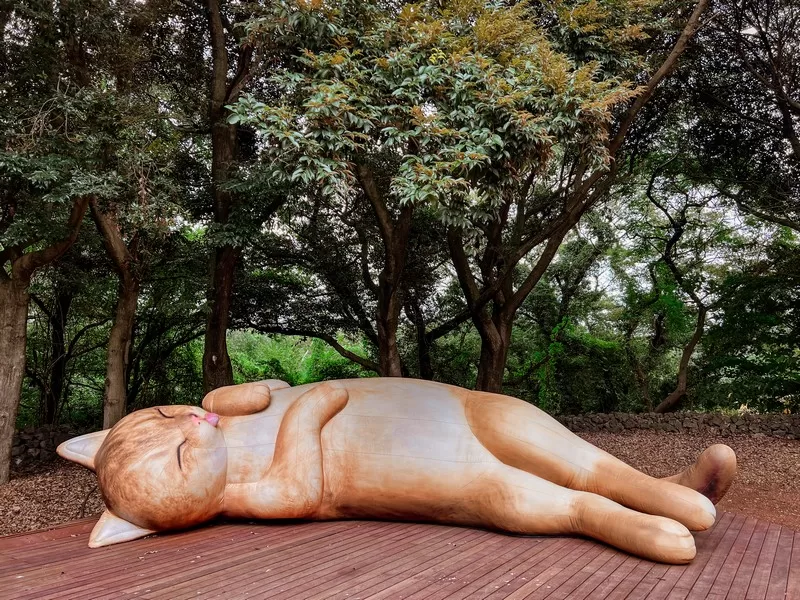
When the cats are meowing, my daughter will find them. A new cat-themed park and tourist site opened up on Jeju Island recently so of course, as cat lovers, we had to go check it out. Not real cats mind you, but a whole experience built around five feline characters. It’s called Dolcori Forest (돌코리숲), and it opened in Andeok-myeon, Seogwipo, at the end of April, 2026. The park was built by Smilegate, the gaming company behind titles like Lost Ark, through its subsidiary Cat Park Museum, and it’s the company’s first major offline entertainment project. It’s cute, it’s quirky, and if you love cats as much as my daughter…
-
AMORE YONGSAN: Custom K-Beauty At Amorepacific’s Flagship In Seoul
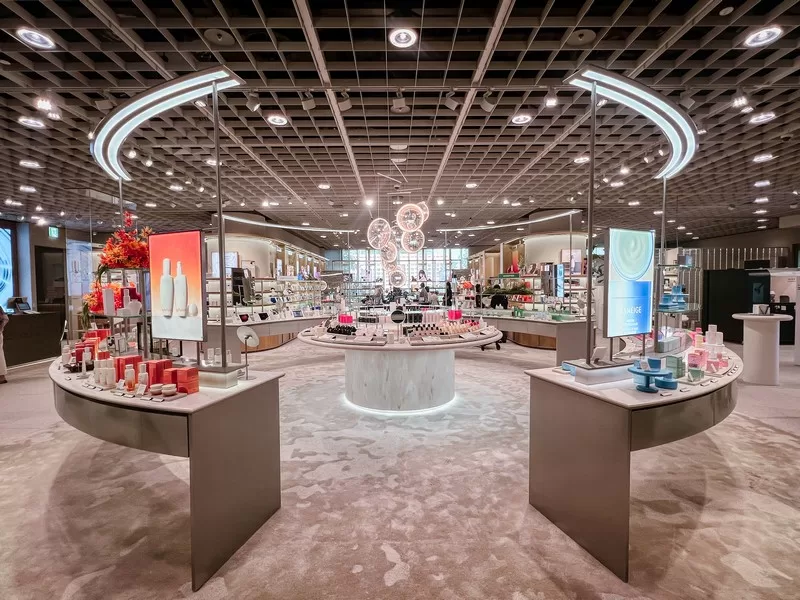
The Amorepacific headquarters in Seoul, Korea is one beautiful building. I’ve visited many times for the Amorepacific Museum of Art, but on a recent visit, I was drawn upstairs to AMORE YONGSAN, the newly reopened and reimagined Amorepacific flagship store. There are plenty of places to go throughout the city for K-beauty shopping, but since Amorepacific owns famous Korean beauty brands like Sulwhasoo, Laneige, Innisfree, COSRX, AESTURA, and HERA among many others, it’s here that you can find some pretty unique experiences along with your beauty shopping needs. You can have your skin analyzed and learn what it may look like in the future, get your scalp checked, create a…