Chunpoong Brewery: Where Thousands of Years of Makgeolli Meets the Future
Last Updated on October 16, 2026
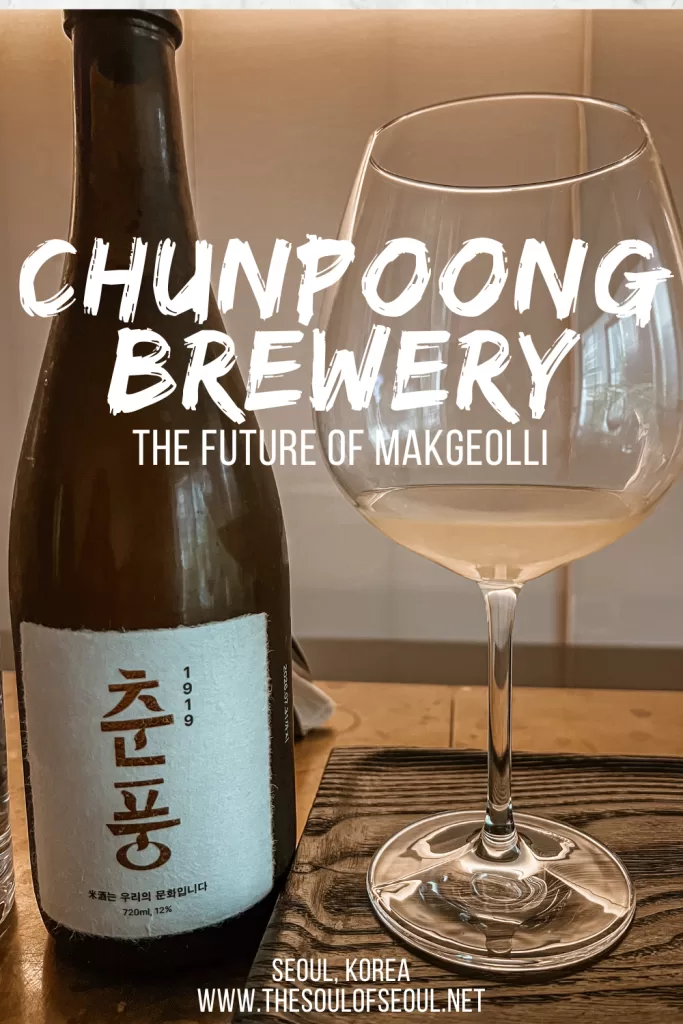
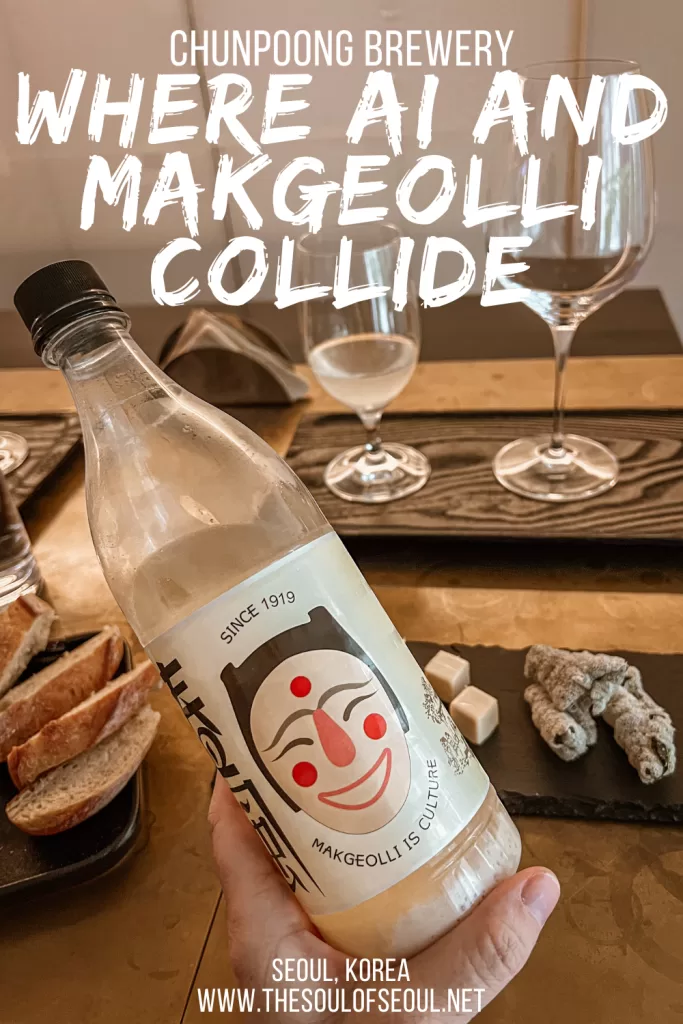
Chunpoong Brewery (춘풍 양조장) isn’t your average brewery. It’s part living museum, part high-tech fermentation lab, part cultural gallery, and part bar, all wrapped into one thoughtfully designed building in central Jung-gu, Seoul. “Chun” (춘) means spring, and “Poong” (풍) means breeze. Together, they carry a hope that Korean makgeolli will drift out from the confines of history and into the wider world and they want to make that possible with the use of AI.
You might think you know makgeolli, sometimes called rice wine when translated, made with just three simple ingredients: rice, water, and nuruk (a Korean fermentation starter). That milky, fizzy rice wine you sipped at a pojangmacha, paired with pajeon on a rainy afternoon. But Chunpoong Brewery in Seoul is quietly rewriting what Korean makgeolli can be, and after visiting, I’m convinced this is one of the most fascinating places you can step into as a curious traveler, a curious foodie, in Korea. And you just might just see them abroad sooner than you think.
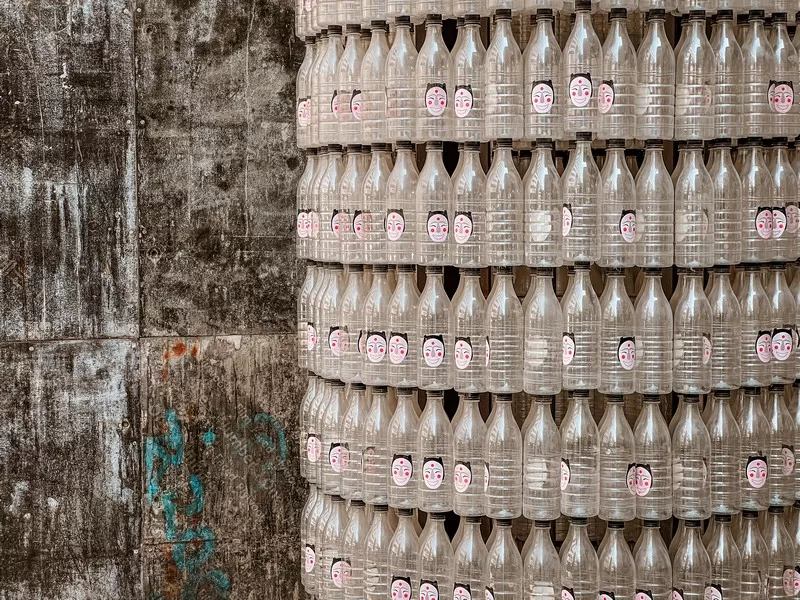
The Chunpoong Brewery isn’t you normal makgeolli brewery in Korea. Get ready to taste, learn about how AI is changing the makgeolli game, and learn how to enjoy a sip:
- Basic Info
- A Building That Tells a Story
- The Science Behind the Sip
- Meet Miju: The Star of the Lineup
- Chunpoong Brewery Tour: What To Expect
- A Cultural Note Worth Knowing
(This post contains affiliate links, which means I receive a certain percentage of a sale if you purchase after clicking at no cost to you. Thank you for your support.)
Basic Info
Address: 101-3 Dasan-ro, Jung-gu, Seoul (서울 중구 다산로 101-3 1F)
To Book a Tour: Book a tour on Creatrip.
Website: www.chunpoong.co.kr/
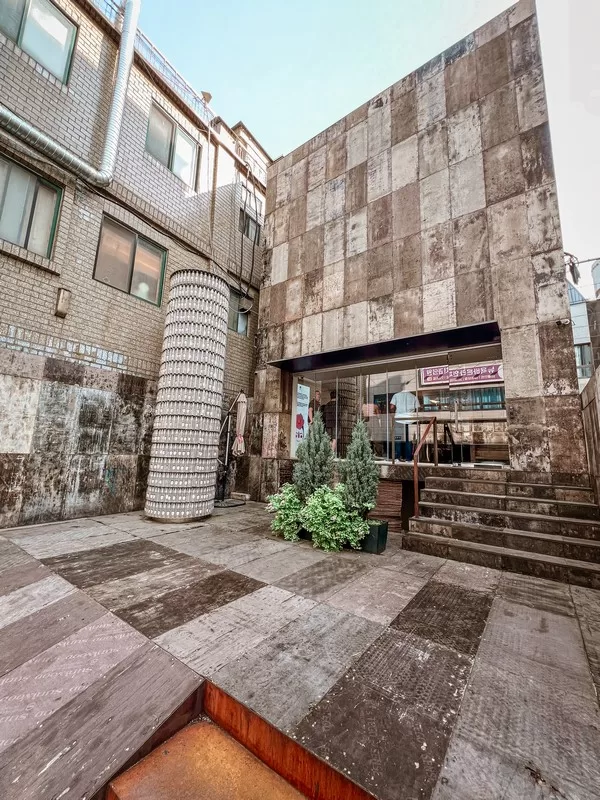
A Building That Tells a Story
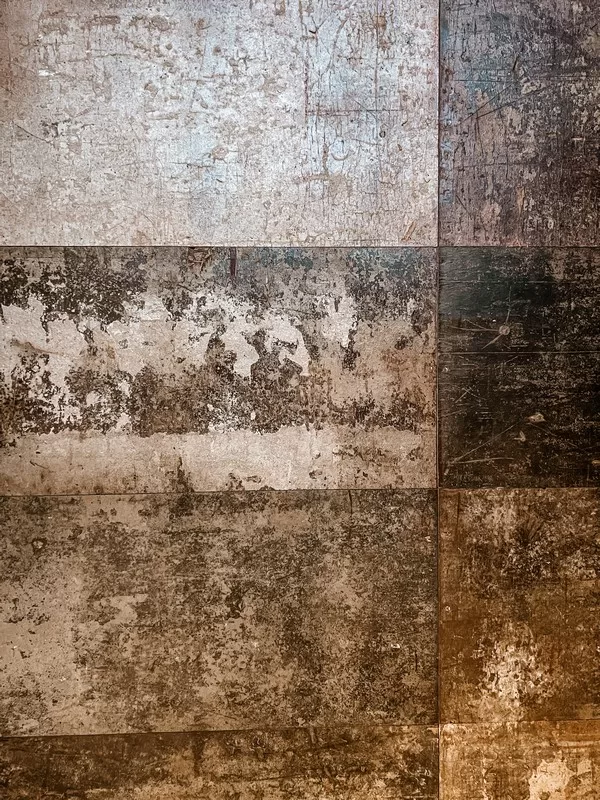
The first thing I noticed was the architecture and the first thing the tour starts with is an introduction to the architecture and the story it tells. Chunpoong Brewery is designed so that every floor takes you on a journey, not just through the brewing process, but through time.
The 1st Floor (Brewhouse)
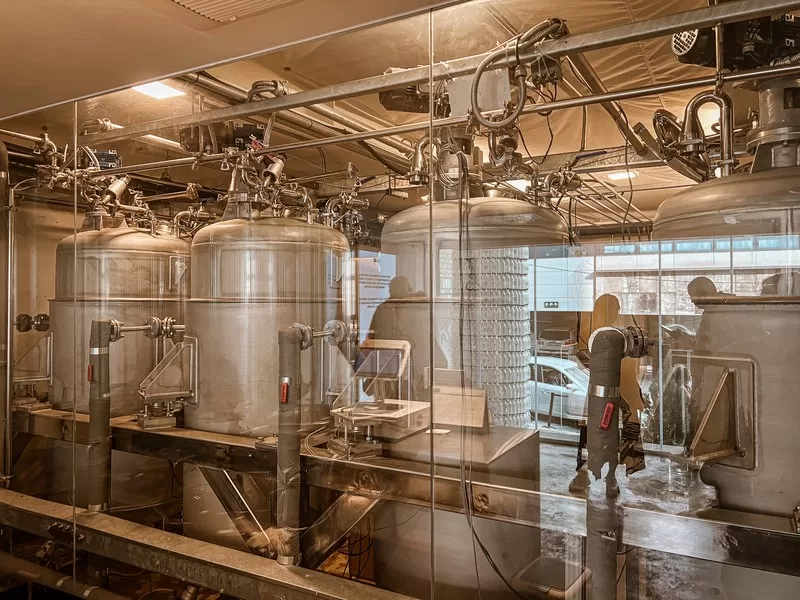
Where the magic begins. State-of-the-art fermentation tanks, AIoT sensors, and the hum of technology sit alongside nods to traditional brewery culture. It sounds like a contradiction, but it isn’t, or doesn’t have to be. What you won’t see is a brewmaster.
The brewery integrated brewing masters’ accumulated knowledge with AI and the Internet of Things, so the wisdom of generations is now encoded into a system that can replicate it perfectly, every time. Standing there, I thought about all the artisans whose intuition now lives inside a machine.
Do we like it? Do we hate it? As someone who is constantly trying to share the beauty of local Korean craft art and the artisans who produce it, I had a lot of questions that’s for sure, but we’ll get to the answers a bit later.
The 2nd Floor (ChunPoong Bar)
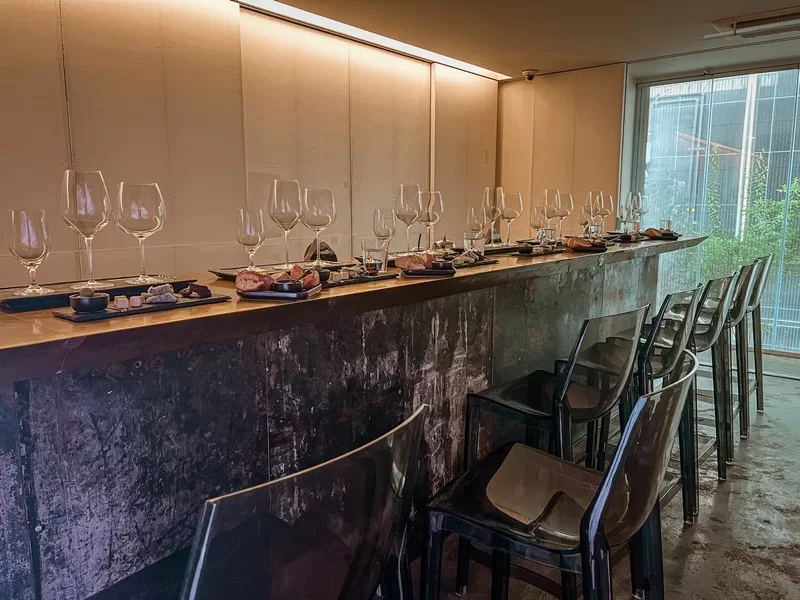
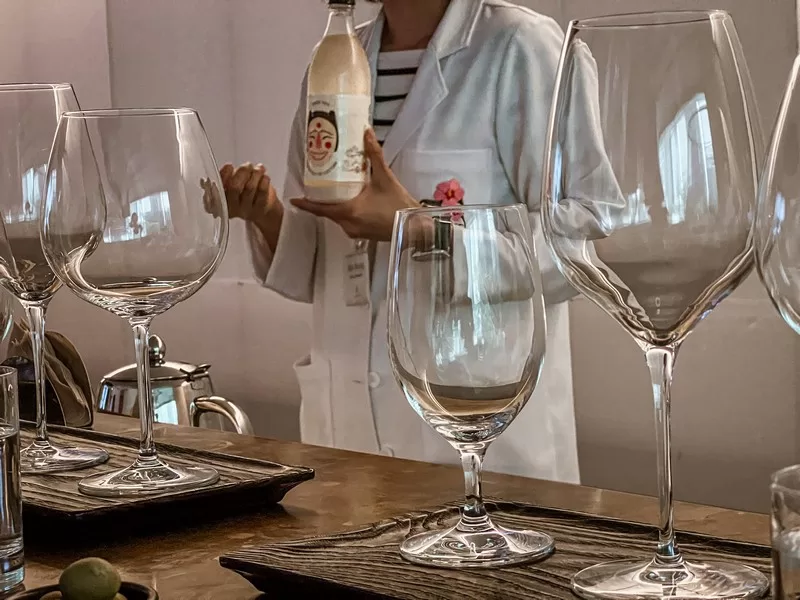
The second floor is inspired by the mood of a Hanok, Korea’s traditional wooden home. A bar table seats up to 12 guests, and this is where the unrushed tasting happens during tours. Specialists explain each makgeolli, debunking myths, and sharing the real story behind the drink, diving deeper into how Chunpoong sees AI helping to introduce makgeolli to more parts of the world.
The 3rd Floor (Modern Royal Craft Gallery)
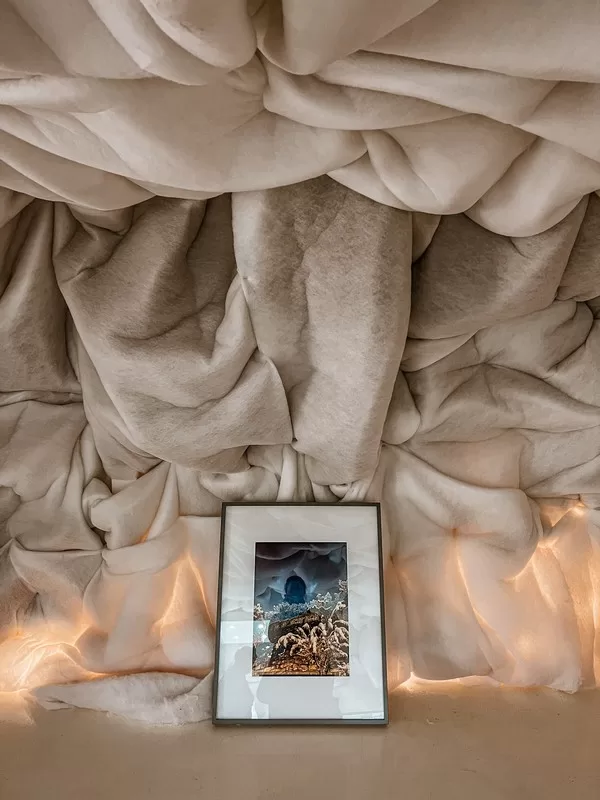
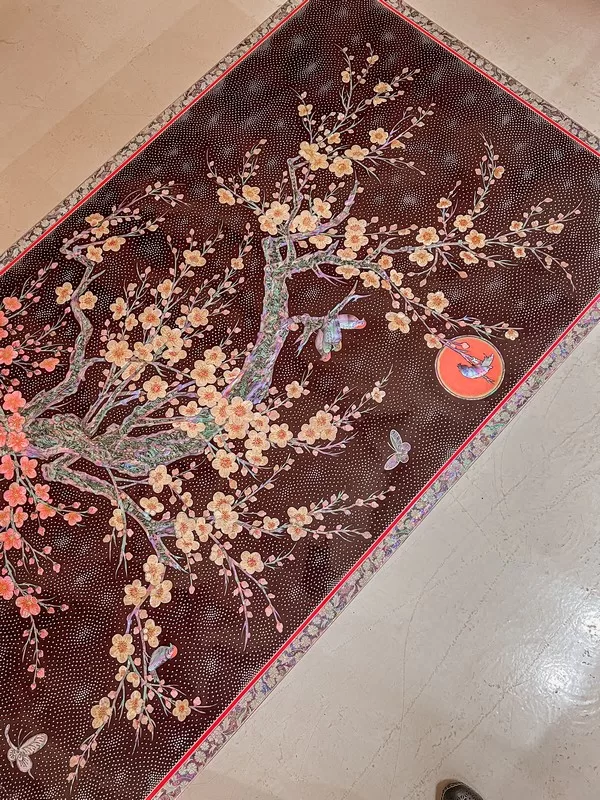
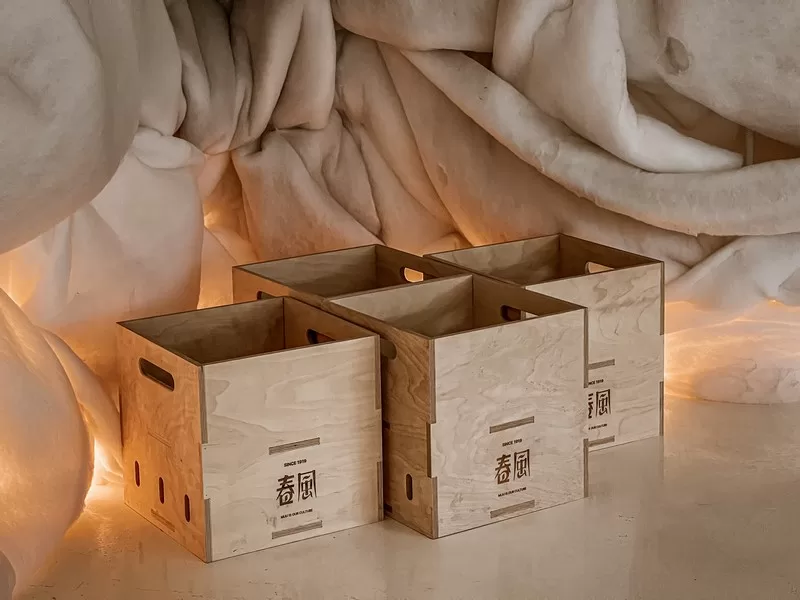
An exhibition space displaying imperial traditional Korean crafts, designed to spatially evoke the feeling of liquor maturing inside a fermentation tank. It’s like a fuzzy bubbly hug when you get upstairs. Several pieces are available for purchase. I saw some beautiful mother-of-pearl lacquerware, or najeonchilgi, and porcelain. It’s quiet and contemplative, a beautiful contrast to the science happening two floors below.
The Lounge (Chunpoong Restaurant)
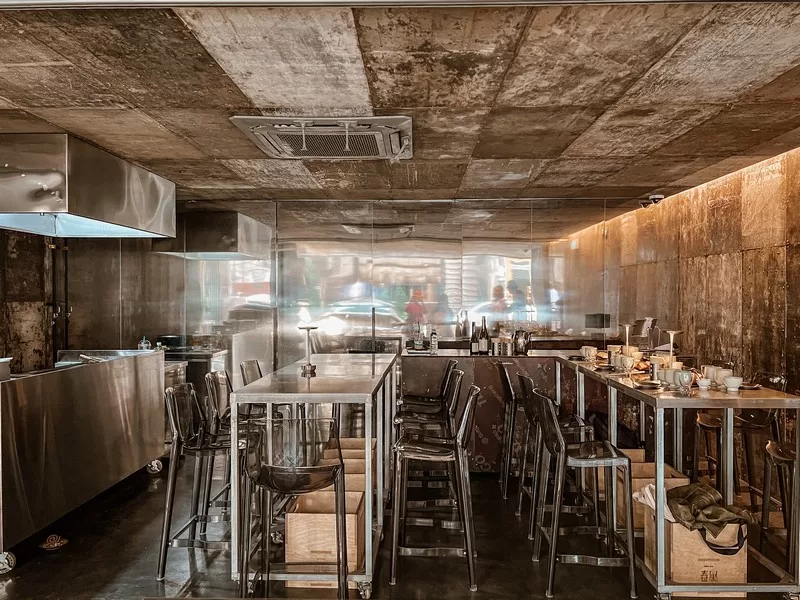
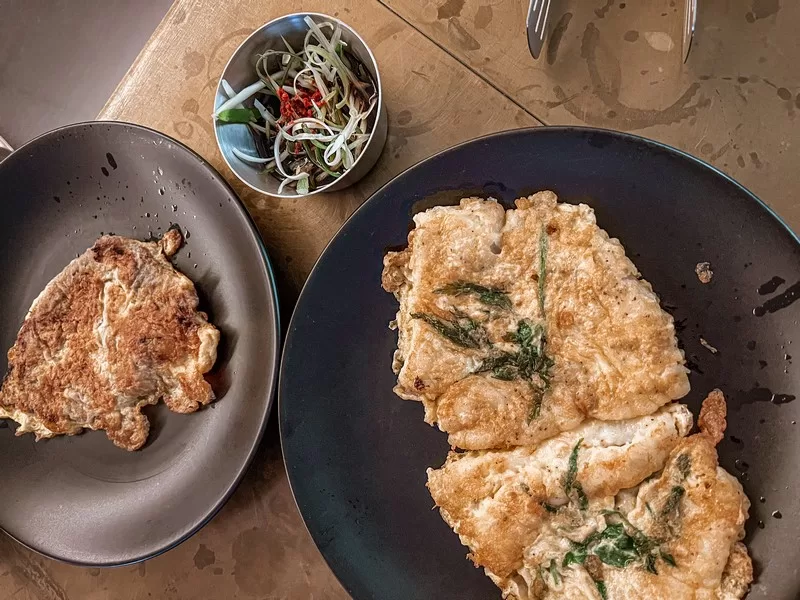
Across from the brewery in a matching facade, so the whole experience feels like one connected destination, the Lounge serves seasonal Korean dishes, Korean pancakes (jeon), and four types of makgeolli. When the front windows open up, there’s an outdoor terrace that adds a lovely, relaxed atmosphere.
The Science Behind the Sip
One of makgeolli’s biggest challenges is consistency. Traditional Korean alcohol uses a parallel fermentation method, controlling saccharification and fermentation at the same time. Factors such as temperature, acidity (pH), sugar content, humidity, even the carbon dioxide levels inside the fermentation tank are important indicators monitored throughout the process.
Historically, a brewer’s personal intuition filled that gap and then families would pass that knowledge on. But intuition can’t be bottled and shipped. To globalize makgeolli, there needs to be some standardization.
Chunpoong’s answer was to build something called the Makgeolli Brewing Technology System (MBTS). This AI-powered system draws on over a century of data from Beonam Brewery in Jangsu County, Jeollabuk-do, established in 1919.
Joong Sul Bae, the third-generation owner of Beonam and co-founder of Chunpoong, essentially contributed his family’s lifetime of brewing knowledge into a system that can now operate consistently anywhere in the world. The dream? One day, fresh makgeolli brewed the Chunpoong way, enjoyed anywhere on the planet.
It’s a dream that is coming to fruition too. Chunpoong Brewery will be opening their first overseas brewery in Ho Chi Minh City, Vietnam and there are more to come. Not only can the system take local ingredients and adapt, but it can also learn local taste preferences and continue to personalize the makgeolli for each region.
Has anyone else been to the Coca Cola factory in Atlanta, Georgia? I went when I was a kid and my favorite part was at the end where you could taste the Coca Cola from around the world. I hadn’t imagined that they would change the recipe and the taste for different countries and different palettes. This idea from Chunpoong reminded me of that experience. Wouldn’t it be fun to taste Chunpoong from around the world at some point?
Can’t You Just Export It? You may wonder why makgeolli isn’t just exported abroad like soju and other alcohol products. Makgeolli continues to ferment even after it’s created, bottled, and shipped. The taste continues to change which means exporting by sea causes the taste to change too much by the time it arrives, and exporting by plane causes the bottles to explode.
Meet MiJu: The Star of the Lineup
Chunpoong’s flagship product is MiJu (미주) which undergoes four rounds of fermentation (a process called Sayangju, based on the traditional method of re-fermenting rice into already-fermenting liquor). It comes in two expressions:
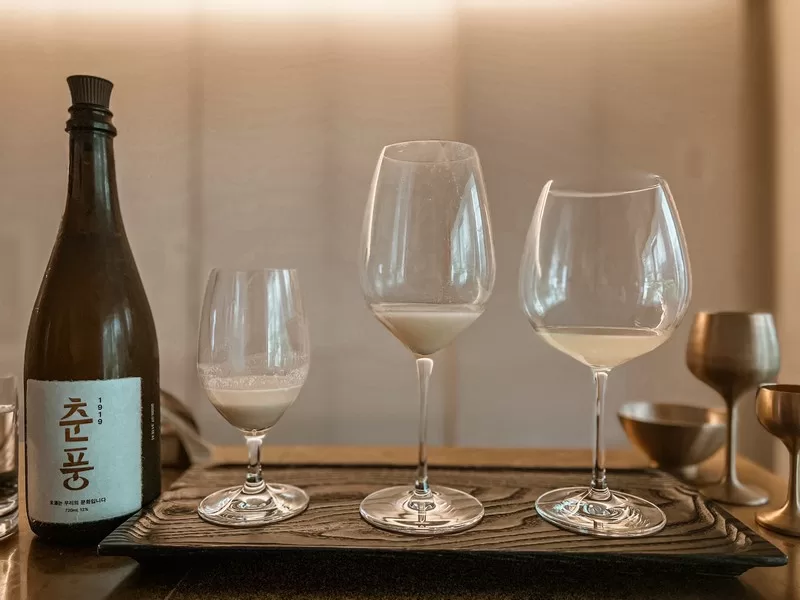
MiJu 12%: The tasting note reads almost like a wine list. The clear top layer gives off jasmine, autumn pear, and summer melon. The cloudy bottom layer is rich and creamy, with vanilla, tropical banana, and ripe melon. It’s delicious but strong. I tend toward the lower ABV makgeollis usually, this is a good place to start the night though.
How to Taste: When you first see a bottle of makgeolli, you’ll notice that there is a separation, a clearer top part and a cloudier ferment on the bottom. You’ll often be told to shake, twist, turn a bottle of makgeolli before drinking to mix these together. For our tasting with Chunpoong though, they wanted us to to taste pre-mixed and then mixed to really understand the drinks, the flavors, the differences.
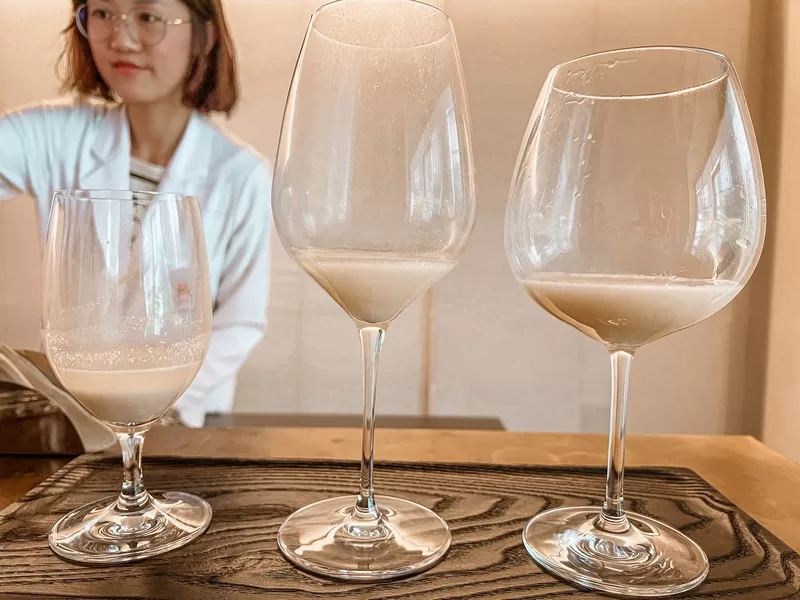
Miju 9%: A little lighter, with quince, pear, and green apple in the clear layer, and yogurt, vanilla, and tangerine peel in the cloudy base. This was my favorite of the trio. I could have enjoyed this one for awhile.
Quick Tip: Store Miju upright in the refrigerator at 0 to 3 degrees Celsius. Serve it at 7 to 9 degrees, the same temperature as champagne. Chunpoong suggests that consumers pour the clear top layer without shaking. Once you reach the label level, shake the bottle and enjoy the rich, cloudy base. It’s two drinks in one.
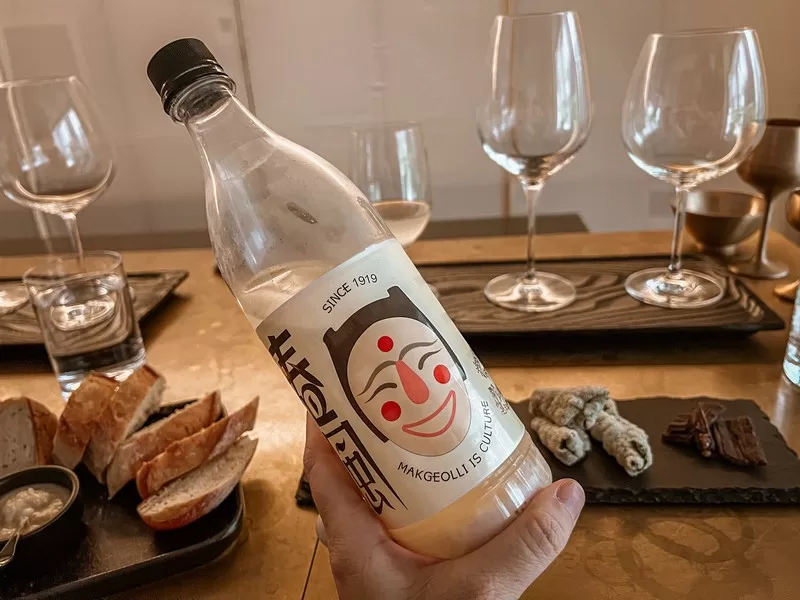
There’s also a Chunpoong Makgeolli 6%, fermented five times (Oyangju), which is described as even more time-intensive than the premium Sayangju. Lighter and more approachable, with pear and ripe apple in the clear layer and the creamy, carbonated bottom that makgeolli fans know and love. We really enjoyed this one as well. It’s what you might expect when you think of makgeolli, like the bottles you can pick up in convenience stores, approachable, easy to drink.
Chunpoong Brewery Tour: What To Expect
Chunpoong offers guided tours that walk you through all three floors, with tasting included.
Here’s what’s covered:
- Interior tour of the 1st-floor brewery and its fermentation technology
- 2nd-floor Hanok-inspired tasting area
- 3rd-floor Small Modern Royal Craft Gallery
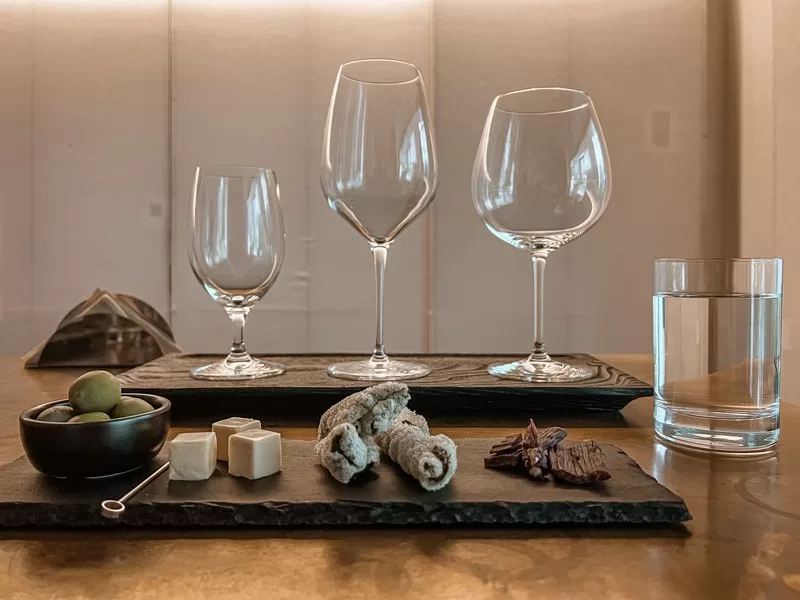
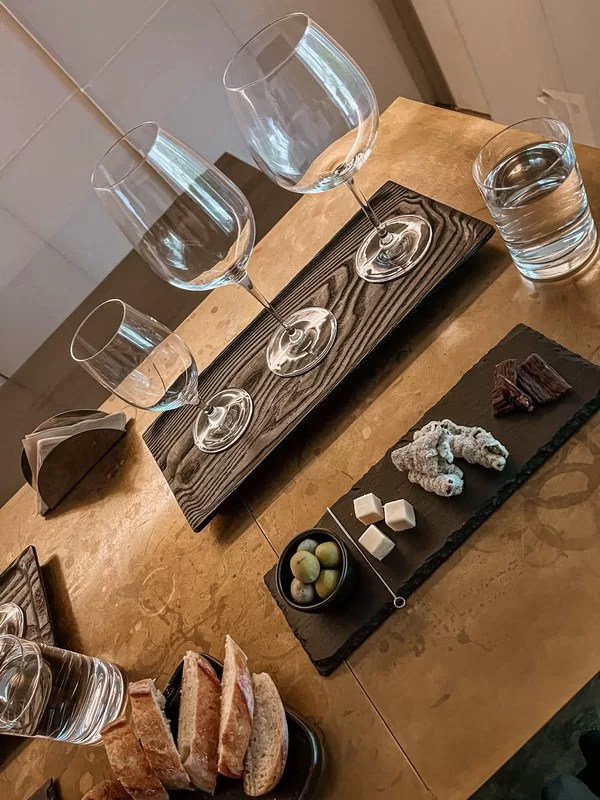
- Tasting of unpasteurized MiJu (9% and 12%) and Chunpoong Makgeolli 6%), six glasses total
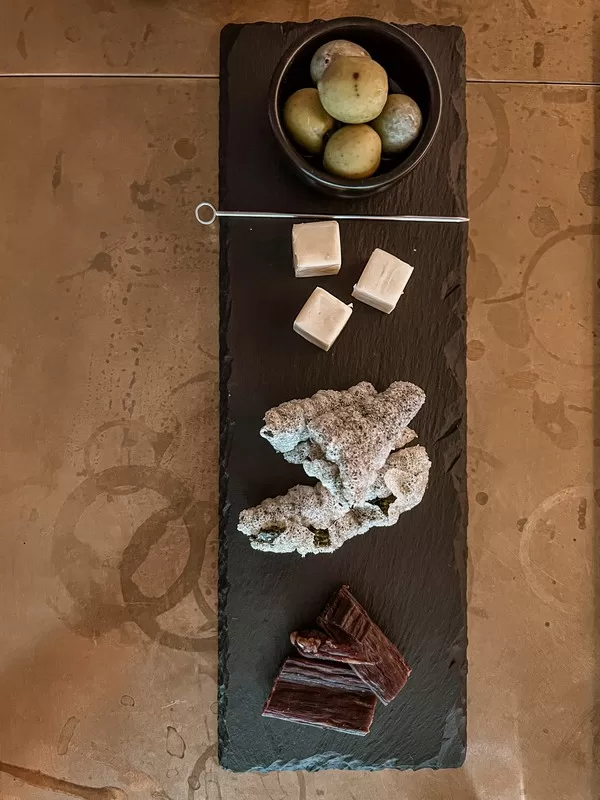
- Bread and spreads made from jigemi (the rice mash byproduct of brewing)
- Finger foods paired with makgeolli
- A history and Q&A session with a brewery specialist
Tours run in Korean and English, and for groups of 10 or more, you’ll need to book directly through their website or by phone. Other language options may be available via an interpretation system, so reach out by email if needed.
A Cultural Note Worth Knowing
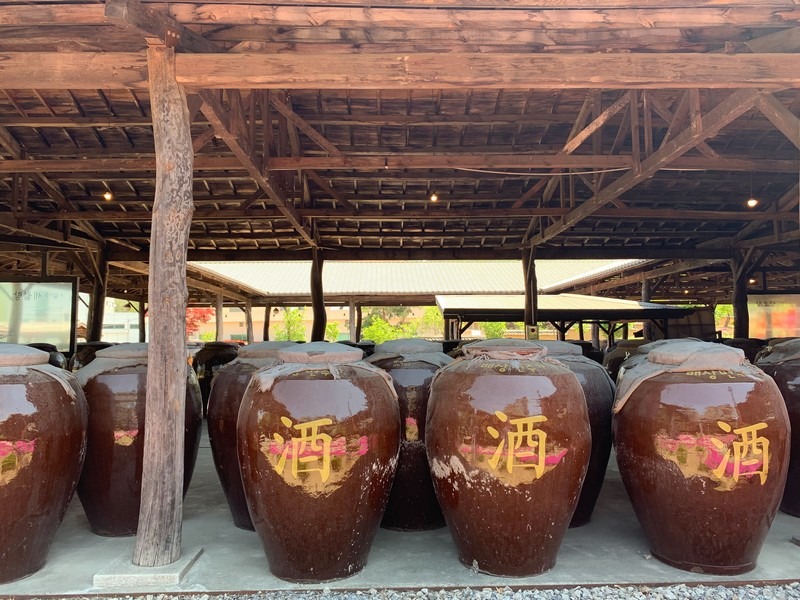
Makgeolli was once central to Korean life, present at social gatherings, ancestral rituals, and celebrations. The Japanese colonial period (1910 to 1945) disrupted centuries of home brewing culture when the practice was not just discouraged but banned. Post-war economic shifts and the reliance of commercial production convenience meant home-brewed makgeolli just didn’t make comeback to what it was.
What Chunpoong is doing isn’t just making a good drink. It’s a deliberate act of cultural preservation. Thousands of family makgeolli recipes were lost during the Japanese colonial period and after. The artisans who carried this knowledge are a dwindling group, and Chunpoong has encoded their wisdom into technology before it’s lost entirely. They are passionate about celebrating the heritage and history of makgeolli while ensuring that it can be enjoyed for generations to come not just in Korea, but abroad as well.
Chunpoong Brewery isn’t just a place to drink makgeolli. It’s a place to understand it, and to see how a drink that’s survived thousands of years of history is now preparing to take on the world.
If you’re planning a trip to Seoul and want to go beyond the usual stops, Chunpoong Brewery is absolutely worth adding to your itinerary. The tour is engaging, the Miju is exceptional, and the building itself is worth the visit. If you’re curious about Korean culture beyond the surface, this is exactly the kind of experience that stays with you long after the last sip.
Did you like this post? PIN IT!