How To Travel Korea On A Budget: Money Saving Tips From A Local
Last Updated on April 17, 2026
Ready to travel to Korea on a budget? While we’d all love to live that luxurious lifestyle and travel in style, for most of us, we gotta work travel out to be budget friendly and with inflation and prices soaring everywhere, it’s important to know how to cut costs where we can. Korean can be so much more affordable than many people realize.
Stay in the wrong area, eat at the wrong restaurants, or miss the free attractions and discounts that Koreans take for granted, and costs add up fast. Get it right and you can spend a full week in Seoul seeing incredible things without breaking the budget.
I’ve lived in Korea since 2006. These are the tips I give friends and family when they visit. Some of these are things most travel guides don’t mention. Get ready to travel and experience Korea like a local, a budget-minded local.
Money saving tips when you travel to Korea:
- Use Subways and Buses Over Taxis
- Book Accommodation Strategically
- Consider Pensions With Kitchens
- Rent Hiking Gear Instead of Packing It
- Take the FREE Walking Tours
- Visit the FREE Museums
- Plan Around Culture Day
- Travel More with the Korea Rail Pass
- Eat at Traditional Markets and Convenience Stores
- Get the Discover Seoul Pass
- Pre-Purchase Attraction Tickets Online
- Check What Festivals Are Happening
- Get Your Tax Refunded
- Bonus Tips: What Other Guides Miss
(This post contains affiliate links, which means I receive a certain percentage of a sale if you purchase after clicking at no cost to you. Thank you for your support.)
1 Use Subways Over Taxis (Bus Know When Taxis Win)
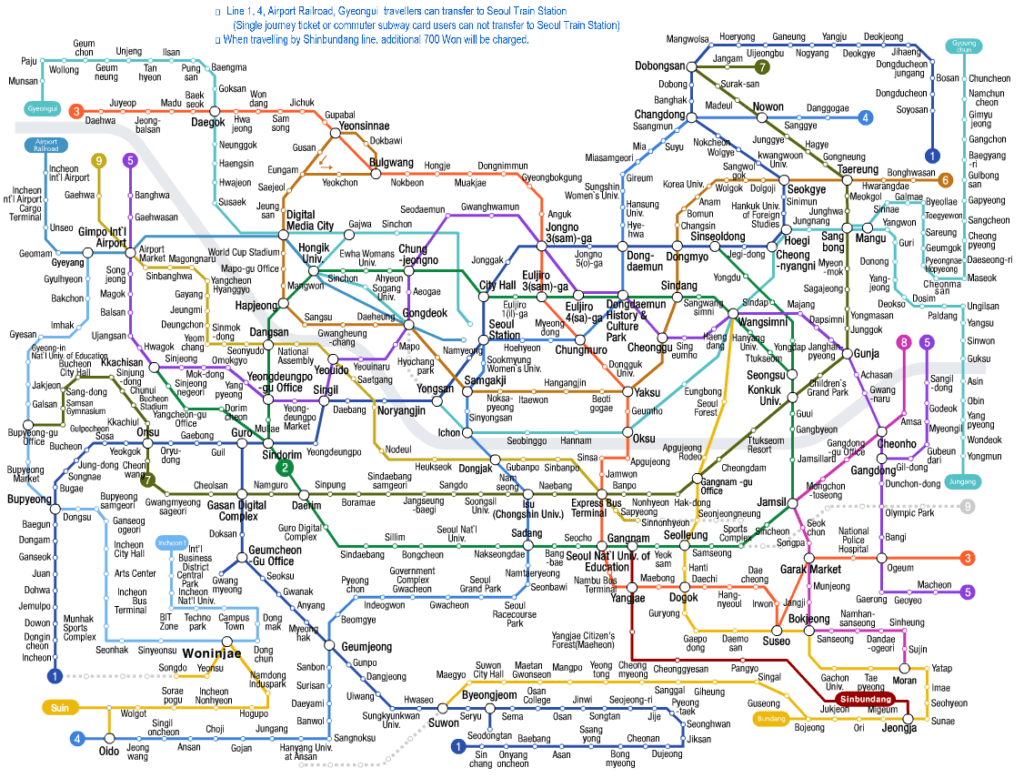
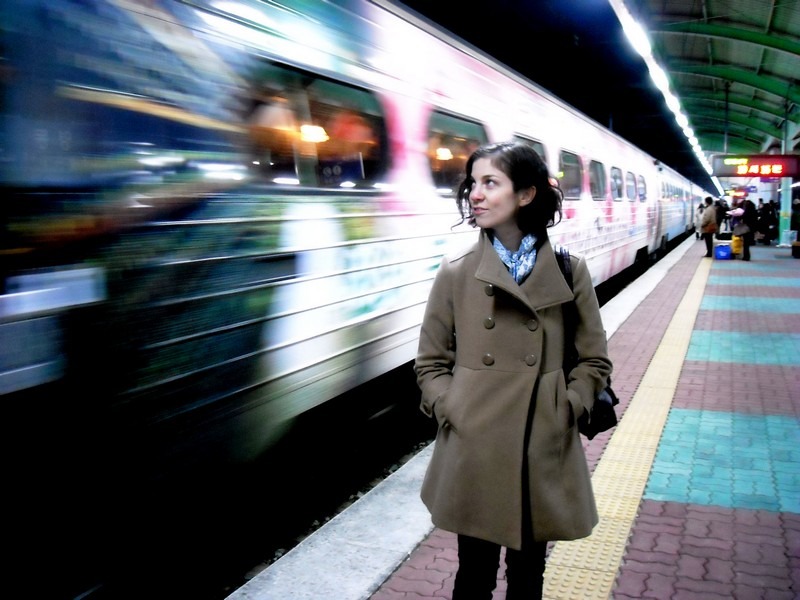
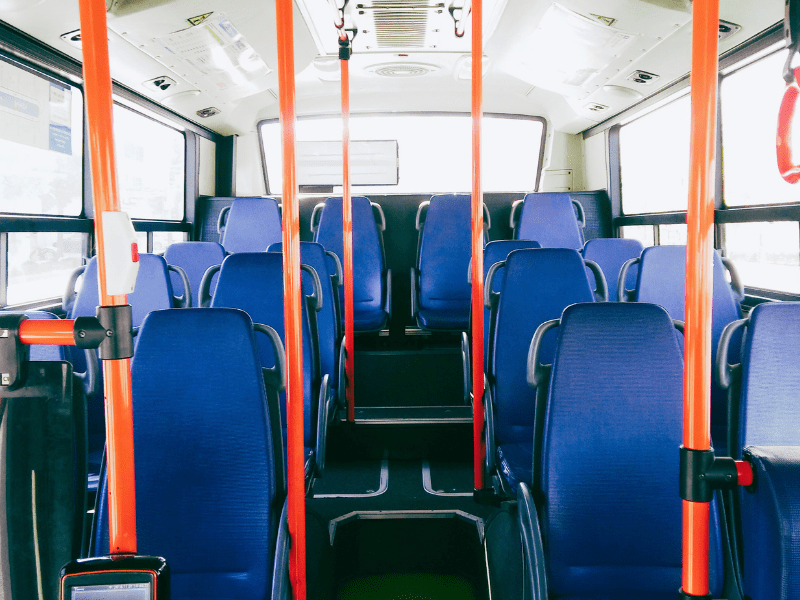
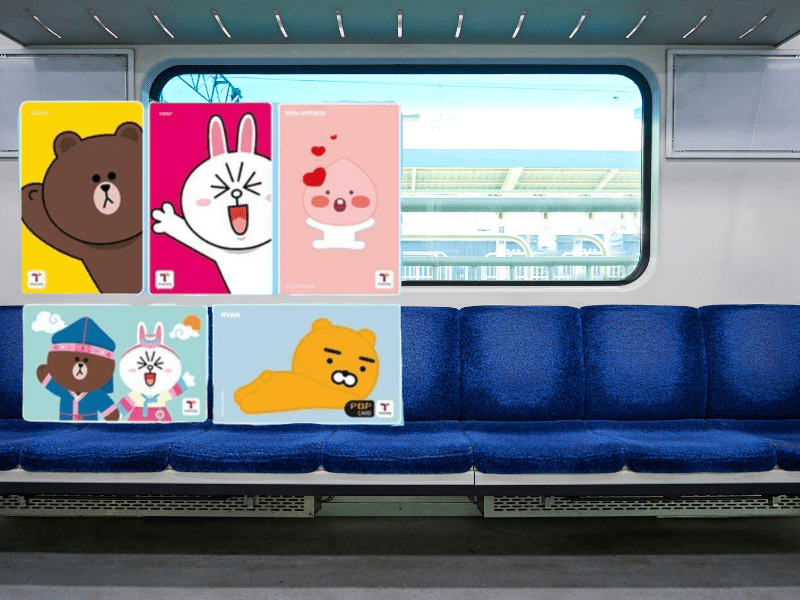
The Seoul subway is one of the best in the world. It’s clean, safe, reliable, runs until around midnight, and costs approximately ₩1,400 to ₩1,600 per ride within central Seoul. Buses are comparable. The key is getting a T-Money card, which you can load at any subway station or convenience store. Not only does it make every tap in and out effortless, but it also gives you a transfer discount when you switch from subway to bus or bus to subway within 30 minutes. Paying with cash costs more and is increasingly impractical as most systems are card-only.
After midnight when subways close, night buses (₩2,300) are a much better option than taxis, which can cost ₩15,000 or more for the same trip, especially during surge periods.
That said, taxis are sometimes the right call. If you’re a group of three or four people, split a taxi fare and it can actually come out cheaper than individual subway tickets, particularly for shorter distances. Kakao Taxi is the app to use: it’s reliable, shows you the fare upfront, and the driver will know exactly where you’re going. Learn more about tipping in Korea, taxis are one of the most common places visitors tip unnecessarily, and it isn’t expected.
2 Book Accommodation Strategically
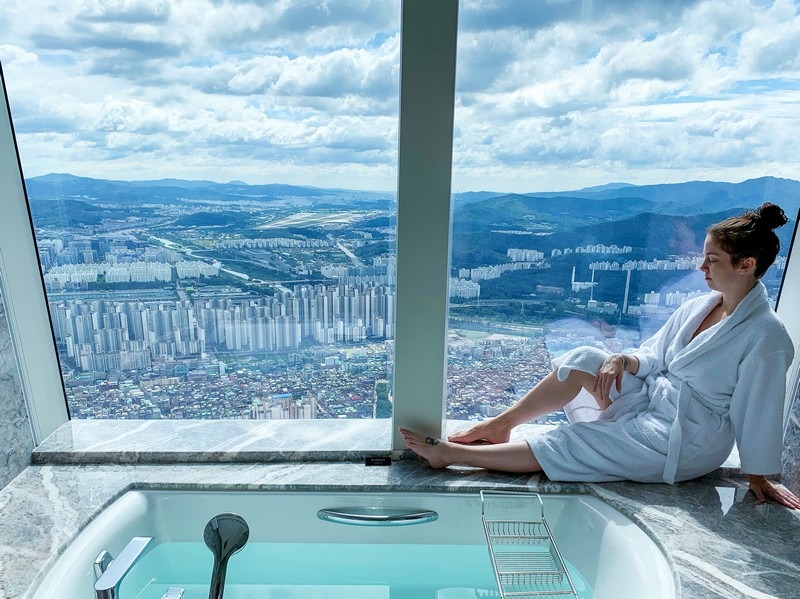
Different booking platforms have different strengths in Korea. For major cities like Seoul and Busan, Booking.com generally has the widest range of hotels and guesthouses with easy English-language booking. For regional areas outside the main cities, Agoda often has more options that Booking doesn’t list. Worth checking both for anywhere outside Seoul.
When possible, book directly with the accommodation, smaller guesthouses and Hanok stays sometimes offer lower rates direct than through aggregator platforms, since they don’t have to factor in the platform commission.
Budget accommodation options worth knowing about:
- Goshiwons: Tiny private rooms designed originally for students studying for exams are now increasingly popular with short-stay visitors who just need a clean, quiet place to sleep. Prices start around ₩20,000-₩30,000 per night. Not for everyone, but functional if you want to minimize accommodation costs.
- Capsule hotels: More comfortable than they sound. A private pod with good bedding, often in a great location. Prices from ₩45,000 per night. I’ve seen a lot more of these popping up in recent years.
- Jjimjilbang overnight stay: In a pinch or for the experience, Korean bathhouses allow overnight sleeping on the heated floors of common areas for as little as ₩10,000-₩15,000. Not for everyone, but it’s a very Korean budget option. Read the complete Korean bath house guide if this sounds interesting.
3 Consider Pensions with Kitchens
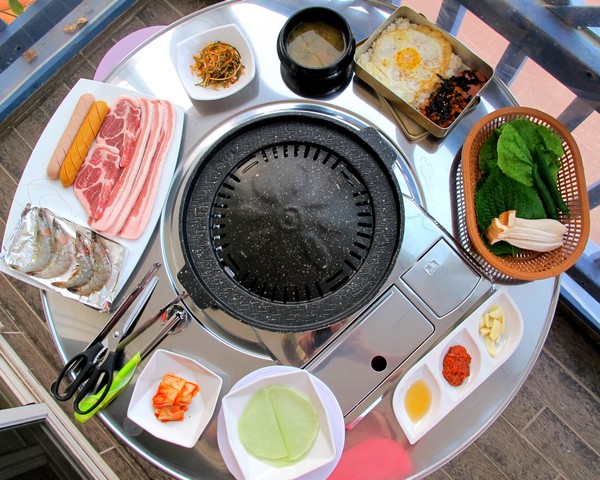
Outside Seoul especially, pensions, or Korean guesthouses that operate more like vacation rentals, are often cheaper than hotels and almost always include a kitchen or kitchenette. Many also offer optional BBQ setups where you bring your own meat and they provide the grill and fire.
Eating out meal after meal adds up faster than most travelers expect. If you’re in a pension with a kitchen, buying from a local market and cooking a couple of meals is both cheaper and a good way to see what local life looks like at the market level. If you’re traveling with children who snack throughout the day rather than eating full meals, this option is particularly practical.
4 Rent Hiking Gear Instead of Packing It
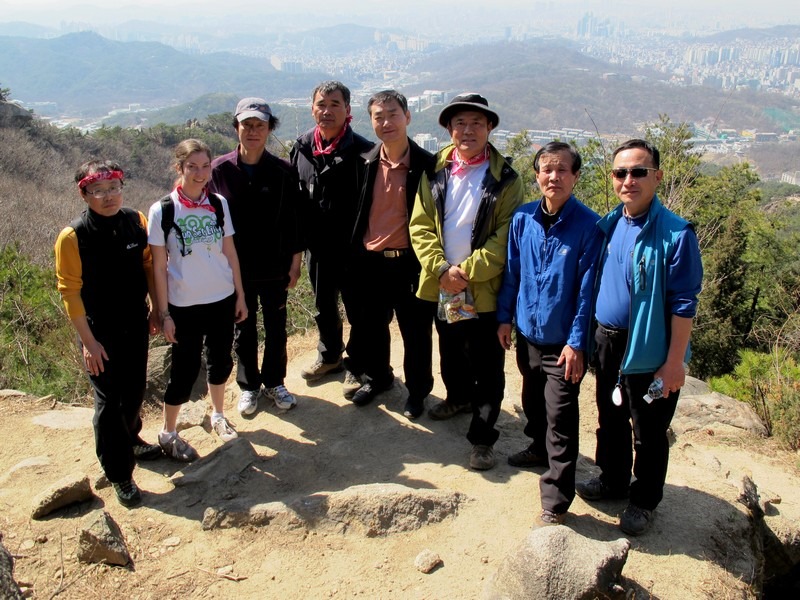
If you want to hike in Seoul, along the Seoul Fortress Wall, up into Bukhansan National Park, or anywhere else, you don’t need to pack boots and gear from home. The Seoul Hiking Tourism Center (도심등산관광센터) provides rentals of hiking boots, clothing, and equipment. They also have lockers and shower rooms that you can use for free.
- Address: The Seoul Hiking Tourism Center has three locations providing access to Bugaksan, Gwanaksan, and Bukhansan Mountain ranges.
- Reserve: The Seoul Hiking Center has partnered with Klook to facilitate easy reservations for tourists coming to Korea.
- Bugaksan: Book on Klook for Bugaksan here.
- Gwanaksan: Book on Klook for Gwanksan here.
- Bukhansan: Book on Klook for Bukhansan here.
- Hours: 9:00am ~ 6:00pm
- Days: Closed Mondays, Lunar New Year and Chuseok
5 Take the FREE Walking Tours
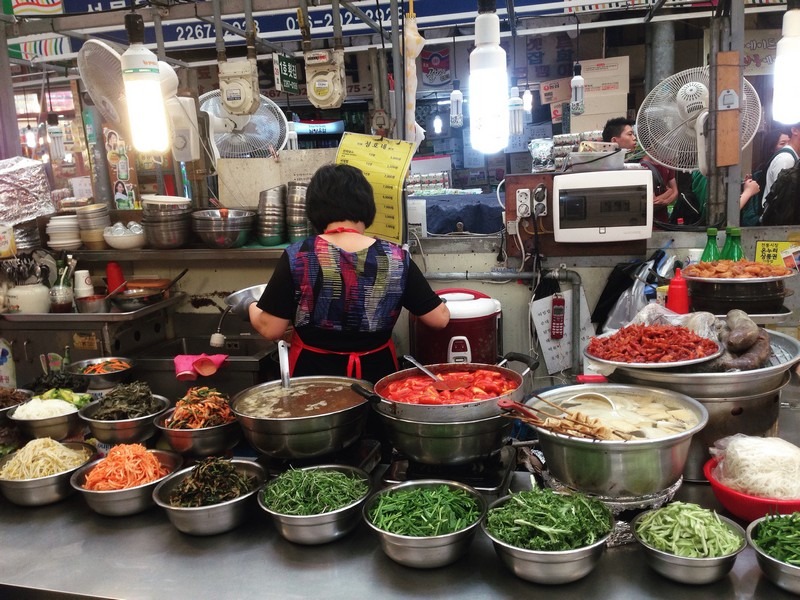
A good walking tour changes how you experience a neighborhood completely. Having a knowledgeable guide who can explain the history behind what you’re seeing, tell you what’s in the food, and answer questions in real time is worth a huge amount, and in Seoul, you can get this for free.
The Seoul City Government runs almost 40 free walking tours led by volunteer guides speaking English, Japanese, Chinese, and Korean. Groups are capped at around 10 people. Some tours include stops at palaces or museums where there may be a small entrance fee, but this is disclosed clearly when you book.
- Languages: Tours are available in English, Japanese, Chinese, and Korean.
- Hours: Weekdays: 10:00am, 2:00pm; Weekends: 10:00am; 2:00pm; 3:00pm
- Website: Learn more about the Seoul Guided Walking Tours and make a reservation.
- Reservations: Reservations must be made at least 3 days in advance. Peak season is April, May, September, and October and tours fill up quickly then so sign up as early as you can.
6 Visit the FREE Museums
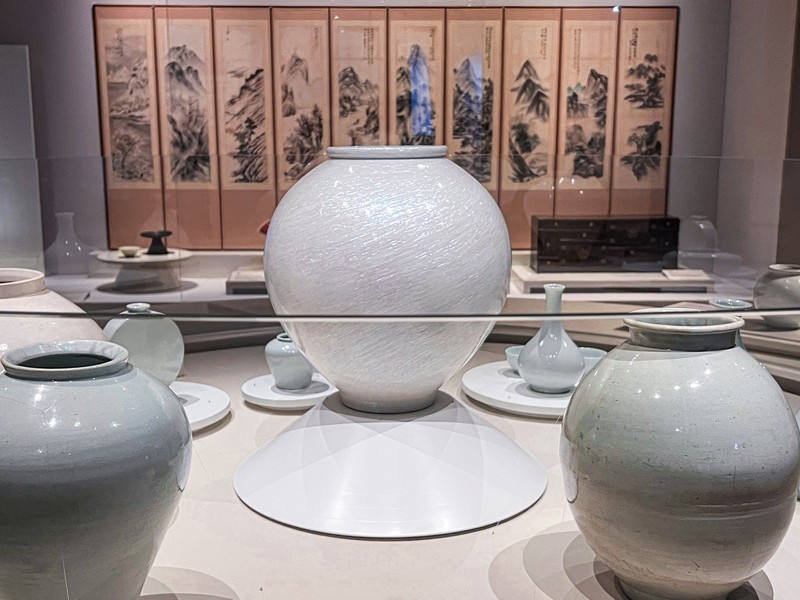
Seoul has a remarkable number of world-class museums that cost nothing to enter. If you’re planning a short trip, the War Memorial of Korea and the National Museum of Korea are the ones to prioritize, both are extensive and impressive. If you have more time, work through the list.
- War Memorial Of Korea (전쟁기념관)
- National Museum of Korea (국립중앙박물관)
- National Folk Museum of Korea (국립민속박물관)
- Seoul Museum of History (서울역사박물관)
- Seoul Museum of Craft Art (서울공예박물관)
For more, read the complete guide to free things to do in Seoul, it goes well beyond museums into parks, palaces, cultural spaces, and experiences that cost nothing.
7 Plan Around Culture Day
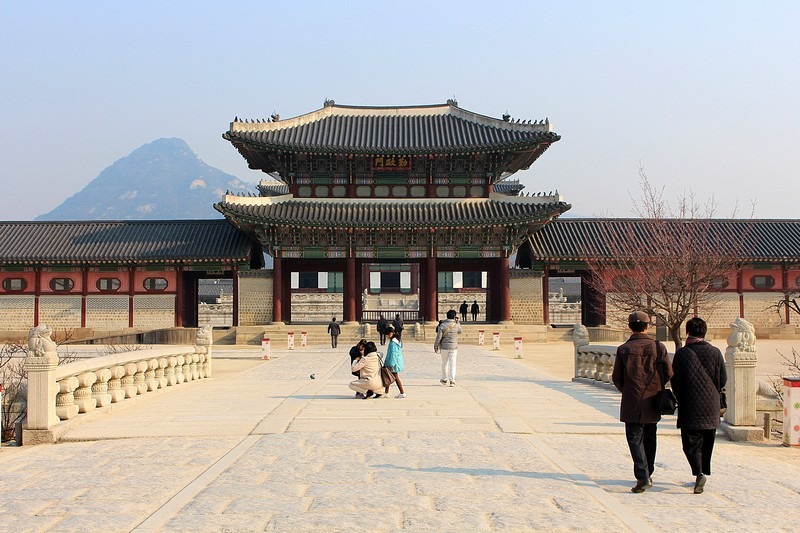
Every Wednesday is Culture Day (문화가 있는 날) in Korea and there are over 2,000 places including movie theaters, performance halls, museums, art galleries, cultural heritage sites, and sports facilities across the country that are open to the public for free or discounted prices. On top of the regular places, they also host cultural events open to the public.
You can gain free entrance to places like Gyeongbokgung Palace, Changgyeonggung Palace, Deoksugung Palace, and Changdeokgung Palace as well as get discounts at major theater chains like CGV, Lotte Cinema, and Megabox as well as discounted tickets to baseball events and plenty more.
- Check the Culture Day website for a full list of participating venues and current offers.
8 Travel More with the Korea Rail Pass
If your trip involves more than two intercity train journeys, the Korea Rail Pass saves money compared to buying individual KTX tickets. The pass works on both high-speed KTX and slower trains and is available in 2, 3, 4, or 5 day versions.
Note: The pass is specifically for international travelers and doesn’t cover metropolitan subway networks or certain specialty services, check coverage before purchasing. Buy on Klook.
One additional tip: For routes where timing is flexible, slower trains (the Mugunghwa line) cost significantly less than the KTX. Seoul to Busan by slow train is a completely different experience from the 2.5 hour KTX blast.
9 Eat at Traditional Markets and Convenience Stores
This is where the biggest food savings happen. Restaurants in tourist areas can be expensive if you don’t know where to really look,. Move one level toward local and prices drop significantly.
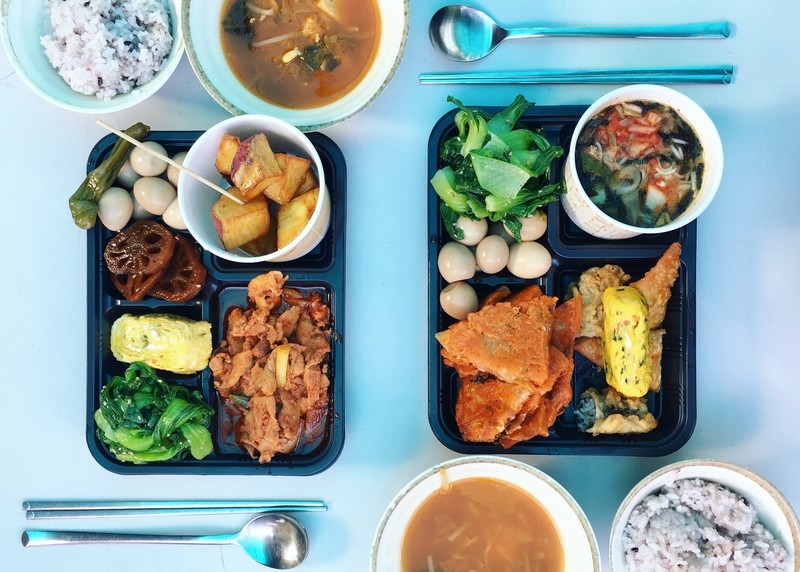
Traditional Markets: Traditional markets are fresh, fast, and where to find some of the best eats in Seoul. To find markets near wherever you’re staying, search the Korean word for traditional market (시장) on Kakao Maps, you’re rarely far from one.
- Tongin Market: Just to the west of Gyeongbokgung Palace, at Tongin Market, you get coins, a tray, and you can go to all of the stalls and get smaller portions of a lot of different things. I suggest starting here so you can get a feel for different options and try a lot of different food items at one time.
- Gwangjang Market: The most popular traditional market in the city, Gwangjang is the oldest market and has Hanboks upstairs and delicious food downstairs.
- Mangwon Market: If you’re staying more to the west in the Hongdae area, you still have access to traditional markets. Mangwon Market is one of our local favs and they have a great kalguksu spot and chicken soup spot inside as well as other great budget friendly foods.
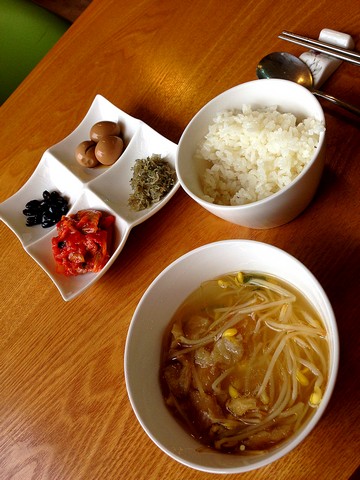
Baekban restaurants: Look for restaurants near office buildings at lunchtime serving baekban (백반), a set meal of rice, soup, and three to five side dishes for ₩7,000-₩9,000. This is how Korean office workers eat lunch and it’s gotten more popular with locals looking for budget eats. All the side dishes (banchan) are free and refillable.
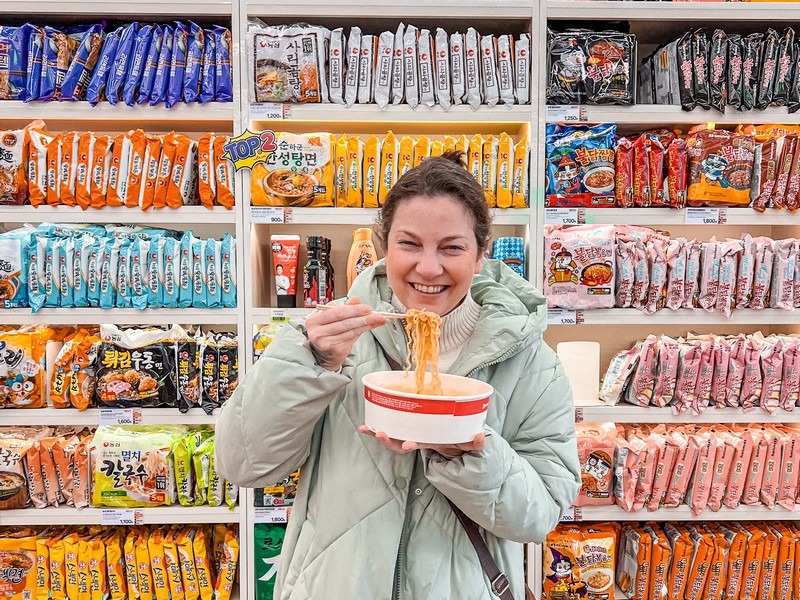
Convenience stores: GS25, CU, and 7-Eleven in Korea are actually good for food, not a last resort. Kimbap, onigiri, cup ramen, sandwiches, fried chicken, and hot snacks are all available at ₩1,000-₩4,000 each. A convenience store breakfast and lunch run roughly ₩5,000-₩8,000 total. Save your restaurant budget for dinner at a proper Korean spot.
Stop into Ground Blue 49 in Insadong to pizza, ramen, ice cream, coffee, and more to keep it budget-friendly in one of the most tourist-friendly areas of Seoul. Learn more in the guide to Korean ramen and the ramen machines you’ll find at convenience stores in Korea.
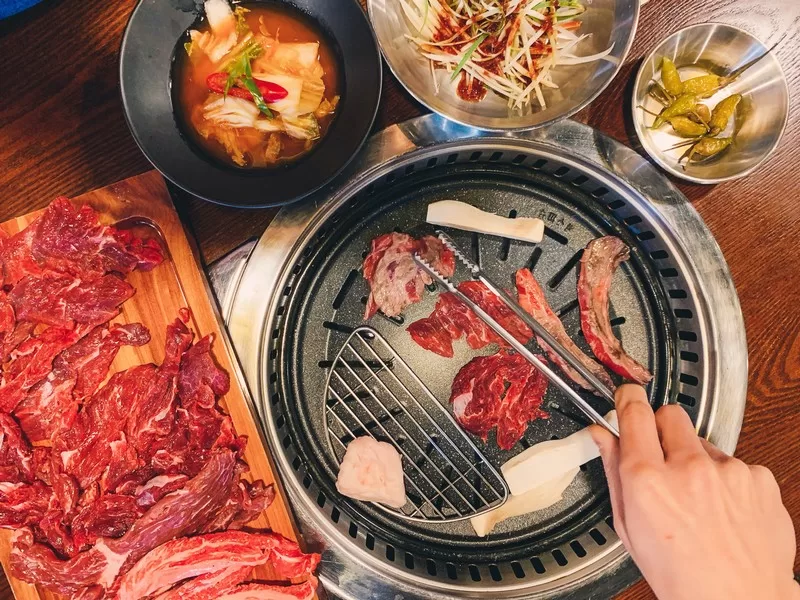
Eat your big meal at lunch. Many restaurants offer lunch specials (점심특선) at the same quality as dinner but meaningfully cheaper. Korean BBQ at lunch can be less expensive per person than the same restaurant at dinner.
Drink like a local. A beer at a bar in Seoul costs ₩5,000-₩8,000. The same beer from a convenience store costs ₩2,500. Soju is ₩1,800. Street pojangmacha tents, the classic outdoor tented eating and drinking spots, offer soju, beer, fish cake soup, tteokbokki, and meat skewers at very local prices.
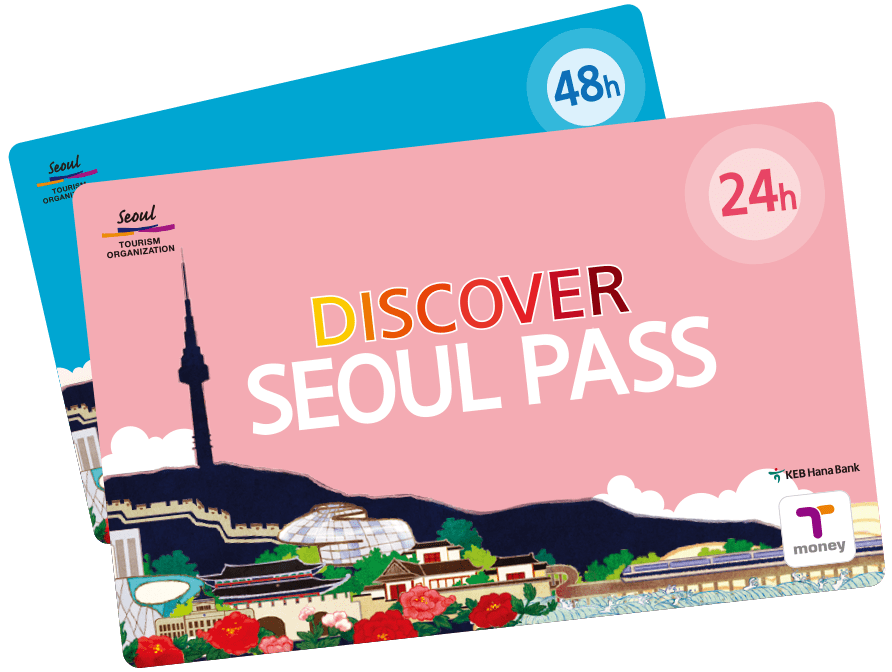
10 Get the Discover Seoul Pass
The Discover Seoul Pass gives free or discounted access to a range of attractions in Seoul plus functions as a T-Money card and includes a free AREX ride from Incheon Airport. It comes in 24, 48, and 72 hour versions.
The key to getting value from it is planning. Some attractions it covers are already cheap or free on their own, so you want to use your time window on the higher-cost experiences. Pre-plan a route that hits the more expensive attractions during your pass window and leave the free museums and parks for before or after. Learn how to maximize the Discover Seoul Pass.
Pre-purchase on Klook for a discount off the counter price.
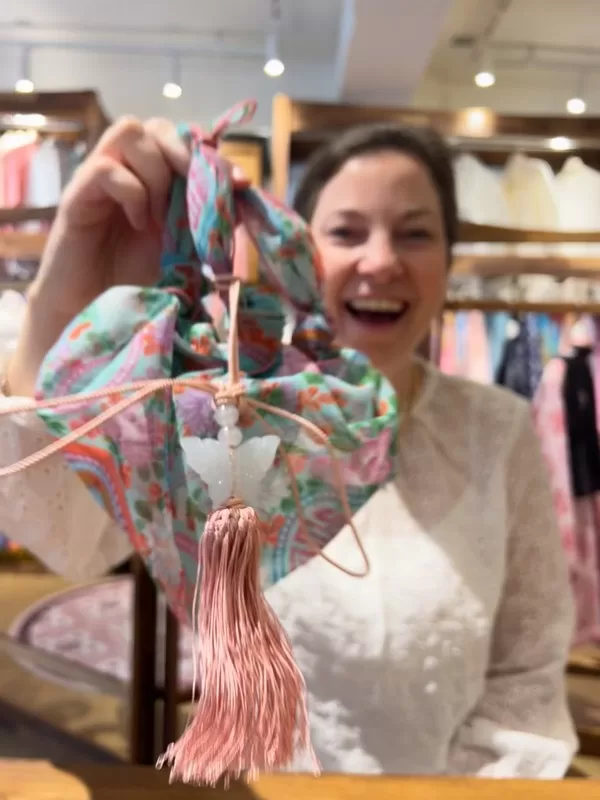
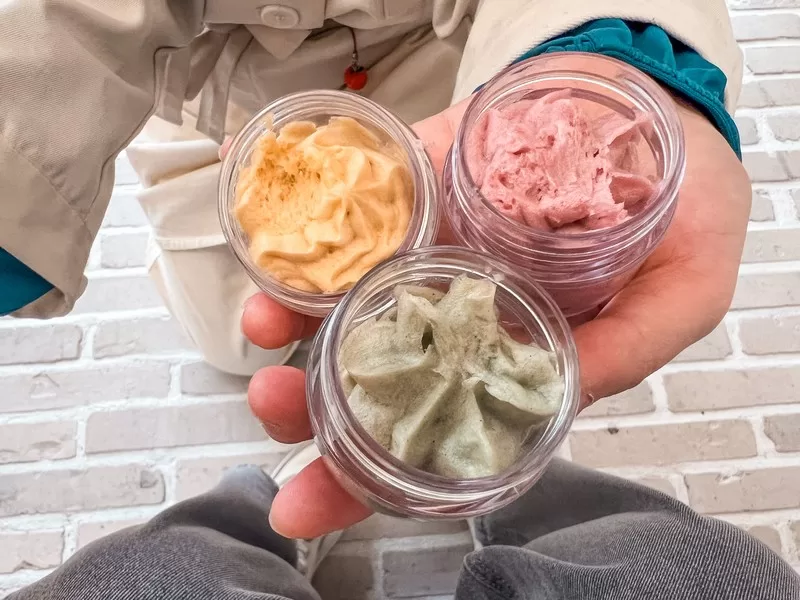
11 Pre-purchase Attraction Tickets Online
Koreans rarely buy tickets at the door. There are almost always discounted rates available through online platforms, and savvy visitors should do the same.
The two platforms worth using:
- Creatrip: A Korea-focused platform that has some very unique along with popular attractions as well as contracts with the government for specific events like moonlight tours. This is a localized options that is my top option.
- Klook: Klook is a trusted seller of attraction tickets and travel services all around the world. If you haven’t used them yet, check out what they offer for Korea. They offer tickets and have great discounted rates on options for travel attractions in Seoul and around Korea in major areas.
Both platforms respond well to questions if something goes wrong. Pre-purchasing also means you skip ticket queues at popular attractions.
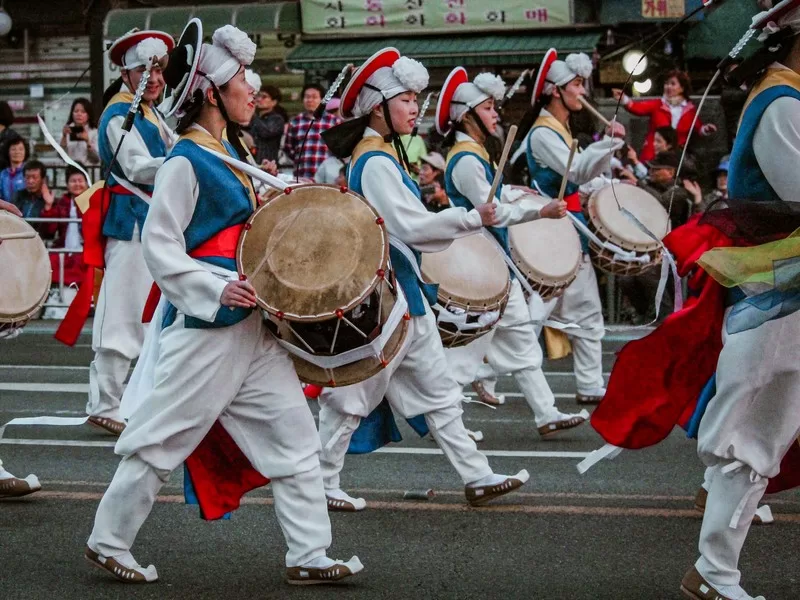
12 Check What Festivals and Events Are Happening
Korea has an enormous calendar of festivals throughout the year, the vast majority of which are free to enter. You pay for food and any rides or experiences, but attending the festival itself typically costs nothing. The experience, particularly the large festivals in Seoul, can be a genuine highlight of a trip.
The Seoul Lantern Festival in the winter and Lotus Lantern Parade in spring, for example, are extraordinary free experiences that most first-time visitors don’t know to plan around. Regional festivals are similarly rewarding if your trip takes you outside Seoul.
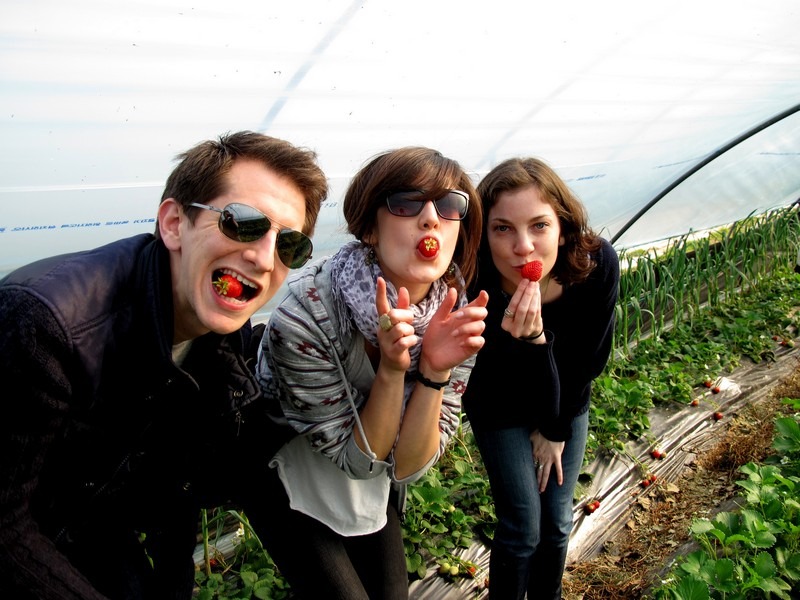
The Visit Korea website maintains an updated list of current and upcoming festivals across the country. Check it when you’re planning your dates, fitting a major free festival into your itinerary is one of the easiest ways to add value to a trip.
Some festivals we’ve attended:
- Seoul Fireworks Festival
- Nonsan Strawberry Festival
- Icheon Sansuyu Festival
- Cheongsong Apple Festival
- Goyang Flower Festival
- Jindo Miracle Sea Road Festival
- and more… there are so many festivals around the country. See what you can get into.
13 Get Your Tax Refunded
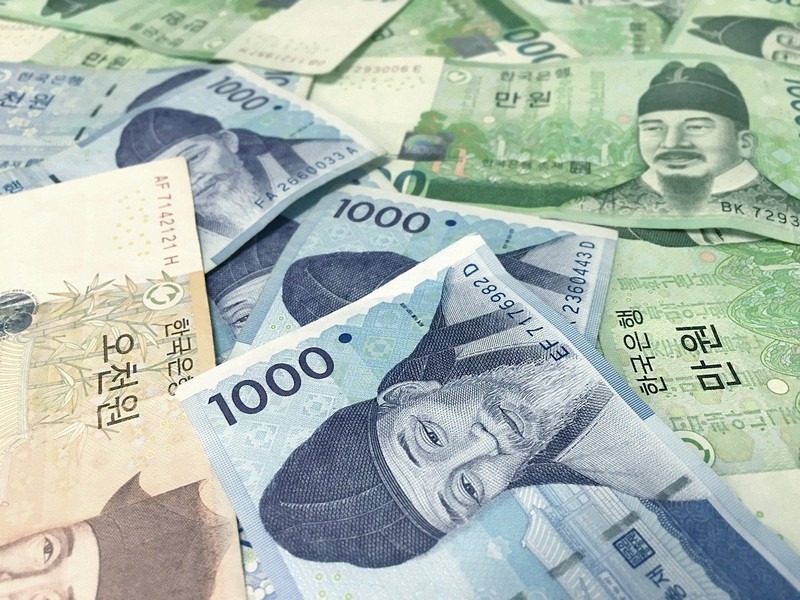
If you’re visiting Korea as a tourist, all prices include a 10% VAT that is refundable on purchases between ₩30,000 and ₩500,000 at participating stores. Look for the tax-free sticker at the entrance of shops (not all participate). Keep your receipts and claim the refund at the airport before departure. The maximum refundable purchase total is ₩2,000,000.
This adds up particularly fast at K-beauty shops and clothing stores. It’s free money, don’t skip the airport claim desk.
Bonus Tips: What Other Guides Don’t Tell You
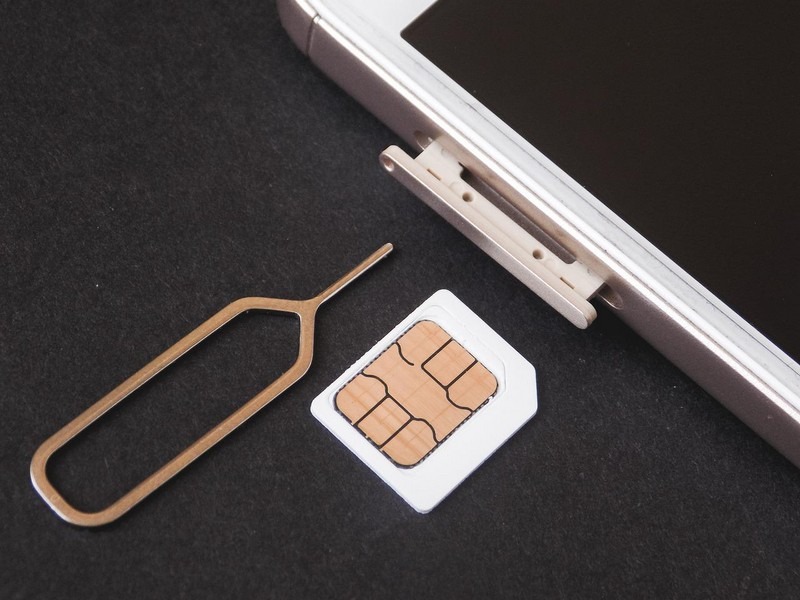
The phone number problem at popular restaurants: Some highly popular restaurants in Seoul manage their waitlists through KakaoTalk or SMS and require a Korean phone number to join. This can mean being turned away if you’re using a foreign number. Getting a Korean SIM card (or eSIM) solves this completely, and it’s worth doing anyway for Kakao Maps navigation. Read the complete guide to Korean SIM cards for the best options.
Exchange money in Myeongdong, not at the airport: Airport exchange rates are poor. Bring just enough for your first taxi or train, then exchange the rest in Myeongdong where the rates are consistently competitive.
Fly in January or February for cheaper fares: These are the slowest months for Korea tourism and airfares reflect that. If cold weather doesn’t bother you, and Seoul in winter has its own appeal, flying in January or February can save significantly on flights compared to spring cherry blossom season or autumn.
Budget travel in Korea isn’t about missing out, it’s about knowing where the value is. The free museums alone in Seoul are better than paid museums in many cities. Culture Day every Wednesday makes palaces accessible for anyone. The street food and market food is not the budget option; it’s some of the best food in the country. Get those things right and the spending decisions that remain are much more pleasant ones.
Did you like this post? Pin iT!