Cheonggyecheon Stream: What To See Along The Walk, The Best Spots and Seoul Lantern Festival
Last Updated on April 18, 2026
The Cheonggyecheon Stream (청계천) is on almost every list of things to see in Seoul, and for good reason. The river starts near Gwanghwamun Square and runs 10.92 kilometers through the heart of the city before eventually meeting the Han River. It’s the site of the Seoul Lantern Festival each winter, hosts art installations and events throughout the year, and serves as one of the best pedestrian walks in the city at any time of day.
I’ve lived in Seoul since 2006 and had a goal for years to walk the entire length of the stream. I finally did it. Whether you’re planning to walk the whole thing or just want to see the highlights in a shorter visit, here is everything worth knowing before you go.
Here’s the Cheonggyecheon Stream guide you need to read:
- The History
- Benefits Of Restoring The Stream
- Events At The Cheonggyecheon Stream
- What To See Along The Walk
- Practical Walking Info
- FAQ
(This post contains affiliate links, which means I receive a certain percentage of a sale if you purchase after clicking at no cost to you. Thank you for your support.)
The History
The Cheonggyecheon Stream was originally a naturally flowing river with water falling from Inwangsan Mountain. It was simultaneously a local resource and a hazard for the local residents as it overflowed in monsoon seasons and caused flooding.
Throughout the Joseon Dynasty, the riverside was updated and reconstructed to allow for easier use. The river was nice enough up until the Japanese occupation from 1910 to 1945 at which point it became dirty and polluted.
By 1953, after the Korean War, more people were moving to the city and throwing trash into the dirty water making it even worse. And finally, in 1958, construction began to completely cover the river with an elevated motorway. The Cheonggyecheon Stream was effectively covered and hidden from sight for the next 25 years.
Then in 2003, the mayor, Lee Myung Bak, started a project to remove the highway and restore the stream. The effects of which weren’t fully known until construction was finally completely. As the road was dismantled and nature was brought back to downtown Seoul and 120,000 tonnes of water was pumped in, the restoration project led to numerous benefits for locals and the city of Seoul.
Benefits Of Restoring The Cheonggyecheon Stream
Dismantling the 10 lane highway that carried 170,000 vehicles daily through downtown Seoul encouraged a huge transformation of the downtown area.
- It encouraged transit use. As people couldn’t drive their vehicles as easily through the center of the city, more people were encoraged to take buses or subways. There was actually a 15.1% increase in bus ridership and 3.3% increase in subway ridership between 2003 and 2008.*
- The decrease in vehicles downtown in turn improved the air quality and water quality. There was a 10.3% decrease in air pollution from vehicles.*
- The decrease in pollution also led to a decrease in the temperature downtown. The urban heat island effect was decreased by 4.5%.*
- The better air and water quality and reduction in temperature was an invitation to wildlife to return and today, visitors can see fish, cranes, and other birds happily enjoying the Cheonggyecheon Stream.
- Today, the Cheonggyecheon Stream has more then 64,000 visitors daily as they’re either walking or taking a break from work or enjoying the scenery creating more quality of life opportunities.*
*The stats here were found in the Global Designing Cities Initiative Case Study on the Cheonggyecheon Stream.
Events At The Cheonggyecheon Stream
The stream hosts events throughout the year, concentrated at the Gwanghwamun end and spreading for several blocks east from there.
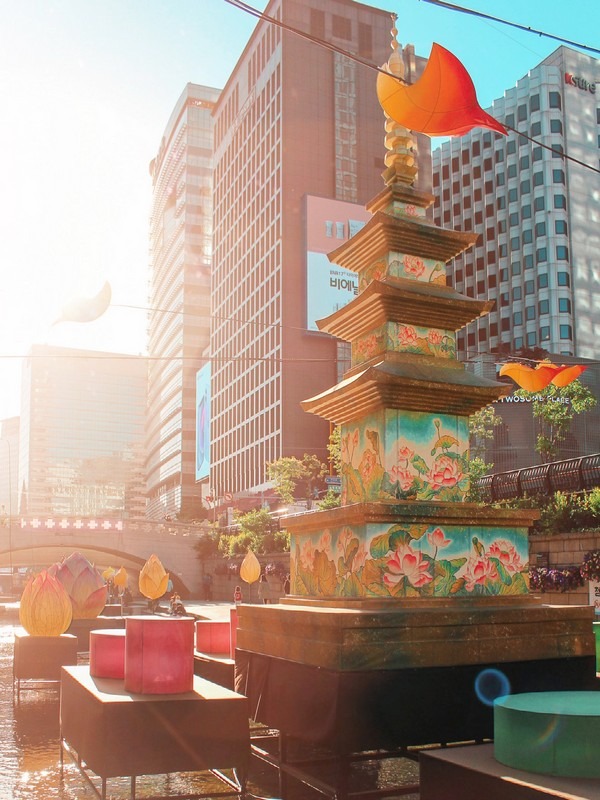
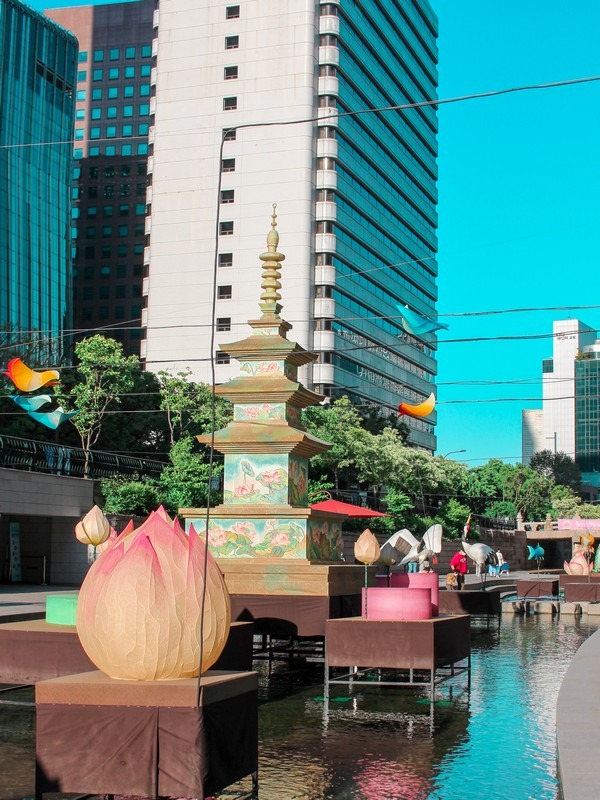
Spring: Art festivals and seasonal installations typically run along the first section of the stream. The Lotus Lantern Festival parade, one of the most beautiful events in Seoul, also takes place in the spring, usually in May, and the area around the stream comes alive with lanterns in the days around the festival.
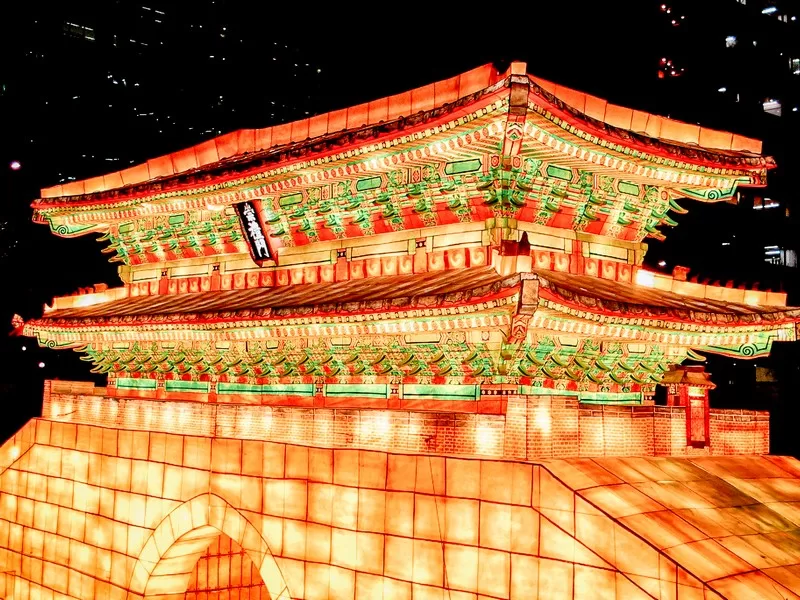
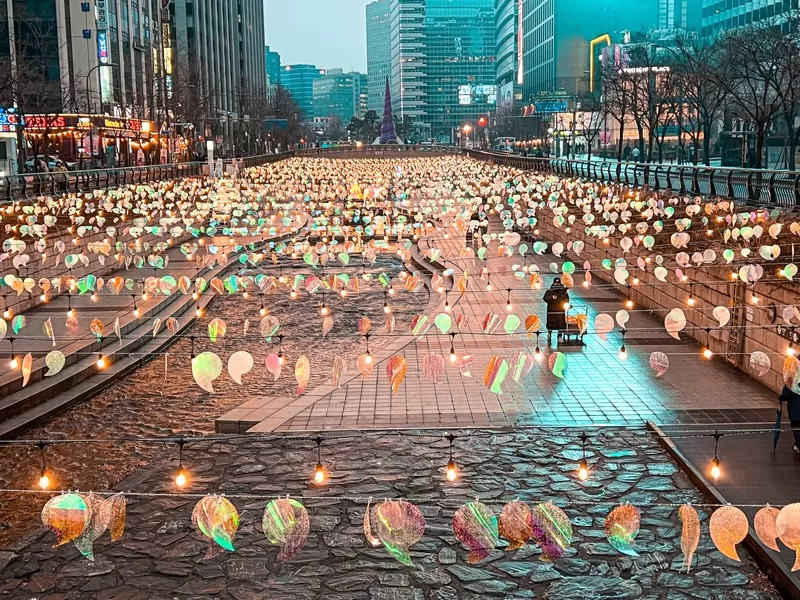
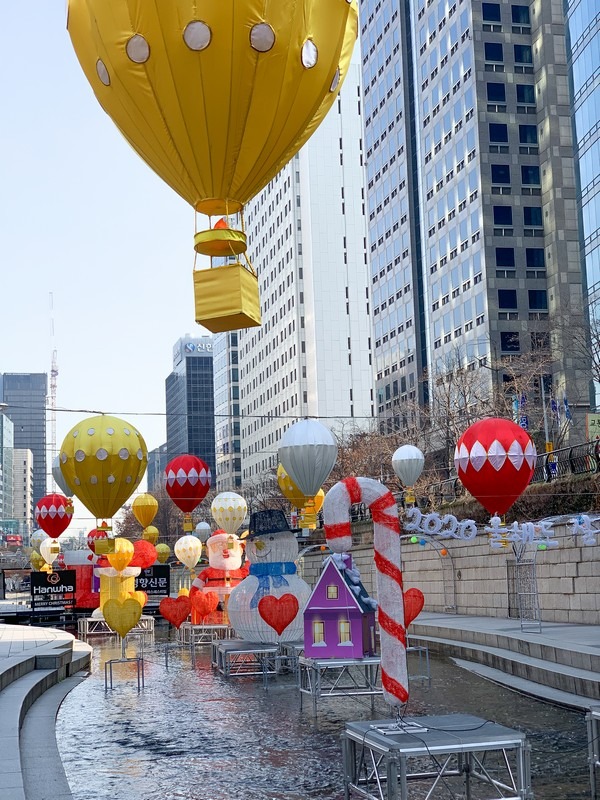
Seoul Lantern Festival (서울빛초롱축제): The biggest annual event at the Cheonggyecheon. Lights are strung across the walkway and lanterns are placed in the waterway itself, transforming the stream into something genuinely extraordinary after dark. The Seoul Lantern Festival typically runs in November or December, verify current year dates before planning, as the schedule shifts annually. This is one of the best reasons to visit Seoul in winter and one of the most photographed events in the city.
No matter what season you visit, there is almost always something happening along the stream or recently installed along the path.
The Seoul Itinerary Pack – 15 Seoul Itineraries
$25.00
What To See Along The River
The following runs west to east, starting from the beginning near Gwanghwamun Square and working toward the Han River. Address notes: the addresses below are street-level, the river itself doesn’t have formal addresses. When GPS says you’ve arrived, you’ll be at street level and will need to descend to the riverside to see anything below the bridges.
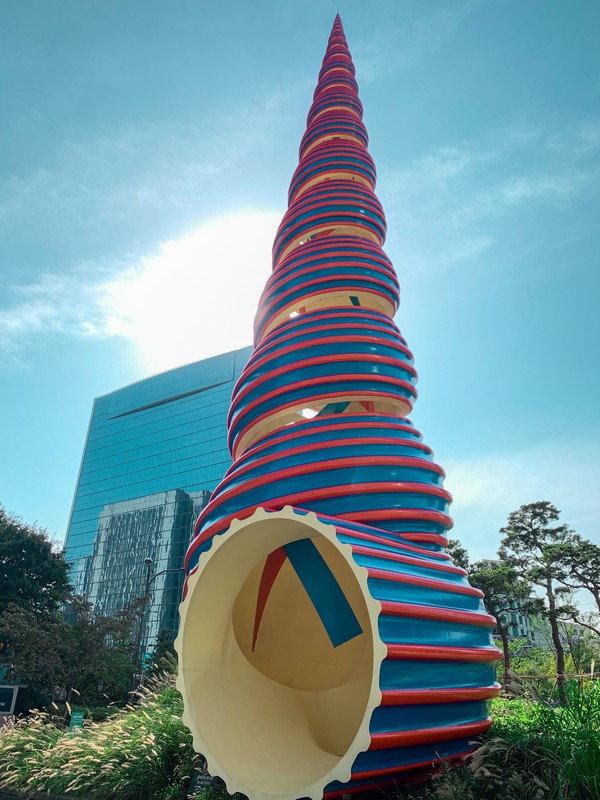
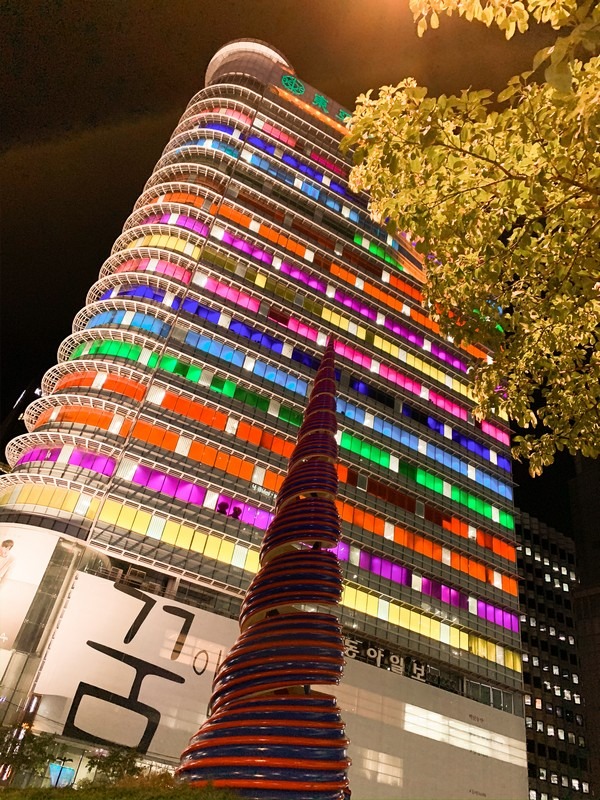
“Spring” Sculpture
When you’re walking on the main road and aren’t sure where the Cheonggyecheon Stream starts, just look for the sculpture by Claes Oldenburg and Coosje van Bruggen called “Spring”. The sculpture, created by the Swedish pop artists, is a 20 meter high spiral cone painted in red and blue and is meant to be a symbol of renewal in nature. There was some controversy when it was chosen back in 2006 but has been there since installation and has become a mainstay of the downtown art scene.
- Address: 1 Cheonggyecheon-ro, Jongno-gu, Seoul (서울 종로구 청계천로 1)
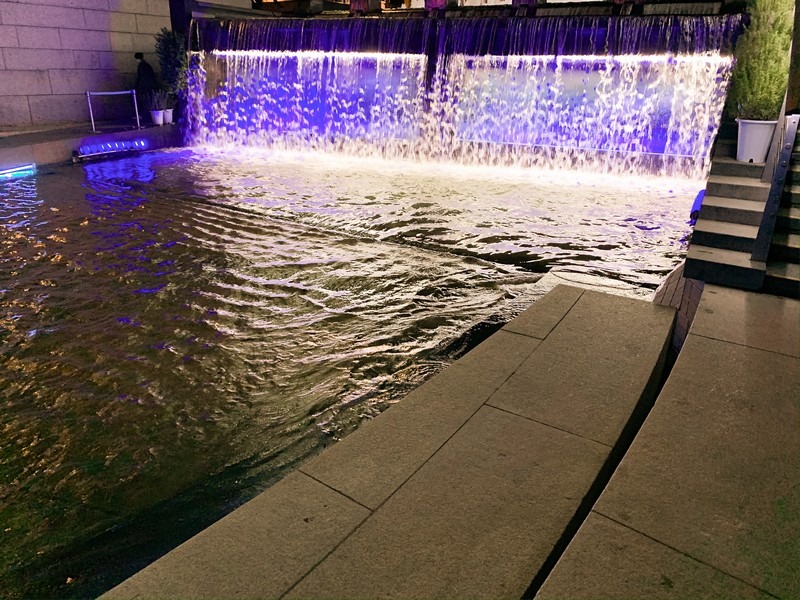
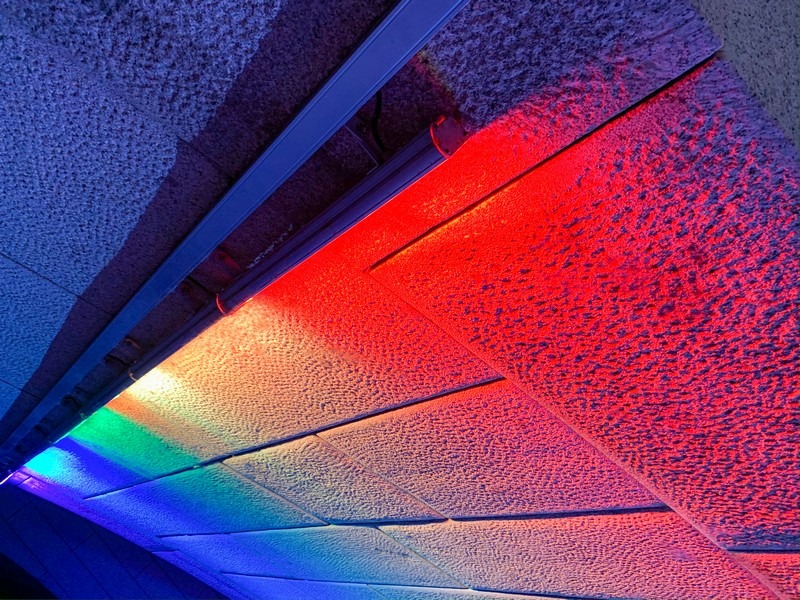
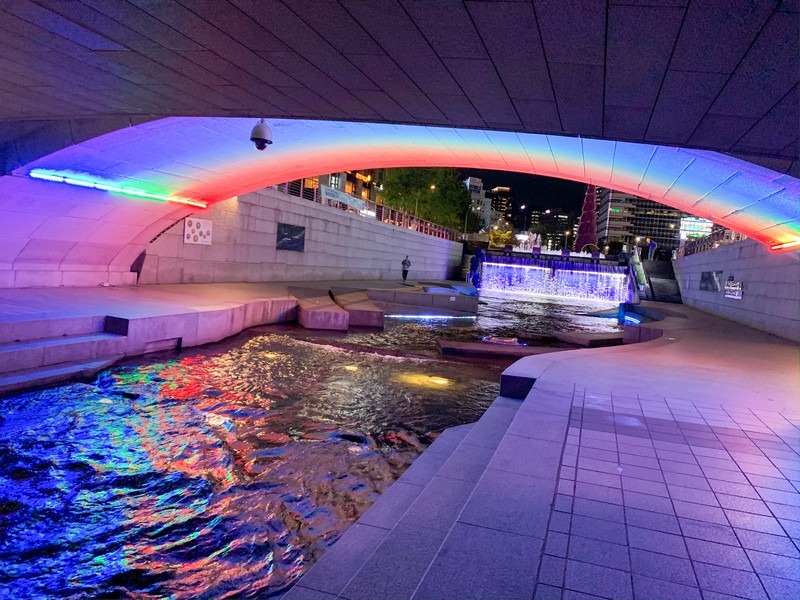
Waterfall & Rainbows
The entrance to the Cheonggyecheon Stream has a waterfall that pumps water into the stream and the first bridge features some fun rainbow lights. This is often the busiest area as the entrance is here and events start from here.
Take a seat along the stream and just enjoy the lights or keep walking on to the next section. This is a beautiful from day into night. Just check out those rainbows, it’s one of the prettiest spots in Seoul at night to take a walk.
- Address: 1 Cheonggyecheon-ro, Jongno-gu, Seoul (서울 종로구 청계천로 1)
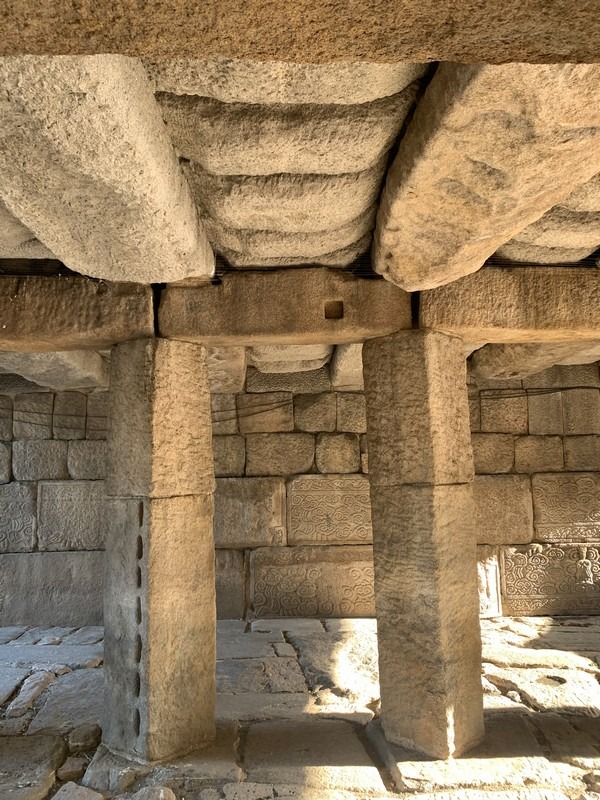
Gwangtonggyo Bridge (광통교)
One of the most important and busiest bridges during the Joseon Dynasty, it was originally built with wood and soil but was destroyed by the numerous floods.
The bridge you can see today was constructed during the reign of King Taejong between 1400 and 1418 and to show his ruthlessness, he used the stones from the tomb of Queen Sindeok. Buried for 100 years, restoration on the bridge happened when the river was restored. Some of the stones you can see today are even original.
- Address: 35 Cheonggyecheon-ro, Jongno-gu, Seoul (서울 종로구 청계천로 35)
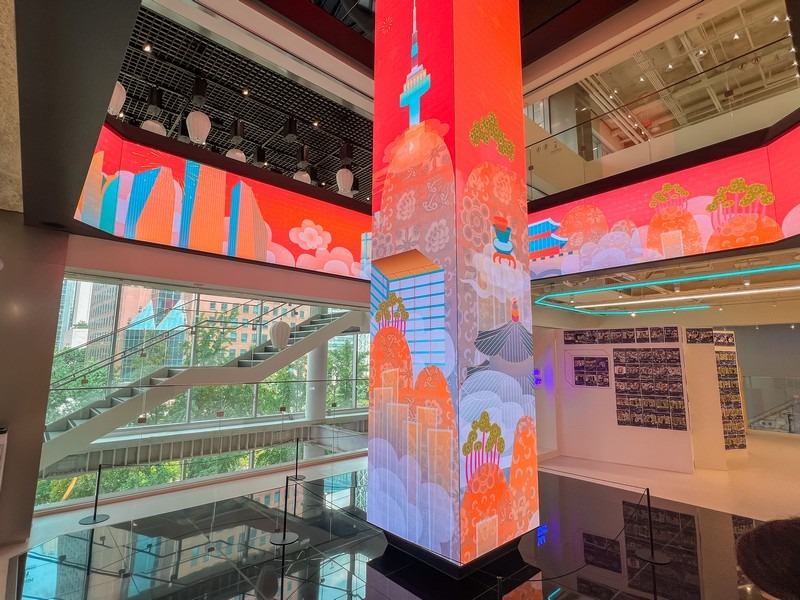
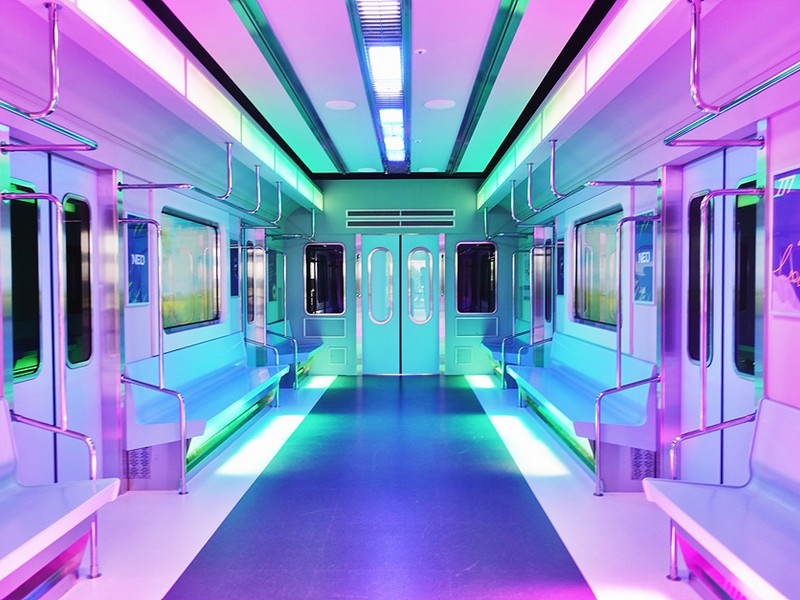
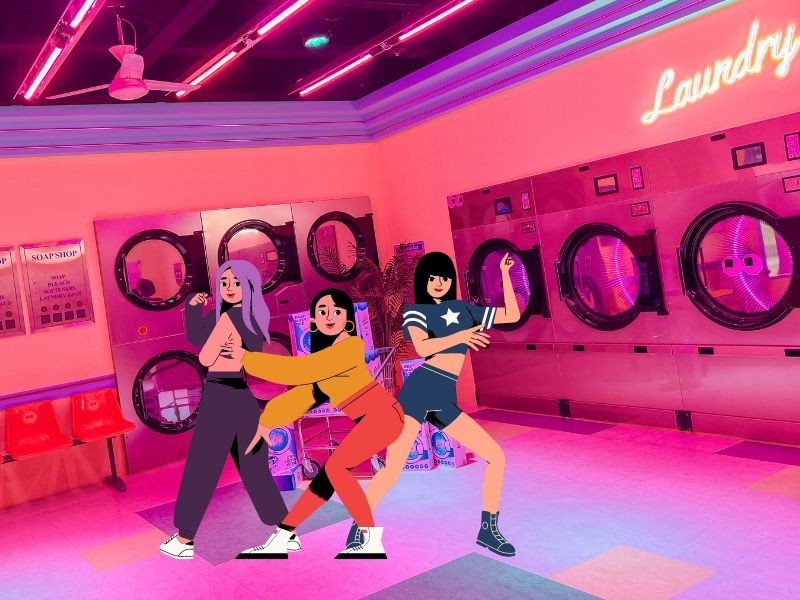
Pro Tip: If you want to take a break here, head up to the main street and find HiKR Ground. Opened by the Korea Tourism Organization, it’s an immersive tourism space with multiple floors, a cafe on the top floor, and it’s completely free to enter. It’s a great space to cool off in the summer or warm up in the winter and have some fun while you’re at it.
King Jeongjo’s Royal Procession Mosaic
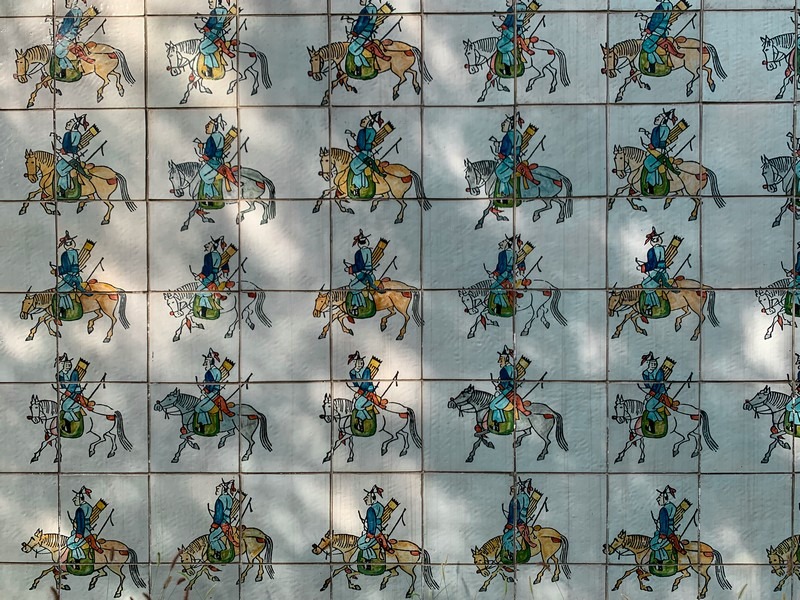
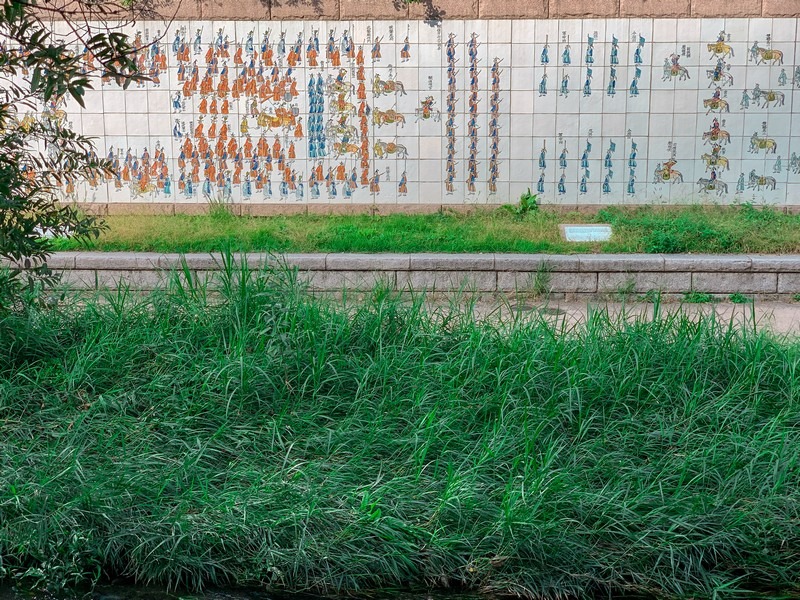
Just before the Jangtonggyo Bridge, a beautiful tiled mosaic depicting King Jeongjo’s Royal procession begins on the north side of the stream. The mosaic is 192 meters long and is apparently the largest tile wall painting in the world. It is made up of 5,120 individual ceramic tiles. It depicts King Jeongjo leading a royal procession to the tomb of his father in Hwaseong in 1785 escorted by his mother Hyegyeonggung Hong.
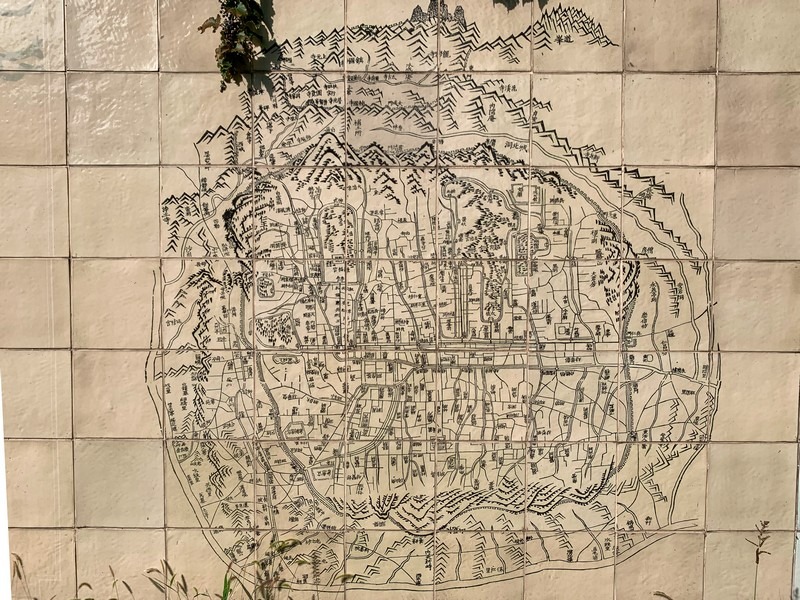
You can also see this woodblock map of the streets of Seoul that was produced by Kim Jeongho in 1825. Called Suseon Jeondo, you can recognize numerous names across Seoul that still exist today. The Suseon Jeondo is considered the most outstanding woodblock map of Seoul ever produced during the Joseon Dynasty in terms of accuracy and size.
- Address: 61 Cheonggyecheon-ro, Jongno-gu, Seoul (서울 종로구 청계천로 61) (Starts around here)
Samilgyo Bridge (삼일교)
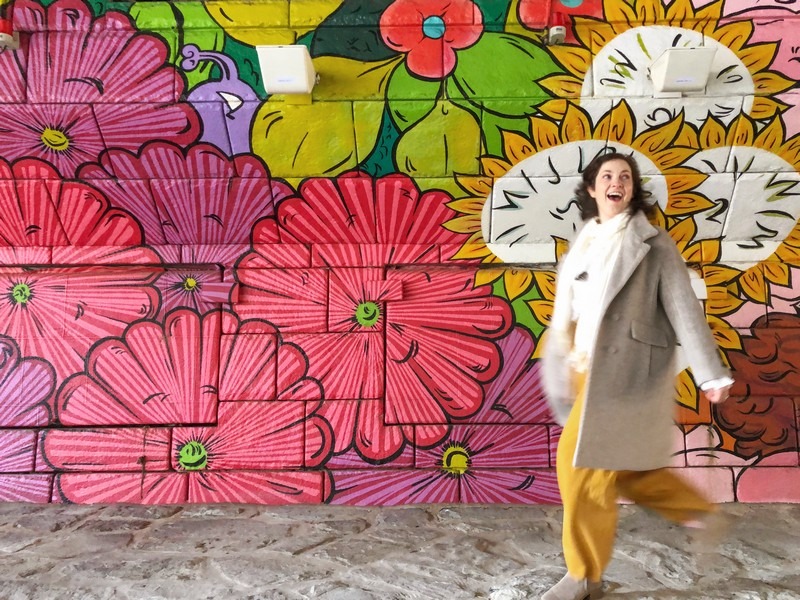
Quite a few of the bridges feature colorful murals beneath them so you definitely want to walk beneath and enjoy them. The stream is known for hosting various artistic events throughout the year, but even when there aren’t any going on, it’s quite a creative atmosphere.
- Address: 93 Cheonggyecheon-ro, Jongno-gu, Seoul (서울 종로구 청계천로 93)
Seoul Tourism Plaza (서울관광재단)
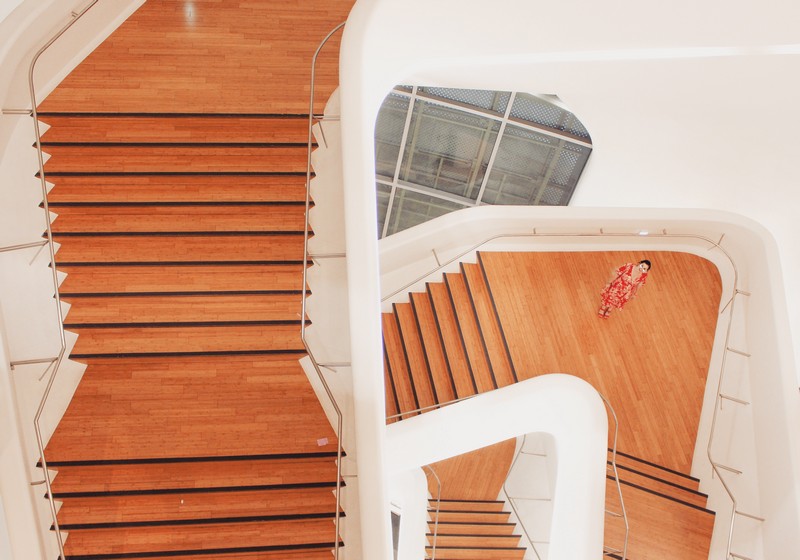
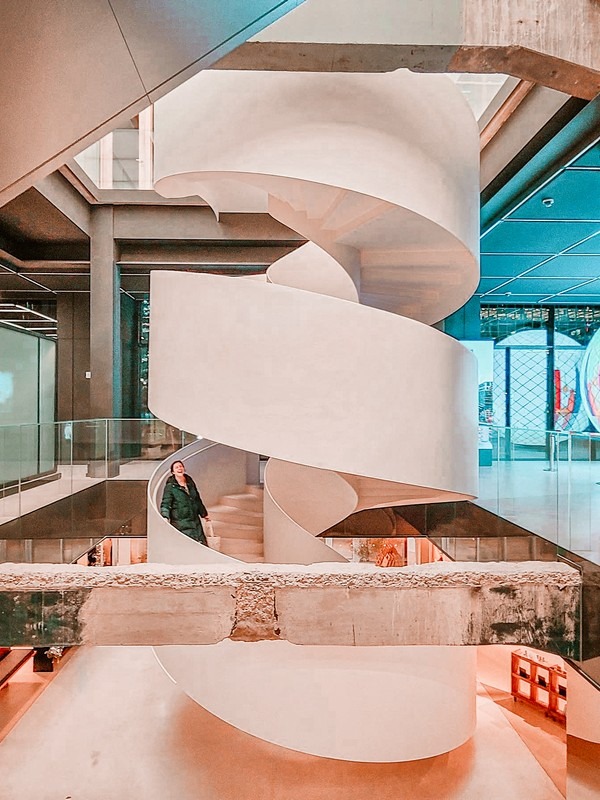
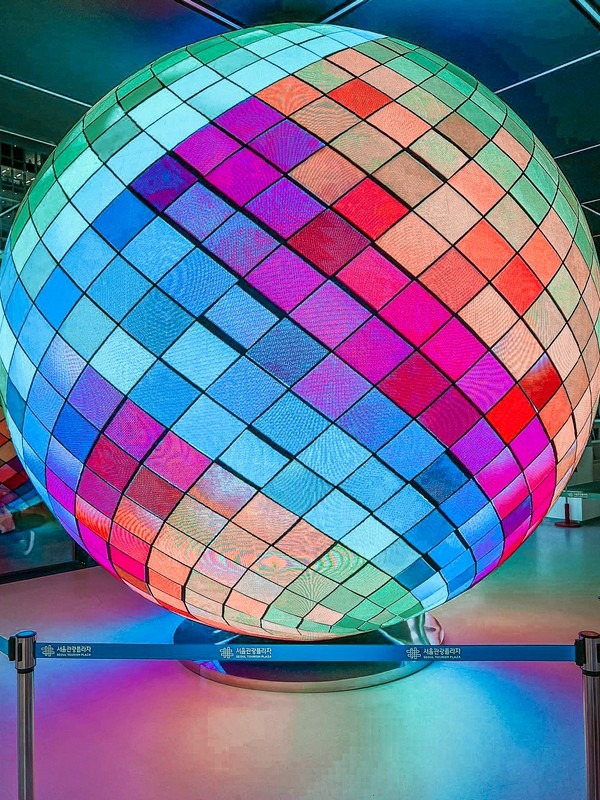
If you want to take a break from the stream here, head up to find the Seoul Tourism Plaza. Not just your standard tourist office, the architecture is interesting, there is media art, official Seoul city souvenirs, and even a tap bar in the basement. Find out what you can do at the Seoul Tourism Plaza.
- Address: 85 Cheonggyecheon-ro, Jongno-gu, Seoul (서울 종로구 청계천로 85)
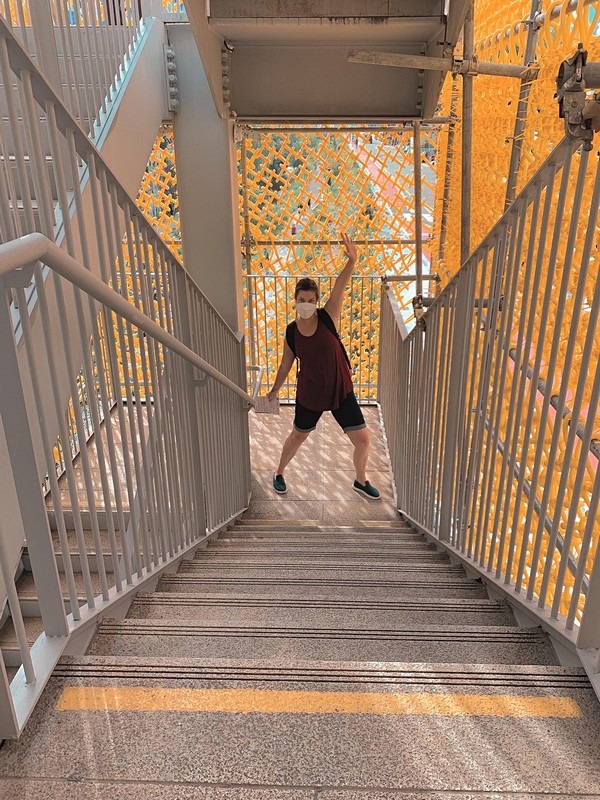
Sewoon Bridge (세우교)
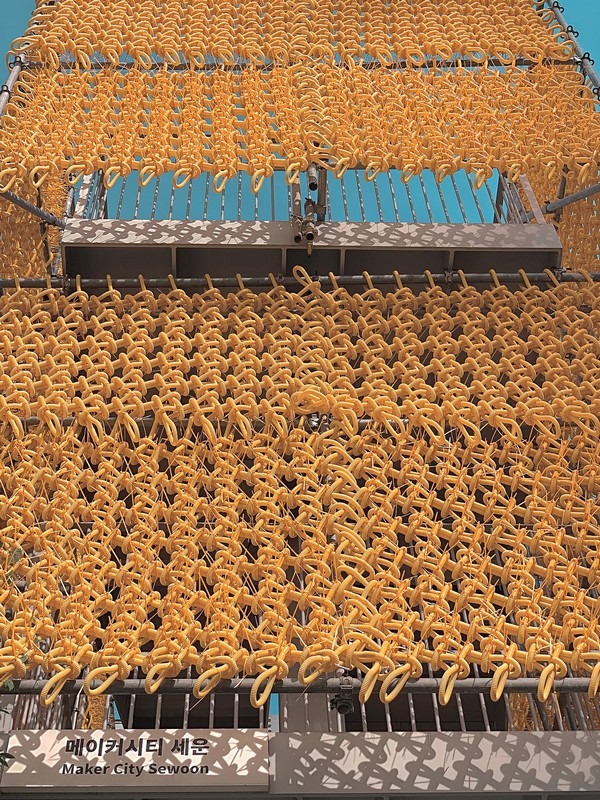
Now, this is one of the newest bridges over the stream. The street level bridge has been there for awhile, but there has been a lot of development in the Sewoon Sangga Market area over the past few years and they’ve built a second floor pedestrian bridge from that market to the market on the other side of the stream.
Apparently, this used to exist some time ago and now as they redevelop the area, they replaced it. If you want to stop off, head up to Sewoon Sangga for an awesome view of Jongmyo Shrine and Namsan Tower from the rooftop.
- Address: 159 Cheonggyecheon-ro, Jongno-gu, Seoul (서울 종로구 청계천로 159)
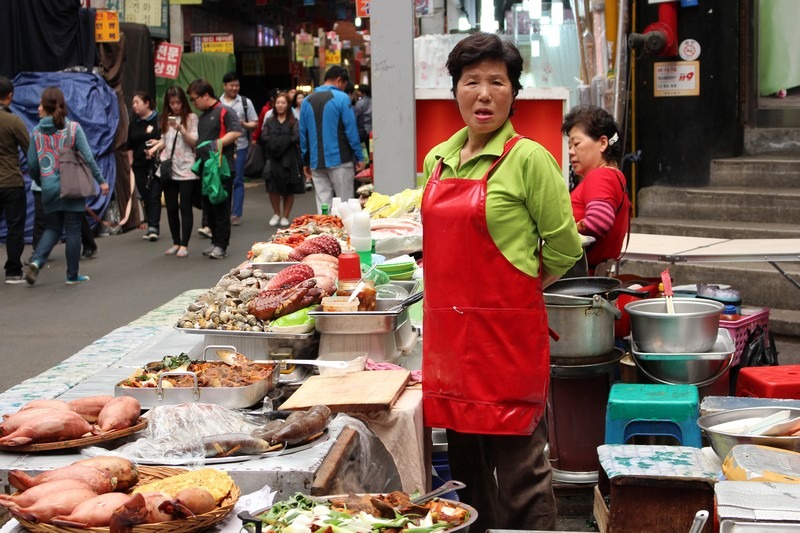
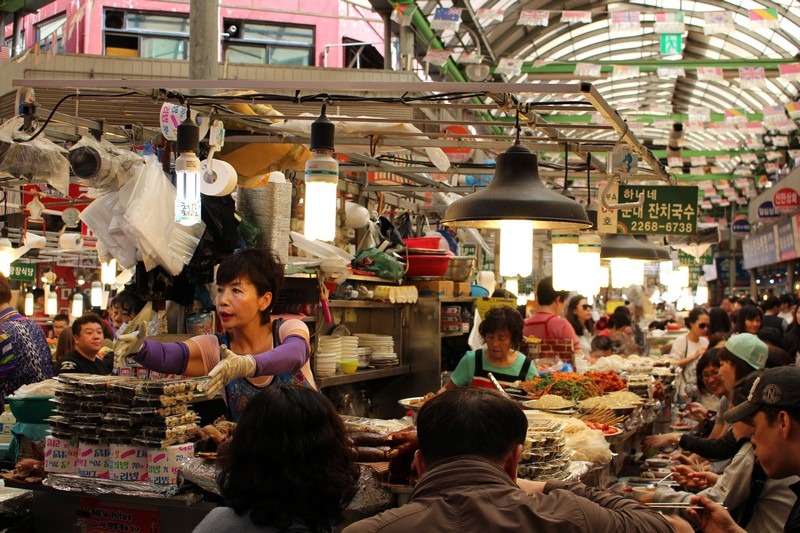
Gwangjang Market (광장시장)
While the Gwangjang Market isn’t ON the Cheonggyecheon Stream, if you’re walking along the entire stream like we were, this is where I’d recommend stopping for lunch. Head up to the main road at Baeogae Road and into the market on the north side of the stream.
The market runs the entire stretch from that road to Majeon Bridge and there’s not much to see in that section of the Cheonggyecheon Stream so it’s a win/win.
- Address: 88 Changgyeonggung-ro, Jongno-gu, Seoul (서울 종로구 창경궁로 88)
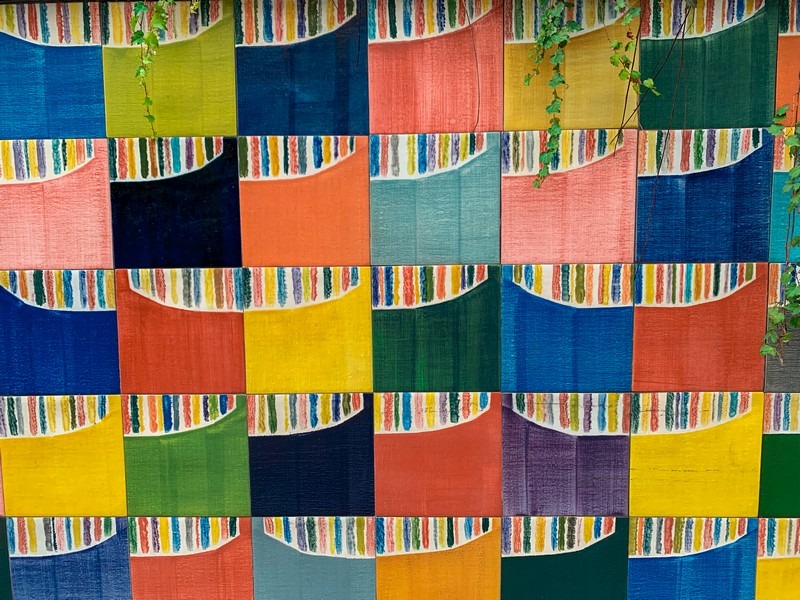
Dongdaemun (동대문)
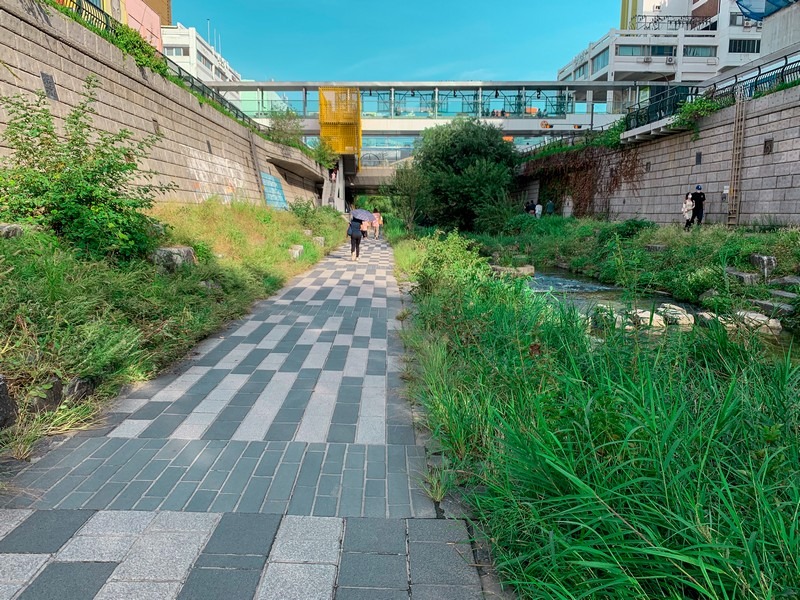
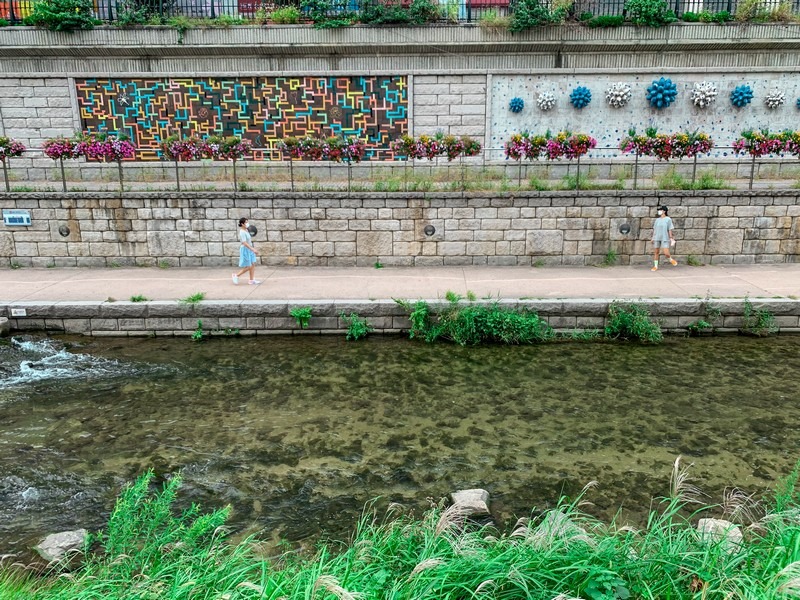
There isn’t much on the stream itself from Gwangjang Market to Dongdaemun. If you’re looking for a generally quieter section, this would be a good section to visit. There are fish and the plants take over a bit more of the path.
After Dongdaemun, there are again art installations to check out as you meander. The stream begins to widen a bit after this point and become much more natural and taken over by the plant life.
- Address: 295 Cheonggyecheon-ro, Dongdaemun-gu, Seoul (서울 동대문구 청계천로 295)
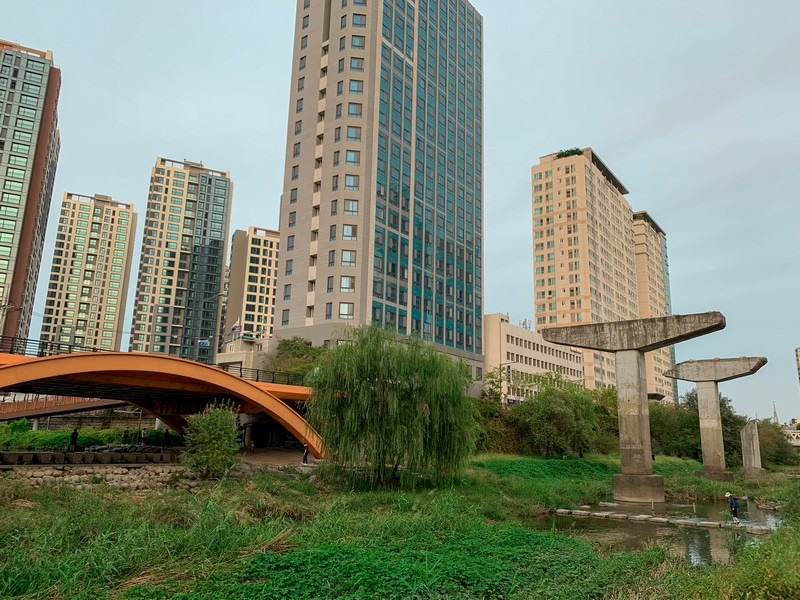
Seongbukcheon (선북천)/Cheonggyecheon (청계천) Meeting Point
An interesting aspect of this portion of the river are the giant concrete support pillars which once held the overpass. While the rest of the pillars have been demolished, these ones were left as a monument to that industrial period in Korea’s past and have even been designated as Seoul Future Heritage #248. It’s here that you can really feel how high and big the highway that went through the city once was.
- Address: 443 Cheonggyecheon-ro, Dongdaemun-gu, Seoul (서울 동대문구 청계천로 443)
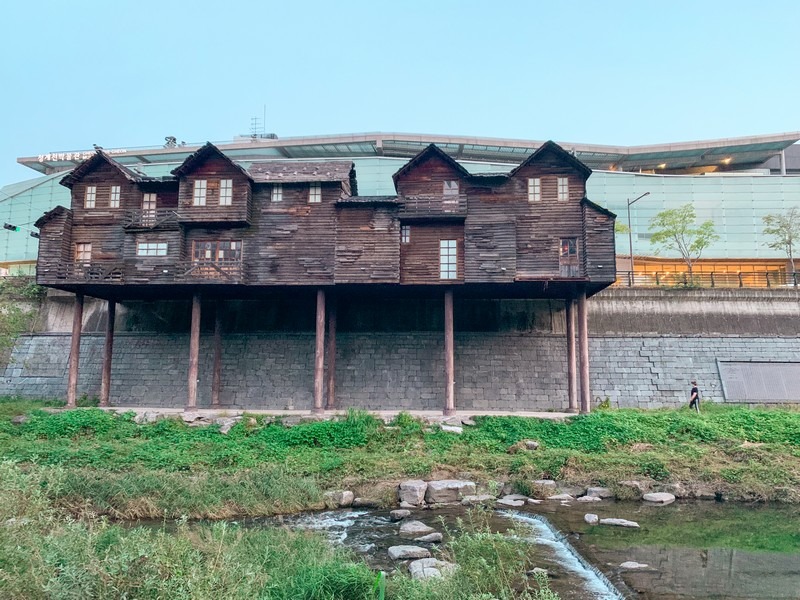
Cheonggyecheon Ramshackle Houses
While the houses that used to line the Cheonggyecheon Stream are no longer standing, there are some 1960s era house replicas just outside of the Cheonggyecheon Stream Museum that visitors can see to get a feel of what the riverside looked like decades ago.
The reconstruction includes homes, a convenience store, a coffee shop, a comic book store, and a school. You can try on retro Korean school uniforms here too if you want.
- Address: 530 Cheonggyecheon-ro, Seongdong-gu, Seoul (서울 성동구 청계천로 530)
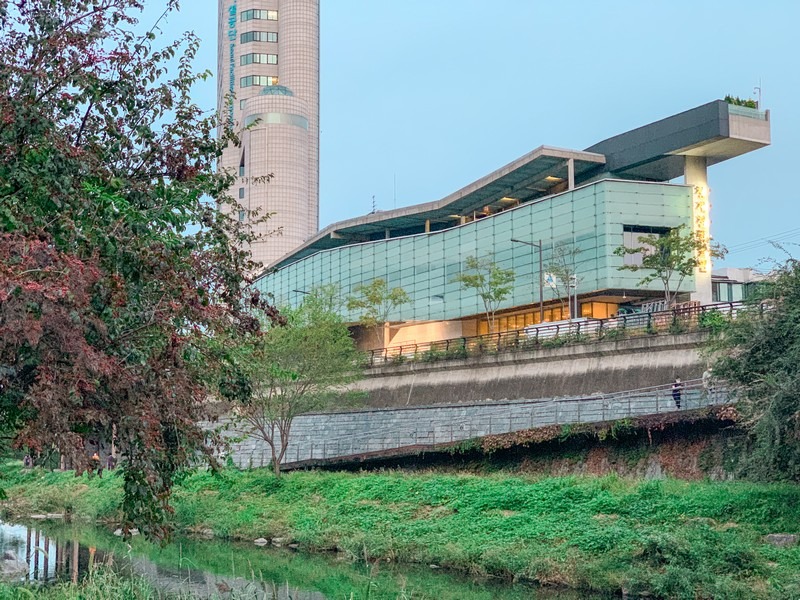
Cheonggyecheon Museum (청계천박물관)
Learn about the history and the stream over time at this museum which has a façade in the shape of the stream itself. This is a great opportunity if you have children to let them learn a bit more about the riverside and Korean history. Or if you’re interested in more ecological and historical information on the stream, head in yourself.
- Address: 530 Cheonggyecheon-ro, Seongdong-gu, Seoul (서울 성동구 청계천로 530)
- Hours: Tuesday – Friday: 9:00am ~ 7:00pm; Weekends: 9:00am ~ 6:00pm in the winter / 9:00am ~ 7:00pm in the summer
- Admission: FREE
Museum Onward
From the Cheonggyecheon Museum onward, the path is a bit more overgrown with more natural space alongside the paths and then it hits the Jungnangcheon Stream (중랑천) which filters south to the Han River. This is where a lot more bicyclists are on the path as well as they don’t usually hit up the beginning of the Cheonggyecheon where there are much more pedestrians in the way.
If you make it all the way out to the Han River, you’ll come out near Eungbongsan on the western side or Seoul Forest in Seongsu-dong on the eastern side.
Practical Walking Info
Direction: West to east is the standard direction. Start near Gwanghwamun and walk toward the Han River. The landmarks are more concentrated in the first half and the path becomes progressively more natural in the second half.
Time: The full 10.92km walk at a comfortable pace with stops takes approximately 3 to 4 hours. Add time for lunch at Gwangjang Market and stops at the museum and ramshackle houses.
Terrain: The stream-level path is almost entirely flat. Stairs and ramps connect the riverside path to street level at regular intervals throughout. Very manageable for most fitness levels.
Can I walk just part of it? Absolutely. The western section from the Spring sculpture to Gwangjang Market (roughly the first 4km) covers most of the art installations, historic bridges, and mosaic, a good 1.5 to 2 hour partial walk. Entering at Dongdaemun and heading east toward the museum gives you the quieter, more natural section.
Best time of day: Evenings for the rainbow lights at the entrance. Daytime for the mosaic and bridge murals. The Seoul Lantern Festival is an evening event.
Is it good at night? Yes, the first section near the waterfall and rainbow lights is actively better after dark. The stream is well-lit throughout its urban sections and popular with evening walkers year-round.
FAQ
How long is the Cheonggyecheon Stream?
10.92 kilometers from the Spring sculpture near Gwanghwamun Square to where it joins the Jungnangcheon Stream near the Han River.
Is the Cheonggyecheon Stream free?
Completely free, the walk, the museum at the end, and all the public art along the route cost nothing.
Where does the Cheonggyecheon Stream start?
The official starting point is Cheonggye Plaza near Gwanghwamun Square, marked by the red and blue Spring sculpture by Claes Oldenburg and Coosje van Bruggen. From Gwanghwamun Station or City Hall area, the entrance is a short walk.
What is the Seoul Lantern Festival?
The Seoul Lantern Festival (서울빛초롱축제) is an annual winter event where lanterns are placed in the stream and lights are strung along the walkway, transforming the entire area after dark. It typically runs in November or December for several weeks, verify current year dates before planning your visit, as timing shifts annually.
Which part of the Cheonggyecheon Stream is best?
The waterfall entrance and rainbow lights section is the most photographed spot and best after dark. The King Jeongjo royal procession mosaic (192 meters, 5,120 tiles) is the most historically impressive. The bridge murals beneath Samilgyo and nearby bridges are worth pausing for. The highway support pillars at the Seongbukcheon junction are the most unexpected. For quietest and most natural, the section east of Dongdaemun toward the museum.
How long does it take to walk the full Cheonggyecheon Stream?
3 to 4 hours at a comfortable pace including stops, not counting lunch or the museum. Allow a full half-day if you want to do it properly.
Is the Cheonggyecheon Stream good for children?
Yes, the flat path, the fish in the water, the rainbow lights, the ramshackle house replica with school uniform try-ons near the museum, and the museum itself are all good for children. The mosaic and bridge murals also tend to hold attention.
The Cheonggyecheon Stream is one of those places that reveals more the more time you spend on it. A quick look at the entrance waterfall is nice. Walking the full length changes how you understand the city. If you have the time, do the whole thing.
Did you like this post? Pin iT!