Tipping In Korea: The Complete Guide to Tipping Culture, Etiquette, and When It’s Actually Rude
Last Updated on March 30, 2026
I was out for lunch with an old Korean halabeoji, or grandpa, I’ve known for about a decade. He’s the kind of man who orders soju at noon without hesitation and insists you join him even if you have work afterward. We go to all kinds of restaurants together and he acts like he knows everyone everywhere. He might honestly.
On this particular day, he did something that genuinely surprised me. On the way out, he tipped the restaurant staff. Then he tipped the valet who brought his car around.
Tipping in Korea is not the norm. But it happens, and knowing when it’s appropriate, when it’s unnecessary, and when it can actually cause embarrassment tells you something real about Korean culture. If you’re heading to Korea and trying to figure out the etiquette, here’s everything you need to know.
Here is what to know about who to tip in Korea and when not to tip too:
- Quick Answer: Tipping In Korea
- Why Tipping is Not The Norm in Korea
- Why Tipping Can Sometimes Be Rude
- When Tipping is Acceptable
- How to Tip in Korea: The Right Way
- How Much to Tip in Korea
- How to Show Appreciation Without Tipping
(This post contains affiliate links, which means I receive a certain percentage of a sale if you purchase after clicking at no cost to you. Thank you for your support.)
Quick Answer: Tipping In Korea
| Situation | Tip? | Notes |
|---|---|---|
| Restaurants | No | Not expected at any level |
| Taxis | No | Cards are standard; change is optional |
| Tour guides | Sometimes | Accepted from foreigners, appreciated |
| Hotels | No | Not expected at most properties |
| Luxury hotels | Optional | Bellhops and housekeeping occasionally |
| Hairdressers | No | Never expected |
| Spas and jjimjilbang | No | Service charge sometimes included |
| Massage therapists | No | Not customary |
| Delivery drivers | No | Tips not built into delivery culture |
| How much if you do tip? | 5-10% | Place in envelope or hand with both hands |
Why Tipping is Not The Norm in Korea
Korea has a service culture built on pride rather than gratuity. Servers, drivers, and hospitality staff consider excellent service part of the job, not something that requires supplementary payment from the customer. The wage structure in Korean service industries, while not without its problems, doesn’t depend on tips the way American service wages do. Staff are generally paid a fixed rate regardless of tips received.
Because of this, tipping can land in confusing ways. I’ve watched tourists hand money to restaurant staff on the way out and seen the staff look genuinely puzzled, sometimes handing it back, assuming the customer simply didn’t understand the currency or had forgotten their change. There’s no malice in it. The staff just aren’t operating in a tipping framework.
Why Tipping Can Sometimes Be Rude
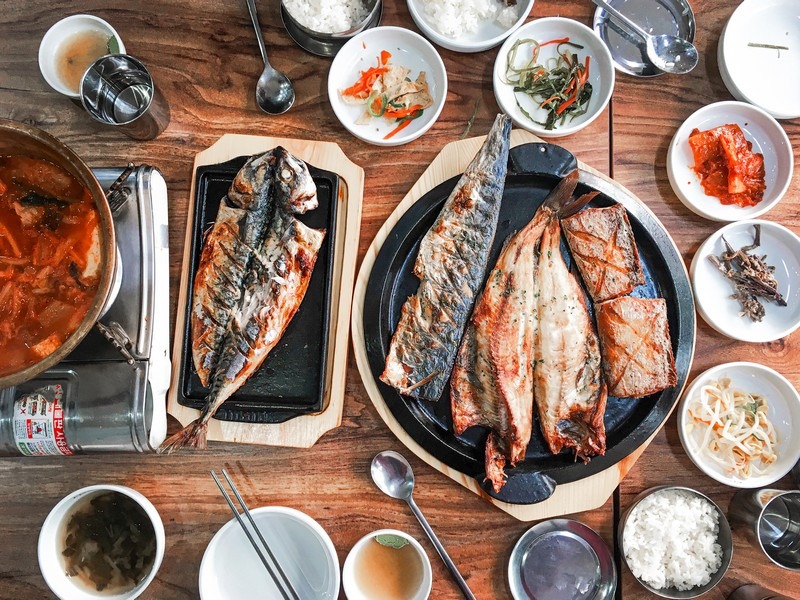
The situations where tipping crosses into rudeness are usually about context and manner rather than the act itself. Tipping a senior or respected person, the owner of a restaurant, for example, or an elderly guide, can imply you see them as a servant rather than a professional. The condescension isn’t intended, but it can be read that way.
Tipping ostentatiously, leaving money on a table, pressing it into someone’s hand publicly, draws attention in a culture that values restraint. My Korean grandpa friend tipped at the restaurant, but he did it quietly, on his way out, to staff he’d known for years, with the money in an envelope so it wasn’t lavish. The manner matters as much as the amount.
That said, most younger service industry workers and those in heavily tourist-facing roles understand that foreigners tip as a gesture of appreciation. They won’t be offended. They might be mildly confused though.
When Tipping is Acceptable
There’s a short list of situations where tipping is either understood or occasionally practiced in Korea.
Do you tip at restaurants in Korea?
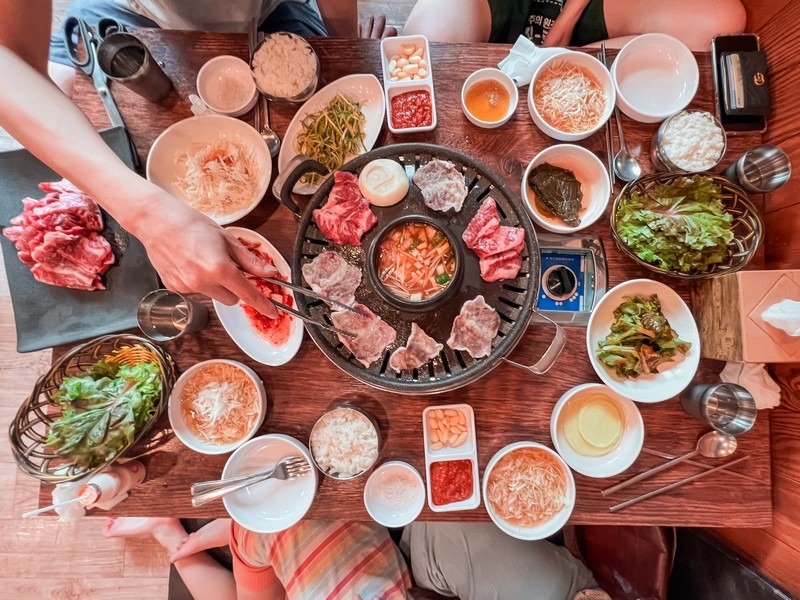
No, and this applies everywhere from street food stalls to high-end restaurants. Service charges are not automatically added to bills in most Korean restaurants. What you see on the menu is what you pay.
At very high-end restaurants, the kind my Korean grandpa frequents, where staff know the regulars and prix fixe menus run into the hundreds of thousands of won, occasional tipping exists as a gesture of personal appreciation between a loyal customer and known staff. This is the exception, not a model for visitors to follow.
One thing worth knowing: some upscale restaurants and hotels do add a service charge (봉사료, bongsaryo) of around 10% to the bill automatically. Check your receipt. If a service charge is already included, there is absolutely no expectation of anything additional.
Do you tip taxi drivers in Korea?
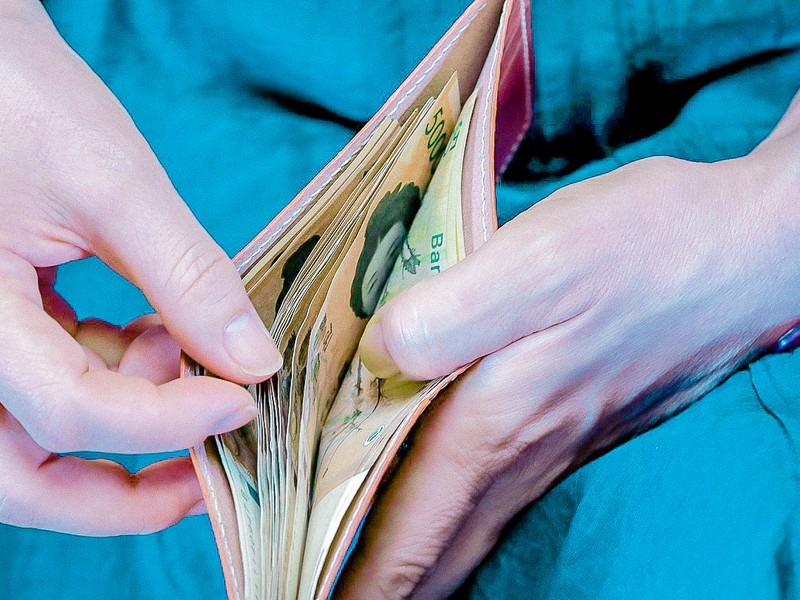
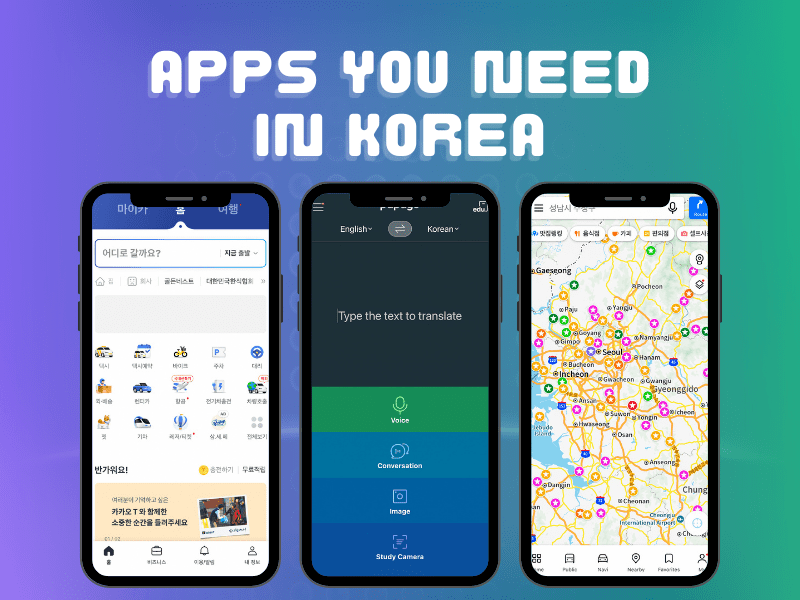
Not really, and increasingly not at all. Most Koreans pay for taxis entirely by card, KakaoTaxi is the dominant app, which means no cash changes hands and no tip is possible. If you’re paying with cash, telling the driver to keep small change is understood and occasionally done by foreigners, but no Korean I’ve ridden with has ever done it.
Practical taxi tips worth knowing: Always make sure the meter is running from the start of your journey. Have your destination written in Korean or shown on a map. Verbal addresses in English rarely work smoothly. KakaoTaxi is the easiest way to hail a cab in Korea and the app works with foreign cards.
Do you tip tour guides in Korea?
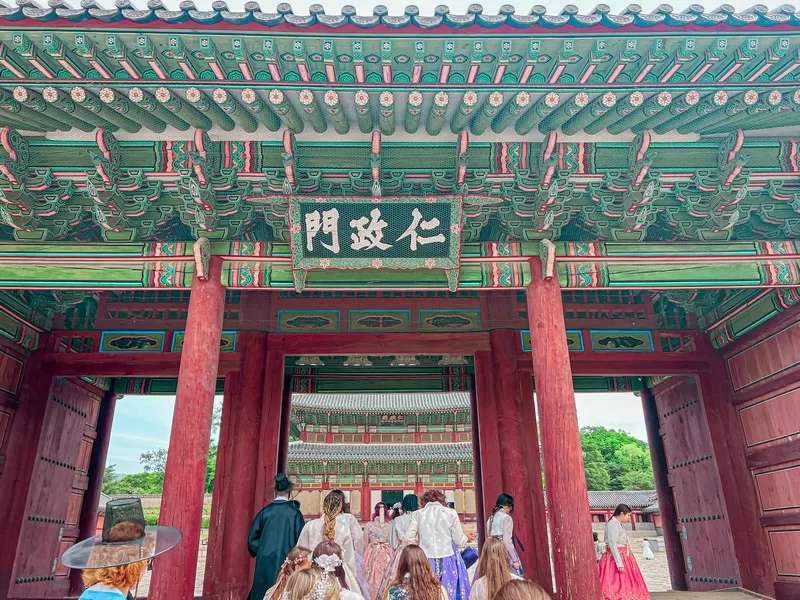
This is the one situation where tipping is most understood and accepted. Tour guides who regularly work with international visitors, particularly Americans, are familiar with tipping culture and appreciate the gesture as a sign that you enjoyed the experience. They won’t be offended if you don’t tip, but they’ll appreciate it if you do.
If you want to tip a guide, do it at the end of the tour, privately, with an envelope and both hands (more on this below). Twenty thousand won is a generous and appropriate amount for a half or full-day tour.
For booking tours in Korea with English-speaking guides, Creatrip, Viator, and Klook have have strong options across Seoul, Gyeongju, Busan, and beyond, and if your guide is excellent, the envelope approach is always available.

Do you tip at hotels in Korea?
Standard business hotels and guesthouses, no. This includes most three and four-star hotels that international visitors typically stay in.
At five-star luxury properties like the Park Hyatt, the Four Seasons, Signiel, or Ananti, the international hospitality standard applies somewhat more. Bellhops who carry heavy luggage, housekeeping staff at the end of a long stay, and concierge staff who go well above and beyond occasionally receive tips from international guests.
Korean guests at these same hotels generally don’t tip. If you want to, use an envelope, hand with both hands, and keep it modest. Ten thousand won for bellhop service is appropriate.
Do you tip hairdressers in Korea?
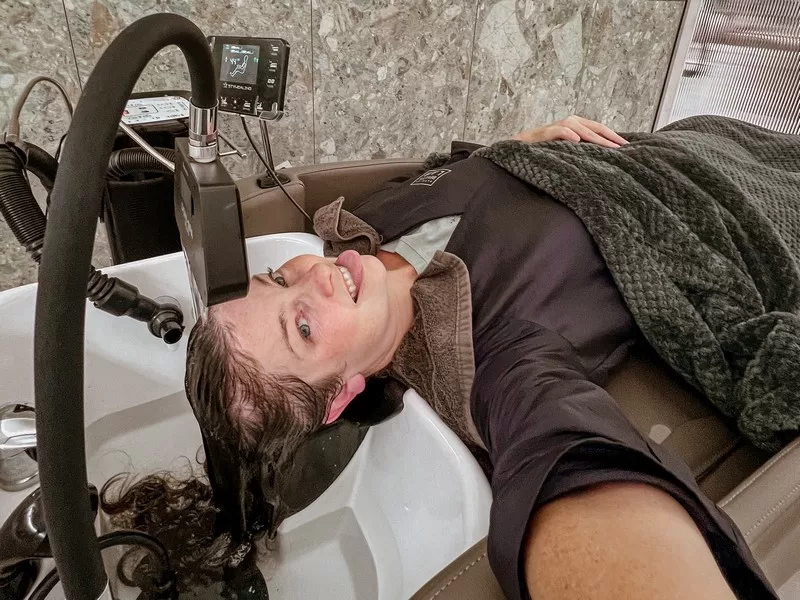
No. I’ve gotten my hair cut at Korean salons alongside my Korean husband more times than I can count over twenty years. I’ve also gotten the 15 step viral scalp treatment. Not once has he tipped. Not once has any stylist looked disappointed. It’s simply not part of the culture. Thank the stylist, say the hair looks great, and leave.

Do you tip at spas or jjimjilbang in Korea?
No. Korean spas, including the large jjimjilbang bathhouses like Spa Land in Busan, operate as fixed-price experiences. Staff provide service as part of their role and tipping is not expected or practised. If you have a scrub (seshin) or massage service within the spa, the same applies, no tip expected.
Check your receipt at upscale spas, as some include a service charge automatically. If it’s already there, you’re done.
Do you tip massage therapists in Korea?
No. Whether at a standalone massage shop, a hotel spa, or a traditional Korean massage parlour, tipping is not customary. Pay the listed price, say thank you, and leave.
Do you tip delivery drivers in Korea?
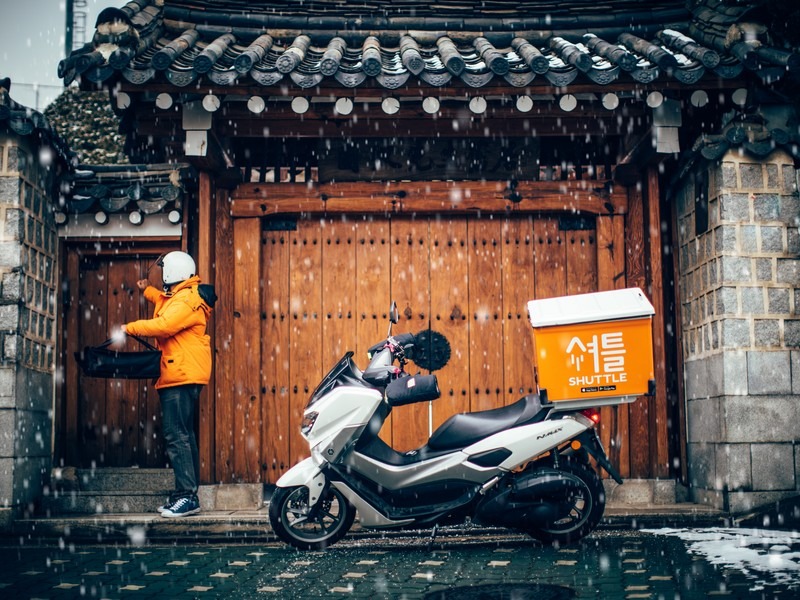
No. Korea’s delivery culture is extraordinarily developed, Baemin, Shuttle, and Coupang Eats deliver everything from convenience store ramyeon to full restaurant meals, often in under thirty minutes. Delivery fees are charged through the app and tips are not built into the system or expected by drivers.

How to Tip in Korea: The Right Way
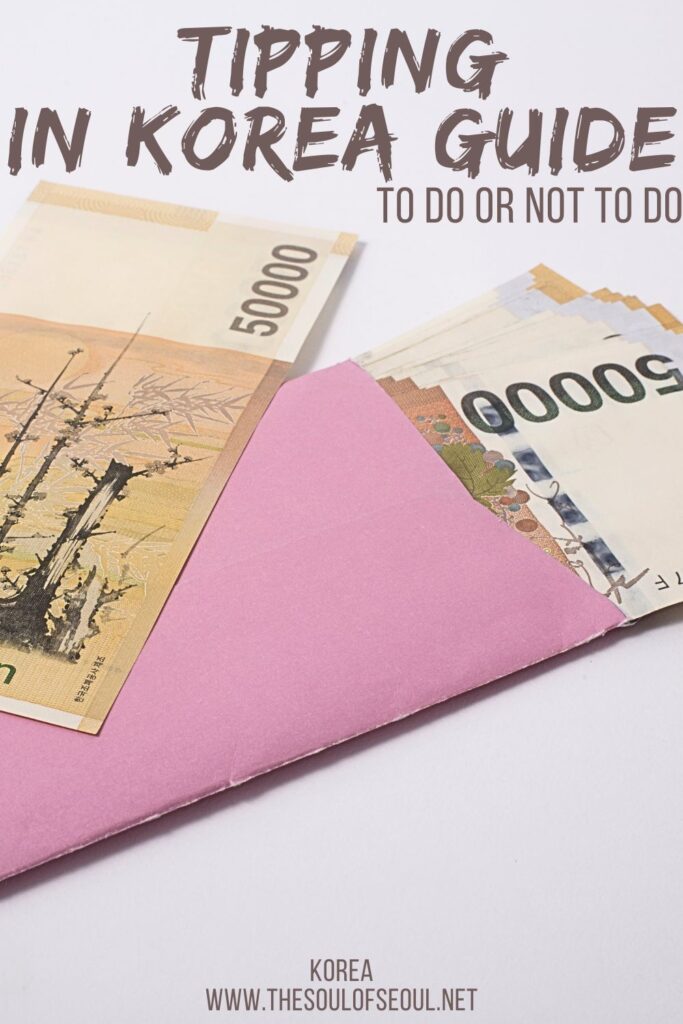
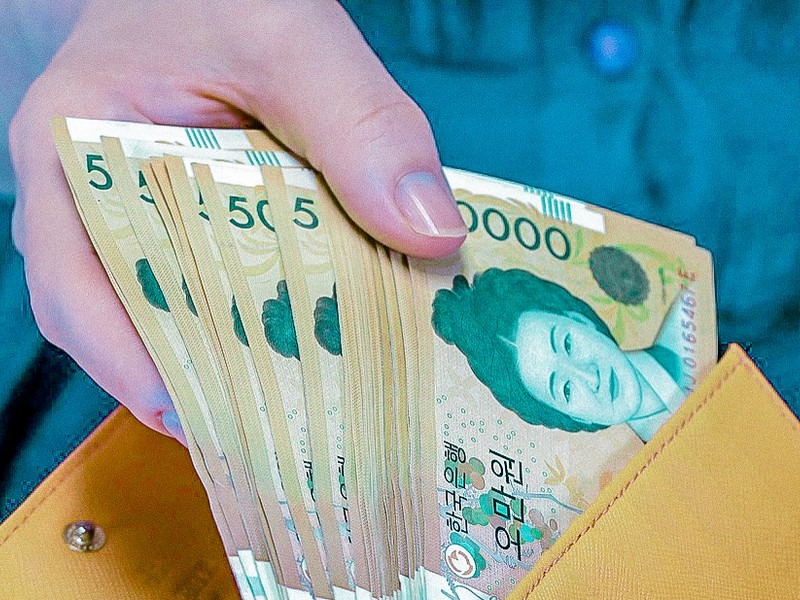
If you do decide to tip in Korea, how you do it matters more than elsewhere. Handing cash directly to someone in a public setting can cause confusion or mild embarrassment. The accepted approach is to place the money in a small envelope first.
Envelope tip etiquette in Korea:
- Place the cash in a small envelope. Envelopes are available at convenience stores and stationery shops across Korea.
- Hand the envelope with both hands, which signals intentionality and respect, and makes it clear this is a deliberate thank-you rather than forgotten change.
- Do it privately and quietly, not in front of a group or crowd.
- If the person seems uncomfortable, don’t press. Simply say thank you and move on.
The two-handed gesture is worth noting: passing anything with two hands in Korea, money, a business card, a gift, a drink, signals respect. Using one hand for a tip can read as careless or dismissive.
How Much to Tip in Korea
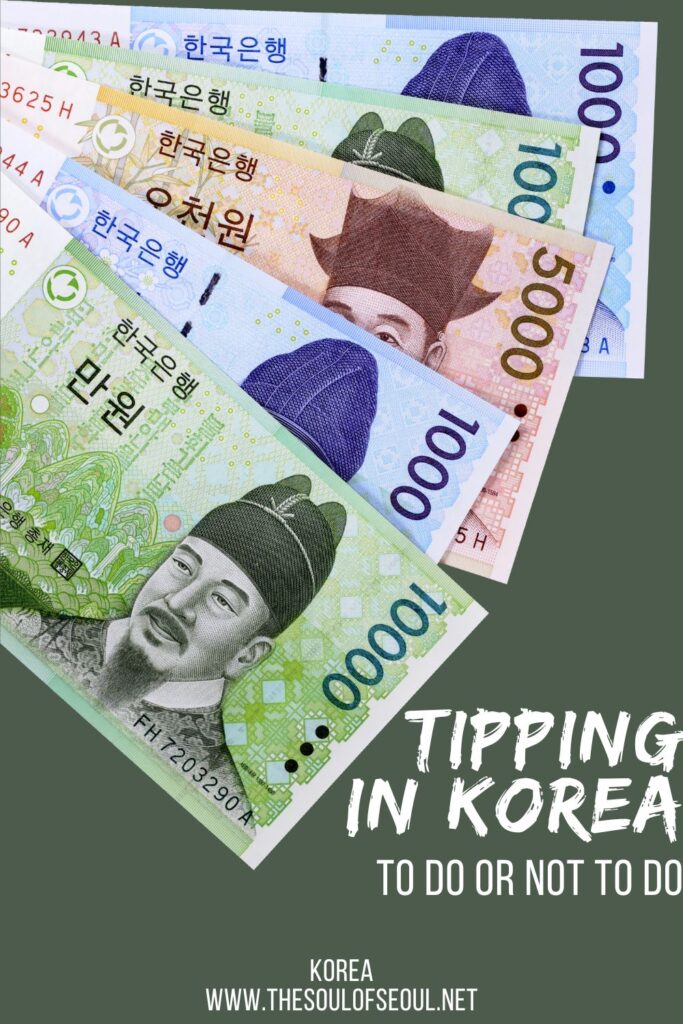
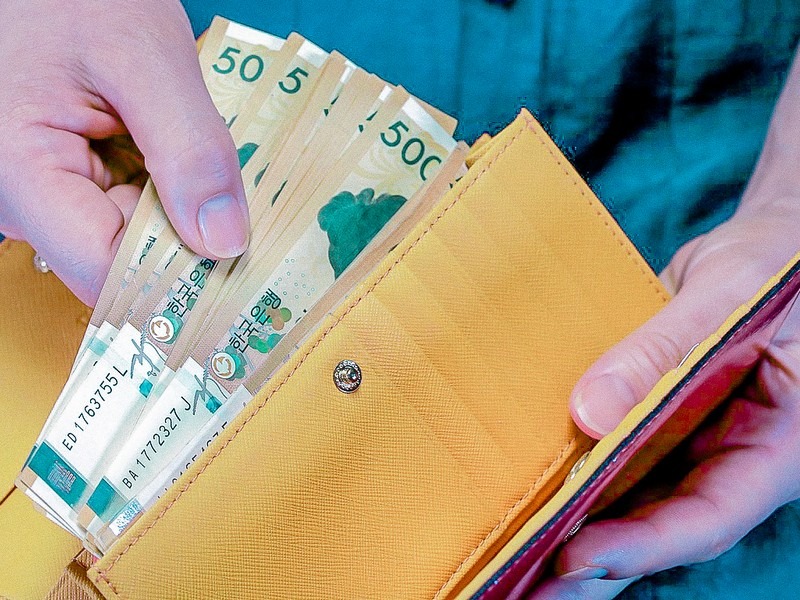
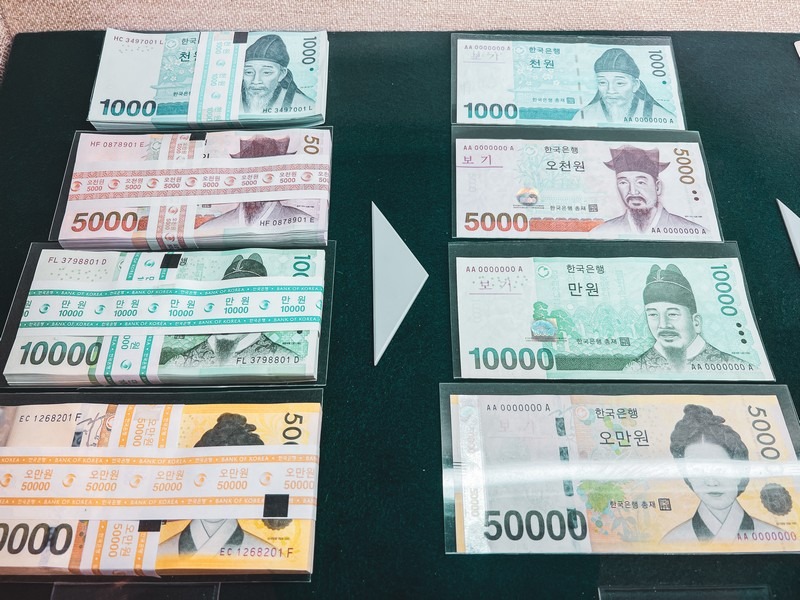
If you decide to tip, 5–10% is considered generous in the rare situations where it’s appropriate. For a tour guide, twenty thousand won (₩20,000) for a half or full day is meaningful without being awkward. For hotel bellhops, five to ten thousand won (₩5,000 ~ ₩10,000) for luggage assistance is appropriate.
If you’re carrying foreign currency and need Korean won for tipping situations, the Wise card is a solid option — it offers competitive exchange rates and fee-free ATM withdrawals, which means you can get cash in won without the inflated rates at airport exchange counters. You can learn more about the Wise card here.
How to Show Appreciation Without Tipping
Since tipping isn’t the norm, how do you communicate that you appreciated excellent service?
Say thank you warmly saying gamsahamnida (감사합니다) with a slight bow goes a long way. Koreans appreciate genuine verbal acknowledgement of good service more than cash.
Leave a positive review. Korean businesses including restaurants, tour companies, and accommodations are increasingly aware of Google and Naver review culture. A specific, detailed positive review naming a staff member is genuinely valuable and often more appreciated than money.
Become a regular. For restaurants especially, returning and bringing friends is the highest compliment in Korean service culture. My Korean grandpa friend has been going to the same restaurants for decades, my husband and I have our favorites we go back to again and again and the staff know us, where we like to sit, and what we like to order. That loyalty means more than any tip.
FAQ
Is tipping expected in Korea?
No. Tipping is not part of Korean service culture and is not expected anywhere including restaurants, taxis, hotels, or salons. Staff are paid a fixed wage and do not rely on tips.
Is tipping rude in Korea?
Not always, but it can be, particularly if done conspicuously, with someone senior or respected, or in a way that implies the person needs charity rather than being a professional. The manner of tipping matters. If you do tip, do it quietly, in an envelope, with both hands.
Do you tip in Korean restaurants?
No. This applies everywhere from street food stalls to high-end dining. Some upscale restaurants include a service charge (봉사료) on the bill. Check your receipt. If it’s already there, nothing further is expected.
Do you tip tour guides in Korea?
This is the most acceptable situation for tipping. Tour guides who work with international visitors understand tipping culture and appreciate it as a gesture. Ten thousand to twenty thousand won for a half or full-day tour is appropriate.
How do you tip in Korea if you want to?
Place cash in a small envelope. Envelopes are available at convenience stores. Then hand it with both hands, quietly and privately. This signals it’s an intentional thank-you rather than forgotten change.
What if you don’t have cash to tip in Korea?
Most tip-appropriate situations in Korea (tour guides, occasional hotel services) are at the end of an experience with time to plan ahead. Use a Wise card or withdraw from an ATM beforehand if you want to have cash available. The envelope approach requires won in cash. Bank transfer tipping does not exist in this context.
Tipping culture in Korea is one of those things that feels like it should be complicated but actually isn’t… once you understand that excellent service here comes with the job rather than supplementary payment, the whole thing becomes simpler. Say thank you, bow slightly, leave a review if it was genuinely good, and save your envelope for the rare situations where a tip truly lands well.
Did you like this post? Pin it!