Korean Culture (한국 문화)
From Hanboks, to traditional ceremonies in Korea, here are the things to know about Korean culture. (한복에서부터 한국의 전통 의식까지, 여기 한국 문화에 대해 알아야 할 것들이 있다.)
-
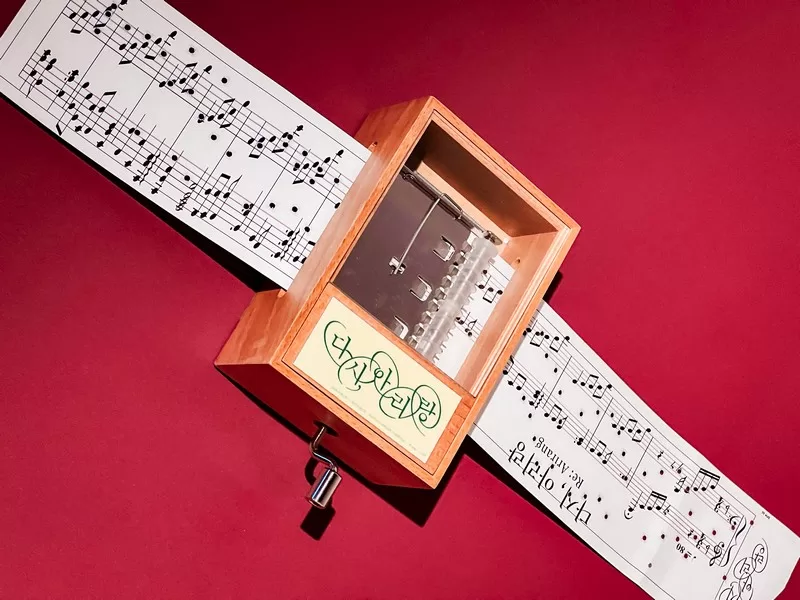
Arirang Meaning: Korea’s Folk Song and Its Many Versions
Arirang is Korea’s best-known folk song, often called the country’s unofficial national anthem. Honestly, whenever I try to remember the national anthem, Arirang always comes out first. And every time I hear it, it’s the same song, so boy was I surprised when I found out Arirang isn’t one song at all, it’s a whole family of songs. UNESCO cites roughly 3,600 variations belonging to about 60 versions in South Korea. They share a refrain built around the word “arirang” but change from region to region, singer to singer, and era to era. This guide covers what Arirang means, the lyrics everyone knows, how the regional versions differ, the surprising…
-
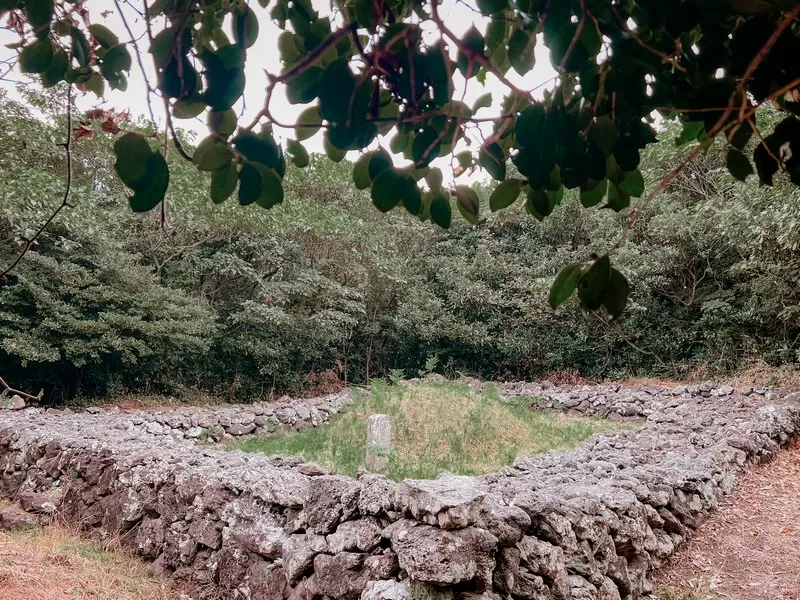
What Is Beolcho? Experiencing Korea’s Ancestral Grave-Cleaning Tradition
This year, I joined my husband, father-in-law, and daughter to visit our family’s ancestral graves, and I finally got to see what beolcho (벌초) is all about. Living in Jeju and enjoying a daily walk, I see graves all over. You can find these little plots with mounds between farms, up on hillsides, they’re everywhere, but always out of the way. The ones I’d noticed were always visible from the road, so I had always imagined that we’d drive somewhere, walk up to a family gravesite, clean around a few burial mounds, and pay our respects. Our family’s graves aren’t on Jeju, though. My husband’s family is from Anui-myeon in…
-
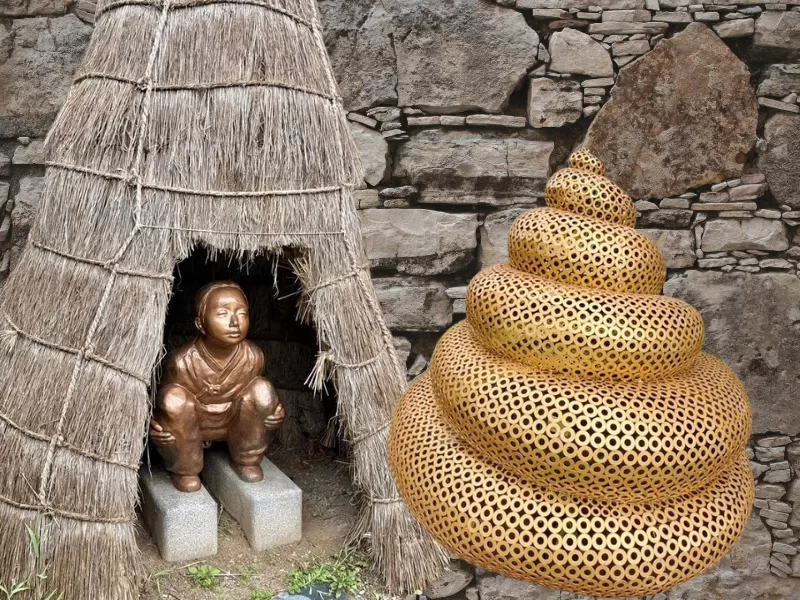
Korean Poop Culture: Why Koreans Are Obsessed With Poop
There’s an obsession with poop in Korea that I’ve just never understood so I decided to do a deep dive into the obsession to learn myself and I’m going to share all of my findings because it’s honestly fascinating. If you have kids, read this with them, they will likely enjoy this topic of conversation as well. Oh the things I’ve learned. Poop is discussed in Korea much more than I ever heard it discussed back in the States and I’m pretty sure my mom would never be able to live here because of that. Not to say it’s bad, I have appreciated the openness. But it’s just so surprising…
-
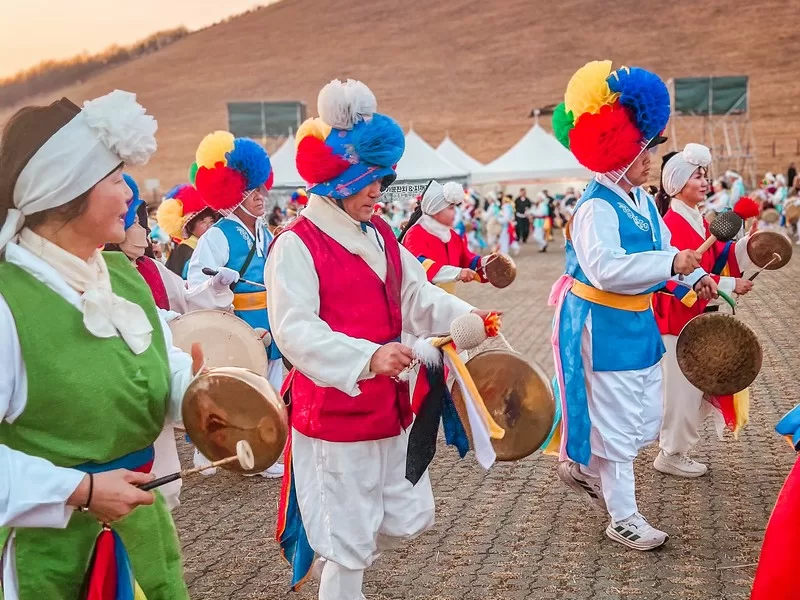
What Is Pungmul in Korea? A Guide to Korea’s Rhythmic Folk Performance Tradition
You might hear it before you see it. A sharp metallic clang cuts through the air, the deep barrel drum answers back, and then suddenly a whole swirl of color, ribbons, spinning hats, stomping feet, and smiling performers comes into view. That is often how pungmul (풍물) enters the scene in Korea. It’ll make you want to stop, stare, dance, strut, and join in the fun. If you have spent any time at traditional festivals in Korea, there is a good chance you have already seen pungmul without knowing its name. I have watched these performances at the Lotus Lantern Festival in Seoul, at the Jeju Fire Festival, and at…
-
How To Celebrate The Year of The Horse In Korea
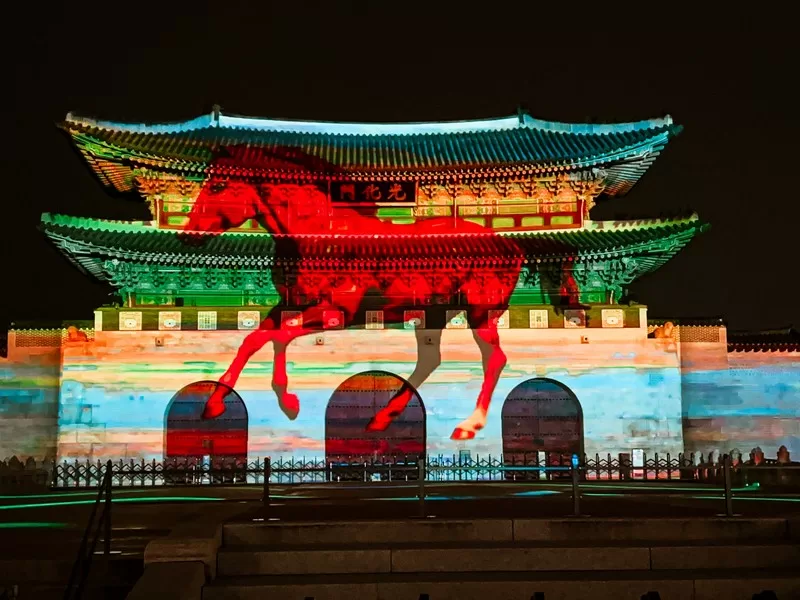
Happy New Year! 2026 is the Year of the Horse, the red horse to be precise. In the 60-year zodiac cycle, this combination carries some of the strongest energy possible. The horse is the seventh animal of the zodiac and has long symbolized strength, freedom, movement, and vitality in Korean culture. In Korean, this year is called “Byeongo” (병오) and if you want to celebrate the Year of the Horse in Korea, there are a number of things you can do. Get ready to learn about the horse in Korean culture and see what 2026 will bring. So, what does the Year of the Horse mean? And, how can you…
-
Bojagi: Korea’s Traditional Art of Cloth Wrapping
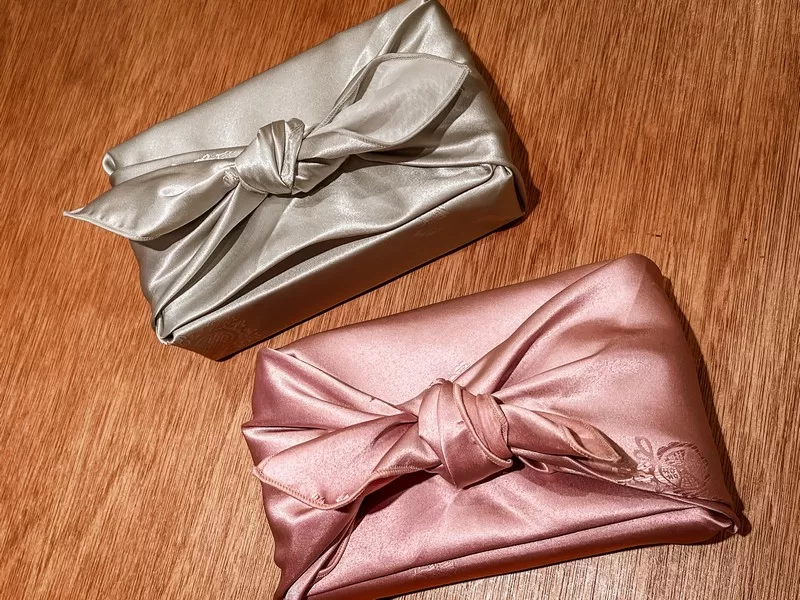
Spend some time in Korea and you’re bound to receive a gift that isn’t wrapped in plain old wrapping paper, but is lovingly decorated with cloth. Bojagi (보자기), Korea’s traditional cloth wrapping method, is one of my favorite cultural traditions, not only practical and sustainable, but just beautiful. Stop into places like Sulwhasoo’s Flagship Store in Bukchon or Geumokdang’s yanggaeng shop in Insadong and you can have your purchases wrapped in beautiful bojagi before you go. For centuries, Koreans have used a simple square cloth to carry lunch boxes, protect precious belongings, wrap wedding gifts, and cover food in the kitchen. While it may look simple, bojagi carries history from…
-
Traditional Korean Masks: Ancient Faces with Sacred Stories
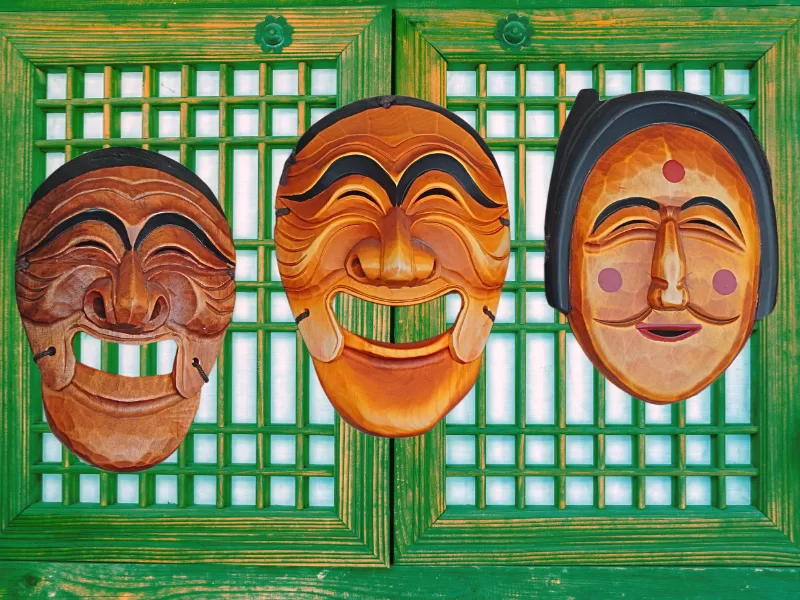
You’ve seen Halloween masks and masquerade masks. But in Korea, masks, or tal (탈), are something else entirely. They’re sacred. Part performance, part prayer, and all symbolism, traditional Korean masks are intriguing, unique, and you can spot them more places in Korea than you might realize, from the streets of Insadong to performance venues around the country. They’re still worn, still revered, and still relevant to Korean culture. Want to know what these faces mean and the stories they have to tell? Here’s everything you should know about traditional Korean masks. Get ready to learn about Korean traditional masks from the common sights and the rarest of them all: (This…
-
Korean Last Names Explained: Why So Many Koreans are Named Kim, Lee, or Park
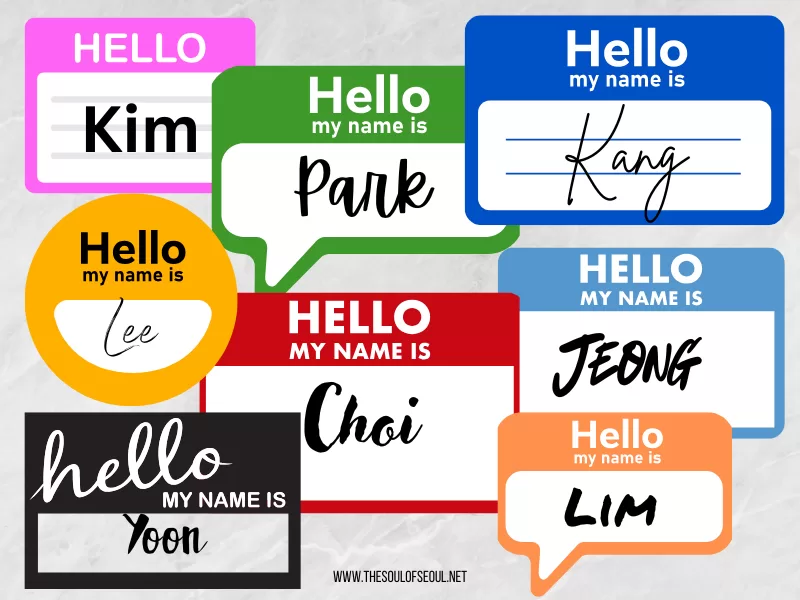
As a foreigner navigating life, love, and family in Korea, I find the history and structure behind Korean names endlessly fascinating. So let me take you on a journey into Korean surnames: why so many people are named Kim, Lee, or Park, what those names really mean, and how even first names have a deep-rooted cultural backstory that connects generations. Trust me, you’ll be fascinated too. Get ready to learn about Korean names, why there are so many Kim’s, and why there are more and more new last names in Korea: (This post contains affiliate links, which means I receive a certain percentage of a sale if you purchase after…
-
The 24 Korean Seasons: A Guide To the Jeolgi Calendar
There’s a longstanding joke among foreigners that live in Korea that pertains to how it is so often promoted that Korea has four distinct seasons. It is as if people, or perhaps the Korean tourism organization, think it is quite unique to have four seasons. As someone who grew up in Ohio in the US, I never really got all the four-season hubbub. I think the joke also plays off of how dreadfully hot, humid, and long summer in Korea can feel and how frigid and cold and long winter in Korea can feel and between them the delightful, but short, cherry blossom-filled spring in Korea, and the brisk pace of…
-
How To Celebrate The Year of The Snake In Korea
Happy New Year! 2025 is the Year of the Snake or the Year of the Serpent, the green snake or wood snake to be precise. The snake is the sixth animal in the zodiac and is a symbol of wisdom and resurrection because it sheds its skin and hibernates to regenerate. In Korean, this year is called “Eulsa” (을) and if you want to celebrate the Year of the Snake in Korea, there are a number of things you can do. So, what does the Year of the Snake mean? And, how can you celebrate the Year of the Snake in Korea? Here’s what you need to know… (This post…
-
Korean Cupping Therapy (Buhang): What Those Red Circles Mean
If you’ve ever wondered about those mysterious red circles you sometimes see on people’s backs at the sauna or pool in Korea, then let me introduce you to cupping therapy, or buhang (부항). It’s an age-old practice in traditional medicine, but, trust me, there’s a lot more to it than just some circular marks. In recent years, it’s become quite a popular treatment, even Hollywood celebs are showing off their cupping marks and you often see it on athletes in major competitions like the Olympics! I’ve personally experienced it on both my back and, most recently, my stomach, and I can tell you, it’s interesting at the very least. Have…
-
What Is a Korean Ajumma? Meaning, Stereotypes & Why Everyone in Korea Knows Them
When I first came to Korea, I had just graduated from university and I was pretty bright eyed and bushy tailed. I had no idea what was what and I was floating through life having fun, attending parties that seemingly never ended, and traveling around South Korea and other nearby countries. Switch to now and I’ve just turned 40 and l’ve learned how to transition into this next stage of my life from the iconic Korean ajummas that I’ve called neighbors for most of my adult life. After almost two decades living in Seoul and now spending time across Korea, I’ve met countless ajummas who have become part of my…
-
Korean Ghosts: A Guide To the Scariest Creatures in Korean Folklore
Whether you’re interested in reading some spooky tales before Halloween this year, or just interested in Korean folklore and mythology, there are some truly creepy and scary creatures you should learn about. From the vengeful spirits of the gwishin, who wander the earth unfulfilled, to the cunning dokkaebi, who navigate the moral compass of right and wrong with mischief, they are just the beginning to the lore you can explore in Korean history and culture. Korean mythology is fascinating… you’ll see. Find out about the creatures that will freak you out in Korea: *Images in this article were generated using AI. (This post contains affiliate links, which means I receive…
-
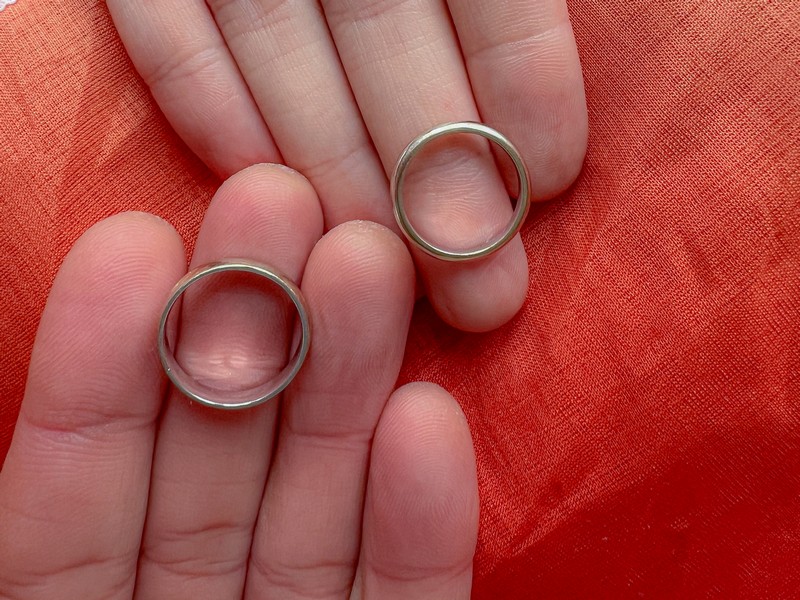
Couples Rings in Korea: What to Know and How to Make or Buy One
It goes without saying that couple culture in Korea is huge, with loved-up partners finding any opportunity to celebrate their romance together, there is literally a romantic holiday in every month of the year in Korea. From Valentine’s Day to White Day, and from couple’s outfits to couple rings, Koreans go to great lengths to show off their partnerships. So if you’ve got a new partner in Korea, you may want to celebrate your exclusivity with matching couple rings. First, though, you’ll need to know what are Korean couples’ rings, as well as where to buy couples’ rings in Korea, or how to make couples’ rings in Korea. Get ready…
-
How To Celebrate The Year of The Dragon In Korea
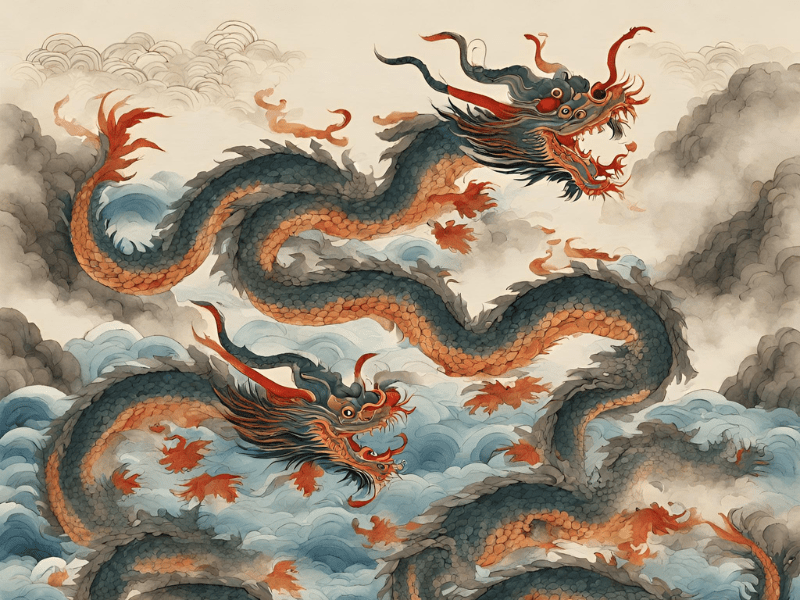
Happy New Year! 2024 is the Year of the Dragon, the blue dragon or wood dragon to be precise. The dragon is the only mythical creature among the twelve zodiac signs and is a symbol of strength, prosperity, and success. In Korean, this year is called “Gapjin” (갑진) and if you want to celebrate the Year of the Dragon in Korea, there are a number of things you can do. So, what does the Year of the Dragon mean? And, how can you celebrate the Year of the Dragon in Korea? Here’s what you need to know… (This post contains affiliate links, which means I receive a certain percentage of a…
-
National Foundation Day In Korea and The Myth That Started It All
I have visited a lot of museums and exhibitions in Korea over the years and I’m always drawn into the tales and stories of Korean myths and folklore. If you learned about Roman gods and Greek mythology in school and loved the stories, Korean mythology will likely pull you in the same way. The origin story of Korea is quite the tale, and if you haven’t heard it yet, get ready to discover the beginning of Korean mythology and why, every October 3, Korea celebrates gaecheonjeol (개천절), National Foundation Day. Get ready to dive into Korean folklore, myth, and legend: (This post contains affiliate links, which means I receive a…