Korean Cupping Therapy (Buhang): What Those Red Circles Mean
Last Updated on October 14, 2026
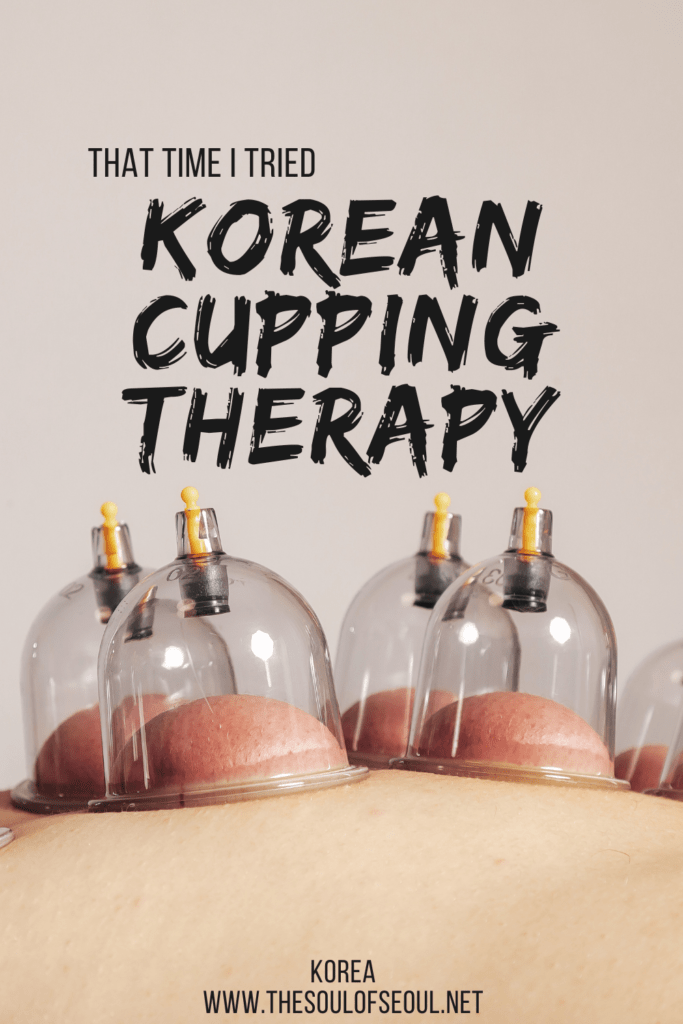
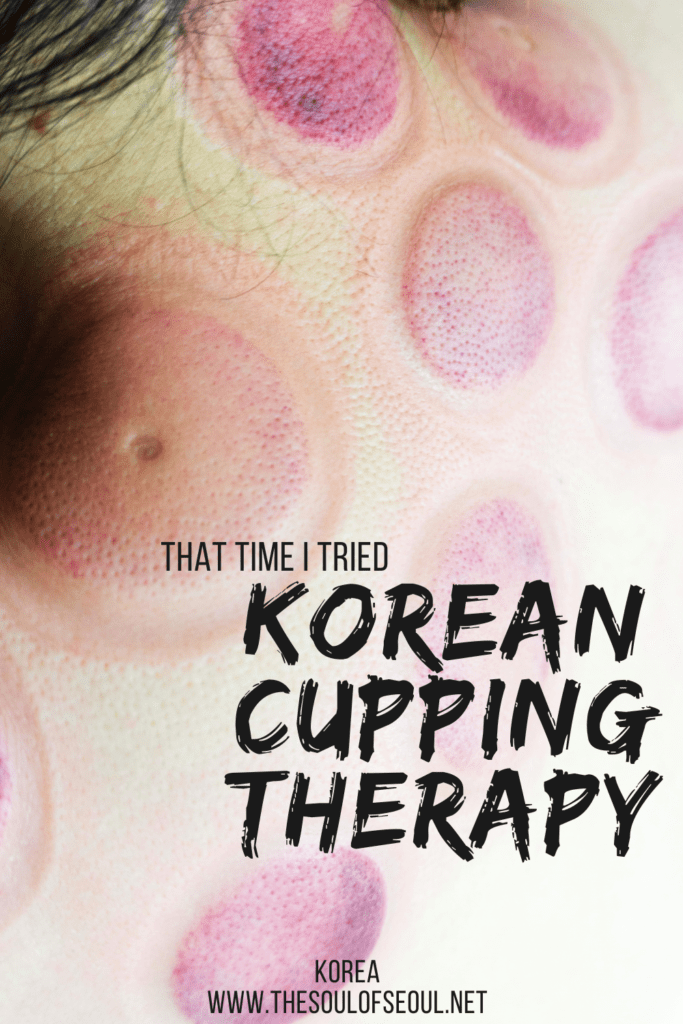
If you’ve ever wondered about those mysterious red circles you sometimes see on people’s backs at the sauna or pool in Korea, then let me introduce you to cupping therapy, or buhang (부항). It’s an age-old practice in traditional medicine, but, trust me, there’s a lot more to it than just some circular marks.
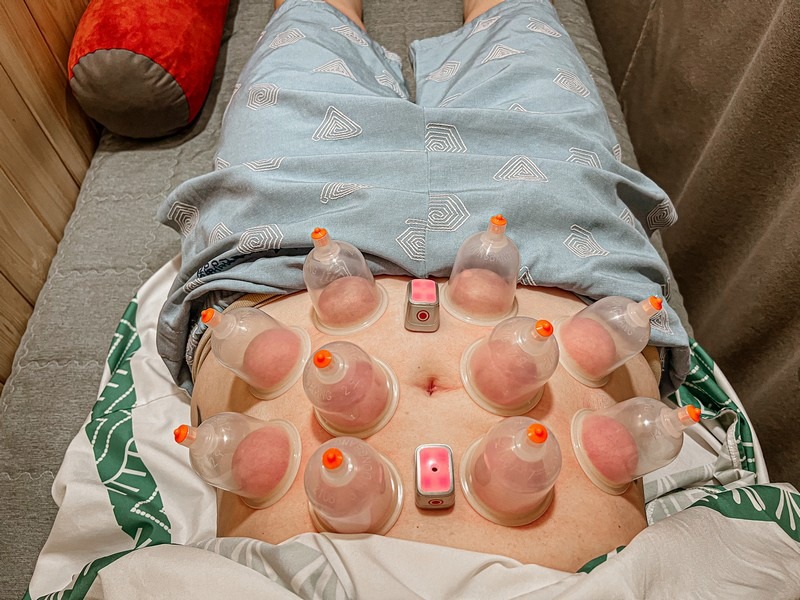
In recent years, it’s become quite a popular treatment, even Hollywood celebs are showing off their cupping marks and you often see it on athletes in major competitions like the Olympics! I’ve personally experienced it on both my back and, most recently, my stomach, and I can tell you, it’s interesting at the very least.
Have you ever wondered what Korean cupping therapy is? Or just wondered what those red circles on peoples’ backs are? Here’s what you should know:
- What Is Korean Cupping Therapy?
- Dry Cupping vs. Wet Cupping
- What Does It Feel Like?
- Where To Get It In Korea
- Tips For Cupping Therapy
- FAQ
(This post contains affiliate links, which means I receive a certain percentage of a sale if you purchase after clicking at no cost to you. Thank you for your support.)
What Is Korean Cupping Therapy?
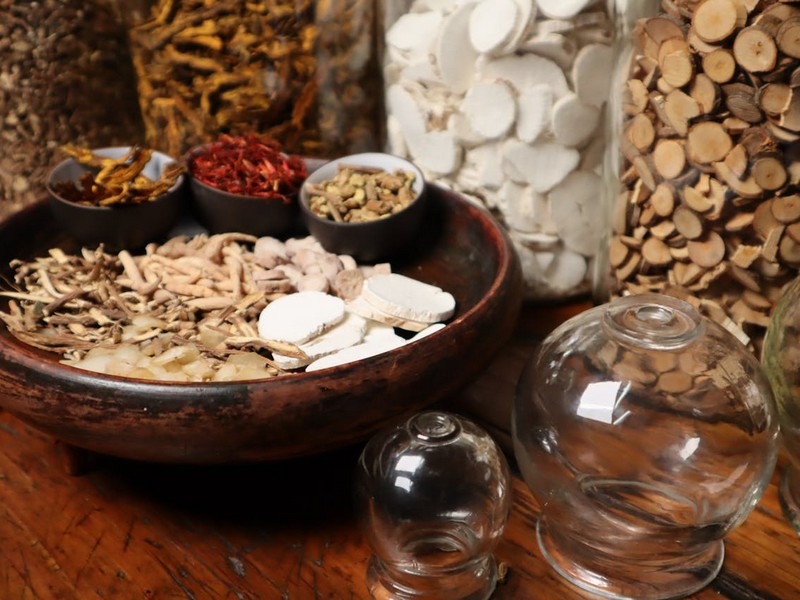
Cupping is all about getting your blood to flow better by treating something called “blood stasis.” Don’t worry, I hadn’t heard of it either before living in Korea! Essentially, blood stasis is when your blood gets “stuck” due to poor circulation. Think of it like a clogged pipe: when the blood can’t move freely, pain follows. Cupping is said to draw the blood to the surface to help with circulation and healing.
This is considered a pseudoscience, but is a medical intervention that has history in both Eastern and Western countries. Ancient Greece and Roman artifacts support the long history of the practice in the west, though I had never heard of it until coming to Korea.
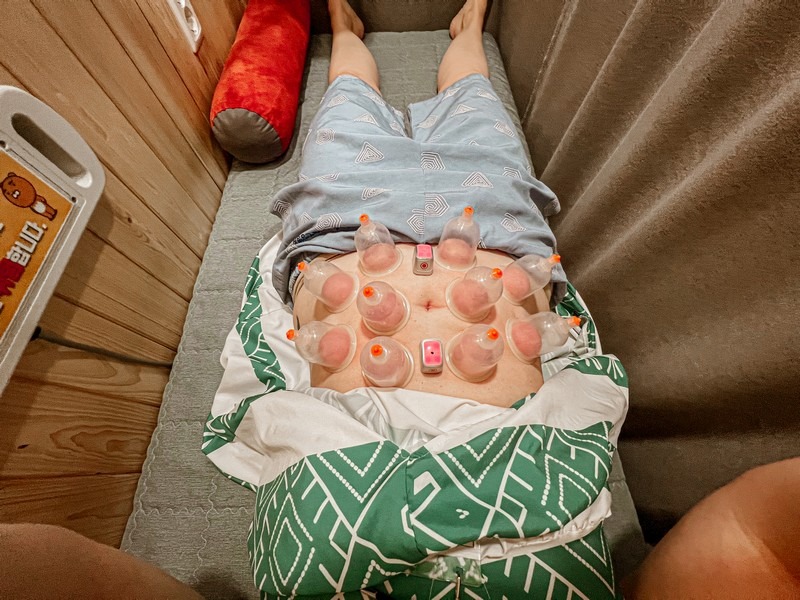
Korea’s medical system is unique, as it legally allows both conventional biomedicine and traditional Korean medicine to coexist. Practitioners of traditional Korean medicine are big advocates of cupping therapy and frequently use it to treat their patients, seeing it as an effective and trusted practice.
However, clinicians in conventional medicine tend to view cupping quite differently. They often dismiss it as quackery, believing it offers no real benefits and may even have harmful effects. This difference in perspective creates an interesting contrast within Korea’s healthcare landscape.
Dry Cupping vs. Wet Cupping
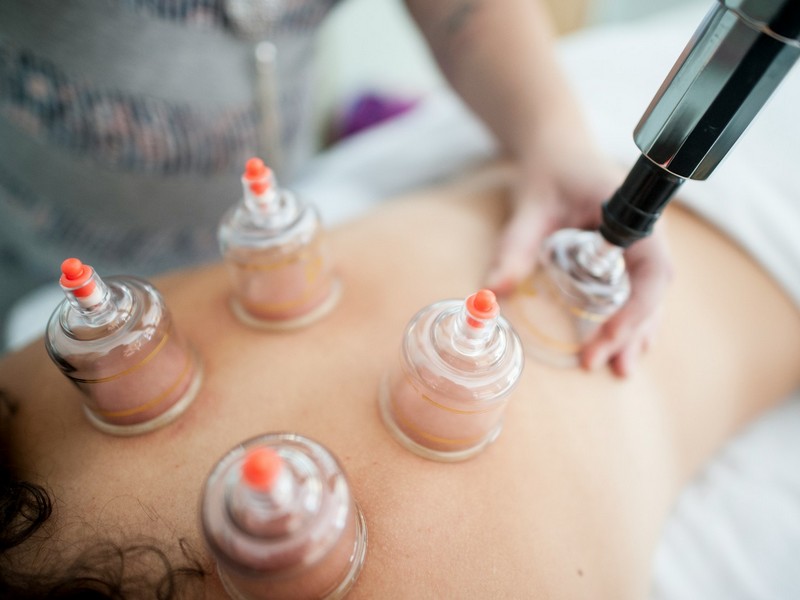
Cupping therapy is divided into two main types: dry cupping and wet cupping. Both methods involve applying cups to the skin to create negative pressure, which helps stimulate blood flow and promote healing. The key difference lies in the skin puncturing.
- Dry cupping: This technique involves placing cups on the skin to create suction without breaking the skin. It’s typically used for muscle tension, pain relief, and improving blood circulation. <- This seems more common to me and what I experienced both times I was offered the experience.
- Wet cupping: Involves lightly puncturing the skin before applying the cups. This allows for the release of a small amount of blood, which is believed to remove toxins and further enhance circulation.
Both methods are commonly used in Korean medical practices, particularly for treating hypertension, musculoskeletal issues like ankle sprains, and neurological diseases.
What Does It Feel Like
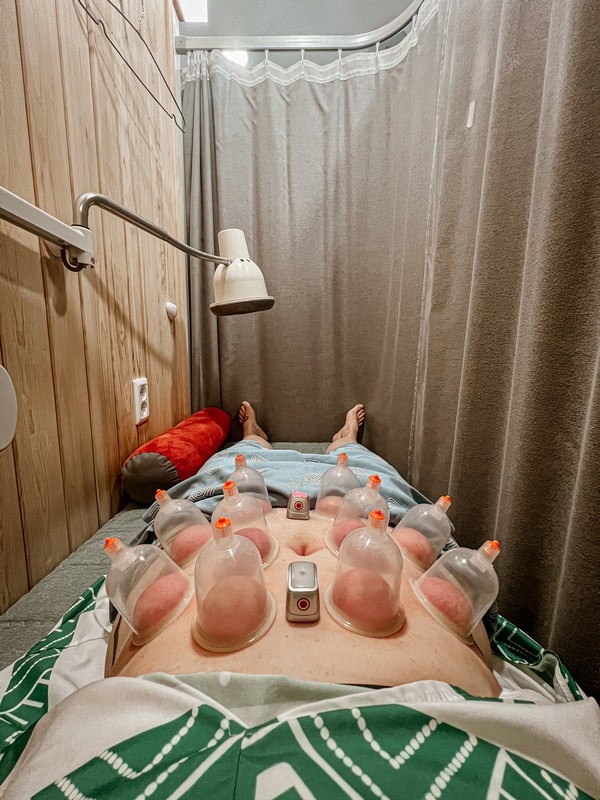
The process itself is fascinating. A cup is placed on your skin and a vacuum is created, pulling your skin upward. It’s not painful (though it feels a little strange at first), and after just a few minutes, your blood flow is working more efficiently, and you’re left with those telltale circles.
Fun Fact: I’ve heard that the darker the mark, the more blood stasis there was in that area. The first time I had it done on my back, I had fairly dark circles. When I had it most recently on my stomach, there was practically no mark left.
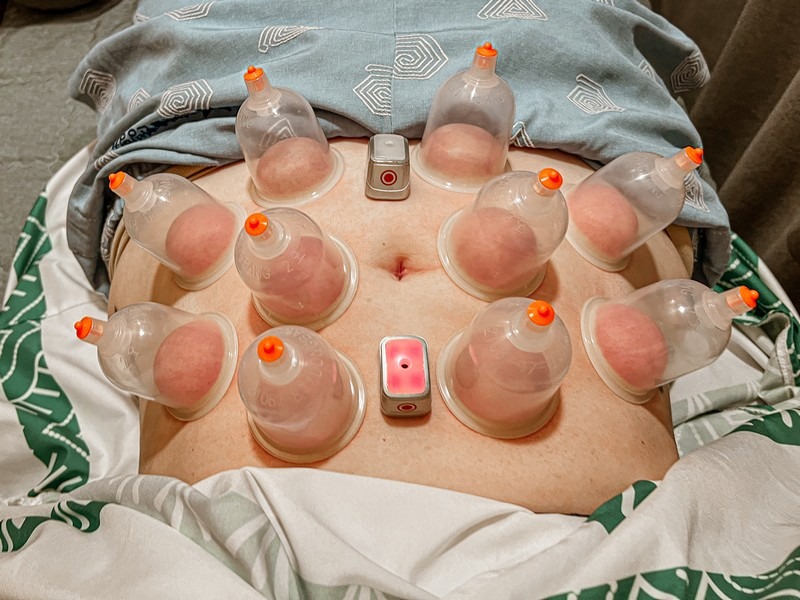
From muscle aches to digestive issues, cupping can be used for all sorts of things. In fact, I learned that it’s a common home remedy for indigestion here in Korea! Maybe your Korean mother-in-law has taught you this too? People prick their thumbs to draw out a bit of blood, but in cupping, they use specific pressure points to really target digestive relief.
Honestly, I feel like cupping is one of those things that sounds more intimidating than it really is. Once you’ve tried it, you’ll get why it’s such a go-to in traditional medicine practice (한의원). Plus, no major side effects, though I’d recommend visiting a professional rather than trying it on your own at home!
The first time I tried it, I wasn’t in a professional establishment but in a Korean bath house and they also have suction cups. An older woman slapped them on my back and to say I was super sore after that is an understatement. I definitely recommend doing it in a clinic setting.
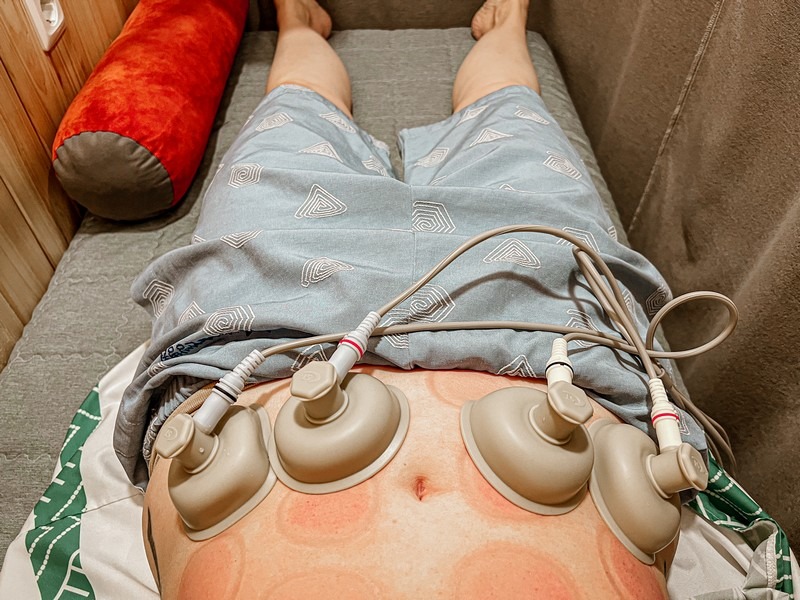
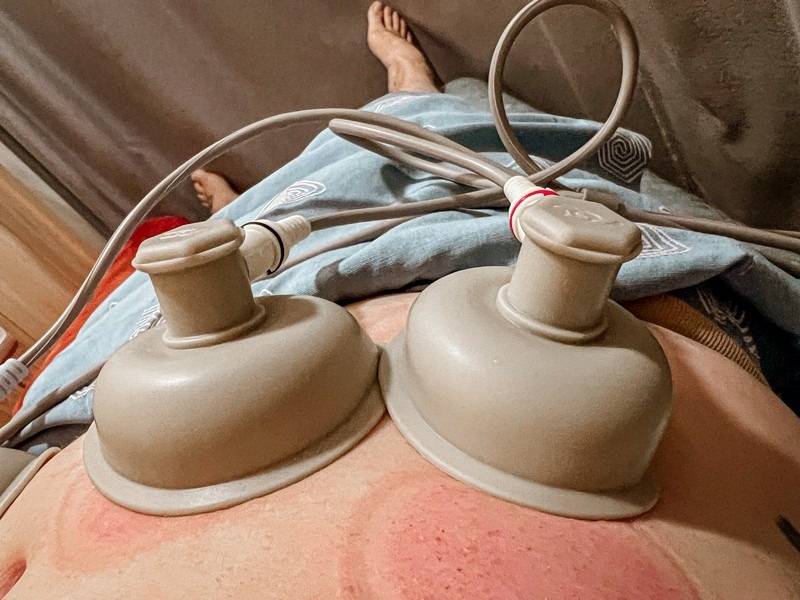
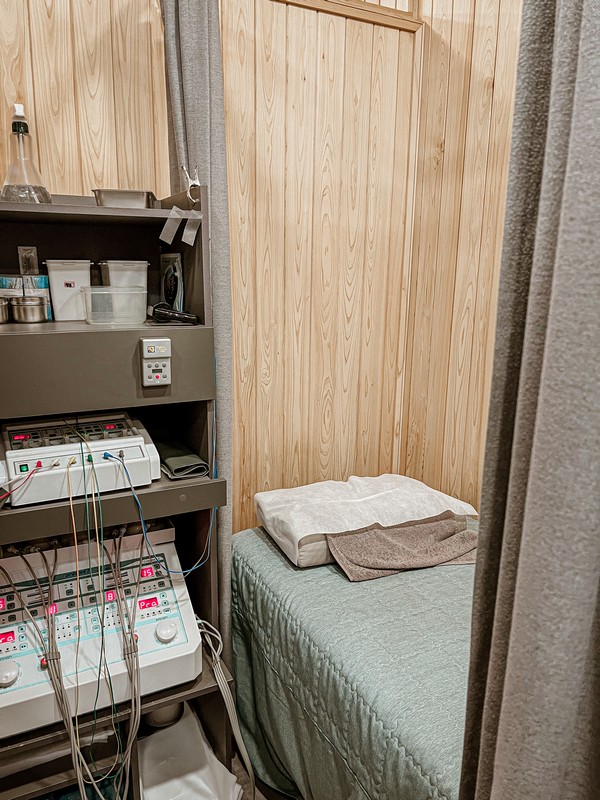
After the cups are removed, there’s usually a set of stimulators that are put on that sort of pulsate the muscles and a heating pad is put on top of those so that you can rest and relax a bit longer. After my sessions, I’ve always felt more relaxed, and I can definitely see why it’s so beloved here. Whether for a stiff back, muscle tension, or just some good energy flow, it’s worth checking out.
Where To Get It In Korea
Go to a 한의원 (hanuiwon), a Korean traditional medicine clinic. They are on virtually every block in Korea. Search 한의원 in Naver Maps or Kakao Maps to find the nearest one. Expect to pay approximately ₩15,000-₩30,000 for a cupping session, though pricing varies. A practitioner will assess your condition and treat accordingly.
Tips For Cupping Therapy
- Consult a Professional: Although cupping is generally safe, it’s recommended to visit an Oriental clinic for a proper diagnosis and treatment plan rather than attempting it at home.
- Be Cautious with Wet Cupping: Wet cupping can deplete the body’s Qi, potentially causing cold-like symptoms such as chills and shakes, particularly in those with weaker constitutions or the elderly.
- Prioritize Hygiene: Ensure proper disinfection of the instruments and skin to avoid the risk of infection.
- Combine with Acupuncture: Cupping is often more effective when combined with acupuncture, as the two therapies complement each other.
- Limit Frequency: While acupuncture can be done daily without adverse effects, cupping should be limited to 2-3 times per week for best results.
FAQ
What is Korean cupping therapy?
Korean cupping therapy is called buhang (부항). It involves placing cups on the skin to create suction, drawing blood toward the surface to improve circulation and address blood stasis, the idea that sluggish or stuck blood causes pain. It is practiced at Korean traditional medicine clinics (한의원) and has roots in traditional East Asian medicine.
What are the red circles from cupping?
The circular marks are caused by blood being drawn to the surface of the skin by the suction of the cups. The darker the mark, the more blood stasis, restricted circulation, existed in that area. They typically fade within a few days to a week.
Does cupping hurt?
No. The sensation is unusual, a pulling and pressure as the skin is drawn into the cup, but it is not painful. It is notably different if done by an untrained person at a bathhouse, which can result in significant soreness.
What is the difference between dry and wet cupping?
Dry cupping applies suction without breaking the skin. Wet cupping lightly punctures the skin before applying the cups to allow a small amount of blood to be released. Dry cupping is the more common form for general use; wet cupping is more targeted and should only be done by a trained practitioner.
How much does cupping therapy cost in Korea?
Approximately ₩15,000-₩30,000 per session at a traditional medicine clinic (한의원). Verify current pricing as this varies by location and whether acupuncture or other treatments are included.
Where can I get cupping therapy in Korea?
At a 한의원 (hanuiwon), Korean traditional medicine clinic. They are extremely common in Korea and present in most neighborhoods. Search 한의원 in Naver Maps or Kakao Maps for the nearest option.
Cupping sounds more intimidating than it actually is. Once you’ve tried it, you understand why it’s a consistent part of traditional Korean medicine practice. Whether you go for muscle tension, curiosity, or because you finally want to know what those red circles at the sauna are about, it’s worth the visit to a proper clinic.
Did you like this post? Pin IT!