Korean Culture (한국 문화)
From Hanboks, to traditional ceremonies in Korea, here are the things to know about Korean culture. (한복에서부터 한국의 전통 의식까지, 여기 한국 문화에 대해 알아야 할 것들이 있다.)
-
Learning About Jeju Shamanism with Joey Rositano
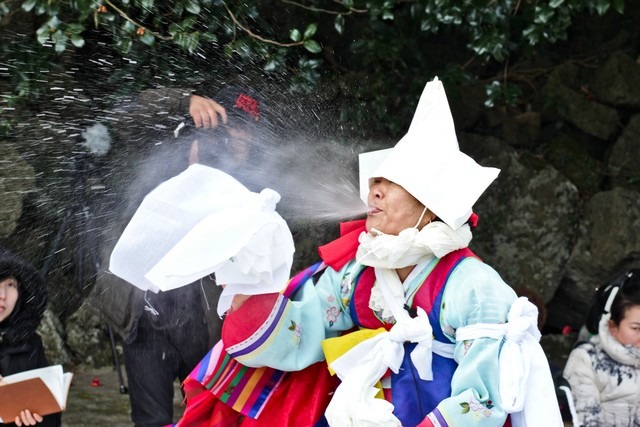
There are over 400 shamanic shrines on the island of Jeju in Korea which the people there have worshipped for centuries, practicing a kind of traditional shamanism specific to Jeju known as muism. Natives on the island still actively practice the traditional shrine worship attending rituals a few times a year but as the island is being developed due to tourism and a contentious military base is being built, the grounds the shrines are located on are being encroached upon and some fear some of the shrines will be demolished all together in the near future. Jeju Island is one of the most popular tourist destinations in Korea. In fact,…
-
Which Side of the Sidewalk Do You Walk On in Korea?
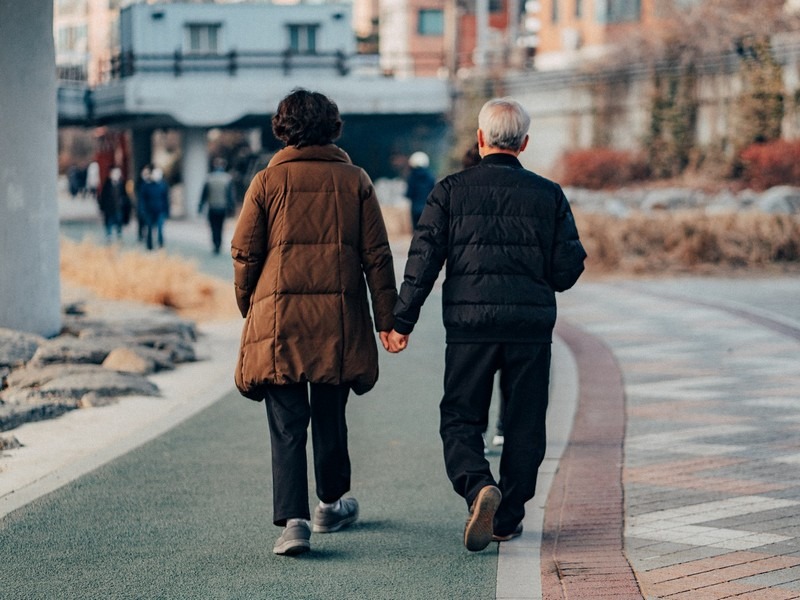
Have you ever gone to take a walk in Korea and come face to face with a local and wondered how that happened? I’m sure you’ve taken plenty of walks on plenty of sidewalks back home but wherever you came from, you walk, people walked, and you managed to pass each other. Why isn’t it so easy in Korea you might wonder. Why is there a weaving sort of system on sidewalks instead of a rule on which side of the sidewalk to walk on? There is a reason and one that you might not realize actually. (This post contains affiliate links, which means I receive a certain percentage of…
-
How To Perform a Korean Jesa Ceremony: A Step-by-Step Guide
Jesa (제사) ceremonies are performed to honor the ancestors that have come before and paved the way for those that live today and the Lunar New Year is one time during the year that almost everyone partakes in the memorial rite.
-
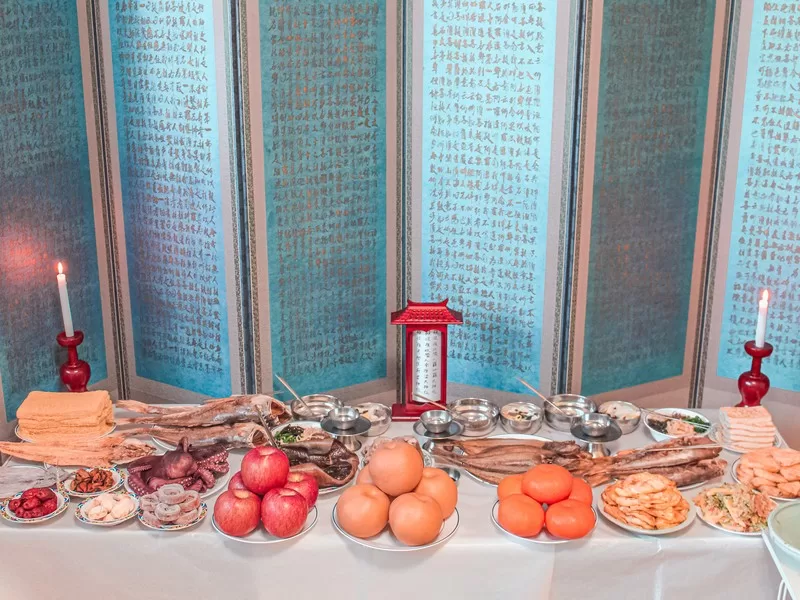
How To Set the Jesa Table for Seollal and Chuseok
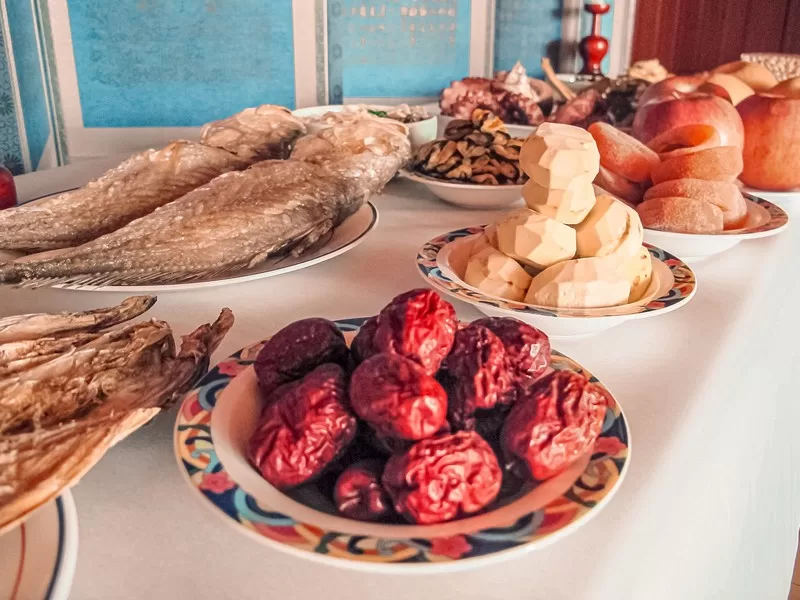
On Seollal, before anything else, family members awake very early to cleanse themselves and dress in nice clean clothes. They may even wear a Hanbok, a traditional Korean style of clothing. Next, the table will be set. The table setting varies from region to region and family to family, but there are some basic rules that are followed everywhere.
-
Giving Birth in Korea: What To Expect as a Foreign Woman
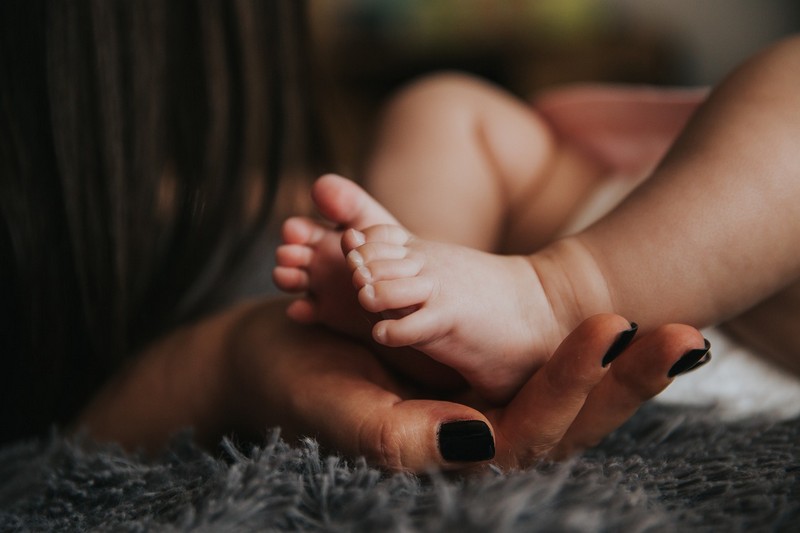
Having a baby abroad can be stressful. With emotions that are already running rampant because of pregnancy hormones, adding a new stressor isn't ideal. There had been no Lamaze classes or lessons on what to expect prior to labor and there we were. Five hours of contractions in the hospital in a room with just my husband and me and some nurses that would come and go every thirty minutes or so was the set up. Here's a general guideline of what to expect that might be different when giving birth in Korea.
-
Only 53 Halmoni Remain
In January of this year, two halmoni, or former comfort women, passed away and now there are only 53 remaining. Comfort women is a euphemism for women that were coerced into sexual slavery by Japan during WWII. These women now preferred to be called halmoni, or grandmother in Korean, because they were anything but comfortable or comforted in the situation they were forced to endure.
-
Raising Kids In Korea: Blunt Comments From Ajjummas
It's often said that Koreans are blunt. I don't recall hearing any Koreans say that but plenty of foreigners that come to the Land of the Morning Calm do. I imagine if you grow up here, what we consider blunt is considered normal and what we consider polite and non-confrontational could be considered passive and aloof. Going out into public with the new baby is something I look forward to while at the same time brings a nervous jittery feeling I never had before when faced with stepping out my front door.
-
After Giving Birth in Korea: Birth Certificates, Subsidies, and Vaccinations
We’d made it. We had our bundle of joy, gave birth in Korea, and were no longer the expectant couple. We were now a trio ready to face the world… well sort of. Giving birth in Korea can be daunting and there is so much going on from finding doctors, going to hospitals or birthing centers, to setting up the home to be baby friendly. It’s easy enough to think that once the baby comes, everything is done. But it isn’t! One of the first things to do is to get the birth certificate and yes, you should get both the Korean birth certificate and the English birth certificate. There…
-
A Night Out In Korea: The 5 Rounds and How To Survive Them
Whether you’re looking for a riotous night out or just trying to keep up with Korean colleagues or friends, a Korean-style evening is a lot to handle if you don’t know what to expect. The basic plan for any night out in Korea is to last five rounds, five different locations, often five different drinks, and food at almost every stop. It may sound like your basic college bar hop, but it is significantly more structured. If you don’t know the expectations going in, you might go hard at the first venue, hit a wall, and end up home in bed before the night has even started by Korean standards.…
-
Korean Post-Natal Hotel and Postpartum Care: Tips For New Moms In Korea
One of the first decisions Korean women make after having a baby is whether to stay in a post-natal hotel, referred to throughout this article as a PNH. In Korea, these are the standard postpartum recovery option. Most women attend for two to three weeks after birth to recuperate and learn to care for their newborn. Those who don’t typically stay with their mother or mother-in-law, or have an elder woman come to them. This is not something that exists in most Western countries, or if it does, it isn’t widespread. If you’ve spent time in Singapore, Malaysia, or Hong Kong, the closest equivalent concept in English is “confinement,” the…
-
A Look Back: Our Korean Wedding Ceremony
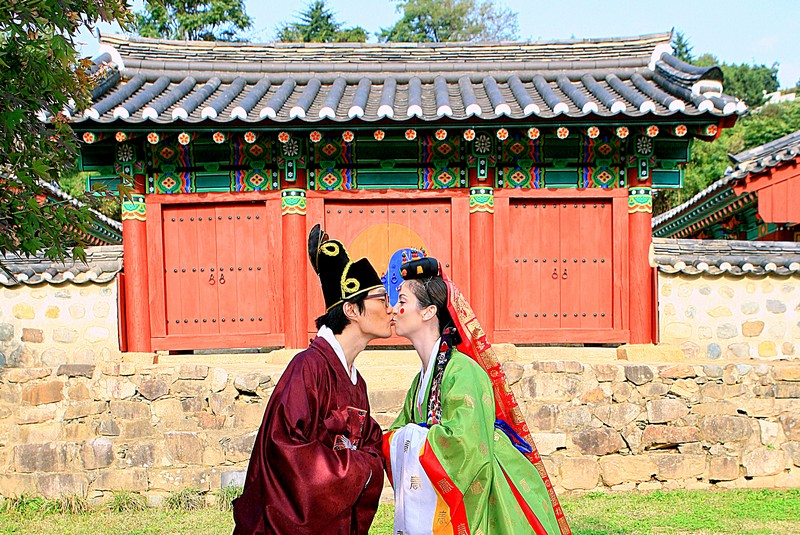
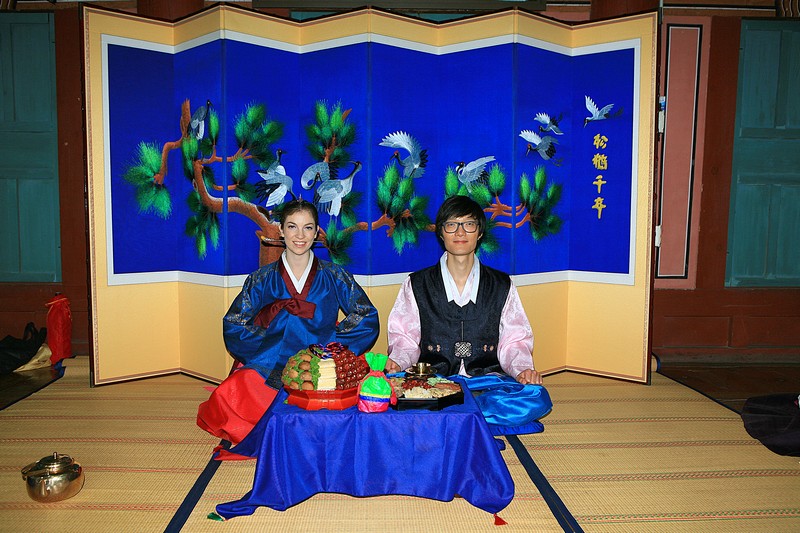
Three years ago at the end of October, my family from the States arrived to Seoul and we made our way down to Busan to prepare for my first wedding ceremony to my husband. Though it’s not our “official” anniversary because we chose our subsequent American wedding ceremony date in January, that doesn’t stop us from receiving a card yearly from my grandmother wishing us a “Happy Anniversary” in October. Every year about this time, the leaves begin to change colors and I am taken back to images of the colorful Hanbok that I wore for our ceremony surrounded by family and friends outside on a gorgeous day with blue…
-
Chingu: Why Friend in Korean Only Works With Same-Age People
“Thank you”, “Hello”, “Give me… please” and a few other words and phrases are among a handful of words that foreigners just in Korea learn and among them is often the word chingu (친구), translated loosely as “friend”. Foreigners splice this word into their English sentences without hesitation and use it seemingly without understanding exactly what it means. This is probably one of my least favorite words in Korean and I’ll explain why. If you’re learning Korean or trying to speak Korean, then you’ve probably learned that there is a hierarchy in the language and how you use it. Because of this, who is considered your “friend” is really important.…
-
Korean Husband Allowance: How Married Couples Split Money in Korea
“How much allowance will you give your husband after you get married?” Allowance? Husband? Why were these two words in one sentence, I wondered. When you get married in Korea, you might get asked some interesting questions about who controls the money in your relationship and if you’re the wife, you may be asked if you give your husband an allowance. This was news to me after I married my Korean husband and just had to learn more. Who handles the money in the relationship in Korea? (This post contains affiliate links, which means I receive a certain percentage of a sale if you purchase after clicking at no cost…
-
Tteokguk: The Korean New Year Soup That Makes You a Year Older
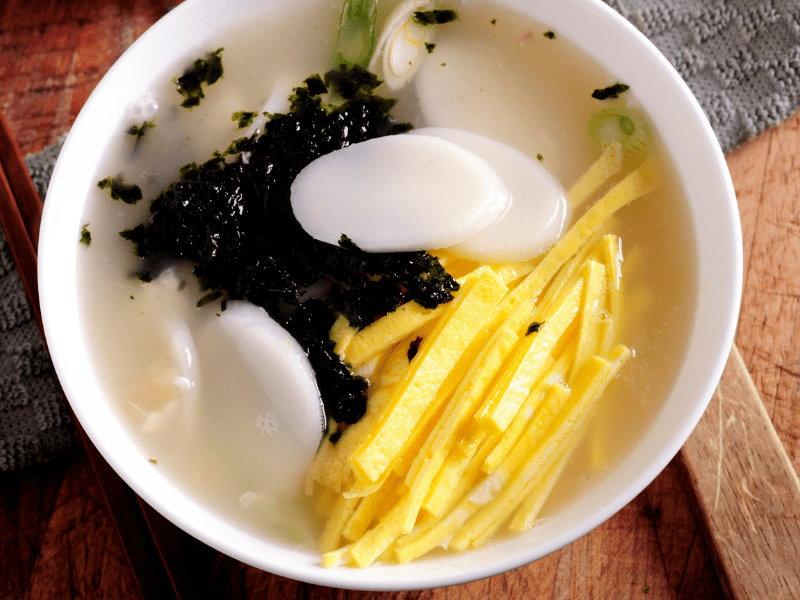
Happy Seollal, or Lunar New Year! 새해복 많이 받으세요. It is the Lunar New Year in Korea and people around the country will be eating tteokguk. If you’ve learned Korean or are learning Korean, this is a great time to learn a little saying that relates to tteokguk. Tteokguk is a rice cake soup that is a must eat this holiday in Korea and it also relates to your age… you’ll see. You probably didn’t know the tteokguk on the table meant more than just filling your belly: (This post contains affiliate links, which means I receive a certain percentage of a sale if you purchase after clicking. Thank you…
-
Paebaek Ceremony in Korea: From Chestnuts to Piggybacks
You might think the main wedding ceremony is the most meaningful part of a Korean wedding, but in many ways, the paebaek ceremony is where things become truly personal. This traditional Korean wedding ceremony is smaller, more intimate, and centered on family. It is the moment when the bride and groom bow to their elders, receive blessings and advice, and symbolically unite the two families. It is also the part of the wedding that many people remember most because it includes some of the most iconic traditions: the Hanbok, tossing the dates and chestnuts, and yes, the famous piggyback ride. When I had my own Korean wedding ceremony, the paebaek…
-
Traditional Korean Wedding Ceremony: A Step-By-Step Guide
Getting married in another country, or to a person from another culture, comes with a host of lessons. When we decided to get married, we agreed almost immediately that we wanted a traditional ceremony in each of our home countries. For our Korean ceremony, that meant figuring out the taerye, “the great ritual”, from the beginning. Many Koreans today opt for a Western-style ceremony, but since we were doing that version in the United States, we wanted the Korean ceremony to be fully traditional. What followed involved a live goose, a split gourd, an asymmetrical number of bows, Hanbok sleeves two feet longer than my arms, and one of the…