After Giving Birth in Korea: Birth Certificates, Subsidies, and Vaccinations
Last Updated on October 13, 2026
We’d made it. We had our bundle of joy, gave birth in Korea, and were no longer the expectant couple. We were now a trio ready to face the world… well sort of. Giving birth in Korea can be daunting and there is so much going on from finding doctors, going to hospitals or birthing centers, to setting up the home to be baby friendly. It’s easy enough to think that once the baby comes, everything is done. But it isn’t!
One of the first things to do is to get the birth certificate and yes, you should get both the Korean birth certificate and the English birth certificate. There are also a number of benefits of giving birth and having a baby in Korea like the financial assistance. So, let’s get into it and go over the things you should forget before you leave the hospital and the things you should do to get into the appropriate programs for your family.

Are you pregnant in Korea? Here are some more posts you might be interested in:
- After Birth Checklist
- Birth Certificates and Passports
- Financial Assistance and Subsidies
- Vaccinations
(This page contains affiliate links. That means if you click on them and purchase something, I will get a percentage of the transaction at no cost to you. Thanks for the support!)
After Birth Checklist
| Task | Who it applies to | When |
|---|---|---|
| Get Korean birth certificate — multiple copies | Everyone | At the hospital before discharge |
| Get English birth certificate — verify name is correct and complete | Everyone | At the hospital before discharge |
| Register child at district office / add to family register | Korean nationals and mixed families | As soon as possible |
| Apply for birth subsidy (출산축하금) | Child with Korean nationality | At district office registration |
| Apply for monthly child allowance (가정양육수당) | Child with Korean nationality | At district office registration |
| Apply for i-Happiness card | Enrolled in daycare/kindergarten | At district office or bank |
| Register with US Embassy / get CRBA | American citizens | Schedule appointment at embassy |
| Get foreign passport first if English name differs from Korean name | Mixed nationality families | Before Korean passport |
| Schedule free vaccinations | Everyone | Community health center |
We gave birth, or I gave birth and my husband stood above me relaying sentences from the nurses in Korean to me in English. Now we had her, and first, we had to register our babe here and abroad. For this post I will talk about some of the things we experienced in the hospital and afterward that I feel is pertinent information to be aware of.
Take into account that we are a multicultural family here in Korea, I, the American, and my husband, the Korean national. Foreign families where both parents are foreign nationals will have slightly different things to do, or fewer things to do maybe, since you don’t have to register your child here on a family tree. But you will still need to get that English birth certificate, so read on.
Birth Certificates and Passports
Get both the Korean and English birth certificates at the hospital, and get multiple copies.
The Korean birth certificate is standard. The English copy needs to be specifically requested. Before you leave, check every name carefully. At our birthing center, they had only entered my first name into their system, a two-syllable shorthand, since putting my full Western name in Korean would be significantly longer than the three-syllable names most Koreans have. That shortened name ended up on our Korean birth certificate. Our district office would not accept it because the name didn’t match what they had on file. We had to go back to the hospital and get a new one. Check every name before you leave.
Get multiple copies. Unlike the United States, where you keep the original and can order copies later, Korea’s district office will take your Korean birth certificate for their files when registering your child on the family register. If you want your own copy, which you should, as it may be the only document with all three names (father, mother, child) in one place, request duplicates at the hospital. If you’re getting dual citizenship, the English copy will also need to be stamped and signed by the doctor when you present it at the embassy.
For multicultural families: get the foreign passport first if the English name differs from the Korean name.
If you want your child’s English name to be different from their Korean name, say, James instead of Jae-oo, you need to register the English name legally first through the foreign passport process. Once the English name is recorded in an official foreign passport, the Korean registration office will accept that document as proof and both names will appear in the Korean passport.
If you’re keeping the names the same in both languages but want a specific English spelling, the same principle applies: get the foreign passport first. The Korean registration office has limited options for Romanization and will not simply allow you to choose a preferred spelling without documentation. Our daughter’s Korean and English names are different, which is why we went through this process. If the names will be identical in spelling and Romanization, you have more flexibility, but verify first.
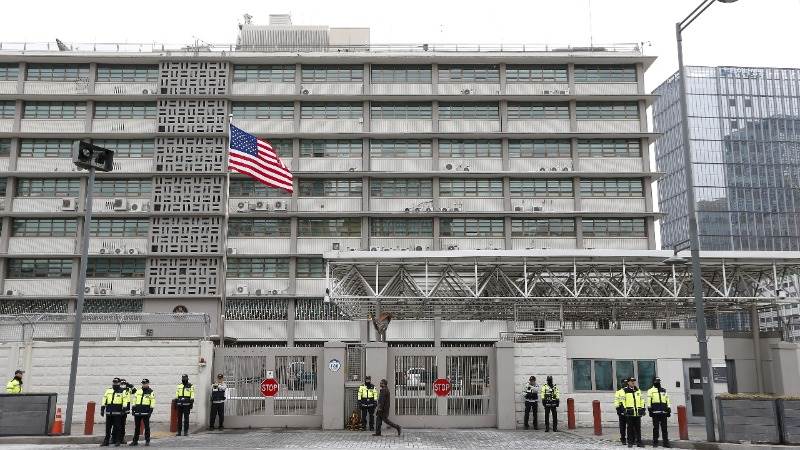
For American citizens: the US Embassy in Seoul assists with registering a child born in Korea.
The embassy offers a Consular Report of Birth Abroad (CRBA), an official record confirming that the child acquired US citizenship at birth. This is the same document I go into in much more procedural detail, forms and all, in Having a Baby in Korea as a Foreigner: A Resident’s Guide to Benefits, Leave, and Paperwork, if you’re the parent doing the actual paperwork rather than just checking what’s ahead. It can only be issued at a US Embassy or Consulate abroad and only before the child turns 18. Check the US Embassy Seoul website for current requirements, required documents, and how to make an appointment before you go. In our experience the process was quick once we had the documents ready. Book the appointment as soon as possible after birth.

Financial Assistance and Subsidies
Korea offers government subsidies to families with newborns, driven in part by the country’s low birth rate and the government’s ongoing effort to reduce the financial burden of having children.
After birth, register your child at your local district office. This adds the child to the Korean family register and triggers eligibility for assistance programs. You should automatically be directed to another desk to fill out bank information and apply for the subsidies, but if you aren’t directed, ask. Don’t assume you’ll be found. You can check this website for up to date information for your location.
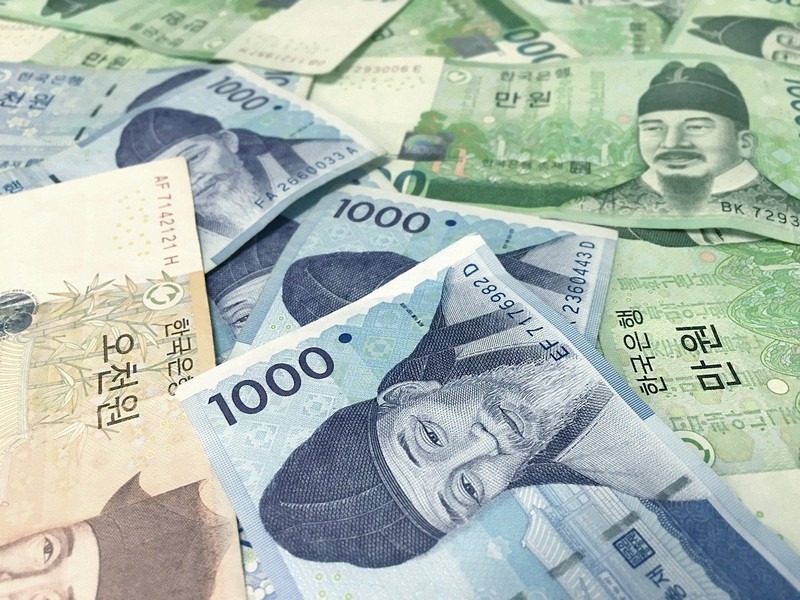
The birth subsidy (출산축하금): a one-time congratulations payment awarded at birth. The amount varies depending on the number of children in the family and by location. Check current figures at the government website for your specific district before expecting a specific amount.
The monthly child allowance (가정양육수당): A monthly payment from birth until the child enters school or reaches 6 years old. The amount varies by city and district. If your child stays home with you, the payment goes directly into your bank account. If your child is enrolled in daycare or kindergarten, the subsidy goes directly to the school.

The i-Happiness card: A card through which government childcare funds are managed. Available from multiple banks and financial institutions in Korea; your current bank can likely set it up. If your child is enrolled in daycare or kindergarten, the school draws the government funds from this card automatically. This is a different card from the National Happiness Card you may have already applied for while pregnant; I explain the difference between the two in How To Get The National Happiness Card For Pregnant Women In Korea.
Important: These subsidies apply to children with Korean nationality, essentially, whether your baby has Korean citizenship by descent through a Korean parent, dual citizenship, or recognized refugee status. If neither parent is Korean, the child is generally not eligible, though as of 2025, some provinces have begun extending eligibility to foreign residents. Check your local district office for current policy. For the fuller breakdown of who qualifies for what depending on your family’s specific situation, see the family guide.
The 90-day rule: if you are outside Korea for more than 90 consecutive days, subsidies are suspended. This is significant for families who travel frequently or have international ties.
For current information on how to apply and what you’re eligible for, the government has a multilingual website with up-to-date details.
Vaccinations
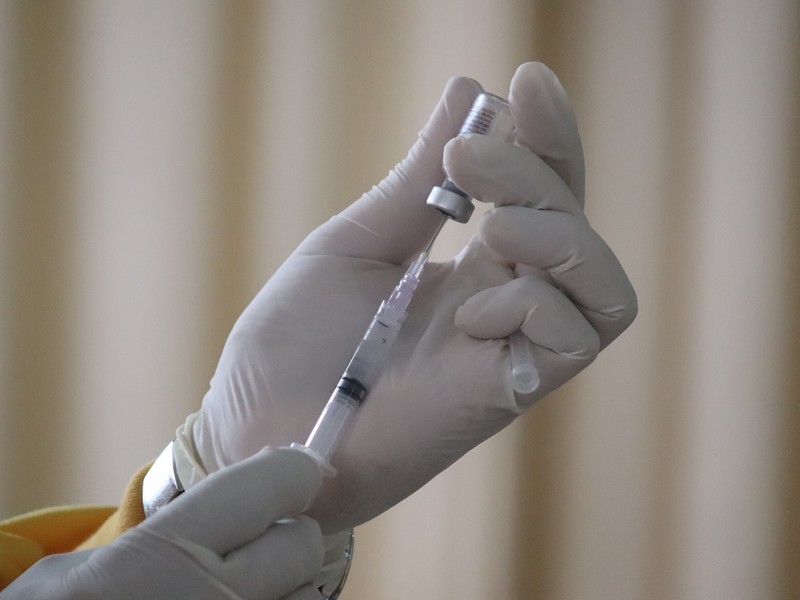
Babies in Korea are entitled to 14 free vaccinations, including tuberculosis, hepatitis B, diphtheria, tetanus, pertussis, polio, rubella, rubeola, Japanese encephalitis, varicella, influenza, and typhoid.
Know that these are free, but not every hospital will offer them for free. Our birthing center wanted to charge ₩70,000 for the tuberculosis vaccination even though the rest were free. We went to our nearest community health center for TB instead at no cost. If you’re quoted a fee for any standard vaccination, check your nearest community health center before paying.
Ask how the vaccination is administered. You may have seen children in Korea with small circular scars on their arms from vaccinations administered with a gun-like instrument. This is not your only option. Ask at the health center before proceeding; other methods are available.
After the vaccination, the mother and child are usually taken to a recovery room where the baby can be calmed and monitored for any reactions. In our experience, fathers were not permitted in these rooms. My husband ended up waiting outside while I figured out what I was doing in there, twice, because I opened the door trying to work it out. Ask the staff to explain the process before going in.
Are you pregnant in Korea? Here are some more posts you might be interested in:
- A Helpful Guide For Foreign Couples Starting A Family In Korea
- Pregnant In Korea: The Superstitions, The Benefits, & So Much More!
- What to Expect When You’re in Labor in Korea
And if you plan on staying in a post-natal hotel, check out:
FAQ
Do I need a Korean birth certificate if my baby was born in Korea?
Yes. Get both the Korean and the English birth certificate at the hospital before discharge. Request multiple copies because the district office will keep one when you register your child.
Does Korea issue birth certificates to babies born to foreign parents?
Yes. The hospital issues a standard Korean birth certificate for any baby born there regardless of the parents’ nationality, and will issue an English copy if you specifically request one, which you should.
How do I get an English birth certificate for a baby born in Korea?
Request it specifically at the hospital. It is not automatically issued alongside the Korean birth certificate. Check that the names are complete and correctly spelled before leaving the hospital.
What government subsidies are available after having a baby in Korea?
A one-time birth subsidy and a monthly child allowance until age 6 or school entry are the primary programs. Amounts vary by location and are updated regularly, check the government’s multilingual website for current figures. You must register your child at your local district office to access these benefits.
Are the subsidies available to foreign families?
Generally, subsidies require the child to hold Korean nationality. As of 2025, some provinces have begun extending eligibility to foreign residents. Check your local district office for current policy in your area.
Are vaccinations free for babies in Korea?
Yes, 14 standard vaccinations are provided free of charge. Community health centers reliably provide them at no cost. Some hospitals may charge for certain vaccinations; if quoted a fee, verify at your nearest community health center before paying.
How do I get a US passport for a baby born in Korea?
Register with the US Embassy in Seoul for a Consular Report of Birth Abroad (CRBA), which confirms US citizenship acquired at birth. Check the embassy website for current required documents and make an appointment. If the child’s English name will differ from their Korean name, obtain the US passport before the Korean passport.
Where This Fits In The Bigger Story
Are you pregnant in Korea? Here are the rest of the posts that cover this journey start to finish:
- Having a Baby in Korea as a Foreigner: A Resident’s Guide to Benefits, Leave, and Paperwork
- Korean Pregnancy Traditions and Superstitions: What to Really Expect as a Foreign Mom
- How To Get The National Happiness Card For Pregnant Women In Korea
- Giving Birth in Korea: What To Expect as a Foreign Woman
- Korean Post-Natal Hotel and Postpartum Care: Tips For New Moms In Korea
- Korean First Birthday (Doljanchi): Complete Guide to Traditions, Doljabi and Hanbok
- My Korean Husband Attended Our Baby Shower
Did you like this post? Pin It!


28 Comments
Nate
Hello Hallie,
I enjoyed your thorough explanation of the birth/registry process in Korea and have a question that maybe you can hep with. My wife (Korean) is going to give birth any day now. We will have to scramble for the legal documentation because we are moving to the States within 2 months after birth. We are a little hung up on the naming conventions in terms of registry and passports. Initially, we were planning on getting the Korean passport first because it would likely be a quicker process than a U.S. passport, but the naming aspect makes things a little complicated. Here is what I understand:
1. It seems standard Korean hospitals don’t automatically print the child’s name on the birth certificate, since the official name is registered at the district office. However, it appears that in your experience, you were able to request your child’s name on both the Korean and English version of your hospital-provided birth certificate.
2. I can apply for a U.S. SSN and passport simultaneously with the embassy, and the embassy requires an English birth certificate. The English version of the birth certificate would have the name we want to appear on the U.S. passport, so for example a name such as 박해나 (in Korean, with only mom’s last name) would be: Hanna Hae-na Park Johnson. I put the “Hae-na” in there because I heard Korean passport naming conventions are strict, so on the Korean passport, the Korean name would be: 박해나 – Hae-na Park Johnson, and the U.S. embassy website says the middle name cannot be blank on the birth certificate.
3. If we were going to do the Korean passport first, we would have to follow the name we register at the district office, but since we want my name to appear on the English version of both passports, we would have to register it as ‘박해나 –> Hae-na Park Johnson (maybe throw the ‘Hannah’ in there, but it doesn’t really matter if the Korean government knows her Anglicized first name).
Essentially my question to you is, did you register your child’s name at the district office with only their Korean name and then use the U.S. passport to get their American name on the Korean passport-meaning their Korean passport name and registered names are different, or did you register both names at the district office. If you did register both names with the district office, was there an issue with having the Korean name and then a different Anglicized name on the English version of the family relations document?
Hopefully I explained my situation clearly enough, and any words of wisdom would be appreciated.
Hallie Bradley
Hi Nate,
For the birth certificates, just request what you need/want. Just like in the States, some people just name their child a bit later so they could be processed without a name, but don’t have to be, take some time, but if you already know what you want, tell them what it is in Korean and what you want in English, they should be able to provide that.
Korean passport naming conventions are strict, but only if you don’t have a legal English name already established. This is why I say you should get the American passport first, otherwise you could potentially have two legal English names rather than the one. So in my daughter’s case, her Korean passport has her Korean name, for example it could be 정재우, and her English name is completely different, Jasmine Marie Jeong. The issue is if you don’t have the English name already legally established, at the district office, they won’t allow you to just “choose” a different English name, they would require you to Anglicize the Korean name. In our case, we had the American passport already, so we just showed them that it was her legal English name thus allowing two completely different names in her Korean passport. So, in answer to your question, yes, go to the district office to register her Korean name and English names with the valid birth certificates. If they don’t allow you to do the English name with that, get the American passport first. That part is a bit hazy in my memory, but I just checked an Anglicized version of our family registry and it has my daughter’s legal English name, not just an Anglicized version of her Korean name, so they definitely do register the English name and the two different version show up when you get the Korean version or hte English version. I’ve never had any issues with having the two different names. We lived in the Netherlands for two years and needed the family registry for my daughter and since her ENglish name there matched her passport, we were all good to register her there.
On a separate note, you may need to still tell people that this is legal going forward. On a trip to Taiwan, Korean airline staff told us Koreans couldn’t have different English and Korean names, to which I said, well your government clearly disagrees as you have a Korean document in your hand (passport). Stand firm at every turn. I take those moments to explain what being multicultural means.
Anyway, good luck and congratulations!
Ray
Hi Hallie,
My wife and I just had our firstborn baby girl a couple days ago! We’re both Asian Americans. My wife was a Korean national before she became a naturalized US citizen. First of all, I just want to say that I really enjoyed reading your writing here. It’s super informative and fun to read. I have a few questions and was hoping you could help.
1) My wife’s parents and sibling are still Korean nationals, do we need to take our baby to the district office and add our baby girl to the family tree? Would that make her eligible for the financial subsidy?
2) I’ve been told that the baby’s name is not immediately required at the time of birth in Korea and people here like to pay a visit to a fortune teller who will provide several names to choose from. Does that mean we can return to the hospital at a later time to get the birth certificates there once we have decided on a Korean name?
3) Our daughter will have different English and Korean names, but since she will not be getting a Korean passport, do you see any problem with us getting a Korean birth certificate first before legalizing an English name for her at the US Embassy in Seoul?
4) Is the Application for a Consular Report of Birth Abroad (DS-2029) what we need to file in order to get Consular Report of Birth (FS-240) and an English version of Certification of Report of Birth (DS-1350) issued by the Department of State?
5) I read online that the birth registration should be filed within 30 days after birth otherwise, there is a fine for default. Is this registration done at the district office? By the way, we currently live in Daejeon.
Thank you so much in advance for your help!
Hallie Bradley
Hi Ray, Congratulations on the new addition! There’s a lot to break down here so let’s jump in:
1. I’m not sure if you can add her to other family trees that aren’t your own. You’d want to check the legality on that. Since I’m married into the system as opposed to a Korean who gave up nationality but came back on a visa, I’m sure there are some differences. For F4 specific things (I think that’s the visa your wife would have?) I’d get into the “F Visa Holders In Korea” group on FB and find other F4 visa holders to ask. There are definitely some different processes for Korean descendants.
2. You’re right, the baby name isn’t something you need to choose right away. My husband is under the impression that you wouldn’t be able to get an empty birth certificate but you’d go back later when you have a name and be able to request it once you have a name. That’s a question you could totally ask your hospital. However, since you’d want to get the baby on your insurance sooner rather than later, and if you are both foreigners technically, then you’d want to choose a name a bit faster.
3. For the names, your Korean birth certificate will ONLY have the Korean name not the English one, and your English one will ONLY have the English name. You can get them printed out anytime. Whether you’re getting a passport or not, you’d need to get those printed first. It wasn’t a big deal to ask for different names when we did. The birth certificate itself doesn’t mean much until you’ve registered the baby and gotten passports really.
4. All of the application forms can be found on the embassy website but you can also get them when you’re there in person.
5. For registering, you can just go to your dong office. But, you can also call 1345 to get the information about where to go in Daejeon just to make sure it’s not different outside of Seoul.
Hope at least some of that was helpful. It’s definitely a bit different process when you’re a foreign/foreign couple but I’ve had a friend just go through it and came out unscathed so I know you can do it!
Ray
Thanks, Hallie! It’s definitely more helpful than anything else I’ve able to find on the internet so far. Your post on your childbirth experience was what drew me to your blog in the first place, but now I’m starting to read your writing on travels and food in Korea and this is such a great blog. Please keep it up!
Ray
Hi Hallie,
I was wondering if you’re familiar with the Korean national health insurance program for foreigners. Is staying in Korea for 6 months or longer a prerequisite for enrolling in Korean NHI? Thanks!
Yujin Lee
I was born in Korea but I immigrated to Canada when I was 8 years old. I’m trying to get a hold of my birth certificate because I’m trying to find my exact date and time of my birth. When you gave birth and had to register your child, did you have to provide the time of birth as well? Thank you!
Hallie Bradley
I’m not sure that we had to register the exact time of birth. We did have to provide a copy of the birth certificate and I think it’s on there so it would be on file somewhere I imagine. Not sure if that’s really helpful or not. You’d probably have to know which district office you were registered at to see.
Sarah Lee
Hi Hallie!
My husband and I are expecting our first child this coming December. We live in Seoul–I’m American, he’s Korean. I was doing research on how go about giving our child a Korean and American name. For example: using the name Sarah Ji-ah Lee in the US and 이지아 (Lee Ji-ah) in Korea. From my understanding, after reading your blog, that means we would have to get the US passport first with Sarah Ji-ah Lee and then the Korean passport with both names on it. I was wondering, though, what name/names would need to be on the proof of birth document we get from the Korean hospital? And in the future, when filling out legal documents (driver’s license, bank accounts, etc.) in Korea, would our child be able to use just their Korean name (이지아) or would they have to use the full English name (이 사라 지아)?
Hallie Bradley
First off, congratulations!
From the Korean hospital, we got two birth certificates, one in English (with her English name) and one in Korean (with her Korean name) so the names on each are different but since you’ll need a birth certificate for the embassy in English anyway, you’ll want to get it. Just get a couple copies of each. The hospital was just fine about doing it so that shouldn’t be an issue. Once you’ve registered her in Korea with her Korean name, yes, you use her Korean name for everything when you’re getting other legal documents. Just her Korean name since you wouldn’t be registering 이 사라 지아 that wouldn’t be her legal name her. Her legal name would be 이지아. So in our daughter’s Korean passport it has her three syllable Korean name and then a different first/middle/last name in English because we registered her with a legal English name. The only time she’d use her English name for anything in Korea is when we’re buying like plane tickets or something.
Michelle
So u mean we have to live there in order to get the support?What about we will pay the insurance system thing there but still we will live here,would it be possible to qualify for the benefit?Thank u for ur time and effort in answering?
Hallie
Hi Michelle, I’m a little confused by your questions. If you’re not living in Korea, then there would be no reason to pay into the insurance system here… If you’ll be staying in the Philippines with your family, then you should look at the system and benefits available there.
Michelle
Hi.May i ask anyone here if u have any idea also.I’m a foreigner married to a Korean.We got married here in the Philippines and soon we will be having our babies~twins.?Will my twins be able to get the financial support also even if i will born them here in the Philippines?
Thanks for ur answer!
Hallie
Are you living in the Philippines? The financial support is for those people living in Korea and paying into the insurance system. So, if you’re still in the Philippines, I don’t think you’d be able to get it. If you bring them here and start paying into the insurance system, then you would be I believe.
zia ur rehman
plz any one can tell me, i am a foreigner student in korea, i have my wife with me, i december we will have a baby. so what are the benefits for my baby from korea govt?
Ramsha Khan
*Financial Assistance
Ramsha Khan
Hallie^^
Is this for foreigner baby, born in South Korea?
Please give us information about it
Hallie
Which part Ramsha? My baby is considered Korean and American by passport so we had to get her everything Korean and everything American. If you pay into healthcare here, you qualify for the subsidy. You need to register the baby… I have multiple posts on having a baby here. Check them all out but let me know if you have a more specific question.
sabi
Hey i would just like to ask
In case you are married to korean guy do you have to sign up the child in his family registry? Ive heard there are many disadvantages if you get divorced later cuz of that…
Hallie
If your child is going to be obtaining a Korean passport, then he/she would have to be on the family registry. I think in a divorce situation there are many disadvantages anyway regardless of being on a family registry.
Kris
Congrats.
Is it for all families, korean only or multicultural only?
I feel bad for the elderly population. They had small families and put all their money toward one or two kids and drove up the prices of everything in the process, now they don’t have the family to support them or a retirement income high enough to make ends meet. They convinced everyone too well that one is enough. When everyone is spending 20% of the family income on one child in school why would they have two and have to divide that education budget between two kids? I think if they were able to convince everyone that a larger family or marriage at younger ages was a sign of status more people might have that second child. And jeonse needs to go away. A property owner basically borrows money to invest from a person who lives in their property for a brief time. Every few years people are moving or loaning them extra money to extend. And the occupant likely had to to take a loan out to loan the landlord money which they invest and keep the interest. Who can start life out a home debt of hundreds of thousands on a place they don’t even own? With people moving the highs and lows of the market matter too much. In the States if you live in the property over a period of time it doesn’t matter, only if you are buying and selling those highs and dips.
Hallie
I believe it’s only for those families that will be registering their children on a Korean family register because they automatically have you fill out the forms after you’ve registered your child. That being said, it would be Korean and multicultural families with a Korean citizen in the family. Foreign families wouldn’t register their children in Korea, so they probably wouldn’t be able to get the subsidy. But that is just an educated guess. I didn’t ask.
Brent Sheffield
Wow, after writing that piece on how the elderly barely get any support from the government it’s extremely interesting to read how they give money to new families. I’m not criticising and I’m happy you guys get money – you deserve it – but, how interesting.
The family looks beautiful as always!
Hallie
Thank you and I agree. It is clear where the priorities are and it is too bad they don’t think taking care of the elderly is just as, or more, important than trying to raise the fertility rate with financial support. The subsidies have been in place for a few years now and it doesnt even seem the programs are having the effect they hoped for but we certainly wont say no to the support.
Amande
Congratulations you made it 🙂
I am so happy for your guys and so excited for the big event to come in a few month…
Thank you again for this very interesting post, it raised several questions on my side : if the child is not korean, is any of the “congratulations” money or monthly money available, or is this just really for korean children ?
Hallie
I asked my husband this same question when I was writing this up and he was unsure but we came to the conclusion that foreign couples wouldn’t register their babies at the district office so they probably wouldn’t register for the subsidies that follow either. That is an assumption on our parts though. I know that foreign mothers are eligible for the W500,000 Beautiful Mom pre-natal card because of paying into the national insurance program. Click on the link above and if you have a Korean friend that can scour it for information to see about eligibility, that would be your best bet. I can ask my husband to check it more closely when he has some free time later.
Congratulations to you too by the way. ^^
annie lee
congratulations!!!
Hallie
Thanks Annie ^^