Korean Post-Natal Hotel and Postpartum Care: Tips For New Moms In Korea
Last Updated on October 13, 2026
One of the first decisions Korean women make after having a baby is whether to stay in a post-natal hotel, referred to throughout this article as a PNH. In Korea, these are the standard postpartum recovery option. Most women attend for two to three weeks after birth to recuperate and learn to care for their newborn. Those who don’t typically stay with their mother or mother-in-law, or have an elder woman come to them.
This is not something that exists in most Western countries, or if it does, it isn’t widespread. If you’ve spent time in Singapore, Malaysia, or Hong Kong, the closest equivalent concept in English is “confinement,” the same general idea of a structured recovery period, though the Korean version and its traditions are distinctly its own. Most American women head home within a few days of delivery and begin caring for their child with help from nearby family and friends. When I was offered the PNH option, I was skeptical. After having stayed in one, I absolutely think every woman should find one after giving birth.
This article covers both: the specifics of the PNH itself, since that’s the option most foreign women in Korea end up considering, and the broader postpartum care landscape here, in case a PNH isn’t the right fit for your situation or budget.
Whether you’re planning to visit a Korean post-natal hotel or just wondering what Korean postpartum care is all about, here’s what you can find below:
- Korean Post-Natal Hotel Quick Guide
- Your Postpartum Care Options In Korea
- Why a PNH?
- Seaweed Soup All Day Every Day
- Touch my Breasts, Please?
- No Visitors Allowed!
- Korean Korean Korean
- You Will Sweat
- Cleaning the Body
- Why do they keep taking my baby?
- New Kids On the Block
- Postpartum Recovery Tips That Apply Even Without A PNH Stay
- FAQ
(This page contains affiliate links. That means I get a portion of the proceeds at no cost to you. Thank you for the support.)
Korean Post-Natal Hotel Quick Guide
| Korean term | 산후조리원 (sanhujori won) / 산후조리 (sanhujori = postpartum care) |
| Standard stay | 2-3 weeks; I stayed one week |
| Cost range | Approximately ₩1.5M-₩5M+ per week depending on location and level (verify current) |
| Who can visit | Husbands only in the inner area; others can see the baby through a glass window |
| Room temperature | 29C / 84F — consistent throughout |
| Main food | Seaweed soup (miyeok-guk) at every meal |
| Language | Korean — primarily; expect full immersion |
| How to find one | Look for one close to your home; they exist in every Seoul neighborhood |
Your Postpartum Care Options In Korea
A PNH is the most visible option, and the one most foreign residents end up asking about, but it’s not the only one.
A postpartum care center (PNH / 산후조리원). What the rest of this article is about: a dedicated facility, round-the-clock staff, and a real break from cooking, cleaning, and most of the physical burden of newborn care while you recover.
Staying with your mother or mother-in-law, or having her come to you. This is the traditional, pre-PNH default in Korea, and it’s still extremely common. It costs nothing beyond whatever you’d normally spend on groceries and space, but it comes with its own version of the immersion and lack-of-privacy experience I describe below, just with family instead of staff.
A subsidized in-home caregiver. Korea also offers a government-supported Maternal and Newborn Health Care service (산모·신생아 건강관리사), which sends a trained caregiver to your home rather than having you go to a facility. It’s specifically aimed at lower-income and Basic Livelihood Security households, and for families where both parents are foreign nationals, it’s available to F-2, F-5, and F-6 visa holders who meet the income criteria. I cover the eligibility details in Having a Baby in Korea as a Foreigner: A Resident’s Guide to Benefits, Leave, and Paperwork; worth checking before you assume a PNH is your only option, especially if cost is a concern.
Whichever route you go, several of the cultural expectations below (the seaweed soup, the not-getting-cold rule, limiting visitors for the first three weeks) apply regardless of where you’re recovering. If a PNH isn’t in your plans, skip ahead to the section on that.
Why a PNH?
My husband, coming from a Korean cultural perspective, was very much in favor of the PNH. His reasons were practical: my immediate family doesn’t live in Korea and wouldn’t be there immediately after the baby arrived; we had no idea how much recuperation would be needed; and if recuperation was necessary, a PNH was the right place for it.
I agreed to stay for one week, shorter than the norm, longer than I initially wanted to be out of my own house. If you’re having a baby in Korea and considering a PNH, find one within walking distance of home. They exist in every neighborhood in Seoul. The closer it is, the easier for your husband to come and go, and you’ll already know the area.
I’m not linking to specific places here because proximity to your own home is the most important factor. Ask your ob-gyn or midwife for recommendations in your neighborhood.
Seaweed Soup All Day Every Day
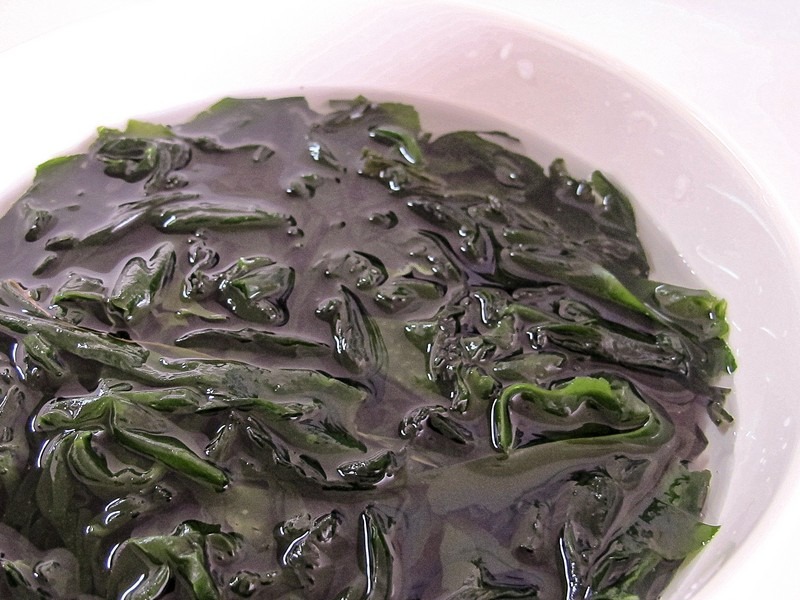
Koreans believe that seaweed soup (miyeok-guk or 미역국), a food high in calcium, fiber and iron among other very beneficial vitamins and minerals, is the best food and a very necessary food for pregnant and new mothers. As seaweed soup is regarded as the foremost dish in stimulating milk production, it will be the main course at every meal from breakfast to dinner inside the dining room of the PNH. There will be plenty of other side dishes and two other vegetable or fruit snacks throughout the day, but the main dish will always be seaweed soup.
If you don’t like it going in, you will by the end. For more on Korean seaweed and its health benefits, read the complete guide to Korean laver (gim and miyeok).
Touch my Breasts, Please?
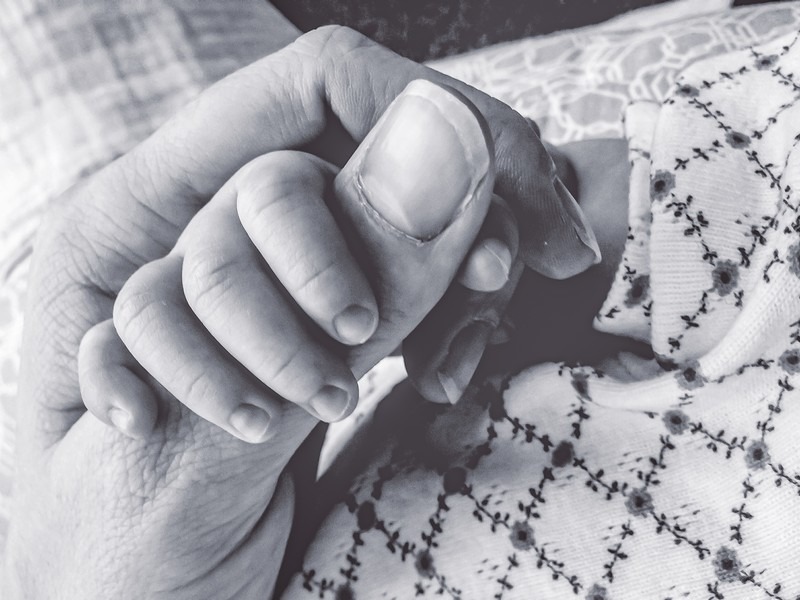
From arrival to departure there will be no keeping track of how many hands will be on your breasts and there will be no, “can I?”, “may I?” or “shall I?” before the hands land on them. From nursing staff to masseuses and beyond, all female if that helps, they will touch without being prompted or prompting in order to help you find your way.
In the first week, every woman is trying to learn to breastfeed, get their baby to latch, start producing milk and so on and these women are here to help. From getting you into correct positions with good posture and helping the breasts when they are engorged or not producing, these women are all over it, literally. They have an answer for every query and can immediately tell from a touch of the boob, what sort of issues you may be facing. There’s no time to be modest in a PNH and no necessity to do so.

No Visitors Allowed!
You can have people visit you but, most likely they will not be able to enter the inner sanctum or your room. The inner area is only for the new mothers and their husbands. Husbands can come and go as they please and sleep over as well, though it was humorous to watch as they came and went. All of the men had blinders on immediately after they entered the doors. They would head straight for their room and not glance around once because there is almost never a moment when the common room doesn’t have at least one woman with a breast hanging out. This is also a reason that visitors can’t meander and wander around.
The PNH is for recuperating mothers in all state of repair and trying to maintain any sort of modesty is out of the question when the main priority is quelling the pain and learning to breastfeed among other things.
Not having visitors is also a part of the Korean idea of “ssam (three) – chil (seven) – il (days)” or “삼칠일”. The first three weeks are for recuperation so having visitors is prohibited, which is also helpful for that shy new mother that doesn’t want to say “no” to in-laws or friends that want to rush right over, this is her way out in other words. Staff are adept at telling anyone other than the husband that they can’t enter so you don’t have to but they are welcome to see the baby through glass windows.
This is also the same tradition behind the rope, or geumjul, some families still hang over their front door after a home birth or once they’re back from the hospital; I go into that in more detail in the baby shower article, since it comes from the same underlying idea.
Korean Korean Korean
Foreigners are always welcome to stay in a PNH, but you will most likely be the one and only. At my PNH, they had had some foreigners in the past from a couple Japanese women to some Filipinos and all of them, like me, were married to Korean men. You will be surrounded by the Korean language 24 hours a day, 7 days a week.
This isn’t something that seems worth noting as obviously we are living in Korea where the national language is Korean but, I had never actually been immersed in the language as much as I was in the PNH. There was no break from the language except for when I spoke with my husband. Being in such an immersed and new situation can add stress to an already nerve wracking postpartum time.
I won’t lie, already on edge with hormones rushing through my body following the coming of our sweet baby, I bawled two times that were directly related to the stress I encountered being immersed in the culture and language so heavily. Neither time was all that serious. The first time I was stressed about being in such a new situation and feeling alone and the second time I just wanted someone to explain something in a less blunt and more appeasing manner.
Luckily, our PNH was just around the corner from our house so, not only did my husband spend the nights with me, he spent most the mornings until noon everyday as well and came and went as I needed him. In the end, my husband said I should have stayed another week because my Korean skills were given a massive level boost during my week there and by the end, I had made friends in the other new mothers and quite enjoyed the support we were able to receive.
I highly recommend taking your laptop to watch vids/Netflix and other things though should you want some English time.
Not only was I full of seaweed and being fondled almost hourly, I was meeting other women and taking advantage of all of the massages that I could. So far my experience at the PNH was turning out well. I had headed to the post-natal hotel to recuperate after giving birth to our first baby. Having been there for a couple of days I had already learned a lot, but there was still clearly much more for me to learn.
You Will Sweat
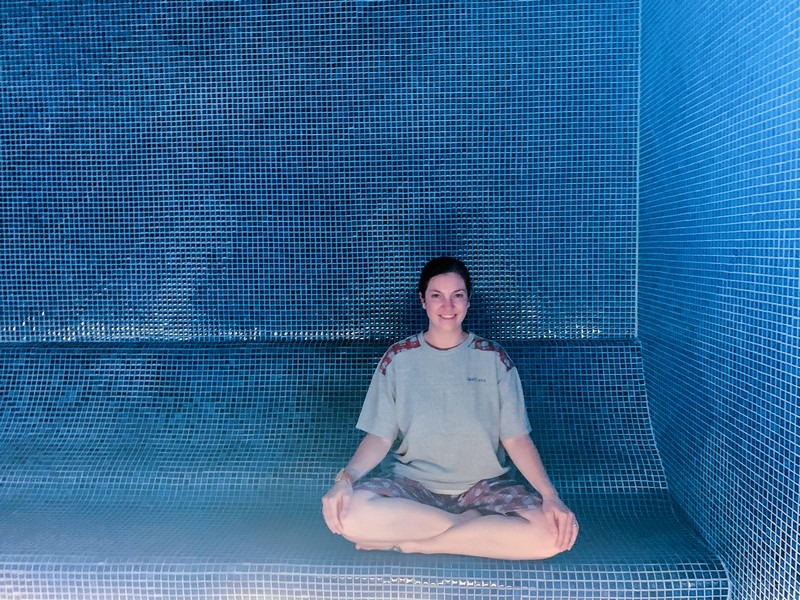
Koreans believe that after giving birth you should be kept heated at all times. Even in the summer, you will hear that you should wear long sleeves, pants and socks in order to stay warm and cozy and should absolutely not use the air conditioner or fan after giving birth. At the PNH this is amped up. The rooms are kept at a cozy 29C (84F) and you are given a set of PJ like clothes with long sleeves and pants.
Massages are done with the soul intent of making you sweat more and oils are used to open up the pores and keep you drenched at night. There are heated spa rooms and heated chairs. Even the water for you to fill your water bottles with is kept at room temperature. Koreans believe that exposing your body to any sort of cold after labor exposes your body to saan-hoo-poong (산후풍) which is unexplained joint pain and body aches after giving birth.
The nurses and managers would consistently harp on me for not wearing woolly socks, but by the afternoons, I was hot and just needed some body part to breathe. Though there may be no medical reason to back up this theory, heat does help the body relax and I certainly felt relaxed and recuperated by the end of my stay there.
Cleaning the Body
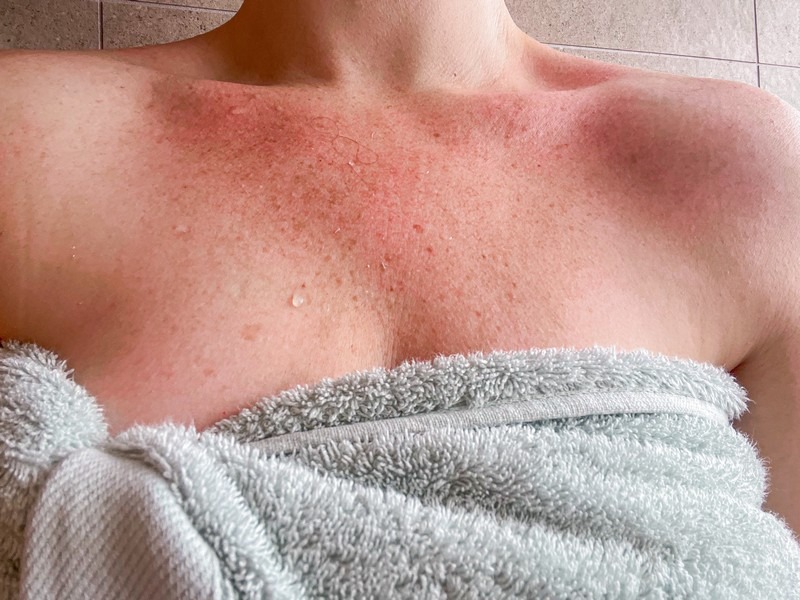
Though traditionally Korean women were advised not to shower for up to a week or longer following the birth of their child, these days you can shower much sooner, though maybe not as soon as you would in the west. This practice was probably promoted in Korean culture during a time when proper shower systems weren’t present in most households and local bathing rooms were used instead. As going out could have led to catching a cold among other infections, the “no showering” rule was developed.
These days though, feel free to shower just as long as you dry your hair immediately after or expect a lengthy talking to. Don’t expect to find a bathtub in your PNH but a shower much like most in Korean households that connects to the sink. You will be prompted to enjoy a Sitz bath multiple times a day though. This is a bath specifically for your rear which most likely will be recuperating with stitches if you’ve just had a natural birth. A plastic adaptation will be provided to you that you can put onto your toilet that will turn it into such a bath and make sure the directions are explained multiple times if you need them to be as the buttons on the side panel are numerous and not all of them provide comfort.
Why Do They Keep Taking My Baby?
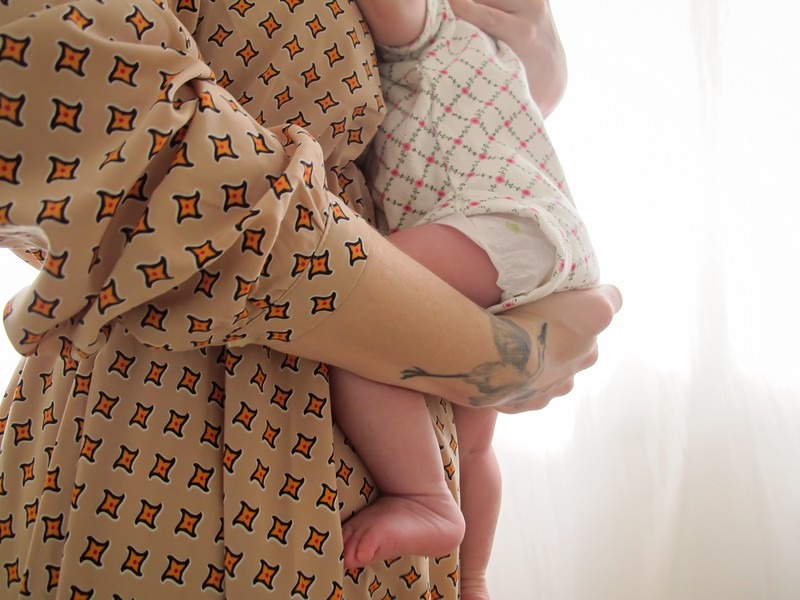
Don’t be afraid to let the staff know what you expect. The PNH is a place promoting not only a new mother’s recuperation while at the same time helping to care for the new baby but they still respect what your expectations are. The first couple of days, I felt like the staff was on top of me and as soon as I was done feeding they would want to take our newborn away while I just wanted to cuddle with her and hold her.
They would call every time she needed to be fed and I would whisk her away to my room and then hold on to her for the whole morning until lunch, which was just fine. I’d take a nap in the afternoon and pick her up again and keep her until dinner. The staff kept telling me that I didn’t have to respond to every call, that I could take a rest if I felt like I needed to and they could use my breast pump milk instead. Every mother is different and every woman is going through a different recuperation.
While some women need more care which may mean less time to care for their baby other than breastfeeding, other women are feeling rather fine and may want to have the baby with them as much as possible. Just let the staff know what you want to do and absolutely don’t feel bad about taking a nap and allowing your body and mind to acclimate to the new situation you are now in as a mother.
New Kids On the Block
One of the great things about the PNH is that you can meet other women in your neighborhood with newborns who are just about the same age as your own new bundle of joy. Many women staying in a PNH will swap numbers and form friendships or neighborhood groups. After leaving they will call each other up and swap information on progress as well as make play dates for their little ones.
Since there are PNH’s in every neighborhood, there is a good chance the women you meet in your own PNH will probably live nearby. These women will also be helpful with procuring baby goods that you may be on the look out for. A friend of ours had received lots of clothes from friends but as she was having a boy she didn’t need the girl clothing she had received and so she passed that on to us. It’s always nice to have friends to help you out and to lend a supportive hand or give a word of support when you need one.
Postpartum Recovery Tips That Apply Even Without A PNH Stay
If you’re recovering at home instead, whether with family help, a hired caregiver, or on your own, most of the cultural expectations above still show up in some form, and it’s worth knowing them going in rather than being caught off guard by a well-meaning relative:
- Stay warm, even if it feels excessive. The belief in saan-hoo-poong (산후풍), unexplained joint and body aches from getting cold too soon after birth, isn’t confined to PNHs. Expect Korean family members to push long sleeves, socks, and no air conditioning regardless of where you recover.
- Seaweed soup will show up regardless. It’s the default new-mother meal across Korea, PNH or not.
- Limited visitors for the first three weeks (samchilil) is a general expectation, not a PNH-specific rule. It’s a reasonable thing to set as a boundary with your own extended family even if you’re recovering at home.
- The sitz bath is worth doing wherever you are. If you’ve had a natural birth, ask your hospital or pharmacy about a sitz bath attachment for home use if you’re not staying at a facility that provides one automatically.
FAQ
What is a Korean post-natal hotel?
A Korean post-natal hotel, called a sanhujori won (산후조리원), is a dedicated postpartum recovery center where new mothers stay for two to three weeks after giving birth. The center provides around-the-clock care for both mother and baby, including seaweed soup at every meal, breastfeeding support, massages, warm room environments, and baby care staff. They are standard in Korea and exist in every major neighborhood in Seoul.
Is a Korean post-natal hotel the same as “confinement”?
They’re the same general concept, a structured period of postpartum recovery with dedicated support, but not identical in practice. If you’re familiar with confinement from Singapore, Malaysia, or Hong Kong, a sanhujori won is Korea’s version of that idea, with its own specific traditions like the seaweed soup, the heated rooms, and the 삼칠일 visitor restriction.
What are my postpartum care options in Korea if I don’t want to stay at a PNH?
The two main alternatives are staying with your mother or mother-in-law (or having her come to you), which is the traditional pre-PNH default and still very common, or applying for Korea’s subsidized in-home caregiver program if your household qualifies. Full eligibility details for foreign residents are in the family guide.
How much does a Korean post-natal hotel cost?
Costs vary significantly by location and service level. Expect roughly ₩1.5M-₩5M or more per week. Verify current pricing, costs have increased in recent years. Some Korean health insurance plans partially cover sanhujori won stays.
Can foreigners stay in a Korean post-natal hotel?
Yes. Foreigners are welcome, though you are likely to be the only non-Korean resident during your stay. The primary language in the facility will be Korean. Bringing a Korean-speaking husband helps significantly during the first few days.
What is sanhujori?
Sanhujori (산후조리) is the Korean concept of postpartum care and recovery, literally, “care after birth.” The sanhujori won is the center where this care takes place. The practice is deeply embedded in Korean postpartum culture and includes specific dietary, temperature, and rest protocols.
What is ssam-chil-il?
Ssam-chil-il (삼칠일) is the Korean tradition of a 21-day recovery period after birth during which visitors are limited or prohibited. The new mother is meant to rest and recuperate without the stress of social obligations. The PNH enforces this practically, staff will turn visitors away so you don’t have to.
What do you eat at a Korean post-natal hotel?
Seaweed soup (miyeok-guk / 미역국) at every meal: breakfast, lunch, and dinner. It is considered essential for new mothers because of its calcium, iron, and fiber content, and its role in stimulating milk production. Side dishes and fruit or vegetable snacks round out the meals.
Where This Fits In The Bigger Story
Are you pregnant in Korea? Here are the rest of the posts that cover this journey start to finish:
- Having a Baby in Korea as a Foreigner: A Resident’s Guide to Benefits, Leave, and Paperwork
- Korean Pregnancy Traditions and Superstitions: What to Really Expect as a Foreign Mom
- How To Get The National Happiness Card For Pregnant Women In Korea
- Giving Birth in Korea: What To Expect as a Foreign Woman
- After Giving Birth in Korea: Birth Certificates, Subsidies, and Vaccinations
- Korean First Birthday (Doljanchi): Complete Guide to Traditions, Doljabi and Hanbok
- My Korean Husband Attended Our Baby Shower
A week at the post-natal hotel was enough for me. No joint pain was stopping me from caring for our babe and I was ready to experience some of those sleepless nights new mothers are always talking about. My time at the post-natal hotel was well spent and not only did I learn a lot about Korean culture expectations for me and for my baby, I had a big boost to my Korean language skills as well.
Did you like this post? Pin It!

15 Comments
KPark
Hello, question.. if you are wanting the baby with you most of the time like you did and breasfeed how common or likely is it for you to do that? I saw some recent videos about PNH and saw that the baby was hardly with the mother and the PNH keept bottle feeding. The baby then had a hard time latching for breastfeeding. I really want to avoid this happening but also won’t have family to help when I give birth.
Hallie Bradley
You interview the PNH that you’re applying to so be sure to ask them when you go so you can see what they say. But, I found my PNH to be very understanding and open to what I wanted. I do think there were moments where it felt like they have a system and they wanted me to go with their flow, but if you’re prepared to say no thank you, you’d be fine. The overall idea though is that it’s as much a time for the mother to recuperate as it is for the baby, so they want you to rest as much as you can. But I told them that I wanted to breastfeed and didn’t want bottle feeding and they asked if that meant I wanted them to wake me in the night, I said yes, and so they did.
Emma
Hi, well I am a little skeptical regarding the choice of formula milk here, as the hospital requires you to bring one with you at the time of delivery. Which formula milk is best for the newborn baby? lactose is not an issue. your suggestions are highly appreciated.
Hallie Bradley
I’m not sure which hospital or birthing center you’re going to but mine didn’t require me to bring formula. I was just breastfeeding and let them know that so they brought me the baby to feed. You can just let them know that.
Jackie Park
Wow nice to see this blog! I just gave birth almost 3 months ago and am also planning to write about my stay at the Sanhujooriwon but can’t seem to get started because I’ve been so busy raising 2 kids under 2! Your post is inspiring though and I really need to start soon lol. Looking forward to reading more about your life here 🙂
Hallie
Hi Jackie, congratulations on your recent arrival. ^^
I’m glad you liked the post. Was your stay similar? I posted a few posts about being pregnant in Korea, birthing and all of it because there were some pretty big differences to what I think I would have experienced back home. I look forward to your post. ^^
Jackie Park
Wow thanks for replying so quick! It was. You’re right, it’s quite different from back home! I stayed for two weeks and struggled a bit at the end because of the language barrier lol. But overall I think it was a good (but really expensive) experience. But since this is going to be our last baby we figured, why not? 🙂
Hallie
Yeah, I was concerned about the cost as well. In the end, I decided it was worth it since my mom wasn’t due to come over until a couple weeks later and I could definitely use some massages. ^^
Jackie Park
Ah yes the massages were heavenly hahaha 🙂 did you also have to pay extra for those though? We had to pay extra
Hallie
One full body and daily breast massages to help bring on milk was included and then everything else was extra.
Jackie Park
Same with me. Thanks, and thanks for the follow. Looking forward to your future posts and hopefully I have time to post mine soon too! 🙂
Ana Cecilia Villafranca Macarlupú
Hi, well i’m peruvian and i’m expecting now a baby, my boyfriend is korean and during his last trip to my country i just got pregnant, anyway i’m worried about everything now …he wants me to go to Korea and have the baby there, i have some friends who are already parents and i was following your blog with that topics, I read that is not possible to do noise at that time? I know i’m going to scream like a black metal singer … but that is really bad to do? …
I was thinking about having the baby here or in korea but i see that Korea is best now cuz offers a lot of things while in Peru that doesn’t happen …
But what makes me worry more is about that it will be really difficult to me to comunicate in english …
i’m just learning korean and my english is not good at all… maybe at that time i’ll start to curse and yell in spanish …
I’m going to read more from your blog 😀
Regards~
Ana
Hallie
Hey Ana, Though Koreans traditionally think you should not make a noise during labor, if you do, no one will get upset with you. Don’t worry! It will probably be a little difficult to communicate but if you come and get to know your doctor and find a doctor you are comfortable with, it should be okay. Also, your husband can come into the room with you, so he can help to translate for you. Good luck!
koreanlearner
I’m amazed there even is such a place. It sounds like a good way to settle in with the little one. In Denmark, giving birth is considered an outpatient thing unless there are complications. You get to stay for a couple of hours afterwards and then off you go! If it’s a first child, mothers can stay 1-2 nights depending on the hospital.
Hallie
Its interesting to hear how different cultures treat pregnancy and labor. I was pleased with the stay there especially since I dont have any of my family around to help. My mother came two weeks after the birth so I stayed at the hotel almost until she came. It worked out well.