Korean Culture (한국 문화)
From Hanboks, to traditional ceremonies in Korea, here are the things to know about Korean culture. (한복에서부터 한국의 전통 의식까지, 여기 한국 문화에 대해 알아야 할 것들이 있다.)
-
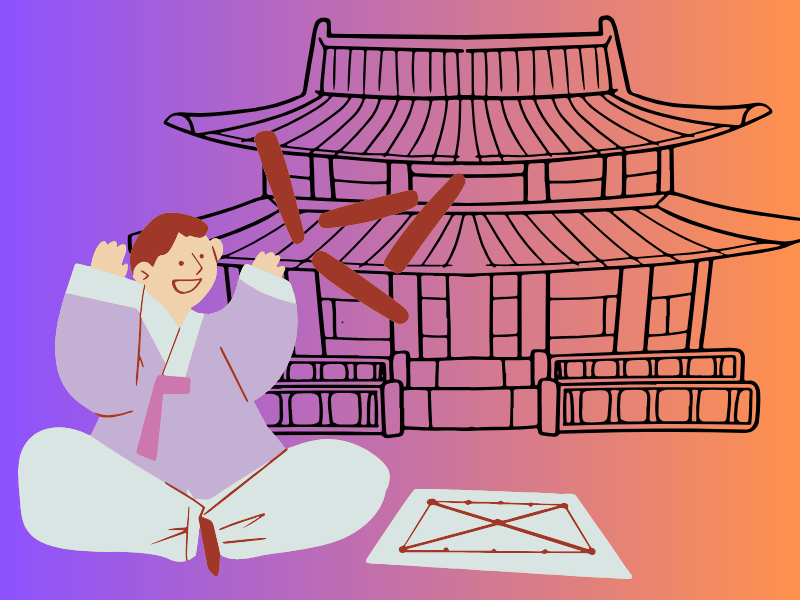
How To Play Yut Nori: Korea’s Traditional New Year’s Game
If you live in Korea and stay through a traditional Korean holiday, chances are high that you will come across the traditional Korean game known as yut nori (윷놀이). Even if you’re not celebrating with a family, you can find the game played at schools, yut nori sets can be found at folk museums, and you can even find sets in local toy stores. Yut nori is a fun Korean game and if you’re looking for something fun to do this Lunar New Year with your kids, this is a great game that you can also prepare yourself at home. Yut nori is a fun traditional Korean game that weaves…
-
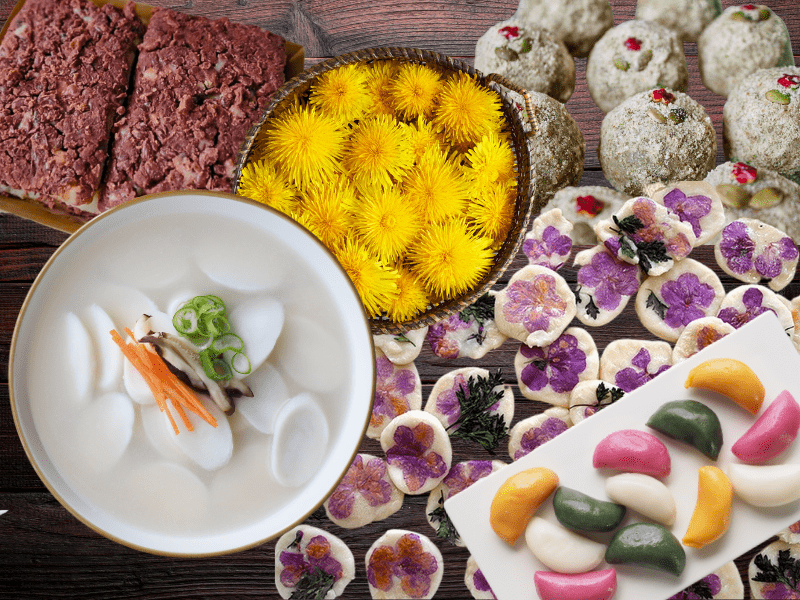
Traditional Korean Holiday Food: What To Eat and When
Did you know there is a holiday on the lunar calendar every month in Korea and there’s a traditional Korean food that is to be eaten on each of these days? While most visitors have probably heard of Chuseok and Seollal, and maybe even Sambok, the traditional Korean lunar calendar has a full year of special days, each with its own dish. Food is central to Korean celebrations whether they involve festivals or family rituals like jesa, and knowing what to eat and why makes the experience significantly richer. If you haven’t yet been to the Hansik Space E:eum (한식문화공간) in the Bukchon Hanok Village, make sure to check it…
-
30 Korean Superstitions Explained: Lucky Beliefs, Dreams & Bad Omens
Superstitions exist everywhere and they’re good to know if at the very least to not offend someone or accidentally create some sort of faux pas. If you’ll be traveling to Korea or living in Korea and wonder if there are Korean superstitions (미신), well there are! From accidental death by fan to red ink causing a stir, there are plenty of superstitions in Korea you should be aware of… or beware of. Superstitions may just be quirky beliefs to some, but they can bring on ritualistic behavior by others. Korea has a history steeped in folklore and mythology and brings together beliefs in Confucianism, Buddhism, and Shamanism which means there…
-
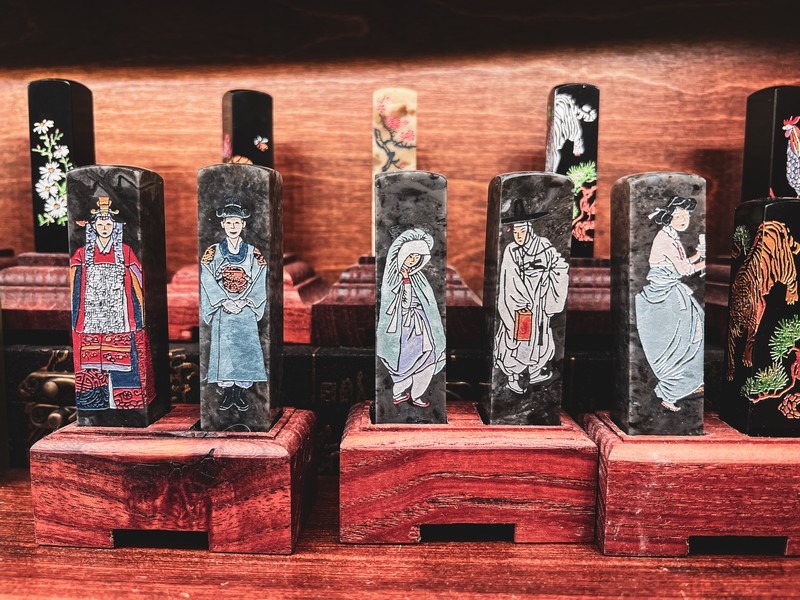
Dojang: The Korean Name Stamp, the Meaning, and Where To Get One
If you’re living in Korea and you’ve ever wondered why the area to put your signatures on forms is so small, the answer is the dojang. I’m sure I’m not the only one that went from a full name signature to just using my initials when signing everything from bank books to contracts after moving to Korea. Wondering what that name stamp is every Korean person seems to have when they go to sign a contract? Let me fill you in. In Korea, a dojang (도장) is a seal or stamp with one’s name or signature. Whether you want one for legal purposes in Korea or if you are just…
-
The Korean Moon Jar: What It Is and Why It’s Iconic
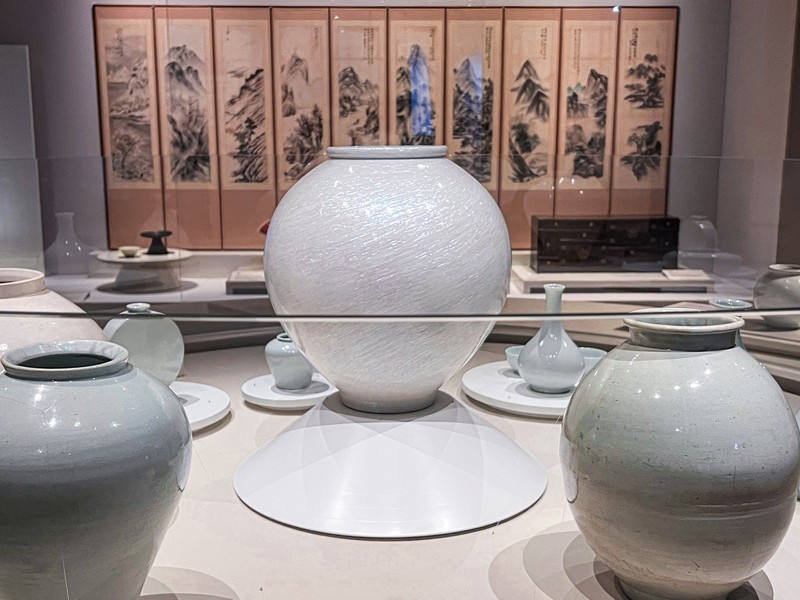
The world of ceramics is filled with treasures that span centuries and cultures and Korea is a country that has an immense history with ceramics in a variety of forms. The Korean moon jar is a uniquely beautiful piece of Korea’s ceramic culture and stands as an iconic symbol of simplicity, elegance, and cultural significance. These unique porcelain vessels, with their milky white glaze and distinctive shape, have captured the hearts of artists, collectors, and connoisseurs for generations and more recently, thanks to RM of BTS, a new and younger generation of people around the world have learned about the iconic moon jars. Get ready to learn about the iconic…
-
Crows, Shamanism, and Jeju Island with Joey Rositano
While thousands of people visit Jeju Island in South Korea each month and visit the hot spots and beautiful beaches, there are few that have become as intrigued with the Shamanic practices and rites unique to the Korean island as Joey Rositano. There is more to the island famous for idyllic views and Korean honeymooners than many tourists ever realize. Learn more about Rositano’s latest project called ‘Scattering’ which explores the fascinating and puzzling connection between crows and humans in the Shamanic ceremonies in the Darakut village of Jeju Island. Learn more about the fascinating book called ‘Scattering’ and the writer, researcher, and photographer, Joey Rositano: *All photos in this…
-
Children’s Day in Korea: What It Is and How To Celebrate
Children’s Day (어린이날) is a major public holiday, or “red day”, in South Korea that falls in the spring in Korea each year. Yes, a whole day to celebrate the kids! Can you imagine? If you’re living in Korea and want to know how to celebrate Children’s Day with your family, or perhaps don’t have kids and want to know what to avoid on Children’s Day, then this is the info for you. It’s a day off of school for kids and a day away from work for salaried workers. Here is everything you should know about Children’s Day in Korea. Get ready to learn more about Children’s Day in…
-
Tipping In Korea: A Guide to Tipping Culture, Etiquette, and When It’s Rude
I was out for lunch with an old Korean halabeoji, or grandpa, I’ve known for about a decade. He’s the kind of man who orders soju at noon without hesitation and insists you join him even if you have work afterward. We go to all kinds of restaurants together and he acts like he knows everyone everywhere. He might honestly. On this particular day, he did something that genuinely surprised me. On the way out, he tipped the restaurant staff. Then he tipped the valet who brought his car around. Tipping in Korea is not the norm. But it happens, and knowing when it’s appropriate, when it’s unnecessary, and when…
-
How To Celebrate the Year Of The Rabbit In Korea
Happy New Year! 2023 is the Year of the Rabbit, a black rabbit to be precise, and rabbit’s are a sign of longevity, peace, and prosperity so this is looking like it will be a year of hope and fruitfulness. In Korean, this year is called “Gyemyonyeon”, 계묘년, with “Gye” meaning black, “myo” meaning rabbit, and “nyeon” meaning year. The year of the Black Rabbit is associated with the heavens. So, what does the Year of the Rabbit mean? And, how can you celebrate the Year of the Rabbit in Korea? Here’s what you need to know… What to know about the Year Of The Rabbit in Korea: (This post…
-
Traditional Korean Medicine: Hanyak, Sasang, and Medicinal Herbs
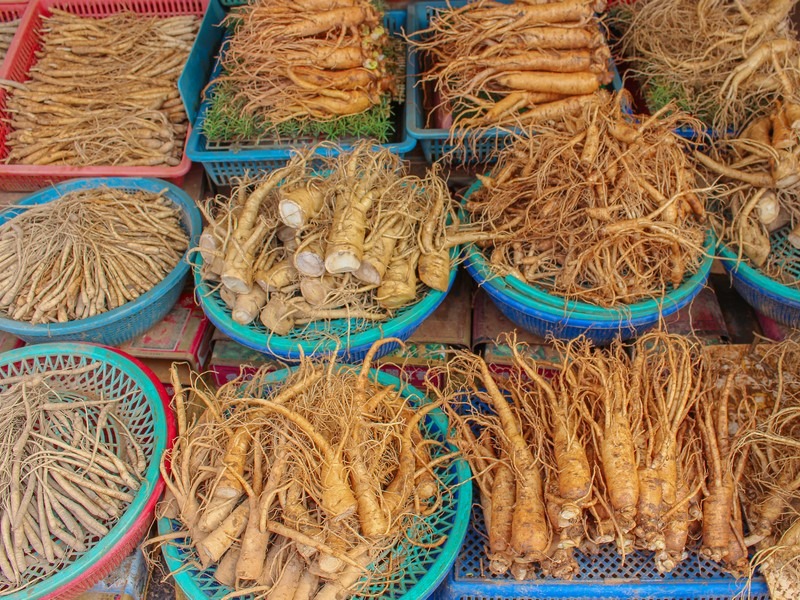
With a pretty traditional Korean mother-in-law, I’ve been given a variety of more holistic remedies over the years and as someone who is more inclined toward holistic medicine over modern, I’m okay with that. But, there’s a lot to know and remember and a lot to know when it comes to Hanyak, Hanbang, and Sasang. There is so much to learn when it comes to traditional Korean medicine. I have to wager a guess that people of yore had little booklets or something that they kept all of the info on the plants around them listed because there’s just so much information. With that in mind, I’ve put together a…
-
Dancheong: What the Colors on Korean Temples and Palaces Mean
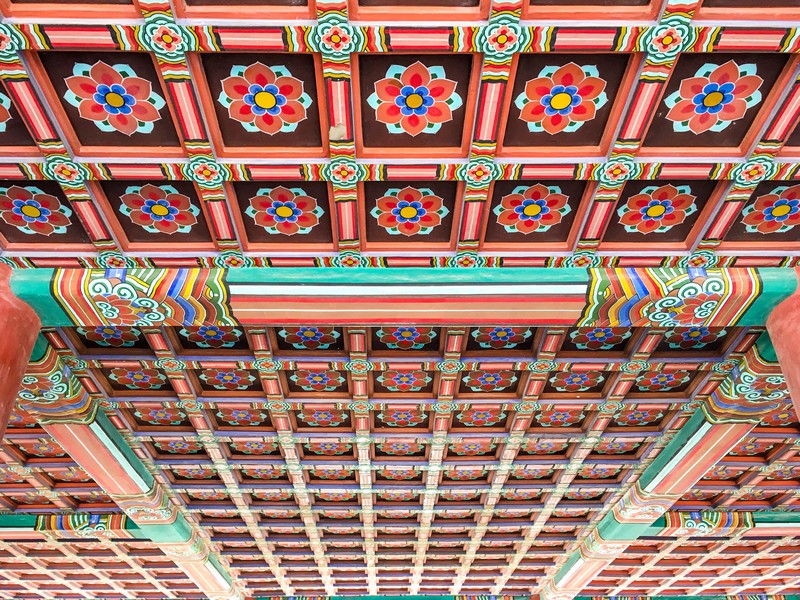
If you’ve ever sat in awe looking up at the beautifully decorated and colorful traditional palaces or temples in Korea like I have, then you’ve probably noticed the elaborate details and wondered what it all means. The colorful facades and intricate details are beautiful and the traditional Korean decorative coloring, or dancheong (단청), might take you back to your childhood days of staring at the tortuous Magic Eye books looking for some hidden meaning. There might not be a 3D illusion to find, but there is more symbolism than you might realize. Learn everything you need to know about dancheong: (This post contains affiliate links, which means I receive a certain…
-
Suneung: Korea’s Brutal College Entrance Exam Explained
Come autumn in Korea, you’ll start to hear about Suneung (수능) and if you don’t know what all the jazz is about, you might wonder what the big deal is. A test? Didn’t we all take tests in high school when we were kids? We did… but this is a little different. Get ready to learn all about the Korean Suneung, or College Entrance Exam. Whether you’re looking for example English questions on the Suneung to learn about all of the drama every year or what to give a student about to take the Suneung, or maybe why planes aren’t allowed to fly while the test is being given, you’ll…
-
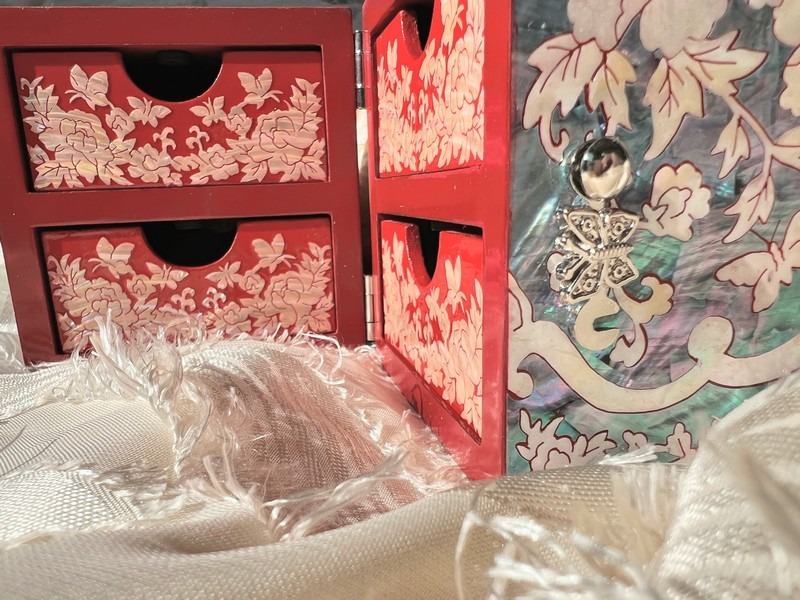
Korean Mother of Pearl Lacquerware (Najeonchilgi): What It Is and Where To Buy It
Najeonchilgi (나전칠기), or Korean mother-of-pearl lacquerware, is one of the most beautiful traditional crafts in Korea, and one of the most overlooked. Each piece is made by inlaying thin slices of iridescent shell into lacquered wood, a process that can take a single craftsman months to finish by hand. It used to be a staple of Korean households; today there are only a handful of master artisans left, which makes a piece both rarer and more valuable than it was a generation ago. I’ve been collecting it for years, and I think it’s one of the most underrated gifts from Korea you can bring home. In this guide, I’ll walk…
-
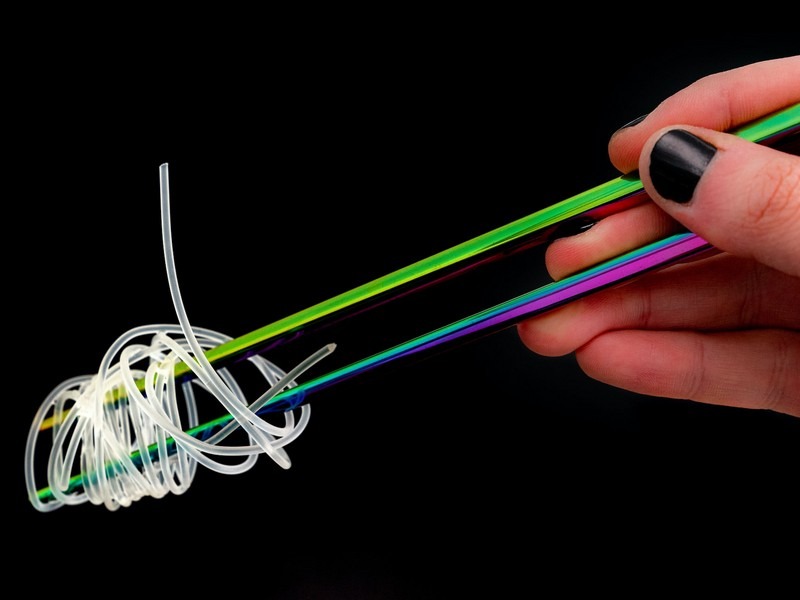
Korean Chopsticks: Why They’re Metal, How To Use Them and Proper Etiquette
One of the first things travelers notice when they sit down to eat in Korea is that their chopsticks are metal, not the wooden or bamboo ones they’re used to at Asian restaurants back home. It’s a small thing but it can, maybe will is better, change the experience thanks to the weight, the grip, and the feel against your fingers. Using metal chopsticks is an altogether different skill from wooden ones, and it takes some practice, possibly a lot of practice to get used to them. If your time in Korea is short, you might never really get used to them. Korean chopsticks (jeotgarak, 젓가락) are flat, typically stainless-steel…
-
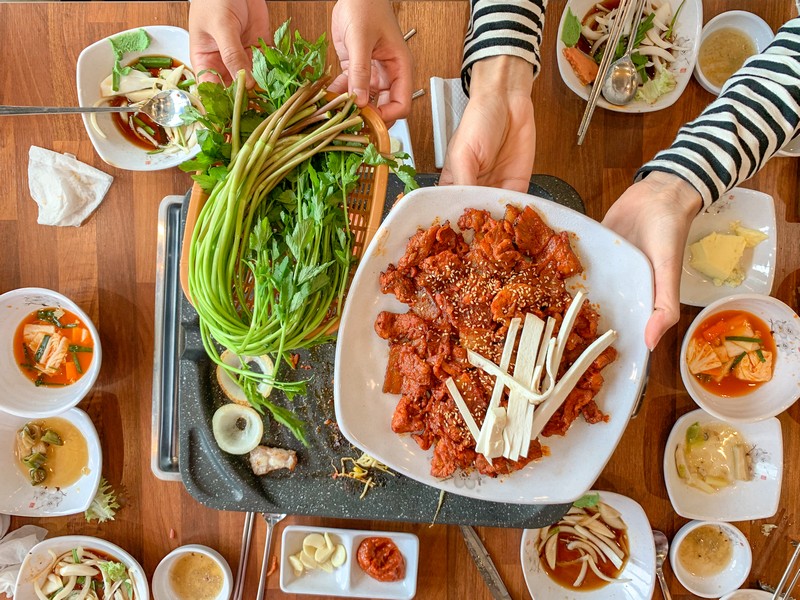
Korean Eating Etiquette: 8 Rules Before You Sit Down
The food is served and you are ready to dig in… but wait, do you know good table manners in Korea? I’ve made plenty of mistakes around the dinner table in Korea, chief among them tapping my father-in-law’s soju glass when he poured his own drink. I’ll get to that story later. There is a lot to know about eating in Korea and I should add that a lot depends on who you’re eating with. I’ll get to that later too. Anyway, you’re ready to eat in Korea. Before you do, let’s learn the Korean eating etiquette so you can dig right in. What to know about Korean table manners: (This…
-
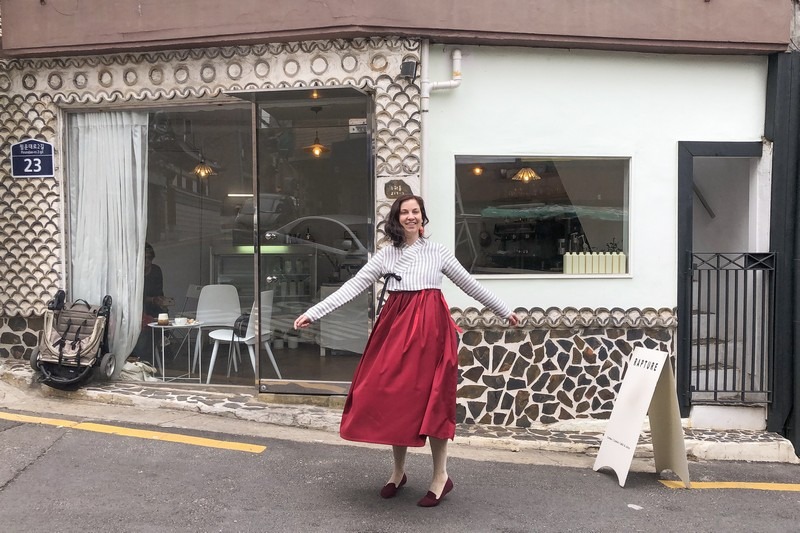
Modern Hanbok Guide: Where To Buy Modern Hanbok Online & In Seoul
Modern Hanbok is one of the biggest fashion trends in Korea right now, and one that’s been quietly building for years before the rest of the world caught on. Traditional Korean silhouettes, updated with lighter fabrics, simplified cuts, and contemporary color palettes that you can actually wear day to day. I have five Hanboks myself: one traditional, four modern. Once you have one, you tend to end up with more. You might have already seen modern Hanbok without realizing it. BTS members have worn Leesle. BLACKPINK wore Danha Seoul in the “How You Like That” music video. Tilda Swinton wore Tchai Kim. These aren’t just celebrity endorsements, they reflect a…