Seoul Botanic Park Guide: Greenhouse, Tickets & Tips
Last Updated on October 20, 2026
Whether or not you enjoy gardens or botany, the gorgeous architecture of the large greenhouse is definitely a draw at this Seoul hot spot. The Seoul Botanic Park (서울식물원) was opened in Magok in the Gangseo-gu district in 2018, which was an interesting choice for the massive park.
This area of Seoul has been getting a lot of development and even has an Ando Tadao building now, the LG Art Center. This is THE spot to visit in spring in Seoul or even summer in Seoul. We love parks and if you do too, this is definitely one you can’t miss here in Seoul, Korea.
I first visited in the fall of 2018, just after it opened, and I’ve been back about four times since (in spring, summer, autumn, and winter), always with my daughter. I LOVE this park. I honestly think it’s overlooked because it’s a bit out of the way, but it’s absolutely worth the trip across the city.

Here is where you’ll find all of the information you need to visit the Seoul Botanic Park:
(This post contains affiliate links, which means I receive a certain percentage of a sale if you purchase after clicking at no cost to you. Thank you for your support.)
How To Get There
Address: 161 Magokdong-ro, Gangseo-gu, Seoul (서울 강서구 마곡동로 161)
Directions: Magoknaru Subway Station, exit 3 or 4 and you’ll be right at the entrance to the park.
If you take public transportation, the park is directly outside of Magoknaru Station exits 3 and 4. From these exits you’ll have to walk through the outside portion of the park to get to the botanic garden in the greenhouse. The lobby area of the main building was open so we waited for just 10 minutes until the doors to the main space were unlocked and opened so we could enter.
If you’d rather start at the greenhouse and display gardens end of the park, Yangcheon Hyanggyo Station (양천향교역, Line 9) exit 8 leads to entrance 7, which is closer to the display gardens and the Magok Cultural Center. Magok Station (마곡역, Line 5) exit 2 is another option.
Because Magoknaru is on the AREX line, the park is also one of the easiest big sights to reach on your first or last day in Korea, and Gimpo Airport is very close. There are lockers around the park if you need to stash a bag.
Parking: The underground lot under the Botanic Center is open 8:00am to 10:00pm and costs ₩200 per 10 minutes. It fills up fast on spring weekends, so arrive early (like we did) or take the subway.
Basic Info
Admission: Adults: W5,000; Teenagers: W3,000; Children: W2,000*
*The admission is for the Botanic Garden (the greenhouse and display gardens) but the outdoor gardens are free.
Hours: Tuesday – Sunday*
March to October: 9:30am ~ 6:00pm (last entry 5:00pm) November to February: 9:30am ~ 5:00pm (last entry 4:00pm)
*The greenhouse and display gardens close every Monday. If a Monday is a public holiday, they open as usual and close the following day instead. The Forest Field, Lake Garden, and Wetland are open 24 hours a day, all year round.
Discounts and free admission: Climate Card (기후동행카드) holders get 50% off, and groups of 30 or more get 30% off. Admission is free for children under 6, adults 65 and over, people with disabilities, and national merit recipients. Bring ID if you’re claiming a discount.
Amenities: Stroller and wheelchair rental at the visitor center/Botanic Center info desk, restrooms, cafes, parking, convenience store, lockers, nursing rooms


What To See & Do
The interior is pretty spectacular… and warm. It was very very warm. The entire park is roughly the size of 70 soccer fields, as the Seoul Metropolitan Government website explains. That is more than two times larger than the Yeouido Park. The outdoor park area is meant to be open 24 hours a day and is meant to act as a communal space for people in the area.
The indoor space is open from 9:00am until 6:00pm. We were the first in to the greenhouse and by 10:00am, there were definitely a fair amount of people streaming in as we were headed out to find coffee. Keep that in mind if you plan to go on the weekend.

The Greenhouse
The greenhouse was designed by architect Chan Joong Kim, landscape artist Ou Gon Jon, and master planner Zoh Kyung Jin. Inside the gorgeous greenhouse building, there are twelve cities and their unique botanical cultures represented. If you like greenhouses as much as I do, check out this list of amazing greenhouse cafes you can visit in Seoul too. They are perfect places to get some green when the dust levels in Seoul are high but it’s all indoors.


We entered into the “Tropical (pink)” space which has a gorgeous sky walk to give visitors a view from above before they reach the ground floor. This space houses plants from Hanoi, Vietnam, Jakarta, Indonesia, Sao Paulo, Brazil, and Bogota, Columbia. From this space, paths lead into the “Tropical (green) space where visitors can see plant species from Barcelona, Spain, San Francisco, USA, Rome, Italy, Tashkent, Uzbekistan, Athens, Greece, Perth, Australia, Istanbul, Turkey, and Cape Town, South Africa. The spaces are rather warm so even in this chilly weather, be prepared to take off a layer after you enter.
The building is shaped like a flower when seen from above and has a flattened glass dome which means it’s actually lower in the center than the edges. Be sure to not only walk around inside, but also take a walk around the exterior of the building to enjoy the architecture and the new plants coming in.


The Outdoor Park: Then & Now
When I first visited in the fall of 2018, just after the park opened, I wrote that the outdoor park would really be gorgeous… next year. That area definitely needed more time to grow in. I remember having the same feeling when I visited Seoullo when it first opened and it has definitely just gotten better with time.
The free outdoor area is split into three zones. The Forest Field (열린숲) is the big entry area by Magoknaru Station with lawns and the widest range of trees. The Lake Garden (호수원) circles the lake and its bridges. The Wetland (습지원) runs toward the Han River, and a bridge from there will also get you to the Han River Parks.
This is just one of the gorgeous parks in the city of Seoul. Don’t miss out on the others. My personal favorite park is the World Cup Park System. There are five parks within the system and they are each different, unique and interesting.
And bonus, just across the street is the awesome Oil Tank Culture Park which is a culture center that was redeveloped from massive old oil tanks. Another great park worth checking out is the Seonyudo Island Park located in the middle of the Han River. The point… get out and enjoy the nature bits of the city of Seoul. They are stunning. This park actually features a bridge that will also get you to the Han River Parks as well.


Visiting With Kids
Before or after you enter the main greenhouse space, there is also a learning area that is great if you have kids. There are various things to look at and some interactive sections as well. It’s not huge, but is just a great addition to seeing the living plants. It definitely enables more conversation and fun for the children you might be towing along. This is definitely one of those great things to do with kids in Seoul.

I’ve gone with my daughter every single time we’ve visited, and we’ve settled into a routine. We see the inside of the greenhouse first, where there are some learning stations that are great for kids, then stop into the cafe there for a snack, and then head out to the larger park for exploration. It works because the greenhouse is calmer early in the day, and by the time little legs need a break, the cafe is open.
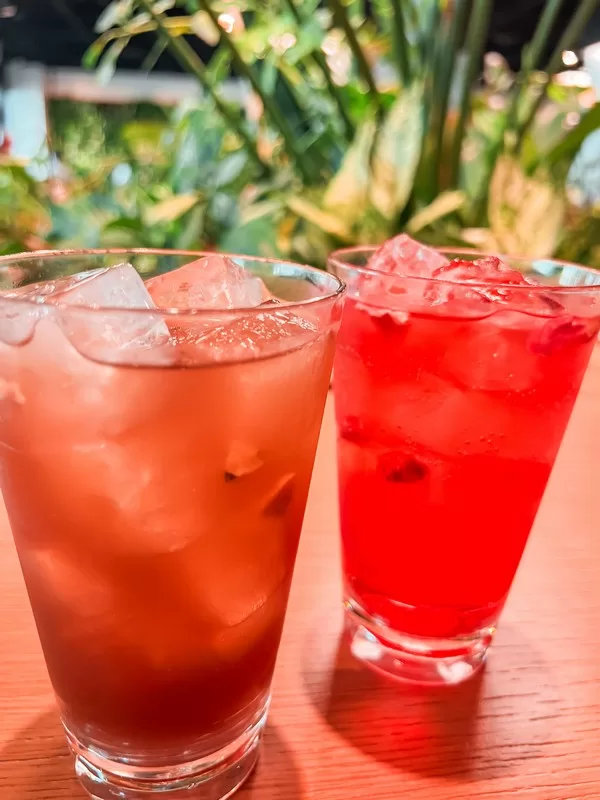
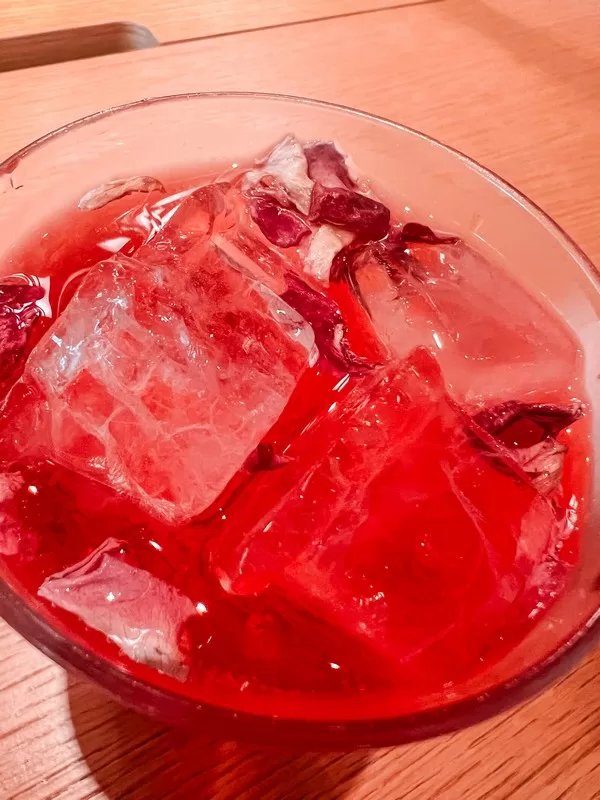
The Cafe
There is a cafe inside that is rather spacious and has drinks and desserts. Our general routine on every visit has been to see the installations and educational space, head into the greenhouse, take a snack break at the cafe, and then head outside for more adventure and that’s the way I’d recommend you visit too. The outside areas are vast! There’s also a shop with botanical plants, books, and planting materials.
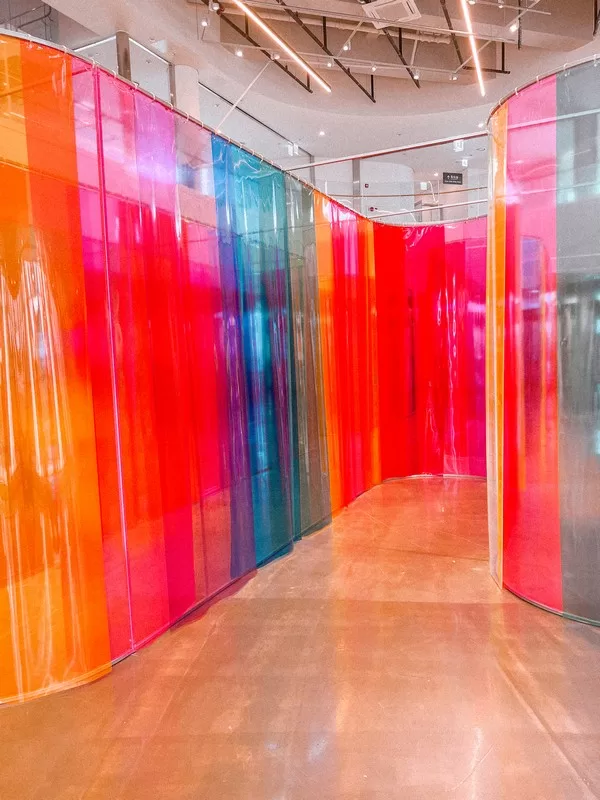
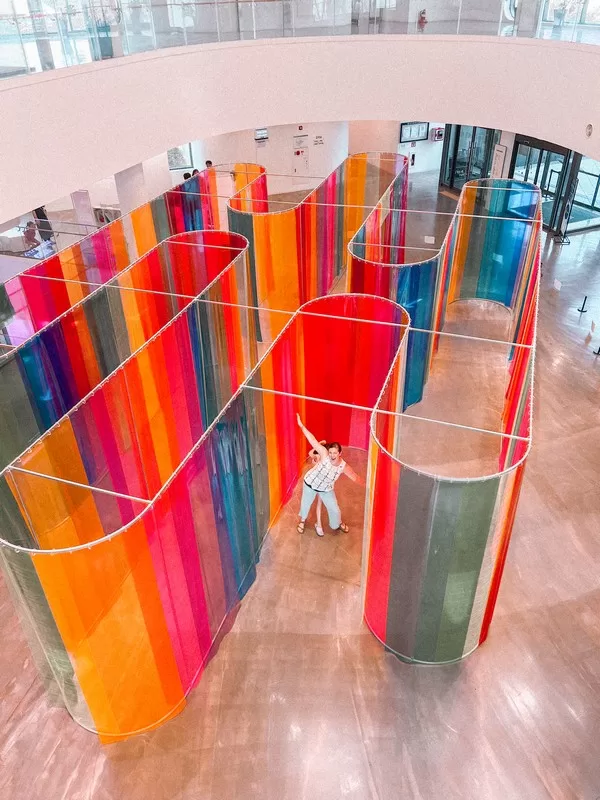
Magok Cultural Center
If you do take a walk around, you’ll also notice an older looking building. This is the Magok Cultural Center (마곡문화관), which was originally built in 1928. It was the drainage pumping station of the Yangcheon Irrigation Association, built after the Great Flood of 1925 to keep the farmland around where it now sits from flooding. Magok was once part of the Gimpo Plain, and this building kept pumping until the 1980s, when the last of Seoul’s farmland here gave way to the city.
It’s since been restored and was registered as a national cultural heritage site in 2007. Inside, you can stand on a glass floor and look down at the old pump pipes, and the building also hosts rotating exhibitions. I’ve gone back specifically to see special art installations there, and it’s worth checking what’s on before you visit.
FAQ
Is Seoul Botanic Park free?
The outdoor park (Forest Field, Lake Garden, and Wetland) is free and open 24 hours. The greenhouse and display gardens cost ₩5,000 for adults, ₩3,000 for teens, and ₩2,000 for children.
How long should I spend at Seoul Botanic Park?
I’d recommend at least 2 hours, though you can easily spend longer if you explore the whole outdoor park.
Can I bring food or have a picnic?
Outside food isn’t allowed in the paid Botanic Garden area, and food from the Botanic Center restaurants is meant to be eaten there.
Is Seoul Botanic Park good for kids?
Very. There are learning stations in the greenhouse, a cafe for a snack break, and lots of space outside to run around. I’ve brought my daughter on every visit.
Can I visit Seoul Botanic Park on a layover?
Magoknaru Station is on the AREX airport line, so it’s one of the easiest big sights to reach if you have a few spare hours, and Gimpo Airport is very close.
What is the Magok Cultural Center?
It’s a 1928 drainage pumping station inside the park, now a registered cultural heritage site that hosts exhibitions and art installations.
Is Seoul Botanic Park worth it?
Absolutely. It’s one of my favorite parks in Seoul, and I think it’s overlooked only because it’s a bit out of the way.
We really enjoyed that first introduction to the park system and greenhouse in Magok back in 2018, and we’ve been back about four times since, in every season, to watch it fill in and grow. This area of Seoul is not the normal area to find must-see spots, but the city poured money into the neighborhoods here to make them more popular. With LG Arts Center Seoul and LG Science Park now standing where there were once rice paddies, the entire area really has become something. If you’re willing to make the trip out west, this park is the reward.
Did you like this post? Pin It!


2 Comments
Christophe
How can I visit the Seoul Botanic Park? I would like to tour in Korea in June,2022. I am from Rwanda in Africa
Hallie Bradley
There are directions in this post that will get you right there. Hope you enjoy it.