Summer in Korea: Sambok, Heat Survival Foods, and Where to Cool Off
Last Updated on June 29, 2026
When summer arrives in Korea, it can be surprising just how fierce and fast that heat wave strikes, temperatures during peak summer can reach 33-38°C (91-100°F). The added bonus of a monsoon season makes it all the better with humidity up the wazoo. Yes, I said bonus. Is it really? My hair would disagree but I’m from a valley in Ohio so humid summers are nothing new to me, still Korean summers have their own particular intensity.
It’s easy to forget how humid Korea can get in the summer and right when you think you’ve adjusted to it, bam, it’s Sambok, also called Boknal, or the hottest period of all. The cultural response to that intensity is pretty interesting and specific: a set of foods, traditions, and coping strategies that have developed over centuries around the specific challenge of staying functional when the heat becomes extreme. This is that guide.
Are you ready for a hot summer in Korea?
- What Is Sambok?
- Summer Foods Koreans Swear By
- Things To Do When It’s Just Too Hot in Korea
- Go To The Beach
- FAQ
(This post contains affiliate links, which means I receive a certain percentage of a sale if you purchase after clicking at no cost to you. Thank you for your support.)
What Is Sambok?
Sambok (삼복), also called Boknal (복날), refers to the three hottest days of summer in Korea, spread roughly across a month starting in mid-July. Historically tied to the lunar calendar these were originally farming holidays, a traditional pause from field work, when people headed to mountain streams to escape the heat. Today they’re still observed culturally, primarily through specific foods believed to restore stamina and energy during the season’s most brutal stretch.
This year (2026), the dates to watch out for are:
- The first HOT day of summer is Chobok (초복) on July 15, 2026.
- The second HOT day of summer is Jungbok (중복) on July 25, 2026.
- The third and final HOT day of summer is Malbok (말복) on August 14, 2026.
Summer Foods Koreans Swear By
Even if you can’t get out of the city on the hottest days of the summer, you should definitely find the restaurants that serve nice refreshing summer dishes. People do still head to restaurants to partake in the custom of eating rejuvenating and stamina restorative dishes on the hottest of days, which means you’ll find that some restaurants have lines out the doors on the dates mentioned above.
According to Eastern medicine, blood concentrates near the skin in hot weather to cool the body down but this can lead to bad circulation in the stomach and muscles leading to the loss of appetite or lethargy common during the summer.
To offset this, Koreans believe in iyeol chiyeol (이열치열) or the idea that we need to warm the body from the stomach on out. But that doesn’t mean your only option is hot soups. There are also some great cold Korean soups to eat in the summer too.
Hot Stamina Dishes
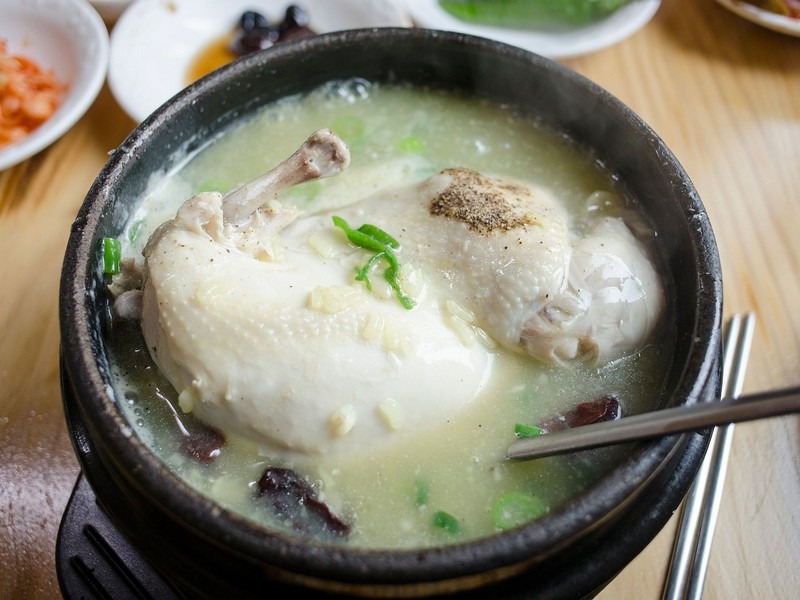
Samgyetang (삼계탕)
Ginseng chicken stew is served in a hot bowl about to boil over. One small tender chicken stuffed with rice sits in the broth with ginseng, garlic and jujube dates. Now you may think that eating something hot on the hottest of days just seems like an oxymoron, but I can tell you, there’s something to it. Samgyetang restaurants can be very popular in the summer so go out just a bit earlier on sambok if you want this dish for dinner.
Try This
When my husband was sick the first time, I made him chicken noodle soup and it did not have the reaction I expected. While he ate it, he was confused about why there were extra vegetables and noodles. I realized he was comparing my soup to samgyetang. Now, when I make chicken soup, I do a more collaborative recipe so it’s to his samgyetang tastes and to my chicken soup tastes. This is a great recipe to know.
- Book this experience on Viator
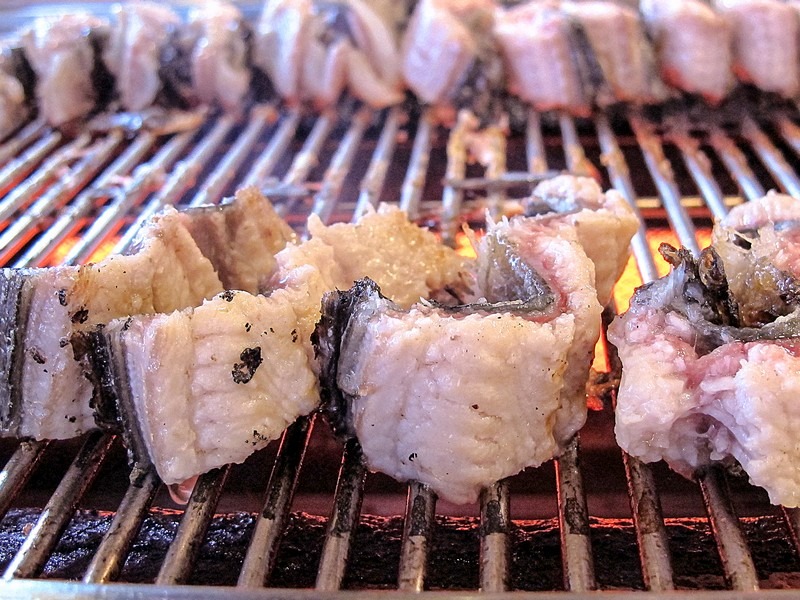
Jangeo (장어)
Eel, is rich in vitamin A and E and said to stimulate blood circulation and prevent aging and wrinkles. Grab some eel, put it in a leaf and top it with some soy sauce and ginger and you’ll eat the whole thing before you even realize it. It has seriously become one of my favorite meals since moving to Korea more almost 20 years ago.
Cold Refreshing Dishes
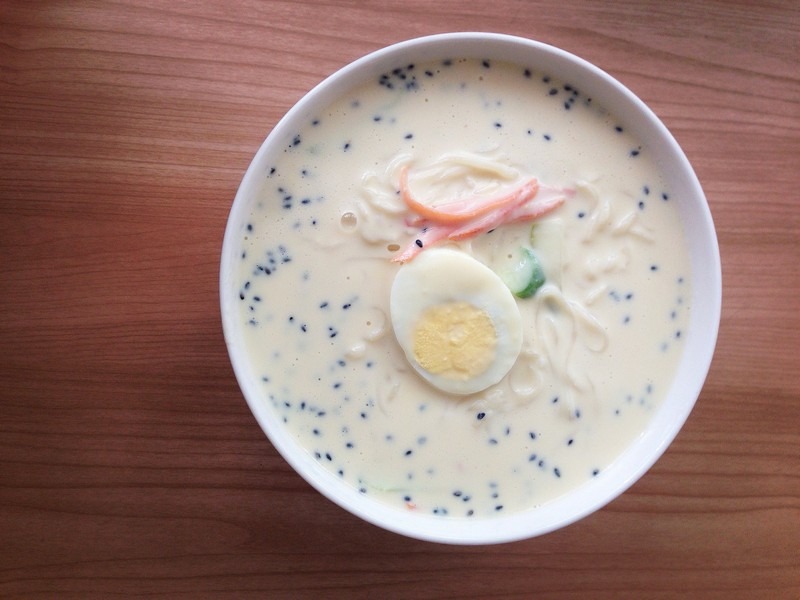
Kongguksu (콩국수)
My personal favorite cold Korean summer dish. Chilled buckwheat noodles served in cold soy milk broth, but not the thin, sweetened soy milk you’d find in a carton at a convenience store. The broth here still has the natural fiber from soybeans, some solid bits that give it a nuttier, denser texture, and none of the artificial sweetening. Topped with julienned cucumber, sesame seeds, and a hard-boiled egg. It’s cold, nutty, and genuinely refreshing.
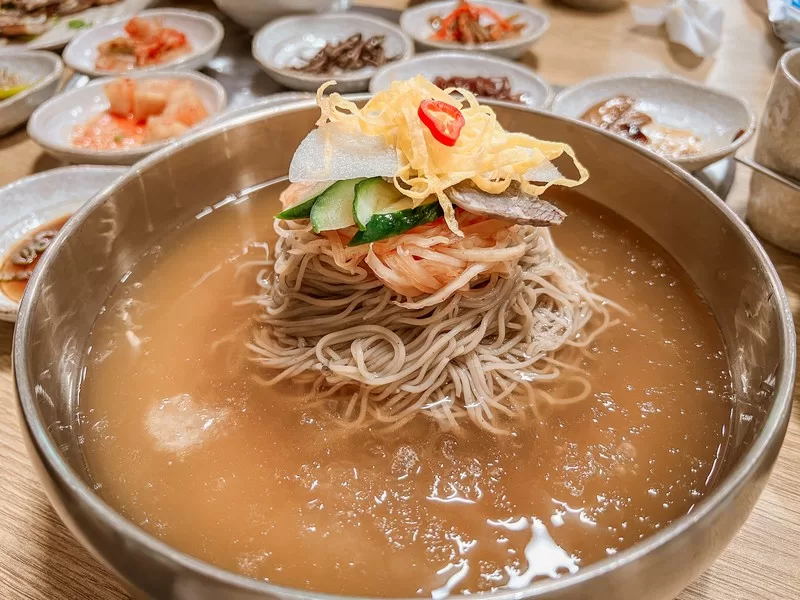
Pyeongyang Naengmyeon (평양냉면)
Buckwheat noodles in a mild, cold broth, the dish that divides Koreans as cleanly as anything else in the food culture. My husband will confirm it’s a love-it-or-hate-it situation. The Pyeongyang version is deliberately simple and restrained in flavor, which is either the point or the problem depending on your palate.
Mul Naengmyeon (물 냉면)
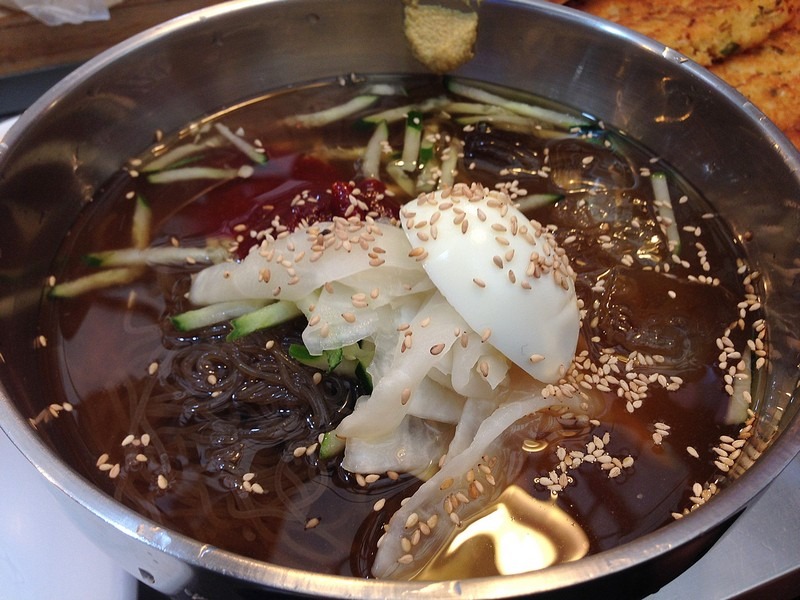
You really won’t want to miss out on some of that cold broth action when the temperatures really start to boil. While traditional Pyeongyang naengmyeon is refreshingly simple and mild, the mul naengmyeon can be spiced up a bit. Not all Koreans like the mild taste of Pyeongyang naengmyeon so there is a spicier, tangier version. Combining julienned cucumbers, sliced Korean pear, radish, and a boiled egg or cold boiled beef, spicy mustard and vinegar make the broth quite tangy. Try mul naegmyeon in the popular Gwangjang Traditional Market downtown.
Want more cold Korean dishes? There are even more cold Korean soup options to try if the heat is unbearable. Check out my guide to the cold Korean soups that you’ll want to look for.
Patbingsu (팥빙수)
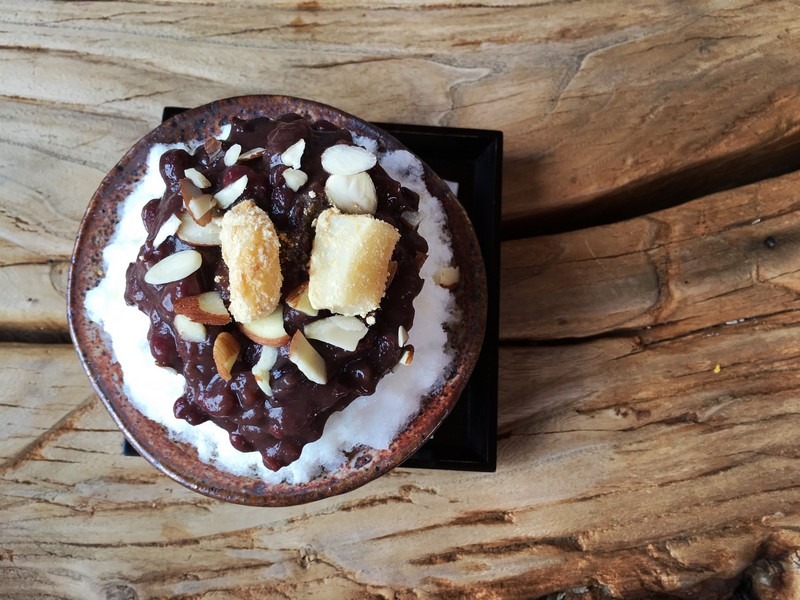
Patbingsu consists of shaved ice, red bean paste, tteok or rice cake and ground nut powder. The most common variety is pat-bingsu, the red bean shaved ice. This is the traditional mix, but these days you can get the shaved ice topped with strawberries, blueberries, or even have coffee mixed in.
Hwachae (화채)
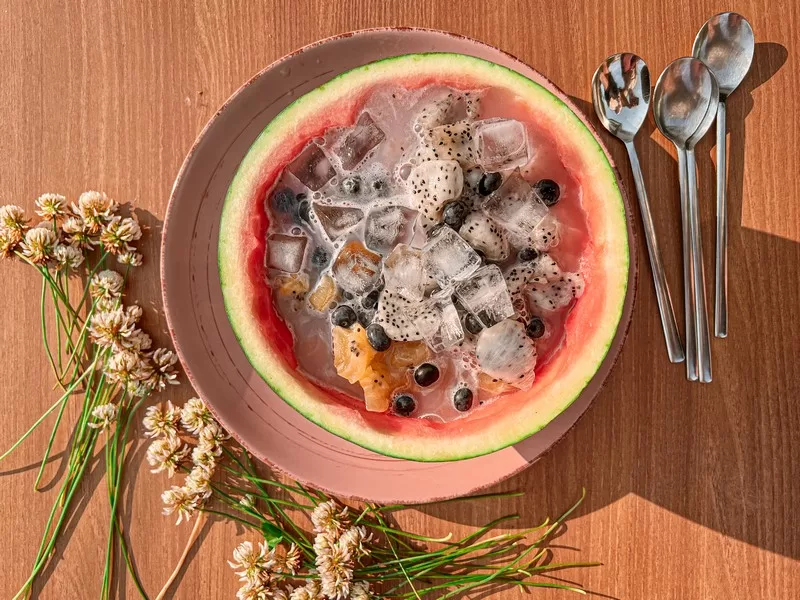
A Korean-style fruit punch, hwachae’s name literally translates to “flower tea”, but the modern versions tend to skip the petals and go straight for the fruity, icy refreshers. It’s one of Korea’s oldest summer desserts. It’s delicious and usually made at home. If you can, make your own hwachae at home to cool off this summer.
Things To Do When It’s Just Too Hot In Korea
It’s not just food that helps people cool off in the summer, there are some great places to go and things to do too.
Find a swimming pool
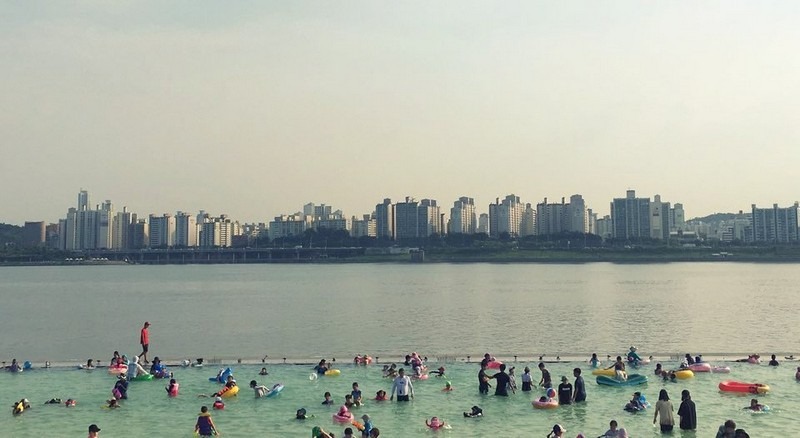
There are few options for what to do to cool off if you have to stay in the city. In Seoul, there are Han River swimming pools open to the public. Some of them can get pretty busy on the weekends, but my go-to is the Nanji River Park infinity pool.
The Nanji Water Playground (난지한강물놀이장) is perfect if you’re not really interested in swimming, but just want to wade in, cool off and have some fun near the cool water. If this pool is a bit too far from you though, there is also the Mangwon Pool, Yeouido Pool, Jamwon Pool, Ttukseom Pool, Jamsil Pool and the Gwangnaru Pool.

Visit an aquarium
Sometimes it’s better to just stay inside to keep cool and a cool cool place to do that is in an aquarium. There are some awesome aquariums around Korea.
Aqua Planet Ilsan is my favorite aquarium near Seoul, but there are plenty more to check out. I like heading into the dark hallways, watching the fish swim, and cooling off in their midst. If you don’t want to dive into the water at a pool, dive into the fishy surroundings of an aquarium in Korea.
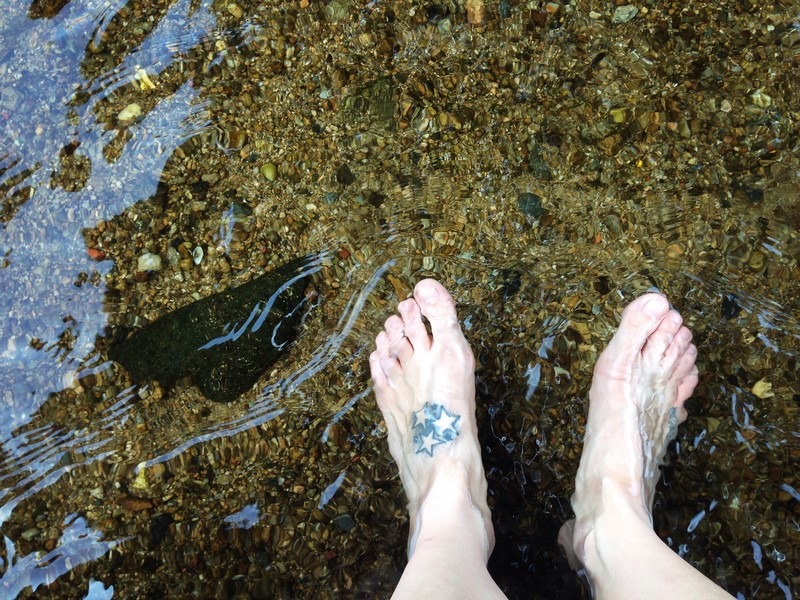
Dip your toes in a stream
If you want to be really Korean and find a place to go out but not pay, just head to your nearest stream. From Gyeongui Line Forest Park to the Cheonggyecheon, there is bound to be a stream within a short distance to dip your toes in. You will often find children splashing around while parents look on while they get their toes wet and it is just fine to do.
Many of the streams play host to local musicians and events as they know the streams are where the summer fun can be had for most locals. The streams flow down from the mountains so the water is always cool and refreshing.
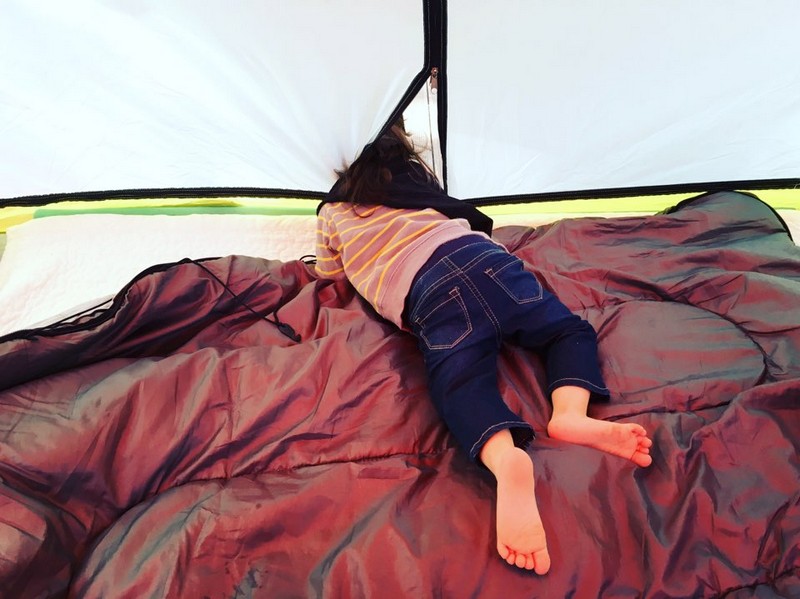
Go camping
Koreans love to head to the mountains in the summer. Pop up a tent and enjoy the breezes wafting off of the cooler peaks. Just pick a mountain. Find the camping grounds and you’ll be good to go. It’s a great way to get away, get some nature vibes AND cool off. Win Win Win!
If actually camping isn’t your thing though, you can always pitch a tent and just enjoy a day on the Han River. Families and friends near and far meet up on the banks of the Han each summer. From renting bikes to fountains, there’s a ton to do and the best part is that you can get food delivered straight to your tent anywhere along the river. Pick the perfect Han River Park for you. My favorite park is the Nanji Han River Park, one of the parks in the World Cup Park system.
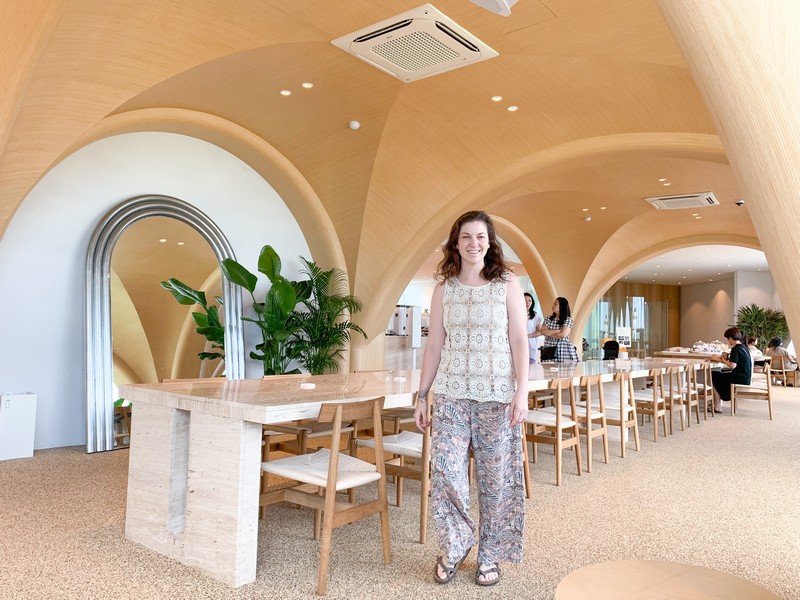
Cafe-hop strategically
From the cool cafes with good eats in Yeonnam-dong to the awesome vibes of the Brooklyn of Seoul in Seongsu-dong there are plenty of cafes to find and lots of sweet drinks and eats to sink your teeth into. What I will say though, is that you don’t want to be walking too far or do anything that requires a trek. Find parks that are near subway exits and streams, cafes and restaurants near bus stops.
Go To The Beach
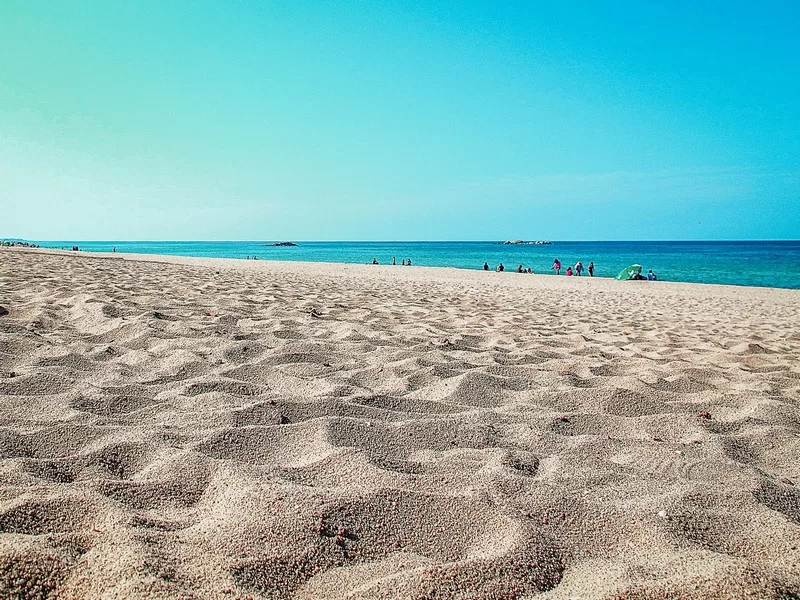
Now for the good stuff, getting out of the city. The best part of summer has to be the summer vacation and there are plenty of places to go around Korea to cool off if you can’t leave the country.
Here’s a quick guide to some beaches that are easy to get to from Seoul. There aren’t any spots down south and that’s because I usually choose beach locations based on how much time I can spend there. I like to maximize the beach to transportation time. So, with that in mind, here are some to check out!
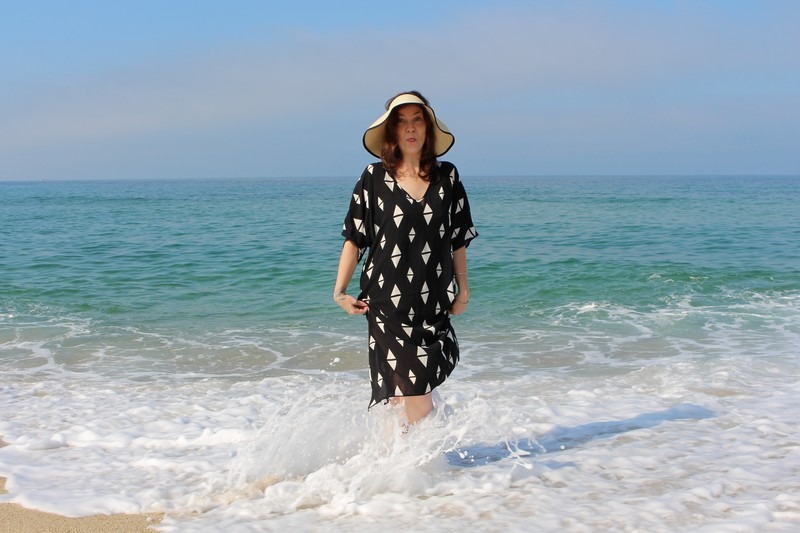
- Hamdeok Beach is one of the best places to stay on Jeju Island. Easy to get to from the airport and beautiful.
- Jeongdongjin Beach: Head to the east coast of Korea to find this beautiful beach. You may or may not want to ride the rail bike, but definitely look into staying in the ship-shaped hotel.
- Sungeut Beach: Another beach on the east coast. It’s small and oft overlooked but that makes it a great spot to stay if you want to get away from the crowds.
- Naksan Beach: One of my favorite spots because there’s more than just a beach to enjoy. Check out the seaside Buddhist temple that sits on a cliff on the northern end.
- Kkotji Beach: One of the most popular beaches on the western coast on Anmyeondoo Island.
- Mongsanpo Beach: While Kkotji is more popular, Mongsanpo is spacious and has some beautiful mudflat views.
- Gyeongpo Beach: One of the most popular beach trips made from Seoul each summer and now it’s even easier to get to with the new train line.
If you want even more beach ideas though, here is a list of some of the best beaches in Korea to check out this summer in Korea.
FAQ
What is Sambok in Korea?
Sambok (삼복), or Boknal, refers to the three traditionally designated hottest days of summer in Korea, calculated by the lunar calendar. The three days, Chobok, Jungbok, and Malbok, fall roughly in mid-July and mid-August. They’re observed culturally through specific foods (especially samgyetang) believed to restore stamina during the hottest period.
What do Koreans eat during Sambok?
Samgyetang (ginseng chicken soup) is the most traditional Sambok dish, eaten hot despite the heat based on the iyeol chiyeol (fight heat with heat) principle. Jangeo (eel) is another popular stamina dish. Cold options include kongguksu (cold soy milk noodles), naengmyeon (cold buckwheat noodles), and patbingsu (shaved ice).
What does iyeol chiyeol mean?
이열치열 (iyeol chiyeol) means “fight heat with heat”, the Korean principle that warming the body from the inside, through hot foods and soups, improves circulation and stamina during the hottest days of summer. It’s the cultural rationale behind eating hot samgyetang in 35-degree weather.
What’s the best beach to visit from Seoul in summer?
Gyeongpo Beach and Naksan Beach are the most accessible east coast options with good swimming conditions. Jeju Island’s Hamdeok Beach is worth the flight for a longer trip. The west coast beaches are better for tide pools and scenery than swimming.
Are the Han River pools free?
Public Han River pools have a nominal admission fee. The Nanji Water Playground and other riverside water facilities are among the most affordable summer cooling options in Seoul.
Korean summer is not mild, and it’s not quick. But there’s a reason the cultural response to it is this elaborate, the foods, the festivals, the pools, the mountain retreats, and once you know what you’re looking at, participating in it is genuinely one of the better parts of living through a Korean summer.
Did you like this post? Pin It!