Things To Do In Mullae-dong: A Guide To The Street Art and Culinary Scene
Last Updated on October 12, 2026
Want to get off the beaten path in Seoul and find something a little different? A little noisy? A little colorful? Definitely cool? Head to Mullae-dong. An area built around metalworks factories and popularized in recent years by artists that moved south from Hongdae when it got too expensive.
I should update that “off the beaten path” line a little, actually, because it’s not quite true anymore. I wrote the first guide to Mullae-dong in 2013! Yes, I’ve been in Seoul for that long… longer actually. Mullae-dong has shifted from off the beaten path to locally known, not quite touristy yet though. In 2025, Time Out named Mullae-dong the 6th coolest neighborhood in the entire world, second in Asia, right behind Jimbōchō in Tokyo, and it’s shown up on Netflix too, in Our Unwritten Seoul. So no, I can’t promise you’ll have it to yourself the way I did when I first started wandering these alleys years ago. What I can tell you is that the neighborhood hasn’t changed nearly as much as its reputation has. It’s still confusing to navigate, still short on English signage, still more interested in making steel and art than in being Instagrammable.
You won’t know what you’ll find around every corner, but there are plenty of murals, regenerated cafes, and restaurants to hang out in. Here’s one neighborhood in Seoul that finally has some information about it online, but it still takes some effort to explore properly, which is half the fun.
Find out more about Mullae-dong in Seoul, Korea:
- What is Mullae-dong?
- How To Get There
- How Mullae-dong Compares
- The History of Metal Works
- Arts and Culture Today
- Where To Eat and Drink
- FAQ
(This post contains affiliate links, which means I receive a certain percentage of a sale if you purchase after clicking. Thank you for your support.)
What is Mullae-dong?
Mullae-dong is a former steel-manufacturing district in Yeongdeungpo-gu, southwest Seoul, where working metal factories still operate alongside artist studios, galleries, cafes, and bars that moved in starting in the mid-2000s. It’s known for street art and murals that weren’t planned or curated, they exist alongside, and sometimes on, the same buildings where technicians are still welding and grinding metal during the day.
The Seoul Itinerary Pack – 15 Seoul Itineraries
$25.00
How To Get There
Directions: Mullae Station Exit 7. At the first street on your left turn left and then an immediate right into a small alley begin searching down the alleys from there.
Looking at the map, you can see a “triangle” around Yankees Grill and Wave. Most of the street art is in that area so you should be walking in and out of the alleys there. From there, continue walking down Dorim-ro 12-gil where the steel factories are and you can see more and find steps to the rooftops. From there, cut down to cross the main street to get to where Rust Bakery is. This is a good path to follow to get your bearings.
How Mullae-dong Compares to Other Seoul Art Neighborhoods
People often ask me if Mullae-dong is worth visiting if they’ve already done Ihwa Mural Village or Seongsu-dong. My answer: yes, and it’s different enough from both that it won’t feel repetitive.
| Mullae-dong | Ihwa Mural Village | Seongsu-dong | |
|---|---|---|---|
| Art Style | Organic, unplanned, made by working artists, not installed for visitors | Curated, official murals with maps installed | Mostly gone, replaced by cafes and boutiques |
| Industrial Character | Steel factories still actively operating | None, residential hillside village | Former factories fully converted |
| Ease of Navigation | Hard — no official map, alleys unmarked | Easy — signposted walking route | Easy — walkable, commercial |
| Crowd Level | Low-moderate, rising | High, especially weekends | High |
| Best For | Culture-seekers who like a little grit | First-timers who want an easy photo walk | Cafes, shopping, brunch |
Unlike Ihwa, Mullae-dong has no official map or curated murals, its street art is incidental, made by working artists rather than installed for tourists. And unlike Seongsu-dong, where cafes and restaurants have largely taken over the old factories, gentrification here has been slow. The factories that are left are staples, not relics.
The History of Metal Works
The original name of the area was Sacheon-ri which can be translated to mean ‘Sand Village’. At the time mudflats were in abundance. After the Japanese colonization of Korea, the name was changed to Saokeong which is translated to mean ‘Weaving Village’. It was during this time that a large number of Japanese textile companies moved into the area and still today you can see buildings with Japanese architectural elements because of that. The Japanese left and in the 60s the textile industry transformed into steel plants.
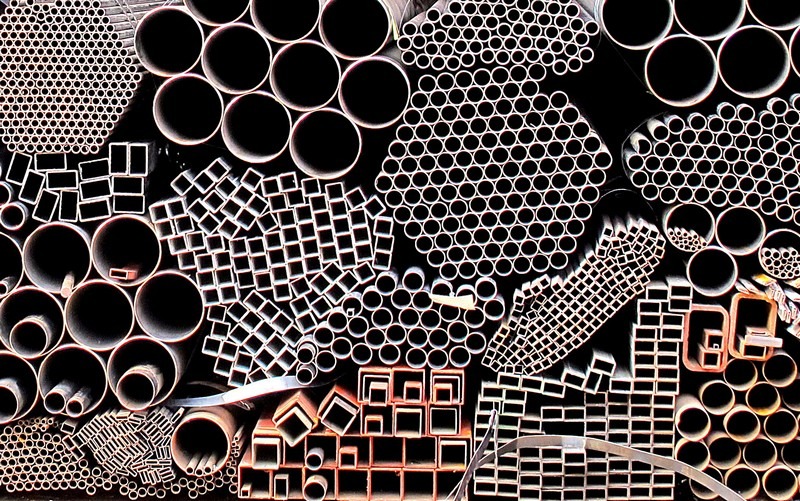
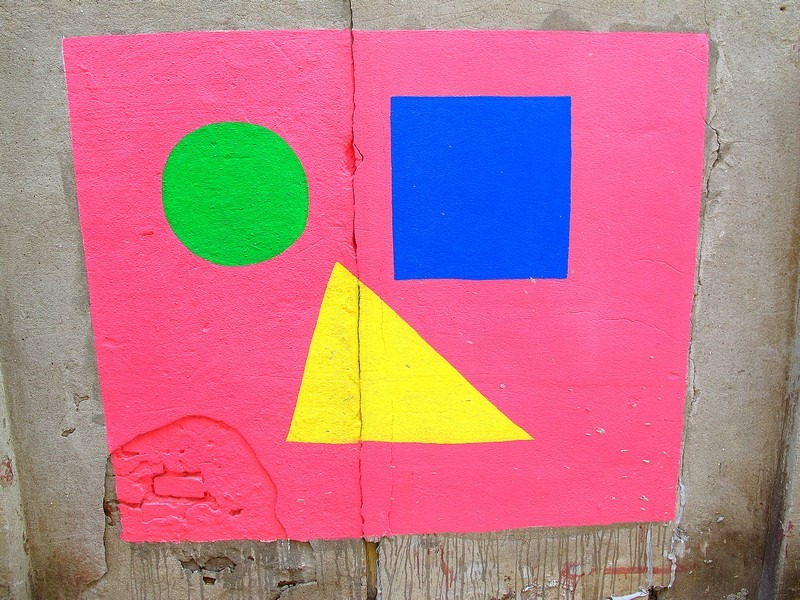
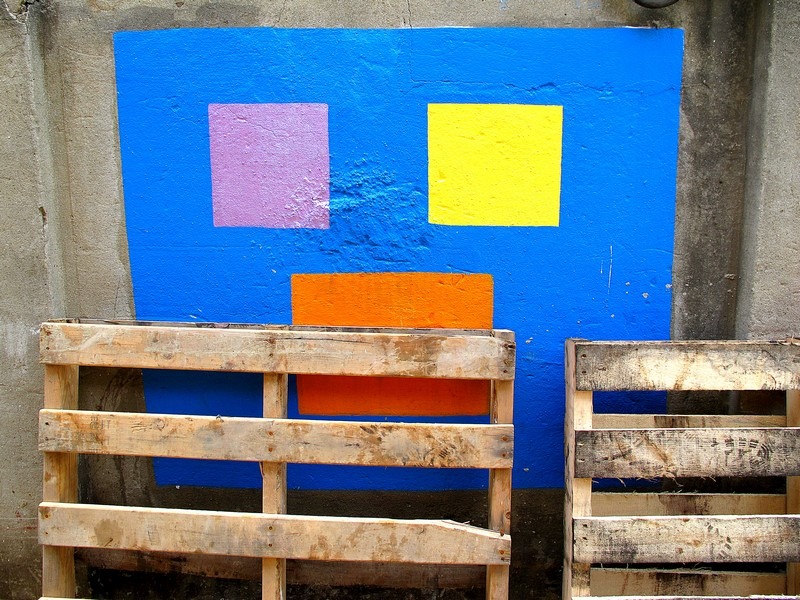
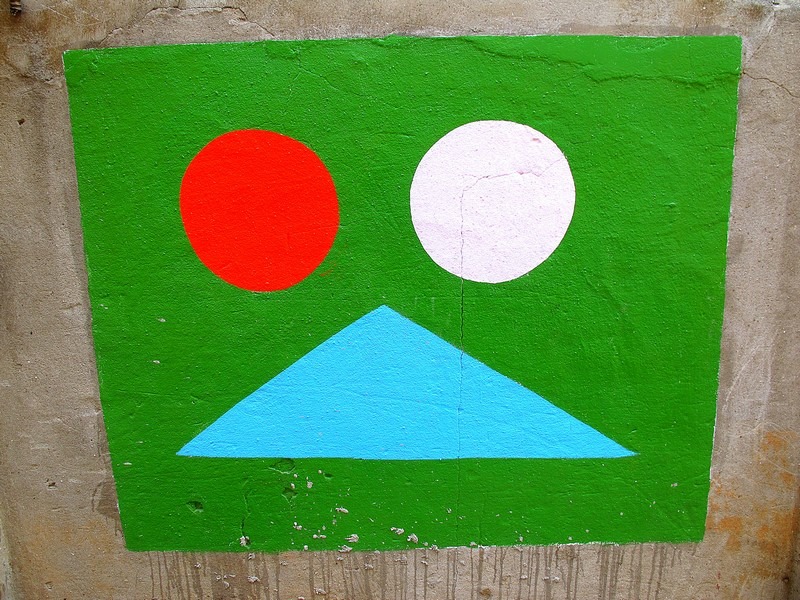
In the 1970s, Mullae-dong was the home to a large number of small scale steel factories. While you can still see a number of small steel factories there today, it’s nothing like what it used to be. In the 80s manufactured goods from China came pouring in to the country and on top of that the financial crisis that struck in the 90s, numerous factories had to leave and find areas with lower rent. Fast forward a decade and Hongdae, a district that was popular for underground music, artists and generally a cheap student vibe was becoming more and more popular and artists that had found refuge in the area could no longer afford rent so they moved south.
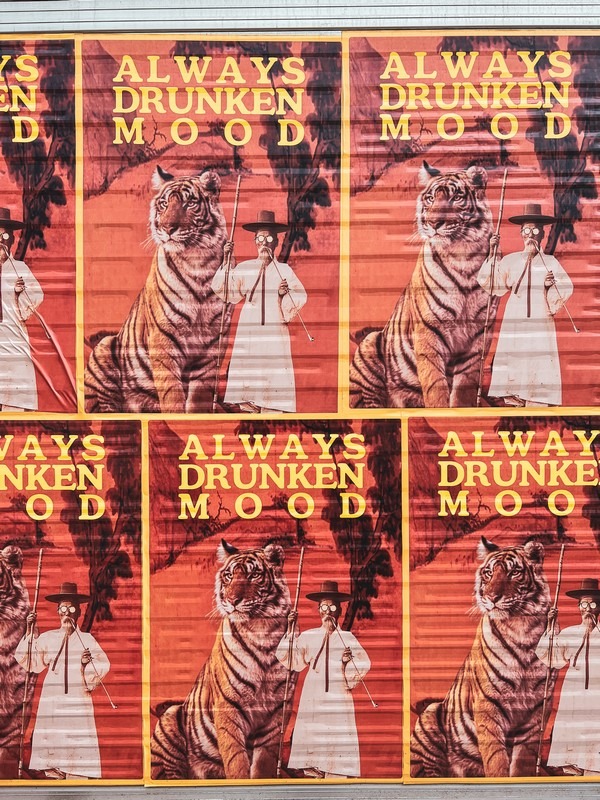
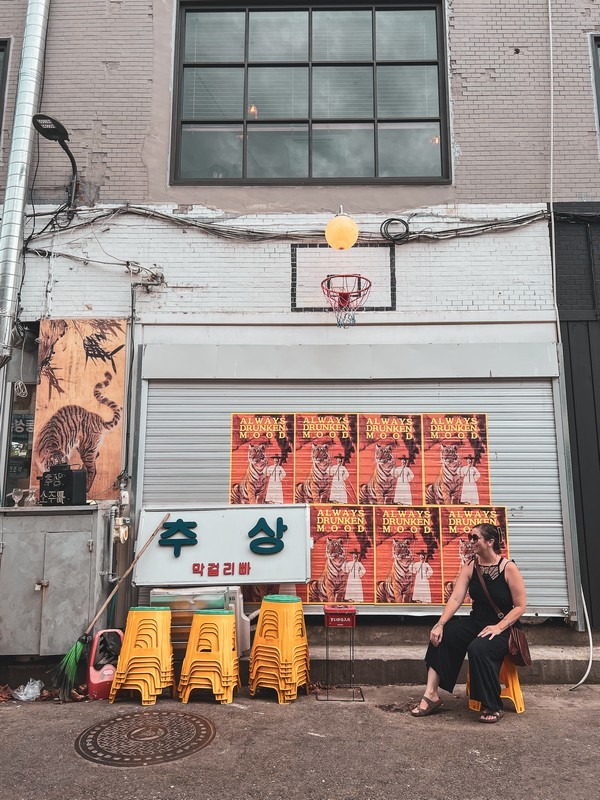
Around 2005 artists from Hongdae and Daehagno started flocking to the neighborhood for cheap rent and now scattered amidst the iron foundries and steel factories that heat up the place by day are artists’ studios that light up the place by night. There are also hidden galleries for exhibitions. Groups like Crazy Multiply use these spaces to exhibit new and upcoming artists. More cafes and restaurants have begun to move in but gentrification is slow in this area and unlike Seongsu-dong where cafes and restaurants have largely taken over the old factories.
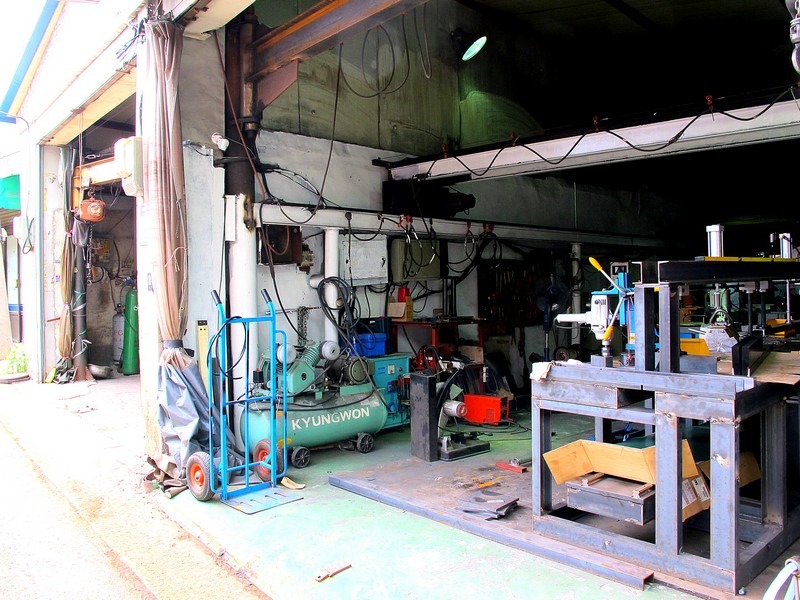
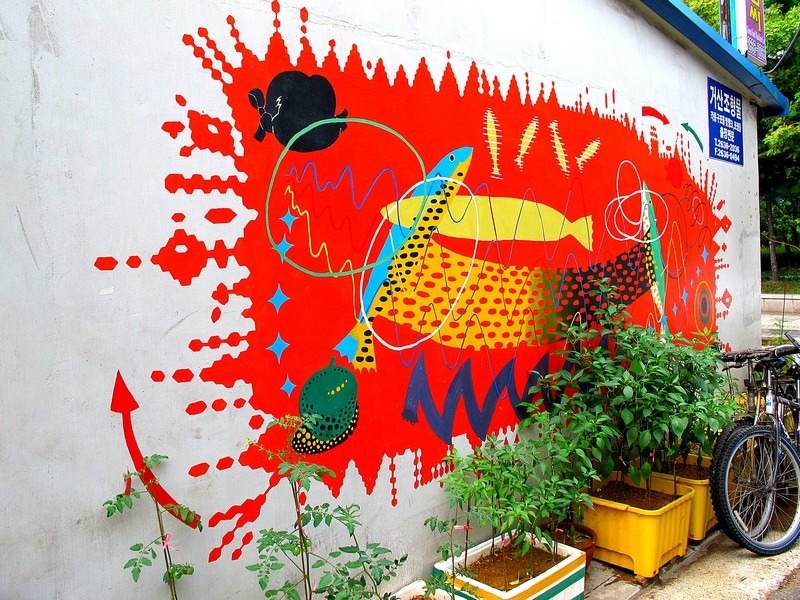
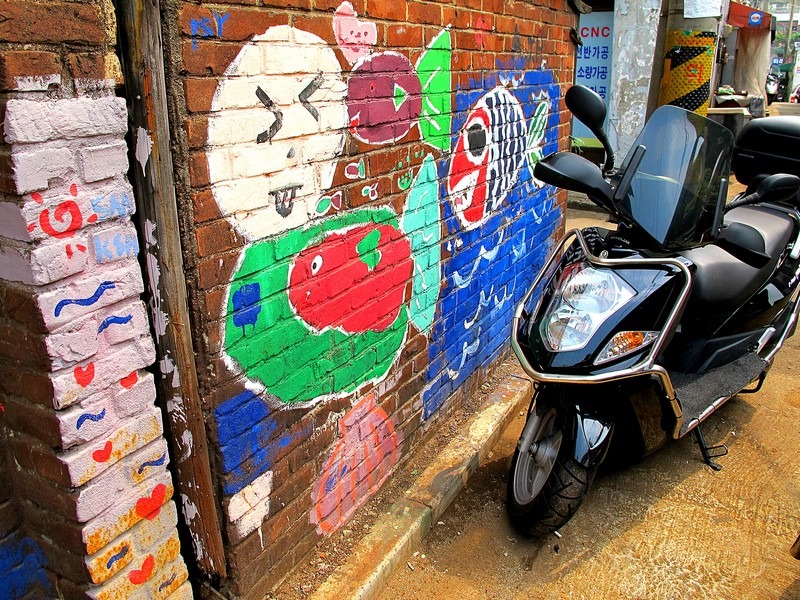
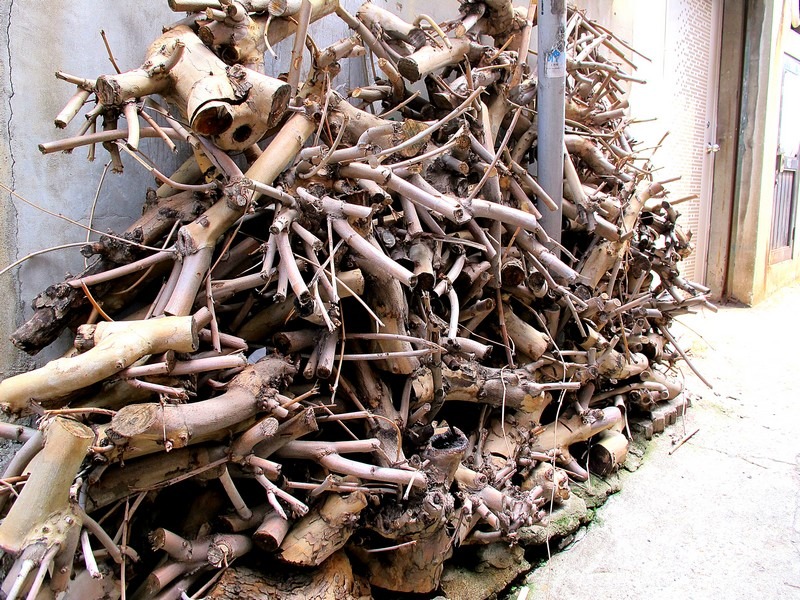
With the opening of Seoul Art Space Mullae by the Seoul Foundation for Arts and Culture in 2010, there’s been a steady, ongoing increase in artists moving to the area, a trend that’s clearly still going, given the international attention the neighborhood picked up in 2025.
Today, the city estimates roughly 1,000 ironworks are still active here, alongside more than 300 artisans working out of over 100 studios, so despite everything that’s changed, this is still very much a working neighborhood, not a museum piece.
Arts and Culture Today
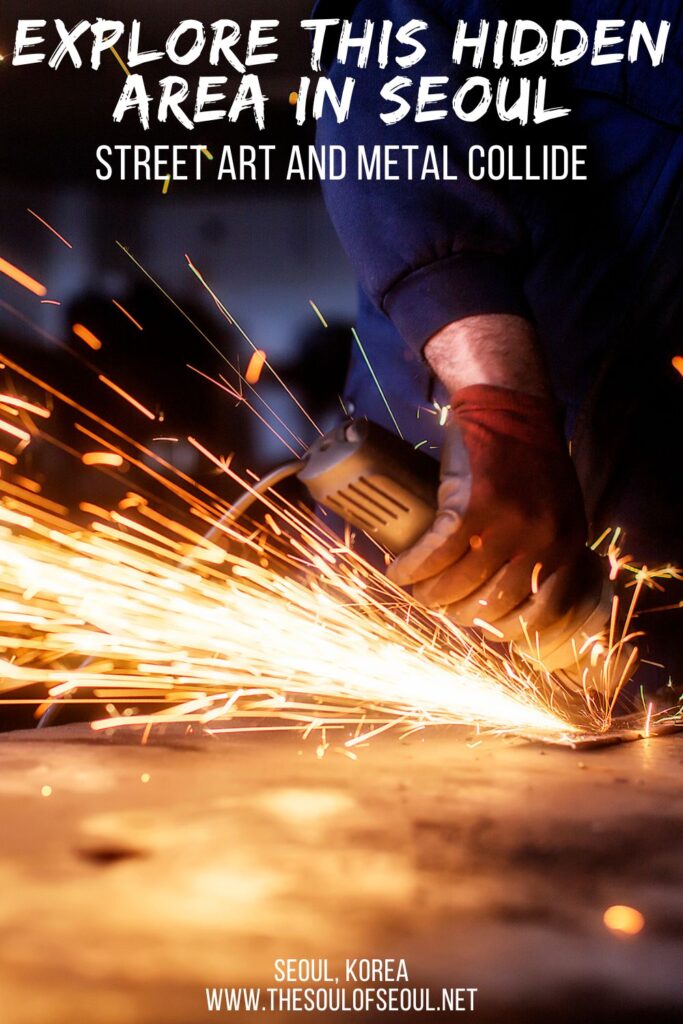
Sparks fly from every direction, and the sound of metal being beaten into submission fills the air as you walk the alleys of Mullae-dong. Gruff-looking men covered in a light layer of dust, sweat dripping from their foreheads, stand and sit in the garages that line the narrow streets. Mullae-dong, long known for its metalworking factories, keeps getting more coverage for the artists who’ve relocated to the district, and after the Time Out recognition, that coverage isn’t slowing down.
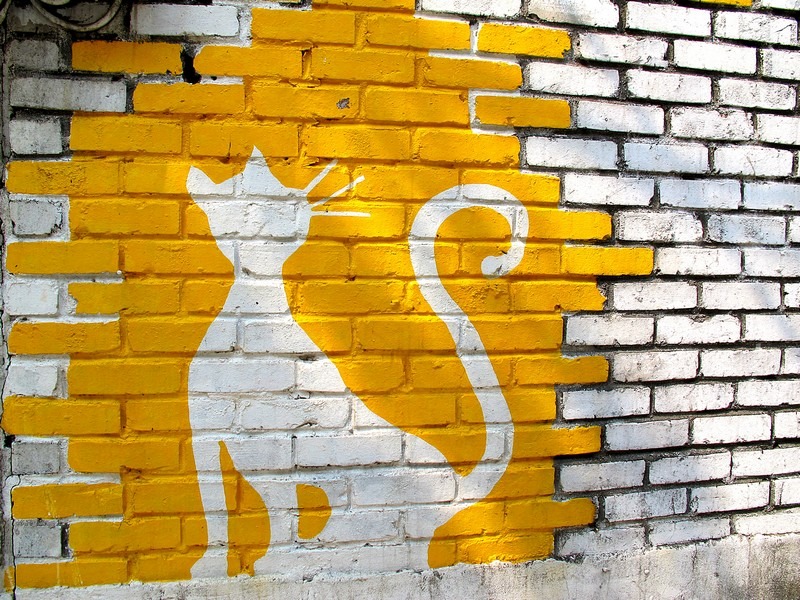
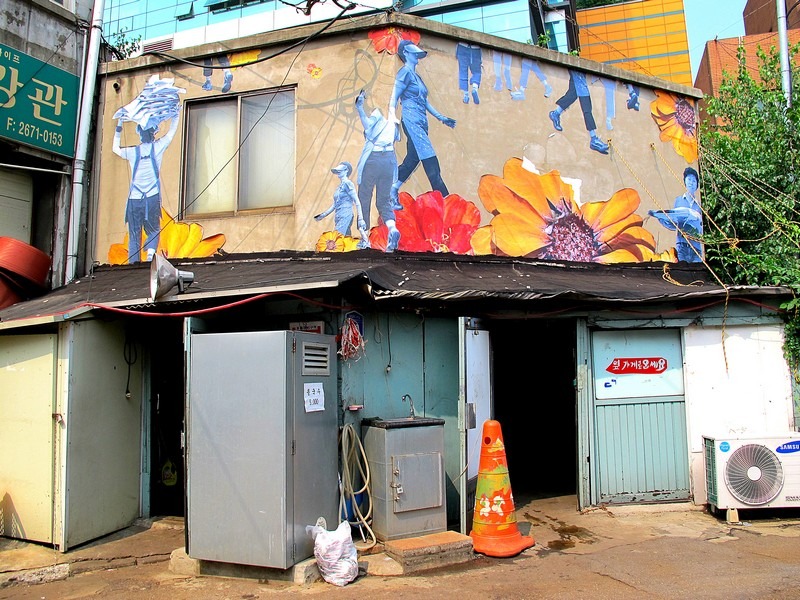
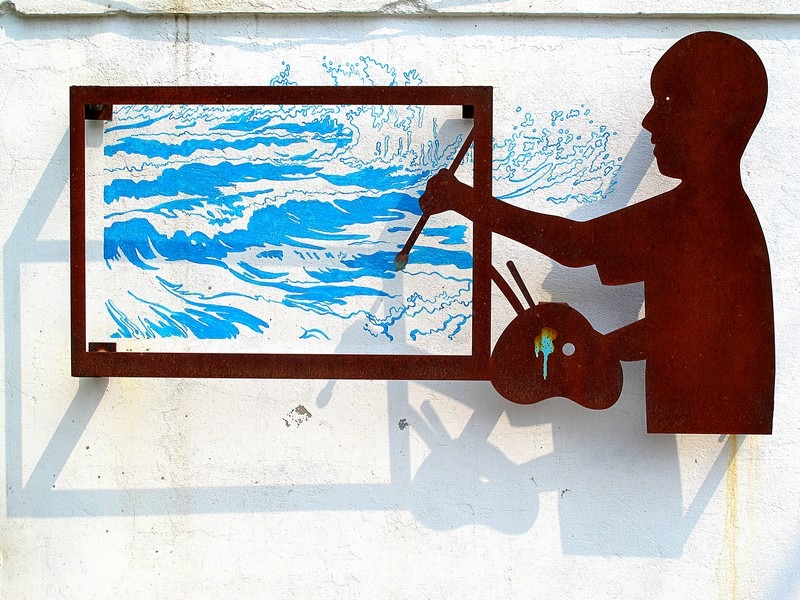
It’s one of those neighborhoods where things are not pristine and put together but rather piles of seemingly random objects spill from the buildings into the streets. This district is unlike other “mural villages” or hot spots for street art in Seoul so be prepared for that. While Ihwa Mural Village was decorated purely to bring people to the area and as such maps were installed to make it easy to get around and find street art, this neighborhood offers up no easy to use map to guide passerby.
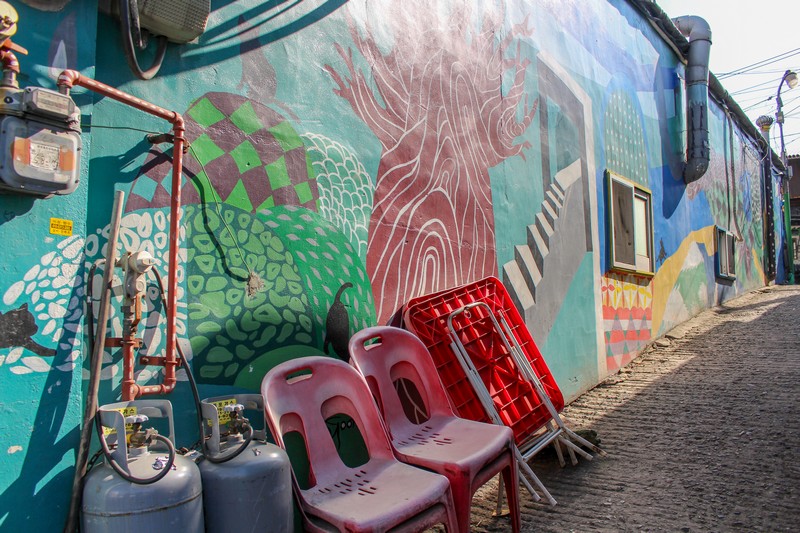
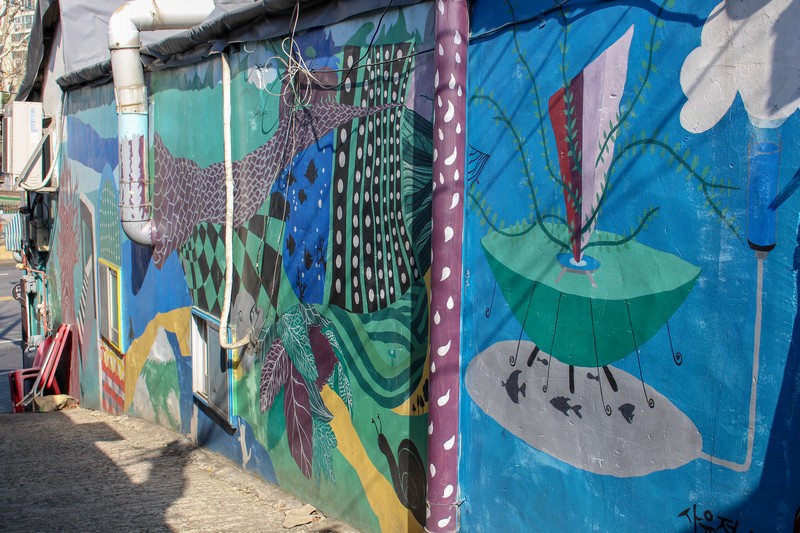
The buildings here are old and decrepit, paint peeling, cement disintegrating, and they have an appeal all their own. Seeing people who can still use their hands to make things, who don’t spend all day sitting at computers, is pretty charming too, but the murals here weren’t planned the way they were in the other mural villages around Seoul.
The alleys are small but easy enough to walk through and navigate. Since the graffiti and art are dispersed throughout the area, it’s best to zig-zag through the alleys from one end of the block to the other. On our second pass, we realized we’d been walking past artist studios that were shuttered up for the day, only to be opened again in the evening. That’s the thing about Mullae-dong, it’s best taken slow, and it rewards a second look far more than most neighborhoods do.
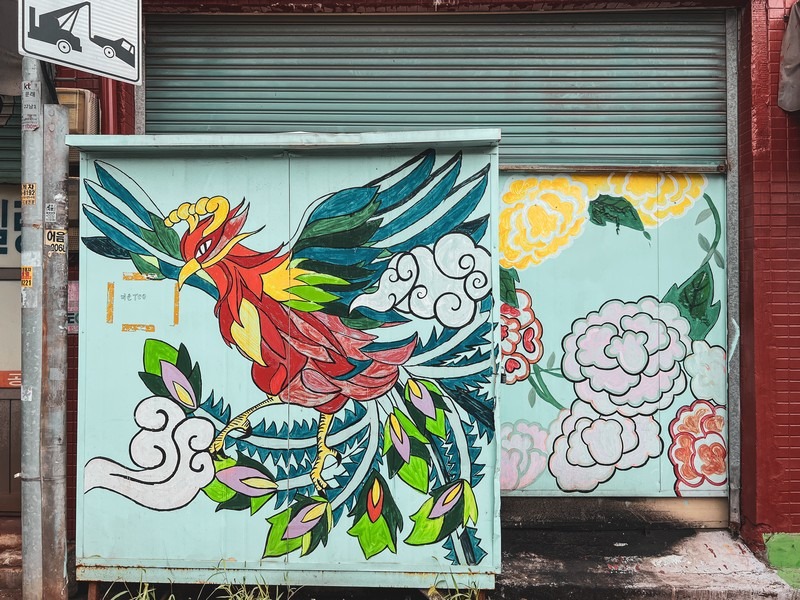
If you want to time your visit around something specific, keep an eye out for Mullae Metal City (MMC), an annual summer festival that leans into the neighborhood’s industrial identity with local bands, a very good excuse to build a trip around, if the dates line up.
Where To Eat and Drink
As Mullae-dong is very different from the other popular, touristy mural villages in Seoul, you really need to know where you’re going before you go. There aren’t signs, and there are a ton of alleys. Here are the places I’d point you toward.
Cafes in Mullae-dong
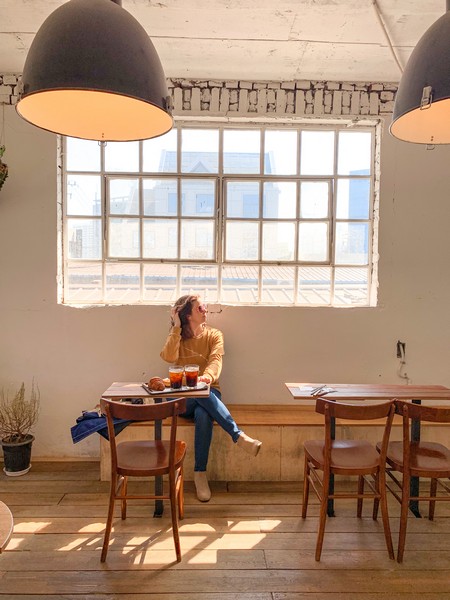
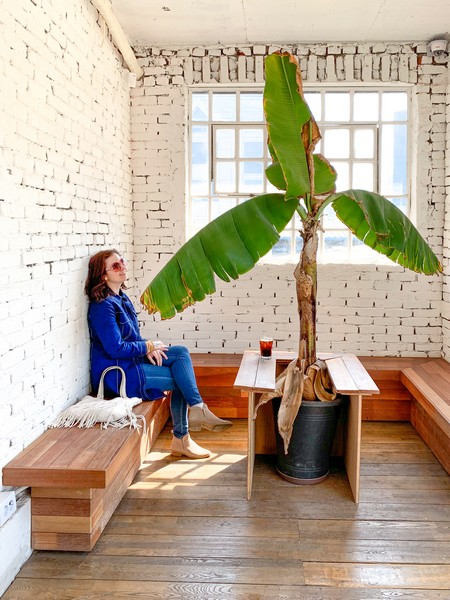
Rust Bakery (러스트 베이커리)
After perusing the street art and murals, don’t miss a stop into Rust Bakery. The name seems especially fitting for the rusty metal that abounds nearby. The bakery has croissants, cinnamon buns, cheese cakes and pretty much anything to hit that bready sweet treat urge you’re looking for. It’s bright, it’s cheery and the rustic aesthetic is fitting in the neighborhood.
- Address: 42-19 Mullae-dong 2-ga, Yeongdeungpo-gu, Seoul (서울 영등포구 문래동2가 42-19)
- Hours: Every day: 11:00am ~ 10:00pm
Mullae Banggu (문래방구)
Famous for their peanut bread, a popular wintertime street food usually, pick up a bag of delicious fried dough with peanut chunks and powdered sugar. It’s a great snack on the go or sit in and enjoy it before you head off.
- Address: 763 Gyeongin-ro, Yeongdeungpo-gu, Seoul (서울 영등포구 경인로 763)
- Hours: Monday – Friday: 11:30am ~ 7:00pm; Saturday – Sunday: 12:00pm ~ 8:00pm
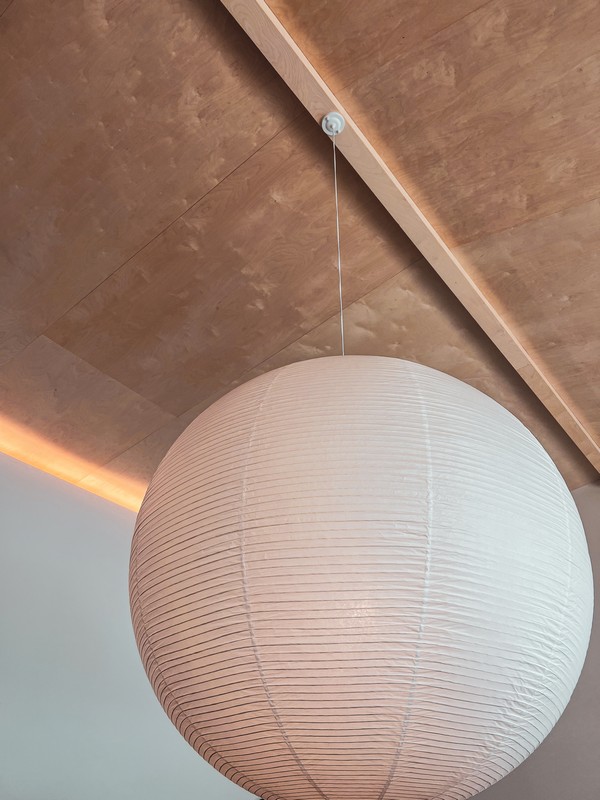
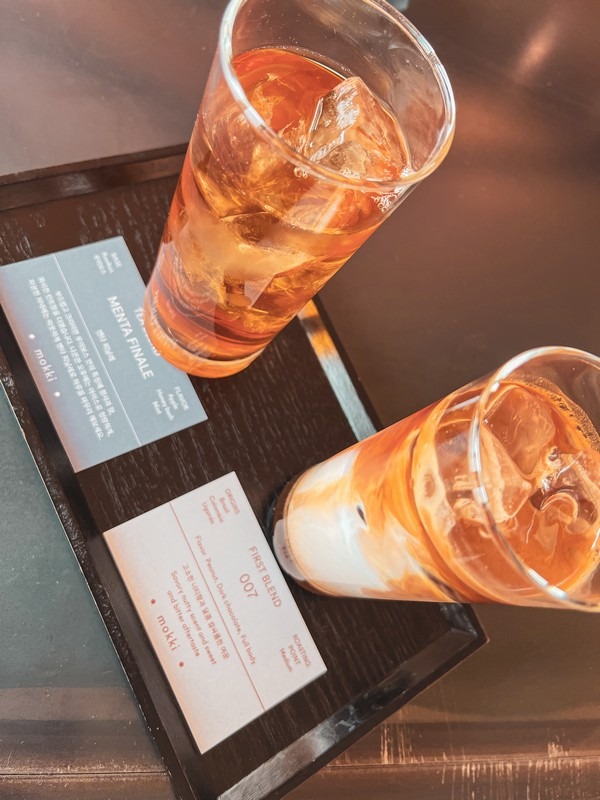
Cafe Mokki (모키문래)
A beautiful tea house with a simple contemporary design, the main feature is a large communal black table in the center of the room. It’s a beautiful modern space where you can get coffee or tea and watch the people go by.
- Address: 732 Gyeongin-ro, Yeongdeungpo-gu, Seoul (서울 영등포구 경인로 732)
- Hours: Every day: 12:00pm ~ 10:00pm
Restaurants in Mullae-dong
Goat Deli (고트델리)
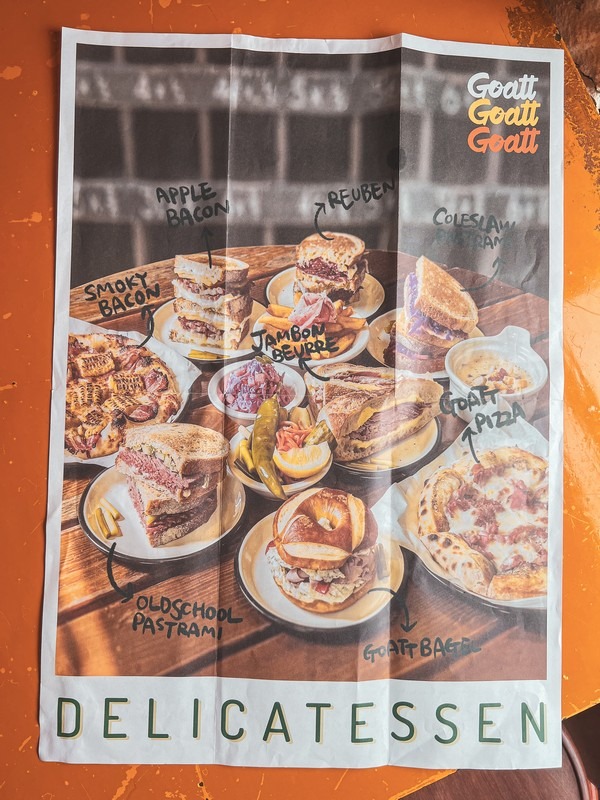
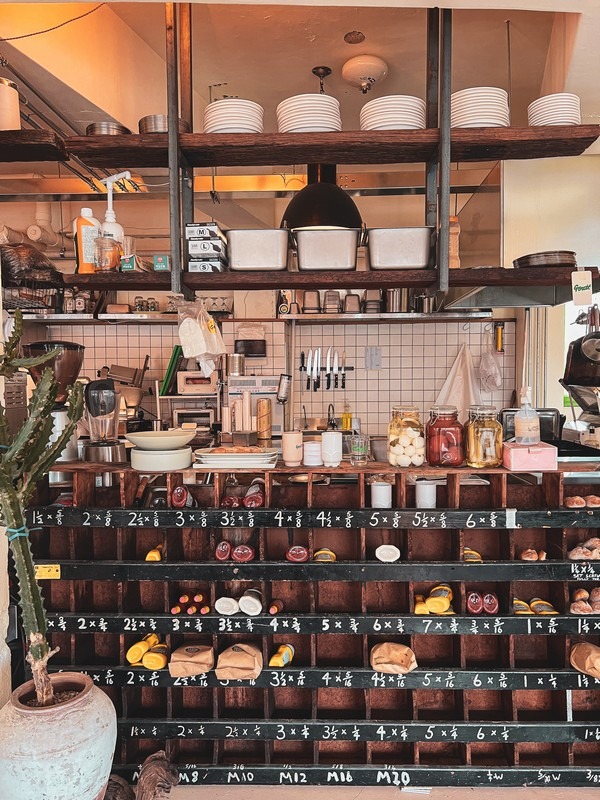
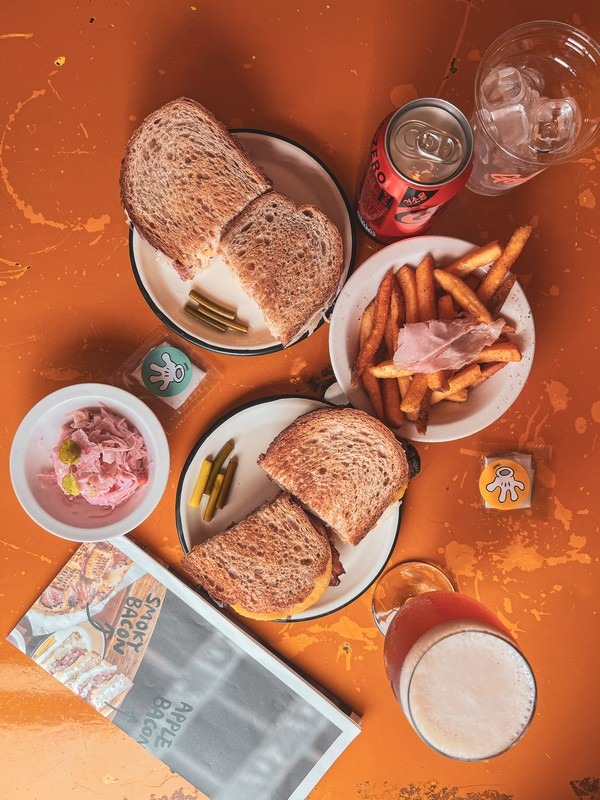
Some of the best sandwiches in the area to be sure, Goat Deli has a striking exterior and rustic interior. Choose from Jambon Beurre, Apple Bacon, or Jambon Fromage, or my favorite, Oldschool Pastrami. I’ve gone here for food just about every time I’m in the area because it’s worth it.
- Address: 14 Dorim-ro 139-gil, Yeongdeungpo-gu, Seoul (서울특별시 영등포구 도림로139길 14)
- Hours: Every day: 11:30am ~ 9:00pm
Yankees Burger & Pizza (양키스버거)
Looking for that hipster-but-delicious hamburger joint? Look no further. Try the Mullae Burger, named for the area obviously, a patty on an oatmeal bun topped with sautéed mushrooms and truffle oil. I can never pass up a burger, can you? They expanded into offering pizza in recent years as well. Something for everyone.
- Address: 58-75 Mullae-dong 3-ga, Yeongdeungpo-gu, Seoul (서울 영등포구 문래동3가 58-75)
- Hours: Every day 12:00pm ~ 10:00pm; Break time: 3:30pm~ 5:00pm
Yankees Grill
Yes, Yankees Grill is also owned by the same people that own Yankees Burger. They liked the area so much, they opened a second spot. A red neon sign welcomes visitors in but you’ll smell the steaks aromas wafting down the alley before you even see the shop. If you’re looking for a New York steak, this is the stop for you.
- Address: 58-74 Mullae-dong 3-ga, Yeongdeungpo-gu, Seoul (서울 영등포구 문래동3가 58-74)
- Hours: Every day: 12:00pm ~ 10:00pm; Break time: 3:30pm ~ 5:00pm
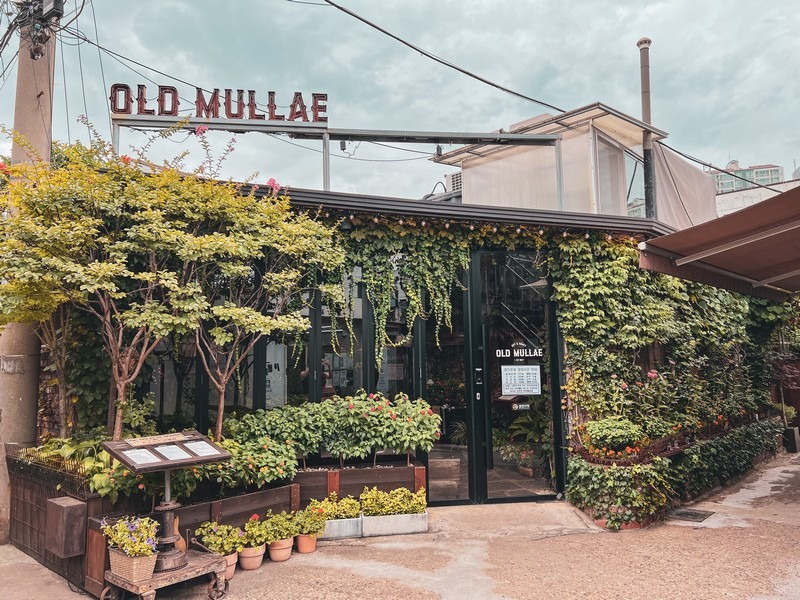
Old Mullae
If you head to the area a bit later in the day and want to see as the steel factories close and the artists rock up for the evening, then also head to this vintage-styled pub. The building from the 1930s has been kept relatively intact with its original Japanese wooden framework. Filled with art and repurposed machinerie, this is a café by day and a pub by night. Stop in for those throw-back vibes.
- Address: 14-28 Mullae-dong 2-ga, Yeongdeungpo-gu, Seoul (서울 영등포구 문래동2가 14-28)
- Hours: Thursday – Saturday: 10:00am ~ 2:00am; Sunday: 12:00pm ~ 11:00pm; Monday – Wednesday: 10:00am ~ 1:00am
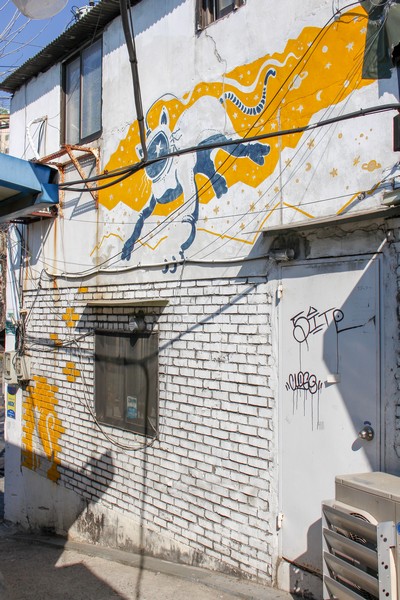
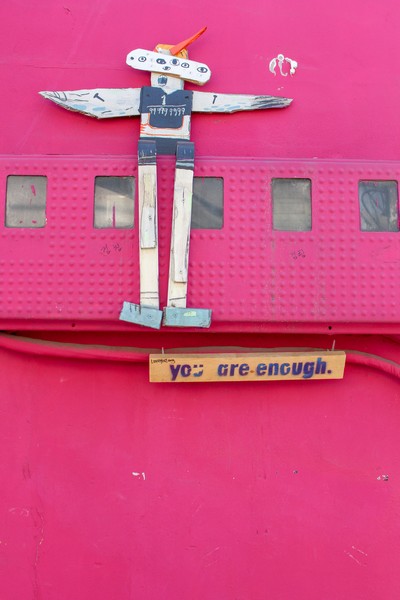
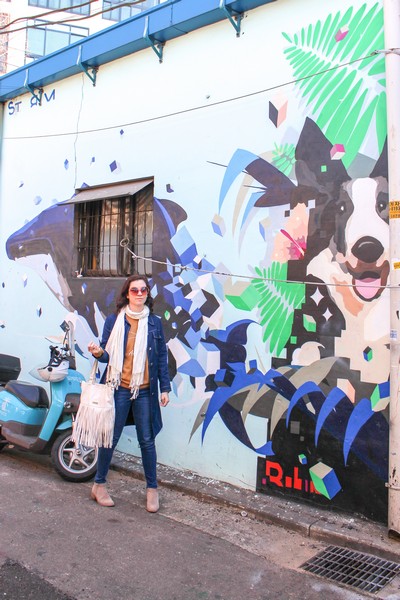
Waves (웨이브스)
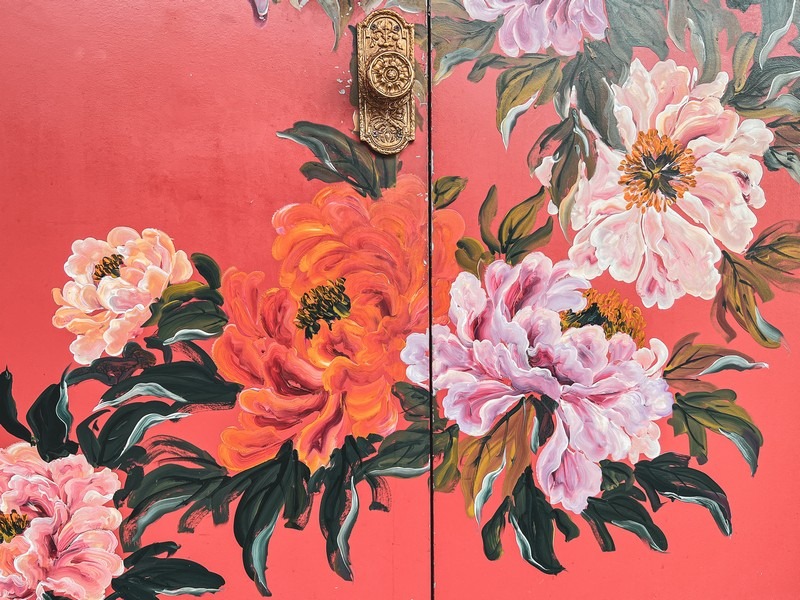
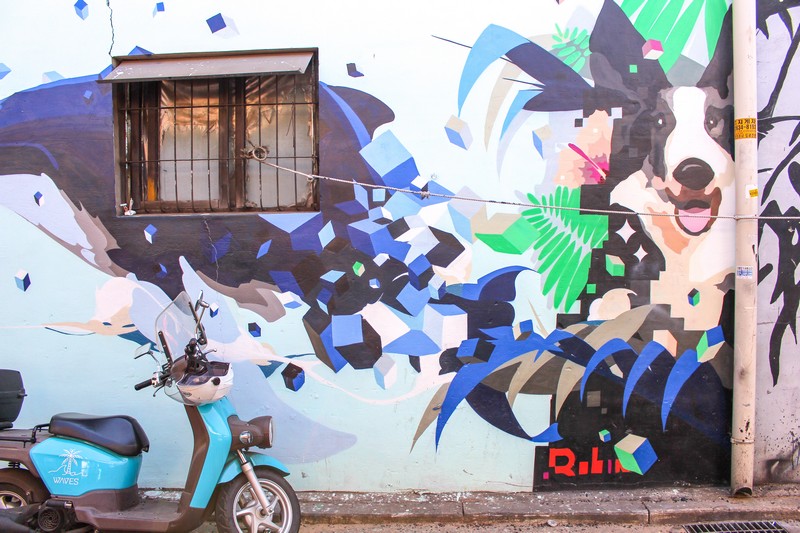
Across from the colorful mural above you’ll find this Hawaiian style gastropub opened by sculptor Lee Daeseok who converted an old steel factory from the 1970s. The waves and movement of the seating against the industrial beams and walls outfitted with loads of greenery is definitely a spot I want to head back to. The restaurant is suited for the solo diner and groups and offers up a menu of Hawaiian cuisine and craft beers.
- Address: 58-34 Mullae-dong 3-ga, Yeongdeungpo-gu, Seoul (서울 영등포구 문래동3가 58-34)
- Hours: Every day: 11:30am ~ 1:00am
Peace (평화)
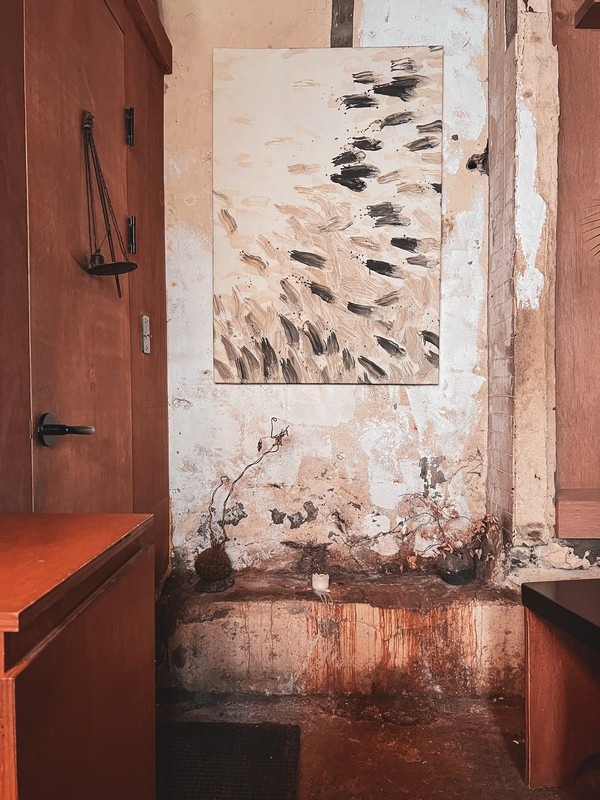
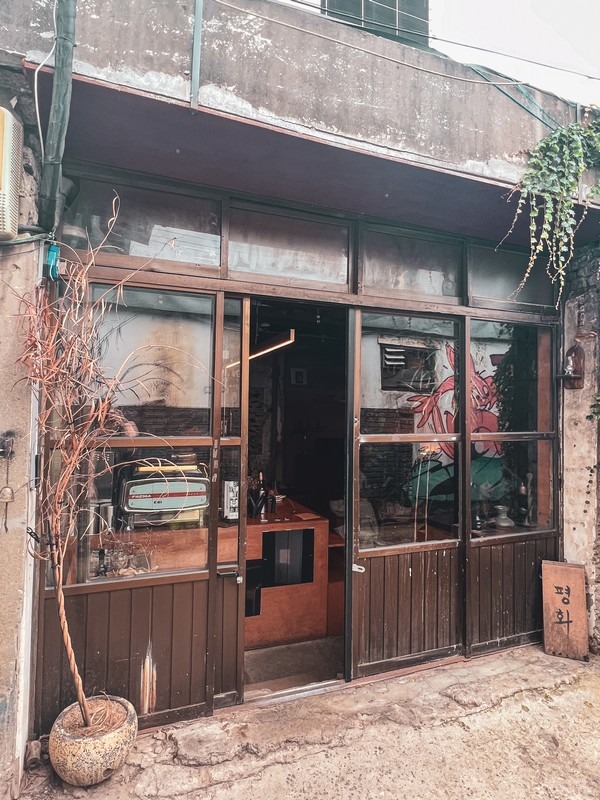
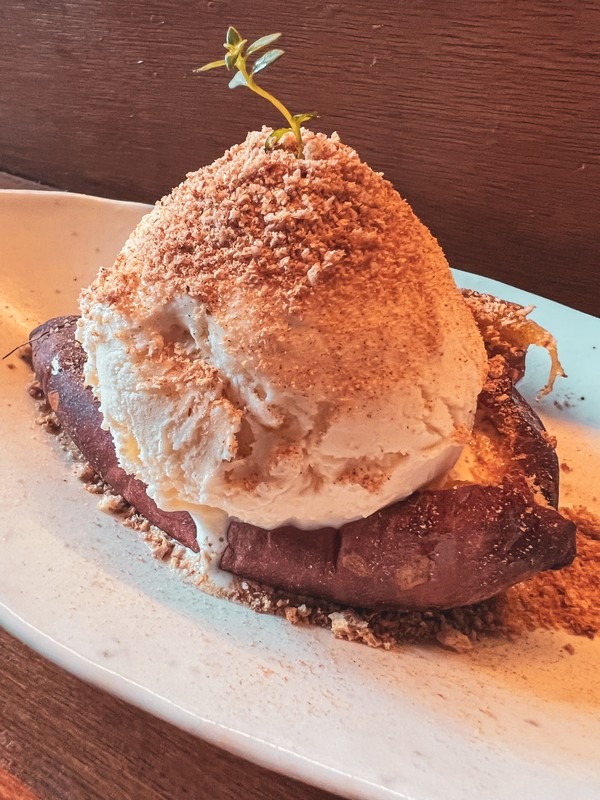
You could easily walk right by Peace and not realize this cool coffee and wine bar is inside. The dark interior can seem foreboding, but it’s actually very welcoming. Since we’d just eaten, we had their sweet potato and ice cream for a dessert and it was delightful.
- Address: 13 Dorim-ro 131-gil, Yeongdeungpo-gu, Seoul (서울 영등포구 도림로131길 13)
- Hours: Monday – Thursday: 1:00pm ~ Midnight; Friday: 1:00pm ~ 1:00am; Saturday – Sunday: 12:00pm ~ Midnight
FAQ
Is Mullae-dong safe to visit at night?
Yes, it’s an active, populated neighborhood, not an abandoned industrial zone. That said, some alleys are dim and uneven underfoot, so I wouldn’t wear heels back to the station after dark.
Do I need to speak Korean to visit Mullae-dong?
No, but don’t expect English signage, that’s part of the appeal, honestly. None of the cafes and restaurants I’ve listed above needed more than pointing and smiling.
How long should I spend in Mullae-dong?
Two to three hours is enough to wander the main alleys and grab a coffee or meal. Half a day if you want to sit in a couple of cafes and actually watch the neighborhood work.
Is Mullae-dong worth visiting if I’ve already been to Ihwa Mural Village?
Yes, and they’re different enough that it’s not repetitive, Ihwa is curated and mapped for visitors; Mullae-dong isn’t, and the murals sit next to working factories instead of over a quiet hillside.
What’s the best time of day to visit Mullae-dong?
Afternoon into early evening. You’ll catch the factories still working and the cafes and studios starting to light up as the light drops, that overlap is the whole appeal of the neighborhood.
Is Mullae-dong still a hidden gem after the Time Out ranking?
Not exactly hidden anymore, no, but it hasn’t turned into a tourist trap either. The factories are still working, the murals are still unplanned, and there’s still no official map. More people know about it; the neighborhood itself hasn’t changed much.
Did you like this post? Pin It!