Best Time To Visit South Korea: My Honest Take After Living Here For 20 Years
Last Updated on December 8, 2025
You might expect me to say the best time to visit South Korea is just spring or autumn and call it a day. Those are beautiful seasons to be sure what with the cherry blossoms and foliage, but after living in Korea for almost two decades, I’ve learned that every season has its own magic… and it’s own challenges. And, if you only get time off in winter, well, that’s when you’re coming, isn’t it?
Winters are cold and bright, summers are hot and sticky, and the shoulder seasons are gorgeous but busy. If you know what to expect, plan around the weather, and pick the things to do, you can have an amazing trip in any month… but sure, some months are better than the others.
This guide breaks down the best time to visit South Korea based on seasons, weather, festivals, cities (Seoul, Busan, and Jeju), and traveler type and gives you the tips to visit in maybe even the not so best times to visit Korea.
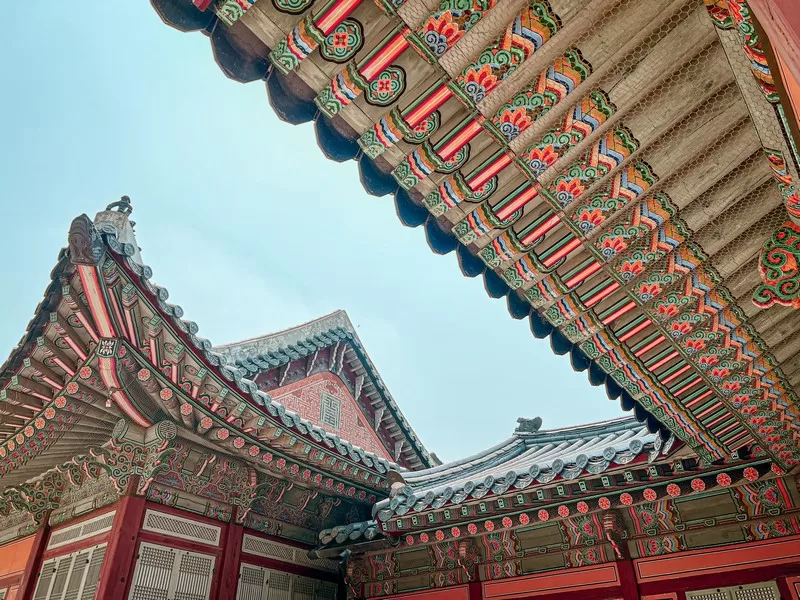
Get ready to choose the best time to visit South Korea:
- Best Time To Visit South Korea (Short Answer)
- Seasons in Korea at a Glance
- Weather in Seoul, Busan & Jeju by Season
- Season-by-Season Guide: Spring, Summer, Autumn, Winter
- The Worst Time To Visit Korea (If I have To Pick One)
- Best Time to Visit Korea for Different Travelers
- Seoul vs. Busan vs. Jeju: When To Go Where
- Fine Dust, Monsoon Season, and Typhoons in Korea
(This post contains affiliate links, which means I receive a certain percentage of a sale if you purchase after clicking at no cost to you. Thank you for your support.)
Best Time To Visit South Korea (Short Answer)
If you just want a quick answer:
- Most comfortable weather: Late April to early June, and mid-September through November.
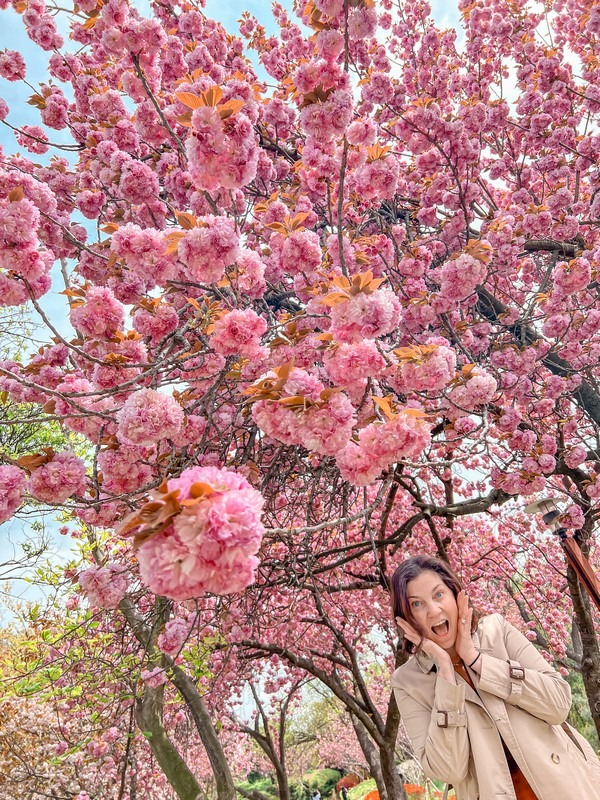
- Best time for cherry blossoms: Late March to early April (earlier in Jeju and Busan, later in Seoul and the northern regions)
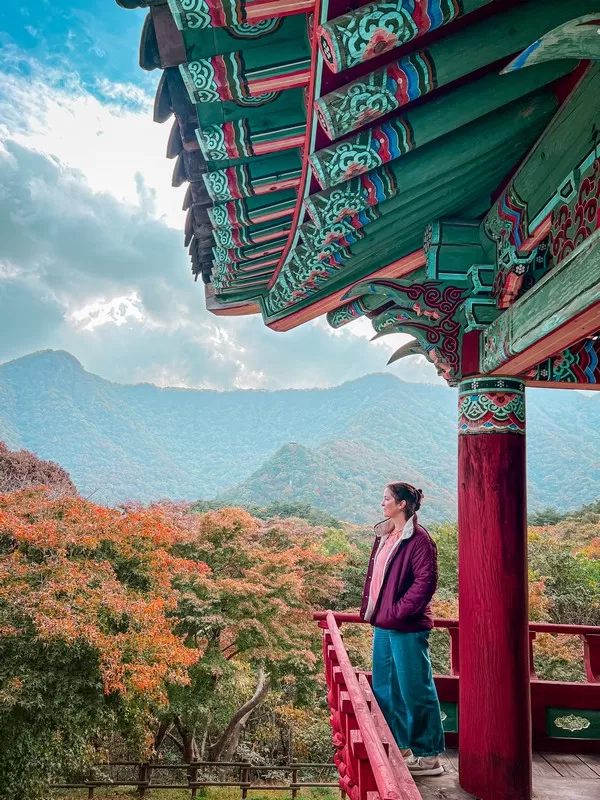
- Best time for autumn foliage: Mid-October to early November though a bit later if you head to Jeju
- Best time for budget travelers: January, February, and November (excluding major holidays)
- Best time for beaches: Late June through August
Personally, I think every season in South Korea can be a great time to visit if you plan around what that season does best.
The Seoul Itinerary Pack – 15 Seoul Itineraries
$25.00
How To Prepare For A Trip To Korea
Trusted Websites, Tours, & Travel Essentials
Check Visa Requirements
Hotel Booking Sites
Local Tours, Discounted Admission Tickets, and Event Tickets
Viator | Klook | Creatrip | Trazy | Fever
Wifi, SIM Cards, and Portable Wifi Options
eSIM Korea | 4G Prepaid Sim Card | 4G Pocket Wifi
Travel Adapter
NEWVANGA International Power Adapter | EPICKA Universal Travel Adapter
City Passes
Discover Seoul Pass | Visit Busan Pass | WowPass | Klook Pass Seoul
Personalized Itinerary by The Soul of Seoul
Seasons in Korea at a Glance
South Korea has four very distinct seasons… and a monsoon season that falls in the middle of summer.
Spring (March ~ May)
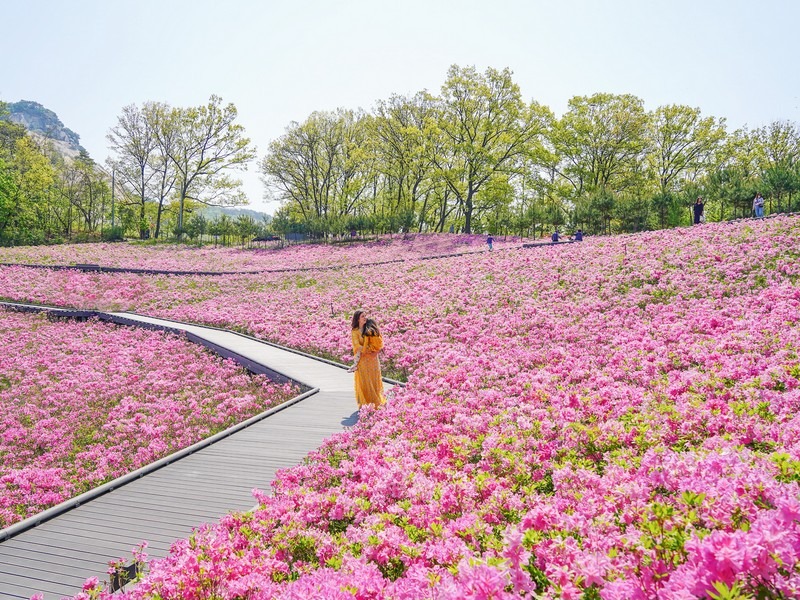
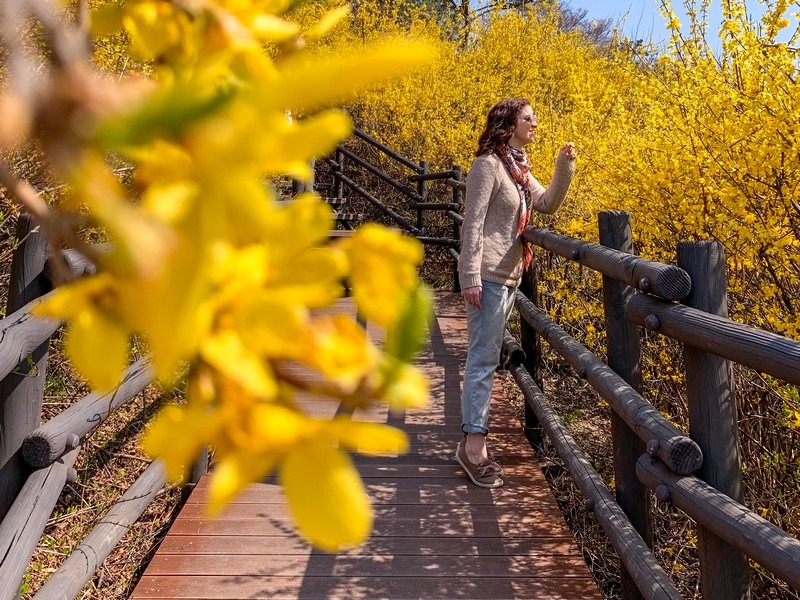
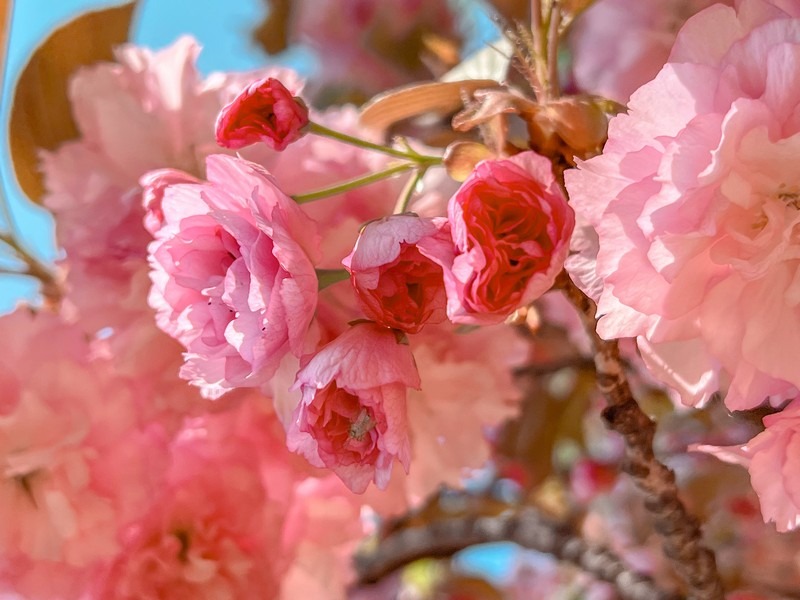
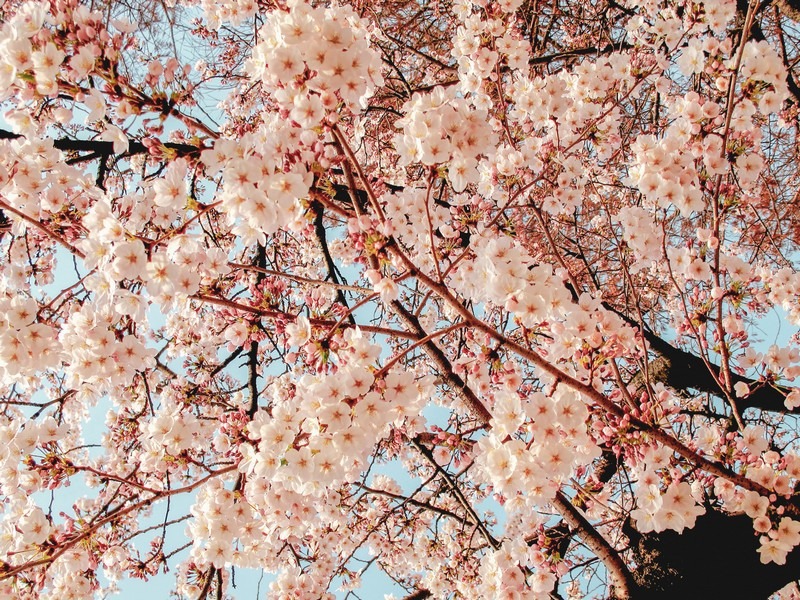
Starts cool and turns mild. Spring is famous for cherry blossoms, azaleas, tulips, and more flowers coming in to bloom. Some days can still feel like winter in March, but the season brings a wake up call to the country and people that were hermits all through winter start coming out more meaning it feels just a bit busier the months prior.
Summer (June ~ August)
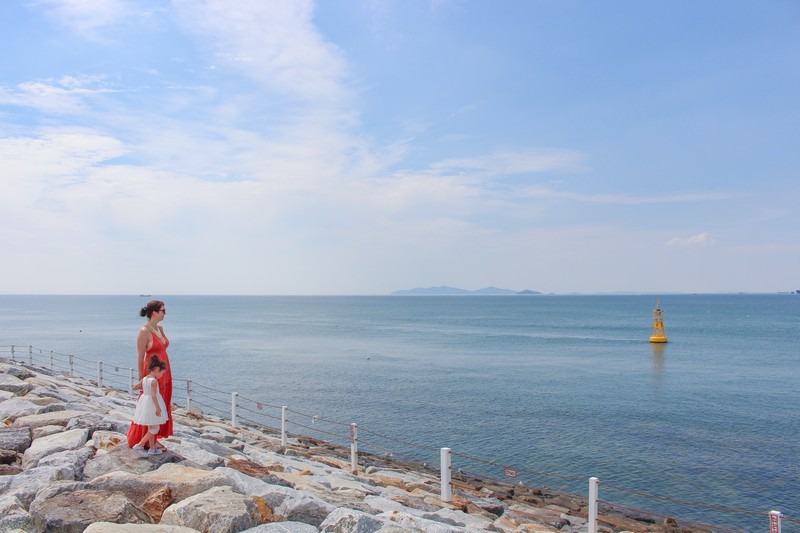
Hot and humid. Late June to late July is monsoon season, but the thing to know is that there are cycles and some years the monsoon rains can last for a month while other years, the rains just come for a few days here and there. August is peak beach and holiday time and can include typhoons. Keep an eye on the weather, plan trips to the seaside or to mountain streams to cool off.
Autumn (September ~ November)
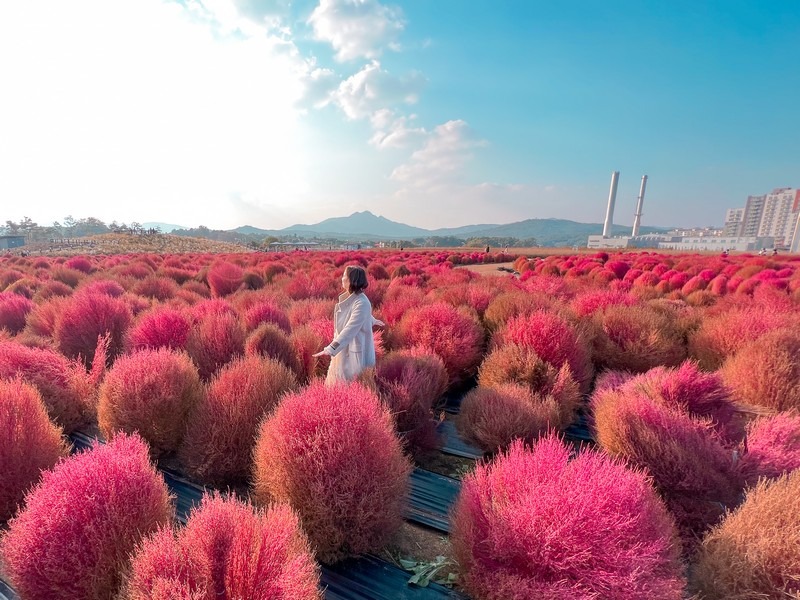
Starts warm and sometimes rainy in September, then becomes crisp, clear, and colorful in October and November. A favorite season for locals and visitors. Remember that the temperatures vary a lot from north to south and if you visit Jeju Island in September and in to October, you can still find warm beach waters to swim in while people in Seoul area already wearing jackets in the evening.
Holiday notes: Check the calendar for when Chuseok falls this year. The dates for Korean Thanksgiving changes each year and can be anywhere from 3 days to 10 days depending on when it falls. The holiday is a massive travel period for locals, so it’s best to know what the holiday looks like if you’ll be coming during the period.
Winter (December ~ February)
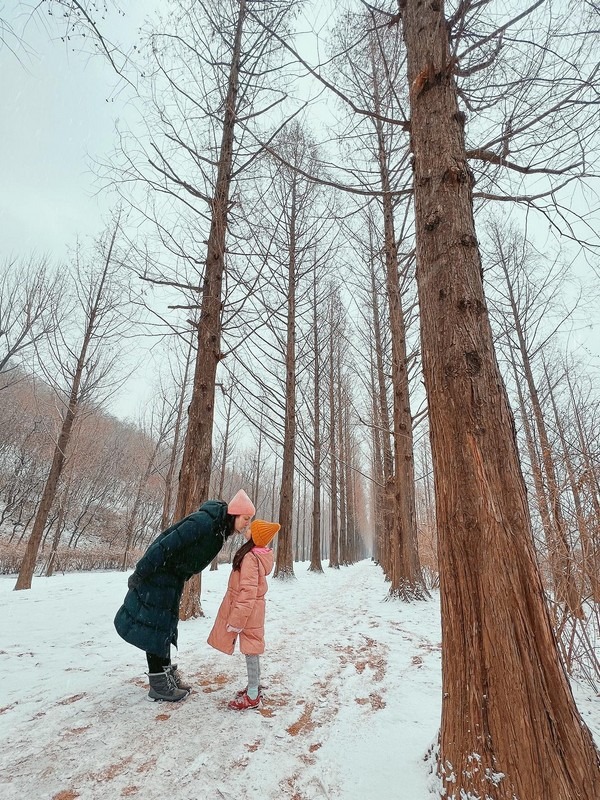
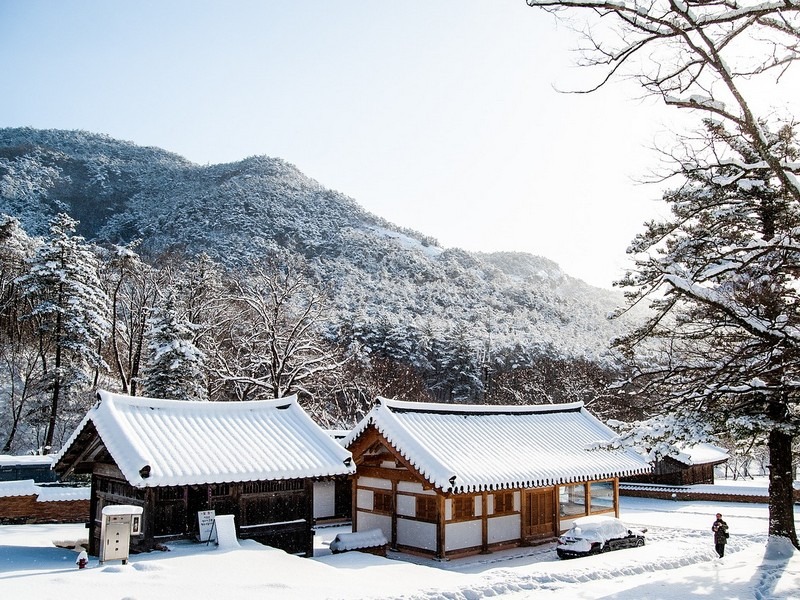
Cold, dry, often windy. You can find that it snows in Seoul, however it will snow heavier and stick longer in the mountains nearby. This season is great for visiting ski resorts and having fun at the ice, snow, and lighting festivals.
Holiday notes: Check the calendar for when Seollal falls this year. The dates for the Lunar New Year changes each year and can be anywhere from 3 days to 10 days depending on when it falls. The holiday is a massive travel period for locals, so it’s best to know what the holiday looks like if you’ll be coming during the period.
The Seoul Itinerary Pack – 15 Seoul Itineraries
$25.00
Weather in Seoul, Busan & Jeju by Season
You don’t need pages of tables to get the picture, but it helps to know that Seoul, Busan, and Jeju can feel quite different on the same day.
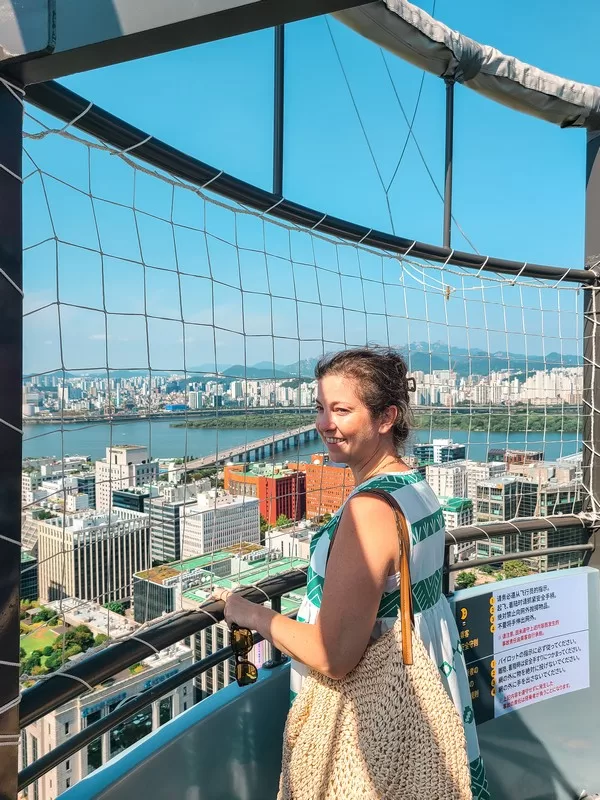
Seoul
Remember that Seoul is a massive cement-filled city so the summer temps can feel even hotter and the winter temps even more frigid due to so much pavement and the many buildings.
| Month | Min Temp (°C / °F) | Max Temp (°C / °F) | Avg Rainfall (mm / days) |
|---|---|---|---|
| January | -6 / 21 | 2 / 36 | 20 / 7 |
| February | -4 / 25 | 4 / 39 | 25 / 6 |
| March | 1 / 34 | 10 / 50 | 45 / 7 |
| April | 7 / 45 | 18 / 64 | 75 / 8 |
| May | 13 / 55 | 23 / 73 | 100 / 9 |
| June | 18 / 64 | 27 / 81 | 135 / 10 |
| July | 22 / 72 | 29 / 84 | 330 / 16 |
| August | 22 / 72 | 29 / 84 | 350 / 14 |
| September | 17 / 63 | 26 / 79 | 140 / 9 |
| October | 10 / 50 | 20 / 68 | 50 / 7 |
| November | 3 / 37 | 12 / 54 | 55 / 9 |
| December | -3 / 27 | 4 / 39 | 25 / 7 |
Busan
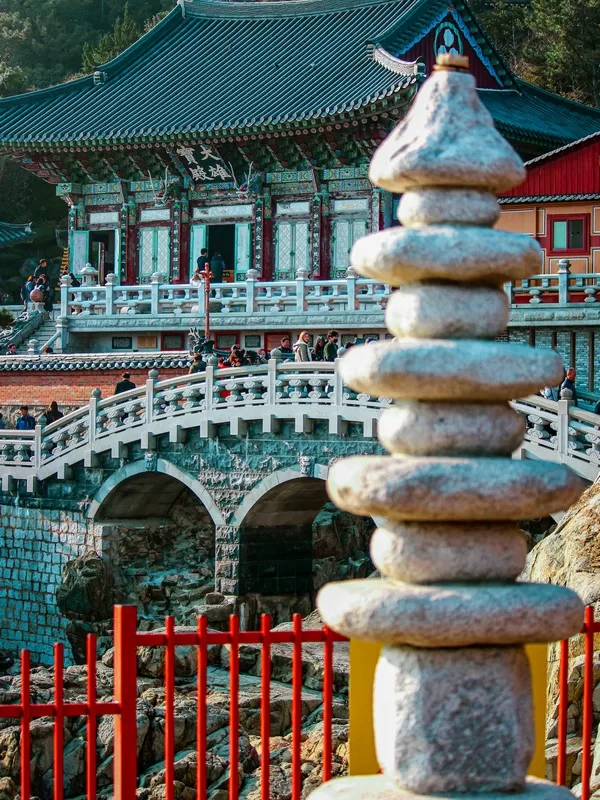
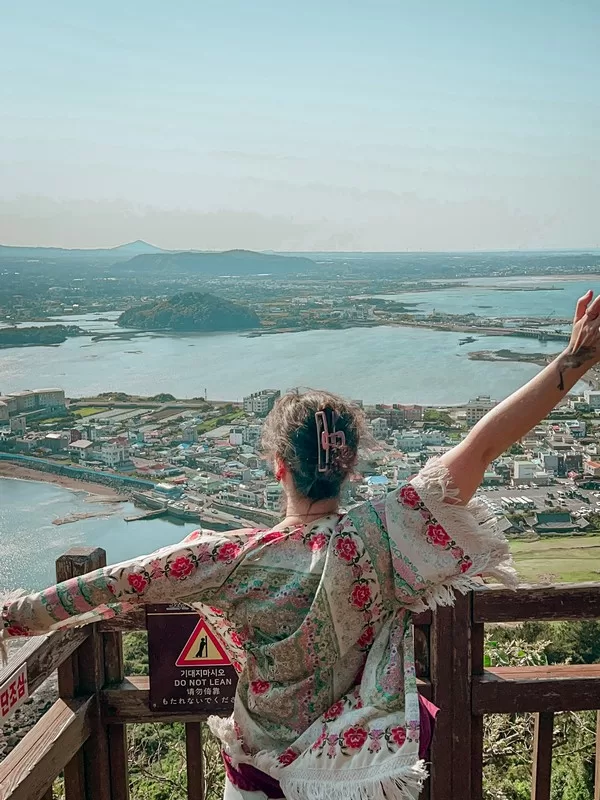
Long and lying along the coast, Busan gets great breezes throughout the year, good to remember in the shoulder seasons when you might need a jacket or sweater a bit more often.
| Month | Min Temp (°C / °F) | Max Temp (°C / °F) | Avg Rainfall (mm / days) |
|---|---|---|---|
| January | -1 / 30 | 8 / 46 | 40 / 6 |
| February | 0 / 32 | 9 / 48 | 45 / 6 |
| March | 5 / 41 | 13 / 55 | 85 / 8 |
| April | 10 / 50 | 18 / 64 | 135 / 9 |
| May | 14 / 57 | 22 / 72 | 155 / 10 |
| June | 18 / 64 | 24 / 75 | 225 / 11 |
| July | 22 / 72 | 27 / 81 | 260 / 13 |
| August | 23 / 73 | 29 /84 | 240 / 11 |
| September | 19 / 66 | 26 / 79 | 165 / 9 |
| October | 14 / 57 | 22 / 72 | 60 / 6 |
| November | 8 / 46 | 16 / 61 | 60 / 6 |
| December | 2 / 36 | 10 / 50 | 25 / 4 |
Jeju Island
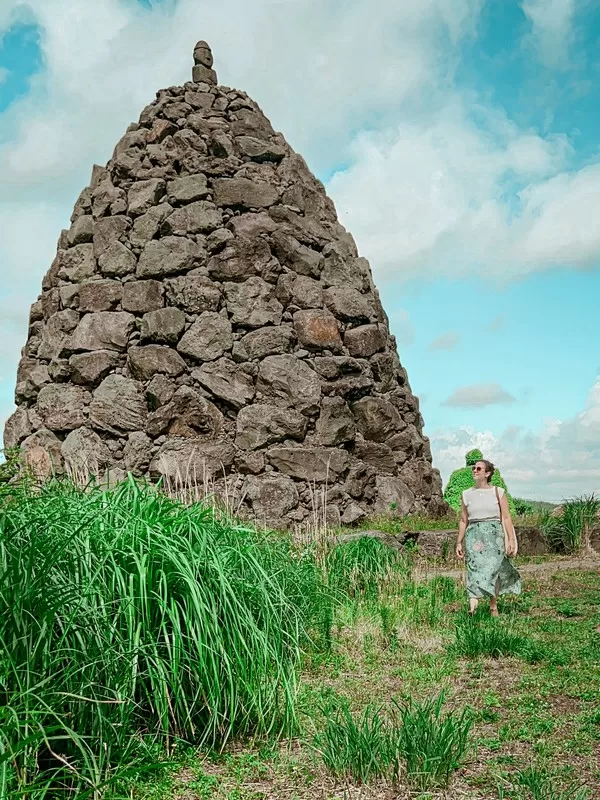
Jeju is known for its wind. It’s windy in every season with cold gusts from the north and warm gusts from the south. Be prepared for bad hair days with amazing views.
| Month | Min Temp (°C / °F) | Max Temp (°C / °F) | Avg Rainfall (mm / days) |
|---|---|---|---|
| January | 3 / 37 | 8 / 46 | 65 / 13 |
| February | 4 / 39 | 9 / 48 | 65 / 10 |
| March | 6 / 43 | 13 / 55 | 90 / 11 |
| April | 10 / 50 | 18 / 64 | 90 / 10 |
| May | 14 / 57 | 22 / 72 | 95 / 10 |
| June | 19 / 66 | 25 / 77 | 180 / 12 |
| July | 23 / 73 | 29 / 84 | 240 / 13 |
| August | 24 / 75 | 30 / 86 | 265 / 14 |
| September | 20 / 68 | 26 / 79 | 220 / 11 |
| October | 15 / 59 | 21 / 70 | 80 / 7 |
| November | 10 / 50 | 16 / 61 | 60 / 9 |
| December | 5 / 41 | 11 / 52 | 50 / 11 |
Season-by-Season Guide: Spring, Summer, Autumn, Winter
Now let’s dig in a bit so you can have a full picture of each season and learn why even winter and summer might be when you want to come here. Like I said though, if that’s when your vacation is, you can definitely make the best of it.
Spring in Korea (March ~ May)
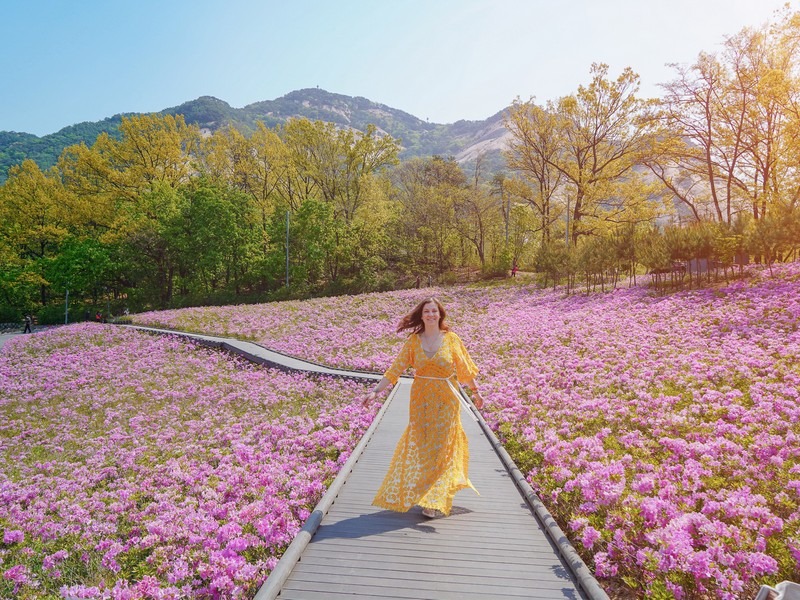
Spring is one of the most popular times to visit South Korea, and for good reason. Frozen landscapes slowly thaw in March, blossoms start to pop, and by April and May, the whole country is blooming.
I personally love flower hunting from April through July, and spring is when it really kicks off with forsythia, azaleas, canola fields, and of course the always popular cherry blossoms.
Highlights in the spring:
- Cherry blossoms sweeping from Jeju and Busan up to Seoul and beyond
- Flower festivals around the country for plum blossoms, azaleas, and more
- Longer days perfect for palaces, hanok villages, and city walks
- Comfortable temperatures, especially in April and May
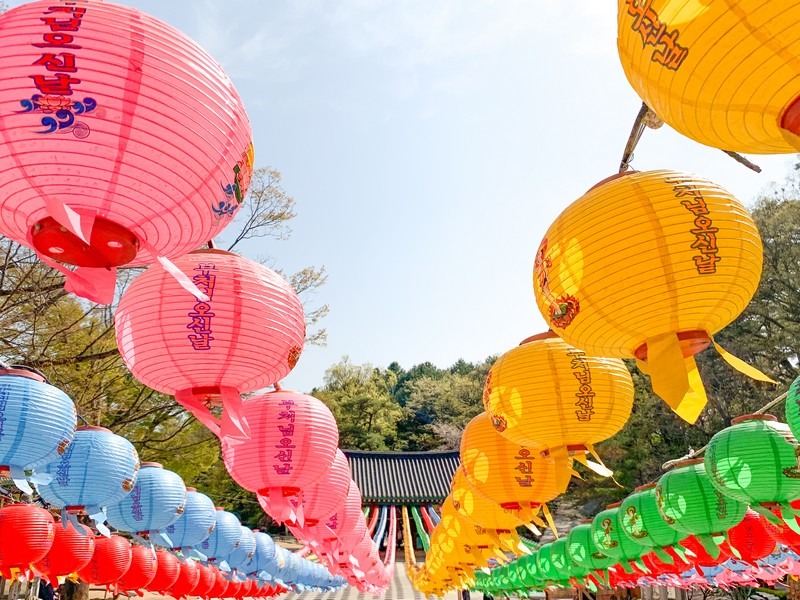
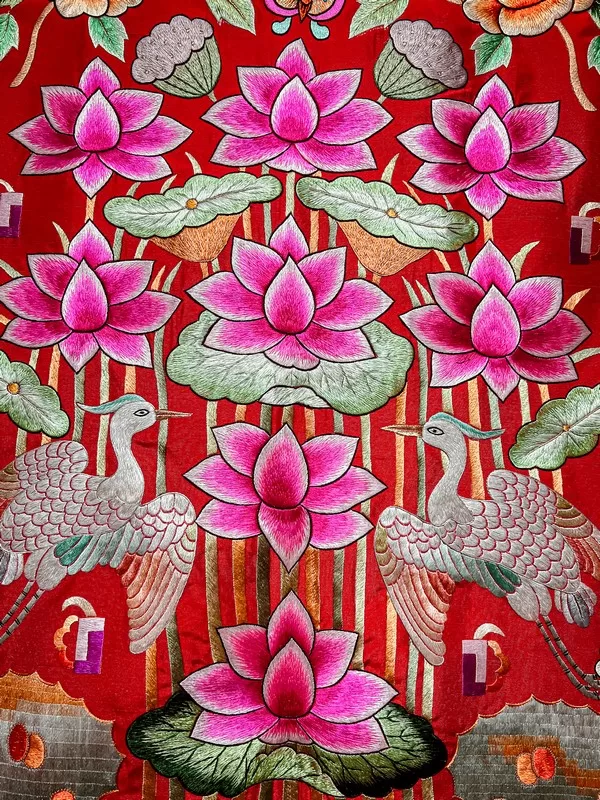
- Buddhist temples are decorated with lotus lanterns in celebration of Buddha’s Birthday
Festivals and events to look forward to:
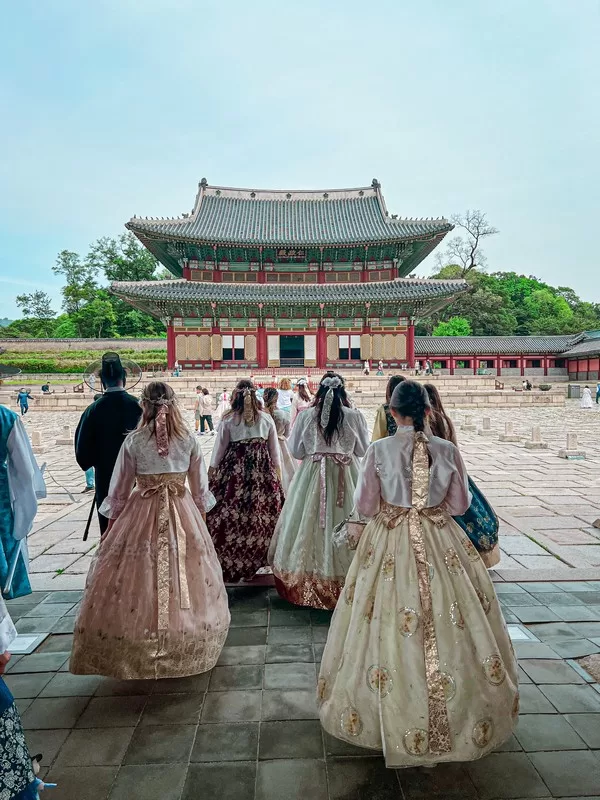
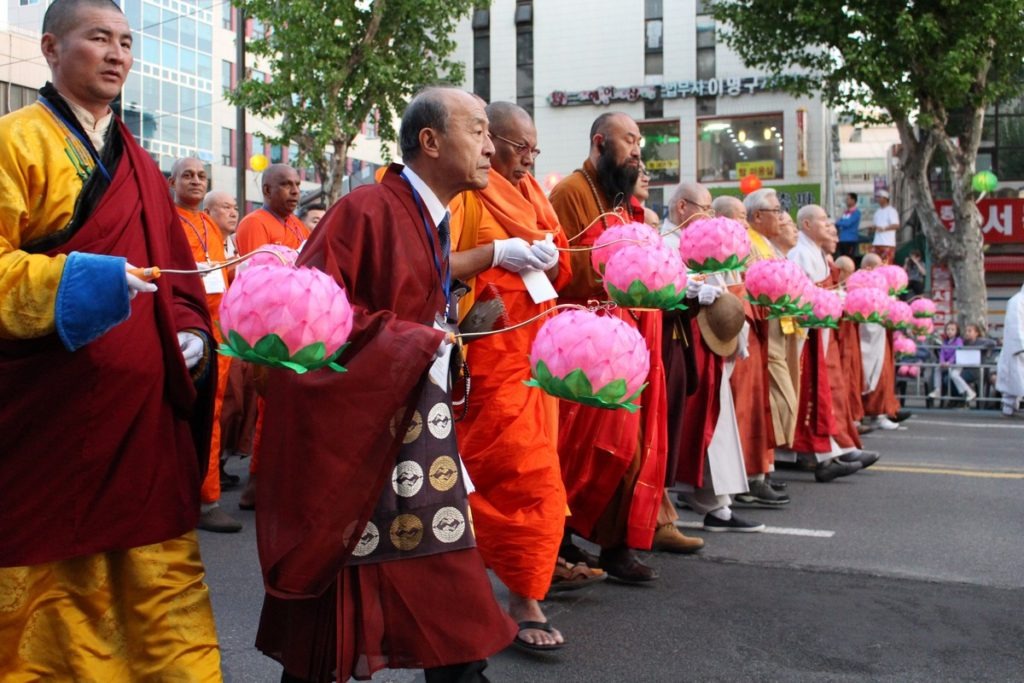
- Lotus Lantern Festival: Picture more than 100,000 lanterns being paraded down Seoul’s main street by locals in Hanbok garb. It’s beautiful, fun, and very welcoming.
- Gwangyang Maehwa Festival: The best place to see beautiful plum blossoms in Korea, the Gwangyang Maehwa Festival is a countryside of hills covered in delicate white blossoms in the spring and offers flower ice cream and other local delicacies to enjoy.
- Seoul Drum Festival: Taking place in May each year, this unique event is both musical and cultural and showcases great performances and cultural activities to get hands on.
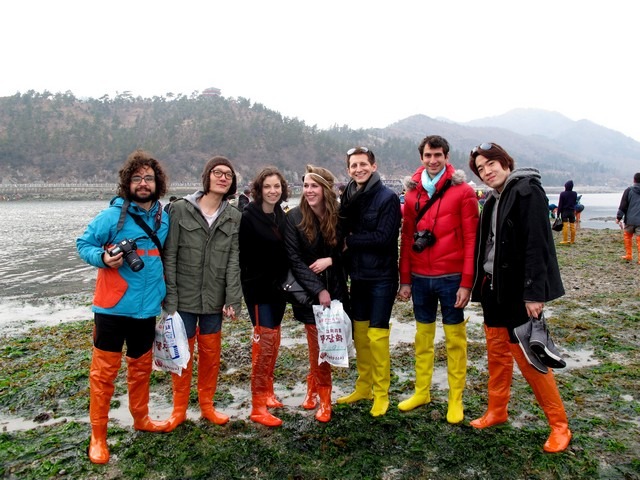
- Jindo Miracle Sea Parting Festival: A unique festival, just twice a year the water gets low enough for a 2.8km pathway to be revealed linking the mainland to a nearby island.
- Damyang Bamboo Festival: Celebrating the rich culture of bamboo in Korea, spring is the perfect time to visit the most famous bamboo forest in the country.
Things to be aware of:
Spring is also when fine dust can be more noticeable, especially in March and April. If you are sensitive to air quality or have respiratory issues, you’ll want to be aware of this and stock up on masks, which are always available at pharmacies and convenience stores around the country.
Summer in Korea (June ~ August)
Summer in South Korea is hot, humid, and full of energy. June starts of warm and green, but from late June through late July, you’ll experience monsoon season, with short but heavy rains some years and some years with weeks of downpours. August is peak summer holiday time, especially at the beaches.
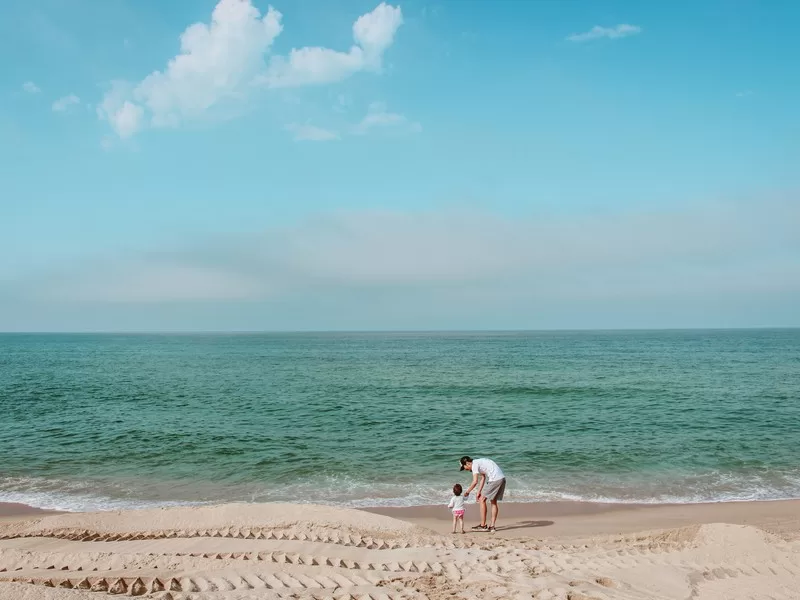
This is when I love slow evenings by the Han River in Seoul, mountain streams in the countryside, and coastal trips to Busan and Jeju. If you want to head to a beach, make a note that the west coast of Korea tends to be more mudflats and shallow waters, the east coast is where you’ll find white sand beaches and emerald blue water and then the most southern beaches are the most popular because the water tends to be warmer longer.
Highlights in the summer:
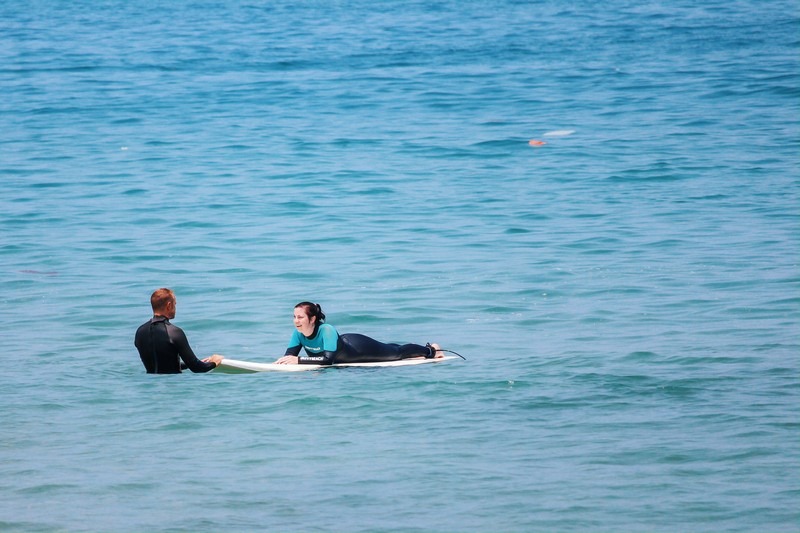
- Beaches open from northern coasts to southern coasts, and you can even surf at some
- Water parks, riverside parks, and valley hikes
- Big summer festivals and outdoor events
- Long evenings and lively nightlife
- Island hopping from the mainland to one of the 3,400 islands of Korea
Festivals and events to look forward to:
- Boryeong Mud Festival: The MOST popular festival in Korea each summer, Boryeong becomes the place for muddy adventures from slipping and sliding to fun.
- Incheon Pentaport Rock Festival: Summer is full of music festivals and Incheon hosts one of the most popular of the year.
- Busan Sea Festival: Traveling in Korea in the summer will inevitably require a trip to Busan on the southern coast where celebrations will be taking place from Haeundae Beach to Songdo.
Things to be aware of:
Summers can be intensely humid in Korea, and the heavy showers of monsoon season mean that you should prepare to be wet whether it’s raining or not. Make sure to have water and hydrate hydrate hydrate.
Autumn in Korea (September ~ November)
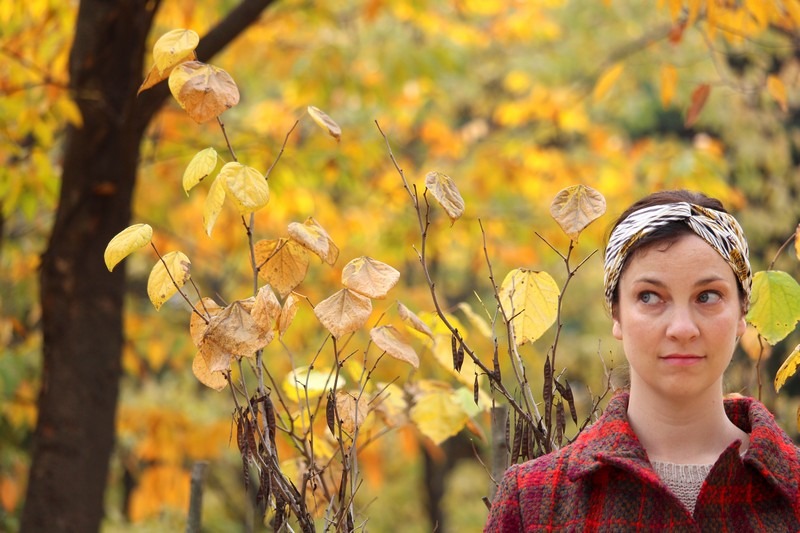
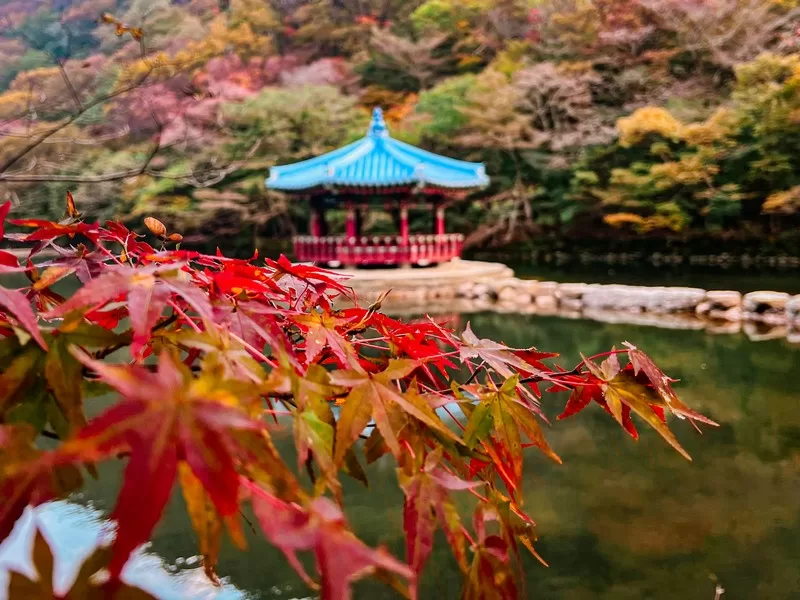
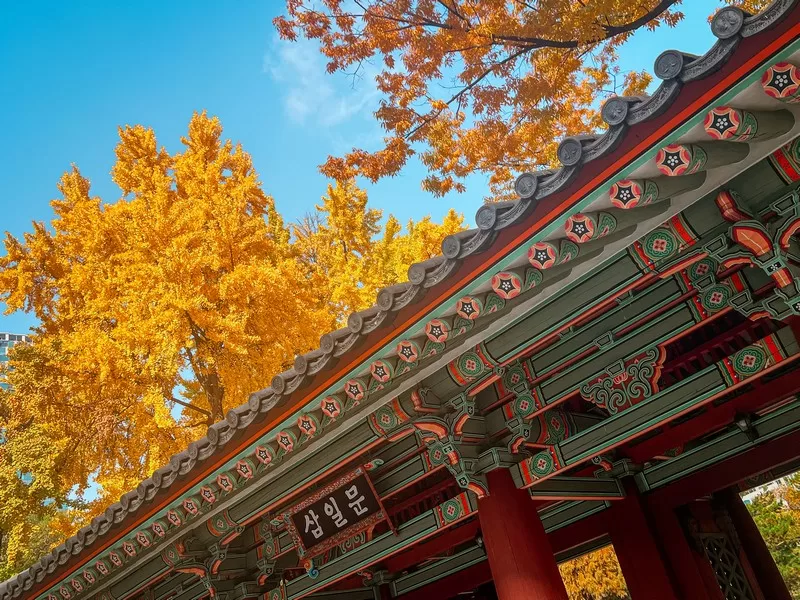
If you ask a lot of locals what their favorite season is, autumn wins again and again. September can be mixed, sometimes hot and sometimes rainy, but by October and early November, the air turns crisp, the skies go clear, and the leaves change from green to yellows, oranges, and deep reds.
From quiet temple stays to busy foliage hikes, this is an ideal time if you love scenery.
Highlights in autumn:
- Peak autumn foliage in the national parks and city parks
- Great hiking weather with cool, clear days
- Ideal folk village visiting time
- Harvest foods, outdoor markets, and cultural festivals
- Lower humidity than summer, with generally stable weather
- Birdwatching in Korea is ideal at this time of year
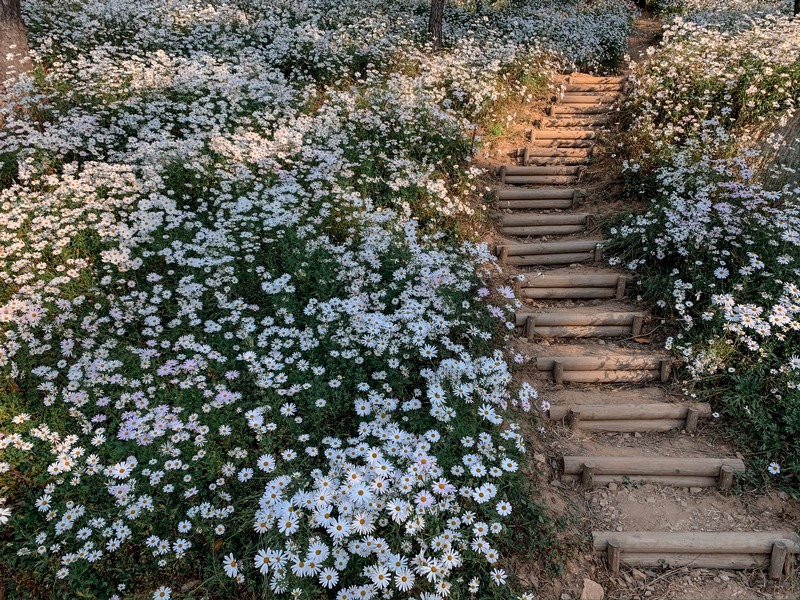
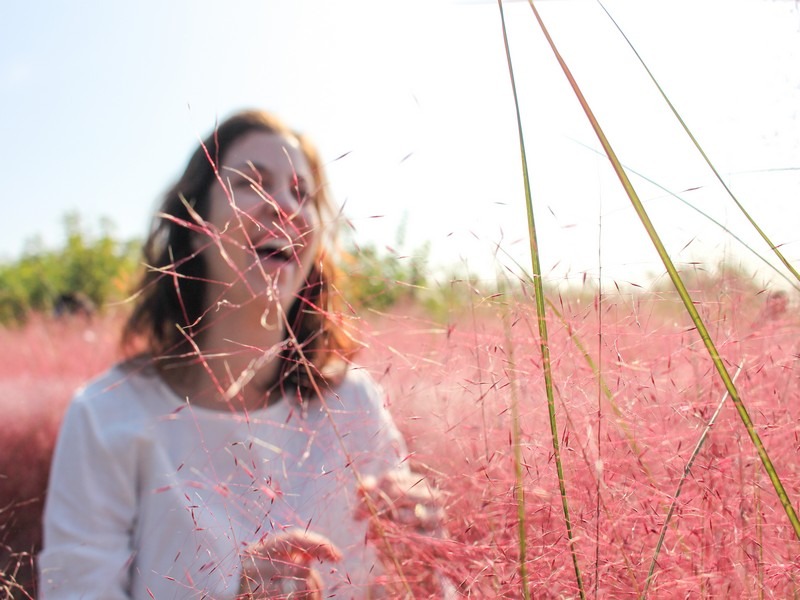
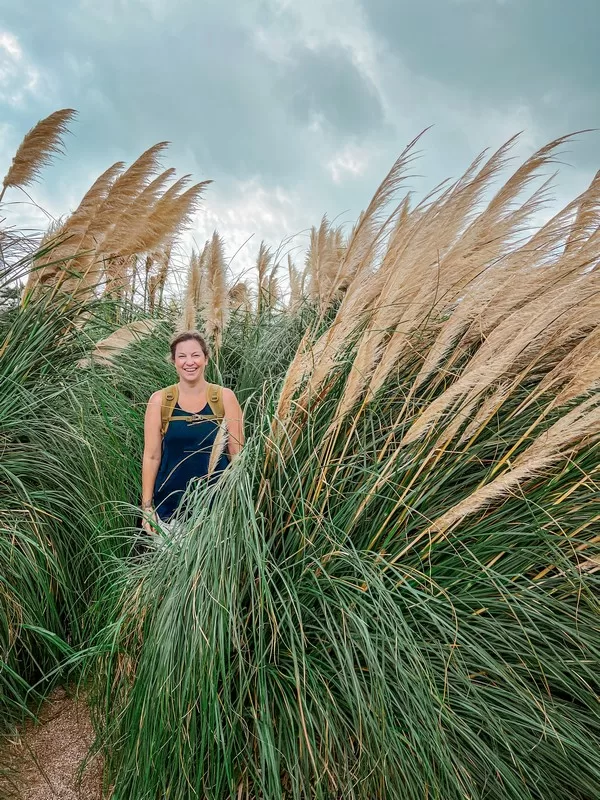
- Autumn flowers bloom including pink muhly
Festivals and events to look forward to:
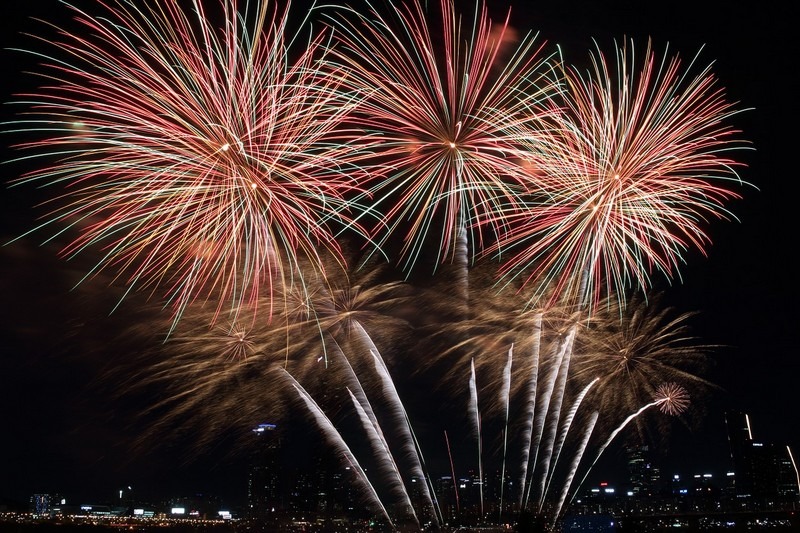
- Seoul International Fireworks Festival: Usually the first weekend in October, this is the biggest fireworks festival in the capital of Korea.
- Andong Mask Dance Festival: Traditional Korean mask dances are performed as well as mask dances by international troupes. It’s fun to watch and partake in at one of the most famous traditional villages in the country.
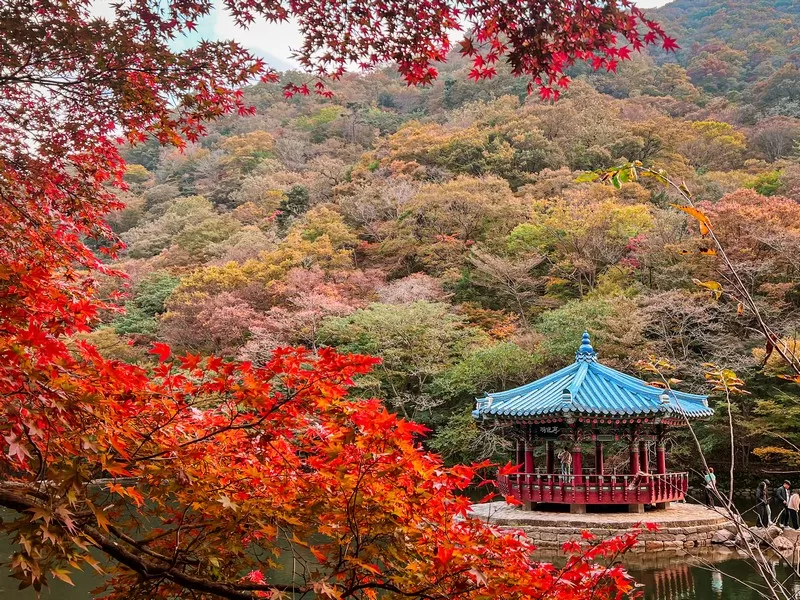
- Naejangsan Maple Trees: Naejangsan is one of the most popular places in the country when the foliage begins to change colors. It becomes a vibrant red thanks to the abundance of maple trees in the area.
- Haneul Park Silver Grass Festival: While the World Cup Park is underrated most of the year, come autumn, everyone heads to this park in Seoul to see the field of silver grass that overlooks the Han River.
- Busan International Film Festival: BIFF takes place in October each year and is one of the most recognized film festivals in Asia. Don’t miss everything you can see.
- Suwon Hwaseong Cultural Festival: Just south of Seoul in Suwon, the Hwaseong Cultural Festival features a beautiful royal parade, exhibitions, and tongs of cultural events to enjoy.
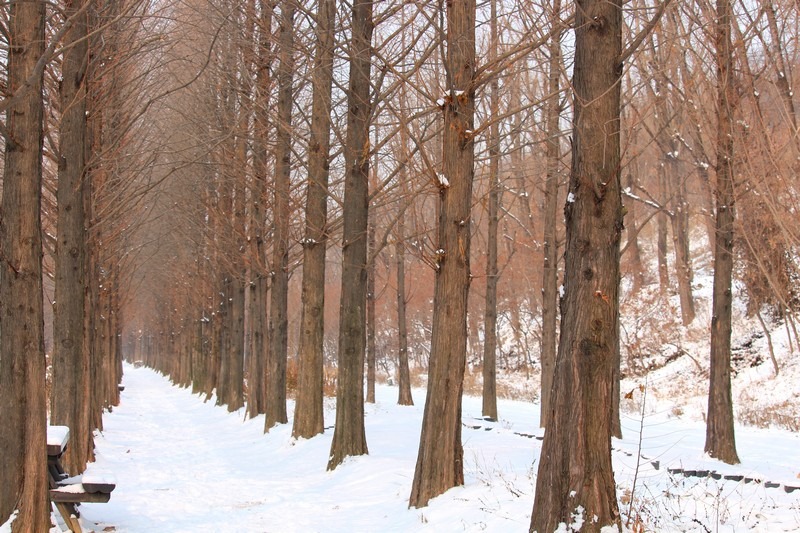
Winter in Korea (December ~ February)
Winter in South Korea is cold, dry, and bright, especially in Seoul and the north. December starts to feel festive with Christmas lights, holiday markets, and installations around popular areas like Myeongdong, Gwanghwamun, and Busan’s Haeundae area.
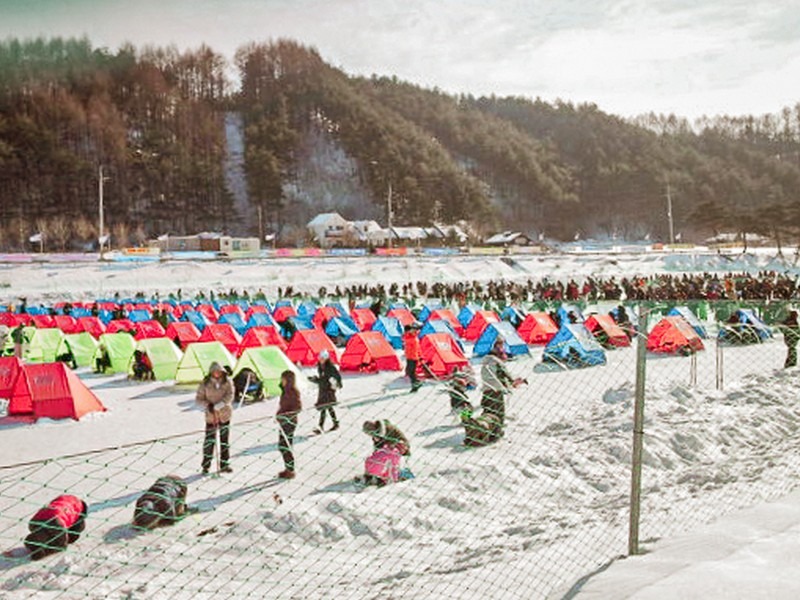
January and February are when you really feel the cold, especially once the wind hits, but some there are still some things to look forward to like ice fishing festivals, snowcapped mountains and ski resorts, and the skies are more often blue than overcast thankfully.
Highlights in the winter:
- Skiing and snowboarding at resorts around Korea
- Christmas lights and winter markets
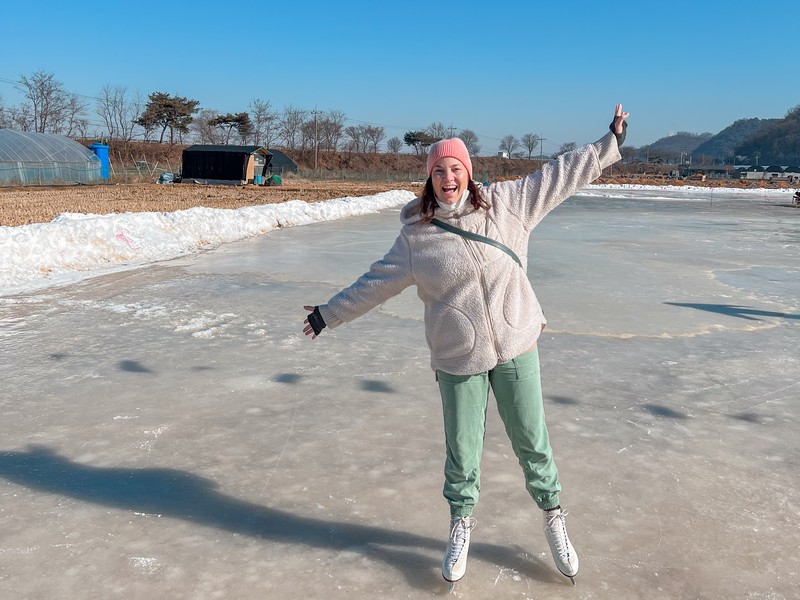
- Ice and snow festivals in the mountains and rural areas
- Cozy nights with hotteok, tteokbokki, and steaming bowls of jjigae
- Jjimjilbang, Korean bathhouses, sessions on freezing days that will warm you up to the bone
- Visits to hot springs called oncheons in Korea
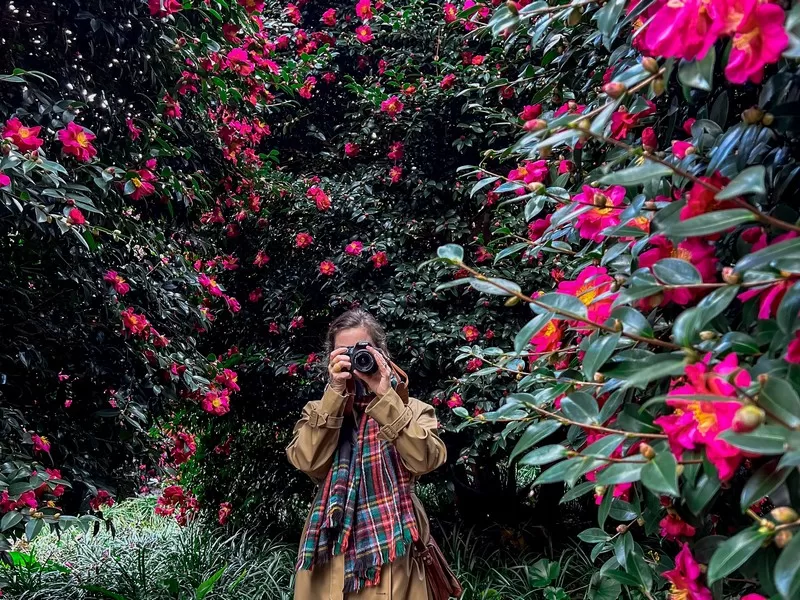
- Camellia flowers bloom in the southern parts of Korea and on Jeju Island
Festivals and events to look forward to:
- Hwacheon Sancheoneo Ice Festival: As the ice takes over the streams and rivers, the fun really begins as ice fishing festivals get underway.
- Taebaeksan Mountain Snow Festival: Large snow sculptures look over crowds of tourists. After perusing them, hike up into the nearby mountain range for fluffy white snow views.
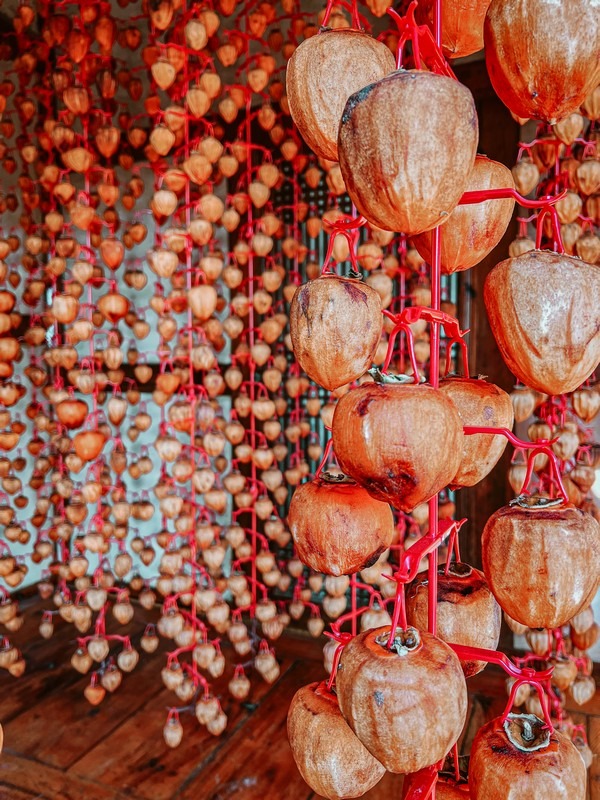
- Yeongdong Dried Persimmon Festival: Every season has a fruity festival and in the winter it’s time to celebrate persimmons in Korea.
Things to be aware of:
Winter is also when fine dust can be more noticeable, especially in December and January. If you are sensitive to air quality or have respiratory issues, you’ll want to be aware of this and stock up on masks, which are always available at pharmacies and convenience stores around the country.
The Worst Time To Visit Korea (If I have To Pick One)
If push comes to shove, I’d say February is not the ideal time to visit Korea. It’s usually the coldest stretch of winter, the festive feeling of December has passed, and spring flowers haven’t started yet. Days are shorter, and the scenery can feel a bit bare.
That said, if February is the only time you can come, you can still have a fantastic trip by:
- Traveling to Jeju Island where you can see camellia flowers
- Add museums, galleries, cooking classes, markets, and cafes to your itinerary
- Take advantage of the jjimjilbangs for a spa day
Best Time to Visit Korea for Different Travelers
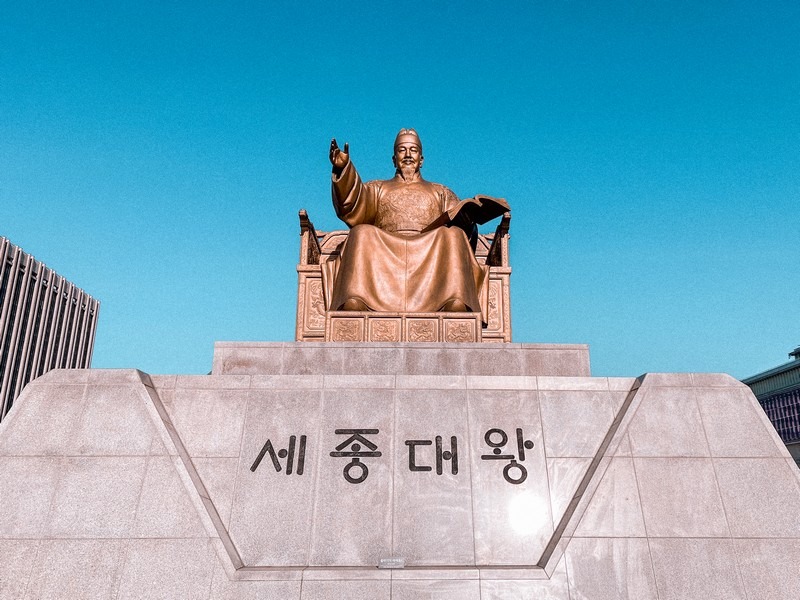
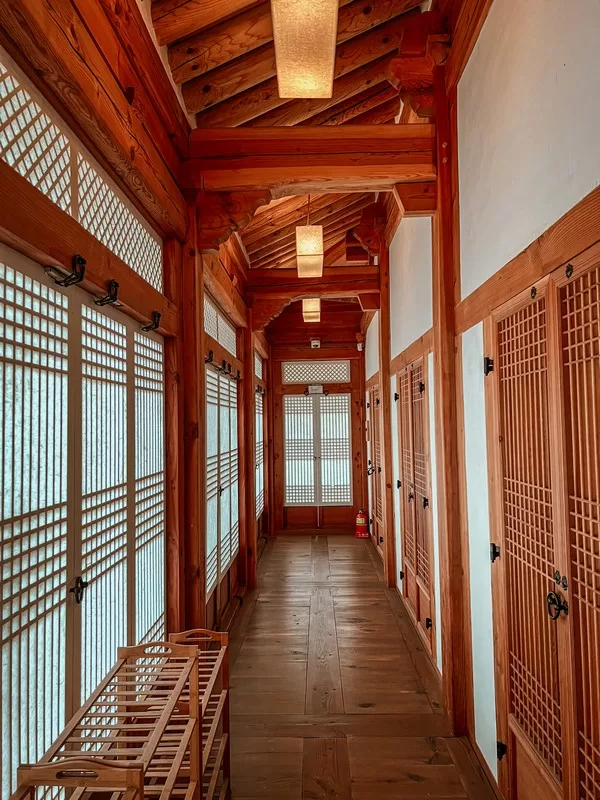
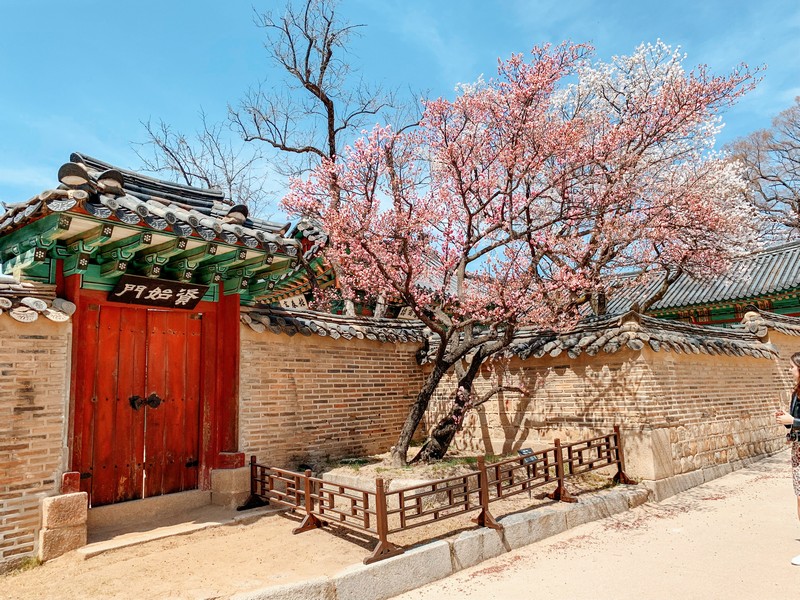
First-Time Visitors Who Want “A Bit of Everything”
Recommended time: Late April to May or October
You’ll get good weather, blossoms or foliage, and lots of flexible activity options.
Budget Travelers
Recommended time: January, February, and November (excluding major holidays like Lunar New Year and Chuseok)
Fewer crowds and better chances for flight and hotel deals. On top of that, there are loads of free things to do in Seoul, so there’s always a way to travel on a budget here.
Cherry Blossom Hunters
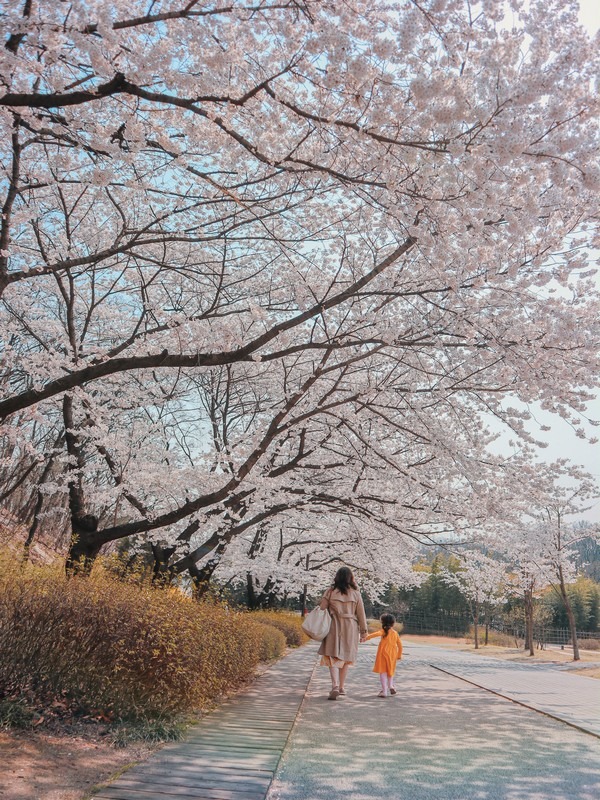
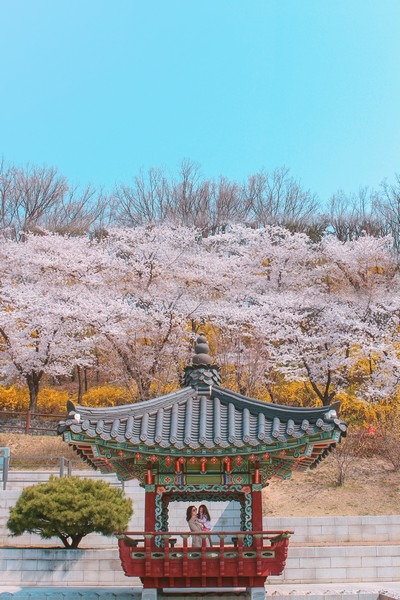
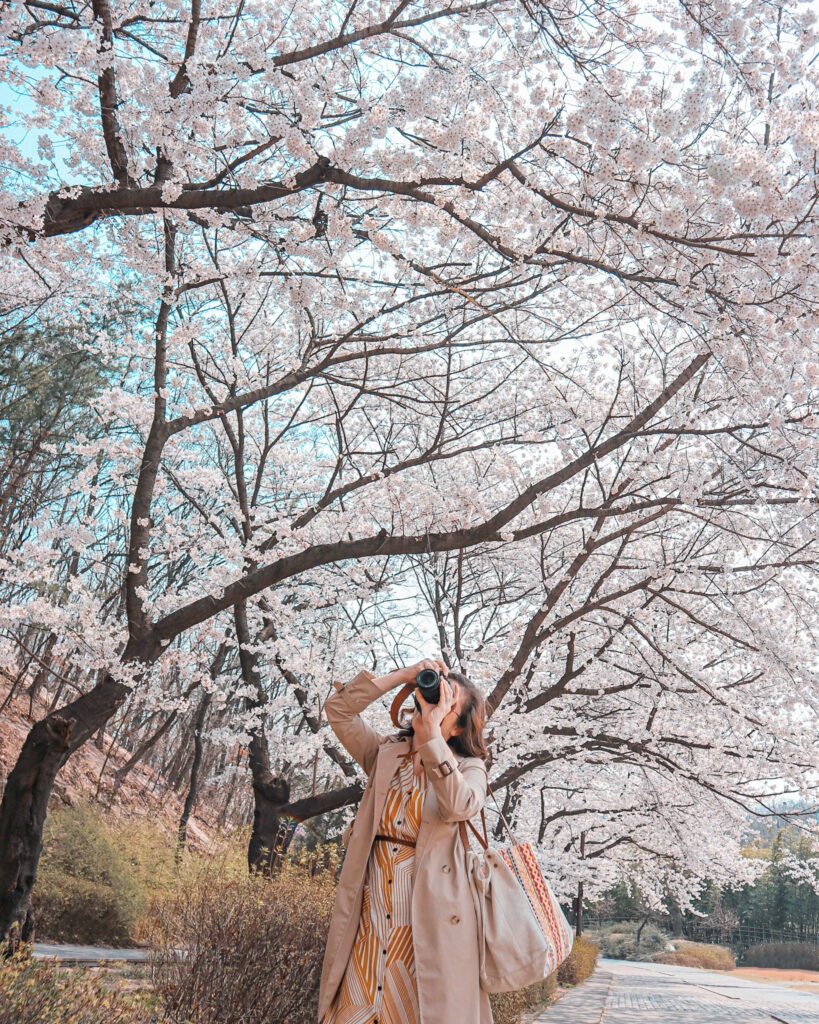
Recommended time: Late March to early April usually
Earlier in June and Busan, then sweeping up toward Seoul and the north. Remember to keep your eyes peeled because cherry blossoms bloom just everywhere.
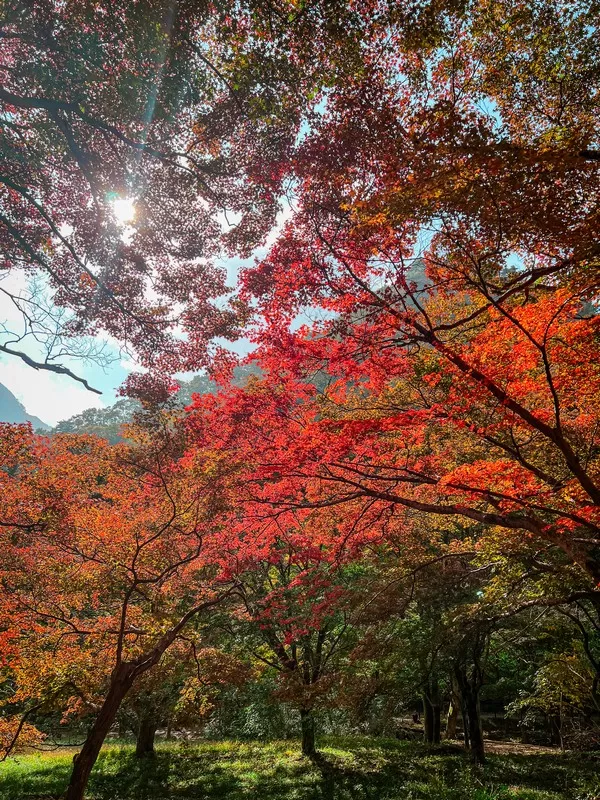
Autumn Foliage Lovers
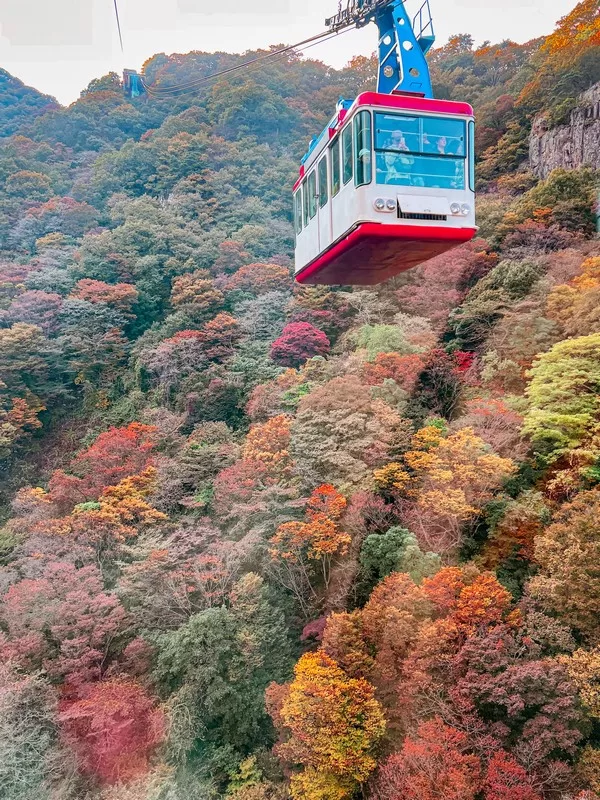
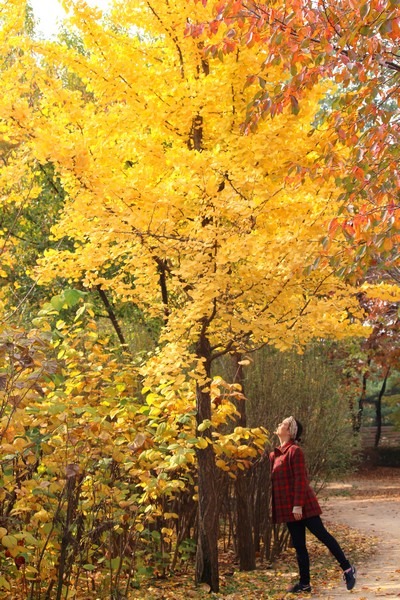
Recommended time: Mid-October to early November
Naejangsan, Seoraksan, and temple areas shine in this period. Seoul is beautiful, but try to plan some daytrips out to nearby mountain ranges to really get those foliage views.
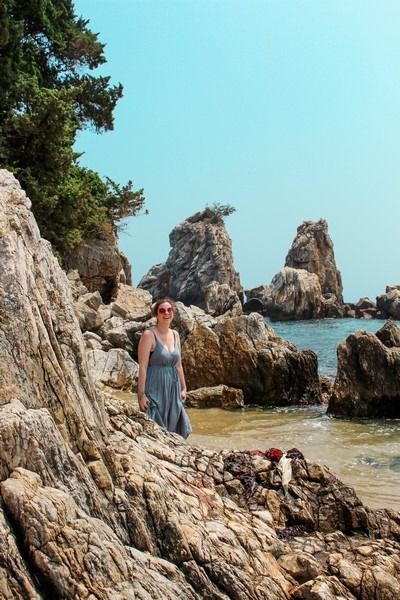
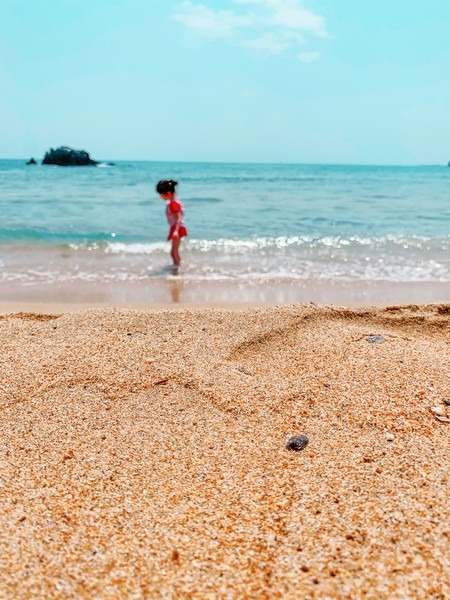
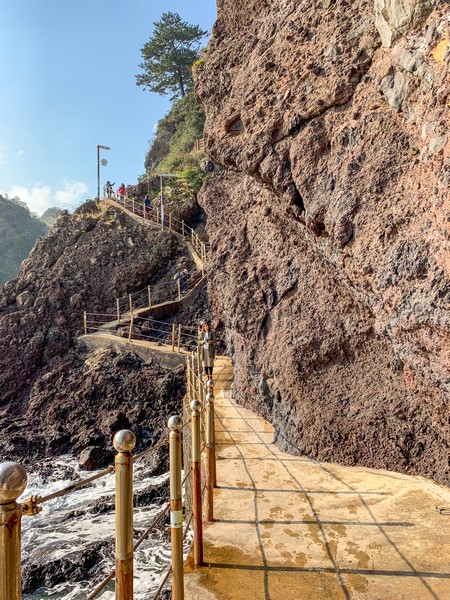
Beach & Island Fans
Recommended time: Late June through August
Busan and Jeju Island are in full swing. Expect crowds in August especially. Did you know the flight route between Seoul and Jeju is the most traveled in the world? Suffice to say, it’s easy to get back and forth!
Hikers & Nature Travelers
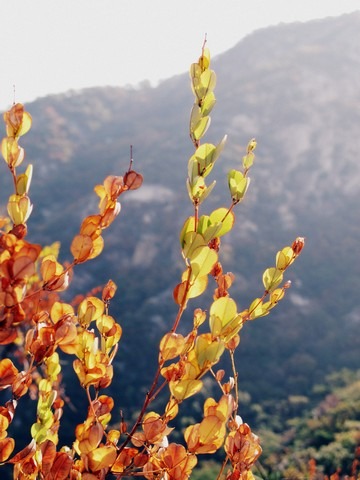
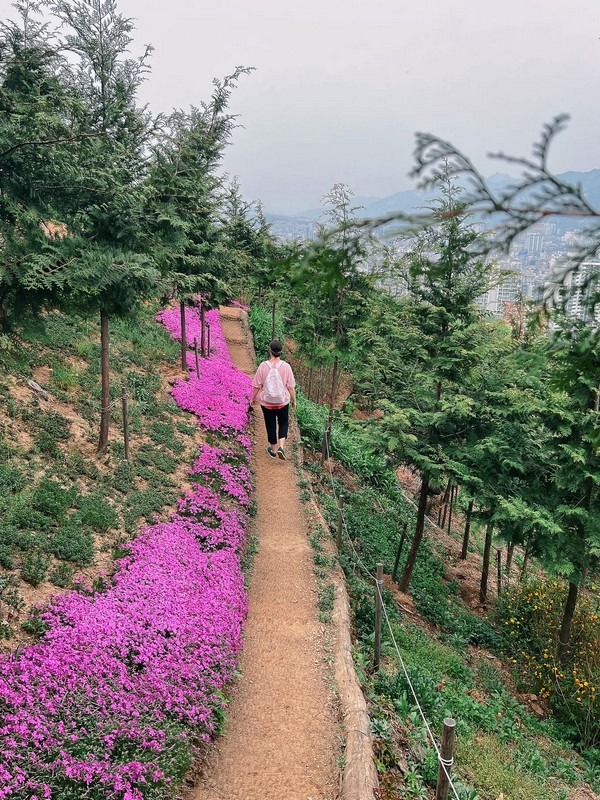
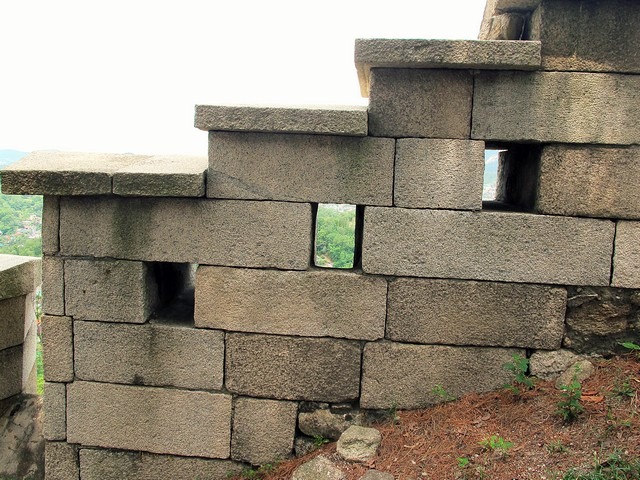
Recommended time: May, September, and October
Cooler temperatures, clearer skies, and beautiful trails abound these months of the year. 63% of Korea is covered in forests so make sure to get out of the cities to enjoy the amazing mountain ranges.
Seoul vs. Busan vs. Jeju: When To Go Where
The Best Time To Visit Seoul
Best seasons: Spring and Autumn
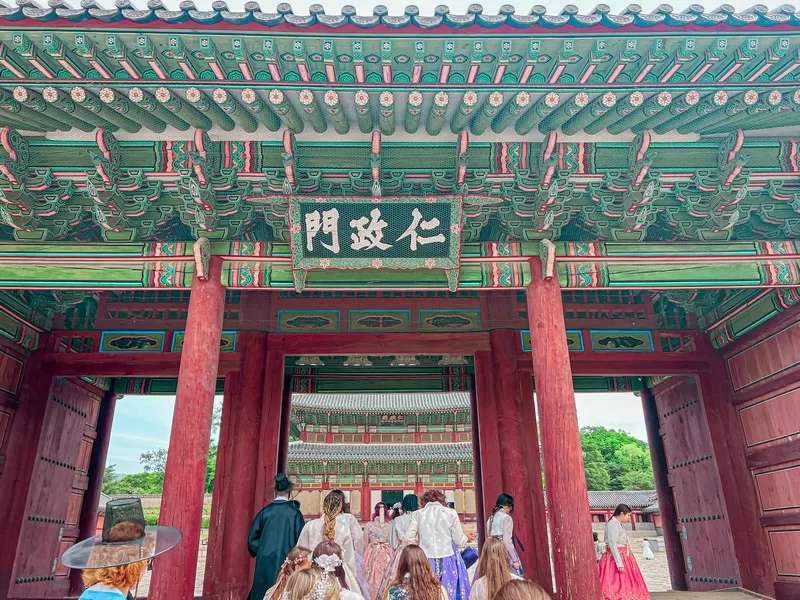
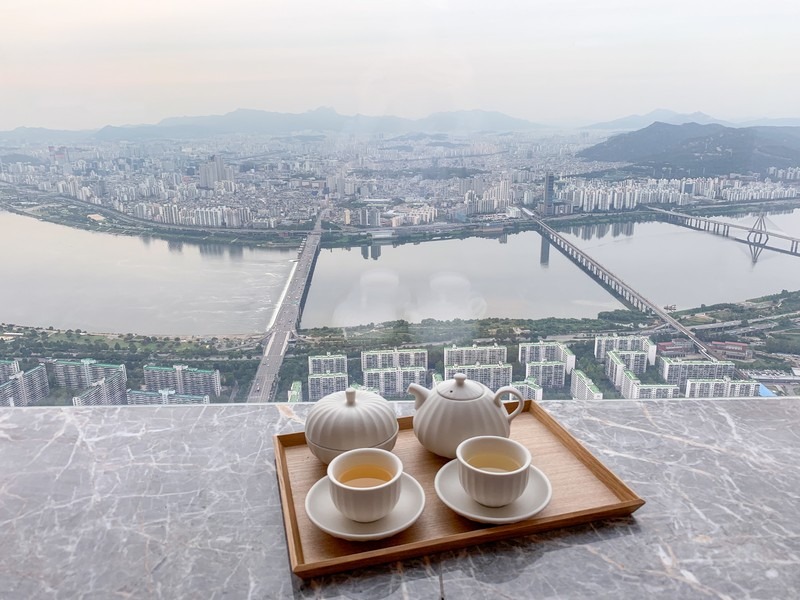
I called Seoul, Korea my home for 16 years and month to month and season to season, it’s vibrant, with something to do and plenty of places to go. That said, winter in the city can be frigid. While winter features lighting festivals, make sure to plan some daytrips to the nearby mountains for real snowy fun if you want it.
Seoul is best seen in the spring and autumn when it’s not too hot and not too cold. Summer nights can be fun and last until the sun comes up, people picnic on the Han River, but be prepared for the intensity of the humidity in the concrete city of Seoul.
The Best Time To Visit Busan
Best seasons: Summer
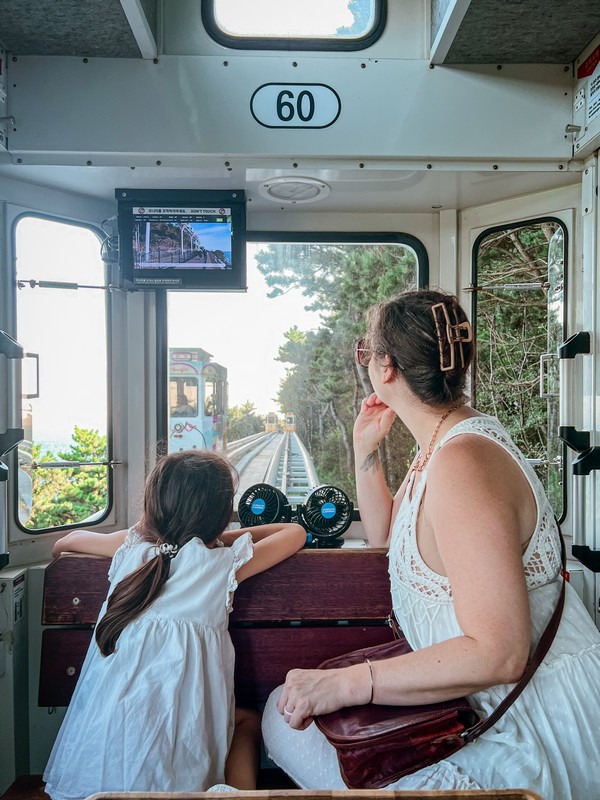
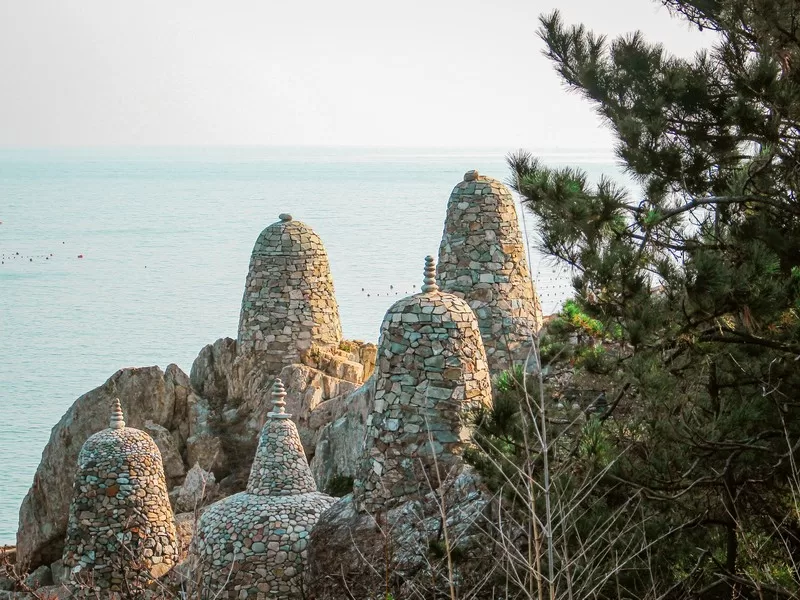
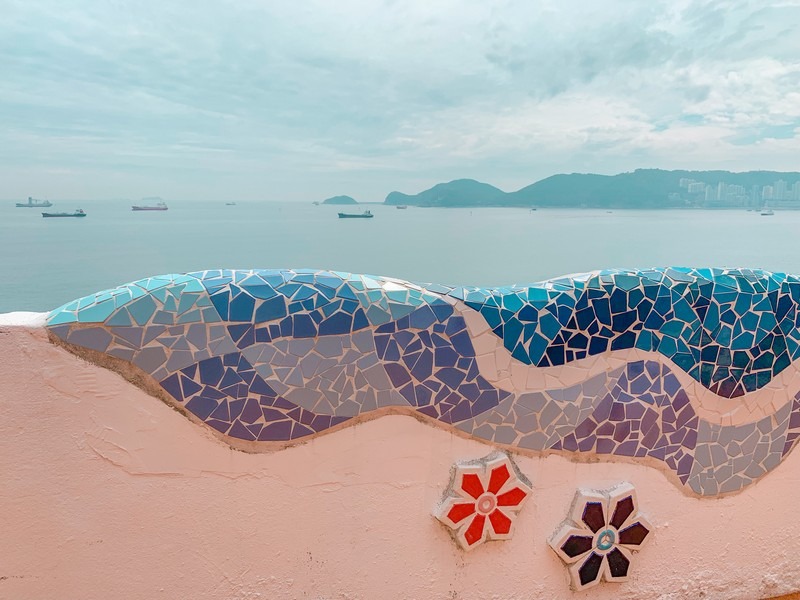
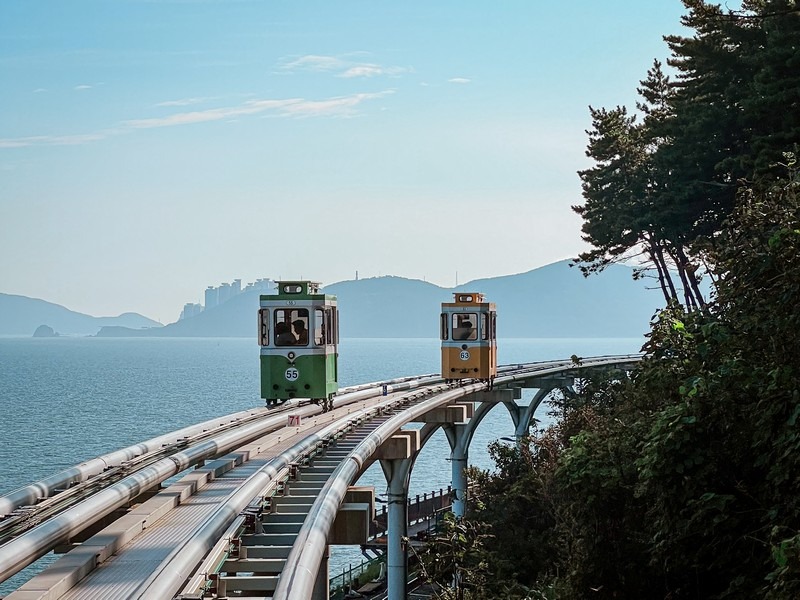
Because most people want to enjoy the beaches of Busan, the idea time to visit is from late spring into late autumn. You can enjoy beachside walks, the cute beachside sky capsule train, and the vibrant nightlife of the boardwalk areas.
If you do end up visiting in the winter, there are some great Christmas light installations and while there’s less snow than Seoul, you might catch a bit from time to time. If Seoul is too cold for you, Busan might warm you up just enough.
The Best Time To Visit Jeju
Best seasons: Spring, summer, autumn, and winter
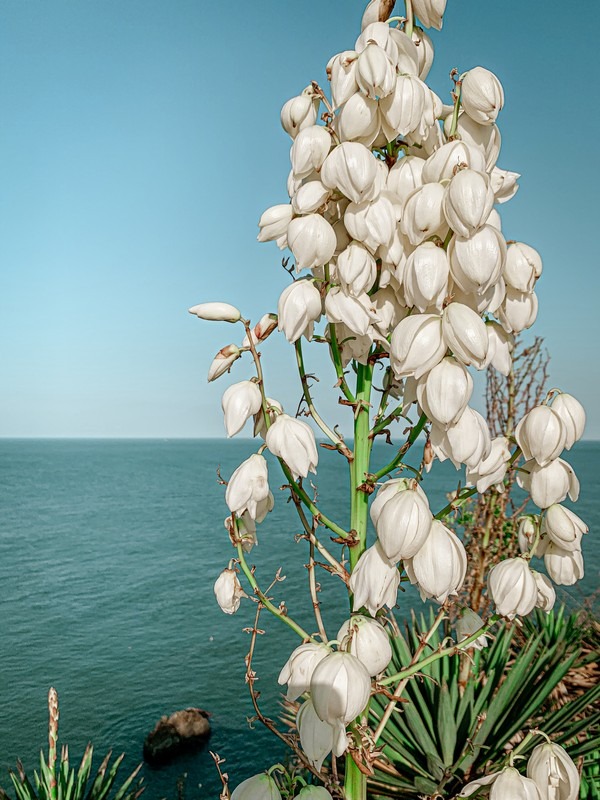
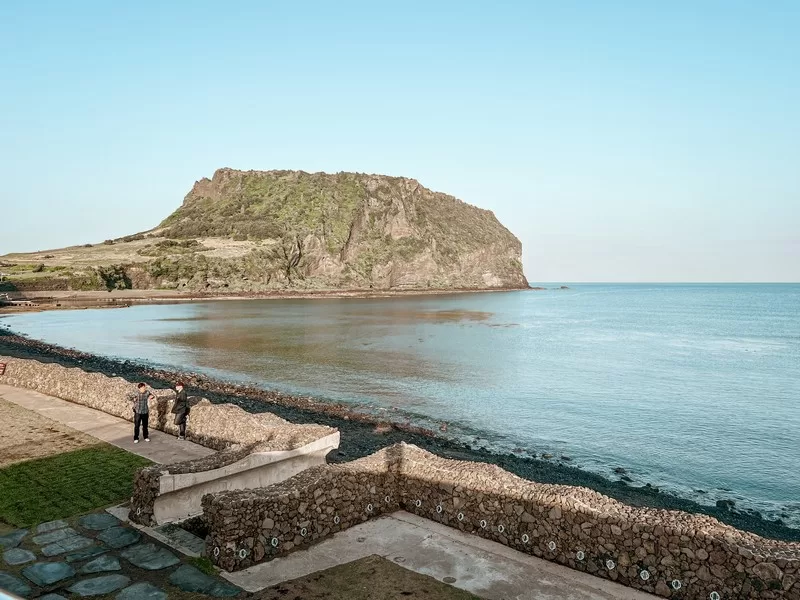
We moved from Seoul to Jeju and I can say without a doubt, it’s beautiful year round with flowers blooming in EVERY season of the year including winter! Late winter into early spring has canola fields, next comes the cherry blossoms that are just everywhere, in the water camellia flowers bloom. In the summer, the beaches, of which there are plenty of not so popular ones so you don’t have to follow the crowds, are beautiful and in the autumn you can still swim while the water is too cold up in the mainland.
The only time I’d say NOT to visit Jeju is late January into February when it’s a lot of cold wind and rain and not such great seaside views.
Fine Dust, Monsoon Season, and Typhoons in Korea
If you’re planning a trip to Korea, it’s good to know about potential issues you might have from season to season. There are a number of times of the year that you’ll have some weather factors to take into account.

Fine Dust in Korea (미세먼지)
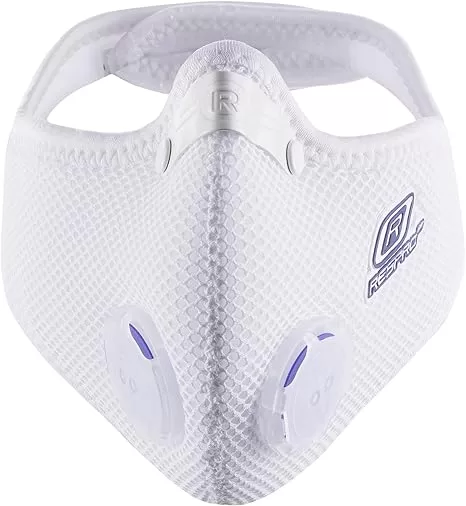
Korea can experience high fine dust days often in late winter and spring. Recently, autumn had an uptick as well. On high dust days, you might not notice it looking outside all of the time, but the sky will be hazier, sometimes literally yellow or grey, and you will certainly want to wear a mask outside. No need to prepare too much though as certified masks are available at all convenience stores and pharmacies in Korea.
If you’re sensitive to air quality:
- Check daily air quality apps
- Plan more indoor activities on bad air quality days
- Make sure to wear a mask while you’re outside
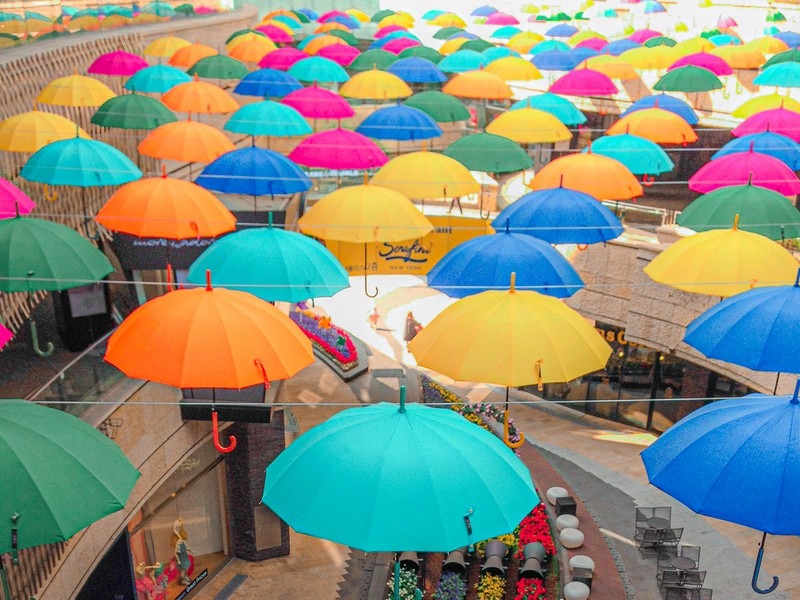
Monsoon Season (장마)
Typically in late June to late July, there can be short but very heavy rain showers that can lead to flash flooding and there can be elongated periods of rain. There is higher humidity, and streets can flood temporarily. You’ll want to have flexible plans and be able to swap indoor plans for outdoor jaunts if the rain is heavy. Make sure to pack shoes that can get wet and that you won’t mind throwing away at the end of your trip just in case.
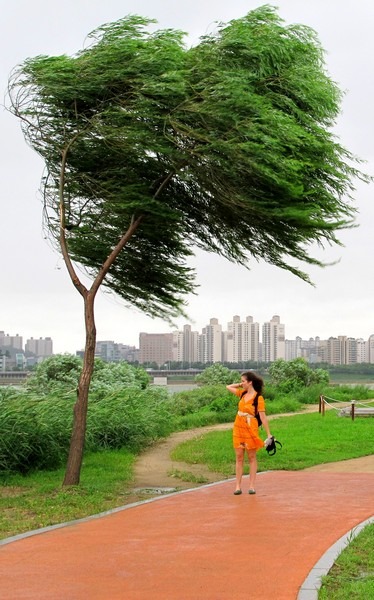
Typhoon Season
Usually peaking in August and sometimes early September, typhoons mainly effect travelers in Jeju and maybe southern coastal areas of Korea. Typhoons can effect flight schedules, ferries, and island plans. Be sure to keep an eye on local weather updates and have back up plans for fun things to do inside.
To wrap it up, I’ll just say that the best time to come to Korea is the time that you can come. Of course there are better times to catch the cherry blossoms or hit the beaches, but even winter has it’s pros. So, when are you coming?
Did you like this post? Pin iT!


4 Comments
Gabriele
Autumn 2025: I stayed for 6 weeks in South Korea and saw the colour blue in the sky on exactly three days. It rained almost without a break in Seoul from late September on for 21 days (if you don’t believe me look it up at Korean newspapers); during that time and for the rest of my trip it just was (dark) grey every day ( but warm even after the middle of October). Hiking was no option (neither cycling or doing any water sport at the Han river) because of the heavy rain, allmost all museums and galleries were closed for more than a week because of Chuseok, foreigners could not book any train tickets for 11 days ( because of Chuseok) and the streets of some parts of Seoul were packed with Demon- hunter “events” (one alike the other)- South Korea is not on summer time, so if you come from the US or Europe, be prepared that it gets dark earlier. Crispy, blue skies in autumn — not a chance, rather never-endig grey, rain and early darkness.
Hallie Bradley
That’s a bummer you had that experience. It really depends on the year. Summers can be like that with rain too, some years the monsoon rains are just for a week or two and some years, it’s the whole summer. Actually at that same time last year the entire region in Gangneung was experiencing an unprecedented drought. Really depends where you are.
As for Chuseok, there are loads of museums that open specifically on the holiday. I mention this for others reading your comment. The palaces, Namsangol Hanok Village, Korean Folk Village all host special events for visitors during the holiday period. Seoul Sky Tower, National Museum of Korea, National Folk Museum of Korea, War Memorial of Korea, etc are open. A lot of places just don’t promote in English so it can be super difficult for a tourist to know where to go and when. You’re right though, I don’t recommend tourists to travel during the Chuseok period in Korea. It’s one of the largest holidays in the country for Koreans so better for tourists to stay in Seoul and understand that Koreans rarely get a golden holiday like they did in 2025. Usually Chuseok is just 3 day!
Lucia Melara
Hi Hallie!
This is a great article! As someone looking to solo travel to South Korea for the first time, I will be sure to look through more of your blog. I do have a question about monsoon season in the more recent years. Has it gotten worse or have there been less rainy days?
Thanks!
Hallie Bradley
It really changes year to year. This year wasn’t too bad. I feel like two years ago was really bad.