Andong Travel Guide: Hahoe Village, Mask Dance, Food, and Where to Stay
Last Updated on October 12, 2026
Queen Elizabeth II visited Korea and asked to be taken to the most Korean place in Korea and was taken to Andong, so the story goes. If she had asked for the most historical city, she might have been taken to Gyeongju instead.
Andong, also called “the capital of Korean spirit”, in Gyeongsangbuk-do is famous for wooden masks, a spicy chicken dish called jimdak, the UNESCO-listed Andong Hahoe Village, and the Andong Mask Dance Festival. It took me more than a decade to finally visit, but don’t make the same mistake.
This charming city has a lot to offer and plenty to see and oh the food, oh the good eats to be supped on. After visiting with the Gyeongsangbuk-do Tourism Organization, I can say without a doubt, I’ve been, I’ve seen, and really, I’d like to go back again.
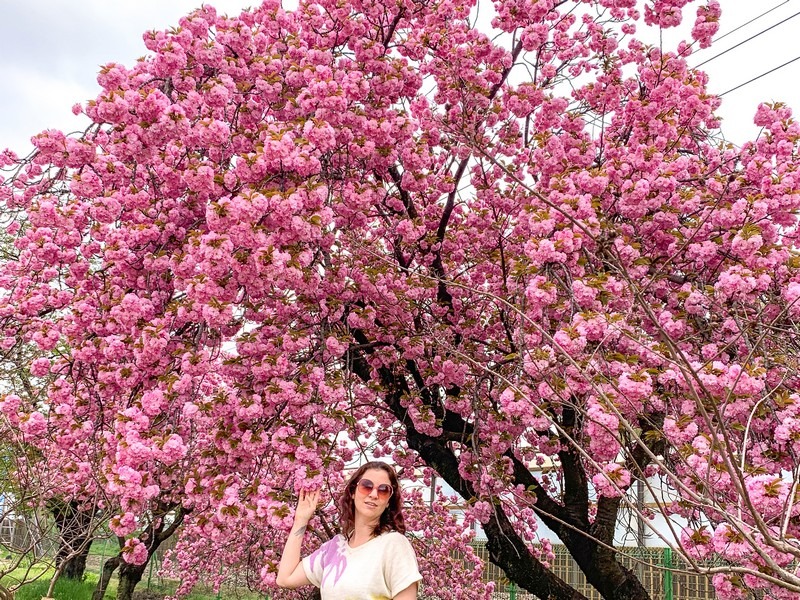
If you’re planning a weekend trip from Seoul or looking for traditional places to visit in Korea, here’s your complete guide to Andong:
- Andong Quick Guide
- How To Get To Andong From Seoul
- Where to Stay In Andong
- Things To Do in Andong
- What To Eat and Drink
- What To Buy
- FAQ
(This post contains affiliate links, which means I receive a certain percentage of a sale if you purchase after clicking at no cost to you. Thank you for your support.)
Andong Quick Guide
| Known as | The capital of Korean spirit, the most traditional city in Korea |
| From Seoul | 2 hours by train, 3 hours by bus |
| How many days | 1 day minimum; 2 days to see everything properly |
| Best time to visit | Spring (cherry blossoms, fewer crowds) or October (Mask Dance Festival) |
| Don’t miss | Andong Hahoe Folk Village, Wolyeonggyo Bridge at night, jjimdak, heotjesabap |
| UNESCO site | Andong Hahoe Folk Village (designated 2010) |
| Famous food | Andong jjimdak, heotjesabap, Mammoth Bakery treats |
| Famous drink | Andong soju: 40% ABV, don’t underestimate it |
Andong, Korea: 2-day Itinerary & Guide
$9.00
How To Get To Andong From Seoul
There are two easy options to get from Seoul to Andong.
By Train
Trains depart from the Cheongnyangni Station and go directly to Andong Station, taking about 2 hours. If you have the Korea Rail Pass which is for trains and want to use it, this is the time. You could also take a train from Seoul Station to Dongdaegu Station and then transfer to a local train to Andong Station.
By Bus
Express buses depart from both the Gangnam Express Bus Terminal and the Dong Seoul Bus Terminal (also called the East Express Bus Terminal when translated). The trip is about three hours and buses run every 30 minutes to an hour so visitors can fairly easily rock up to the terminal and hop on the next bus without an issue. Because buses can book up in high season, it would be good to check and possibly reserve a ticket online if you can though. Check bus schedules and reserve here.
Where To Stay
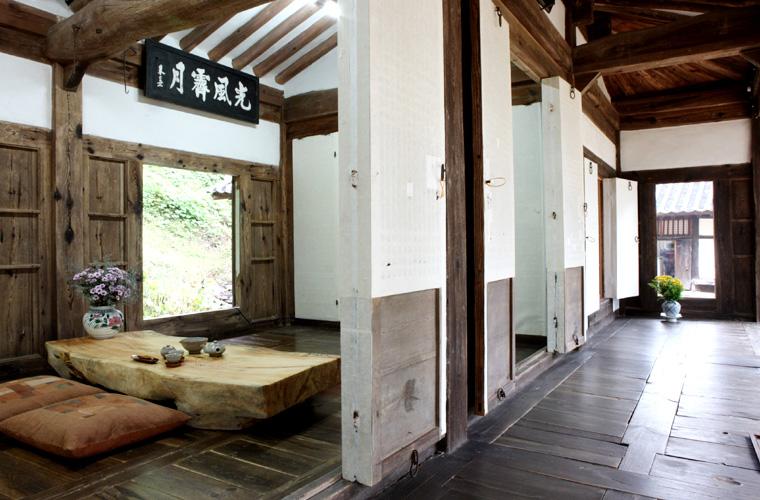
In Andong Hahoe Village
If you want an unforgettable experience and want to see the Andong Hahoe Village without an tourists wandering around, then stay in the area! The Okyeon Jeongsa is a traditional Hanok stay is THE places to stay in Andong.
The owners speak perfect English and are descendants of the famous Prime Minister Ryu Sung Ryong. This historic home has been well preserved and maintained and has been updated with amenities like Wi-fi, bidets and other amenities travelers look for. This is THE best place to stay in the area with history and culture to boot.
Things To Do In Andong
There’s plenty to fill a weekend in Andong but the highlight is always the Andong Hahoe Village so start there and see what else you can see around it.
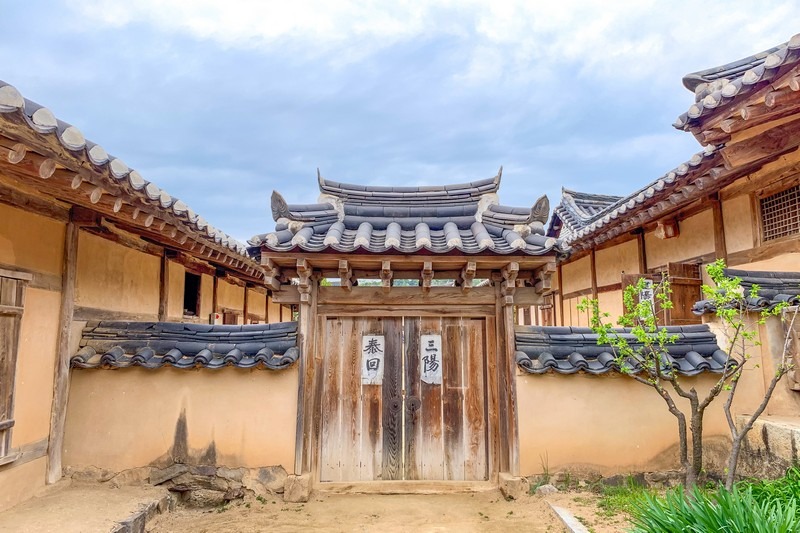
Andong Hahoe Folk Village (안동 하회마을)
The highlight of any trip to Andong is definitely the Andong Hahoe Folk Village, an UNESCO World Heritage Site in 2010. “Village” makes it sound small, but it is rather huge and you really could spend the better part of a day walking down all of the small alleys and roads.
This traditional village dates back to the Goryeo period (918 to 1392) and unlike other traditional villages like Bukchon Hanok Village in Seoul where only the upper nobles resided, this village was home to both commoners and noblemen all at the same time living shoulder to shoulder.
The village is where the Ryu family originated and was the birthplace of the great Confucian scholar Ryu Unryong and Ryu Seongryong, the Prime Minister during the Japanese invasions between 1592 and 1598. If you’re interested in learning more about villages like this, check out these other recommended folk villages in Korea to see.
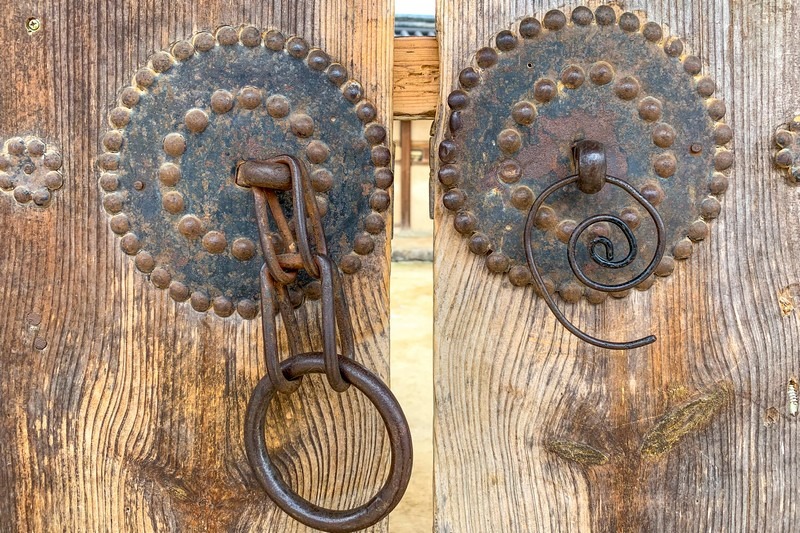
The Hahoe Folk Village sits in a U-shaped bend of the Nakdong River. ‘Ha’ means river and ‘Hoe” means turning around.
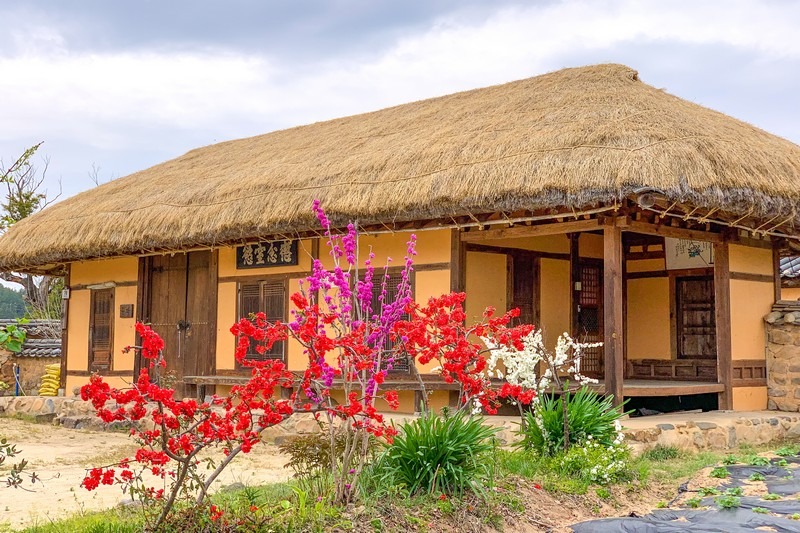
The houses here are unique in that many of them use a thatched roof as opposed to the more common roof tiles. The houses around the village have signs outside letting visitors know which ones they can go in a bit of history about who resided there many years ago.
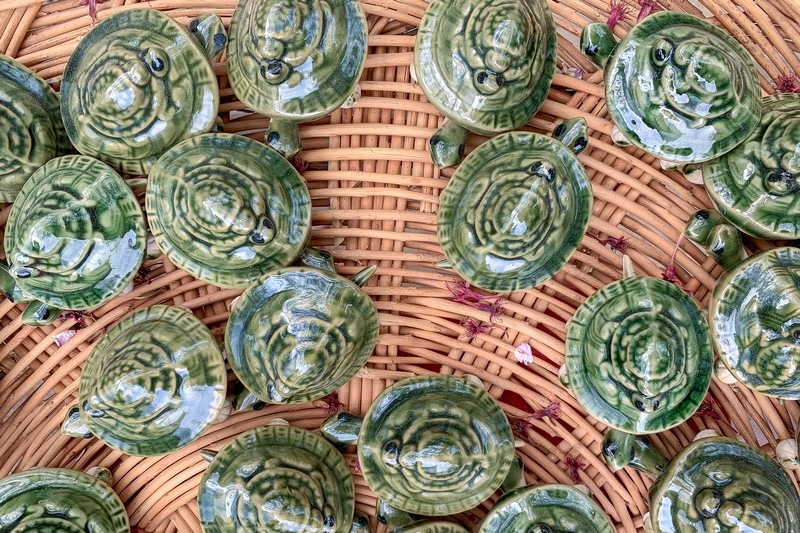
Walk along as you please or rent one of the bicycles to ride around in style with your friends or family. Also don’t miss a stop into the local market pictured below. I got some great little traditional toys for my daughter here. They had some great souvenirs to take home.
Join A Tour: To get more out of Andong, go with a guide.
- Private Tour to Andong Hahoe Village from Seoul on Viator: Travel to Andong from Seoul to see the Andong Hahoe Village with a private guide who provides door-to-door transfers. This is great if you have a group ready to go.
- Private Tour to Andong Hahoe Village from Busan on Viator: Travel to Andong from Busan to see the Andong Hahoe Village with a private guide who provides door-to-door transfers.
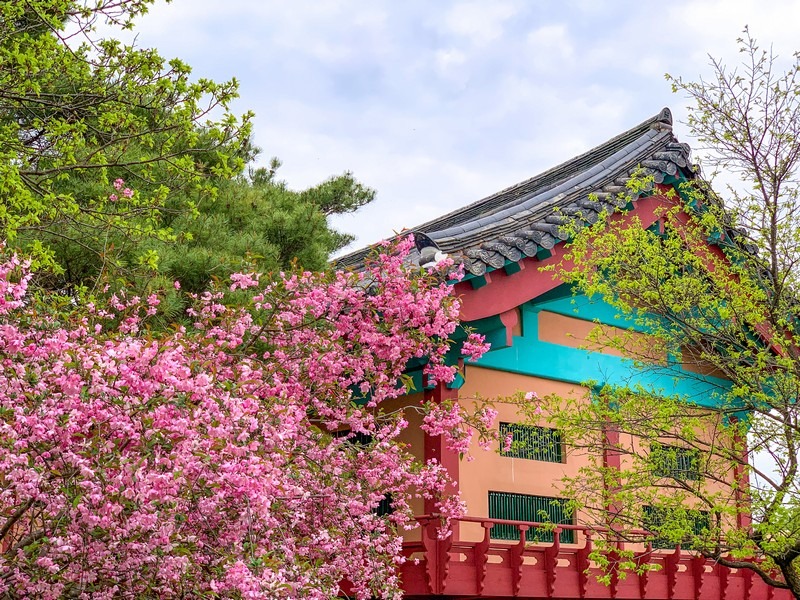
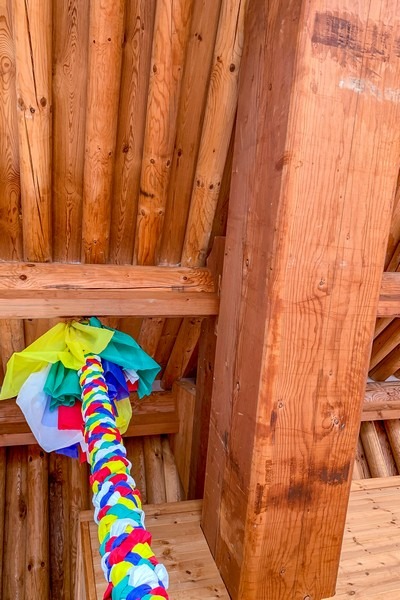
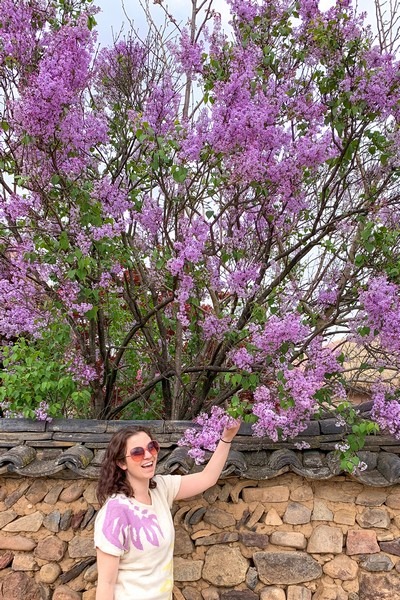
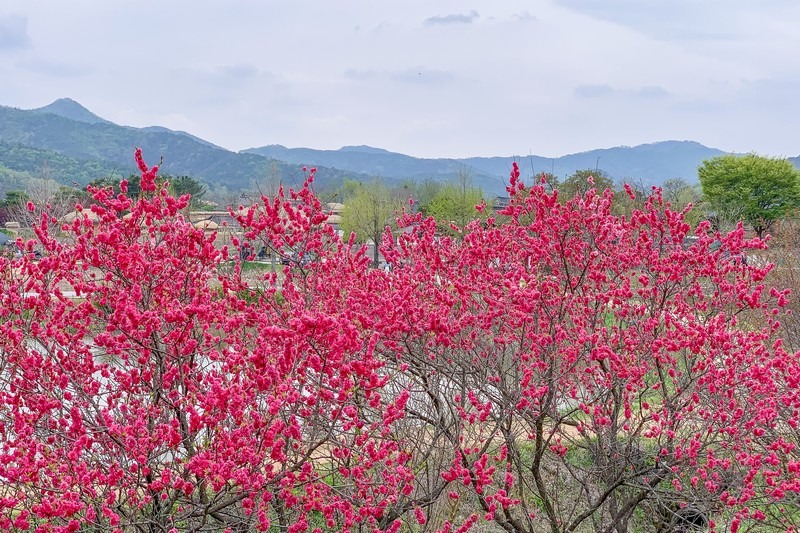
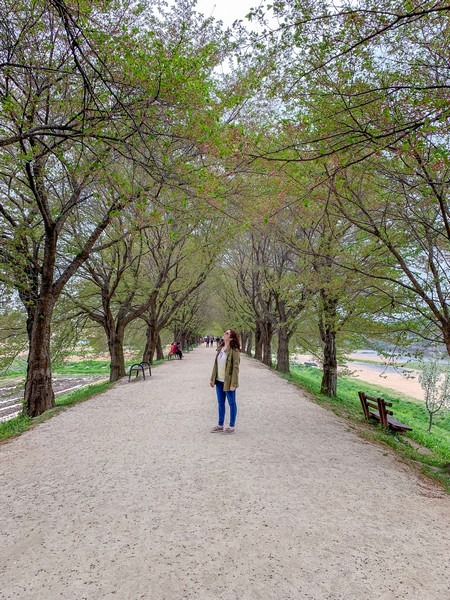
There’s a river near on one side of the village and a tree lined path with a perfect covering to walk along and get this, the trees are all cherry blossoms. Want a cherry blossom spot off the beaten path? Head here! We just missed the blooms when we visited, but I could see the remnants and was sad to have missed it, however we found plenty other plants and trees blooming that’s for sure.
TIP: Go In The Spring! Most people I know and most bloggers visit Andong Hahoe Village in the autumn because that’s when the big Andong Mask Festival takes place, but as you can see, in the spring there are flowers everywhere and really there weren’t too many tourists which was great for us.
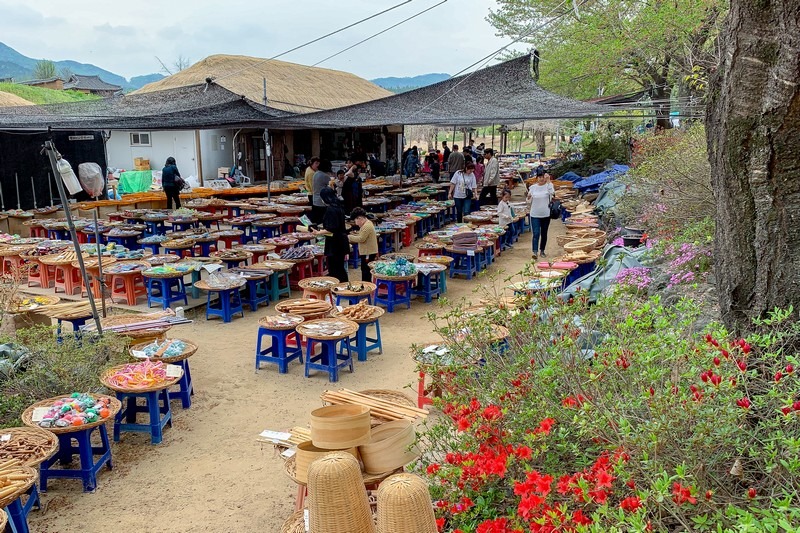
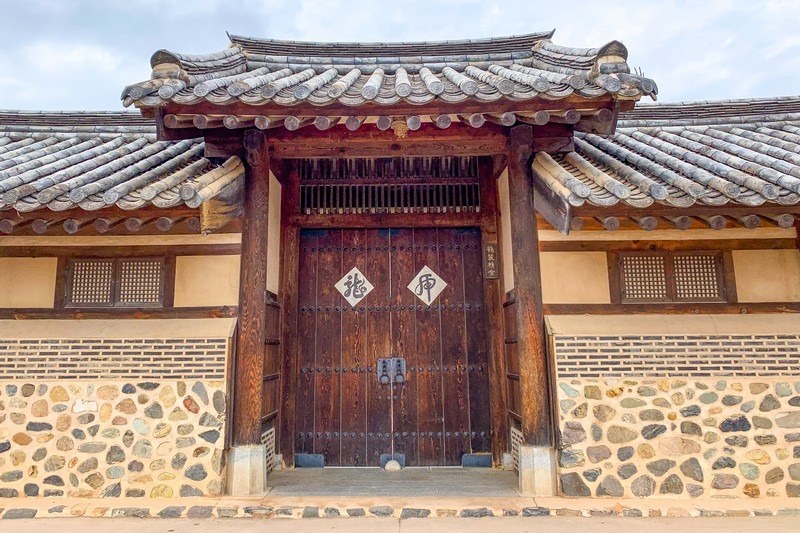
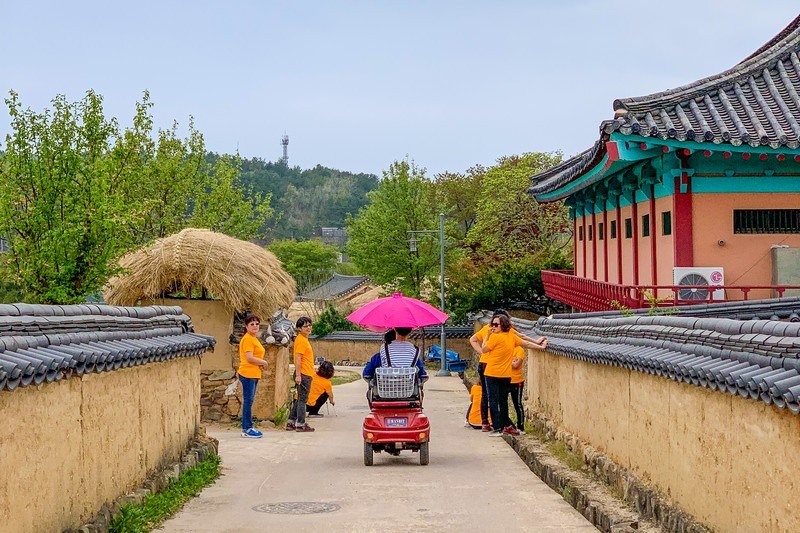
Sites To Visit In The Village: Once you arrive and have paid the admission fee, you can also grab a map so that you can find everything. Really, since the village is surrounded on all sides by the river except for the side you’re entering on, you certainly won’t/can’t get lost, but if you want to make sure you’re not just wandering aimlessly but are headed towards various sites, do grab a map. Here were some of the highlights for me.
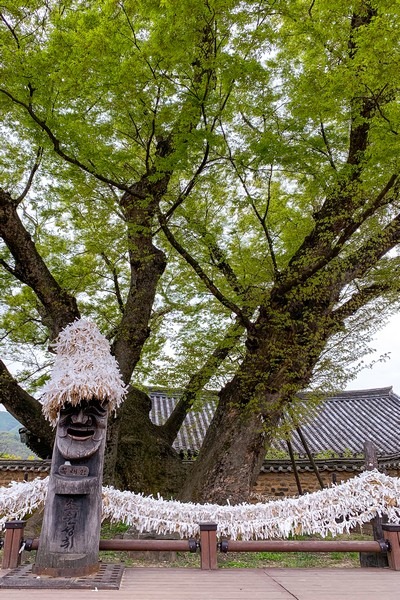
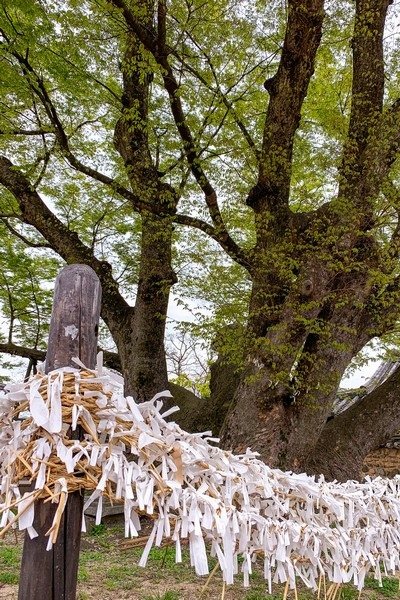
The Tree Inhabited by the Samshin goddess: Walk around the tree three times and write your wish on a tag and hang it on a line that circles the tree. It’s definitely got some spirit and all of the wishes surrounding this old tree make it very powerful feeling. This tree is a zelkova tree that is more than 600 years old and sits at the highest point in the village.
There is a small table that sits nearby with paper and pens for visitors to write on and add their list to the numerous ones that are there. Most people wish for health and happiness. What would you wish for?
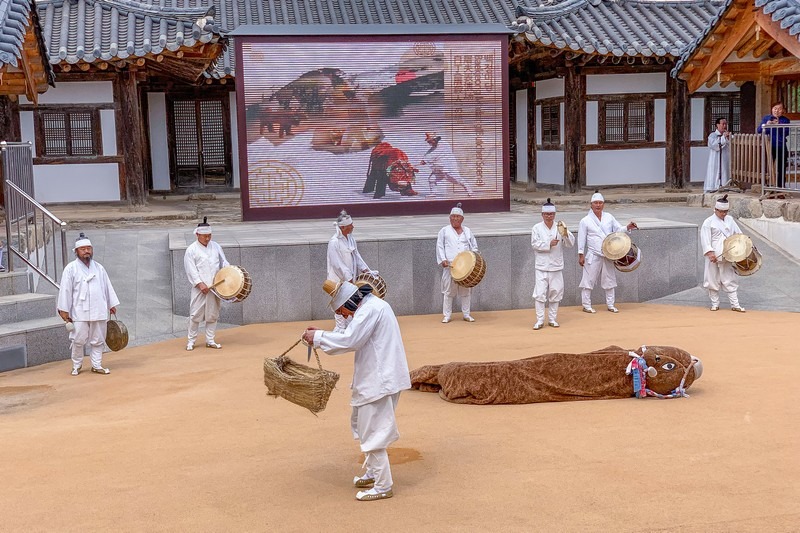
Korean Mask Dance: While the most popular event in the city by far is the Andong Mask Dance Festival in the autumn, it is only held once a year SO, the next best thing is to catch a live performance in the village.
Check the schedule when you arrive. Currently, dances are at 2:00pm every Saturday and Sunday in January and February and the rest of the year, it’s at 2:00pm Tuesdays through Sundays.
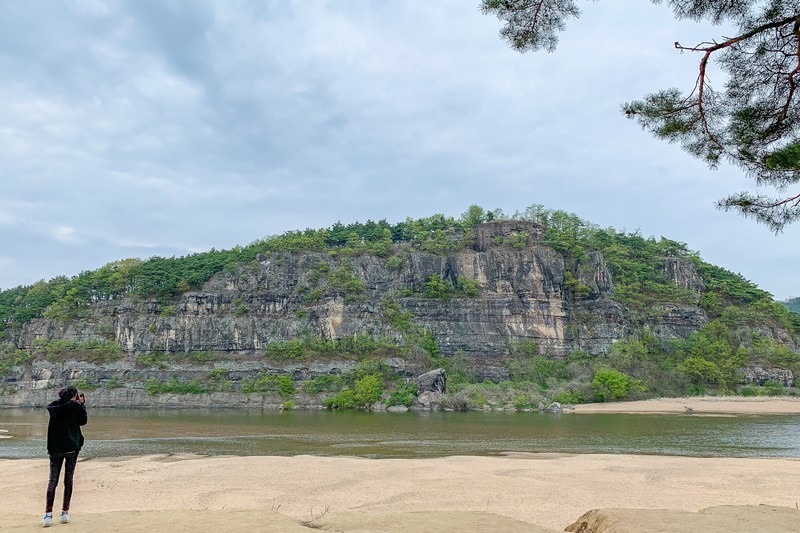
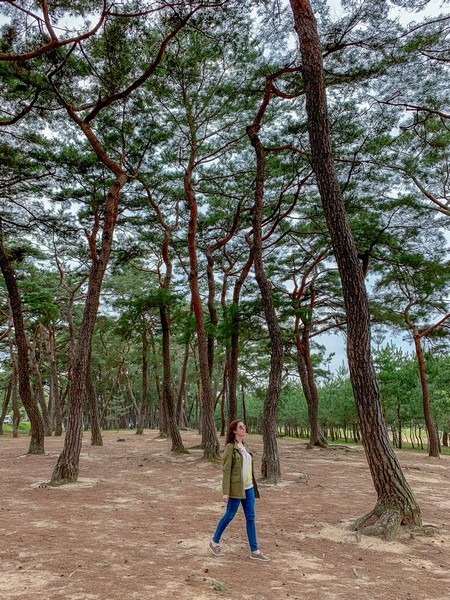
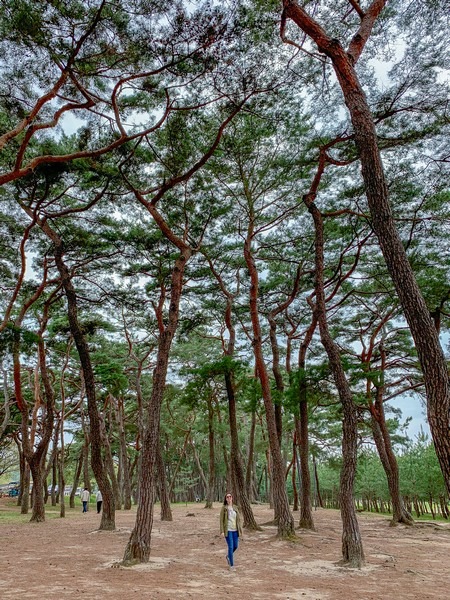
Mansongjeong Pine Tree Forest & Byongdae Cliff: A pine tree grove with trees just towering sits on one side of the village and it’s truly breathtaking to see nature when it is left to grow to such heights. Ryu Unyong planted 10,000 pine trees here to help mitigate the wild energy coming from Byeongdae Cliff. Walk through the trees to the water and you can see the wild cliff itself.
You can take a little wooden ferry across the water from the village to the cliff and you can get a view of the entire village from above if you hike up a bit. If you cross, there are two paths that go up to the top. The main trail takes visitors by Okyeon Pavilion but there’s a lesser known path that goes by Gyeomam Pavilion. We didn’t have the time to hike up the cliff and take in that view, but if you stay the night, and you should, I’d highly recommend taking that walk to get the view from above.
- How To Get There: Due to its popularity as a must see spot in Andong, the Andong Hahoe Folk Village is rather easy to get to. From Andong Bus Terminal or the center of Andong City, visitors can find a bus headed right to the village drop off.
- Hours: April – November: 9:00am ~ 7:00pm; November – March: 9:00am ~ 6:00pm
- Admission: W5,000
Bongjeongsa Temple (봉정사)
The largest temple in Andong, Bongjeongsa Temple has the second oldest wooden building in Korea which is no small feat with the number of wars and invasions the country suffered. Built in the 7th century by King Munmu, the ruler of the Silla Kingdom, it is the largest temple in the area.
While many of the documents surrounding this temple were lost or destroyed during the Korean War, records were discovered on the grounds during reconstruction in 1972 stated that the main hall, Geuknakeon Hall, had been repaired in 1363 which proved it was the second oldest wooden structure in Korea behind the main hall of Sedeoksa Temple which was constructed in 1308.
- Address: 222 Bongjeongsa-gil, Andong-si, Gyeongsangbuk-do (경상북도 안동시 서후면 봉정사길 222 (서후면))
- Hours: 9:00am ~ 5:00pm
- Admission: W2,000
Wolyeonggyo Bridge (월영교)
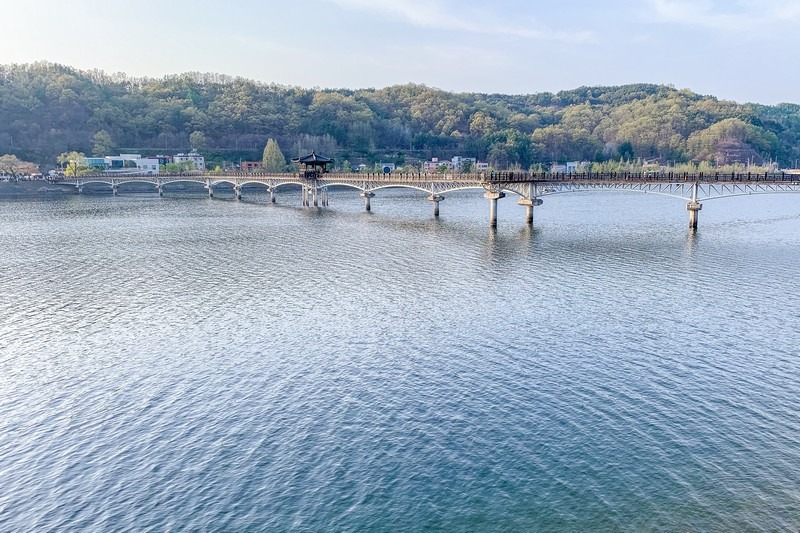
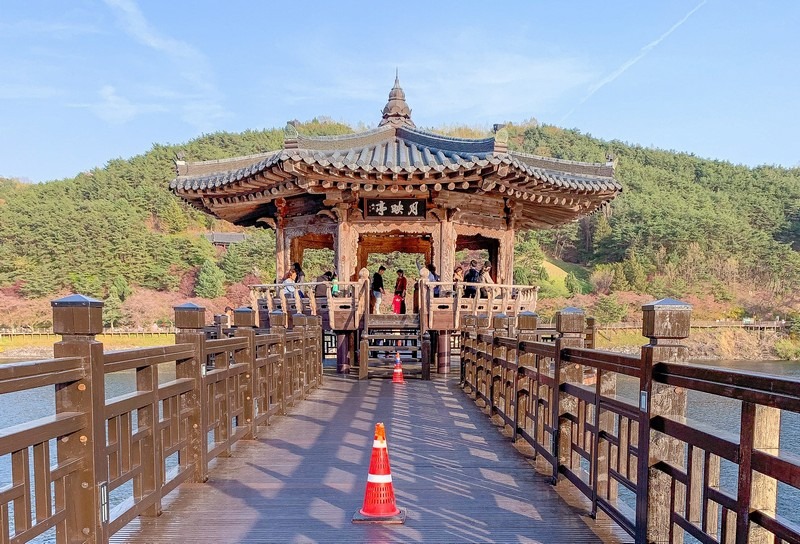
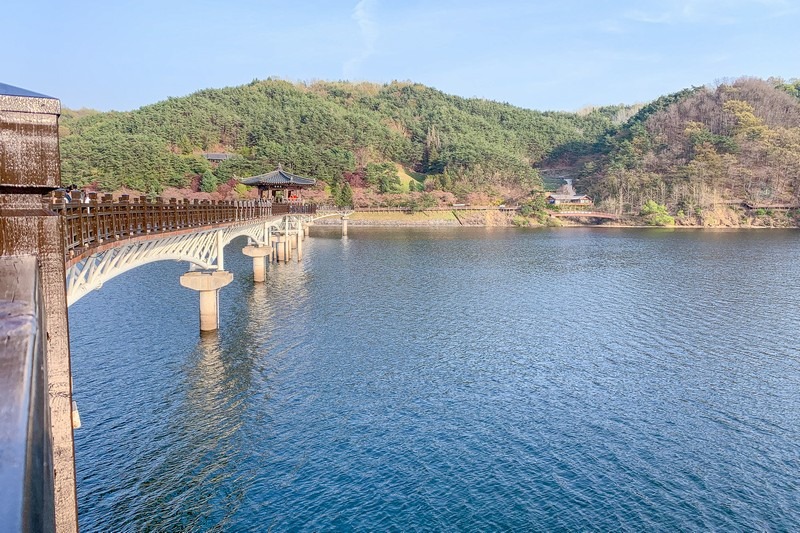
The longest wooden bridge in Korea, Wolyeonggyo Bridge spans 387 meters and is in the shape of ‘Mituri’, or traditional shoes. The bridge, better known as the moonlight bridge, opened in 2003 and is especially beautiful in the evening and into the night when the lights have turned on but don’t let that deter you from visiting in the day if that’s when you have time.
Walk across the bridge and you can find a small Hanok Village. You can also visit the Andong Folk Museum nearby and there are some great restaurants here, too. We literally at near the bridge TWICE while we visited (Check out the restaurants below.)
- Address: Area between Sanga-dong & Seonggok-dong, Andong-si, Gyeongsangbuk-do (경상북도 안동시 상아동)
- Light Show: Summer: 8:30pm; Winter: 5:40pm
- Fountain Show: 12:30pm, 6:30pm, 8:00pm (Not in the winter months)
- Admission: FREE
Imcheonggakgun Jajeong (임청각군자정)
You could easily drive right by this spot and never even notice as the road that was built and cut through the area now has a protective wall between it and these historic buildings but that means you can’t see these historic buildings from the road!
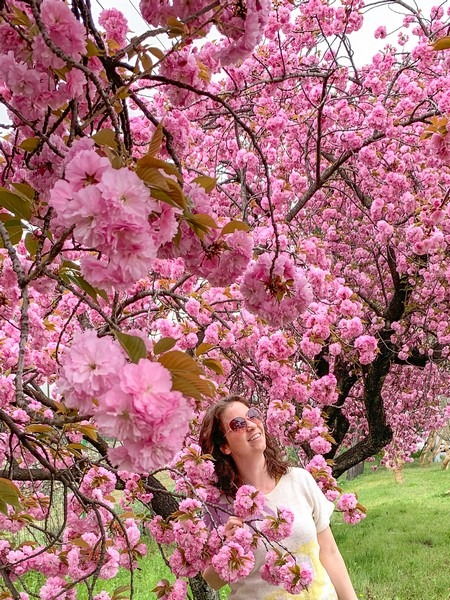
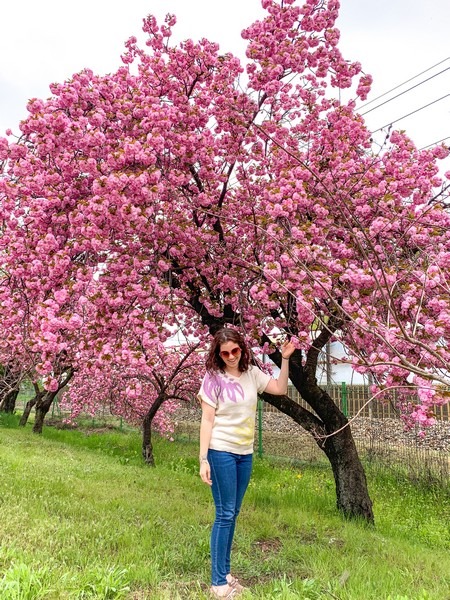
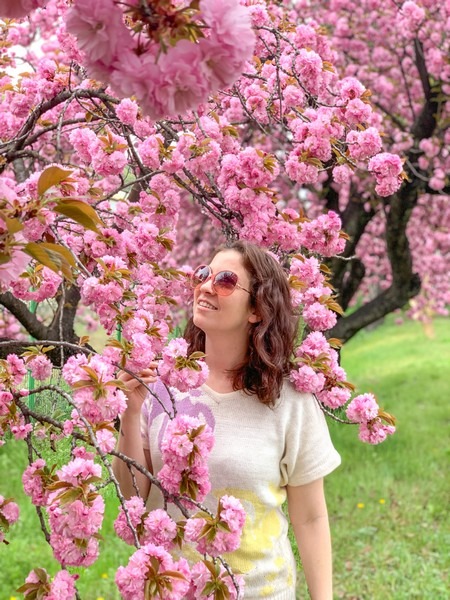
What did I initially spot before the historic Hanok houses? My favorite flowering cherry blossom trees of all time. I said earlier in the post that visiting Andong in the spring was my pro tip and this is why! Flowers flowers everywhere. Andong has king cherry blossoms all around and they are gorgeous. FYI, they bloom later than the more delicate white cherry blossoms.
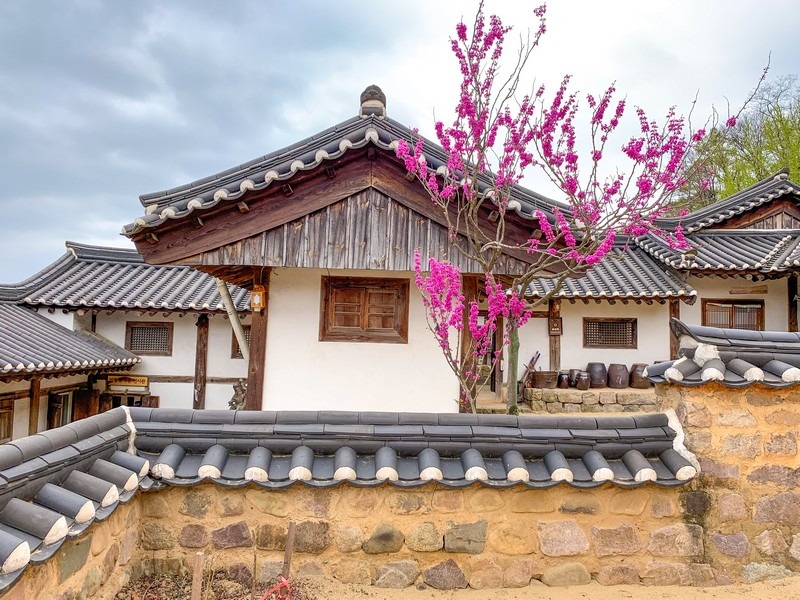
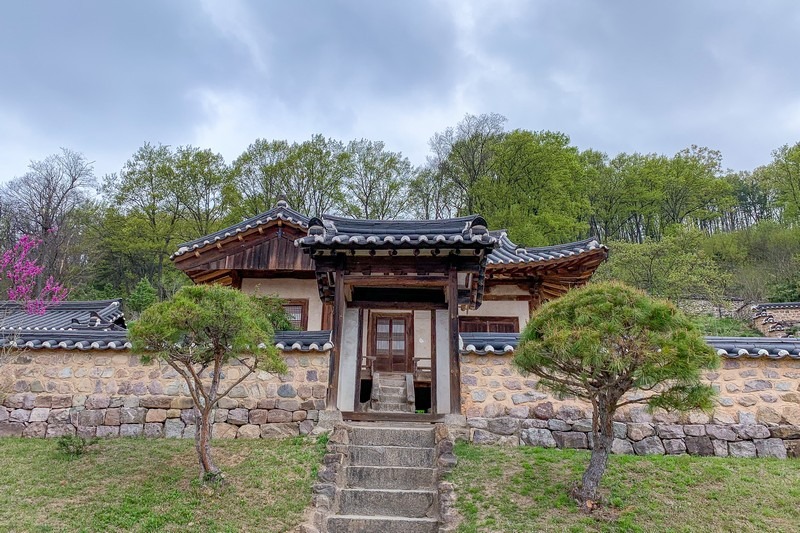
Built by Yi Myeong, a member of the Goseong Yi clan, Imcheonggak was originally built with 99 rooms which means this family was pretty high up. Only the king could have a 100 room home. This is one of the oldest civil buildings that has survived in Korea.
Seokju Yi Sangryong, famous as the first head of state affairs for the Provisional Government was born in this house along with many other great men in the family who fought in the independence movement in Korea.
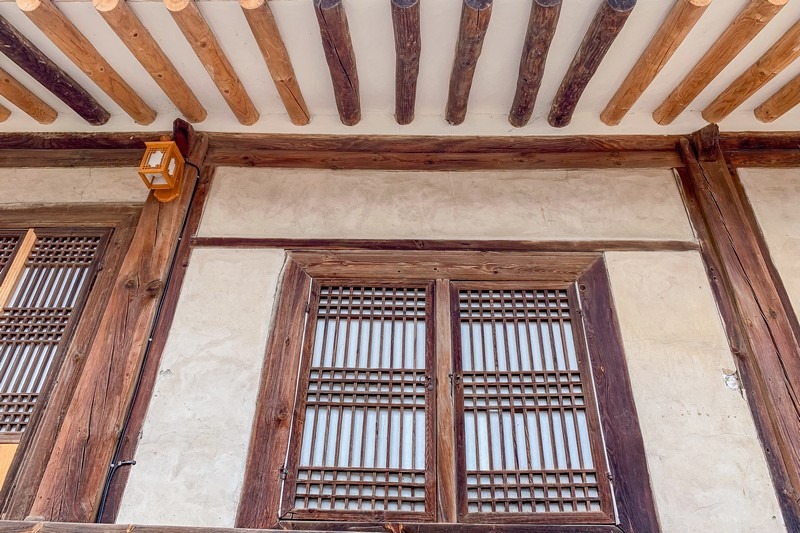
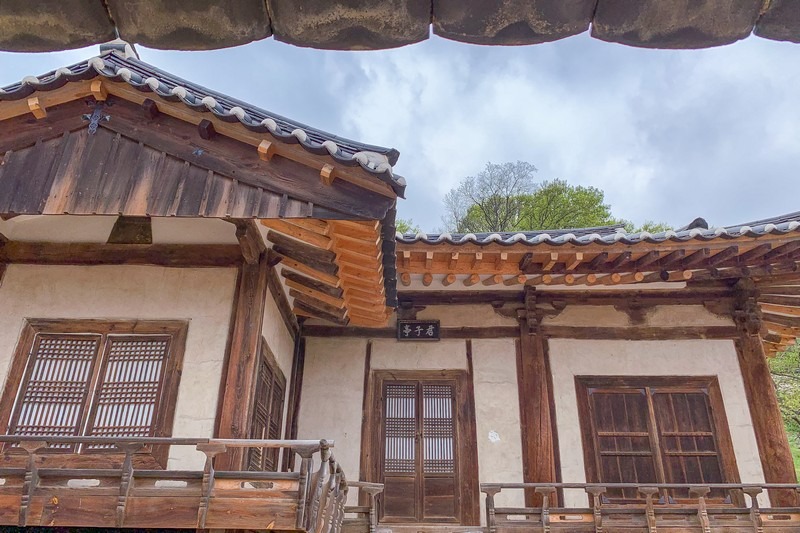
The structures are unique in that they were built in a horizontal shape to each other and there is a clear separation according to sex and rank which means the people that lived here were divided very strictly according to their status.
Just down the road from this, you can see it from the entrance to the home, visitors can also find a seven story brick pagoda. This pagoda which sits on the site of Beopheungsa Temple is the oldest and largest brick pagoda in Korea. It is 16.8 meters tall and the foundation is 7.75 meters wide.
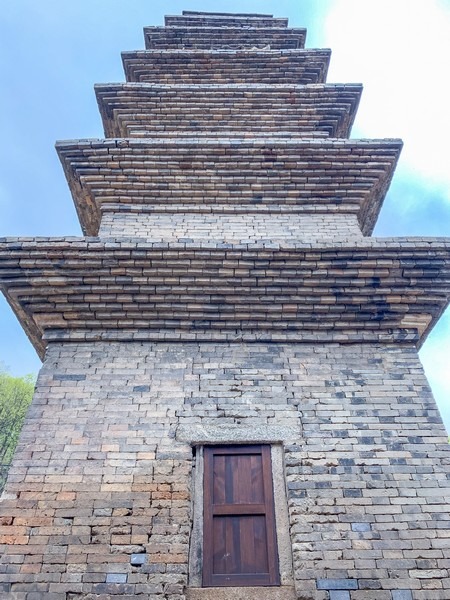
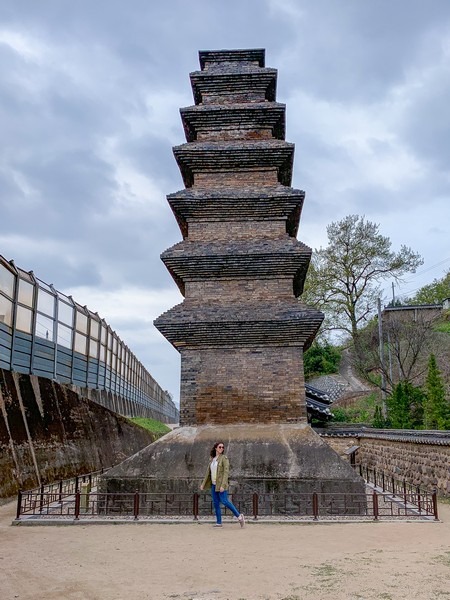
While the rest of the temple no longer stands, this is a rather impressive remnant that is left behind and it now sits between the road and some other old Hanok houses that are private residences. It’s a rather strange location compared to other pagodas around the country, but just look how towering it is.
- Address: 63 Imcheonggak-gil Andong-si(경북 안동시 임청각길 63)
- Website with more information
Confucian Culture Museum (한국국학진흥원 유교문화박물관)
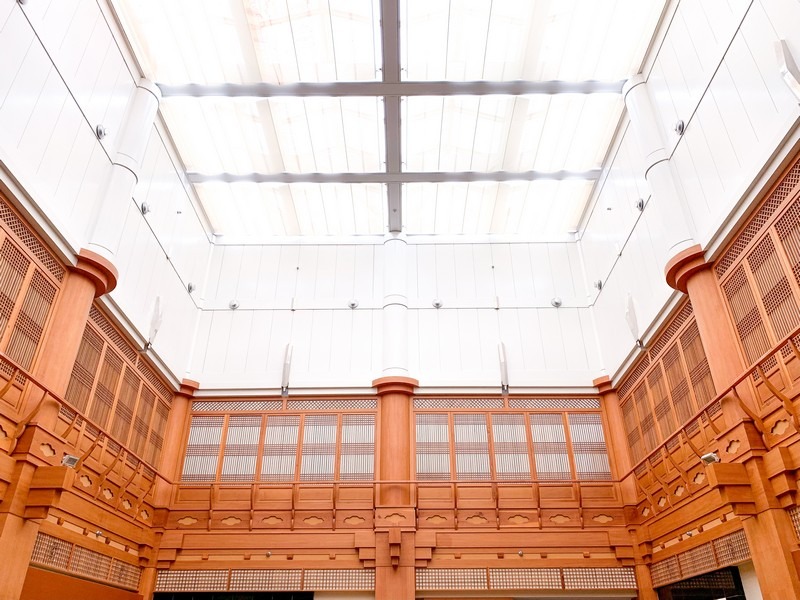
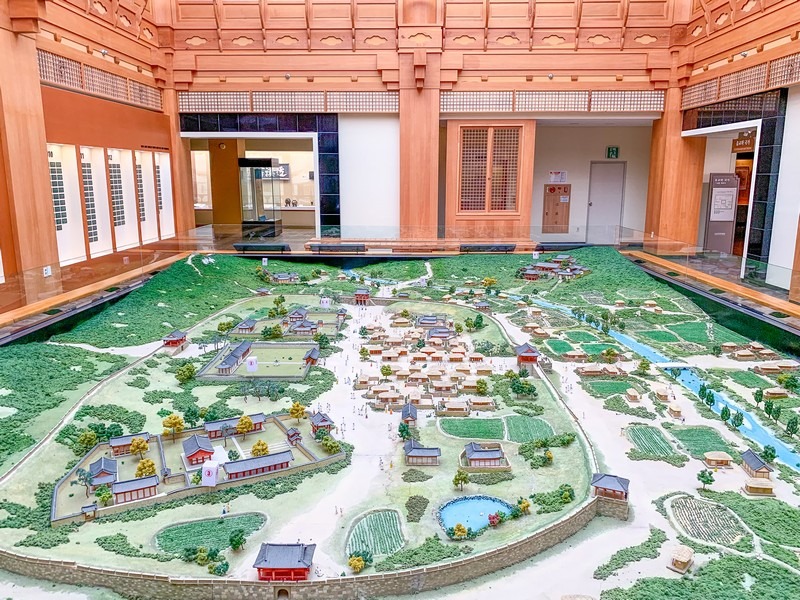
The only Confucian museum in Korea, the main building has nine exhibition rooms as well as a special exhibition room. Join an experience program to make your own Hanji paper covered journal and learn how to tie the book together using traditional methods.
Confucianism has played a big role in Korean culture so it’s surprising that this is the only museum dedicated to the subject in Korea but so it is.
- Address: 1997 Toegye-ro, Dosan-myeon, Andong-si, Gyeongsangbuk-do (경북 안동시 도산면 퇴계로 1997)
- Hours: 9:00am ~ 5:30pm
- Days: Closed Mondays, January 1, New Year’s Day, & Chuseok
- Admission: FREE
- Website with more information
What To Eat and Drink
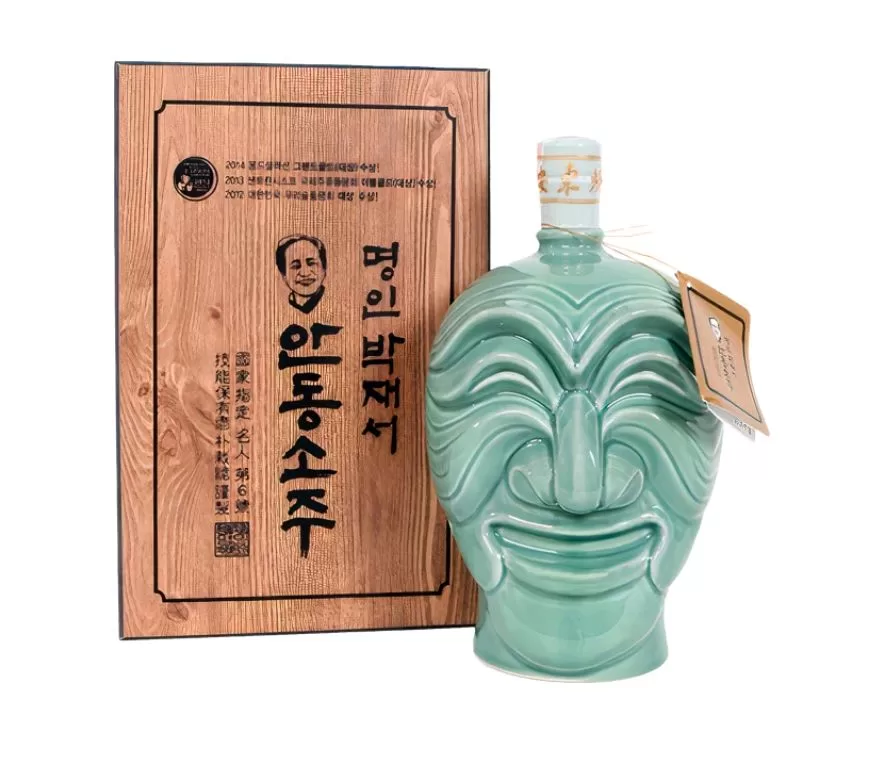
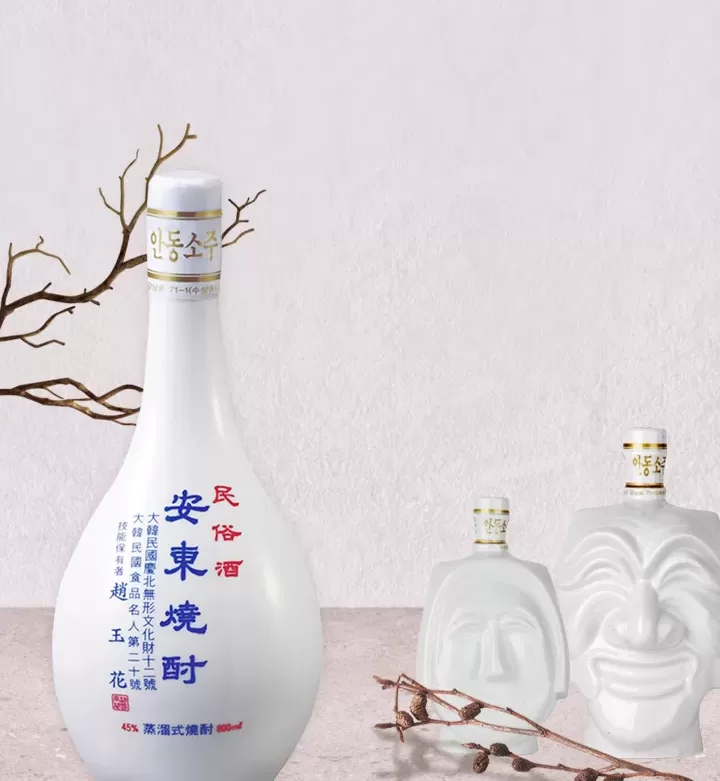
Andong Soju
Most soju in Korea is 16% proof but Andong soju is 40%! You could end up under the table if you enjoy yourself a bit too much, but it’s something to try when you visit.
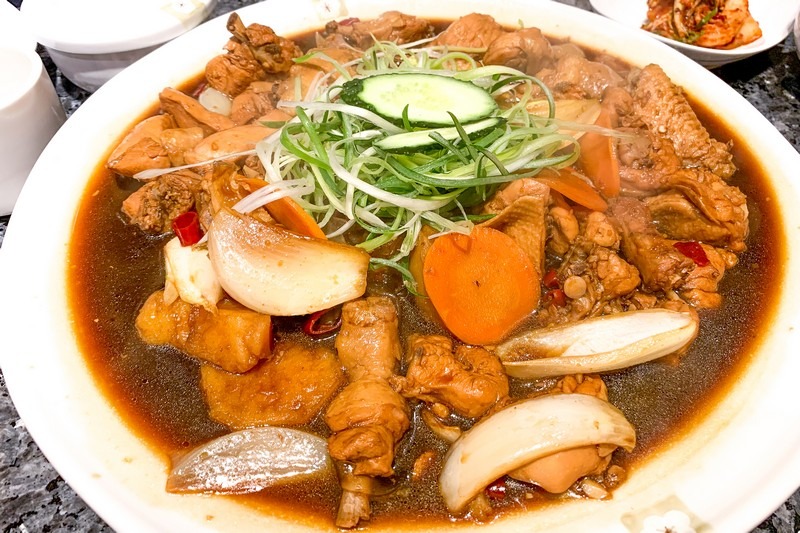
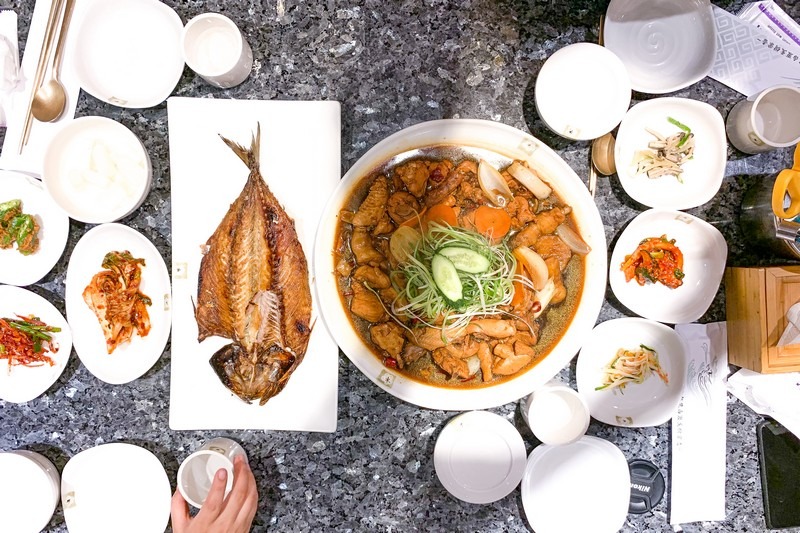
Andong Jjimdak
This dish is made with braised/steamed chicken and vegetables marinated in a Korean soy sauce based sauce. The name literally translates to “steamed chicken of Andong”. It is said that the dish came about in the 1980s in the chicken alleys of Andong when restaurant owners wanted to come up with a dish that would help them keep their position in the chicken market safe from the incoming influx of Western fried chicken shops. They’ve managed to do just that and this is now a MUST EAT when visiting Andong.
The dish can be served both spicy and not so make sure to ask if you prefer one over the other. You can find this all over the city with a large number, over 30, on Andong Jjimdak Street (안동 찜닭 거리). We ate at a restaurant just across the street from the Wolyeonggyo Bridge (월영교) mentioned above.
Andong Jjimdak Street (안동 찜닭 거리)
- Address: 30 Beonyeong-gil, Andong-si, Gyeongsangbuk-do (경상북도 안동시 번영길 30)
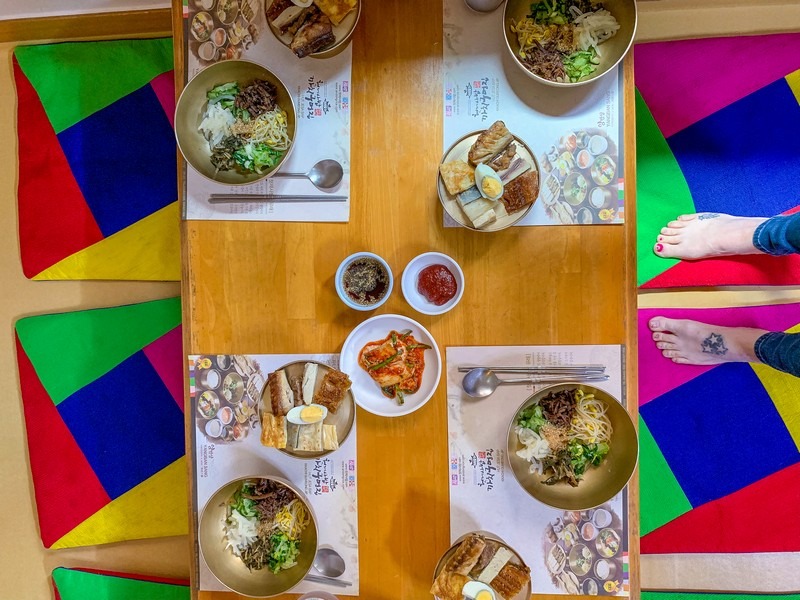
Heotjesabap
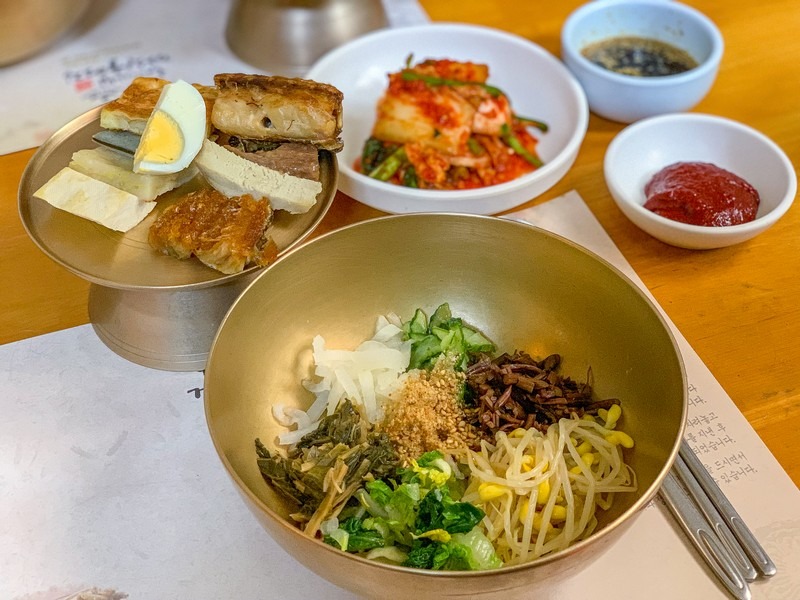
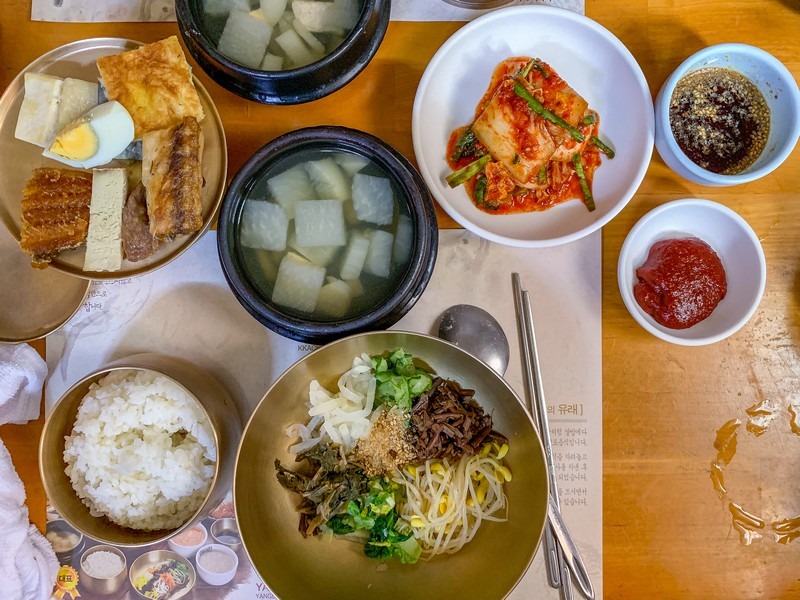
This meal is basically, and it literally translates to, “dishes for fake jesa”. If you don’t know what jesa is, check out this post about the food that is used to set the table and this post about the ceremonial rites that are done during jesa. I partake in the jesa rites with my Korean family twice a year to give thanks to our ancestors and never realized I could be eating the great food year round! I was pretty stoked to visit a restaurant in Andong that served up some of my jesa favorites.
Expect a variety of vegetables to go into a bibimbap-like dish that is served with a soy sauce rather than the usual hot pepper paste sauce. There are also small portions of grilled fish, Korean pancakes (jeon), and meat that will grace the table. Originating in Andong, this meal is a must especially if you don’t get to partake in Korean family jesa’s each year. It’s a great opportunity to eat the ceremonial food.
My restaurant recommendation: 헛제사밥까치구멍집
- Address: 203 Seokju-ro Andong-si (경북 안동시 석주로 203)
- This is just across the street from Wolyeonggyo Bridge (월영교) mentioned above.
- Hours: 11:00am ~ 8:00pm
Baked Treats from The Mammoth Bakery (맘모스베이커리)
Recommended by the Michelin Green Guide South Korea, this bakery is a stop every Korean visiting the city seeks out. On the ground level, visitors can find the bakery and cafe and make purchases. Be prepared to stand in a line and find that things are sold out if you visit in the afternoon. Make the purchase and eat in, or get it to go and enjoy the seating outside on the local street market area where there are plenty of benches to sit down and people watch.
- Address: 34 Munhwagwangjang-gil, Andong-si, Gyeongsangbuk-do (경상북도 안동시 문화광장길 34)
- Every day: 8:30am ~ 7:00pm (Closed on major holidays.)
What To Buy
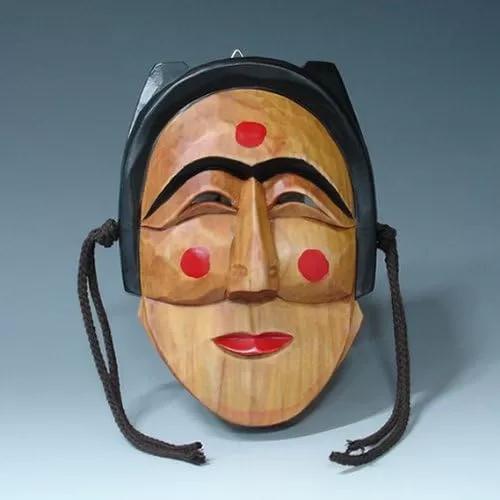
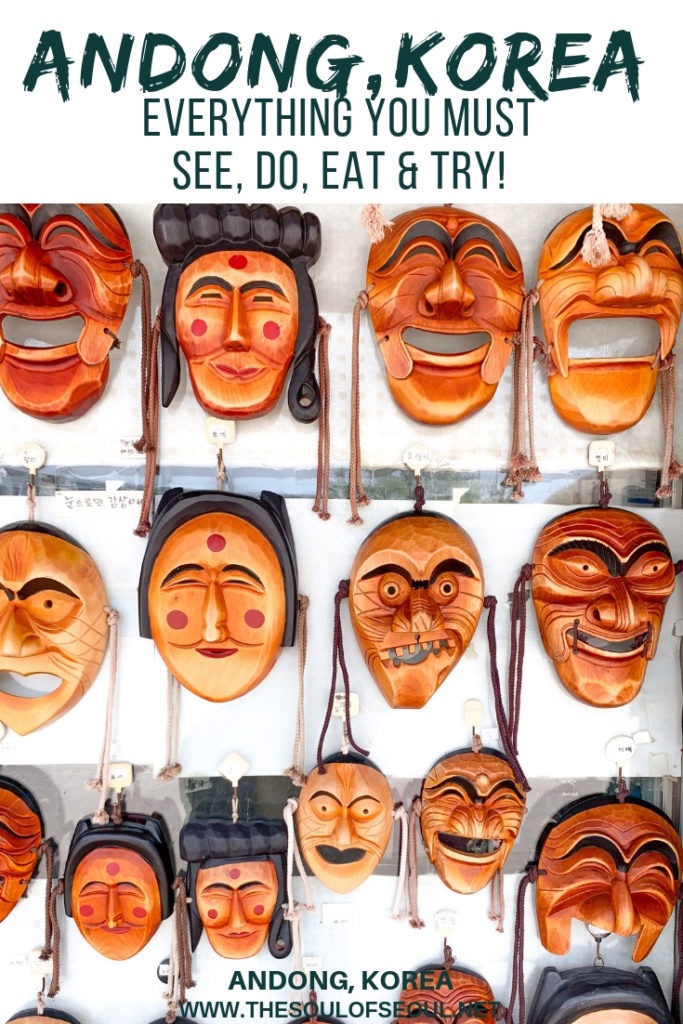
Traditional Korean Masks
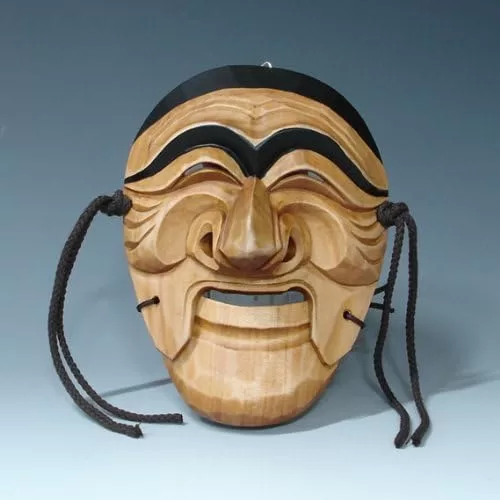
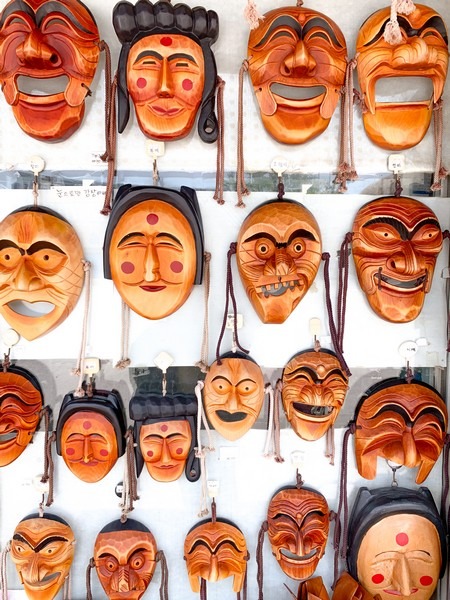
The Hahoetal, or traditional Korean masks, are a rather quintessential part of any folk village but especially important here in Andong where they originated and where the Andong Maskdance Festival is held each September.
These masks and their designs date back to the 12th century and the various designs represent the characters in the ritual dances and dramas. The masks are one of the most well known representations of Korean culture so if you’re looking for a souvenir, this is the thing to buy.
There were twelve masks originally but of those, only nine remain and are national treasures of Korea. If you can’t make it down to Andong, you can also find traditional masks in the Insadong district of Seoul.
To dig a bit deeper and understand a bit more about these masks, they were supposedly constructed originally by a young man named Hur. The legend says that he received instructions via a dream from his local deity and so he began to construct them.
However, in order to follow the instructions accurately, the most important one was that he needed to construct the masks in privacy with complete secrecy and no one was to see him. He closed himself up in his home and hung straw rope around the house so that no one could see inside.
A young woman who was in love with Hur became impatient from not seeing him for a number of days and made a hole in the straw to peer inside. Hur immediately started to vomit and hemorrhage blood and died on the spot. He died while working on the final mask of Imae which is why this mask has no chin because it was never completed. The girl ended up dying of guilt and a broken heart so the villagers performed a ceremony to raise the ranks of their souls to local deities so that they could be reunited and marry in the afterlife.
This story is told throughout the Hahoe Pyolshin-gut ritual ceremony which was developed to honor them and console their souls.
FAQ
Is Andong worth visiting from Seoul?
Absolutely. It’s one of the most rewarding day trips or overnight stays you can make from Seoul. Unlike most Korean cities where traditional culture exists alongside modern development, Andong has genuinely preserved its historical character. The Hahoe Folk Village alone is worth the journey, and the food culture is unlike anywhere else in Korea.
How long do you need in Andong?
One full day is enough to see Hahoe Village, Wolyeonggyo Bridge, and eat well. Two days is the better option. It lets you see Bongjeongsa Temple, Imcheonggak, and the Confucian Museum without rushing, and gives you time to stay in the Hahoe Village area at sunset when the crowds have gone.
What is Andong most famous for?
Andong is most famous for three things: the Andong Hahoe Folk Village (a UNESCO World Heritage Site), the Andong Mask Dance Festival held every October, and Andong jjimdak, the braised chicken dish invented in the city in the 1980s that’s now one of Korea’s most loved regional specialities.
What is the Andong Mask Dance Festival?
The Andong International Mask Dance Festival (안동국제탈춤페스티벌) is a ten-day festival held every September to October in and around Andong, centred on the traditional Hahoe Byeolsingut Tallori mask dance ritual. It’s one of Korea’s most significant intangible cultural heritage events and draws international folk performers alongside Korean traditional arts. Performances, workshops, and folk art exhibitions run throughout the festival period.
What is heotjesabap?
Heotjesabap (헛제사밥) literally translates as “fake ritual food”, it’s a meal assembled from the dishes traditionally prepared for Korean ancestral rites (jesa). Originating in Andong, it consists of rice, soup, and numerous small side dishes arranged in the traditional ceremonial style. The flavours are mild, the portions generous, and it’s one of the most culturally specific meals you can eat in Korea. Try it at the restaurant across from Wolyeonggyo Bridge.
Is Andong soju the same as regular soju?
Not at all. Standard commercial soju is 16–17% ABV and sweet. Andong soju is a traditional distilled spirit at 40% ABV, clear, clean, and considerably stronger. It’s made using traditional methods that predate the mass-market brands by centuries and is considered one of Korea’s finest traditional liquors. Sip it carefully.
Andong doesn’t try to be modern or trend-forward. It is rooted in history and folk culture and a wonderful adventure for the weekend away from Seoul.
Did you like this post? Pin It!

8 Comments
Axel
The Ammount of Ads and Pop-ups is unbearable. The Infos may be great and very well researched, but this is extremely annoying. I understand you live of these ads, but you took it too far.
Hallie Bradley
Hi, thanks for leaving a comment. I appreciate the feedback and will look into changing the settings. I can’t see the ads myself so I always appreciate the time people take to let me know these things.
Carolina
I love reading your blog! I’m going to Andong next month. I plan on spending one day in Daegu prior to Andong. Do you have any recommendations for places to eat Daegu’s pufferfish soup (복지리, bokjiri), pufferfish bulgogi, and mungtigi (Daegu version of yukhoe)?
Monte Rosen
I’m looking for someone that can help make arrangements to go to the Andong Mask Festival this year, like where to stay, what performances to attend, does one need to buy tickets in advance, do they sell out, etc. English information seems to be difficult to find.
Emilie Dierickx
thank you for this! I was struggling finding informations about Andong, this is really useful !
David Dooley
Great insights here, thank you Hallie
Devon F
A few years ago I was wondering around Andong on foot after attending the Annual Mask Dance Festival. I ended up on a road heading to that 7-story pagoda near Beopheungsa Temple. It is definitely a site to see!!!
Hallie
My favorite way to find things is randomly like that. Lucky you. ^^