Gyeongju Korea Travel Guide: Best Things To Do, Temples, Tombs & Tips
Last Updated on July 6, 2026
If you haven’t heard of Gyeongju, Korea yet, then you need to! Though Andong, Korea is often referred to as the most traditional city in Korea, Gyeongju is the most historical you can visit.
Gyeongju (경주) was the capital of the Silla Kingdom for nearly 1,000 years and is referred to as “the museum without walls”. Everywhere you turn you can find a site with historical relevance to see. The city actually has more tombs, temples, pagodas, palace ruins, and other historical artifacts than any other place in Korea making it one of the most historically important destinations.
Plan a visit to the royal tombs, ancient temples, and UNESCO World Heritage sites in Gyeongju, Korea:
- Quick Guide to Gyeongju
- Why Visit Gyeongju?
- What You Need To Know
- How To Get To Gyeongju
- How To Get Around Gyeongju
- Where To Stay In Gyeongju
- What To See In Gyeongju
- What To Do In Gyeongju
- What To Eat In Gyeongju
(This post contains affiliate links, which means I receive a certain percentage of a sale if you purchase after clicking at no cost to you. Thank you for your support.)
Quick Guide to Gyeongju
- Location: North Gyeongsang Province
- Famous for: Silla Kingdom history
- Nickname: “The Museum Without Walls”
- Best time to visit: Spring and autumn
- Days needed: 1 – 2 days
- Distance from Busan: About 30 minutes by KTX
Good To Know Before You Go
The KTX Station is outside of the city center. Budget 20 minutes and around W15,000 for a taxi from the station to the historic area. Don’t assume you can walk.
Most historic sites close at 10:00pm but the best time to visit Donggung Palace and Wolji Pond is after dark when the lights reflect on the water. Plan to be there at dusk.
Climbing on the tombs is illegal and carries a W20 million fine. The sites are sacred, treat them accordingly.
Gyeongju is compact enough to walk or cycle between most of the central sites. Bike rentals are available near the express bus terminal and in Gyochon Village.
The Bulguksa Temple and Seokguram Grotto areas are separate from the historic center and requires transport. Build this into your planning rather than assuming you can walk there from the tomb complex.
Spring cherry blossoms and autumn foliage both hit Gyeongju beautifully. If you can time your visit around either, the city is even more stunning than usual.
Why Visit Gyeongju?
Gyeongju is one of the most rewarding cities to visit in Korea because history isn’t just shared and showcased in a singular museum or palace compound, instead it’s woven right into the city and around every corner you turn. You’ll have sites tagged on your map to visit, but you’ll turn a corner walking there and stumble upon more and more that you hadn’t even heard about.
As the former capital of the Silla Kingdom for nearly 1,000 years, Gyeongju is filled with royal tombs, ancient observatories, Buddhist temples, stone pagodas, palace ruins, and UNESCO-listed sites that make it feel like an open-air museum. Though at the same time, it doesn’t feel stiff or overly formal. You can spend the day wandering from quiet Hanok streets to parks filled with tombs, and scenic bridges, ponds, and traditional Korean buildings.
Gyeongju, Korea: 2-day Itinerary & Guide
$9.00
What You Need To Know
Located in Gyeongsangbuk-do, Gyeongju was the capital during the Silla dynasty which reigned for almost 1000 years from 57BC until 935AD. At the time, Gyeongju was the fourth largest city in the WORLD. Let that sink in for a moment… the world. There were fifty-six kings or queens which ruled during the period.
In the 7th century, Mahayana Buddhism spread from China into Korea and architects and craftsmen were chosen to build temples and sculptures dedicated to Buddhism and you can find a ton here.
The city has a rather splendid history during the time of the Silla dynasty but as all dynasties come to an end, so did the Silla dynasty and when the Joseon dynasty came into power in 1392, the capital was moved to Seoul. Gyeongju suffered invasions during the Japanese colonization period and became one of bloodiest battlefields.
During the Joseon dynasty, Buddhists were chased up into the mountains and the beautiful sculptures had their arms and heads hacked off by Neo-Confucian radicals. When you’re out hiking, if you see a beheaded sculpture, look around for the heads. They’re often scattered nearby.
Though Gyeongju lost its designation as a capital city, in 2000 it did gain distinction and was designated a UNESCO World Cultural Heritage site. It’s peaceful. It’s stunning. It’s fun.
How To Get To Gyeongju
From Seoul
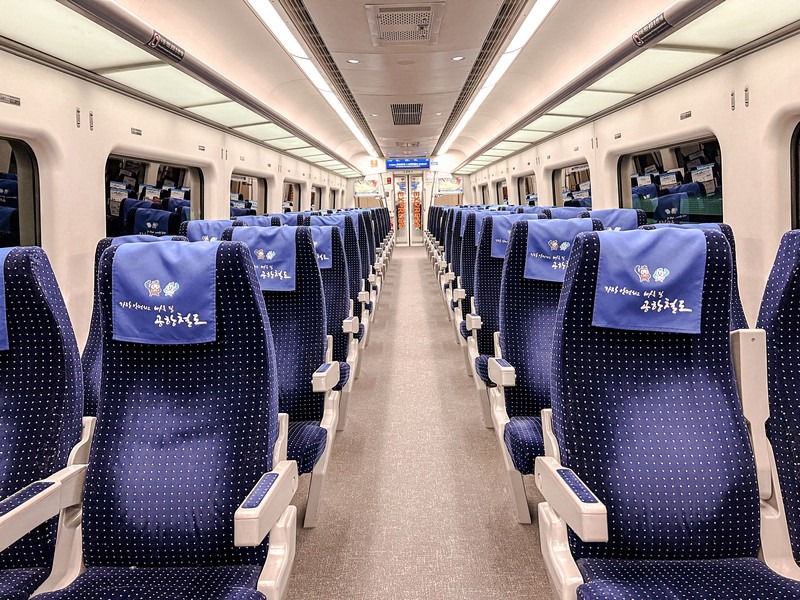
By Train: From Seoul the easiest and most convenient way to get to Gyeongju is via the KTX. Direct trains are available from Seoul Station every hour and take between two hours and two and a half hours. If you’re traveling by train, look into purchasing the foreigner discount train pass to save money and get around to numerous cities via train. The KTX train station in Gyeongju is actually located outside of the city center so you’ll have to catch a taxi or take a bus to your local stay most likely. We usually opt for a taxi which takes around 20 minutes and costs about W15,000.
From Busan
By Train: If you’re in the central Busan area, then it would make the most sense to travel by train. You can choose between the KTX or the slow train. The KTX option runs every 30 minutes and takes about a half hour and costs around W12,000. You can book train tickets via the KTX website, or via their official partner Klook. (Most tourists have difficulty booking on Korean sites due to banking issues, so I recommend looking into the Klook option which also allows you to book three months in advance!)
By Bus: If you’re in the northern Busan area, it would make more sense to travel via bus from Nopo Bus Terminal. There are buses that run every hour and they take about 45 minutes and cost around W5,000.
Join a day trip from Busan: Generally all day trip tours to Gyeongju depart from Busan. It’s a lot easier to let someone else handle the logistics and there are excellent guided day trips from Busan on Klook or on Viator. A day trip won’t cover everything, but it hits the major sites and takes all of the planning off your hands, a good option if you’re short on time.
How To Get Around Gyeongju
Public Transportation
T-Money card: If you’ll be using the buses and location transportation, make sure to have your T-Money card purchased and topped up. You can get around by local bus pretty easily as long as you’re prepared.
Gyeongju City Bus: Much like the other touristy cities in Korea, Gyeongju also has its very own tourist bus to take you to the must see spots. Check out the route and pick up a card here.
By Bike: There are numerous bike rental shops and kiosks around the city of Gyeongju. You can find them near express bus terminal and they rent by the day or for just a few hours. This is a great way to get around the historic sites. There’s also a pedibike service in the Gyochon Hanok Village near Woljeonggyo Bridge.
Join A Tour
Private Custom Gyeongju Tour: This top tour on Viator visits the iconic sites of the area including Bulguksa Temple, Seokguram Grotto, Daereungwon Tomb Complex, and more. With a professional guide, you’ll get a lot more out of your visit to this historic city in Korea.
Gyeongju Taxi Tour: Like to see things a bit more on your own? This is a great option on Viator. A local taxi driver can provide you with some basic info at each stop and then you can have a look around at your own pace.
Where To Stay In Gyeongju
Gyeongju is a compact city and most of the key historical sites like Daereungwon, Cheomgseongdae, and Wolji Pond are within easy walking distance of each other in the central area. Where you stay matters primarily in terms of whether you want to be close to the historic center, near the resort area around Bomun Lake, or out toward Bulguksa Temple. For more information, check my full guide to where to stay in Gyeongju.
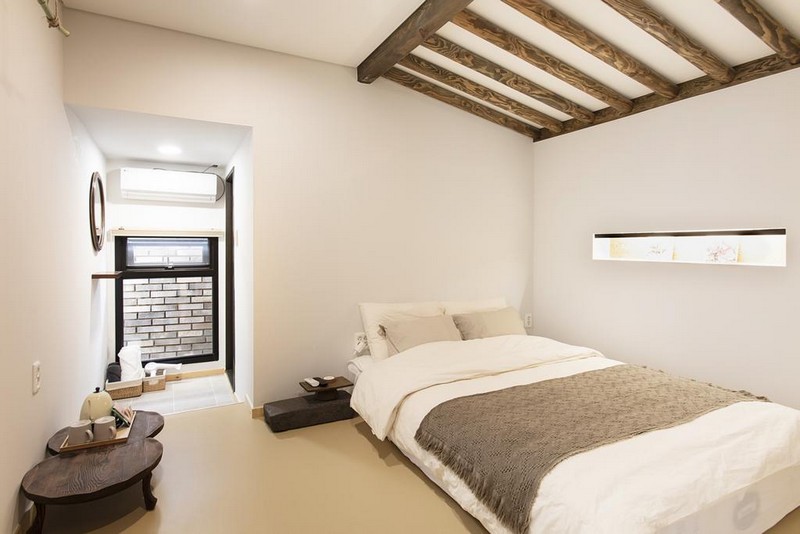
Hyuhyudang
Hyuhyudang is a gorgeous Hanok stay near the historical sites. The rooms are chic and decorated with stones and wooden accents. It’s a beautiful place to stay and unlike some of the other traditional Hanok houses in the village, features beds in the rooms for visitors to sleep on.
Check out this unique place on Booking.com
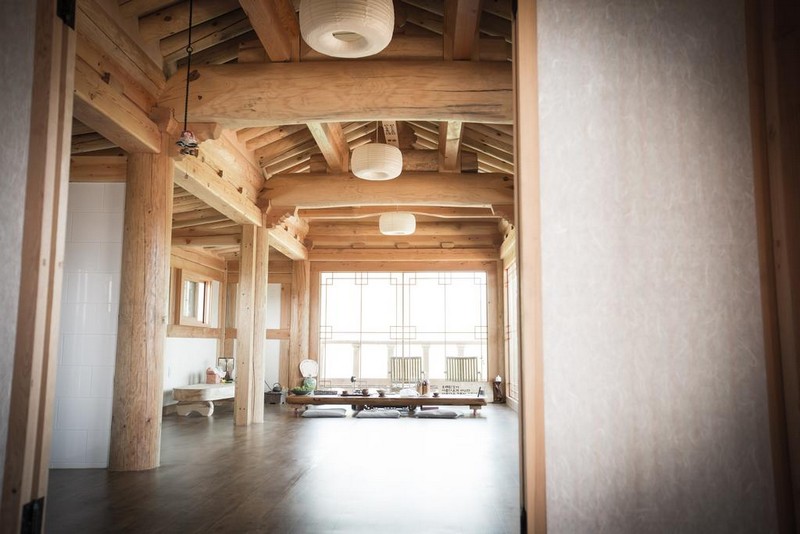
Gyeongju Happy Village Syeobul
Staying in a traditional Hanok house while visiting Gyeongju is a must. This Hanok house was built in 2015 and each room features its own private bathroom. Sleep on the warm heated floors making it cozy in the winter and comfortable in the summer. The family that owns the house is very friendly and helpful.
Check out this option on Agoda.com.
What To See In Gyeongju
Most travelers spend the weekend, 1-2 days exploring Gyeongju and if you’re staying in the historic center, which is quite compact. One day is enough time to see Daereungwon Tomb Complex, Cheongseongdae Observatory, and Donggung Palace and Wolji Pond. If you’ll also want to see Bulguksa Temple, Seokguram Grotto, and hike on Namsan Mountain, plan for two full days, oh but there is absolutely enough to fill 3, 4 or 5 days too.
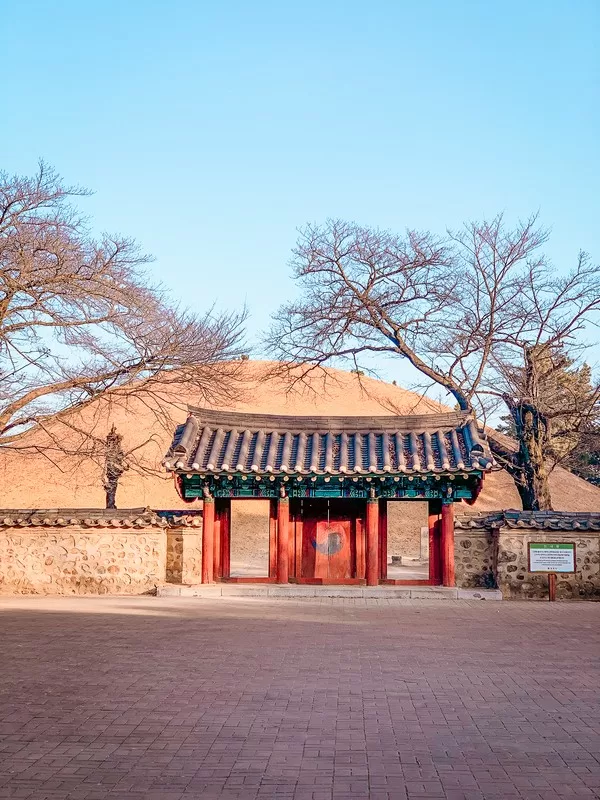
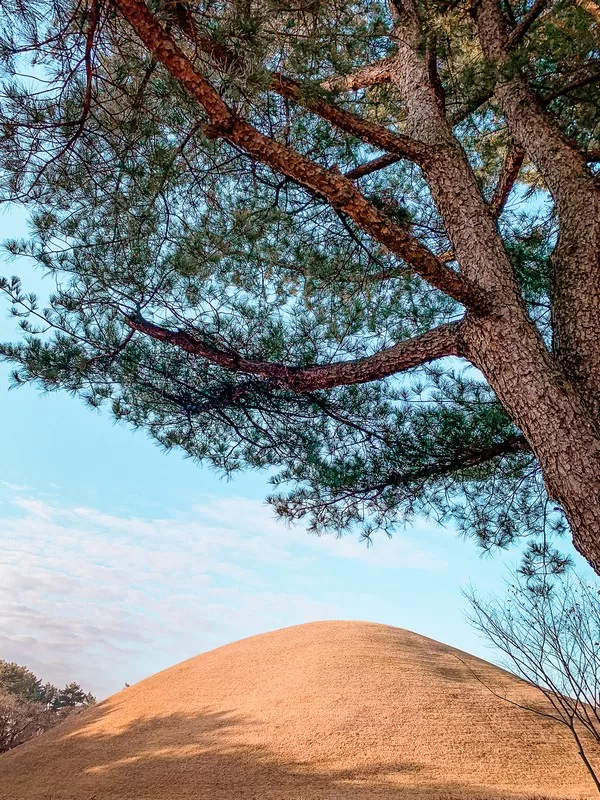
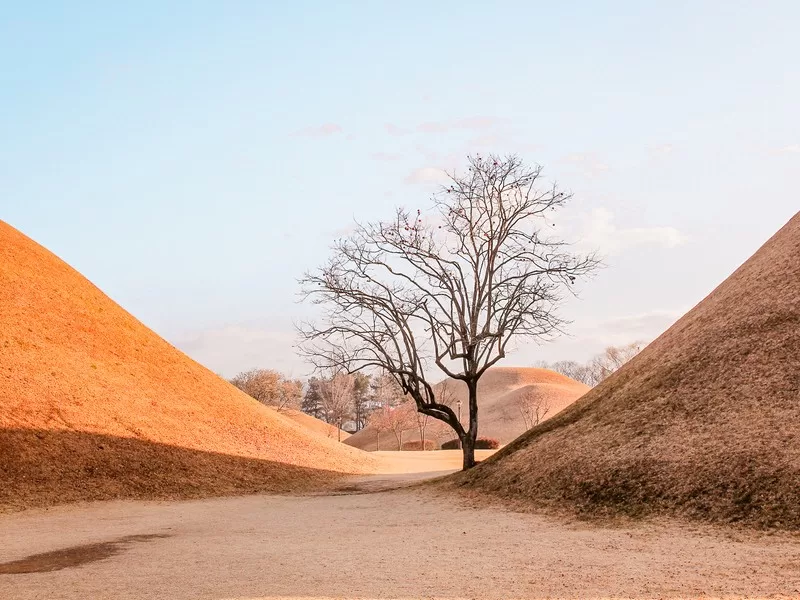
Daereungwon Tomb Complex / Tumuli Park (대릉원경주시 사적공원)
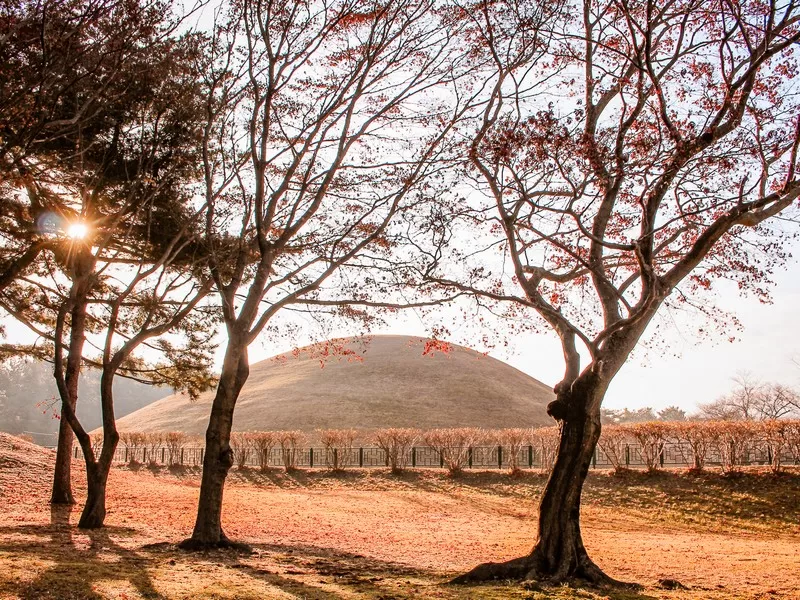
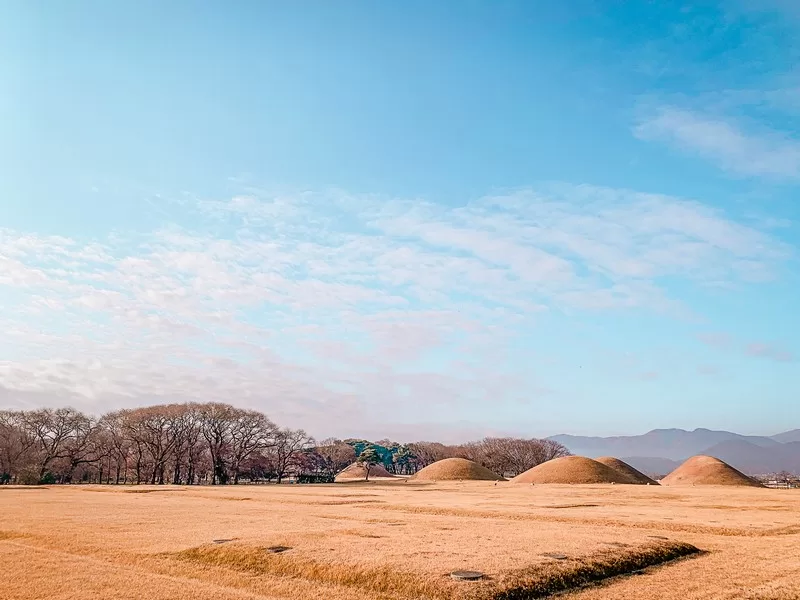
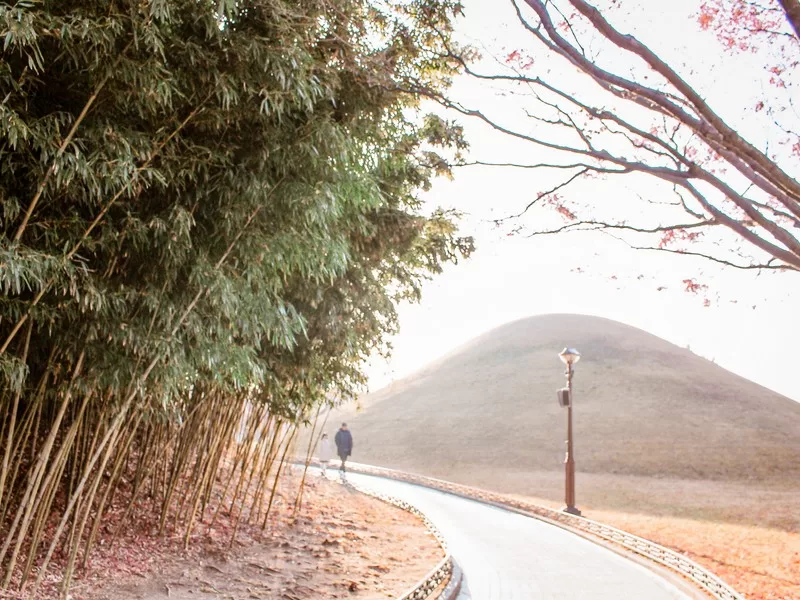
The tombs in this complex are believed to have been built during the Silla period. When I first visited the complex in 2007, you couldn’t go inside any, but today, there is one tomb that has been opened through excavation and visitors can enter to see the interior.
In 1973, a crown and other relics were excavated from one mound known as Cheonmachong. The name was given to the mound because a flying horse was painted on a pendant of the saddle that was found inside.
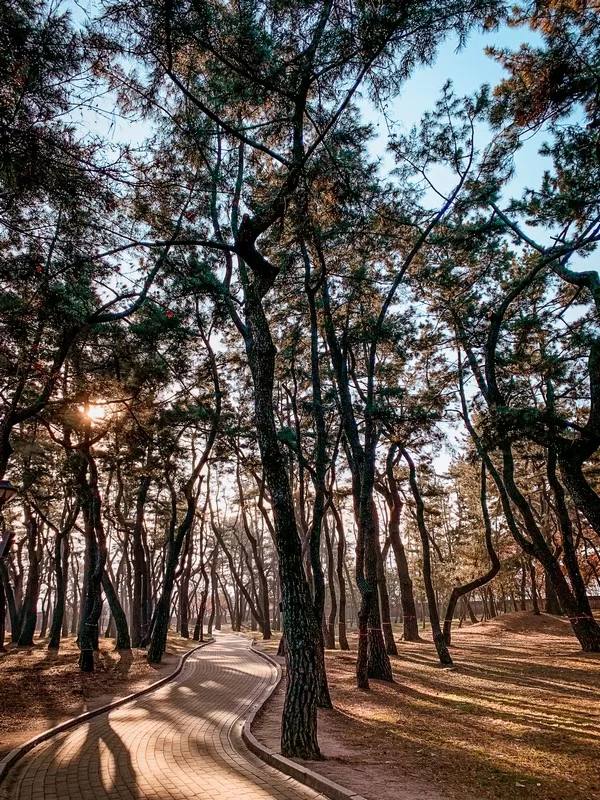
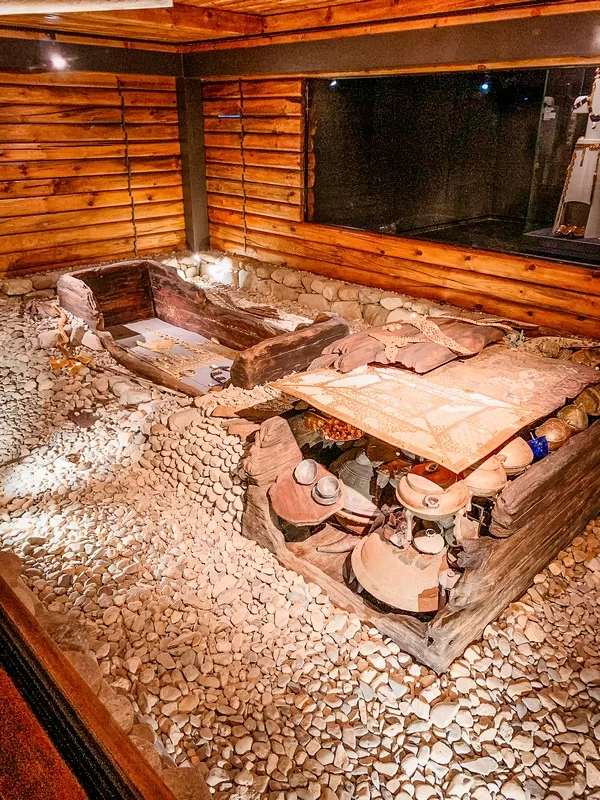
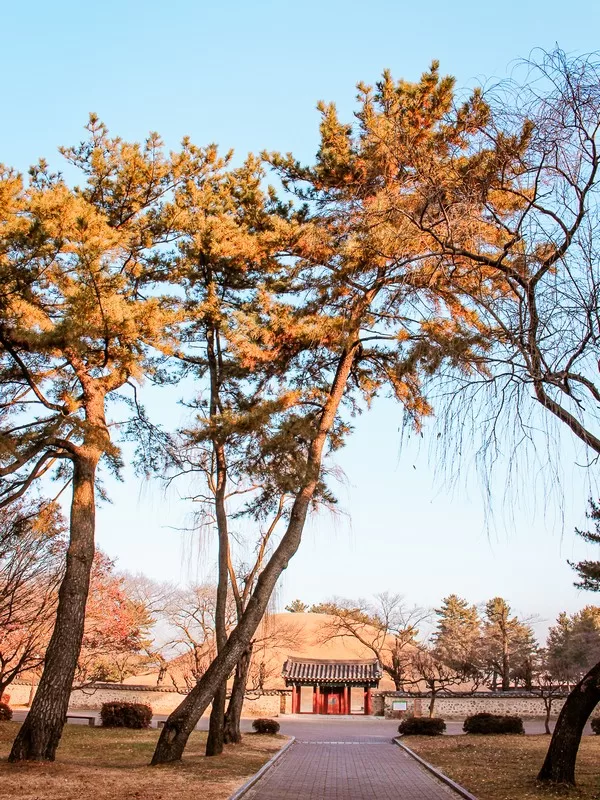
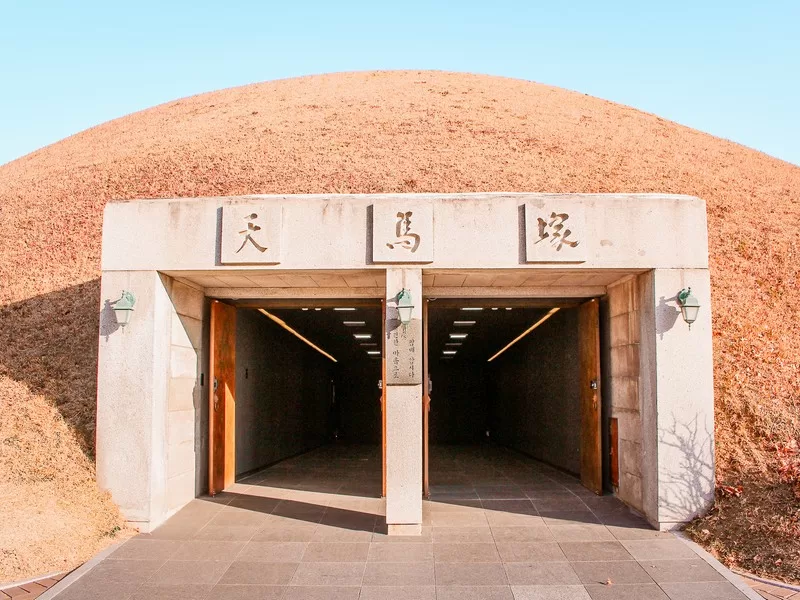
There are more than twenty tombs that are both small and large and house kings, queens and other court officials. Not all of the tombs have been identified yet though if you check out the signs, you can see who is buried in the ones they’ve excavated.
- Address: 9 Gyerim-ro, Gyeongju-si, Gyeongsangbuk-do (경상북도 경주시 계림로 9)
- Hours: Every day: 9:00am ~ 10:00pm
- Admission: Adults: W3,000; Children 13-18: W2,000; Children 7-12: W1,000
Travel Tip: Climbing up a tomb in Korea is punishable with a 20 million won fine ($20,000.00) or a 2 year imprisonment. This is a sacred site so be respectful when visiting.

Cheomseongdae Observatory (첨성대)
Cheomseongdae Observatory was built during the reign of Silla Queen Seondeok from 632 to 647. It is the oldest astronomical observatory in East Asia. I remember reading this before I went and thought we’d see some amazingly huge observatory. It is not that, but considering the time period, it is actually rather spectacular.
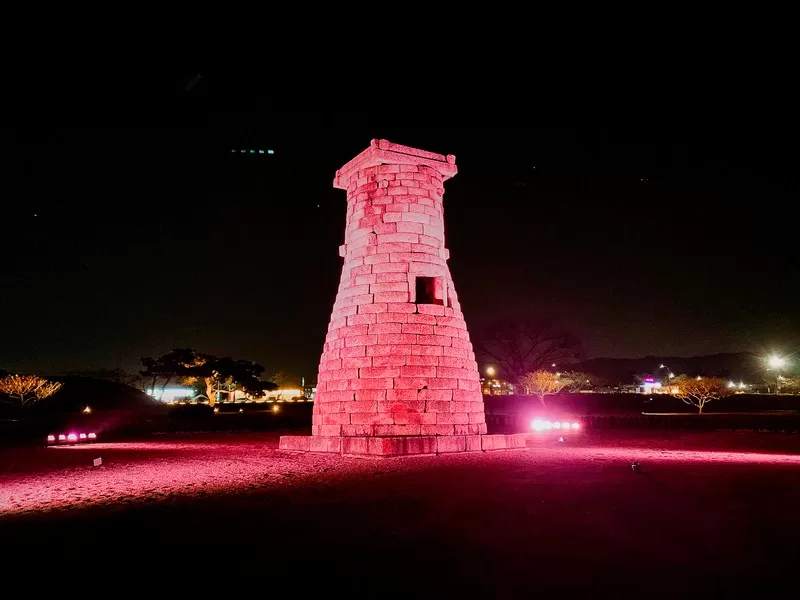
The observatory is just 5.17 meters in diameter and 9 meters tall and was built using 365 stones representing the days of the year and has twelve stones that make up the base representing the months of the year. You can visit during the day and at night the observatory is lit up with varying colors for a lovely night time adventure.
- Address: 839-1 Inwang-dong, Gyeongju-si, Gyeongsangbuk-do (경북 경주시 인왕동 839-1)
- Hours: Every day: 9:00am ~ 10:00pm
- Admission: Adults: W4,000; Children 13-18: W3,000; Children 7-12: W2,000
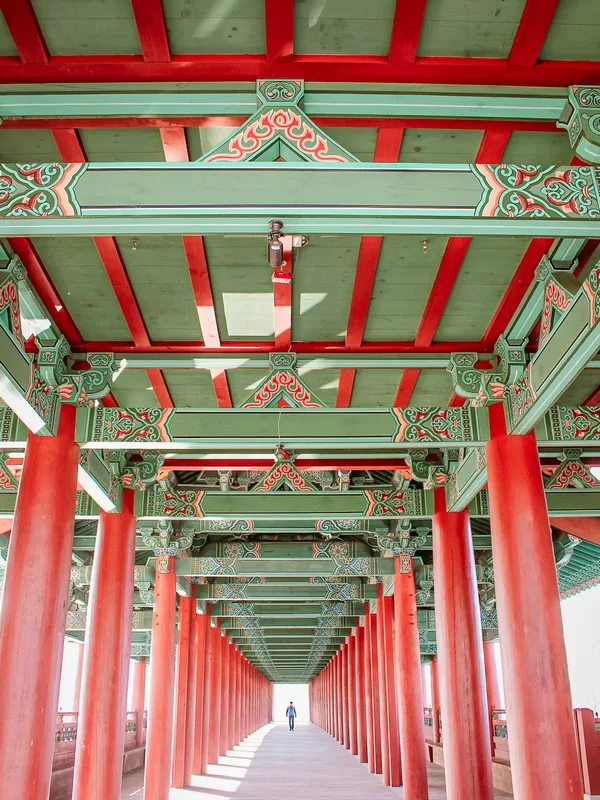
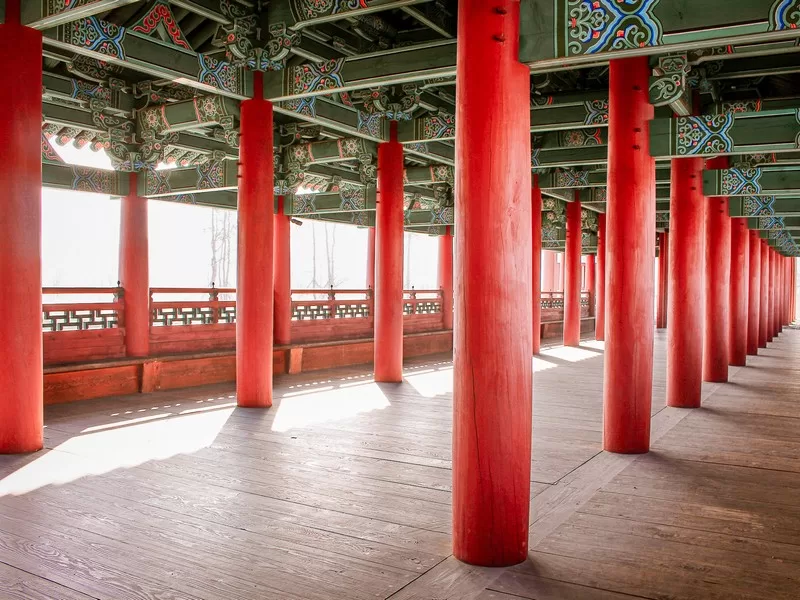
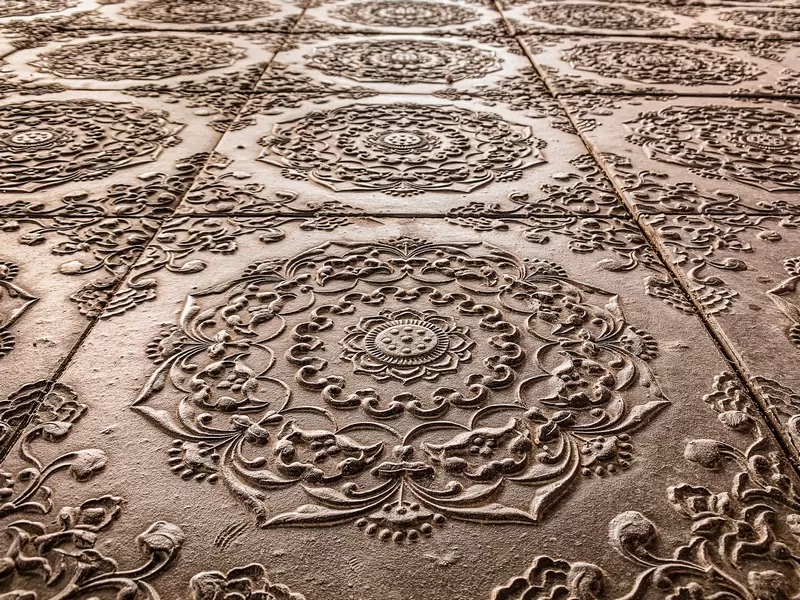
Woljeonggyo Bridge (월정교)
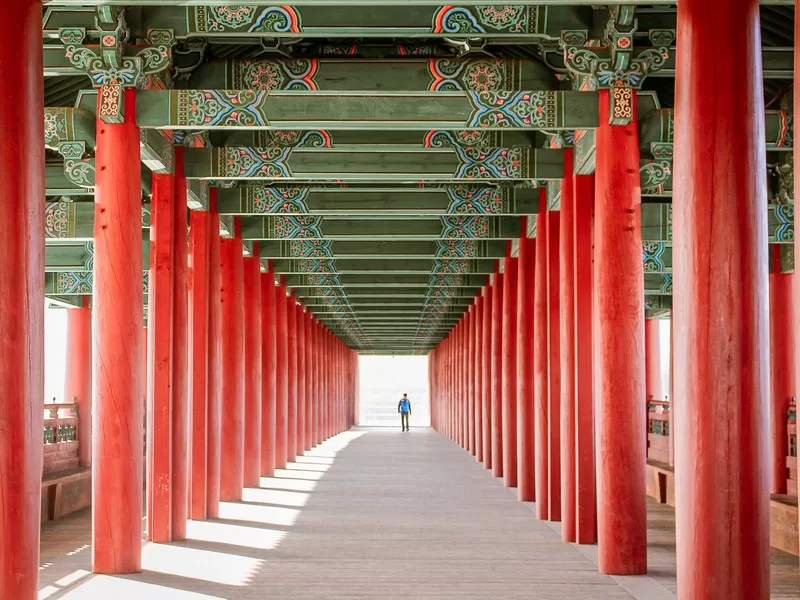
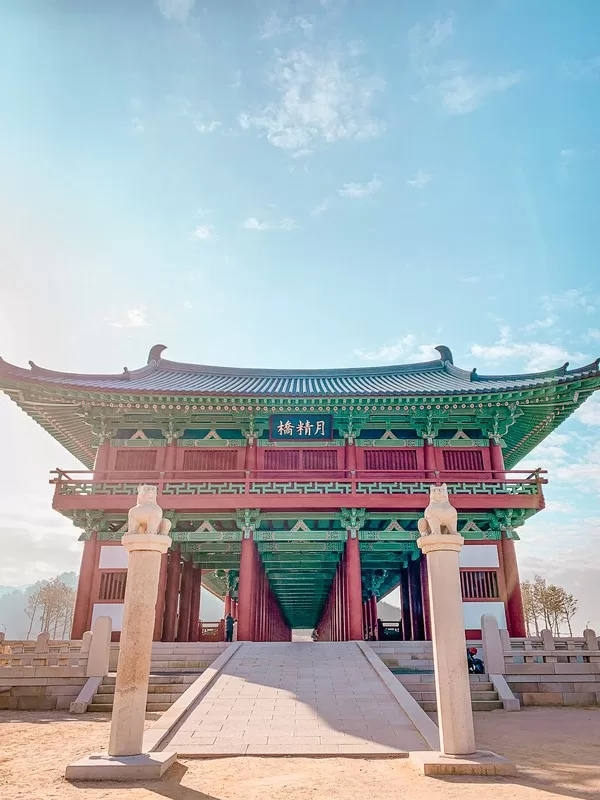
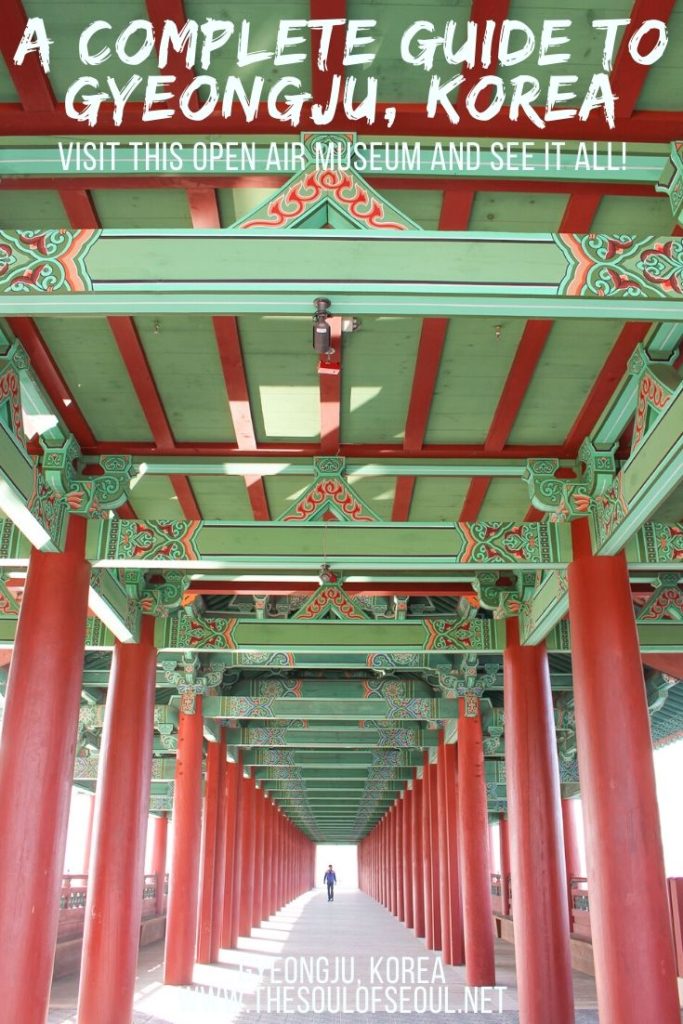
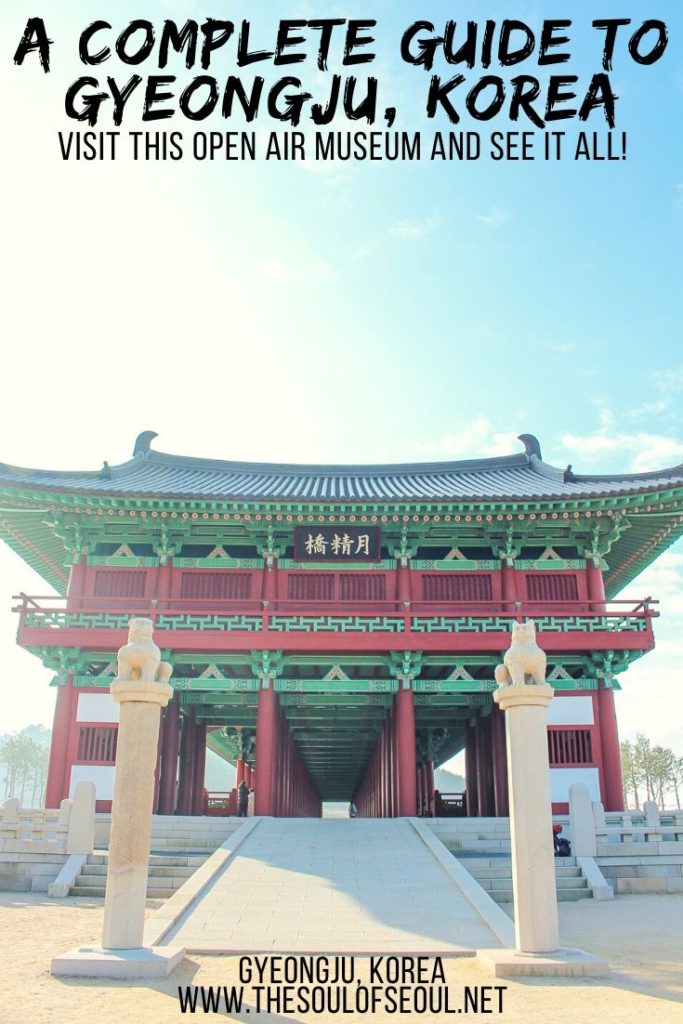
Though not as historical as some of the other sites in this list, this beautiful bridge is popular during both the day and the evening when it’s all lit up. Very close to the Gyochon Traditional Village, the bridge was constructed over five years and was finally opened in 2018.
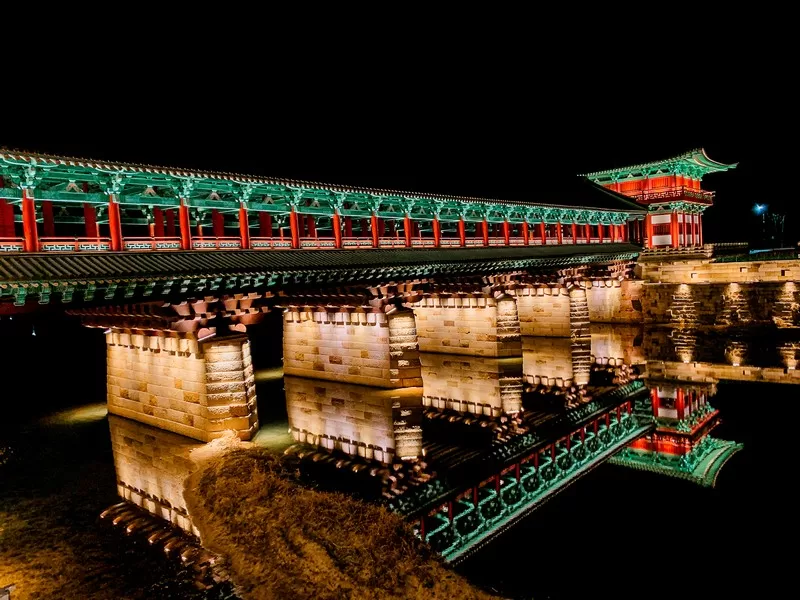
There used to be a bridge in the same location but it was destroyed numerous times in history. It is still lovely to see and walk through and is a gorgeous spot to take photos. Note the tiles and details, you’ll see the same at the Gyeongju National Museum. This is also lit up at night and is around the walking path from Gyochon Traditional Village and Cheomseongdae Observatory so definitely add it into the itinerary.
- Address: 274 Gyo-dong, Gyeongju-si, Gyeongsangbuk-do (경상북도 경주시 교동 274)
- Hours: 9:00am ~ 10:00pm
- Admission: FREE
Gyochon Traditional Village (교촌한옥마을)
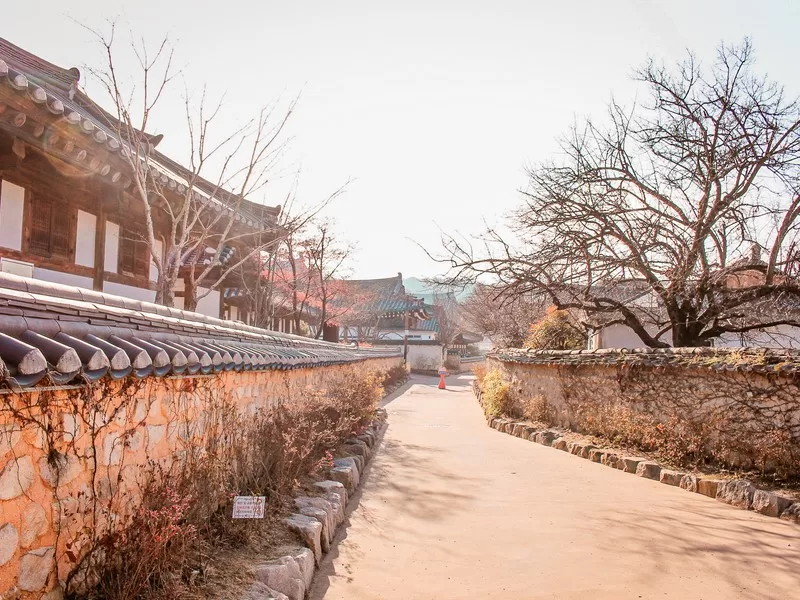
Gyochon Traditional Village is where Korea’s first state-operated academy, Gukhak, was established in 682 under the rule of Silla King Sinmun. During the Goryeo Period between 918 to 1392 the academy was succeeded b Hyanghak and then became Hyanggyo during the Joseon Period between 1392 and 1910, thus the name of the village changed from Gyodong to Gyochon and then to Gyori. The village also once housed the royal palace famous for a love story between Princess Yoseok and great Silla monk Wonhyo.
Today, the village is famous for the wealthy family Choe which has seen twelve generations of the family over 400 years live and prosper in the area.
- Address: 71 Gyo-dong, Gyeongju-si, Gyeongsangbuk-do (경상북도 경주시 교동 71)
Donggung Palace & Wolji Pond (동궁과 월지)
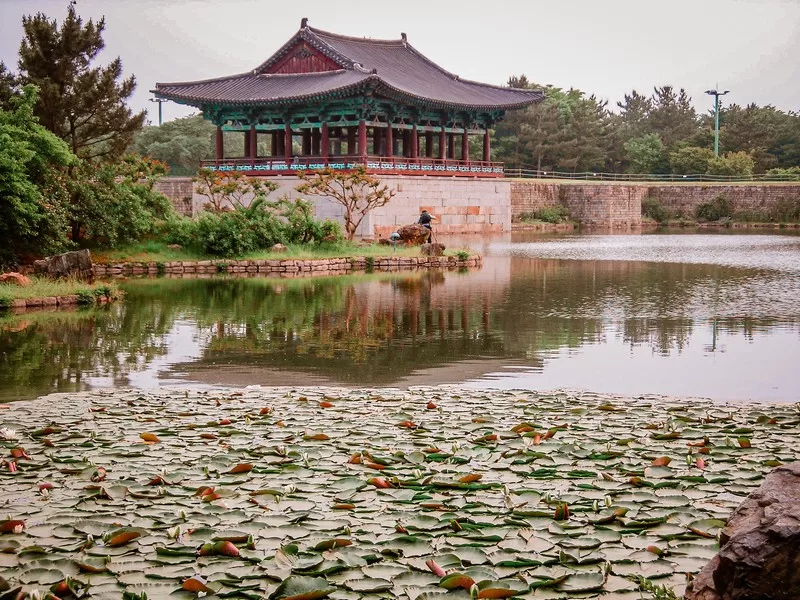
Donggung Palace is really all that remains from the Silla Kingdom’s huge palace complex as the palace was burnt to the ground in 935. Considered a secondary palace to the main, it was used by the crown prince. In the early 20th century archaeological excavations were carried out and the magnitude of the complex was rediscovered.
In all, there were 26 buildings but only three have been reconstructed. The main palace complex wasn’t rebuilt so though there isn’t a ton to see here, there is a beautiful pond and some important relics to take in.
Wolji Pond is one of those relics and is a popular spot for people to visit in the evening when the lights come on and the sky becomes dark. Don’t be confused, Wolji Pond was previously known as Anapji Pond and was part of a palace complex that was constructed in 674. This artificial body of water was commissioned by King Munmu in 674 and served as a place of pleasure to celebrate the unification of the Korean peninsula during the Silla Kingdom period.
- Address: 102 Wonhwa-ro, Gyeongju (경상북도 경주시 원화로 102)
- Hours: Every day: 9:00am ~ 10:00pm
- Admission: Adults: W2,000; Children 13-18: W1,200; Children 7-12: W600
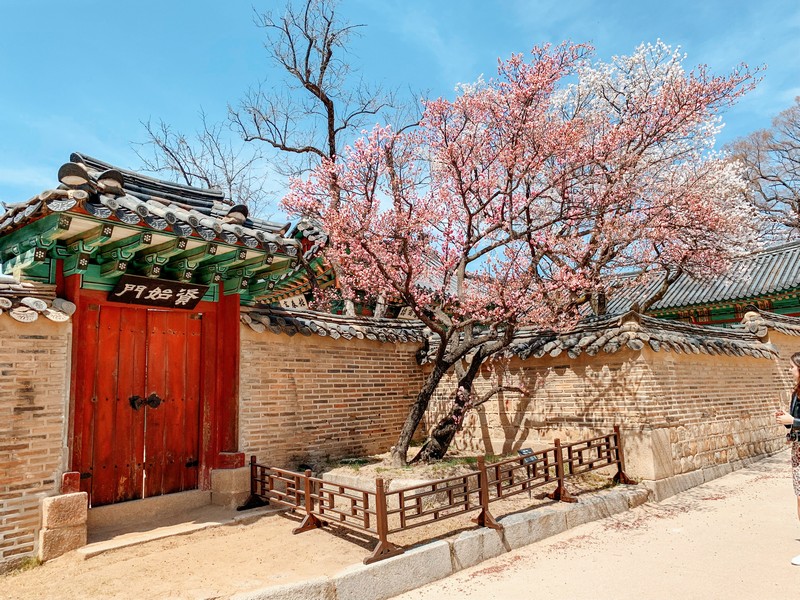
Local Tip: This area is known to be extremely beautiful in the spring when the cherry blossoms are blooming in Korea.
Bunhwangsa Temple (분황사)
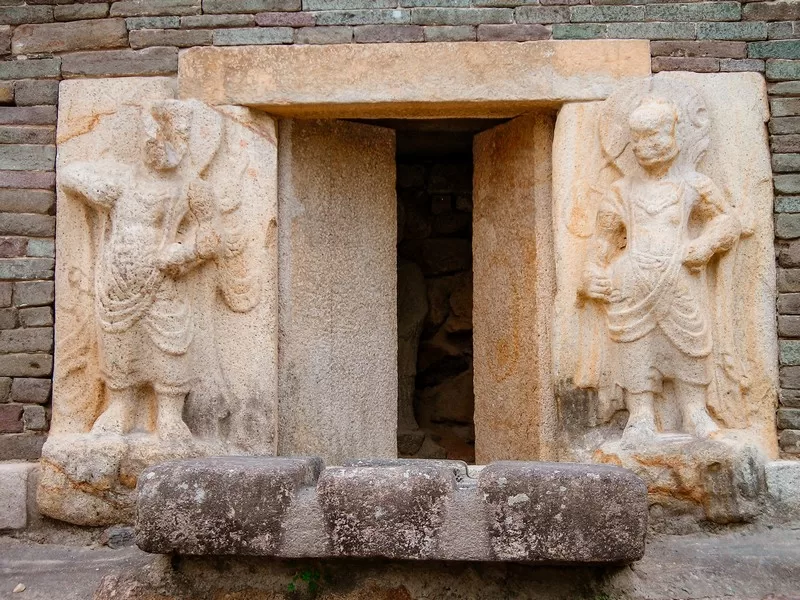
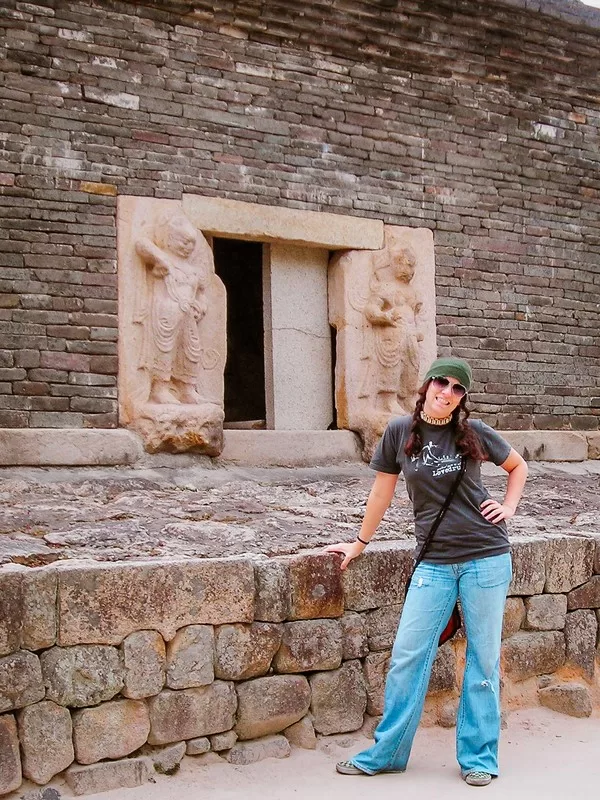
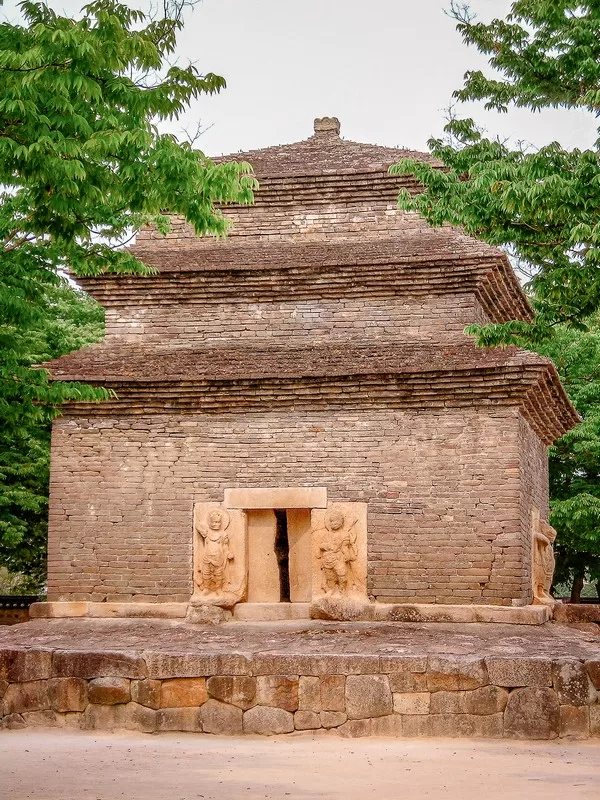
Not far from Wolji, located in the ruins of Hwangnyongsa Temple is Bunhwangsa Temple. Originally established in 634 during the Silla dynasty, the stone brick pagoda was designated a national treasure. Once a much larger and more significant temple, what you can see today is small as much was lost during the Mongolian and Japanese invasions, but it is amazing to take something in that has lasted as long as this site has.
- Address: 94-11 Bunhwang-ro, Gyeongju-si, Gyeongsangbuk-do (경상북도 경주시 분황로 94-11)
- Hours: Every day: 8:00am ~ 6:00pm
- Admission: Free
National Museum of Gyeongju
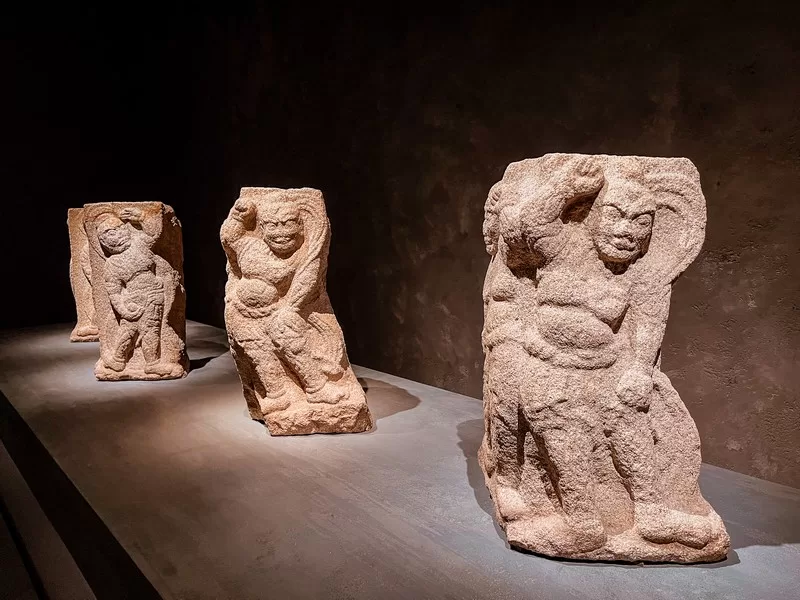
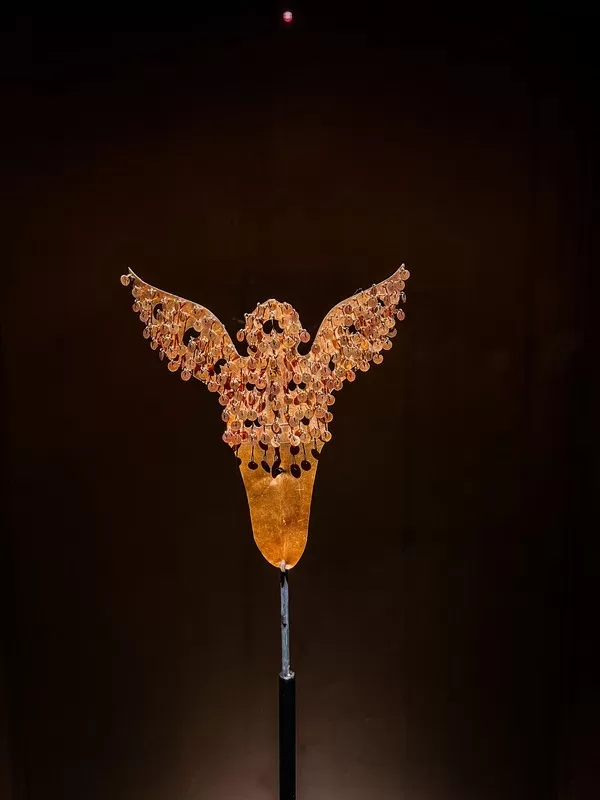
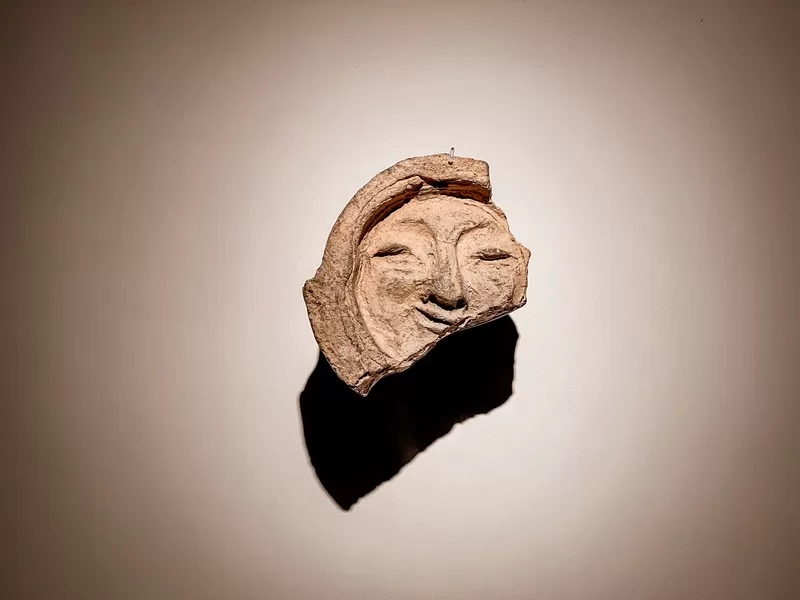
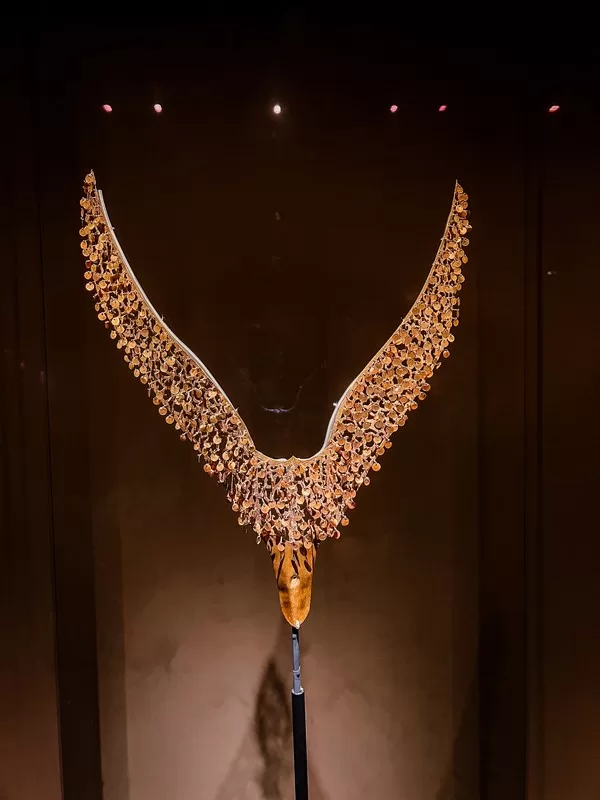
If you really want to dig in and learn more about the Silla Kingdom, definitely stop by the National Museum of Gyeongju. There is a substantial collection with 80,000 relics and artifacts including statues, jewelry, pottery, petroglyphs, crowns, and swords. Pieces are rotated and changed and at any one time 2500 pieces from the collection are on display.
Many of the relics, like the large Bell of King Seongdeok are located outside around the museum so if it’s a nice day even just taking a walk around the museum would be nice. Definitely check out the bell, by the way, because it’s the largest bell in Asia and is three meters high and 25 tons!
When I saw the bell the first time, it was actually in a different location but has since been moved to the National Museum of Gyeongju. The bell is commonly known as the Emile Bell which is an ancient Silla term for “mommy”.
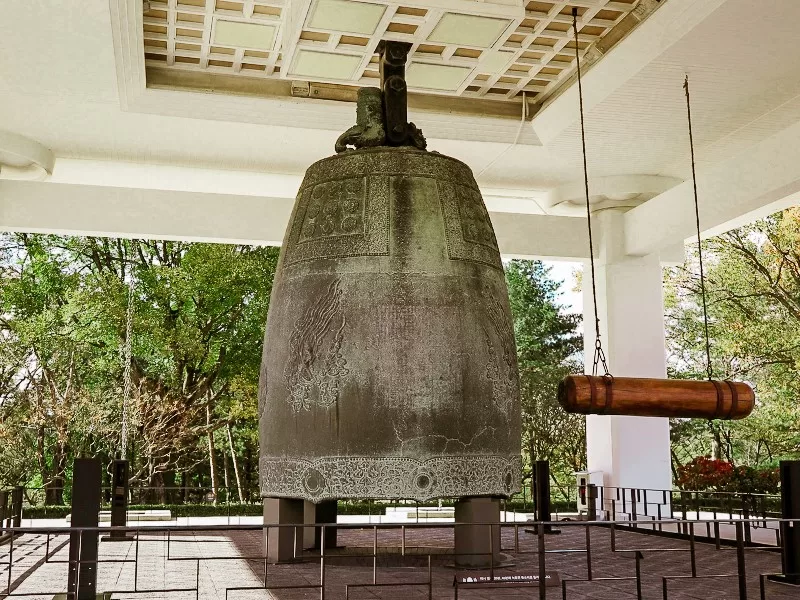
According to legend, the first bell that was cast produced no sound when struck so the bell had to be recast multiple times. Unsuccessful, the king that had wanted the bell cast past away and when the prince reigned, he continued in the effort to cast the bell. Still unable to make it ring, one night a monk had a dream that the bell would only ring if a child were cast into the metal so a child from the village was cast into the bell and finally the most beautiful sound came forth from the bell.
- Address: 186 Iljeong-ro, Gyeongju-si, Gyeongsangbuk-do (경상북도 경주시 일정로 186 (인왕동))
- Hours: Sunday – Friday: 9:00am ~ 6:00pm; Saturdays and National Holidays: 9:00 ~ 7:00pm* (*Saturdays in March – December: 9:00am ~ 9:00pm)
- Admission: FREE
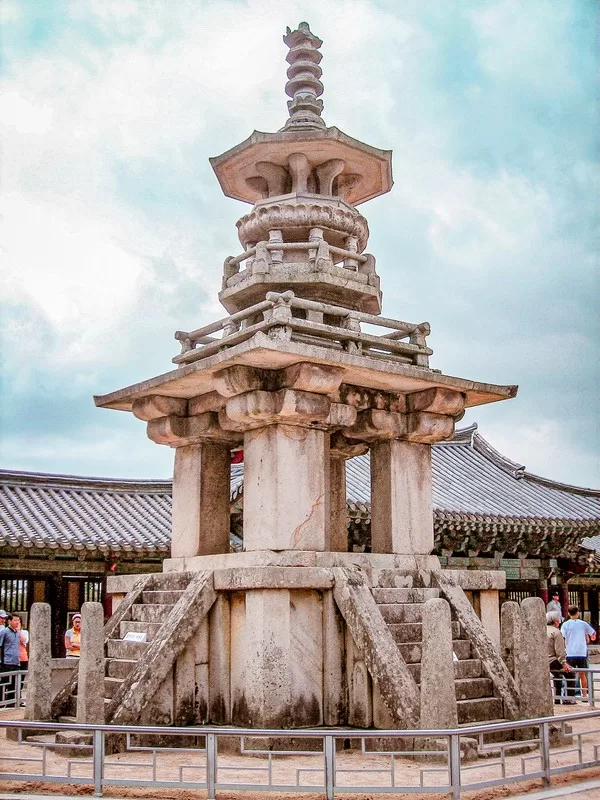
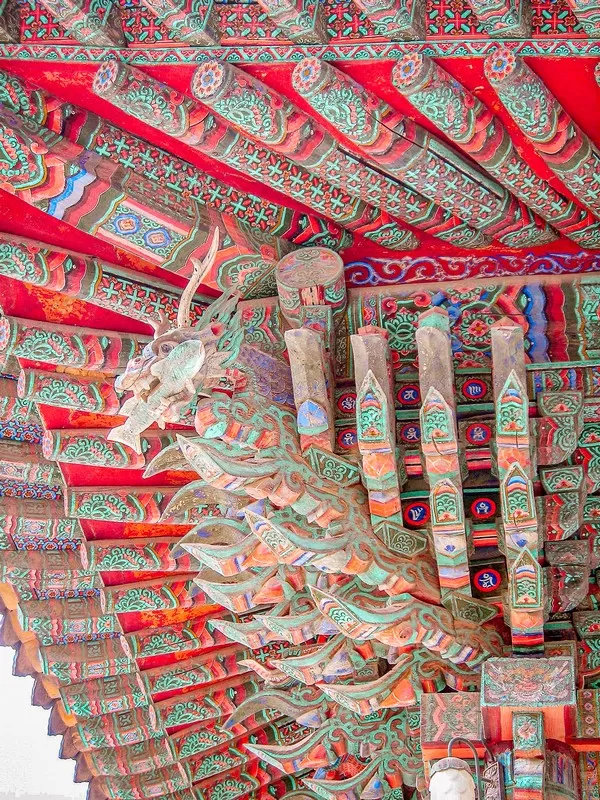
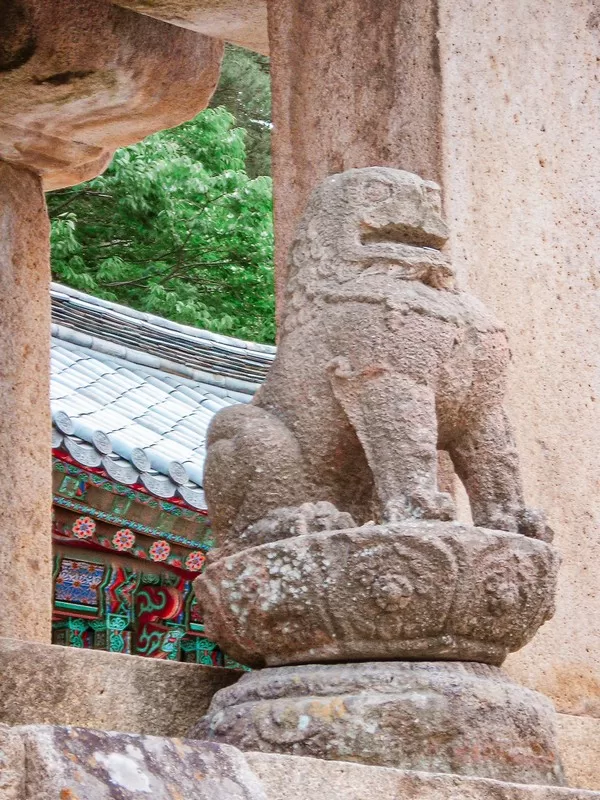
Bulguksa Temple & Seokguram Grotto (불국사 & 석굴암 석굴)
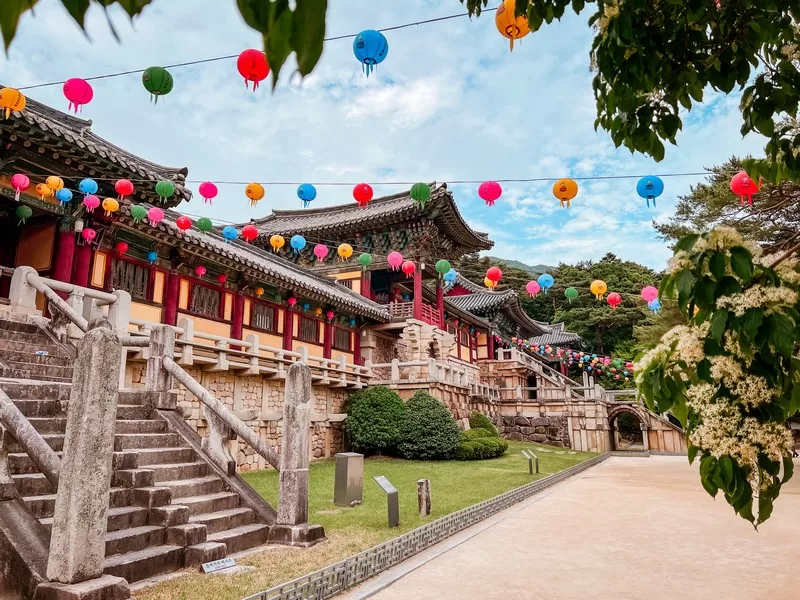
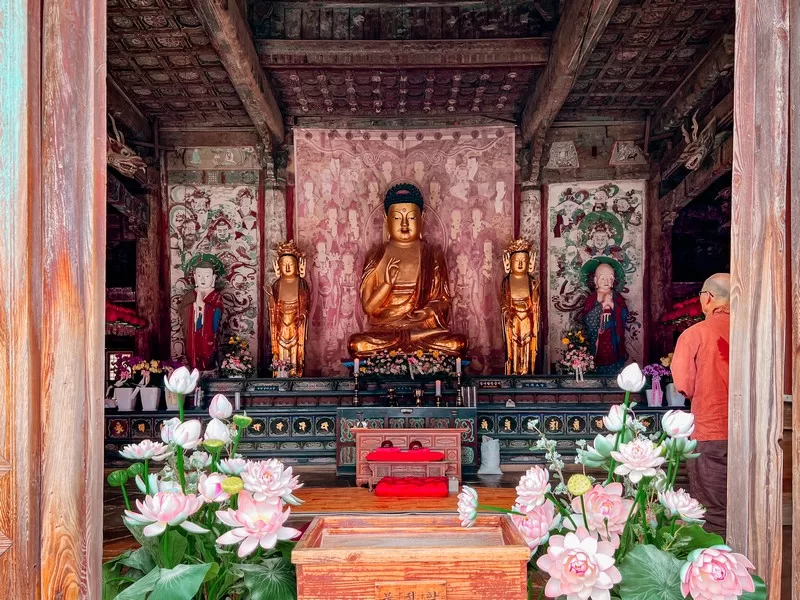
This huge working Buddhist temple was one of the first places we visited a decade ago. It’s one of the most impressive temples in Korea and is considered a masterpiece of Buddhist art. Built in the 8th century, Bulguksa Temple has been an UNESCO World Heritage site since 1995.
Hike a couple kilometers up (about 30 minutes) from Bulguksa Temple and you’ll be able to see Seokguram Grotto. If hiking isn’t your thing, then take the #12 bus that departs from the parking lot every hour beginning at 8:40AM. The trip takes 20 minutes.
The grotto features a seated Buddha protected by twelve royal guards. If you visit on the solstice, you can witness the third-eye of the Buddha hit by a ray of the sun as it comes through the dome above the head of the statue. Photography is not permitted in the grotto due to its sacred nature.
- Address: 15-san Jinhyeon-dong, Gyeongju-si, Gyeongsangbuk-do (경상북도 경주시 진현동 산15)
- Hours: November – January: 7:30am ~ 5:00pm; February: 7:30am ~ 5:30pm; March – September: 7:00am ~ 6:00pm; October: 7:00am ~ 5:30pm
- Admission: Adults: W5,000; Children 13-18: W3,500; Children 7-12: W2,500
Travel Tip: Visit in the early morning or during the weekday if possible so there are less tourists and remember to be respectful and quiet as this is a working temple with Buddhists residing on the grounds. This temple is part of the Jogye order, the same order which contains Jogyesa temple in Seoul and the gorgeous Naksansa seaside temple in Gangneung.
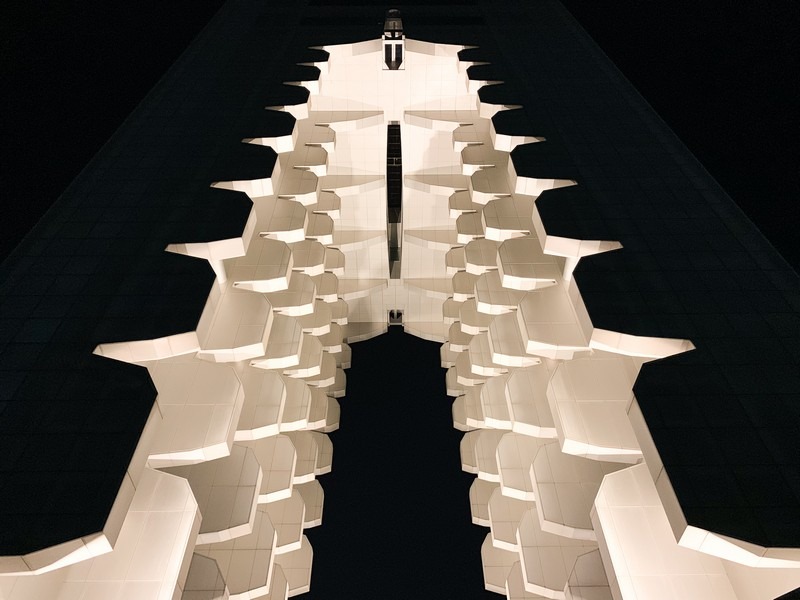
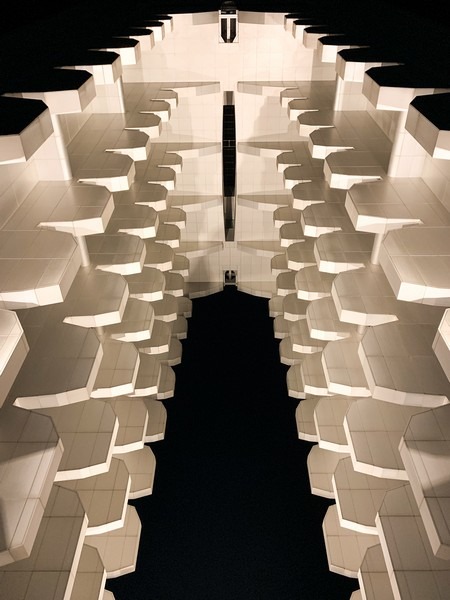
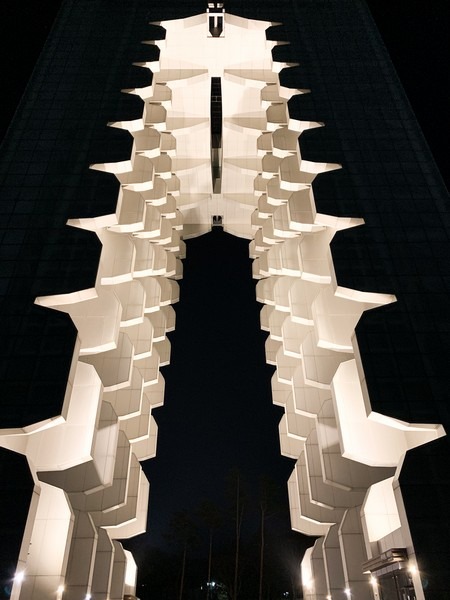
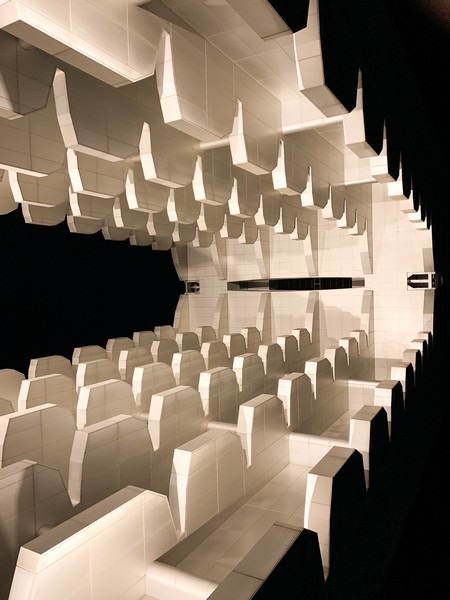
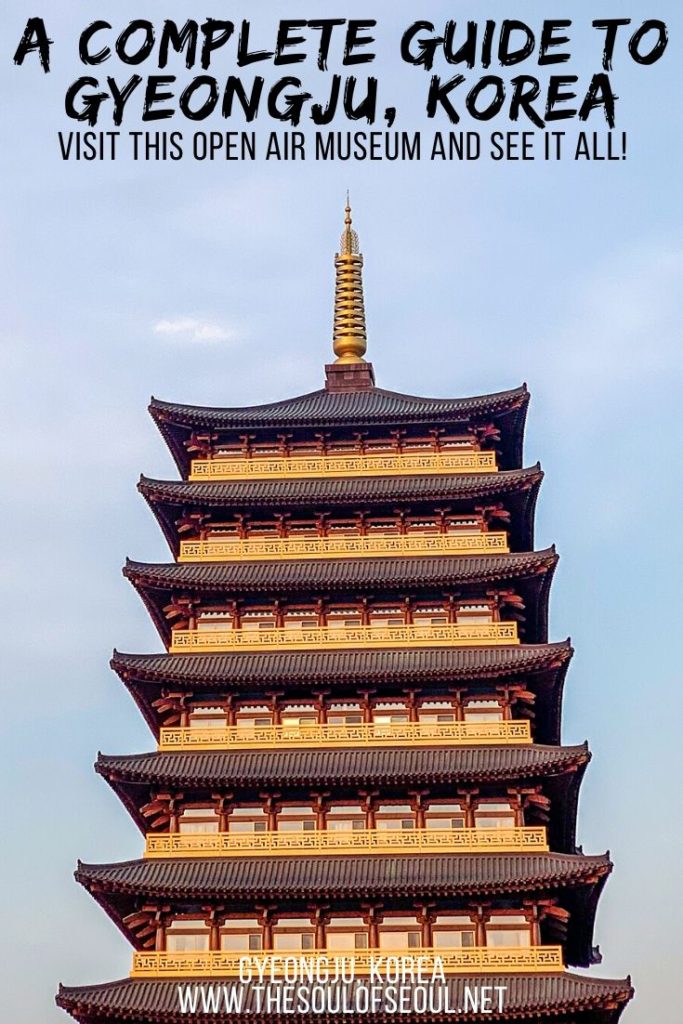
Gyeongju Tower in Gyeongju Expo Park
Completed in 2007 to coincide with the Gyeongju Expo Culture Center, the Gyeongju Tower is really a stunning piece of design. While there are pagodas throughout the city, this building has the cutout of one which is just beautiful whether your visit by day or night when it’s lit from the interior. The tower is 82 meters tall which is similar to a 30 story apartment building.
We visited at night, but if you visit during the day, you can actually go up into the observation deck of the building. I’d recommend going during the day and then stay into the evening if possible as there is also a beautiful lotus pond in the expo park. During the summer the park also has a ton of roses to see. For more information, check out this guide to the Gyeongju Expo Park because there is a lot to do there.
- Address: 614 Gyeonggam-ro, Gyeongju-si, Gyeongsangbuk-do (경상북도 경주시 경감로 614)
- Hours: Every day: 9:00am ~ 6:00pm (The park is open later, but this is the time specified for the building itself.)
- Admission: Adults: W8,000
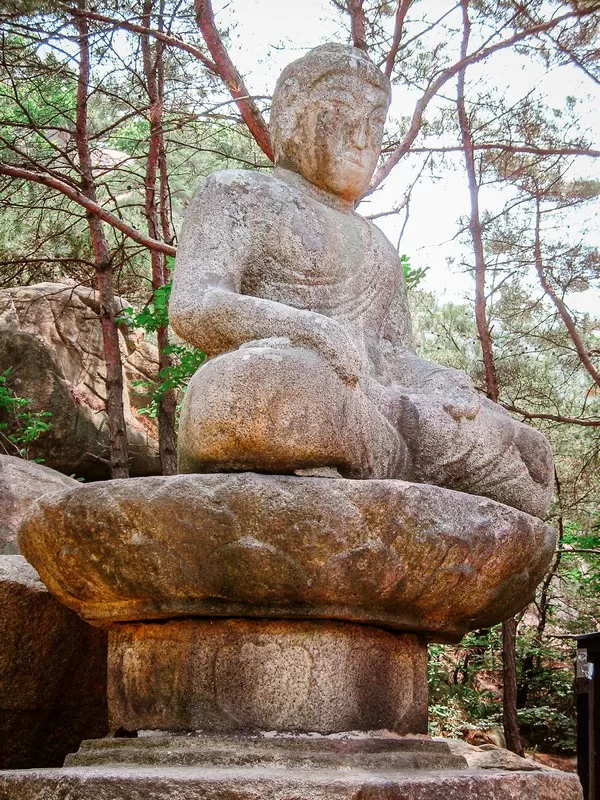
Gyeongju Namsan Mountain / Gyeongju National Park
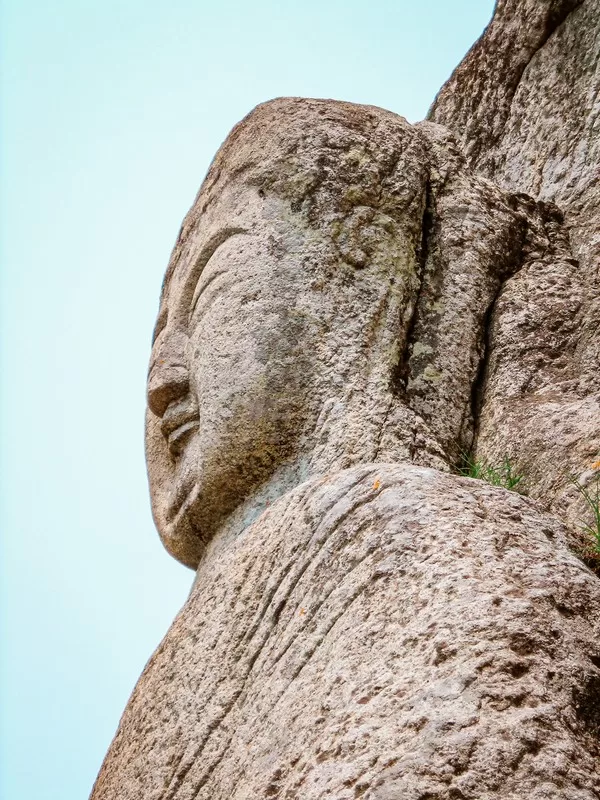
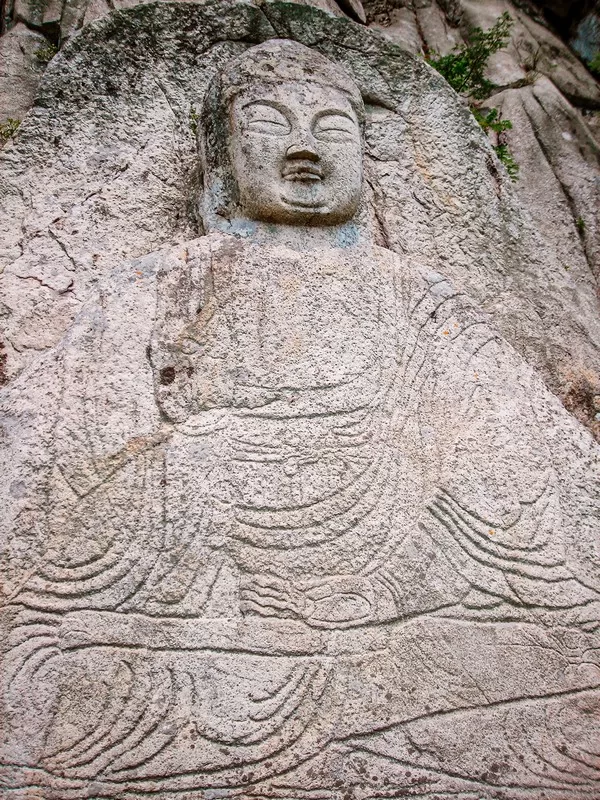
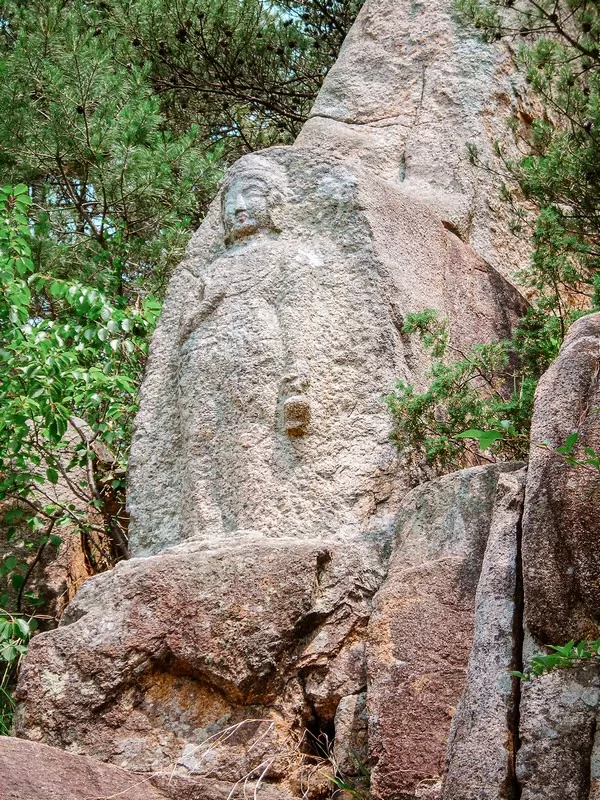
Hiking nearby Namsan Mountain is really not your average hike and is pretty incredible. Going along with how the city is an open air museum, the mountain truly is as well. With over 100 temples and 80 stone Buddha statues, there is a lot to be found. As you hike, you’ll discover Buddhist statues and many of them have been beheaded as I mentioned earlier.
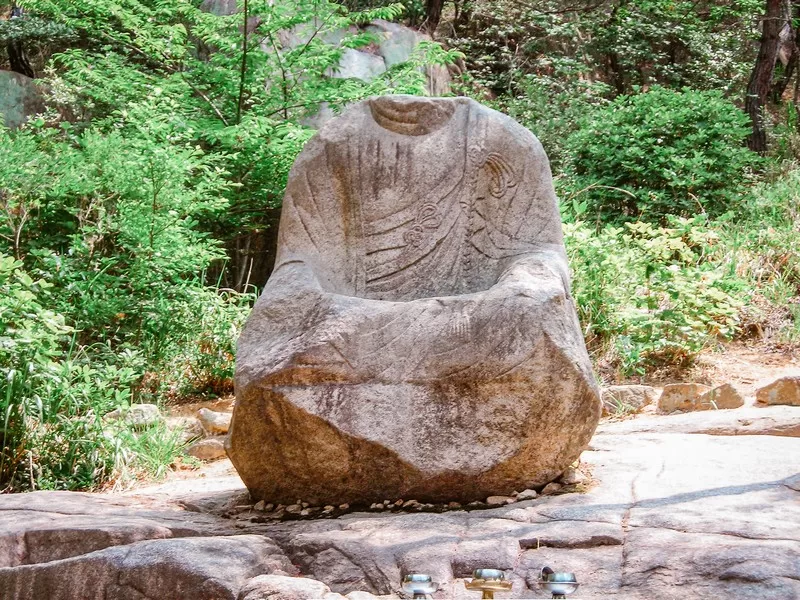
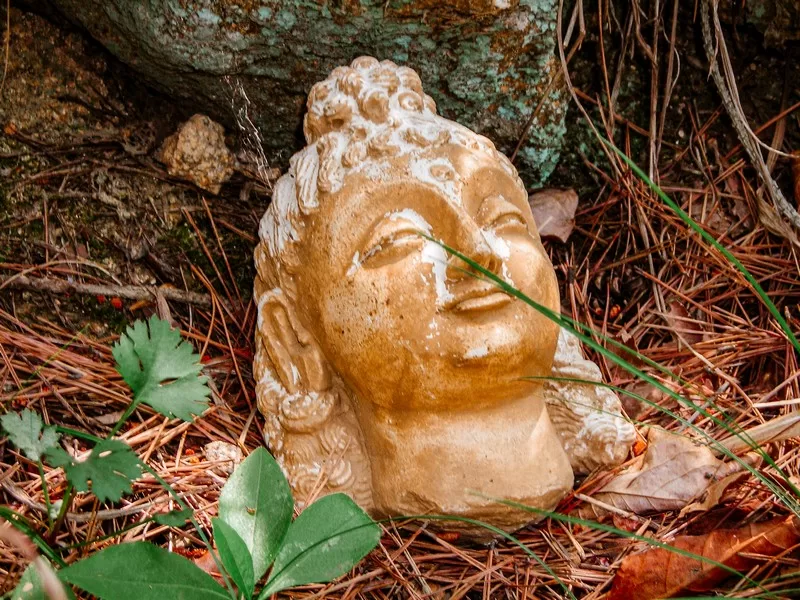
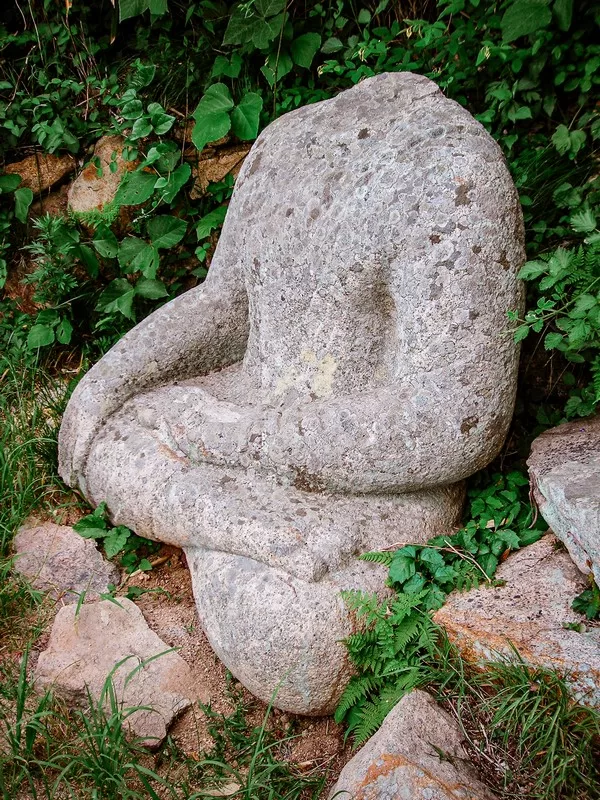
It’s a great hike that wasn’t too difficult though there were some steep sections. There were tall grasses to walk through, hidden relics to be found and views to be had. It took us about four hours but there are various trails to choose from. Make sure to stop by the Tourist Information Center in town to get a map of the mountain and the hiking trails. We were a bit lost most of the way and just sort of hoped we’d get back and forth alright. We did.
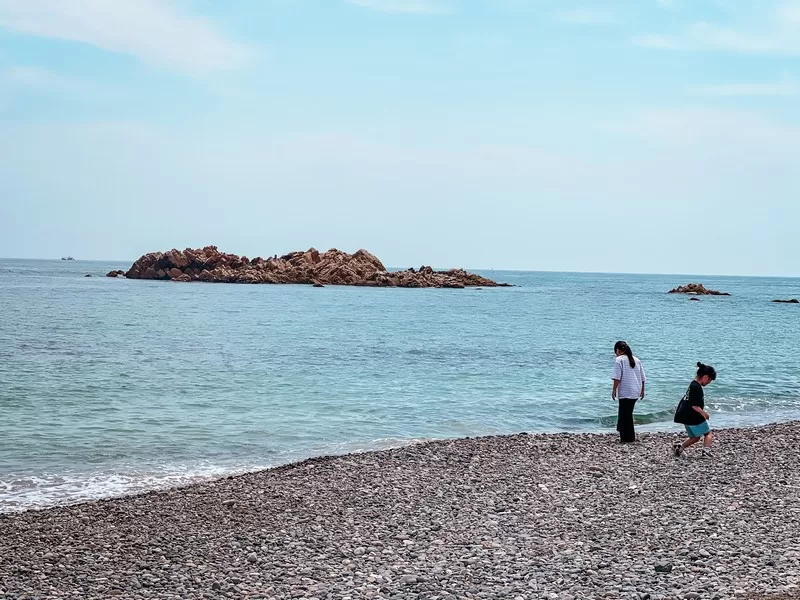
Tomb of King Munmu (문무대왕릉)
The coastline of Gyeongju isn’t normally on people’s Gyeongju itineraries, but there are some fascinating sites there. If you’re headed to Bulguksa Temple, I recommend adding a stop at the coast in the morning. It’s a great way to start the day. After seeing the burial mounds in the city, seeing where King Munmu is buried will be fun and something definitely different. The Silla king opted for burial at sea over a traditional tomb believing that he would be reborn as a dragon and would continue to protect the kingdom.
- Address: 30-1 Bonggil-ri, Munmudaewang-myeon, Gyeongju-si, Gyeongsangbuk-do (경상북도 경주시 문무대왕면 봉길리 30-1)
- Hours: Always visible from shore, no set hours
- Admission: Free
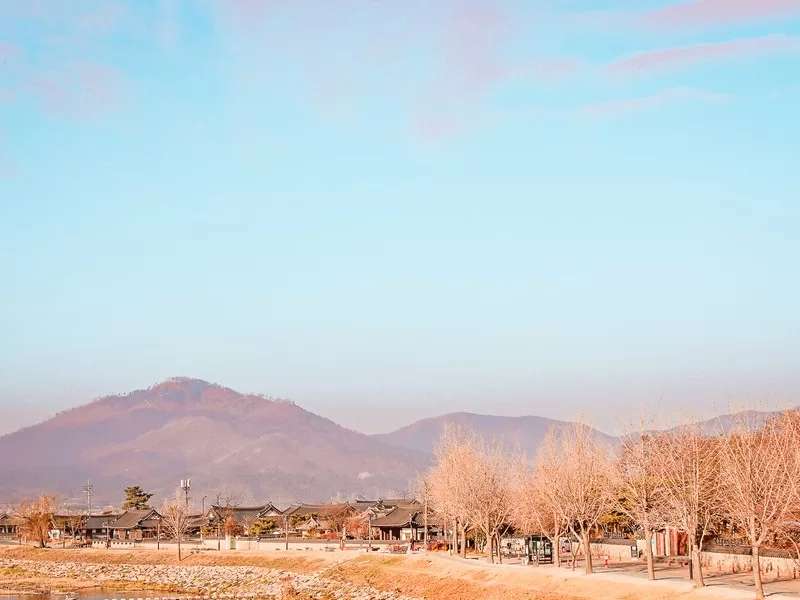
What To Do
Gyeongju World Amusement Park
Maybe you want to mix it up and do something fun on your trip to Gyeongju. Gyeongju World Amusement Park is the largest theme park in the southern area and is most famous for the X-Zone which features the Phyton, Mega Drop, Tornado, Grand Canyon, King Viking, and Submarine Splash. Rollercoaster fan? Don’t miss this amusement park in summary.
There’s also a great kid’s zone in Wizard Garden, water fun at California Beach in the summer and a large sledding zone in the winter.
- Address: 544, Bomun-ro, Gyeongju-si, Gyeongsangbuk-do (경상북도 경주시 보문로 544 (천군동))
- Admission: Adults: W48,000, Teenagers: W42,000, Children: W36,000
- Book Tickets: Get your tickets online from Klook to take advantage of the discounts and easy to use QR code when heading in.
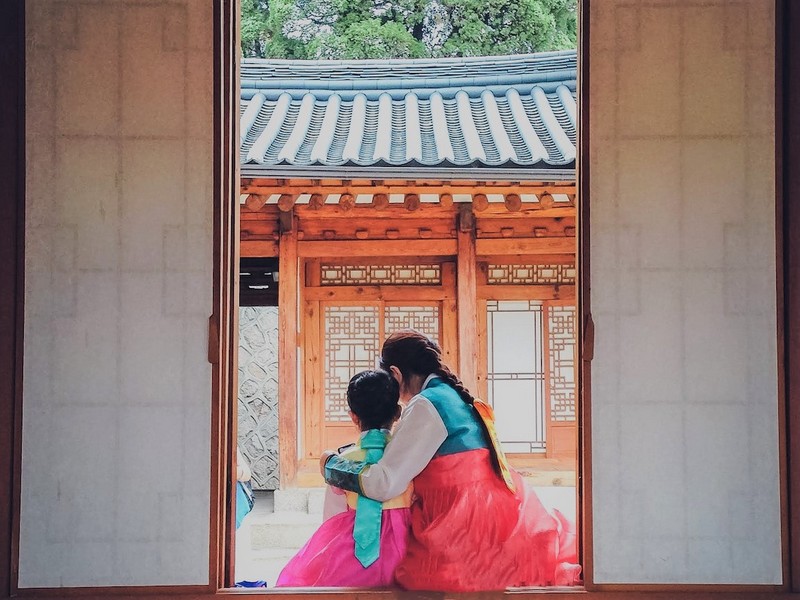
Rent A Hanbok For Beautiful Photos
Visiting traditional and historical sites is only made better when there are traditional clothes, too. Have some fun with your photos and rent clothes while you’re out and about.
- Hanbok Rental near Daereungwon Tomb Complex: You can choose from over 250 sets of Hanboks on site with varying patterns and styles. Rent a Hanbok on Klook.
What To Eat In Gyeongju
Surprisingly, unlike most cities and small towns in Korea that promote some dish, side dish or dessert, Gyeongju isn’t really famous for any specific food.
Gyeongju Bread (경주빵 / Hwangnam bread): Also called Hwangnam bread after the region it’s from, this small pastry is filled with red bean paste and has been baked in Gyeongju since 1939. You can spot them by the chrysanthemum pressed into the top. They’re sold at stalls and bakeries throughout the city and make a good snack while walking between sites. Worth trying for the experience rather than being a revelation to your palette, red been pastries exist all over Korea, but this one is the original.
Beopju (법주): This clear rice wine, a type of cheongju, is made by the head house of the Gyerim Choe clan, who have produced it in Gyeongju for generations. First developed by a Joseon official in charge of the royal kitchen, the recipe has passed through the family for eight generations. If you’re interested in traditional Korean alcohol and fermentation culture, this is one of the most historically significant drinks you can try anywhere in Korea. Look for it in traditional restaurants and specialty shops around the city.
Ssambap (쌈밥): Gyeongju’s countryside setting means fresh vegetables are abundant, and ssambap, a meal of rice and various side dishes eaten wrapped in fresh leaves, is a local staple. Several restaurants in the Gyochon Village area serve traditional ssambap meals that feel completely right in the historic setting.
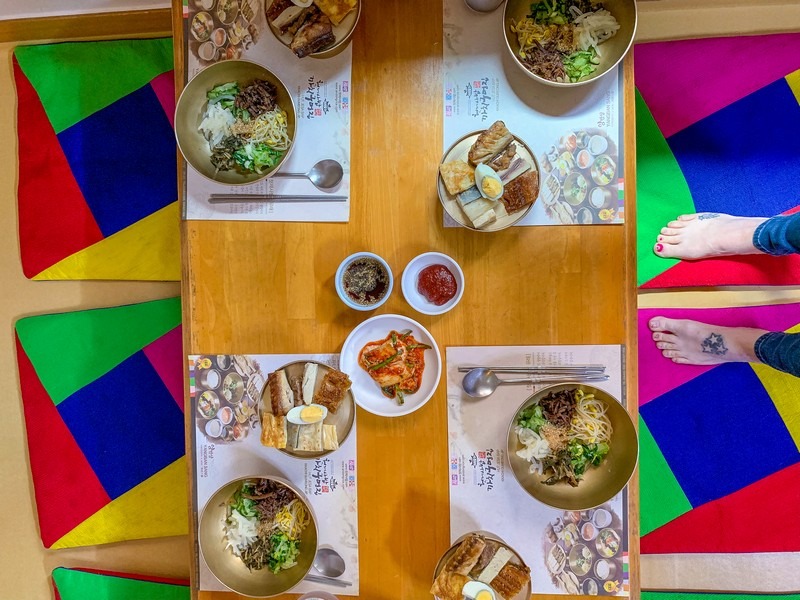
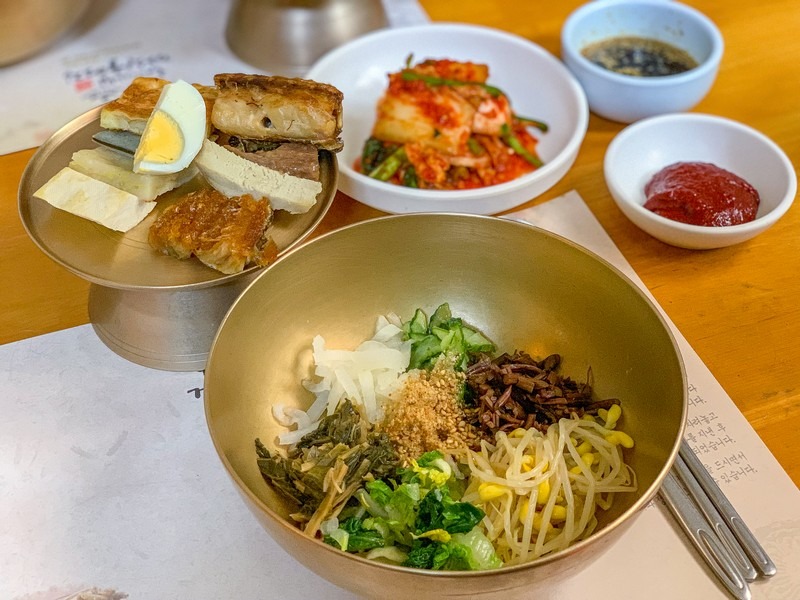
Heotjesabap (헛제사밥): A dish that translates loosely as “fake ritual food”, heotjesabap is a meal assembled from the side dishes traditionally prepared for Confucian ancestral rites (jesa ceremonies). My favorite meal when I’m in Gyeongju or Andong, the practice began when servants and cooks would prepare the full spread of ritual food without an actual ceremony, just to have a meal. Today, it’s served as a set meal of rice, soup, and numerous banchan in the traditional style. It’s mild, wholesome, and deeply connected to the Silla-era culture in the city.
Sikhye (식혜): A traditional Korean sweet rice drink that is particularly associated with Gyeongju. Cold, slightly fermented, and refreshing, it’s sold throughout the city and is a lovely way to cool down between sites in warmer months. If you see it at a traditional teahouse or market stall, get it cold.
FAQ
Is Gyeongju worth visiting?
Absolutely. It’s one of the most rewarding day trips or overnight stays in Korea. Unlike most Korean cities where history is concentrated in a single palace or museum compound, in Gyeongju the history is literally everywhere. Royal tombs sit in the middle of the city. Ancient observatories stand in public parks. Buddhist temples occupy mountain slopes just outside town. It feels like nowhere else in Korea.
How far is Gyeongju from Seoul?
About 2 to 2.5 hours by KTX from Seoul Station. It’s entirely doable as a day trip, though staying overnight lets you experience the sites lit up after dark.
How far is Gyeongju from Busan?
About 30 minutes by KTX. Gyeongju is one of the easiest and most rewarding day trips from Busan and can easily be combined with a weekend on the southern coast.
Is one day enough for Gyeongju?
One day is enough to cover the main historic center including the tombs, the observatory, and Wolji Pond. Two days lets you add Bulguksa Temple, Seokguram Grotto, and a hike on Namsan Mountain. Three days is the ideal amount of time to feel unhurried.
What is Gyeongju famous for?
Gyeongju was the capital of the Silla Kingdom for nearly 1,000 years and is often called the museum without walls because of how many historical sites are woven into everyday life across the city. It’s home to UNESCO World Heritage sites, royal tomb complexes, ancient Buddhist temples, and Korea’s oldest astronomical observatory. It is the most historically rich city in Korea.
Did you like this post? Pin It!
8 Comments
Carolyn
Hi Hallie,
I’m so happy to have come across this post. We’re visiting SK in May and planning on visiting Gyeongju for 2 days in the middle of our trip to Seoul. I see that most attractions are open everyday so any day of the week so any day of the week should be okay to come? We’re taking the KTX. Would you recommend taking a car to get around visiting the attractions or the bus or take tours? Lastly, if you don’t mind, I booked a hotel for 2 nights instead of a Hanok because I’m afraid the chances of mosquitos is higher in a hanok. Is this true?
I appreciate all the details you’ve included in your post and very excited for our trip. Thank you for for any information you can give me about my questions. Have a great day!
Carolyn
Hallie Bradley
The KTX should be fine for Gyeongju since most of what you want to see is all in the same area. You can venture out a bit by bus or taxi which is pretty budget-friendly compared to most countries. May shouldn’t be bad for mosquitos yet so a Hanok would be fine. But if you’re more comfortable in a hotel, definitely go for that. I hope you have a great trip!
Amanda
Hi Hallie,
Thank you for the write-up on Gyeongju!
Can I check if it is possible to board a bus at the Haeundae Bus Terminal to Gyeongju Bus Terminal if I am planning to head from Busan to Gyeongju?
Hallie Bradley
Yeah, it looks like there are buses from there so it shouldn’t be a problem.
VALERIE
Hi Hallie,
Thank you for writing so comprehensively on Gyeongju which is of great help to my upcoming trip! Can I check with you on the recommended itinerary route for distance?
Do I follow exactly where you go so that its more “on the way”? Thankyou for your assistance in advanced! 🙂
Daereungwon Tomb Complex / Tumuli Park (대릉원경주시 사적공원)
Cheomseongdae Observatory (첨성대)
Woljeonggyo Bridge (월정교)
Gyochon Traditional Village (교촌한옥마을)
Donggung Palace & Wolji Pond (동궁과 월지)
National Museum of Gyeongju
Bulguksa Temple & Seokguram Grotto (불국사 & 석굴암 석굴)
Gyeongju Tower in Gyeongju Expo Park
Gyeongju Namsan Mountain / Gyeongju National Park
Hallie Bradley
It really depends where you’re staying and starting from. I would suggest adding all of those spots to your own GPS map and then you can zig zag to the spots as you’re nearby. ^^
Balta
Thanks a lot for this post! I’m travelling in South Korea now and was looking for some info on Gyeongju. I found quite a few posts but yours was pretty informative, easy to understand and I like the fact that you added the addresses, the times, the prices but, also, the name of the places in Korean. Very useful when looking for it on a map!
Keep up the good work! 🙂
Hallie Bradley
Absolutely. I try to make it as easy as possible! Over the years, I’ve gotten so many questions when it comes to those things and know exactly how hard it can be to navigate. All the easier with all of the relevant details though! Have a great adventure. ^^