Where To Stay in Gyeongju: The Best Hotels and Hanoks For Every Budget
Last Updated on June 17, 2026
You might think Gyeongju is just another stop on the Korea itinerary, a quick day trip from Busan, a tick on the UNESCO checklist. But spend a night here, like I have numerous times over the past twenty years, and you understand why the city known as the “museum without walls” is special. The tomb mounds catch the last light. Wolji Pond goes golden at dusk. A thousand years of Silla history settle quietly around you, and suddenly a single day feels like nowhere near enough time. If you’re still planning, my full guide to Gyeongju and the things to see there is worth reading.
Where you base yourself in Gyeongju shapes how you experience all of it though. Sleep in the historic center and you can walk out at dusk to watch the ruins light up. Choose Bomun Lake and you wake to mountain reflections and resort calm. Base yourself near Bulguksa and the temple is yours before the crowds arrive.
This guide breaks down the best places to stay in Gyeongju by area across every budget so you can find exactly the right fit for you.
Here’s what you need to know to find the perfect place to stay in Gyeongju:
- Quick Picks: Best Stays By Traveler Type
- Understanding The Best Areas To Stay In Gyeongju
- Basic Info
- Historic Center Stays: Old Town And Gyochon Village
- Bomun Lake Resort Area Stays
- Near Bulguksa Temple Stays
- How Long To Stay In Gyeongju
- Practical Tips For Booking
- FAQs
(This post contains affiliate links, which means I receive a certain percentage of a sale if you purchase after clicking at no cost to you. Thank you for your support.)
Quick Picks: Best Places To Stay In Gyeongju
| Hotel | Budget | Why |
|---|---|---|
| Hwangnamgwan Hanok Hotel | Mid-range | Largest Hanok in Old Town, Hanbok rental, atmosphere |
| Gyeongju Hotel Gonggan | Mid-range | Character and community, free bikes |
| Hilton Gyeongju | Luxury | Resort amenities, lake setting |
| Commodore Hotel Gyeongju | Mid-range | Good value in the Bomun area |

Understanding The Best Areas To Stay In Gyeongju
Gyeongju is small enough that you can reach most of its major historic sites from a single central base, but each neighborhood has its own feel and practical advantages. Here’s how to think about it.
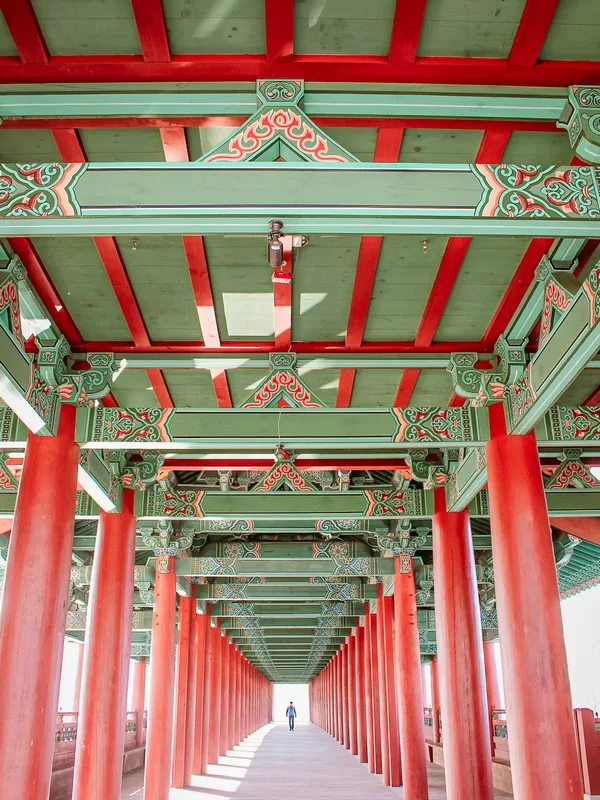
The Historic Center (Gyochon Village and Daereungwon Area)
Best for: First-time visitors, culture and history lovers, photographers
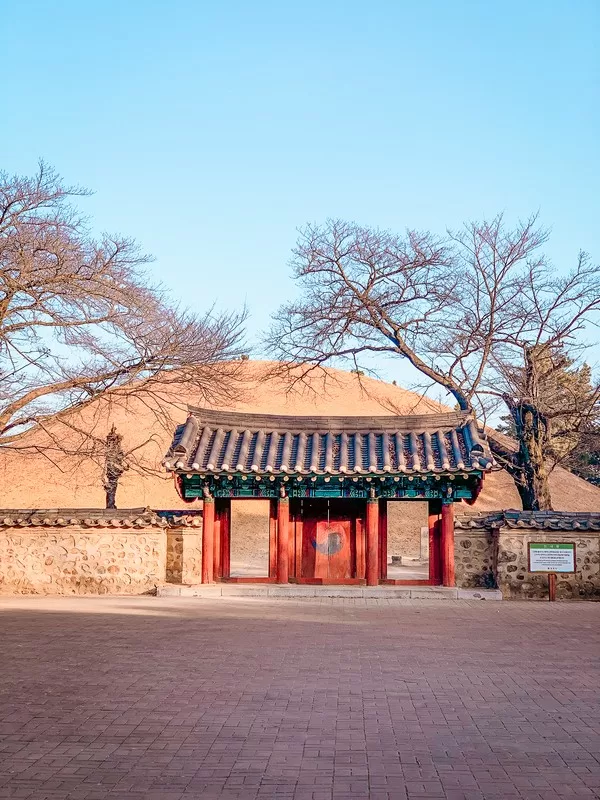
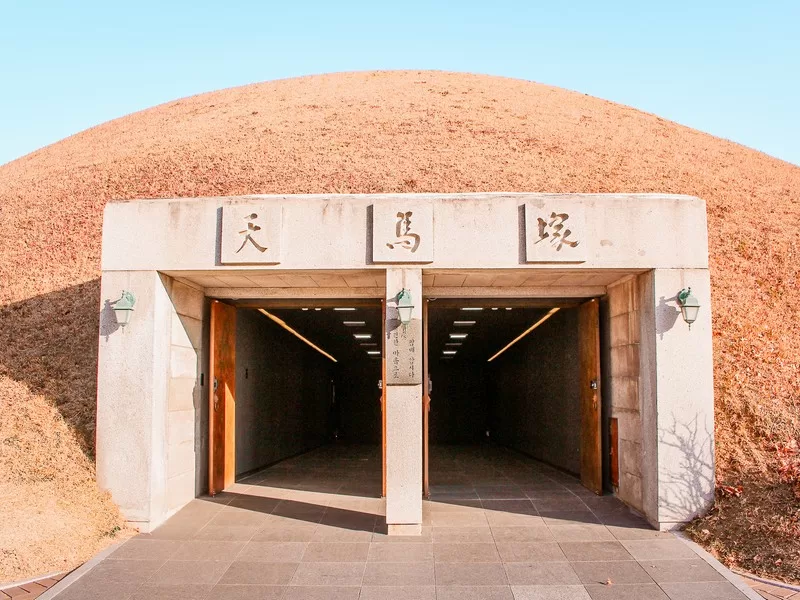
This is the best base for first-time visitors to Gyeongju in my opinion. As a consistent visitor, it’s my favorite area to stay still. The tomb mounds of Daereungwon, the Cheomseongdae observatory, and the Wolji Pond (Anapji) are all within easy walking distance.
The real magic here happens in the evenings, when the stone bridge and observatory light up and the whole area takes on a quietly spectacular glow. If you’re visiting with kids, it’s ideal to stay nearby so you can get out, see the lights and get back reasonably easy.
Gyochon Village, Gyeongju’s traditional Hanok neighborhood, is also right here, which means you’re surrounded by traditional architecture, local cafes, and slow streets even when you’re not actively sightseeing.
Gyeongju’s Old Town has fewer big brand hotels than other large Korean cities, so the best options in the area can easily sell out. You want to book early and quickly.
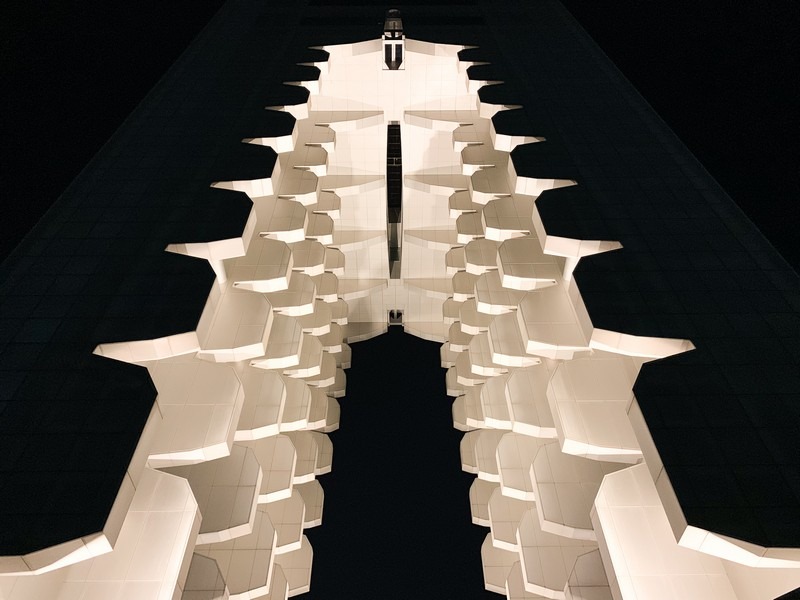
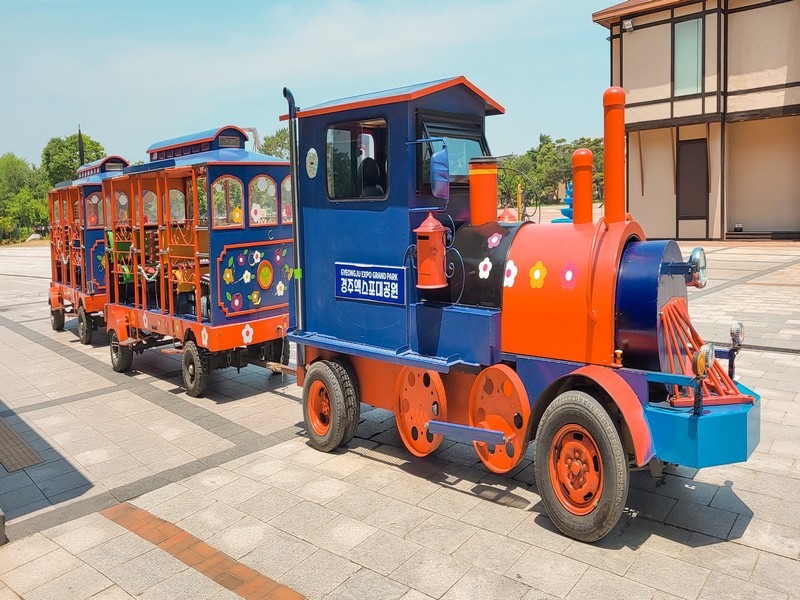
The Bomun Tourist Complex (4km East of Center)
Best for: Luxury travelers, balanced history and fun, families
The Bomun area is where Gyeongju’s big resort hotels cluster, built around a lake with mountain views and designed with leisure in mind. If you’re traveling with family, want a pool, or simply enjoy having everything including restaurants, spas, and walking paths on your doorstep, Bomun makes a lot of sense.
It’s a short taxi ride or bus journey to the historic center, so it doesn’t feel exactly remote. The Gyeongju World amusement park and Gyeongju EXPO Park are also out this way, which is worth knowing if you’re traveling with kids.
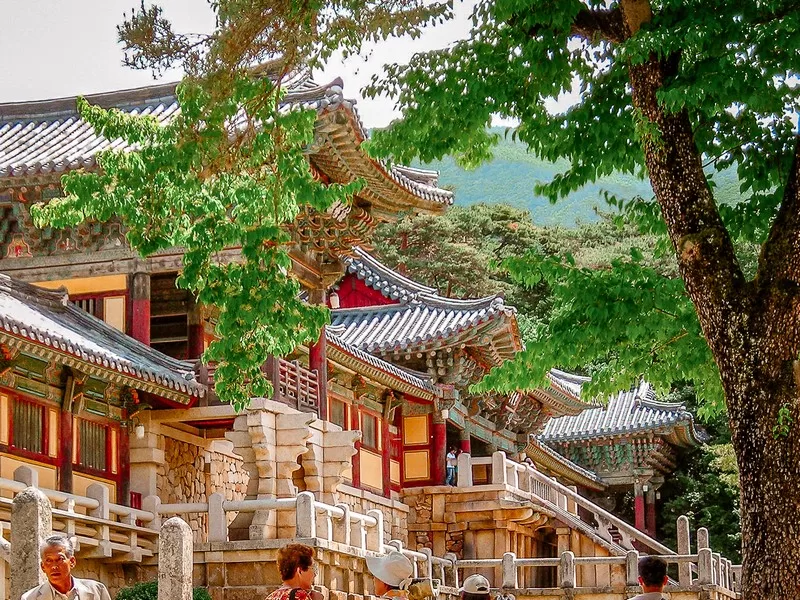
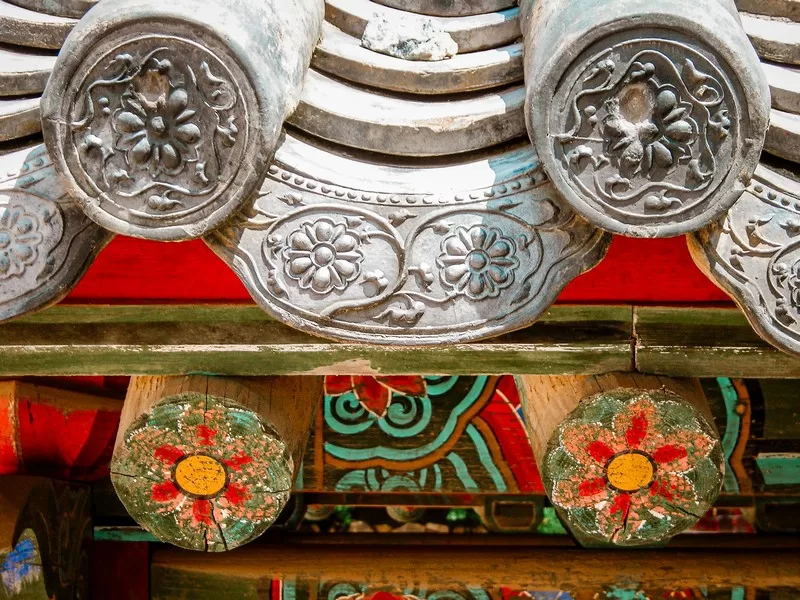
Near Bulguksa Temple
Best for: Slow travelers, temple lovers, mountain adventures
If your trip is centered on Bulguksa Temple and Seokguram Grotto, staying in this area cuts down on travel time and puts you in a quieter, more forested setting. That said, you’ll need a car or taxi to reach the central historic sites, so it works best if you have flexibility in your itinerary or your own transport. I don’t recommend this unless you’re a true temple lover and Bulguksa Temple is your main reason for visiting.
Gyeongju, Korea: 2-day Itinerary & Guide
$9.00
Basic Info
City: Gyeongju, North Gyeongsang Province, South Korea
Getting There: KTX high-speed train to Singyeongju Station (approx. 2 hours from Seoul), then bus or taxi into the city. Intercity buses also run from Seoul’s Express Bus Terminal to Gyeongju Bus Terminal (approx. 3.5–4 hours).
Getting Around: Much of the historic center is walkable. Taxis are affordable and easy to find. City buses connect central Gyeongju to Bomun Lake, Bulguksa Temple, and other key sites.
Best Time To Visit: Spring (April, cherry blossoms) and autumn (October, foliage) are the most beautiful seasons. Summer is warm but can be busy; winter is cold but uncrowded and atmospheric.
Historic Center Stays: Old Town And Gyochon Village
Staying in the historic center is the closest thing Gyeongju has to a no-brainer recommendation. You’re walking distance from the most important sites, the neighborhoods are full of character, and the evening atmosphere with the ruins lit up makes you glad you’re not commuting from a resort hotel four kilometers away.
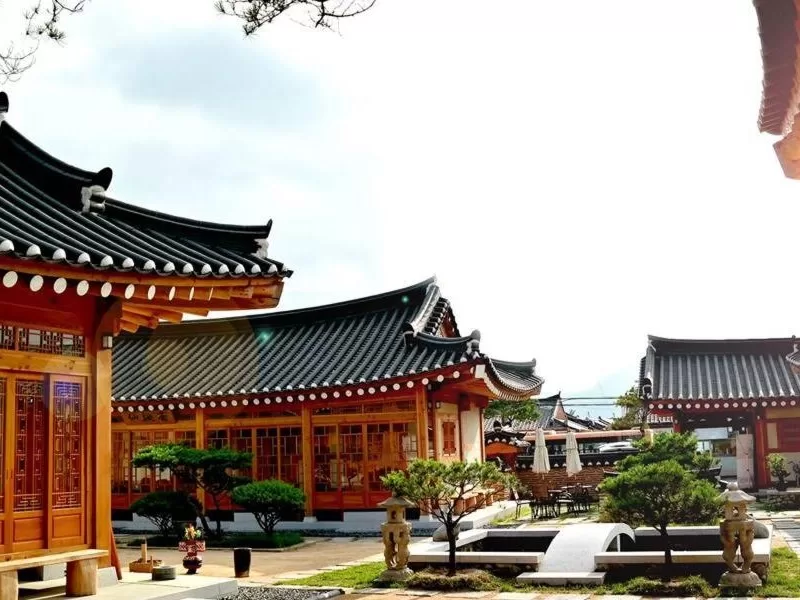
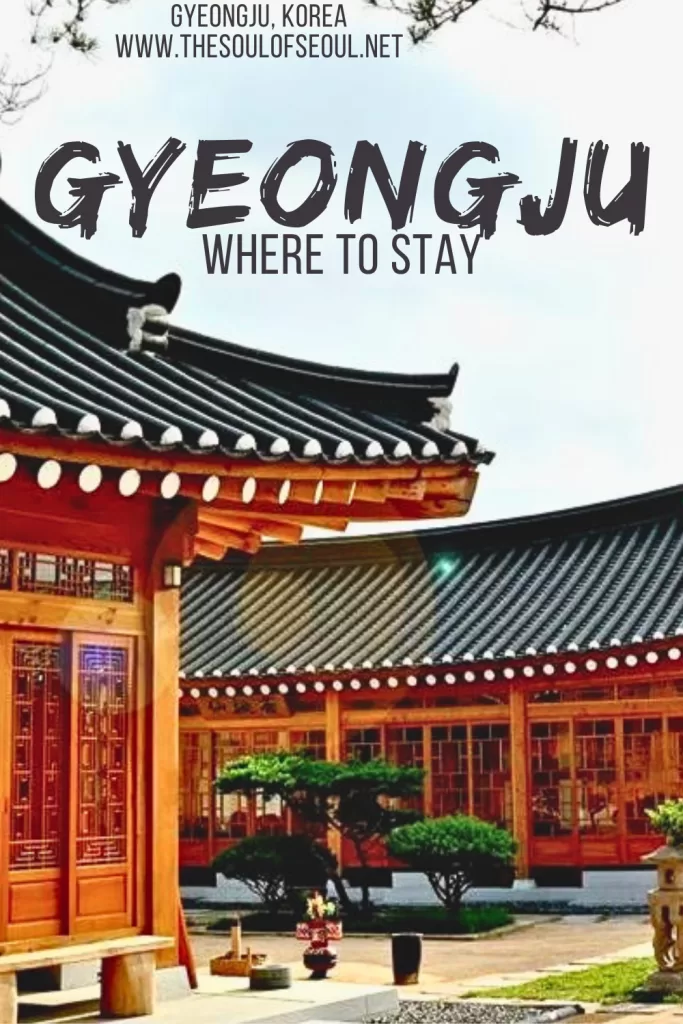
Traditional Stay: Hwangnamgwan Hanok Hotel
Sitting right at the end of Hwangnidan-gil, Gyeongju’s most atmospheric main street, this is the largest Hanok property in the Old Town area… and it’s also very popular. A koi pond sits at the heart of the complex, the courtyard is illuminated at night, and the traditional architecture has the kind of scale that makes you feel properly immersed.
What makes Hwangnamgwan especially nice is the Hanbok experience, which is available free of charge for both adults and children. This stay is hard to beat. It’s warm, personal, and the food is delicious.
Price range: Mid-range Book: Agoda.com
Traditional Stay: Siwoowadang
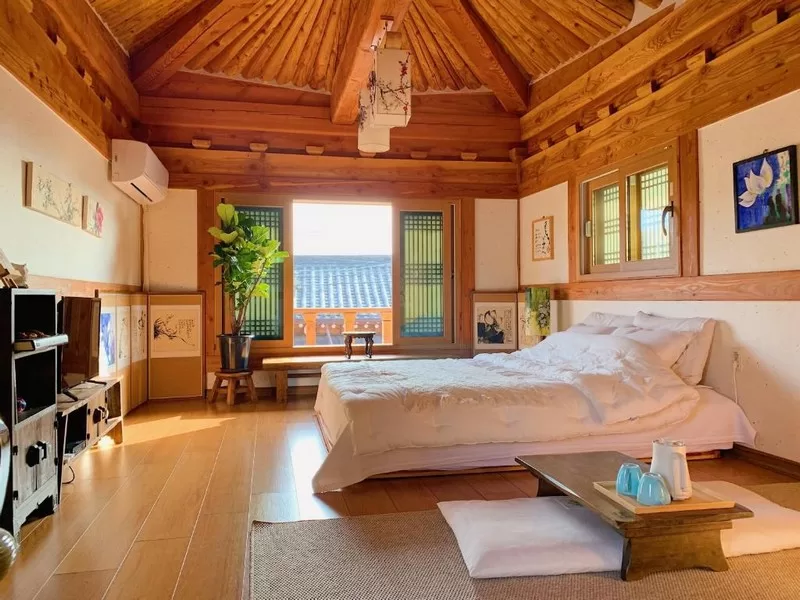
Siwoowadang earns its reputation through the details. The architecture is beautiful, the gardens are serene, and the location in Gyeongju City Center puts you within easy walking distance of the tomb complex, Cheomseongdae Observatory, and Wolji Pond.
But what separates it from other Hanok properties is the quality of the rooms themselves. It’s a Hanok, but you’ll be sleeping on real mattresses, which is one of the biggest things first-time tourists to Korea usually need.
Price range: Mid-range Book: On Booking.com or on Agoda.com
These are by no means the only Hanoks open to stay in in Gyeongju’s Old town. If they are booked up, take your time looking around the area at other offerings because it really is a wonderful area to stay in.
Mid-Range Stay: Gyeongju Hotel Gonggan
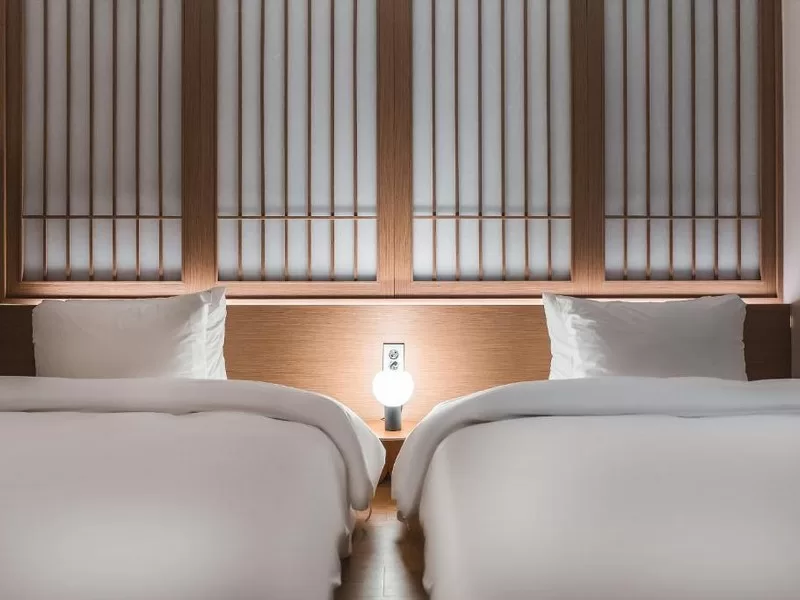
I’ve stayed here, and it’s one of those places that quietly exceeds expectations. Gyeongju Hotel Gonggan sits about 2km from Cheomseongdae and 1.7km from Gyeongju Station, close enough to the historic center to feel connected, but not right in the Hanok Village.
What makes Gonggan stand out is the personality of the place. The first-floor lobby is a proper communal space. Free bicycles are available for guests to borrow, which in a city as well-suited to cycling as Gyeongju is a significant perk.
Price range: Mid-range Book: on Booking.com or on Agoda.com
Bomun Lake Resort Area Stays
The Bomun Tourist Complex sits about 4km east of the historic center, and it’s a world of its own with lakes, mountain views, golf courses, walking paths, and the kind of resort infrastructure that makes a trip feel like a proper holiday. Taxis to the historic center take about ten minutes and are affordable, so the location doesn’t feel like a compromise.
Luxury Stay: Hilton Gyeongju
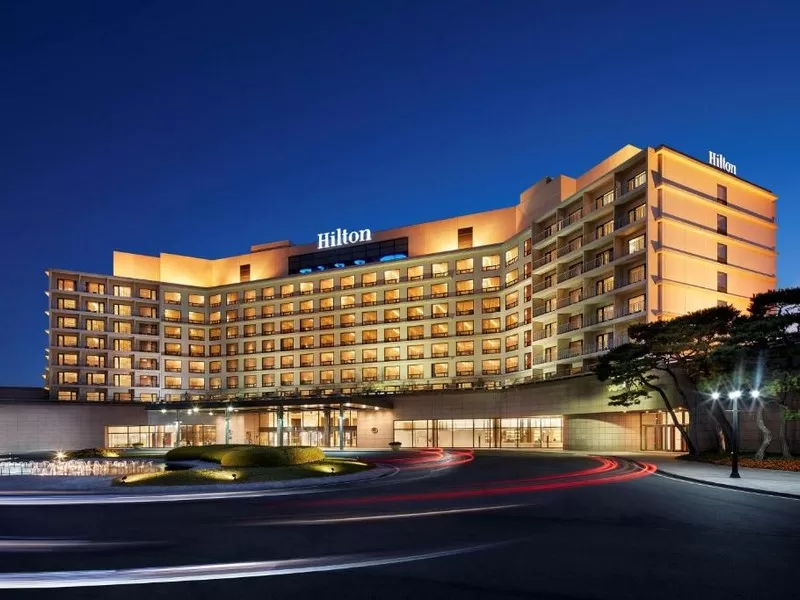
If you’re going to treat yourself to one genuinely special night in Gyeongju, Hilton is always a good bet. It sits right on Bomun Lake with a mountain behind and water in front. Multiple dining options, a large pool, and attentive service makes a stay here feel like a proper occasion rather than just logistics.
The lake views from the upper floors are some of the best in the city. Whether you’re celebrating something or simply want the full luxury experience, the Hilton delivers.
Price range: Luxury Book: Booking.com or Agoda.com
Mid-Range Stay: Commodore Hotel Gyeongju
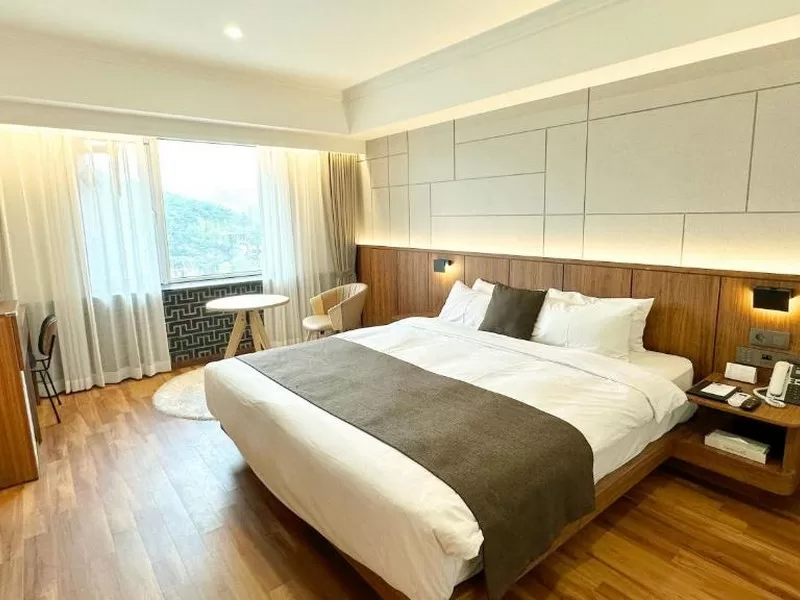
The Commodore is the smart mid-range choice in the Bomun area. It’s comfortable, well-located within the resort complex, and priced fairly for what it delivers. You still get access to an outdoor pool and pleasant surroundings without the premium price of the Hilton.
Clean rooms, helpful staff, and a location that makes the most of the Bomun setting. If the luxury resorts are outside budget but you still want to be based near the lake with access to resort facilities, this is a good pick.
Price range: Mid-range Book: Booking.com or Agoda
Near Bulguksa Temple Stays
Staying near Bulguksa suits a specific kind of traveler, one who wants to reach the temple before the tour buses arrive, spend time in the forested hills of Tohamsan, and return to somewhere quiet at the end of the day. The tradeoff is that you’re further from the historic center, so budget for taxis or check bus routes before you book.
Did you know that Bulguksa Temple was first built in 528 AD, and the stone staircases leading to its main hall, Cheongungyo and Baegungyo, are among the oldest preserved stone structures in Korea? Arriving early, before the crowds, is transformative.
Temple Stay Programs
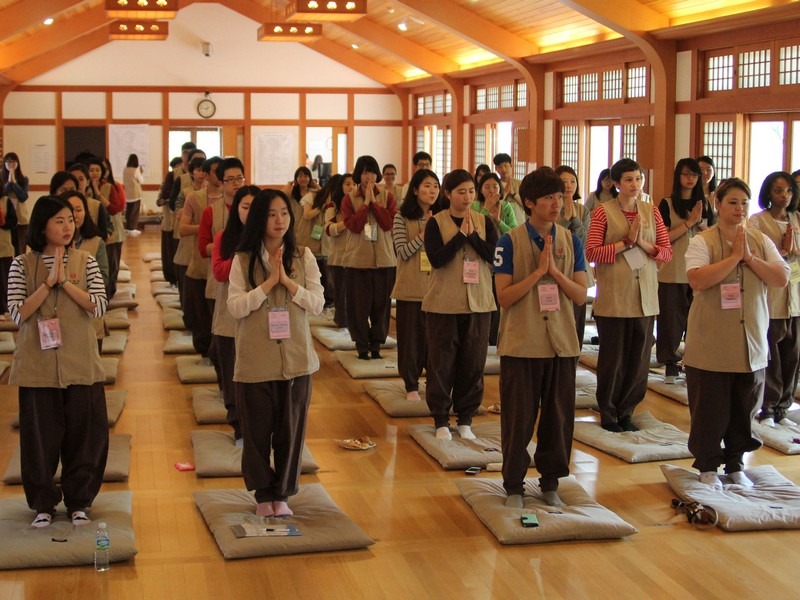
If you want to go fully immersive, there are two temples in the Gyeongju area that provide temple stay programs. These are structured experiences where you follow the rhythms of monastic life, including early morning meditation and communal meals. It’s an amazing experience whether you do it in Gyeongju or at any temple across Korea.
Both Bulguksa Temple and Golgulsa Temple offer temple stay experience in Gyeongju. Check the official Templestay website to find out about the programs and register for the experience.
Kolon Hotel Gyeongju
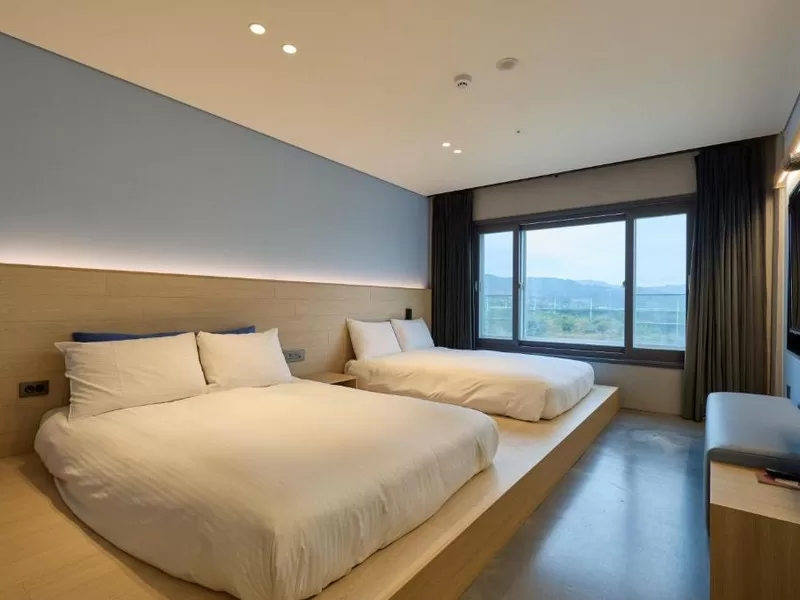
A serene option near Bulguksa with an outdoor pool, golf course, and forested surroundings. Comfortable and well-run, with the kind of quiet setting that makes early morning temple visits feel entirely natural. A good choice if you want modern amenities with a nature-adjacent atmosphere.
Price range: Mid-range Book: on Booking.com or on Agoda.com
How Long To Stay In Gyeongju
Gyeongju rewards slower travel more than almost any other city in Korea. Here’s a rough framework:
1 Night: Enough for highlights only: Daereungwon, Cheomseongdae, Wolji Pond at dusk. Enough to fall in love with the city; may leave you wanting more.
2 Nights (Ideal): Old Town fully explored plus a half-day at Bulguksa and Seokguram. This is the sweet spot for most itineraries.
3 Nights: Add Bomun Lake, a bike ride through the countryside, Yangdong Folk Village, or hiking on Tohamsan.
Practical Tips For Booking In Gyeongju
Book early for peak seasons. Cherry blossom season (late March to mid-April) and autumn foliage (mid to late October) are Gyeongju’s busiest periods, and the best hanoks and resort rooms sell out weeks in advance.
Check bed type before booking hanoks. Traditional Korean sleeping is on floor mats (yo) over heated ondol floors. Many hanoks now offer Western beds, but not all do so check the listing if this matters to you.
Consider location relative to your itinerary. If Bulguksa is your primary destination, staying in the historic center means a 30-minute taxi each way. Worth factoring in over two or three days.
Taxis are affordable and reliable. Getting between areas in Gyeongju is easy and inexpensive. Don’t let distance between areas feel like a dealbreaker when choosing accommodation.
English is widely spoken at hotels. Smaller Hanoks and guesthouses may have limited English. A translation app, like locally established Papago, handles most situations easily.
FAQs: Where To Stay In Gyeongju
Is Gyeongju better as a day trip or an overnight stay?
Overnight, without question. The evening atmosphere, when Wolji Pond and the historic ruins are lit up and the crowds have thinned, is one of the best things about Gyeongju. You miss it entirely on a day trip, though if a day trip is all you have time for, at least do that!
Where is the best area for first-time visitors?
The historic center, close to Daereungwon and Cheomseongdae. You can walk to most of the key sites and the neighborhood atmosphere is genuinely special, especially in the evenings.
Are Hanok stays comfortable for international visitors?
Yes, they can be. Traditional stays will have floor sleeping so as long as you can get up and down from the floor, you’ll be fine. If that’s difficult, look for properties offering Western beds. These are also popular with international visitors to Korea.
Where should families stay in Gyeongju?
It depends how much of your travel will be based on the historic sites versus family fun. Stay in the Old Town if you want to be walkable to the major historic sites, allowing you to get back to base for nap times. But stay in Bomun Lake area if you want more resort feel, amusement park options, and fun.
How far is Bulguksa from the city center?
About 8km southeast of the historic center, which is roughly 30 minutes by local bus or 15 minutes by taxi. Very manageable from any of the three areas.
Is Gyeongju easy to navigate without speaking Korean?
Yes. Major hotels have English-speaking staff, tourist areas have signage in English, and taxis are easy to use with a map app. Taxi drivers also tend to have a good idea where you’ll be asking for already. A translation app helps in smaller restaurants and guesthouses.
What’s the best season to visit Gyeongju?
Spring for cherry blossoms (late March to mid-April) and autumn for foliage and cooler temperatures (October). Both are beautiful, just book accommodation early.
Gyeongju doesn’t need much help being unforgettable. The city does that on its own one royal tomb and ancient stone carving at a time. But choosing where to stay shapes how you experience it, and getting that right means the difference between rushing between sights and actually feeling the city. Stay in the historic center for your first visit, and let the evenings convince you to come back.
Did you like this post? PIN IT!