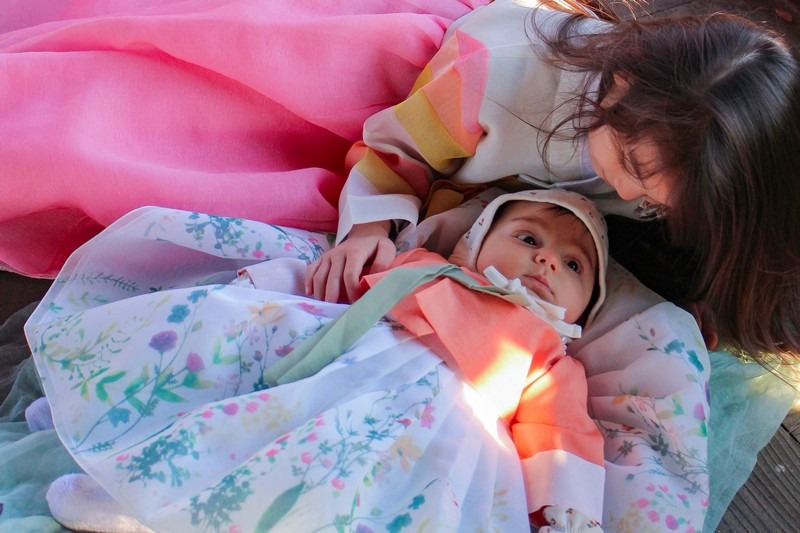
Korean Culture
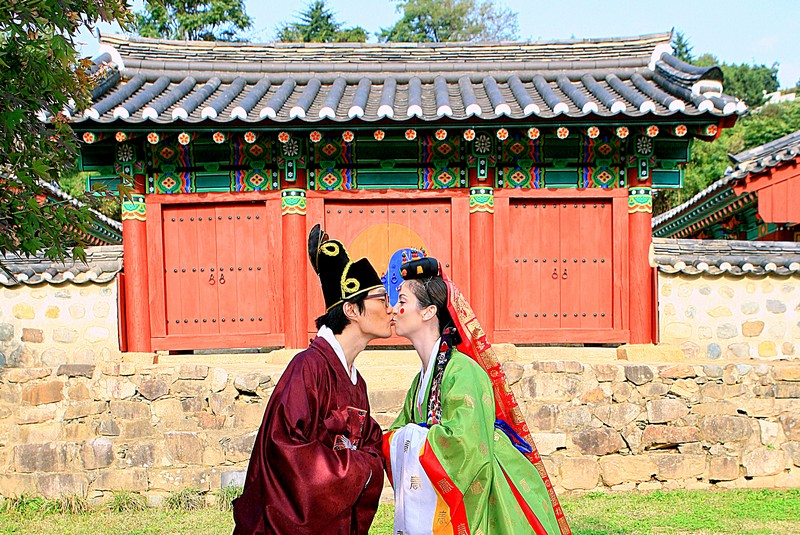
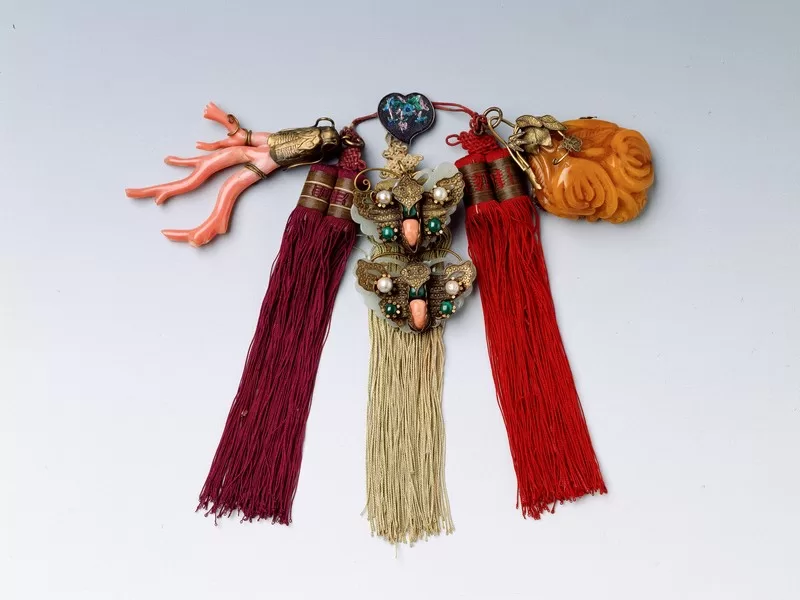
Korean culture blends thousands of years of history with traditions that continue to shape everyday life in Korea today. From seasonal holidays like Seollal and Chuseok to traditional clothing such as Hanbok and symbolic accessories like norigae, cultural traditions remain deeply embedded in modern Korea.
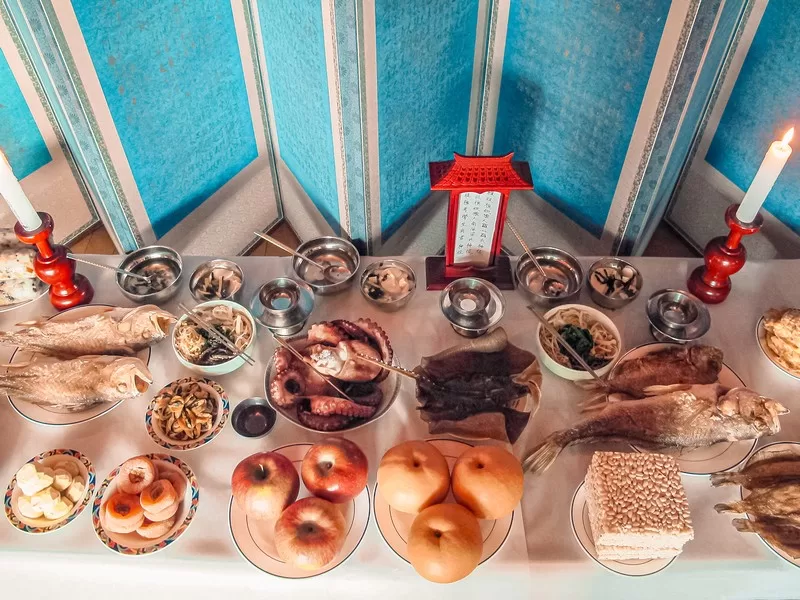
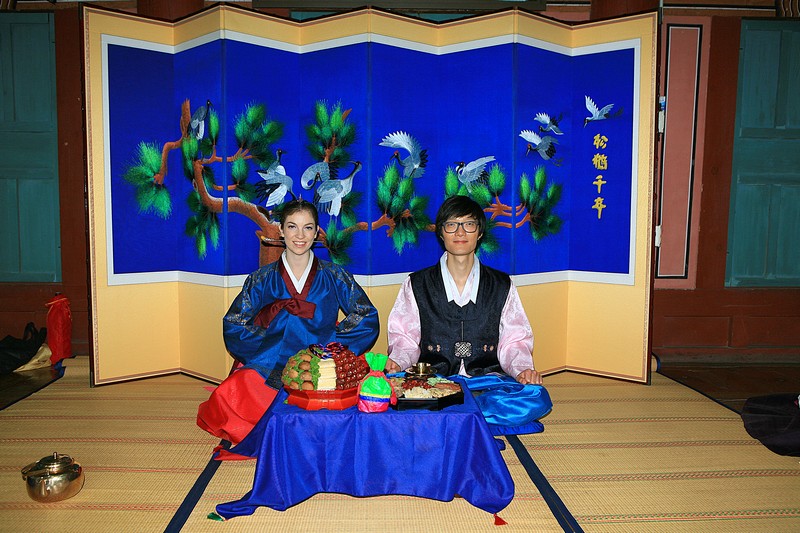
Living in Korea for many years, I’ve had the opportunity to experience these traditions firsthand, from marrying my husband in a traditional Korean wedding to learning about ancestral ceremonies and traditional medicine. Below you’ll find guides explaining some of the most important aspects of Korean culture and how they are still practiced today.
Korean Traditions & Cultural Practices
Korean culture is filled with everyday customs that reflect deep values around respect, relationships, and community. From greetings to gift-giving etiquette, these traditions shape daily life in Korea.
Korean Symbols, Art & Traditional Crafts
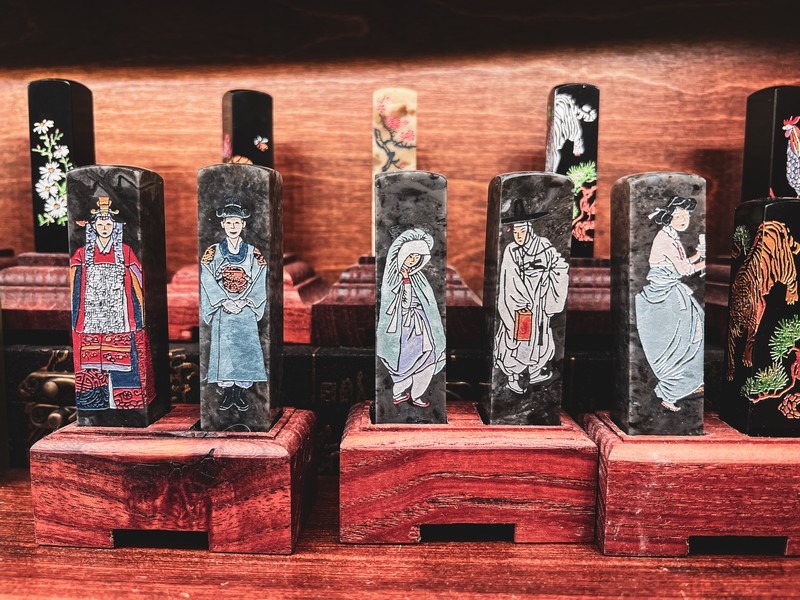
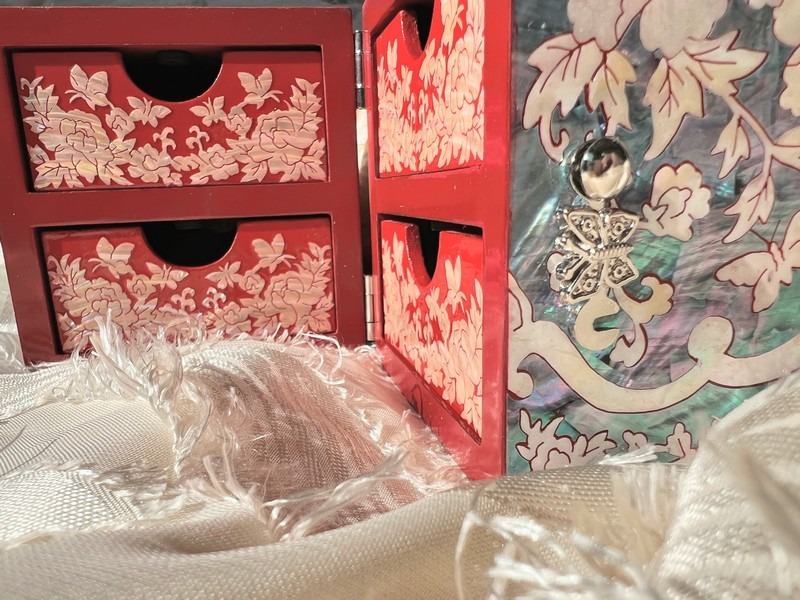
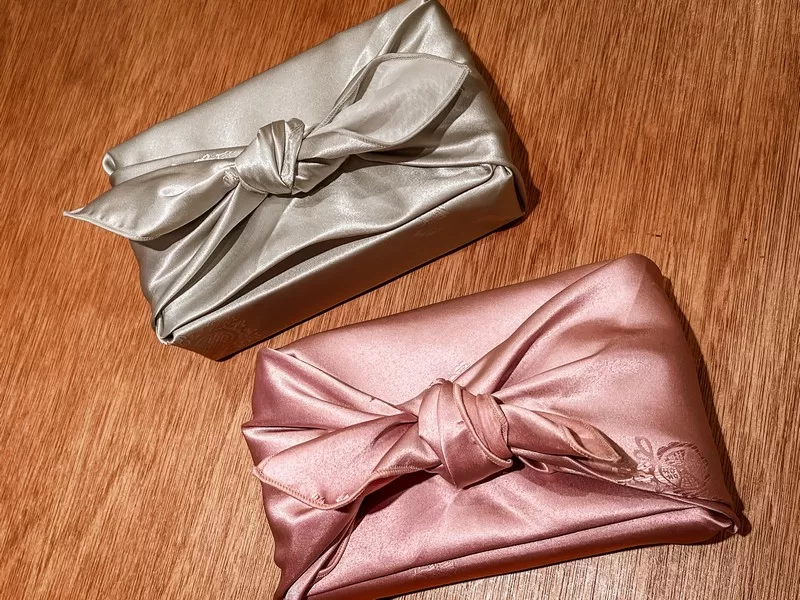
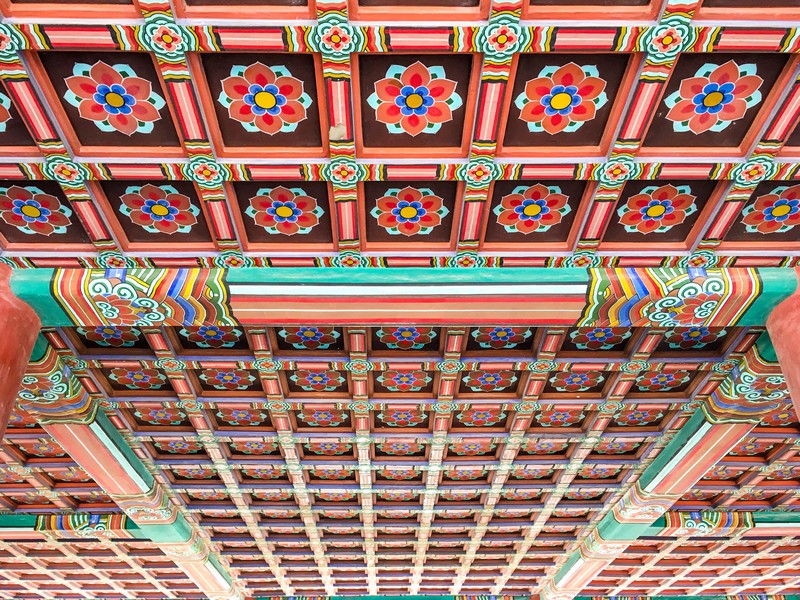
Korean craftsmanship has produced some of the most beautiful traditional objects in East Asia. From silk-wrapped bojagi cloths to intricately inlaid mother-of-pearl lacquerware, these arts reflect centuries of symbolism and craftsmanship.
Korean Folklore, Myths & Superstitions
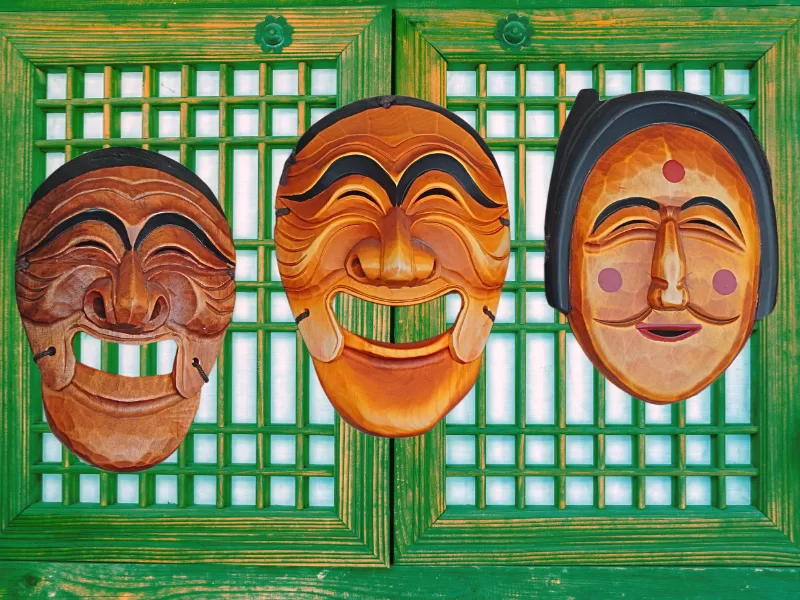
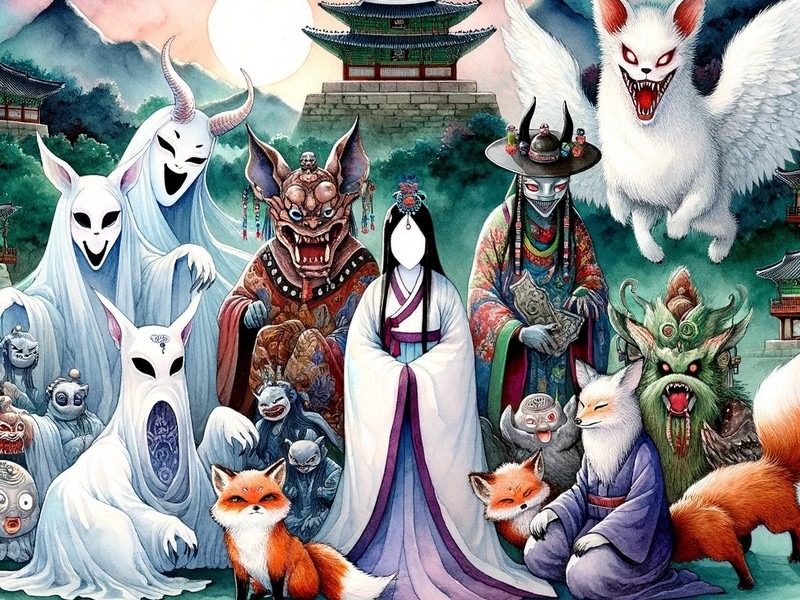
Korean folklore is filled with ghosts, spirits, and symbolic creatures that appear in legends, festivals, and traditional performances. These stories offer a fascinating glimpse into Korea’s spiritual beliefs and cultural imagination.
Kkorean Calendar, Seasons & Traditional Timekeeping
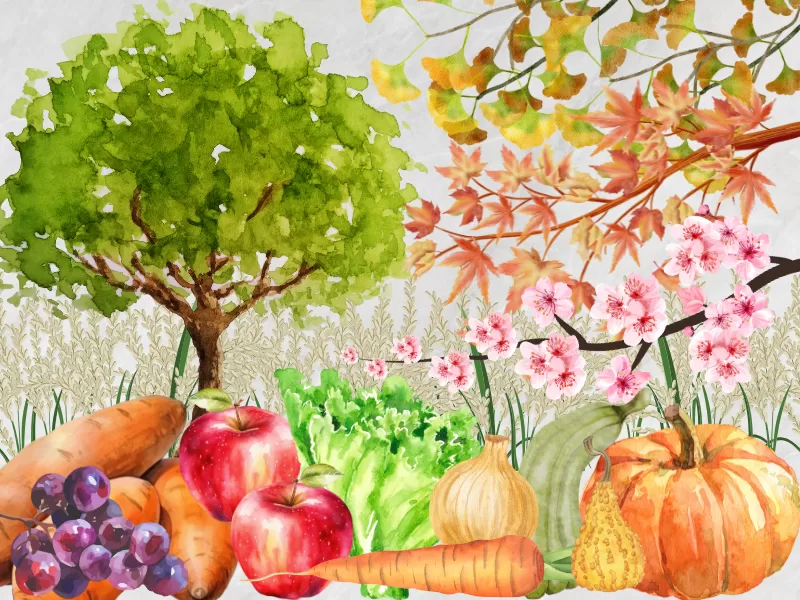
Korea’s traditional calendar divides the year into 24 seasonal markers that guide agricultural life and traditional celebrations. Even today, many seasonal foods and customs reflect this ancient system.
Korean Holidays
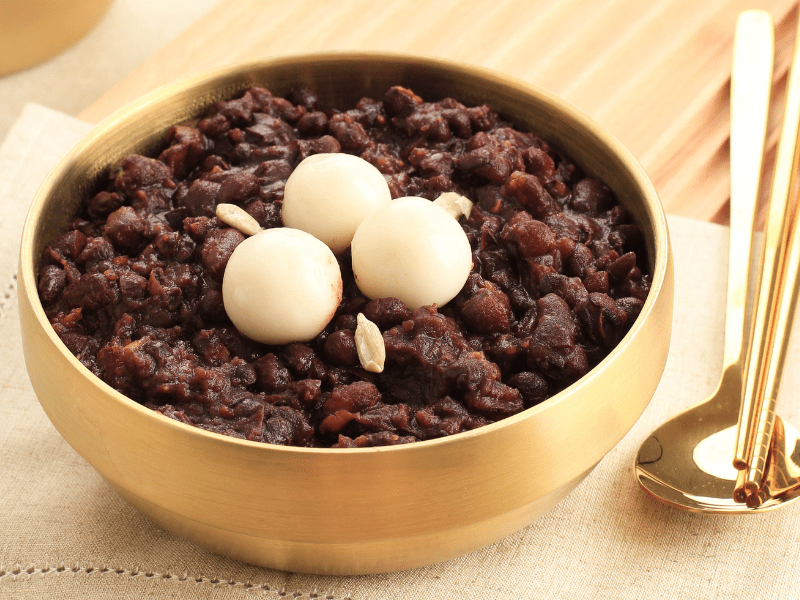
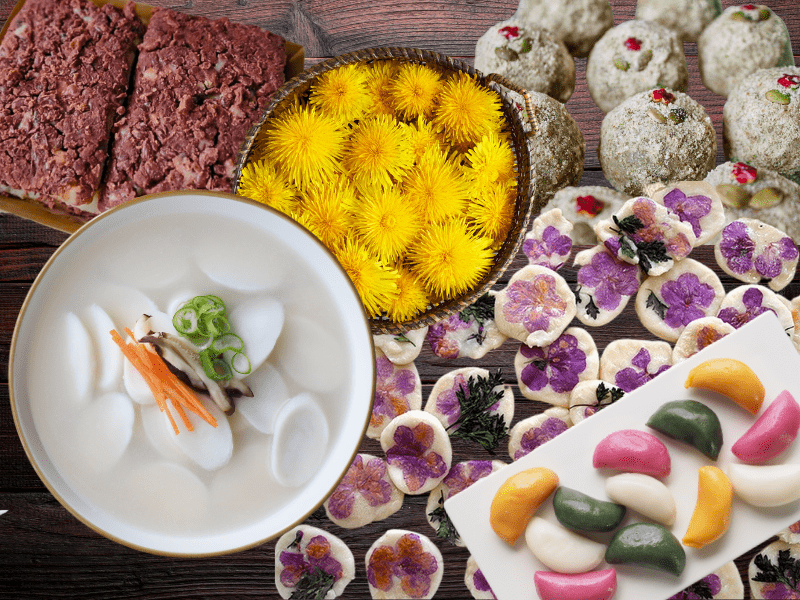
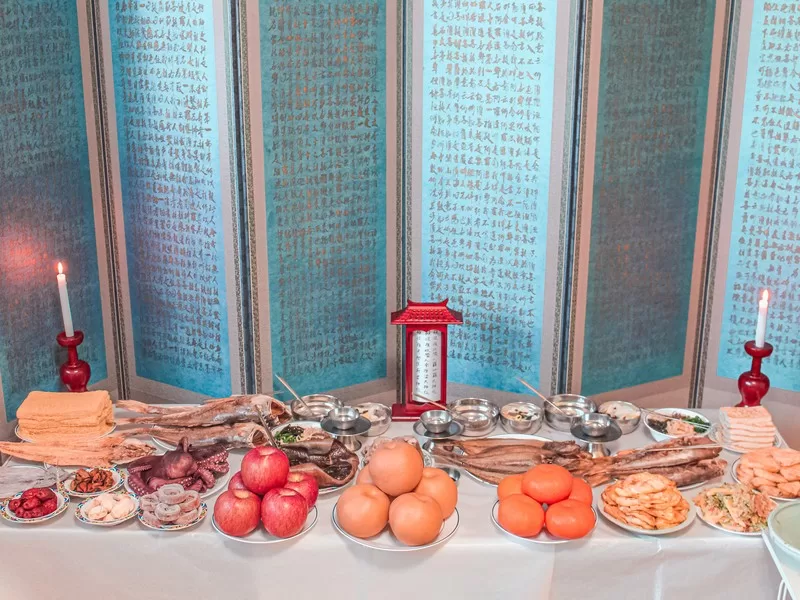
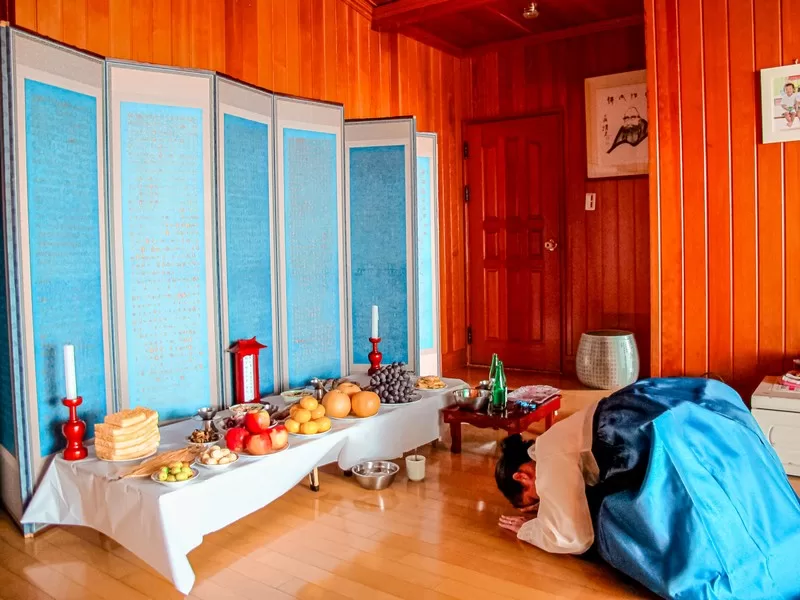
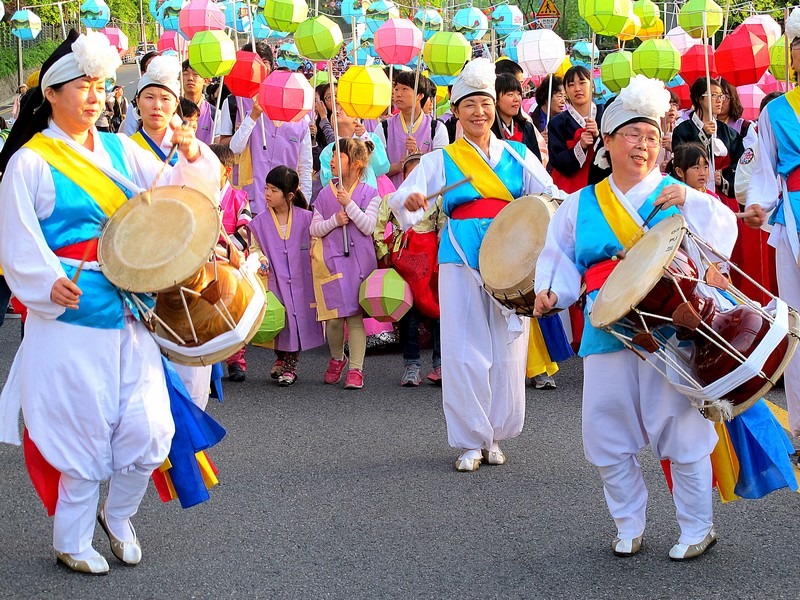
Korean holidays reflect both ancient traditions and modern celebrations. Major holidays like Seollal (Lunar New Year) and Chuseok (Korean Thanksgiving) revolve around family gatherings, ancestral rituals, and traditional foods. These guides explain how holidays are celebrated across Korea today.

Korean Hanboks
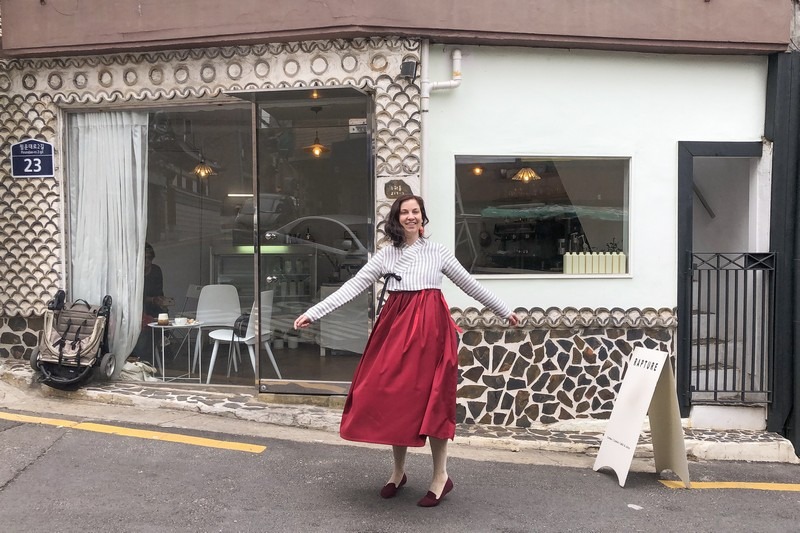
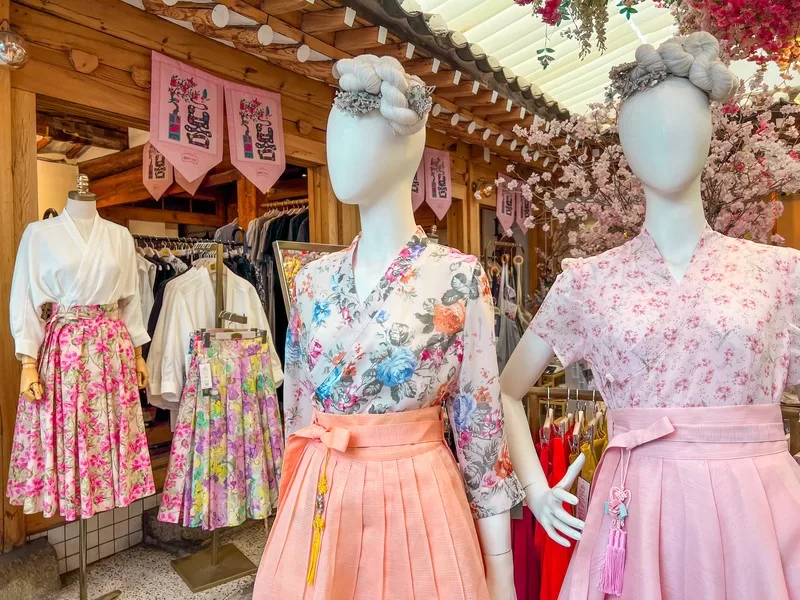
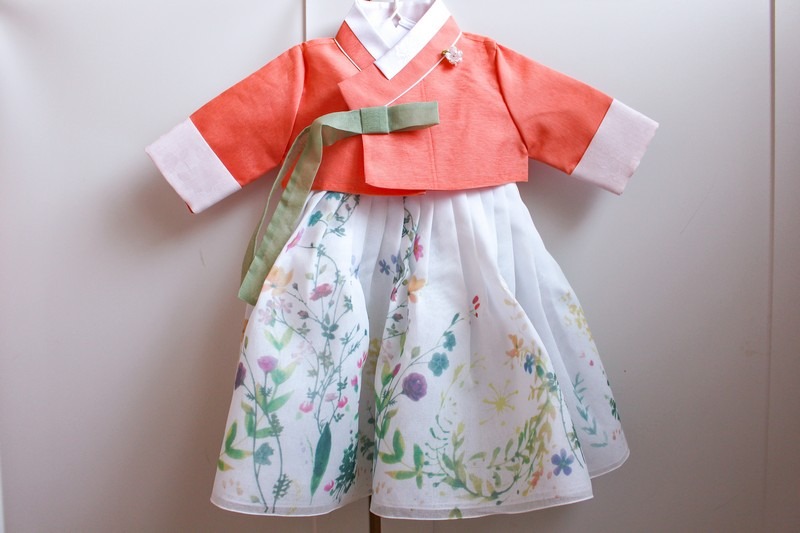
Hanbok is Korea’s traditional clothing and one of the most recognizable symbols of Korean culture. While once worn daily, Hanbok today appears most often at weddings, holidays, and cultural ceremonies. Modern designers have also revived Hanbok with contemporary styles that can be worn in everyday life.
A Traditional Korean Wedding
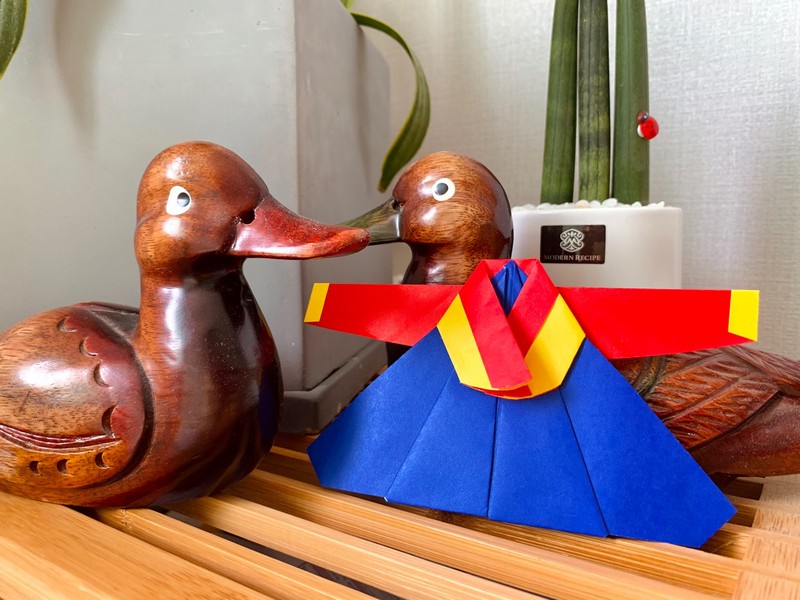
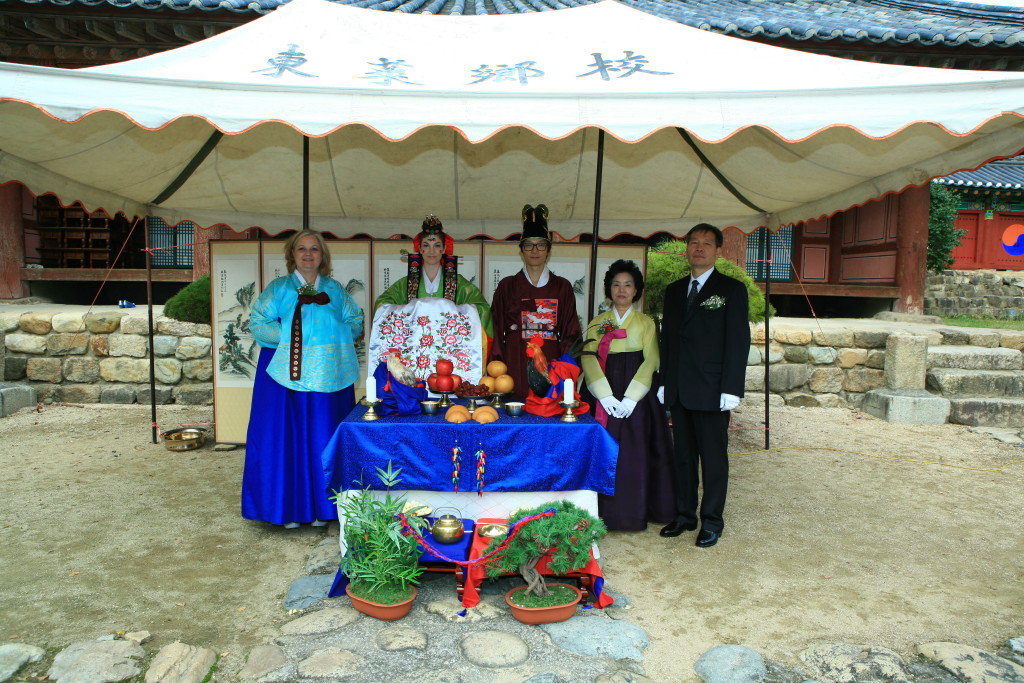
Traditional Korean weddings combine centuries-old customs with modern celebrations. Ceremonies often include symbolic rituals such as the paebaek ceremony and the wearing of traditional Hanbok. These guides explore both traditional and multicultural Korean wedding experiences.
Korean Traditional Medicine
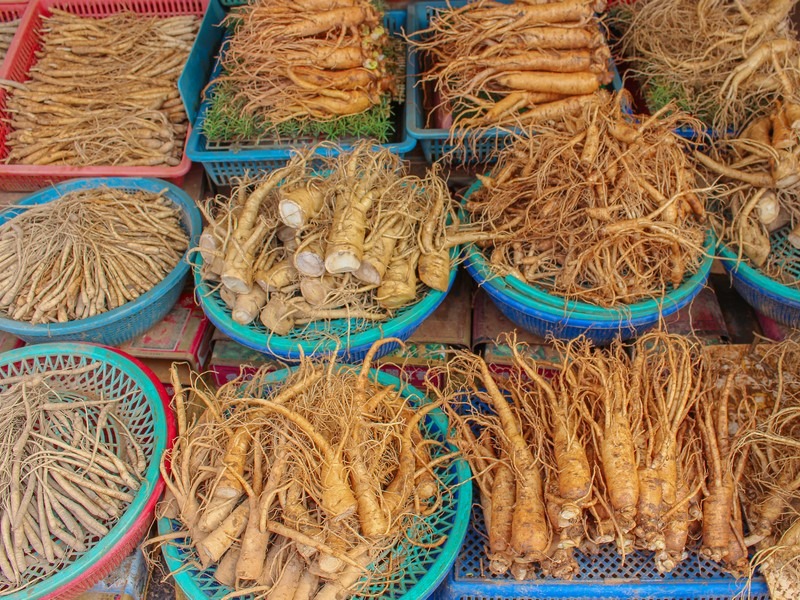
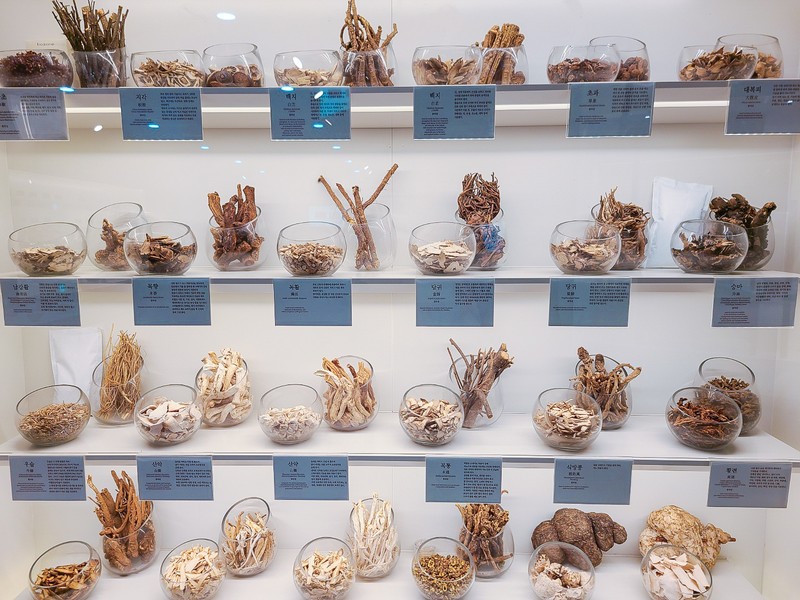
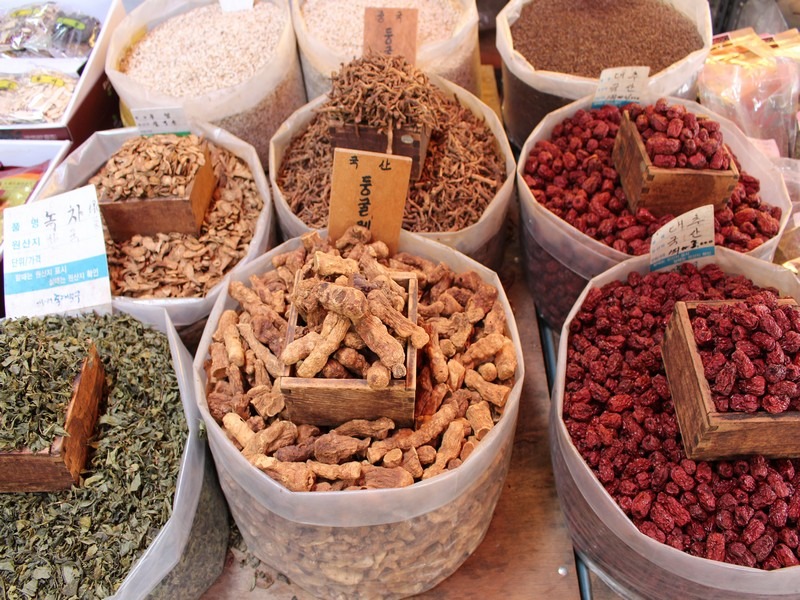
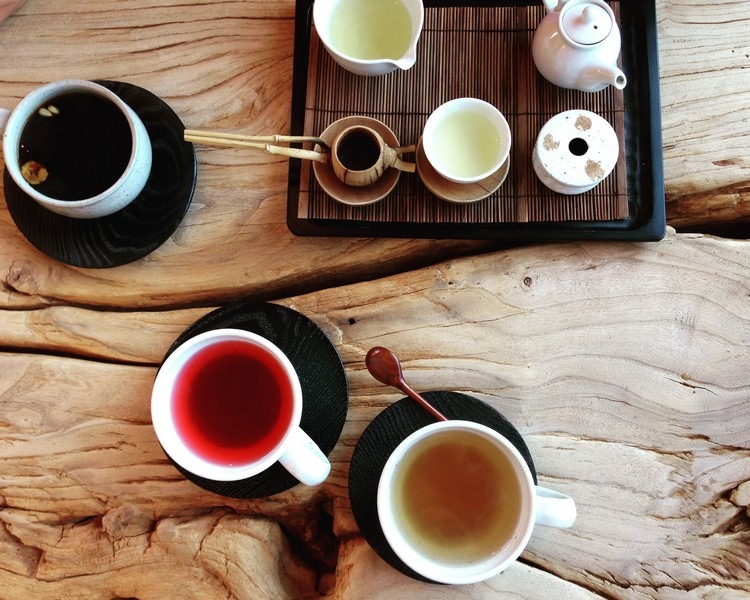
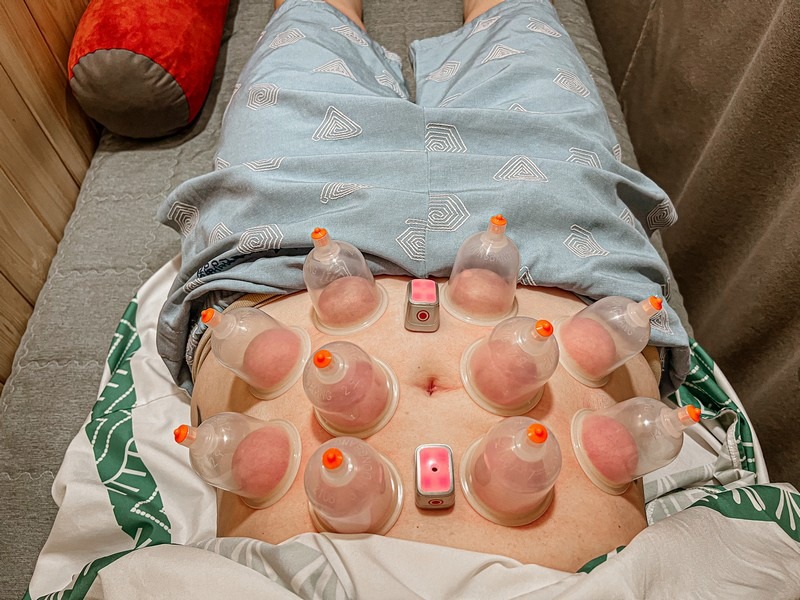
Traditional Korean medicine has been practiced for centuries and continues to influence healthcare today. Herbal remedies, constitutional medicine, and acupuncture remain widely used across the country.
A Baby’s First Birthday aka Dol
A baby’s first birthday in Korea, called a doljanchi, is one of the most meaningful celebrations in Korean family culture. From the traditional dol table filled with symbolic foods to the playful doljabi ceremony where a baby chooses objects that hint at their future, this milestone birthday is rich with tradition and symbolism. Discover what happens at a doljanchi and how families prepare for this joyful celebration.