March 1st Movement in Korea: History, Meaning & 8 Movies to Watch
Last Updated on August 21, 2026
Sam-il-jeol (삼일절), or March 1st Movement Day, is one of South Korea’s five national holidays. It commemorates the Sam-il Un-dong, the March 1st Independence Movement of 1919, when Koreans nationwide rose up in nonviolent protest against Japanese colonial rule. It falls on March 1st every year and is a public holiday, meaning banks, schools, and most government offices close for the day.
Among the pivotal events in Korean history, March 1st holds a deeply significant place. On that day in 1919, in collective defiance against Japanese colonial rule, the Korean people initiated Sam-il Un-dong (3.1 운동). It is a day of remembrance and reflection, honoring the courage and unity of those who stood up for their nation’s independence. It serves as a solemn reminder of Korea’s history of sovereignty and the spirit of independence activists.
Get ready to learn about the March 1st Independence Movement Day in Korea and movies to learn more:
- What is the March 1st Independence Movement Day (삼일절)
- The History
- How Is The Independence Movement Day Celebrated Today?
- The Best Movies To Watch To Learn About Korea’s March 1st Holiday
- FAQ
What is the March 1st Independence Movement Day (삼일절)
March 1st, called Sam-Il-Jeol (삼일절) in Korea, commemorates the Sam-il Un-dong (The March 1st Independence Movement / 3.1 운동), a pivotal moment in Korea’s history towards sovereignty.
Quick Language Lesson
In Korea, you’ll hear Koreans refer to this day as Sam-Il-Jeol (삼일절).
- Sam (삼) means ‘three’
- Il (일) means ‘one’ (and also means ‘day’)
- Jeol (절) means ‘festival day’
The History
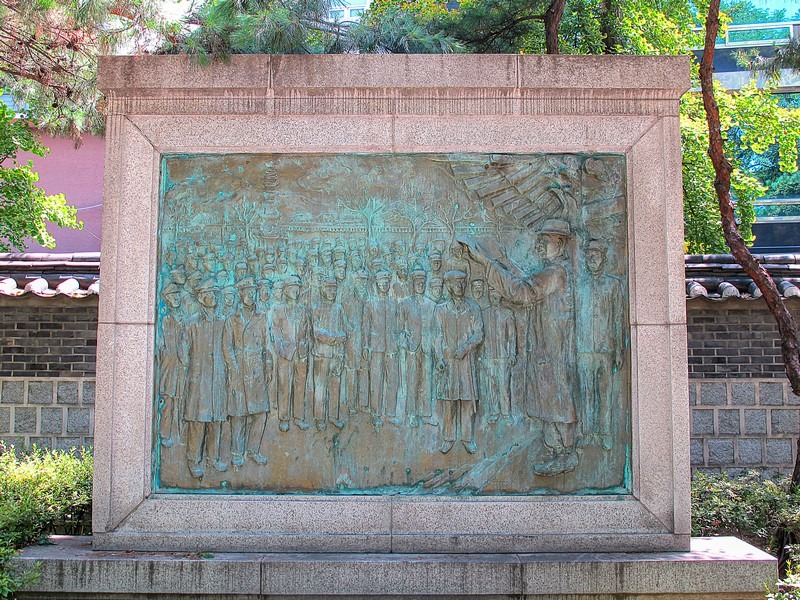
The roots of the March 1st Movement can be traced back to February 8, 1919, when Korean international students in Tokyo publicly declared independence (독립선언문). This led to demonstrations around the country. Ultimately, on March 1st, 1919, 33 Korean Movement activists read the Korean Declaration of Independence in Tapgol Park in Seoul, Korea. If you visit the park today, you can see a tablet with the full declaration of independence both in Korean and in English.
Following the declaration, over 2 million Koreans from various walks of life, including students, teachers, farmers, and workers, participated in over 1500 demonstrations nationwide. 46,000 people were arrested, people were wounded, and 7,000 people were killed. Although Sam-il Un-dong did not immediately lead to Korea’s liberation, it drew international attention to Korea’s plight, laying the foundation for eventual liberation in 1945.
How is the Independence Movement Day Celebrated Today?
Today, Koreans commemorate Sam-il Un-dong as a time to reflect on the courage and unity of those who fought against oppression. Their legacy lives on not only in history books but also in the spirit of the Korean people who continue to value the freedom hard-earned through their efforts.
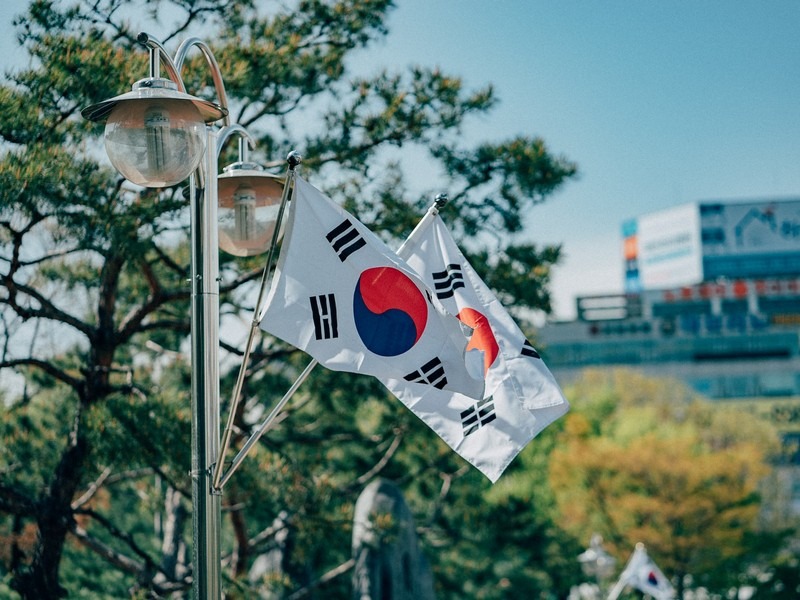
The Korean flag, called the taegeukgi (태극기) is hung on homes, businesses, and along major streets. There are parades, concerts, and special exhibitions devoted to the day.
There are official parades, concerts, and special exhibitions devoted to the day, particularly at Tapgol Park and Seodaemun Prison History Hall. But for most Koreans, March 1st plays out less like a ceremonial occasion and more like any other day off, it’s a chance to rest, run errands, or go out, rather than a day most people spend at commemorative events.
The Best Movies To Watch To Learn About Korea’s March 1st Holiday
If you want to learn more about this holiday in Korea, learn more about the plight, resilience, and fight for independence in Korea, here are the best movies to watch.
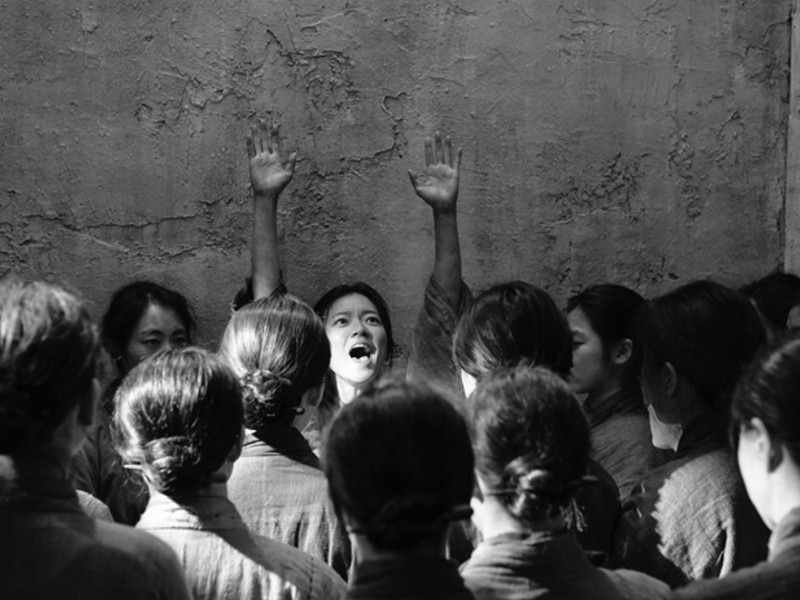
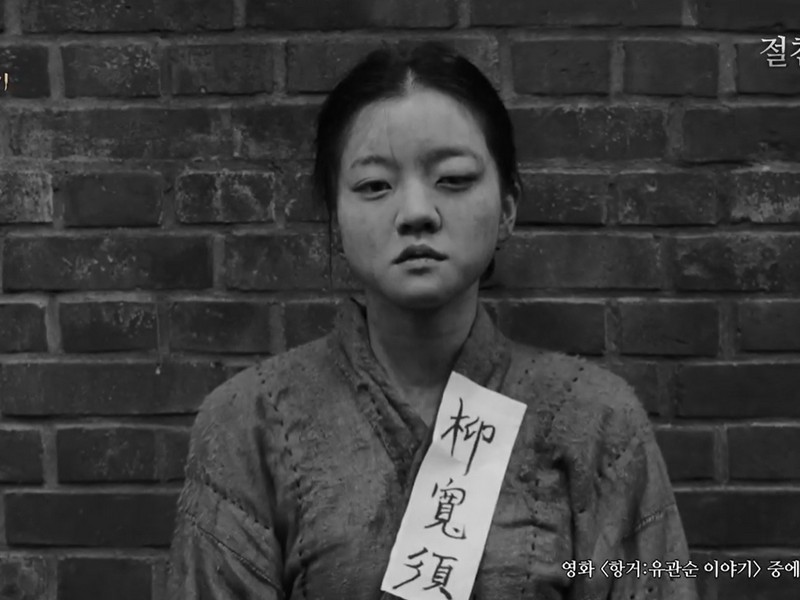
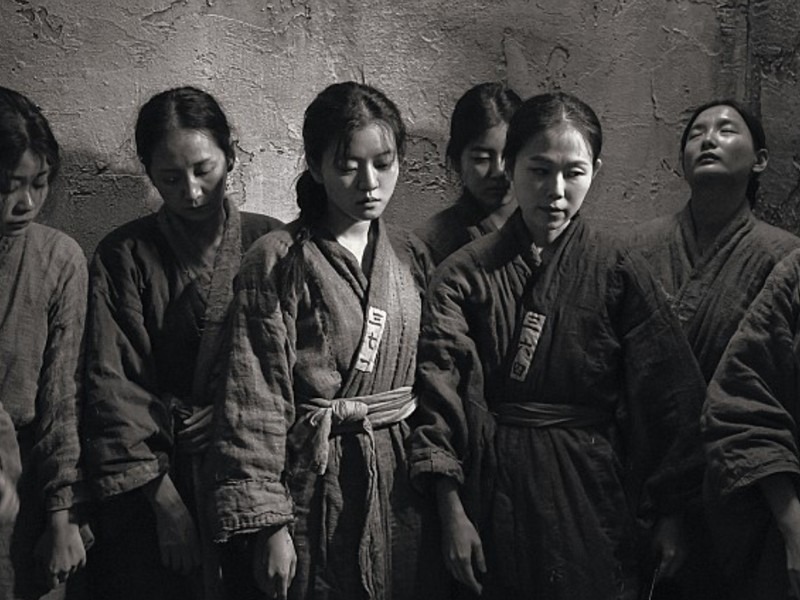
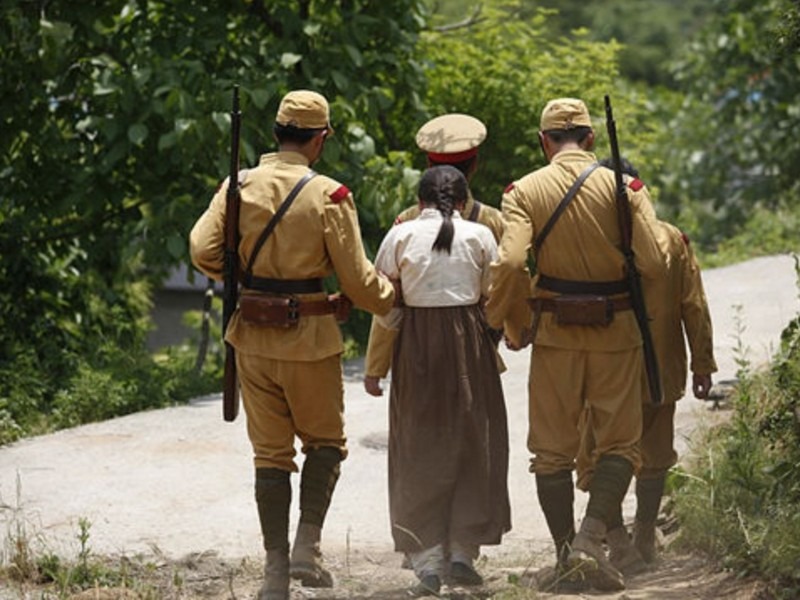
A Resistance: The story of Ryu Gwan-sun (항거: 유관순 이야기)
A powerful 105-minute tribute to Ryu Gwan-sun, a true patriot who gave everything for her country. This isn’t your typical movie; it’s a journey through the last year of Ryu Gwan-sun’s life, from imprisonment to untimely sacrifice.
Arrested by Japanese police as a key figure in the independence movement and imprisoned in cell no. 8 at Seodaemun Prison (서대문 형무소), the film uncovers the harsh realities of her struggle. Unlike other popular Korean films that aim to stimulate, entertain, or thrill, this film prioritizes historical accuracy. Ryu Gwan-sun’s story isn’t just about the past; it’s a testament to unyielding conviction.
Warning: This film boldly uncovers the harsh realities of Ryu Gwan-sun’s struggle, including confinement, assault, torture, and sexual violence. Viewer discretion advised.
The Age of Shadows (밀정)
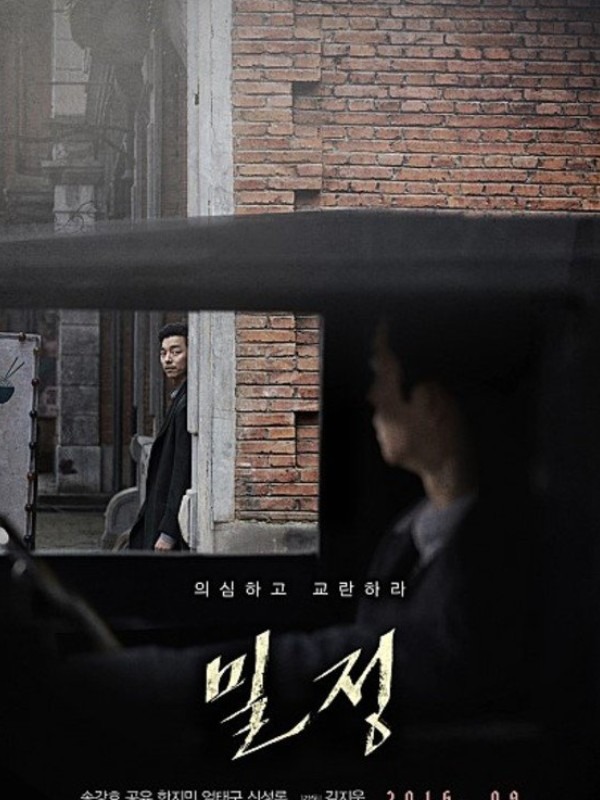
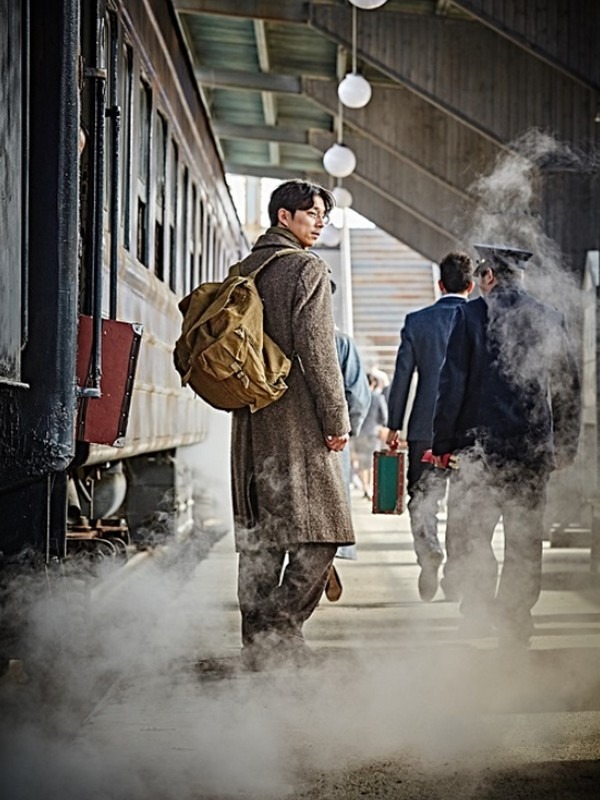
This isn’t your usual feel-good film; it’s a gripping tale of double agents, independence fighters, and the art of maintaining a flawless facade. Get ready to be immersed in the struggle of living on the edge as a freedom activist.
If you enjoy films with beautiful cinematography, great acting performances, or if you consider yourself a film enthusiast, then you will definitely enjoy watching this movie. Amazing art and music elevate every scene. Instead of conventional grandiose music, you’ll hear jazz used to heighten the tension.
In the final scene of a movie, the director has a strong message to convey to the audience. But you’ll have to watch it to find out what that is.
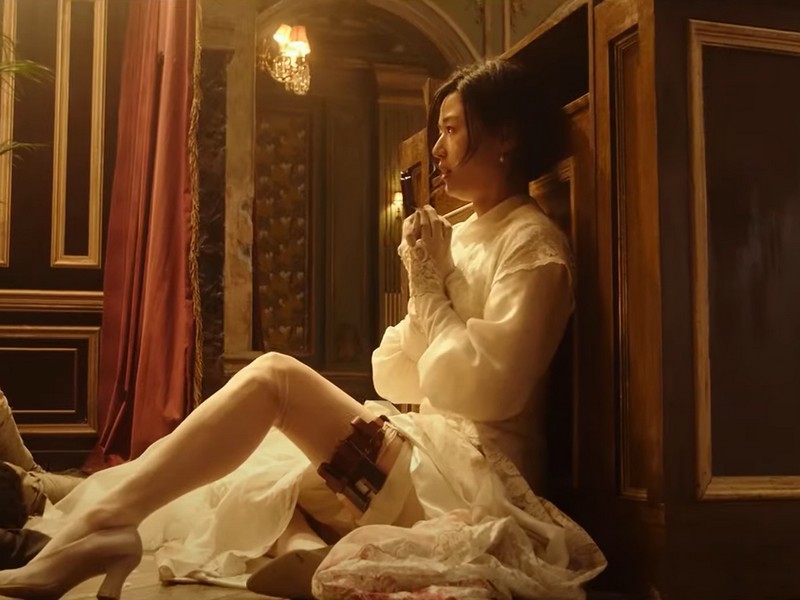
Assassination (암살)
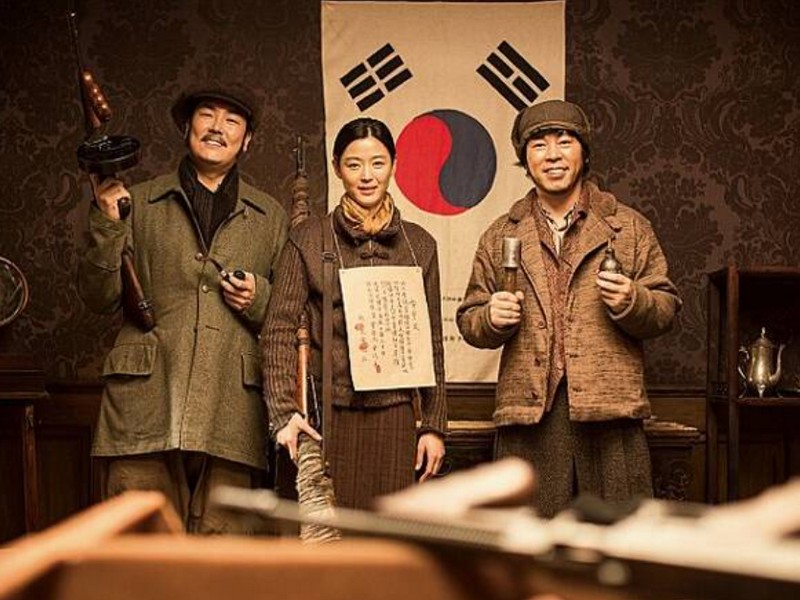
A cinematic masterpiece that rocked Korea, pulling in over ten million fans, this film mixes caper thrills with the untold story of Korean independence fighters in the 1930s. It’s a historical rollercoaster you won’t want to miss.
Set against Japan’s colonial rule, witness the epic clash between the Korean Provisional Government, brave independence activists, and a plot to assassinate the Japanese Governor-General. Real history meets fictional flair in this must-watch!
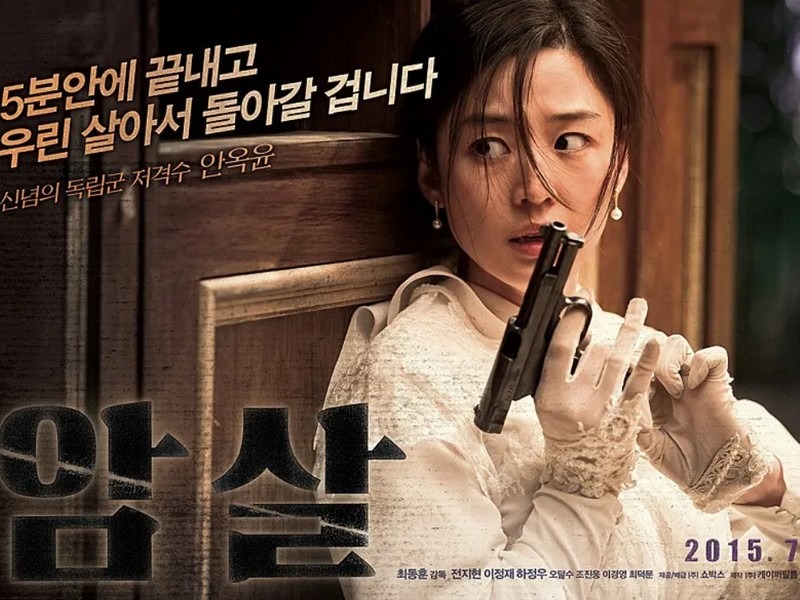
A notable character in the film is An Ok-yun, portrayed by Jun Ji-hyun, a female independence fighter adept with various weapons, from rifles to knives. And when she rocks a wedding dress while firing a gun? Jaw-dropping! Ha Jung-woo brings the heat as the hitman, Hawaii Pistol, cranking up the action.
Plus, catch Lee Jung-jae’s powerful portrayal of Yeom Seok-jin, a character facing the complexities of collaboration and resistance. He is a complex character reflecting one of the director’s key messages, highlighting the unresolved issues of pro-Japanese collaborators and victims in Korea after liberation.

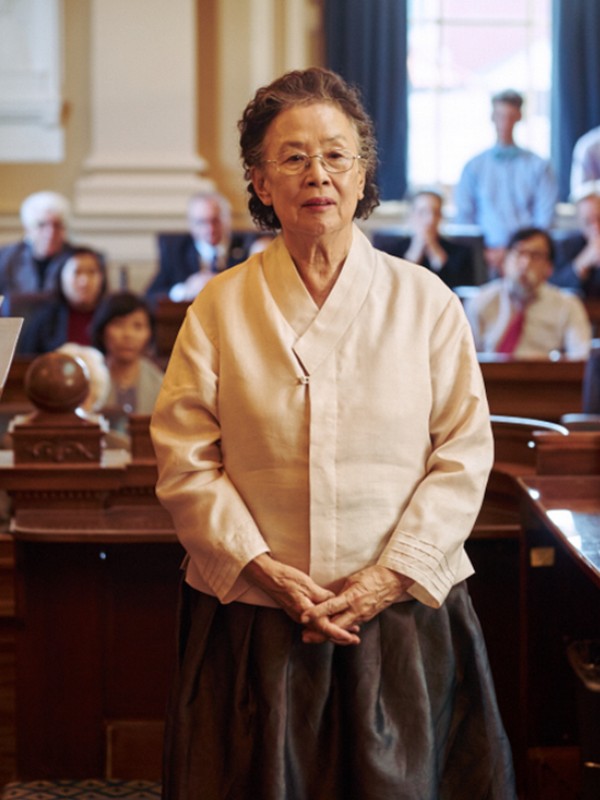
I Can Speak (아이캔스피크)
A heartwarming tale that kicks off with the hilarious clash between Ok-bun, the neighborhood’s complaint queen, and Min-jae, a principled public servant. Why the tension? Because Ok-bun, on a quest to conquer English, recruits Min-jae as her unlikely teacher!
As the English lessons unfold, secrets are revealed, bonds are formed, and Ok-bun’s past comes to light. But this isn’t just a comedy; it’s a journey that dives into the serious and powerful theme of the Comfort Women’s Apology Resolution (HR121), a historic moment that demanded justice for victims of Japanese military atrocities during World War II.
This is a dark chapter in history where many women from Asian countries, including Korea, were forced into sexual slavery by the Japanese Imperial Army during World War II. This unresolved issue reflects the need for historical awareness and justice. You can learn more about the comfort women at the War and Women’s Human Rights Museum in Seoul.
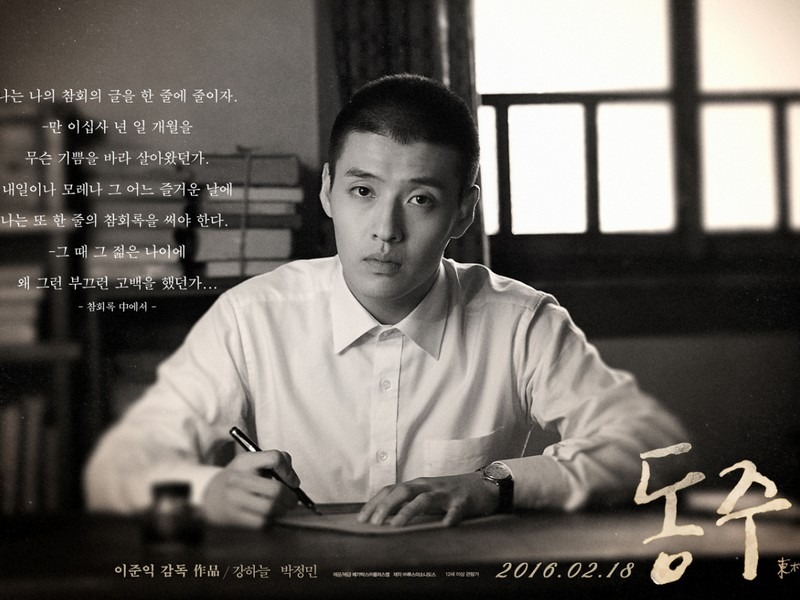
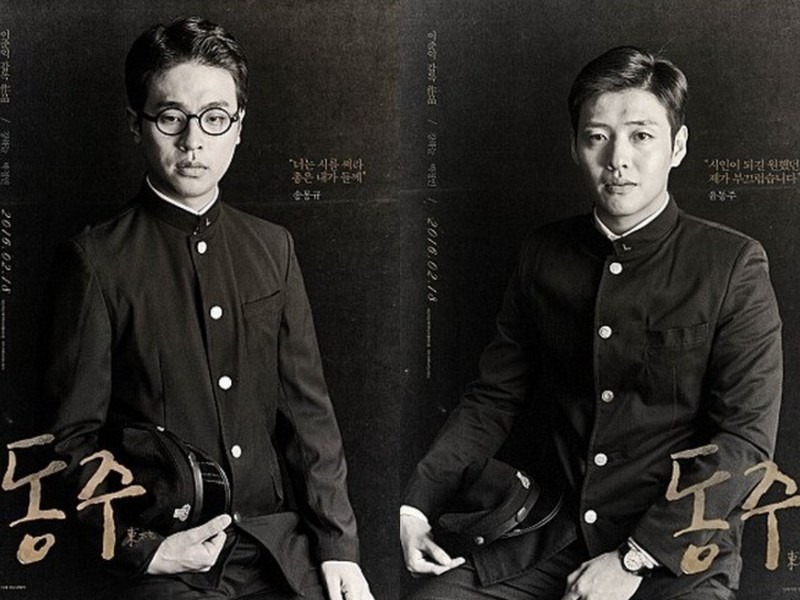
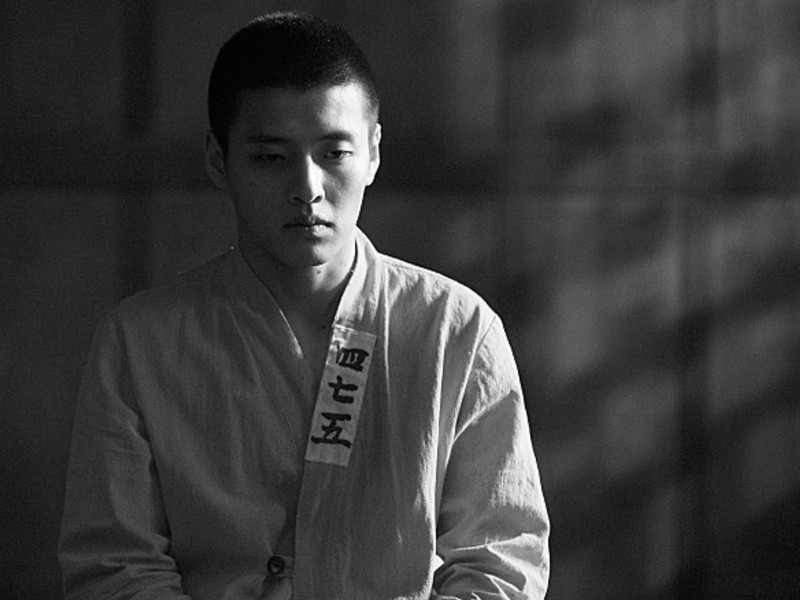
Dongju: The Portrait of a Poet (동주)
Wishing not to have
so much as a speck of shame toward heaven until the day I die,
I suffered, even when the wind stirred the leaves.
With my heart singing to the stars,
I shall love all things that are dying.
And I must walk the road that has been given to me.
Tonight, again, the stars are brushed by the wind.
(Foreword by Yoon Dong-ju)
Despite the despair and anguish of the times, the poem by Yoon Dong-joo reveals his heart and determination to follow his own path, which still resonates with people today as you can find out at the Yoon Dong Joo Museum in Seoul.
Quietly resisting, Dong-ju’s journey unfolds with gentle determination and poetic brilliance. The film paints a vivid picture of the challenges faced by Korean literary figures – from forced surname changes to the prohibition of Korean language education.
Shot in black and white, the movie pays homage to Yoon Dong-joo’s legacy and the enduring power of art in the face of oppression.
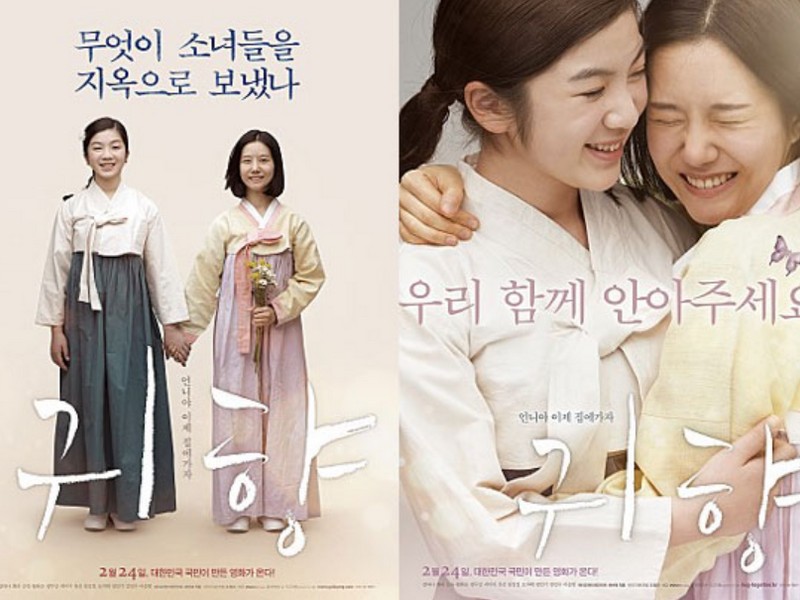
Homecoming (귀향)
This film dives into the heartbreaking reality of 100,000 brave souls, with an average age 14, known as comfort women. Their untold suffering and resilience will leave you in awe. But here’s the twist: this movie almost never made it to the screen! Facing funding challenges, it was saved by the incredible support of everyday heroes and the generous donations of fellow Koreans.
Now memorialized around the world, you can find Statues of Peace which represent the brave girls that suffered at the hands of the Japanese military.
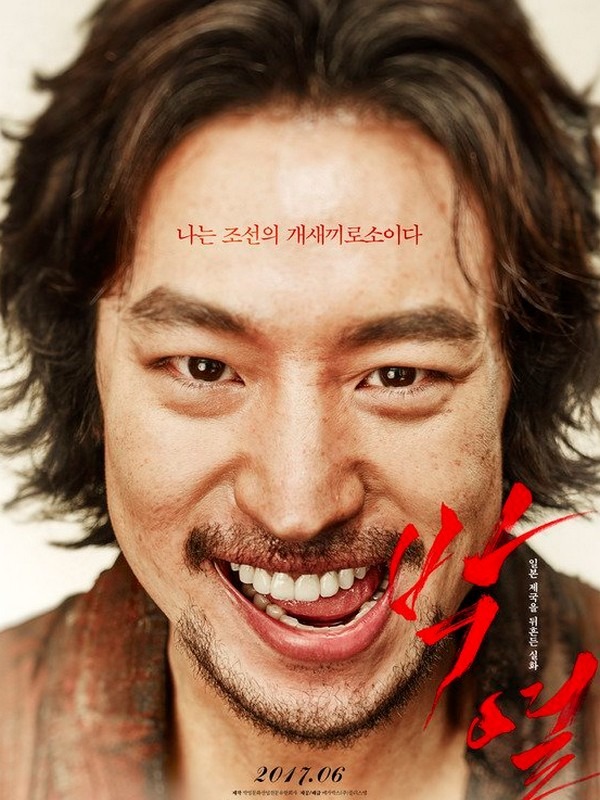
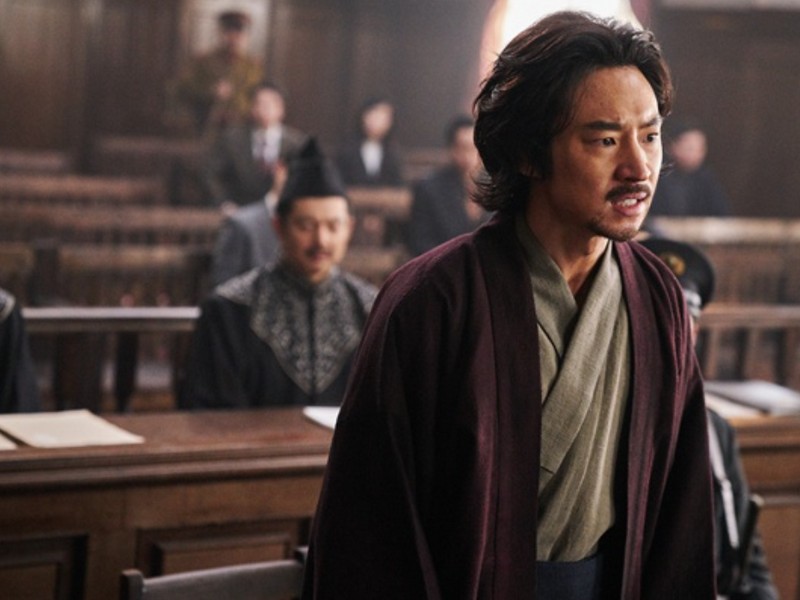
Anarchist from Colony (박열)
This movie is about a real-life anti-Japanese activist leader named Park Yeol. It tells the story of anarchist and revolutionary Park Yeol who organized the group Futei-sha, a group that planned the assassination of Japan’s Crown Prince Hirohito. Learn about the confrontation and Kanto Massacre in which 6000 Koreans were killed.
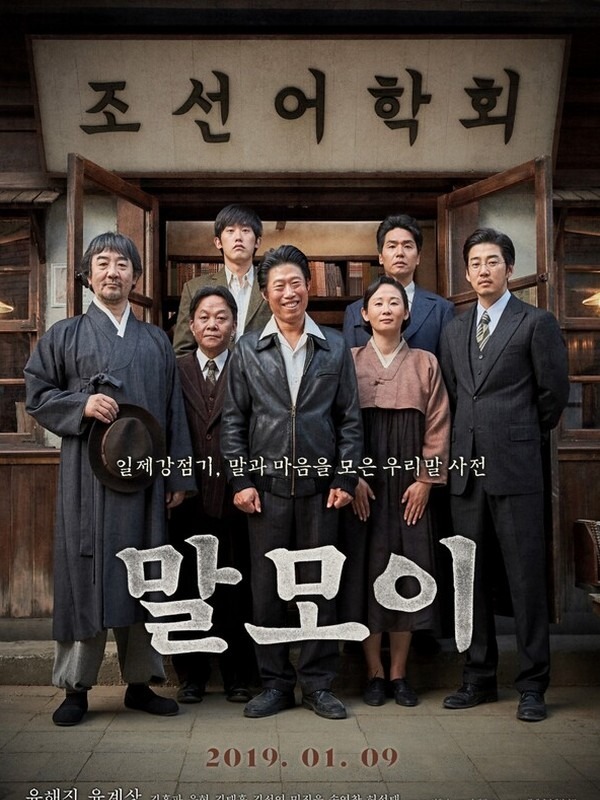
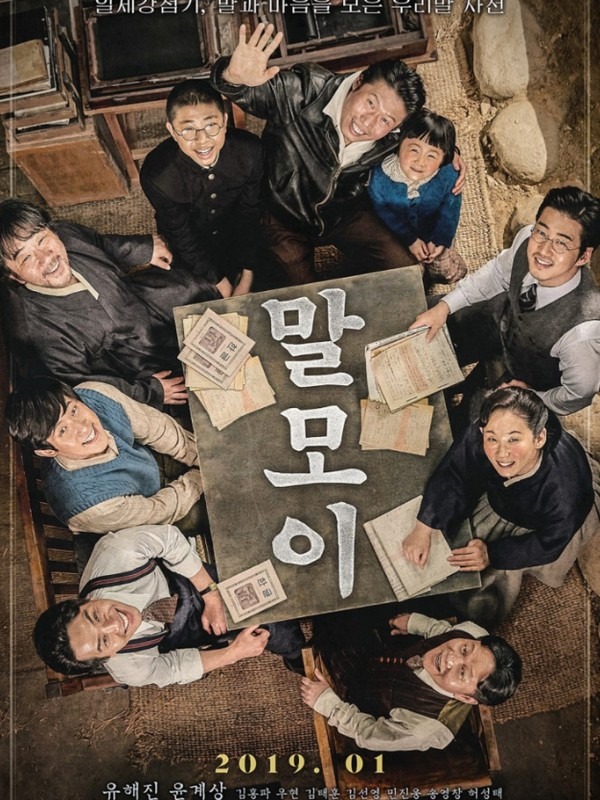
Mal-Mo-E: The Secret Mission (말모이)
Ready for a laughter-filled journey with a side of history? This movie spills the beans on the Korean Language Organization’s (조선어학회) heroic quest to save the Korean language during the 1940s! Brace yourself for a bit of comedy with an intriguing plot, and lessons that’ll keep you hooked for the entire two hours.
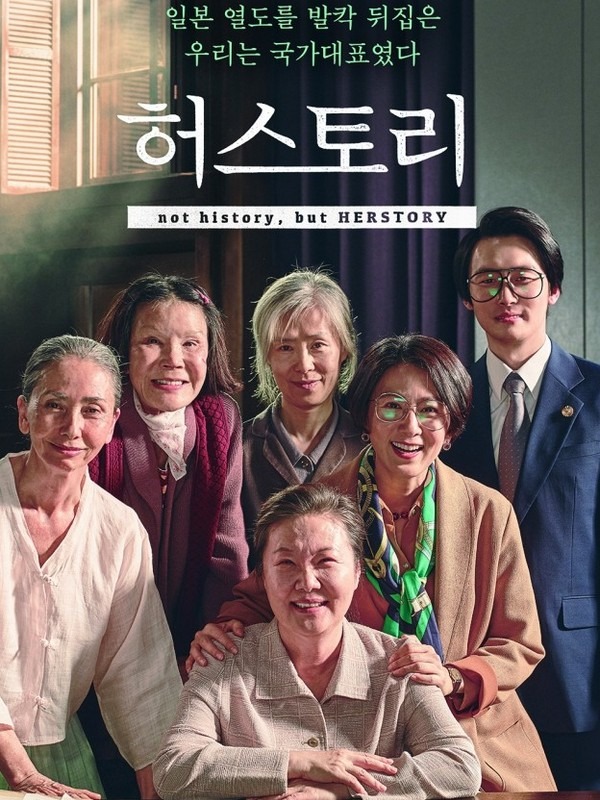
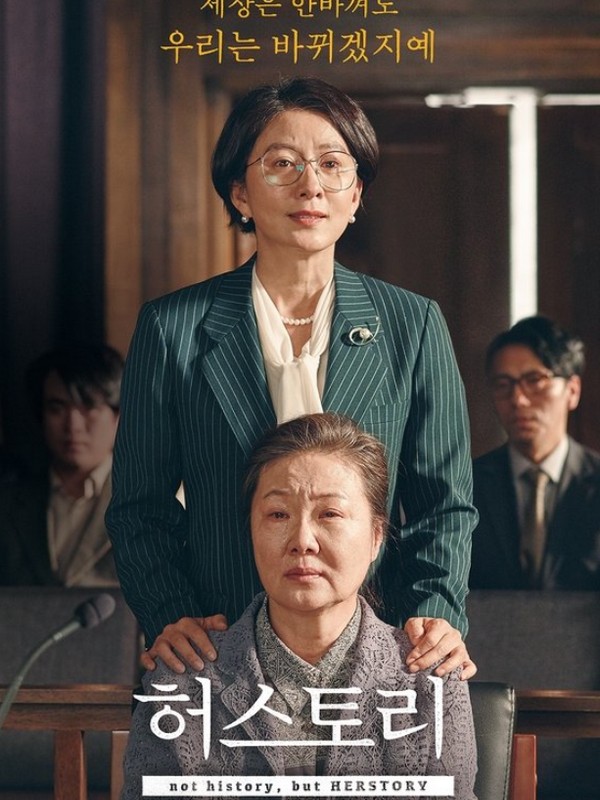
Herstory (허스토리)
The movie is set during the ‘Kwanbu Trial,’ which lasted six years starting in 1992. Ten plaintiffs and thirteen lawyers participated in the trial, which acknowledged the use of comfort women by the Japanese Empire and demanded apologies and reparations. By focusing on the reality of the victims’ situation rather than depicting and exposing their past, the film has been widely praised as a movie that is truly for the comfort women.
FAQ
Is March 1st a public holiday in South Korea?
Yes. It’s one of Korea’s five national holidays, and banks, schools, and most government offices close for the day.
What does Sam-il-jeol mean?
Literally “Three-One Festival Day”: sam (삼, three), il (일, one/day), jeol (절, festival day), referring to the date, March 1st.
Why did the March 1st Movement happen?
Two things converged in early 1919. Former Emperor Gojong died on January 21, 1919, under circumstances many Koreans believed involved Japanese poisoning, his funeral, scheduled for early March, drew huge crowds to Seoul and gave organizers a moment to act. At the same time, U.S. President Woodrow Wilson’s “Fourteen Points” speech, with its language of national self-determination, had spread among Korean students and activists (Korean students in Tokyo issued their own independence declaration on February 8, 1919) as a sign that the postwar world might finally support Korea’s case for independence from Japanese colonial rule.
How many people died in the March 1st Movement?
Historical estimates vary. Korean sources from the period cite roughly 7,000 to 7,500 deaths and around 46,000 arrests.
Is Tapgol Park worth visiting?
Yes, it’s free, centrally located at the southern end of Insadong, and it’s the actual site where the Declaration of Independence was first read aloud in 1919. It’s a quick, easy stop even outside of March 1st itself.
Are these movies available with English subtitles?
Most are, particularly the Netflix titles (A Resistance, for example, streams there with English subtitles). Availability and subtitle options vary by platform and region, so check JustWatch or your local streaming service directly before watching.
Did you like this post? Pin IT!