-
Beyond the Border: Korean Films That Reflect a Nation Divided
To South Koreans, North Korea is both the closest and the farthest place away. Not only in Korea, but abroad as well, North Korea has become a source of intrigue that has captivated the film industry. Amidst the division of North and South Korea, South Koreans, harboring fantasies of reconciliation and unification, find themselves drawn to content about inter-Korean relations, seeking to fulfill these fantasies through such narratives. Get ready to dive into how Korean dramas and movies have reflected and explored the complexities of a nation divided: War movies in Korea On June 25, 1950, with the onset of the Korean War, the Korean Peninsula was divided into North…
-
Build An Epic Korea Itinerary By Visiting Crash Landing on You Filming Locations
If you are already interested in Korean content, chances are high that you have already heard about Crash Landing on You (사랑의 불시착). This Korean drama offers a deep exploration of the nature of love and human relationships, along with an understanding of the relationship between North and South Korea. Crash landing on You is not just a romantic comedy, but a drama that delivers a wide range of emotions that led to its major and continuous popularity. You could build a pretty epic Korea itinerary based on the filming locations in the Crash Landing On You Korean drama. Get ready to find beautiful places in the country: What is…
-
Mystical Realms of Korean Mythology in Popular Films
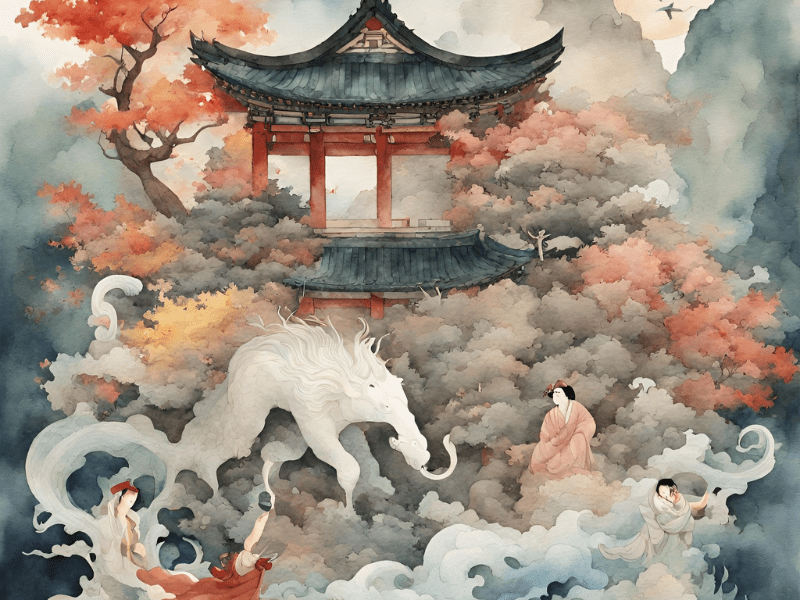
Today, we embark on a fascinating journey to explore how Korean myths and folktales, more than just stories, have endured through time and continue to shape our understanding today. These ancient narratives are not merely legends; they are cultural treasures that unveil the richness and diversity of Korean culture. They bring to life a world where nature, humans, gods, and spirits intersect. Among Korea’s foundational myths is the tale of a bear and a tiger transformed into humans after consuming garlic and mugwort. We also encounter stories of mischievous doggae-be (goblins), known for stealing treasure and considered symbols of good fortune and protection, despite their playful nature. Another key element…
-
March 1st Movement in Korea: History, Meaning & 8 Movies to Watch
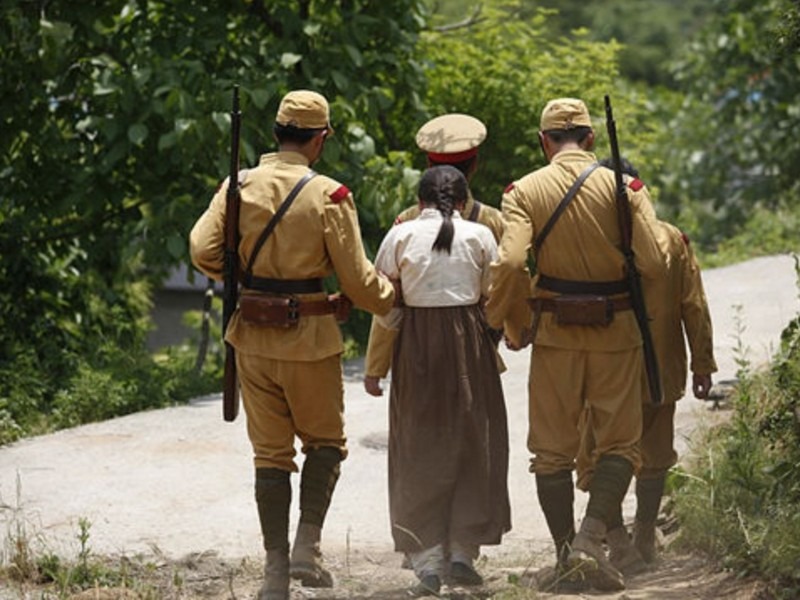
Sam-il-jeol (삼일절), or March 1st Movement Day, is one of South Korea’s five national holidays. It commemorates the Sam-il Un-dong, the March 1st Independence Movement of 1919, when Koreans nationwide rose up in nonviolent protest against Japanese colonial rule. It falls on March 1st every year and is a public holiday, meaning banks, schools, and most government offices close for the day. Among the pivotal events in Korean history, March 1st holds a deeply significant place. On that day in 1919, in collective defiance against Japanese colonial rule, the Korean people initiated Sam-il Un-dong (3.1 운동). It is a day of remembrance and reflection, honoring the courage and unity of…
-
Chimaek: What It Is, Why Koreans Love It and Where To Have It In Seoul
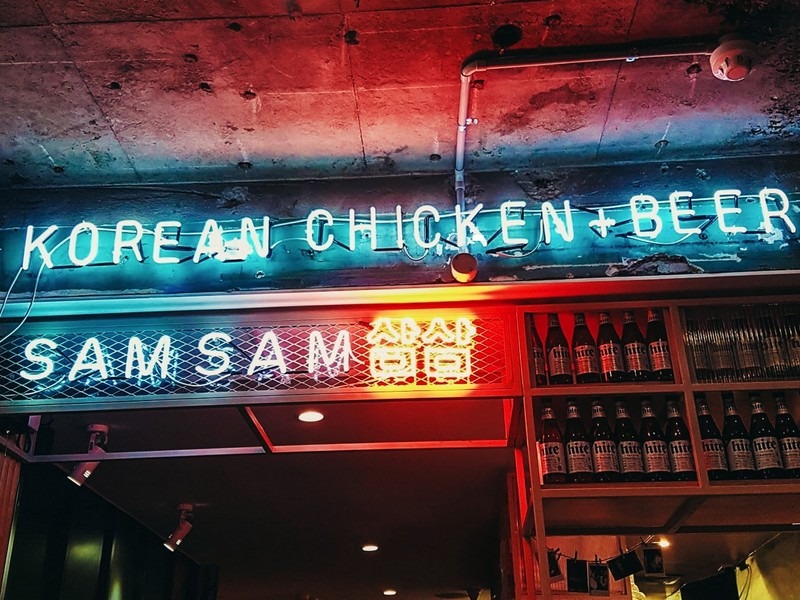
There’s a verb Koreans use that tells you everything about chimaek. They don’t say “shall we eat chimaek?”, they say “shall we do chimaek?” (치맥 하러 갈래?). The use of “do” rather than “eat” is not accidental. Chimaek is not just a meal. It’s an activity, a ritual, a reason to gather as fundamental to Korean social life as the barbecue is to a summer Saturday in the American South. Chimaek (치맥) combines “chi” from chicken (치킨) and “maek” from maekju (맥주, beer). The pairing is older than the word, but the word itself became official enough to enter the Korean dictionary, which tells you something about how seriously this…
-
From Forbidden Love to Terrifying Horrors: The Charm of Iconic Korean Dramas
As you check out the trending lists on popular streaming platforms like Netflix and Disney+, you can’t help but notice a recurring trend: Korean dramas are consistently stealing the spotlight more than ever before. It’s more than just a passing fad; it’s a global phenomenon. The Hallyu wave has truly washed ashore in just about every country at this point. Extending far beyond South Korea, these shows have effortlessly transcended geographical and linguistic barriers to captivate a diverse global audience. But what is it about Korean dramas that viewers are loving worldwide? Get ready to dive into five of the most iconic Korean dramas that are more than just entertaining…
-
Korean Gastronomy on Display: A Deep Dive into Iconic Foods in K-Dramas
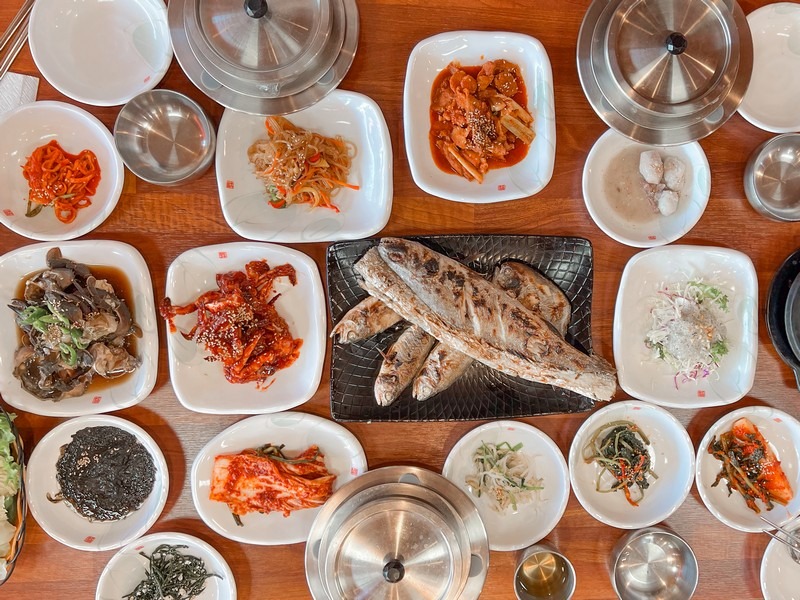
In Korean culture, the significance of food extends beyond the everyday table and integrates into language and media, particularly in Korean dramas and films. When greeting someone in Korea, instead of asking “How are you?”, you may have noticed that people ask, “Have you eaten?” If you’ve ever watched a Korean drama or film you may have picked up on this, but the food on the table in each scene can also be an important narrative tool. In many cases, filmmakers and producers have used specific Korean dishes in order to tell the viewer something about the people that are eating together. Specific Korean dishes can play a pivotal role…

![Hantangang Sky Bridge [한탄강하늘다리], Pocheon, Korea](https://thesoulofseoul.net/wp-content/uploads/2018/11/IMG_6700-2.jpg)