Korean PC Bang: What It Is, What It Costs and How To Use One
Last Updated on April 14, 2026
In an electronically advanced city like Seoul, there is an active underground world that operates day and night in comfortable personal cubicles, each with a high-spec computer, fast internet, headphones, and food that you order from the screen in front of you and which arrives at your desk without you needing to get up. That is a Korean PC bang.
PC bangs are not just for gamers. They’re useful for anyone who needs a reliable internet connection, a place to work, or simply wants to experience one of the most distinctly Korean spaces that exists. And because most are open 24 hours a day, they’re one of the better options for something to do in Seoul at any hour.
Get ready to learn about the Korean PC Bang:
- What is a PC bang?
- The History of the Korean PC Bang
- Is a PC Room the same as a PC Bang?
- How To find a PC bang
- Your First Visit: Step by Step
- Can Anyone Use a PC Room?
- Do You Need To Speak Korean?
- How Much Does It Cost?
- What Time Do PC Rooms Open?
- What Games Are Most Played?
- Are All PC Bangs the Same?
- Food and Drinks
- Etiquette
- Age Restrictions
- What else can you do besides gaming?
(This post contains affiliate links, which means I receive a certain percentage of a sale if you purchase after clicking at no cost to you. Thank you for your support.)
What is a PC bang?
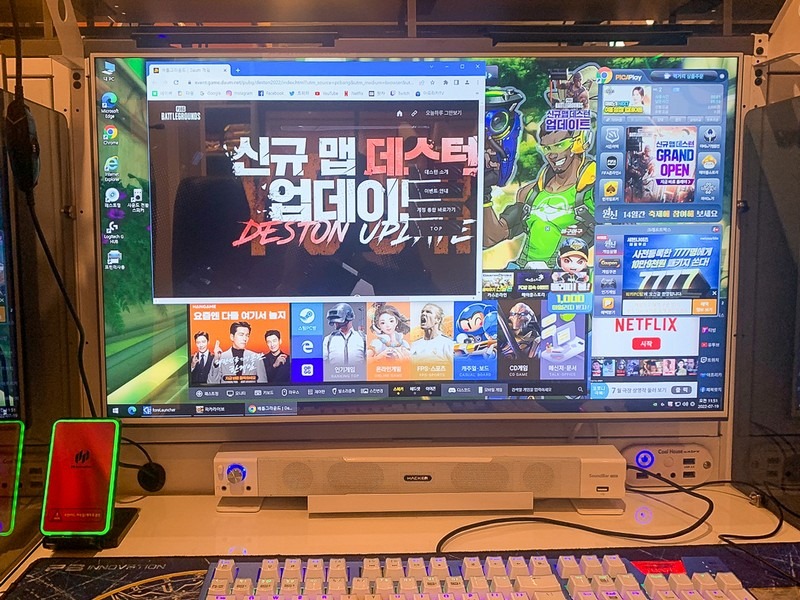
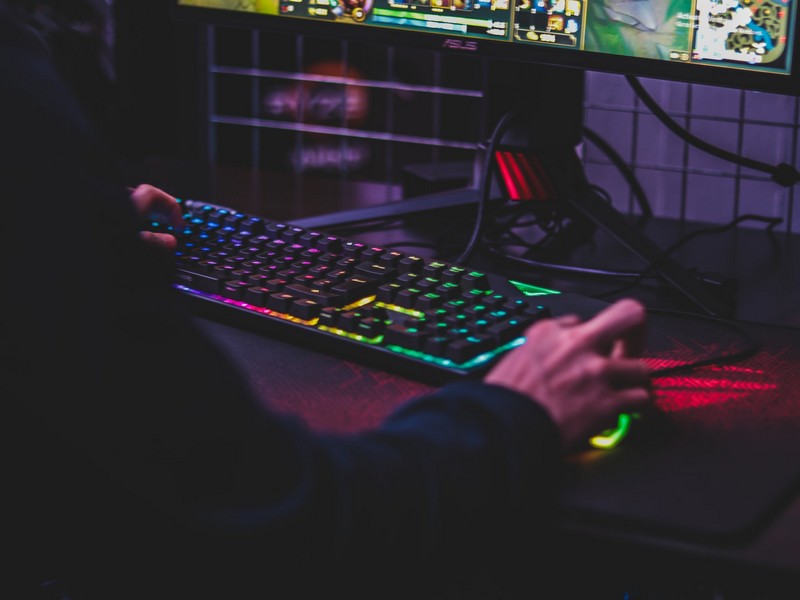
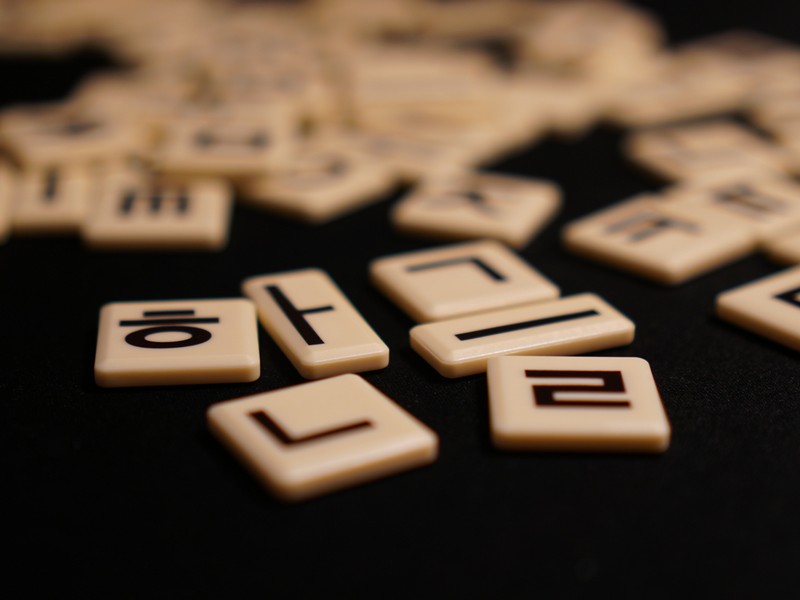
PC방 (PC bang) is the Korean term for internet cafes designed primarily for gaming. The word “bang” (방) simply means “room” in Korean, so a PC bang is literally a PC room. Most have rows of high-spec gaming computers in individual booths, gaming chairs, headphones, and food service. They are open around the clock and found in virtually every neighborhood in Korea.
The History of the Korean PC bang
The origin of the PC bang traces back further than most people expect. The first precursor was the “전자카페” (jeonja kape, or “electronic cafe”), opened in the late 1980s by Ahn Sang-Soo and Geum Nu-Ree in the Hongik University area. It featured two 16-bit computers connected by a telephone line. It was small, local, and known only to the immediate neighborhood.
The first proper public internet cafe, called BNC, opened in 1994 in Seocho District, started by Jung Min Ho. A trend followed. PC rooms proliferated rapidly in the late 1990s during the economic crisis that left large numbers of Koreans without work. People came to use the computers to monitor the stock market and stayed to play Starcraft, released in 1998, which became a national phenomenon.
Korea’s embrace of Starcraft at the PC bang level was the foundation of what became the world’s most developed professional esports ecosystem. The PC bang created both the infrastructure and the culture that allowed Korea to dominate competitive gaming globally for decades. By 2002, 25 million citizens were using the internet and 14.4 million Korean homes had internet access, a penetration rate far ahead of most of the world.
Over time the rooms evolved from general internet access into dedicated gaming spaces with food service, premium equipment, and themed interiors. Today there are over 1,500 PC rooms in Seoul alone.
Is a PC Room the same as a PC bang?
Yes. Bang (방) is the Korean word for “room”, so PC room and PC bang are the same thing. One useful note on pronunciation: it’s not pronounced “bang” like a gunshot in a comic book. It’s closer to “bong.” This is useful to know before you go around asking locals where the nearest one is.
How To find a PC bang
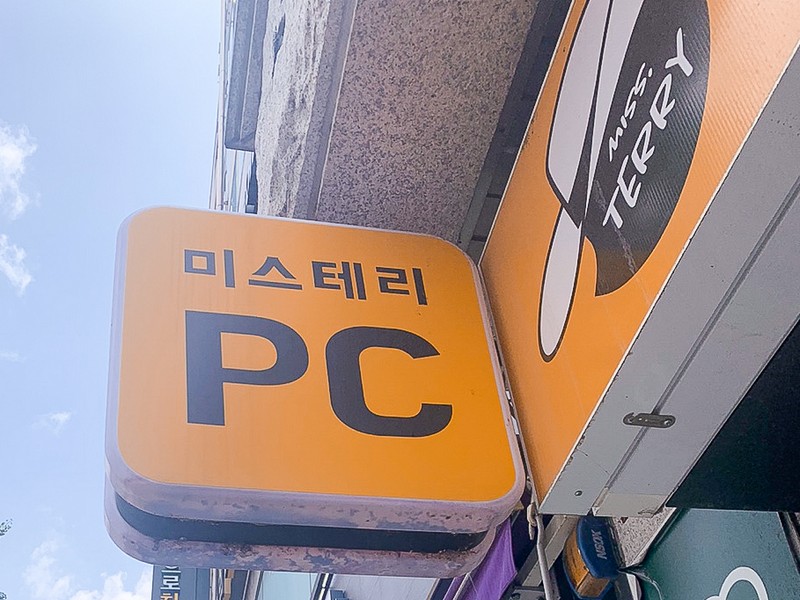
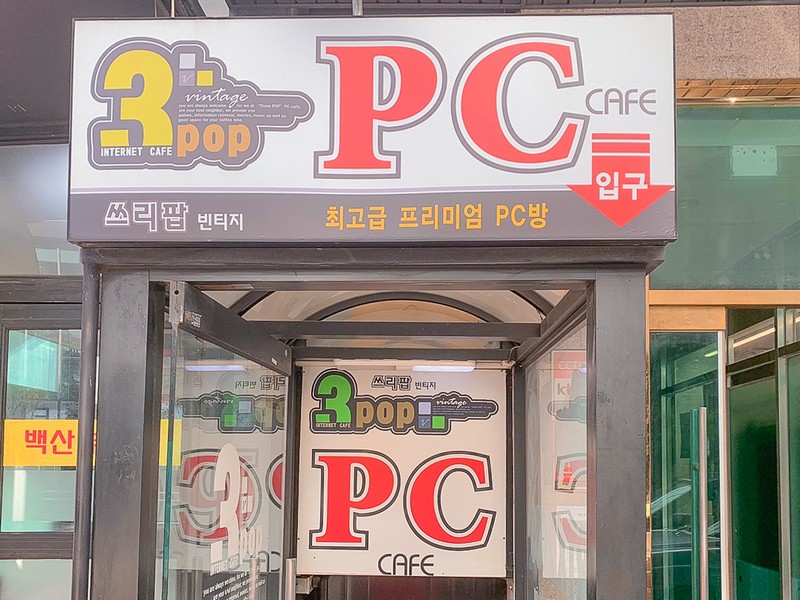
The easiest method is searching “PC방” on Naver Maps or Kakao Maps, this will surface every PC bang in your immediate area with ratings, photos, and hours. Alternatively, look up and around: most PC bangs are on basement floors or upper floors of buildings, rarely at street level. A large “PC” sign in bold lettering, often glowing, is the standard signage. You will not have to walk far in any Seoul neighborhood before spotting one.
Your First Visit: Step by Step
Step 1: Walk in and approach the desk. There will be a staff member at a reception counter near the entrance. This is where you pay and get assigned a seat.
Step 2: Choose your time and pay. You’ll typically be asked how long you want to stay, or shown a menu of time options. Non-members usually pay cash, though some PC bangs, particularly the themed ones, accept card from non-members. Standard time increments are 1 hour, 2 hours, or 3 hours, though some have 30-minute options.
Step 3: Get your seat number. The staff will assign you a computer station. Find your numbered seat, the layout varies but numbers are marked on the booths.
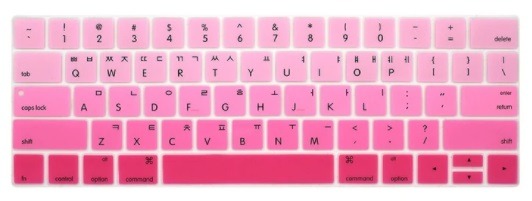
Step 4: Log in and set up. The computer will be ready to use immediately. If you have a Korean social media or gaming account, you can log in. If not, you can still use the computer for browsing, streaming, or general use.
Step 5: Order food. This is the part that surprises first-timers most. There is a food ordering system on the computer itself, a menu interface where you click what you want and it gets brought to your desk. No need to leave your seat.
Step 6: Pay on departure. Any food and drink charges are added to your bill. Some PC bangs settle everything at the end; others charge food separately.
Can Anyone Use a PC Room?
Yes. PC bangs are open to everyone, but they’re most popular with male gamers in their teens and twenties. Groups of teenagers use them for birthday parties, competitive players come in the late evening, and you’ll occasionally find adults and students using them for work or internet access.
Do You Need To Speak Korean?
No. The experience is largely visual and self-explanatory once you’re through the front door. Many PC bang staff members speak some English. If you need help communicating, Papago or Google Translate on your phone is sufficient. Don’t be reluctant to ask for assistance, PC bang staff are generally used to navigating communication with non-Korean speakers.
How Much Does It Cost?
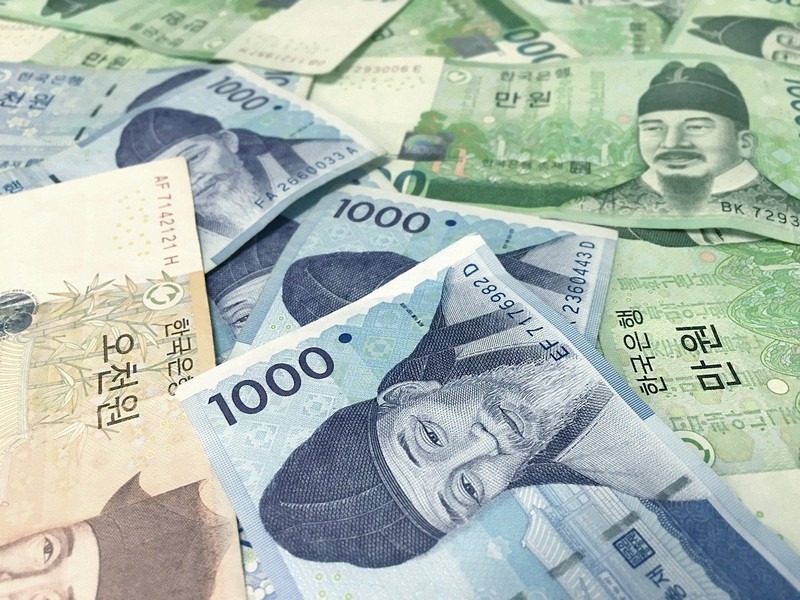
Pricing varies between locations but as a rough guide, standard PC bangs charge approximately ₩1,000 to ₩2,000 per hour. Themed or premium PC bangs charge more. Verify exact pricing at whichever location you visit, prices have increased since the post was first written and vary meaningfully between a standard neighborhood PC bang and an upscale themed one.
Members (registered via a Korean phone number or local ID) typically have access to more package options and can pay by card. Non-members may be limited to cash and a smaller selection of time increments.

What Time Do PC Rooms Open?
Most PC rooms are open 24 hours a day so if you’re not a night owl, it’s one of the best things to do at night in Seoul. The clientele inside a PC bang changes throughout the day though with adult males in their 30s to 50s opting to visit in the morning.
In the afternoons, young men usually visit and thus PC rooms can be the noisiest. After dinner, teenagers and young adults will visit and opt to get online to play games. More competitive players usually head in to their favorite PC bangs from 8:00pm onward and stay into the night.
What Games Are Most Played?
League of Legends has historically dominated PC bang play charts, reportedly accounting for close to half of all gameplay hours at various points. However, the specific rankings shift between PUBG, Overwatch 2, Lost Ark, and other titles which all have significant representation.
Korea’s dominance in competitive gaming is not coincidental: the PC bang infrastructure gave Korean players consistently high-spec equipment and fast local servers decades before home setups could match it. For current PC bang game rankings, the Korean game industry association GOK (Game On Korea) publishes weekly PC bang charts.
Are All PC Bangs The Same?
No. There are standard neighborhood PC bangs which are built to be functional, cheap, and effective, and there are themed PC bangs that charge more but offer a distinct atmosphere and often better equipment.
Standard PC bangs have everything you need: fast internet, a decent computer, food service, and headphones. They’re the everyday option for most Korean gamers and perfectly good for a first-time experience.
Themed PC bangs have invested in a specific aesthetic with distinctive color schemes, curated furniture, and a named concept. These tend to attract visitors looking for a more designed experience. They typically accept card payment even from non-members, which makes them more accessible for tourists.
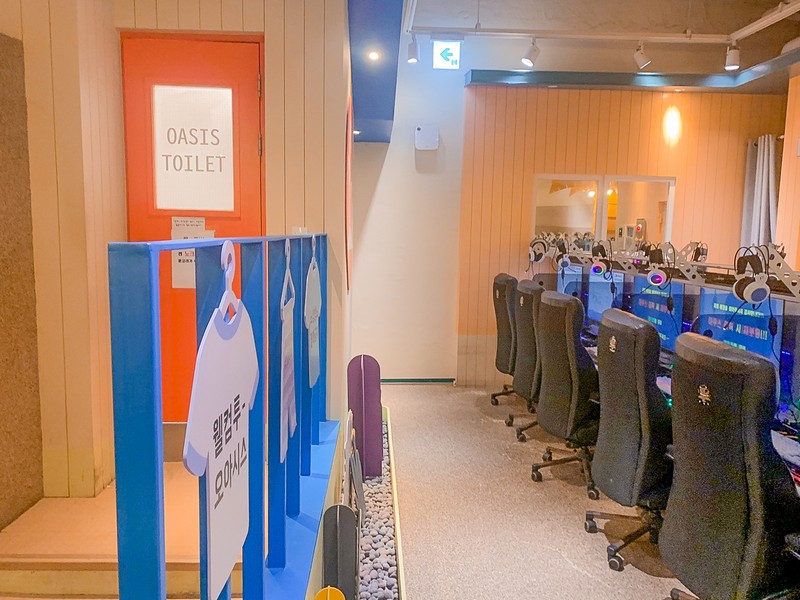
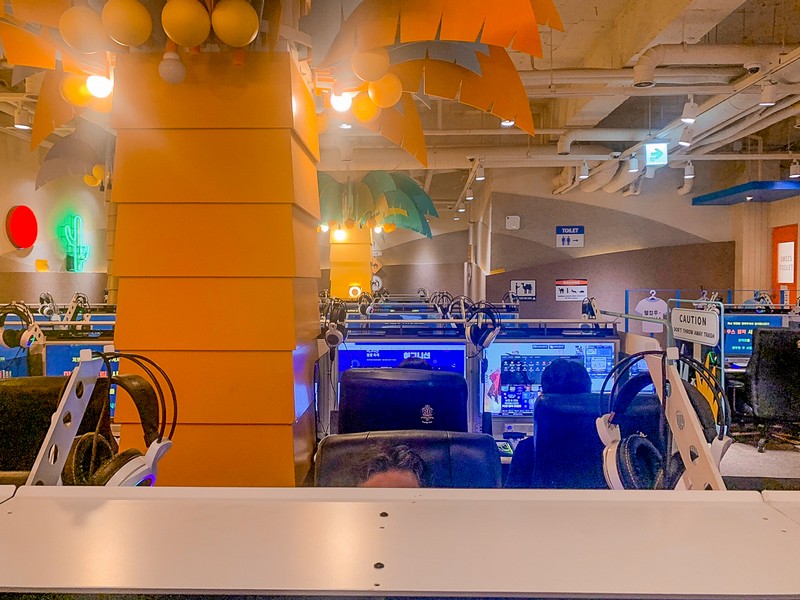
Miss Terry’s Oasis (미스테리PC)
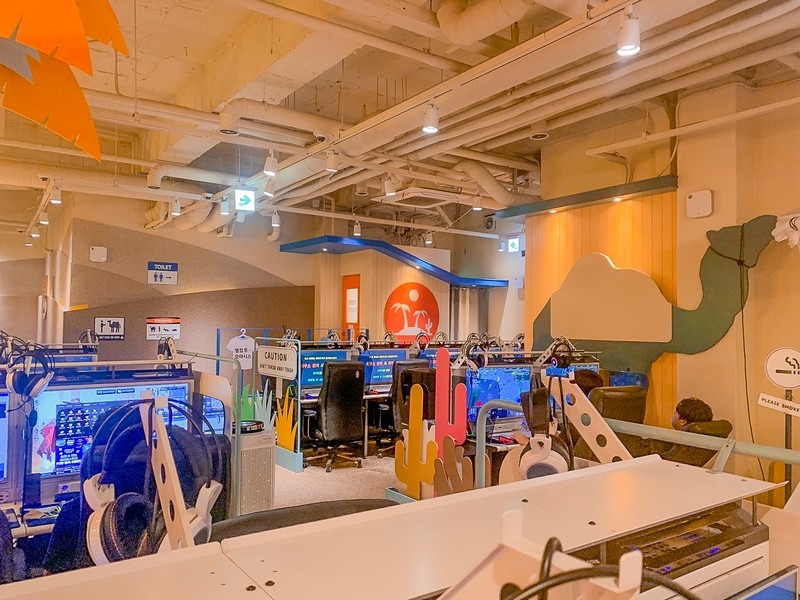
Miss Terry’s Oasis is a good example of a themed PC bang. A palm tree and Southern California aesthetic that feels unusual for a basement gaming room in Seoul is what you’ll find here. The bright, analogous color palette creates a notably different atmosphere from the standard dark-room setup.
Importantly for tourists: Miss Terry’s accepts credit and debit cards from non-members, which removes the cash-only barrier common at standard PC bangs.
- Address:484-1, Yangjae-daero, Gangdong-gu, Seoul (서울특별시 강동구 양재대로 1484-1)
- Hours: 24 hours a day every day
- Website: missterrypc.com
Food and Drinks
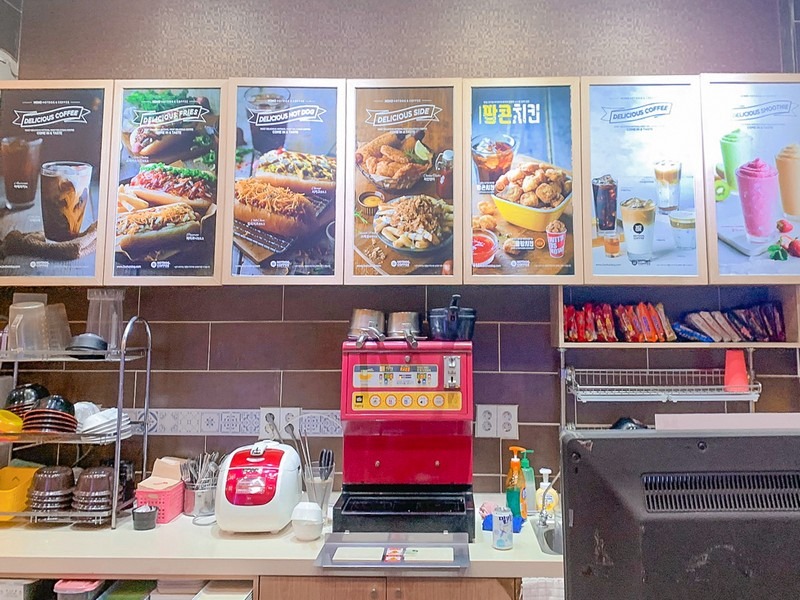
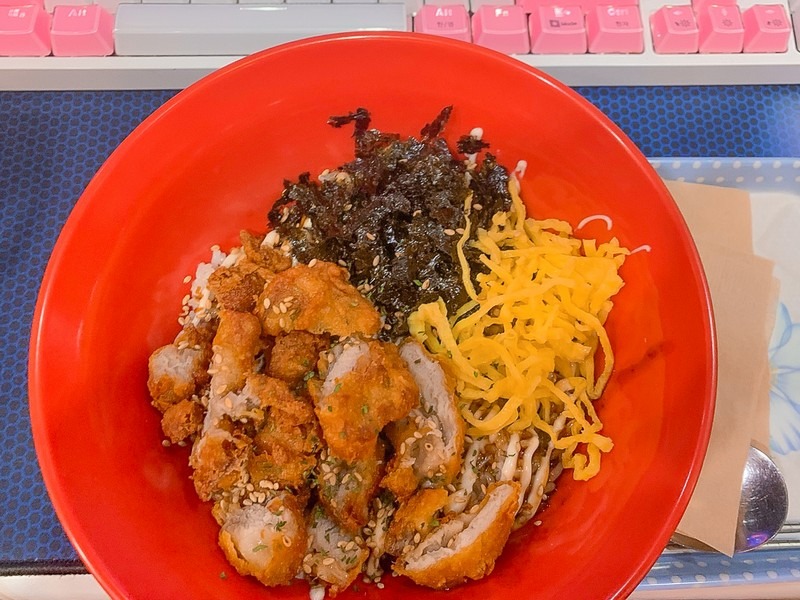
PC bang food can be quite good for the price and the ordering system is one of the more surprising elements for first-time visitors. From your computer, you access a menu interface, select what you want, and it’s brought to your desk. At many places there is no need to leave your seat or interrupt what you’re doing.
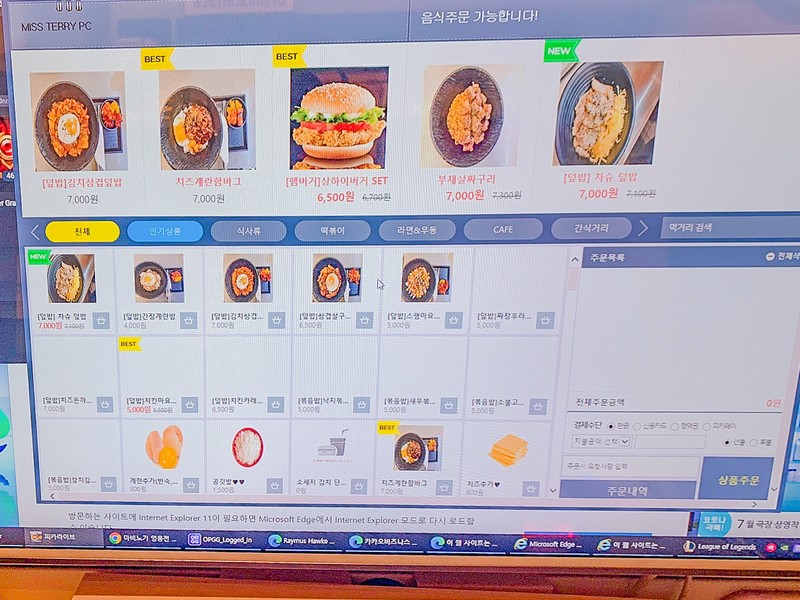
Standard menus include coffee and other drinks, ramen, pork cutlets (돈까스), spicy tuna rice bowls, chips, and other snacks. Most items are under ₩10,000. Smoothies typically run ₩5,000 to ₩6,000. The quality is generally solid for what you’re paying, and eating at your desk while gaming or working is entirely normal, nobody will look at you sideways for it.

Etiquette
PC bangs have their own unspoken code. None of it is complicated but knowing it in advance makes the experience more comfortable.
- Keep your voice low. PC bangs, particularly during competitive gaming hours, operate in relative quiet punctuated by keyboard sounds and occasional exclamations. Extended loud conversation is out of place.
- Headphones are standard. If the PC has headphones provided, use them. This is both courtesy and normal practice.
- Don’t touch other people’s setups. Each station is treated as a temporary personal space. Reach across someone’s booth only if you need to and they’re clearly aware.
- Order food through the system. The food ordering interface on the computer is exactly how everyone orders. Don’t go up to the desk to order food, use the computer.
- Clean up when you leave. Most PC bangs have bins for food packaging at or near each booth. Leave it tidy.
Age Restrictions
There are currently no age restrictions on using PC rooms in Korea. There was formerly a Youth Protection Revision Act that prevented those under 16 from using PC bangs between midnight and 6am. This law was struck down in 2022. Verify the current legal status if this is a consideration for your visit, regulations can change.
What else can you do besides gaming?
Quite a lot. The fast internet, individual booth, food service, and headphones make a PC bang a reasonable place to work if you’re a student or a digital nomad. If you’ve just moved to Korea and your home internet connection isn’t set up yet, a local PC bang is the standard bridge solution. If you need to print something quickly, many PC bangs have printers available. If it’s 3am and you need internet access, a PC bang is one of the only places that will be open and well-equipped.
FAQ
What does PC bang mean in Korean?
PC방 (PC bang) literally means “PC room” — 방 (bang) is the Korean word for room.
How do I find a PC bang near me in Seoul?
Search “PC방” on Naver Maps or Kakao Maps. PC bangs are in virtually every neighborhood. Look up or down from street level, they’re almost always on basement or upper floors, rarely at street level, with a large illuminated “PC” sign marking the entrance.
Do PC bangs have good computers?
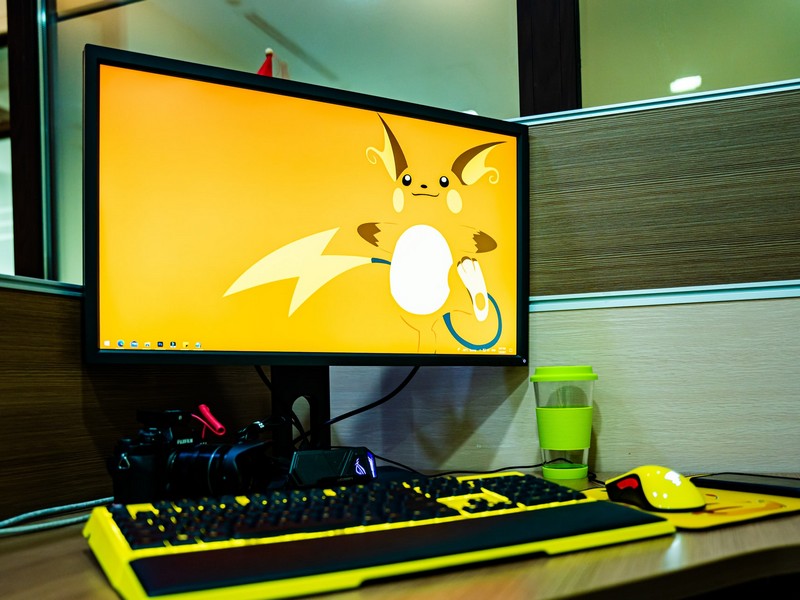
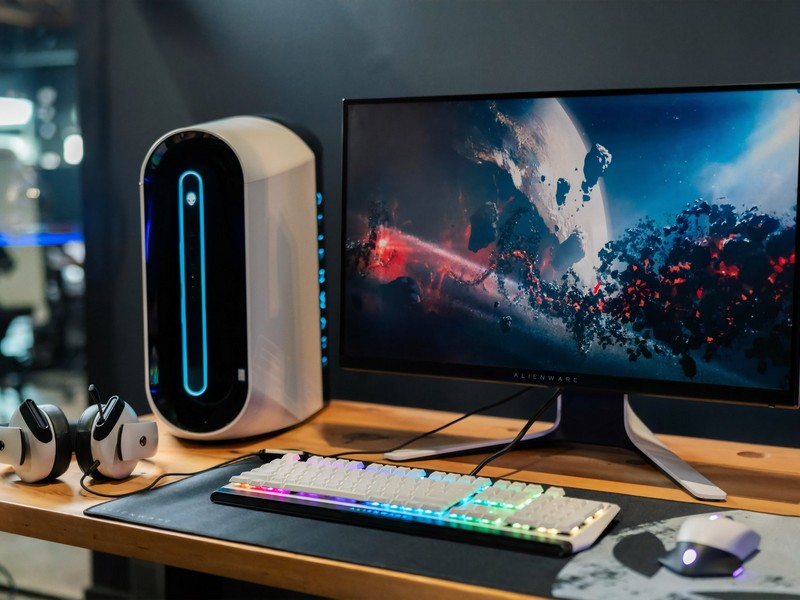
Generally yes. Standard PC bangs maintain reasonably current hardware because their customers are gamers who notice outdated specs. Themed and premium PC bangs often have high-end gaming setups, mechanical keyboards, and quality monitors as part of the draw.
Is it rude to visit a PC bang as a tourist?
Not at all. Tourists visit PC bangs regularly. Staff are used to non-Korean speakers. Bring Papago, Google Translate, or Naver Translate on your phone if you’re concerned about communication, but most interactions like paying, choosing a seat, and ordering food are intuitive enough that language isn’t a real barrier.
Can I use a PC bang just for internet access, not gaming?
Yes. Nobody monitors what you do on the computer. Using a PC bang to catch up on email, do remote work, or browse the internet is entirely acceptable.
What food can I get at a PC bang?
Typically: ramen, pork cutlet (돈까스), spicy tuna rice, fried chicken, chips and candy, coffee, and various drinks. The quality is better than you’d expect for the price. Order through the computer interface at your station and it gets brought to you.
The PC bang is one of those Korean institutions that is easy to walk past and never try, and much more interesting than it looks from outside. The food delivery system alone is worth experiencing. The history behind it, from a two-computer electronic cafe in the 1980s to the infrastructure that built one of the world’s most competitive esports cultures, gives it more weight than a standard internet cafe in any other country. Go early for the quiet, go late for the atmosphere, and order the pork cutlet.
Did you like this post? PIN IT!