Sansawon & Baesangmyeon Brewery: A Traditional Korean Liquor Museum Near Seoul
Last Updated on October 14, 2026
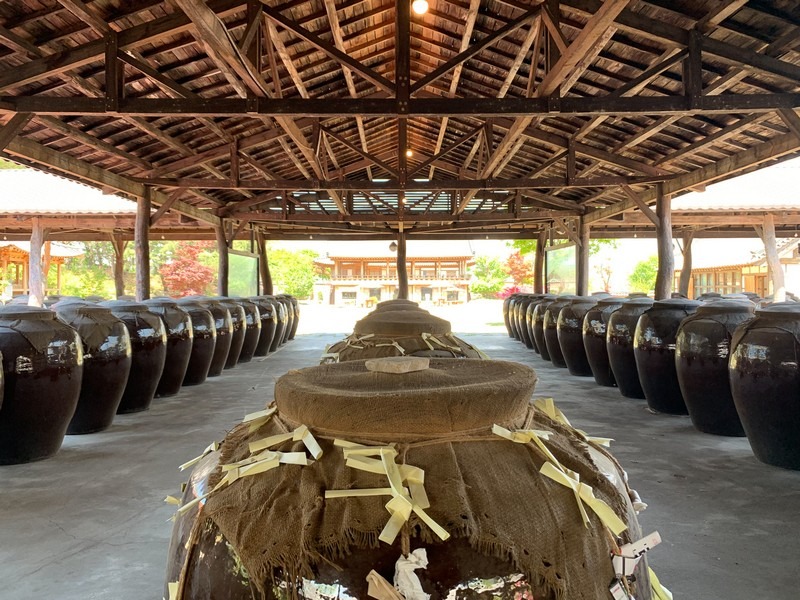
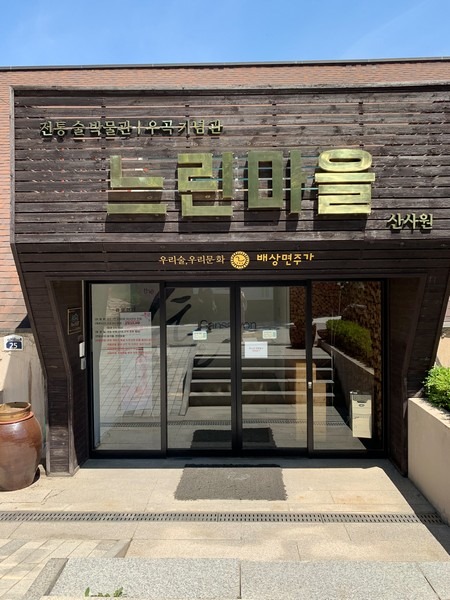
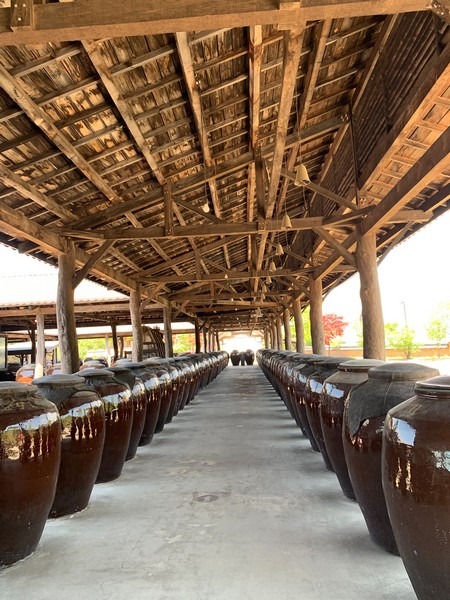
Just northeast of Seoul in Pocheon is one of the most beautiful and also traditional Korean liquor breweries you can find in Korea. Sansawon (전통술박물관 산사원) is a museum and tasting room just next to a beautiful brewery called Baesangmyeon (배상면주가) that features traditional onggi pots, those giant brown earthenware pots you see around Korea, that create a maze to wind through before ending up at a beautiful Hanok building and pavilion where you can laze away the afternoon.
I’d heard of Sansawon a few times over the years and was intrigued by the pictures but just never found the time to get up there… until recently. Want to take a day trip from Seoul and learn about and then taste some pretty amazing traditional Korean liquors? Do NOT miss this sool gallery. A bonus is that it’s also just unknown enough that you might have it all to yourself like we did.
Feel free to skip around and find what you need to find:
- How To Get There
- Basic Information
- Sansawon Museum
- What Is Nuruk?
- Baesangmyeon Brewery
- Products To Take Home
(This post contains affiliate links, which means I receive a certain percentage of a sale if you purchase after clicking at no cost to you. Thank you for your support.)
How To Get There
Pocheon, Korea has some really interesting and quite hidden spots to check out so make sure you check out some other great highlights of Pocheon so you can plan a fun day or weekend in the area.
Address: 25 Hwadong-ro 432beon-gil, Hwahyeon-myeon, Pocheon-si, Gyeonggi-do (경기도 포천시 화현면 화동로432번길 25 배상면주가)
By Public Transportatin: From Gangbyeon Bus Terminal, take a bus to Unaksan Rest Stop and Station. From there, walk to the road and find the bus stop, then take bus 5, 7, 7-1, 7-2, 11-1, or 66-1 for one stop. Get off and walk in the direction the bus was headed, turning right at the second road. Follow it to the museum and brewery, signage from the main road is visible.
Basic Information
Hours: 8:30am ~ 5:30pm
Days: Closed on holidays.
Admission: W3,000
Website: www.soolsool.co.kr
Classes: Classes are offered on the premises but you’ll need to be able to understand Korean or have an interpreter if you don’t. The classes cover liquor ingredients, liquor-related folktales and the brewing process. You can make your own and actually take some liquor home with you too.
Sansawon Museum
Most people who drink in Korea know soju and makgeolli. What they don’t know is that there are approximately 600 different types of traditional Korean liquor. Sansawon’s purpose is to make that broader world visible and accessible.
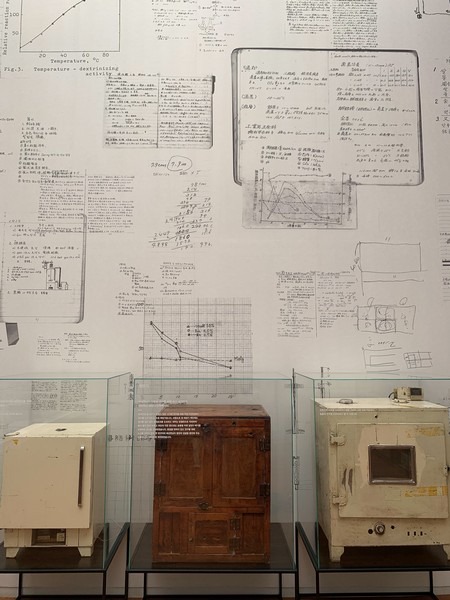
The museum holds over 1,000 historical documents, traditional liquor bottles, and brewing devices including the yakteul, nureukteul, gyeobogary, and sojugori. It covers rice-based alcoholic drinks, the history of homebrewing in Korea, and the culture of gayangju, traditional home-distilled liquor. The Korean equivalent of bathtub gin has a deep and honorable history, it turns out.
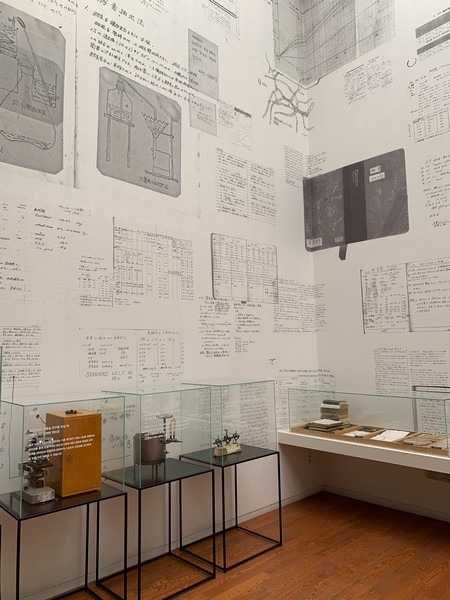
Practical note on language: Most of the museum’s signage and explanatory material is in Korean. Joining a tour or bringing a Korean-speaking companion significantly increases what you’ll learn. The museum is still worth visiting on its own, but the downstairs tasting area is where the experience comes together regardless of language.
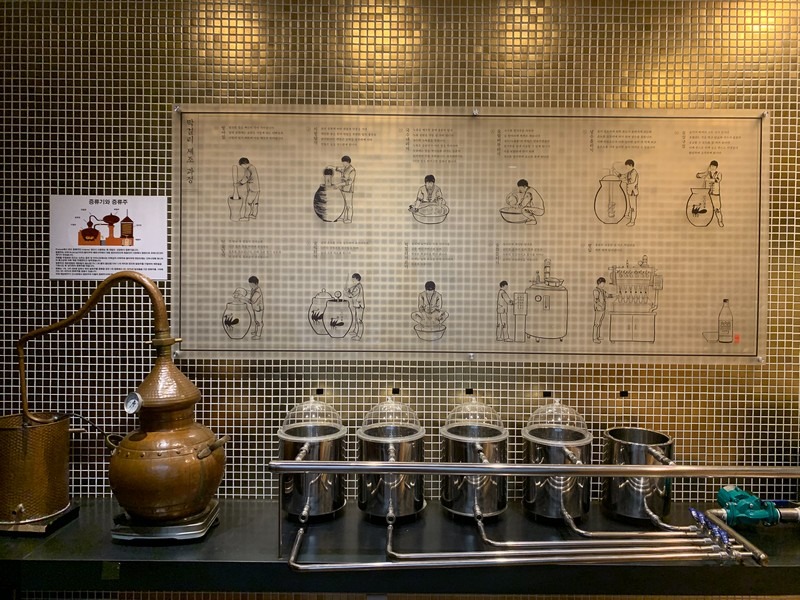
The tasting: Your admission includes a ceramic cup that you take with you through the museum to sample dozens of different traditional Korean alcohols. I’ve lived in Korea for well over a decade and spent a significant number of five-round nights discovering the hard way that traditionally brewed Korean liquor produces far less of a hangover than the commercial green bottle soju. Sansawon is the ideal place to explore why, and to identify which traditional alcohols you should actually be ordering on future nights out.
Alongside the tasting, the museum offers snacks made in-house: rice cakes, Sanghwa dumplings, and pickled vegetables.
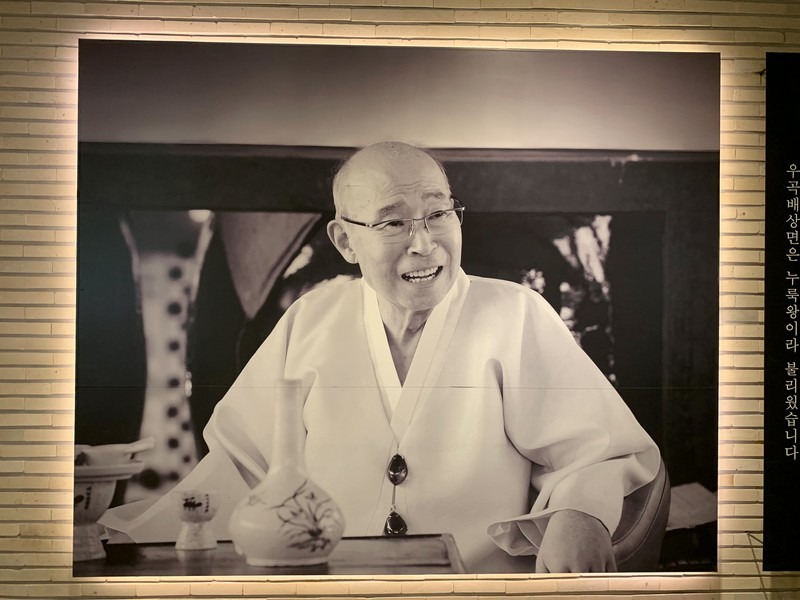
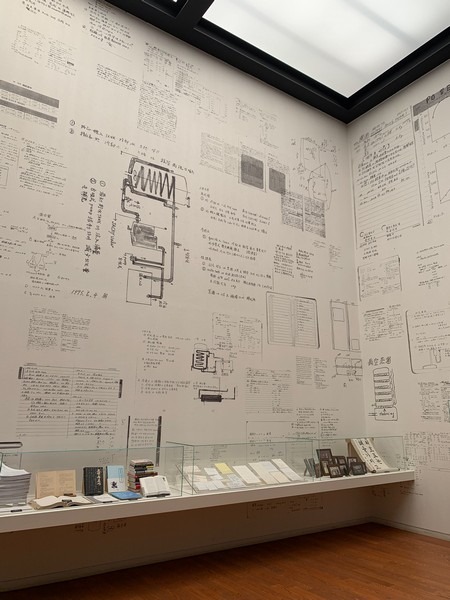
The final section of the museum is devoted to the story of Bae Sang Myeon himself, the man the brewery is named for, with original notes and diagrams showing his liquor processing methods. This serves as an introduction to the working brewery just across the parking lot.
What Is Nuruk?
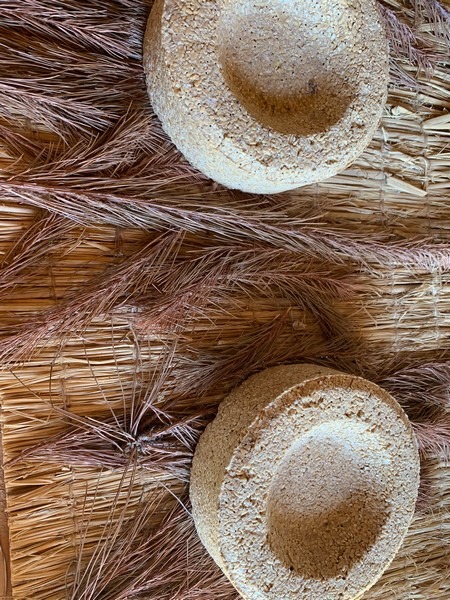
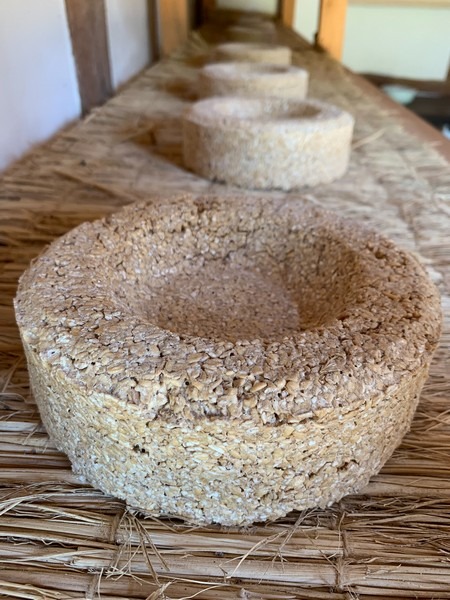
Traditional Korean alcohol is made with three main ingredients: rice, water, and nuruk. Nuruk is crushed wheat packed tightly together and placed in a high-humidity environment on a bed of straw for approximately a week, during which molds and yeasts colonize and grow throughout it. After seven days, the humidity is reduced and the nuruk dries. The specific grain used (wheat, rice, or barley), the location, and the fermentation conditions all significantly affect the resulting nuruk, which in turn directly shapes the character of the alcohol produced from it.
This is one of the more detailed and interesting things the museum explains, and it’s genuinely clarifying for anyone who has wondered why traditionally produced Korean liquor tastes so different from commercial versions.
If you want to experiment with brewing makgeolli at home after your visit, a home brewing kit from Hyseun House is a good starting point. It covers the basics and makes the nuruk-based process approachable for first-timers.
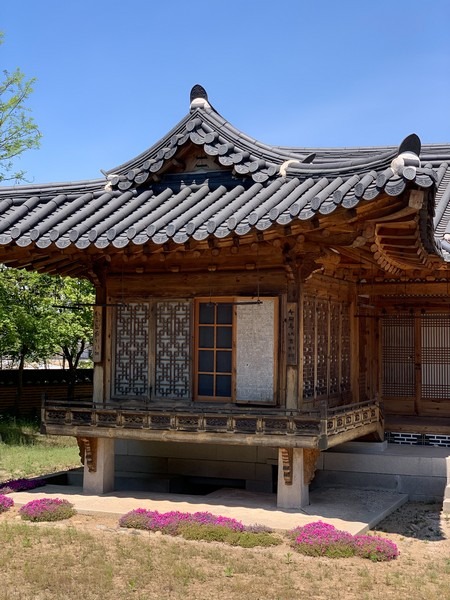
Baesangmyeon Brewery
Established in 1996 by Bae Yeong Ho, the second son of Bae Sang Myeon who owns and operates Kooksoondang Brewery, Baesangmyeon Brewery, which his son obviously named after his father, is a traditional liquor brewery that makes some popular drinks you may have seen in Korean supermarkets already.
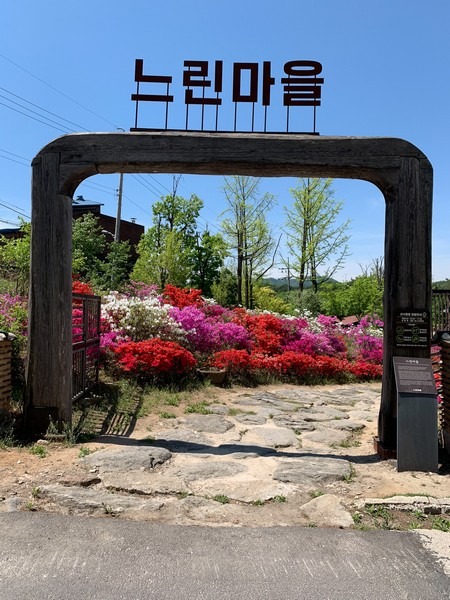
They make Sansachun, a desert-wine and Daepo, a mild alcohol with dandelion, but one of their more well known products is the Neurin Maul Makgeolli, the name means “slow village” and was a big shift and push in the movement to re-introduce aspartame and additive-free makgeolli back into the market.
Since you probably visited the above museum first and learned about the processes, the important nuruk, and tried tried tried, now you have a bit of understanding before you head to the working brewery area of the complex.
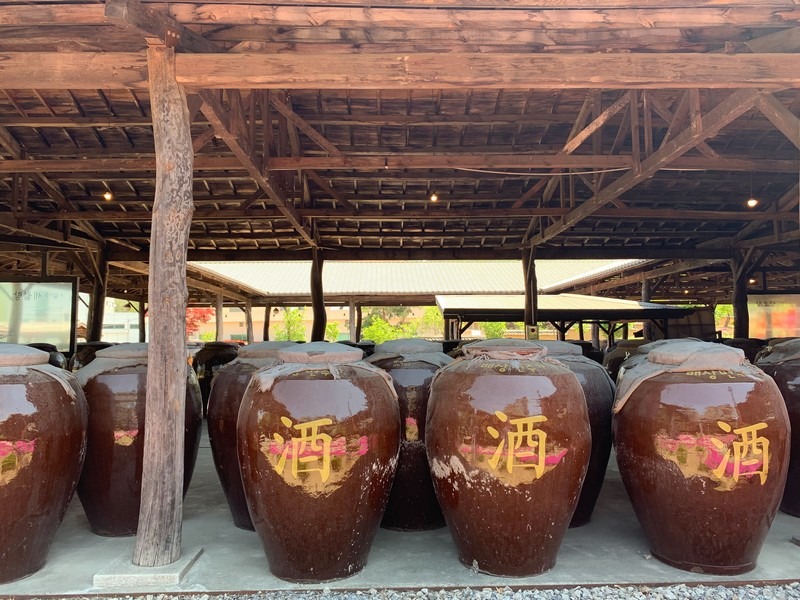
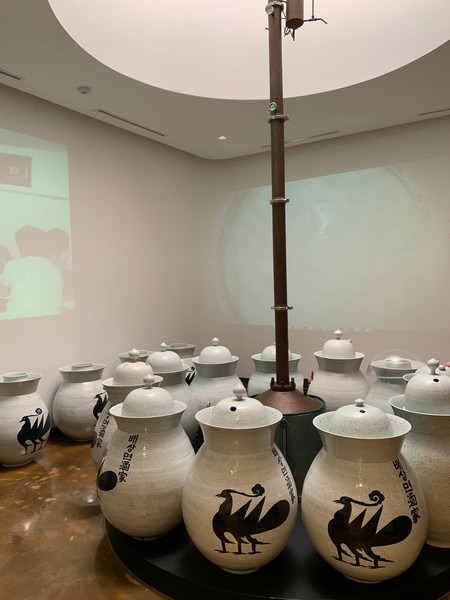
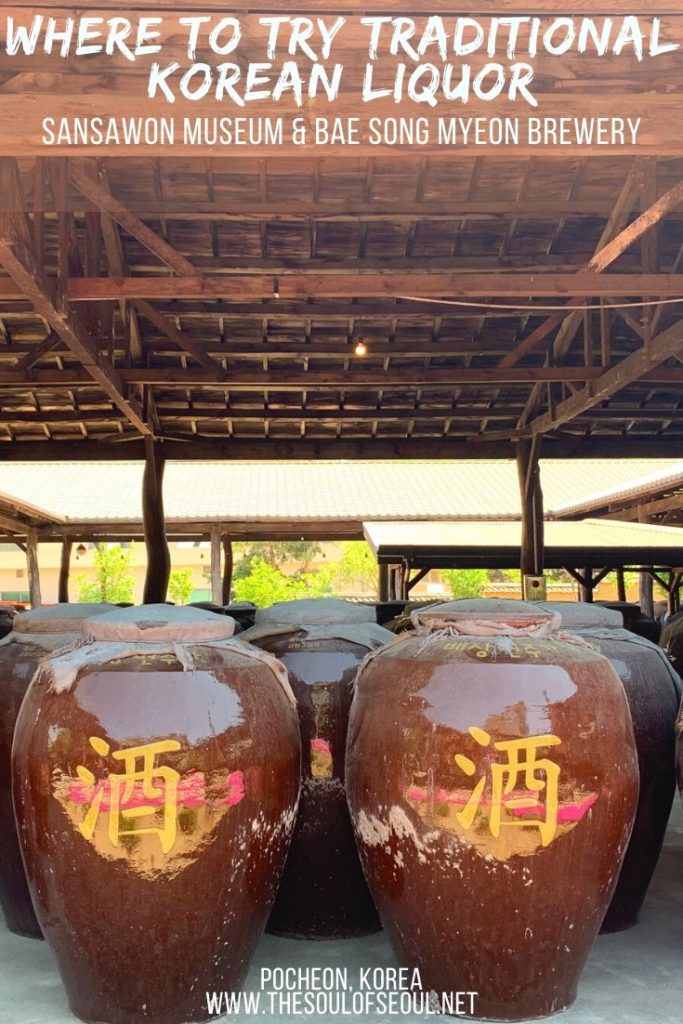
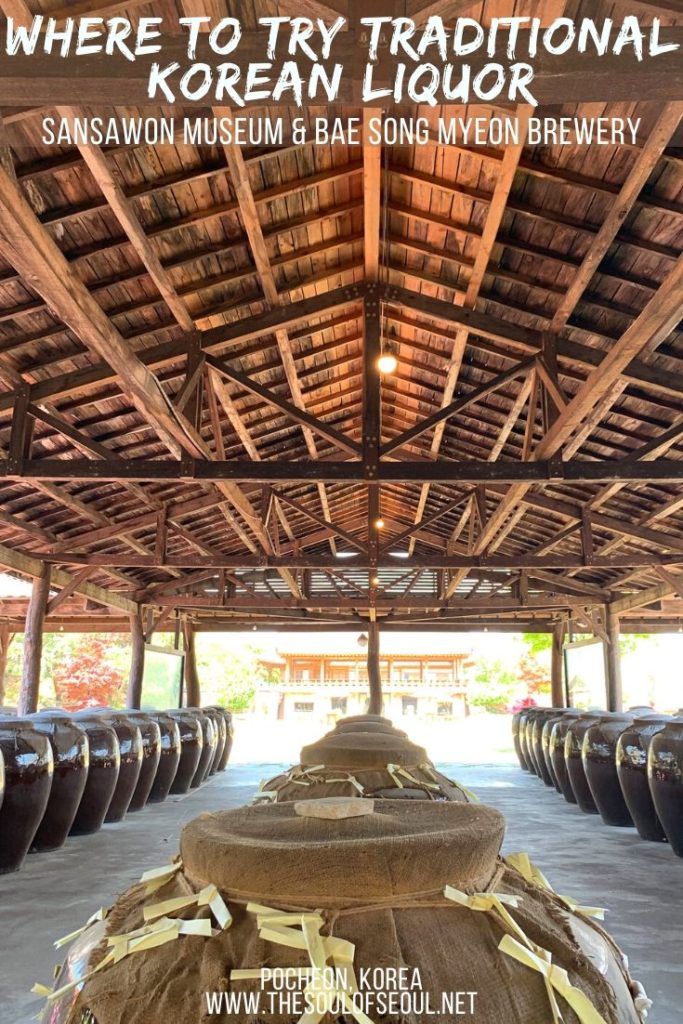
Walk through a gate to the left of the Sansawon Museum and you’ll see gigantic onggi jars. The next time I go, I need to stand next to one so you can really understand how huge these are. If you’re bringing children with you, you will not be able to see them just know that. Follow the winding path through the jars and you can find some of the older machines.
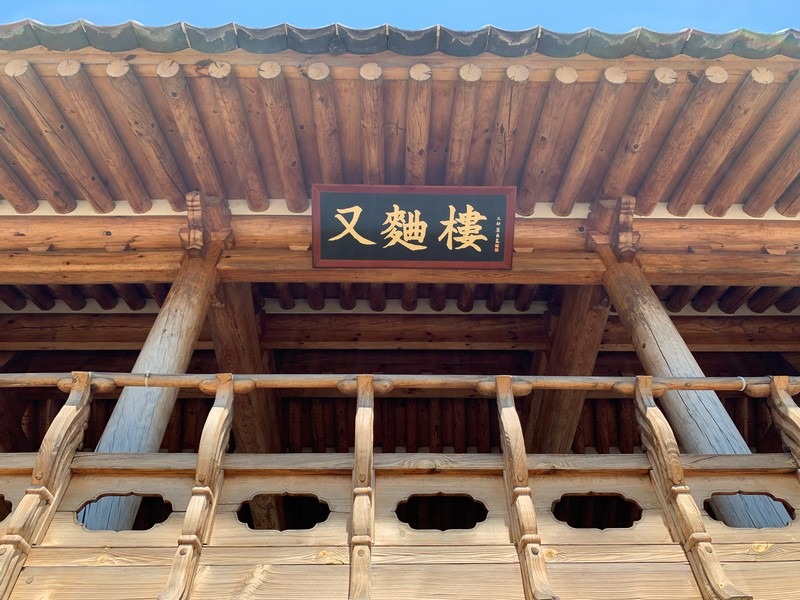
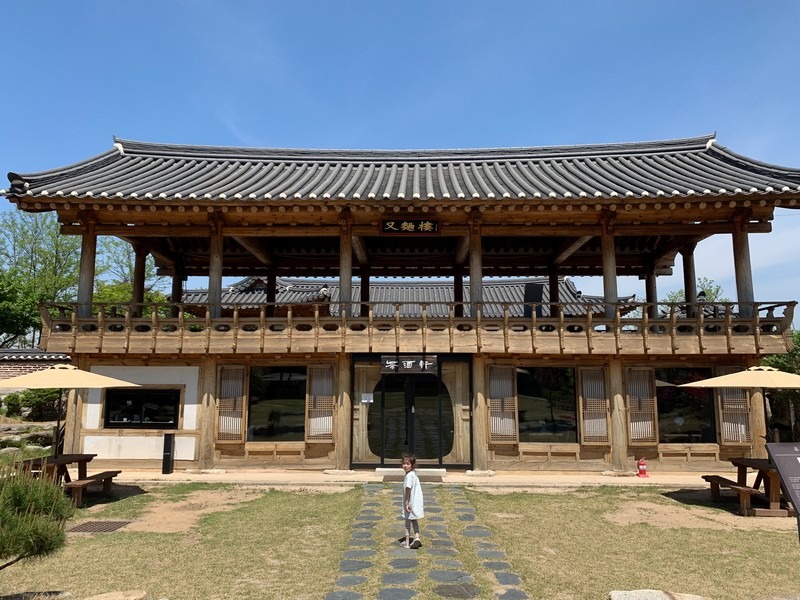
Walk through the massive maze of onggi and then you’ll be dropped off in a garden that has pavilions and Hanoks surrounding. One Hanok building acts as a gallery where you can see some nuruk and the larger Hanok houses a cafe.
The cafe wasn’t open the day we visited so I’m not sure the actual hours, but whether or not it’s open, you can still walk up the stairs to sit on the second level of this rooftop and just take in the views of the complex and mountains that surround it. It’s really a beautiful space and likely after enjoying quite a few cupfulls of liquor and makgeolli, you can use a little seated break.
Products To Take Home
The brewery’s products are more budget-friendly than you’d expect for what they are, the prices surprised me in the best way and I left with considerably more bottles than I planned.
Products to look for:
Neurin Maul Makgeolli: The name means “slow village.” This was a meaningful moment in the craft makgeolli movement, a deliberate push to reintroduce additive-free, aspartame-free makgeolli to the Korean market. These days, you can also find Neurin Makgeolli at local supermarkts in Korea.
Sansachun: A dessert wine from the brewery.
Daepo: A mild alcohol made with dandelion.
Beyond the brewery shop, you can also find Baesangmyeon products at Slow Brew Pub locations around Korea. The website (www.slowbrewpub.com) is in Korean, but Google Translate on the browser makes it navigable for English readers.
If Neurin Maul Makgeolli appeals to you but you can’t get to Pocheon, Sanullim 1992 in Hongdae stocks it — read the complete Sanullim 1992 guide for Seoul’s best traditional Korean alcohol bar.
While you most definitely need to visit the museum and brewery, there are some slow brew pubs in Seoul and around Korea too where you can also sup and try some of the outstanding products from the brewery. To find a location near you, visit www.slowbrewpub.com. The website is in Korean, but if you use the Google Translate button on the browser, you can easily figure out where all of the pubs are.
Did you like this post? Pin It!

2 Comments
Sammy
Hey there! I found your blog on coincidence and I think it’s really amazing and well made! I was wondering if there’s any recommendation you would do for a 7 day ish trip to Seoul, Korea during New Years? I initially plan to just stick in Seoul but reading your blog makes me kinda be more adventurous!
Hallie Bradley
There’s definitely plenty you can in 7 days. You might also consider joining a Sunrise Tour for New Years. We have New Years Eve festivities, but Koreans traditional celebrate the first day of the year by seeing the first sunrise of the year and there are tours which will take you out to the east coast for it where the sun rises first. That’s great fun.