What Is a Norigae? Meaning of the Korean Hanbok Charm & Where To Make One In Seoul
Last Updated on October 12, 2026
If you’ve ever admired the elegant lines of a Hanbok, a traditional Korean dress, chances are you’ve spotted a norigae (노리개), the graceful tassel charm that dangles from the coat strings or skirt of the traditional attire. After living in Korea for many years and collecting norigae from markets and Hanbok shops, I’ve come to appreciate how much symbolism and craftsmanship is packed into these small charms.
Recently, I stopped into the Leesle modern Hanbok shop in the vibrant Hongdae district of Seoul, Korea to make my own. It’s a little tassel with a lot of charm. If you like crafting and want to create your own unique souvenir from Korea, this is a quick and easy experience you can add to your itinerary. On top of it being fun to make, it’s also a kid-friendly experience, so if you’re like me and maybe want to get your own modern Hanbok, you could just let the kids enjoy the norigae making while you look around the Leesle shop. I got my first modern Hanbok from Leesle actually.
Norigae isn’t just a decorative accessory though. Each knot, tassel, and pendant carries meaning tied to Korean history, symbolism, and wishes for good fortune. Are you ready to learn about them?
From the history and symbolism of the norigae to where you can make one in Seoul, here’s everything you need to know:
- What Is a Norigae?
- The History of Norigae
- The Meaning and Symbolism of Norigae
- The Parts of a Norigae
- Korean Knot Symbolism
- Make Your Own Norigae at LEESLE
- Where To Buy Norigae in Seoul
- Buy Norigae Online
- FAQ
(This post contains affiliate links, which means I receive a certain percentage of a sale if you purchase after clicking at no cost to you. Thank you for your support.)
What Is a Norigae?
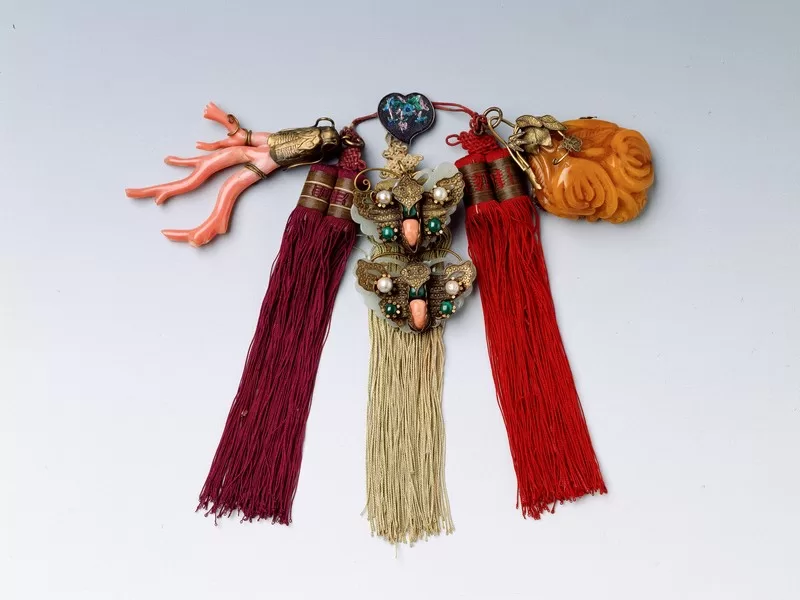
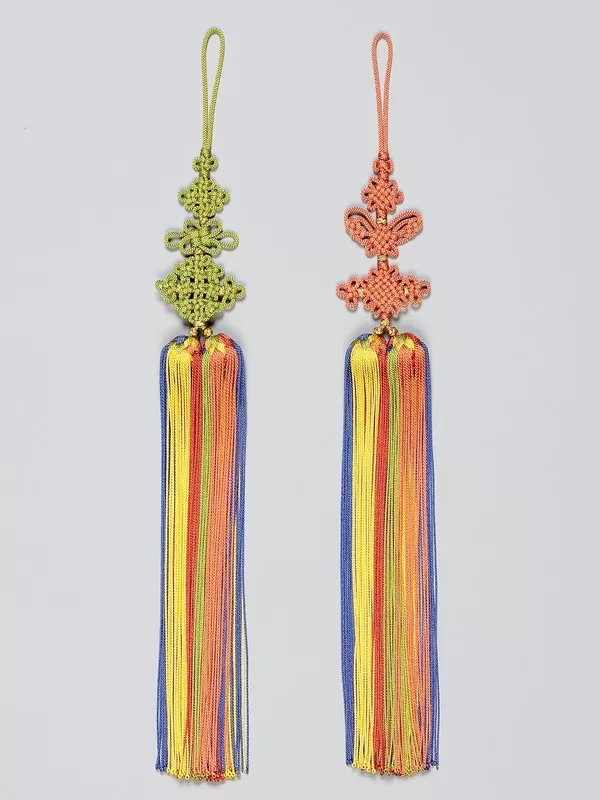
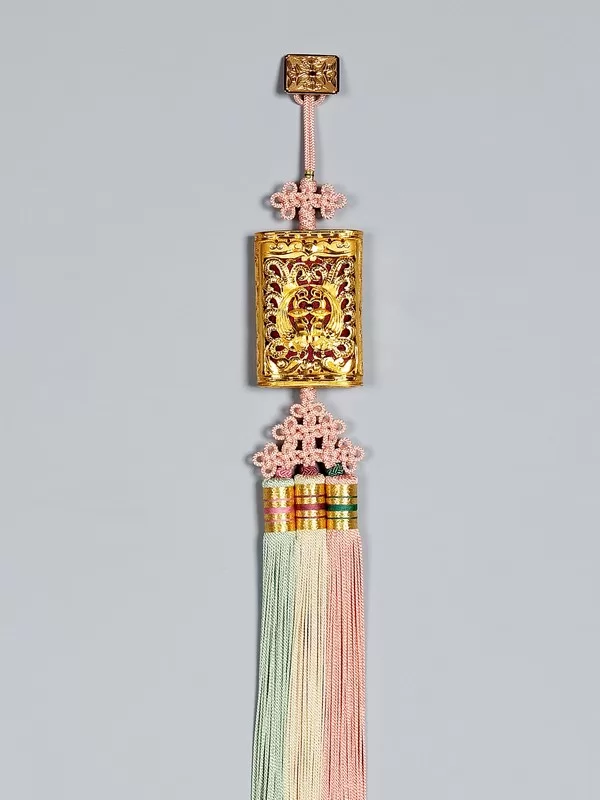
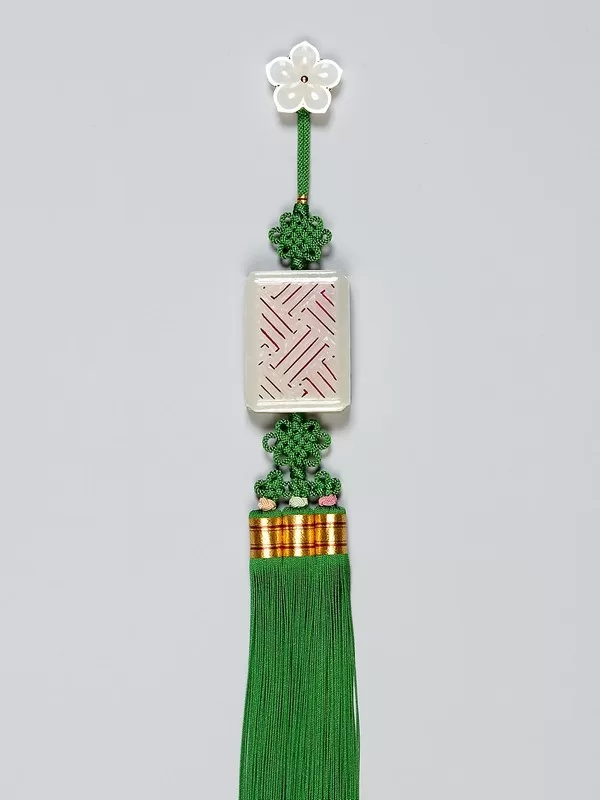
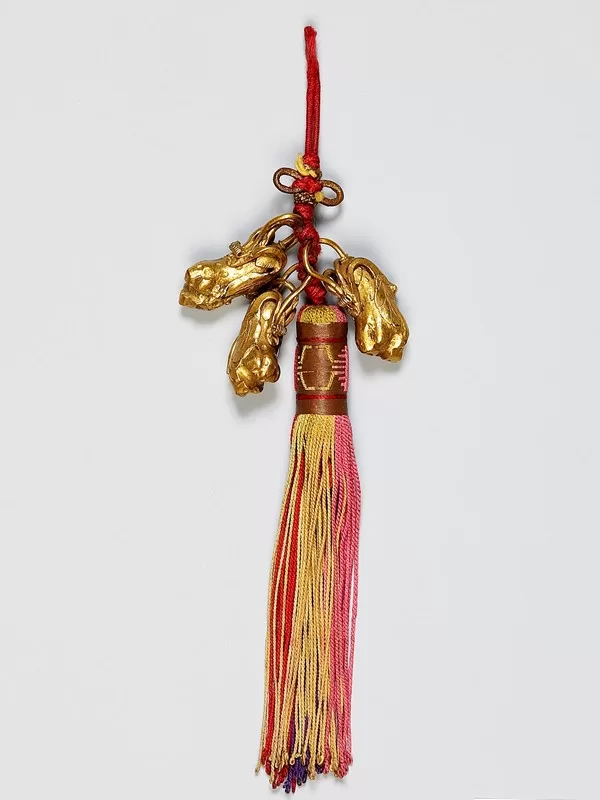
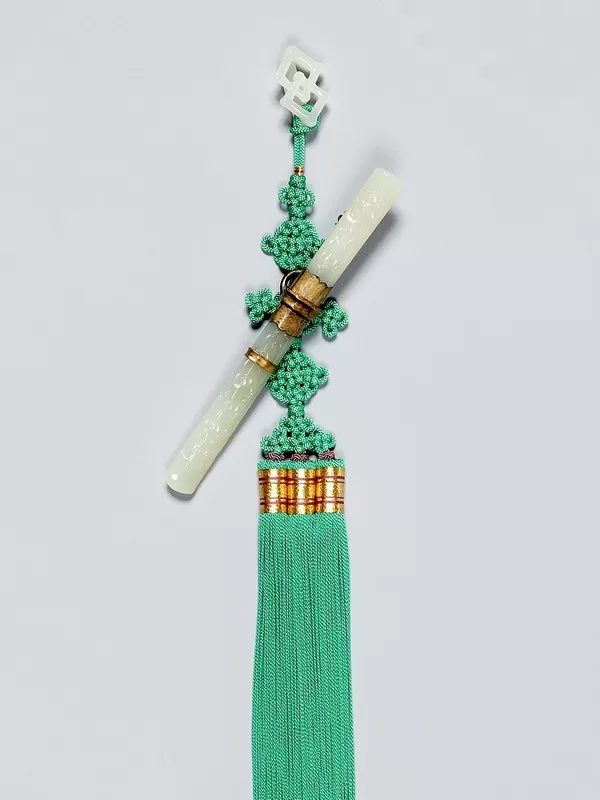
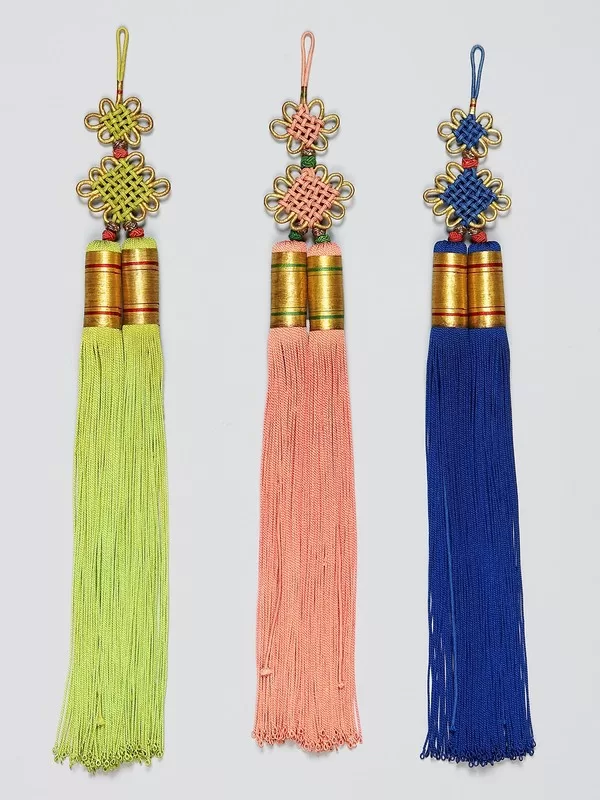
A norigae (노리개) is a traditional Korean ornamental pendant that accessorizes the Hanbok, traditionally worn by Korean women. It usually hangs from the coat strings (called goreum), or the waistband of a skirt. Norigae are made up of several parts including a decorative pendant, silk knotwork, cords, and tassels. Together, these elements create a graceful charm that moves beautifully as the wearer walks.
It’s more than just bling though, it’s a lucky charm. They were believed to bring luck, prosperity, and longevity. Because of this, the materials and shapes chosen often held symbolic meaning.
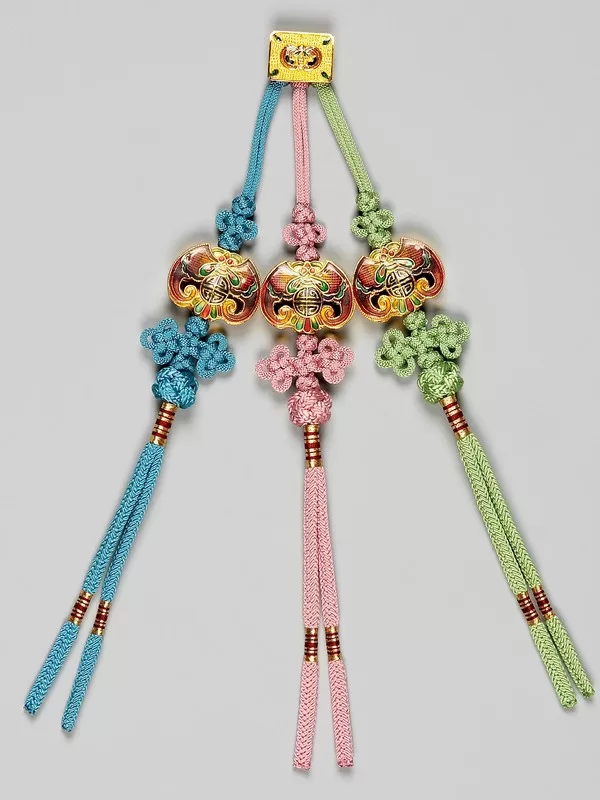
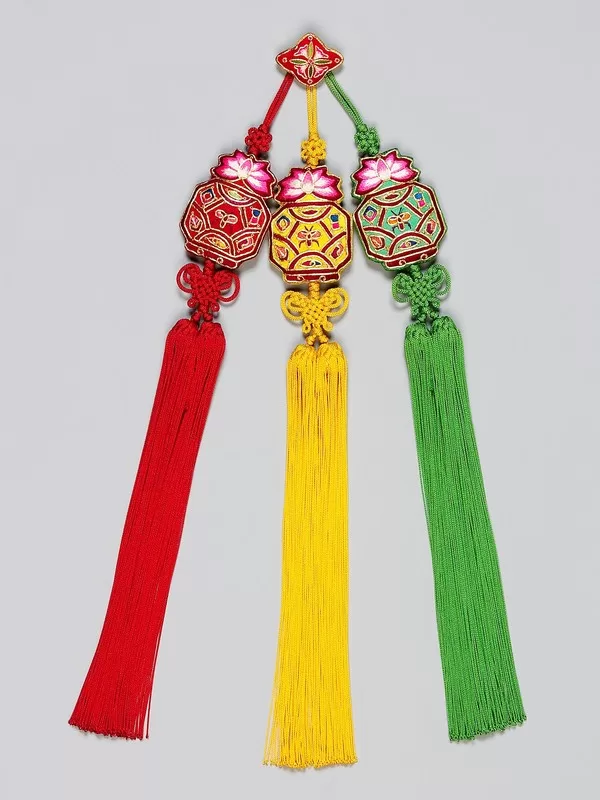
Fun fact: Norigae can come in different sizes so that everyone from infants to adults can wear them. Danjak are single-piece designs, while Samjak are three-part designs. There are also seasonal norigae!
The History of Norigae
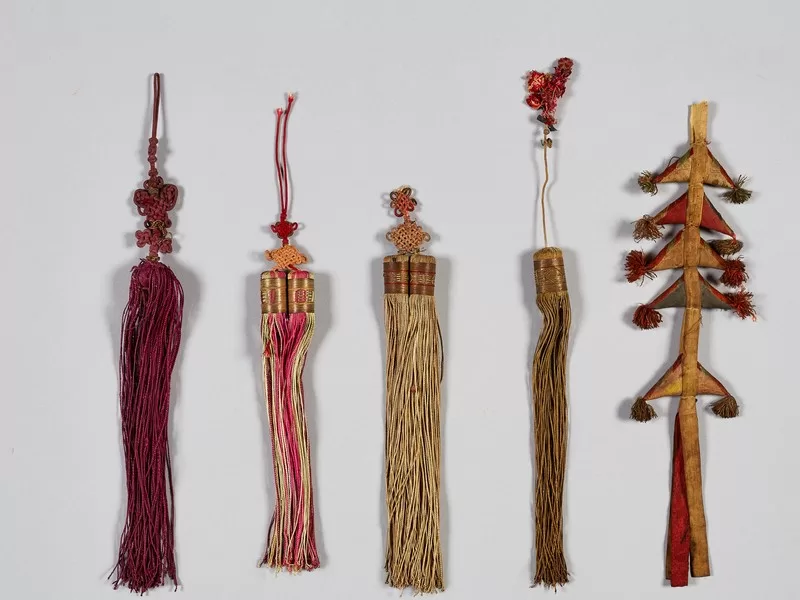
The exact origin of norigae isn’t fully known, but historians believe they evolved from waist pendants worn during the Silla Dynasty (57 BCE – 935 CE). They became particularly popular during the Joseon Dynasty (1392 – 1910) when women commonly wore them with Hanbok for both daily life and ceremonial occasions.
Originally meaning “pretty and playful trinkets”, norigae were loved by women of all classes, from everyday citizens in the market to queens in the palace. In royal courts, norigae could be extremely elaborate.
The materials used often reflected the wearer’s social class with royal or noble women using gold, jade, coral, and other precious stones while commoners often wore embroidered silk or cloth norigae. Despite the differences in materials, the symbolism and beauty of norigae were valued across Korean society.
Fun fact: In Joseon times, King Yeonsangun actually used the size and luxury of a woman’s norigae to rank his consorts. Larger, flashier norigae? Higher rank.
The Meaning and Symbolism of Norigae
Norigae were designed with symbolism in mind. Every element, from the pendant shape to the knot used, could represent a blessing or wish for the wearer.
Common symbolic meanings included:
| Symbol | Meaning |
|---|---|
| Butterfly | happiness and harmony in marriage |
| Lotus | purity and spiritual rebirth |
| Bat | good fortune |
| Longevity character (壽) | long life |
| Dragon | protection and power |
| Twin Hibiscus | prosperity |
These symbols turned norigae into small wearable charms meant to bring good luck and protection.
The Parts of a Norigae
A traditional norigae is made up of several carefully designed components that work together to highlight the beauty of the main ornament.
The four key parts of a norigae:
- Ddidon (띠돈): A decorative hook or clasp used to attach it to the Hanbok. Butterflies, flowers, or geometric patterns are popular shapes for this.
- Paemul (패물): The main ornament, often crafted from precious materials like gold, jade, or silver, with motifs such as lotus flowers, butterflies, or auspicious Chinese characters. The material or shape of this part is what often determines the name of the norigae.
- Maedup (매듭): Braided silk knots. The knot’s size and type balance with the weight of the design of the paemul and is found above and below the paemul.
- Sul (술): The tassel at the bottom, which is often brightly colored silk threads, adds the movement to the norigae.
- Types of tassels:
- Bonsul: Round tassels made by tying threads together
- Ddalsul: Woven tassels
- Nakjibalsul: Tassels made with knotted strings
- Types of tassels:
Korean Knot Symbolism
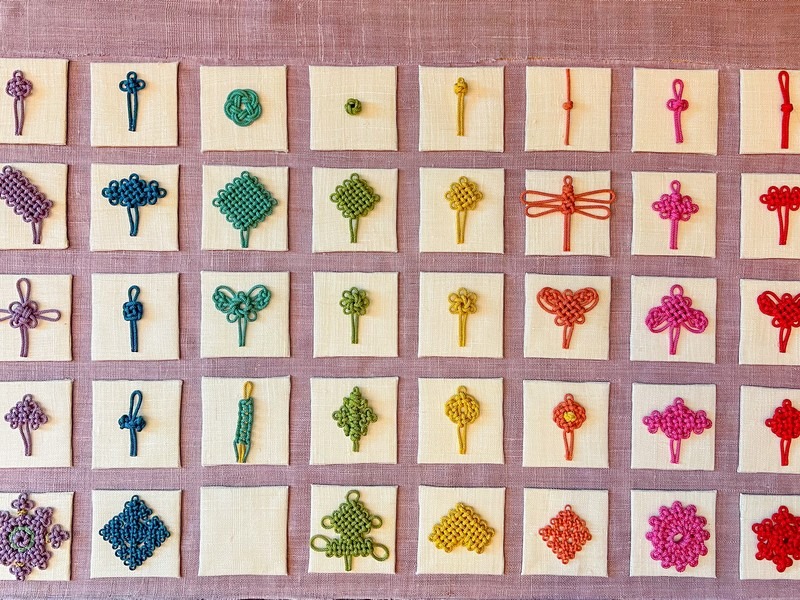
Korean knots used in norigae are not just decorative, each one carries symbolic meaning, and the choice of knot was as deliberate as the choice of pendant. The traditional craft of Korean knotwork is called maedeup (매듭), and it has been practiced in Korea for over a thousand years.
Butterfly knot (나비매듭): One of the most commonly seen knots in norigae, the butterly knot symbolizes love, harmony, and joy in marriage. Its paired, symmetrical form reflects the balance and togetherness of a couple. You’ll often see it used in norigae gifted at weddings or as a wish for a happy union.
Chick knot (병아리매듭): One of the most widely recognized knots today, the chick knot is believed to help the wearer overcome difficulties and hardship. Despite its small, rounded appearance, which does look remarkably like a little bird, it carries a meaning of resilience and perseverance. A meaningful knot to wear during challenging times.
Coral knot (산호매듭): Named for its resemblance to coral branches, this knot symbolizes prosperity and the continuation of one’s family line. It was sometimes displayed during weddings to mark auspicious occasions. The coral knot is one of the more elaborate knots in traditional maedeup and takes considerable skill to tie correctly.
Dragonfly knot (잠자리매듭): Often used in small decorative pouches or incense holders as well as norigae, the dragonfly knot represents balance, grace, and adaptability. The dragonfly is considered a positive symbol in Korean culture, agile and free-moving, and the knot reflects those qualities in its structure.
Peacock knot (공작매듭): A highly decorative and complex knot, the peacock knot takes its symbolism from the bird itself, wealth, honor, and longevity. It was considered an auspicious knot associated with nobility and was often used in norigae made for high-ranking women.
Queen’s Chrysanthemum knot (국화매듭): A royal decorative knot combining nobility with elegance, the chrysanthemum knot symbolizes noble spirit, dignity, and feminine beauty. The chrysanthemum itself has long been associated with the Korean royal court, and this knot reflects that connection. It is one of the most technically demanding knots in the maedeup tradition.

Make Your Own Norigae at LEESLE
If you’d like to experience this traditional craft yourself, you can actually make your own norigae in Seoul. One of the easiest places to try the experience is at Leesle, a modern Hanbok brand with shops in Hongdae and Insadong. Even if you don’t want to make a norigae, it’s worth stopping by because their modern Hanbok designs are beautiful.
Interested in getting your own modern Hanbok? You can buy modern Hanboks online while you’re here in Korea or abroad!
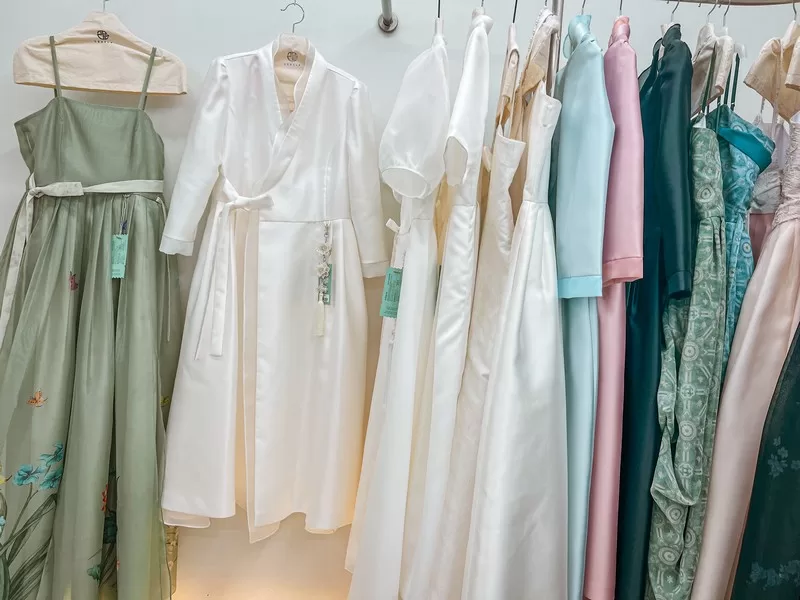
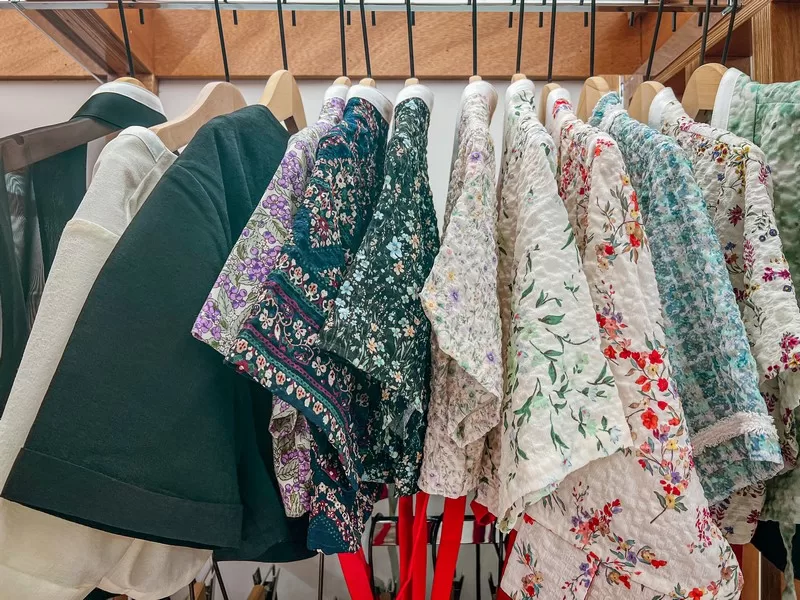
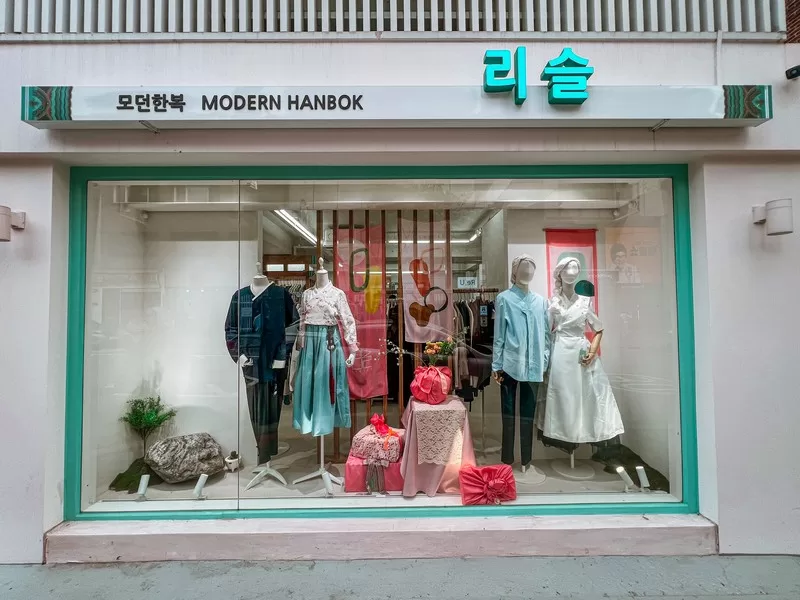
Hongdae Branch (리슬 홍대점)
- Address: 37 Wausan-ro 29-gil, Mapo-gu, Seoul (서울 마포구 와우산로29길 37)
- Hours: Every day: 11:30am ~ 7:30pm
- Norigae Reservations: You can stop in to look at the Hanboks anytime, but if you want to make a norigae, you should make a reservation through Creatrip. This experience has gotten so popular, that they require reservations to partake. They can only accept walk-ins if there are no reservations so don’t miss out.
Insadong Branch (리슬 인사점)
- Address: 4 Insadong 14-gil, Jongno-gu, Seoul (서울 종로구 인사동14길 4)
- Hours: Every day: 10:30am ~ 7:30pm
- Norigae Reservations: Stop in to look at their Hanboks, but if you want to make a norigae or daengi on the premises, make sure to make a reservation through Creatrip to save your time.
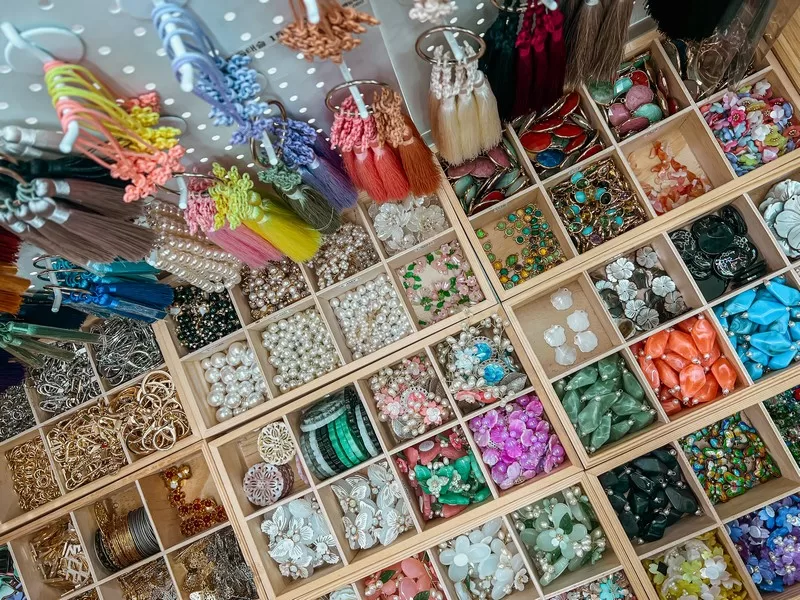
How I made my own norigae
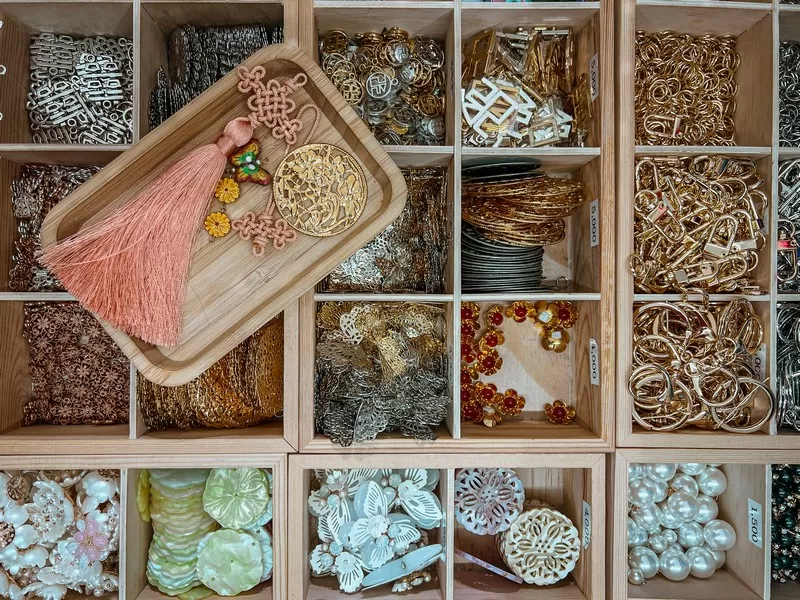
When you walk in, you’re greeted by a central table of beautiful odds and ends that will end up coming together for quite the beautiful norigae. After checking in, take a wooden dish and start piecing together the flowers, butterflies, and knots, finding the colors that you like and the designs that stand out.
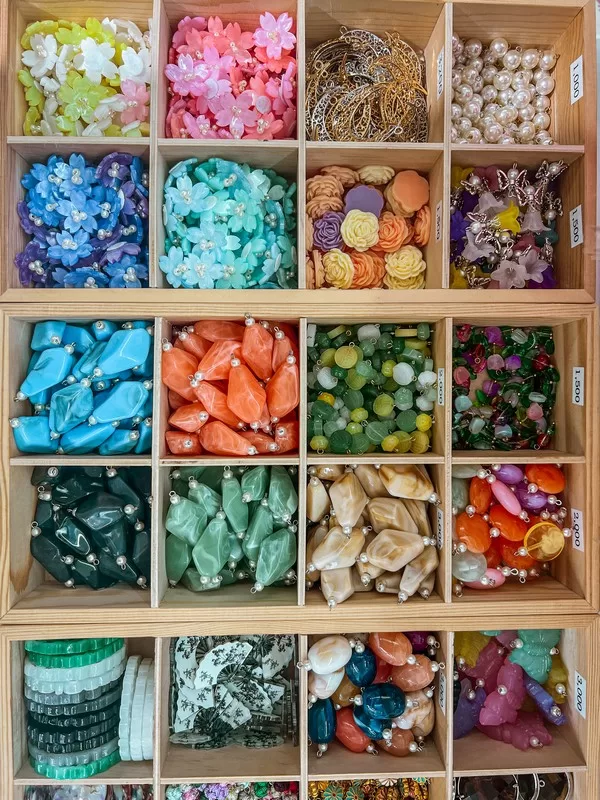
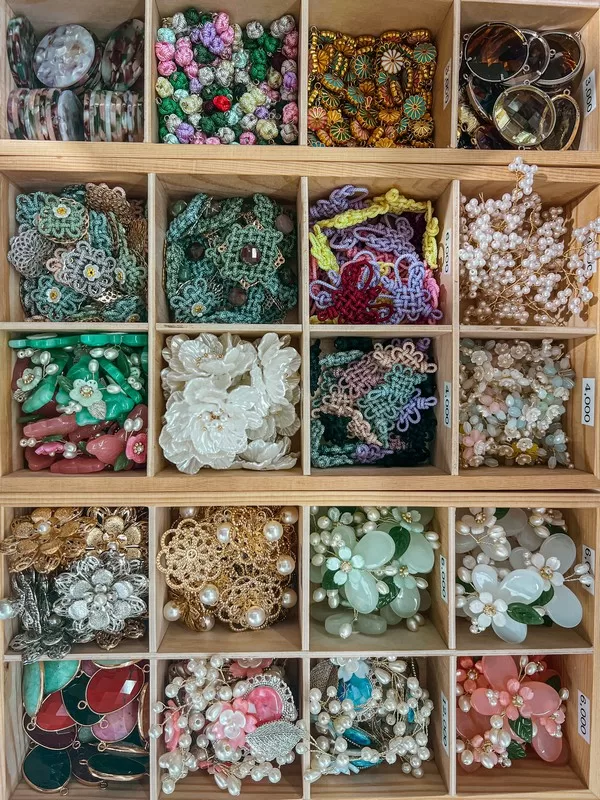
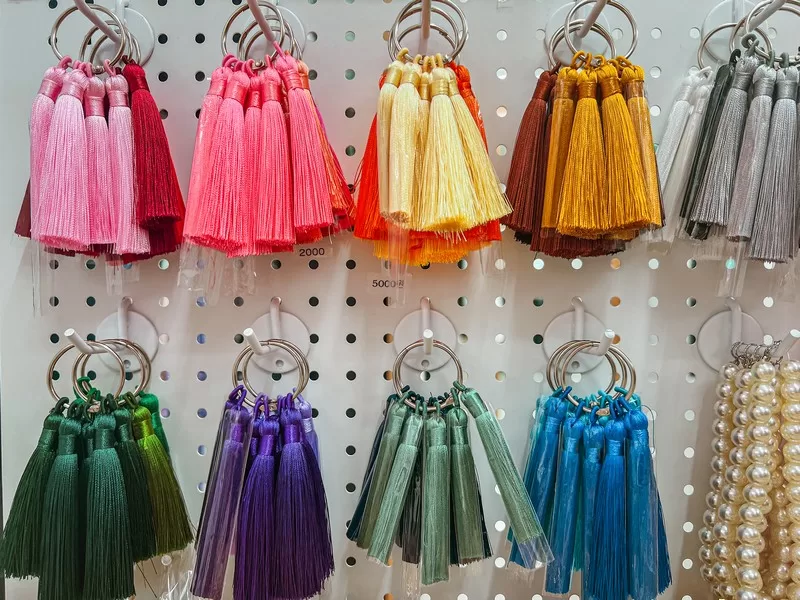
Start by choosing from the wide range of tassels, jewels, and ornaments. Prices vary by material and start at W2,000. I was drawn to the beautiful knot and tassel first and then my color story started to come together. The butterflies and flowers immediately struck my fancy.
Once you’ve got the bits and bobs, take them to a table where the staff expertly showcases how to use a ring and pliers to piece everything together. It’s not so difficult, but the staff definitely make it look easier than I found it. After a few slip ups, the knots were secured, the flowers and butterflies attached, and I had my very own norigae keychain.
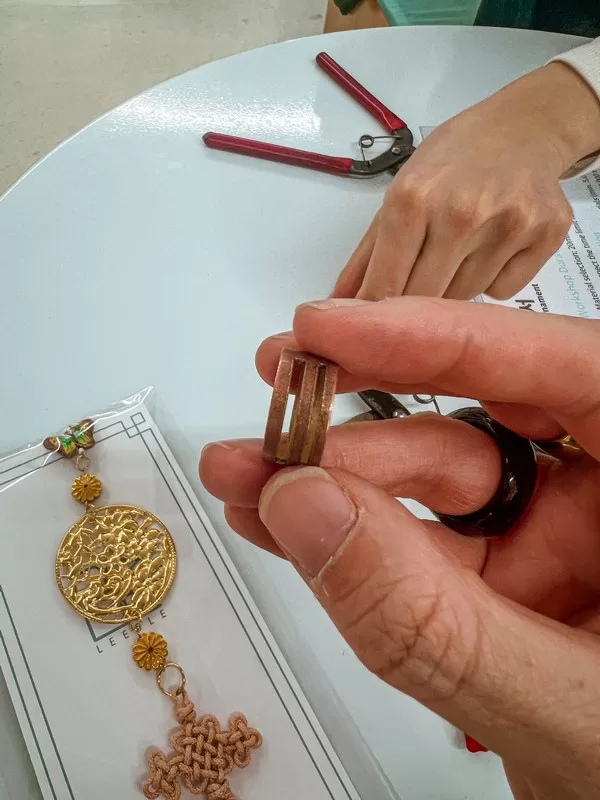
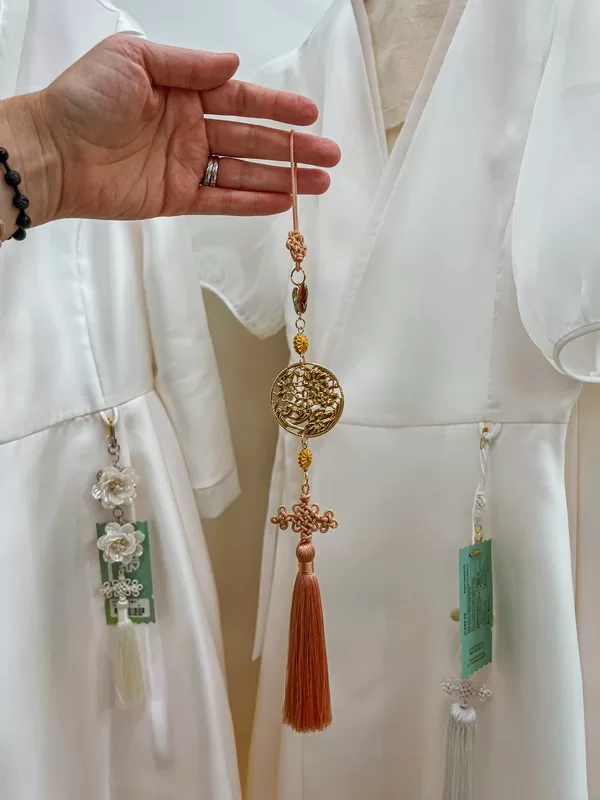
A great thing about this norigae which is a bit different from ones you’ll find in shops is that it’s a keychain so you can attach it to your bag or jacket straight away. Usually, they’re a loop which you need to tie on to something. In total, the experience took just 30 minutes.
If you’re traveling through Hongdae this is a great and quick experience to join. It’s also super kid-friendly. They’ll love making their own unique decoration connected to Korean culture and heritage.
Love crafting experiences? There’s a great experience to actually tie your own norigae knots and and make a traditional bojagi bag with Maison Danha.
Where To Buy Norigae in Seoul
If you’d rather buy a finished norigae than make your own, there are several places around Seoul where you’ll find beautiful options.
Insadong is the most reliable area for traditional crafts and souvenirs. The main Insadong street and the Ssamziegil courtyard complex are full of shops selling handmade norigae in a range of sizes and price points, from small keychains starting at a few thousand won to elaborate silk and jade pieces. Take your time browsing because the quality varies significantly between stalls.
Bukchon Hanok Village has several traditional craft shops and the Dong-Lim Knot Museums sells norigae as well as maedeup items. Pieces here tend to be higher quality and priced accordingly.
Gyeongbokgung Palace gift shop stocks norigae alongside other traditional Korean crafts and is conveniently located if you’re visiting the palace anyway.
LEESLE sells finished norigae in their modern Hanbok shops alongside the making experience. If you visit for the workshop and want to take home something more elaborate than what you made, they have a lovely selection.
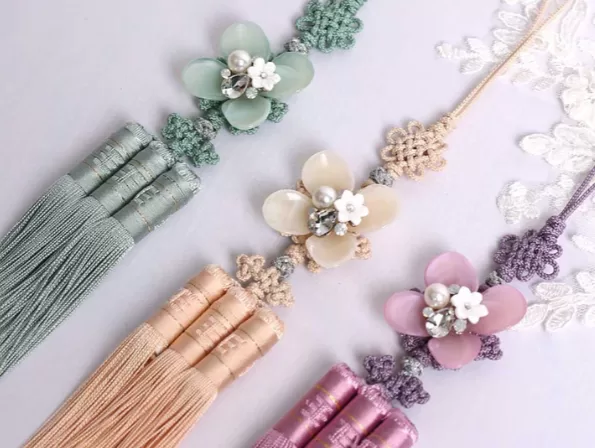
Teterot Salon sells beautiful finished norigae in their modern Hanbok shop in the popular Ikseon-dong district. Stop in to see their norigae accessories and their great modern Hanbok collection.
Buy Norigae Online
If you’re abroad and want to buy a norigae, or if you spotted one in Korea and want to send one home as a gift, there are good options online.
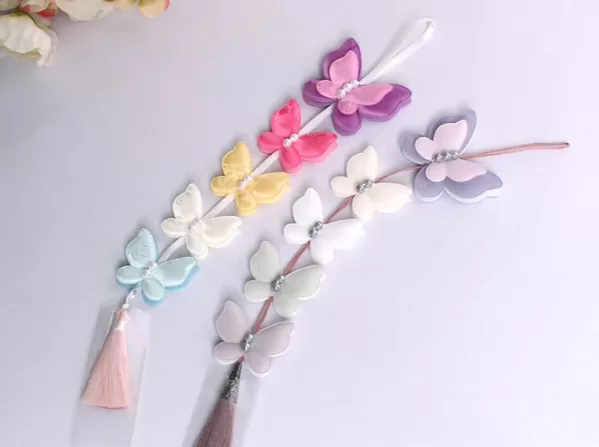
Joteta has an amazing collection of norigae and is the brand I recommend most confidently. They have a range from budget-friendly fabric norigae to high-quality pieces featuring jade, embroidered silk, and traditional materials. They ship worldwide and the quality is consistent, we got a baby Hanbok from Joteta and were genuinely impressed. Their norigae make beautiful gifts, particularly for anyone with a connection to Korea or an interest in Korean culture.
Teterot Salon also has an Etsy page to facilitate international shipping so if you can’t visit their modern Hanbok shop in Seoul, it’s the next best thing. They have fun designs with traditional and modern twists.
Amazon carries norigae options as well, though the selection is more limited and quality varies among the specialist sellers so make sure to read reviews. This is best for readers who need something quickly and reliably delivered.
FAQ
What does norigae mean?
Norigae refers to a traditional Korean pendant worn with hanbok. These decorative charms often contain symbolic knots and tassels believed to bring luck and prosperity.
Are norigae still worn today?
Yes. Norigae are still worn with traditional hanbok for weddings and cultural ceremonies like jesa rites, but they are also commonly used today as bag charms, when wrapping gifts with bojagi, or as keychains.
Can tourists make a norigae in Seoul?
Yes. Several hanbok shops in Seoul offer norigae-making workshops where visitors can create their own traditional charm.
What is the difference between danjak and samjak norigae?
Danjak (단작) norigae feature a single pendant, a simpler, more streamlined design. Samjak (삼작) norigae have three pendants hanging together, creating a more elaborate and visually striking piece. Samjak norigae were traditionally considered more prestigious and were more commonly worn by noblewomen and at formal occasions.
What materials are traditional norigae made from?
Traditional norigae use a range of materials depending on the wearer’s social status. Royal and noble women wore norigae featuring gold, jade, coral, amber, and semi-precious stones. Commoners wore norigae made from embroidered silk, cloth, and wood. The silk knotwork (maedeup) and tassels were present in norigae of all social classes, though the silk quality and complexity of the knots varied.
Can I wear norigae if I’m not wearing a Hanbok?
Absolutely. Modern norigae are worn in many ways, as bag charms, keychain decorations, hair accessories, and gift wrapping embellishments with bojagi cloth. The traditional attachement to a Hanbok is the original context, but norigae have comfortably moved into everyday modern use as a way to carry a small piece of Korean culture and symbolism with you.
Norigae may look like simple charms, but they hold centuries of Korean history, symbolism, and artistry. Each knot, tassel, and pendant reflects traditional beliefs about luck, protection, and prosperity.
Did you like this post? Pin iT!


2 Comments
Stephanie
Where do you get the materials to make the norigae. I have been coordinating with my mom (Who is Korean and was born and raised in Korea) on colors and I’m looking for the cording and threads to make my own norigae and eventually one for my mom. Are you able to make any suggestions?
Hallie Bradley
While some of the cording might be special, the ones I’ve seen aren’t so different from standard cord you can find at a craft shop. If your mom is in Korea and wondering though, she might reach out to the Knot Museum in Bukchon or visit there, I’m sure they’d have good feedback. Or, you could contact them here -> http://shimyoungmi.com/#contact