Korean Poop Culture: Why Koreans Are Obsessed With Poop
Last Updated on September 29, 2026
There’s an obsession with poop in Korea that I’ve just never understood so I decided to do a deep dive into the obsession to learn myself and I’m going to share all of my findings because it’s honestly fascinating. If you have kids, read this with them, they will likely enjoy this topic of conversation as well. Oh the things I’ve learned. Poop is discussed in Korea much more than I ever heard it discussed back in the States and I’m pretty sure my mom would never be able to live here because of that. Not to say it’s bad, I have appreciated the openness. But it’s just so surprising where it arises… there are poop icons drawn on windows and stickers with poop swirls given to students for a job well done, even poop-themed cafes and fun spaces.
Poop simply isn’t a taboo topic in Korea. For most of Korean history, human waste was precious farm fertilizer (on Jeju, pigs were even raised underneath the family toilet). Dreaming about poop is considered a sign that money is coming, parents give babies nicknames like “dog poop” to keep bad luck away, and Buddhist temples call the toilet “the place where you relieve your worries.” It’s even in words that you wouldn’t expect it to be. I loved happening on some poop when I learned what “shooting star” was in Korean, it was so funny it made it into my article on funny Korean words and phrases.
Today, poop is a cute, everyday character in Korean kids’ books, school stickers, street snacks, and slang. Put all of that together and you get a culture that finds poop more funny, lucky, and useful than gross.
Once you start reading Hangul, you’ll start to spot “ddong”, or poop, more places than you might have realized. Get ready to dive into number 2 in Korea:
- How To Say Poop in Korean
- Poop Isn’t Taboo in Korea
- Poop Was Precious: Korea’s Farming Roots
- Jeju’s Toilet Pigs (Ddong-dwaeji)
- Poop Dreams Mean Money
- Why Some Korean Babies Were Named “Dog Poop”
- Mr. Toilet and the Toilet-Shaped House
- Why Temple Toilets Are Called “The Place to Relieve Worries”
- Poop in Korean Kids’ Culture
- Poop You Can Eat
- Poop in the Korean Language
- FAQ
(This post contains affiliate links, which means I receive a certain percentage of a sale if you purchase after clicking at no cost to you. Thank you for your support.)
How To Say Poop in Korean
Ddong (똥) is the everyday word, and it’s what you’ll hear most. Eungga (응가) is the baby-talk version parents use with toddlers (think “poo-poo”). Daebyeon (대변) is the formal word you’ll see at the doctor’s office or on a medical form, and byeon (변) is a shorter polite version. To say you need to go, a casual option is 똥 마려워 (ddong maryeowo), “I need to poop,” which you’ll mostly hear from kids and very (very) close friends.
Poop Isn’t Taboo in Korea
While I learned to be a bit more hushed when discussing bowel movements back home, Koreans certainly aren’t. Among friends and family I mean. I remember the first few times I visited my parents-in-law’s house and my mother-in-law really tried to feed me well. But, as often happens to people in new maybe stressful places with food they don’t eat three meals a day usually, I couldn’t go to the bathroom.
When asked why I wasn’t eating or wasn’t hungry or this and that, I would try to politely explain in a roundabout way: I was full. I’m going to take a walk, feel free to eat with out… My husband on the other hand just jumped in and said I was constipated and there-in started a whole conversation about my poo. I was embarrassed but no one else was and I learned not to be over many many years, though I still get a bit quieter when the topic comes up.
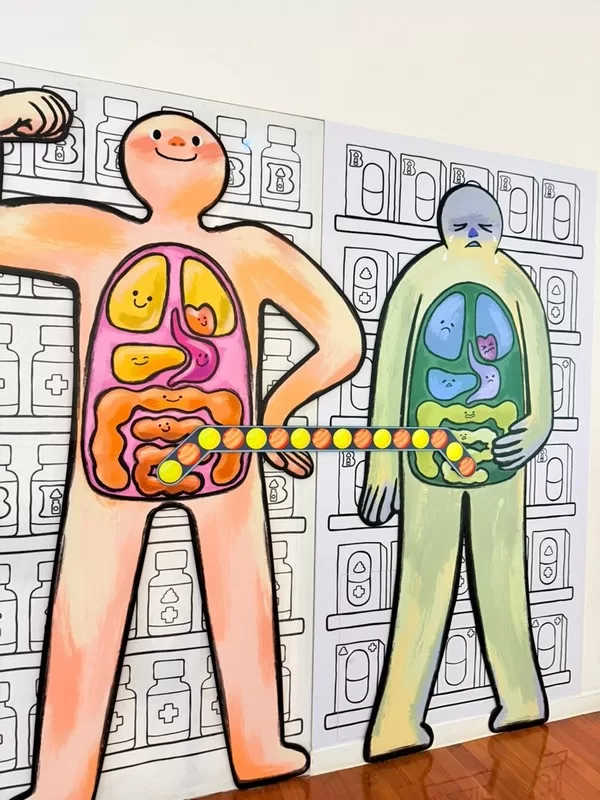
Here, digestion is simply treated as part of your health, the same way you might ask someone how they slept. Which foods keep you regular, which ones back you up, and whether you “went” this morning are all perfectly normal things to talk about, especially within families.
Poop Was Precious: Korea’s Farming Roots
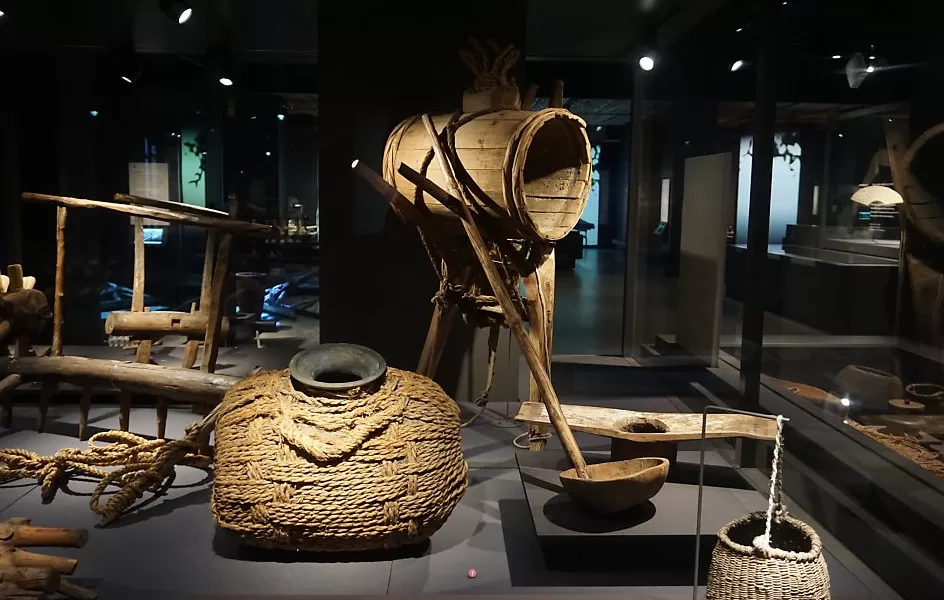
For most of Korean history, poop wasn’t waste. It was fertilizer. I just finished reading the book The Island of Sea Women, and it comes up in that numerous times. Before chemical fertilizers arrived, farming families collected human and animal waste, let it break down, and spread it on their fields to grow the rice, barley and vegetables that fed them. There’s a saying that goes “You may give a bowl of rice to others, but you will not give a basket of manure” (한 사발의 밥은 남에게 줘도 한 삼태기의 거름은 주지 않는다) showing how extremely important the manure was to the agrarian society.
It wasn’t the only saying, either. The National Folk Museum of Korea records farm sayings like “a bowl of poop is a bowl of rice” (똥 한 사발이 밥 한 사발이다) and even an old rule that you should always go home to poop, or at least do it in your own field if you couldn’t make it back. Nobody wanted to give their precious fertilizer away to the neighbors.
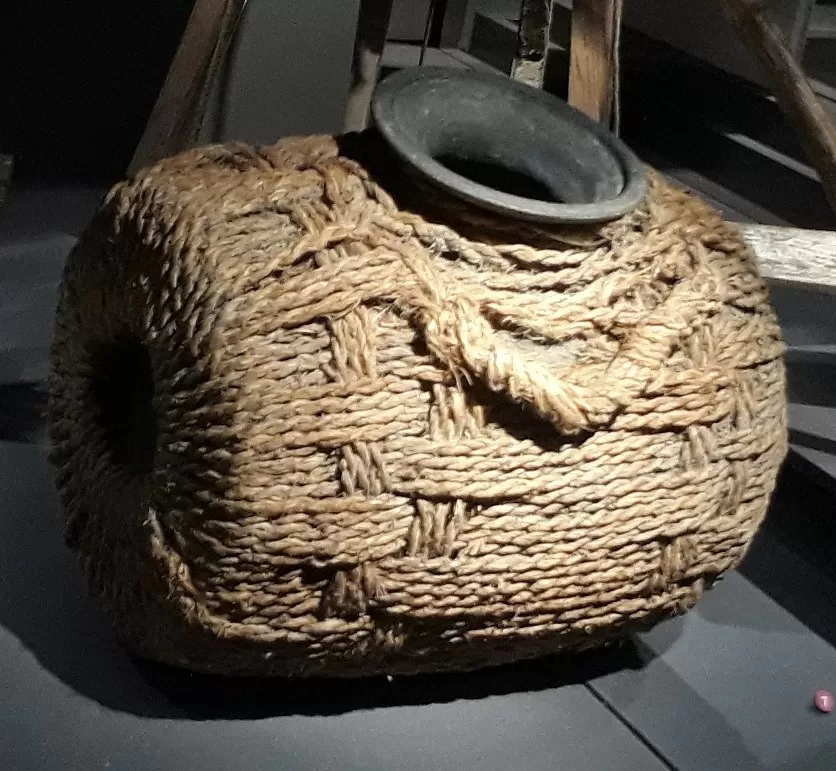
As it had to be collected, there was even a special earthenware jar just for hauling it, nicknamed the ddong-janggun (똥장군), which translates to something like “poop general.” Not to get into the whole process too deeply, but there is a whole process wherein the feces was first allowed to decompose sufficiently and then diluted before being applied to the land which usually happened in late autumn or early spring.
When the thing that feeds your family depends on poop, it’s hard to see it as shameful I suppose. It just becomes matter of fact. A lot of Korea’s grandparents grew up in villages just like that, and that matter-of-fact attitude got passed down.
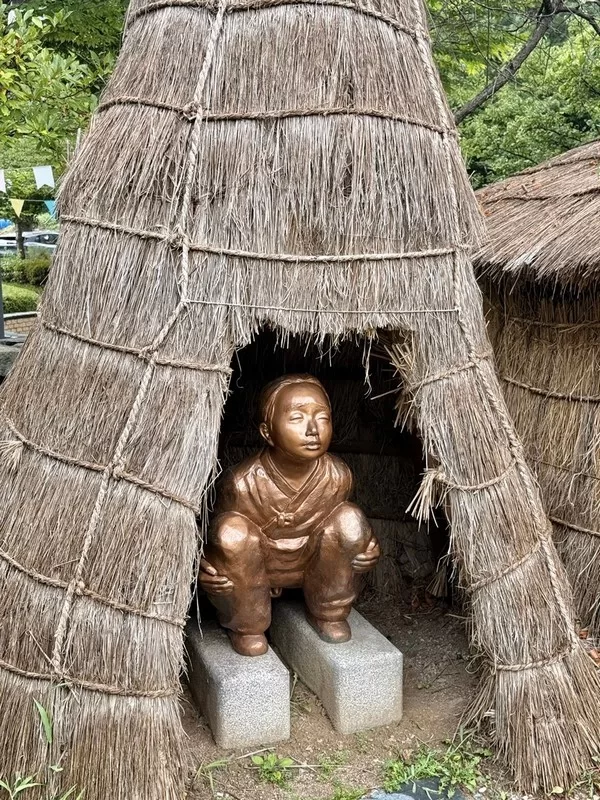
Jeju’s Toilet Pigs (Ddong-dwaeji)
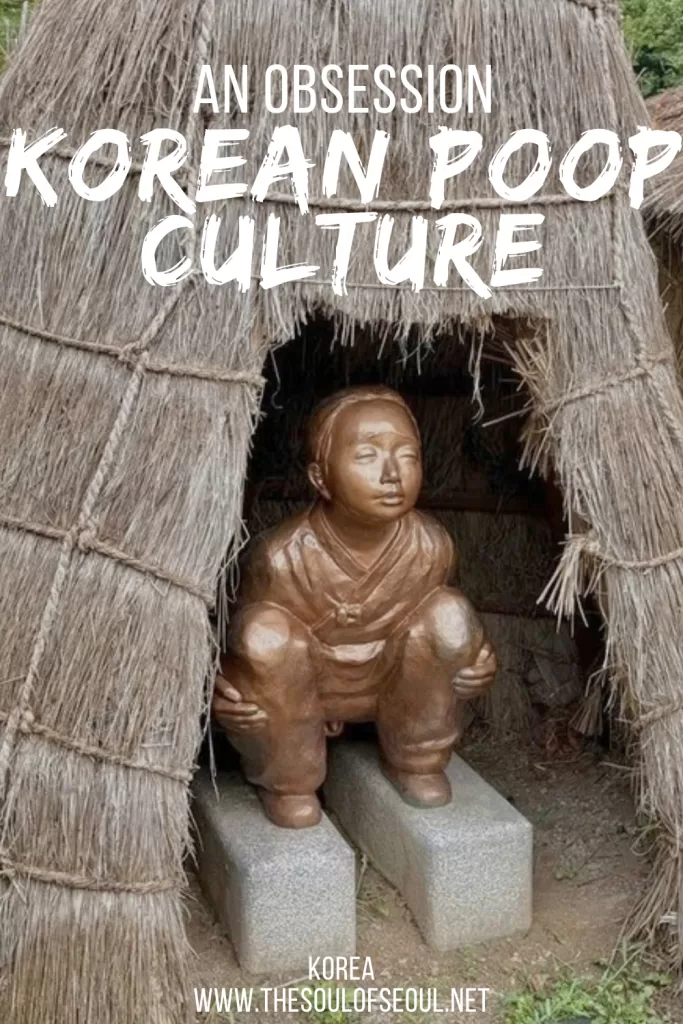
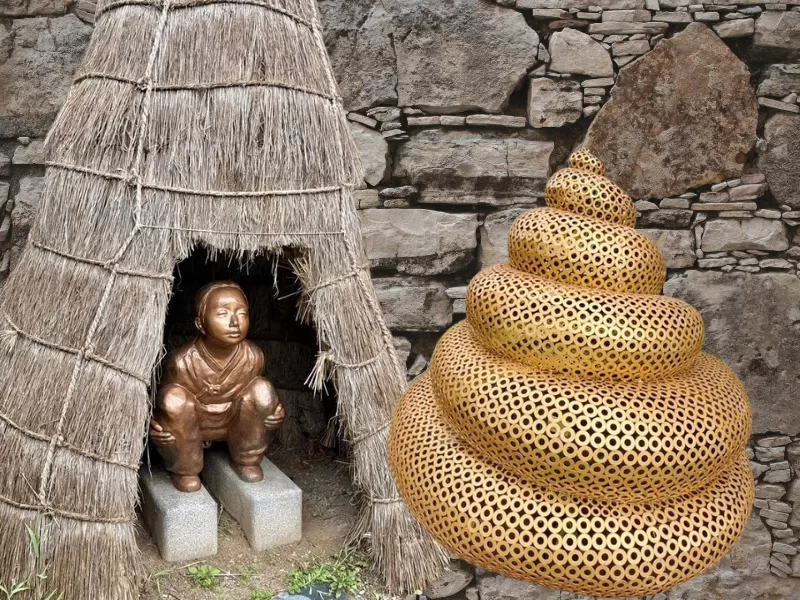
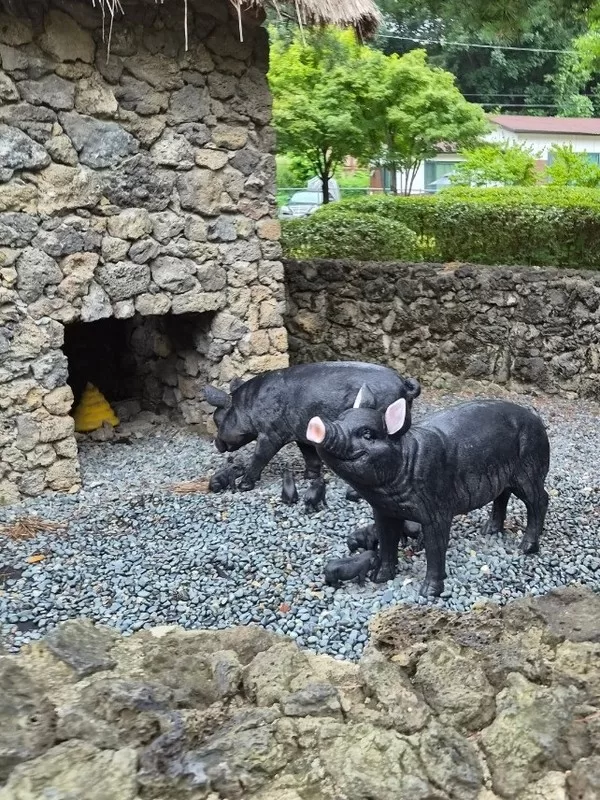
Traditional Jeju homes had an outdoor toilet called a dottongsi (돗통시). “Dot” is Jeju dialect for pig and “tongsi” means outhouse. It was a combination toilet and pigpen. It was a small enclosure ringed with a low black basalt wall. On one side, two flat stones were set up high so a person could squat over the edge, and down below lived the family’s black pig, which ate what fell. There are various versions of outhouses you can see across the country at the toilet culture museum which I talk about below.
The use of pigs in the outhouse may sound shocking now, but it was a clever system for a rocky island where there often wasn’t enough food for people, never mind pigs. The pig ate the waste, the barley straw on the pen floor mixed with the pig’s manure to become fertilizer, that fertilizer grew the barley, and the family ate the barley.
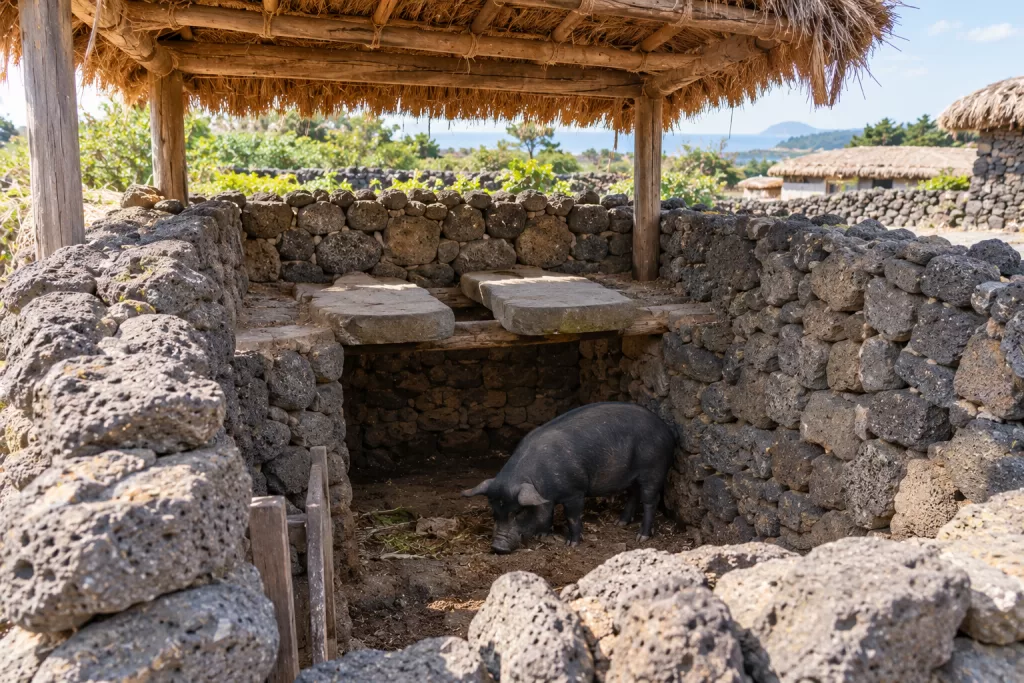
That’s why Jeju pigs were nicknamed ddong-dwaeji (똥돼지), or “poop pigs,” well into the 1970s. As Jeju developed as a tourist destination in the late 1970s, a government campaign pushed out the old outhouses as unsanitary, though some rural villages reportedly kept using them into the late 1980s. (Digital Seogwipo Culture Encyclopedia; Kyunghyang Shinmun) Today, Jeju black pork (heuk-dwaeji) comes from modern farms, not backyard toilets, so you can order your black pork barbecue without a second thought.
If you want to see one of these outhouses, visit places like the Jeju Folk Village or the Seongeup Fortress Village to see recreated dottongsi on display.
Poop Dreams Mean Money
You can go back pretty far in Korean history and find droppings… or inklings of poo. An old Korean superstition says that one will be prosperous if he/she dreams of poo. These days some people will go out and stock up on lottery tickets when they have the dream. Would you? Learn about some other interesting Korean superstitions in this guide if you’re interested.
A poop dream (똥꿈, ddong-kkum) sits right up there with a pig dream as one of the luckiest dreams you can have in Korea. When your whole family’s survival depended on a good harvest, and a good harvest depended on poop, it makes sense that poop came to stand for abundance. The general rule is that the more poop in the dream, the bigger the fortune. Stepping in it, getting covered in it, finding a toilet overflowing with it? All good news, apparently. Anyone ever see that TV show called Dirty Jobs with Mike Rowe? It made me think about that just writing this.
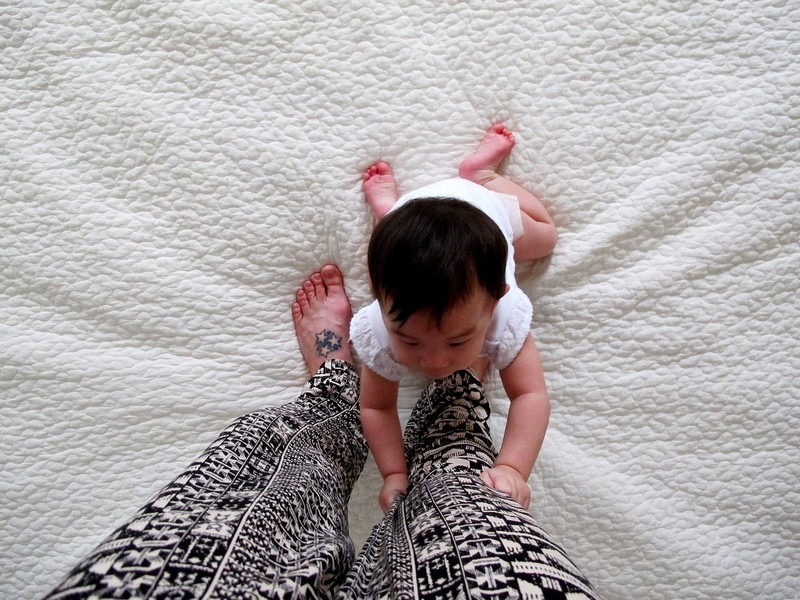
Why Some Korean Babies Were Named “Dog Poop”
If you become pregnant in Korea, you’ll often hear about the nickname, or asked about the nickname, given to the fetus. This isn’t the name to be, it’s just a nickname, called the taemyeong (태명) in Korean.
But there’s also a nickname that comes after the child is born, the amyeong (아명). I didn’t know about this one until doing this research, though I immediately knew what my husband’s amyeong for our daughter was after learning about it, though I always just assumed it was something specific to him. It isn’t.
Because so many babies didn’t survive infancy, children weren’t really introduced to the world until they made it to their 100th day, celebrated with a baegil (백일), and the first birthday, the dol (돌), was an even bigger milestone. For families that were especially worried about losing a child, they would often choose the ugliest, lowliest nickname they could think of. The idea was that evil spirits and bad luck would ignore a child with a worthless-sounding name, so the child would grow up safe and live a long life.
One of the most popular choices? Gae-ddong-i (개똥이), “dog poop.” Even King Gojong, Korea’s last Joseon king and first emperor, was reportedly called Gae-ddong as a small child by his father before being given another childhood name, Myeong-bok (명복), meaning “blessed life.” (Geumgang Ilbo)
Personal aside: While we weren’t referring to our daughter as gae-ttong-i (개똥이), my husband’s cutesy nickname for our daughter since she was little has been ddong-banggu (똥방구), or poop fart. It certainly doesn’t sound quite right in English, but it’s a term of endearment, makes us all chuckle, and does carry the weight of unconditional love. It’s kind of like admitting that you love someone even more than even the grossest part of them.
Mr. Toilet and the Toilet-Shaped House
You can’t talk about Korea and toilets without Sim Jae-duck, the former mayor of Suwon (1995 to 2002) who was so devoted to clean public restrooms that he became known as “Mr. Toilet.”
His connection to toilets started on day one. His mother had lost two children before him, so his grandmother insisted that her next baby be born in the outhouse, following the old belief that it would help the child live a long life. Sim Jae-duck was born in his grandmother’s toilet, and he later joked that this made him a “gae-ddong-i” and that his life’s work was fate. (He told the story himself in a 2008 interview with Happy Home magazine.)
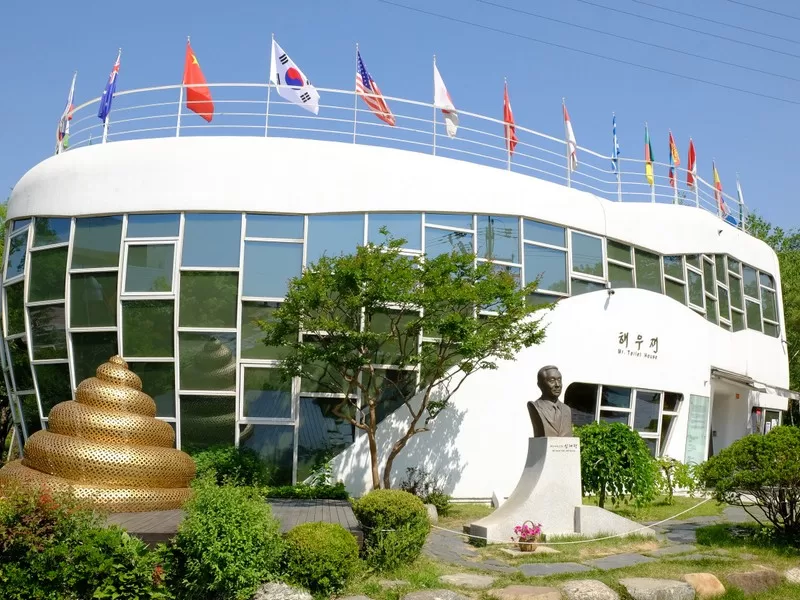
As mayor, he led a campaign to turn Suwon’s public restrooms into some of the cleanest and most beautiful in the country ahead of the 2002 World Cup. In 2007, he became the founding president of the World Toilet Association, and to celebrate, he tore down the house he had lived in for about 30 years and built a new one shaped like a giant toilet. He named it Haewoojae (해우재), “a house for relieving worries,” after the temple haeuso (more on that below). The Korea Record Institute recognized it as the largest toilet-shaped structure in Korea.
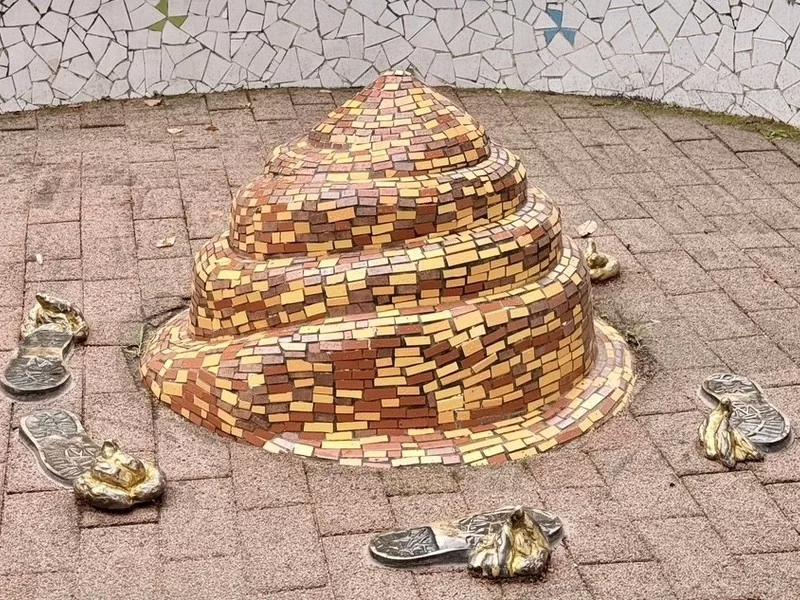
The showpiece of the house was a bathroom right in the middle of the ground floor with glass walls. Music played automatically when you walked in, and with the flip of a switch, the clear glass turned opaque for privacy. After Sim Jae-duck passed away in 2009, his family donated the house to the city, and Suwon reopened it in 2010 as a free toilet culture museum, complete with a garden of statues of people squatting and doing their business. I cover visiting details in my guide to Suwon, it’s a great stop if you’re looking for things to do with kids near Seoul.
Interesting connection: My husband actually wrote three songs with his band Every Single Day for the World Toilet Association in 2009 to help promote global sanitation awareness and hygiene dignity. The songs were in both Korean and English and I actually got to sing backup on the English versions!
Why Temple Toilets Are Called “The Place to Relieve Worries”
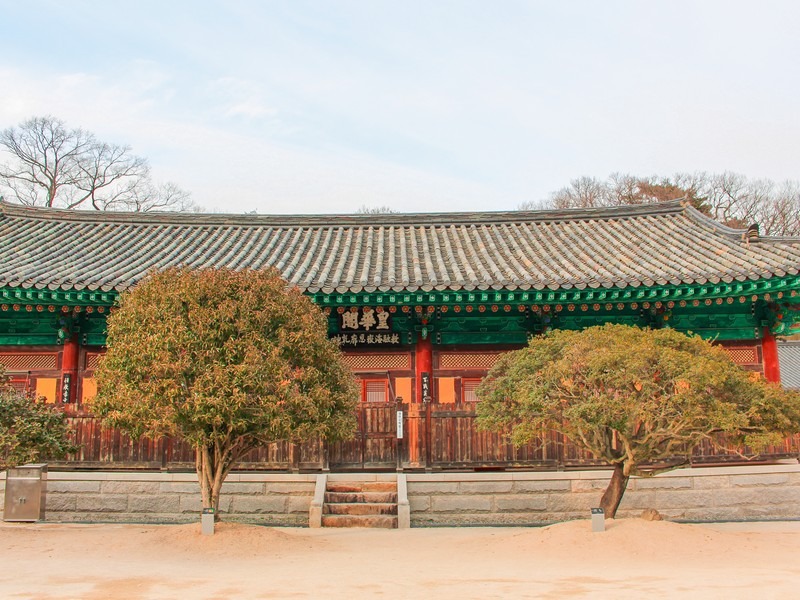
If you’ve ever done a temple stay or needed a bathroom at a Buddhist temple in Korea, you might have seen the sign 해우소 (haeuso). It means “the place where you relieve your worries,” which is honestly the loveliest name for a toilet I’ve ever heard.
The name is credited to the monk Gyeongbong (경봉), who lived at Geungnakam Hermitage at Tongdosa Temple and hung the sign in the 1950s. He actually named two spaces: haeuso for doing your big business, or number 2, and hyugeupso (휴급소), “the place to rest your hurry,” for the quick stop, number 1. His reasoning was that the most urgent thing in life is figuring out who you are, and yet people rush around worrying about things that aren’t urgent at all. So in one room you let go of your worries, and in the other you let go of your hurry. Haeuso caught on at temples across the country. Hyugeupso, however, did not.
Poop in Korean Kids’ Culture
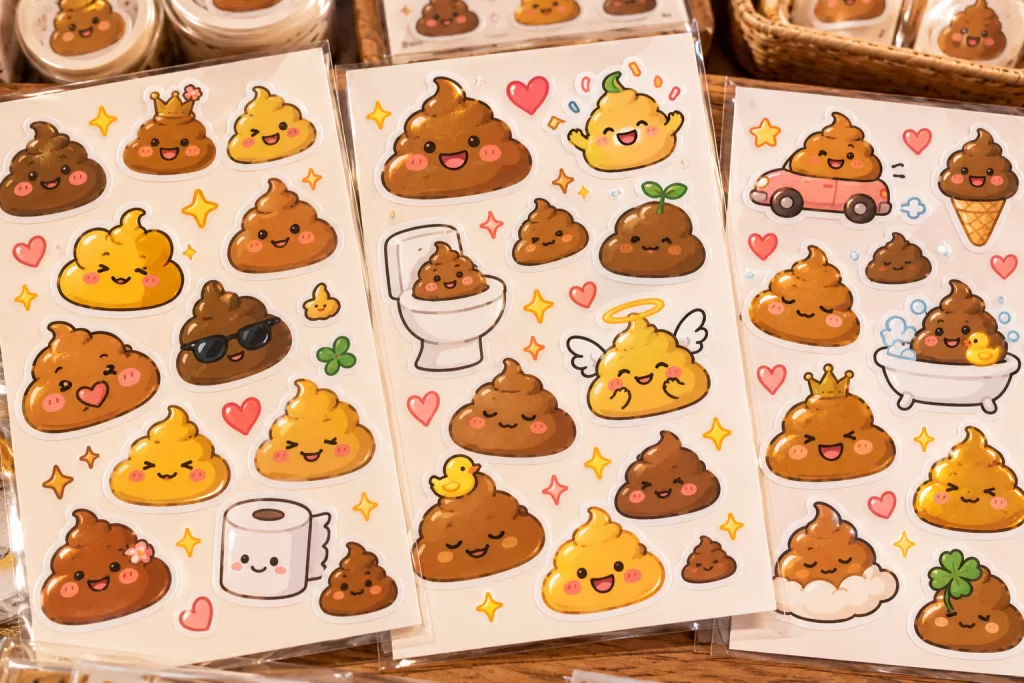
If you have kids in Korean schools (or teach in one), you’ll see poop everywhere. Teachers hand out poop-swirl stickers for good work, and kids use the cute word 응가 (eungga) long before they learn anything more polite. I’m not sure any American child would ever even consider drawing a smiley face on a poop swirl as they sit in class doodling at school, and yet I’d see them often when I taught.
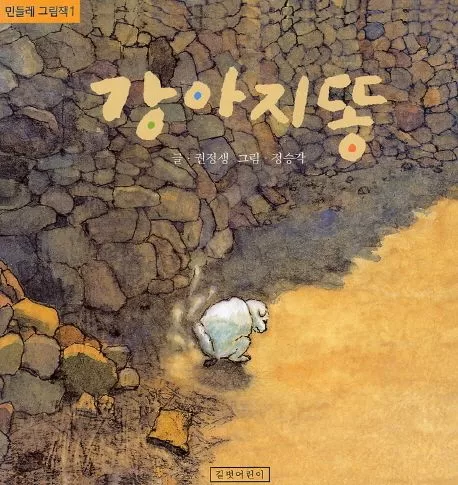
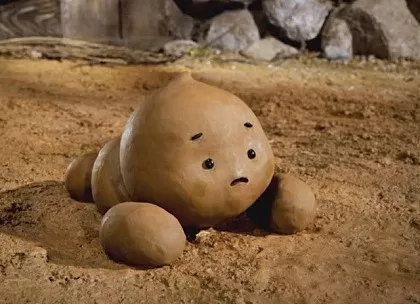
A popular Korean children’s story is literally about poop. Kkangaji Ttong (강아지똥, “Puppy Poop”), by Kwon Jeong-saeng, was first published in 1969 and tells the story of a little dog dropping that everyone avoids because it’s dirty. It feels completely worthless until a dandelion tells it that it needs fertilizer to bloom, and the puppy poop gives itself up to help the flower grow. The 1996 picture book version has sold more than a million copies, it was later turned into a clay animation, and generations of Korean parents have read it to their kids. It’s a surprisingly moving story about how nothing in the world is useless, and it tells you a lot about how Koreans think about poop: not just gross, but worthwhile. And that’s just ONE of the many poop books available when you head to your nearby library in Korea.
Another part of children’s culture that I will never get used to and has caused me to flip around and ready to pounce on a kid more than once in gut reaction is the ddong-chim (똥침), or the “poop needle.” Kids clasp their hands together, point their index fingers and jab them at an unsuspecting person’s backside, a cute prank… an uncomfortable prank to be sure. Every Korean kid knows it, and plenty of teachers (and parents) have been on the receiving end.
My daughter definitely brought this home from school when she was little and was sat right down to unlearn it just as quickly. It was hard not to laugh when I flipped around though and saw her face. She was in kindergarten and it was definitely akin to a harmless prank she thought was great fun to try on mommy. I thought it’d be more fun if she tried it on daddy.
Poop You Can Eat
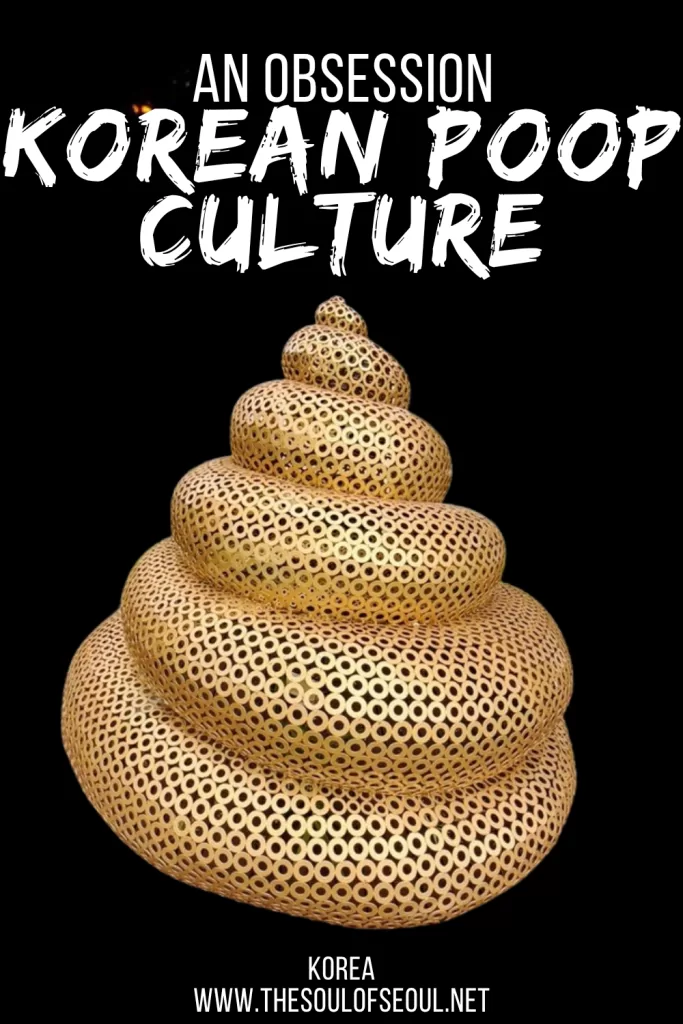
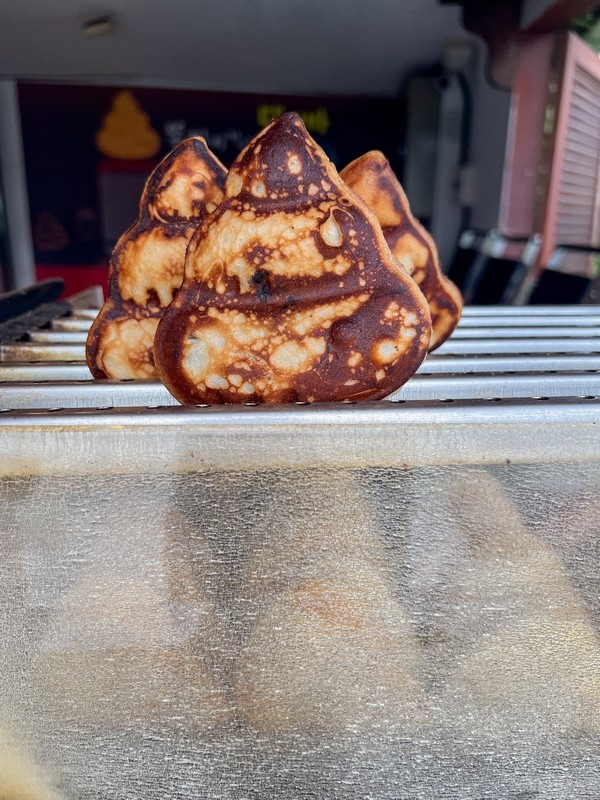
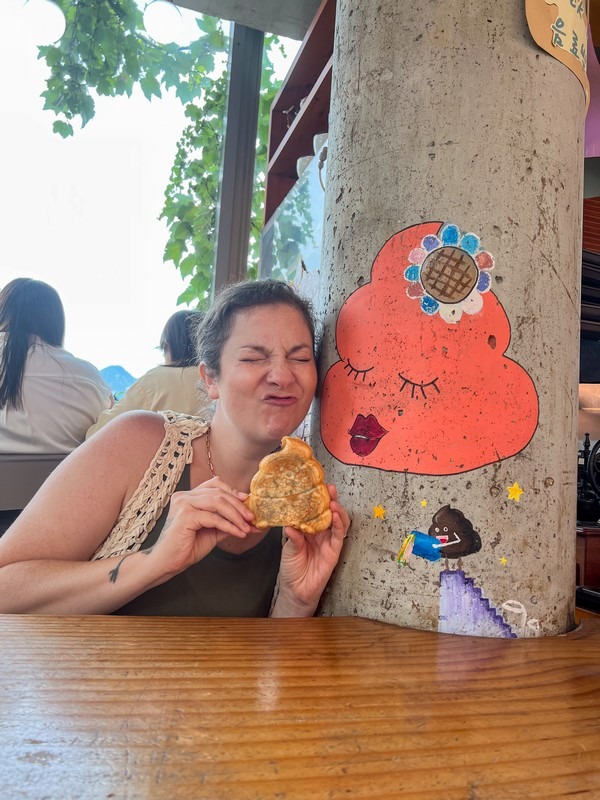
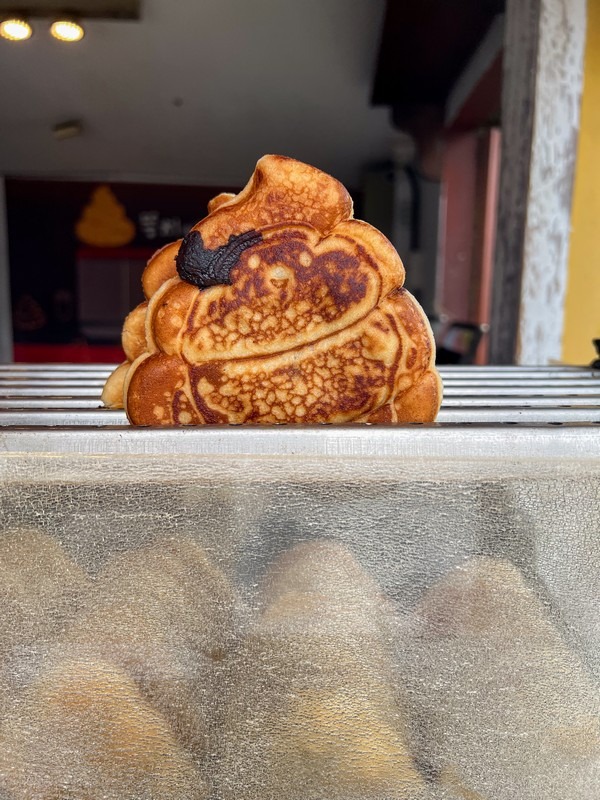
Korea has taken the cute poop swirl and turned it into snacks, too. The most common is ddong-ppang (똥빵), a poop-shaped cousin of bungeo-ppang (the fish-shaped street snack), baked in a special mold and usually filled with sweet red bean, sometimes with walnuts, chocolate or Nutella. In Insadong, Ddonga Hotteok (똥아호떡) sells ddong-ppang along with a poop-themed twist on hotteok, the popular sweet pancake.
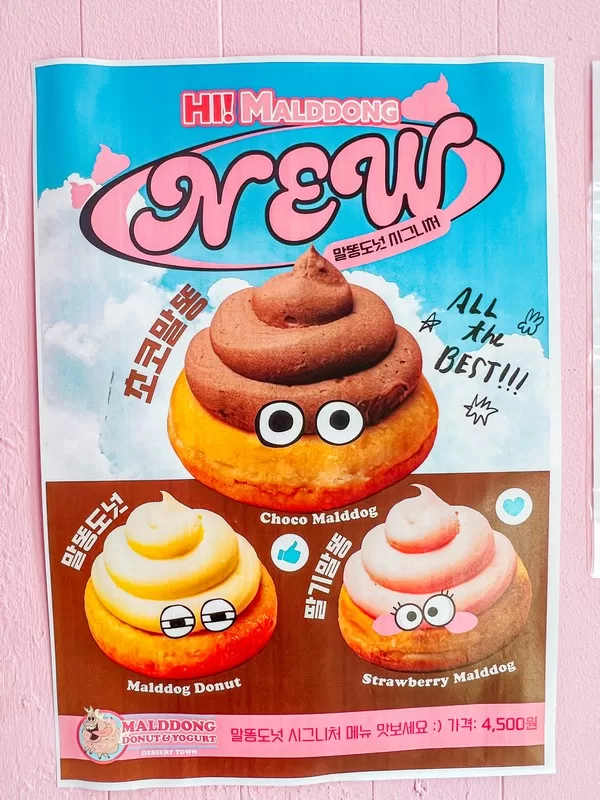
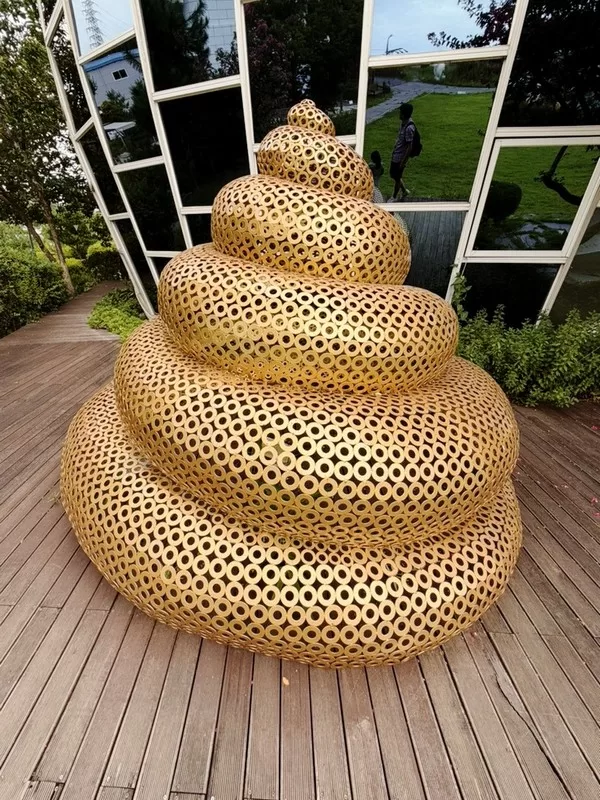
Then there are the poop-themed bakeries. Paju’s giant Dirty Trunk cafe sells an “elephant poop bread,” and the joke inspired a spin-off brand called Maldong Donut (말똥, “horse poop”), which now runs the old poop cafe space in Insadong, complete with toilet bowl mugs and poop-shaped donuts.
Poop in the Korean Language
The fascination even comes up when you least expect it. The word for shooting star, which to me used to conjure up romantic starry night visions is byeol-ttong-byeol (별똥별) in Korean which literally means “a star that poops a star.” It doesn’t sound so romantic or make you want to wish on one now does it? There are some other words that might surprise you too…

Words With 똥 That Have Nothing To Do With Poop
I will say that as I was chuckling to myself about these words, my husband was listening and said that when he says words like “shooting star” though, he’s not thinking about poop or the literal translation. It’s just a word. As a Korean-learner, I’m pretty literal as I imagine others are. But take that into consideration, it’s not like the language purposefully added poop into words I suppose.
| Korean | Romanization | Literal meaning | What it actually means |
|---|---|---|---|
| 별똥별 | byeol-ddong-byeol | Star poop star | Shooting star |
| 개똥벌레 | gae-ddong-beolle | Dog poop bug | Firefly |
| 똥강아지 | ddong-gangaji | Poop puppy | A term of endearment for a cute little kid |
| 똥값 | ddong-gap | Poop price | Dirt cheap |
| 똥볼 | ddong-bol | Poop ball | A badly shanked kick in soccer |
| 똥폼 | ddong-pom | Poop pose | Trying way too hard to look cool |
| 똥배짱 | ddong-baejjang | Poop guts | Reckless nerve or stubborn bravado |
| 개똥철학 | gae-ddong-cheolhak | Dog poop philosophy | Someone’s half-baked personal philosophy on life |
| 기똥차다 | gi-ddong-chada | Contains 똥 (origin debated) | Awesome, fantastic |
And then there’s one that isn’t poop at all, even though it looks like it. Mal-ttong-mal-ttong (말똥말똥) describes being wide awake with bright, alert eyes, like a baby who absolutely refuses to go to sleep. Written out, it reads exactly like “horse poop, horse poop,” but it’s just a sound-symbolic word with no connection to poop whatsoever, which makes the Maldong Donut name, 말똥, a pretty clever bit of wordplay.
Everyday Words and Expressions That Borrow 똥
Then there are the words where 똥 sticks a little closer to its roots, used to describe something clumsy, lumpy, worn out or just plain bad. Again, my husband said that he doesn’t think about these as a literal “poo” but it’s more like a adverb that means bad or negative.
| Korean | Romanization | Literal meaning | What it actually means |
|---|---|---|---|
| 똥손 | ddong-son | Poop hands | Someone clumsy or bad at crafts (the opposite is 금손, “gold hands”) |
| 똥배 | ddong-bae | Poop belly | A little potbelly |
| 똥개 | ddong-gae | Poop dog | A mutt |
| 똥차 | ddong-cha | Poop car | A beat-up old car (or a bad ex, see below) |
| 똥파리 | ddong-pari | Poop fly | A blowfly, or a hanger-on who swarms around someone for gain |
| 똥고집 | ddong-gojip | Poop stubbornness | Pig-headed stubbornness |
| 똥 밟았다 | ddong balbatda | I stepped in poop | I had terrible luck |
| 똥줄 타다 | ddongjul tada | My poop line is burning | I’m panicking (usually under a deadline) |
| 똥오줌 못 가리다 | ddong-ojum mot garida | Can’t tell poop from pee | Completely clueless |
| 똥 씹은 표정 | ddong ssibeun pyojeong | A face like you chewed poop | A sour, disgusted look |
Korean Proverbs About Poop
Korean proverbs are just as poop-heavy. The Korean version of “the pot calling the kettle black” is “똥 묻은 개가 겨 묻은 개 나무란다”: “a dog with poop on it scolds a dog with chaff on it.”
When someone tells you to just ignore a difficult person, they might say “똥이 무서워서 피하나 더러워서 피하지”: “You don’t avoid poop because it’s scary. You avoid it because it’s dirty.” In other words, you’re not backing down, you just don’t want to get any on you.
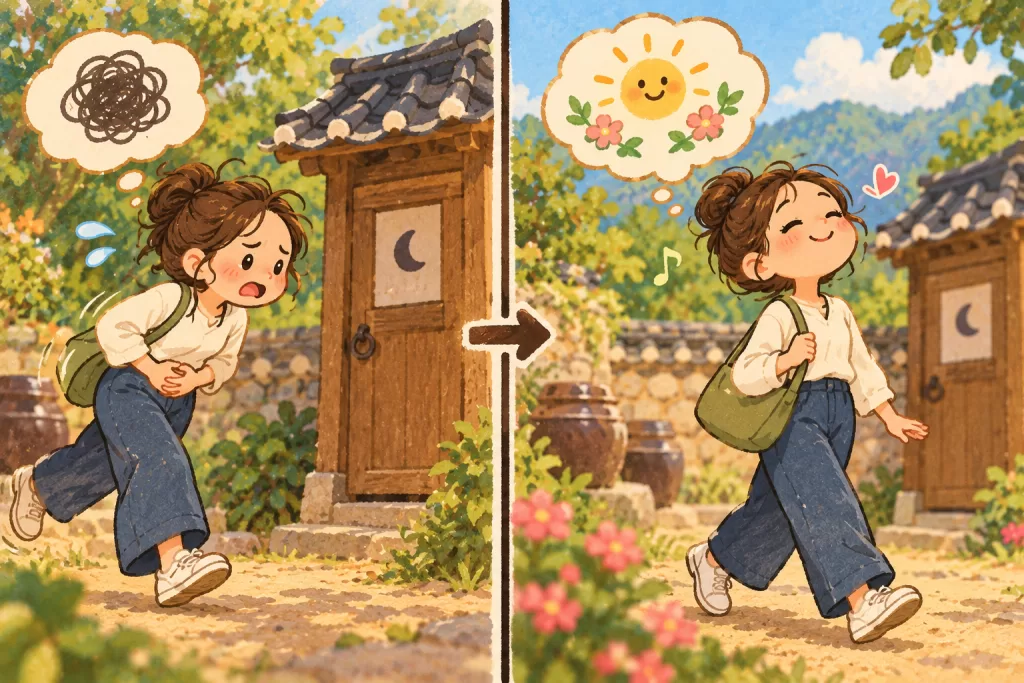
If you’ve ever noticed how people change their tune once they’ve gotten what they needed, in Korean you might say: “똥 누러 갈 때 마음 다르고 올 때 마음 다르다”, “Your mind on the way to the toilet is different from your mind on the way back.”

And one that always gets a laugh, usually said by a good friend after a bad breakup: “똥차 가고 벤츠 온다”, “The poop car leaves and a Mercedes arrives.” Translation: he wasn’t the one, and someone much better is on the way.
When someone insists on learning an obvious lesson the hard way, you might hear “똥인지 된장인지 찍어 먹어 봐야 아나?”: “Do you have to taste it to know whether it’s poop or doenjang?” Just in case you don’t know, doenjang is the fermented soybean paste used in soups and sauces and I suppose could look suspiciously like poop if plated just so.
FAQ
Why are Koreans obsessed with poop?
Poop isn’t taboo in Korea. Human waste was a valuable fertilizer for most of Korean history, poop dreams are considered lucky, babies were given nicknames like “dog poop” for protection, Buddhist temples call the toilet “the place to relieve worries,” and poop is a cute, common character in Korean children’s culture, snacks and slang.
What does it mean to dream about poop in Korea?
It’s a lucky dream that signals money is coming. Some people buy lottery tickets the next day. The more poop in the dream, the better.
What does “ddong” mean in Korean?
Ddong (똥, officially romanized ttong) is the everyday Korean word for poop.
How do you say “poop” in Korean?
The everyday word is 똥 (ddong), the kids’ word is 응가 (eungga), and the formal word is 대변 (daebyeon).
Why is a shooting star called 별똥별 in Korean?
별똥별 (byeol-ddong-byeol) literally translates to “a star that poops a star.”
What other Korean words contain 똥 but aren’t about poop?
Quite a few. 개똥벌레 (firefly) literally means “dog poop bug,” 똥강아지 (“poop puppy”) is an affectionate name for a cute child, 똥값 (“poop price”) means dirt cheap, and 똥볼 (“poop ball”) is a badly kicked soccer ball.
Did Jeju really raise pigs under the toilet?
Yes. Traditional Jeju homes had a dottongsi (돗통시), a combined outhouse and pigpen where the family’s black pig ate human waste. Jeju pigs were nicknamed ddong-dwaeji (“poop pigs”) into the 1970s. Today’s Jeju black pork comes from modern farms.
Is Jeju black pork still “poop pork”?
No. Pigs haven’t been raised in outhouses since the practice was phased out, starting in the late 1970s. The nickname stuck around longer than the practice.
What is an amyeong?
An amyeong (아명) is a childhood nickname given after birth. Traditionally, families worried about losing a child chose lowly names like 개똥이 (“dog poop”) to keep evil spirits away.
Why were Korean babies nicknamed 개똥이 (“dog poop”)?
Families believed a lowly, unattractive childhood nickname would keep evil spirits and bad luck away, helping the child live a long life. King Gojong was reportedly called Gae-ddong as a small child.
Was Mr. Toilet really born in a toilet?
Yes, by his own account. Sim Jae-duck’s grandmother had his mother give birth in her outhouse, following the old belief that it would help the baby live a long life.
Why do Korean temples call the toilet haeuso?
Haeuso (해우소) means “the place where you relieve your worries.” The name is credited to the monk Gyeongbong at Tongdosa Temple, who first used it in the 1950s.
What is ddong-chim?
Ddong-chim (똥침, “poop needle”) is a prank where kids clasp their hands, point their index fingers and poke someone in the backside.
Is it rude to talk about poop in Korea?
Among family and close friends, not at all. Digestion is treated as a normal health topic, and nobody blinks. In more formal settings, like at work or with someone older you’ve just met, follow the other person’s lead.
Poop has been around me at every turn in my 20 years of living in Korea. I didn’t even realize my husband’s cutesy term for our daughter was just another part of Korean culture and not him being weird. And so it is, from poop buns to fertilizer, nicknames, and shooting stars, you’ll find “ddong” more often than you think if you come to Korea.
Did you like this post? Pin IT!