Suguksa Temple: Seoul’s Only Golden Temple in Eunpyeong
Last Updated on October 13, 2026
I have lived in Seoul, Korea for quite awhile and I have seen a lot of Buddhist temples here. I love a visit to a temples in South Korea. They are peaceful and calming and beautiful. Often set up on the mountain or in forests, the views are good and the ambiance lovely. Most temples in Korea are painted reds and greens and maybe there’s a bit of yellow and white in the artwork. That’s pretty standard so when I saw a glimmer of gold as I drove down the street near my house and saw a sign for a temple, I was intrigued.
After visiting Suguksa Temple (수국사), I can say it’s definitely one of the most interesting temples in Korea to see. Looking for a beautiful Korean Buddhist temple in Seoul? Try to find this one.
Plan a trip tot his golden temple in Seoul:
- How To Get There
- Basic Info You Should Know
- History
- What To See Nearby
- Other Temples To See In Seoul
- FAQ
(This post contains affiliate links, which means I receive a certain percentage of a sale if you purchase after clicking at no cost to you. Thank you for your support.)
How To Get There
Address: Eunpyeong-gu, Seooreung-ro 23-gil 8-5 (은평구 서오릉로23길 8-5 (구산동))
By Subway: From Gusan Station, take Exit 3, make a U-turn, and walk west along the sidewalk (do not cross the street). Walk straight for approximately 1.5 kilometers until you see a sign for Suguksa pointing left. Follow the signs through the neighborhood up toward the hillside. The walk takes about 25 minutes.
By Bus: From Gusan Station, take Exit 4, make a U-turn, and walk west to the first bus stop. Take bus 8774 or 7720 for five stops. Get off, walk back the direction you came to the first crosswalk, cross the street, and follow signs into the neighborhood toward Suguksa Temple.
Basic Info You Should Know
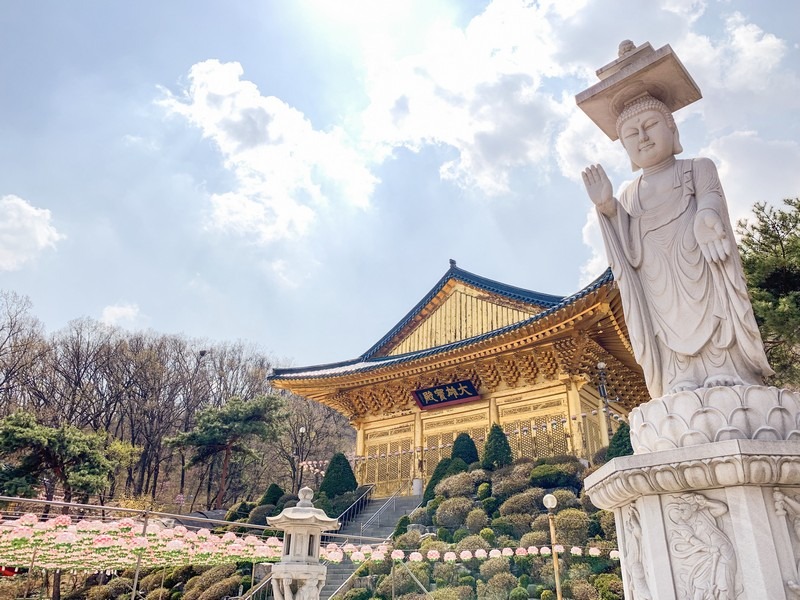
- Do note that this is an active temple so be respectful when you visit, keep quiet, and remember that this is a holy site.
- Visit the golden building and then be sure to walk behind the building to find a path into the forest. Follow it up for more.
History
In 1459, Crown Prince Uigyeong died when he was just twenty years old and his father, King Sejo, built a tomb for his son with a temple to the east to guard to the tomb. King Sejo wanted to honor his deceased son and wanted a temple that would provide treatments for royals that were afflicted by mental ailments and anxiety.
The temple was called Jeonginsa and was the predecessor to Suguksa. In 1712, this temple was also designated as the guardian temple for the tombs of King Sukjong and Queen Inhyeon buried at nearby Seooreung Royal Tomb grounds.
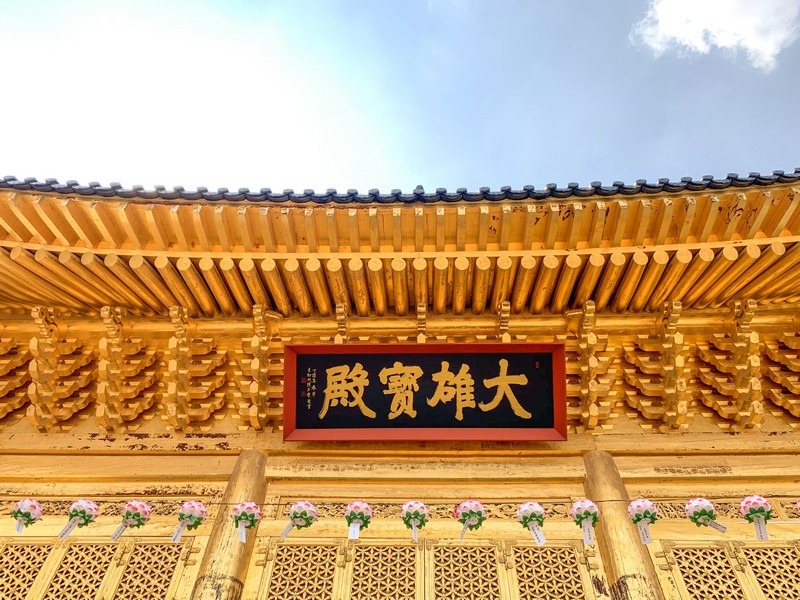
The name changed to Suguksa Temple (수국사) which means ‘the temple that protects the country’. After a fire at the temple during King Sunjong’s reign, the temple was left to decay for some time and then in 1900 it was rebuilt.
At that time, King Sunjong fell ill and King Gojong, his father, asked Monk Wol Cho to pray for him. The prayers seemed to be effective and thus the king was impressed and offered the monk riches. The monk declined and instead asked for a gold covered Buddhist sanctum that ordinary citizens could visit.
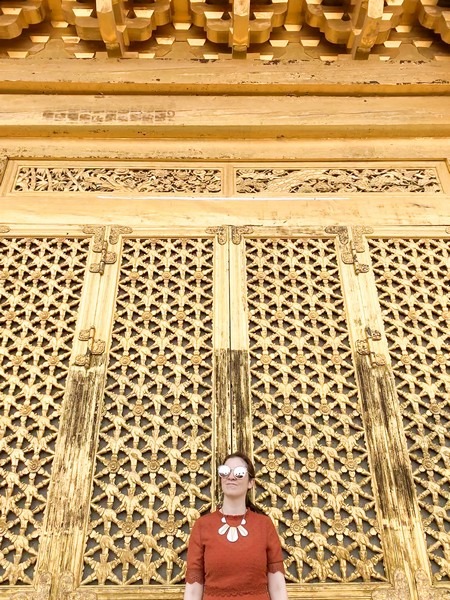
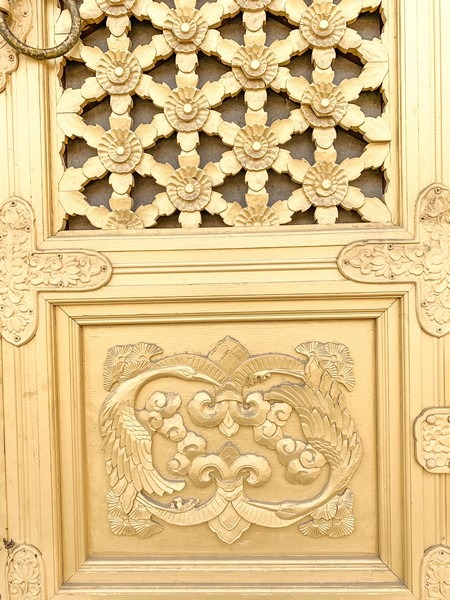
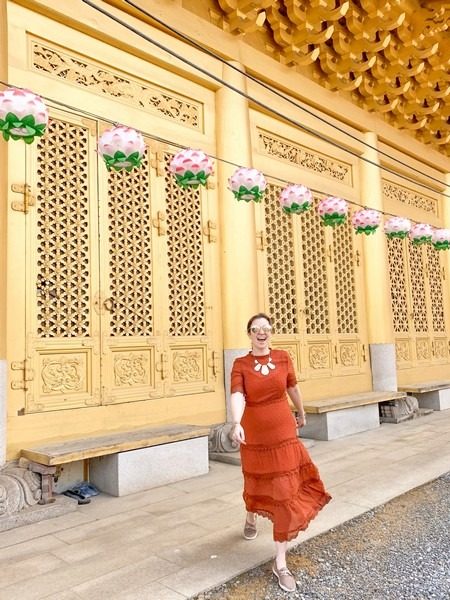
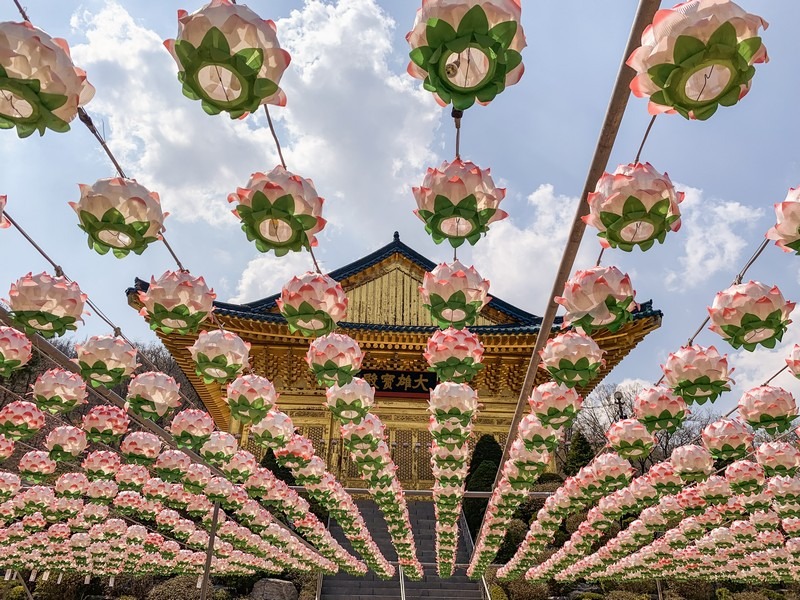
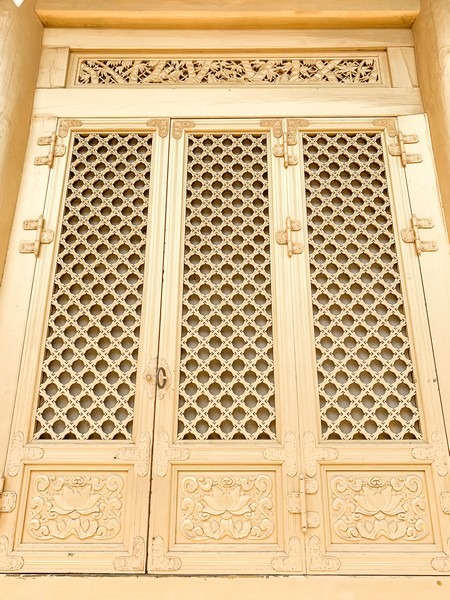
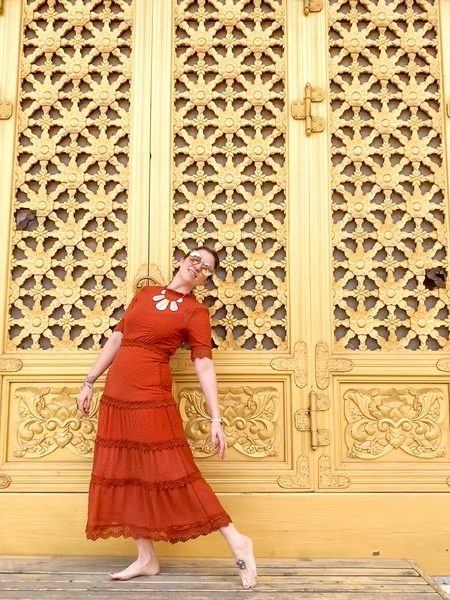
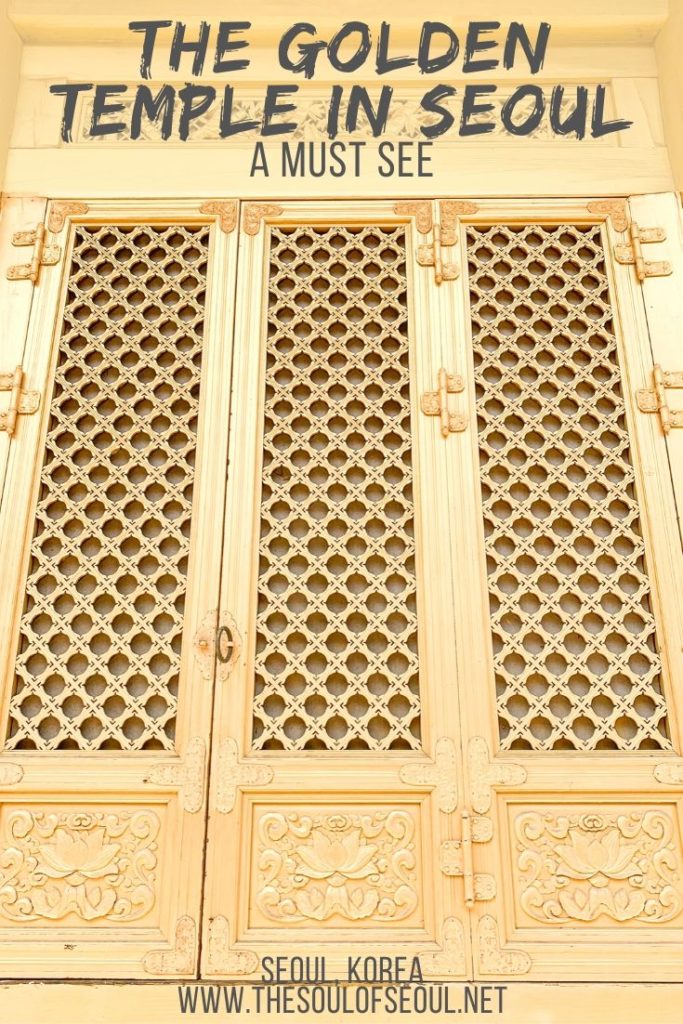
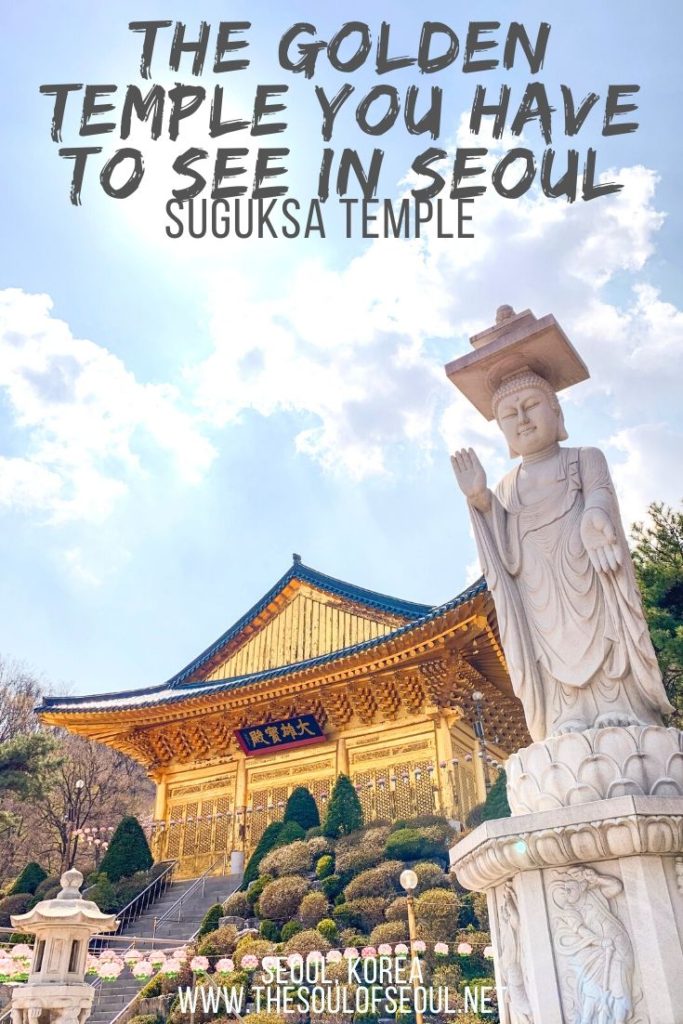
The main building of the guardian temple is the Golden Buddhist Sanctum (황금보전) and it is covered in a special golden paper. Actually, the front of the building is covered in this special golden paper made for ancient buildings, the other three sides are painted gold just so you know. Still, it is a gorgeous building.
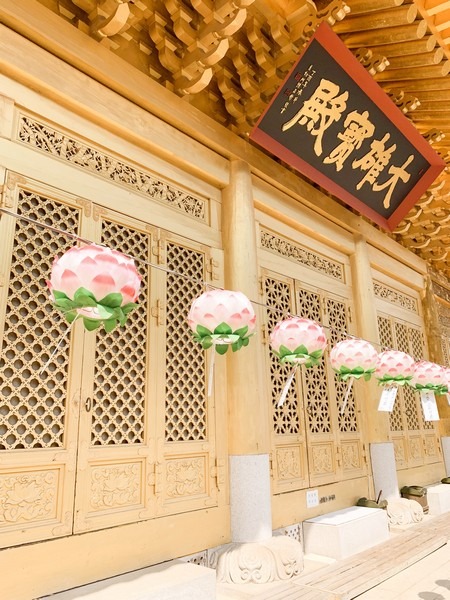
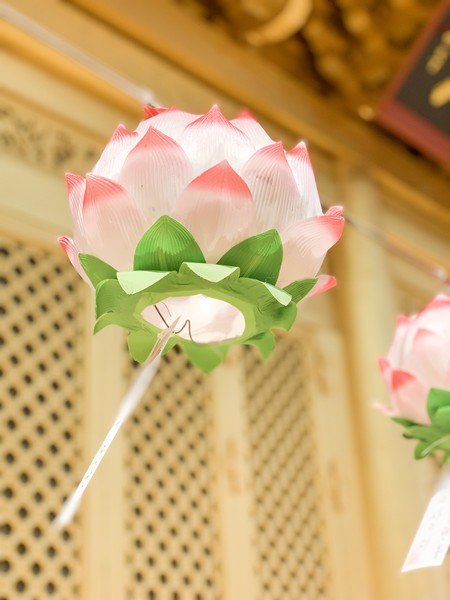
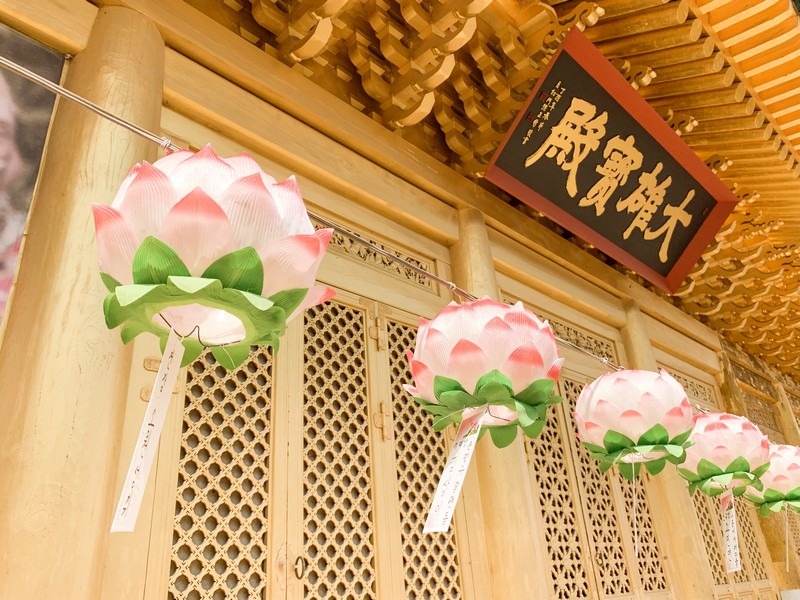
Visit in the spring and you’ll find lotus lanterns hung around the grounds to celebrate Buddha’s birthday. In preparation for the Lotus Lantern Festival, the entire area is decorated and it’s gorgeous. If you can’t visit in the spring, the building still shimmers and shines in any light all year round.
What To See Nearby
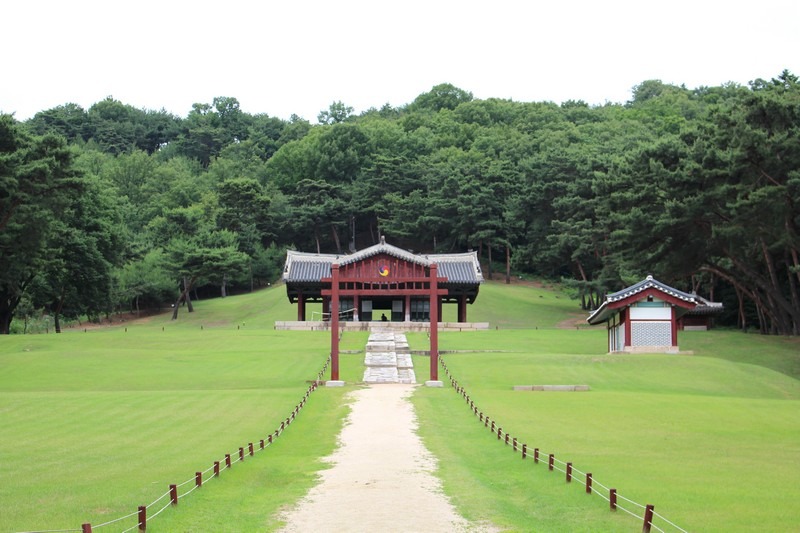
Seooreung Royal Tombs
Just up the road from Suguksa Temple is the beautiful Seooreung Royal Tombs park and vicinity. The paths are gorgeous and the forests are calm and inviting. There are numerous lovely cafes and restaurants here as well. If you want to visit this in the same day, check out this guide to the Seooreung Royal Tombs and what you can do there. It’s a great area to visit in every season. It’s gorgeous when it snows as well.
The grounds have signs telling the stories of the kings and queens that have been buried there. Walk around and get a pretty dramatic backstory about the Joseon Dynasty royals.
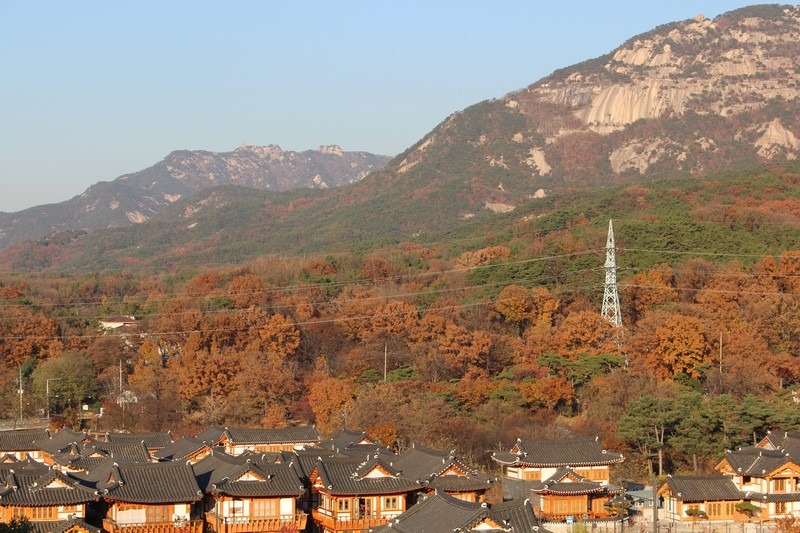
Eunpyeong Hanok Village
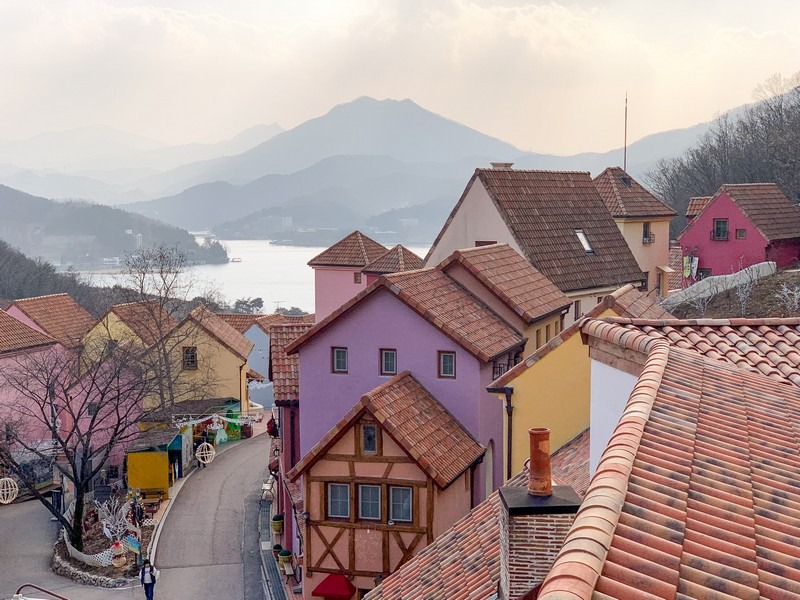
While most people know of the Bukchon Hanok Village, far fewer people know of the Eunpyeong Hanok Village. This village was built AS a tourist friendly area unlike the Bukchon Hanok Village which was and still is a residential area.
This area is beautiful and since it’s still largely off the beaten path for most people, it’s quieter. Walk the alleys and then head into the forest to see Jingwansa Buddhist temple which is a larger complex than Suguksa Temple.
Other Temples To See In Seoul
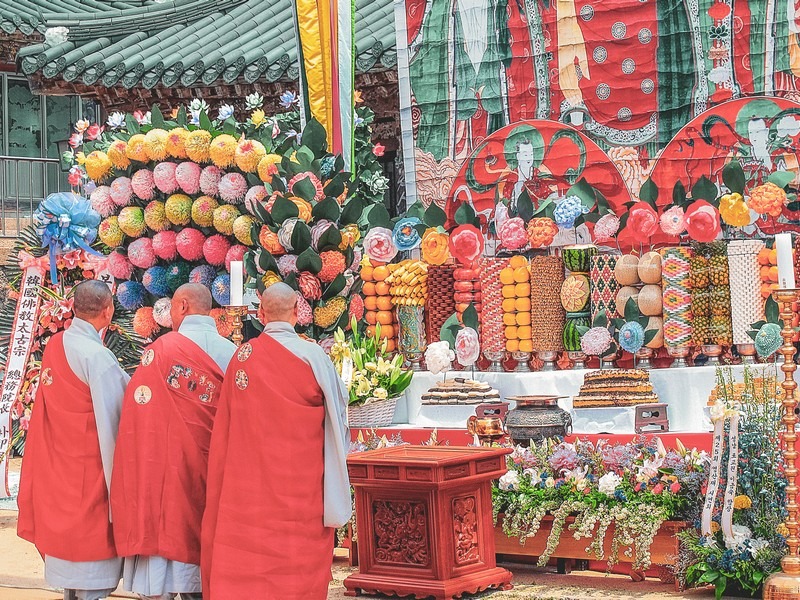
Bongwonsa Temple
Not to be confused with Bongeunsa Temple near COEX, Bongwonsa is a beautiful temple complex near Yonsei University. This temple is another one that gets overlooked by most tourists which means you need to visit it. Not only that, it has the largest wooden building made without nails in Korea. It’s a rather stunning complex that is on the side of Ansan Mountain, an awesome mountain that has cherry blossoms and even a waterfall!
If you want to learn more about Bongwonsa Temple, check out this post with more information on how to get there and what you can see.
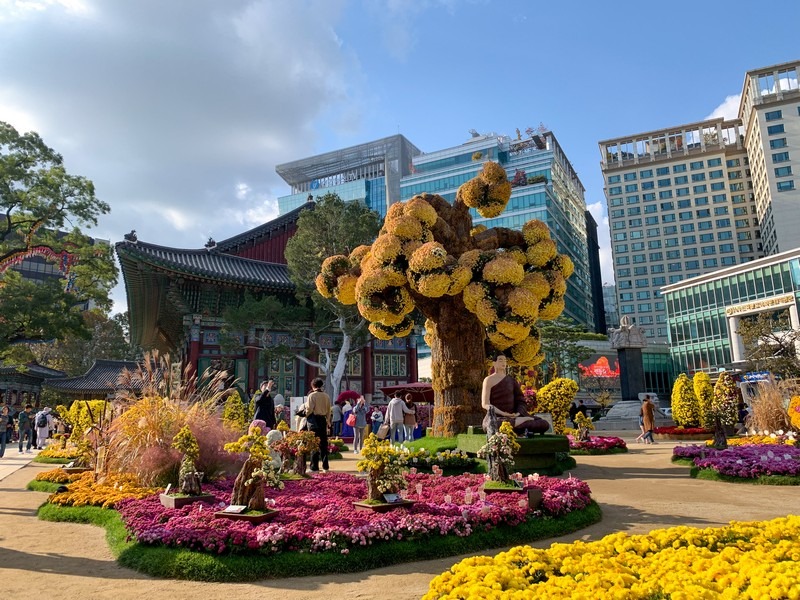
Jogyesa Temple
Jogyesa Temple really needs very little introduction. It’s the most popular temple with tourists and visitors in the Insadong area in downtown Seoul. Even so, I feel like it’s good to remind that Jogyesa is well known for a reason. The temple is beautiful and they change installations seasonally. There are beautiful lanterns hung in the spring and flower installations in the summer and autumn.
You can go back again and again and have a different view. Check out this post for some more information on the installations you can see at Jogyesa Temple.
FAQ
Is there a golden temple in Seoul?
Yes, Suguksa Temple (수국사) in Eunpyeong-gu is Seoul’s only golden temple. The main building, the Golden Buddhist Sanctum, has its front covered in special golden paper used for historic buildings, with the remaining three sides painted gold. It is one of only two golden temples in all of Korea.
What is Suguksa Temple?
Suguksa is a Buddhist temple in Eunpyeong-gu, Seoul, founded in 1459 by King Sejo to honor his deceased son Crown Prince Uigyeong. The current golden building was built after a fire during the Joseon Dynasty when a monk declined a king’s offer of riches and asked instead for a golden sanctum accessible to ordinary citizens. The name Suguksa means “the temple that protects the country.”
Is Suguksa Temple the only golden temple in Korea?
It is the only golden temple in Seoul and one of only two in Korea. The second is outside of Seoul.
Is Suguksa Temple worth visiting?
Yes, especially if you’ve seen several Korean temples and are starting to feel they look the same. Suguksa is visually unlike any other temple in the city. The grounds are quiet (very few tourists make it here), the founding story is genuinely moving, and the nearby Seooreung Royal Tombs and Eunpyeong Hanok Village make it easy to build a full day around the area.
When is the best time to visit Suguksa Temple?
Spring, when lotus lanterns are hung for Buddha’s Birthday and the Lotus Lantern Festival, makes the grounds particularly beautiful. But the golden building shimmers in any season, and the forest path behind the main hall is worthwhile year-round.
Suguksa exists because a monk turned down a king’s gold and asked for something better, a golden building for everyone. It’s been standing here since 1900, quietly shimmering in a neighborhood most visitors to Seoul never reach. Worth the walk.
Did you like this post? Pin It!
One Comment
Leticia Freitas Dreviski
Loved your content. Very helpful and detailed. Just a question about your photos. What camera did you use to take the pictures? thanks a lot