The Most Popular Korean Alcohol and What To Eat With Each
Last Updated on April 22, 2026
I remember my first few years in Korea being scolded a number of times by Korean friends, who, to be fair, were really just shocked I had no idea what libations pair with which cuisine options in Korea. Coming from the perspective that steak can pair equally well with wine as it can with beer, it was then that I realized Koreans have a very different relationship with alcohol and the food they eat with it.
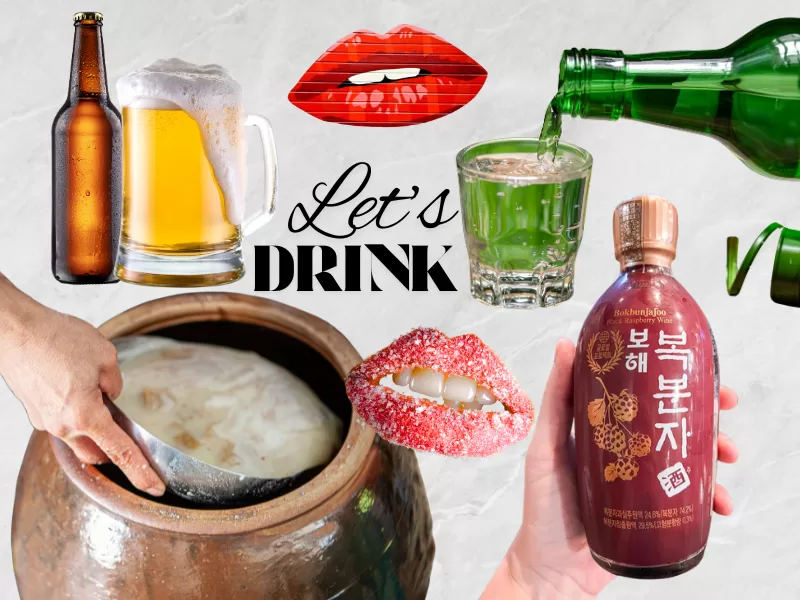
In Korea, alcohol and food are paired with purpose and it’s not just about taste. Drinking isn’t something you do alongside food, it’s something you do with food. There’s rhythm, order, and of course the delicious factor. Before you go mixing and matching and earning yourself a few side-eyes, here’s a practical guide to Korea’s four most popular alcohols and what to eat with each.
(This post contains affiliate links, which means I receive a certain percentage of a sale if you purchase after clicking at no cost to you. Thank you for your support.)
Korean Alcohol Quick Guide
| Drink | ABV | Flavor | Best Pairing | Avoid |
|---|---|---|---|---|
| Soju (소주) | 16-25% | Clean, slightly sweet, smooth | Samgyeopsal, bossam, hwe | Pizza, burgers, cheesy oily foods |
| Makgeolli (막걸리) | 6-8% | Milky, tangy, earthy, slightly fizzy | Pajeon, kimchi pancakes | Heavy meats, buttery foods |
| Beer (맥주) | ~4-5% | Light, crisp, easy | Fried chicken (chimaek!), twigim, tteokbokki | Sashimi and delicate fish dishes |
| Bokbunja (복분자) | 13-15% | Sweet, tart, fruit-forward | Grilled eel, bossam, duck | Super spicy dishes, delicate foods |
Korean Drinking Culture 101
A few ground rules before the drinks:
Rule #1: You always eat when you drink.
Eating with your alcohol is not a suggestion, it’s a rule. Honestly, I’m pretty sure my mom told me that when I went off to college, too, but we really don’t stick to that hard and fast the way Koreans do.
A night out Korean-style consists of multiple rounds.
A proper night out in Korea isn’t just dinner and drinks, it can stretch to five rounds, each with its own restaurant, it’s own vibe, and its own alcohol-food combo. You start with grilled meat and soju, detour to beer and chicken, and so it goes.
Hangover cures can be taken before AND after a night out.
Anyone else remember that saying, “beer before wine, you’ll be fine; wine before beer, you’ll feel queer”? In Korea, it’s more like: drink your hangover cure before any night out, pace yourself through four different kinds of alcohol and all of the food that you have to eat with it, and then have a hangover soup in the morning. Thought that’s not nearly as rhythmic.
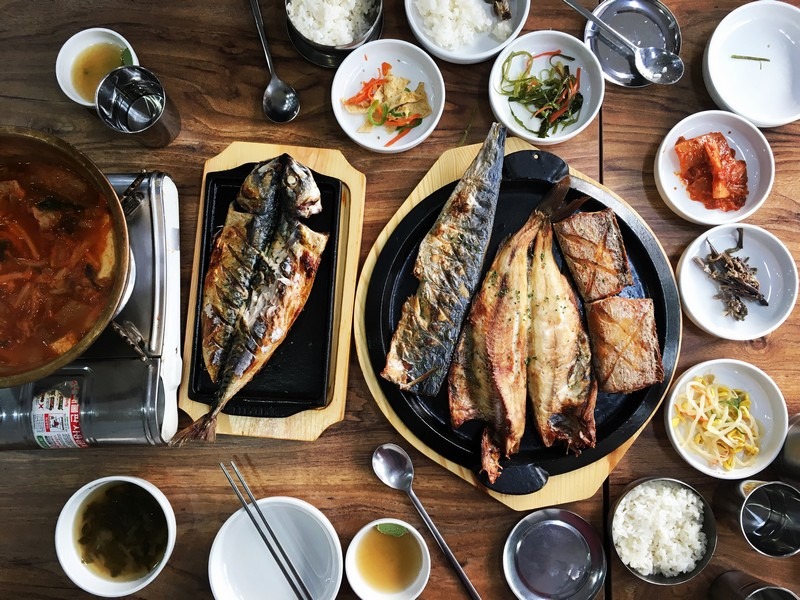
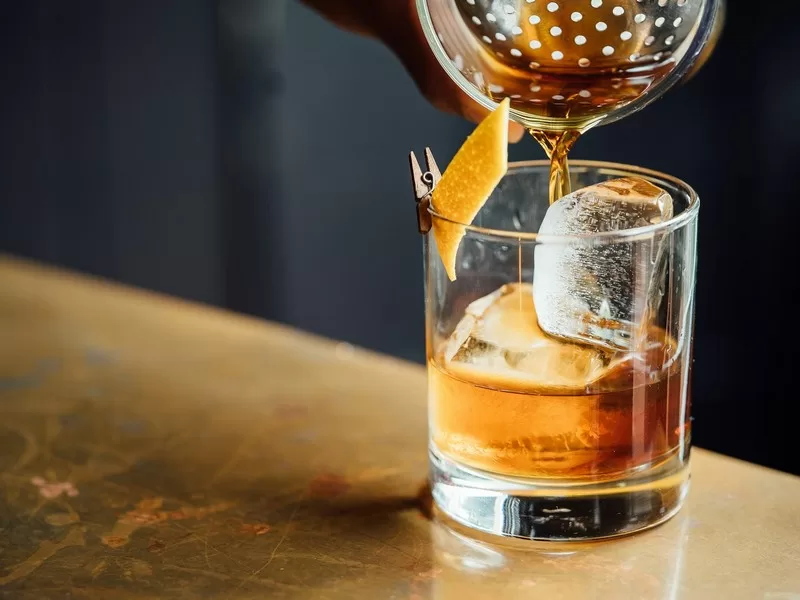
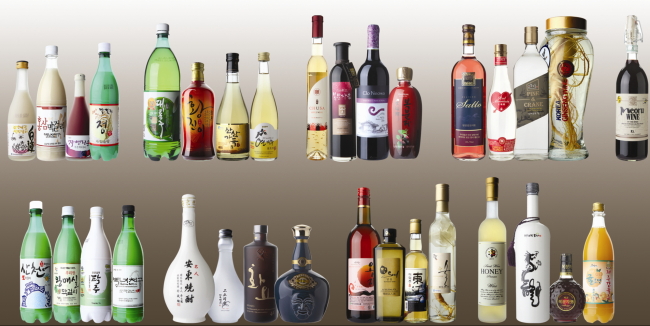
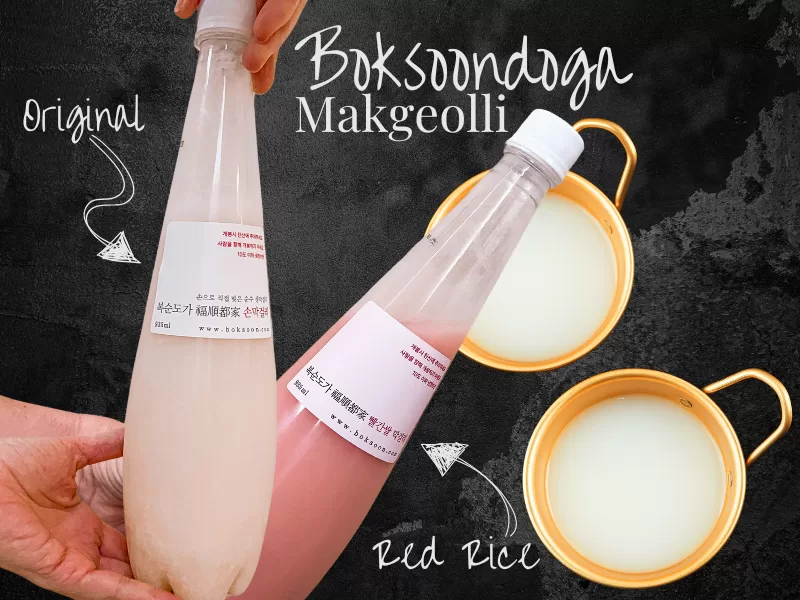
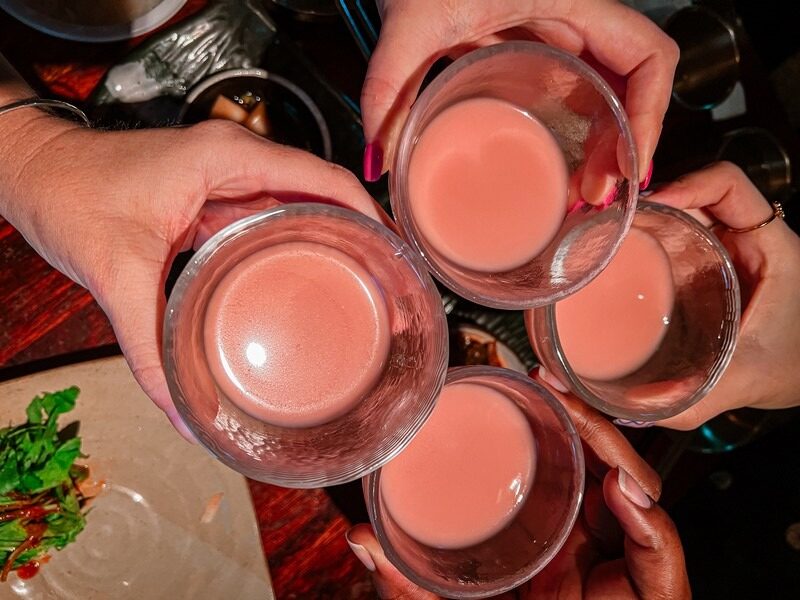
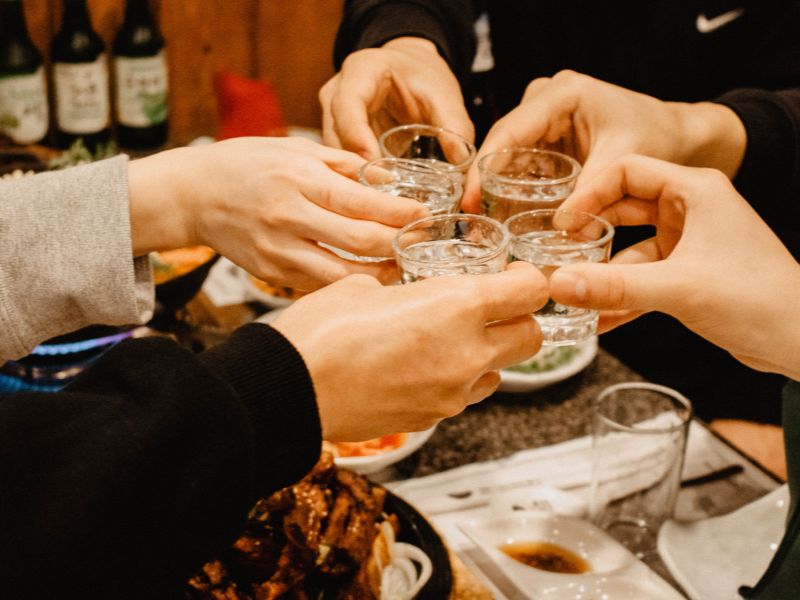
Korean drinking culture is social, ceremonial, and specific. Alcohol isn’t just something to sip on the side. It sets the tone. Some will tell you that the wrong pairing can throw off the whole meal. The right one? It’s harmony. It’s ritual. It’s flavor elevated.
Respect the match. Drink like a local. Eat like it matters, because in Korea, it absolutely does.
The Drinks
Soju (소주)
Aka: The National Drink
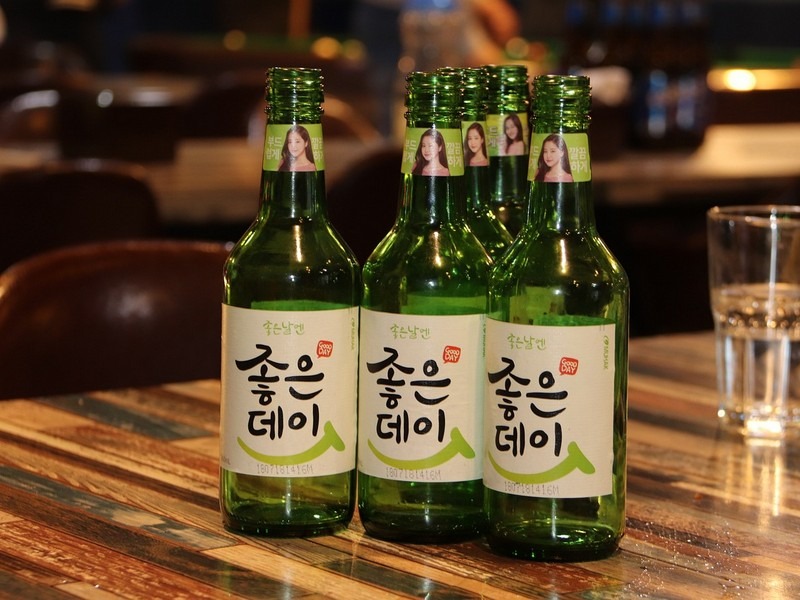
What is soju? Soju is Korea’s most iconic alcohol. It’s cheap, clear, and potent. ABV for standard commercial soju (Jinro, Chamisul, etc.) has gradually decreased over the years and currently sits around 16-17%, though traditional distilled soju and premium versions can reach 25% or higher. Foreigners often compare it to vodka, but it’s noticeably sweeter and smoother, or to Japanese shochu, though shochu is distilled once while soju is distilled multiple times.
You’ll see soju everywhere: restaurants, convenience stores, Korean dramas. While flavored sojus (strawberry, peach, grape) are popular abroad, Koreans generally prefer the unflavored version.
Fun Fact: Flavored soju is much more popular abroad than it is in Korea. There was a short surge in popularity in Korea in the mid 2010s, however, the flavors often clash with traditional Korean cuisine leading to disinterest in the local market.

What to eat it with:
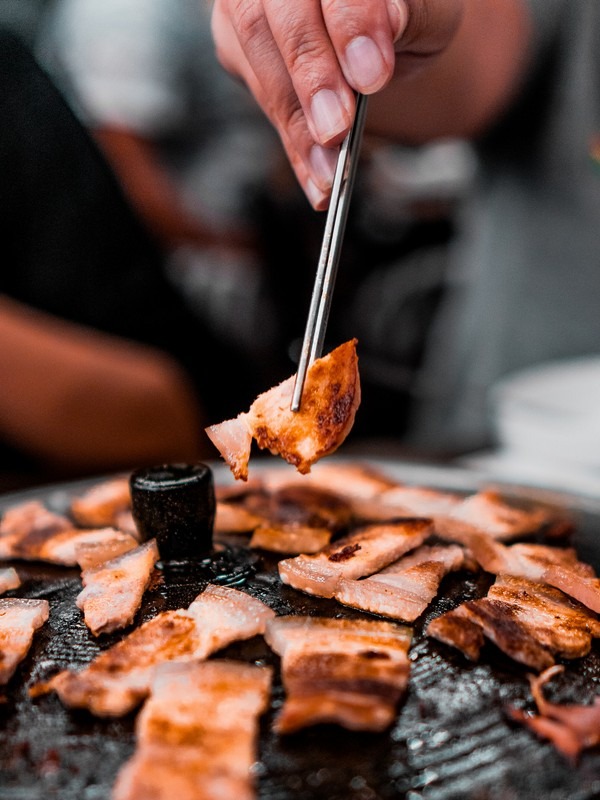
Samgyeopsal or Pork Belly (삼겹살): The essential pairing. The fatty richness of pork belly mellows the burn of soju and the combination becomes more than the sum of its parts. For the full Korean BBQ context, read the complete Korean BBQ guide.
Bossam or Boiled Pork Wraps (보쌈): Earthy, soft boiled pork topped with kimchi, paired with the clean hit of soju. Different pork preparation, same satisfying logic.
Hwe or Korean-style Raw Fish (회): Korean-style raw fish, thinner-sliced than Japanese sashimi, typically dipped in gochujang-based sauces rather than soy sauce. Soju handles the richness of the fish without overpowering the delicate flavor.
Don’t Pair It With!
Pizza, burgers, or anything simultaneously oily and cheesy. The combination overwhelms the soju and tastes off-balance. Soju is clean and direct, don’t put it next to food that isn’t.
Pro Tip: Be careful if you’re drinking this in a sit-on-the-floor restaurant. Go to stand up too quickly after your first bottle, and you’ll find yourself tilting and swirling and all over the place.
Makgeolli (막걸리)
Aka: The Cloudy Classic
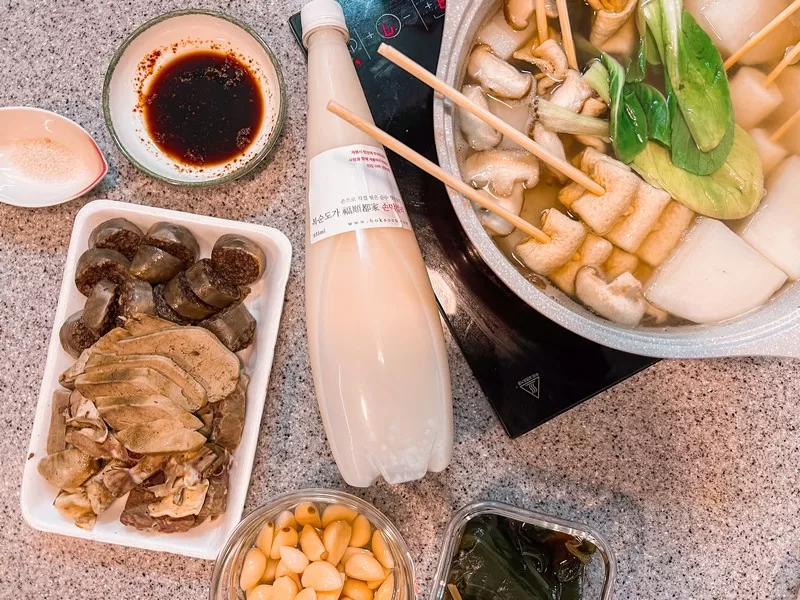
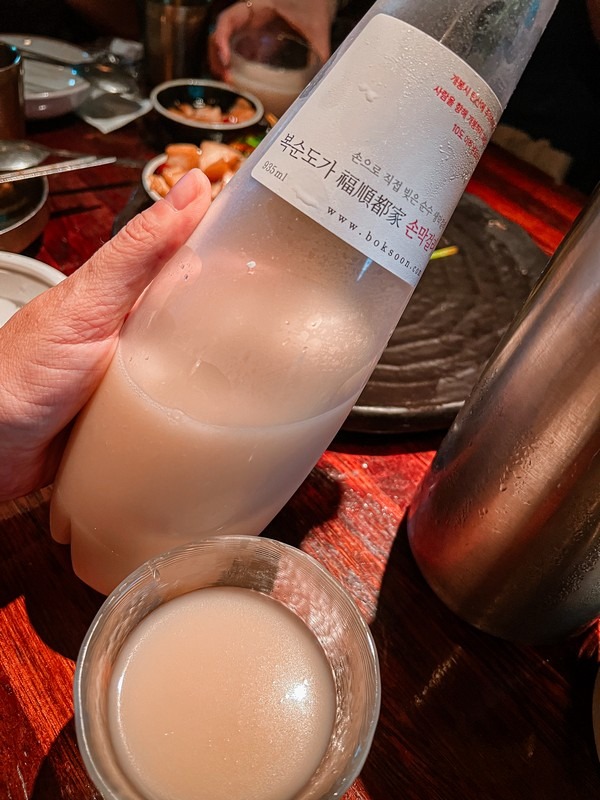
What is it? Makgeolli is a milky, slightly fizzy rice wine with an ABV around 6-8% after dilution. The original brew is considerably stronger before water is added. It’s sweet, tangy, earthy, and sometimes sour depending on the producer. Often described as a rice wine, it’s brewed more like beer, and enjoyed like one too.
Today makgeolli ranges from basic supermarket versions to exceptional craft varieties. For a guide to one of the best makgeolli brands in Korea and how to open a bottle without a champagne-level explosion, read the complete Boksoondoga makgeolli guide. For the best place to explore the full range of Korean traditional alcohol in Seoul, read about Sanullim 1992.
Fun Fact: Makgeolli is made by fermenting a mixture of cooked rice, water, and nuruk, a fermentation starter, made it an easily affordable drink for the common people and each household used to make their own just as commonly as they made rice.
What to eat it with:
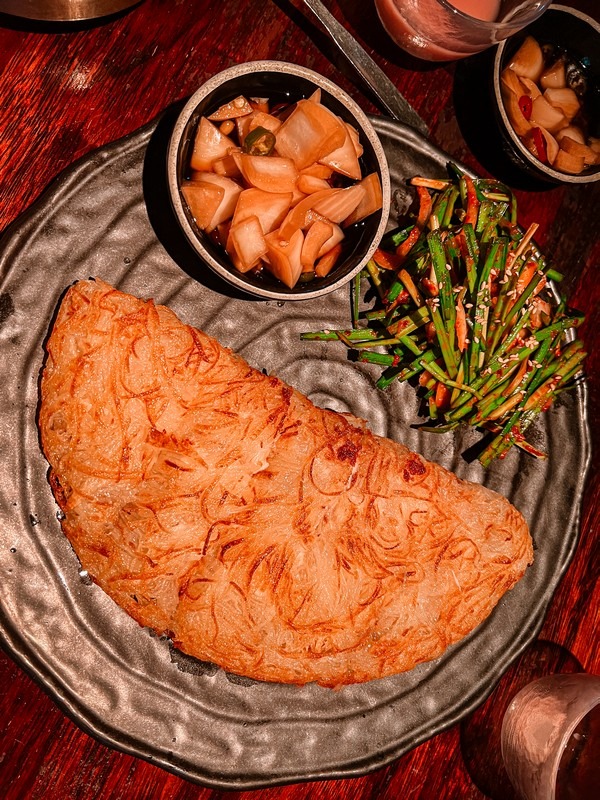
Pajeon (파전): This pairing is near-sacred in Korean food culture. The chewy, crispy scallion pancake and the creamy, fizzy makgeolli have a texture and taste relationship that works on every level. If you want a variety of jeon types, order modeum jeon (모듬전), a variety platter.
Kimchi Pancakes (김치전): The spicier, funkier cousin of pajeon. The sourness of the kimchi plays well with the natural sweetness of makgeolli.
Don’t Pair It With!
Heavy meats, pizza, or anything buttery. The combination becomes muddled and heavy.
Pro Tip: Makgeolli is especially popular on rainy days in Korea. Plan to drink this with the best combo above if you find yourself in Korea during monsoon season.
Beer (맥주 – Maekju)
Aka: The Everyman’s Brew
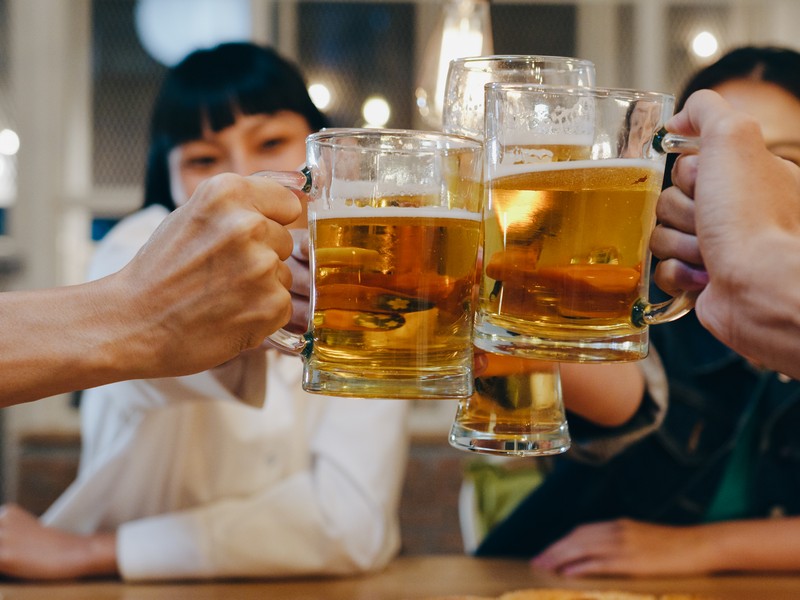
What is it? Korean lagers are light, crisp, and easy — built for drinking alongside food rather than for sipping on their own. Cass, Hite, and Terra are the dominant brands. Korea’s craft beer scene has grown significantly over the past decade, but for meal pairing, most Koreans still reach for the light lager.
Fun Fact: The beer market in Korea is dominated by two major breweries, Hite and Oriental Brewery (OB), which were established in the 1930s. Want to get a deal? Visit a convenience store in Korea and you’ll pay less per can if you buy more thanks to the “Four Tall Cans” deal.
What to eat it with:
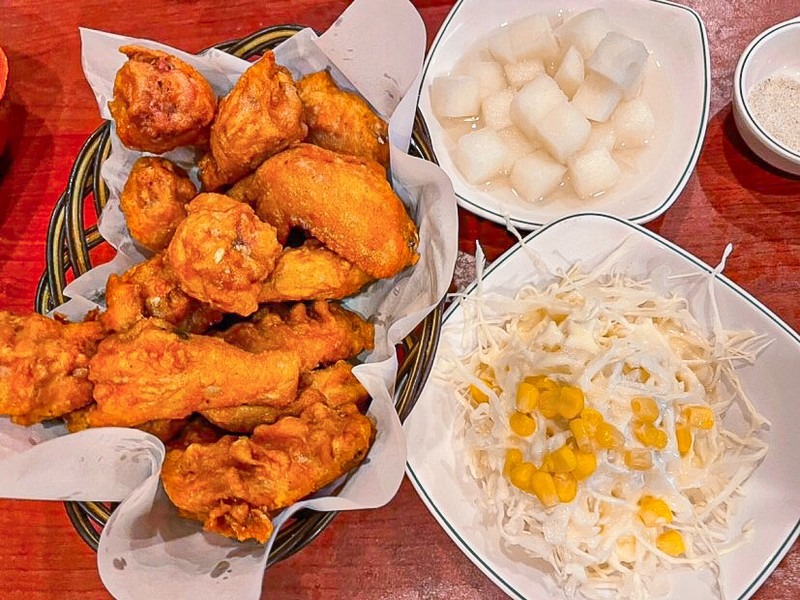
Fried Chicken (치킨): Chimaek (chicken + maekju) is genuinely celebrated in Korea. Crispy fried chicken and cold light beer are a national institution. There’s even a dedicated chimaek festival. For more on Korean fried chicken brands and what differentiates them, read the complete Korean fried chicken guide.
Twigim (튀김): Lightly battered Korean-style tempura from street stalls, fried shrimp, squid, sweet potato, pumpkin, perilla leaves. Simple, textural, and a natural match for cold beer.
Tteokbokki or Spicy Rice Cakes (떡볶이): A plate of Korean rice cake cylinders in a spicy red pepper sauce. The spiciness is calmed by the light cool beer. Eat, drink, repeat.
Don’t Pair It With!
Delicate sashimi and fine raw fish dishes. Beer is too blunt for those kinds of flavors.
Pro Tip: There are a TON of Korean fried chicken brands. They’re all slightly different and the brand appeal caters to different people, so check them out before you want to eat to know what to expect.
Bokbunja (복분자)
Aka: The Fruity Wildcard
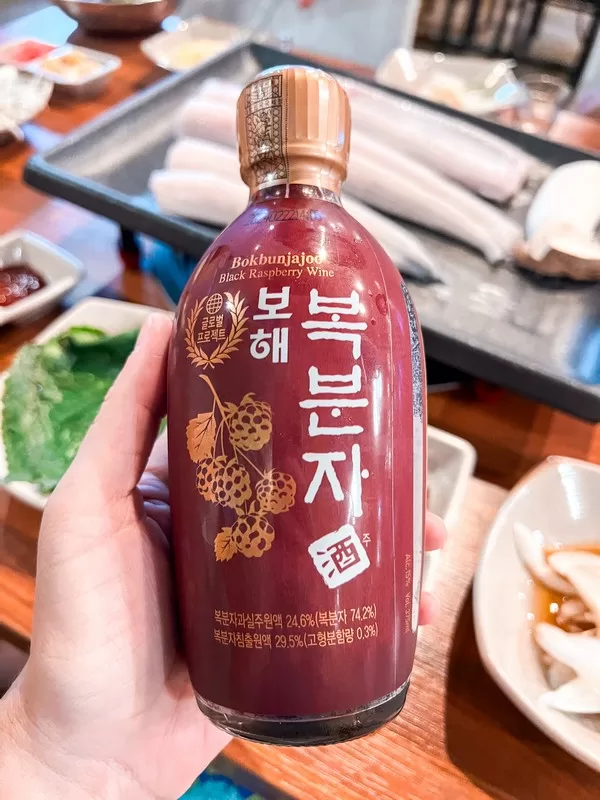
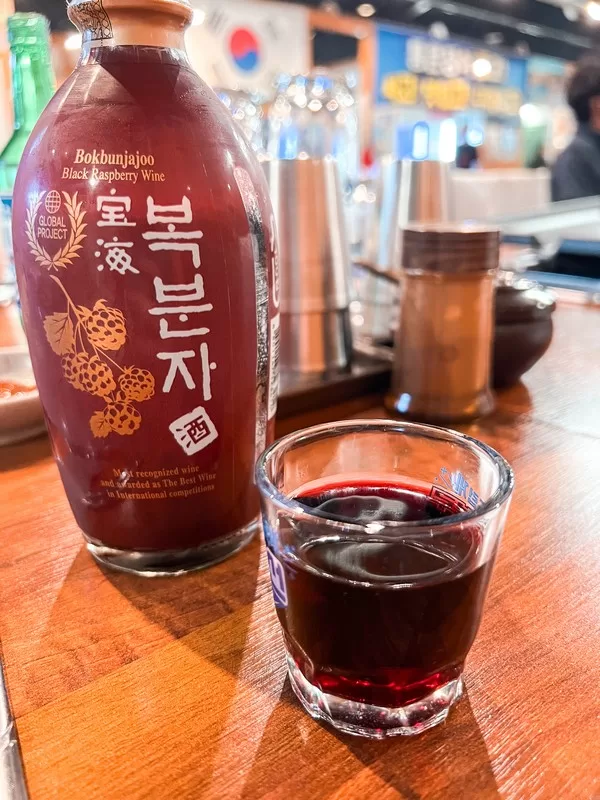
What is it? Bokbunja is a deep-red wine made from Korean black raspberries, with an ABV between 13-15%. It’s smooth, tart, and genuinely delicious, a drink that many visitors to Korea never encounter because it doesn’t make it onto most tourist radars. It is, however, widely available at major Korean supermarkets (E-Mart, Homeplus) and at many Korean restaurants if you ask.
Fun Fact: Bokbunja literally translates to “overturning the chamber pot person”. The story goes that a monk, or maybe it’s a hunter, stumbled upon the berries in the mountains. After gorging on them, he found himself so invigorated that when he peed, it was so strong, it knocked over the chamber pot.
What to eat it with:
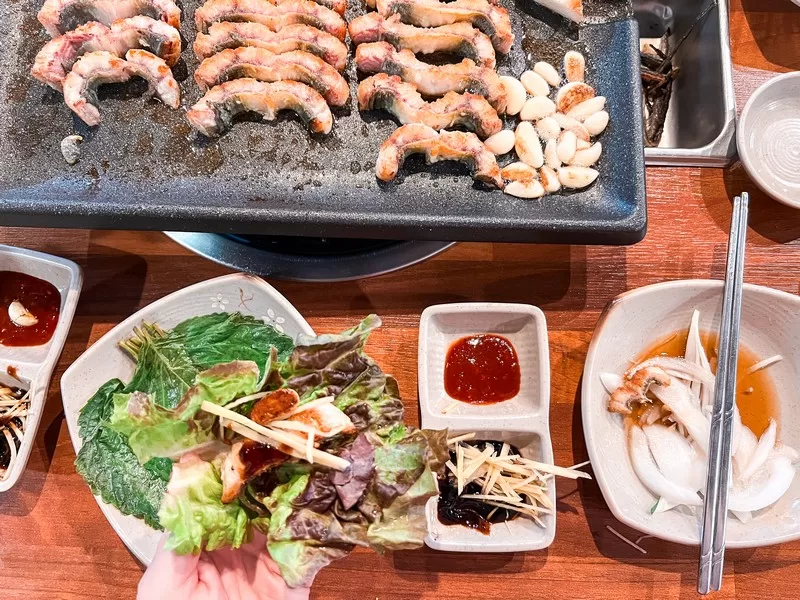
Grilled Eel or Jangeo (장어구이): This pairing leans into the aphrodisiac angle on both sides. Eel has a similar reputation in Korean food culture. The rich, fatty eel pairs well with the bold fruitiness of bokbunja, each amplifying the other’s intensity.
Bossam (Boiled Pork) (보쌈) orJokbal (Braised Pig’s Feet) (족발): The clean sweetness of bokbunja cuts through the richness of boiled pork or braised pig’s feet with precision. One of those pairings that sounds odd and tastes obvious once you try it.
Duck or Oritang/Smoked Duck (오리탕): A lesser-known but perfect pairing. Duck’s gamey profile pairs surprisingly well with the fruit-forward bokbunja taste.
Don’t Pair It With!
Super spicy foods. The sweetness of bokbunja just amplifies the heat until it’s a sugar fire situation. Also avoid overly delicate dishes as bokbunja will just overpower them.
FAQ
What is the most popular alcohol in Korea?
Soju is Korea’s most consumed alcohol by volume, it’s inexpensive, widely available, and deeply embedded in dining and drinking culture. Makgeolli is the oldest and is experiencing a significant craft revival. Beer (particularly in the chimaek pairing) and bokbunja are also widely drunk.
Do Koreans always eat when they drink?
Yes, essentially. Korean drinking culture is built around food. A night out typically involves multiple rounds at different venues, each with specific food pairings. Drinking without eating is unusual and somewhat frowned upon.
What is soju?
Soju (소주) is a distilled Korean spirit made primarily from rice, wheat, or other grains. It’s clear, slightly sweet, and currently ranges from about 16-17% ABV for standard commercial brands to 25%+ for premium traditional versions. It’s Korea’s national drink and the most widely consumed spirit in the country.
What is bokbunja?
Bokbunja (복분자) is a Korean fruit wine made from black raspberries. It’s deep red, sweet, and tart with an ABV between 13-15%. The name translates roughly to “chamber pot overturner”, a reference to an origin story about the berries’ invigorating properties.
What is chimaek?
Chimaek (치맥) is the combination of Korean fried chicken (치킨) and beer (맥주/maekju). It’s one of Korea’s most celebrated food and drink pairings, with its own festival and widespread cultural recognition. Cold lager and crispy fried chicken, eaten together.
What should a first-time visitor to Korea drink?
Start with soju alongside samgyeopsal (pork belly) at a Korean BBQ restaurant, this is the most foundational pairing in Korean food culture. Then try makgeolli with pajeon at a traditional bar or on a rainy day with street food. Bokbunja is worth seeking out at a supermarket or asking for at a restaurant.
Korean alcohol isn’t just about what’s in the glass. It’s about the food you eat with it, the order in which you drink, and the people you drink with. Respect the pairings, enjoy the rituals, and you’ll find yourself blending in like a pro, whether it’s your first round or your fifth.
Did you like this post? Pin iT!