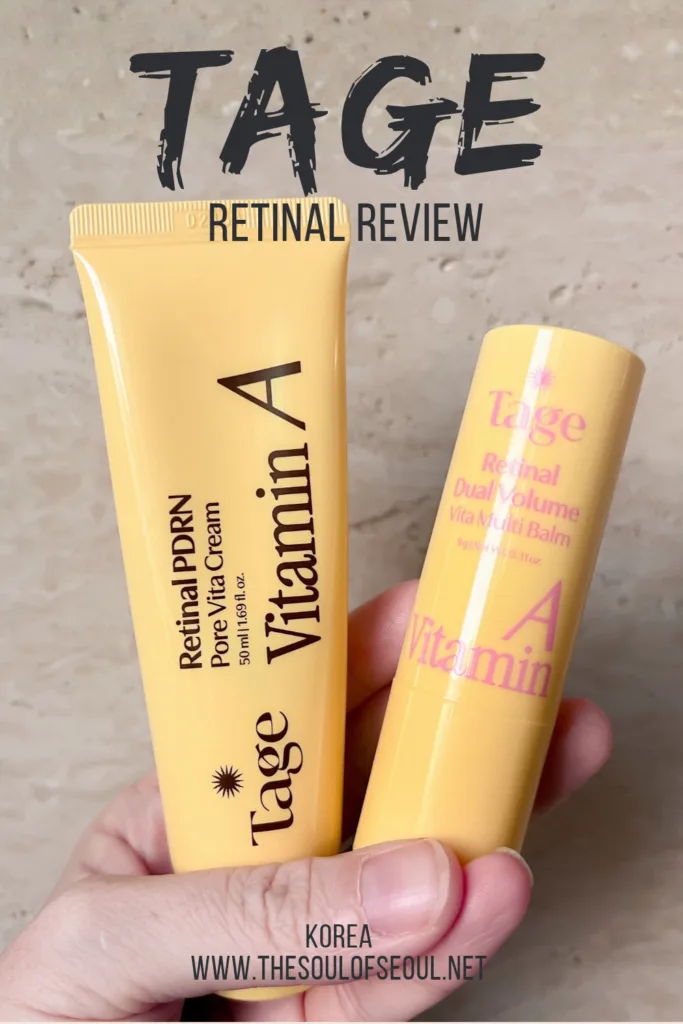
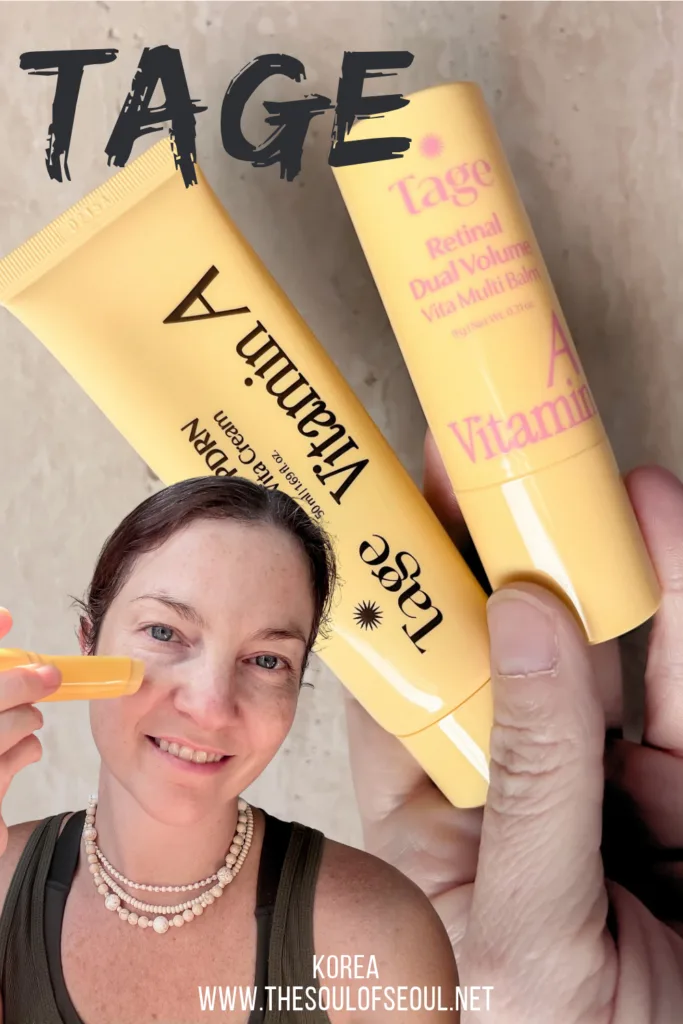
Tage Retinal Review: PDRN Pore Cream vs. Volufiline Stick
Last Updated on November 9, 2026
One of the first things you’ll learn when diving into Korean beauty is how important it is to protect your skin from the sun, and not just on those fun beach days. That’s why brands like Tage, a Korean skincare brand solely focused on sun exposure and damage exist. Tage’s philosophy is “Shield and Repair”, promoting protecting the skin from the sun during the day, but also helping it recover at night.
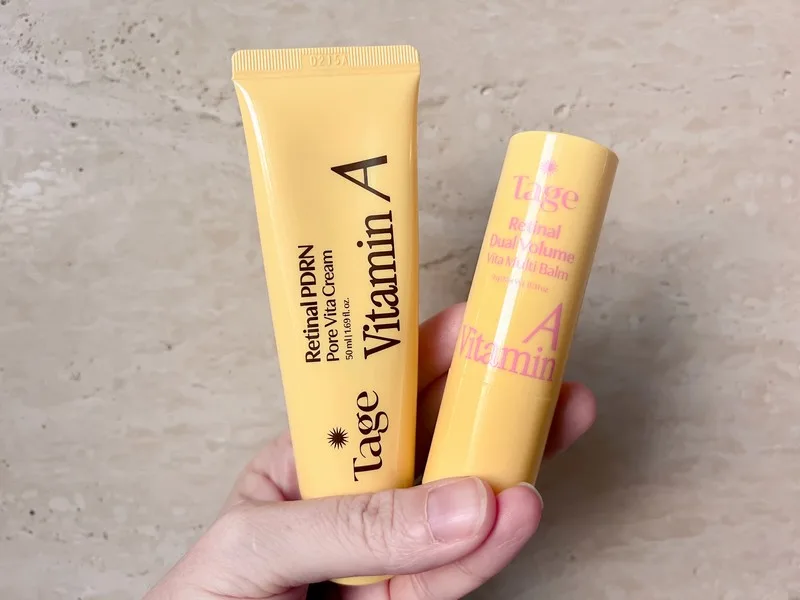
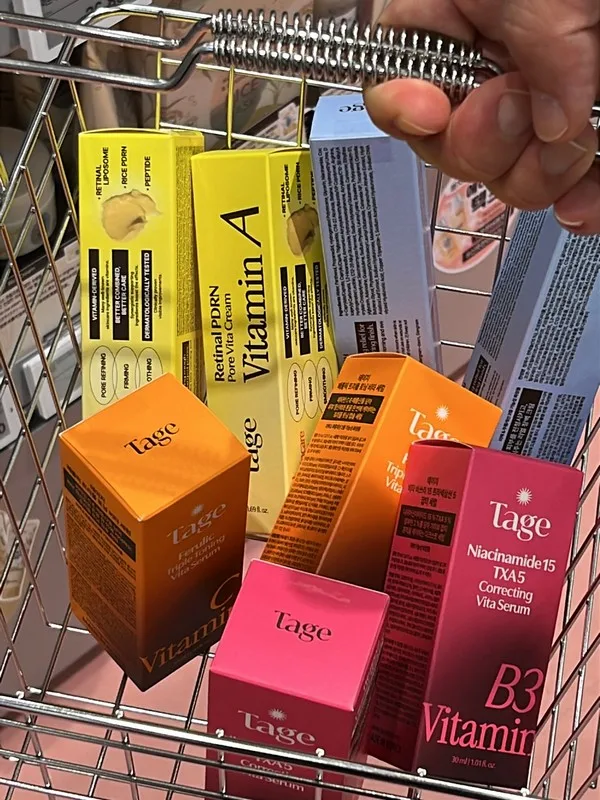
For the past three weeks, I’ve been using two of Tage’s new retinal products: the Retinal PDRN Pore Vita Cream and the Retinal Dual Volume Vita Multi Balm. The second one is a twist-up stick made with the much-hyped Volufiline, which people online have called “filler in a bottle”, more on that below. I’m over 40 with dry skin, which is exactly the kind of skin that tends to struggle with retinoids, so I was curious how they’d hold up.
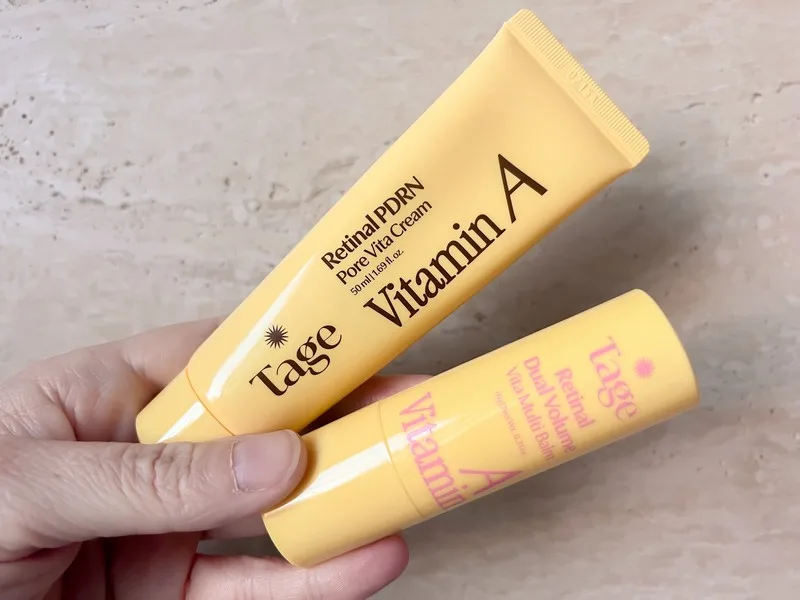
Three weeks in and I’m definitely interested in what else this brand is making. Here’s my honest take on both products, what’s actually inside them, and the one I’d buy again with my own money.
- Who Is Tage?
- What Is Retinal and What Does It Do for Your Skin?
- Retinal vs. Retinol: Why the Difference Matters
- Tage Retinal PDRN Pore Vita Cream Review
- Tage Retinal Dual Volume Vita Multi Balm (Retinal Stick) Review
- Where to Buy Tage in Seoul
- FAQ
(Tage sent me this products to review. All opinions are my own. This post contains affiliate links, which means I receive a certain percentage of a sale if you purchase after clicking at no cost to you. Thank you for your support.)
Who Is Tage?
Tage is a Korean skincare brand that calls itself a sun care specialist. Its “Shield and Repair” philosophy is about protecting your skin from UV during the day and helping it recover throughout the night. All Tage products are made in Korea, and the brand is best known for its Cica-Tree sunscreens, which include sun serums, sun sticks and an SPF setting spray.
It might seem a little odd for a sun care brand to make retinal products, but it makes a lot of sense the more you think about it. Retinoids may make your skin more sensitive to the sun but with retinal at night helping to repair sun damage, and sunscreen throughout the day, it’s a dual winner against the signs of sun damage and aging.
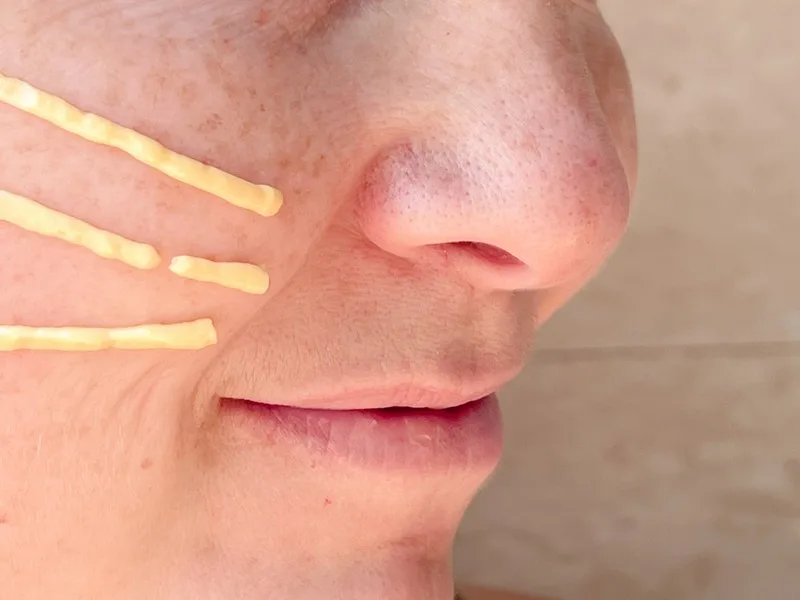
What Is Retinal and What Does It Do for Your Skin?
When it comes to skincare and beauty products, the jargon can become overwhelming. Don’t know what everything means? No worries. I’m still learning too. Let’s start with retinal.
Retinal (retinaldehyde) is a form of vitamin A used in skincare to speed up skin cell turnover and encourage collagen production. Over time, that smooths rough texture, softens fine lines, fades dark spots, and helps keep pores clear. It belongs to the same family as retinol and prescription tretinoin, but it’s stronger than retinol and gentler than a prescription.
| What retinal does | What you’ll notice | How long it takes |
|---|---|---|
| Speeds up cell turnover (old surface cells shed faster) | Smoother, softer texture and more even-looking skin | About 4 to 8 weeks |
| Keeps pores from clogging | Pores look smaller and cleaner, fewer breakouts | About 4 to 12 weeks |
| Encourages collagen production in the deeper skin | Fine lines look softer, skin looks firmer | 3 to 6 months or more |
| Fades excess pigment over time | Dark spots and sun spots look lighter | About 2 to 3 months |
The trade-offs are the same as with any retinoid. It can cause dryness, flaking or stinging while your skin adjusts, which is why low-dose, encapsulated formulas like Tage’s exist. It also makes your skin more sensitive to the sun, and it’s generally avoided during pregnancy.
It’s also important to know that none of this happens overnight. Any smoothing you see in the first few days is from the moisturizing ingredients, not the retinal. It takes time and steady use to see a real difference.
Retinal vs. Retinol: Why the Difference Matters
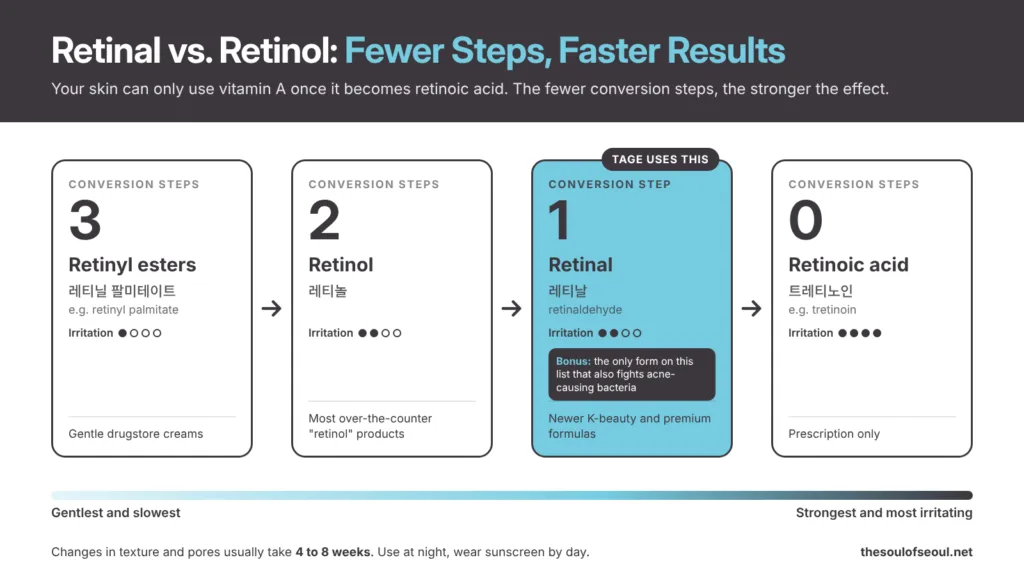
Your skin can only use vitamin A once it’s converted into retinoic acid. Retinol has to convert twice to get there; retinal only converts once. That’s why retinal products can use much lower percentages than retinol products and still be effective, and why many people see results from retinal sooner.
In Korea, you’ll see it written as 레티날 (retinal) next to 레티놀 (retinol) on Olive Young shelves. They’re easy to mix up so pay close attention when you’re shopping here.
Tage Retinal PDRN Pore Vita Cream Review
What It Does
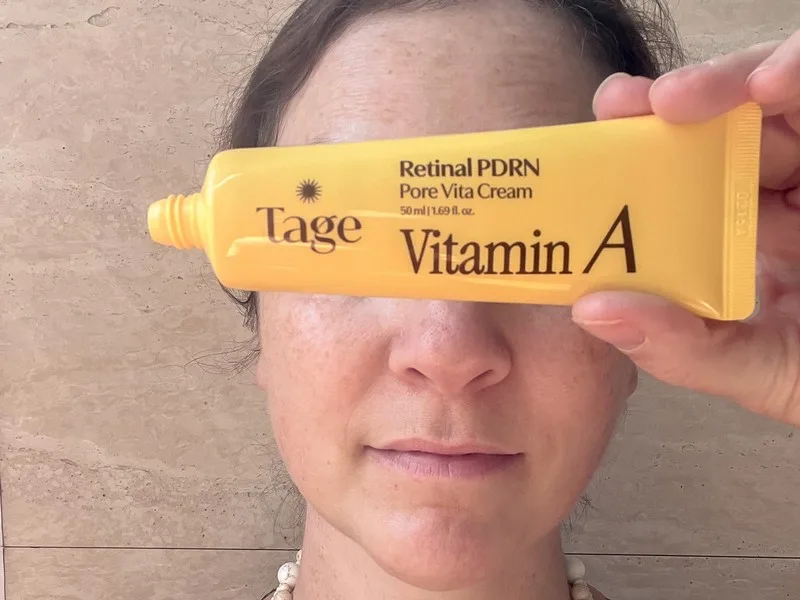
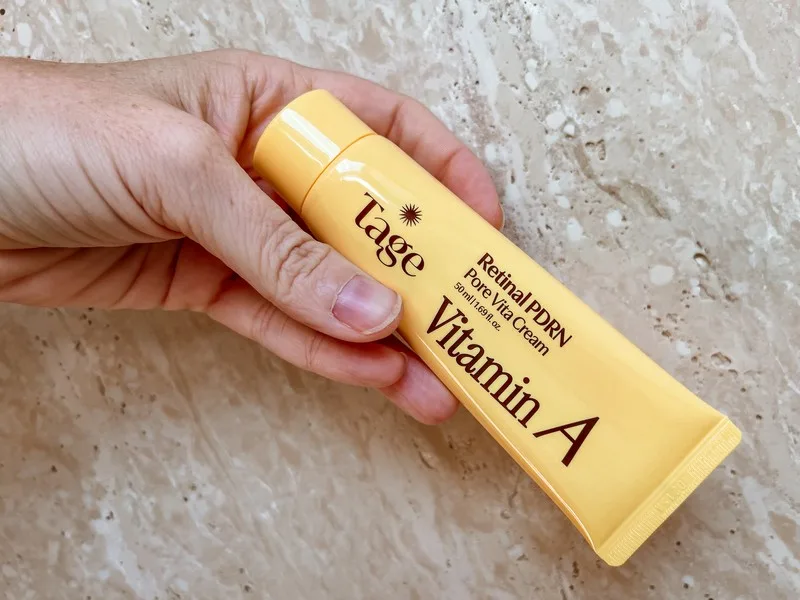
The star in this product is retinal wrapped in liposomes, which are tiny capsules that release it slowly, which speeds up cell turnover, smooths texture, and helps pores look smaller over time. Because it’s released gradually and the dose is low, it’s meant to be gentle enough for first-time retinoid users.
This cream also contains sodium DNA, or rice PDRN, for hydration and barrier support. Five ceramides, cholesterol and linoleic acid help rebuild the skin barrier, and 15 peptides, including copper tripeptide-1, work on firmness and smoothness over time. Finally, four types of hyaluronic acid and panthenol add hydration and soothing, and shea butter gives it that melts-like-butter texture.
PDRN in Korea: If you’ve spent any time in Korea, you’ve probably heard people talk about “salmon injections” (연어 주사) at the dermatologist. That’s PDRN, and it’s the reason the ingredient became a K-beauty buzzword. Tage uses a plant PDRN from rice in a cream you put on at home, which obviously isn’t the same as having it injected at a clinic. I’d think of it as a nice supporting ingredient rather than the reason to buy.
My Thoughts
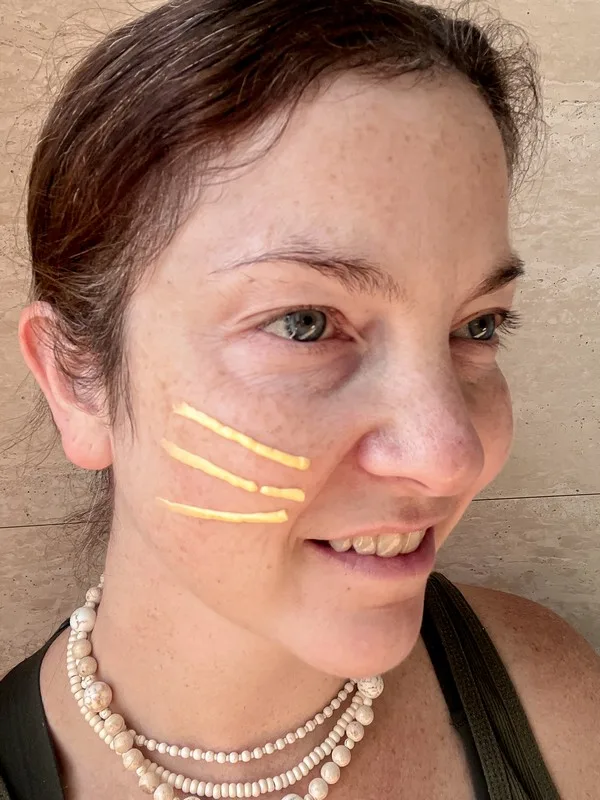
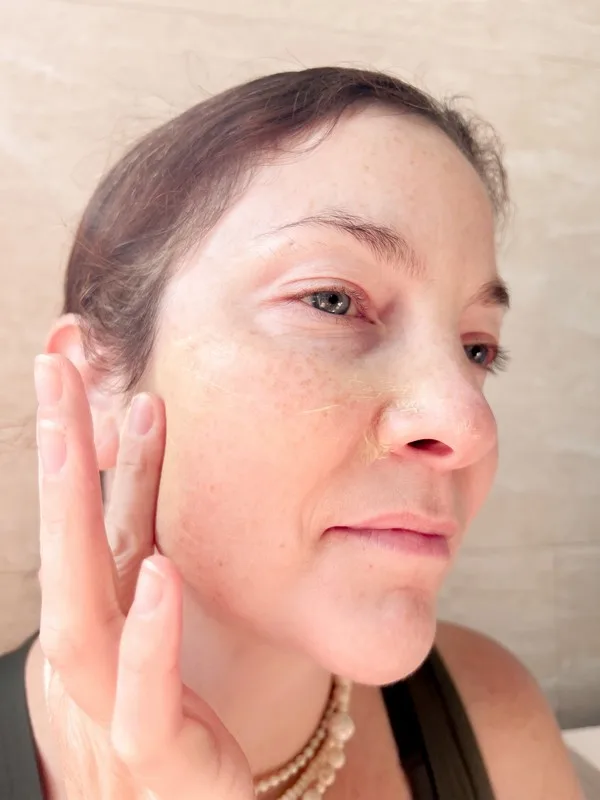
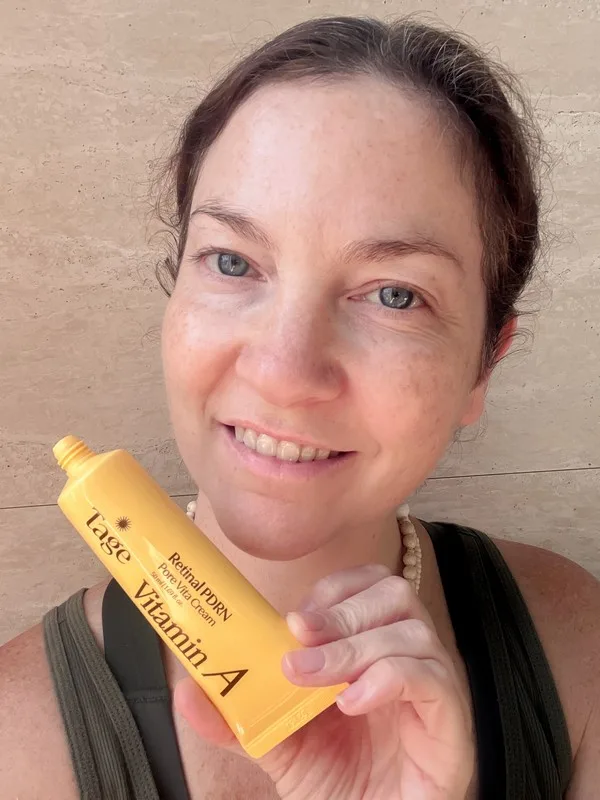
I’m over 40 and have dry skin, and I’ve been using this cream for three weeks. In that time I had no tingling, no redness, no peeling and no breakouts. I use the cream at night only. After cleansing, I put on a pea-sized amount as my last step, and I always wear sunscreen the next morning since retinoids make your skin more sensitive to the sun.
In my experience, it’s been great for dry skin. It’s quite thick, so it’s ideal for the fall chill we’re having now and the winter that’s coming. If I’m being honest, I’m not sure I’d be able to wear it comfortably in summer. I do love a heavy cream, though. The texture starts thick but melts very comfortably into the skin as I smooth it across my face. The texture is really appealing that way.
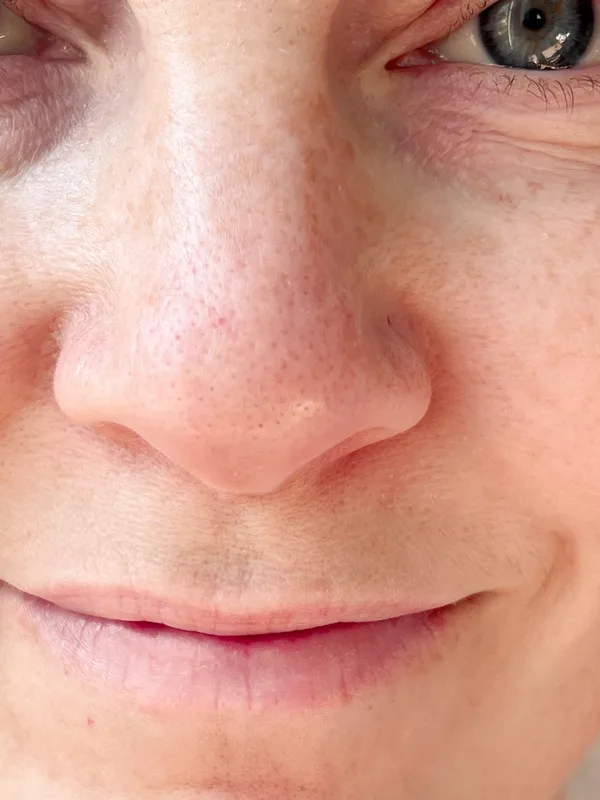
Putting it on at night and waking up with hydrated skin is always the goal for me, and this cream does that. Three weeks is still a bit early for retinal, though. Changes in texture and pores usually take at least four to eight weeks, so I’ll update this post once I’ve hit the two-month mark.
As for pores, it’s important to remember that nothing permanently shrinks them. What retinal can do is speed up cell turnover so pores stay clearer and the skin around them looks smoother, which makes pores look smaller. That takes weeks, not days. Any instant blurring you notice the first night is the moisturizers plumping up your skin. That’s definitely nice, and I enjoyed it, but it’s not the retinal at work just yet.
Where To Buy: StyleKorean, and YesStyle, or on Tage’s Amazon Storefront. In Seoul, find it at Musinsa Beauty Hongdae or Onnuri Pharmacy (details below).
Ingredients
Water (aqua), Pentaerythrityl tetraethylhexanoate, Butylene glycol, Caprylic/capric triglyceride, Glycerin, Butyrospermum parkii (shea) butter, Caprylyl methicone, Cetearyl alcohol, 1,2-hexanediol, Betaine, Cetearyl olivate, Dipentaerythrityl hexa C5-9 acid esters, Panthenol, Ceramide NP, Ceramide NS, Ceramide AP, Ceramide AS, Ceramide EOP, Cholesterol, Linoleic acid, Phytosphingosine, Soluble collagen, Copper tripeptide-1, Palmitoyl tripeptide-1, Palmitoyl tripeptide-5, Palmitoyl tetrapeptide-7, Palmitoyl pentapeptide-4, Acetyl hexapeptide-8, Acetyl octapeptide-3, Acetyl tetrapeptide-2, Acetyl tetrapeptide-3, Acetyl tetrapeptide-5, Acetyl tetrapeptide-9, Tripeptide-1, Nonapeptide-1, Oligopeptide-1, Dipeptide-2, Hydrolyzed hyaluronic acid, Sodium hyaluronate, Sodium hyaluronate crosspolymer, Hyaluronic acid, Hydrolyzed glycosaminoglycans, Tocopherol, Retinal, Inositol, Palmitic acid, Coptis japonica extract, Leontopodium alpinum callus culture extract, Macadamia ternifolia seed oil, Borago officinalis seed oil, Niacinamide, Ethylhexylglycerin, Adenosine, Sodium DNA, Brassica campestris (rapeseed) sterols, Tromethamine, Xanthan gum, Aluminum/magnesium hydroxide stearate, Disodium EDTA, Potassium cetyl phosphate, Pentaerythrityl tetra-di-t-butyl hydroxyhydrocinnamate, Sodium phytate, Propanediol, Carbomer, Sodium lactate, Benzyl glycol, Polysorbate 20, Sodium ascorbyl phosphate, Biotin, Folic acid, Pyridoxine, Cyanocobalamin, Beta-carotene, Carnosine, Riboflavin, Thiamine HCl, Sorbitan olivate, C12-20 alkyl glucoside, C12-16 alcohols, Polyglyceryl-3 methylglucose distearate, C14-22 alcohols, Cetearyl glucoside, Hydrogenated lecithin, Polyglyceryl-10 laurate, Polyglyceryl-10 stearate, Acrylates/C10-30 alkyl acrylate crosspolymer, Silica, Stearic acid
Tage Retinal Dual Volume Vita Multi Balm (Retinal Stick) Review
What It Does
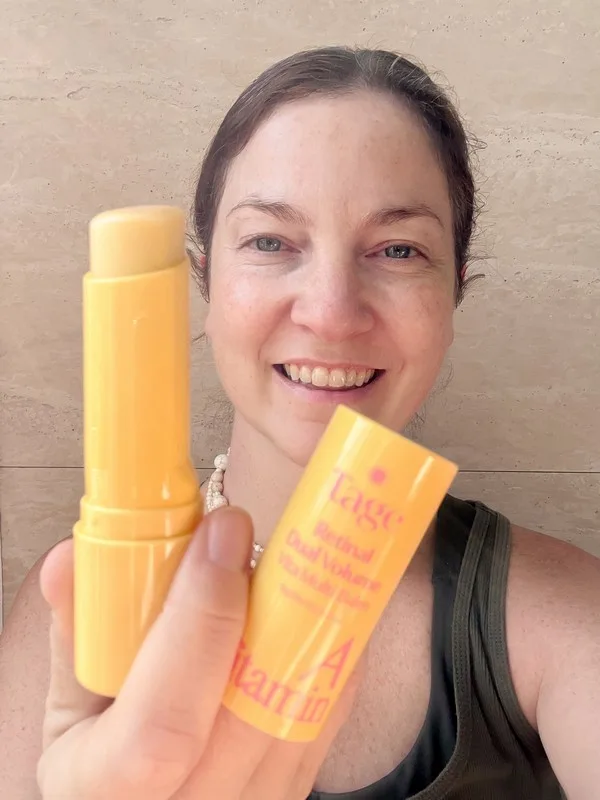
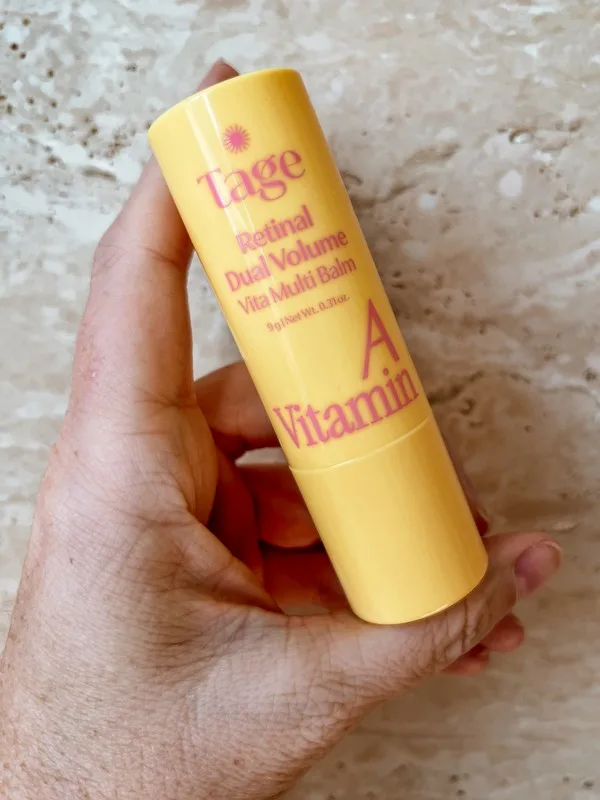
This balm stick pairs retinal with 6% Volufiline, a plumping ingredient. The goal is to soften the look of expression lines and help areas that have started to look a bit hollow, like under the eyes, so that the skin look fuller. Volufiline isn’t a single ingredient. It’s a blend of hydrogenated polyisobutene (a lightweight emollient) and Anemarrhena root extract. On this stick, hydrogenated polyisobutene is the fifth ingredient listed, which lines up with the 6% claim.
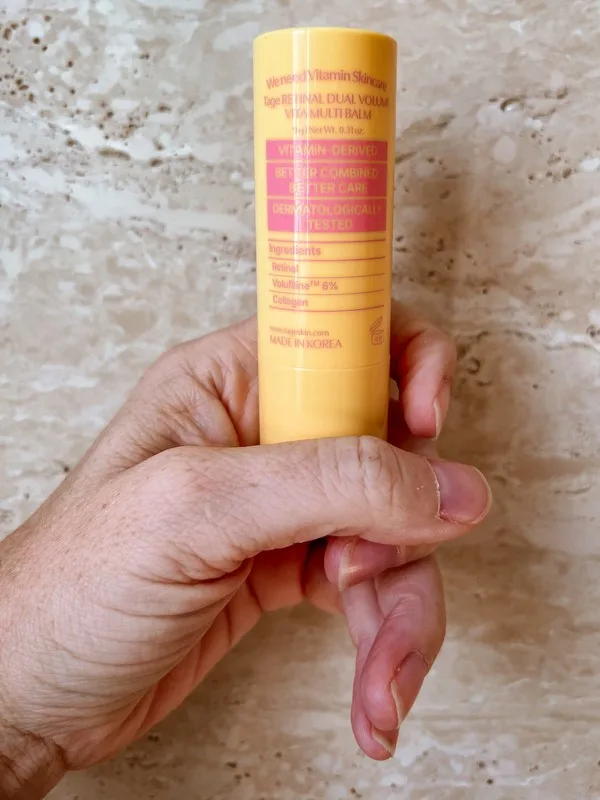
Retinal, on the other hand, is the very last ingredient. That doesn’t mean it does nothing, but it does mean this is a Volufiline balm with a touch of retinal, not a retinal treatment. If retinal is what you’re really after, the cream is the stronger choice. Though they work hand in hand wonderfully, hence I’m combining them into one review.
Volufiline was developed by the French company Sederma from the root of Anemarrhena asphodeloides (known in Korean herbal medicine as 지모). It was originally marketed for bust volume, and the most-cited study had 28 women apply it to one breast for 56 days. The idea is that its active compound, sarsasapogenin, encourages fat cells to store more lipids, which could make an area look fuller. But there’s very little independent clinical research on it, and dermatologists are clear that it’s not a replacement for filler. I’d think of it as a plumping moisturizer, not a needle-free injection.
My Thoughts
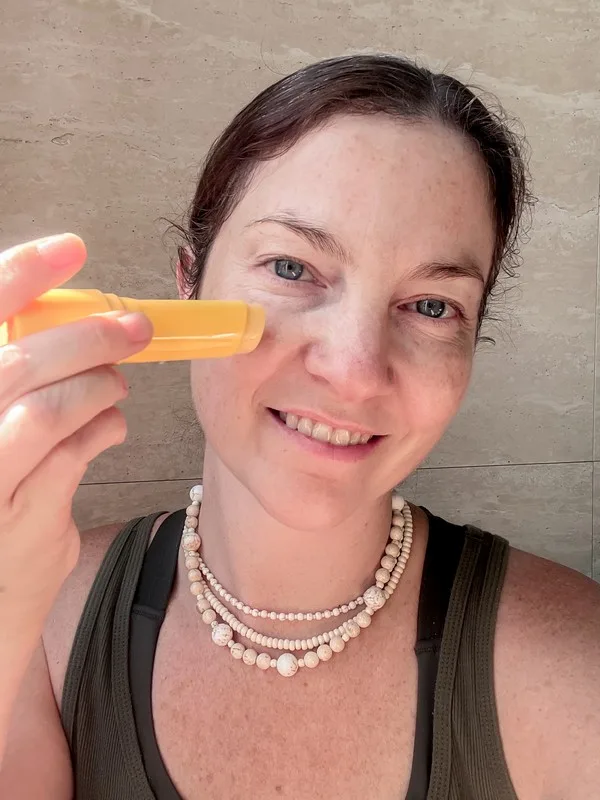
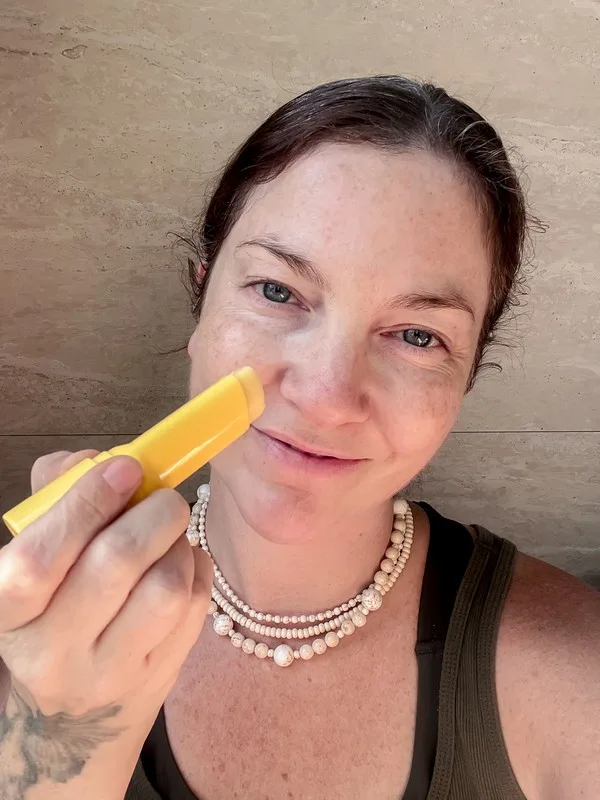
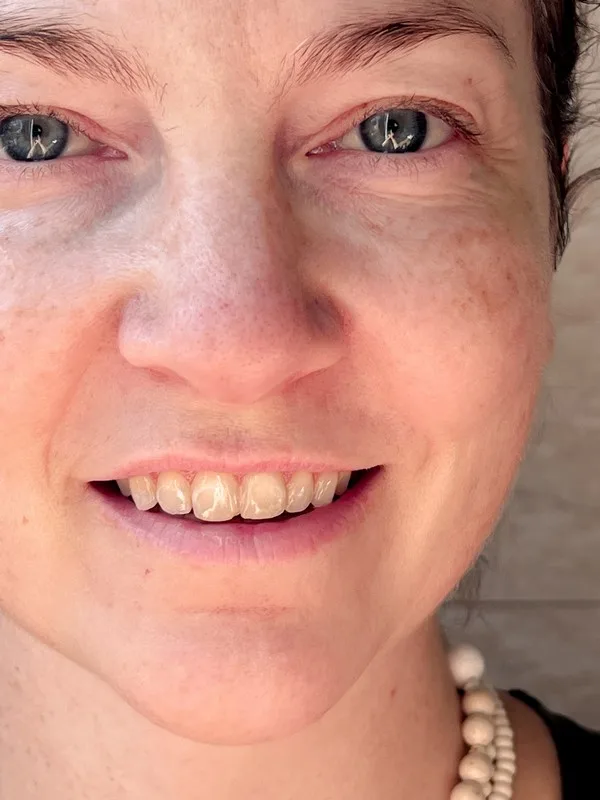
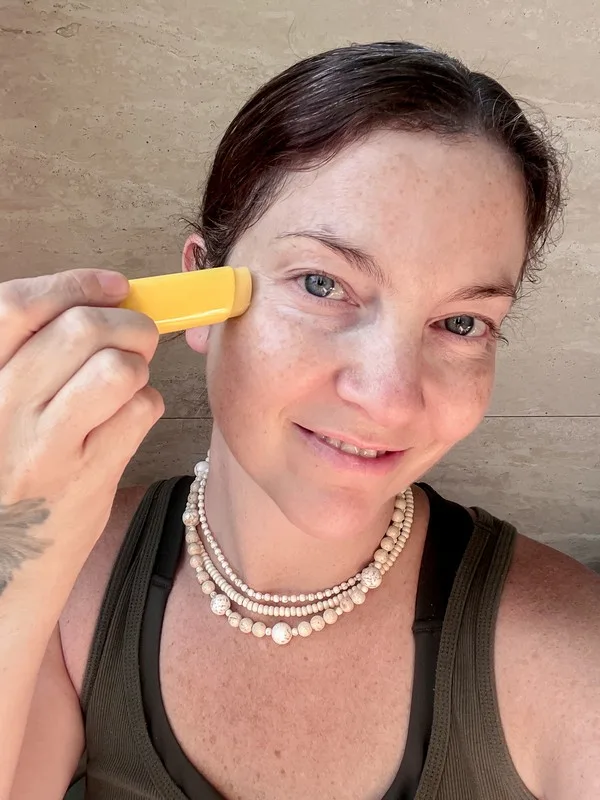
I used the stick on my face for the same three weeks, and just like the cream, it caused no tingling, redness, peeling or breakouts on my dry skin. I used it both day and night. There is a scent but isn’t overwhelming, it’s light and comes from cedarwood oil, so if you’re sensitive to fragrance or essential oils, patch test first.
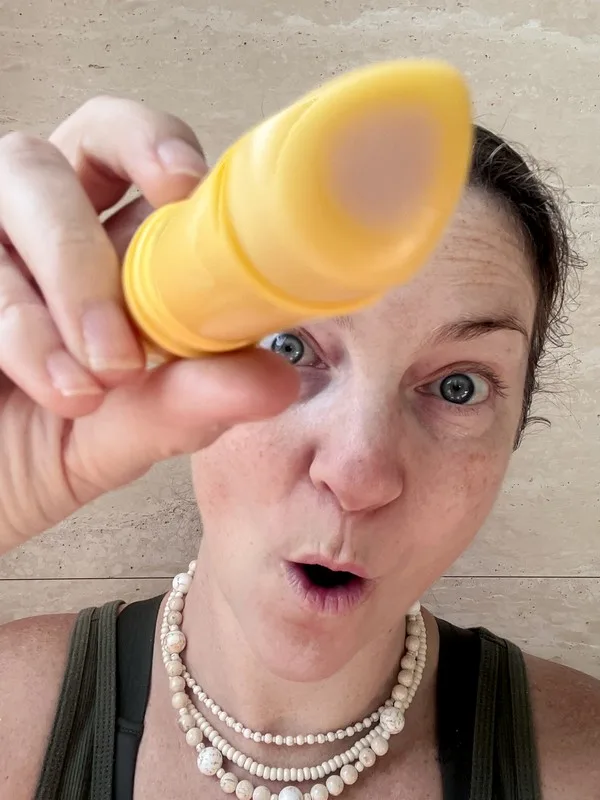
The teardrop shape has a narrow tip and a wide side. The tip is made for precise spots like eye corners, smile lines and around the lips, while the wide side is for bigger areas like the forehead, cheeks and neck. It’s a small detail, but it’s really nice when you’re working around your eyes. It glides on easily and doesn’t leave a sticky feeling after use. It soaks into the skin and creates a great feeling on. While nothing will really get rid of these smile lines, I love a multibalm just as much as the next woman in Korea. Great for on the go touch ups on my dry skin.
Where To Buy: StyleKorean, and YesStyle, or Tage’s Amazon Storefront. In Seoul, find it at Musinsa Beauty Hongdae or Onnuri Pharmacy (details below).
Ingredients
Helianthus Annuus (Sunflower) Seed Oil, Isononyl Isononanoate, Caprylic/Capric Triglyceride, Synthetic Wax, Hydrogenated Polyisobutene, Butyrospermum Parkii (Shea) Butter, Silica, Bis-Diglyceryl Polyacyladipate-2, Ceresin, Ethylene/Propylene Copolymer, Microcrystalline Wax, Elaeis Guineensis (Palm) Oil, Polyglyceryl-4 Diisostearate/Polyhydroxystearate/Sebacate, Dipropylene Glycol, Glycerin, Cedrus Deodara Wood Oil, Water, Tocopheryl Acetate, Polyglyceryl-3 Oleate, Caprylyl Glycol, Diisostearoyl Polyglyceryl-3 Dimer Dilinoleate, Hydrogenated Lecithin, Polyglyceryl-10 Oleate, Persea Gratissima (Avocado) Oil, Adenosine, Tocopherol, Anemarrhena Asphodeloides Root Extract, 1,2-Hexanediol, Butyrospermum Parkii (Shea) Butter Extract, Lactobacillus Ferment Lysate, Panthenol, Alkanna Tinctoria Root Extract, Hydrolyzed Collagen, Ceramide NP, Cholesterol, Stearic Acid, Soluble Collagen, Squalane, Macadamia Ternifolia Seed Oil, Oleic Acid, Polydecene, Brassica Campestris (Rapeseed) Sterols, Polyglyceryl-3 Methylglucose Distearate, Retinal
Where to Buy Tage in Seoul
If you’re in Seoul and want to check out the products in person, Tage is currently sold at Musinsa Beauty (무신사 뷰티) and Onnuri Pharmacy (온누리약국) in Hongdae. If you’re visiting Korea, it’s a good idea to pick these up during your trip. Prices are often lower here, and tax refunds may apply at stores that offer them.

Musinsa Beauty Hongdae (무신사 뷰티 홍대점)
- Address: B1, 18 Hongik-ro, Mapo-gu, Seoul Korean address: 서울특별시 마포구 홍익로 18 무신사 뷰티 홍대점 지하 1층
- Nearest subway: Hongik University Station (Line 2, Airport Railroad, Gyeongui-Jungang Line)
FAQ
Is Tage a Korean brand?
Yes. Tage is a Korean sun care brand, and its products are made in Korea. It’s best known for its Cica-Tree sunscreens and built its skincare around a “Shield and Repair” idea: protect from the sun by day, help skin recover at night.
Where can I buy Tage in Seoul?
Tage is sold at Musinsa Beauty and Onnuri Pharmacy in Korea. In Seoul, the easiest spot is Musinsa Beauty Hongdae, on the B1 floor at 18 Hongik-ro, Mapo-gu (서울특별시 마포구 홍익로 18 무신사 뷰티 홍대점 지하 1층).
Can I use the Tage Retinal PDRN Pore Vita Cream in the morning?
It’s recommended to use this product at night due to the retinal inclusion. If you do use it in the morning, always follow with plenty of sunscreen.
Can I use the Tage retinal stick under my eyes?
Yes, the under-eye area is one of its main uses, and the narrow tip is designed for it. Keep it on the orbital bone and away from the lash line and eyelids, and patch test first since the stick contains cedarwood oil.
Does Volufiline really work like filler?
No. Volufiline may help skin look a bit plumper with regular use, but there’s little independent research, and dermatologists say it isn’t comparable to injectable filler. Think of it as a plumping moisturizer.
What is the difference between retinal and retinol?
Retinal is one conversion step from retinoic acid, the form skin uses, while retinol needs two. That means retinal works at lower concentrations and often faster than retinol.
Is plant PDRN the same as salmon PDRN?
No. Most clinic PDRN treatments in Korea (like the “salmon injection”) use DNA fragments from salmon, delivered by injection. Tage uses PDRN from rice in a topical cream, which is gentler and works mainly as a hydrating, barrier-supporting ingredient.
How long does it take to see results from a retinal cream?
Expect at least 4 to 8 weeks of consistent use for changes in texture and pores, and longer for fine lines. Any smoothing you notice in the first few days comes from hydration, not the retinal.
Will Tage retinal cream make me purge?
Because the retinal dose is low and encapsulated, most people won’t purge much, if at all. I had no breakouts in three weeks of use. If you do get a few breakouts in the first few weeks, cut back to every other night.
Can I use the cream and the stick together?
Yes. Use the cream all over at night and the stick on specific areas. If you’re new to retinoids, start the cream alone for two weeks first.
The cream is the one I’d buy again. After three weeks on my dry, over-40 skin, it caused no irritation at all, and I wake up with hydrated skin. It’s thick, so it’s perfect for fall and winter, though I might switch to something lighter in summer. If you’re curious about retinal and your skin leans dry, it’s an easy place to start.
Did you like this post? Pin iT!