Riding The Bus In Seoul: What To Know
Last Updated on June 1, 2024
When it comes to transportation in Seoul, the infrastructure is amazing. The Seoul Subway System is vast and usually the easiest to use for newcomers. The buses on the other hand, tend to be the hardest for newcomers to master. Bus routes can definitely help you reach certain places a lot easier though, so let me help you learn how to use the buses in Seoul.
I personally enjoy taking the bus more than the subway because I can look out the windows and see what’s going on and spot sights in neighborhoods I might not know existed. If you’re going longer distances, the subway is probably your best choice, but if you’ve got shorter distances, or are headed up into neighborhoods on the mountain sides, buses will likely be your best bet.
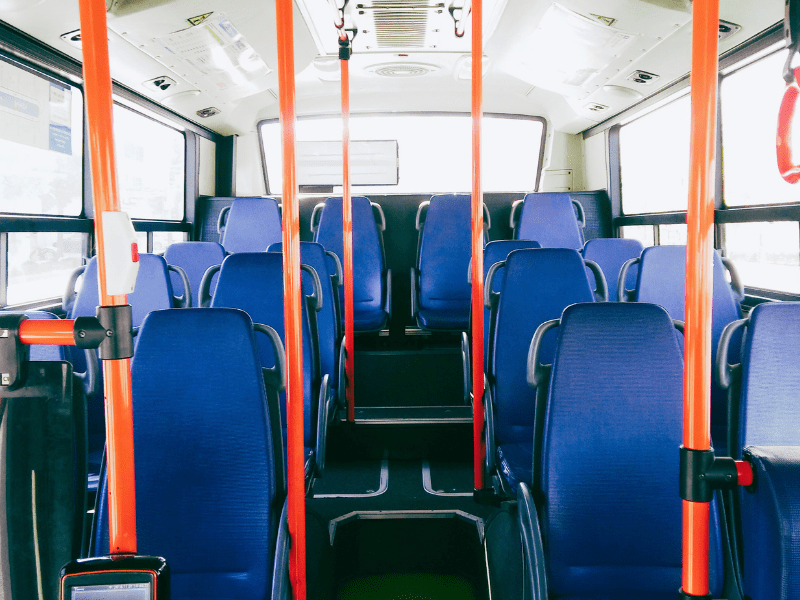
Riding buses in Seoul can seem daunting at first, but with a little information, you’ll be ready to jump on and see where you end up:
- Kinds of Buses in Seoul
- How To Pay For The Bus In Seoul
- Riding Buses In Seoul With Kids
- Express Buses To Regional Cities From Seoul
(This post contains affiliate links, which means I receive a certain percentage of a sale if you purchase after clicking at no cost to you. Thank you for your support.)
Buses travel in 5 to 15 minute intervals and most routes start at 4:30am and the last buses make their round at midnight. But, there are also night routes, though there are less of them, they do help the late night folks get home. Trying to get around Seoul? Make sure you check out the bus routes, a bus might just get you closer than the subway.
Kinds of Buses in Seoul
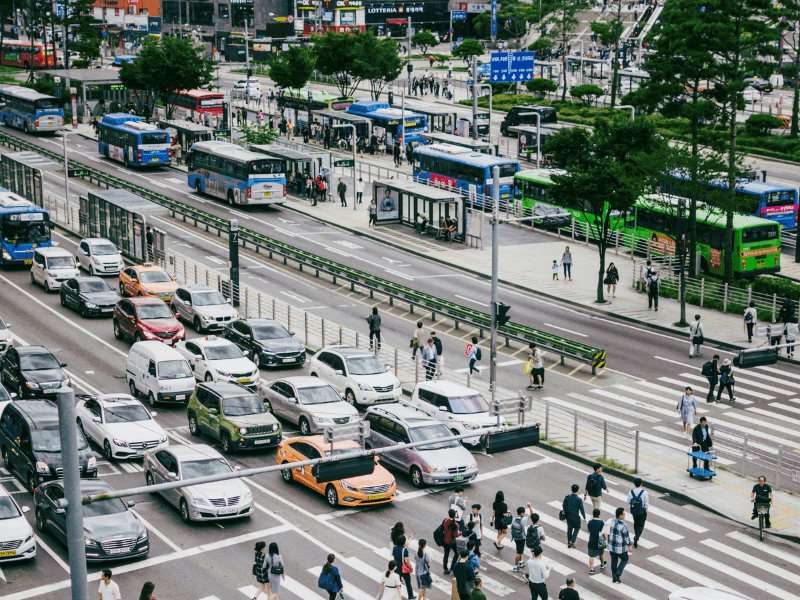
Ilban buses, or city buses, are the most commonly seen buses in the city. When you start riding, the first thing you might notice is that there are many colors of buses. What do the different colors of buses in Seoul mean? Keep reading to find out.
Blue Buses (Main Routes)
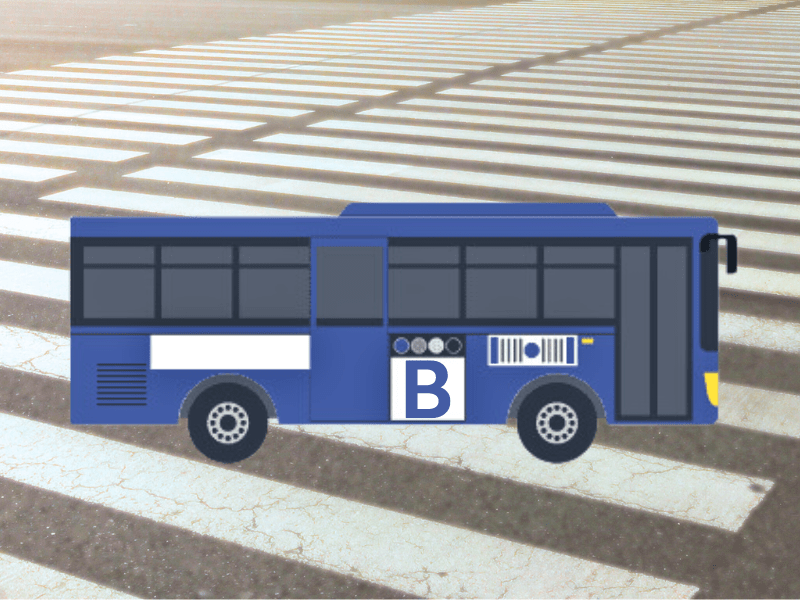
Blue buses connect suburban areas to downtown Seoul. There are three types of blue buses, the bendable bus, the compressed natural gas (CNG) bus which has a lower platform and the regular compressed natural gas (CNG) bus.
These buses operate at higher speeds and travel longer distances within the city. If you’re trying to get across the city, see what blue buses are coming through.
Green Buses (Branch Routes)
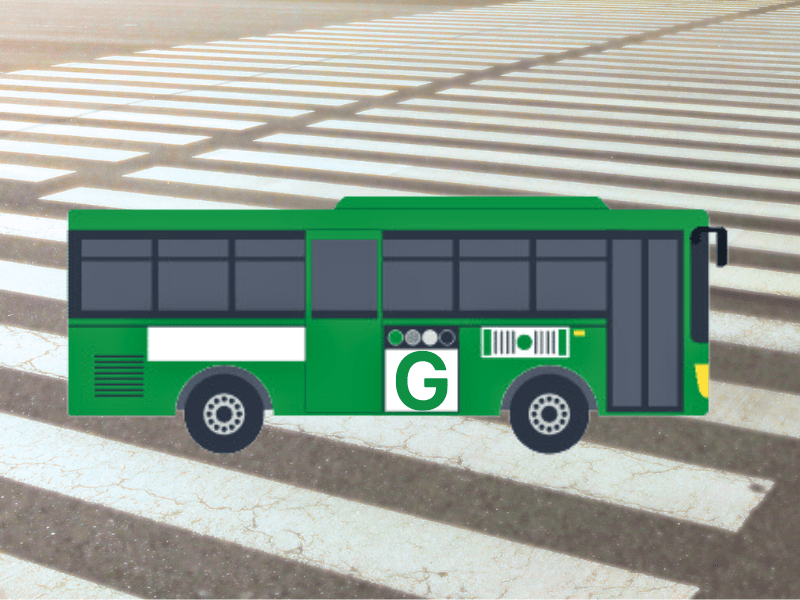
Green buses are operated by private companies. These branch buses connect residential areas, subway lines and bus terminals.
If you’re going a shorter distance within your district, or trying to get from your house to the nearest subway station, you’ll want to see what green buses are coming near you.
Yellow Buses (Circulation Routes)
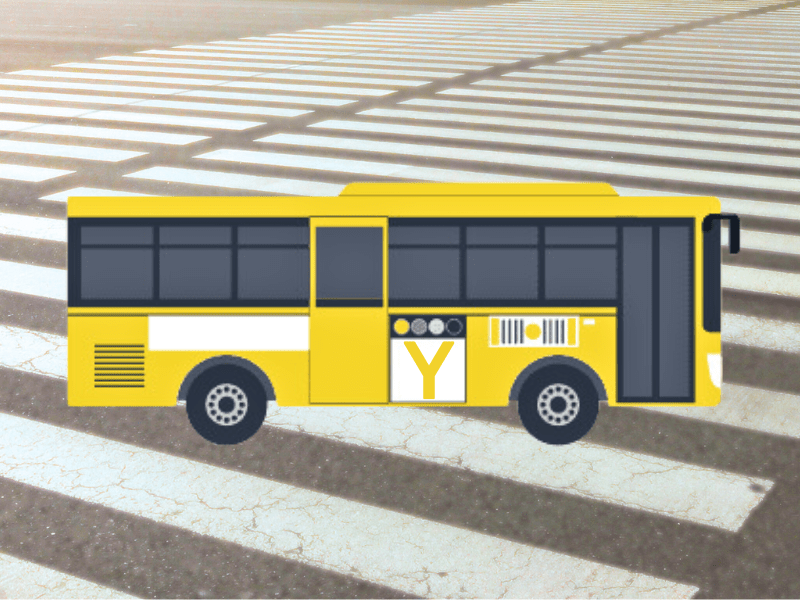
Yellow buses accommodate various traffic demands. The yellow buses circle downtown Seoul and make short stops at major tourist, shopping, and business areas around the center of the city.
Probably because I’ve always lived in more residential areas, I have ridden yellow buses the least of all of the Seoul city buses.
Red Buses (Metro Routes)
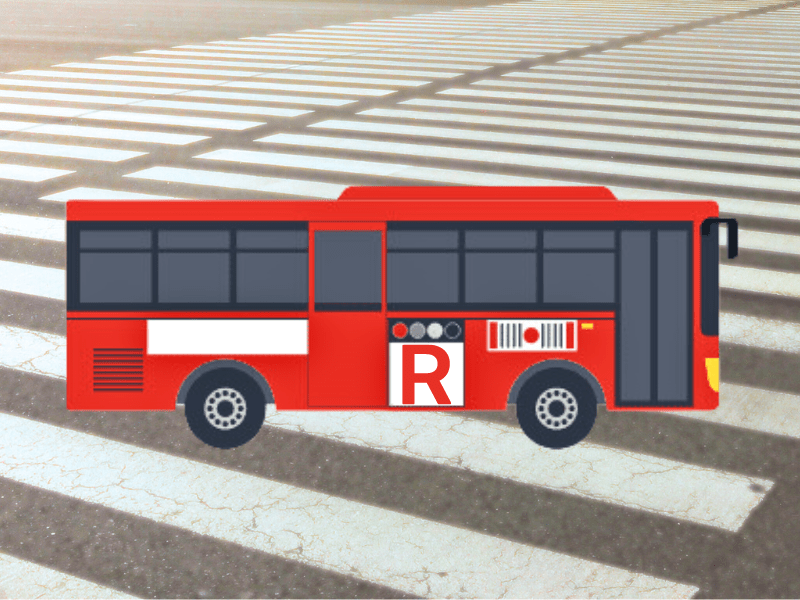
Red buses are express buses. They are the quickest of the group of buses and they make fewer stops. These buses are required to have everyone traveling on them seated as they often travel on major highways.
The main purpose of express buses is to provide commuters easier access to neighborhoods in Seoul from nearby cities like Ilsan, Bundang, Suji, Suwon, Anyang, and Incheon.
Autonomous Buses
While I’ve only ridden in the autonomous taxi so far, Seoul is now operating autonomous buses in the downtown area. These autonomous buses are operated by TAP! and are only going very short distances, a matter of blocks really, more as data collection and practice.
You can find them near the Cheonggyecheon Stream area and a few other areas currently. To ride them, you need to download the TAP! app (for iOS, for Android).
Maeul Buses (Community Routes)
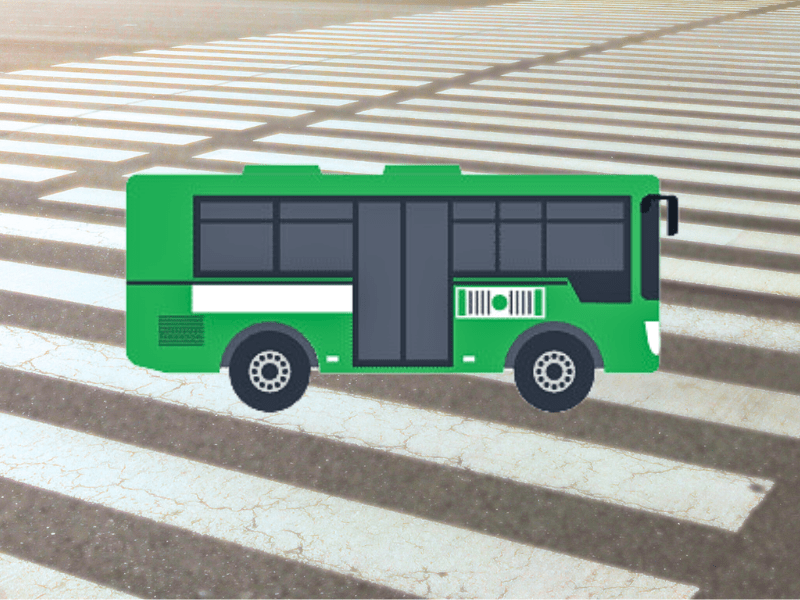
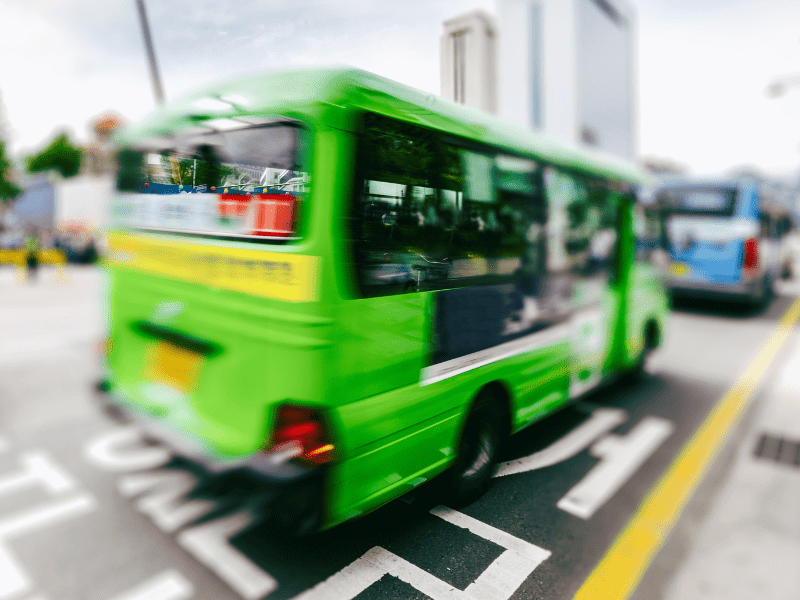
Maeul buses are half the size of the buses listed above making them easy to spot. They are community buses that have shorter routes in residential areas.
If you live up on a mountainside in Seoul, you’ll likely want to get to know your local maeul bus as they’ll get you from the nearest subway up and down the hills if you don’t want to walk.
Night Buses
Beginning with the letter “N” followed by a number rather than just a number like the other buses mentioned above, night buses, also called owl buses have routes that go through major metropolitan areas and then out to residential areas. The routes are adjusted so there are less routes but they can reach most of the city.
Night buses in Seoul cost a bit more than the daily buses, but they run between the hours of 10:00pm and 4:00pm. If you’re using your trusty Korean travel apps, you’ll be able to find the route nearest you.
How To Pay For The Bus In Seoul
Fares for Seoul city buses and Maeul buses can be paid with T-money, U-Pass, EB Card, Cashbee, and Korail Membership Cards. While you can pay with cash on some buses, more and more of the lines are going cashless, so it’s best to have a card.
If you’re a resident, ask at your local bank for a debit card that can also act as a transportation card. These are really useful for travel no matter what you’re getting on and off.
There are a number of cards that will work on the Seoul city buses, deciding which one to get is just a matter of deciding what you’ll be doing and what perks you want to take advantage of.
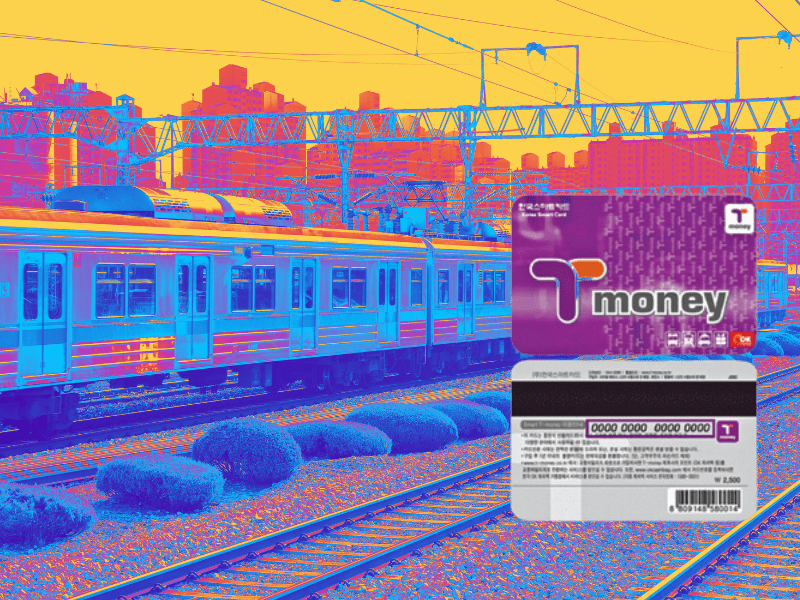
T-Money Card
I recommend getting a T-money card. This rechargeable smart card is the basic travel card that all Koreans use to get to and fro and not only allows you to ride the subway but can also be used on buses and taxis. You can purchase these cards at subway station vending machines or convenience stores.
- Convenience Stores: You can purchase a T-Money card at GS25, CU, 7-Eleven, MINISTOP, Story Way, Emart24, 365 PLUS
Special Designs: There are a variety of design options when it comes to T-Money cards. The most basic ones are cheaper when you go to buy them up at any convenience store, but there are cuter designed ones, which many tourists opt for as they want to keep them as souvenirs are available too.
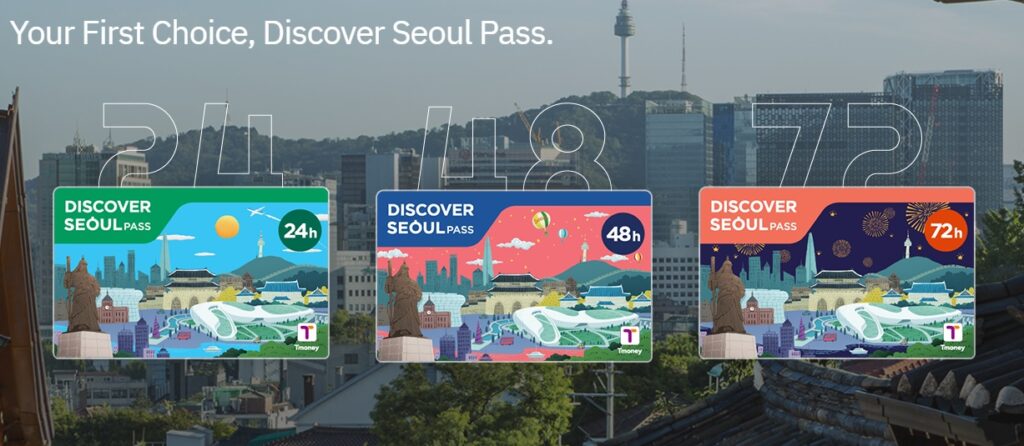
Discover Seoul Pass
Created by the Seoul Tourism Organization and the Seoul Metropolitan Government, their goal was to give foreign tourists access to the most prominent landmarks in the capital of Korea. The Discover Seoul Pass functions as your admission ticket and transportation card as you go from place to place and acts as a discount card too.
Check out these Discover Seoul Pass Itineraries to maximize your time with the card.
Prebook and buy a T-Money card to pick up at the airport or to have delivered to you here:
- Klook Discover Seoul Pass: You can book a 24 hour, 48 hour, or 72 hour Discover Seoul Pass on Klook and you can pick it up at the Incheon International Airport.
Riding Buses In Seoul With Kids
If you plan to take kids with you on the buses in Seoul, here are some pointers to help you on your way:
- Seoul city buses are free for up to 3 children under the age of 6 when they accompany an adult.
- Children ages 6 to 18 are required to pay for travel. Unlike standard adult fares, children’s fares offer discounted rates. To get these rates, it’s crucial to note that the birthdate of the child must be added to the card otherwise the standard fare will be set for them. This can be done in convenience stores or at a subway information booth.
- While you can get a T-money card just for your child to use which is necessary if you’ll be taking the subway, when riding a bus, you can you ask the driver to add them to your fare before tapping in so you just worry about one card tapping in and tapping out.
Express Buses To Regional Cities From Seoul
When you start planning trips across the country of Korea, you have a couple of choices; there are trains, but cities not near a train line, there are express buses. The fare is relatively cheap and the routes are more diverse.
You can, but don’t have to, make reservations for tickets in advance for most days of the year. That said, there is a high chance that tickets will be sold out on major Korean holidays like Seollal (the Lunar New Year) and Chuseok (Korean Thanksgiving).
Buses run so often, even if the first one is full, you’ll be able to get on the next one. There are three types of buses on express bus routes: regular, superior, and premium. The biggest difference is comfort and space. The more you pay, the more space and amenities you’ll enjoy.
There are four bus terminals in Seoul:
It’s important that you know which terminal you need to go to as they don’t all offer routes to the same cities. For example, not all terminals offer routes to Mokpo in Jeollanam-do.
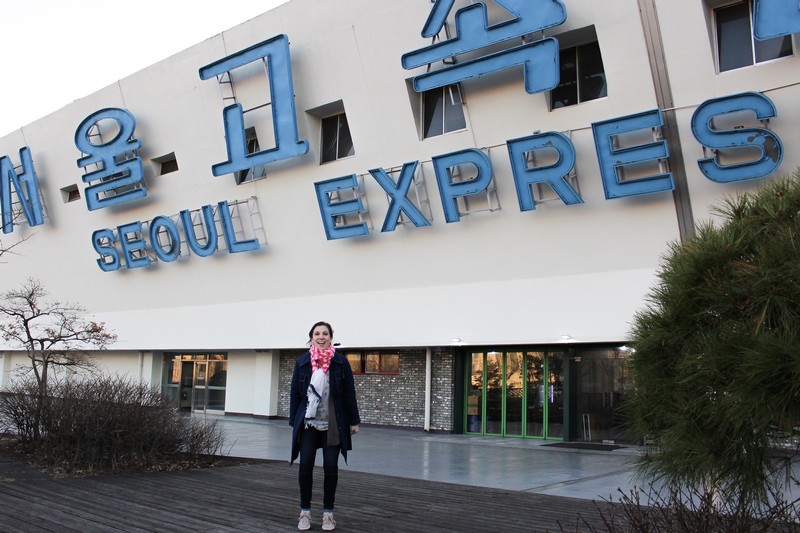
Seoul Express Bus Terminal (서울고속버스터미널)
This terminal is also called Gangnam Express Bus Terminal and is Seoul’s main bus terminal.
- Address: 194 Sinbanpo-ro, Seocho-gu, Seoul (서울 서초구 신반포로 194)
- Directions: This bus terminal is attached to subway line 3, line 7 and line 9 at Express Bus Terminal Station.
- Major Routes:
- Gyeonggi-do: Singal, Anseong, Anjung, Yeoju, Osan, Yongin, Icheon, Pyeongtaek
- Gangwon-do: Gangneung, Donghae, Samcheok, Sokcho, Yangyang, Wonju, Chuncheon, Heongseong
- Chungcheongbuk-do: Cheongju, Jecheon, Chungju, Hwanggan
- Chungcheongnam-do, Daejeon: Daejeon, Jochiwon, Gongju, Geumsan, Naepo, Nonsan, Dangjin, Seosan, Sejong, Asan Onyang, Yeonmudae, Yesan, Yuseong, Cheonan, Cheongyang
- Gyeongsangbuk-do, Daegu: Gyeongsangbuk-do Provincial Government Complex, Gyeongju, Gumi, Gimcheon, Daegu, Sangju, Andong, Yeongdeok, Yeongju, Yeongcheon, Yecheon, Uljin, Jeomchon, Pyeonghae, Pohang, Punggi
- Gyeongsangnam-do, Busan: Gimhae, Masan, Miryang, Busan, Ulsan, Jinju, Changwon, Tongyeong

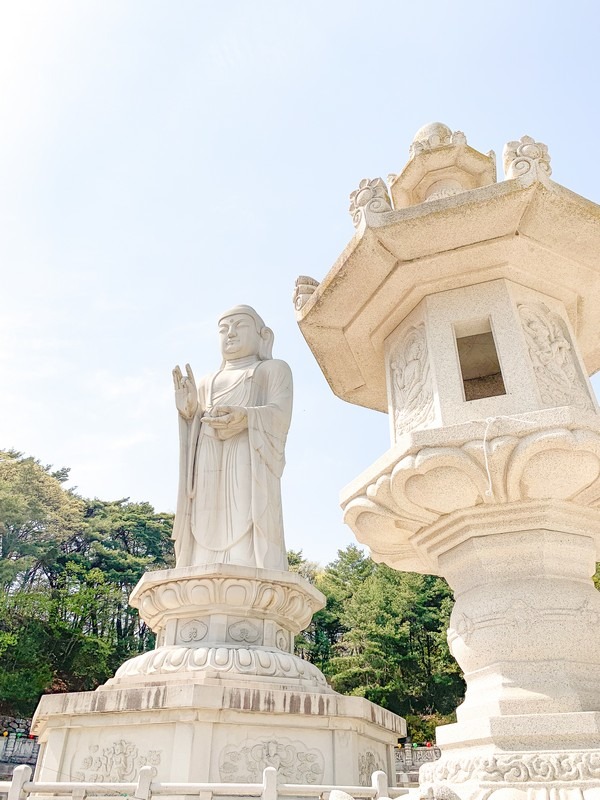
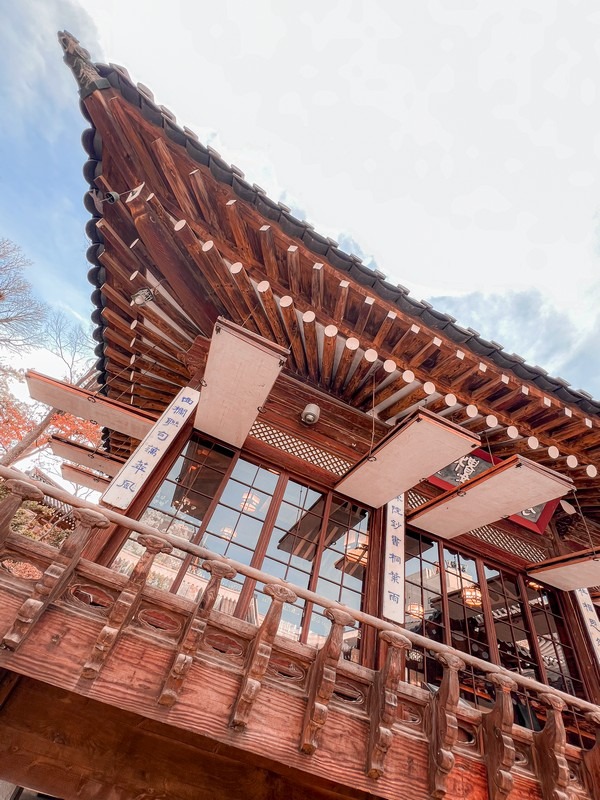
Dong Seoul Terminal (동서울종합터미널)
- Address: 50 Gangbyeon Station-ro, Gwangjin-gu, Seoul (서울 광진구 강변역로 50)
- Directions: This bus terminal is just outside of Gangbyeon Subway Station on line 2.
- Major Routes:
- Gyeonggi-do: Gapyeong, Daeseong-ri, Cheongpyeong, Pocheon, Anseong, Ansan, Yangpyeong, Uijeongbu
- Gangwon-do: Gangneung, Goseong, Donghae, Samcheok, Sokcho, Yanggu, Yangyang, Wonju, Jeongseon, Cheorwon, Chuncheon, Taebaek, Pyeongchang
- Chungcheongbuk-do: Goesan, Danyang, Boeun, Yeongdong, Eumseong, Jecheon, Jeungpyeong, Jincheon, Cheongju, Chungju
- Chungcheongnam-do: Gongju, Nonsan, Dangjin. Daejeon, Boryeong, Buyeo, Seosan,, Sejong, Asan, Yesan, Cheonan, Cheongyang, Taean, Hongseong
- Gyeongsangbuk-do: Gyeongsan, Gyeongju, Gumi, Gimcheon, Daegu, Mungyeong, Bonghwa, Sangju, Seongju, Andong, Yeongju, Yecheon, Uljin, Cheongdo, Pohang
- Gyeongsangnam-do: Geoje (Gohyeon), Gimhae, Namhae, Busan, Yangsan, Ulsan, Jinju, Changnyeong, Tongyeong, Hapcheon, Hamyang
- Jeollabuk-do: Gunsan, Gimje, Namwon, Buan, Iksan, Imsil
- Jeollnam-do: Gurye, Mokpo, Muan, Suncheon, Yeosu, Yeonggwang, Jindo, Haenam
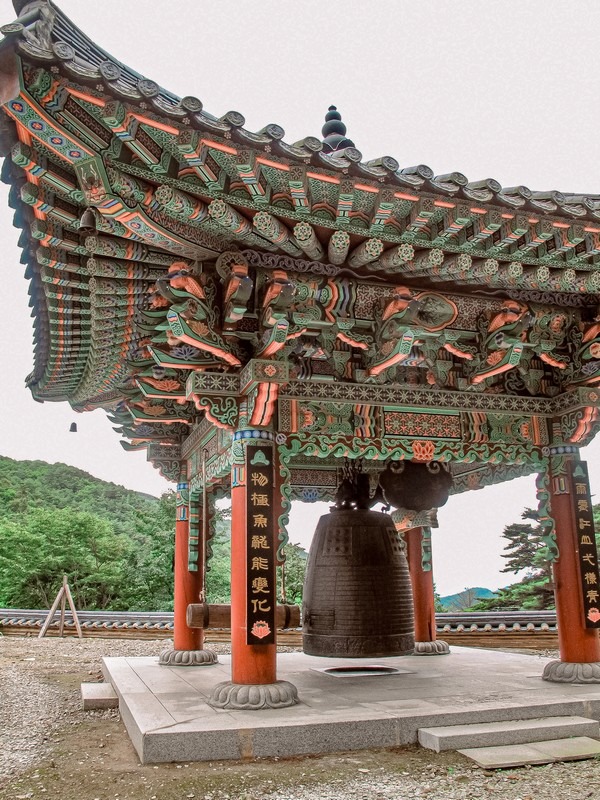
Central City Bus Terminal (센트럴시티터미널)
- Address: 176 Sinbangpo-ro, Seocho-gu, Seoul (서울 서초구 신반포로 176)
- Directions: This bus terminal can be found where subway lines 3, 7 and 9 cross at Express Bus Terminal Station.
- Major Routes:
- Chungcheongbuk-do: Cheongju (Songnisan Mountain, Boeun), Bukcheongju (Cheongju Airport), Chungju, Goesan (Jeungpyeong), Boeun, Songnisan Mountain
- Chungcheongnam-do, Daejeon: Daejeon, Jochiwon, Gongju, Geumsan, Naepo, Nonsan, Dangjin, Seosan, Sejong, Asan Onyang, Yeonmudae, Yesan, Yuseong, Cheonan, Cheongyang
- Jeollabuk-do: Gochang, Gunsan, Gimje, Namwon, Buan, Sunchang. Sunchang, Iksan, Gangjin, Jeonju, Jeongeup
- Jeollanam-do: Gwangju, Gangjin, Goheung, Gokseong, Gwangyang, Gurye, Naju, Damyang, Mokpo, Boseong, Suncheon, Yeosu, Yeonggwang, Okgwa, Wando, Jangseong, Jangheung, Jindo, Haenam, Hwasun
Seoul Nambu Bus Terminal (서울남부터미널)
- Address: 292 Hyoryeong-ro, Seocho-gu, Seoul (서울 서초구 효령로 292)
- Directions: This bus terminal can be found at Nambu Bus Terminal subway station on line 3.
- Major Routes:
- Gyeonggi-do: Anseong, Pyeongtaek, Songtan
- Gangwon-do: Jangpyeong, Jinbu, Hoenggye, Jumunjin
- Chungcheongbuk-do: Jincheon, Cheongju, Boeun, Songnisan Mountain, Eumseong
- Chungcheongnam-do: Seonghwan, Cheonan, Gongju, Buyeo, Gyeryong (Sindoan), Seosan, Taean, Hapdeok, Dangjin, Seocheon, Yesan, Janghang
- Gyeongsangbuk-do: Goryeong, Sangju, Seongju
- Gyeongsangnam-do: Busan (Sasang, Haeundae), Bugok, Tongyeong, Geochang, Gohyeon, Jangseungpo, Hapcheon, Samcheonpo, Hadong, Jinju, Sancheong, Namhae, Yangsan, Eonyang
- Jeollabuk-do: Iksan, Jeonju, Jangsu, Samnye, Muju, Imsil
- Jeollanam-do: Gurye
How To Get Tickets
In my experience, you really don’t have to make reservations for express buses unless it’s a major holiday. Even if you don’t get the one just after you arrive, there will be another one departing on the same route in 20 to 30 minutes usually.
If you do want to get tickets in advance, here is what to do:
- Get on the Express Bus Website. There are multiple languages available, but the Korean version is the best. There are also the smartphone app T-Money Express Bus Mobile (Android & iOS).
- Choose the departure location and destination and input the time you’d like to go. Online tickets are only available until one hour before the bus departs.
- After finding the bus route and time you’d like, choose the seat on the bus. Make sure to note how many children you’re traveling with so you can get the discounted fare.
- After filling in your information, you can confirm your tickets. Note that to use this service, you need a local number so if you’re a tourist, you’ll want to have a local SIM card or eSIM to book this way.
- After you’ve paid, you can then print out your ticket at a kiosk or at the desk when you arrive at the terminal using your local phone number.
Did you like this post? Pin IT!