Liberation Day In Korea: The History, The Meaning, and What To Expect
Last Updated on August 12, 2025
If you’re in Korea in August, you might notice national flags fluttering from apartment balconies, ceremonies on TV, and a distinct sense of national pride in the air. August 15th marks Gwangbokjeol (광복절), or National Liberation Day, a holiday (or red day as we call it locally) that commemorates Korea’s liberation from 35 years of Japanese colonial rule in 1945.
For Koreans, it’s a day for celebration, remembrance, and reflection. As a visitor, understanding its significance can deepen your experience of the country and it’s always good to know when and how to be at your utmost respectful. From special exhibitions to parades, make sure you know what to expect this Liberation Day in Korea.
Liberation Day in South Korea is a public holiday and here’s what to know about it:
- Why August 15 Is So Important In Korea
- Quick Language Lesson
- How Liberation Day Is Celebrated in South Korea
(This post contains affiliate links, which means I receive a certain percentage of a sale if you purchase after clicking at no cost to you. Thank you for your support.)
Why August 15 Is So Important In Korea
During the Japanese occupation from 1910 to 1945, Koreans endured forced labor, suppression of their language, cultural erasure, and, in later years, military conscription. Independence movements like the March 1st Movement in 1919 laid the groundwork for liberation, though it would take another 25 years before Japan’s defeat brought freedom.
After liberation in 1945, it was exactly three years later on August 15, 1948 that the Republic of Korea was officially established.
Fun Fact: Liberation Day is one of the few holidays celebrated by both North Korea and South Korea and celebrated on the same day. There is one difference though, in North Korea, this holiday is called Chogukhaebangŭi Nal (조국해방의 날) meaning “Liberation of the Fatherland Day”.
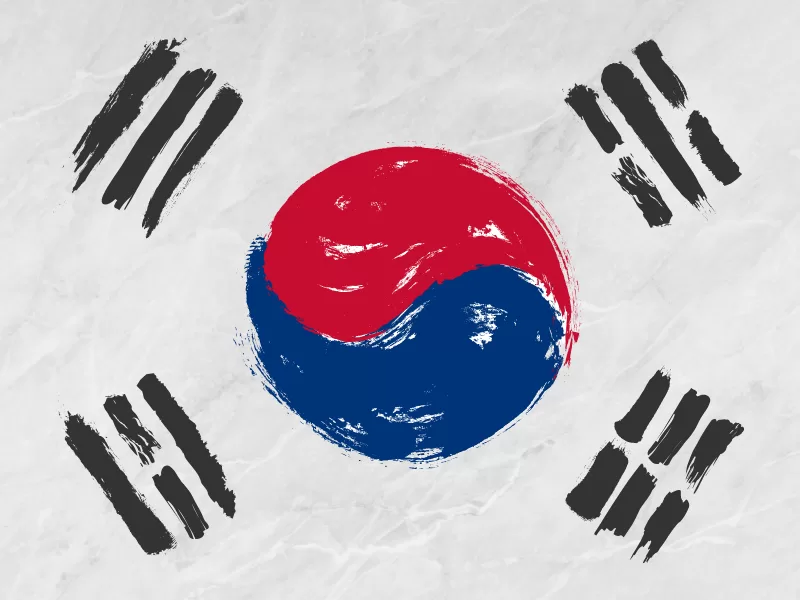
Quick Language Lesson
Gwangbokjeol translates to “Restoration of Light Day” reflecting the view that it was not a new nation in 1945, but one with thousands of years of history reclaiming its independence.
- Gwang (광) means “light”
- Bok (복) means “restoration”
- Jeol (절) means “holiday”
An important distinction on language here, while the holiday may sometimes referred to as Independence Day in English, the word “restoration” or “liberation” are preferred as they highlight that Korea was not founded at this time, but rather restored to a country with a proud history.
How Liberation Day Is Celebrated in South Korea
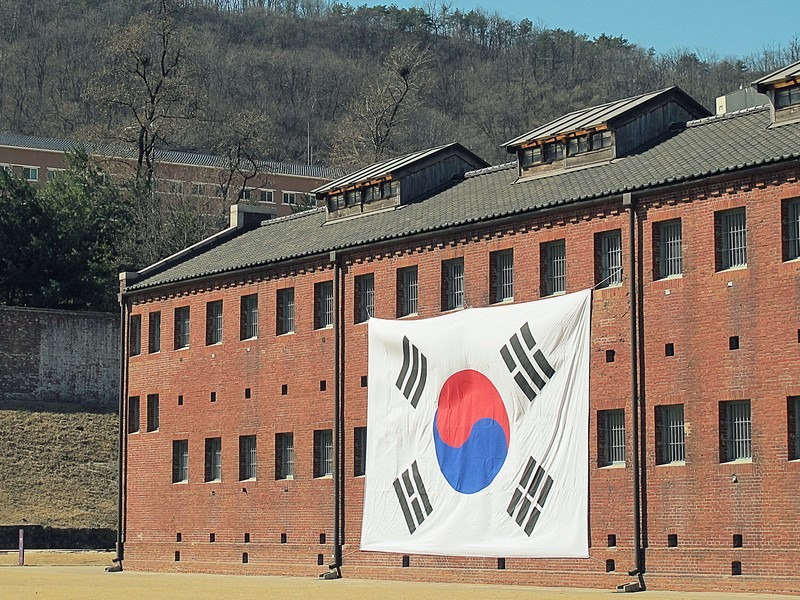
Taegukgi Everywhere
The Taegukgi (태극기) is the name for the South Korean national flag and on this day it is displayed across cities on government buildings, streets, and private homes. You’ll notice entre streets lined with flags, especially in places like Jamsil between the Olympic Stadium and Olympic Park.
Official Ceremonies
The main government ceremony is often held at the Independence Hall of Korea in Cheonan or the Sejong Center for the Performing Arts in Seoul. The President delivers a speech, the national anthem and official Gwangbokjeol song are sung, and war veterans and descendants of independence activists are honored.
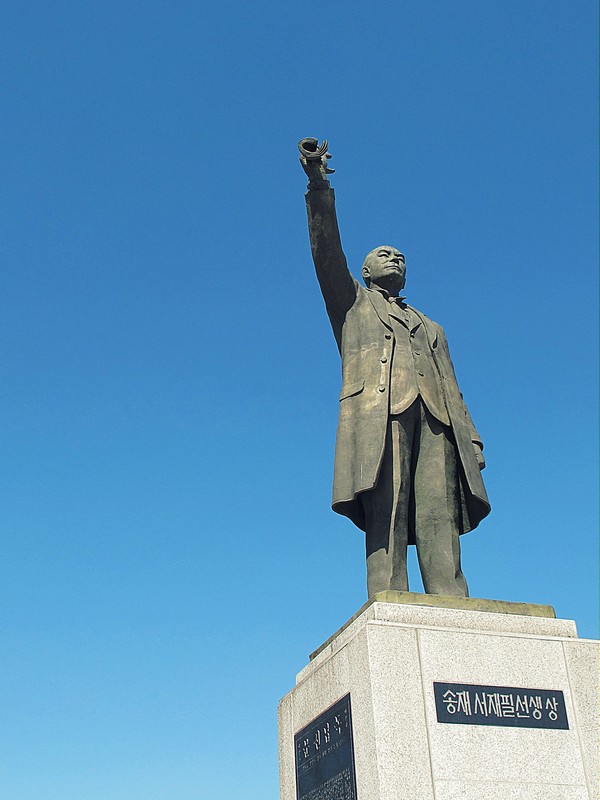
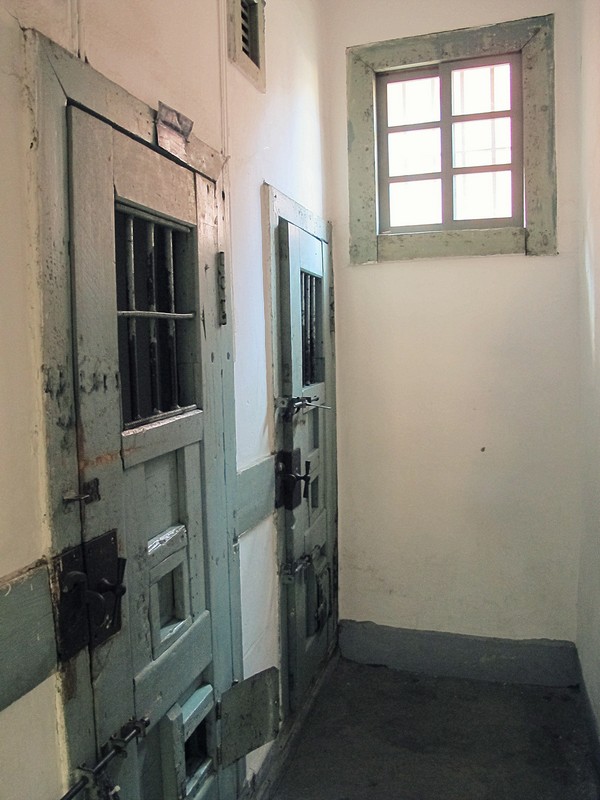
Special Museum Exhibitions
There are a number of museums to learn more about Liberation Day and the history that led up to it and these often host special exhibitions for the holiday. Visit the Seodaemun Prison History Hall and the Independence Hall websites to see what they’re hosting this year.
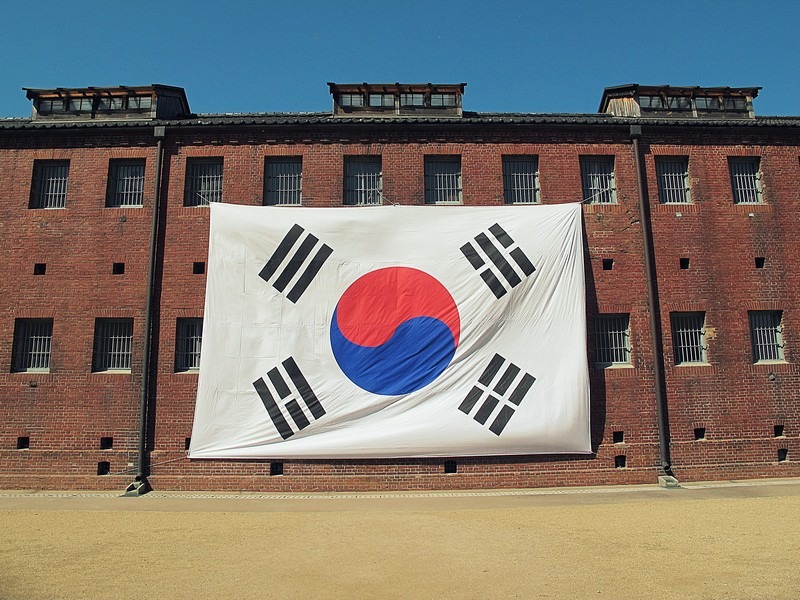
The Seodaemun Prison History Hall can be visited year round, it’s a sobering look at where activists were imprisoned and tortured during colonial rule.
Did you like this post? Pin iT!