Discover Seoul’s Most Sustainable Building, and the Fun Inside!
Last Updated on October 14, 2026
I know I’m not the only one that endeavors to teach my child to care for the earth, recycle, reuse, and all of those good things so I know I’m not the only one that will find what the Seoul Energy Dream Center (서울에너지드림센터) is doing not only educational, but cool and interesting too.
Located in the World Cup Park, this is Korea’s first energy-independent public building, an amazing example of how science, design, and sustainability can come together. Not just a building though, it’s a museum, and they offer some amazing programs completely free. Get ready to learn about energy saving in Seoul.
Plan a visit to the Seoul Energy Dream Center in Seoul:
- Basic Info
- Why It’s Worth A Visit
- Fun Facts About the Building
- What You’ll See and Do
- Fantastic English Docent Programs
- What To See Nearby
(This post contains affiliate links, which means I receive a certain percentage of a sale if you purchase after clicking at no cost to you. Thank you for your support.)
Basic Info
Address: 1535-3 Sangam-dong, Mapo-gu, Seoul (서울특별시 마포구 상암동 1535-3)
Hours: Tuesday ~ Sunday: 9:30am ~ 5:30pm
Why It’s Worth A Visit
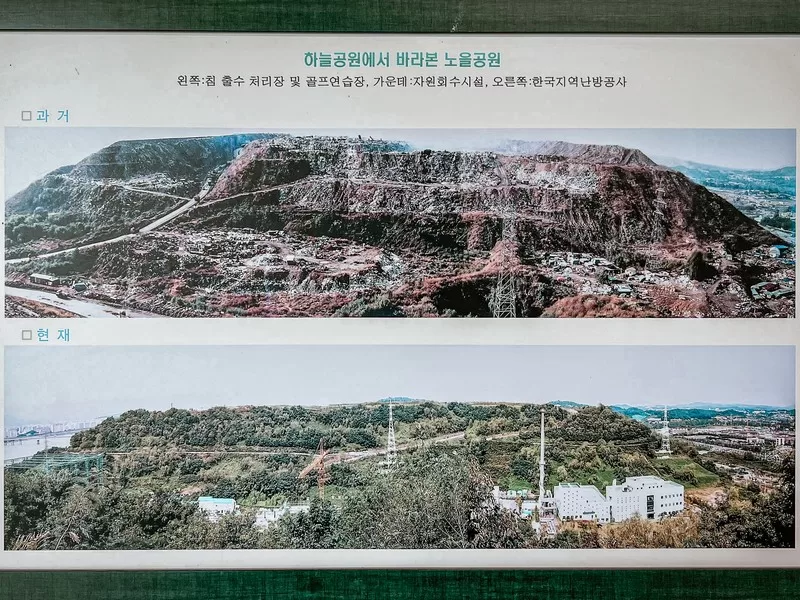
Opened in 2012 in the World Cup Park, a site that was home to a 15 year old landfill that was converted over seven years into an amazing, yet underrated park, in Seoul, Korea, the Seoul Energy Dream Center is a net zero energy building, the first of its kind in the country.
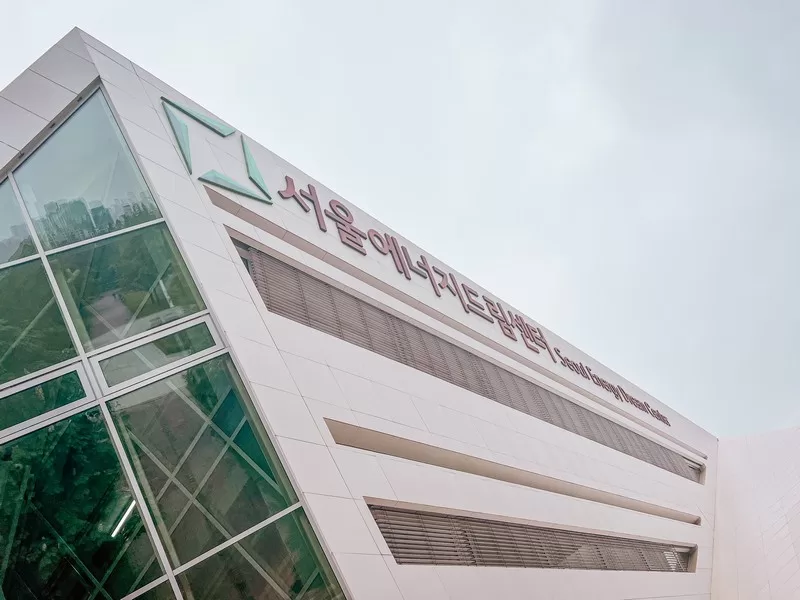
A net zero energy building is one that generates as much energy annually as it consumes. This one actually generates more energy than it consumes and sells it to the energy companies in the district to offset energy use. But the story behind it is just as interesting as the exhibits inside.
When the Mayor of Seoul met with Professor Eicke R. Weber of Germany’s Fraunhofer Institute for Solar Energy Systems ISE, he had one request: “Build us a zero energy building!” The result was a years-long collaboration between German and Korean scientists, architects, and engineers. Their biggest challenge? Designing something that not only showcases renewable energy, but also blended functionality, comfort, and architectural beauty.
The result was a 3,500 m² flagship project that met Passive House standards, Korea’s Green Building Certification (KGBC), and the Building Energy Efficiency Label, all while producing zero carbon emissions.
Fun Facts About the Building
While the exhibits inside are what you should go for, the building itself has a lot to notice about it to really appreciate how it manages to be a net zero energy building.
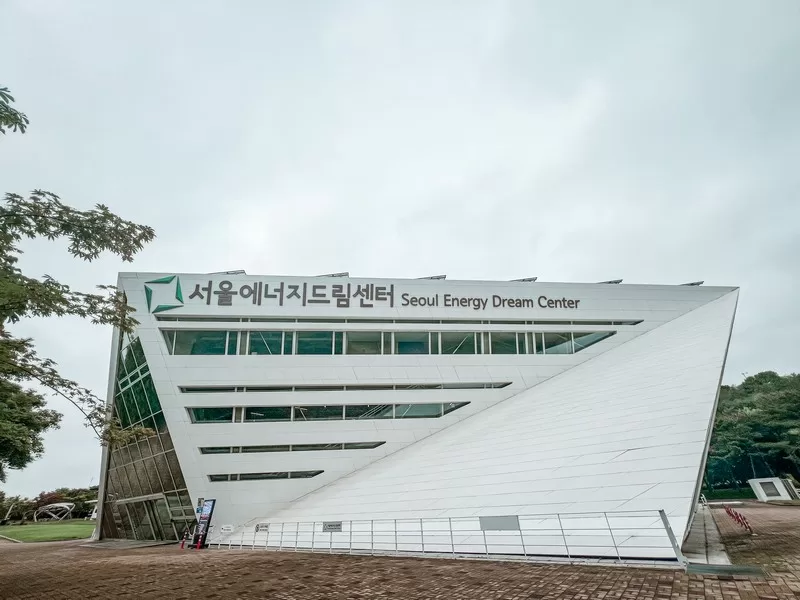
- Winged Roof Design: The building’s wedge-shaped roof projections aren’t just for style, they shield the entrance from rain and sun while holding solar panels that generate power.
- Geothermal Comfort: Underground earth probes provide heating in the winter and cooling in the summer, reducing energy needs by about 70% compared to standard Korean buildings.
- LED Brilliance: Every light in the center is LED, controlled by sensors to minimize waste.
- Atrium Glow: The square-shaped central atrium allows daylight to flood in, cutting the need for artificial lighting.
- Energy Self-Sufficiency: Between its rooftop, overhang, and ground-mounted solar panels, the building generates around 280,000 kWh/year, enough to cover its entire electricity needs.
What You’ll See and Do
There is so much information here. Whether you have kids that are young or older, they’ll get something out of the exhibitions and activities. With young kids, focus on the basics of energy and with older kids, dig into the details.
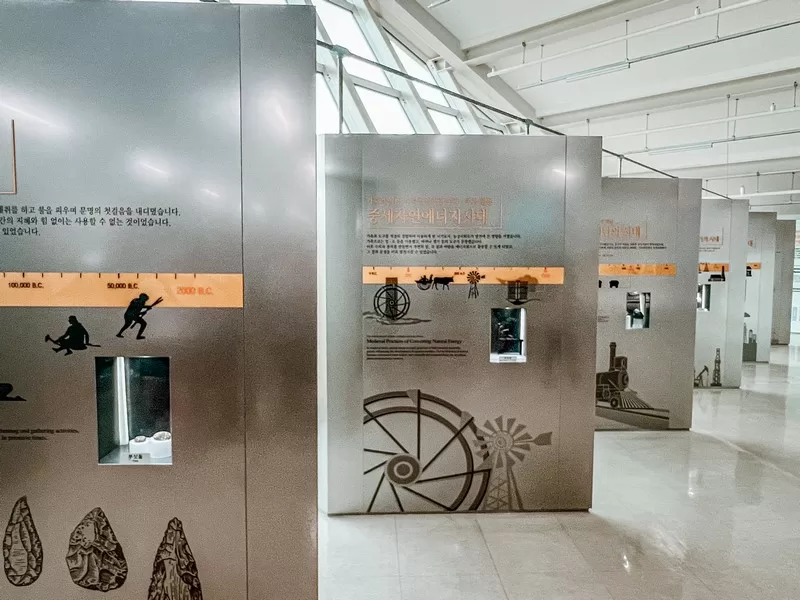
Zone 1: Energy Dream Hall
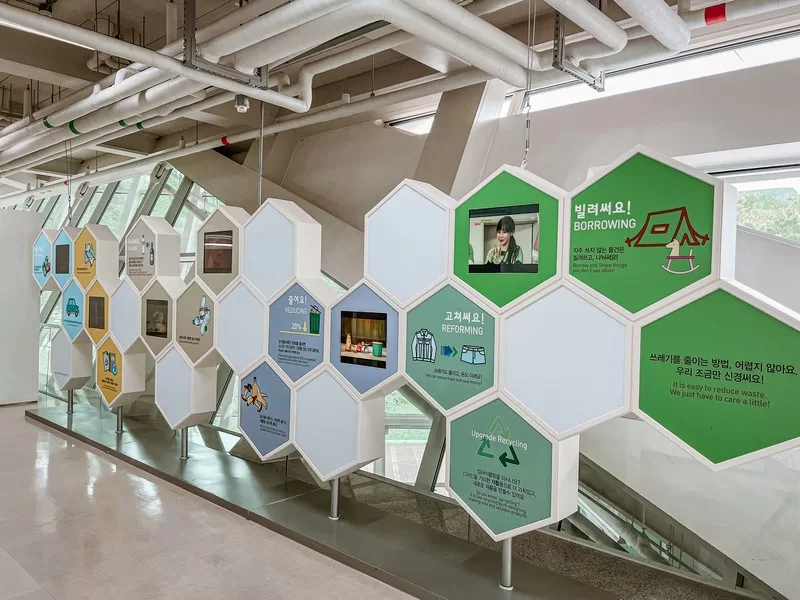
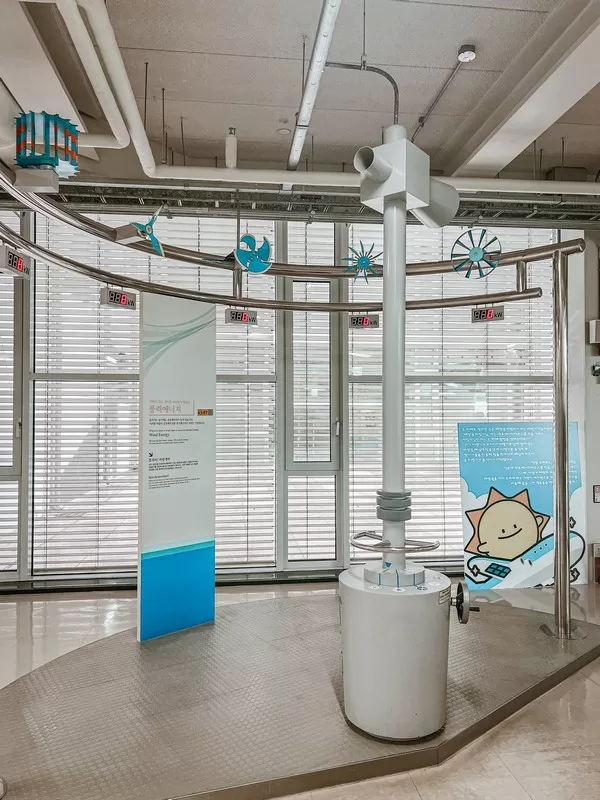
This hands-on gallery covers six renewable energy sources: solar, wind, hydro, bio, hydrogen fuel cells, and geothermal. Race solar-powered cars, pump water to generate hydro energy, or hop on bikes to power small appliances.
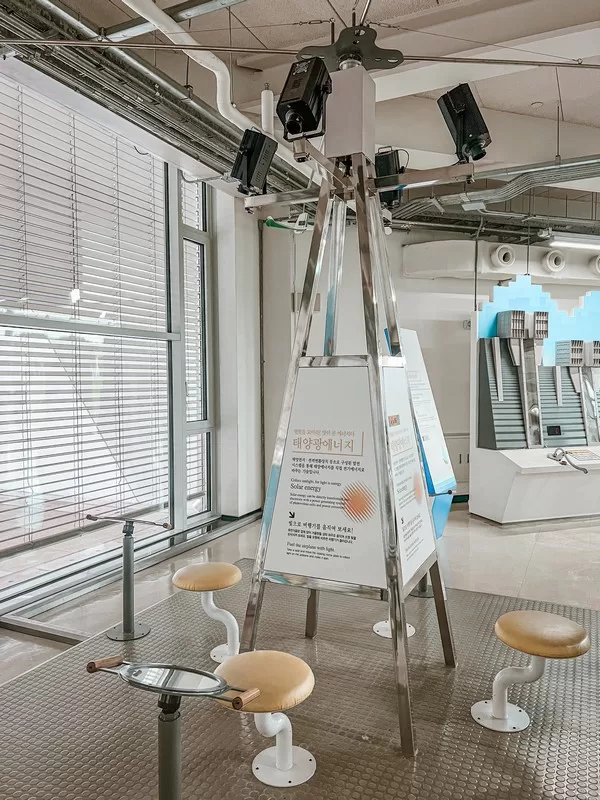
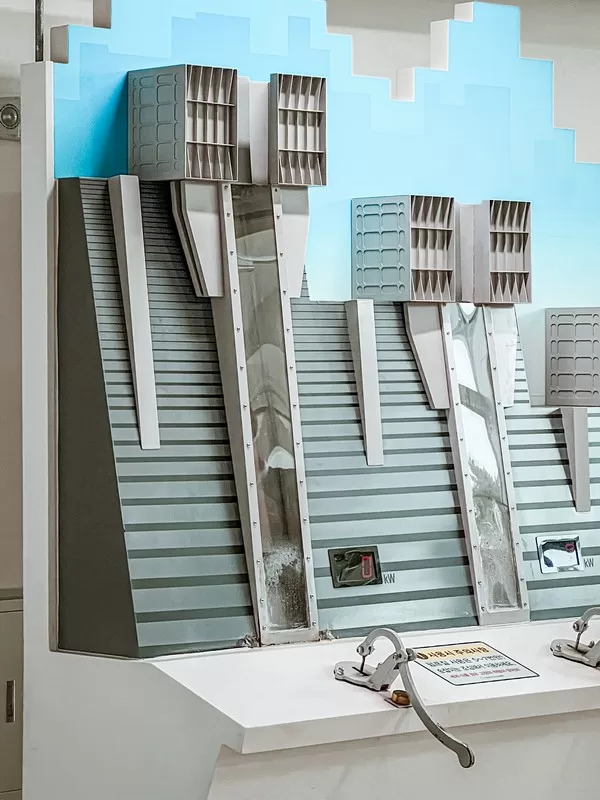
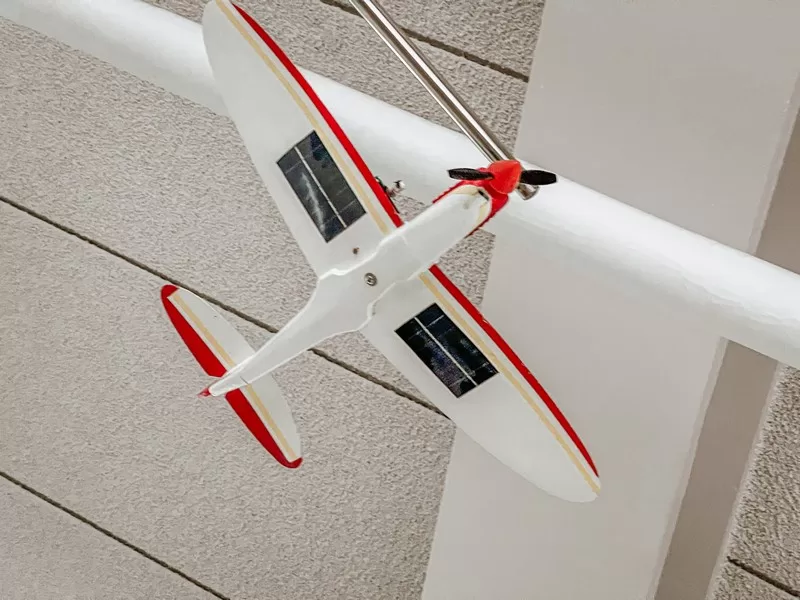
The layout of the first floor appears simple at first, but walk up to each area, and get ready to get hands on to generate energy. The solar energy activity was fun with a model airplane overhead, you need to reflect the light to the solar panel in order to give it power.
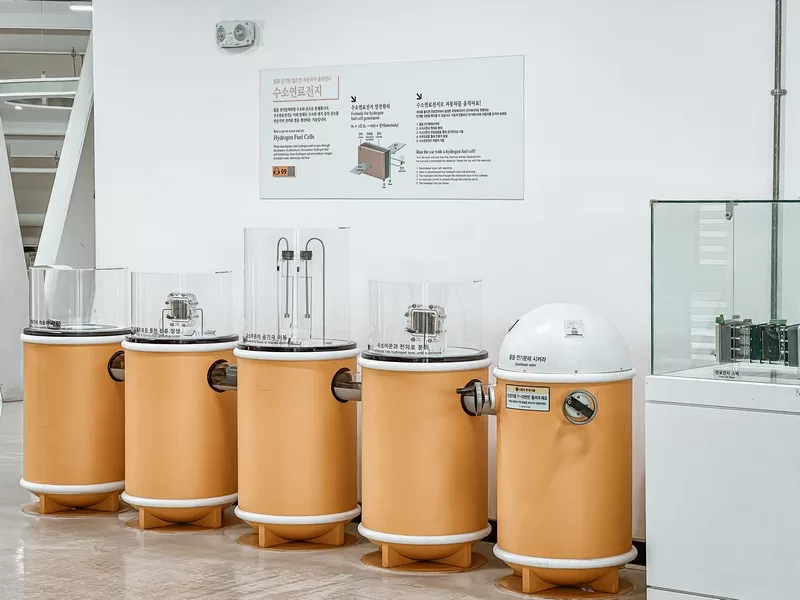
Figure out how to utilize the wind energy to blow air into different types of wind turbines to see which one produces the most energy and then play with water pumps to see how the potential energy of water can be transformed into electrical energy.
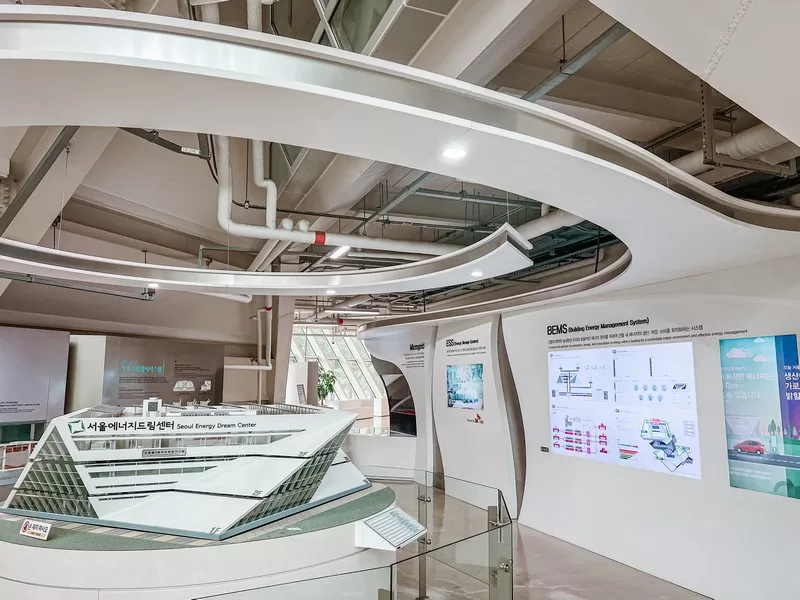
Zone 2: Zero Energy Technology
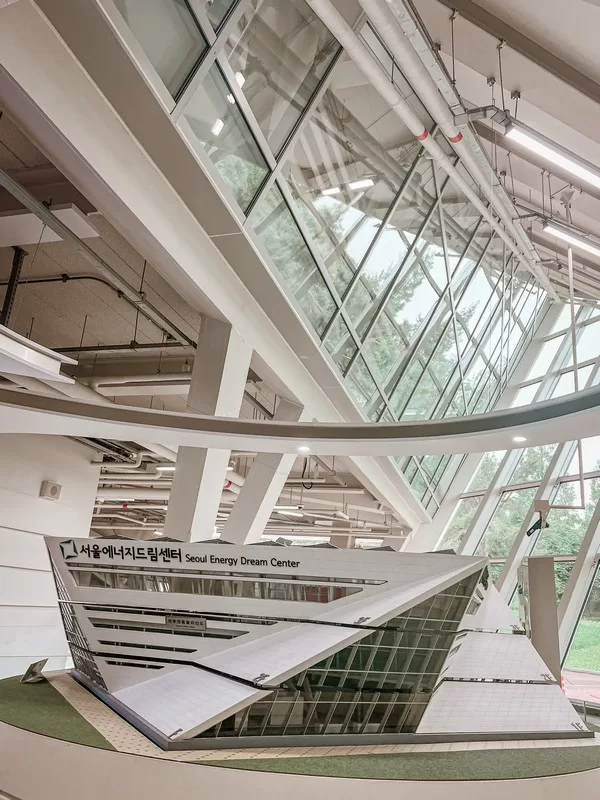
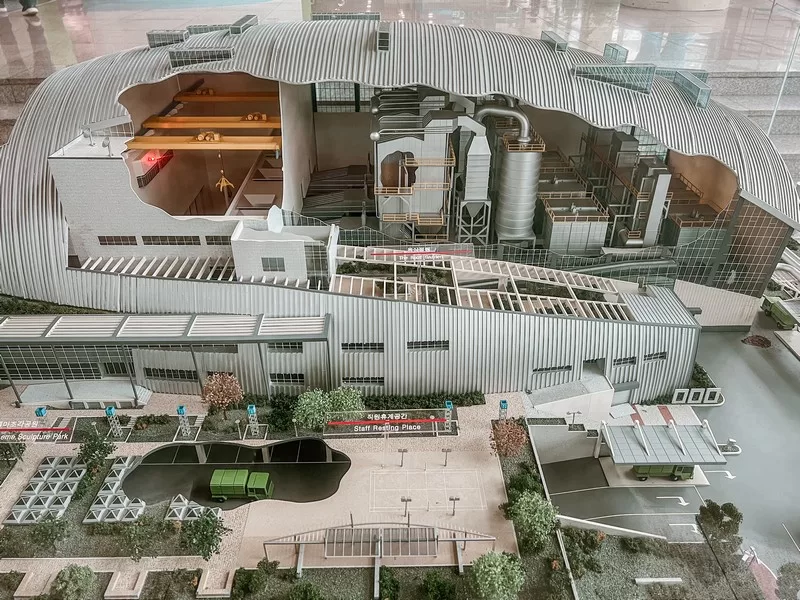
See a scaled model of the building and watch real-time energy monitoring data. The building from the outside is interesting, but in this zone, you get to really learn about how this building works from the outside in. Take a look at the energy storage systems and architecture.
This section is more data heavy, so not ideal for young learners, but great for older kids.
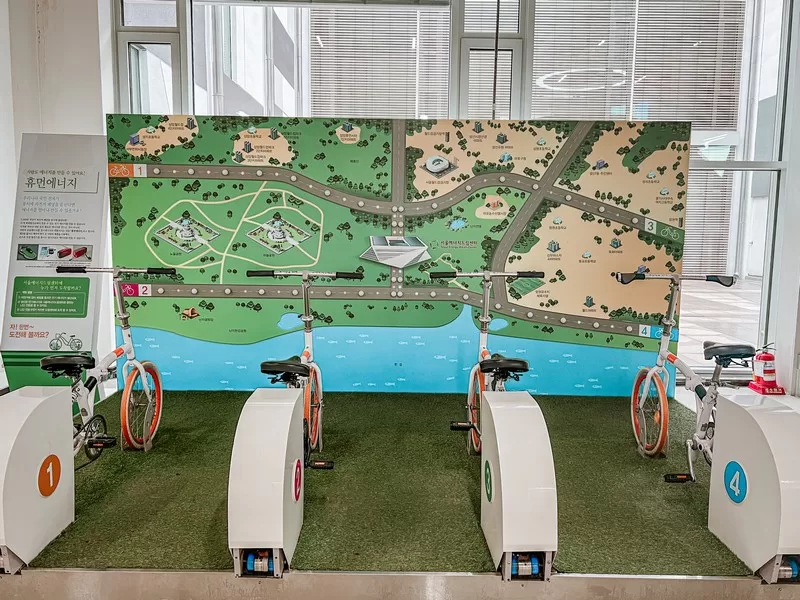
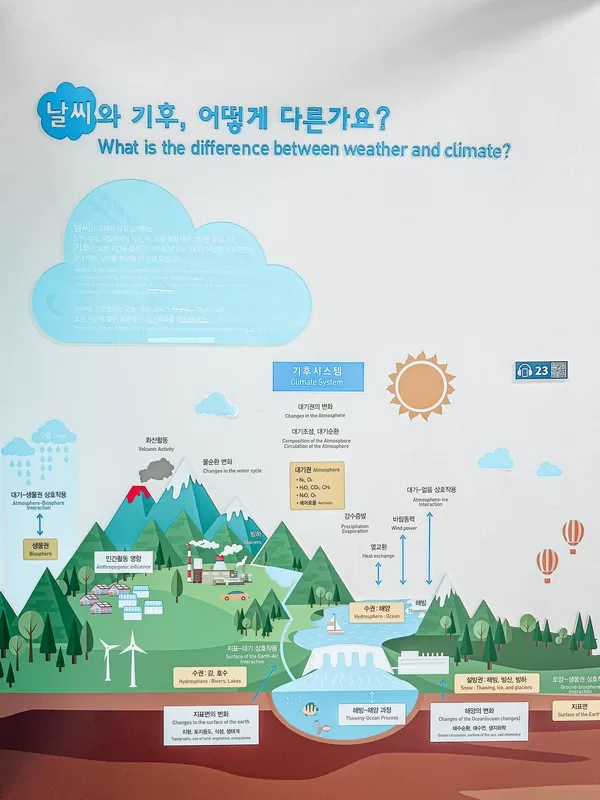
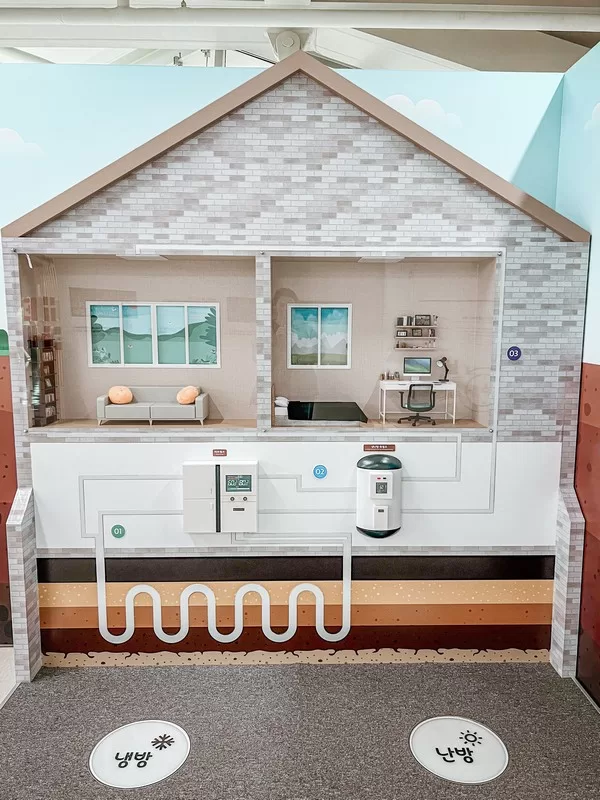
Zone 3: Energy Dream Center
From blackout simulations in a subway car to pedal-powered lights, this area turns energy efficiency into a game. There are also lessons on how the human body stores energy and there are bicycles for people to jump on and turn their energy into electrical energy.
Fantastic English Docent Programs
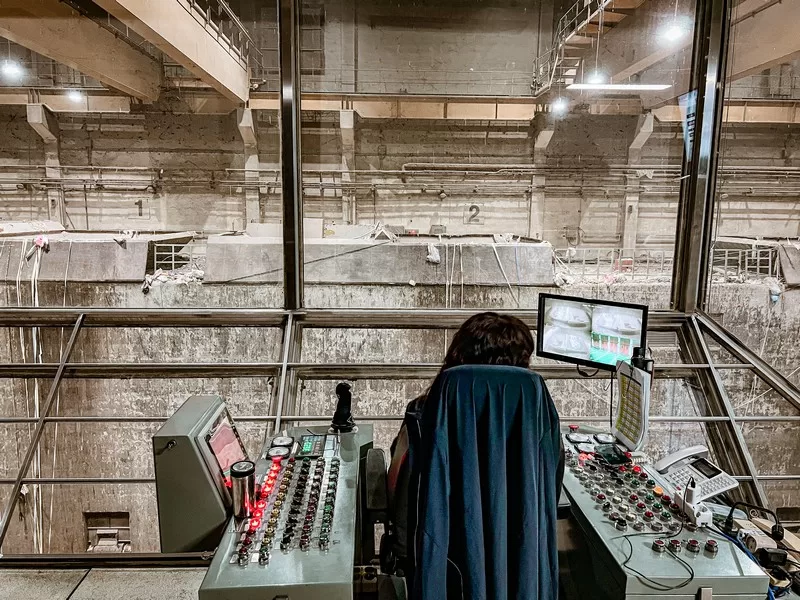
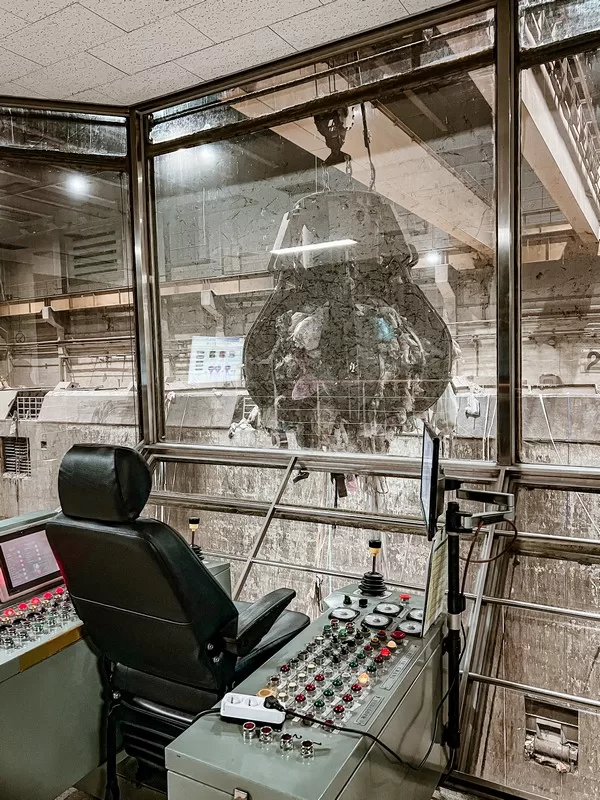
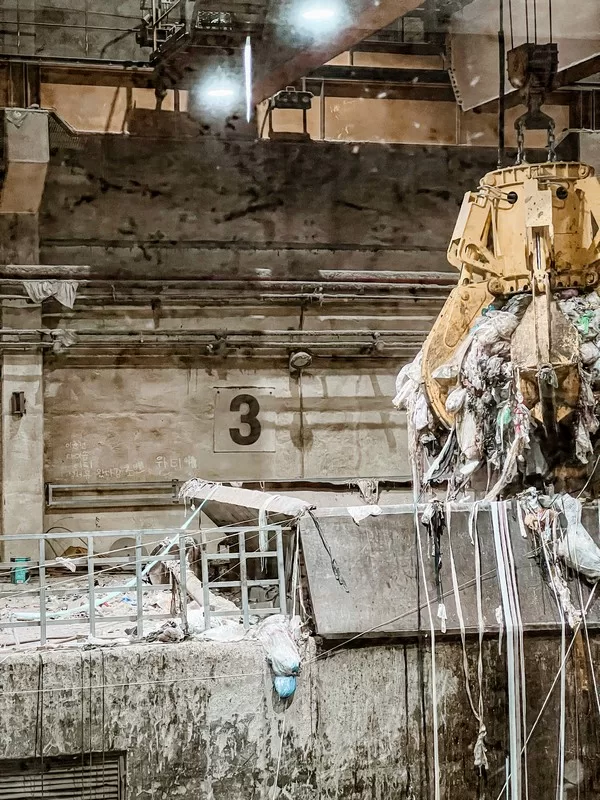
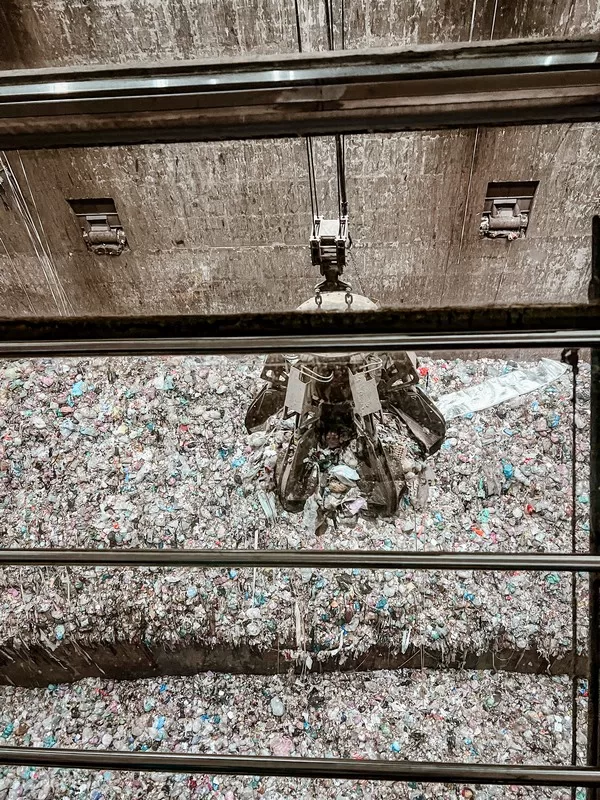
I have taken two groups of students to the Seoul Energy Dream Center for their free docent programs and they are great. There are a number of options, but we’ve opted for the Exciting Eco tour that moves from the Seoul Energy Dream Center to the Mapo Resource Recovery Facility. For some reason the students LOVE seeing how the trash is moved and compacted.
How to reserve a docent program: To make a reservation for any of the following programs, you should email [email protected] at least a week in advance.
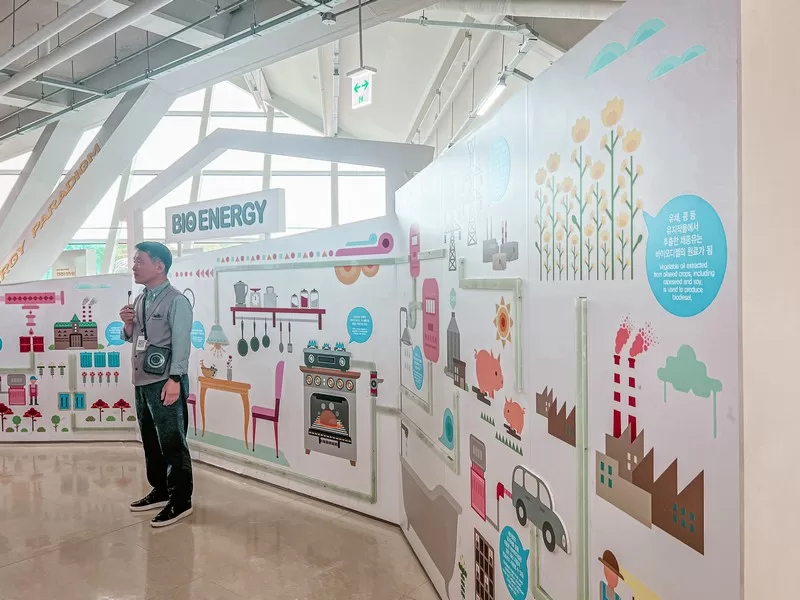
Energy Dream Hall
- A general tour of Energy Dream Hall.
- Duration: 40 minutes
- Fee: Free
Seoul Climate Change Learning Hall
- A general tour of Seoul Climate Change Learning Hall.
- Duration: 40 minutes
- Fee: Free
Zero-Energy Building (Seoul Energy Dream Center)
- A tour of Seoul Energy Dream Center focusing on the Zero-Energy Buildings elements. This is a more intensive look at the architecture to understand how it works.
- Duration: 80 minutes
- Fee: Free
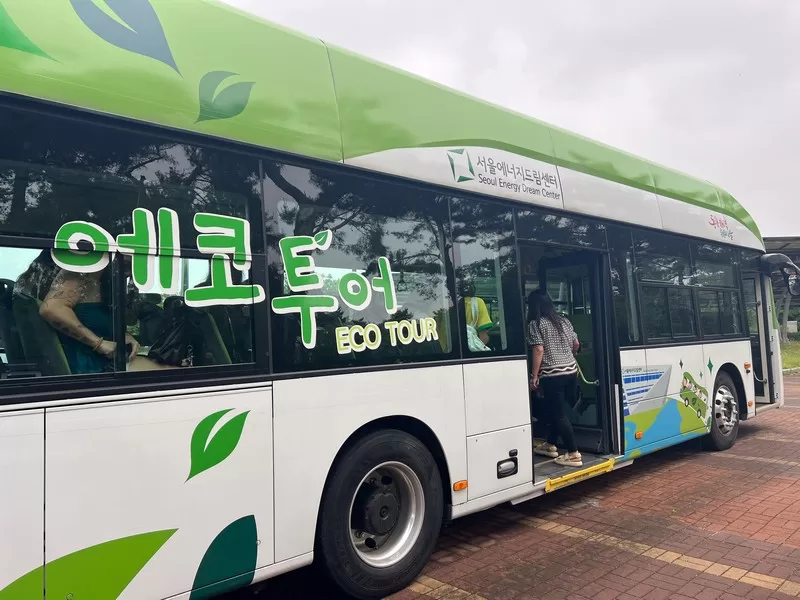
Exciting Eco Tour
- Start at the Seoul Energy Dream Center for a tour of the Learning Hall and then take a provided electric bus to Noeul Park and visit the Mapo resource recovery facility.
- Duration: 120 minutes
- Fee: Free
Renewable Energy Class
- A tour of the Seoul Energy Dream Center’s Learning Hall followed by a solar-car making activity. This class is targeted to elementary school students from ages 10 – 12.
- Duration: 90 minutes
- Fee: W8,000
What To See Nearby
The World Cup Park is massive, actually with five parks that make up the whole, but there’s plenty more in the area to explore and even more that expands on the district’s goals of energy saving.
Did you like this post? Pin IT!