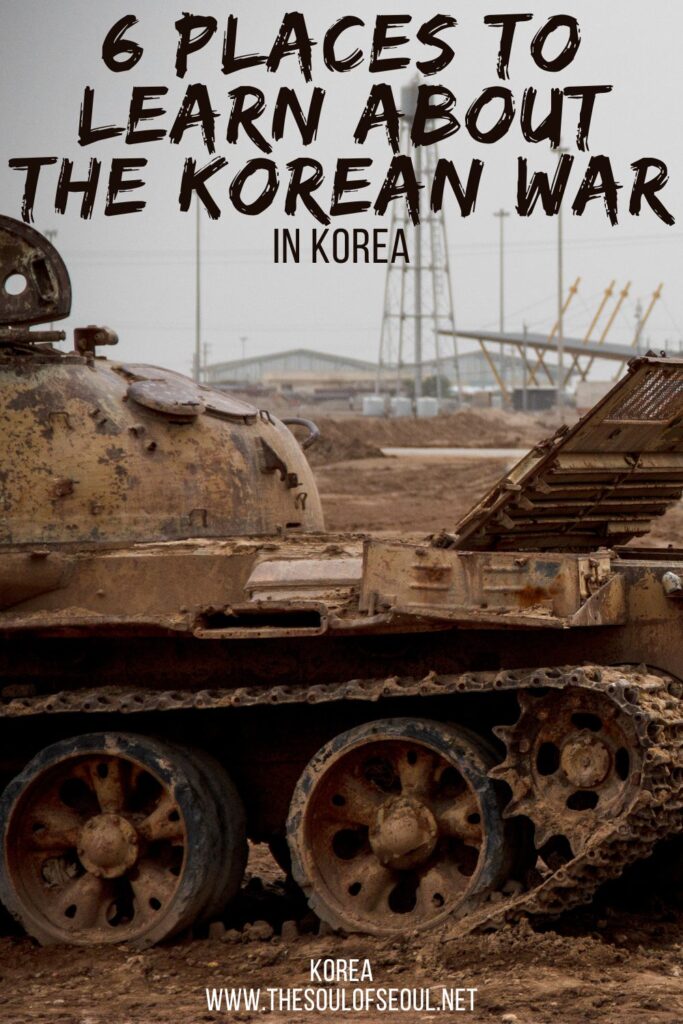
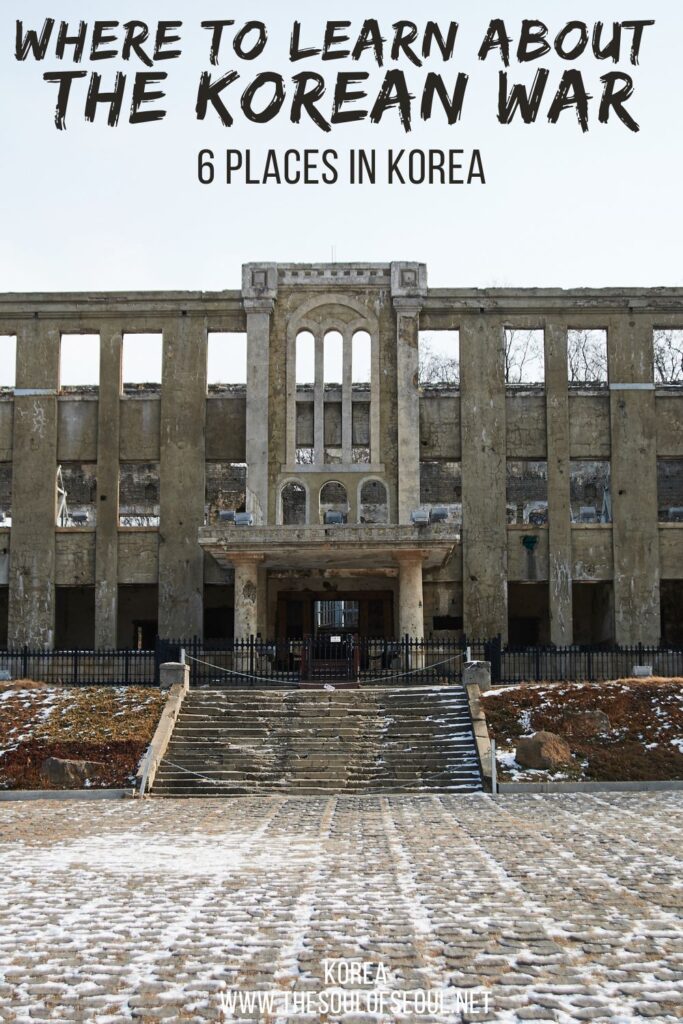
7 Places to Understand the Korean War (Not Just the DMZ)
Last Updated on August 21, 2026
Most people who spend any real time in Korea, visiting or living here, eventually run into references to war, usually the Korean War, sometimes WWII, sometimes one of the many conflicts with Japan. Signs at historic sites mention buildings burnt down during a Japanese invasion before being rebuilt. Political tension between North and South Korea is a constant, quiet reminder that the Korean War never officially ended.
The short version: the Korean War ran from June 1950 to July 1953, when North Korea invaded the South. UN forces, led largely by the US, fought alongside South Korea; China backed the North. It ended not with a peace treaty but with an armistice, a ceasefire, not a formal end to the war, which is why the DMZ still exists, why the two Koreas are still technically at war, and why so many of the places on this list feel less like “history” and more like an ongoing situation you can walk right up to.
Before jumping into conversation with a Korean person about any of this, it’s worth taking the time to actually learn something first. If you want to understand the Korean War, the Japanese occupation, or the comfort women, here are seven places, in and outside Seoul, that will teach you more than a textbook paragraph ever could.
Learn about these places that you can visit to learn about the Korean War in Korea:
- The War Memorial of Korea (전쟁기념관)
- The War & Women’s Human Rights Museum (전쟁과여성인권박물관)
- Imjingak Resort (임진각관간지)
- The POW Camp on Geoje Island (거제도 포로수용소 유적공원)
- Cheorwan DMZ
- The House of Sharing (나눔의 집)
- Seodaemun Prison(서대문형무소역사관)
- FAQ
(This post contains affiliate links, which means I receive a certain percentage of a sale if you purchase after clicking. These funds go to maintain the site. Thank you for your support.)
One thing to know up front: This isn’t a one-day-trip list. Four of these seven are in Seoul and easy to combine. The other three, Imjingak, Cheorwon, and Geoje Island, are in completely different parts of the country, and Geoje in particular is a five-hour-plus trip from Seoul, not a day trip. Treat this as a menu to pick from, not an itinerary to complete in one visit.
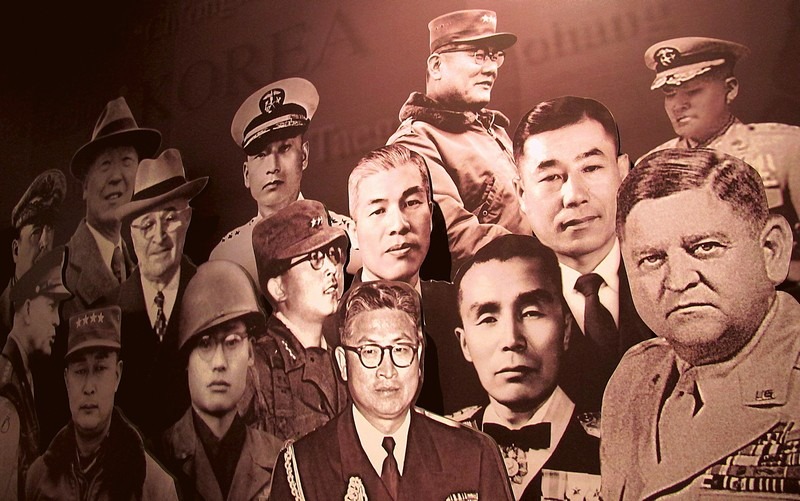
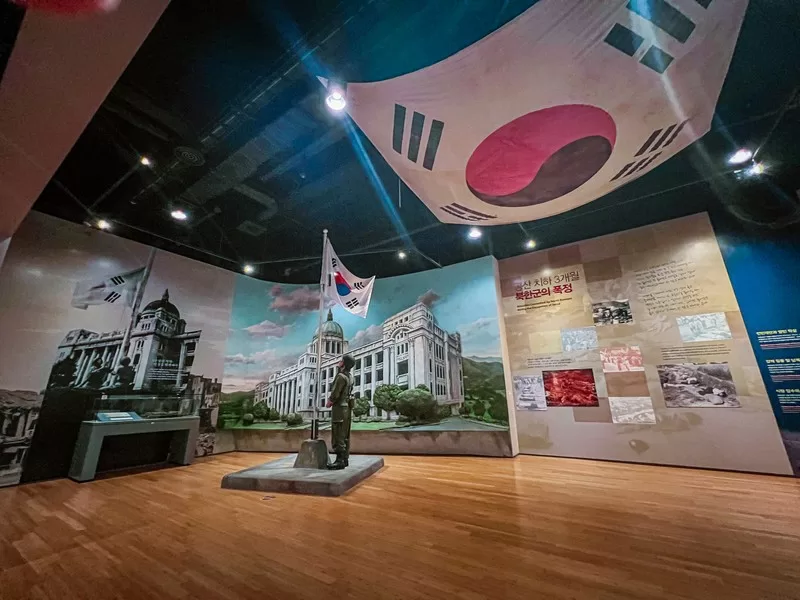
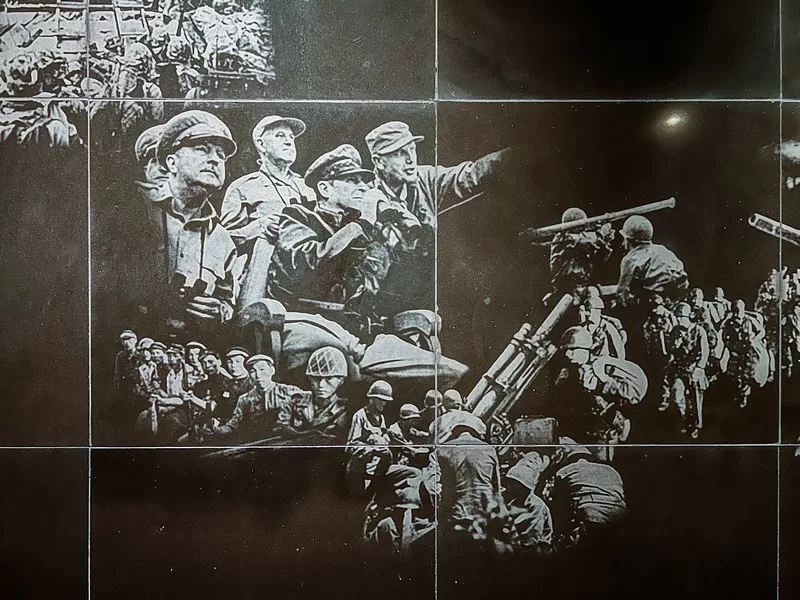
The War Memorial of Korea (전쟁기념관)
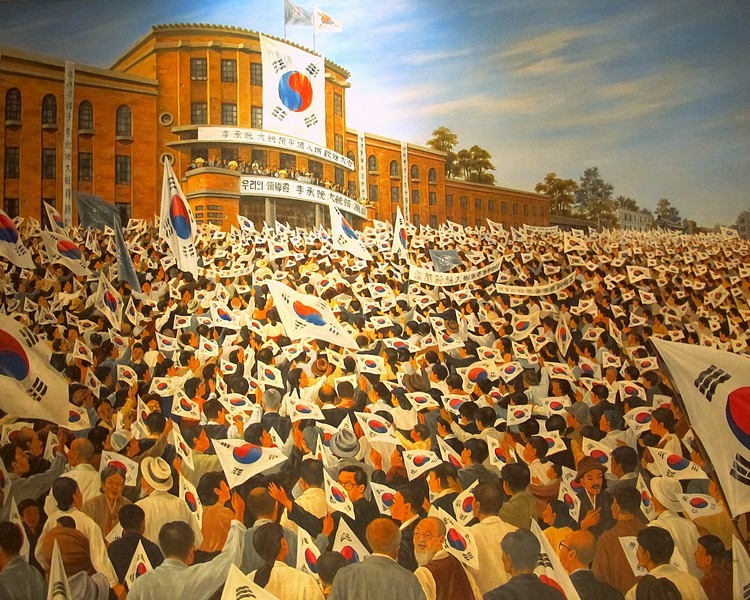
Not only is this museum expansive and full of information, it is also FREE. Placards are posted in English and Korean and guides, many of whom are retired military personnel, are available as are audio guides for tours. This museum should be at the top of the list for anyone wishing to learn more about the wars, and more specifically the Korean war, that ravaged the country.
Documents, photos, dioramas, videos, relics, remakes and time lines offer up an overwhelming amount of information and hours can be spent in this museum that is open to the public. The War Memorial of Korea is the best place to start when learning about the Korean War in Korea.
- Address: 29 Itaewon-ro, Yongsan-gu, Seoul (서울특별시 용산구 이태원로 29)
- Admission: Free
- Amenities: Foreign language guides available in English, Chinese and Japanese
- Days: Open every day except Mondays. If Monday is a holiday, the museum will be closed Tuesday.
- Hours: 9:30am ~ 6:00pm
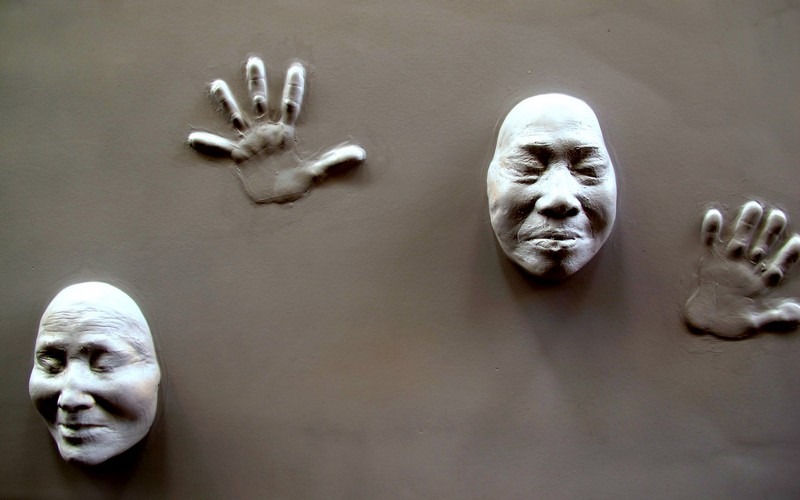
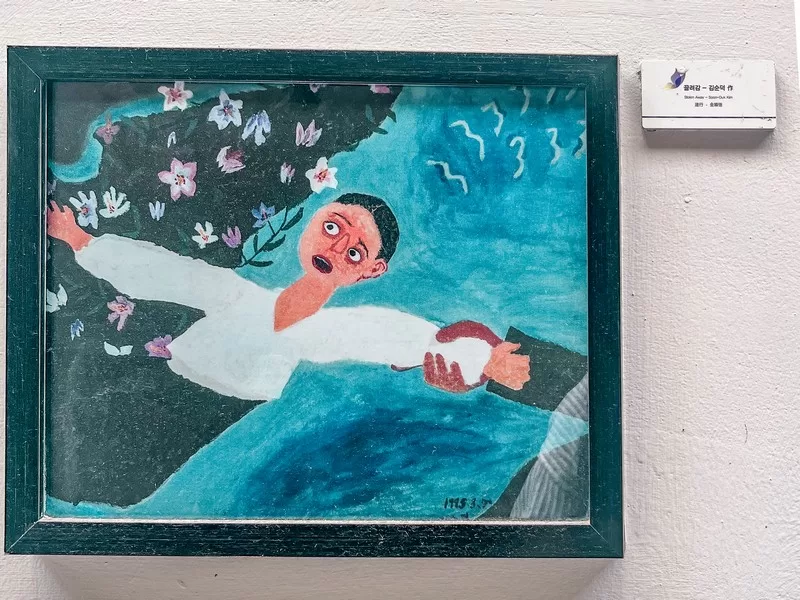
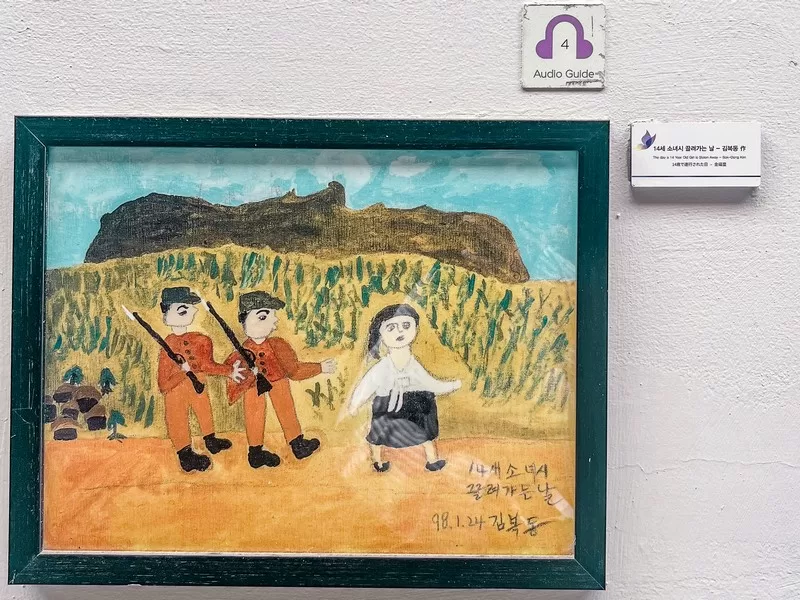
The War & Women’s Human Rights Museum (전쟁과여성인권박물관)
In order to really learn about war on the Korean peninsula and the effects it had on all of the citizens, I think it’s important to learn about the “comfort women” and the atrocities that they witnessed and were subjected to. The War and Women’s Human Rights Museum isn’t large but it is impactful. If you’ve never heard about the comfort women and what they went through, a stop here is a necessity.
- Address: 39-13 Seongsan-dong, Mapo-gu, Seoul (성산동 39-13)
- Hours: Tuesday – Saturday: 10:00am ~ 6:00pm
- Admission: W5,000
- Amenities: Audio guides in English and Japanese, bathrooms
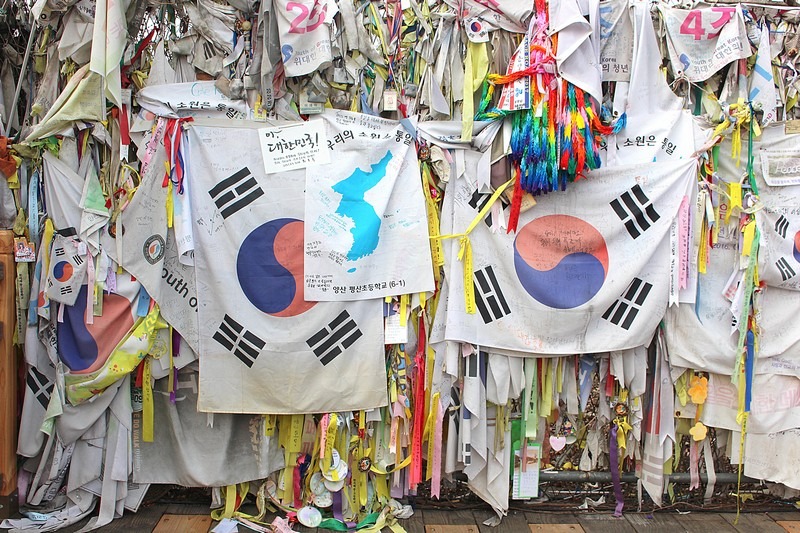
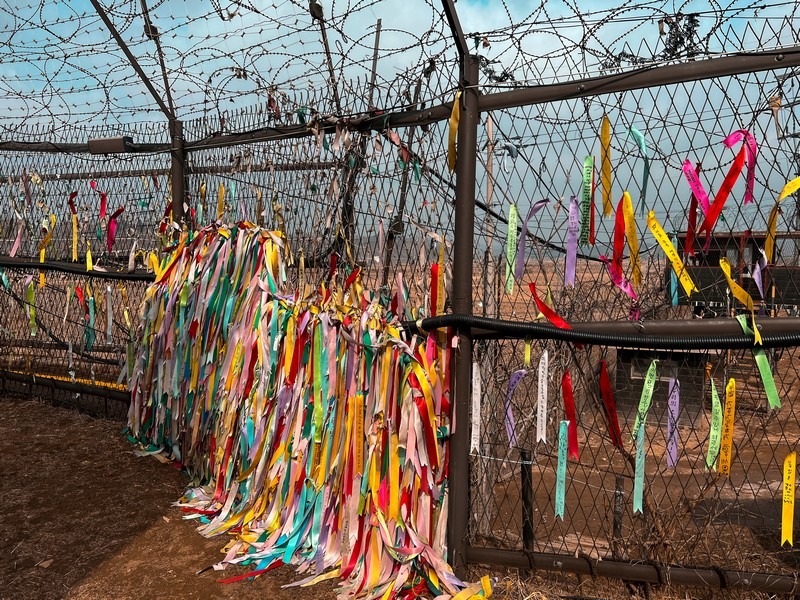
Imjingak Resort (임진각관간지)
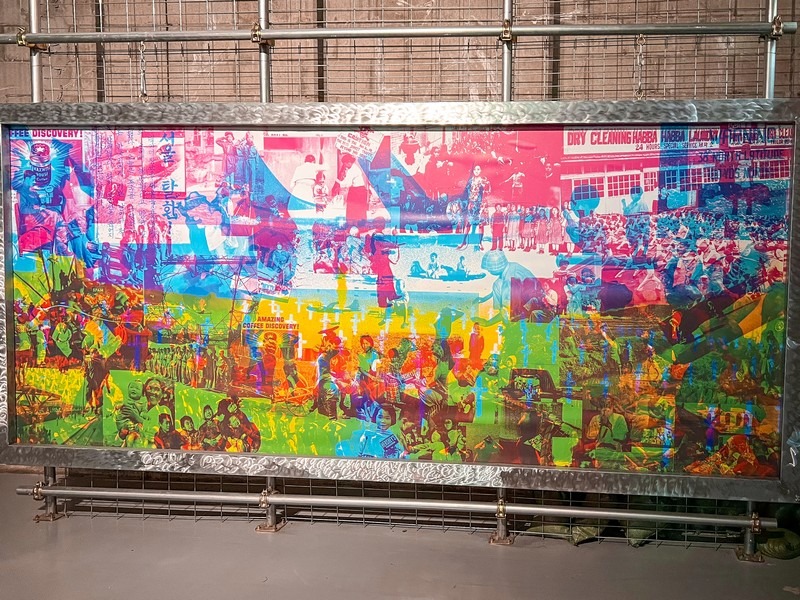
Imjingak is the most popular area for visitors to the DMZ and Civilian Control area. It’s here that you can see the Bridge Of Freedom (자유의다리), a symbol of and named for freedom. It’s where prisoners were exchanged after the Korean War. Take a ride on the DMZ Gondola (파주디엠지곤돌라) to visit Camp Greaves, a former American installation that is now a museum with installations about the Korean War.
- Address: 1400-6 Majeong-ri, Munsan-eub, Paju-si, Gyeonggi-do (경기 파주시 문산읍 마정리 1400-6)
The POW Camp on Geoje Island (거제도 포로수용소 유적공원)
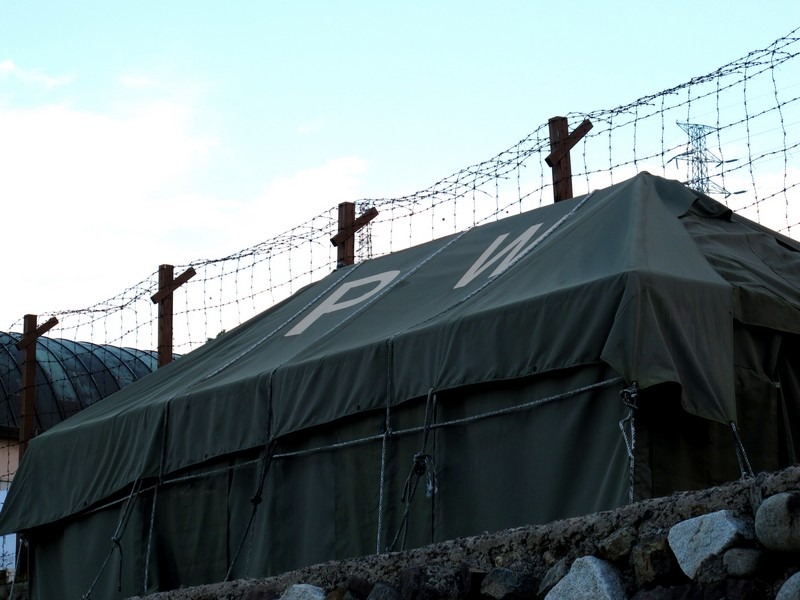
The camp that once held 173,000 prisoners during the Korean War has been developed into an outdoor museum with dioramas depicting life in the camp, the barracks and shows the harrowing tale of the kidnapping of Brigadier General Dodd. Visitors follow a path past relics and remakes with information provided in English, Korean, Japanese and Chinese. Find out more about visiting the POW Camp on Geoje Island.
- Address: 61 Gyeryong-ro, Geoje-si, Gyeongsangnam-do (경상남도 거제시 계룡로 61 (고현동))
- Hours: April ~ October: 9:00am ~ 6:00pm; November ~ March: 9:00am ~ 5:00pm
- Admission: W7,000
- Tour Time: 1 hour
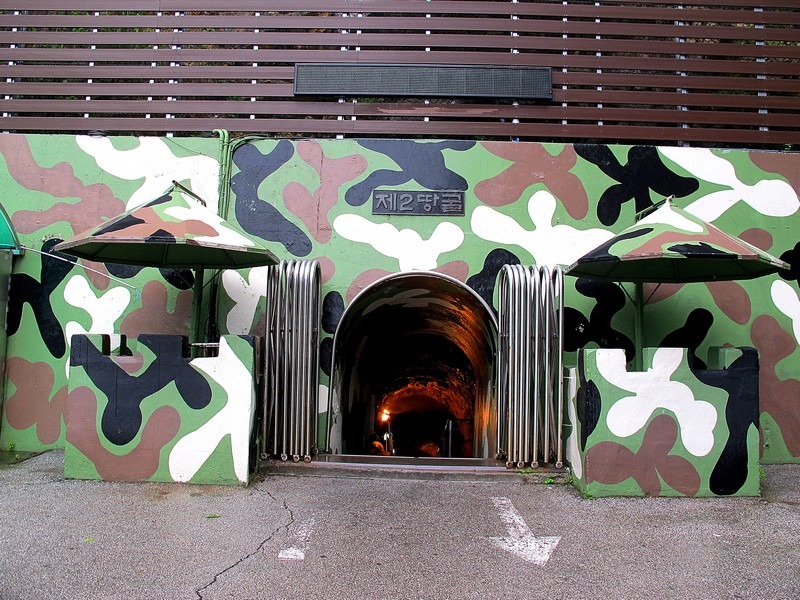
Cheorwan DMZ
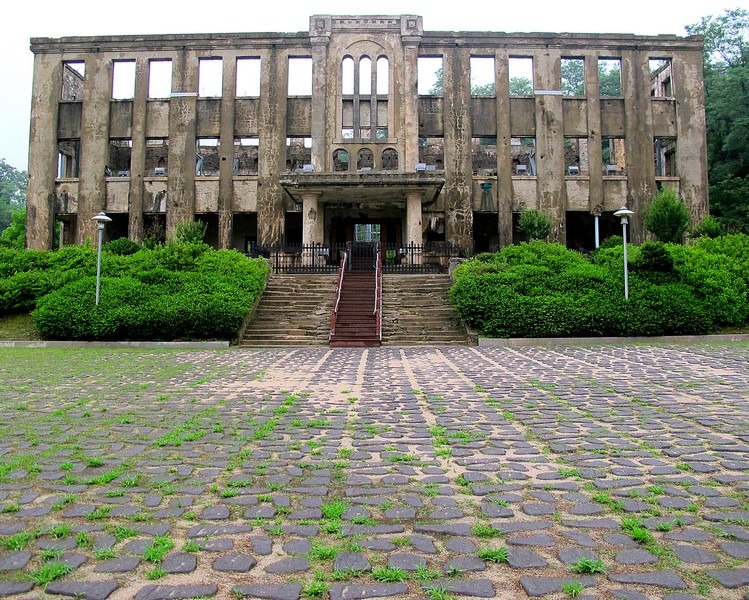
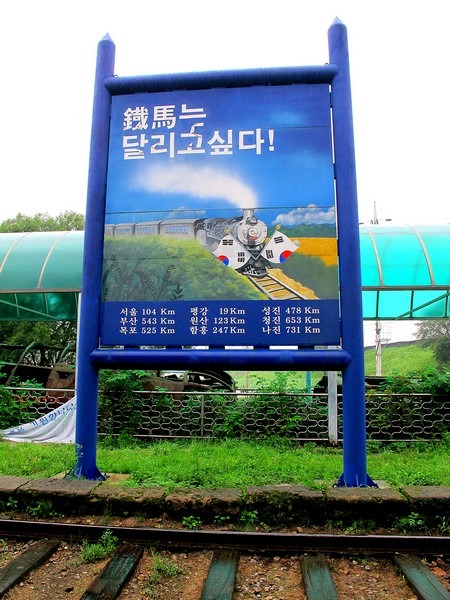
The Cheorwon DMZ is not the easiest place to access, but once there it provides a look at remnants left behind from the Korean War. One stop on the tour is the 2nd Underground Tunnel. The 3.5 kilometer long tunnel was discovered on March 19th, 1975 after a soldier heard an explosion from beneath the ground. Another stop on the tour is the North Korean Labor Party Building built in 1946 and used until the armistice in 1953 by the party.
North Korea controlled this area for five years, since it sits above the 38th parallel, but during the Korean War it came under South Korean and UN control and remained there when the armistice was signed.
- Address: 1825 Taebong-ro, Cheorwon-gun, Gangwon-do (강원도 철원군 동송읍 태봉로 1825)
- Tour Running Time: 3 hours
- Tour Stops: North Korean Labor Party Building, Woljeong-ri Station, Cheorwan Peace Observatory, 2nd Underground Tunnel
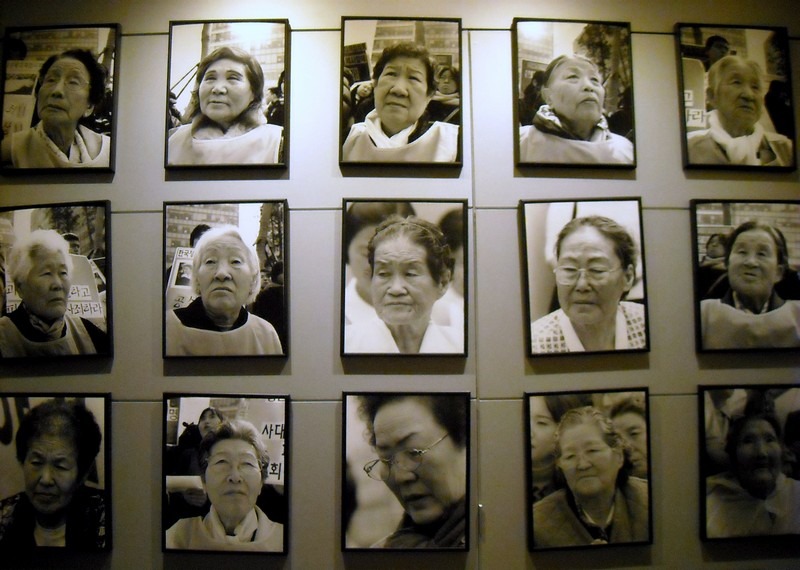
The House of Sharing (나눔의 집)
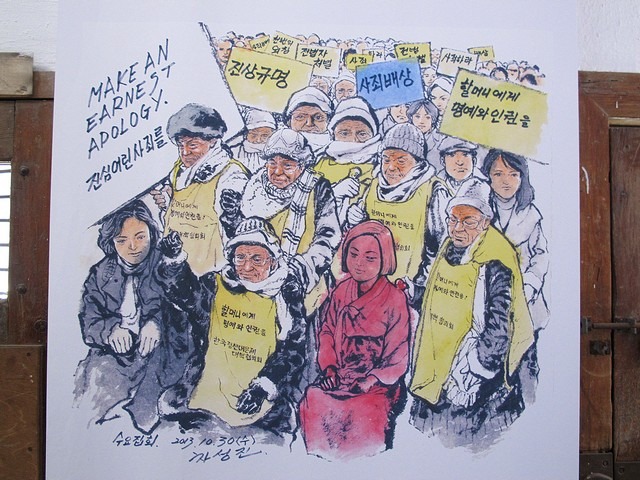
The House of Sharing was established to house halmoni, grandmothers, who had survived being drafted into sexual slavery by the Japanese military, known euphemistically in history as “comfort women.” For decades, the women who lived here gave testimony about what they endured, protested weekly outside the Japanese embassy in Seoul, and traveled abroad to raise awareness of a system of wartime sexual violence that, in different forms, still exists around the world today.
As of early 2024, no halmoni remain in residence, the last resident moved into hospital care as her health declined, leaving the residential facility empty. The House of Sharing continues to operate as a museum and memorial: the exhibition halls, the testimonies, and the commemorative grounds are still open to visitors, and it remains one of the most direct ways to learn this part of Korean history, even though you’ll no longer meet a survivor in person.
- Address: 85 Gasaegol-gil, Toechon-myeon, Gwangju-si, Gyeonggi-do (경기도 광주시 퇴촌면 가새골길 85)
- Website: http://www.nanum.org/
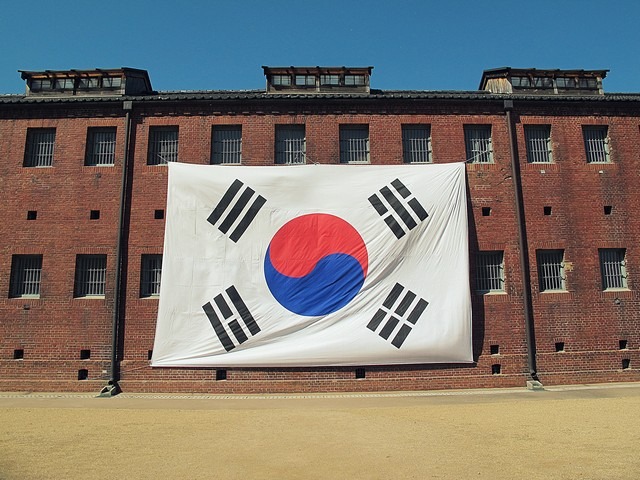
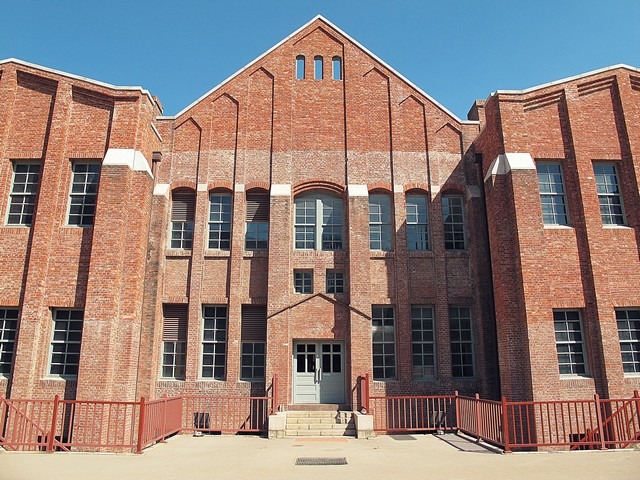
Seodaemun Prison (서대문형무소역사관)
Seodaemun Prison sits in Independence Park in Seoul and was once used by Japanese soldiers to torture, interrogate and kill Korean patriots of the Independence Movement. It is now a museum open to the public that provides information on the Japanese occupation of Korea and shows jail cells, torture recreations, an execution room and other equally horrific scenes.
- Address: 251 Tongil-ro, Seodaemun-gu, Seoul (서울특별시 서대문구 통일로 251)
- Admission: W3,000
- Days: Closed Mondays, if Monday is a holiday, then it’s closed on Tuesday.
- Hours: March – October: 9:30am ~ 6:00pm; November – February: 9:30am ~ 5:00pm
- Amenities: Parking, Wheelchair rental & Tour Guides available in English & Japanese, but reservations must be made one week in advance.
FAQ
What was the Korean War and when did it happen?
The Korean War ran from June 25, 1950, to July 27, 1953. North Korea, backed by China and the Soviet Union, invaded South Korea, which was defended by South Korean and UN forces led primarily by the United States. It ended in an armistice, not a peace treaty.
Is the Korean War actually over?
Not officially. The 1953 armistice was a ceasefire, not a peace treaty, which means North and South Korea are technically still at war. That’s part of why the DMZ still exists and remains actively guarded.
What’s the difference between the DMZ and the JSA (Panmunjom)?
The DMZ is the roughly 4-kilometer-wide buffer zone that runs across the entire peninsula. The JSA, inside the DMZ near Panmunjom, is the one spot where North and South Korean soldiers stand face to face and where negotiations have historically taken place. Visiting the JSA requires advance booking, a guide, and a passport check; other DMZ-adjacent sites like Cheorwon have their own separate access rules.
Can I visit the DMZ without a tour?
Not the DMZ itself, a guide is required. Imjingak, just outside the Civilian Control Line, is the exception and can be visited independently.
Are these sites appropriate for children?
It depends on the site. The War Memorial and Seodaemun Prison use dioramas and reconstructions rather than graphic imagery, and are generally fine for kids with some parental context. The War & Women’s Human Rights Museum and House of Sharing deal directly with sexual violence and are heavier, worth reading up on yourself first before deciding what’s right for your family.
What are “comfort women”?
“Comfort women” is the euphemism historically used for the estimated 200,000 women, many of them Korean, forced into sexual slavery by the Japanese military before and during World War II. Survivors and advocates generally prefer the term “victims of Japanese military sexual slavery.”
Do I need to book DMZ or Cheorwon tours in advance?
For Cheorwon, no, individual visitors sign up same-day, in person, at least 15 minutes before departure. For Camp Greaves, yes, it currently runs as a scheduled program. For the JSA, yes, well in advance.
These are just seven of the places in Korea that give the opportunity to learn more about Korea’s war torn past. There are a lot of relics from the Korean War which you can still see today and you should take the time to learn about the Korean War and WWII and the many wars that came before. Despite all of them, the Korean people have persevered.
Did you like this post? Pin It!