A Guide To Gift Giving In Korea: From Weddings To Housewarming Parties
Last Updated on April 6, 2026
Whether you’re living in Korea for a short time, staying for an extended period, or marrying into the culture, knowing Korean gift giving etiquette matters more than most people expect. The wrong gift at the wrong event isn’t just awkward, some choices carry real symbolic weight that can make a lasting impression in the wrong direction.
The good news is that once you understand a few core principles, gift giving in Korea becomes surprisingly straightforward. Money is often the right answer. Context determines the amount. And knowing what not to give is as important as knowing what to give.

Get ready to give gifts in Korea. Here’s what you need to know:
- Korean Gift Giving at a Glance
- What To Know About Giving Gifts In Korea
- Common Gift Options in Korea
- Events To Give Gifts In Korea
- What Gifts Should I Avoid Giving In Korea
- FAQ
(This post contains affiliate links, which means I receive a certain percentage of a sale if you purchase after clicking at no cost to you. Thank you for your support.)
Korean Gift Giving at a Glance
| Event | What To Give | Amount/Notes |
|---|---|---|
| Wedding | Cash in crisp new bills | ₩50,000–₩100,000 (close); ₩30,000–₩50,000 (colleague) |
| Housewarming (집들이) | Toilet paper, cleaning supplies, detergent | ₩20,000–₩50,000 range |
| Child’s first birthday (돌잔치) | Cash, or gold ring if very close | ₩30,000–₩50,000 |
| Elder milestone birthday | Cash, premium alcohol, health gifts | Depends on relationship |
| Chuseok / Seollal | Cash, wellness products, food gift sets | SPAM sets, ginseng, vitamins |
| New business opening | Flowers / flower wreaths, food, cleaning supplies | Real flowers preferred over fake |
| Teacher’s Day | Shared items only (tea, coffee for staff room) | Max ₩30,000 by law |
| Valentine’s Day | Women give men chocolates | Korean custom reversal |
| White Day (March 14) | Men give women gifts | Return gift from Valentine’s Day |
| Christmas | Cosmetics (for her), wallets/accessories (for him) | Or bring a cake to parties |
What To Know About Giving Gifts In Korea

Reciprocity
Koreans believe strongly in reciprocity when it comes to gifts. This matters in two directions.
First, avoid giving something exorbitantly priced because the receiver will feel obligated to respond in kind at a future event, which creates pressure you likely didn’t intend.
Second, if someone has gifted you in the past, that creates a genuine expectation to reciprocate when the opportunity arises. Gift giving in Korea operates more like a long-term ledger than a one-off gesture.
Gifts For Teachers
Due to the Kim Young Ran Act enacted some years ago, teachers are not allowed to accept ANY gifts from parents or students. This goes for kindergarten all the way up to university. Each year around Children’s Day and then Teacher’s Day, parents ask again and again in the groups online what they should get for their children’s teachers and teachers ask if they can even accept.
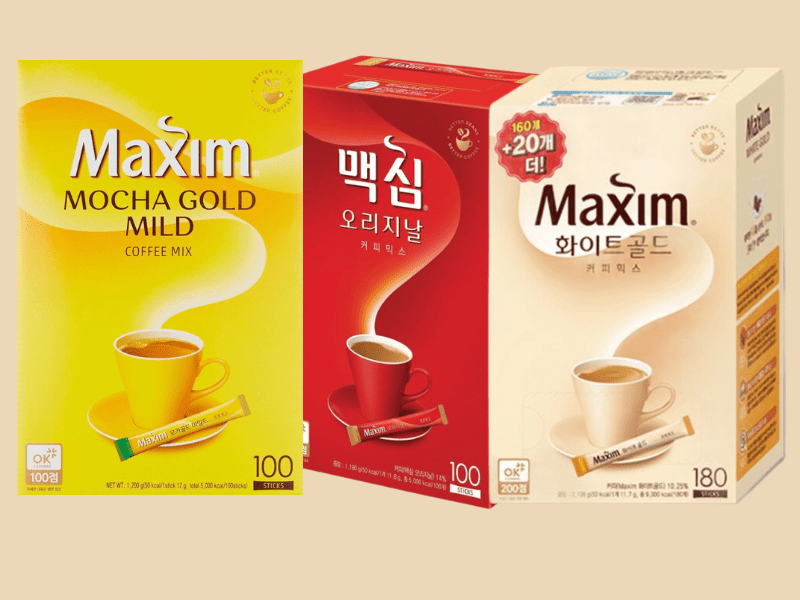
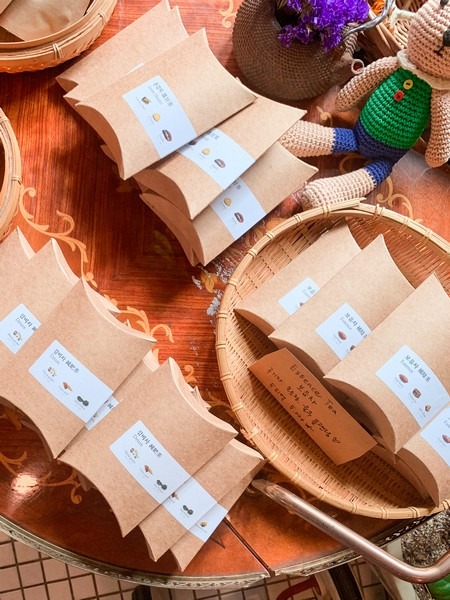
While there is indeed a law, parents have figured out how to side-step it slightly by giving gifts that can be shared among all teachers as opposed to say gift-certificates for their own teacher as used to be fashion. A gift box of teas, for example, is perfect as it can go into the teacher’s lounge and be shared by everyone. Do NOT go overboard with gifting to your favorite teacher. Not only can they get in trouble but if only one teacher receives gifts and can’t share, it makes it awkward among staff.
The Office of Education in Korea does understand that there are customs and most parents mean well so they have said that gifts under ₩30,000 that are offered publicly are fine. Should a teacher be caught receiving anything larger than ₩100,000, the teacher will be dismissed. Not only that, but the parents could face a fine of up to 30 million won. This is basically in an effort to hinder bribing and creating bias.
Gifts For New Bosses & Colleagues
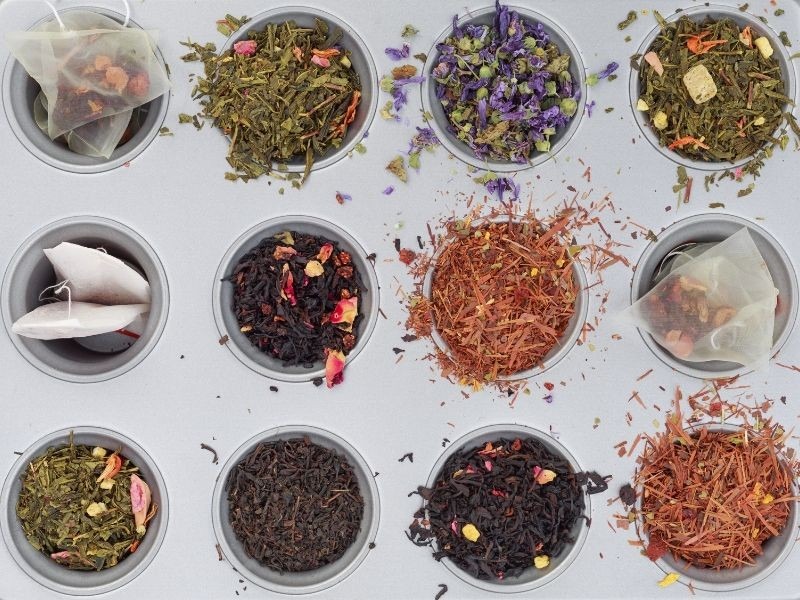
Twice each year when the waves of ESL teachers are headed to Korea to either teach in the public school system or hagwon (private schools), there is an influx of questions pertaining to what to buy for the new boss and colleagues. This really isn’t necessary. More often, Korean teachers will bring a box of fruit, cookies, or tea that can be shared in the staff room on occasion. Occasions include when they are getting married or leaving the school. It’s not expected when you first start.
Common Gift Options In Korea
Money
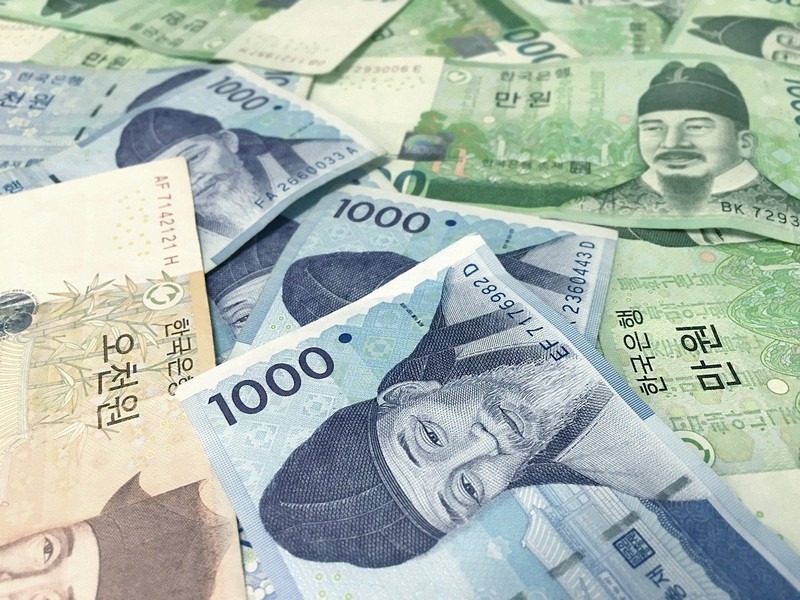
This is the most common gift in Korea across almost every occasion, and it’s genuinely more practical than it sounds. The key is presentation. Never hand over loose cash, place it in a clean envelope before presenting it. For weddings and formal occasions, the bills should be new and crisp (get them from the bank beforehand) and the envelope should be plain white, labelled with the name of the person you know from the couple.
For a beautifully presented alternative to a plain envelope, Joteta makes bojagi-style money envelopes that are a significant step up from standard options and make a lovely impression at any event.
- How much money is an appropriate gift in Korea? This is a really common question and comes down to quite a few factors. Here is what you need to consider:
- How close are you to the person being celebrated? Family or distant relative? Best friend or acquaintance? Colleague you see daily or staff member you’ve never met?
- Has this person gifted you cash previously? As mentioned, Koreans are big into reciprocity, so if the person gifted you at some point, this is prime time to literally repay them.
- Are you actually planning to attend the gift? Or just sending money as a gesture?
- Do you have plenty of funds? Or not so much?
- So, how much money is an appropriate gift in Korea?
- The minimum if you’re not close or not planning to attend is usually W30,000.
- If you’re not close but still planning to attend the event, a wedding maybe, you’d want to give W50,000 because that will cover the buffet you’ll eat and maybe leave a bit extra for the couple.
- If you’re close to the person and attending their event, in Korea the average would be around W100,000 but if you’re not financially stable or at a lower position than the person receiving, they’ll absolutely understand if you give W50,000.
- If you’re well off, very close to the person, or family, you’ll want to go even higher. It’s an art though and remember that the couple will then basically “owe” you the same amount at a later event you host.
Health Related Products
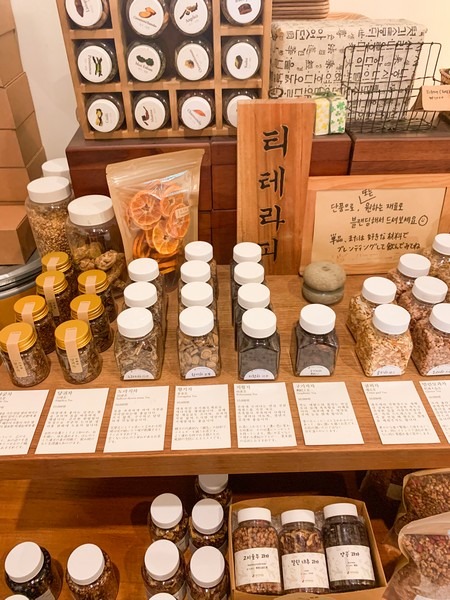
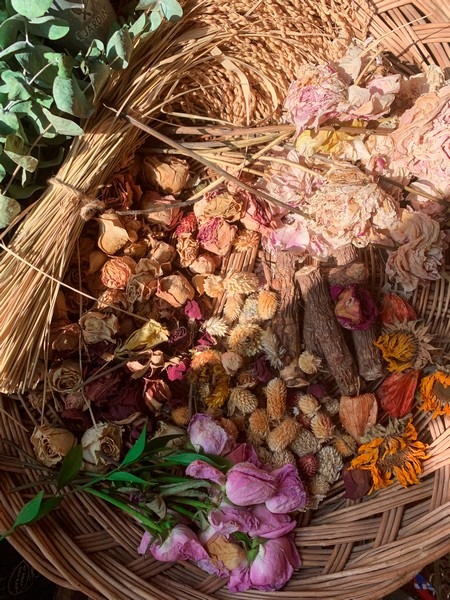
Everything from health supplements, teas, and vitamins to red ginseng are great gifts in Korea. Ginseng works well for gifts to Korean in-laws. On that same note, you can also send high-end food products like Hanwoo beef, expensive mushrooms, and wild ginseng too.
In an office situation, you’ll often see people bring in boxes of small juice bottles to share. This is a great choice when you’re visiting family or friends, too. If you’re not really sure what to look for when you head out to look for supplements and vitamins in Korea, just shop on iHerb. It’s in English and gets you everything you need right here in Korea. You could even give Korean instant coffee. It’s a Korean staple afterall.
Alcohol
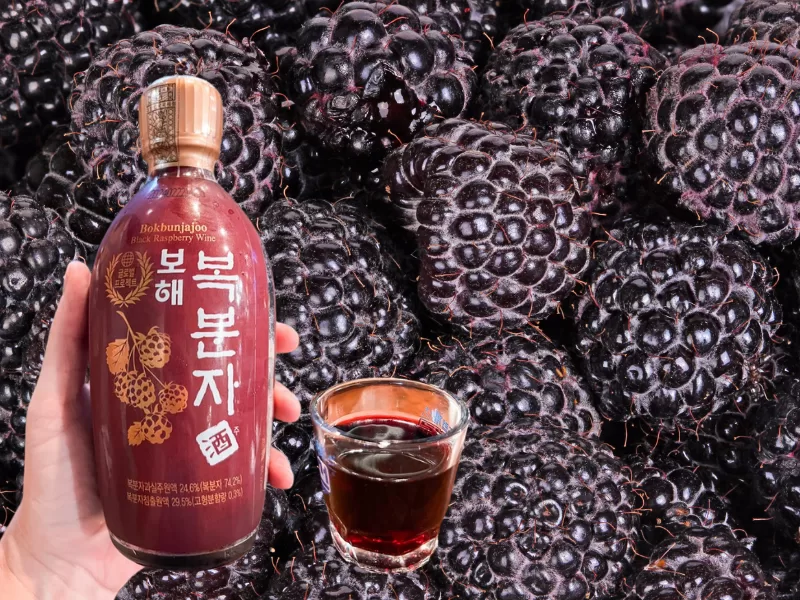
This may or may not be a good gift and it really depends on the person and whether they drink and what they drink. Wine is definitely more of a western style alcohol gift. The drinking culture is intense here in Korea, but not everyone is intense about it so if your in-laws aren’t, maybe don’t give this.
My in-laws don’t drink wine and when gifted with a bottle put it on a shelf never to be enjoyed. They did appreciate a bottle of bokbunja though so it’s important to know what the person indeed enjoys.
Events To Give Gifts In Korea
A Wedding
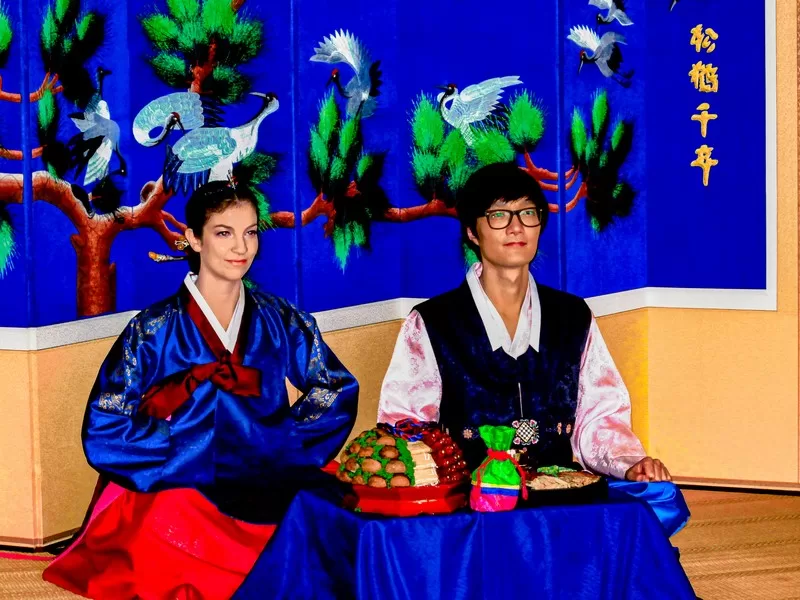
Korean weddings often differ significantly from Western ones. There is typically no gift registry, instead, cash is the standard and genuinely preferred gift. This is practical: weddings in Korea can be enormous, the couple puts significant resources into the event, and cash allows them to manage their finances afterward.
The money is handled through a system at the venue entrance. Two tables are typically set up, one for guests of the bride and one for guests of the groom. Attendants record each guest’s name and the amount given, then hand over a buffet ticket. The couple receives a formal record afterward. This means your pristine envelope matters: crisp new bills, a plain white envelope, and your name clearly written on it.
How much to give at a Korean wedding: Close to the bride, groom, or their parents: ₩50,000–₩100,000 Colleague or acquaintance: ₩30,000–₩50,000 Receiving an invitation from someone you barely know: it’s acceptable not to attend; a ₩30,000 envelope sent via a colleague who is attending is a sufficient gesture.

A Housewarming Party (집들이)
Where you’d commonly give a houseplant or bottle of wine, in Korea, housewarming parties, jip-deu-li (집들이), are all about giving cleaning products and toilet paper. It might seem awkward at first, but it really makes quite a bit of sense to give household cleaning supplies to someone that has just gotten a new place. If you’re going to a housewarming party in Korea, just stock up in the cleaning aisle.
A Child’s First Birthday
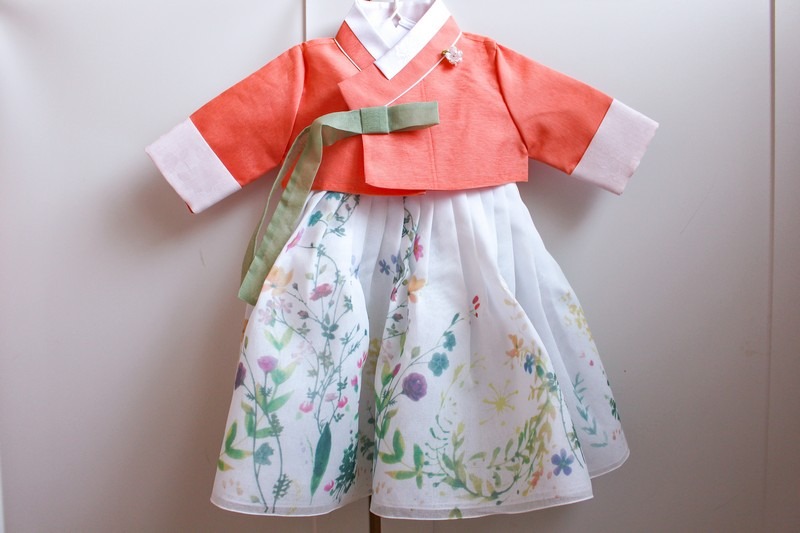
A child’s first birthday, a doljanchi (돌잔치), is a pretty big deal no matter where you are in the world. Many cultures strive to be elaborate to celebrate the new life and the first year milestones. Traditionally, gold rings used to be given as a gift for the child’s first birthday in Korea. However, over time, the prices of this precious item have gone up which is why close friends and family only give this.
While someone from western culture would consider clothes or baby toys as a perfect birthday gift, Koreans don’t exactly feel the same. I’m not saying don’t give the child material things for their birthday, but it’s more risky. As with weddings, money is a very common gift to give on birthdays, between ₩30,000-₩50,000 is a safe range.
Money is great because the parents put so much into the first birthday, therefore making it a nice gesture. If it’s the child’s first 100 days of life, go for a chopstick/utensil set which is a very culturally appeasing gift. Still, money is also acceptable.
An Adult’s or Elder’s Birthday
Traditionally, the ages of 60, 70, and 80 are important milestones in Korean culture. The celebration for a 60th birthday is called a hwangab (환갑); The celebration for a 70th birthday is called a gohi (고희); and the celebration for an 80th birthday is called a palsun (팔순). Koreans usually throw lavish parties to celebrate or sometimes take a trip abroad to celebrate these milestones. The guide to gift giving here is actually more flexible than for weddings and other events.
Money is definitely a perfect gift to stay safe, and again it all depends on the status or relationship with that person. Because of the drinking culture in South Korea, alcohol including premium wines, soju, and other Korean delicacies are suitable for this event, too. You can even consider giving gift baskets with an assortment of foods.

Valentine’s Day & White Day
Everyone has a love or hate relationship with Valentine’s Day, which is not surprising considering consumerism does a pretty good job of making us feel super lonely on February 14th. In the west, this day is all about showering your significant other with gifts and affection which usually goes for both genders. In Korea, instead of exchanging gifts, the man is the main focus on Valentine’s Day. Women will give the man chocolates and sometimes flowers.
But ladies, don’t worry, as there is still a day for you to shine. In March, White Day is celebrated which requires the man to shower his love with gifts of chocolates and flowers. These are just two of the FIFTEEN couple’s holidays that exist in Korea actually. There is one each month but these are by far the most popular ones.
Chuseok and Seollal (Korean Thanksgiving and Lunar New Year)
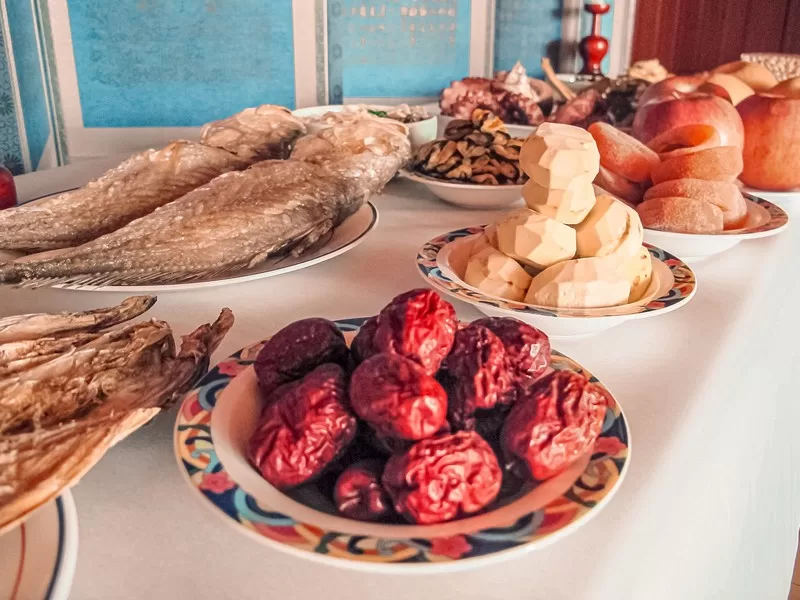
Chuseok is Korea’s autumn harvest celebration, roughly equivalent to Thanksgiving in scale and family significance. Seollal is the Lunar New Year. Both are occasions where gift giving is appropriate and widely practiced.
For family and older relatives: health-focused gifts work very well. Vitamins, health supplements, red ginseng sets, and similar wellness products convey care for longevity. Cash is also entirely appropriate.
For Chuseok specifically, Korean department stores and supermarkets make gift selection almost effortless by assembling seasonal gift sets right at the entrance. SPAM gift sets, toothpaste sets, cooking oil sets, and similar household products assembled in attractive boxes are genuine and appreciated gifts, not as odd as they might seem to a Western eye. These sets exist specifically for this holiday and giving one is a culturally fluent choice.
For more on what Chuseok involves and how it’s celebrated, read the complete Chuseok guide.

Christmas
Don’t be surprised that Christmas is quite a bit more subdued in Korea. Christmas is one of the most important holidays of the year in the west and of course there are foreign Christmas markets and holiday events hosted by expats for some of that holiday cheer. It’s the time of year when we gather with family and friends.
In Korea, however, Christmas is more of a couple’s holiday which might come as a surprise. This is the one holiday where money isn’t an absolutely essential gift. Since it’s a couples holiday, women will receive cosmetics, while the men get clothing and accessories such as wallets by their significant others. If you’re attending a Christmas party, I suggest bringing a cake to the event. That’s usually a safe and suitable gift for the occasion in my experience.

Children’s Day, Teacher’s Day, & Parent’s Day
May is the most expensive month in the Korean cultural calendar, with three holidays packed into one month. May is actually family month in Korea so even more events focused on families happen than the rest of the year.
Children’s Day (May 5th) is dedicated to children. Parents take them to amusement parks, the zoo, and generally spend the day focused on what the children want. Toys and experiences are the standard gift.
Parents’ Day (May 8th) is when children show appreciation to parents. Carnations are the symbolic gift, they’re everywhere in flower shops in early May. Handwritten letters and small handmade gifts are also traditional.
Teacher’s Day (May 15th) is when the laws around teacher gifting are most relevant. See the section above. If you’re a parent wanting to acknowledge a teacher, a shared gift for the entire staff room (box of coffee, box of tea) under ₩30,000 is the appropriate approach.
New Businesses
When a new business opens in Korea, the traditional and most recognizable gift is a large flower arrangement or wreath, you’ve likely seen these standing outside new storefronts, covered in ribbons with congratulatory messages in Korean. Real flowers are significantly preferred over the fake arrangements commonly used for display purposes.
Food, baked goods, and cleaning supplies are also appropriate. The cleaning supplies logic is similar to housewarmings, a fresh start, a clean slate for the new venture.

What Gifts Should I Avoid Giving In Korea?
Korean culture has specific taboos around gifts, most rooted in superstition and symbolism. Some of these are widely known; others catch foreigners off guard.
Sharp objects — knives, scissors, letter openers — symbolize severing a relationship. Giving these implies you want to cut ties with the person.
Shoes — giving shoes to someone implies you want them to walk away from you. Common in romantic contexts in particular.
Umbrellas — carry a similar implication to shoes: that you want the person to leave.
Red ink or red writing — in Korean tradition, writing someone’s name in red is associated with death. Avoid cards, gifts, or notes where names appear in red.
Anything in sets of four — the number four (사, sa) sounds like the Korean word for death and is widely considered unlucky. Sets of four wine glasses, four candles, four of anything should be avoided. Sets of three or five are fine.
Mirrors — considered to bring bad luck in many Korean contexts.
Green headwear — this one surprises most foreigners, but giving a green hat specifically carries a connotation of infidelity and would be an uncomfortable gift in most relationships.
Very expensive gifts — as noted above, the reciprocity expectation means that a lavish gift creates pressure rather than delight. Keep gifts proportionate to the relationship and occasion.
FAQ
What is the most common gift in Korea?
Cash. For almost every occasion including weddings, birthdays, doljanchi, Chuseok, Seollal, cash in a clean envelope is the most appropriate and appreciated gift. It removes guesswork for the giver and is genuinely useful for the receiver. The amount depends on your relationship and the occasion.
What do you bring to a Korean housewarming?
Toilet paper and cleaning supplies. This surprises almost every foreigner the first time, but it’s the traditional and expected gift. The toilet paper symbolizes a long and smoothly unspooling future for the household. Laundry detergent, dish soap, and other cleaning products represent a fresh start. Pre-assembled housewarming gift sets are widely available in Korean supermarkets and department stores.
Is it rude to give an odd number of gifts in Korea?
The main number to avoid is four (associated with death due to the pronunciation). Odd numbers are generally fine, flowers are often given in odd numbers as in many Asian cultures. Sets of two, three, or five are all appropriate.
What should I give at a Korean wedding?
Cash in a plain white envelope with crisp new bills. The amount is ₩50,000–₩100,000 for close friends and family, ₩30,000–₩50,000 for colleagues and acquaintances. The envelope is registered at the venue entrance and your name and amount are recorded, the couple will know what you gave.
What gifts are considered bad luck in Korea?
Sharp objects (knives, scissors), shoes, umbrellas, items in sets of four, anything with red writing or red ink on the name, and mirrors. Green hats are also to be avoided due to an association with infidelity.
Can I give flowers in Korea?
Yes, flowers are appropriate for many occasions including new business openings, Parents’ Day (carnations specifically), romantic occasions, and as a supplement to other gifts. Avoid giving only flowers at a housewarming where cleaning supplies are the expected gift, and avoid giving flowers in sets of four.
Gift giving in Korea is less mysterious once you understand the core logic: reciprocity matters, presentation matters, and the gesture is often more about the relationship than the object. Cash handled well is rarely wrong. And if someone invites you to a housewarming, pick up some toilet paper on the way.
Did you like this post? Pin IT!

5 Comments
derek shaw
I am visiting Korean friends in Korea for the first time. They have stayed with us in Canada twice (learning in English as second language, and then again during the crash of 2008/2009 to refresh and upgrade. The final visit was with their first-born (son), as a vacation. They also now have a daughter whom I’ve only met over video chats. I have already made the mistake of getting gifts for the kids that suit their interests, that would qualify as expensive (replica EPL jersey of Son HM for him, drawing supplies for her). I have the excuse that I am their Canadian 할아버지 (grandpa – honourary title). I’d like to get my hosts something, especially since they will be hosting me for my > 2 week stay, but I’ve become stuck for ideas. And I was not really aware of the reciprocity issue.
Any thoughts? I have some Canadian food specialties in mind, especially Maple Syrup and its candy derivatives, but it seems paltry to me.
Arriving July 26. Thanks in advance for any ideas.
Fi
I want to get my co-worker a gift card for her first baby. Saw Lotte, Shinsagae and Hyundai as the most popular stores, which one is more appropriate?
Hallie Bradley
All of those would probably be appreciated. In my experience, I’ve generally received Lotte more often and since they own so many brands, the gift cards can be good for just about anything. Maybe that info helps you. ^^
Don
I would like to give gifts this Christmas to a freind and her son who are from South Korea. Nothing expensive – I just want to make them feel welcome in New zealand. Could you please tell me what to avoid? Chocolates for her and a model car for the boy is the best I can come up with!
Jean Gelwicks
What is a good retirement gift