Korean Housewarming Party Gifts: Why Toilet Paper Is the Answer
Last Updated on October 12, 2026
When my husband and I moved a couple of years back, I decided it was time to have a housewarming party, a jipdeuri (집들이) in Korean. We invited friends and on the day of the get-together my husband said we had to rush out to get this food and that drink. Had I under-prepared? Wouldn’t our guests be bringing food, or drinks, or flowers and plants?
As Emily Post had taught me, guests, though it’s not a rule, often bring a bottle of wine, some bread, or the odd plant. That is not how it works in Korea. By the end of our party we were stacked ceiling-high in toilet paper and laundry detergent. I had a lot to learn.
Here is everything you need to know about the Korean housewarming party including what to bring as a guest, what to prepare as a host, and why toilet paper is genuinely the most thoughtful gift you can give.
For Korean gift-giving customs beyond housewarming parties, read the complete Korean gift giving guide.
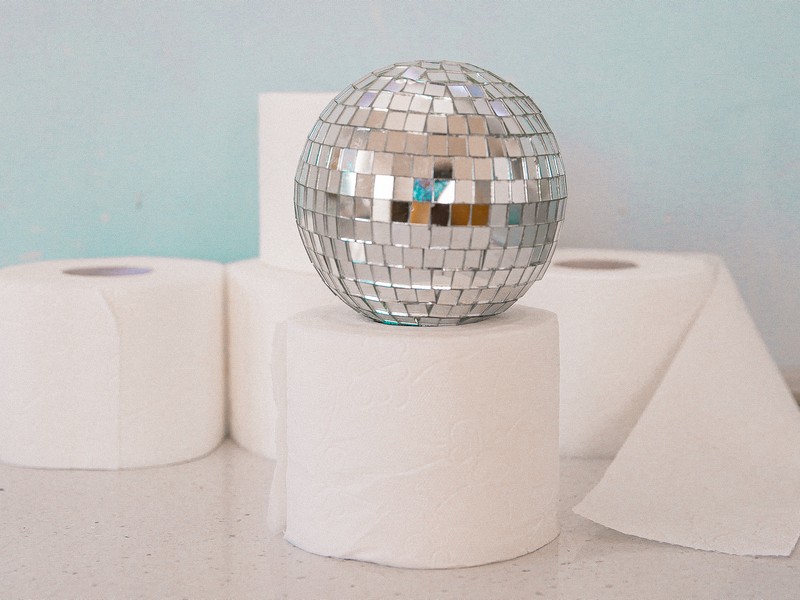
Wondering what to take to a housewarming party in Korea? Definitely toilet paper… and here’s what to know about the Korean custom:
- Korean Housewarming Quick Guide
- Korean Housewarming Party Customs
- What To Bring As A Guest
- The Symbolism Behind Each Gift
- What Plants To Bring
- What Not To Bring
- What To Prepare as a Host
- Other Times Toilet Paper Is the Right Gift
- FAQ
(This page contains affiliate links. That means if you click on them and purchase something, I will get a percentage of the transaction at no cost to you.)
Korean Housewarming Quick Guide
| Korean name | 집들이 (jipdeuri) |
| Traditional guest gifts | Toilet paper, laundry detergent, cleaning supplies, plants |
| What these gifts symbolize | Prosperity, wealth, cleanliness, long-lasting good fortune |
| Cash gift | Acceptable for closer relationships, in an envelope |
| What to avoid | Knives, scissors, shoes (symbolically inauspicious) |
| Host responsibilities | Prepare a full meal, traditionally japchae and bindaetteok |
| When else to give toilet paper | Construction noise apology, business opening, general goodwill gift |
Korean Housewarming Party Customs
Originally, jipdeuri (집들이) was the actual moving from one house to another and a ritual was done to thank the spirits and pray for good luck and fortune in the new abode. Come evening, family and friends would stop over to partake in a feast to celebrate.
In the days before reliable electricity, the traditional gifts were candles and matches, to “light up” the new home with good fortune and happiness. If the period in the previous home had been especially prosperous, families would carry lit embers from the old fireplace to the new one, continuing the prosperity into the next chapter.
Today, not everyone in Korea holds formal housewarming parties. People move more frequently and the old rituals are less commonly observed. When a jipdeuri is held, the candles and matches have shifted to cleaning supplies and tissue, practical gifts with symbolic meaning that has evolved rather than disappeared.
What To Bring as a Guest
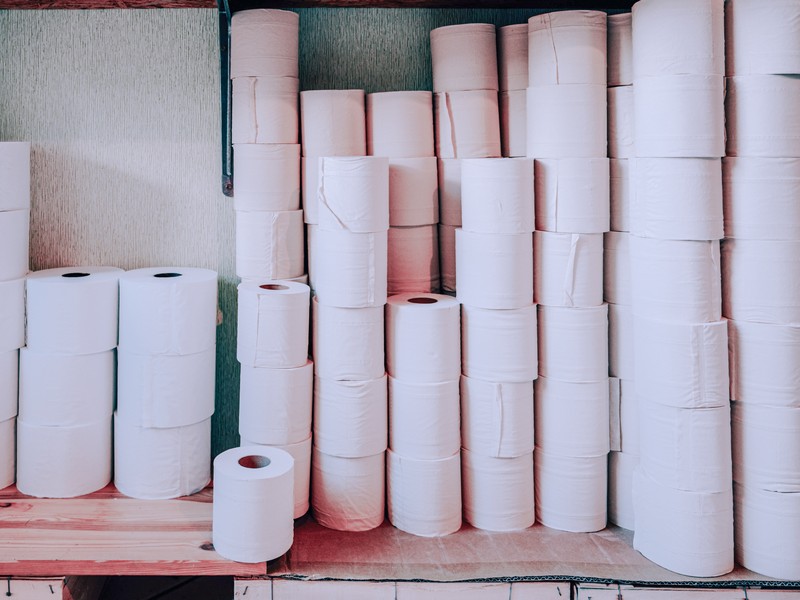
- Toilet paper and tissue: The most traditional and universally appropriate gift. Multiple rolls, sometimes several large packages. By the time our party was over, we had enough to last the year.
- Laundry detergent: One of the most meaningful gifts you can bring. The more premium the brand, the better the impression.
- Other cleaning supplies: Dish soap, kitchen cleaner, vacuum cleaner bags. A friend brought us a small vacuum cleaner. At the time I found this surprising. I now consider it one of the most useful gifts we received at any event.
- Plants: Potted plants that bring color and greenery to the new space. Two or three specific varieties are traditionally associated with housewarming gifts.
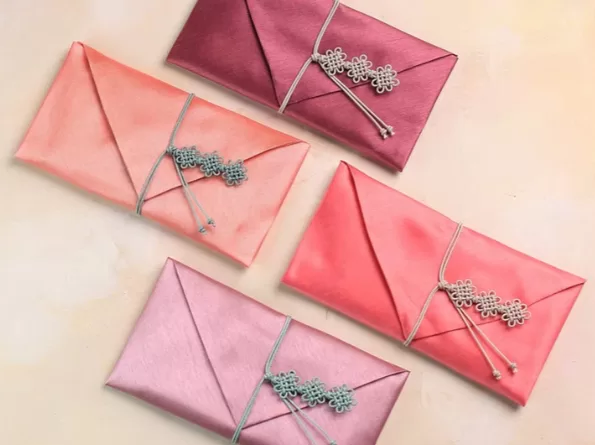
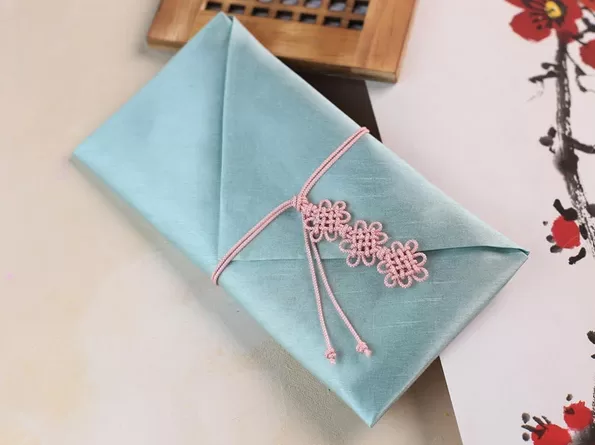
- Cash in an envelope: For closer relationships or larger celebrations, a cash gift in a plain white envelope is entirely appropriate and common. The amount varies by relationship and life stage. Ask your Korean partner or a Korean friend for current norms if you’re unsure.
For our own housewarming party we ended up with a substantial pile of toilet paper, laundry detergent, and one friend even bought us a small vacuum cleaner. In the end, I may actually like the Korean custom of giving toilet paper and other cleaning supplies for a housewarming party more than the American tradition of wine and food. Stock me up with useful things? I’ll take it!
The Symbolism Behind Each Gift
Cleaning supplies and tissue used to be luxury items as they were expensive so the gift was seen as a pretty special one. This is the part most foreign visitors don’t know, and it reframes the whole custom when you do know the symbolism.
Laundry detergent creates bubbles when it works, bubbles which are dense, round, and shiny. In Korean symbolism, this represents money and wealth bubbling over into the home. Giving detergent is not a practical joke about cleanliness. It is a wish for the residents to overflow with prosperity.
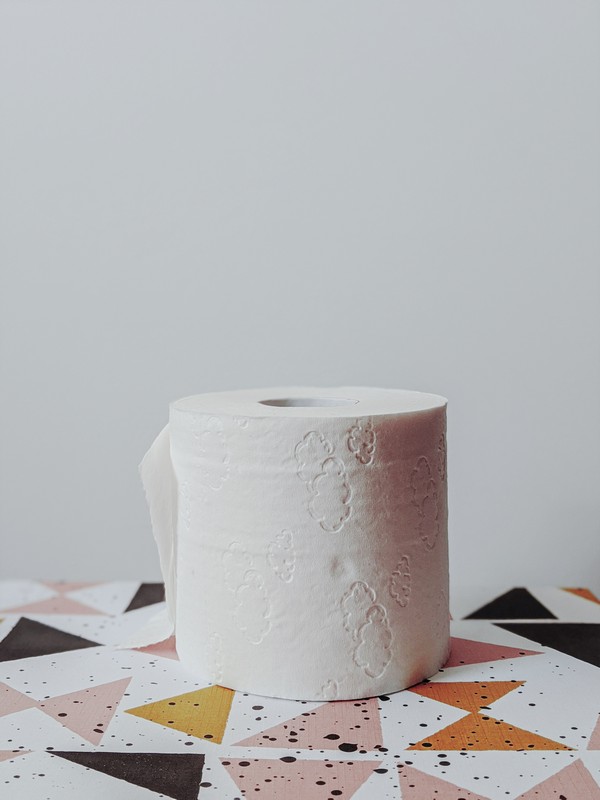
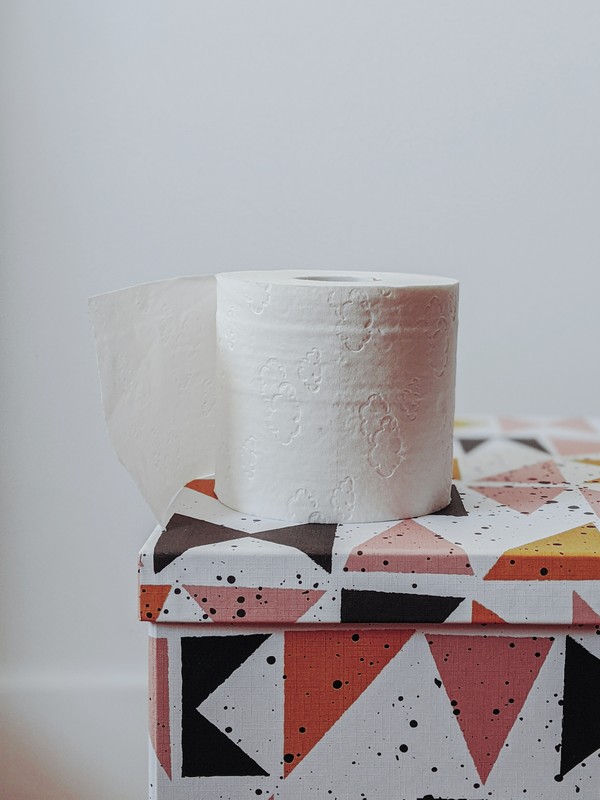
Toilet paper and tissue unroll smoothly and continuously, a long, unbroken strand with no end. This represents prosperity that unravels everlastingly, long good fortune that doesn’t run out. It also doesn’t expire, so a stockpile is always useful.
The historical shift from candles and matches to cleaning supplies preserves the original intent though not in the exact same way, they are gifts that “illuminate” and “purify” the new space, now in modern form.

What Plants To Bring
Two plants are particularly traditional for Korean housewarming gifts.
Window-leaf plant (몬스테라, Monstera deliciosa): A popular choice because it is low maintenance and tolerates dry, warm indoor conditions well. Easy to care for is considered symbolic of easy, uncomplicated good fortune, particularly for businesses.
Snake plant (산세비에리아, Sansevieria): Grows in dry, shady conditions and is nearly impossible to kill. Associated with resilience and steady prosperity. The dusky green foliage and architectural shape also make it an attractive addition to a new space.
Both plants are widely available at flower markets and large grocery stores throughout Korea.

What Not To Bring
Korean gift-giving has a few categories that are traditionally considered inauspicious.
Knives or scissors: Sharp objects symbolize cutting which could refer to relationships, ties, and good fortune. Generally avoided as gifts in Korean culture broadly, not just at housewarmings.
Shoes: In some interpretations, giving shoes suggests you want the recipient to walk away. Not universally observed but worth knowing.
Red ink items: Writing someone’s name in red ink is associated with death in Korean culture. Not specific to housewarmings but applicable to any card or written message you include with a gift.
When in doubt, cleaning supplies and toilet paper are always safe. There is no scenario in which they are wrong.
What To Prepare as a Host
The jipdeuri is not a one-sided transaction. Hosts are expected to prepare a proper meal, not just drinks and snacks, but a full spread. Guests bring gifts; you feed them well.
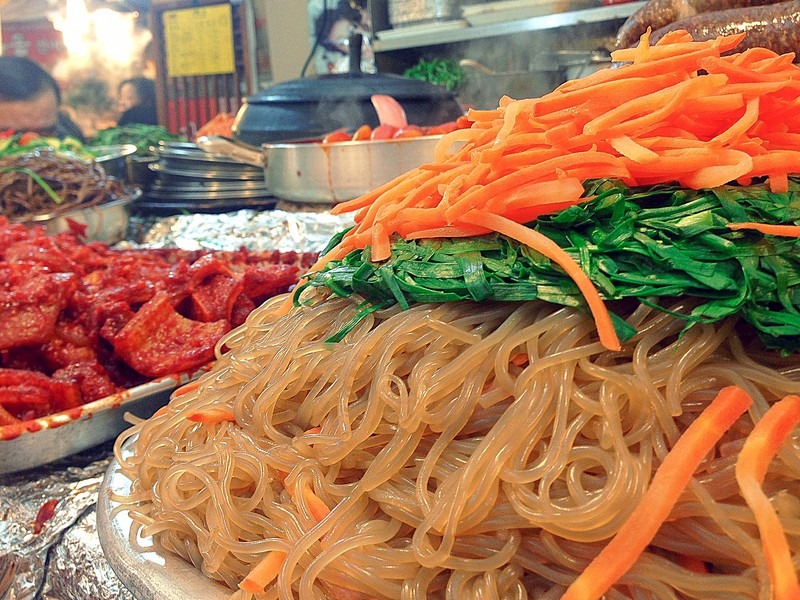
Traditionally, japchae (잡채), glass noodles stir-fried with vegetables and meat, and bindaetteok (빈대떡), a savory mung bean pancake, are the classic housewarming foods. They are substantial, crowd-pleasing, and signal that you have taken the event seriously.
This is what my husband was rushing to prepare the day of our party. He wasn’t panicking about whether the guests would bring enough, he was making sure we had fulfilled our side of the custom. It made complete sense once I understood it.
Other Times Toilet Paper is the Right Gift
The housewarming is not the only occasion where toilet paper and tissue appear as meaningful gifts in Korea.
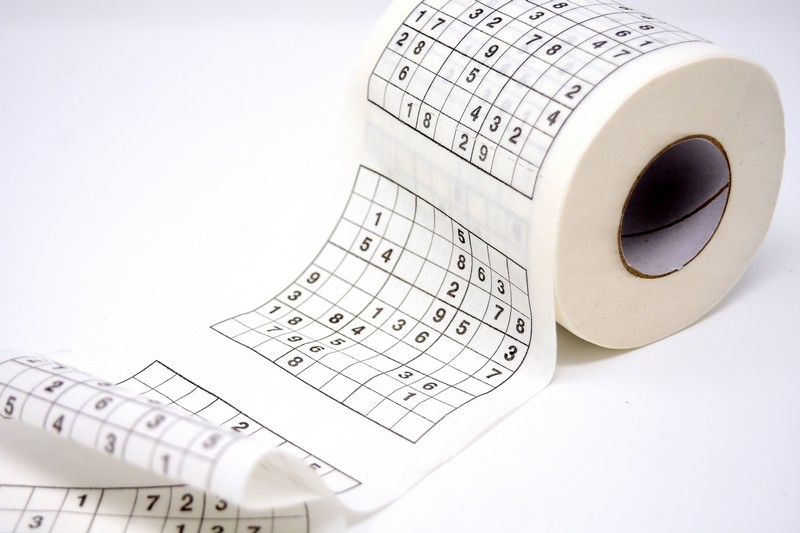
The construction crew story: after we had been in our house for over two years, the manager of a nearby construction crew came to the door with toilet paper. Because they were about to begin noisy, disruptive work in the neighborhood, he was distributing tissue and paper products to the surrounding homes as an acknowledgment and an apology for the inconvenience to come. It was the third time I had received a cleaning-related gift from a construction crew manager. The custom extends well beyond housewarming.
Business openings: Cleaning supplies and toilet paper are also common gifts when a friend or family member opens a new business. The same symbolism applies, prosperity bubbling over, long-lasting success.
General goodwill: If you want to give a thoughtful Korean gift and you’re not sure what’s appropriate for the occasion, a premium set of tissue or detergent is rarely wrong.
FAQ
What do you bring to a housewarming party in Korea?
Toilet paper, laundry detergent, and other cleaning supplies are the most traditional and universally appropriate gifts. Plants, particularly monstera and snake plants, are also well-received. For closer relationships, cash in an envelope is common.
Is toilet paper really a gift in Korea?
Yes, and genuinely so. The tissue symbolizes prosperity unrolling long and continuously, a wish for lasting good fortune. It’s not a joke gift or an afterthought. Multiple large packages of premium toilet paper are a completely appropriate and thoughtful housewarming present.
What is jipdeuri (집들이)?
Jipdeuri is the Korean word for a housewarming party. It originally referred to the ritual of moving into a new home and thanking the spirits for good fortune. The modern version retains the spirit of the original with a gathering friends and family to celebrate a new beginning, with practical gifts replacing the historical candles and matches.
What do Korean housewarming hosts prepare?
Hosts are expected to prepare a proper meal. Japchae (glass noodles) and bindaetteok (mung bean pancakes) are the traditional housewarming foods. The host-guest relationship is bilateral, guests bring gifts, hosts feed everyone well.
Can I bring food or drinks to a Korean housewarming?
It’s not the traditional custom, but food and drinks are not unwelcome. The most important thing is arriving with something that fits the general gift category like cleaning supplies, toilet paper, or plants. If you also want to bring wine or snacks in addition to a traditional gift, that reads as generous rather than wrong.
What should I avoid bringing as a gift in Korea?
Knives and scissors are generally avoided as gifts because sharp objects symbolize cutting ties or good fortune. Red-ink items are associated with death in Korean culture. For housewarming specifically, stick to the established category of gifts, cleaning supplies and plants, and you’re unlikely to go wrong.
The Korean housewarming custom is one of the things I have genuinely come to prefer over the equivalent in other cultures. A stockpile of useful things that carry real symbolic meaning, prepared by hosts who make a proper meal in return, it’s practical, warm, and thoughtful in a way that a bottle of wine rarely is. If you’re invited to a jipdeuri, arrive with toilet paper and leave knowing you did exactly the right thing.
Did you like this post? Pin It!

4 Comments
Kevin
My in-laws brought 24rolls of a Korean brand when we moved in to our latest place. I’m now searching where I can buy it, because it’s so much better than common brands.
Hallie
What’s the brand name?
kei
I’ve never heard of toilet tissue as a housewarming gift, but it’s really a useful gift! If I brought that to a housewarming in the US it would earn confused looks. Usually, Americans gift wine.
Hallie
Exactly. That’s why I was confused when my husband said we had to go out to get drinks. I was sure the guests would bring wine so we’d be set. Little did I know… It is super useful though… Only if you have the space to keep it somewhere. Haha