Urban Regeneration in Korea: Factories, Bunkers, and Parks Turn Arts & Culture Hubs
Last Updated on November 7, 2025
You might think trash plants and bunkers don’t belong on your travel list, but in Korea they make for some of the coolest arts and culture spaces around. Over the past decade, cities around Korea have turned oil depots, rail stations, and military sites into cafes, galleries, playgrounds, and performance halls.
If you want to travel like a local, see urban regeneration in Korea, and visit some truly inspiring art spaces, these regenerated spaces from Seoul to the DMZ, Jeonju, Daegu, and Incheon should be highlights you look for.
Check out this guide to how Korea is reusing spaces to create thriving cultural hubs:
- Bucheon Art Bunker B39 (부천아트벙커 B39)
- Camp Greaves (캠프 그리브스)
- Sansok Lighthouse (산속등대)
- Seonyudo Park (선유도공원)
- Peace Culture Bunker (평화문화진지)
- Oil Tank Culture Park (문화비축기지)
- SODA Museum (소다미술관)
- Daegu Suchang Youth Mansion (대구수창청춘맨션)
- Culture Station Seoul 284 (문화역서울 284)
- Cosmo 40 (코스모40)
- Seoullo 7017 (서울로 7017)
- Bunker des Lumières (빛의 벙커)
(This post contains affiliate links, which means I receive a certain percentage of a sale if you purchase after clicking at no cost to you. Thank you for your support.)
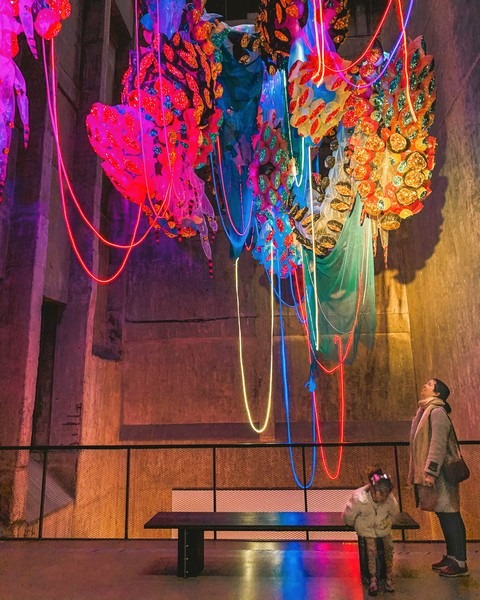
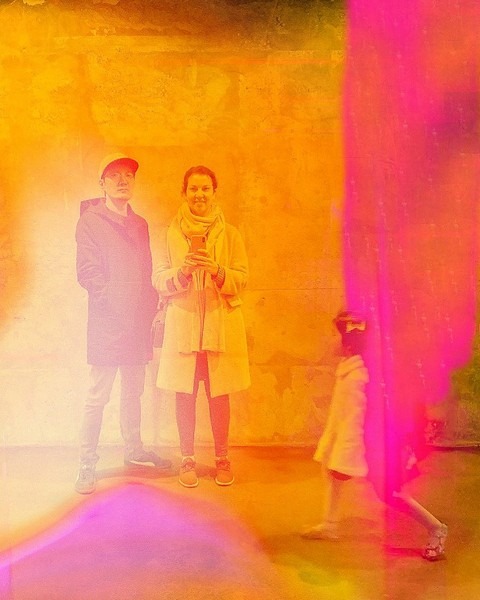
Bucheon Art Bunker B39 (부천아트벙커 B39)
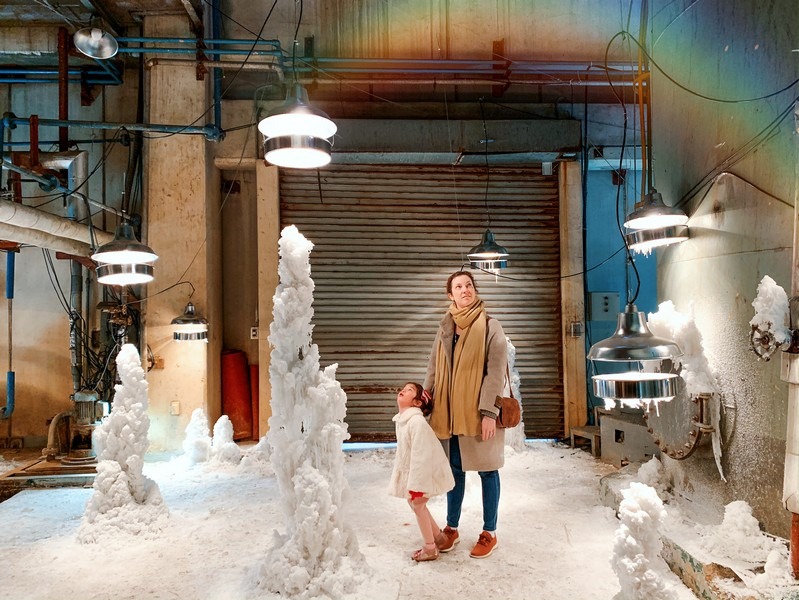
This former garbage incinerator was designed to preserve the dramatic industrial rooms while creating an arts and culture space. Walk through the Bunker, Ash Bunker, Fan Room, and Control Room to get an understanding for the Bucheon Art Bunker B39‘s past life while seeing various installations and rotating exhibitions.
- Address: 53 Samjak-ro, Bucheon-si, Gyeonggi-do (경기도 부천시 삼작로 53)
- Hours: Tuesday – Sunday: 10:00am ~ 6:00pm
- Admission: Often free to enter, admission may vary depending on the exhibition.
- Website: artbunkerb39.org
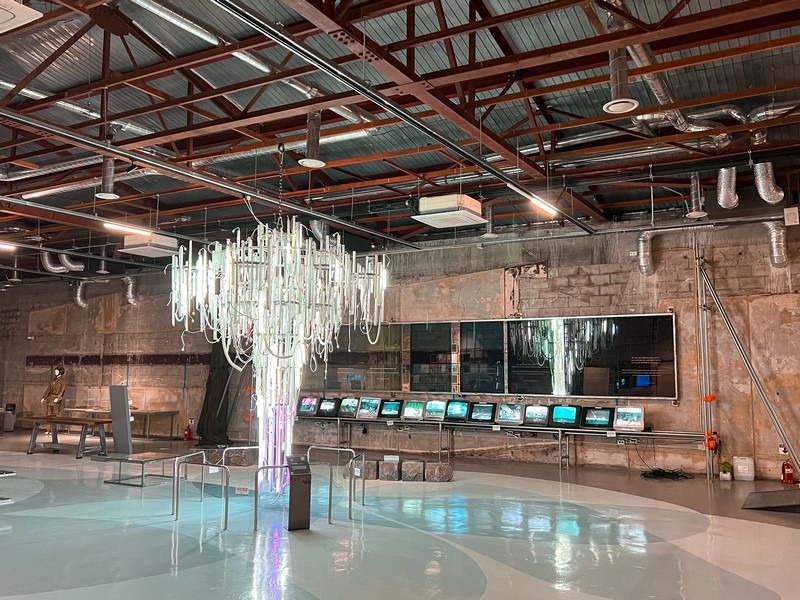
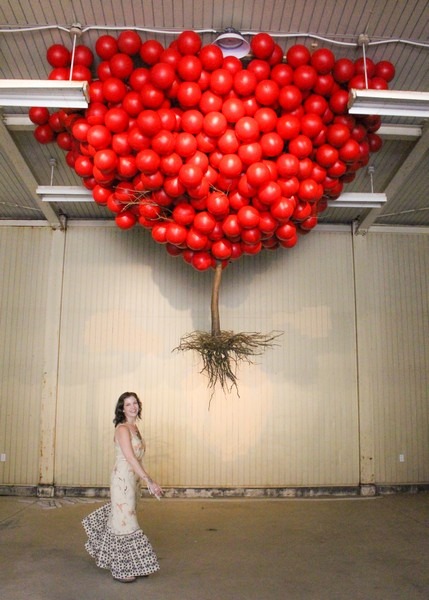
Camp Greaves (캠프 그리브스)
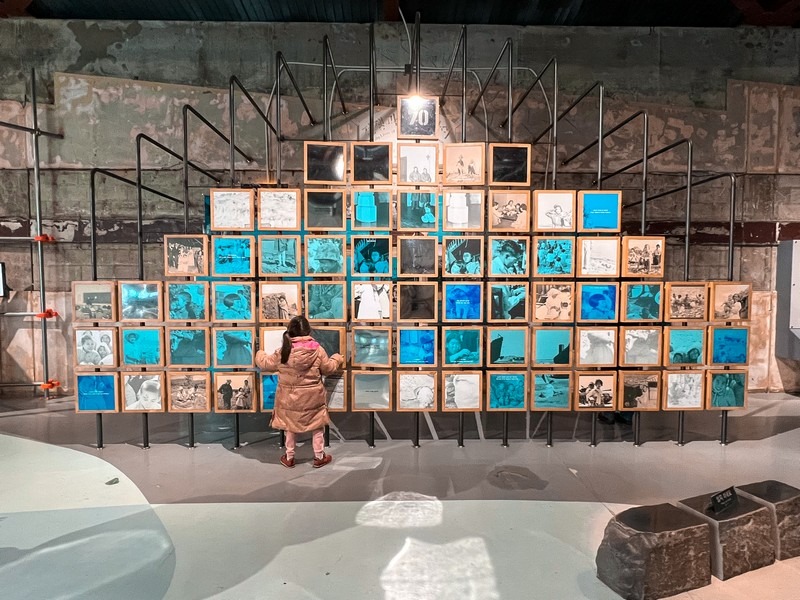
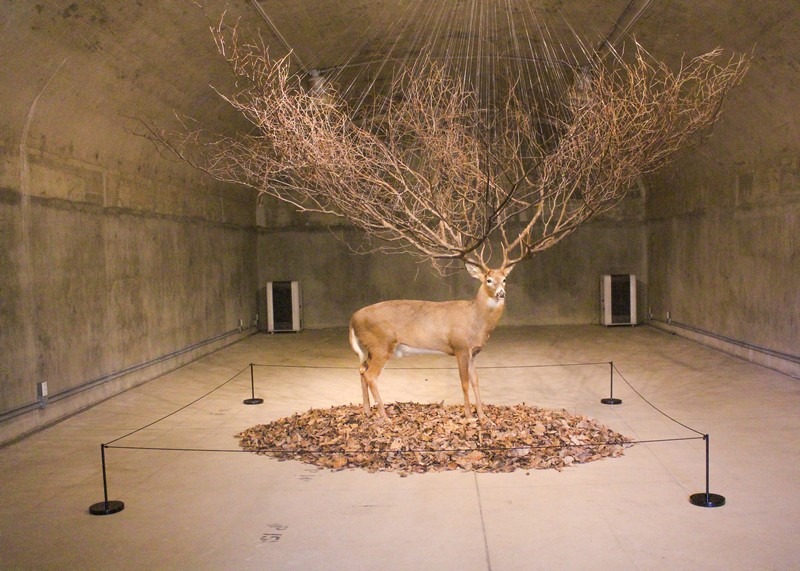
An American military base used for 50 years, Camp Greaves sits inside the Paju Civilian Control Zone just 2km from the DMZ South Limit Line. After the unit was relocated in 2004, the site was reborn through the DMZ Peace Platform Project into an arts, culture and history complex. I actually introduced Camp Greaves on CNN shortly after it opened to the public.
This is a really unique part of a visit to the DMZ that most tourists miss even though it’s right there at the Imjingak Resort where so many DMZ tours kick off from.
- Address: 137 Jeoksipja-ro, Paju-si, Gyeonggi-do (경기도 파주시 군내면 적십자로 137)
- Hours: Weekdays: 10:00am ~ 6:00pm; Weekends: 9:00am ~ 6:00pm
- Admission: You need to take a gondola ride across to see Camp Greaves which costs W7,000 or W14,000 depending on if you chose a regular or glass-bottom gondola.
Sansok Lighthouse (산속등대)
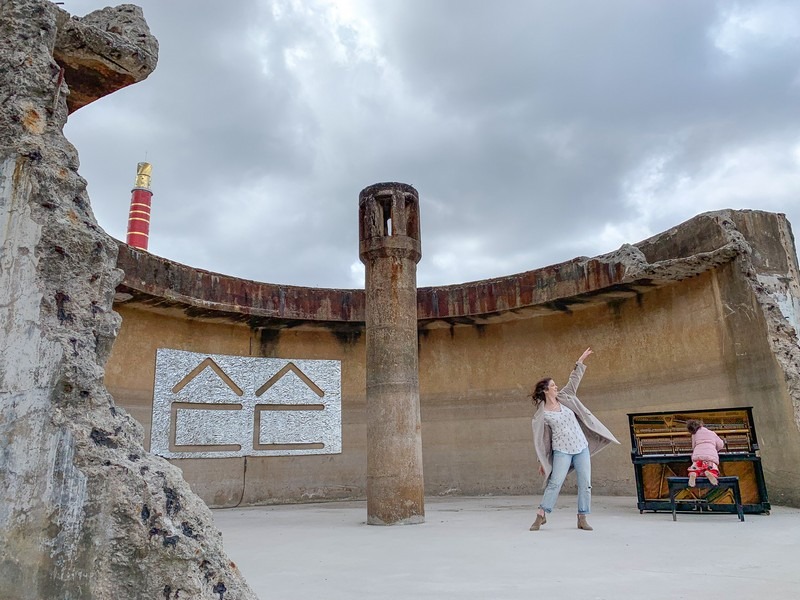
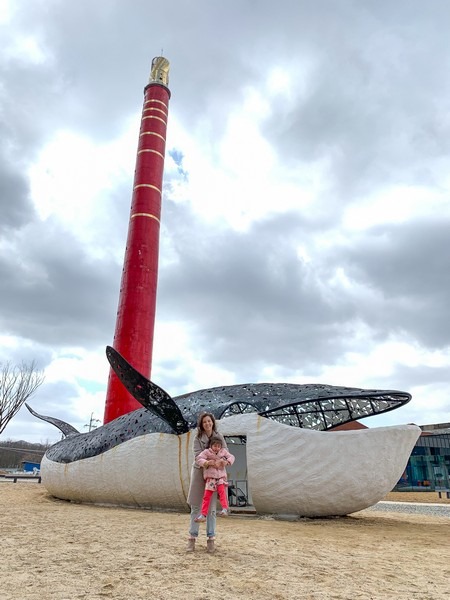
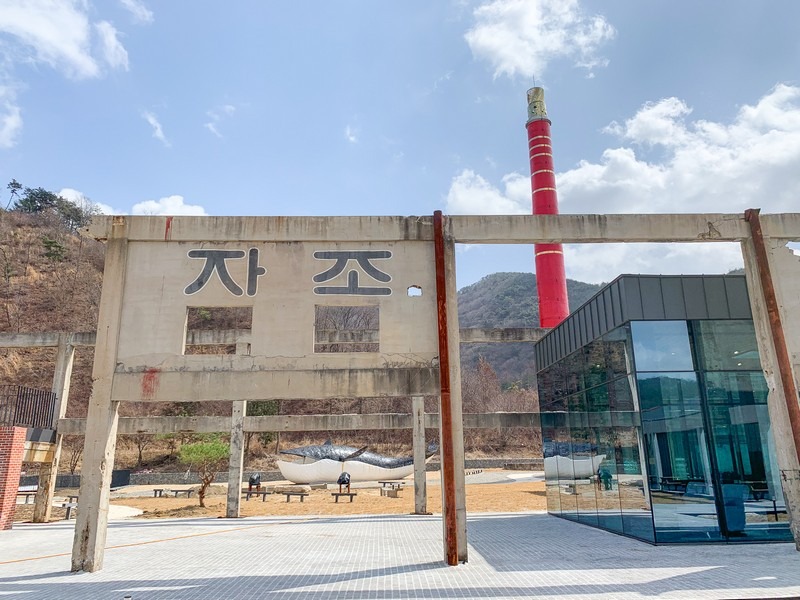
This paper factory was left idle for 40 years but is now an indoor-outdoor playground for creativity that makes a great addition to a weekend trip down to Jeonju Hanok Village. Kids will love the 33-meter whale you can climb inside, okay, I loved it too. There’s also a small amphitheater converted from a wastewater facility, and a cafe and museum. Definitely worth tagging on your map. Sansok Lighthouse was a great roadtrip stop for us on Jeolla and I know you’ll love it too.
- Admission: 82 Wonam-ro, Soyang-myeon, Wanju-gun, Jeollabuk-do (전북 완주군 소양면 원암로 82)
- Hours: Every day: 10:00am ~ 9:00pm (Check holiday schedules)
- Admission: Free for most areas, admission for some exhibitions
- Website: sansoklighthouse.co.kr
Seonyudo Park (선유도공원)
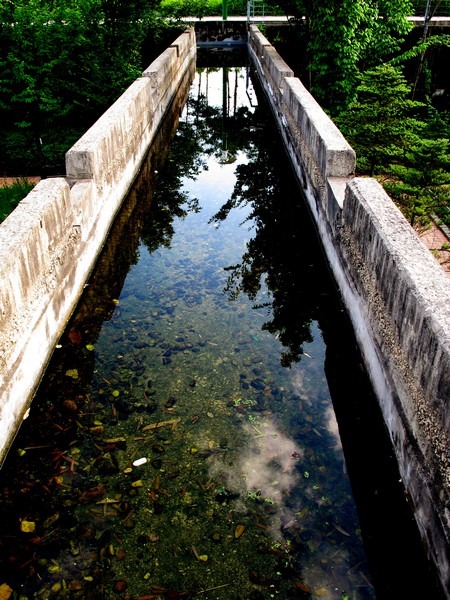
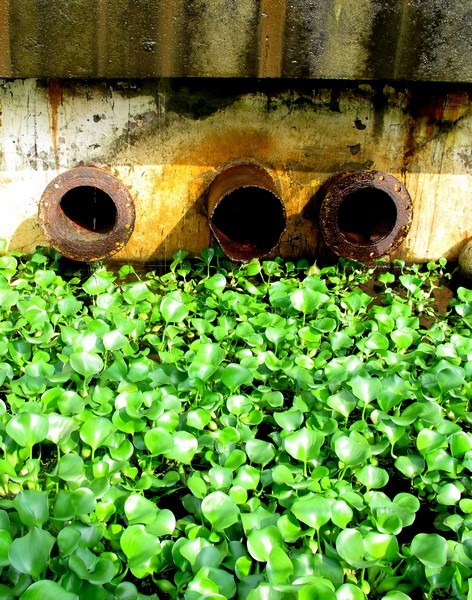
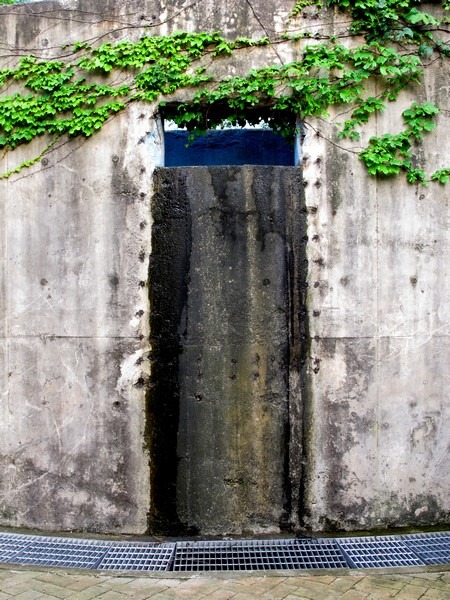
In 1978, this island that sites in the Han River was turned into a sewage treatment plant. Twenty-three years later, during the Hangang Renaissance Project, it was given a new more urban meets nature transformation to what we see today. Ivy crawls over cement blocks and pipes that were left from the plant. Seonyudo Park is where you can literally watch as nature reclaims the space.
- Address: 95 Yanghwa-dong Yeongdeungpo-gu, Seoul (영등포구 양화동 95)
- Hours: Daily: 6:00am ~ Midnight
Pro tip: Visit in the spring to find a cherry blossom hidden gem right in the middle of the city.
Peace Culture Bunker (평화문화진지)
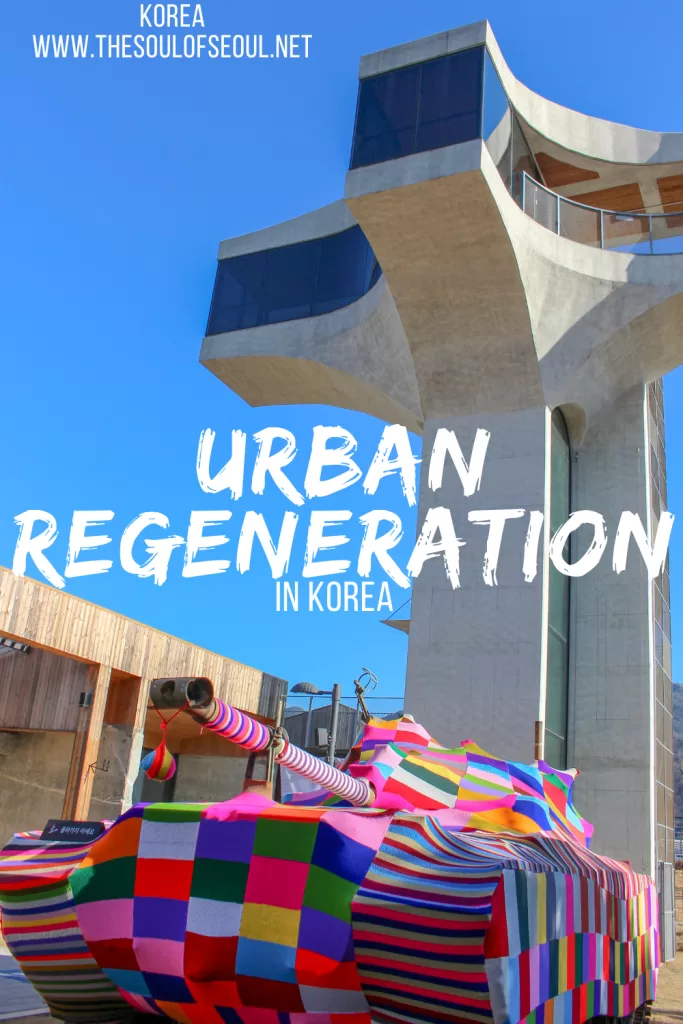
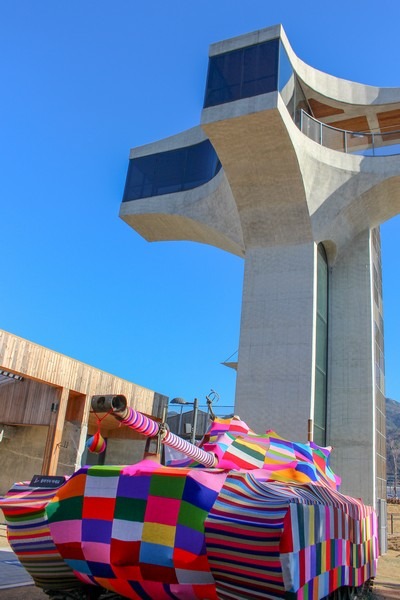
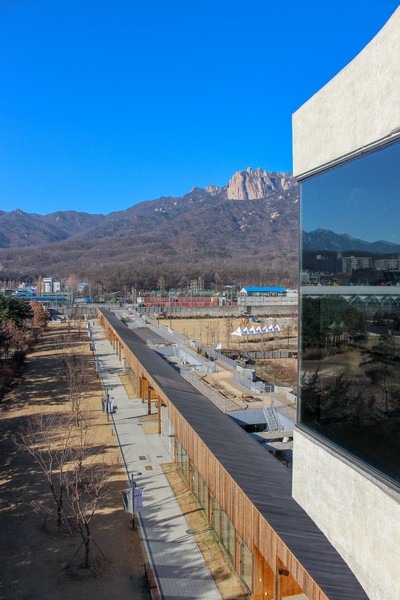
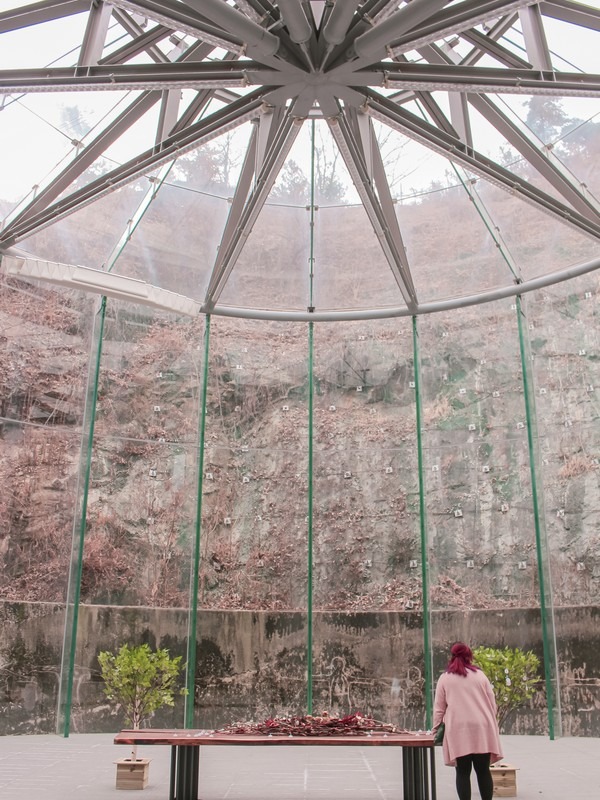
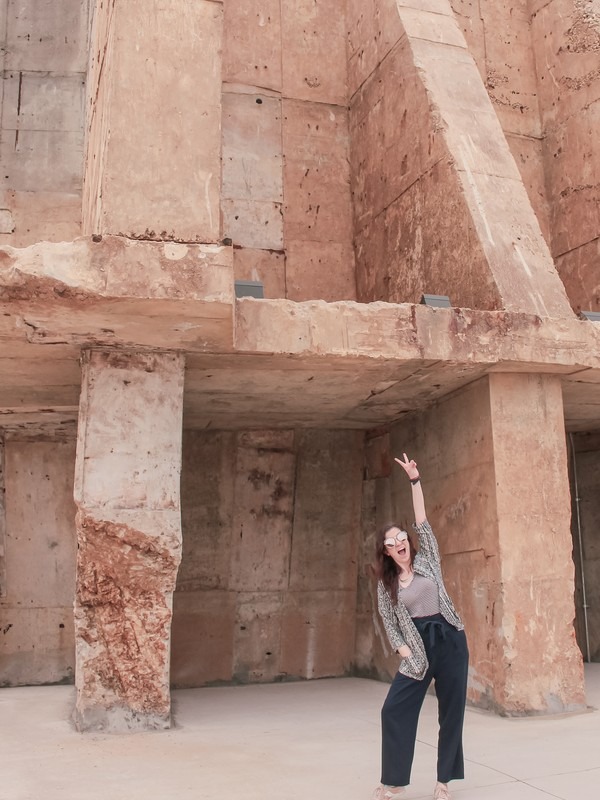
Built between 1968 to 1970 to conceal tans, this hillside complex once had camouflaging residential floors above C-shaped armored bays. Today you’ll find stripped-black concrete, timber-lined galleries, markets, and an observation tower with mountain views right by the subway. The Peace Culture Bunker is an interesting look at how Koreans were living at the time still very much with the signs of war around them.
- Address: 932 Madeul-ro, Dobong-gu, Seoul (서울 도봉구 마들로 932)
- Hours: Tuesday – Sunday: 10:00am ~ 6:00pm
- Admission: Usually free, special events may vary.
- Website: culturebunker.or.kr
Oil Tank Culture Park (문화비축기지)
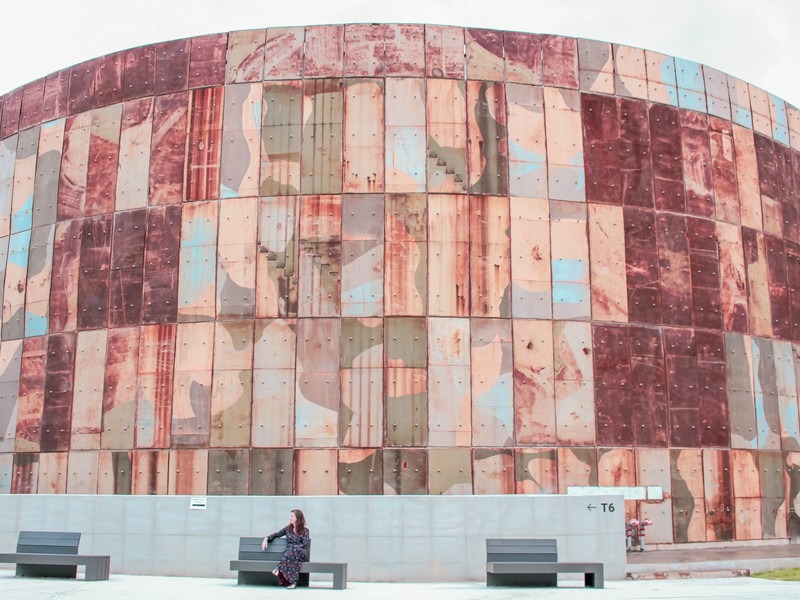
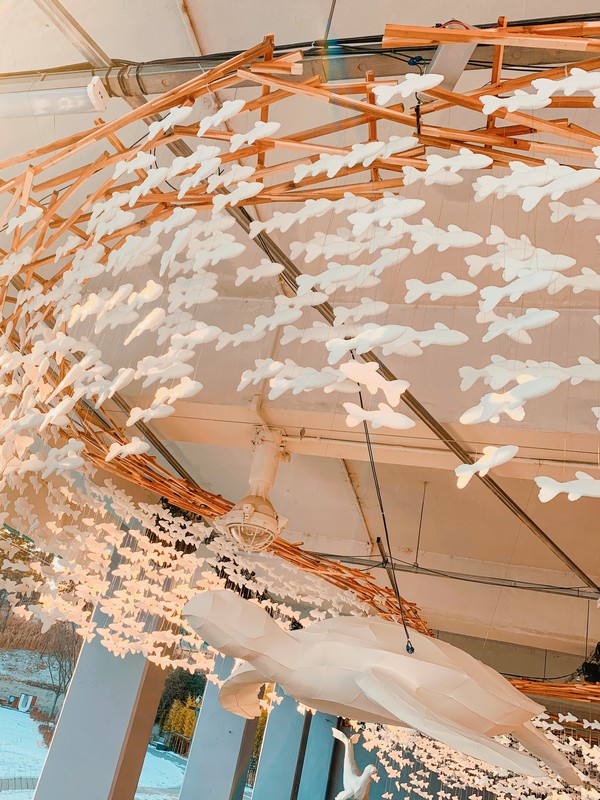
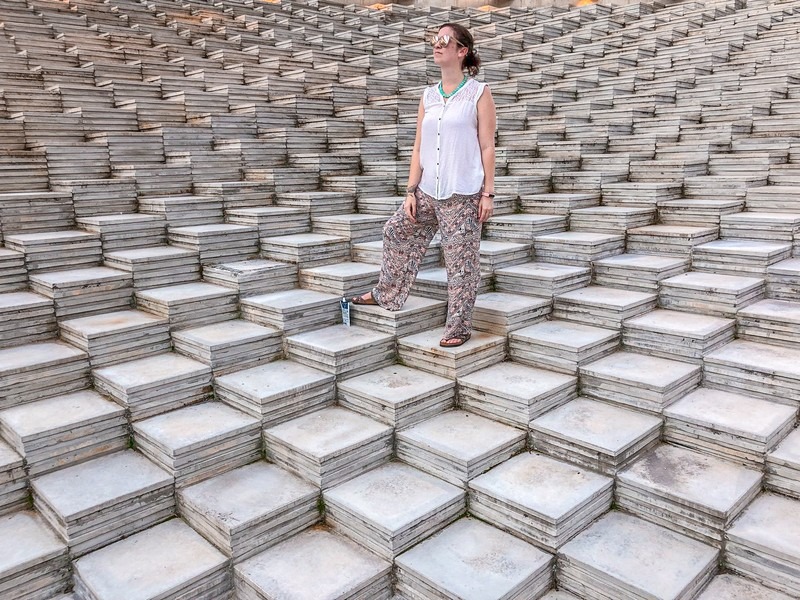
The regeneration project that kicked off my adoration for regeneration projects in Korea, six giant oil tanks from the 1970s oil crisis era now host a museum, performance bowl, cafe, and open lawns next to World Cup Park. The Oil Tank Culture Park is one of Seoul’s most photogenic “industrial chic” spots, especially at sunset.
- Address: 87 Jeungsan-ro, Mapo-gu, Seoul (서울 마포구 증산로 87)
- Hours: Grounds are open 24/7; Tanks and cafe open Tuesday – Sunday: 10:00am ~ 6:00pm
- Admission: Free
SODA Museum (소다미술관)
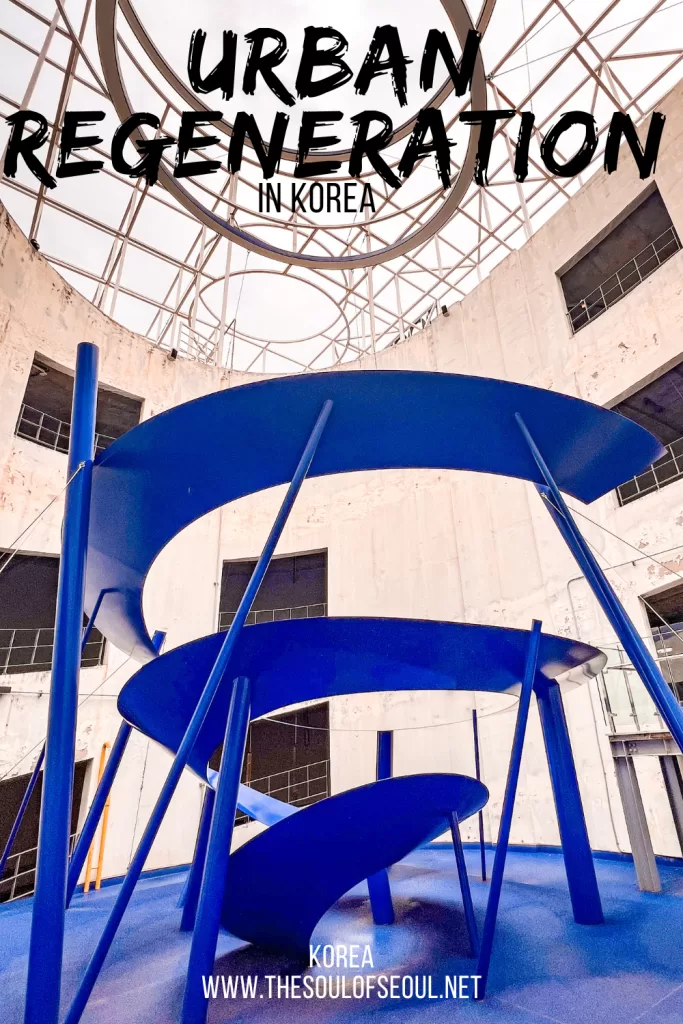
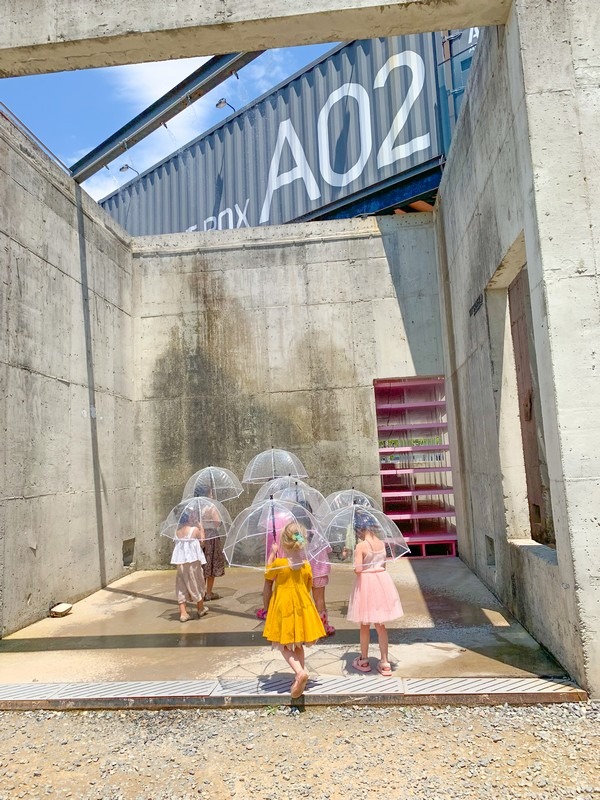
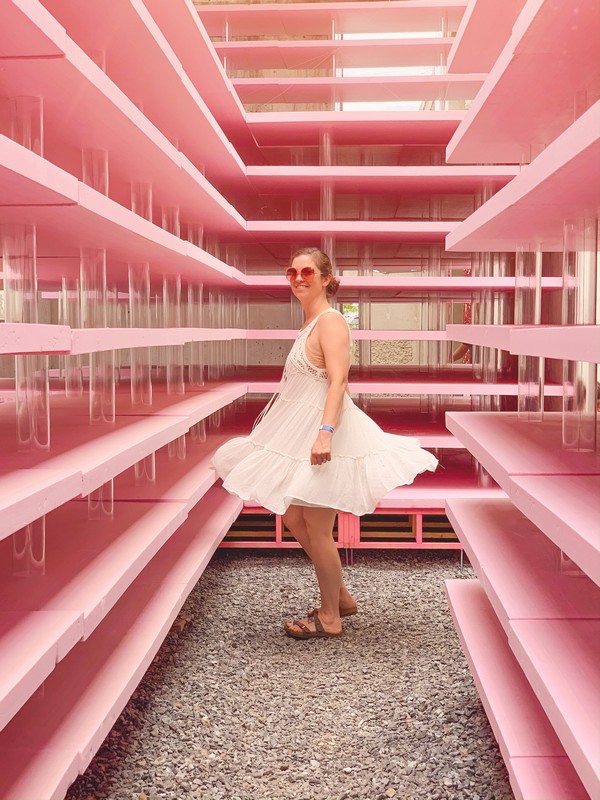
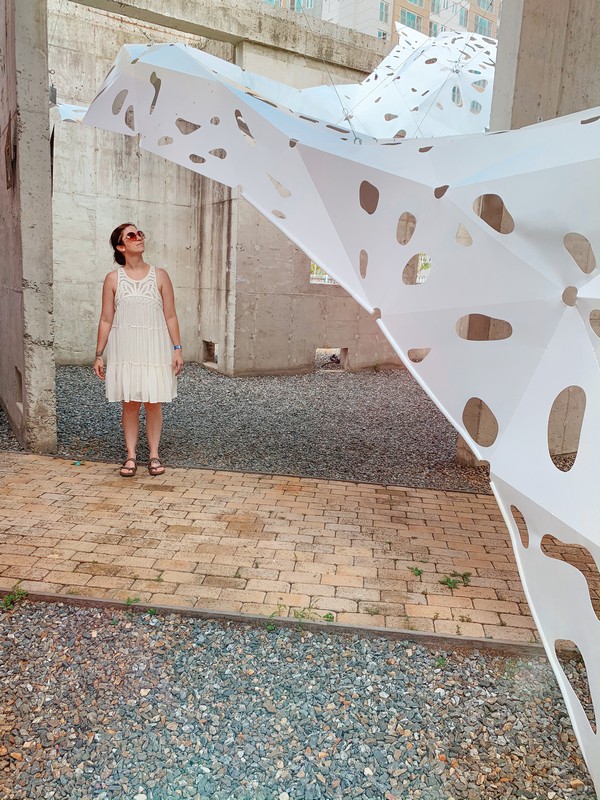
SODA Museum is in a former jjimjilbang (Korean sauna) building. The abandoned steam room was dormant from 2007 and rather than bulldozing the entire site, architect Soon Yop Kwon decided to keep the main structure and blend the concrete, cargo containers, and existing framework to create a fun enriching artistic space.
- Address: 30 Hyohaeng-ro 707beon-gil, Hwaseong-si, Gyeonggi-do (경기 화성시 효행로707번길 30)
- Hours: Wednesday – Sunday: 11:00am ~ 6:00pm
- Admission: Adults: W12,000; Students (Elementary – Highschool): W8,000; Children: W4,000
- Programs: If you have young children, check out the various programs that they host for children to get involved in the art scene. From planet crafting to 3D design, there are some very interesting programs to check out.
- Website: https://museumsoda.org/
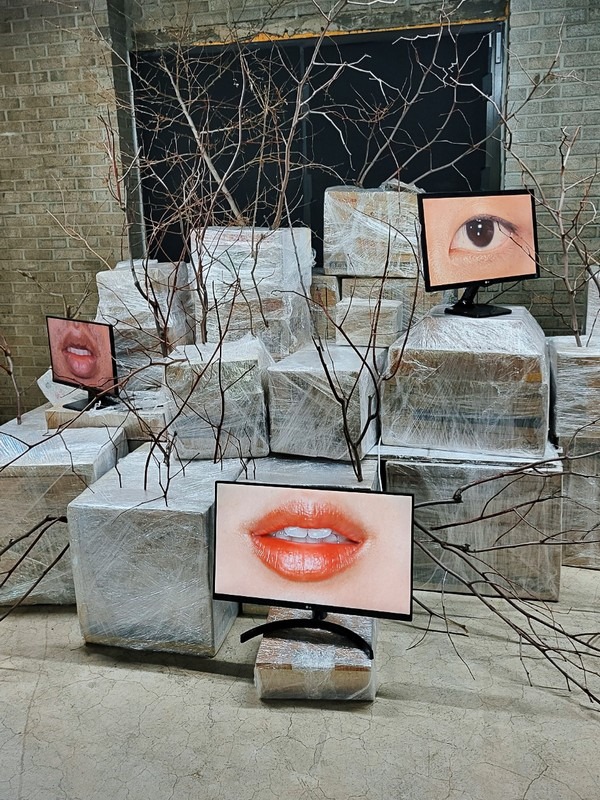
Daegu Suchang Youth Mansion (대구수창청춘맨션)
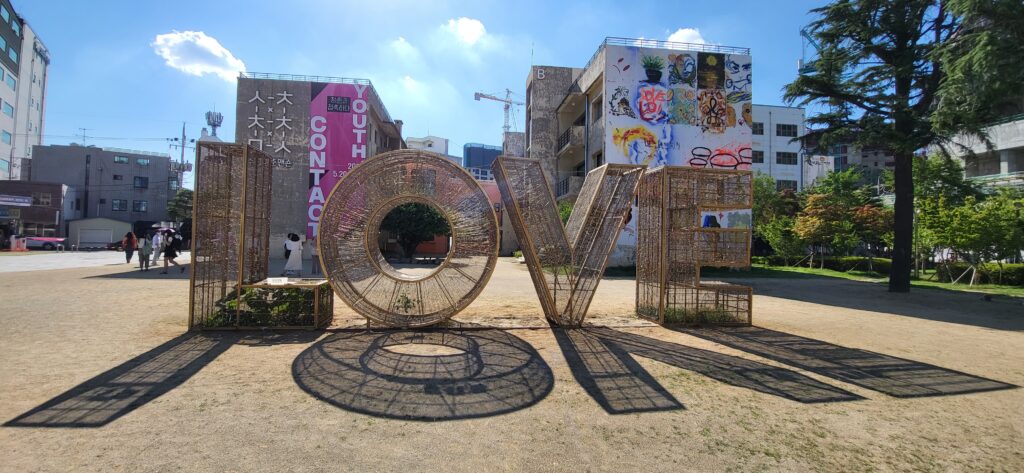
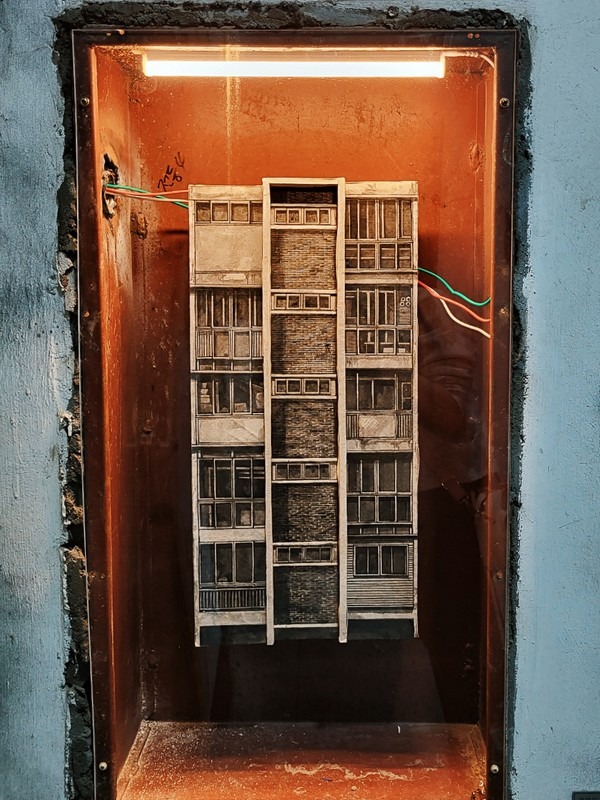
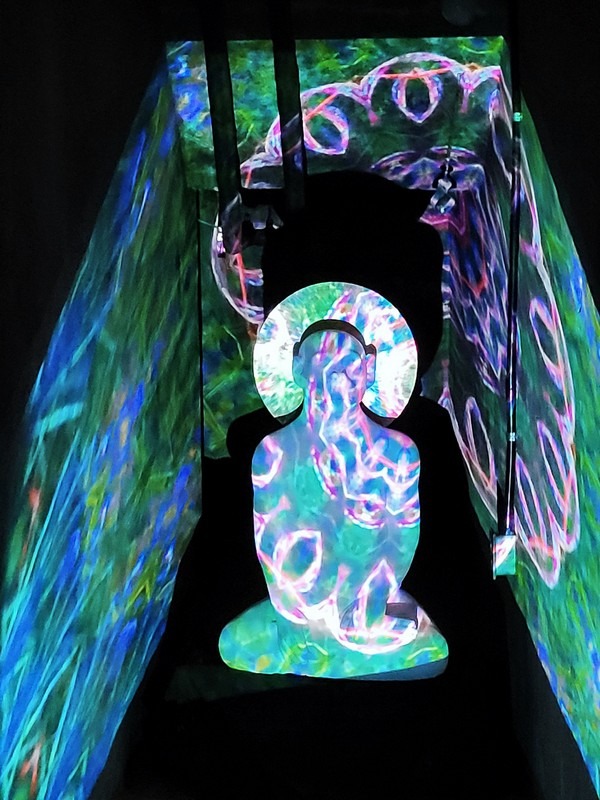
A former KT worker housing from 1976 to 1996 that sat abandoned for two decades, now an incubator and exhibition space for young artists. Expect small, sincere shows and a local vibe that makes it a great spot to visit in Daegu. Construction on the renewed complex wrapped in 2017 and exhibitions started from 2018.
- Address: 27 Dalseong-ro 22-gil, Jung-gu, Daegu (대구 중구 달성로22길 27)
- Hours: Tuesday – Sunday: 10:00am ~ 6:00pm
- Admission: Usually free
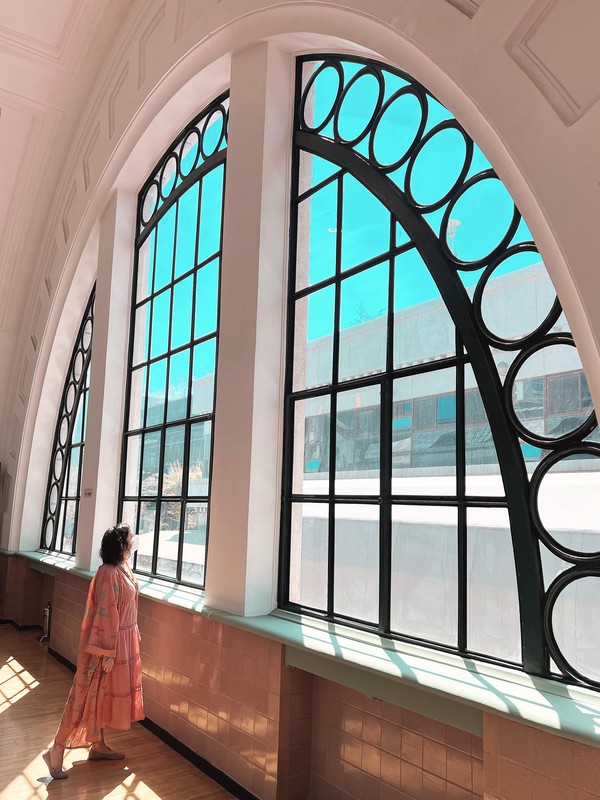
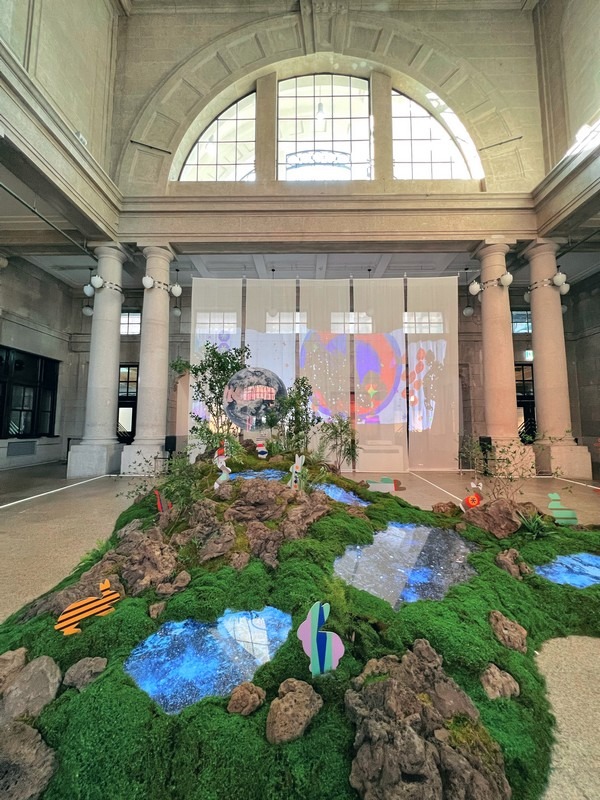
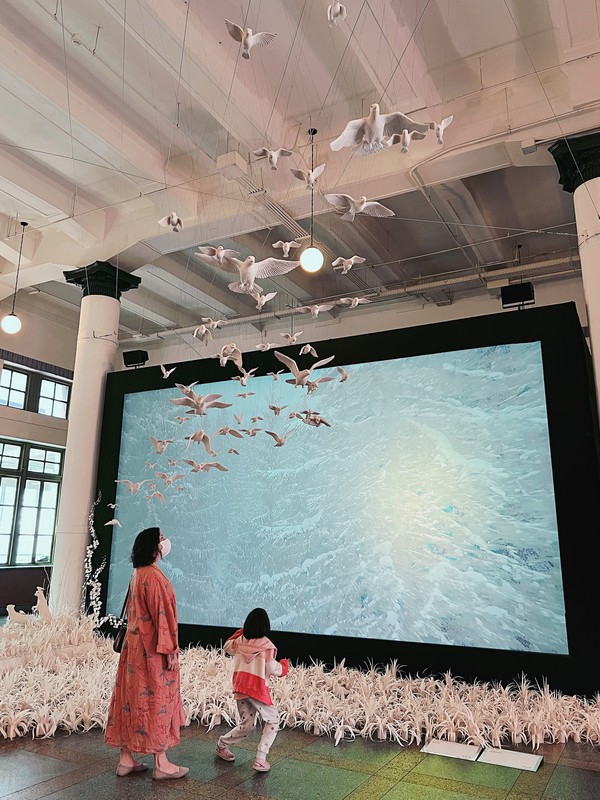
Culture Station Seoul 284 (문화역서울 284)
A space I visit monthly, this was Seoul’s central train station in the 1920s. Walk in to the red brick, new-Baroque curves and inside you’ll find changing exhibitions that promote Korean heritage and culture. There are design fairs, photo shows, and performances and being just next to the main Seoul Station, it’s easy to add on to any trip coming and going in the city.
- Address: 1 Tongil-ro, Jung-gu, Seoul (서울 중구 통일로 1)
- Hours: Tuesday – Sunday: 10:00am ~ 7:00pm
- Admission: Usually free, though some exhibitions do have an entry fee.
- More info: Culture Station Seoul 284
Cosmo 40 (코스모40)
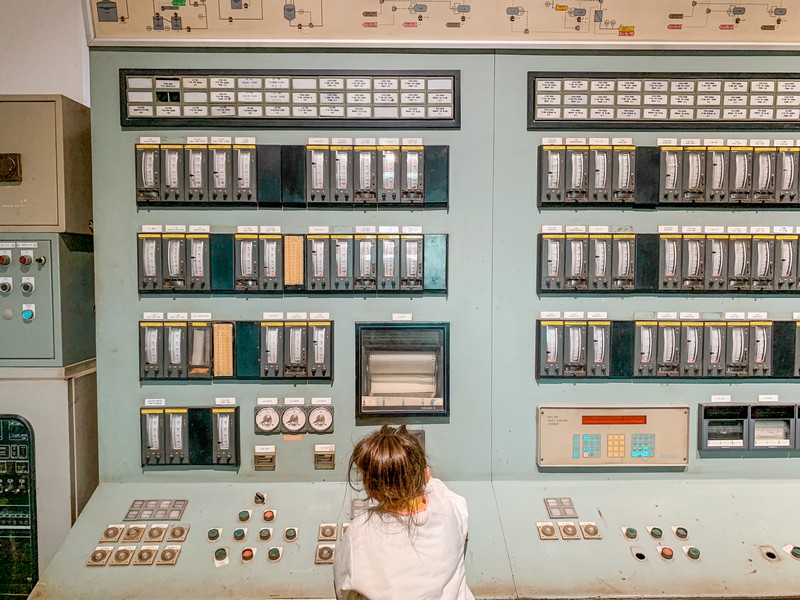
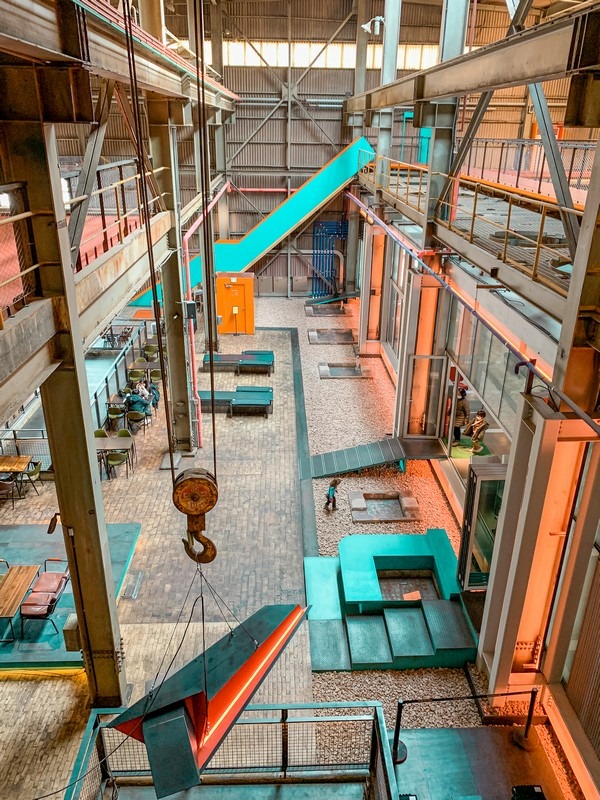
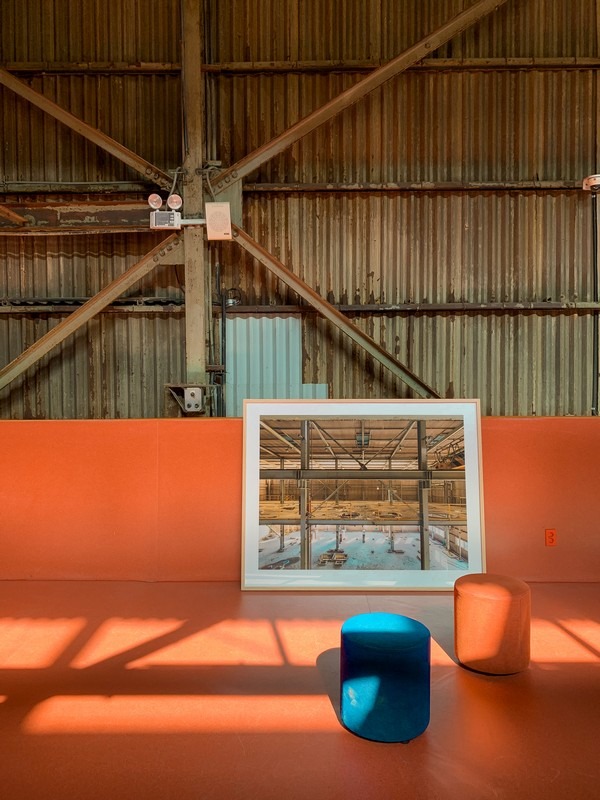
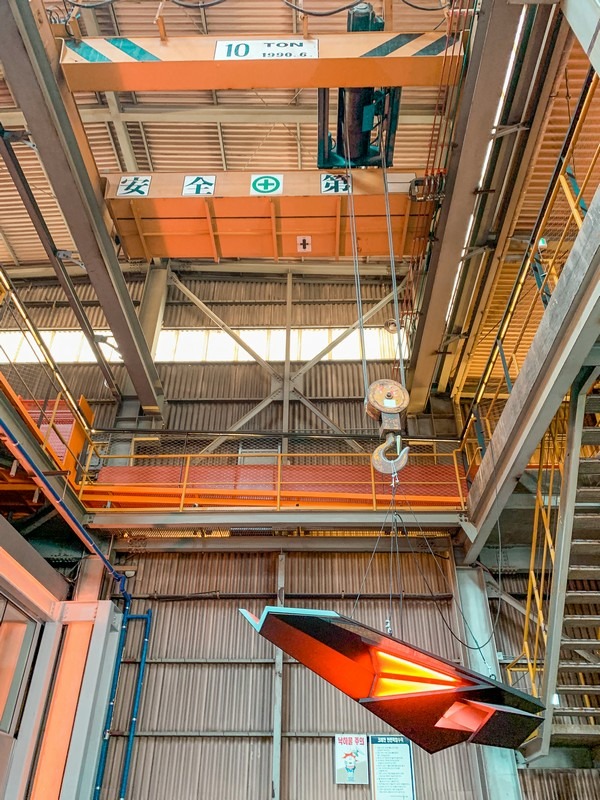
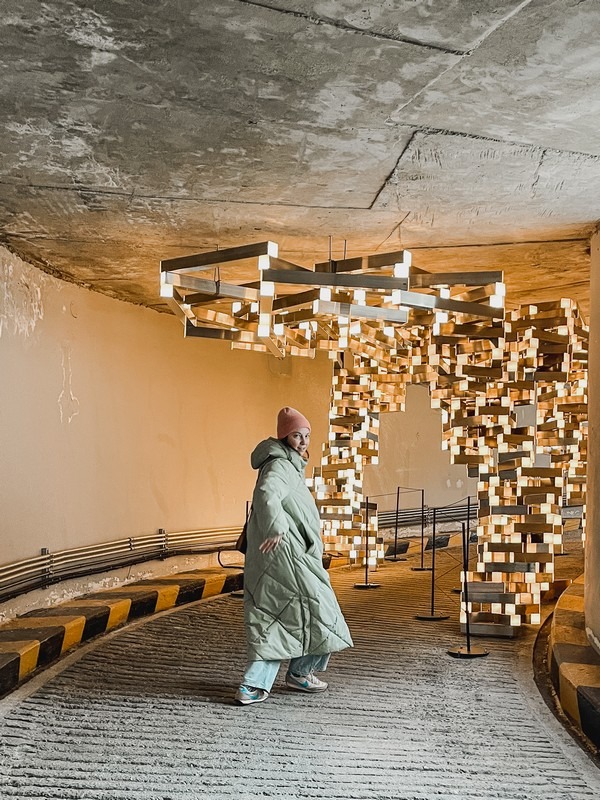
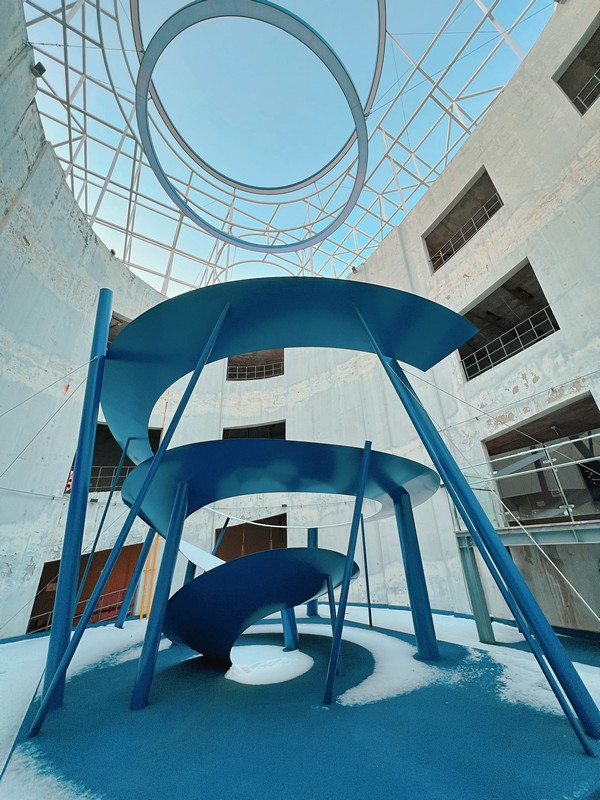
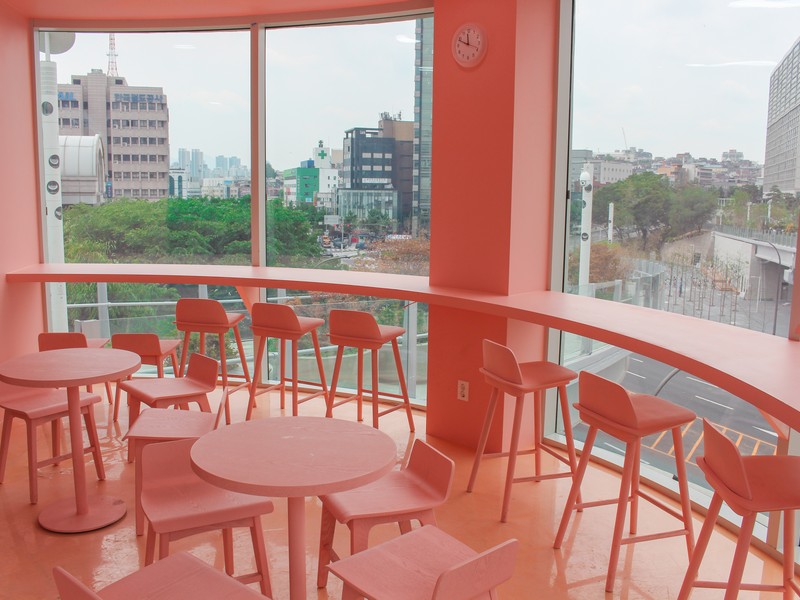
Once South Korea’s largest chemical facility, now an award-winning culture complex with cafes, pizza, bar, markets, performances, it’s an in interesting space that you might walk into and be a bit confused by at first. Keep walking around, find the stairs and go up and you’ll sort it out. Cosmo 40 is colorful, still pays homage to the architecture with the old control boards.
- Address: 9 Janggogae-ro 231beon-gil, Seo-gu, Incheon (인천 서구 장고개로231번길 9)
- Hours: Monday – Friday: 10:00am ~ 8:00pm; Saturday – Sunday: 10:00am ~ 9:00pm (Closed Tuesdays)
- Website: cosmo40.com
Pro tip: The upper floors have grated floors so I don’t recommend wearing heals as it may be difficult to walk.
Seoullo 7017 (서울로 7017)
This overpass from the 1970s was reborn in 2017 as a sky garden with 645 giant planters and 200+ species. Seoul’s version of the High Line, it’ll take you above the traffic for a more leisurely and comfortable walk from here to there. Highlights include the Malli-dong plaza that so many people miss and you’ll want to take a detour to Docking Seoul, a regenerated spiral ramp filled with cosmic-themed installations right off the walkway.
- Address: 405 Hangang-daero, Yongsan-gu, Seoul (서울 용산구 한강대로 405)
- Hours: Outdoor walkway is open daily with lights after dusk. Docking Seoul is open Tuesday – Sunday: 11:00am ~ 8:00pm
Bunker des Lumières (빛의 벙커)
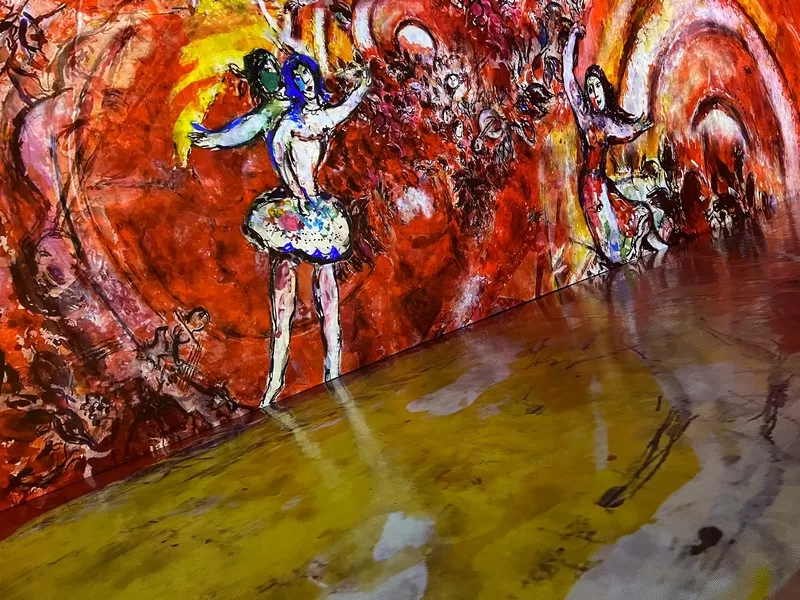
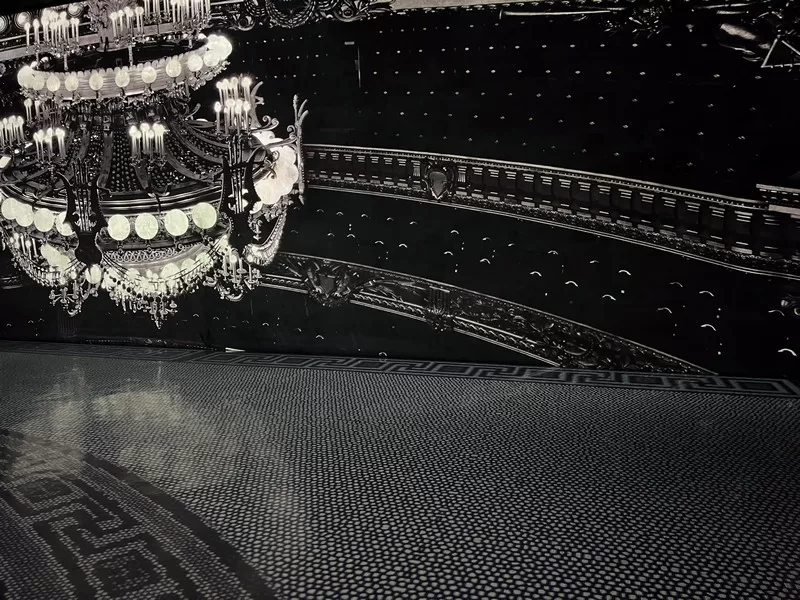
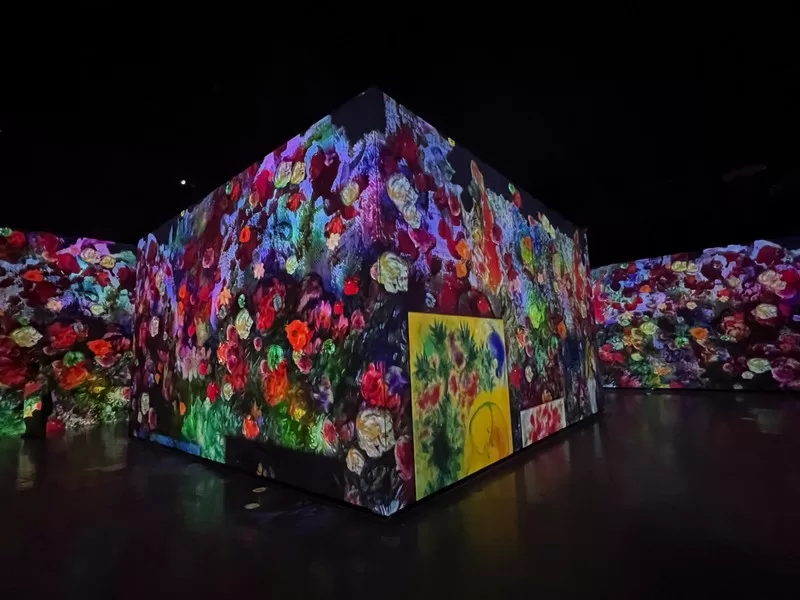
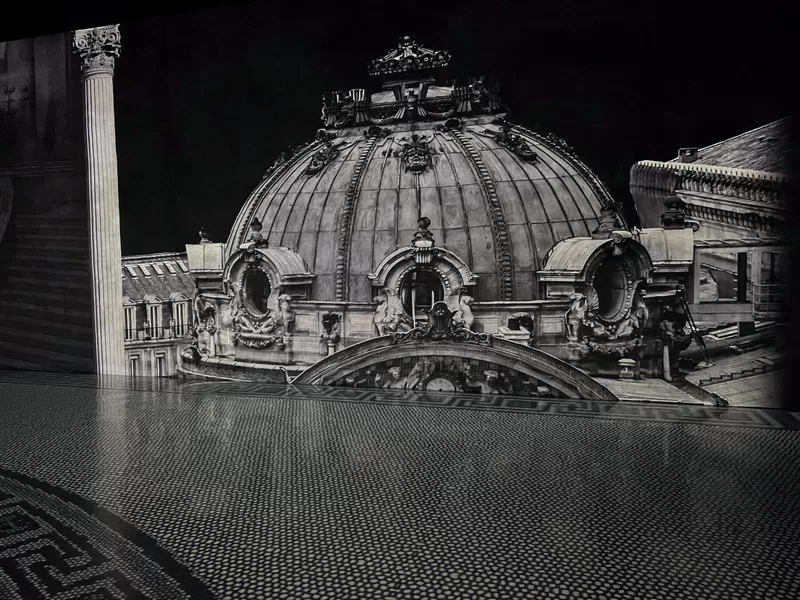
Once a hidden military communications bunker, this massive underground space near Seongsan on Jeju Island was reborn as an the immersive media art gallery Bunker des Lumières. Today, visitors can step inside masterpieces by Van Gogh or Klimt as light, color, and music fill the walls. It’s one of Jeju’s best indoor spots, perfect for rainy days or anyone looking to see how art can transform history.
- Address: 2039-22 Goseong-ri, Seogwipo-si, Jeju-do (제주특별자치도 서귀포시 성산읍 서성일로1168번길 89-17)
- Hours: Every day: 10:00am ~ 6:20pm (Last entry is 5:30pm)
- Admission: Adults: ₩19,000; Teens: ₩14,000; Children: ₩11,000; Preschoolers: ₩9,000
- Get Tickets Online: For discounted rates, pre-purchase your tickets online through Klook.
- Website: www.bunkerdelumiere.com
The urban renewal projects in Korea are something most tourists miss but really do make for some inspiring places and spaces to find. Don’t miss these spaces for Korean arts and culture the next time you’re traveling through.
Did you like this post? Pin iT!