Incheon Island Hopping: Day Trips and Weekend Getaways From Seoul
Last Updated on October 13, 2026
Did you know there are more than 70 islands in Incheon? Not all are inhabited, but they’re out there. When people think of island trips in Korea, they think of Jeju or Ulleungdo, but there are far more options, and many of them are close enough to Seoul to reach in an afternoon.
Island hopping from Incheon is a well-known weekend option for Koreans but most foreign visitors never consider it. Some of these islands are reachable by subway. Others require short ferries of ten to forty minutes. A few are remote enough to require real planning and a full day of travel. Between them, they cover beaches, trekking, ancient dolmens, wild deer, ghost lights, a sand desert nicknamed the Sahara of Korea, and the northernmost point in South Korea where you can see North Korea across the water on a clear day.
This guide covers 16 islands with Sindo, Sido, and Modo counted separately as the three brother islands they are. Whether you have a single afternoon or a full weekend, there is an Incheon island that fits.
For the full picture of what to do across Incheon beyond its islands, read the complete Incheon guide.
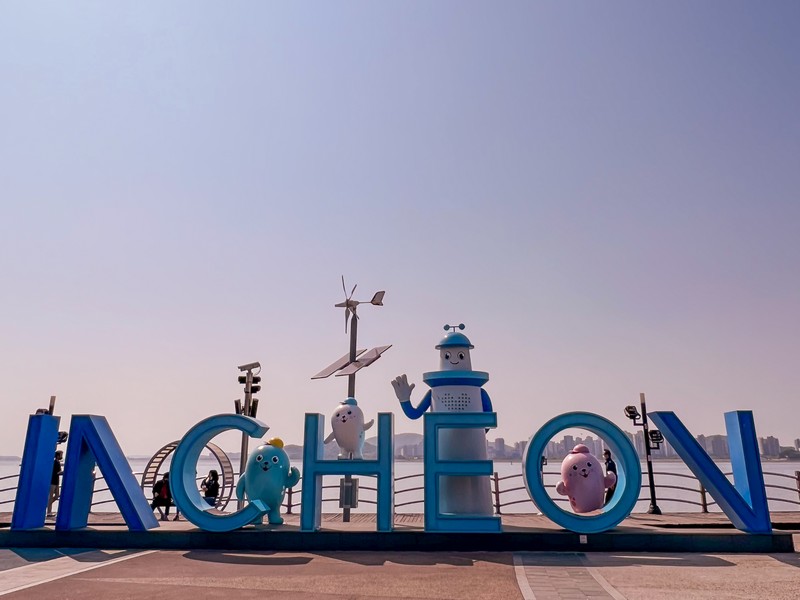
Here are the islands in Incheon you can escape to:
- Incheon Islands Quick Guide
- Yeongjongdo Island (영종도)
- Sindo, Sido, and Modo Islands (신도, 시도, 모도)
- Muuido Island (무의도)
- Jebudo Island (제부도)
- Jangbongdo Island (장봉도)
- Yeongheungdo Island (영흥도)
- Wolmido Island (월미도)
- Seonjaedo Island (선재도)
- Ganghwado Island (강화도)
- Deokjeokdo Island (덕적도)
- Soyado Island (소야도)
- Gureopdo Island (굴업도)
- Baengnyeongdo Island (백령도)
- Daecheongdo Island (대청도)
- FAQ
(This post contains affiliate links, which means I receive a certain percentage of a sale if you purchase after clicking at no cost to you. Thank you for your support.)
Incheon Islands Quick Guide
| Island | Best for | How to get there | Ferry? | Time from Seoul |
|---|---|---|---|---|
| Yeongjongdo | Beaches, Paradise City Resort | AREX to Incheon Airport | No | ~60 min |
| Wolmido | Amusement park, Sea Train | Subway to Incheon Station | No | ~60 min |
| Muuido | Beaches, tidal flats | Bus from Unseo Station | No (bridge since 2019) | ~90 min |
| Sindo / Sido / Modo | Cycling, sculpture park, beaches | Ferry from Sammok Terminal | Yes (~10 min) | ~90 min |
| Jebudo | Tidal road, mudflats | Bus from Suwon or Sadang | No (tidal road) | ~90 min |
| Ganghwado | History, temples, cafes | Bus from Hapjeong Station | No (bridge) | ~80 min |
| Jangbongdo | Trekking, ghost lights | Ferry from Sammok Terminal | Yes (~40 min) | ~2 hrs |
| Yeongheungdo | Camping, trekking | Bus from Oido Station | No (bridge) | ~90 min |
| Seonjaedo | En route to Yeongheungdo | Bus from Oido Station | No (bridge) | ~90 min |
| Deokjeokdo | Beaches, pine trail, trekking | Ferry from Yeonan Terminal | Yes (~90 min) | ~3 hrs |
| Soyado | Sea parting, quiet beaches | Ferry via Deokjeokdo | Yes | ~3+ hrs |
| Gureopdo | Wild deer, untouched nature | Ferry from Yeonan Terminal | Yes | ~3+ hrs |
| Baengnyeongdo | Northernmost Korea, seals | Ferry from Yeonan Terminal | Yes (~4 hrs) | ~5 hrs |
| Daecheongdo | Sand desert, dramatic cliffs | Ferry via Baengnyeongdo | Yes | ~5+ hrs |
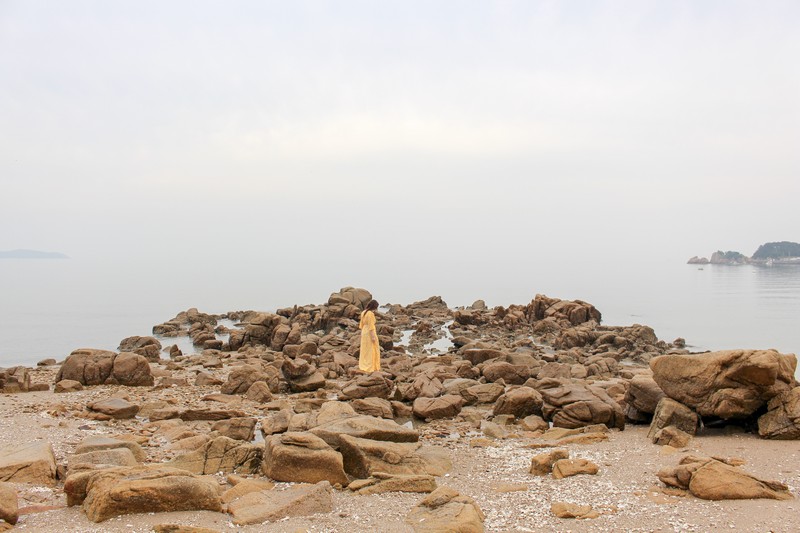
Yeongjongdo Island (영종도)
If you’re under the impression that you haven’t yet visited any islands in Incheon, I’d counter that you’re very wrong. Everyone entering Korea has probably come through Yeongjongdo Island and then left just as quickly. Home to the Incheon International Airport, most people head straight into Seoul and never stop to look around but there is quite a bit to do on the island that surrounds Korea’s main airport.
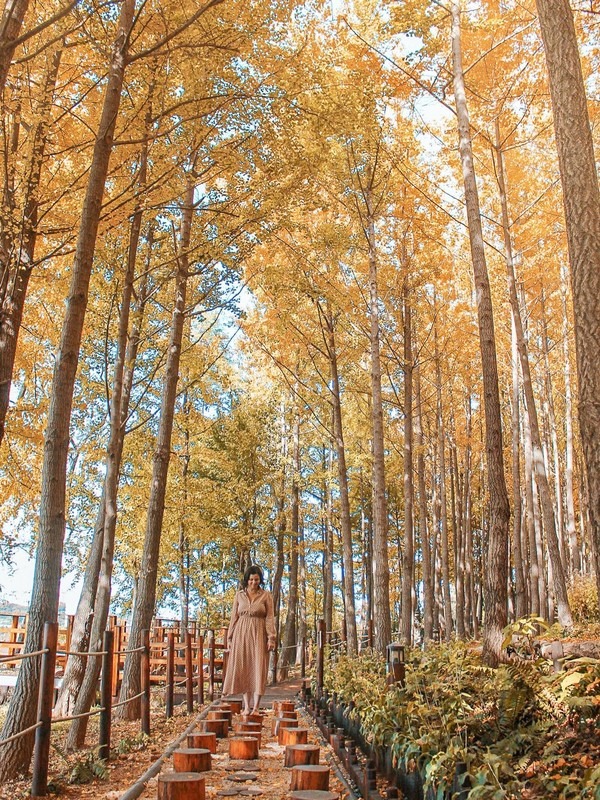
From rocky beaches to sandy beaches, a gorgeous gingko tree forest and everything there is to see at the Paradise City Resort, Yeongjongdo Island should be more than just a quick pass through site to Seoul. Maybe plan to stay for a night on the way in or way out if you’re a tourist to the country. Read more about everything there is to do on Yeongjongdo Island here.
Highlights
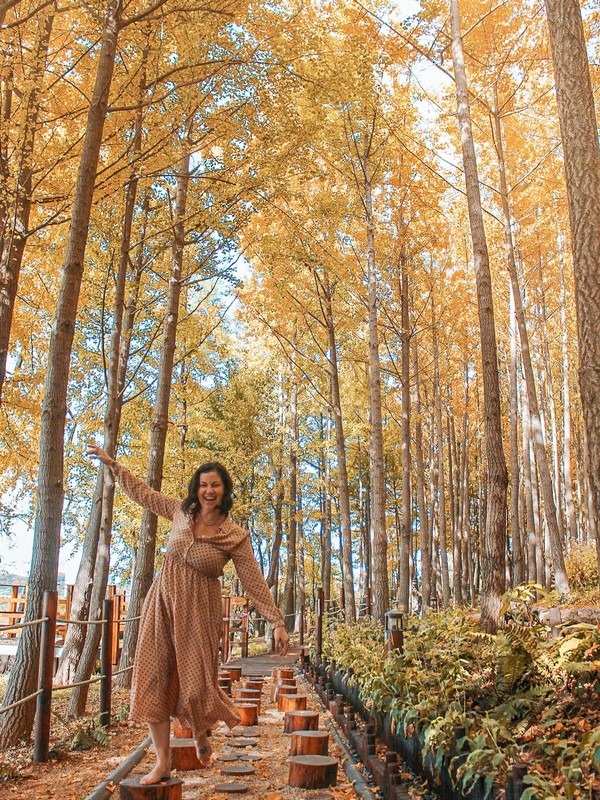
- Seaside Park (씨사이드파크): Opened in 2017, this seaside park is really family friendly with a great playground hidden in the middle and nice walking trails. The park is covered in ginkgo trees that burst into a beautiful yellow in the autumn and there are acupressure trails along the edge to walk barefoot in too. Head down to a beautiful pavilion at one end then head down to the coast to find a rail bike and another great playground to play in.
- Eulwangni Beach (을왕리해수욕장): The most popular beach on the island, there is sand and plenty of little restaurants to eat in, camping spots, changing rooms, and shower booths. It’s a great day trip beachside spot that’s easy to get to from Seoul.
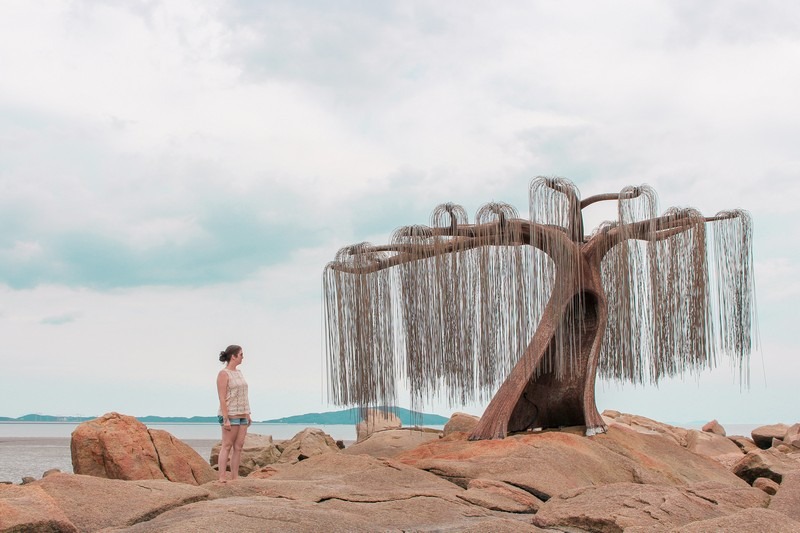
- Seonnyeo Rock Beach (선녀바위해수욕장): My favorite coastline on the island is at this rocky beach. There is some fine sand but there are a lot of rocks to find sea creatures. Make sure to wear some good shoes as the rocks can be pretty sharp with all of the shells and sea things growing on them. Some rocks are big enough and flat enough to camp out on as well making for some great photo opportunities.
Plan A Trip
- Address: 272 Airport-ro, Jung-gu, Incheon (인천광역시 중구 공항로 272)
- How To Get There: Take the subway or AREX Airport Railroad to Incheon International Airport. From there, buses connect to various parts of the island including the beaches. A taxi from the airport to Eulwangni Beach takes about 20 minutes.
Sindo, Sido, and Modo Islands (신도, 시도, 모도)
Known as the “three brother islands,” Sindo, Sido, and Modo are connected to each other by bridges and small enough to cover all three in a single weekend, or in a single day if you move efficiently by bike or scooter. Rentals are available right off the port.
If you only have a day though, rent a bike or a scooter and you can still see the whole place. The route around the islands was designated as the 53rd Haeannurigil, or 53rd Coastal Trail, in Korea in 2019. Learn about this trio of islands in this guide to Sindo, Sido, and Modo Islands.
Highlights
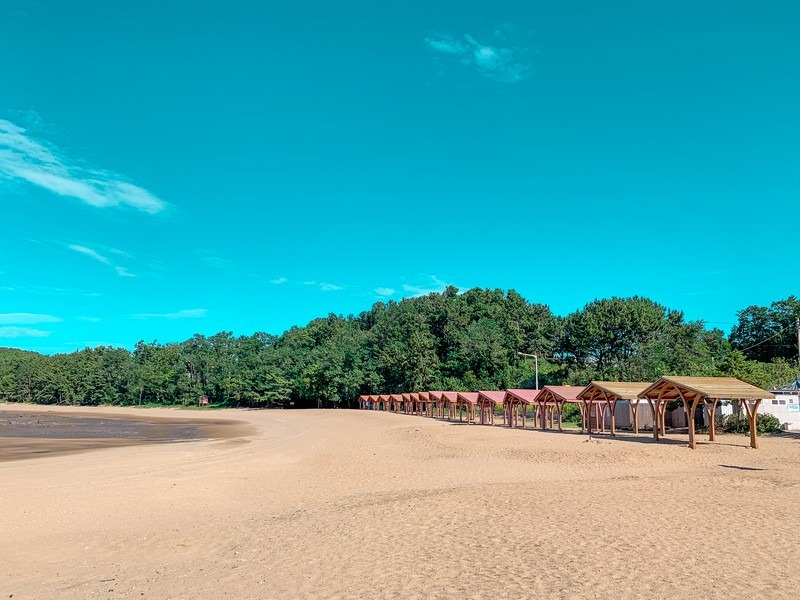
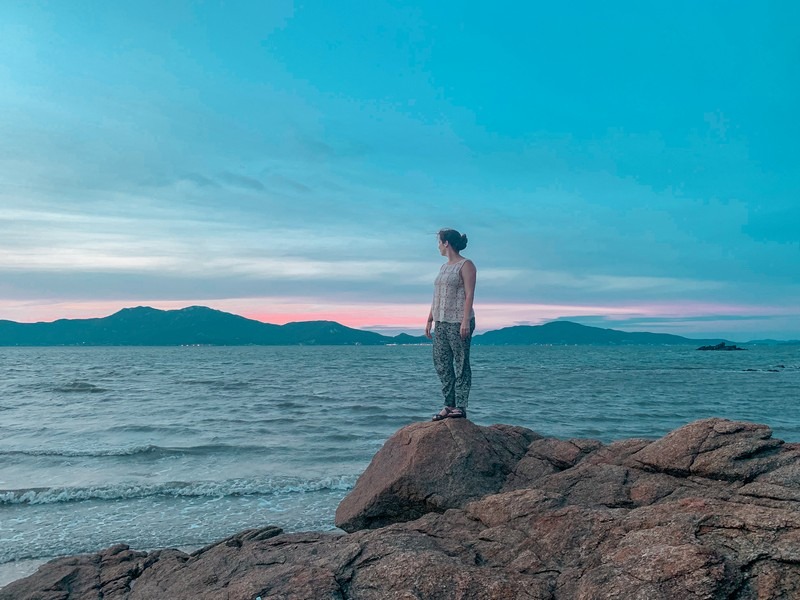
- Sugi Beach: A sandy beach that became popular after being a filming location for the drama ‘Full House’, the waters stay pretty shallow here which is good if you have kids. There’s a nice place to stay here too which is where we stayed when we visited the islands. For most of the day, the tide is out really far and it’s a mudflat though so get your water time in during the morning or evening. From the beach, you can see beautiful sunsets and on clear days see as far as Manisan Mountain on Ganghwado Island.
- Baemikkumi Sculpture Park: When the tide is out at Sugi Beach, head over to this sculpture park on nearby Modo Island. The Baemikkumi Sculpture Park is a must visit on the islands. Created by sculpture Lee Il Ho, there are cool sculptures on the beach and in the garden of a house where you can get coffee and food.
Plan A Trip
- Address: 63 Yeongjong haeanbuk-ro, 847 beon-gil, Jung-gu, Incheon (인천 중구 영종해안북로847번길 63 삼목여객터미널)
- How To Get There: Head to Sammok Ferry Terminal (삼목여객터미널) on Yeongjongdo Island. Ferry ticket: Adults ₩2,000; Children ₩1,500; Cars ₩10,000. The crossing takes about 10 minutes. Ferries are weather-dependent so check conditions before heading out. Buy a round-trip ticket when you arrive to secure your return spot.
- Ticket Price: Adults: W2,000; Children: W1,500; Cars: W10,000 (There are other fees depending if you are taking a larger vehicle, etc. but this is the gist.)
- Where To Stay: We decided to stay for the night on the islands and quite enjoyed having a full weekend away. You can find some good places to stay on Agoda.com like Ongjin Hamil Morning Pension
- Notes: When you purchase your ticket, make sure you get a round trip option. This will ensure you can get back the same day or the next day if you choose to stay the night. The round trip ticket doesn’t require you to tell them which time you’ll be departing, but it will ensure they don’t oversell the spots and you will get on one.
- Time: 10 minutes; the ferry to the island is quite quick so if you’re taking a car be careful not to get out and get back in too late. The islanders and locals and ferry masters are very quick to get people on and off the ferries so if you hold up the line, you will be yelled at.
Muuido Island (무의도)
Muuido Island (무의도) in Incheon is one of the most popular beach getaways from Seoul and it has become a bit more popular since there was a road that was built from the mainland to the island in 2019 making it very easy to access.
There are two beaches on the island but the one you definitely can’t miss is Hanagae Beach (하나개해수욕장). There is lots of sand, lots of fun, and plenty of sun.
Highlights
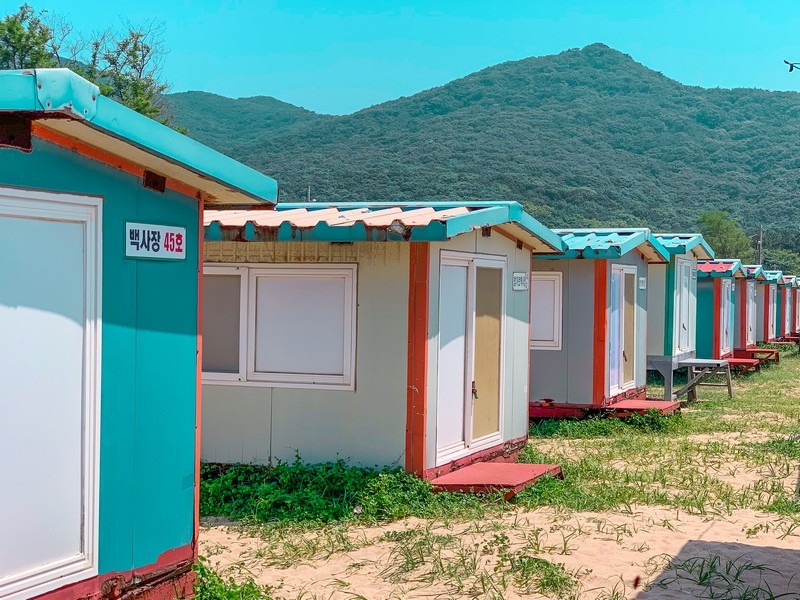
- Hanagae Beach (하나개해수욕장): One kilometer of fine sand leading out to tidal flats. Most visitors arrive early to swim before the tide recedes, then dig for conch, crabs, and clams in the mudflats while the water is out. By the time that’s done, the tide is coming back. Beach cabins are available to rent for the day or overnight if you want to stay seaside.
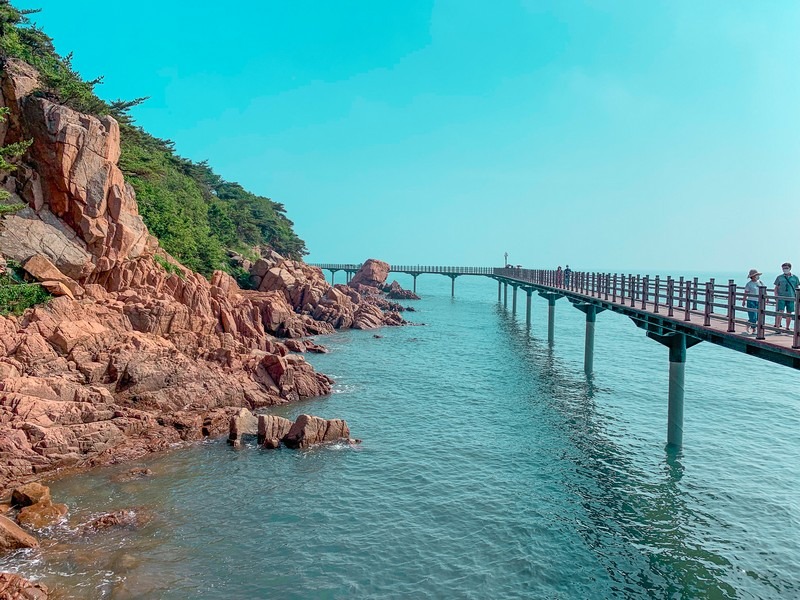
- The Marine Tourism Trail (해상관광탐방로): At the southern end of Hanagae Beach, a wooden boardwalk leads into a forest. A short way in, you can choose between forest trails on Horyonggoksan Mountain or a boardwalk over the water when the tide is in. The boardwalk is 550 meters and particularly beautiful in the warmer months.
Plan A Trip
- Address: 151-8 Hanagae-ro, Jung-gu, Incheon (인천 중구 하나개로 151-8)
- How To Get There: Go to Unseo Subway Station, Exit 2. Walk to the main road and take Bus 6-1 from the stop across the street. The bus takes about 50 minutes directly to the beach.
- By Public Transportation: Go to Unseo Subway Station and go out of exit 2. Walk around to the main road and go left to the bigger road and cross the street to find the bus stop and catch bus 6-1. The bus will take about 50 minutes but will take you all the way to the beach.
- Admission: Adults: W2,000; Children: W1,000*
- *The admission fees may be waived. Seems like people used to pay it but we didn’t so not sure when they make people pay or not.
- If you want to stay in huts make sure you bring CASH! They are W40,000 ~ W50,000 depending on whether it’s high season or low season.
Jebudo Island (제부도)
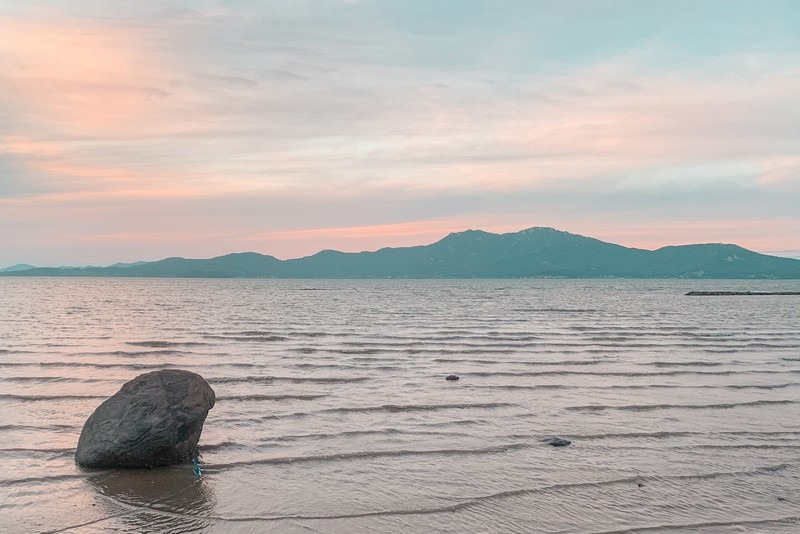
This is the island you need to time correctly. A road to the island is revealed twice a day when the tide drops and submerged the rest of the time. Drive in during low tide, spend the day, and drive out again before the water returns. Miss the window and you’re waiting until the next low tide.
Check the current tide schedule at the Korea Meteorological Administration (www.kma.go.kr) before visiting. The local authorities also post daily tide information at the road entrance.
The island is small enough to cover thoroughly in one day and the tidal timing gives the visit an inherent structure: you arrive, explore, and leave within the window the sea allows.
Highlights
- The Falcon Rocks (매바위): Three massive rocks at the tip of the island. Completely submerged at high tide and dramatically accessible at low tide.
- The Boardwalk (해안산책로): An 800-meter boardwalk along the beachside of the island with installations, benches, cafes, and restaurants. A good way to move between spots and decide where to stop.
- Mudflat activities: The west coast tidal flats here are excellent for hunting shellfish and sea creatures when the water is out.
- Mountains: Dangsan (당산) and Tapjaesan (탑재산) offer elevated views over the ocean for those who want more exercise.
Plan A Trip
- Address: 190-2 Jebu-ri, Seosin-myeon, Hwaseong-si, Gyeonggi-do (location of a park on the island).
- How To Get There: Take a bus from Sadang or Suwon Station to the island entrance. A shuttle bus assists visitors across when the road is open. The bus runs at 30-minute intervals and the last bus from Jebudo is around 8:30pm. Having a car makes this visit significantly easier, but public transportation is workable with careful planning.
Jangbongdo Island (장봉도)
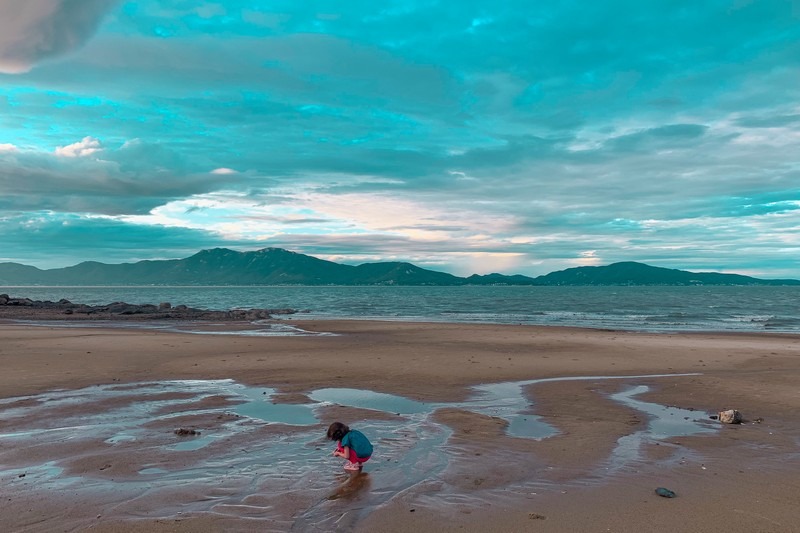
Jangbongdo means “Long Beach” and the island is known for camping, hiking, and a network of seven trekking routes along the coast and ridges. Most people come here for a one-day trekking adventure. The seven courses range from 3.2km to 8.2km and almost all follow the coast, the most popular are the 2nd and 4th routes. Plan for three and a half hours for a comfortable pace, or up to seven hours if you want the full experience.
The island also has one of the more memorable stories in this guide.
For years, locals reported ghost lights along the beach at night, lights said to belong to spirits that pointed toward good fishing spots or brought wealth to those who saw them. More recently, scientists discovered the lights were produced by phosphorous released from beneath the water. The phosphorous also attracted fish to feed on the nutrients near the surface, which did in fact create unusually good fishing spots. Ghosts or phosphorous, the lights are a real phenomenon and worth seeing if you stay overnight.
Plan A Trip
- Address: 63 Yeongjong haeanbuk-ro, 847 beon-gil, Jung-gu, Incheon (인천 중구 영종해안북로847번길 63 삼목여객터미널)
- How To Get There: Head to Sammok Ferry Terminal (삼목여객터미널) on Yeongjongdo Island. Ferries depart regularly from 7:10am to 8:40pm with roughly one or two sailings per hour. The crossing takes about 40 minutes via Sindo Island. Stop at the tourist center at the port to get current maps and trekking route information, as this is more reliable than anything you’ll find online.
Yeongheungdo Island (영흥도)
Yeongheungdo has 17 trekking trails that take visitors along the coast as well as inland. Each trek is said to have a different feel it is said. This island is good for a whole weekend away with camping and trekking in mind. Yeongheungdo is actually relatively easy to get to if you’ve got a car as it’s connected to the mainland via a bridge.
This is a popular island for campers and has five registered campsites for tourists to the island. If that’s not your jam though, it’s also got some glamping options too. The exact address I’m giving you is for a beach to visit since the island doesn’t actually have a specific address of it’s own. This is one of the more popular islands in Incheon for getaways as mentioned. They see about three million visitors a year.
Highlights
- Simnipo Beach (십리포해수욕장): A beach with an unusual backstory. A century ago, locals planted several kinds of trees to protect their crops from strong ocean winds. Only the hornbeam trees survived. Today the hornbeam habitat is designated a “Rare Coastal Plant Zone”, a quiet beach backed by a forest that shouldn’t technically be there.
Plan A Trip
- Address: 420-26 Yeongheungbuk-ro, Yeongheung-myeon, Ongjin-gun, Incheon (인천광역시 옹진군 영흥면 영흥북로 420-26)
- How To Get There: Take the subway to Oido Station. From there, take Bus 790 to the island. Local buses on the island connect to the different sites.
Wolmido Island (월미도)
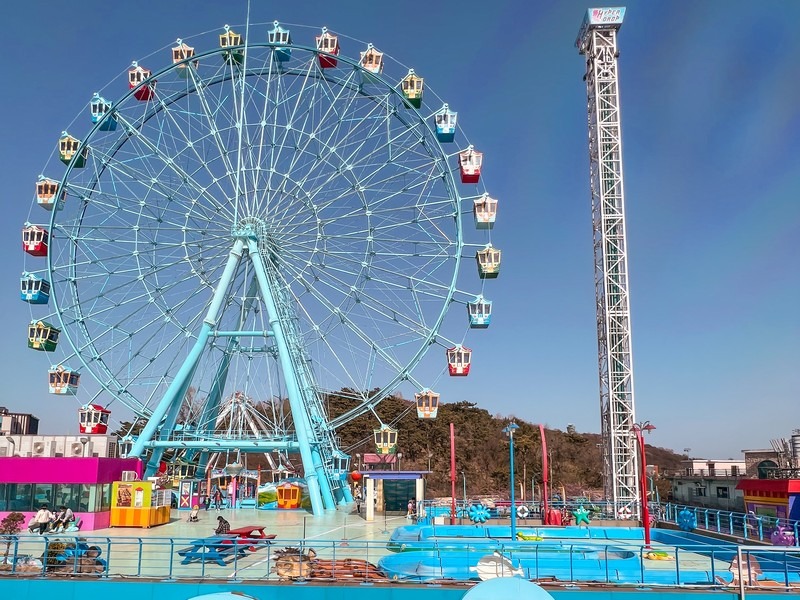
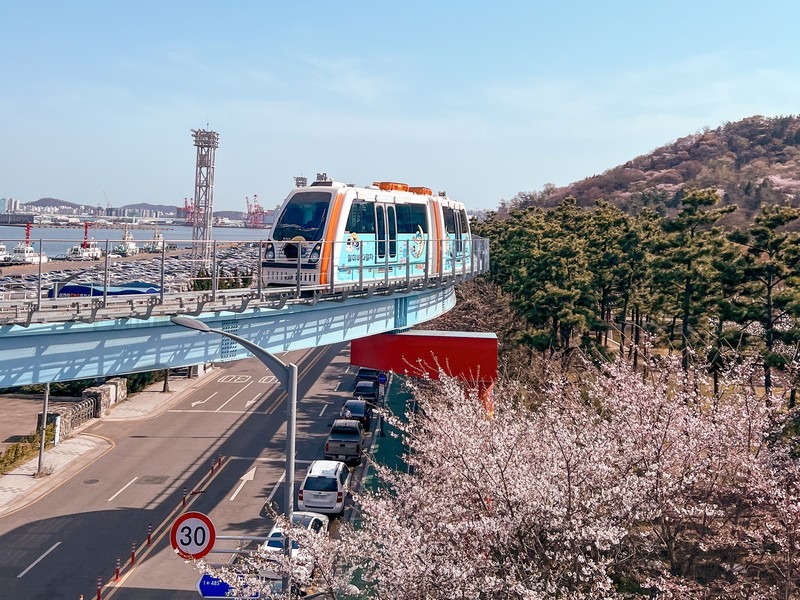
The easiest island on this list to reach from Seoul, and also one of the most developed for tourism. Wolmido is directly accessible via the Seoul subway and is a natural first island trip for anyone new to Incheon.
Beyond the boardwalk and amusement park area facing the sea, there is the Wolmi Traditional Park, a calm Korean garden with a Hanok house, garden paths, and ponds. The contrast between the lively amusement park side and the quiet garden side makes Wolmido genuinely worth spending half a day on.
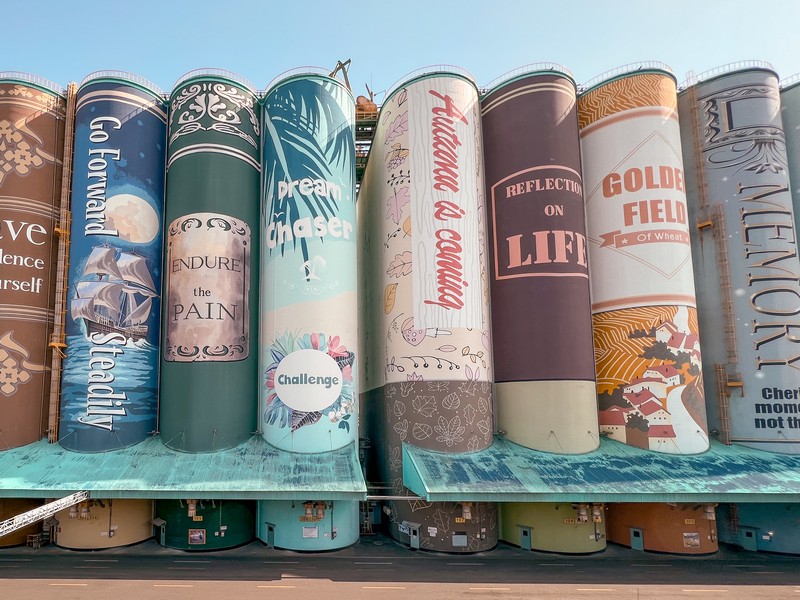
The Wolmi Sea Train connects Wolmido to the area around Incheon Station and gives you elevated views of the coastline including a view of the world’s largest mural. For the full experience guide to the Sea Train and Wolmido, read the complete Wolmi Sea Train guide.
Plan A Trip
- How To Get There: Take the subway to Incheon Station and take local bus 2, 10, 23, or 45 from Exit 1 to Wolmido. Alternatively, board the Wolmi Sea Train directly outside the station.
Seonjaedo Island (선재도)
About 500 meters east of Daebudo, Seonjaedo is connected to the mainland via the Seonjae Bridge. The island is also connected to Yeongheungdo Island to the west via the Yeongheung Bridge.
The island was originally known as ‘Soudo’ and ‘Dogudo’ during the Goryeo period into the Joseon Dynasty. This is a narrow island that sits between Daebudo Island and Yeongheungdo Island so most people are going to the former or the latter but not stopping in the middle though you certainly can!
Plan A Trip
- How To Get There: Take the subway to Oido Station. From there, take Bus 790. Get off at the beginning or end of the island depending on which beach you want.
Ganghwado Island (강화도)
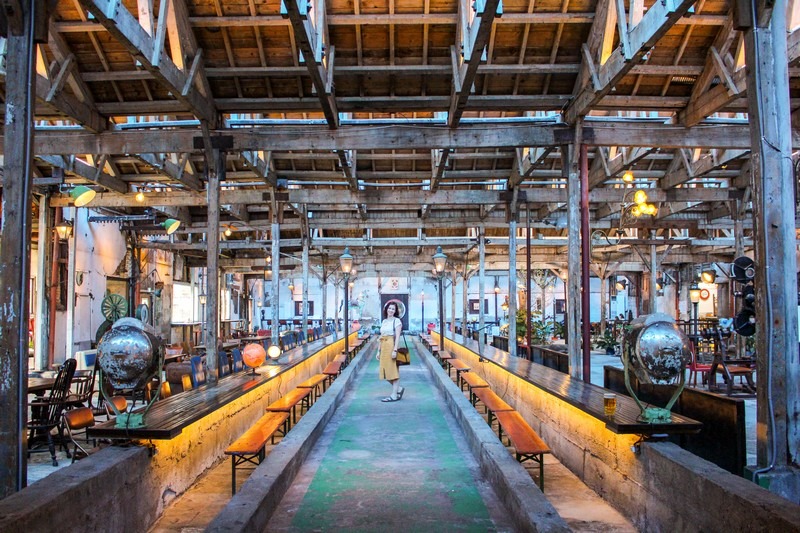
The fifth largest island in Korea and one of the most historically significant, not just in Incheon but in all of Korea. Ancient dolmens designated as a UNESCO World Heritage Site, one of the country’s oldest Buddhist temples, a network of distinctive coastal cafes, and a 17th-century cannon fortification network are all on this single island an hour from Seoul.
For the complete guide to Ganghwado including all sites, cafes, and how to plan a full day, read the dedicated Ganghwado Island guide.
Highlights
- Jeondeungsa Temple: Founded in the 4th century, one of Korea’s oldest. The hike up takes 20-30 minutes through forest, with a teahouse at the top.
- Joyang Bangjik (조양방직): A 1933 textile factory converted into one of the most interesting cafe complexes near Seoul. Japanese cedar buildings, multiple seating spaces, industrial history, and excellent coffee.
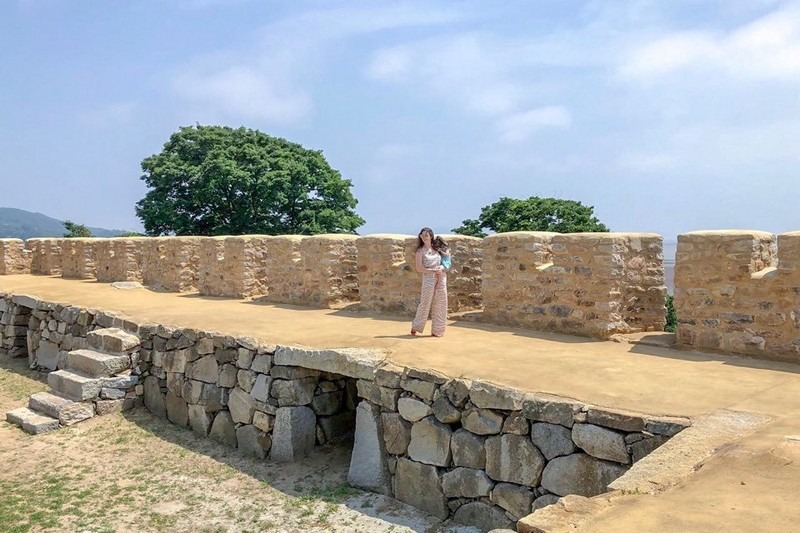
- Huae Dondae (후애돈대): A 17th-century coastal cannon platform built by 4,300 military personnel and 8,000 Buddhist monks. The distinctive sandy stone is unlike any other fortification architecture in Korea.
- Haeden Museum of Art (강화도 해든 뮤지엄): An interesting art museum on the island. If you’re looking for something to get inside away from the heat in the summer or want to see some interesting art and mirror corridors, this is where you should go. Check out what their current exhibition is.
- Ganghwa Anglican Church of Korea & Yongheunggung Palace (용흥궁): First constructed by Bishop Charies John Corfe in 1900 and named for Saint Peter and Paul, the church is quite interesting and the wooden interior will give you all of those old western church vibes but in a Hanok style.
Plan A Trip
- How To Get There: Bus #3000 from Hapjeong Station, about 80 minutes. By car via the Ganghwa Bridge.
Deokjeokdo Island (덕적도)
Called the “Island of Virtue,” Deokjeokdo is one of the most beautiful and tranquil islands in Incheon and has been growing in popularity among Korean domestic tourists in recent years. It sits at the center of an archipelago of 42 inhabited and uninhabited islands, and ferry transfers from Deokjeokdo reach the others.
Highlights
- Neungdong Jagal Beach: This beach is beautifully covered in black pebbles, or the ‘jagal’, in all sizes. Koreans will tell you to walk barefoot on the stones for a natural acupressure effect. The scenery is said to be rather exotic with red rugosa roses on the sandy hills and a thick reed forest at the entrance.
- Seopori Pine Tree Trail: Walk along this trail that backs Seopori Beach and is lined for 500 meters with sand dunes and pine trees. This area was awarded first prize in the ‘2010 National Beautiful Forest Competition’ for having such a beautiful traditional village forest. The trees are over 200 years old and it’s said this is the place for forest bathing on the island.
- Bijobong Peak: If you want to take in those breathtaking views out over islands, inlets, and water, then you need to head up to Bijobong Peak. There is a well maintained trekking trail to take travelers up to Buksubong Peak and Bijobong Peak. It’s not incredibly difficult and you can often see families with young children on the trails. Walk through red pine trees, Korean hornbeams, and oriental oak trees to find the peak with all of the views. Descend back down to Batjireum Beach and find a wooden deck for yet more beautiful views.
Plan A Trip
- Address: Incheon Yeonan Port Terminal 70 Yeonan budu-ro, Jung-gu, Incheon (인천항연안여객터미널 인천 중구 연안부두로 70)
- How To Get There: Head to Incheon Yeonan Port Terminal (인천항연안여객터미널), 70 Yeonan budu-ro, Jung-gu, Incheon. Ferries run several times daily, check the current schedule at the terminal or at the Incheon Ferry website before visiting, as times change seasonally. Journey time is approximately 90 minutes.
- Where To Stay: A lot of people camp out or stay for the weekend. There are a few places listed on Agoda like Ongjin Goldstar which look simple but good.
Soyado Island (소야도)
Just 500 meters south of Deokjeokdo Island and connected via the Deokjeok-Soya Bridge, Soyado is an easy addition to a trip out that way. It’s pretty similar to Deokjeokdo Island and is actually nicknamed ‘Small Deokjeokdo Island’. The highest peak at the center of the island is Guksabong Peak at 158 meters and then there are other peaks on the island forming a nice mountain range to walk along.
Highlights
- Tteppuri Beach: Named for the reeds that thrive there, Tteppuri Beach is a beach, similar to the Jindo sea parting with its own miracle parting. Soyado Island is actually one of nine places in Korea with this sea parting that creates a path in the ocean. The path here is relatively short, but is a distinct path. Find out when the tide goes out to see it.
Plan A Trip
- Address: Incheon Yeonan Port Terminal 70 Yeonan budu-ro, Jung-gu, Incheon (인천항연안여객터미널 인천 중구 연안부두로 70)
- How To Get There: Take the ferry to Deokjeokdo from Incheon Yeonan Port Terminal, then cross to Soyado via the Deokjeok-Soya Bridge. Note that return ferries from Soyado tend to depart immediately after arriving passengers board, arrive at the dock earlier than the scheduled departure to avoid missing it.
Gureopdo Island (굴업도)
Called the ‘Korean Galapagos’, Gureopdo Island is known for it’s unpolluted natural beauty and thus trekkers and backpackers love it. Trekkers hike slowly along the Gaemeori Ridge enjoying the views and if they’re lucky, may spot a herd of wild deer that call the island home. This is an island that will make you feel like you’ve left Korea all together when you visit.
Highlights
- Gaemeori Hill: The hills on this island are all below 100 meters in height, so the trekking that has become quite popular here isn’t so difficult and offers beautiful views with sea breezes.
- Gureopda Island Beach: Find soft fine sand and clear water on this beach that stretches out before the clear transparent sea.
Plan A Trip
- Address: Incheon Yeonan Port Terminal 70 Yeonan budu-ro, Jung-gu, Incheon (인천항연안여객터미널 인천 중구 연안부두로 70)
- How To Get There: Ferries depart from Incheon Yeonan Port Terminal. The schedule runs on alternating patterns for odd and even calendar days. The journey is just under an hour on odd-numbered days and over two hours on even-numbered days. Check the current schedule carefully before planning. This island requires more advance planning than the closer ones.
Baengnyeongdo Island (백령도)
The northernmost island in South Korea, sitting just below the maritime demarcation line with North Korea. On a clear day, you can see the North Korean coast from the island. Home to around 6,000 residents, the island has been part of the Baengnyeong Daecheong National Geopark since 2019 and has been gaining steady attention from visitors ever since.
The island is also one of the last places in Korea where spotted earless seals live in the wild, animals that travel freely between North and South Korea in the surrounding waters.
The origin of the island’s name deserves telling in full. The original name was Gokdo Island. There are two stories about the name change. The first is straightforward: the island’s shape resembles a white ibis (baek) with wings spread in flight (nyeong), and the name reflects this.
The second is a love story. Long ago, a scholar fell in love with the daughter of a district magistrate. They planned to marry. The magistrate disapproved and sent his daughter to a remote island. The scholar searched everywhere without success until one night he dreamed of a white crane that flew down and placed a piece of paper in his hands. He woke to find the paper, with an address written on it. He made the long journey, took a boat from Jangsangot, and arrived at the island — where he found her. They lived out their days there together. Because the island’s location was revealed by a white crane (baekhak), it was named Baekhakdo, White Crane Island, which over time became Baengnyeongdo.
Plan A Trip
- Address: Incheon Yeonan Port Terminal 70 Yeonan budu-ro, Jung-gu, Incheon (인천항연안여객터미널 인천 중구 연안부두로 70)
- How To Get There: Ferries depart from Incheon Yeonan Port Terminal. The crossing takes approximately four hours. Check current departure times and book in advance, this is the longest journey on this list and planning is essential.
Daecheongdo Island (대청도)
Known as the “beach island” and the “treasure island,” Daecheongdo sits near Socheongdo Island on the route to Baengnyeongdo. Used for farming during the Joseon Dynasty and as a cattle ranch from 1428, the island has a long history of habitation that has left it with an established character.
Highlights
- Nongyeo Beach: On the northwestern coast of Daecheongdo Island, the reflections on the water here are breathtaking. The sand is firm here and no footprints are left as you walk over it, but the rocks and water here are just stunning.
- Seopungbaji Rock: The name means the rock that protects from the winds from the Yellow Sea with all its body. Surrounded by cliffs 60 to 70 meters high, you won’t feel like you’re in Korea standing up and looking out from here. Visitors head here to catch boats out to sea for fishing excursions where they can eat the freshest catch.
- Okjukdong Sand Desert: Called the “Sahara of Korea”, this sandy desert is 2 kilometers long and 1 kilometer wide. The sand dune is pretty stunning for sitting on an island such as it is. Look out for the quirky camel statues to take photos with.
Plan A Trip
- Address: Incheon Yeonan Port Terminal 70 Yeonan budu-ro, Jung-gu, Incheon (인천항연안여객터미널 인천 중구 연안부두로 70)
- How To Get There: Ferries headed for Baengnyeongdo from Incheon Yeonan Port Terminal stop at Daecheongdo along the route. Check current ferry schedules before visiting.
FAQ
Which Incheon islands are easiest to reach without a car?
Wolmido is reachable by subway alone. Muuido is reachable by subway and bus, the 2019 bridge eliminated the need for a ferry. Sindo, Sido, and Modo require a short ferry from Yeongjong Island but are easily manageable without a car once you’re on the island (rent a bike or scooter at the port). Ganghwado is straightforward by bus from Hapjeong Station.
Which Incheon islands are best for beaches?
Muuido (Hanagae Beach) and Yeongjongdo (Eulwangni Beach) for accessibility. Deokjeokdo (Neungdong Jagal Beach) for something more remote and visually distinctive. Daecheongdo for dramatically scenic coastlines if you’re willing to make the longer journey.
Can I visit multiple Incheon islands in one day?
Yes for the connected islands, Sindo, Sido, and Modo are designed to be visited together. Deokjeokdo and Soyado work as a combined trip since they’re bridge-connected. Beyond that, most islands work better as standalone day trips rather than trying to combine them, given ferry times and transit logistics.
Which islands require an overnight stay?
Baengnyeongdo and Daecheongdo are remote enough (4+ hour ferries) that an overnight stay is strongly recommended rather than rushing a day trip. Deokjeokdo and Gureopdo are more manageable as day trips but reward an overnight. All others on this list work well as day trips.
When is the best time to visit Incheon islands?
May through September for beach-focused islands when the water is warm and the tidal flat activities are at their best. Spring and autumn for trekking islands like Jangbongdo and Yeongheungdo, when the temperatures are mild and the coastal views are clear. Jebudo’s tidal road is worth visiting year-round, just check the tide schedule regardless of season. Baengnyeongdo and the remote northern islands are best in summer when ferry cancellations due to weather are less common.
What is the Sammok Ferry Terminal and how do I get there?
Sammok Ferry Terminal (삼목여객터미널) is the departure point for ferries to Sindo, Sido, Modo, and Jangbongdo. It’s located on Yeongjongdo Island. Take the AREX Airport Railroad to Incheon Airport, then a taxi or local bus to the terminal. Address: 63 Yeongjong haeanbuk-ro 847beon-gil, Jung-gu, Incheon.
Incheon’s islands range from a subway ride away to a four-hour ferry crossing from the mainland port and feature everything from boardwalks and amusement parks to wild deer, phosphorescent ghost lights, and a sand desert on an island in the Yellow Sea. The cluster closest to Seoul is easily accessible for a same-day visit. The outer islands reward the effort of getting there in proportion to how far you go.
Did you like this post? Pin iT!


6 Comments
Silvia
Hello, I would like to visit Gureopdo Island and camp there. In your article it says it takes 1 up to 2 hours to get there. However when I put it on NAVER it says it takes 4.40 hours or more. Could you confirm this for me?
Hallie Bradley
Hi Silvia, are you putting in the directions from where you currently are? That will add time in. I just checked and the longer trip still takes 2 hours and 40 minutes. From this year, the ferry goes directly from Incheon Port to Gureopdo. Until last year, the boats stopped at Deokjeokdo. Hope you have a good trip there!
Rocky
wow great post for me who want to visit all over the Korea. Thanks for english article.
Patrick Camblin
…Further still, the island was granite, with nothing at all growing on the island at all; no trees, grass, or even weeds. On the saddle-back beaches, the water dropped withing just a few feet of the beachs, into a very deep, crystal clear blackness. And than those two small beaches, the granite island rose from the water up the sheer cliff sides of the peaks, with the base of the cliffs being under-cut by the coursely lapping waves.
Patrick Camblin
…Further, I seem to recall that it took about an hour to get to the island from the mainland. So assuming the boat was doing 17K per hour (the cruising speed of a LCVP of that era), that would put the island somewhere between 12k and 20k from shore with a 25% margin of error.
Patrick Camblin
Can you help me find an island we used to visit when I was a young teen in the 1960s? It is located somewhere off the coast of Inchon. We used to go as part of school trips, taking a World-War-II era landing craft that fit about 20-30 of us. The trips took us out over the horizon where we continued out for some time after the mainland had disappeared. The island stood alone, with no other islands in sight. It had one large peak that stood about 100-200 meters high, and one smaller peak about half that size. The tops of the peaks themselves were about 100 meters apart. The peaks sloped down toward one another to a saddle-back beach that ran between the peaks, from one side of the island to the other. The sand consisted of quarts pebbles about the size of peas that were a bit sharp and uncomfortable on the feet. The sand stretched for about 75 meters from the beach on one side of the island to the beach on the other side, and stretched about 100 meters from the base on one peak to the other. I would not say that the big peak was any more than 400 meters around its base at the water’s edge. Except for that beach, there was no other access to the island, as there were sheer cliffs all the way around the ipeaks except for the saddle-back beaches. There were no buildings, antenna, or any other signs of mankind on the island at that time. It would be great if I knew the name of the island so that I could refresh those childhood memories by “visiting” the island virtually through Google Earth and image searches on Google. Thank you for any help you can provide.