Ganghwa Island Day Trip: Things To Do, Cafes and How To Get There From Seoul
Last Updated on April 11, 2026
Ganghwado Island (강화도) is the fifth largest island in Korea and one of numerous islands in Incheon’s northwest waters. Once I realized it was just an hour west of Seoul, there was no reason not to go, and I’ve been back multiple times since. Each visit turns up something new: a restaurant that wasn’t there before, a cafe with a view I hadn’t found, a coastal fortification I’d driven past without stopping.
There are 4th-century temples, UNESCO-designated prehistoric dolmens, a restored 1933 textile factory that’s become one of the most distinctive cafe complexes in the greater Seoul area, and a seaside cafe with footbaths and water views that had a wait list when we arrived ten minutes after opening. Plan for a full day and you’ll leave with a full picture of Ganghwa Island.
There’s a lot to see on Ganghwado Island. Here is where to go and what to do. Feel free to skip around a bit:
(This post contains affiliate links, which means I receive a certain percentage of a sale if you purchase after clicking at no cost to you. Thank you for your support.)
How To Get To Ganghwa Island
By bus: From Hapjeong Subway Station, go to the bus stop in the middle of the road between exits 5 and 10. Take bus #3000. It runs approximately every 30 minutes, passes 34 stops, and takes about an hour and twenty minutes to reach the island.
By car: Take the Olympicdearo or the Ganghwa Expressway toward the Ganghwa Bridge. Journey time is roughly one hour from central Seoul depending on traffic, and considerably more pleasant on weekday mornings than weekend afternoons. Parking is available at most major sites on the island.
Join a tour: If you’d prefer not to navigate transport independently, join a tour that heads to Ganghwa Island.
- Ganghwado UNESCO & Historical Tour: Once a vital stronghold for military defense and international trade, this tour visits the Ganghwa Peace Observatory, Dolmen site, Ganghwa Anglican Church, Jeondeungsa Temple and salt farms on the island. Join this tour on Klook or on Viator.
What To See
Haeden Museum of Art (강화도 해든 뮤지엄)
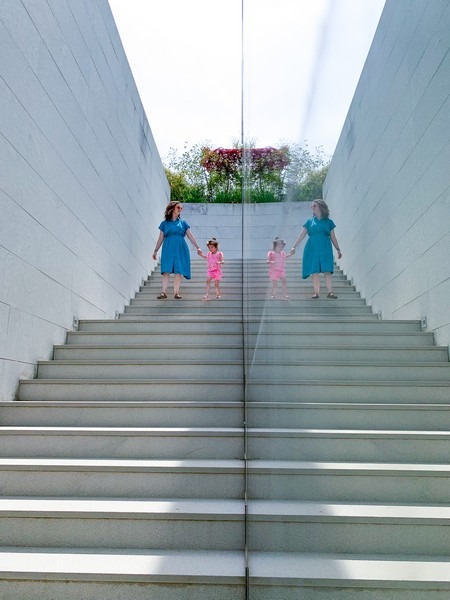
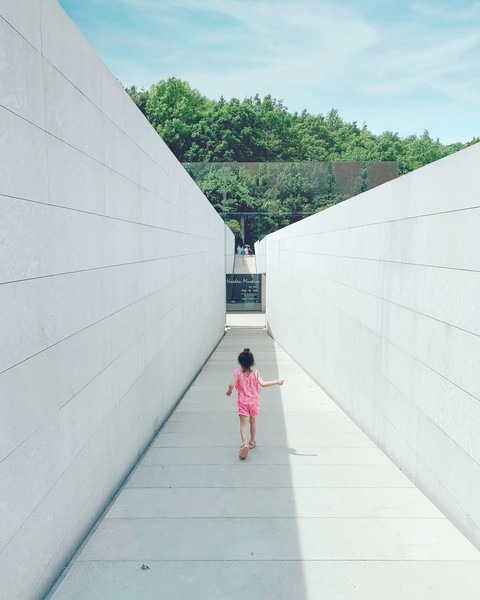
Photography isn’t allowed inside Haeden Museum of Art, but the outdoor spaces are fair game and worth exploring. Enter down a long cement corridor and arrive at a mirrored staircase, interesting before you’ve even bought a ticket. The exhibition ticket includes a free drink at the cafe on the second floor, which has both indoor and outdoor seating.
If architecture and contemporary art interest you, it’s worth it. If you’re not particularly drawn to either, the outdoor areas and the cafe are the highlights and the other stops on this list may serve you better.
- Address: 44 Jangheung-ro 101 beon-gil, Gilsang-myeon, Ganghwa-gun, Incheon (인천 강화군 길상면 장흥로101번길 44)
- Hours: 10:00am ~ 6:00pm
- Days: Closed Mondays, January 1st, Lunar New Year Day and Chuseok Day
- Admission: Adults: W20,000; Students: W10,000
Jeondeungsa Temple (전등사)
For something deeply rooted in history, Jeondeungsa is one of the more significant stops on the island. Founded in the 4th century, it is one of the oldest Buddhist temples in Korea, originally called Jinjongsa during the Goryeo Dynasty before being renamed Jeondeungsa in 1282. The hike up through the forest on Jeongjoksan takes 20 to 30 minutes and is pleasant in any season.
What makes the temple visit particularly worthwhile is what’s at the top: the Jukrimdawon Tea House sits within the temple grounds and is worth staying for. Have tea, eat something, and sit in the kind of quiet that’s genuinely difficult to find close to Seoul.
- Address: 37-41 Jeondeungsa-ro, Gilsang-myeon, Ganghwa-gun, Incheon (인천 강화군 길상면 전등사로 37-41)
- Hours: 8:30am ~ 6:00pm
Ganghwa Anglican Church of Korea & Yongheunggung Palace (용흥궁)
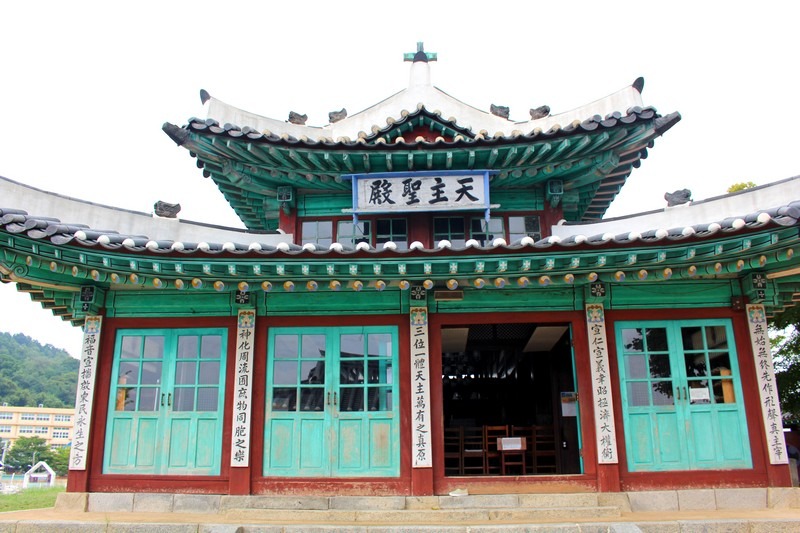
Near Joyang Bangjik, for a bit of history and architectural contrast, the Ganghwa Anglican Church and the adjacent Yongheunggung Palace are worth stopping at together. The church was first built in 1900 by Bishop Charles John Corfe, dedicated to Saint Peter and Paul, and blends Korean and Western architectural styles in a way that’s quite unusual. The wooden interior gives it an atmosphere unlike any other church in Korea.
Just next door is the modest palace where King Cheoljong lived before ascending to the throne in 1849. The name translates as “palace of the rising dragon,” though the palace itself is rather small. The unpainted buildings are similar in feel to Unhyeongung in downtown Seoul. The doorways and overhanging trees are particularly beautiful in autumn.
- Address: Gwancheong-ri, Ganghwa-eub, Ganghwa-gun, Incheon (인천 강화군 강화읍 관청리)
Huae Dondae (후애돈대)
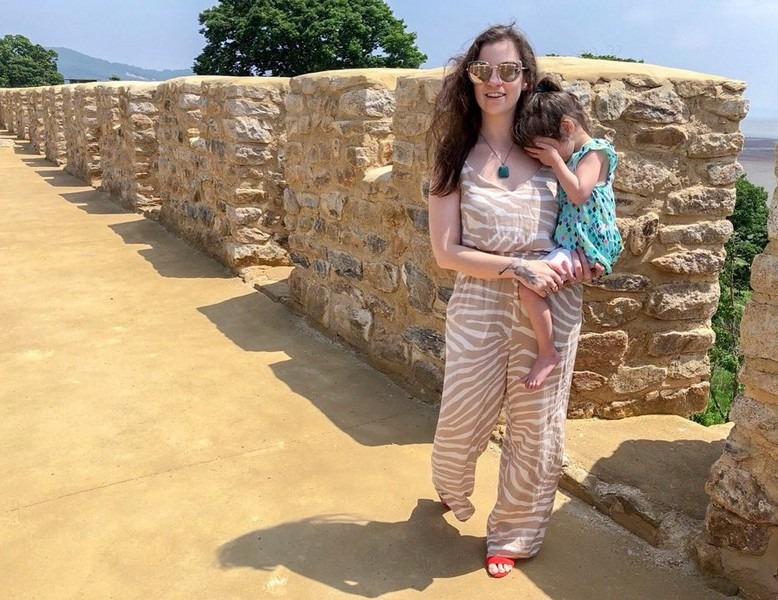
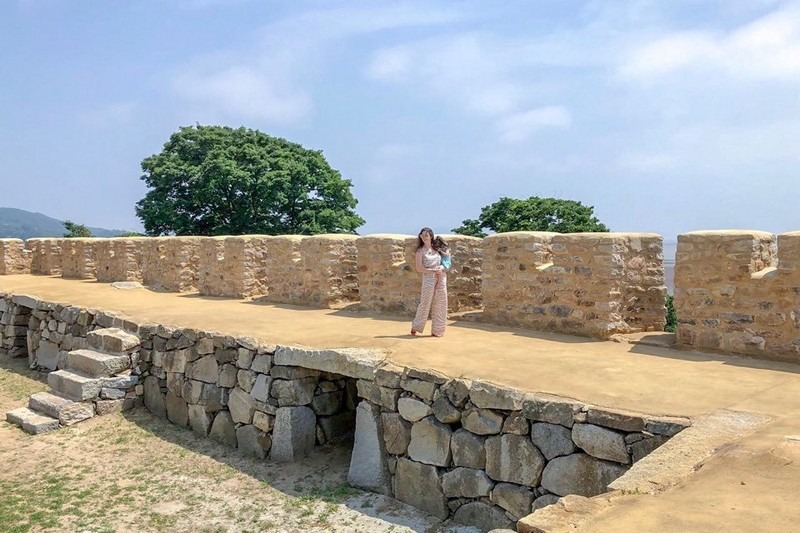
This was an unplanned stop that became one of the most memorable on the island. Driving along the coastal road, I spotted sandy-colored stone walls in stark contrast to the surrounding landscape and pulled over to investigate. Huae Dondae is one of many coastal fortification platforms built in 1679, constructed by 4,300 military personnel and 8,000 Buddhist monks from three provinces. The platforms once held four cannons.
The site has been well preserved and was fully restored in 1998. A neighboring village legend holds that damaging the Dondae would bring calamity to the area, which has helped ensure its survival. The stone color is unlike anything else you’ll see in Korean fortress architecture. There’s a cafe just to the right of the Dondae for tea before continuing on, and steps lead down to the mudflats and a boardwalk along the sea.
- Address: 954 Seondu-ri Gilsang-myeon, Ganghwa-gun, Incheon (인천 강화군 길상면 선두리 954)
Dolmen in Bugeun-ri (강화 고인돌 유적)
Korea has more than 30,000 dolmens, prehistoric stone tombs, and holds almost 40% of all the dolmens that exist on the planet. The dolmens in Gochang, Hwasun, and Ganghwa were designated UNESCO World Heritage Sites in 2000. Of the 150 dolmens remaining on Ganghwa Island, the most significant is Bugeulli Jiseokmyo in Bugeun-ri.
It’s a short stop but a quietly remarkable one, standing next to a stone structure that predates recorded Korean history by thousands of years, in the middle of an island an hour from one of the world’s largest cities, is one of those unexpectedly affecting travel experiences.
- Address: 330-2 Bugeun-ri Hajeom-myeon Ganghwa-gun Incheon (인천 강화군 하점면 부근리 330-2)
What To Do
Ganghwa Seaside Resort Luge (강화 씨사이드 리조트)
A 10-minute gondola ride takes you up to the top of a hill with views across the island, and then a 1.8km luge course brings you back down. One of the most popular luge courses in Korea, it’s fast, scenic, and fun.
- Address: 4-15, Seondu-ri, Gilsang-myeon, Ganghwa-gun, Incheon (인천광역시 강화군 길상면 선두리 4-15)
- Hours: November – February: 10:00am ~ 5:00pm; March – October: 10:00am ~ 6:00pm
Cafes & Restaurants
Joyang Bangjik (조양방직)
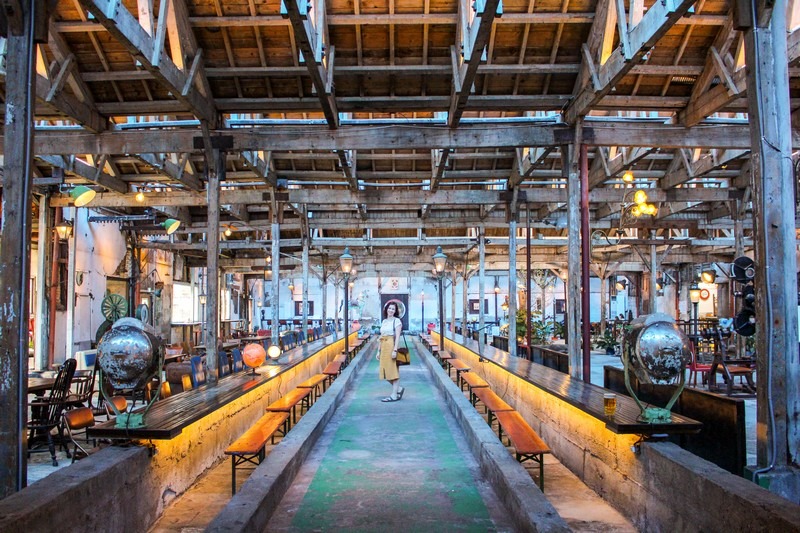
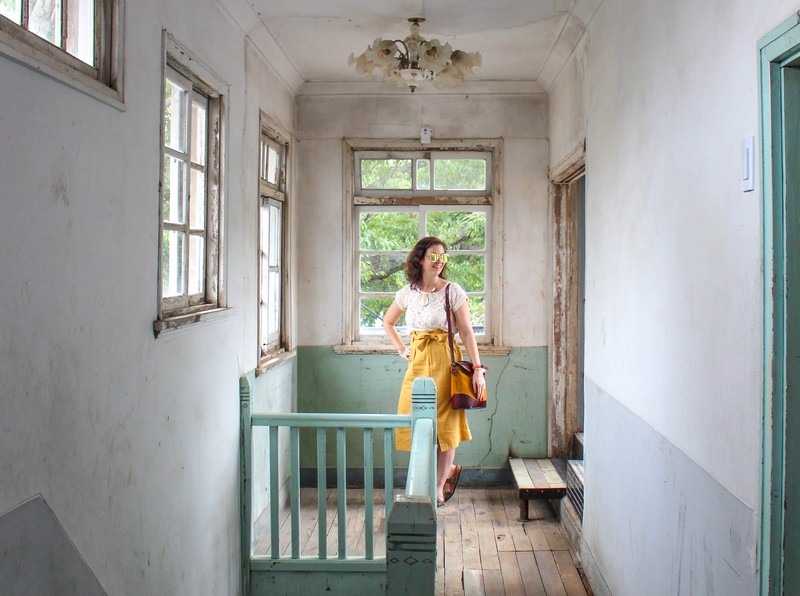
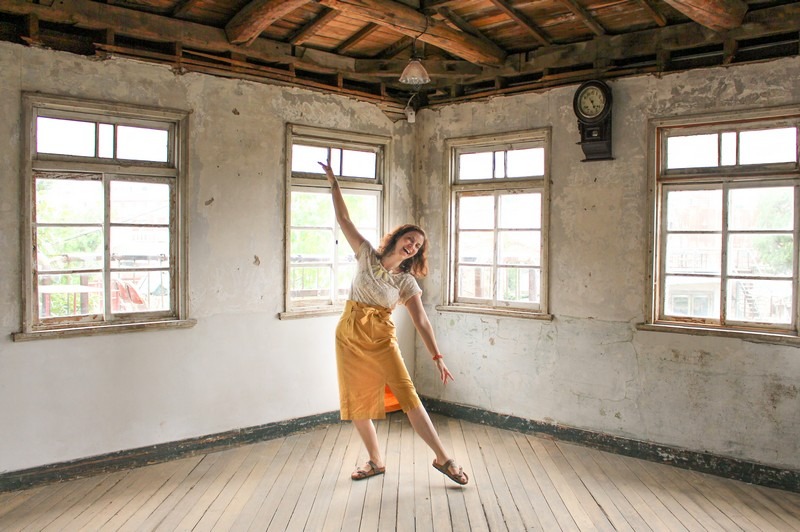
Joyang Bangjik is a 1933 textile factory that has been transformed into one of the most interesting cafe complexes in the greater Seoul area. The factory was built during the Japanese colonial period, originally comprising four spaces, then expanded to eight. The buildings are made of Japanese cedar , now rare and expensive to source, and the owner spent months clearing and restoring the site before opening it to visitors.
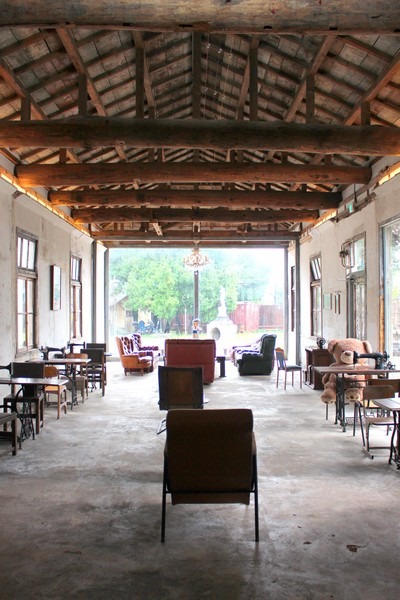
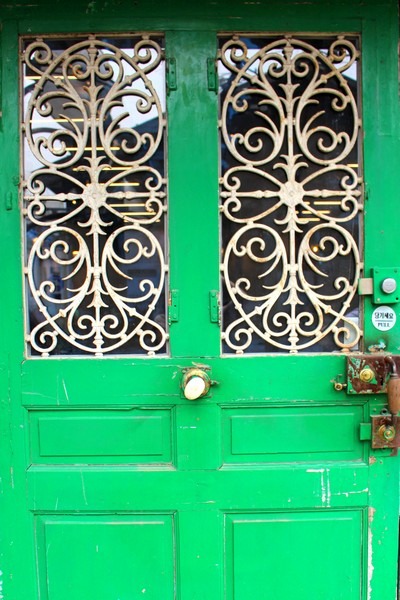

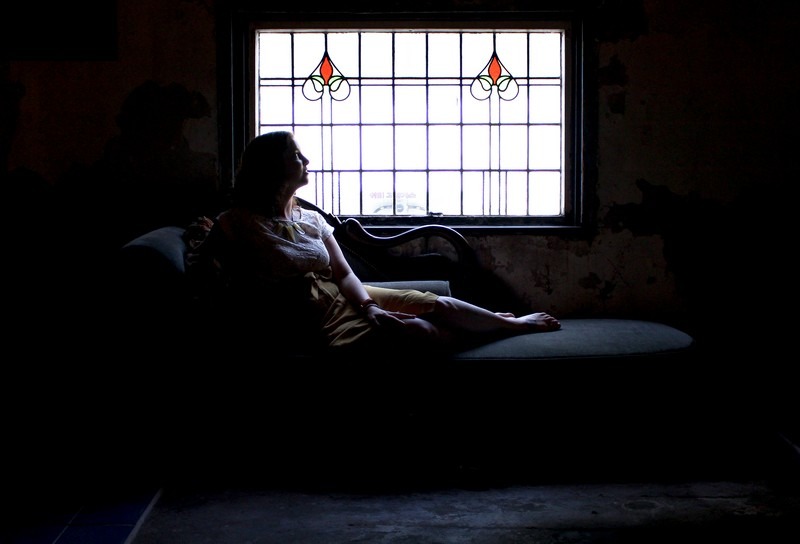
Walk through the front gate and the cafe is immediately to your right. Buy a coffee or juice, then explore: long benches in the main building, tables along the walls, seating upstairs, seating around corners, outdoor seating, hidden rooms for two, cave-like spaces for four. The main hall has extraordinary blue light filtering down from the skylights. Every space is intentionally designed as installation art.
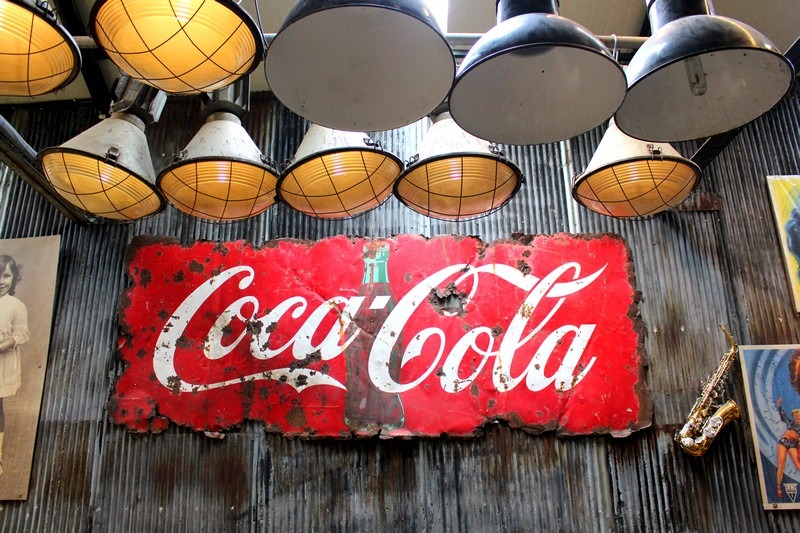
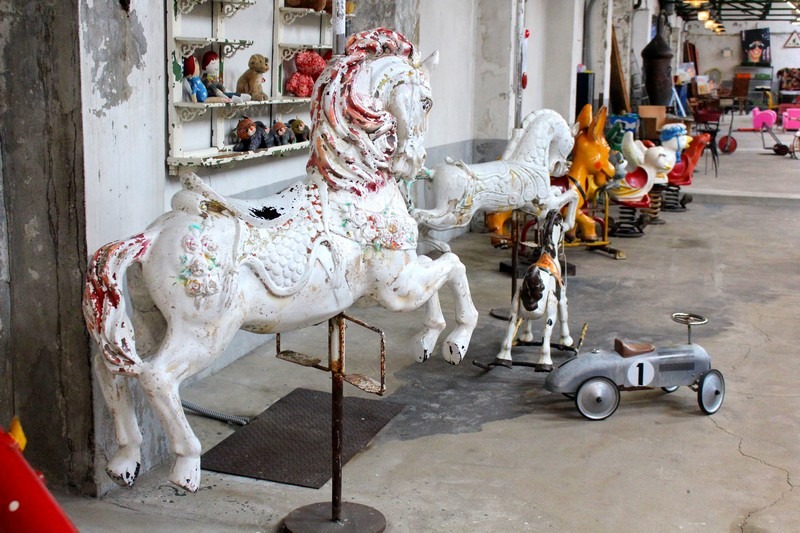

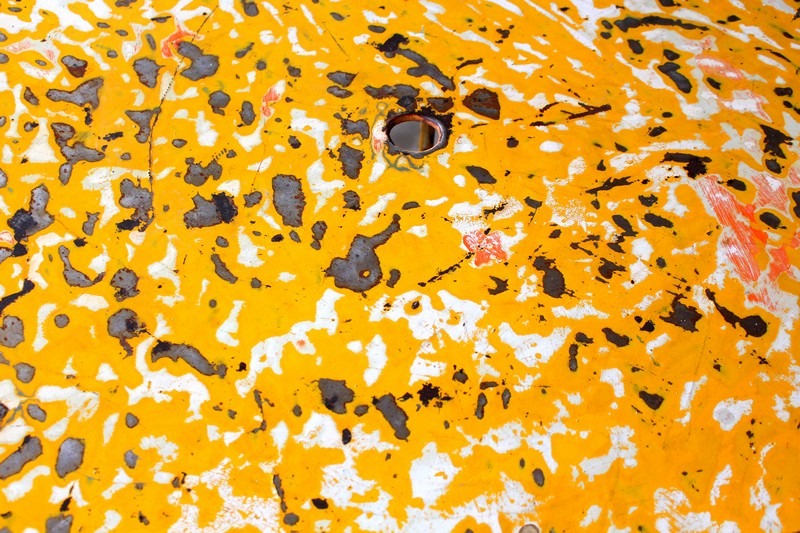
Go around the corner and you’ll find antique carousel horses and vintage toys that have been incorporated into the complex. The layering of industrial history, Japanese colonial architecture, and contemporary Korean cafe culture makes Joyang Bangjik genuinely unlike anything else on the island, or in Incheon.
- Address: 12 Hyangnamu-gil 5 beon-bil, Ganghwa-eub, Ganghwa-gun, Incheon (인천 강화군 강화읍 향나무길5번길 12)
- Hours: Weekdays: 11:00 ~ 8:00pm; Weekends: 11:00am ~ 9:00pm
Caffe Tramonto (카페 트라몬토)
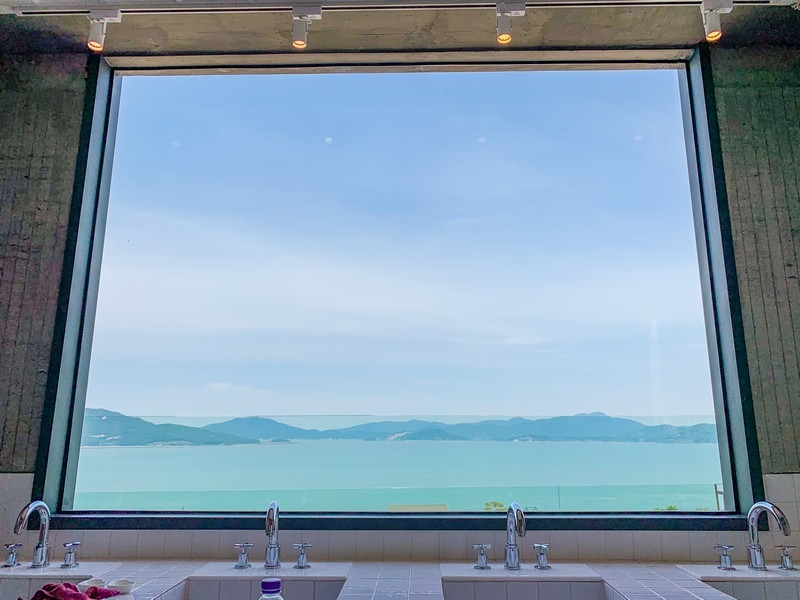
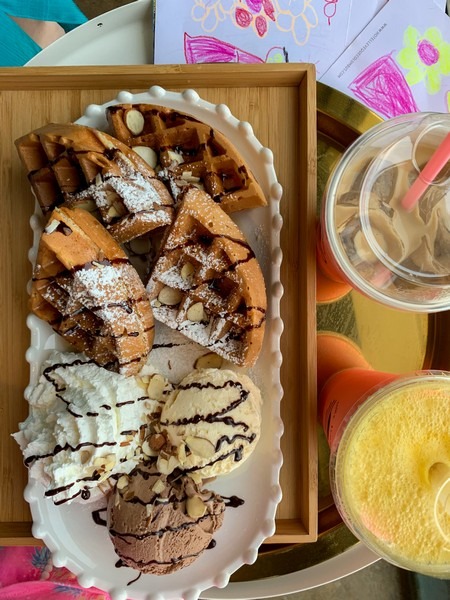
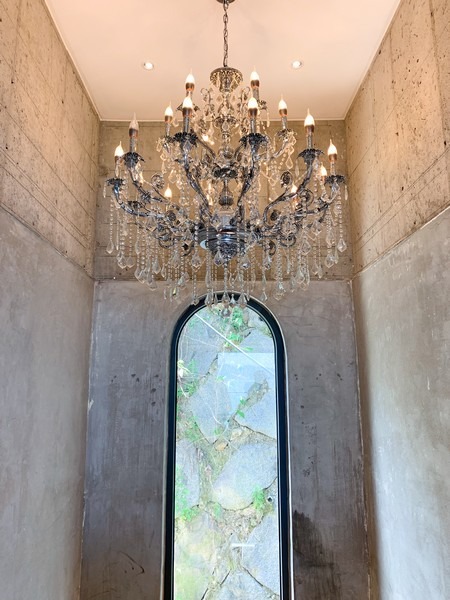
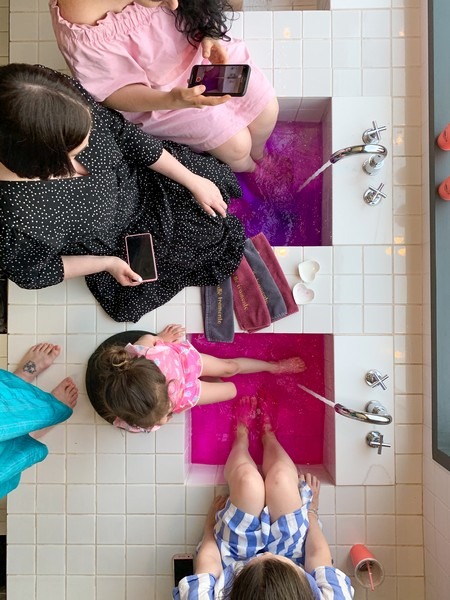
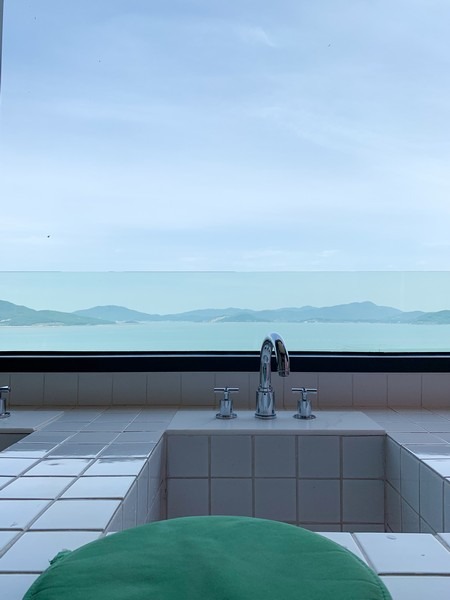
This cafe had me before we even parked. I saw the views and saw the footbaths and the visit was decided. Built on the side of a hill with a perfect outlook over blue water, Caffe Tramonto has been a hot spot since it opened. We arrived ten minutes after opening and the footbath wait list was already going.
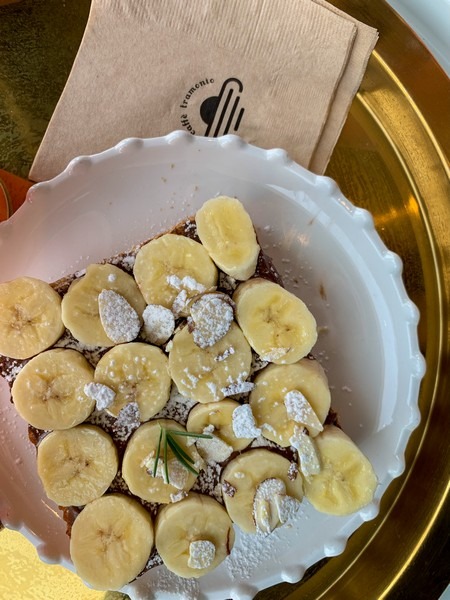
The wait wasn’t a problem, it gave us time for a waffle, some toast, and drinks while the queue moved. There are only four footbaths, each with colorful fruity or floral themes, and the timing is kept strict so everyone gets a proper turn. It was more than enough time. Even if you go straight into a footbath, don’t skip the upstairs: there’s a green terrace, a pink velvet room, and veranda views of the sea that are worth the extra few minutes.
- Address: 2680-16 Haeannam-ro, Hwado-myeon, Ganhwa-gun, Incheon (인천 강화군 화도면 해안남로 2680-16)
- Hours: Sunday – Friday: 11:00am ~ 7:00pm; Saturday: 11:00am ~ 9:00pm
Mahogany Cafe (마호가니) and Dore Dore Cafe
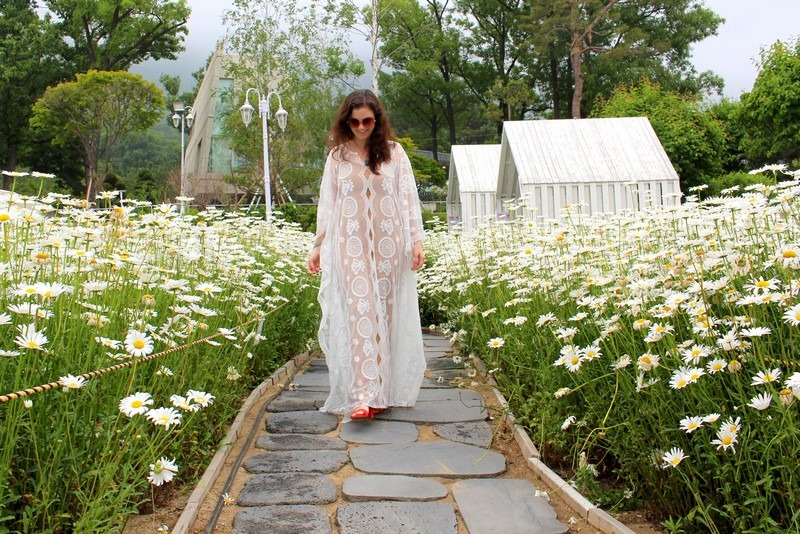
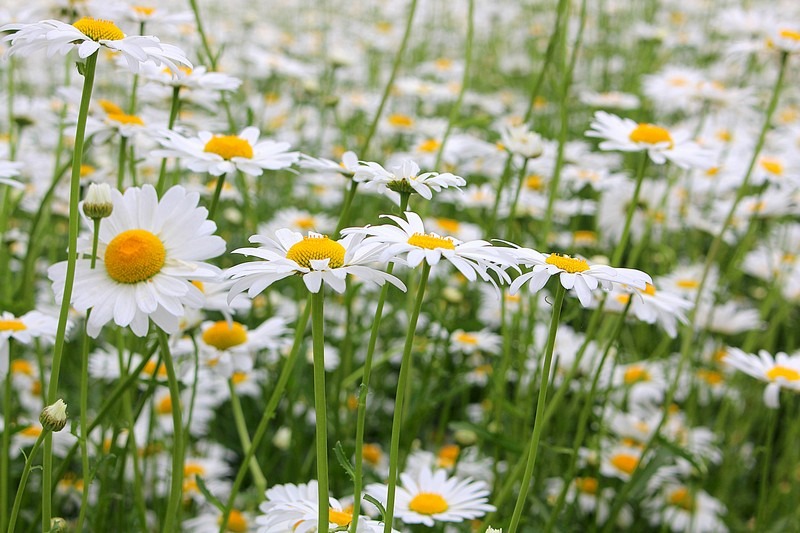
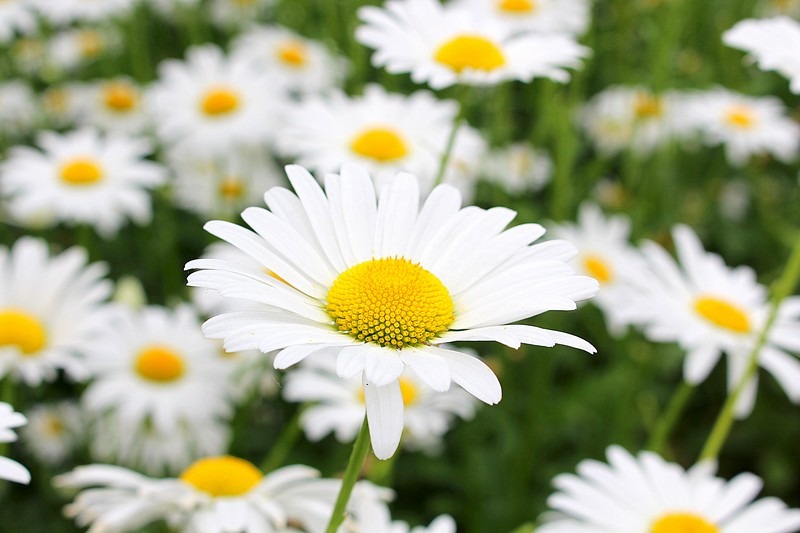
These two cafes sit next to each other and share garden spaces, so it’s worth planning them together. In spring, Mahogany Cafe’s large daisy garden is one of the best flower spots on the island. One important note: Mahogany does not allow children inside, though the garden out front is open to everyone. Take photos with the daisies and then head up the steps to Dore Dore if you have children with you.
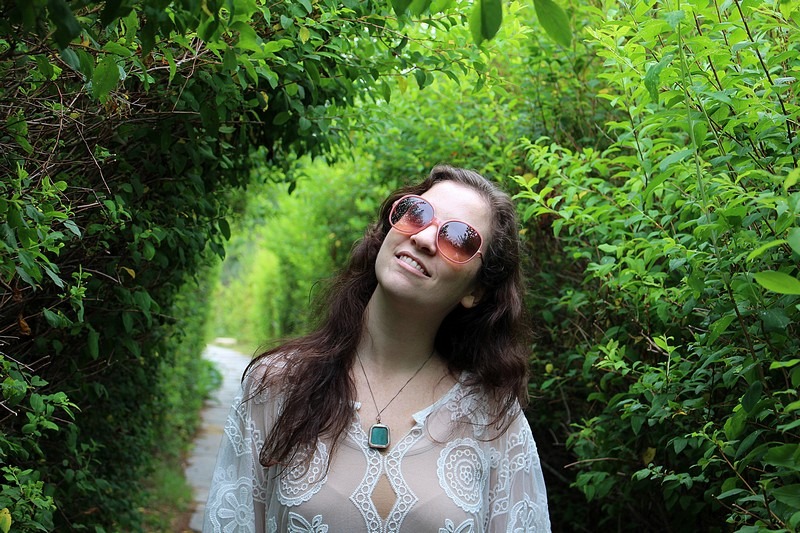
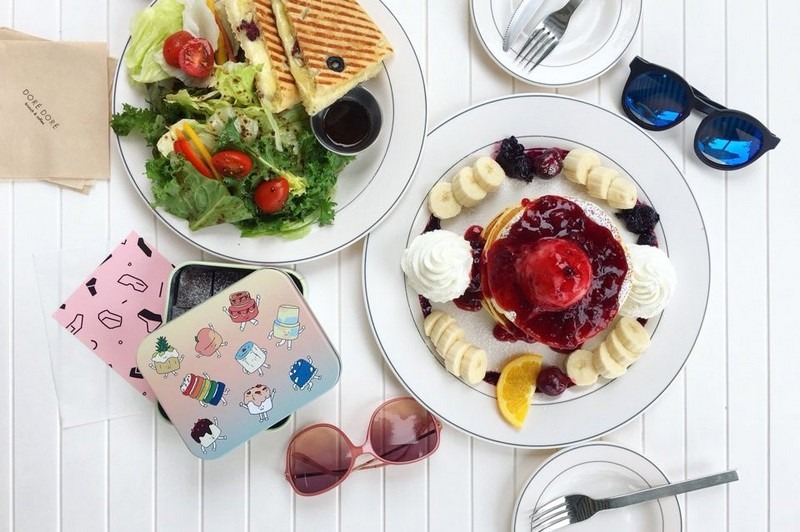
Dore Dore is the more family-friendly of the two, with more substantial food options and seating throughout a garden setting with paths lined with bushes. The brunch food at Dore Dore is good, we ate there when we headed over from Mahogany and it hit the right spot before continuing on the island.
- Mahogany Address: 1864-18 Haeannam-ro Hwado-myeon, Ganghwa-gun, Incheon (인천 강화군 화도면 해안남로 1864-18)
- Hours: Monday – Friday: 11:00am ~ 6:00pm; Saturday – Sunday: 9:00am ~ 8:00pm
- Dore Dore Address: 1844-19 Haeannam-ro, Hwado-myeon, Ganghwa-gun, Incheon (인천 강화군 화도면 해안남로1844번길 19)
- Hours: Monday – Friday: 11:00am ~ 5:00pm; Saturday – Sunday: 9:00am ~ 8:00pm
FAQ
Is Ganghwa Island worth visiting from Seoul?
Yes, especially if you’ve already covered the main Seoul attractions and want something with a different pace. The combination of temple hiking, coastal fortifications, UNESCO dolmens, and distinctive cafes makes it one of the better day trips from Seoul. It’s most rewarding if you give it a full day rather than trying to rush it in a few hours.
How do I get to Ganghwa Island from Seoul without a car?
Bus #3000 from Hapjeong Station is the most direct public transit option, about 80 minutes from the city. Alternatively, book a guided day trip on Klook or Viator that handles all transportation and combines multiple highlights. A car gives you more flexibility to reach the coastal areas and the cafes in Hwado-myeon, which are spread out and less accessible by bus.
What is Ganghwa Island most known for?
Historically, Ganghwa Island is known as a place where Korean royal courts took refuge during foreign invasions, during the Mongol invasions in the 13th century and later during Japanese and Western incursions. It has more UNESCO-designated dolmens than anywhere else in Korea, one of the country’s oldest Buddhist temples, and a well-preserved coastal fortification system. More recently it’s become known for a wave of distinctive cafes and the popular luge at Ganghwa Seaside Resort.
How long does it take to get to Ganghwa Island from Seoul?
About one hour by car or 80 minutes by bus from Hapjeong Station. The island itself is large enough that you’ll spend additional time getting between sites once you’re there, factor this in when planning.
Can I visit Ganghwa Island on a half day?
A half day is enough to visit one or two sites and one cafe, but it’s tight and you’ll feel rushed. The temple hike alone takes 40-60 minutes return, and the coastal cafes are on the opposite side of the island from the historic sites. A full day is the right allocation. If you only have a half day, prioritize either the historic district (temple, dolmens, Anglican church, Joyang Bangjik) or the coastal area (Caffe Tramonto, Huae Dondae, Mahogany and Dore Dore).
What season is best for Ganghwa Island?
Spring brings flower fields and the daisy garden at Mahogany Cafe. Summer offers the best weather for coastal walks and beach visits on nearby islands. Autumn is the most atmospheric with foliage around Jeondeungsa Temple. Winter is cold and some outdoor venues reduce hours or close, but the island is very uncrowded.
Ganghwa Island rewards a slow day more than a rushed one. Start with the temple hike, work through the historic sites, stop at Joyang Bangjik for coffee and a wander through the old factory rooms, then finish at one of the coastal cafes with a footbath and a view of the water. There’s enough here to fill two days if you want it to, and enough reason to come back when the season changes.
Did you like this post? Pin It!

4 Comments
Marilyn Brown
Hi Hailey. I would like to retire to South Korea and I’m looking for a nice quite peaceful spot to do this. Gangwha island sounds like an ideal place for me. Do you have any suggestions?
Hallie Bradley
If you want to be near Seoul and make it fairly easy to get in and out, Ganghwa would be nice. Down south is beautiful and not so cold though like Busan, Jeju, the southern coastline.
Denise
Hi Hailey,
Love all your blogs on SK. We moved here 8 months ago and just gotten a car. So we are excited to go in road trips to explore SK.
Can you tell me is it easy to drive to Ganghwado? Like car ferry frequency and the cost of it. Can’t seems to find this info from the internet.
Getting lots of great ideas from your blogs. Thanks much and stay safe.
Hallie Bradley
Hi Denise, actually you don’t take a ferry to Ganghwado. There are two bridges, one in the north and one in the south, that you just drive right over to get to the island. Super easy! Happy adventuring. ^^