Ganjang Gejang: Korea’s Soy-Marinated Raw Crab and Where To Eat It
Last Updated on October 12, 2026
When you think of Korean cuisine, dishes like bibimbap, bulgogi, and kimchi come to mind first. But for the foodies and the adventurous eaters, ganjang gejang (간장계장), soy sauce-marinated raw crab, is the dish worth seeking out. Once you figure out how to eat it, the umami flavor pulls you back again and again. There’s a reason it’s called the rice thief.
The Korean term for umami is gamchilmat (감칠맛), and ganjang gejang is one of the purest expressions of it in Korean cuisine.
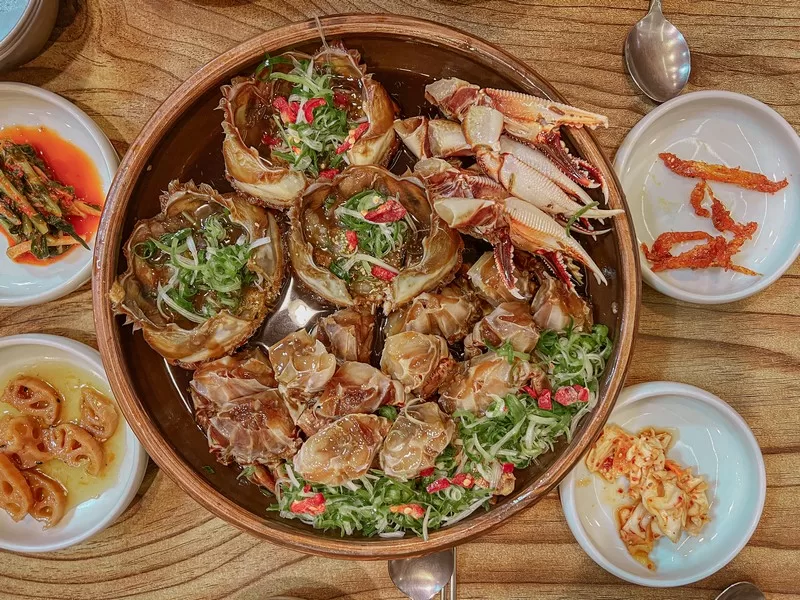
Marinated raw crab might be for the adventurous eater, but it’s good for everyone. Here’s what to know:
- What is Ganjang Gejang?
- Is It Safe To Eat?
- How to Eat Ganjang Gejang Like a Pro
- Tips for First-Timers
- Where to Eat Gangjang Gejang in Seoul
- Is Crab Healthy?
- FAQ
(This post contains affiliate links, which means I receive a certain percentage of a sale if you purchase after clicking at no cost to you. Thank you for your support.)
What is Ganjang Gejang?
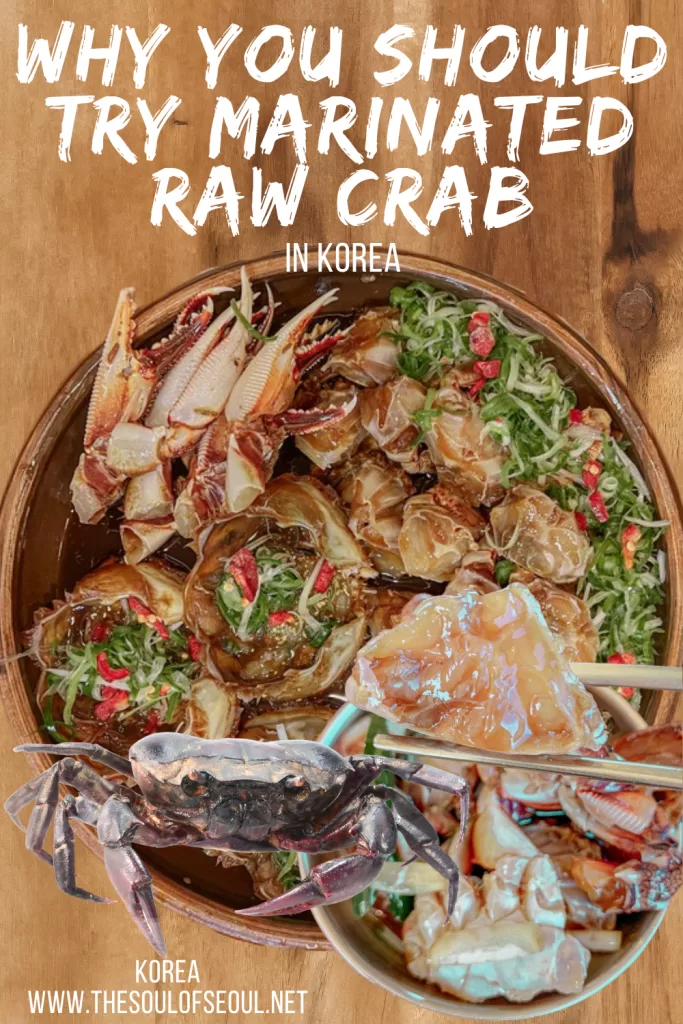
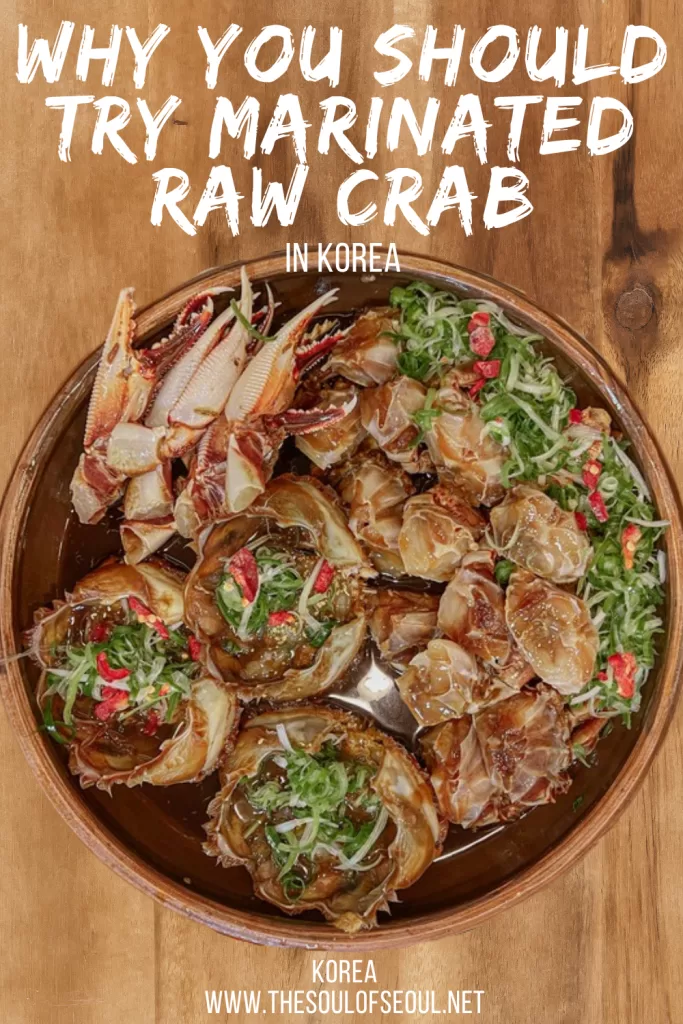
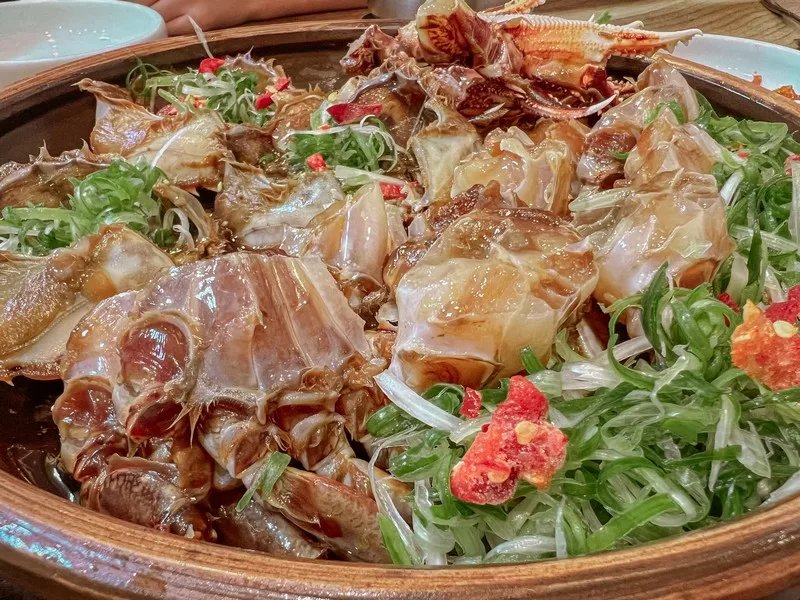
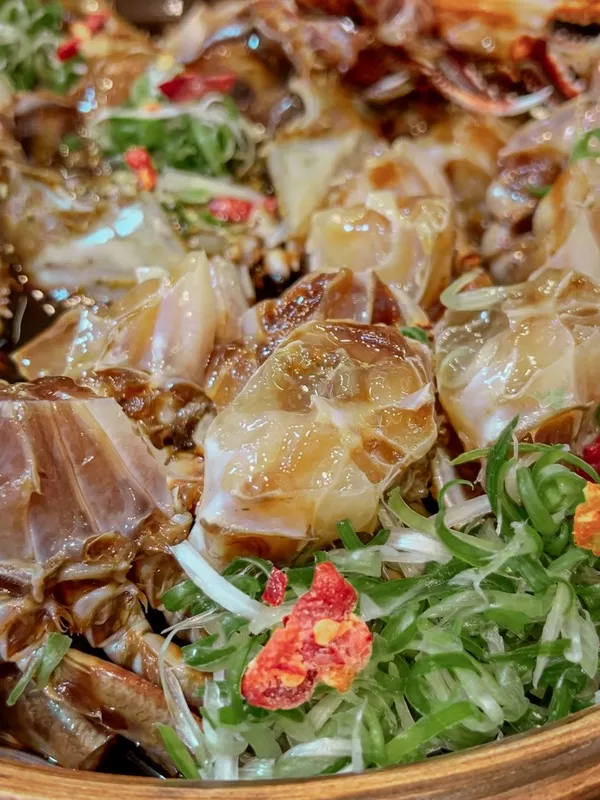
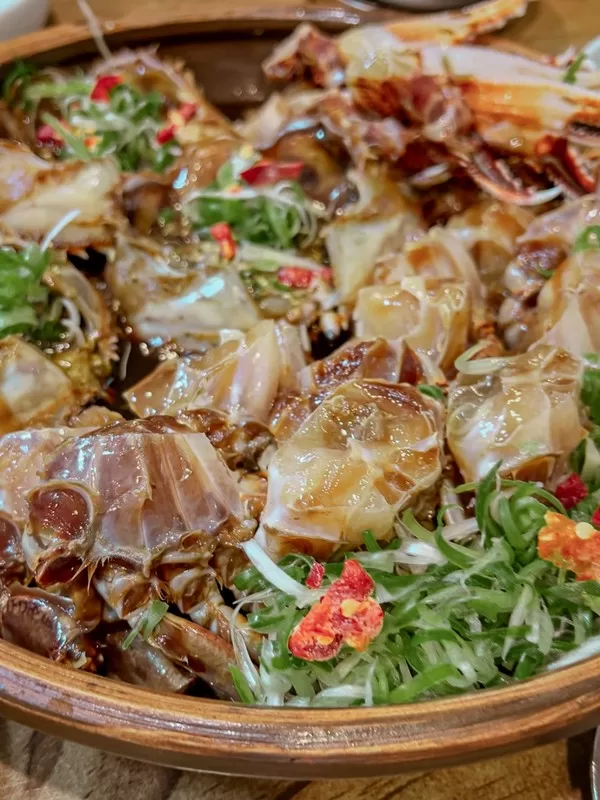
Ganjang gejang is made by marinating fresh crabs in a soy sauce-based brine. Unlike most Korean dishes, it’s not grilled, stir-fried, or steamed, it’s raw crab preserved through curing. The high sodium content of the soy marinade does what cooking does for other proteins: it preserves the crab and transforms its texture.
The result is something genuinely unlike most seafood dishes: a jelly-like, silky flesh with a deep, savory concentration that hits differently from anything grilled or boiled. It’s an umami delivery system with legs. Literally.
The Gyeongsang, Jeolla, and Jeju provinces each have their own versions of gejang, and it’s a particularly representative dish of the Yeosu area. The soy sauce version, ganjang gejang, is the original. There’s also a spicy cousin: yangnyeom gejang (양념게장), raw crab marinated in a red chili sauce rather than soy, which developed in the Jeolla and Chungcheong provinces. Spicier, brighter, equally addictive, though my favorite is the soy sauce version.
Let’s Learn Korean: The word for umami in Korean is gamchilmat (감칠맛).
Is It Safe To Eat?
A reasonable question for a dish that’s technically raw… but not really. Ganjang gejang is cured rather than cooked, the high-sodium soy brine preserves the crab and creates an environment hostile to harmful bacteria. This preservation method has been used safely in Korea for centuries.
That said, as with any raw or cured seafood, pregnant women and people with compromised immune systems should exercise caution. At reputable restaurants using fresh-quality crab, ganjang gejang is safe for most people.
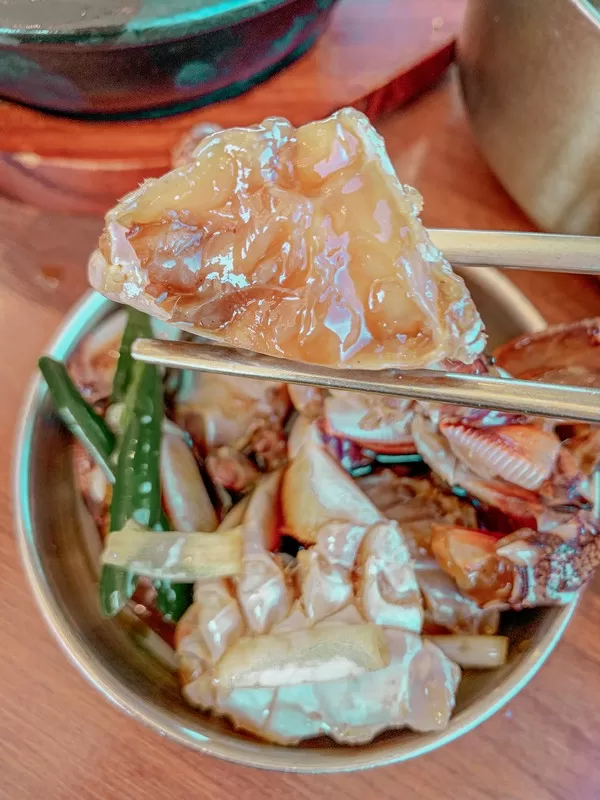
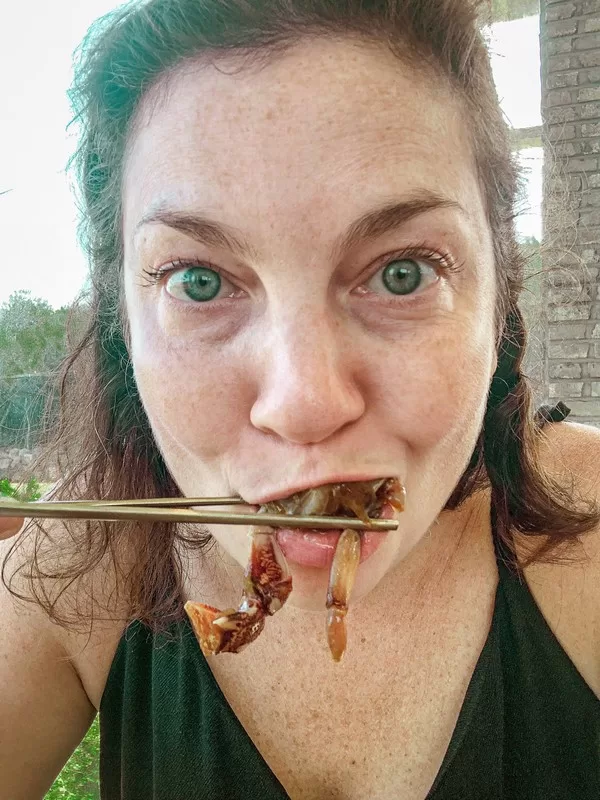
How to Eat Ganjang Gejang Like a Pro
Don’t be intimidated by the fact that it’s raw or the process of eating it—ganjang gejang is an experience worth diving into. I’ll admit, the first time I was served this dish, I didn’t know where to start and found it quite awkward to eat. Once you learn some pointers though, it gets easier and more enjoyable, trust me.
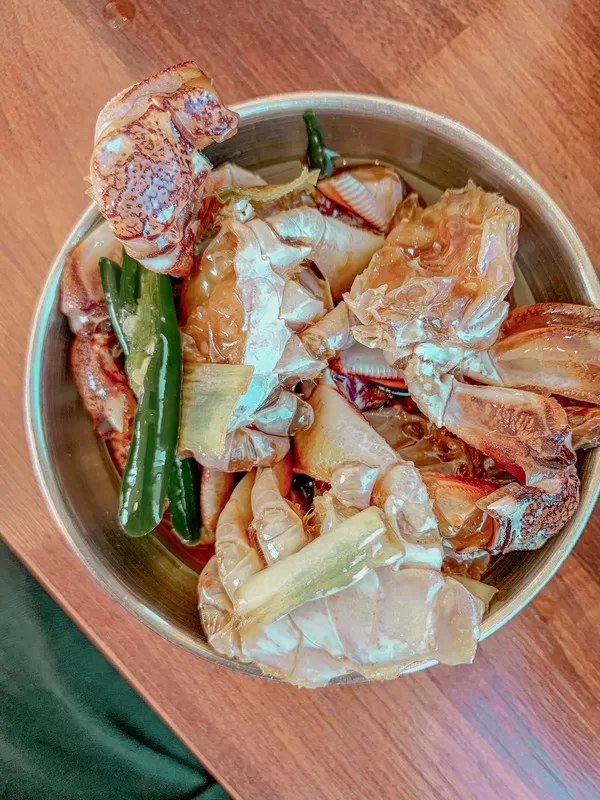
- Start with the crab legs: Grab a leg, give it a gentle twist to remove it, and suck out the jelly-like flesh. It’s a satisfying burst of flavor in each bite. You can use scissors that are usually on the table to cut the legs into smaller, manageable pieces.
- Next lightly bite the shell: After the ends of the legs, move on to the fuller ends. You’ll put the entire piece into your mouth and bite down lightly while sucking to get out the big pieces. Don’t bite too hard or you’ll end up with shell in your mouth.
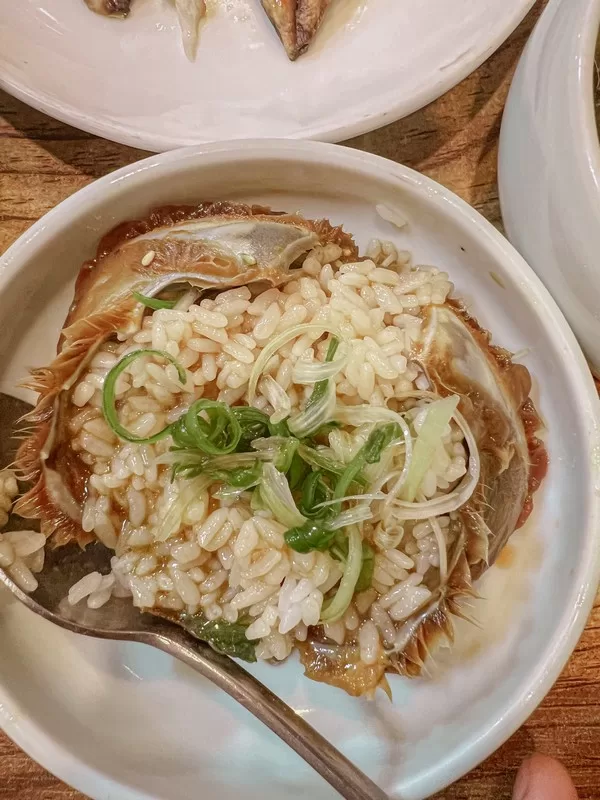
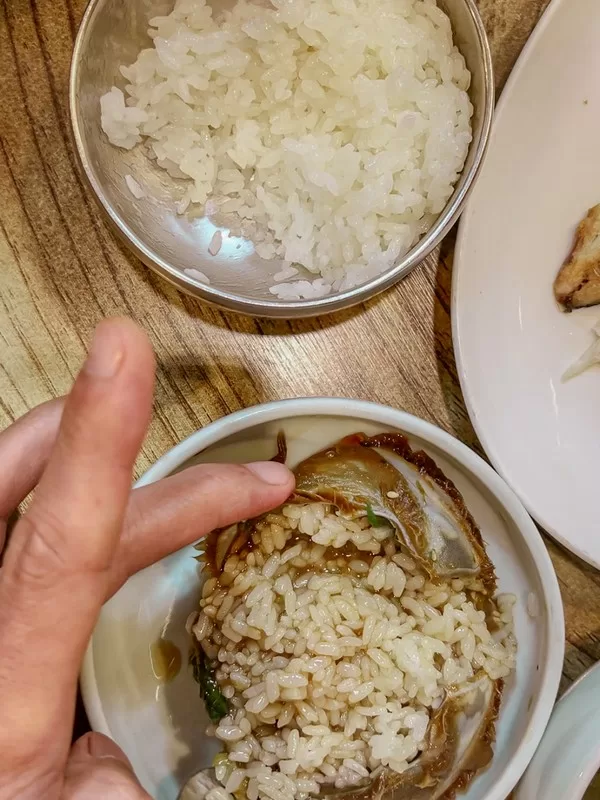
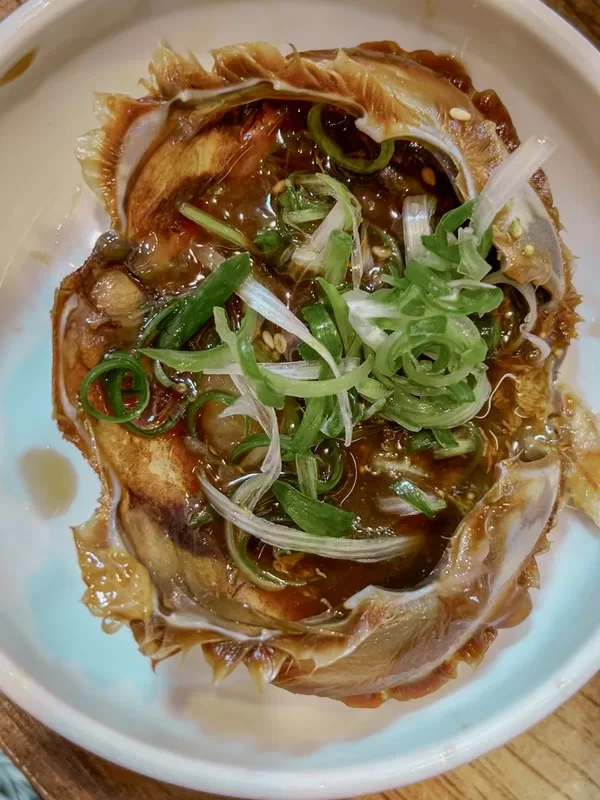
- Save the body shell for last: The shell houses the crab’s roe and intestines. My husband shows off above how to best eat it: mix rice directly into the shell, mix it all around, and then scoop out every last bit of deliciousness.
- Balance the saltiness: If the soy sauce flavor feels strong, pair it with rice or wrap it with dried seaweed (gim or gamtae) for a perfect bite.
- Don’t waste the sauce: The leftover soy sauce marinade can be kept and used to elevate other dishes, like drizzling over a fried egg or rice bowl.
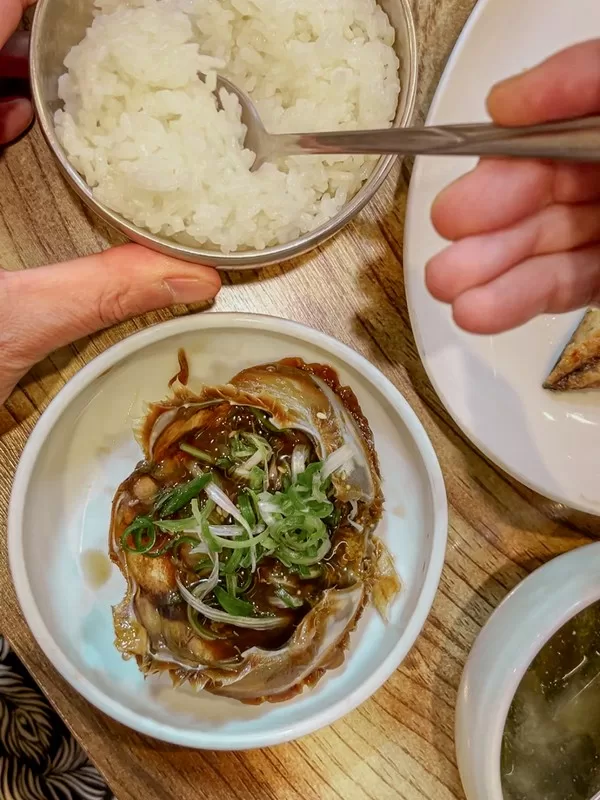
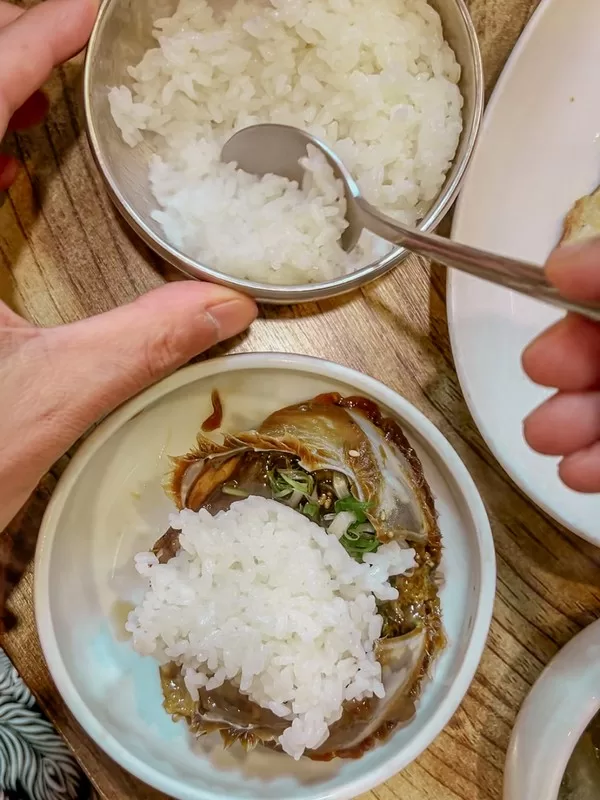
Tips for First-Timers
- Timing is everything: The spring and autumn are the best seasons to try ganjang gejang. However, you can find delicious options year-round, as many restaurants freeze crabs for consistent quality.
- Freshness first: Restaurants usually prepare the crab for you on-site, but if you order takeout, be prepared to cut and portion the crab yourself. It’s a hands-on experience that adds to the fun!
- Go local: While Michelin Guide-approved spots have put ganjang gejang on the global foodie map, smaller local restaurants often offer equally amazing versions at a slightly lower price point. Expect to pay around 35,000–50,000 KRW ($30–$40) per serving.
The Rice Thief (밥도독): Gejang is called the “rice thief” because the saltiness and savory taste of the marinated crabs arouses the appetite so that one does not realize how much rice they are eating.
Where to Eat Gangjang Gejang in Seoul
There are a number of restaurants in Seoul to try the delicious ganjang gejang. There’s even a street known as “Gejang Alley” in Gangnam’s Sinsa-dong.
Gebangsikdang (게방식당): Created by fashion marketer Bang Geon-hyuk and his parents, seasoned veterans of the marinated crab trade, the restaurant draws a trendy crowd with its modern design and extensive menu of raw crab dishes. For those who prefer a hassle-free option, they offer crab flesh and roe served over warm rice, eliminating the need to deal with shells.
- Address: 17 Seolleung-ro 131-gil, Gangnam-gu, Seoul (서울 강남구 선릉로131길 17)
- Hours: Monday – Saturday: 11:30am ~ 9:00pm (Breaktime: 3:00pm ~ 5:30pm)
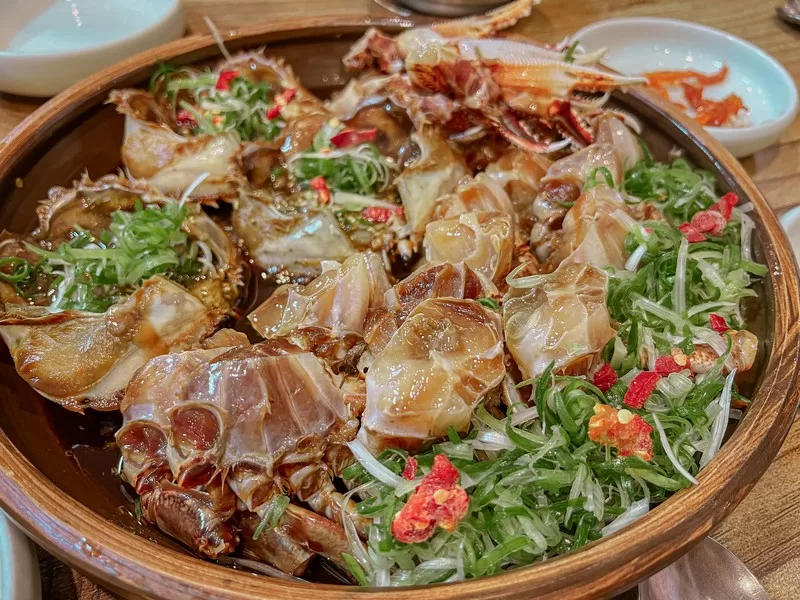
Jinmi Sikdang (진미식당): For over a decade, this modest yet bustling restaurant has specialized exclusively in raw soy-marinated crabs. Each day, the freshest local blue swimmer crabs from the west coast are prepared using the kitchen’s signature soy sauce marinade. Only a limited quantity is made daily to ensure freshness, so latecomers might find the crabs sold out.
- Address: 186-6 Mapo-daero, Mapo-gu, Seoul (서울 마포구 마포대로 186-6)
- Hours: Monday – Saturday: 12:00pm ~ 8:00pm (Breaktime: 3:30pm ~ 5:00pm)
- Make A Reservation: Want to go? Make a reservation through Creatrip so you won’t have to wait for a table.
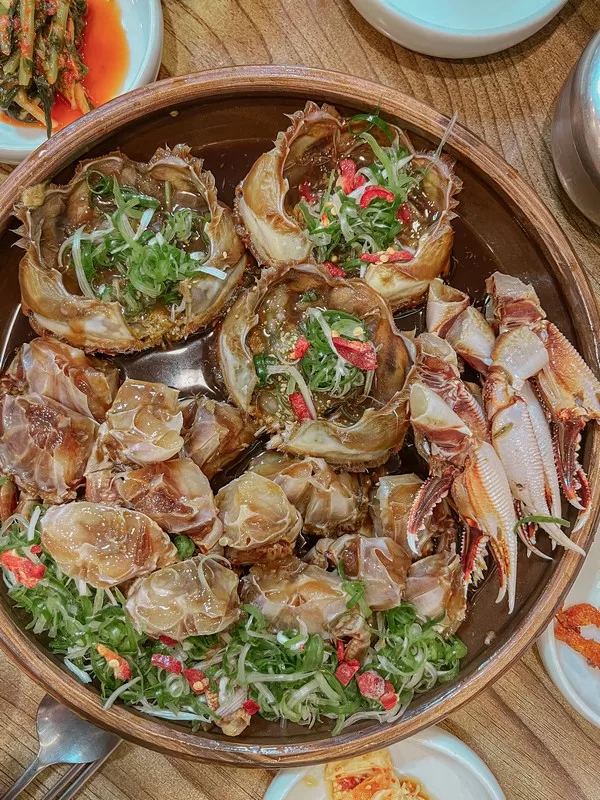
Hwa Hae Dang (화해당): This is the first Seoul location of the renowned Taean County restaurant from Korea’s west coast. Aptly named “Flower Crab House,” the restaurant specializes in soy sauce-marinated blue crab, celebrated for its naturally sweet meat. Each spring, local crabs are harvested at peak freshness, flash-frozen, and prepared in Taean before being sent to Seoul.
- Address: 15 Gukhoe-daero 62-gil, Yeongdeungpo-gu, Seoul (서울 영등포구 국회대로62길 15)
- Hours: Tuesday – Saturday: 11:00am ~ 9:00pm (Breaktime: 3:00pm ~ 5:30pm)
- Make A Reservation: Want to go? Make a reservation through Creatrip so you won’t have to wait for a table.
Is Crab Healthy?
Crab is high in protein and relatively low in fat, making it nutritionally useful beyond its considerable flavor. It’s a good source of omega-3 fatty acids, vitamin B12, selenium, and iodine, a more specific nutritional profile than the vague health claims sometimes attached to seafood. The high sodium content of ganjang gejang specifically is worth noting for anyone managing blood pressure or sodium intake, it’s a rich, salty dish and should be treated as an indulgence rather than a daily staple.
Ganjang gejang sits just outside most visitors’ radar, outshone by live octopus and Korean BBQ in most travel guides, but quietly beloved by everyone who discovers it. One bite of sweet, briny, soy-infused crab mixed with warm rice in the shell and you’ll understand exactly why it’s called the rice thief.
Did you like this post? Pin iT!