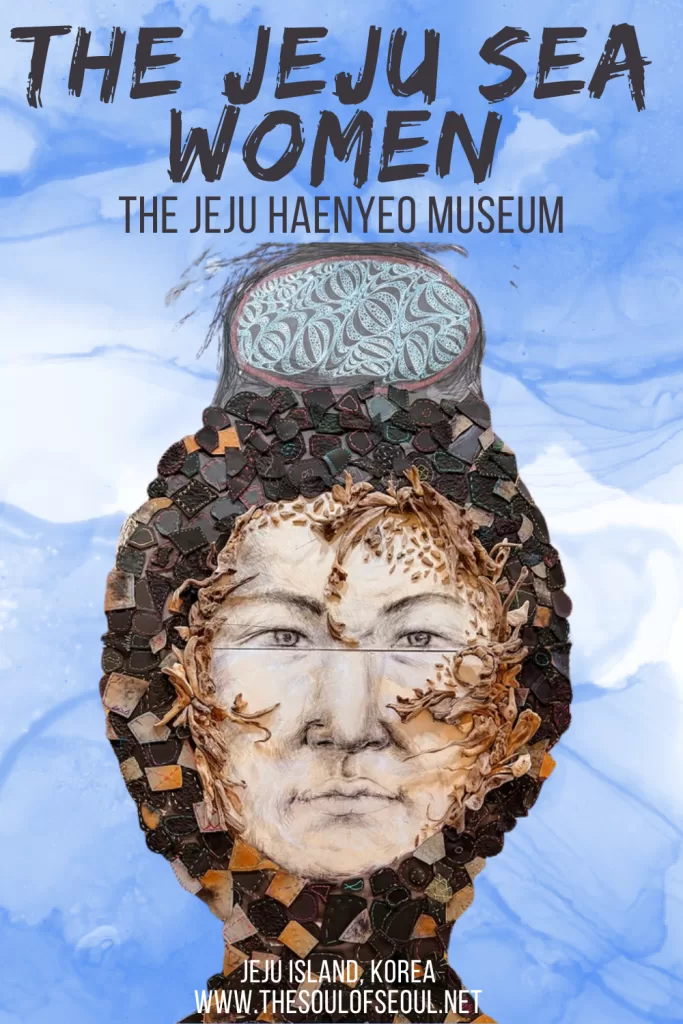
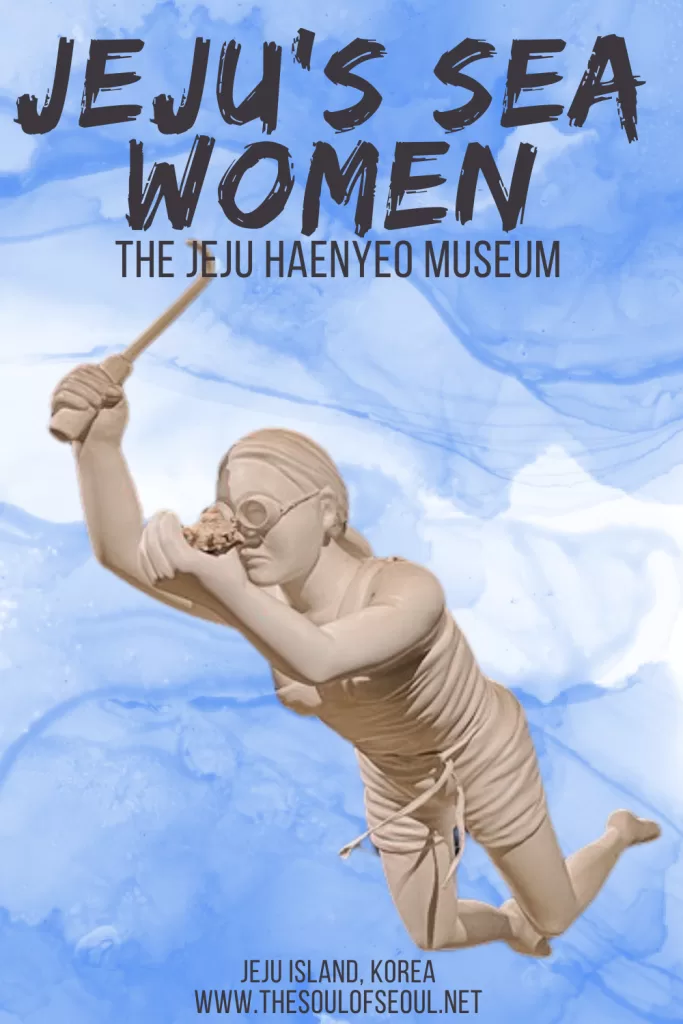
The Jeju Haenyeo Museum: Preserving the Spirit of Jeju’s Sea Women
Last Updated on March 1, 2026
In recent years, something beautiful has been happening on Jeju Island in South Korea. More visitors are arriving not just for the beaches, oreums, and black pork barbecue, but specifically to learn about the haenyeo, Jeju’s legendary female free divers. As interest in sustainable travel, women’s history, and UNESCO cultural heritage grows, so too does curiosity about these remarkable sea women.
The haenyeo culture of Jeju was inscribed as a UNESCO Intangible Cultural Heritage of Humanity, and while the number of active divers has declined as the women age, awareness and appreciation from visitors helps keep their legacy alive.
On the eastern side of Jeju Island, in the quiet coastal village of Gujwa-eup, stands a museum dedicated to these extraordinary women: the Jeju Haenyeo Museum (제주해녀박물관). Travelers seeking deeper, more meaningful experiences in Korea, are including more stops like this on their Jeju Island itineraries.
Visit the Jeju Haenyeo Museum to understand the true spirit of Jeju beyond the scenery. This is where to begin:
- Basic Info
- What Are Haenyeo?
- A Matrifocal Society in Action
- Inside the Jeju Haenyeo Museum
- Where Else to See Haenyeo in Jeju
(This post contains affiliate links, which means I receive a certain percentage of a sale if you purchase after clicking at no cost to you. Thank you for your support.)
Basic Info
Address: 26 Haenyeobangmulgwan-gil, Gujwa-eup, Jeju-si, Jeju-do (제주특별자치도 제주시 구좌읍 해녀박물관길 26)
Hours: Tuesday – Sunday: 9:00am ~ 5:00pm
Admission: Adults (25~64): W1,100; Youth (13~24): W500
What Are Haenyeo?
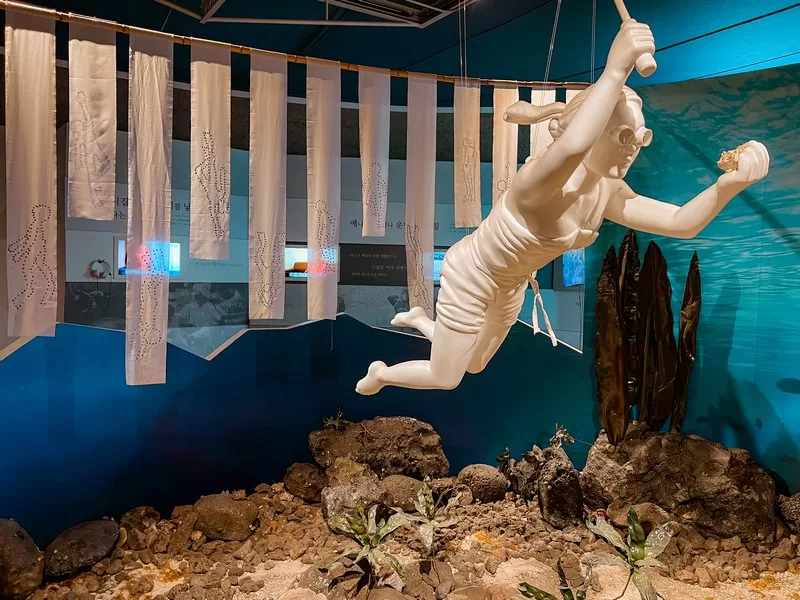
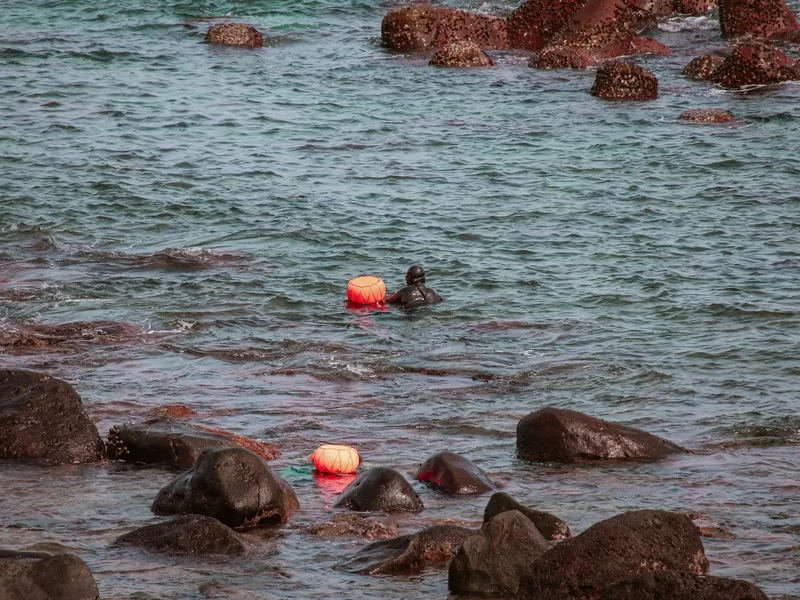
Haenyeo (해녀) literally means “sea women”. They are female free divers who harvest abalone, sea urchins, octopus, and seaweed, without oxygen tanks. Some are in their 70s and 80s. Some dive up to 10 meters deep. Many work up to seven hours a day during the diving season and they are armed with little more than goggles, a knife, a floating buoy (called a tewak), and a net to hold their catch.
Fun Fact: Haenyeo are ranked by experience with “Hagun” being the beginners, “Junggun” being intermediate, and “Sanggun” being the master divers who guide the others.
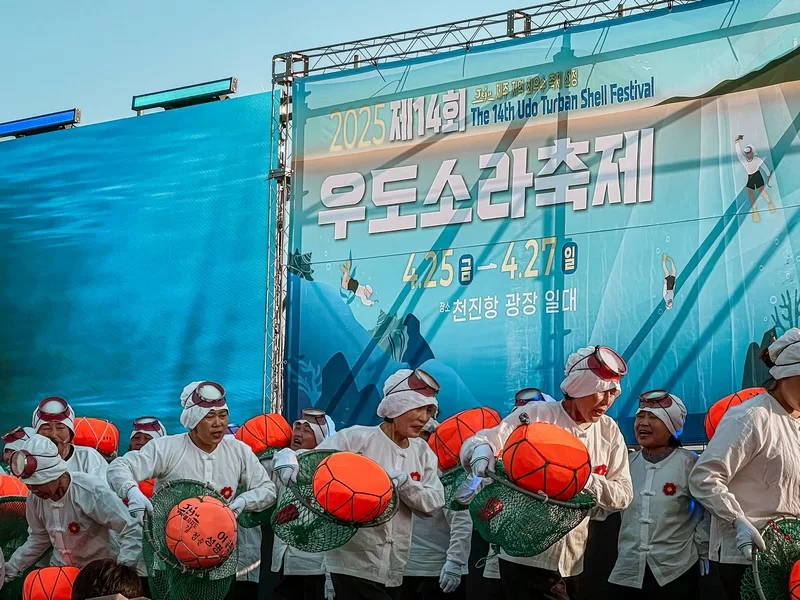
These amazing women hold their breath for about a minute per dive, resurfacing with a distinctive whistling exhale known as sumbisori. Even if you’re not looking for these amazing women, you’ll likely spot them out in the ocean waves. Their buoys float on the top of the water making it easy to see where they are.
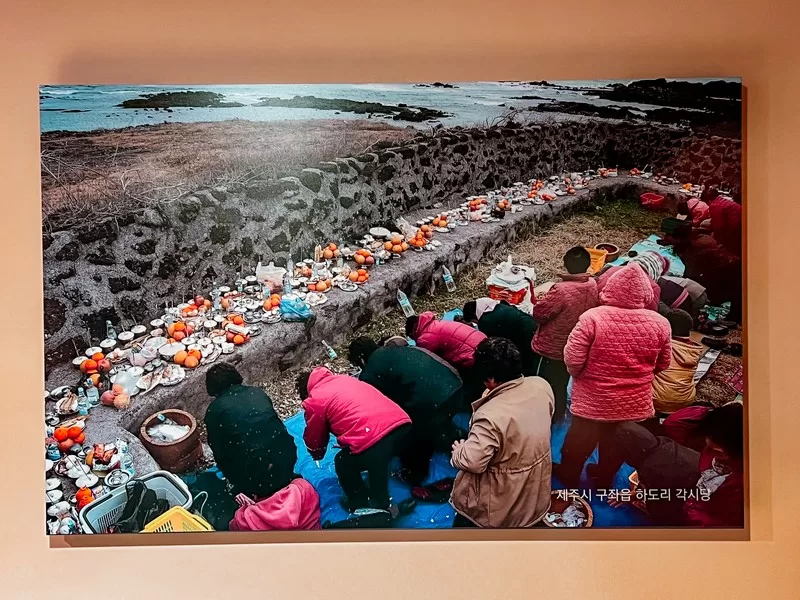
Fun Fact: Before entering the sea, haenyeo traditionally prayed to Jamsugut, the goddess of the sea, asking for safety and an abundant harvest. Folk traditions are alive and well on Jeju Island and are completely separate from the folk traditions of mainland Korea. You can learn more about them at the Jeju Stone Park.
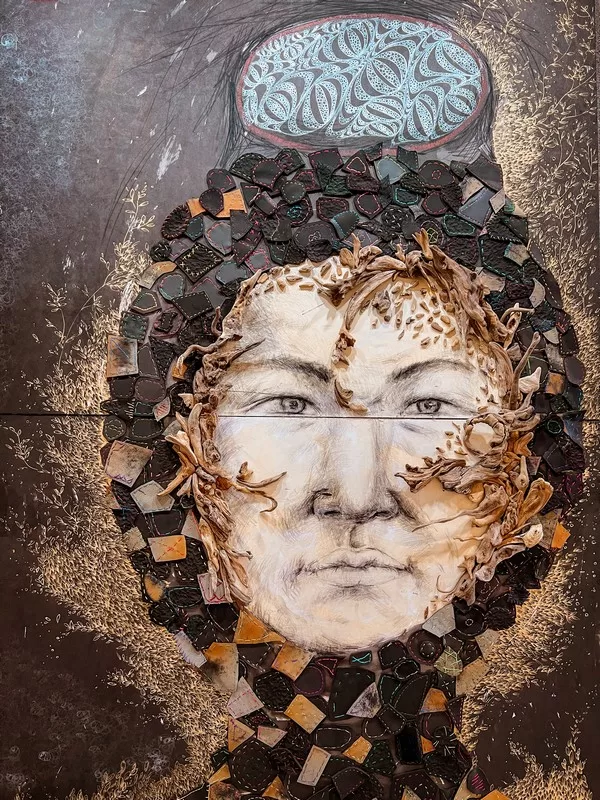
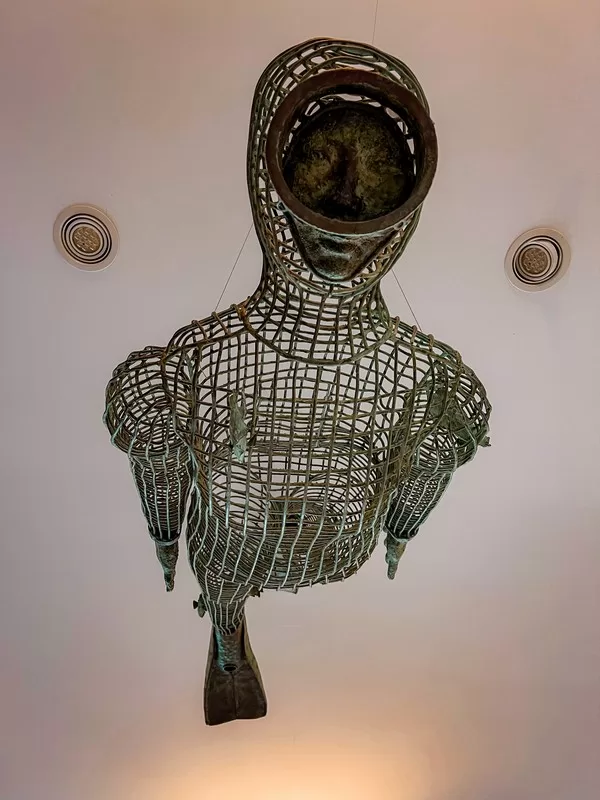
A Matrifocal Society in Action
Unlike much of mainland Korea historically, Jeju developed a culture where women were the primary breadwinners. There were periods when women significantly outnumbered men on the island, and events like the Korean War further shifted economic responsibilities.
Haenyeo supported their families through diving while also maintaining households and raising children. Knowledge of the sea was passed down within families, through local cooperatives, in haenyeo associations, at the Haenyeo School, and now at the Haenyeo Museum.
What to think about: Jeju’s haenyeo culture is aging. Younger generations often choose education and mainland careers. The number of active divers has steadily declined. And yet, the culture is persisting.
Inside the Jeju Haenyeo Museum
If you want to learn more about Jeju’s haenyeo, the Jeju Haenyeo Museum is a good place to start, providing an overview of life, culture, and work.
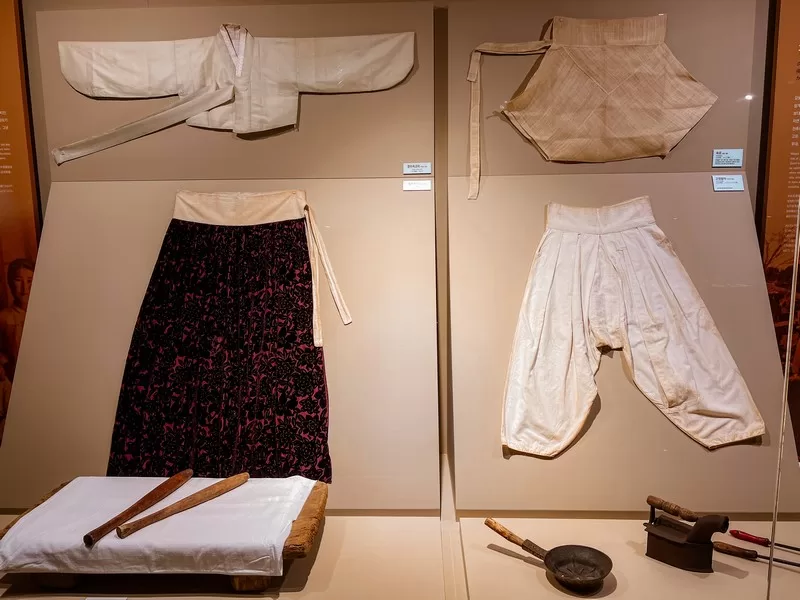
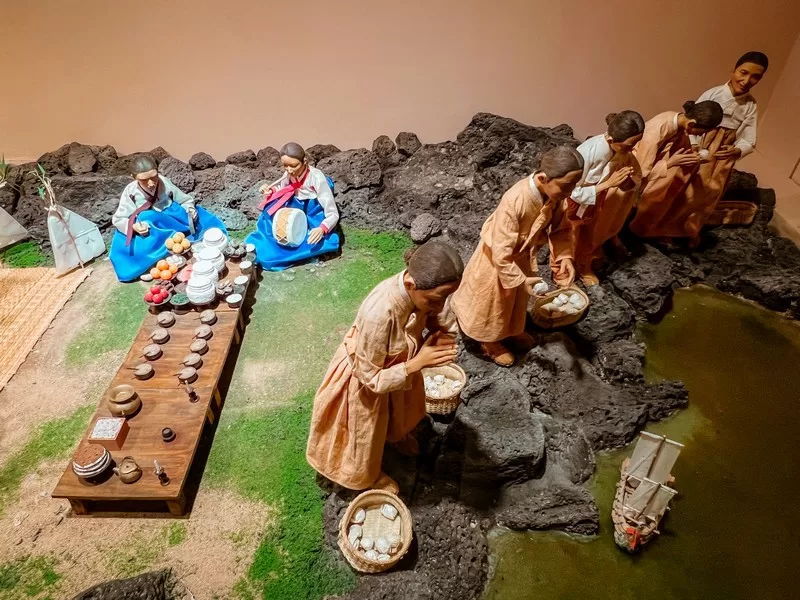
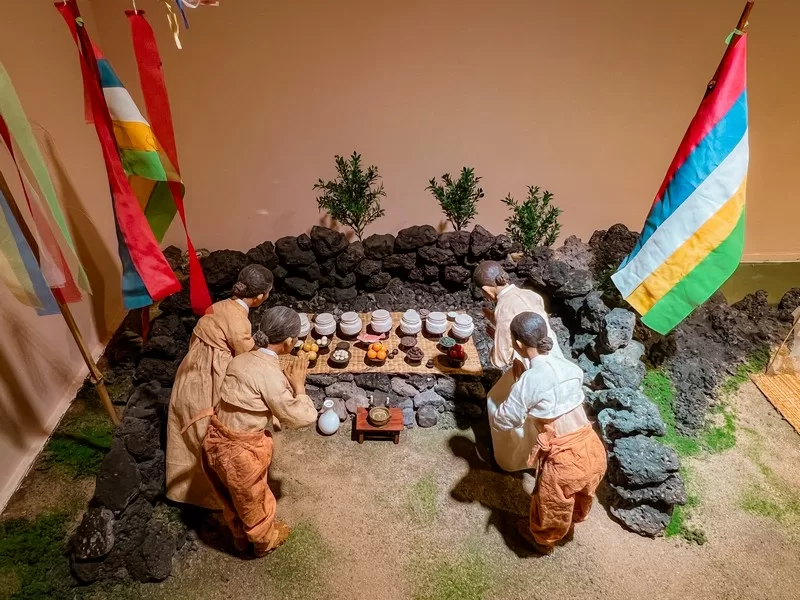
Exhibition Hall 1: The Life of Jeju Haenyeo
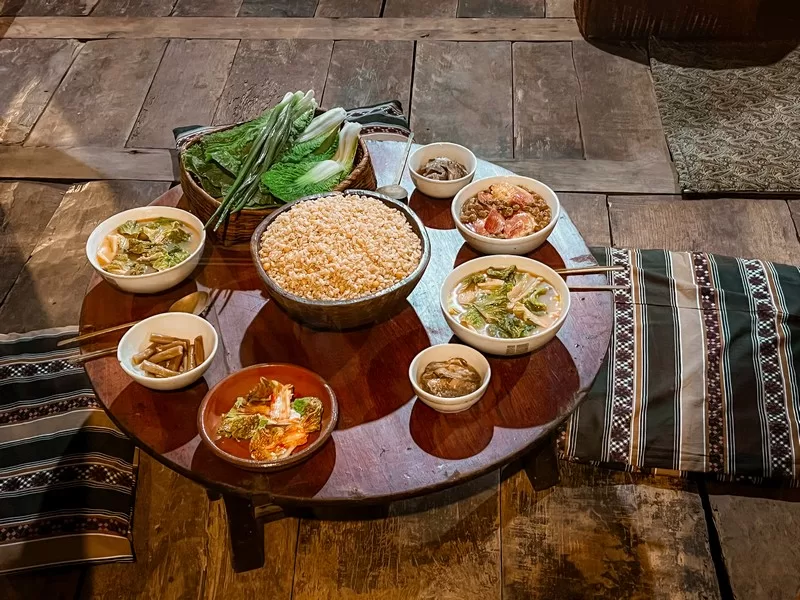
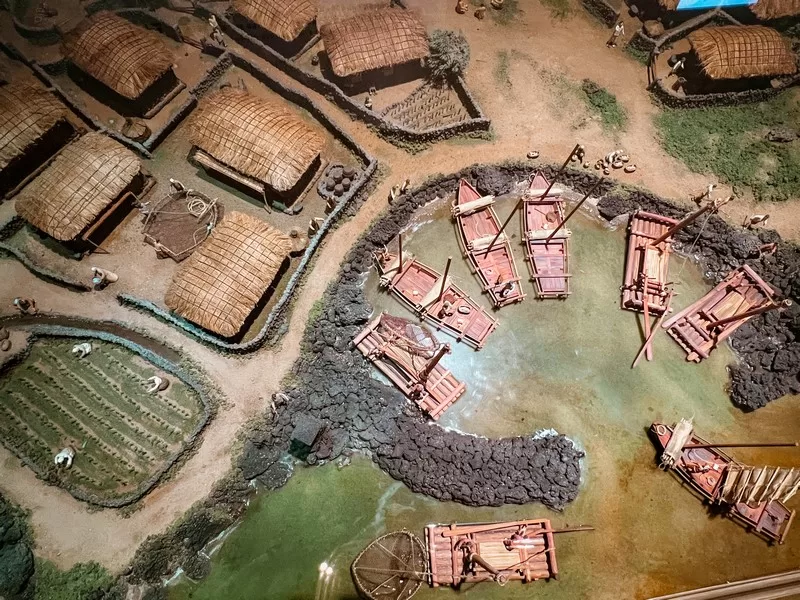
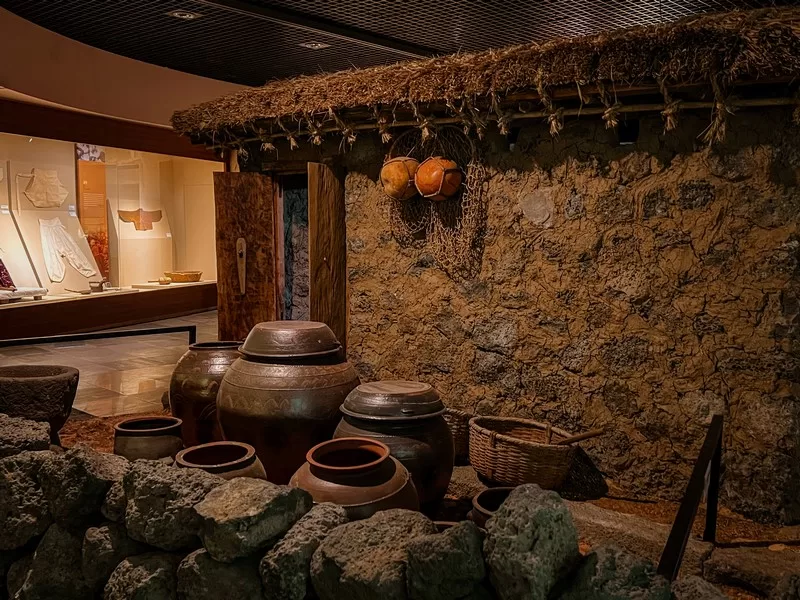
The first exhibition hall introduces the lifestyle of the Jeju haenyeo. Look at dioramas and displays of Jeju haenyeo’s houses and fishing villages in the 1960s and 1970s. This is where to see things like the clothing, baby cradles, water jars, and learn more about the food culture of Jeju.
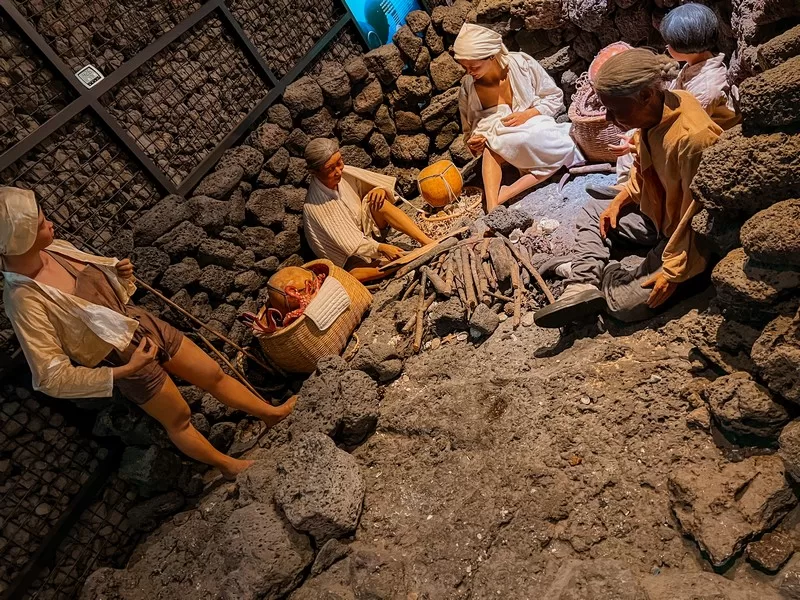
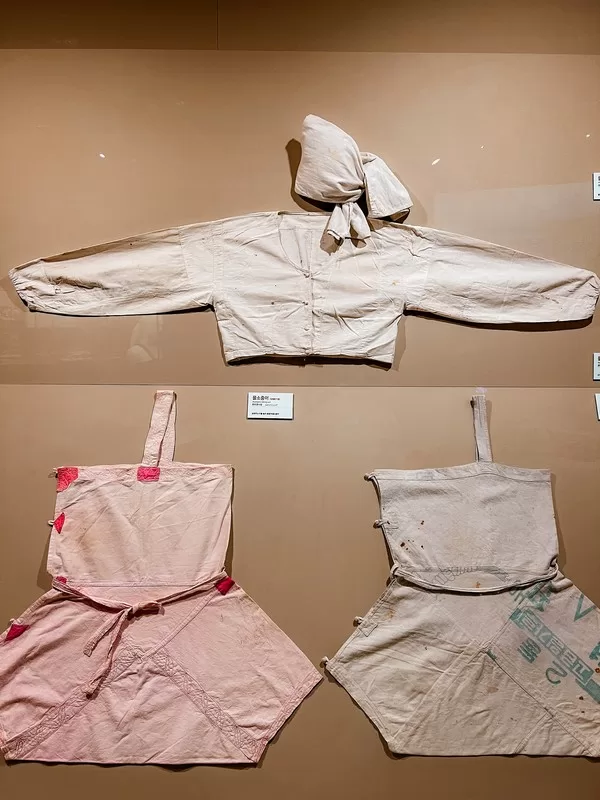
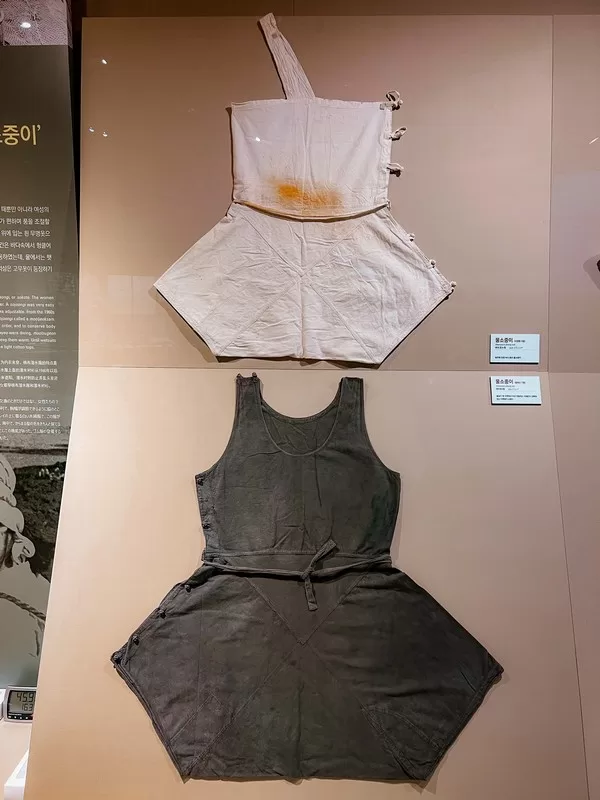
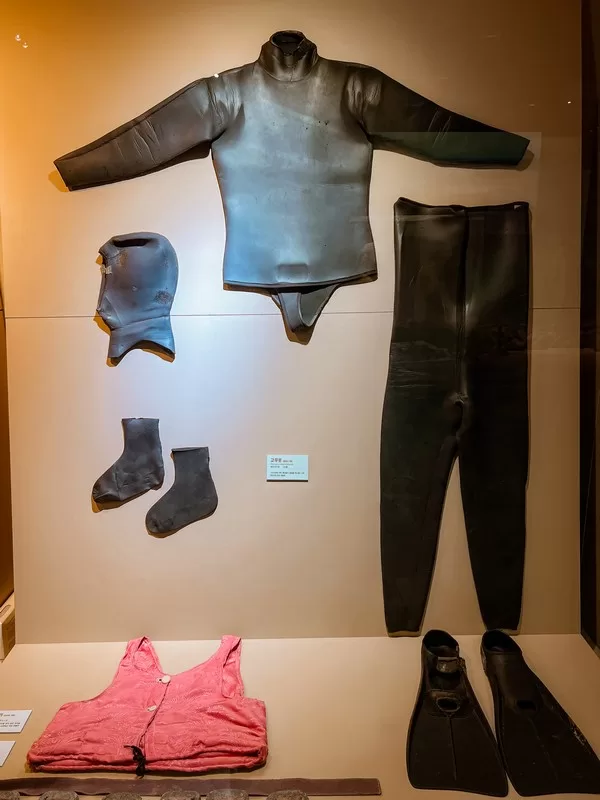
Exhibition Hall 2: The Workplace of Haenyeo
In the second exhibition hall is information about the Jeju haenyeo community. You can see the bulteok, where women warm their cold bodies by the fire and change clothes before and after going into the water. The tools that the haenyeo use are on display, both historical and more modern versions.
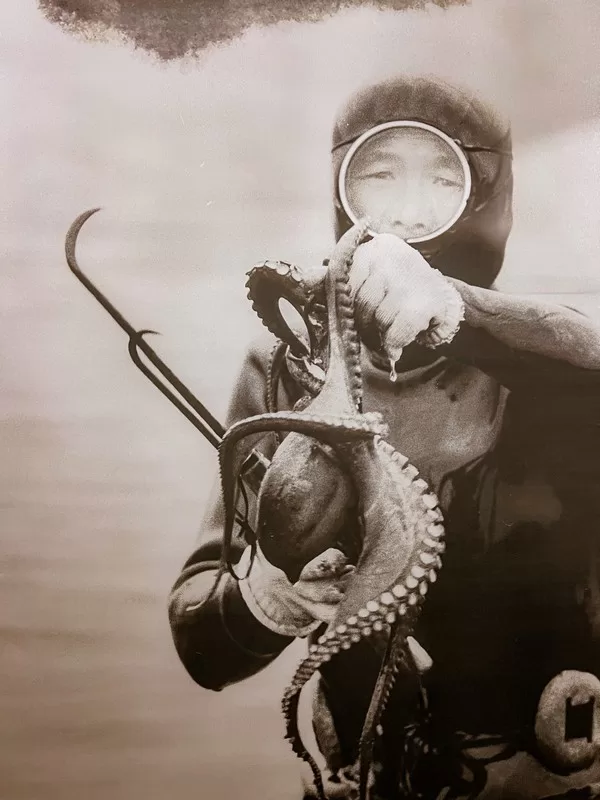
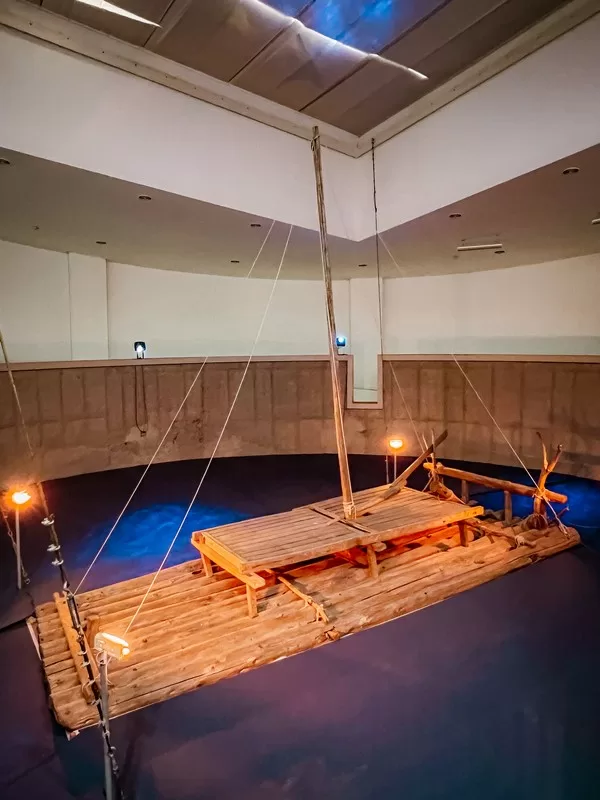
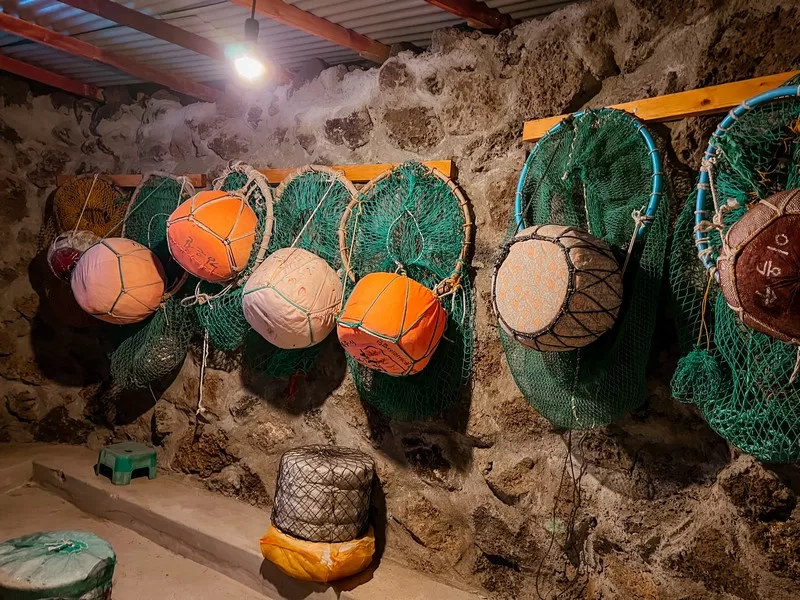
Exhibition Hall 3: The Life History of Haenyeo
In the third hall, get more personal and read the stories about how women become haenyeo, choosing this work that puts women in danger almost every day. Their strength is amazing.
Where Else to See Haenyeo in Jeju
As more and more people have learned about the Jeju haenyeo in recent years and want to get closer and understand them more, there are more experiences to help visitors dive like haenyeo, eat with haenyeo, and dress as haenyeo.
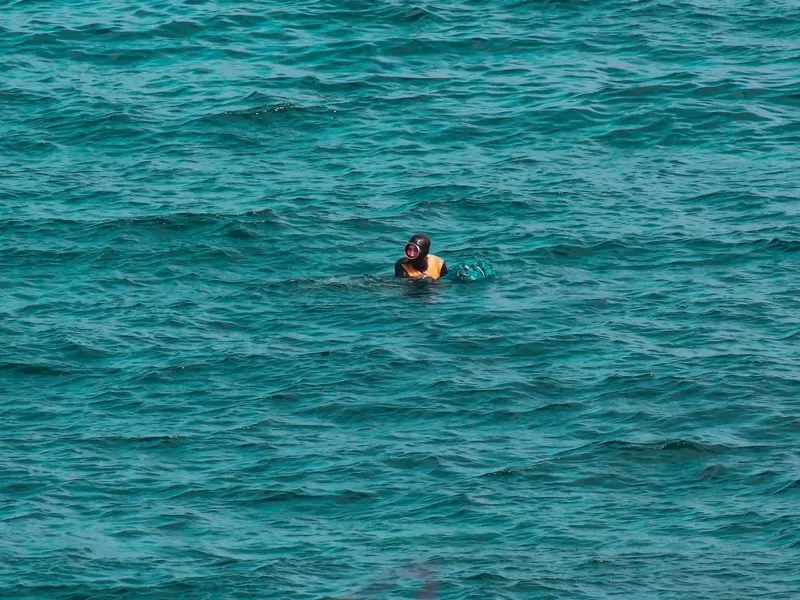
Become a Haenyeo for A Day
Designed for ages 10 and up, join a group, wear traditional haenyeo suits, fins, and a mask, and head into the shallow low-tide waters to try free-diving and harvesting seafood firsthand. After safety education and gear fitting, you’ll spend about an hour in the water learning traditional techniques before returning to taste freshly prepared seafood.
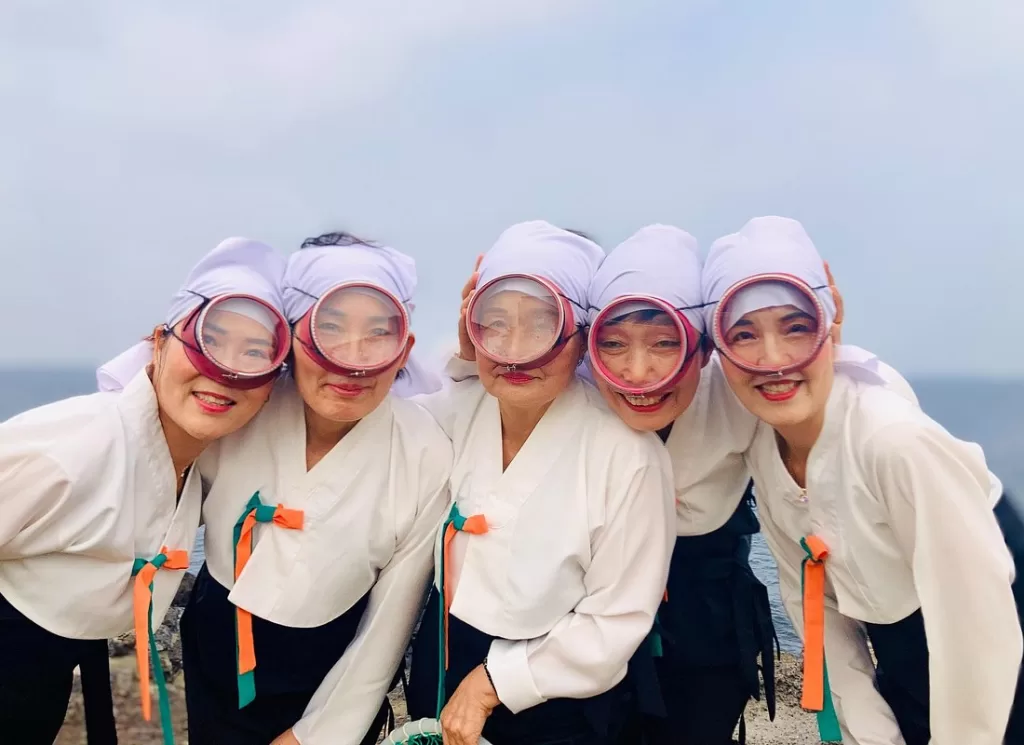
Get Haenyeo-inspired Photos
Just as visitors wear Hanboks in Seoul to remember their time, a popular way to remember Jeju is to don traditional Haenyeo clothing, paying tribute to the independent women who harvest seafood without modern equipment, and get a collection of 50-70 photos.
If you are creating a thoughtful Jeju itinerary, one that goes beyond the scenic photos and into cultural depth, take the time to visit the Jeju Haenyeo Museum and learn about the haenyeo life and culture.
Did you like this post? Pin iT!