Korea Events Calendar
Korea events calendar lists festivals, exhibitions, seasonal highlights and traditional customs month by month, with ticketing dates, hours and map links. Don’t miss all of the amazing things you can do in Korea.
New this month
Seoul International Garden Show at Maeheon Citizen’s Forest
📍 Maeheon Citizens' Forest, 99, Maeheon-ro, Seocho-gu, Seoul · 서울특별시 서초구 매헌로 99 (양재동)
A software-centered garden culture festival that strengthens citizen participation and healing programs, aiming to renew aging parks and spread garden culture.
Seoul Light Hangang Bitseom Festival
📍 Nodeul Island · 노들섬
Rhapsody Of Light: Seoul Light Hangang Bitseom Festival is Korea’s largest waterfront laser art festival, staged along the Hangang River in Seoul. Held each year on a rotation of the river’s six islands — Nanjido, Yeouido, Seonyudo, Nodeul, Seoraeseom and Ttukseom — it offers a singular experience where nature, art and technology meet. The festival is built on the keyword ‘Bitseom 3L’, comprising Laser Art, Light of Companionship and Lecture.
15th Gangnam Festival: Hey Gangnam
📍 Dosan-daero, CGV Cheongdam · 도산대로 CGV청담시네시티앞
K-Royal Culture Festival (궁중문화축전)
📍 Seoul
The K-Royal Culture Festival is held at the five Royal Palaces and Jongmyo Shrine. The festival first began in 2014 and provides visitors with first-hand knowledge of these important cultural heritages through unique performances, exhibitions, experiences and programs. The festival expanded in 2021 to be hosted twice a year, in spring and in fall.
Events take place at Gyeongbokgung Palace, Changdeokgung Palace, Changgyeonggung Palace, Deoksugung Palace, and Jongmyo Shrine.
Click the link to learn about the stamp tour and how to participate.
Hanro (한로) – Cold Dew Period
 Full guide
The 24 Korean Seasons: A Guide To the Jeolgi Calendar
Starting around October 8, Hanro marks the beginning of the cold season. As cold dew begins to form, the harvest must be completed before temperatures drop further. In rural areas, threshing is in full swing to gather all five grains and various fruits. Autumn foliage, more beautiful than summer flowers, deepens in color, and summer birds like swallows give way to winter birds like geese.
During this cold and frosty season, commoners enjoyed loach soup as a seasonal food. Loach, known for stimulating yang energy, gets its name because it becomes fat and yellow in the fall, making it a favored autumn fish.
Seoul Drone Show (드론 라이트 쇼)
📍 139 Gangbyeonbuk-ro, Gwangjin-gu, Seoul · 서울특별시 광진구 강변북로 139
This FREE event is quite the showcase. 1000 drones take to the sky for a rhythmic showcase. It's definitely something you won't see in many other places. Take the time to enjoy the show from the Han River.
Gwanak Gang Gam-chan Festival (관악강감찬축제)
📍 77 Nakseong-daero, Gwanak-gu, Seoul, South Korea · 서울특별시 관악구 낙성대로 77
The Gang Gam-chan Festival continues its legacy today by offering a variety of programs set against cultural heritage deeply imbued with the general’s spirit, such as Nakseongdae, where General Gang Gam-chan was born where the fourth star of the Big Dipper, Mungokseong, is said to have fallen; Inheon-dong, named after the general’s posthumous title; and Seowon-dong, where a pavilion is said to have been frequently visited by the general when traveling between Songdo, all set against the cultural heritage that carries the spirit of the general. The third week of October marks the beginning of "Tomorrow, Gang Gam-chan." Marking its 10th anniversary in 2026, the Gwanak Gang Gam-chan Festival will expand its content as Seoul’s premier Goryeo historical and cultural festival embracing K-culture, and rise anew as a sustainable, mutually beneficial festival that connects generations and revitalizes the region.
[Event Details]
Main program
- “21 A Walk Around Our Neighborhood.” Community participation programs such as the “Citizen Pungnyu Festival” and the “Gang Gam-chan Talk Show” with instructor Seol Min-seok
Cultural and artistic programs such as the themed performances “Nakseong Yeonhui” and “Byeolbyeol Stage”
- Programs to revitalize the local economy, such as “Goryeo Market” and “Byeokrando 21”
- Education-linked programs such as “Little Gang Gam-chan,” “Starry Playground,” and “Nakseongdae Night Festival”
Hanbok Culture Week
"Hanbok Culture Week" is a nationwide cultural event held annually during the third week of October, centered around Hanbok Day (October 21), to widely promote Hanbok, which embodies our elegance and tradition, and to spread a culture of wearing it in daily life.
Venues: Open Plaza, National Museum of Korea and approximately 410 locations nationwide
Jungyangjeol (중양절)
Full guide
The 24 Korean Seasons: A Guide To the Jeolgi Calendar
A celebration of autumn with poetry and painting on the ninth day of the ninth month of the lunar calendar. People gather to eat chrysanthemum pancakes or gukhwajeon (국화전) and honey citron tea, or yuja cheong (유자청).
Sanggang (상강) – Arrival of the Frost
Full guide
The 24 Korean Seasons: A Guide To the Jeolgi Calendar
Starting around October 23, autumn’s clear weather persists, but nighttime temperatures drop significantly. Water vapor condenses on the ground, forming frost, and as it gets colder, the first ice appears.
This late autumn season showcases the peak of maple leaves and the full bloom of chrysanthemums. Autumn outings, often accompanied by drinking chrysanthemum wine like on Jungguil, are closely tied to this beautiful and crisp seasonal change.
Still going on / more dates
‘3rd Poem: Es Devlin, Come Home Again’
📍 Futura Seoul, 61, Bukchon-ro, Jongno-gu, Seoul · 서울 종로구 북촌로 61 (가회동) 푸투라 서울
Across performance, visual art, architecture, literature and technology, Es Devlin’s first solo exhibition in Korea oversees 30 years of the English artist’s practice. A strong believer in a ‘temporary society’ built by transient audiences, Devlin places emphasis on the moment when individual perception expands into a collective experience. The exhibition’s large-scale installation invites visitors to engage in acts of participatory drawing, literature and audio. The artist harnesses multitudes of mirrors to refract natural and artificial light, illuminating the possibility of new encounters in the presence of others.
‘The Cubists: Inventing Modern Vision’
📍 63 Building 50 63-ro, Yeongdeungpo-gu Seoul · 서울특별시 영등포구 63로 50 63빌딩(미술관 입구: 별관 G층)
In the inaugural exhibition of the recently opened Centre Pompidou Hanwha, 'The Cubists: Inventing Modern Vision', highlights the birth of cubism in Paris and follows its development from 1907 to 1927. Featuring more than 90 works throughout eight sections, including one portion dedicated to emergent cubism in colonial Seoul of the 1920s and onwards, the landmark exhibition provides a multi-layered narrative of the revolutionary 20th-century movement and how it surpassed the boundaries of painting and entered wider contemporary culture.
4th Seoul Biennale of Architecture and Urbanism
📍 Songhyeon Green Plaza · 열린송현녹지광장
Seoul set “Land Architecture, Land Urbanism” as the 4th Biennale’s theme in a bid to draw the next 100 years of Seoul, an eco-friendly, high-density city of mountain ranges, waterways, and wind breezes. The Biennale will have five exhibitions (Thematic, Seoul 100-year Masterplan, Guest Cities, Global Studios, and On-site Project) to introduce projects and discourses about eco-friendly, high-density Seoul’s masterplan. Those projects and discourses are suggested by architects such as Jürgen Mayer, Snøhetta, Thomas Alexander Heatherwick, and nearly 100 Korean and international teams.
Andong Mask Dance Festival (안동국제탈춤페스티벌)
📍 200 Chukjejang-gil, Andong-si, Gyeongsangbuk-do · (경상북도 안동시 육사로 239)
Traditional Korean mask dances are performed as well as mask dances by international troupes too. From folk culture to dance lessons, exhibits and more, this is a great event to plan a weekend away around. The Andong Hahoe Village is a must-visit.
Busan Biennale (부산비엔날레)
📍 Busan · 부산
Korea's oldest contemporary biennial, founded 1981 as the Busan Youth Biennale, consolidated in 1998 (as PICAF, renamed Busan Biennale from 2002) from three antecedent events, and the institution that has carried the port-city argument across forty years of Korean contemporary art.
Changgyeonggung Night Banquet (창경궁 야연)
📍 185 Changgyeonggung-ro, Jongno-gu, Seoul · 서울 종로구 창경궁로 185
“Changgyeonggung Night Banquet” is a family-friendly nighttime royal banquet program that offers a modern reinterpretation of the deep filial piety banquet that Crown Prince Hyomyeong presented to his father, King Sunjo. Participants will dress up as civil and military officials and the outer court officials of the Joseon Dynasty, wear royal court attire, and attend the banquet, where they will enjoy royal court cuisine with their accompanying family members and participate in traditional performances as well as a variety of traditional experience programs.
DDP Rooftop Tour 2026
📍 281 Eulji-ro, Jung-gu, Seoul · 서울특별시 중구 을지로 281 (을지로7가)
 Full guide
Dongdaemun Design Plaza (DDP) Seoul: What To See, Do, and Know Before You Visit
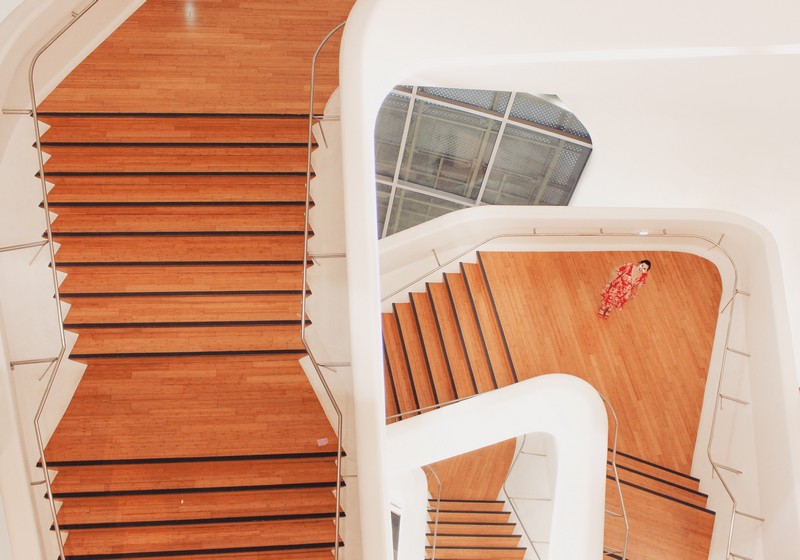
Walk along the 652-meter DDP rooftop and enjoy a 360-degree panoramic view of Dongdaemun and the Seoul skyline.
This is an urban attraction tour program offering a unique way to experience the city from above.
Admission Fee Standard KRW 26,000 / Special KRW 50,000
Operating Hours
· 1st Session: 11:00 (English)
· 2nd Session: 13:00 (Korean) Friday–Sunday
· 3rd Session: 16:00 (Korean)
※ Operating Schedule Subject to Change.
※ Please check the detailed booking system for details.
Program Description A guided walking tour across DDP’s fully connected 652m rooftop, offering a 360° panoramic view of the Dongdaemun skyline.
Capacity · 15 participants per Standard Tour
※ Only adults aged 18 to 70 are eligible to participate.
※ A valid ID is required.
Duration · 60 minutes
※ Includes time for changing into the experience outfit, safety briefing, and event participation.
※ Please arrive at least 20 minutes before the tour starts for a safety briefing and tour preparation.
Notice · Photography and filming will take place for promotional purposes. Participation implies consent to photo/video usage.
※ Tours may be canceled due to weather conditions (rain, strong winds, extreme heat or fine dust).
※ Participation is restricted for those with acrophobia or health conditions.
※ For safety reasons, participants must: Weigh between 40–100 kg, Be 140 cm–200 cm tall, Be aged 18–70 years.
Do Ho Suh
📍 MMCA Seoul, 30 Samcheong-ro, Jongno-gu, Seoul · 서울 종로구 삼청로 30 국립현대미술관 서울
Korean-born Do Ho Suh returns to his birth city in MMCA Seoul’s major retrospective, exploring concepts of identity, memory and the enigma of belonging. The exhibition features key early works, notable projects and the debut of new pieces. Large-scale installations remain the cornerstone of Suh’s artistic prowess and take precedence in the exhibition. Through his notable use of polyester fabric and stainless steel, Suh constructs neon translucent structures – doorways, rooftops, rooms and connecting hallways that actively interrogate the meaning of inhabiting a space.
Gwangju Biennale (광주비엔날레)
📍 111 Biennale-ro, Buk-gu, Gwangju · 전남광주 북구 비엔날레로 111 광주비엔날레전시관
 Full guide
A Guide to Gwangju’s Art Scene: Museums, Studios & Public Art Beyond the Biennale
≪You Must Change Your Life≫
Inspired by the final line of Rainer Maria Rilke’s poem Archaic Torso of Apollo, the 16th Gwangju Biennale explores how new capacities and forms of life emerge through artistic practice.
In Rilke’s 1908 poem, a fragment of an ancient sculpture releases within its viewer an overwhelming surge of emotional energy, culminating in the injunction: “You must change your life.” Yet the poem offers no prescription. Transformation remains open—urgent, but not yet determined. Taking inspiration from this imperative, the Biennale approaches change not as a destination but as a method: a process through which matter, bodies, perceptions, and relations are continually reorganised.
Change is often most immediately visible to us in moments of rupture and crisis. Yet change also unfolds quietly and unnoticed, like the changes in faces of the loved ones we see daily. And change also unfolds through the accumulation of our everyday acts and rituals as they accumulate to practices of repetition that brings about difference and. It is through such practices that we expand our capacity to affect—and to be affected.
A central proposition of this Biennale is that change is sustained through practice. But in order to be generative, any practice must be sustainable enough to repeat across multiple scales of life. Repetition is what shapes how we perceive, how we relate, and how we live. As such living models of persistence and experimentation, artistic practices appear here as cumulative techniques through which individuals and communities embody their experiences of transformation.
Gyeongbokgung Palace Autumn Nighttime viewing
📍 161 Sajik-ro, Jongno-gu, Seoul · 서울특별시 종로구 사직로 161 (세종로)
For years, nighttime admission to the 1392-1910 Joseon Dynasty’s premier 14th-century royal residence has remained one of Seoul’s most coveted seasonal traditions. The evening tour grants visitors rare, after-dark access to the palace's central historical zone, including the imposing Gwanghwamun and Heungnyemun Gates, the royal throne hall of Geunjeongjeon, the iconic floating pavilion of Gyeonghoeru and the royal living quarters.
Adding to the ambiance this season, the palace grounds will host live classical performances near Sujeongjeon Hall. Musicians from the National Center for Korean Traditional Performing Arts will present a series of 15 court music and dance showcases across select dates throughout the run, filling the lit courtyards with centuries-old melodies.
• Visiting Hours: 19:00 – 21:30 (Last admission: 20:30)
• Online Booking Period: Aug. 26, 2026 (Wed) 10:00 – Oct. 1, 2026 (Thu) 23:59
• Admission Fee: 3,000 won
• Visiting Areas: Gyeongbokgung Palace Gwanghwamun Gate, Heungnyemun Gate, Geunjeongjeon Hall, Gyeonghoeru Pavilion, Sajeongjeon Hall, Gangnyeongjeon Hall, Gyotaejeon Hall, Amisan Mountain Area
• Visitor Capacity: 3,300 people per day
- Online Advance Booking: 3,000 people per day (Up to 4 tickets per person)
- On-site Purchase: 300 people per day (Limited to foreigners, up to 2 tickets per person) * Please bring proof of foreign nationality such as a passport or ID.
Gyeonggi Ceramics Biennale (경기도자비엔날레)
📍 263 Gyeongchung-daero 2697beon-gil, Icheon-si, Gyeonggi-do · 경기도 이천시 경충대로2697번길 263 (관고동)
The Gyeonggi Ceramics Biennale features a range of exhibitions and educational events. The event takes place at various locations in Korea famous for ceramics, including Icheon, Yeoju, and Gwangju.
Locations include:
- Gyeonggi Museum of Contemporary Ceramic Art (Icheon)
263, Gyeongchung-daero 2697beon-gil, Icheon-si, Gyeonggi-do
- Gyeonggi Ceramic Museum (Gwangju)
727, Gyeongchung-daero, Gonjiam-eup, Gwangju-si, Gyeonggi-do
- Gyeonggi Museum of Ceramic Design (Yeoju)
7, Silleuksa-gil, Yeoju-si, Gyeonggi-do
Hongseong Namdang Port Shrimp Festival (홍성남당항 대하축제)
📍 Namdang-ri, Seobu-myeon, Hongseong-gun, Chungnam · 충남 홍성군 서부면 남당리
The 31st Hongseong Namdang Port Prawn Festival is Hongseong's representative autumn food festival where visitors can enjoy the pristine waters of Cheonsuman Bay and fresh, seasonal prawns.
Jeju Biennale
📍 1100-ro, Jeju-si, Jeju-do · 제주특별자치도 제주시 1100로 2894-78
The 5th Jeju Biennale 2026 attends to the processes through which Jeju's indigenous culture, in its encounter with northern civilizations, has mixed, gathered, and metamorphosed into Iyahong. Taking Iyahong (the refrain of a Jeju folk song) as its central concept, the Biennale embodies the metamorphic process of flowing, mingling, and being reborn. Through Jeju as an island of metamorphosis, it presents the modes of survival and aesthetics cultivated in the coexistence and symbiosis of things and nature, humans and deities.
As crossroads and platform where southern maritime and northern continental cultures intersect, Jeju has formed a distinctively syncretic culture. The island has functioned not as a site of isolation, but as a cultural threshold of ceaseless connection and metamorphosis. Where the 4th Jeju Biennale illuminated Jeju at the heart of maritime civilizational history through the keyword Drift, the 5th Biennale examines Jeju as a site of convergence with northern civilizations — formed at the crossing of history (politics), nature (geology), and polytheistic culture (faith and belief) — through three keywords: Exile, Stone Culture, and Mythology.
Locations include:
- Jeju Museum of Art
2894-78, 1100-ro, Jeju-si, Jeju-do, Republic of Korea
- Jeju Stone Park
2023, Namjo-ro, Jocheon-eup, Jeju-si, Jeju-do, Republic of Korea
- Jeju Arts Platform
18, Jungang-ro 14-gil, Jeju-si, Jeju-do, Republic of Korea
- Art Space IAa
21, Jungang-ro 14-gil, Jeju-si, Jeju-do, Republic of Korea
- Gallery Remicon
31, Sanji-ro, Jeju-si, Jeju-do, Republic of Korea
Lee Bae: ‘En attendant’
📍 Museum SAN, 260 Oak Valley 2-gil, Jijeong-myeon, Wonju-si, Gangwon-do · 강원 원주시 지정면 오크밸리2길 260 뮤지엄산
For those seeking an immersive cultural experience beyond Seoul, Museum SAN in the Wonju mountains, presents Lee Bae’s solo exhibition 'En attendant'. Drawing on the museum’s dedication to nature, art and space, the artist’s new show meditates on the act of waiting and healing. Charcoal, and its fire-induced metamorphosis from wood, becomes a central point in the exhibition. Throughout the grand scale of the museum’s interior and outdoor spaces, sculptural architecture, video installations and Bae’s signature painterly works comprise a full spectrum of artistic creation in sweeping constructions of black, white and earth tones.
Lee Kang So: ‘Emergence and Dissolution’
📍 LOTTE Museum of Art, 7th floor Lotte World Tower, 300 Olympic-ro, Songpa-gu, Seoul · 서울 송파구 올림픽로 300 롯데월드타워 7층 롯데뮤지엄
Lee Kang So, one of Korea’s most significant contemporary artists, exercises an artistic language guided by philosophical experimentation and reinforced by fluidity across media, including painting, sculpture, photography, video and performance. In 'Emergence and Dissolution', So explores the concept of unfolding, pressing the viewer to question their idea of completion and refocus on the significance of an unfinished process as they interpret new meanings from decades of the artist’s notable and experimental works.
Seoul International Garden Show
📍 Seoul Forest Area, 273 Ttukseom-ro, Seongdong-gu, Seoul · 서울특별시 성동구 뚝섬로 273
Approximately 150,000 pyeong or more (Seoul Forest + Seongsu area)
detail
Creation of 'Seoul Forest Grand Garden' encompassing Seoul Forest, the Han River, Seongsu-dong, and Ttukseom Grand Garden
Seoul Outdoor Library
📍 📍 Seoul Plaza (Seoul Plaza) | Gwanghwamun Book Plaza (Gwanghwamun Plaza) | Malgeunnaetga (Reading) (Mojeongyo–Gwangtongyo)
It's the perfect season for reading, so let's meet at the Seoul Outdoor Library this autumn! 🍂
📅 Sep. 4, 2026 (Fri) – Nov. 1, 2026 (Sun) Every Fri, Sat, Sun
⏰ (Night) 16:00–22:00 | (Day) 11:00–18:00
※ Operating schedule is subject to change depending on plaza usage schedules, etc.
Seoul Taekwondo Performance
📍 Cheonugak Stage, Namsangol Hanok Village, 28 Toegye-ro 34-gil, Jung-gu, Seoul · 서울특별시 중구 퇴계로34길 28
Taekwondo experience enjoyed alongside regular performances.
Note
- The above schedule is subject to change depending on weather conditions and on-site circumstances.
- More detailed performance schedules will be announced through the official Instagram (@seoul.tkd).
Seoul Taekwondo Performance
📍 Eoullim Square, Dongdaemun Design Plaza (DDP)
From traditional Hanoks to urban landmarks! A special Seoul trip with Taekwondo.
Note
- The above schedule is subject to change depending on weather conditions and on-site circumstances.
- More detailed performance schedules will be announced through the official Instagram (@seoul.tkd).
Sol LeWitt: ‘Open Structure’
📍 Amorepacific Museum of Art · 서울 용산구 한강대로 100 아모레퍼시픽미술관
The Amorepacific Museum of Art presents Sol LeWitt’s posthumous 'Open Structure', the artist’s first large-scale exhibition in Korea. Spanning the entirety of the artist’s career, 'Open Structure' champions LeWitt’s belief that artistic work reaches new ambitions within the structure of an exhibition space. From his early works spotlighting black-and-white structures to his expansion into colour and the investigation of archival materials, the exhibition invites viewers to enter conversation with LeWitt’s principles of authorship, instruction and sequence.
Sungnyemun Guard Ceremony (숭례문 파수의식)
📍 40 Sejong-daero, Jung District, Seoul · 서울 중구 세종대로 40
Opening ceremony:
Period All year round (Except Monday)
Time 10:00~10:10
Venue Sungnyemun Gate
Details Opening ceremony of Sungnyemun Gate by guards
Guard Ceremony:
Period All year round (Except Monday)
Time 10:00~15:30 (※13:00~14:00 break)
Venue Sungnyemun Gate
Details Ceremony to guard Sungnyemun Gate
Closing Ceremony:
Period All year round (Except Monday)
Time 15:30 ~ 15:40
Venue Sungnyemun Gate
Details Closing ceremony of Sungnyemun Gate by guards
Yoo Youngkuk: ‘A Mountain Within Me’
📍 Seoul Museum of Art, 61 Deoksugung-gil, Jung-gu, Seoul · 서울 중구 덕수궁길 61 서울시립미술관
Seoul Museum of Art celebrates 110 years since the birth anniversary of abstract artist Yoo Youngkuk in a monumental retrospective covering over six decades of the artist’s works. 'A Mountain Within Me' comprises more than 170 works and archival items, including many paintings, photographs and drawings making exhibitory debuts. Abandoning the standard chronological retrospective structure, SeMA traces a non-linear temporal journey against highly vivid primary colour schemes, centring the singular mountain as a key pivotal point throughout Youngkuk’s abstract evolution.