Chueotang: Korean Loach Soup and Why Koreans Love It
Last Updated on June 16, 2026
There have been a few times in Korea when I was glad I wasn’t told what I was eating until after I’d finished. Chueotang (추어탕), also written chuotang, was one of those times. Usually the issue with Korean food is just the translation. Who wants to hear they’re eating a cow’s third stomach? The translations are never as appetizing as the dishes themselves. With chueotang, it’s not even the translation. It’s just the name of the fish.
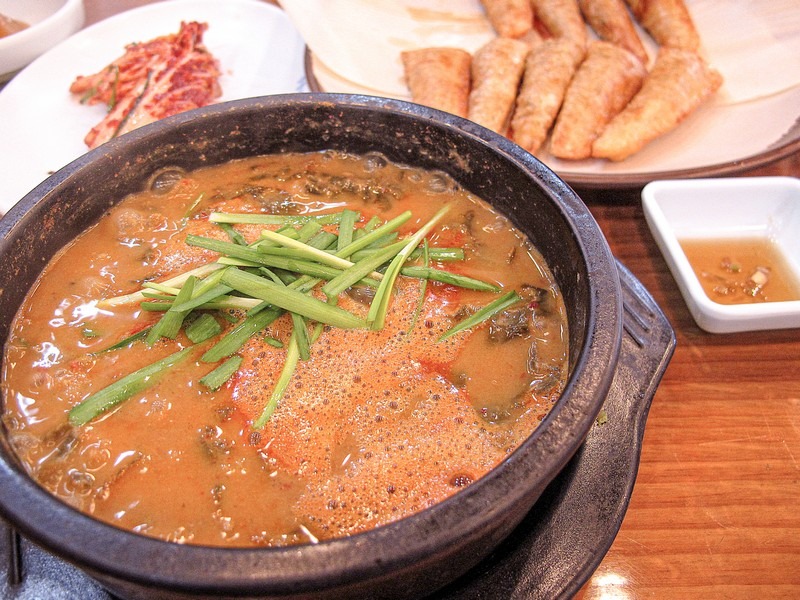
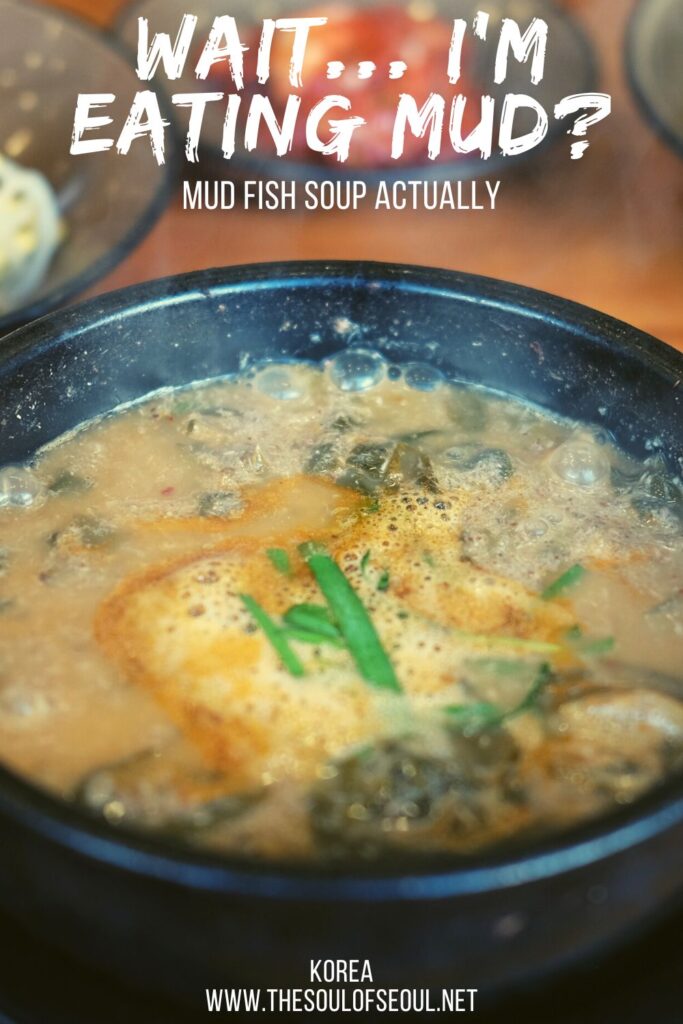
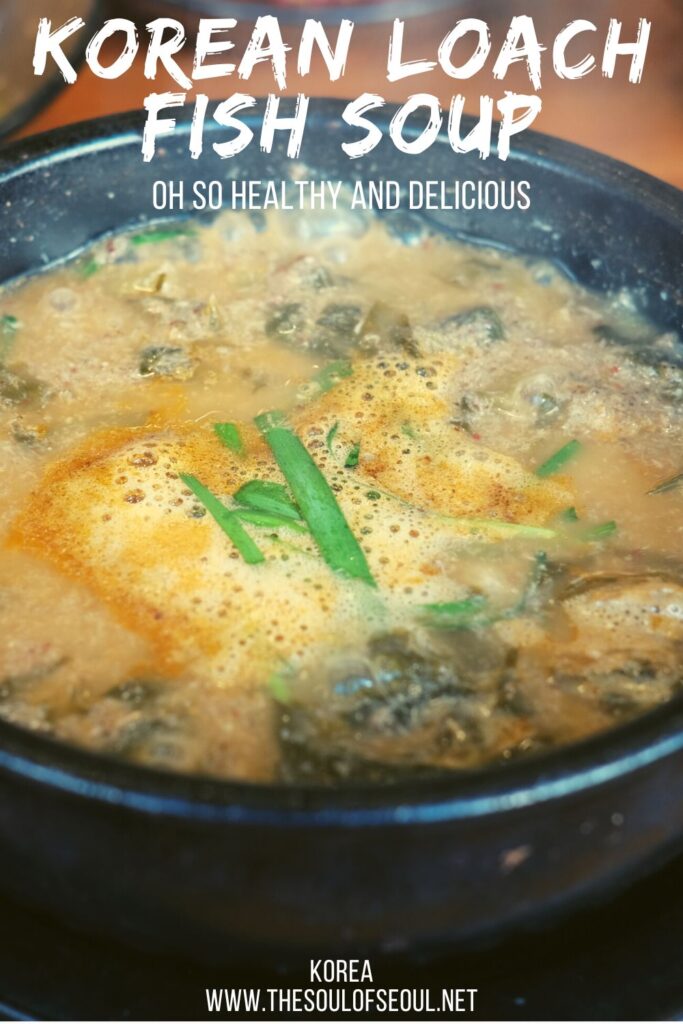
Called mud fish stew or loach fish soup in English, chueotang looks like mud and arrives at the table that same muddy brown color. And yet it’s one of my favorite Korean soups. It’s rich, savory, and filling without being heavy, and it’s super healthy. If you’re looking for a delicious Korean dish that most tourists walk right past but locals order year after year, this is the one.
Here’s a Korean soup that is delicious and healthy and you won’t stumble upon unless you know what to look for:
- What is Chueotang?
- What Does It Taste Like?
- How Is It Made?
- The Health Benefits
- Where To Eat Chueotang in Seoul
- Namwon: The Home of Chueotang
- FAQ
(This post contains affiliate links, which means I receive a certain percentage of a sale if you purchase after clicking. These funds go to maintain the site. Thank you for your support.)
What is Chueotang?
Chueotang (추어탕) is mud fish stew. Considering the word mud and that the stew arrives and it’s a muddy brown color, it’s not surprising if you think it’s actually made from mud. It also would not have been surprising to me if there was in fact mud in it, probably “healthy” mud though.
The mud fish in question here though is the loach, a small freshwater fish common in Korean rivers and paddies. The loach is called mudfish because it lives in the muddy bottoms of waterways, which explains both the name and the soup’s color. Luckily, the soup itself contains no actual mud.
The mudfish, or loach fish, is crushed up in its entirety and boiled with leaks, green onions, cabbage, garlic, soybean paste and red pepper paste. The result is a thick, a bit gritty soup that has been a staple of Korean diets for centuries.
What Does It Taste Like?
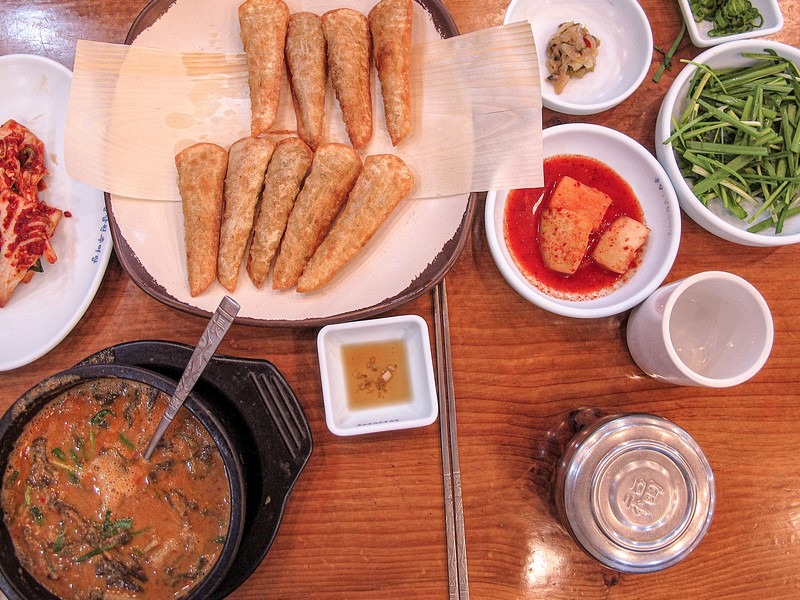
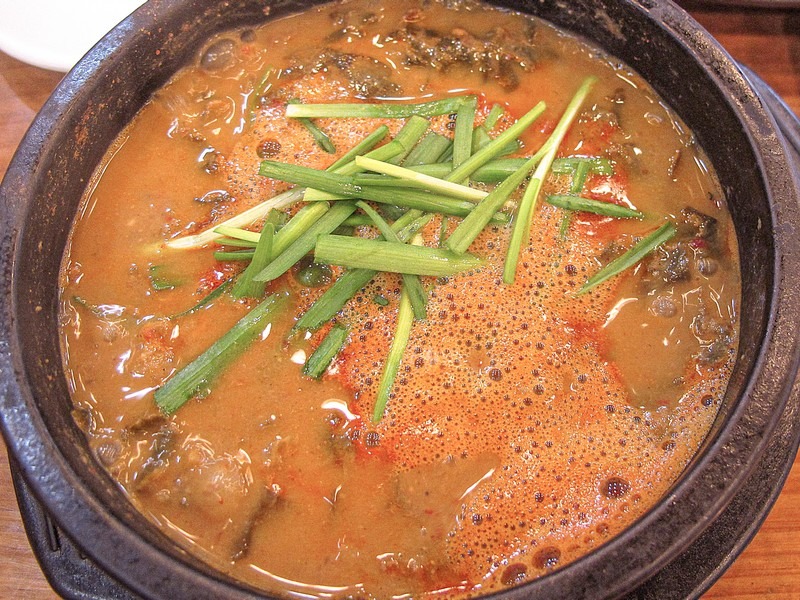
When chueotang arrived in front of me the first time, I had no idea what I was looking at. A muddy brown bowl. Dense. Fragrant in a way I couldn’t immediately identify. It has a very familiar taste, yet it’s hard to say exactly what it is. The flavor is savory and earthy and it has a minty or an all spice taste.
The texture is thicker than most Korean soups because of the ground fish, and at times there’s a slight grittiness to it that takes getting used to. It’s not unpleasant, it’s just different from what most Western palates have encountered before. This is a soup that has grown on me so much so that my mother-in-law makes it and sends it to us frozen so we can have it at home whenever we want.
How Is It Made?
The loach fish is first cleaned and then either ground entirely (in the Namwon southern style) or left whole and simmered (in the Seoul northern style). The broth is built with leeks, green onions, cabbage, garlic, doenjang (fermented soybean paste), and gochujang (red pepper paste). The combination produces a soup with remarkable depth for something so simple in its ingredients.
In the southern Namwon style, the ground fish becomes fully incorporated into the broth so you get the flavor and nutrition of the whole fish with a smoother, thick consistency. In the northern Seoul style, the fish is left more intact and the broth has a cleaner texture. If you’re trying chueotang for the first time, the Namwon style is the more famous version and the one most likely to appear on a dedicated chueotang restaurant’s menu.
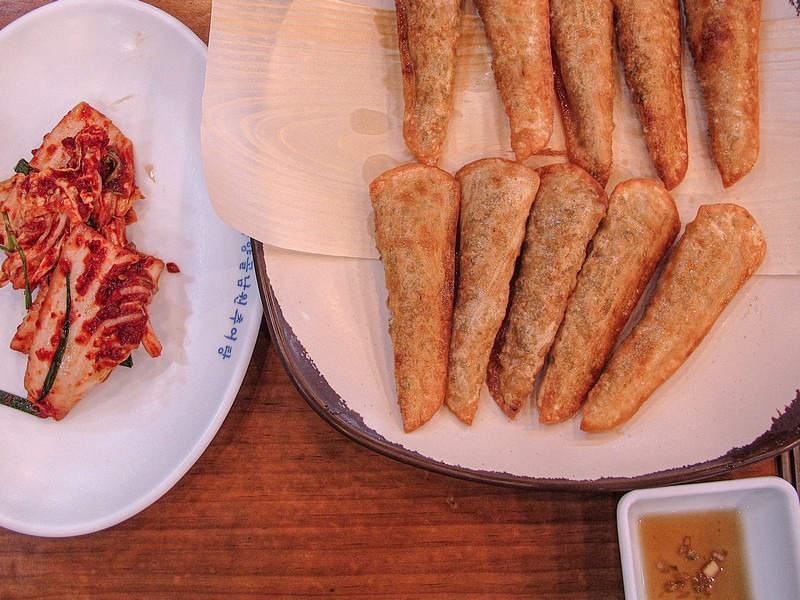
The soup is always served with a bowl of rice and an array of side dishes. At our favorite chueotang restaurant, fried stuffed green peppers arrive alongside as a house specialty, the contrast of the crispy pepper with the thick, warming soup is excellent.
The Health Benefits
Chueotang is eaten for good reason beyond taste. The loach fish is high in protein, iron, calcium, and vitamin A, as well as unsaturated fat. The soup is associated with:
- Lowering cholesterol. The unsaturated fatty acids in loach fish support healthier blood lipid profiles.
- Supporting digestive health. The fiber from the vegetables and the properties of doenjang contribute to gut function.
- Providing sustained energy. Koreans traditionally ate chueotang as a stamina-restoring meal after physical labor or illness.
- High nutritional density for the price. At under ₩12,000 for a full bowl with rice and side dishes, it’s one of the most nutritionally complete budget meals available in Korea.
Where To Eat Chueotang in Seoul
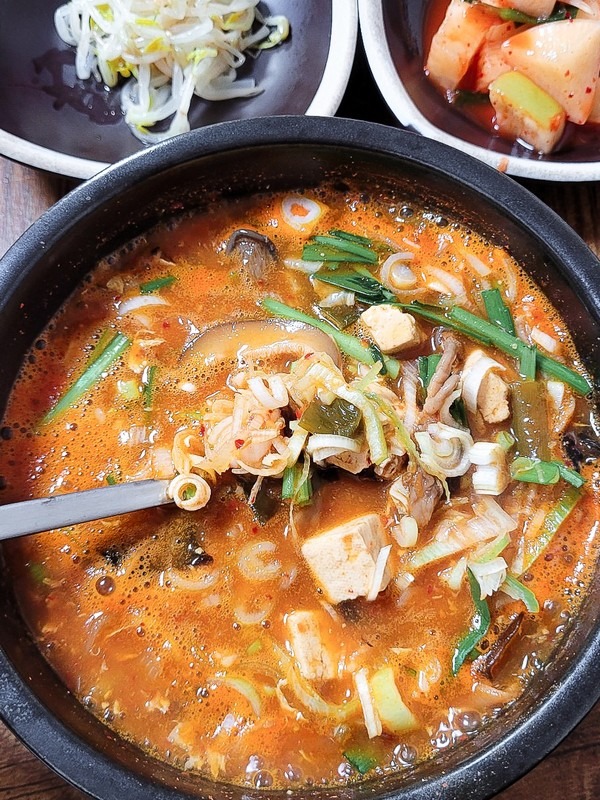
Chueotang restaurants are not on every corner, but they’re not hard to find if you know what to look for. The characters 추어탕 on a sign are your guide.
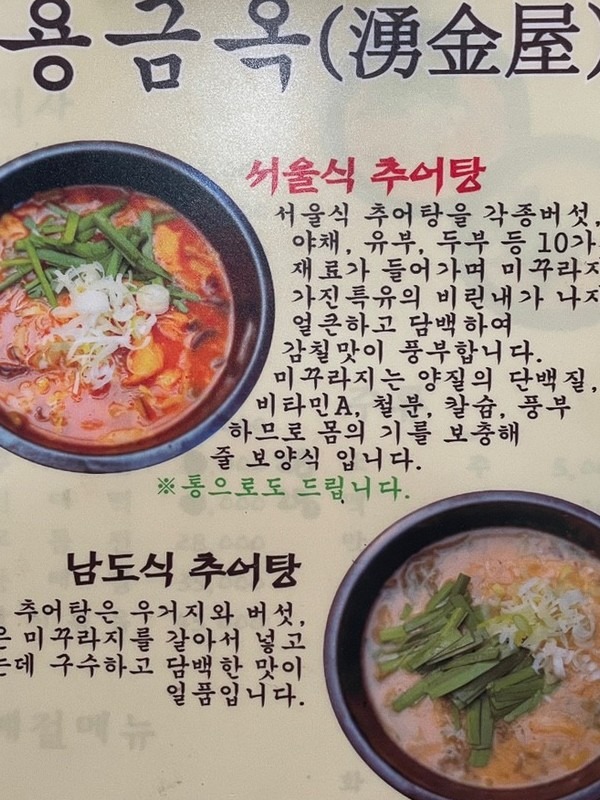
Yonggeumok (용금옥)
Opened in 1932 in a different location, it has been in its current location since 1961 and serves Seoul-style chueotang as well as Jeollanam-do style chueotang. What’s the difference? Seoul-style has whole loach in the stew while Jeollanam-do is made with ground loach. I’m a Jeolla-style loach soup lover myself, but this is THE spot to try Seoul-style if you want to try it. Now, there have been three generations of chueotang masters serving up delicious stews that are made daily.
- Address: 24-2 Dadong-gil, Jung-gu, Seoul (서울 중구 다동길 24-2)
- Hours: Monday – Saturday: 11:00am ~ 10:00pm
Fun fact: Yonggeumok is one of the oldest restaurants in Seoul which is a very good sign for foodies. Want to find more good eats? Read the guide to the oldest restaurants in Seoul. They are sure to satisfy your cravings.
Chunhyanggol Namwon Chueotang (춘향골남원추어탕)
A chain I return to. Named after the Chunhyang story, the classic Korean love tale set in Namwon, this restaurant serves the Namwon-style chueotang and operates branches around Seoul. The fried stuffed green peppers that come alongside are a highlight. Look for a branch near you; the chain is well-distributed across the city.
Namwon: The Home of Chueotang
If you want to eat chueotang at its source, Namwon (남원) in Jeollabuk-do is where to go. Namwon is considered the spiritual home of the dish. The city’s proximity to the Seomjin River historically provided the cleanest loach, and the Namwon-style preparation (fully ground fish) is the version that spread across the country and became the benchmark.
Namwon is also famous as the setting of Chunhyangjeon, Korea’s most beloved classical love story, hence the restaurant chain name. The city is accessible from Seoul by KTX in approximately two hours and makes for a comfortable day trip or overnight, particularly in autumn when the weather is ideal for the hot soup.
If you’re the kind of traveler who goes looking for what the locals are eating rather than what’s already on the tourist map, add chueotang to your Seoul food list. It won’t look like much when it arrives. Eat it anyway.
For more on Korean soups worth knowing, the samgyetang guide covers Korea’s famous ginseng chicken soup, another dish with a distinctive health reputation and an unusual eating tradition. And if you’re ready to explore a whole market of dishes that surprise, the Gwangjang Market guide covers where to find handmade noodle soups, dumplings, and some of the most honest Korean food in the city.
Did you like this post? Pin It!


5 Comments
Nina
Haha we always eat it at a restaurant. My tired brain didn’t write correctly earlier lol. My schools don’t serve it either. ?
Nina
Being in a rural area in Korea, its actually quite popular to eat at my school when we go out for dinner or lunch. I knew what it was when I first ate it and I happen to like it. I’d agree with the give it a try! It’s actually quite good especially in the winter.^^
Hallie
It was never served at my schools for lunch here in Seoul, you’re lucky. It’s a good’in.
Shelley @Travel-Stained
We just tried this for the first time a few weeks ago, and spent a lot of time googling it to find out exactly what this fish was all about. Didn’t know about all the great health benefits, but it definitely FELT healthy when we were eating it…especially while chewing on those ground up fish bones. Calcium, right?
Hallie
There are YouTube videos of then flopping around in mud and then being ground up. It’s really not what you want to see BEFORE you eat it, but after… Haha. Very healthy for sure. Glad you tried it. I don’t hear it come up in top ten lists or anything but I think it’s pretty delicious.