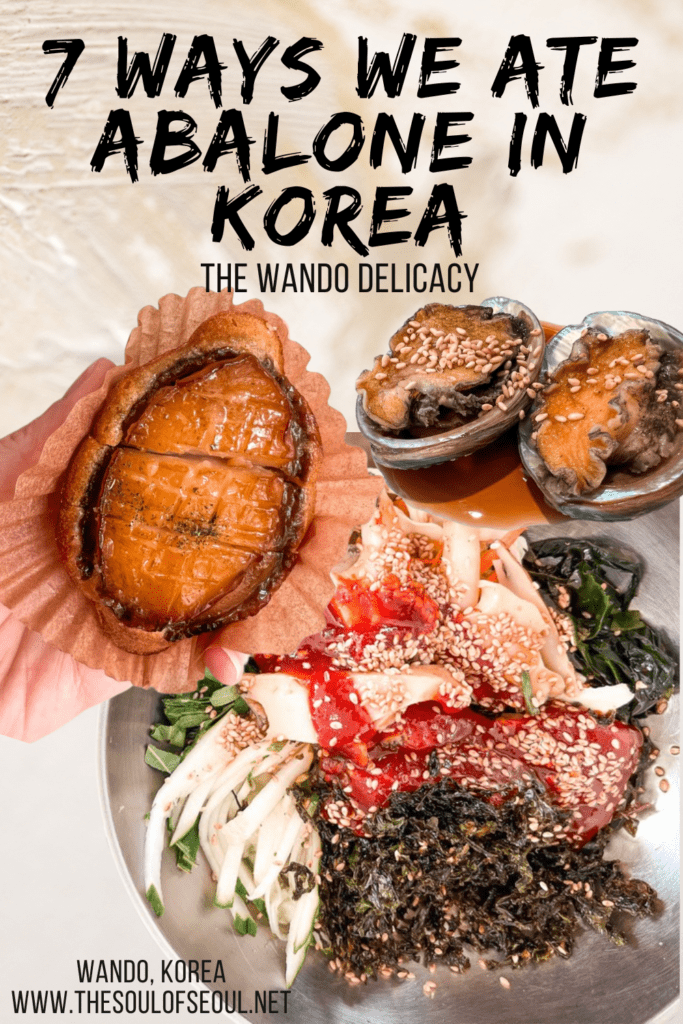
How To Eat Abalone: 7 Korean Ways To Try It in Wando
Last Updated on October 13, 2026
I am an abalone fiend. Can’t get enough. So, when we were headed through Wando recently, the island responsible for about 80% of the country’s abalone production, I was determined to try as many abalone dishes as I could. Here, the locals have mastered the art of preparing this delicacy in various mouthwatering ways.
From thinly sliced raw abalone served fresh to the warm, hearty comfort of abalone porridge, there’s something for every palate. But one of the most surprising creations you’ll find here is “abalone bread.” Get ready to learn about all of the abalone delicacies you can try in Wando, Korea. If you’ve ever wondered how to eat abalone, this is the place to learn. A foodie adventure awaits!
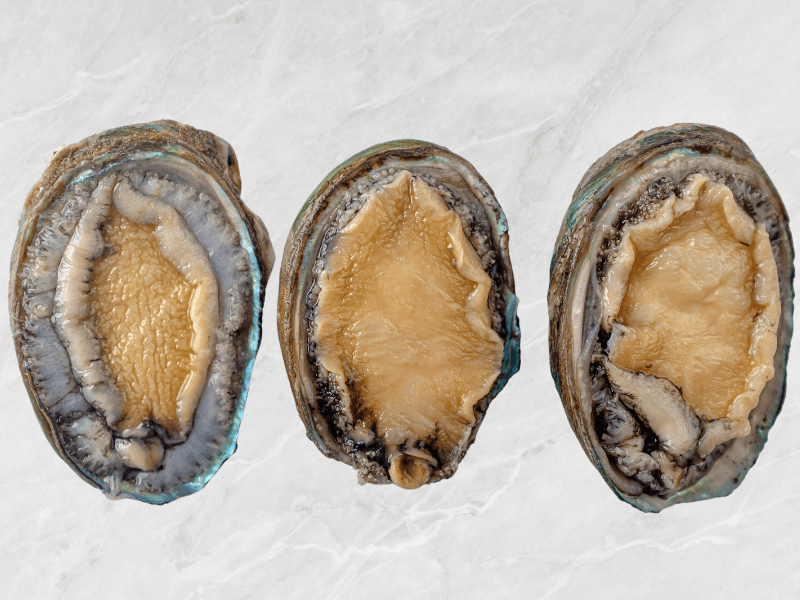
You can get abalone all over Korea, but if you want it while in the abalone capital of Korea, here is what to look for:
- 7 Ways To Eat Abalone: Quick Reference
- How To Get To Wando
- 7 Ways To Eat Abalone In Wando
- Abalone’s Healthy Attributes
- FAQ
(This post contains affiliate links, which means I receive a certain percentage of a sale if you purchase after clicking at no cost to you. Thank you for your support.)
7 Ways To Eat Abalone: Quick Reference
| Dish | Korean | Adventurousness | Best For |
|---|---|---|---|
| Grilled Abalone | 전복구이 | Entry level | First-timers |
| Abalone Porridge | 전복죽 | Easy | Comfort food, any time |
| Abalone Bibimbap | 전복비빔밥 | Easy | Familiar format, upgraded |
| Abalone Bread | 전복빵 | Easy | Breakfast, curious eaters |
| Stewed Abalone | 전복장 | Moderate | Rich, savory |
| Abalone Sashimi | 전복회 | Moderate | Raw seafood lovers |
| Abalone Mulhoe | 전복물회 | Moderate | Cold soup, summer eating |
How To Get To Wando
Wando is an island in Jeollanam-do on Korea’s southern coast. From Seoul, the most practical route is by KTX or express bus to Gwangju or Mokpo, then a connecting bus to Wando. The journey takes approximately 4 to 5 hours total. Wando is connected to the mainland by bridge, so no ferry is required from the mainland side, though ferries depart from Wando to various island destinations in the area.
7 Ways To Eat Abalone In Wando
Abalone is one of my favorite shellfish to eat. Just about every time I see it on a menu, I order it. It’s flavorful, soft, chewy and just overall delicious. The dishes below aren’t just enjoyed in Wando, well maybe the abalone bread is only in Wando, but that aside, you might find these dishes on menus in other Korean cities, so be sure to try them!
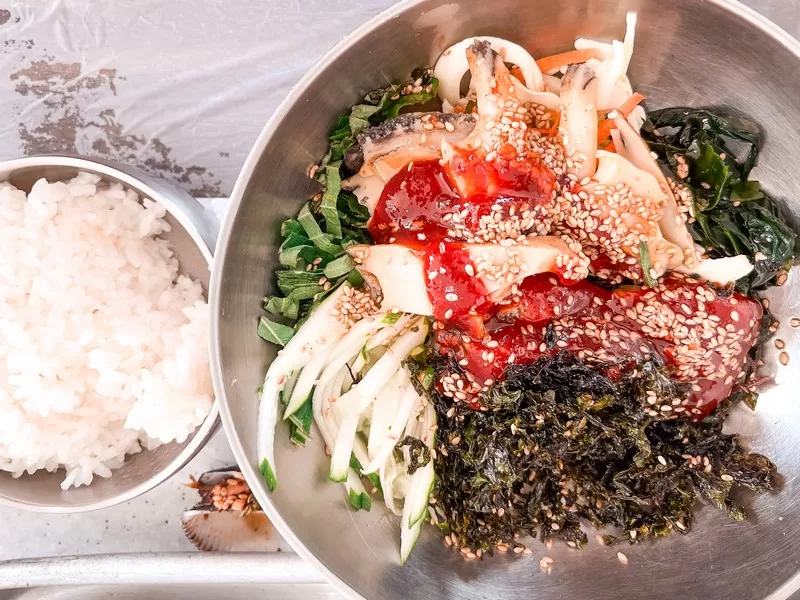
Abalone Bibimbap (전복비빔밥)
Bibimbap is already one of my favorite Korean dishes, rice and seasonal vegetables with a spicy gochujang sauce. The abalone version adds a savory depth to the familiar format. In Wando’s version, expect more seaweed than you’d find in the same dish further north, which makes it distinctively southern in character.
Where To Eat
Yuiljeong Restaurant (유일정식당)
This was the BEST place we ate during our stay in Wando. It’s very local, but VERY good. This is true Jeolla-style dining with a feast of side dishes. We ordered the baekban option for two and then added on an abalone bibimbap which was amazingly tasty. More seaweed than you’ll find in bibimbap up north, but that makes it a different but deliciously southern creation.
- Address: 11-28 Gaepo-ro, Wando-eub, Wando-gun, Jeollanam-do (전남 완도군 완도읍 개포로 11-28)
- Hours: Monday – Saturday: 8:00am ~ 2:00pm
Abalone Bread (전복빵)
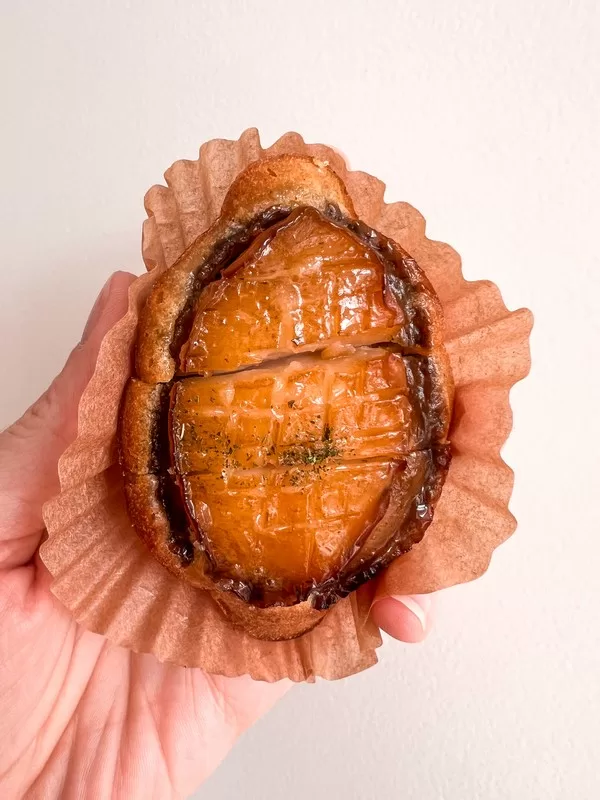
This unique treat blends fresh Wando abalone with wheat flour, organic sugar, hints of garlic and butter to produce a soft, subtly sweet bread. My husband was skeptical at first as am I when it comes to the unique Korean fusion foods that you can so often find that seem more trendy than tasty. But, we found it rather tasty.
If you’re looking for ways to eat abalone for breakfast, this is probably your best bet. It’s the perfect morning snack, especially when paired with a hot cup of coffee.
Where To Eat
Cafe Dal Sweet (카페달스윗)
Head to their original cafe for abalone bread, but you can also find their local delicacy stocked in other spots like the Wando Tower that is likely on your list of places to see in Wando.
- Address: 3 Gunnae-gil, Wando-eub, Wando-gun, Jeollanam-do (전남 완도군 완도읍 군내길 3)
- Hours: Every Day: 9:00am ~ 8:00pm
Abalone Porridge (전복죽)
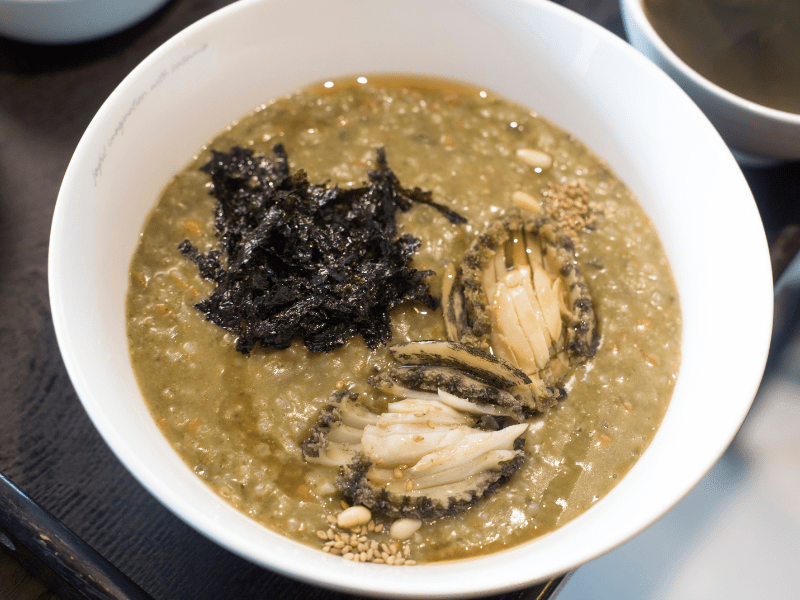
There are a variety of porridge options in Korea. No matter where I am, abalone porridge is always my go-to, especially when I’m looking for that good cozy treat at home or feeling under the weather. When it comes to the abalone porridge in Wando, it’s just even fresher and more savory. Always good. Always delicious.
Where To Eat
Daeheung Abalone Restaurant (대흥전복식당): You can absolutely have an expensive but amazing abalone feast here if you have enough people. But if you don’t, go to order porridge at the very least.
- Address: 313 Jangbogo-daero, Wando-eub, Wando-gun, Jeollanam-do (전남 완도군 완도읍 장보고대로 313 1층)
- Hours: Every day: 6:00am ~ 10:00pm
Abalone Sashimi (전복회)
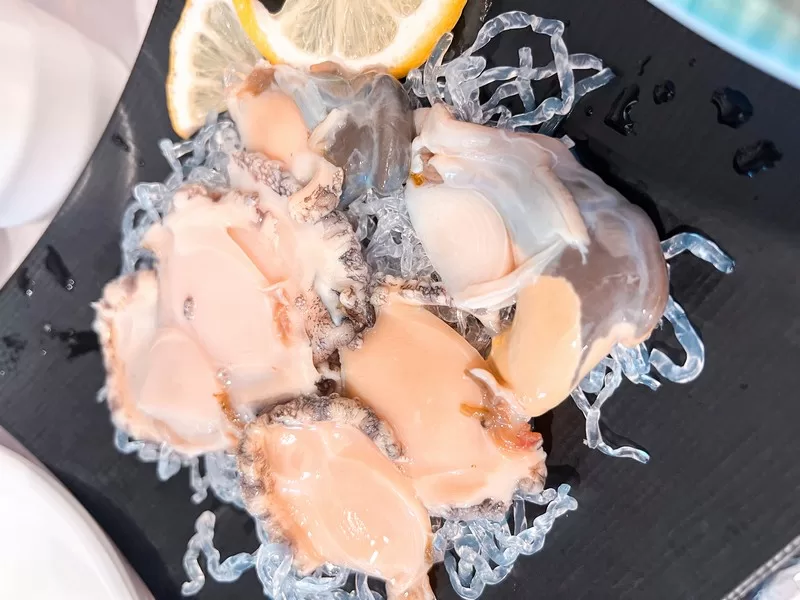
Raw abalone, sliced and served fresh. Eat it as is with a squeeze of lemon, or dip pieces into one of the sauces on the table. You can also build a lettuce wrap, a piece of abalone, a slice of raw pepper, a sliver of garlic, and a dab of the spicy sauce, folded and eaten in one bite.
The texture of raw abalone is firm and slightly chewy, not soft like cooked shellfish. The flavor is clean and briny. This is the preparation that most directly shows you what Wando’s abalone actually tastes like without any intervention.
Stewed Abalone (전복장)
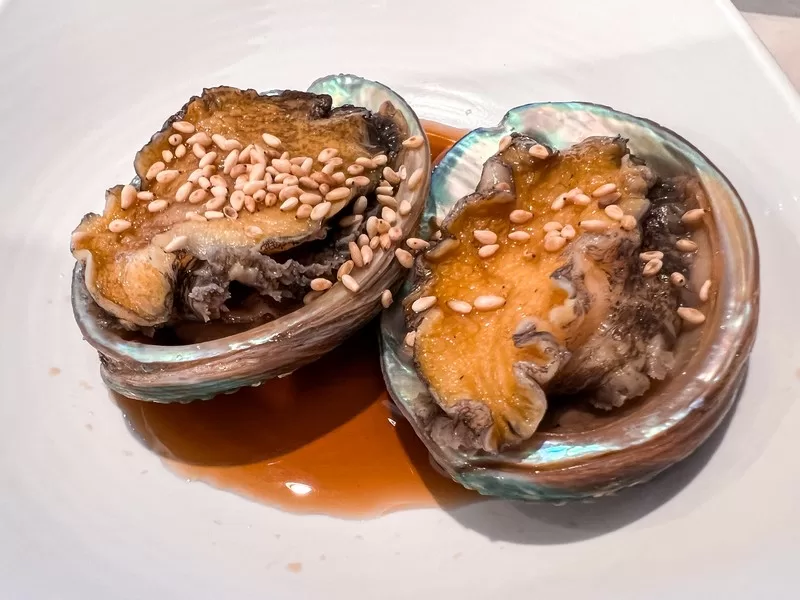
Abalone steamed and then simmered in soy sauce with chili peppers, kelp, and sugar. It’s a sweet and salty combination that works particularly well with the richness of the abalone. Less assertive than the raw versions, more layered than the grilled.
Where To Eat
Daeseong Sashimi Restaurant (대성회식당): An abalone feast is what you’ll have here. More than just abalone sashimi, their set meal includes seven different abalone dishes many of which you can see on this list.
- Address: 59 Haebyeongongwon-ro, Wando-eub, Wando-gun, Jeollanam-do (전남 완도군 완도읍 해변공원로 59)
- Hours: Every day: 10:30am ~ 9:00pm (Break time: 3:00pm ~ 4:30pm)
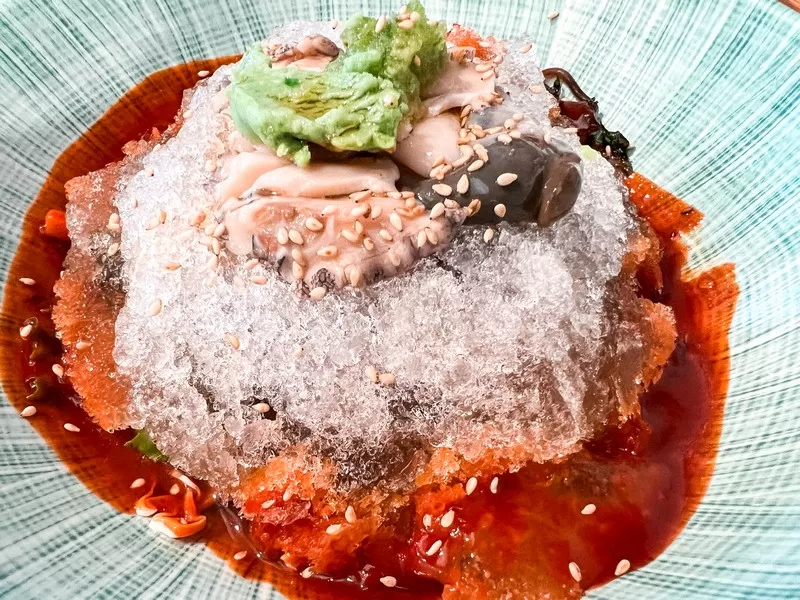
Abalone Mulhoe (전복물회)
Mulhoe is a cold Korean seafood dish, somewhere between a soup and a salad, served with ice in the bowl to keep it cold and cold chewy noodles running through it. In other parts of Korea, mulhoe features a mix of different seafood on top; in Wando, the focus is entirely on abalone.
The spicy broth is bright and tart, the noodles are cold and chewy, and the abalone provides a savory, oceanic counterpoint to the acidity. It’s a summer-specific dish in the way that other cold Korean soups are seasonal, but it’s served in Wando throughout the warmer months.
Need something to do in between foodie finds? The top tourist site to check out in Wando is the Wando Tower. Don’t miss it! It’s more than just an observatory.

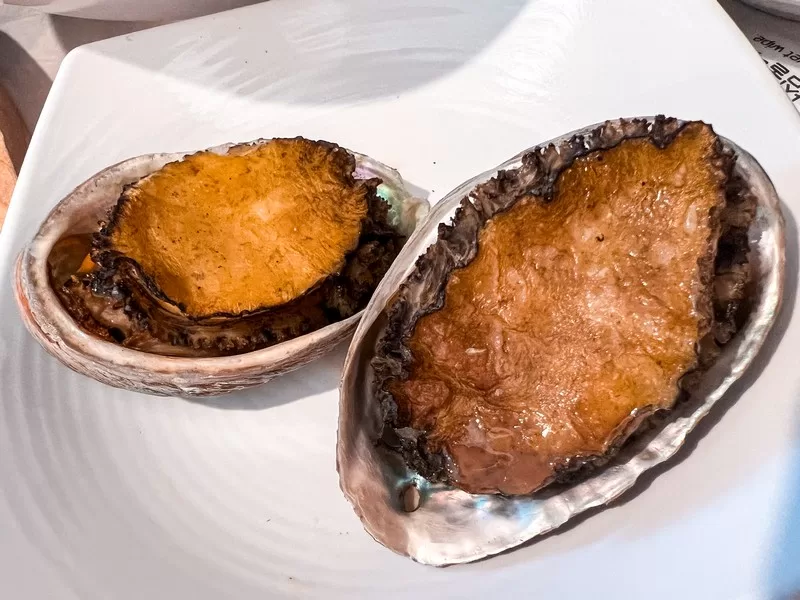
Grilled Abalone (전복구이)
Simple and delicious, the last version we tried was grilled abalone. I’ve had this before at various seaside grills so knew I’d be ready to dig in. This is usually the most approachable for first time abalone-eaters I’ve been with. Start with this dish before going for the more adventurous options above.
Abalone’s Healthy Attributes
Abalone isn’t just a delicious seafood delicacy; it’s also packed with impressive health benefits. With 17.1 grams of protein per 100 grams and only 105 calories, it’s incredibly protein-dense, rivaling even lean meats like chicken breast. This makes abalone an excellent choice for those looking to increase their protein intake without adding too many extra calories.
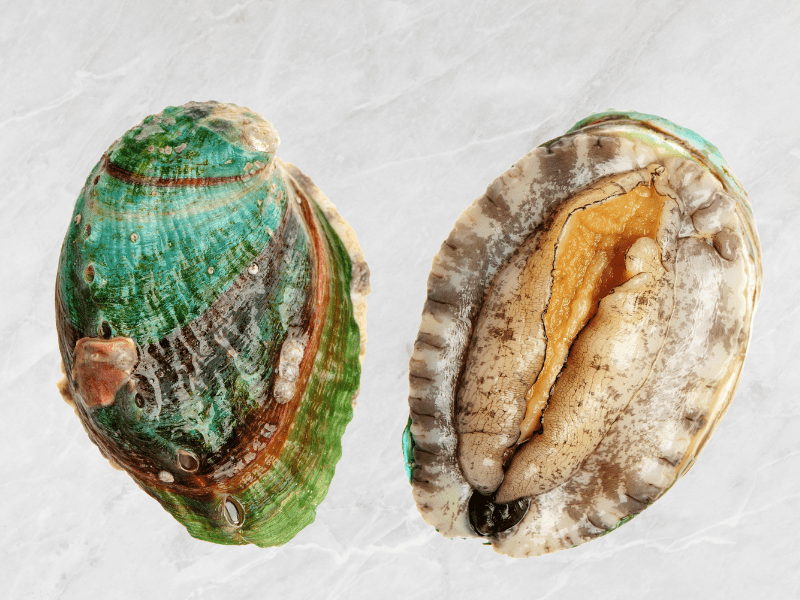
Abalone is also a fantastic source of iodine, a trace mineral crucial for proper thyroid function. With iodine deficiency being a common issue globally, incorporating abalone into your diet can help support thyroid health and prevent problems like hypothyroidism, which can impact growth and development, especially in children.
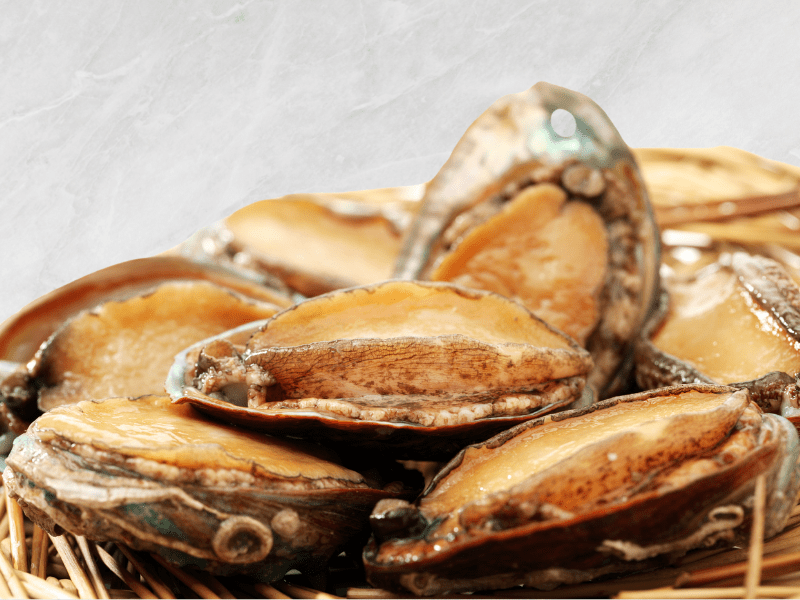
Abalone is also an excellent source of selenium, an essential mineral that plays a key role in enhancing the immune system by activating various antioxidant enzymes and proteins. With 44.8 mcg of selenium per 100 grams, abalone provides 64% of the daily value, making it a great addition to a balanced diet.
FAQ
What is abalone in Korean?
Abalone is called jeonbok (전복) in Korean. The dishes on this list are all preceded by “jeonbok”, jeonbok-juk (porridge), jeonbok-hoe (sashimi), jeonbok-gui (grilled), and so on.
How do you eat abalone for the first time?
Start with grilled abalone (전복구이), the most straightforward preparation and the most approachable for first-timers. If that works for you, try the raw sashimi version next. Abalone porridge is excellent for those who want the flavor without committing to the chewier preparations.
Is abalone expensive in Korea?
It’s a premium seafood. Expect ₩12,000-₩20,000 for a bowl of abalone porridge at a standard restaurant, and ₩40,000-₩80,000+ per person for a set meal with multiple abalone preparations. Wando prices tend to be lower than Seoul due to the proximity to production.
What makes Wando special for abalone?
Wando produces approximately 80% of Korea’s abalone. The combination of cold, clean southern coastal waters and generations of farming expertise means the abalone here is fresher and more consistently high quality than in most of the rest of the country.
What is abalone bread?
A Wando specialty, abalone combined with wheat flour, organic sugar, garlic, and butter to make a soft, subtly savory-sweet bread. Available at Cafe Dal Sweet’s original location and at Wando Tower. Genuinely surprising for anyone who expects the abalone flavor to overwhelm.
What is abalone mulhoe?
A cold Korean dish where seafood, in Wando, abalone, is served over cold noodles in a tart, spicy broth with ice in the bowl to keep it cold. A southern coastal specialty and a summer favorite.
If you’re visiting the south of Korea and abalone is anywhere on your radar, Wando earns its reputation. The variety of preparations, the quality of the shellfish, and the genuine local expertise make it the right place to understand what abalone actually tastes like at its best.
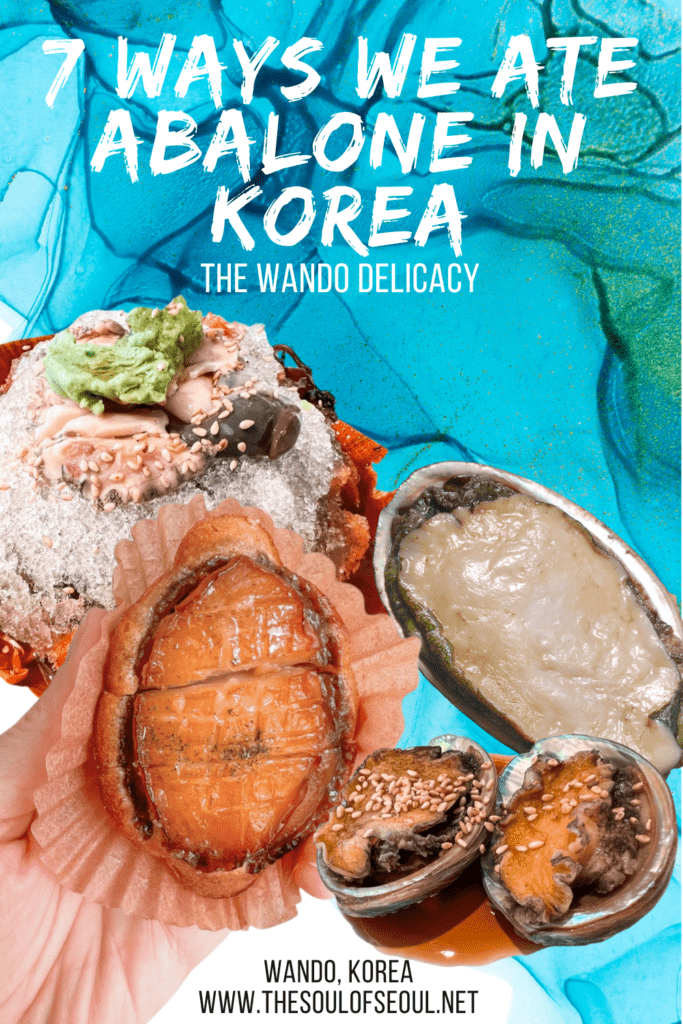
Did you like this post? Pin IT!