West Seoul Lake Park: Seoul’s Coolest Urban Renewal Park
Last Updated on August 3, 2026
Urban renewal projects in Seoul, Korea make for some really interesting places to visit and see. There are parks that have been regenerated and culture spaces that used to be for wartimes. It’s really interesting to see how they are recreated into community spaces. There are a lot of different spots to check out in Seoul if you are interested in this kind of thing like I am. West Seoul Lake Park, or Seoseoul Lake Park (서서울호수공원), is one of them. If you’re in the southwest area of Seoul or just want to take a little trip to see something different, then this is the park to find. It’s also a great stop if you’re headed to or from Gimpo International Airport.
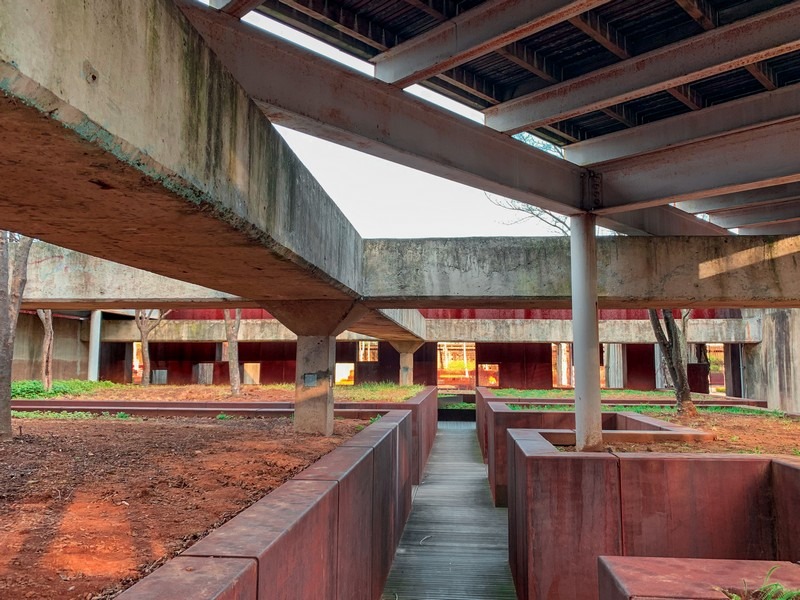
West Seoul Lake Park is a 225,000 m² public park in Yangcheon-gu built on the site of a former water purification plant, opened October 26, 2009. It’s time to find it:
- Basic Information
- Urban Renewal
- What To See
- The Raccoon Dogs of West Seoul Lake Park
- Other Renewal Projects You Can Visit
- FAQ
(This post contains affiliate links, which means I receive a certain percentage of a sale if you purchase after clicking at no cost to you. Thank you for your support.)
Basic Information
Address: 20 Nambusunhwan-ro 64-gil, Yangcheon-gu, Seoul (서울특별시 양천구 남부순환로 64길 20)
By Subway: Go to Hwagok Station on live 5 and take exit 5. From there, look for a bus stop and catch one of the buses that goes to the Seoseoul Lake Park stop.
Hours: 24 hours a day
Sound Fountain: May through September: 9:00am ~ 9:00pm
Amenities: restrooms, baseball field, half basketball court, badminton courts, wheelchair rental and wheelchair accessible, baby stroller rental, parking, pets on leashes permitted.
Urban Renewal
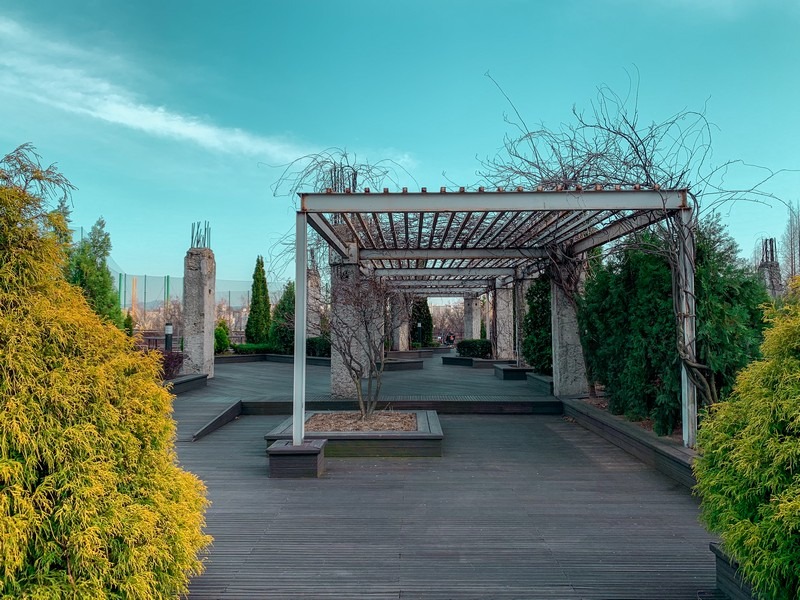
Opened in October of 2009, after being closed to the public for 50 years and after reclaiming the Sinwol Water Purification Plant in the name of ecology and beautification, this park is much like Seonyudo Park that sits in the middle of the Han River with the leftover cement and steel from the plant being taken back by nature.
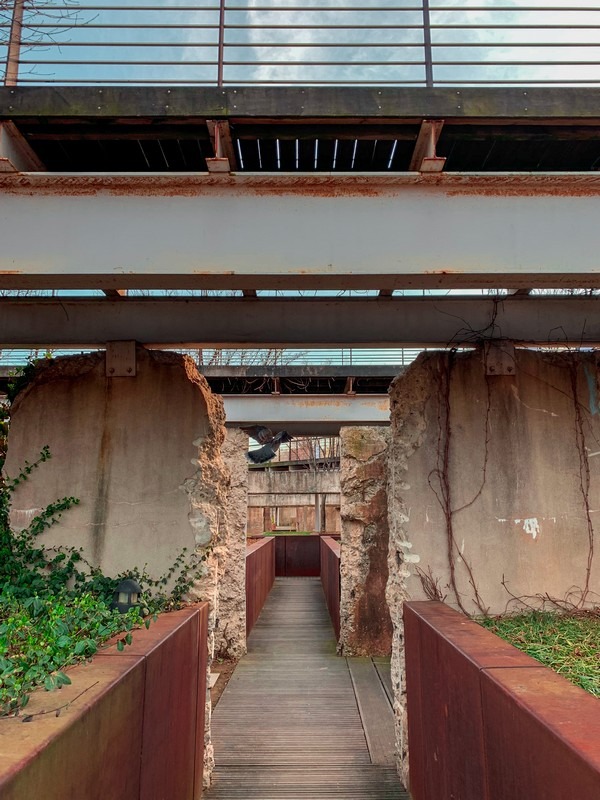
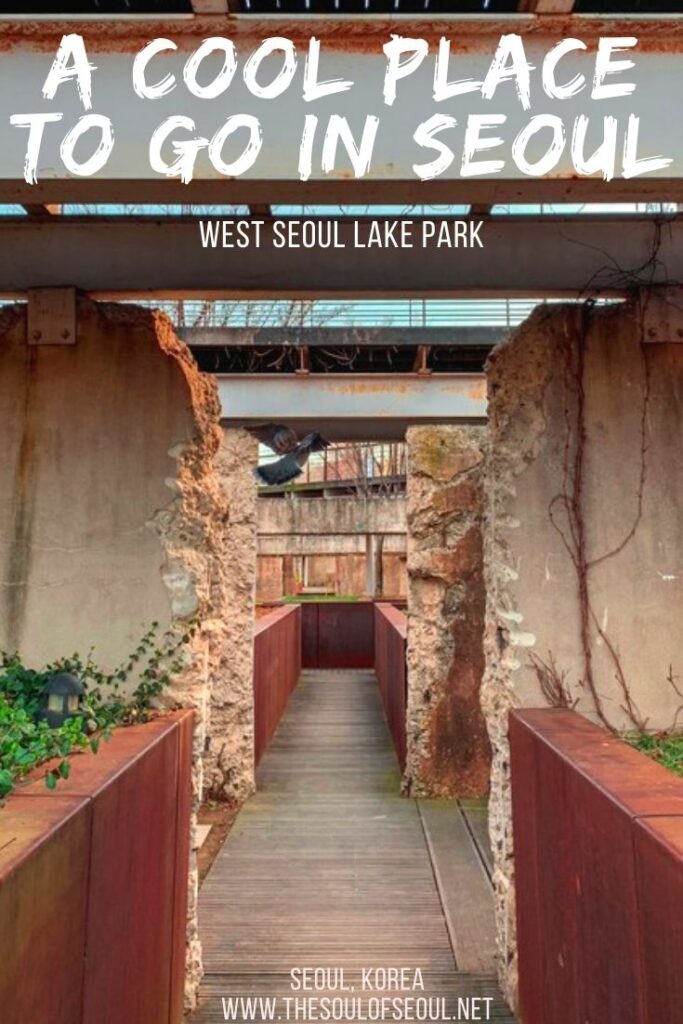
The plant, originally called the Gimpo Water Purification Plant that opened in 1959, was transformed under the themes of “water” and “recycling” and reused some of the existing piping and filtering tanks. The West Seoul Lake Park, or Seoseoul Lake Park (서서울호수공원), is really beautiful and for those out there that are like me and like the addition of industrial paths that weave this way and that through a natural setting as if climbing through a forgotten land that was given back to nature, this park is a must visit.
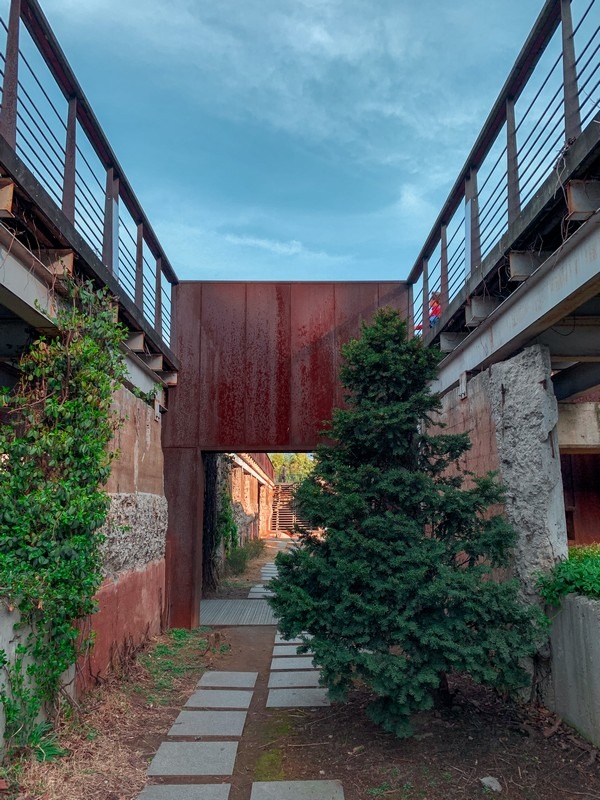
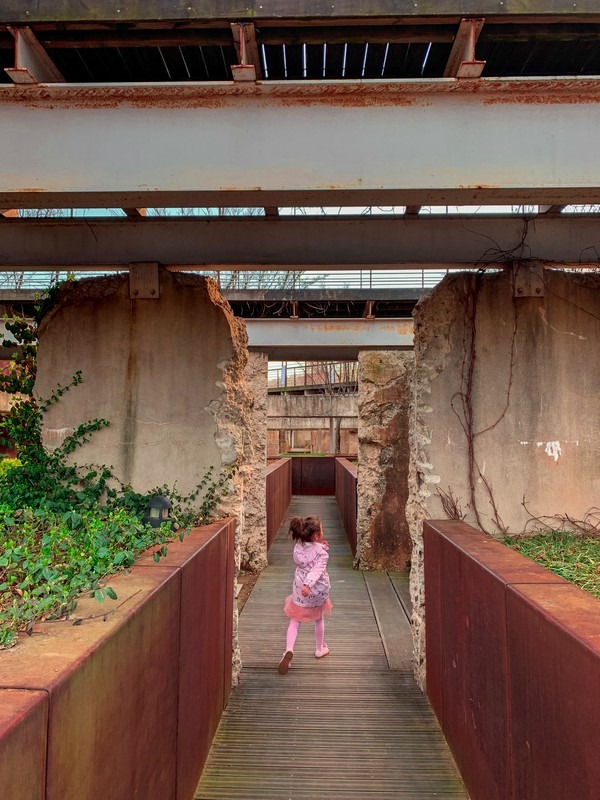
It’s not just me who thinks so, the park actually won an honor award in the general design category from the American Society of Landscape Architects in 2011, which is a nice bit of validation that this isn’t just a pretty spot, it’s well-designed landscape architecture.
The park also folds in Neunggolsan Mountain, which forms part of the border between Seoul and Bucheon, its forest and hiking trail were restored as part of the same renewal project, so if the flat lakeside loop isn’t enough for you, there’s a hillier option too.
What To See
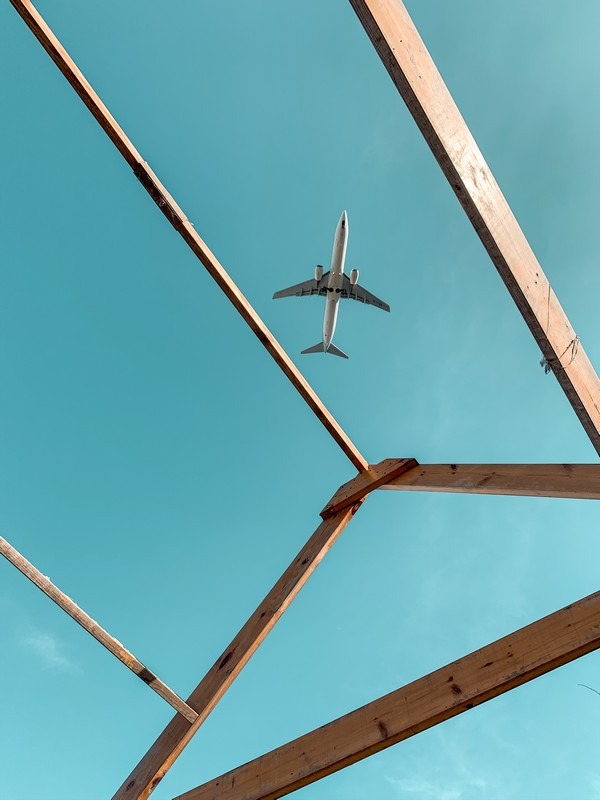
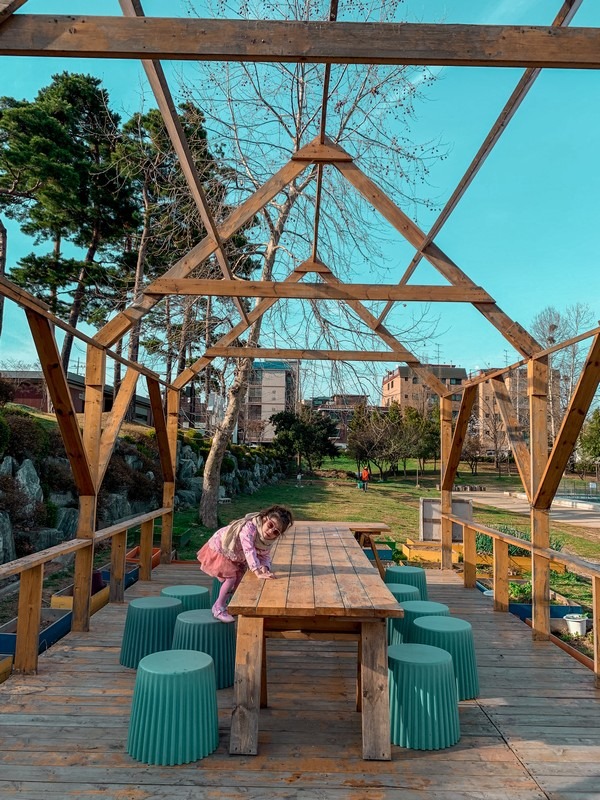
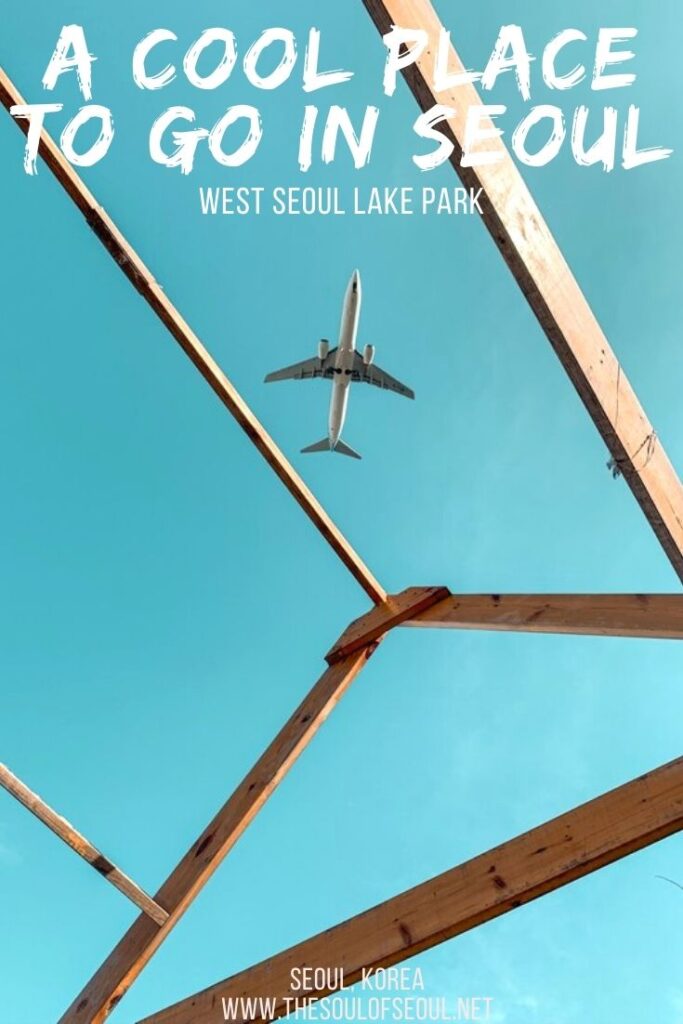
A large lake, a brightly colored 100 seat picnic table, sound fountains that shoot off whenever an airplane flies into the nearby Gimpo Airport, which is pretty often, and a small water park for children are all draws to this area if the architectural design isn’t enough. A lake takes center stage in the park with a walking path that circles around it. The path that circles around the lake is a busy pedestrian thoroughfare with everyone, young and old, getting in their exercise with a brisk walk.
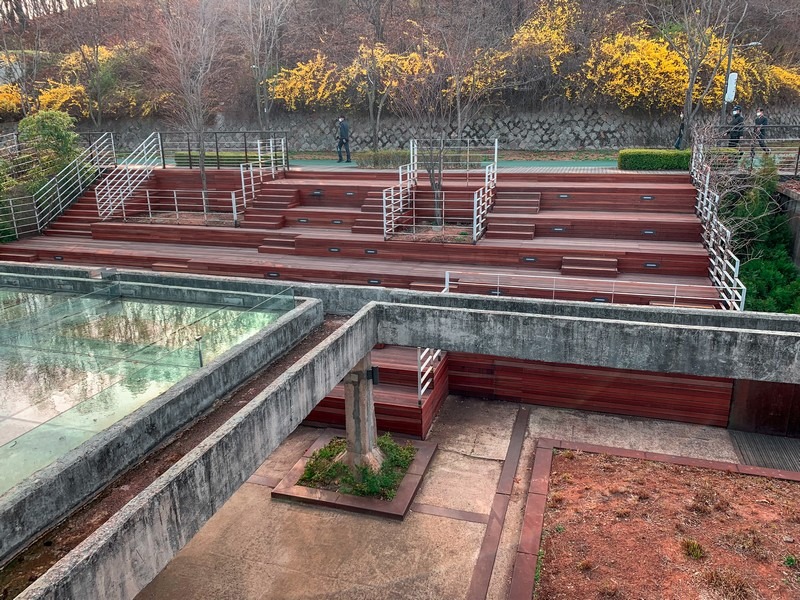
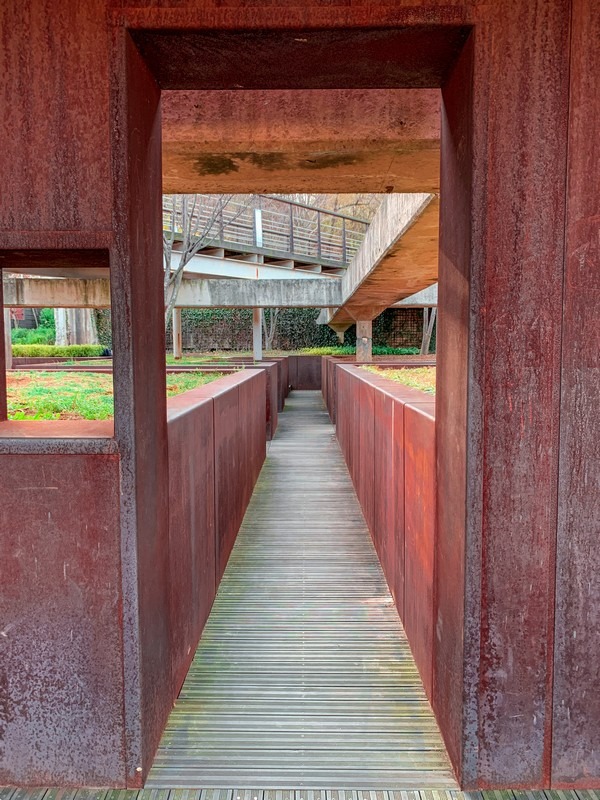
The Mondrian Garden inside the park is where you might feel like you’ve taken a step right into Seonyudo Park. The pipes are left bare and the pillars that once held up a building have been left behind for plants to grow around. Water moves this way and that and people can choose between catwalks above or the pathways between the waterways down below to meander around the area.
The Mondrian Lake features a lot of horizontal and vertical lines that harmonize with the surrounding natural views. It’s quite a calming area if you can take a seat and just enjoy how the sun bounces off the shallow pools of water.
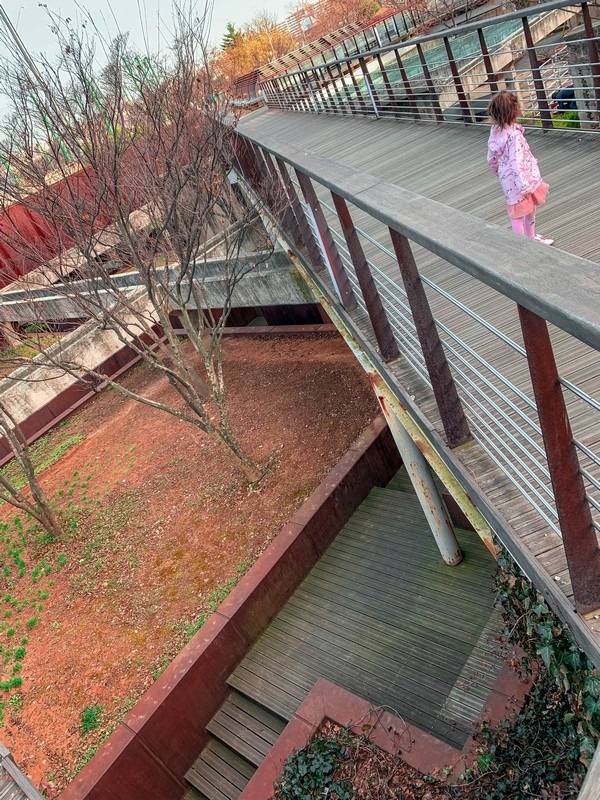
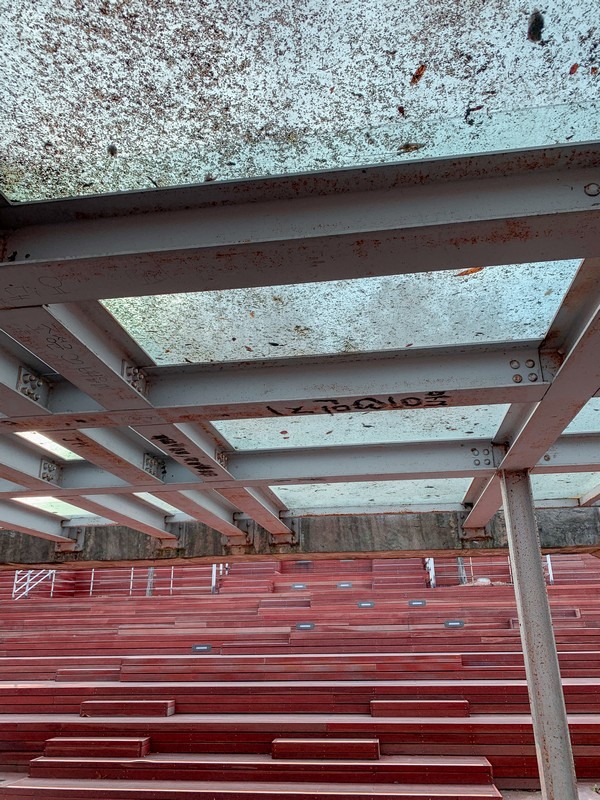
I didn’t get too many pictures of the actual green space, though there is plenty to enjoy. We were having too much fun playing hide and seek and tag along the walkways and paths. If you have children, there are also numerous playgrounds. There are also water pipes sticking up in the ground from the water facility that our little lady found fun to hip over and climb through.
The central lake is home to carp and aquatic plants like water lilies, reeds, and willow trees. With three observation decks, you and your little people in tow will have a lot to see as you walk around taking it all in. This is a great park to visit in Seoul. If you like to get outdoors or you’re looking for a fun thing to do with kids in Seoul, check this spot out. Or maybe you’re a fashionista looking for a cool spot to take some pics. This is a great spot for everyone.
The Raccoon Dogs of West Seoul Lake Park
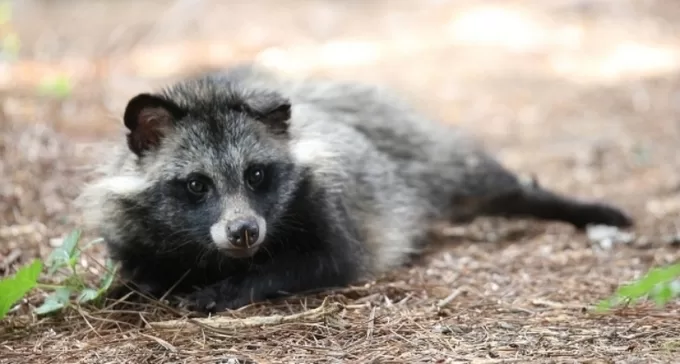
Here’s something that’s changed since I first wrote about this park: West Seoul Lake Park is now one of the best-known spots in Seoul to see wild raccoon dogs (들개, not the same animal as a North American raccoon, they’re actually a canine species). I was updating this article as I do and found some really interesting information about raccoon dogs in the park in The Korea Herald. They’ve been settling into Seoul’s green spaces for years, and this park’s mix of hiding spots, water, and dense planting has made it one of their favorite corners of the city. Who knew?
They tend to come out after dark, and locals who visit regularly say it’s common to see them wandering right along the main path, sometimes with pups in tow, mostly ignoring people and pets entirely.
A few practical things worth knowing if you’re visiting in the evening:
- Don’t feed them. It’s tempting, but feeding is exactly what’s driving the population boom in the park, and the city actively discourages it.
- Don’t approach or try to touch one. They’re wild animals, not park mascots, and while attacks are rare, bites have happened, usually when someone gets too close trying to pet them or get a photo.
- They’re more likely to act defensively during breeding and rearing season, roughly March through September, so give them extra space during those months.
- Keep dogs leashed and close, especially after dark.
None of this should scare you off, most visitors and locals I’ve read about describe the raccoon dogs as calm and largely indifferent to people, and the park has signage and patrols specifically to manage the coexistence. It’s just genuinely one of the more unexpected things you can stumble on in a Seoul park, and worth knowing about before you go, especially if you’re visiting at dusk.
Other Renewal Projects You Can Visit
There are a lot of renewal and regenerative projects happening in Seoul and all around Korea. Here are some other places to check out if you’re interested in this kind of thing.
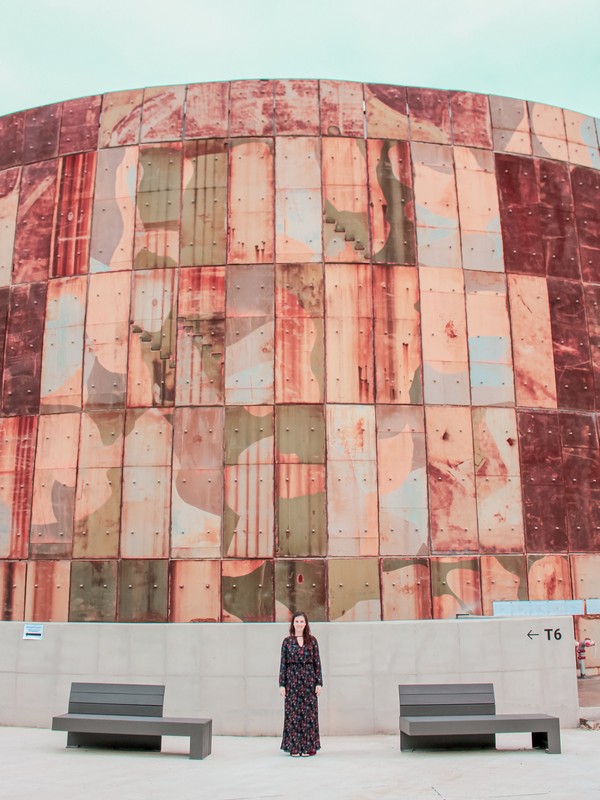
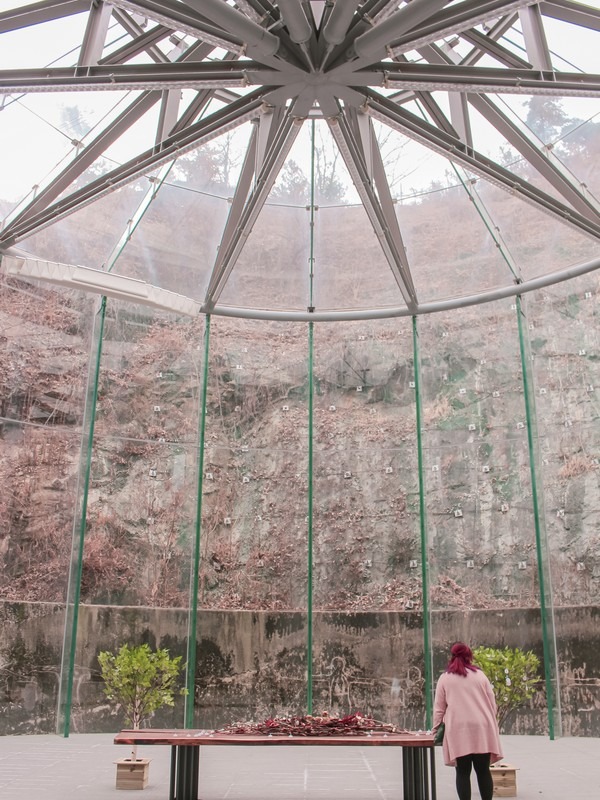
Oil Tank Culture Park: Near World Cup Stadium, six giant oil tank containers have been renovated and turned into an amazing area for eco-friendly tourism and cultural events. Inside there is an art gallery, exhibition space, cafe, and more. This is a must see.
World Cup Parks : This park system is five parks that were made on top of a gigantic landfill. Most visitors head up to the gorgeous Haneul Park, or Sky Park, and don’t realize that they are actually standing on trash that is being turned into energy to light up the nearby districts. It’s really interesting to learn about and see in action.
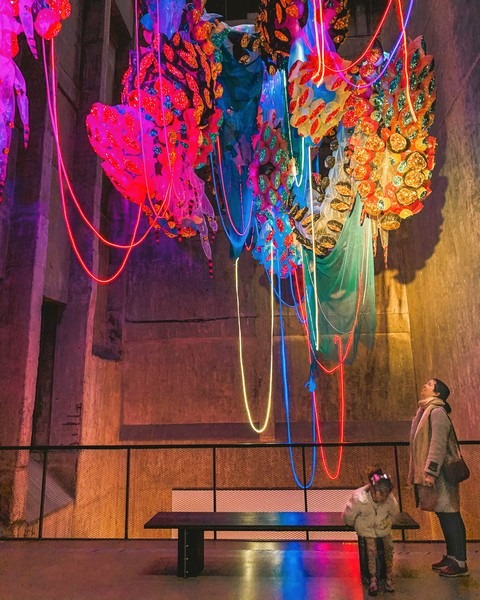
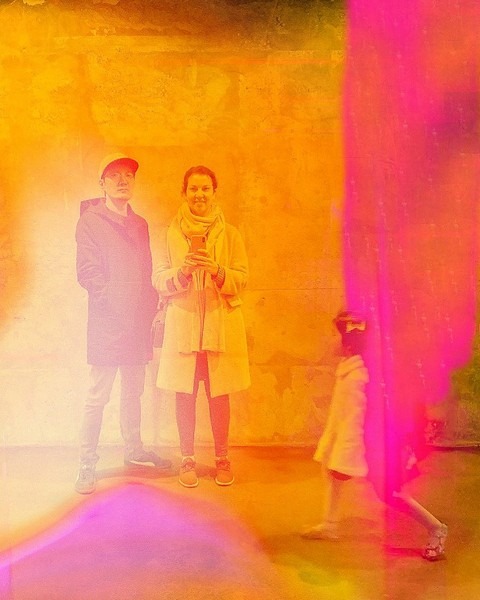
B39 Culture Space: This culture space in Bucheon just south of Seoul used to be a trash facility but today it is a cool culture space that welcomes visitors to see art installations inside and out.
Peace Culture Bunker: The Peace Culture Bunker used to be a bunker for tanks that were on the ready in case of invasion. After deteriorating for some years, it was finally transformed into a culture space for locals to host markets and events. There is an awesome observatory here too.
Sewoon Market: Looking to get more young people downtown to the Jongno area, Seoul city transformed a market that was on the brink of dying. Today, there are older locals and younger locals mingling and creating and at the top of the building is an amazing view of both Namsan Tower and Jongmyo Shrine.
FAQ
Is West Seoul Lake Park worth visiting?
Yes, especially if you’re already near Gimpo Airport or want to see a less touristy side of Seoul’s urban renewal movement. It’s less crowded than Seonyudo Park and has a genuinely unique atmosphere.
How long should I spend at West Seoul Lake Park?
Most visitors spend one to two hours walking the lake loop and exploring the Mondrian Garden. Add more time if you plan to hike the Neunggolsan trail.
Is West Seoul Lake Park free?
Yes, the park is free to enter and open 24 hours a day.
What’s the closest subway station to West Seoul Lake Park?
Hwagok Station on Line 5, Exit 5, followed by a short bus ride.
Is West Seoul Lake Park stroller and wheelchair friendly?
The park offers wheelchair and stroller rentals and is wheelchair accessible, though some of the industrial-inspired paths and catwalks may not be ideal for all mobility needs.
Can you see raccoon dogs at West Seoul Lake Park?
Yes, they’re most commonly spotted in the evening and at night. Keep a respectful distance and don’t feed them.
What’s the difference between West Seoul Lake Park and Seonyudo Park?
Both are reclaimed water-infrastructure parks, but West Seoul Lake Park is in southwest Seoul near Gimpo Airport and tends to be quieter, while Seonyudo sits in the Han River and is more central and better known.
Seoul has done a stunning job taking something written off as ugly or useless and finding a way to hand it back to people, and, apparently, to raccoon dogs. West Seoul Lake Park is one of my favorite examples because it’s still so under-the-radar, even for longtime residents. If this kind of transformation is your thing, don’t stop here, the oil tanks, the tank bunker, and the old electronics market all tell the same story in very different ways, and each one is worth the trip.
Did you like this post? Pin It!

One Comment
kei
What a great reclamation effort! They combined the industrial remnants with enhanced natural beauty so well. I like seeing when the natural setting can be recaptured in a unique way. It doesn’t seem like it’s in a heavy industrial area at all.