Bukchon Hanok Village: Where To Start + Best Walking Route According To A Local
Last Updated on March 24, 2026
You might think the Bukchon Hanok Village is just a place to wander, but the first time I went, I somehow missed almost everything worth seeing. I remember walking through a few pretty alleys, snapping a couple photos, and leaving thinking, “That’s it?” It wasn’t until I went back again (and again) that I realized Bukchon isn’t a place you just stroll through, it’s a place you need to understand a little to really experience.
If it’s your first time visiting, where you start matters. The direction you walk matters. Even the time you visit matters. If you want to actually see the Bukchon Hanok Village and not just pass through the most picturesque alley and move on, here’s exactly how I recommend starting your visit and the walking route I always suggest to friends.
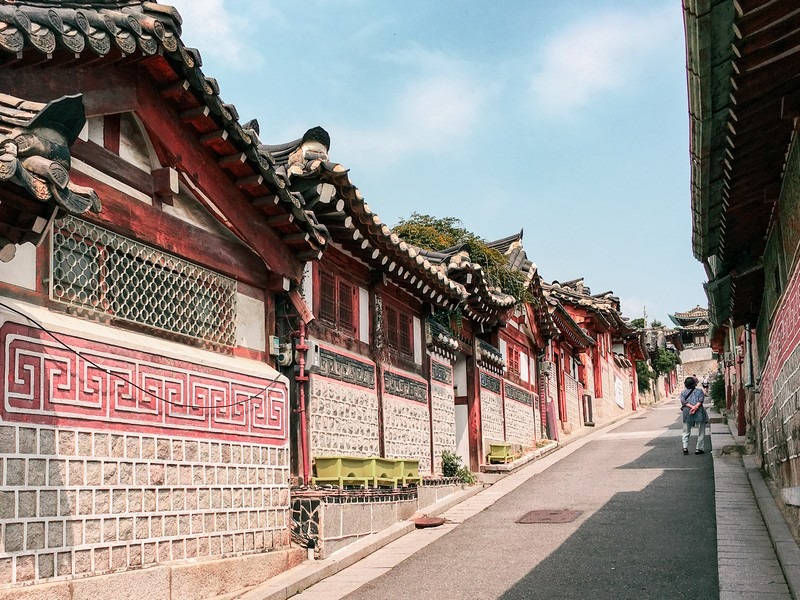
Get ready to explore the Bukchon Hanok Village the right way:
- What To Know Before You Go
- Where To Start In The Bukchon Hanok Village
- How Long To Spend in Bukchon Hanok Village
- Should You Wear A Hanbok In Bukchon?
- Bukchon Hanok Village One Day Itinerary
- Map of the Bukchon Hanok Village
(This post contains affiliate links, which means I receive a certain percentage of a sale if you purchase after clicking. These funds go to maintain the site. Thank you for your support.)
The Seoul Itinerary Pack – 15 Seoul Itineraries
$15.00
What To Know Before You Go
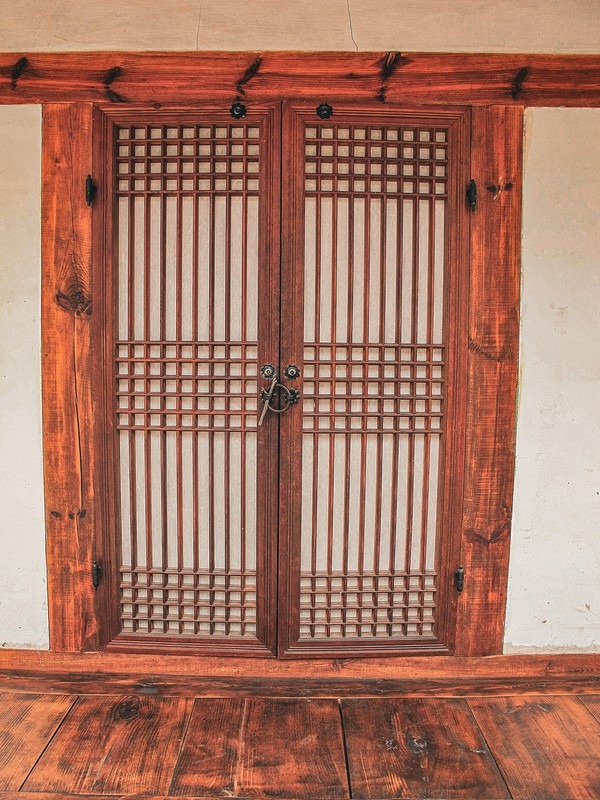
Bukchon Hanok Village sits between Gyeongbukgung Palace and Changdeokgung Palace. The area, consisting of Gahoe-dong, Songhyeon-dong, Anguk-dong, Samcheong-dong and Jae-dong, was once home to nobility and high-ranking officials during the Joseon Dynasty (1395 ~ 1910)
Today, it is one of the most visited places in Seoul, but it is also still a residential neighborhood. That means people actually live here, some homes are private, and not every door is open to visitors and on the other hand some homes have been converted into cafes, restaurants, and experience centers. Don’t just walk into homes but only enter those that explicitly have signs welcoming you in.


NOTICE: As of November 1, 2024
Because Bukchon is a residential area, there have been restrictions put into place in order to safeguard the peaceful living of local residents. From November 1, 2024, visitors can only enter a portion of the Bukchon Hanok Village between the hours of 10:00am and 5:00pm.
There are signs posted where you cannot enter. If you do enter during restricted hours, there are fines of W100,000 assessed. Please respect the locals.
Where To Start In The Bukchon Hanok Village
There are so many things you can do in Bukchon, plenty of cafes as well as tea houses, and more. Below, I’ve laid out a good walking tour route if it’s your first time in the area, or if you’re showing someone around. If you want to plan your own day though, check out this complete guide to Bukchon for the cafes, restaurants, and experiences you’ll want to stop for.
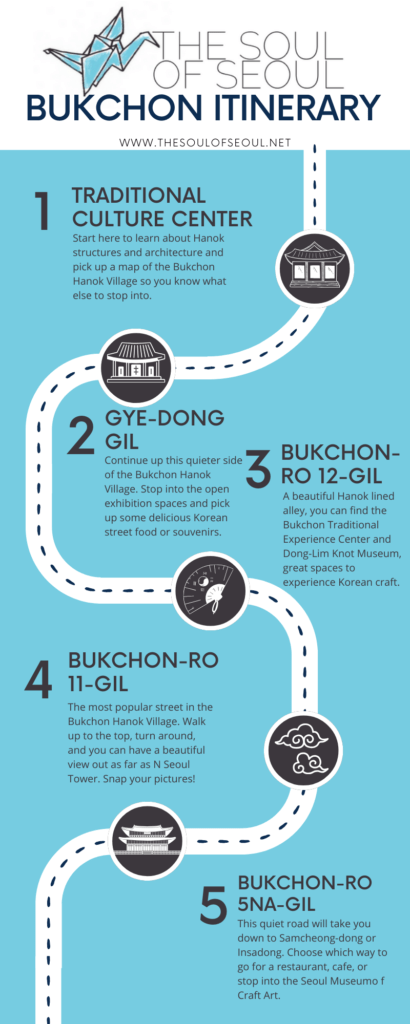
Start at the Bukchon Traditional Culture Center (북촌문화센터)
If you do one thing, let it be this. It will set you off on a much better path for seeing the area. Most people start with the crowded and most popular alleyway a block away, but trust me, if you start here, you’ll find alleys and streets that are photographic and underrated.
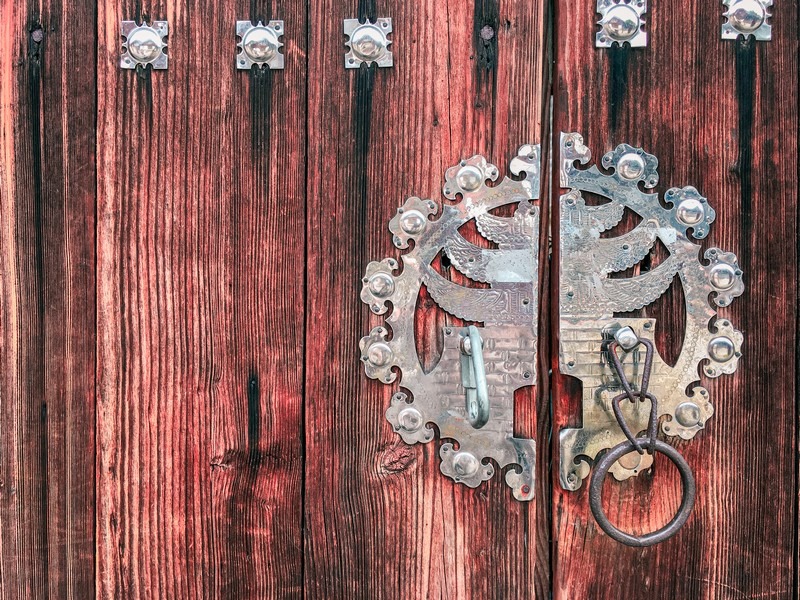
Opened in 2002, the Bukchon Traditional Culture Center was originally the home of the Min family, the last family in charge of finances during the Joseon Dynasty. Inside, you can learn about the Hanok structures and architecture in peace and quiet and pick up a great map of the area.
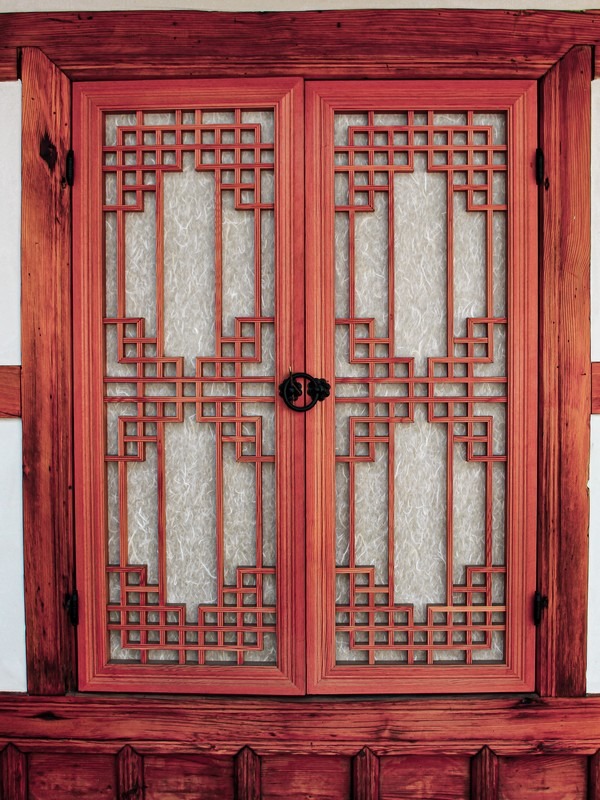
The house consists of a main building, or an anchae (안채), the outer quarters, or the baccatchae (바깥채), an annex, or a haengrangchae (행랑채), a separated building, or a byeolchae (별채), and a shrine, or a Sadang (사당). The haengrangchae now features information boards and videos concerning the history of the area and the architecture of the Hanok houses
- Address: 37 Gyedong-gil, Jongno-gu, Seoul (서울 종로구 계동길 37)
- Directions: From Anguk Subway Station, take exit 3. Walk straight from the exit and turn left onto the first street. This will lead you to the Bukchon Traditional Culture Center up just a bit on the left.
- Hours: Tuesday – Friday: 9:00am ~ 6:00pm; Saturday – Sunday: 9:00am ~ 5:00pm
Local Tip: Be sure to pick up a map of the area at the Bukchon Traditional Culture Center before you continue on so you know which Hanok houses you can stop into and which are private residences.
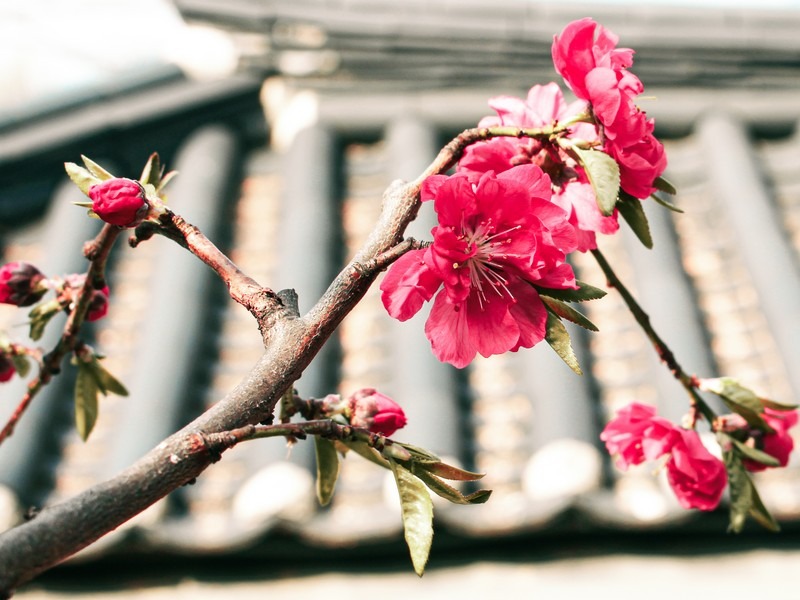
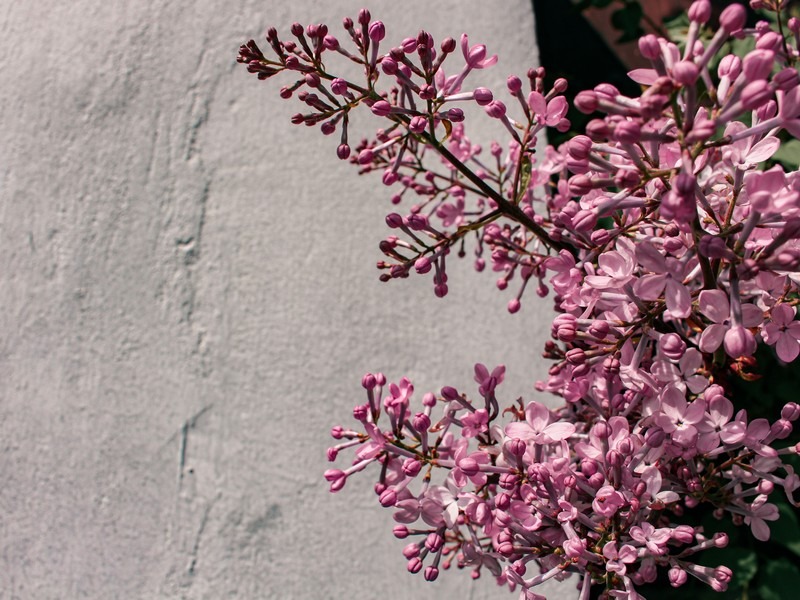
Walk Up Gye-dong Gil (Hidden Gem Street)
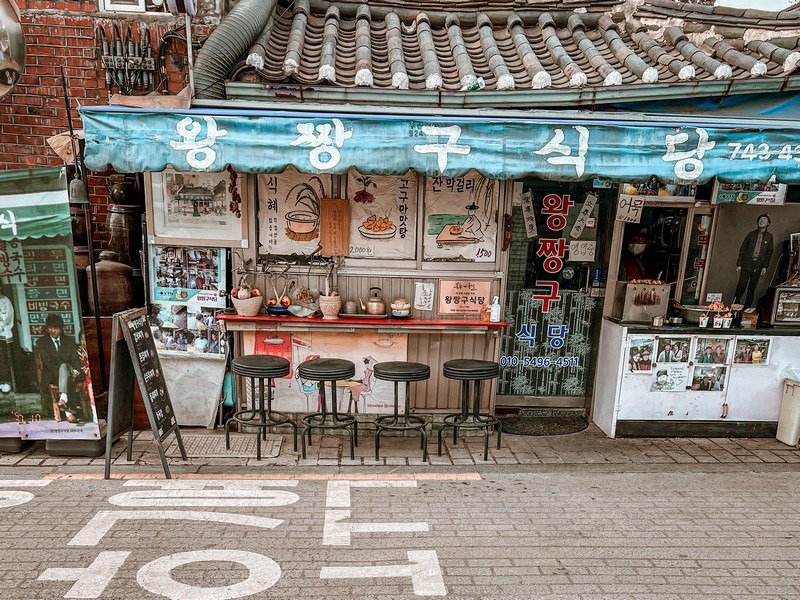
As you continue up Gye-dong Gil, there’s a section of street food, cafes, and restaurants which make for a great snack or quick bite. These spots aren’t as busy as the cafes and restaurants you’ll come to later when you cross to the busier section of the Bukchon Hanok Village so grab something here if you have kids who might get hangry… or if you’ll get hangry on the way.
Places I recommend around here:
- Jinjak Kakii (진작 카키): If you love raw oysters, you HAVE to go here. Serving up some of Tongyeong’s best, Jinjak Kakii has the largest oysters I’ve ever eaten and they were divine!
- Address: 38 Changdeokgung 1-gil, Jongno-gu, Seoul (서울 종로구 창덕궁1길 38 진작카키 안국점)
- Hours: Monday – Friday: 11:30am ~ Midnight (Break time: 3:00pm ~ 5:00pm; Saturday – Sunday: 11:30am ~ Midnight
- Reservations: Recommended especially for the weekend, but it was also busy on a weekday when I went. You can make a reservation via Creatrip.
- Milgwa Bori (밀과보리): An authentic and delicious spot, a kind of spot that you have to know about to find, get the barley rice bowls and enjoy all of the side dishes. This is a take your shoes off, eat amongst the locals kind of spot.
- Address: 32-1 Changdeokgung 1-gil, Jongno-gu, Seoul (서울 종로구 창덕궁1길 32-1)
- Hours: Monday – Saturday: 11:15 am ~ 9:00pm (Break time: 3:00pm ~ 5:00pm)
- Salt House Deli (소금집델리 안국): When I need a sandwich, this is where I go. Pastrami, rye, pickles, oh my. You won’t be sorry if you enjoy a sandwich at this spot in Seoul.
- Address: 19 Bukchon-ro 4-gil, Jongno-gu, Seoul (서울 종로구 북촌로4길 19)
- Hours: Every day: 11:00am ~ 9:00pm
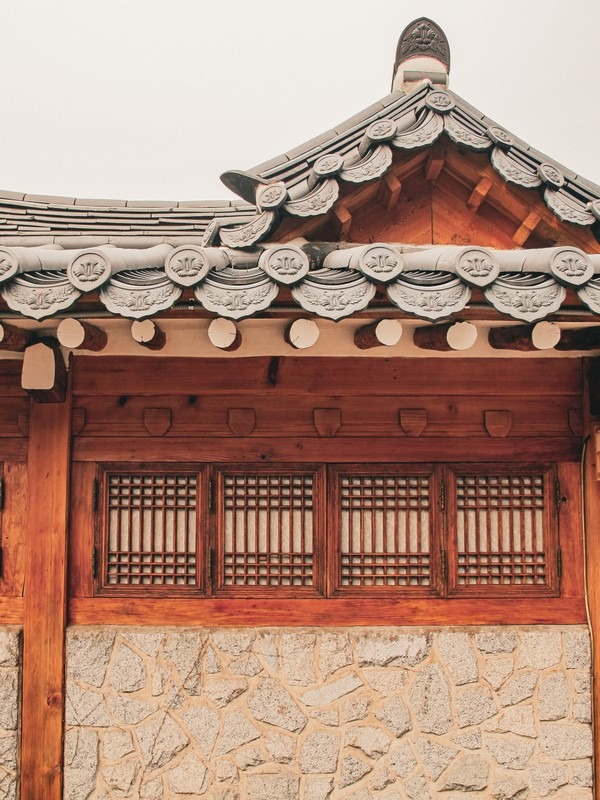
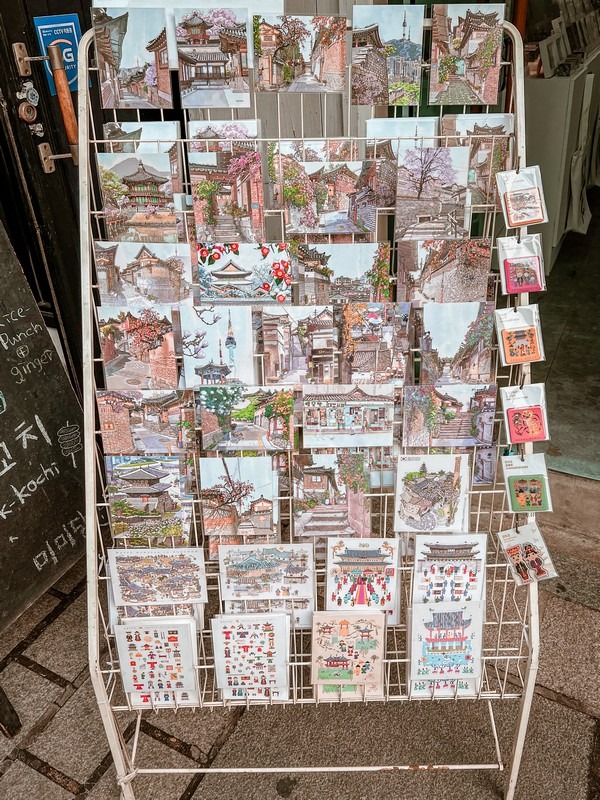
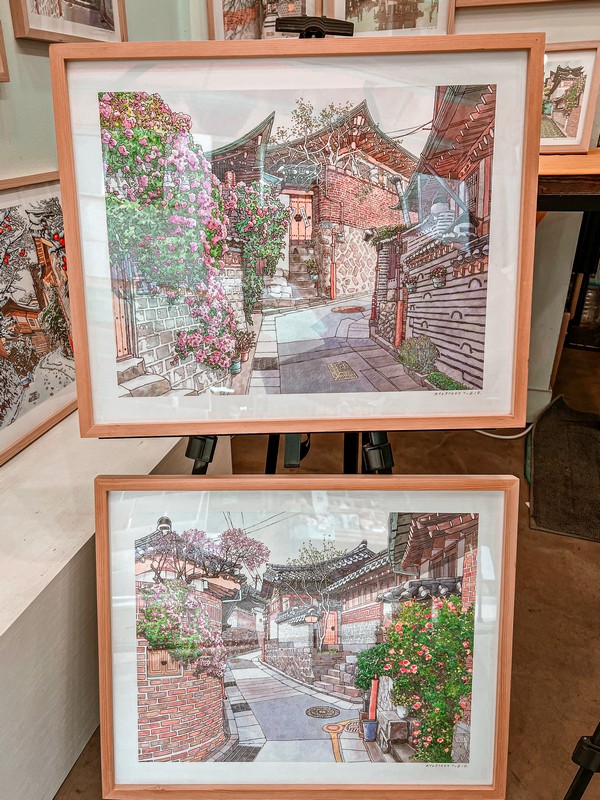
Explore The Exhibition Hanoks
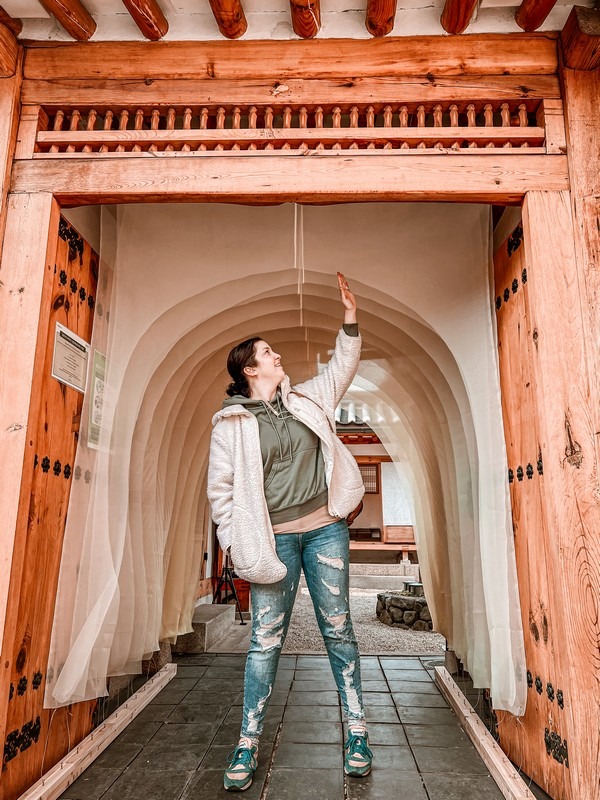
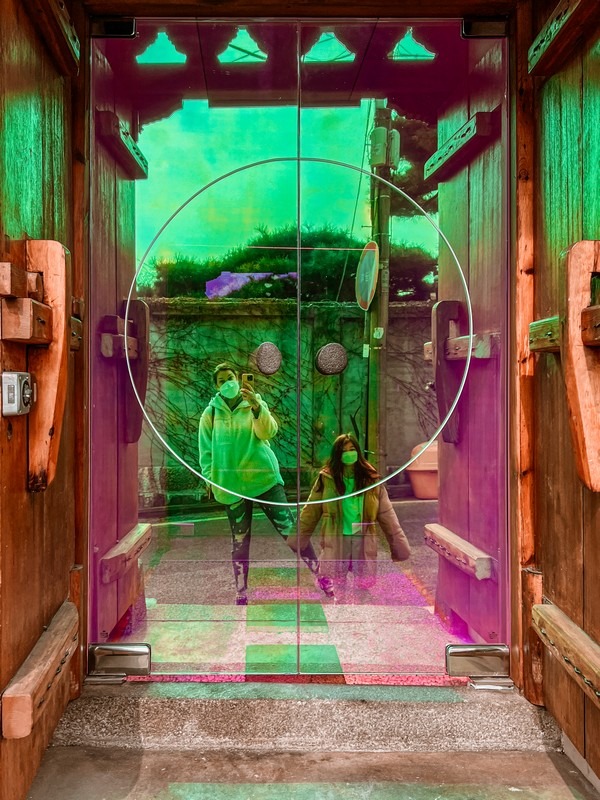
Keep walking up the street until it dead ends at a school. There are a number of Hanok exhibition centers and you’ll spot them fairly easily as they’re decorated and quite inviting. You can find them on both the left and right sides of the street. Enjoy the walk and don’t be afraid to step into the traditional Korean homes that are open here.
Some of my favorite souvenir shops are on this street as well. Walk up and you’ll see some beautiful locally made postcards and depictions of the Korean palaces, Hanok alleys, and more. Stop and see if there’s something you like.
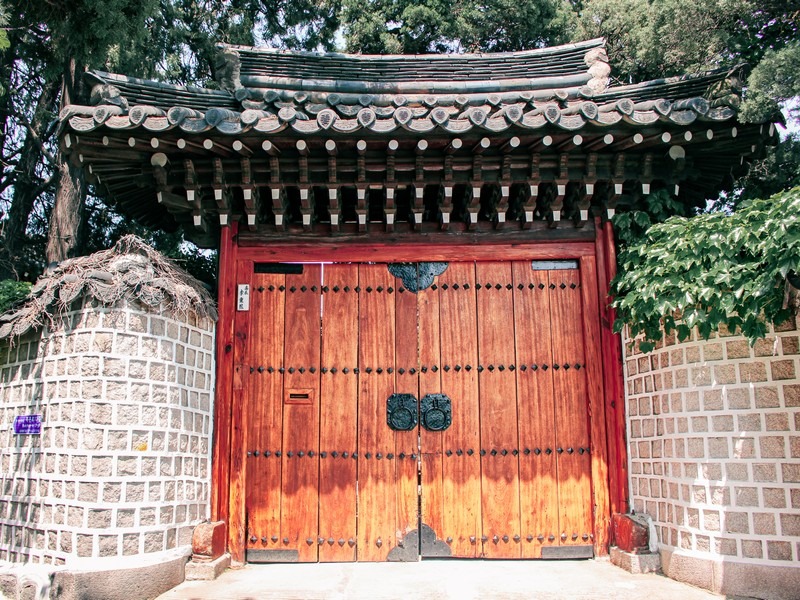
Turn Into Bukchon-ro 12-gil (Quieter Alleys)
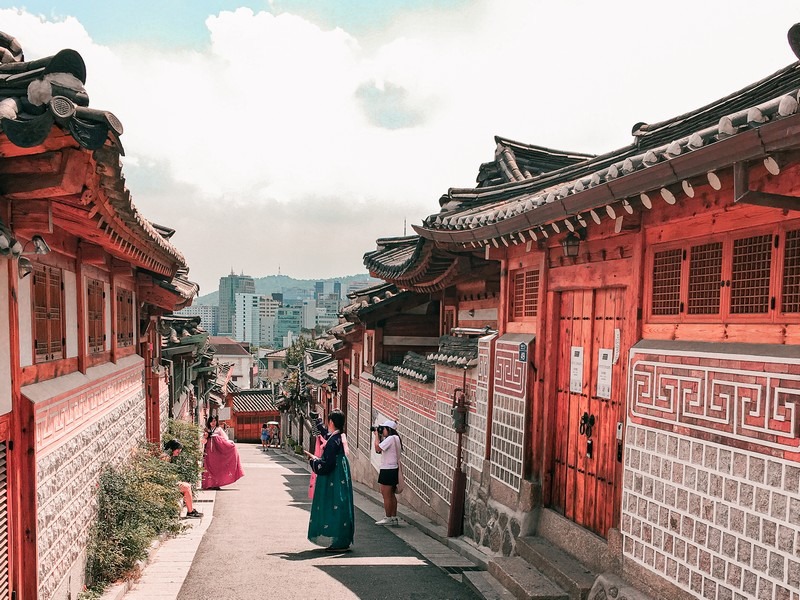
When you get to the top of the road where it ends, turn left and you’ll turn left pretty quickly again to go down through another Hanok alley on Bukchon-ro 12-gil. This will lead to a beautiful alleyway lined with Hanoks that few head to but they’re open and full of experiences. You could get lost in this area and find beautiful alleyways so don’t be afraid to walk around a bit.
Bukchon Traditional Experience Center (북촌전통예체헌관)
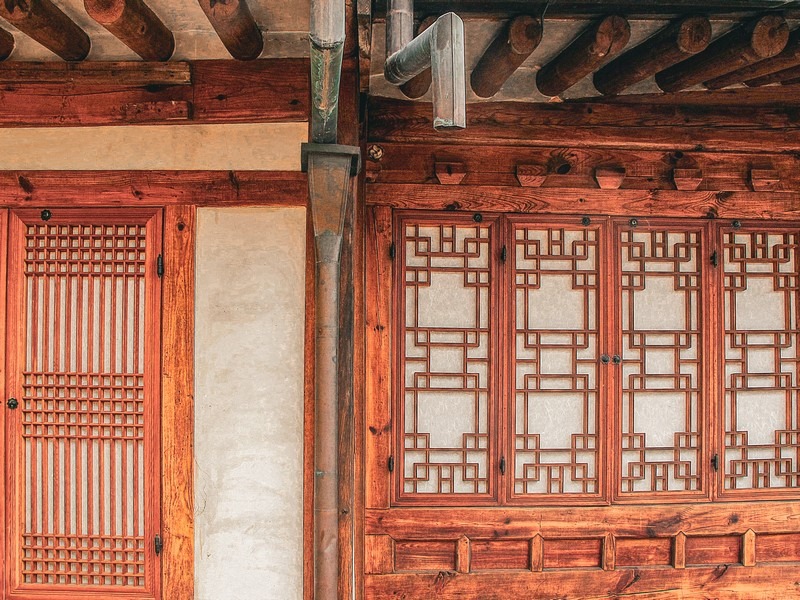
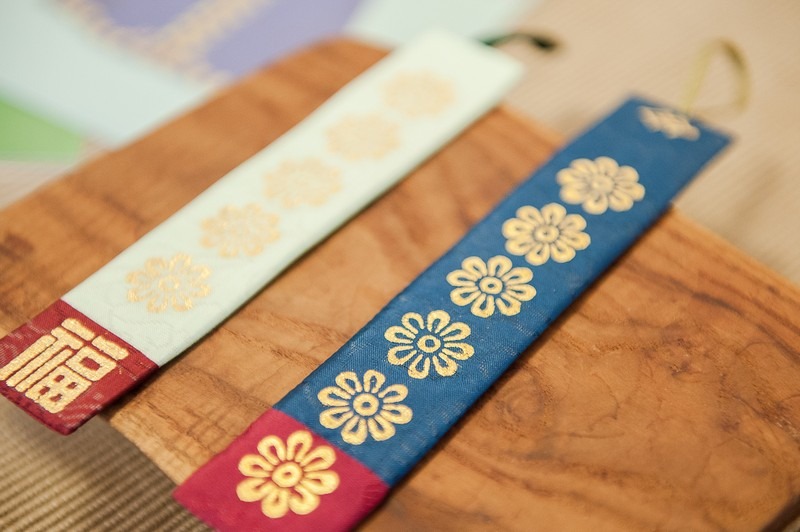
This culture center is tucked down an alley that shoots off to the left. Walk down and you’ll dead end here. Step in and see what experiences they have going on for the day. You can join a class, make something, and sit in a beautiful Hanok house.
- Address: 24-5 Bukchon-ro 12-gil, Jongno-gu, Seoul (서울시 종로구 북촌로 12길24-5)
- Hours: March – October: 10:00am ~ 6:00pm; November – February: 10:00am ~ 5:00pm
- Days: Every day except Lunar New Year’s Day and Chuseok
- Website: See a calendar of events and experiences on their website at tour.jongno.go.kr
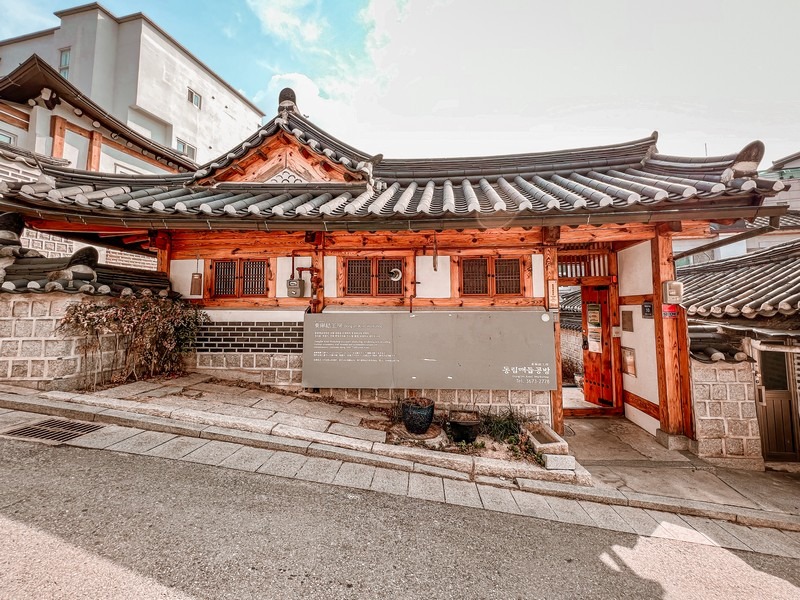
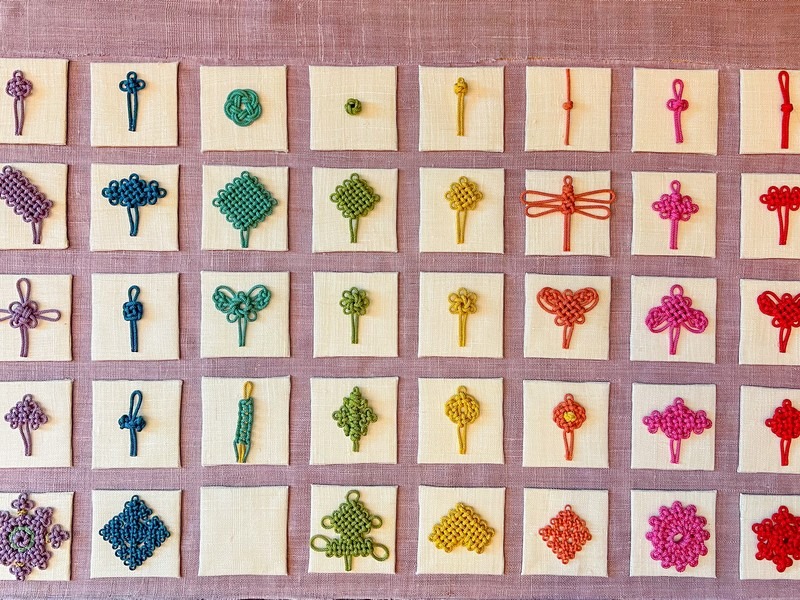
Dong-Lim Knot Museum (동림매듭박물관)
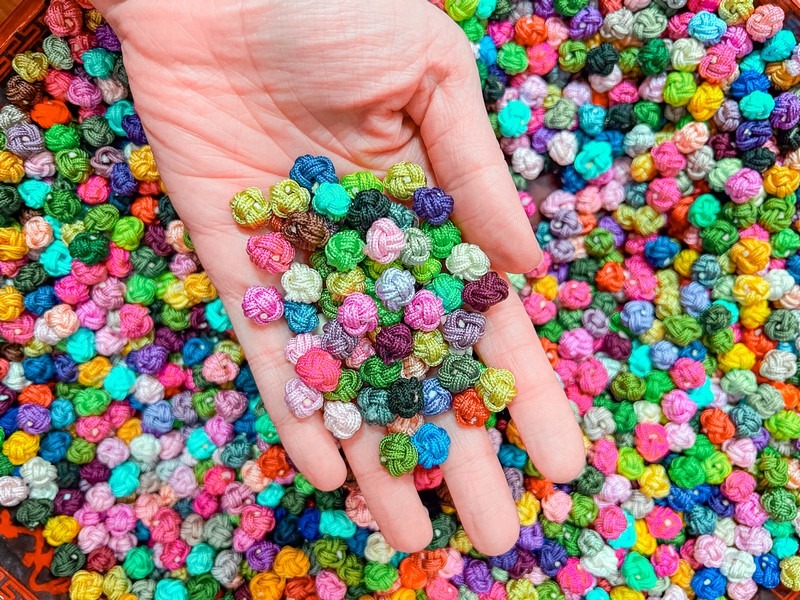
Dong-Lim Knot Museum is a great little stop that a lot of people walk right by. Though small, there is a lot inside to see. There are a variety of decorative traditional Korean maedeup (knots): norigae for hanbok, belts, pouches, as well as materials like thread, cord, and accessories and more than that, you can take a seat and make your own knotted design.
- Address: 10 Bukchon-ro 12-gil, Jongno-gu, Seoul (서울특별시 종로구 북촌로12길 10)
- Hours: Tuesday – Sunday: 10:00am ~ 6:00pm
- Experiences:
- One-time lesson making a dragonfly shaped cellphone chain OR bracelet: W7,000
- One-time lesson making a necklace: W10,000
- Regular knot course, two hours per week for four times: W100,000. Beginner to advanced courses available.
- Website: http://www.shimyoungmi.com/
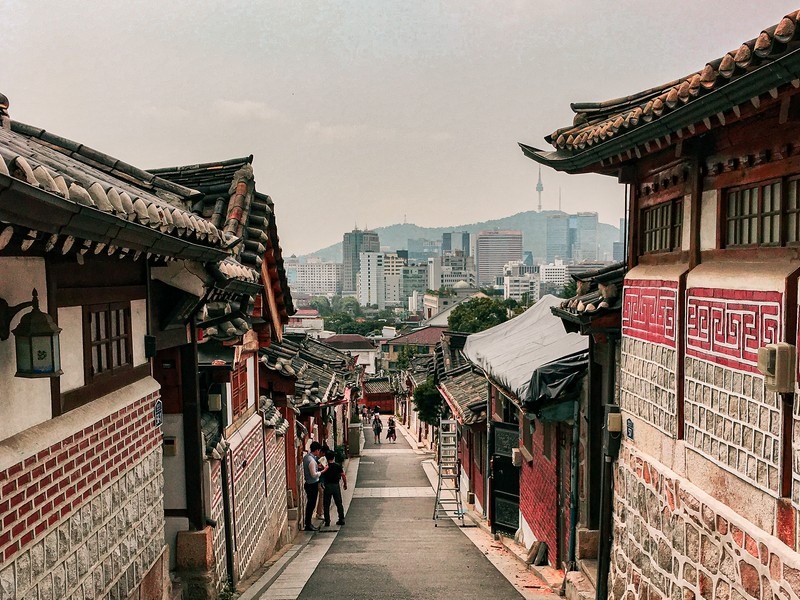
Crossing Over To Bukchon-ro 11-gil (The Most Famous Photo Street)
You’ll now be at the main road and cross over to head to Bukchon-ro 11-gil to find the iconic row of houses that you see in every photo. You’ll know where to go as you follow the crowd on this side that will lead you to the more popular streets of the Bukchon Hanok Alley, but don’t be afraid to step off onto the quieter streets to take pictures and enjoy the surroundings. Just remember to be quiet yourself.
Local Tip: If you want to get a great shot on the Hanok Alley sans a billion tourists, get there during lunch time. The tour buses get their tourists out of their for lunch so it’s THE best time to go get a great shot of the most popular alley in Gahoe-dong in my experience.
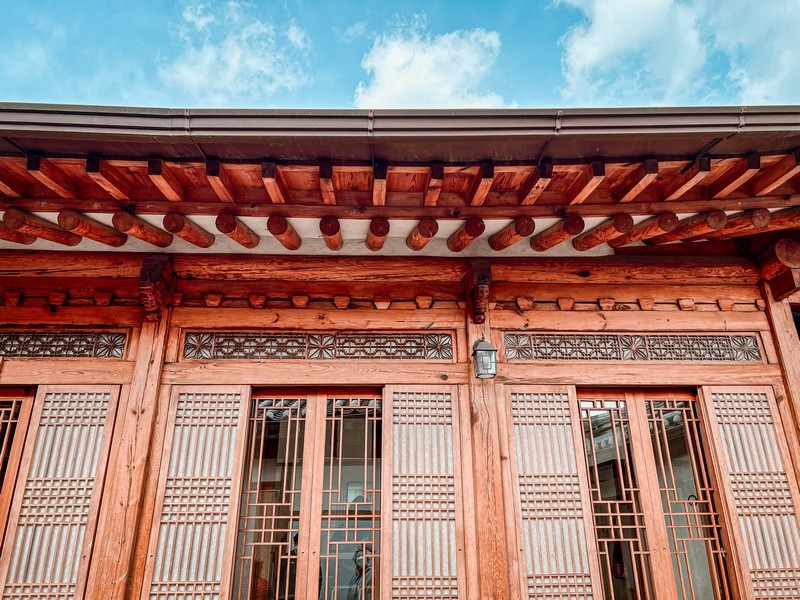
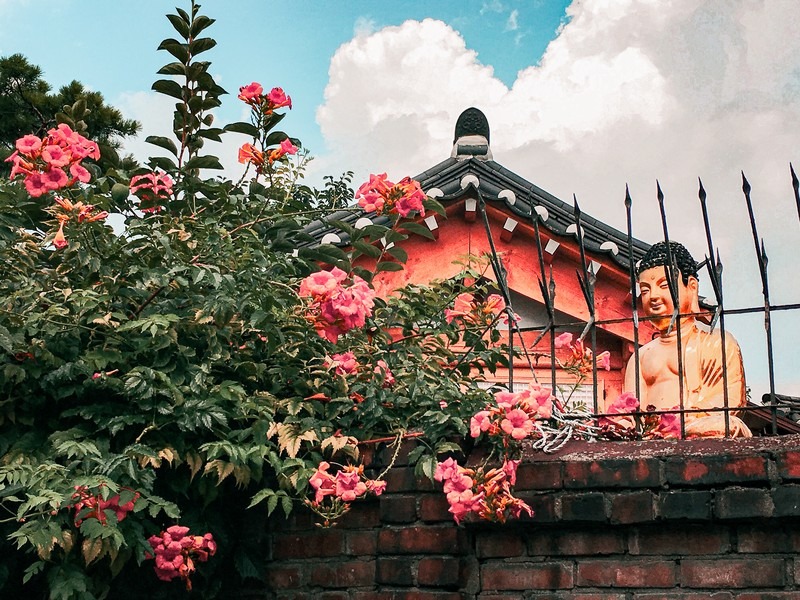
Walk To The Top and Turn Back
Once you reach the top of the alley, turn around, take in the views. You can see N Seoul Tower in the distance and then from here you have some choices.
Going right will take you toward Gyeongbokgung Palace. You can see the National Folk Museum of Korea on the grounds of the palace from here as well. This road will dead end and when it does, go left.
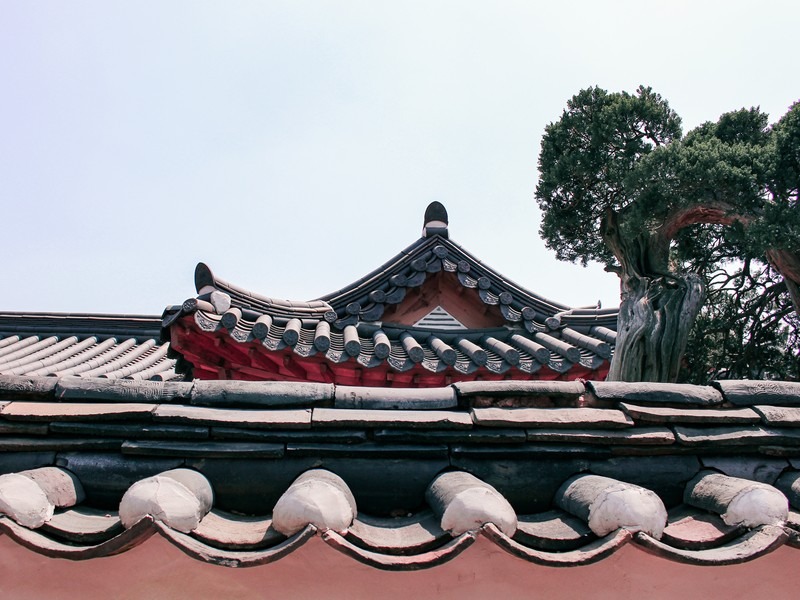
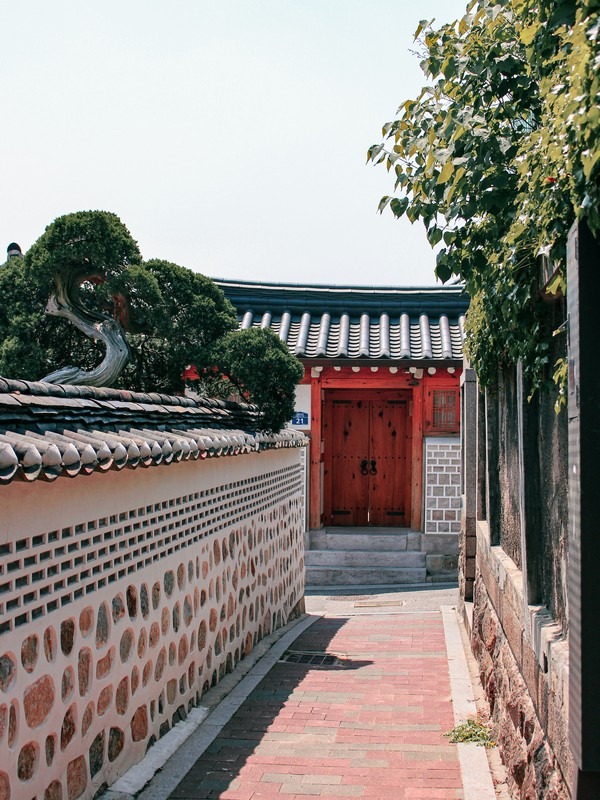
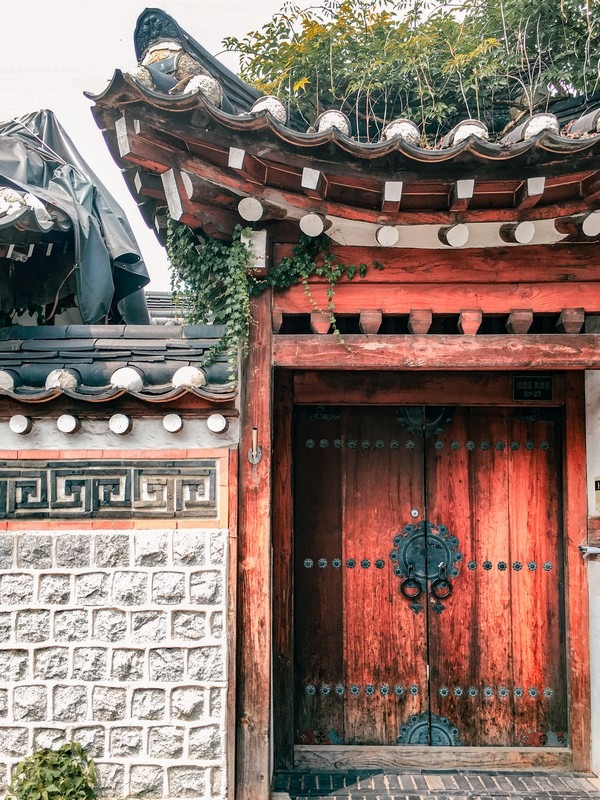
Bukchon-ro 5na-gil is pretty quiet and will get you down quickly if you want it to. You can go down into Samcheong-dong or down back toward Anguk Station and Insadong. If you’ve got the energy, check out the amazing Seoul Museum of Craft Art.
How Long To Spend in Bukchon Hanok Village
- 1 hour: Quick photo stop
- 2 – 3 hours: Follow this full walking route
- Half day: Add cafes and experiences.
If you’re wearing a Hanbok or stopping for tea, give yourself more time.
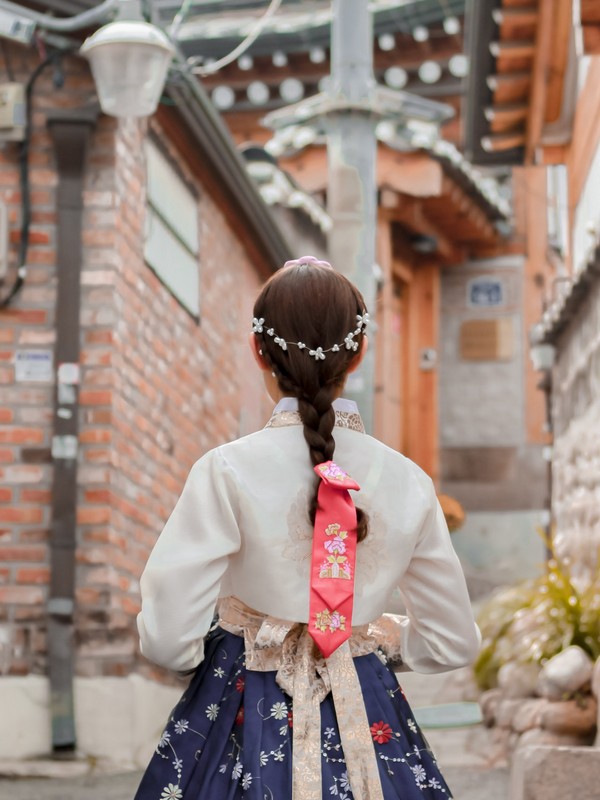
Should You Wear A Hanbok In Bukchon?
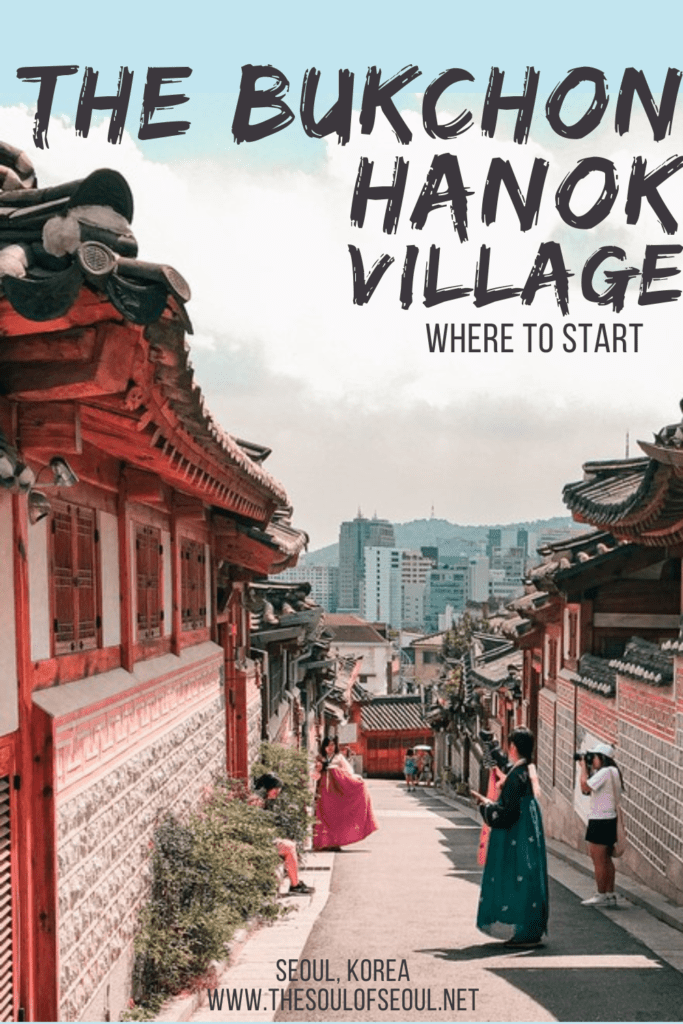
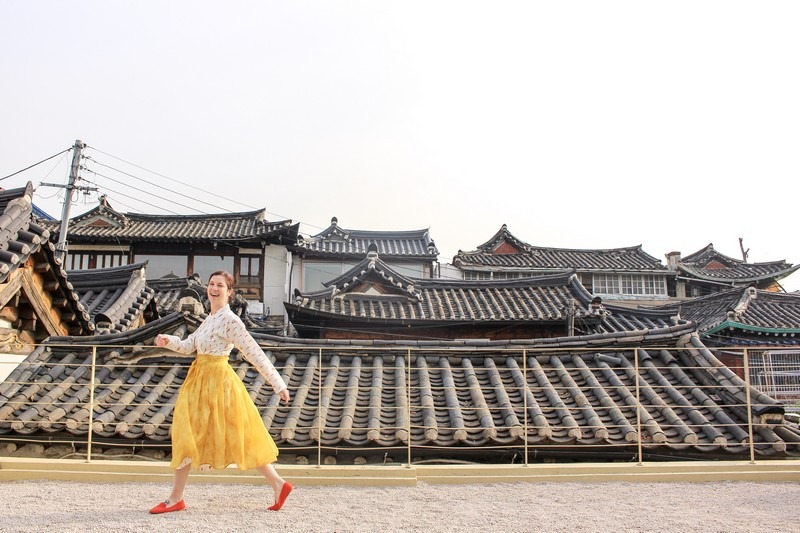
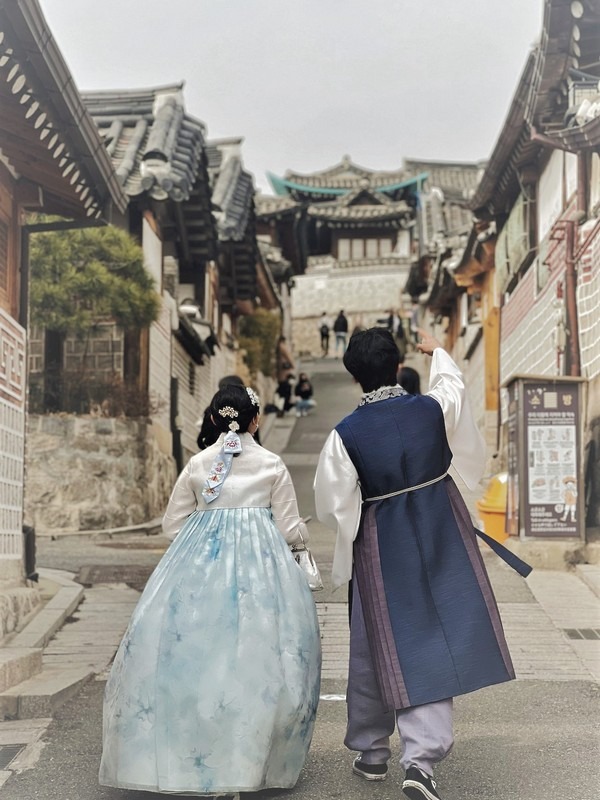
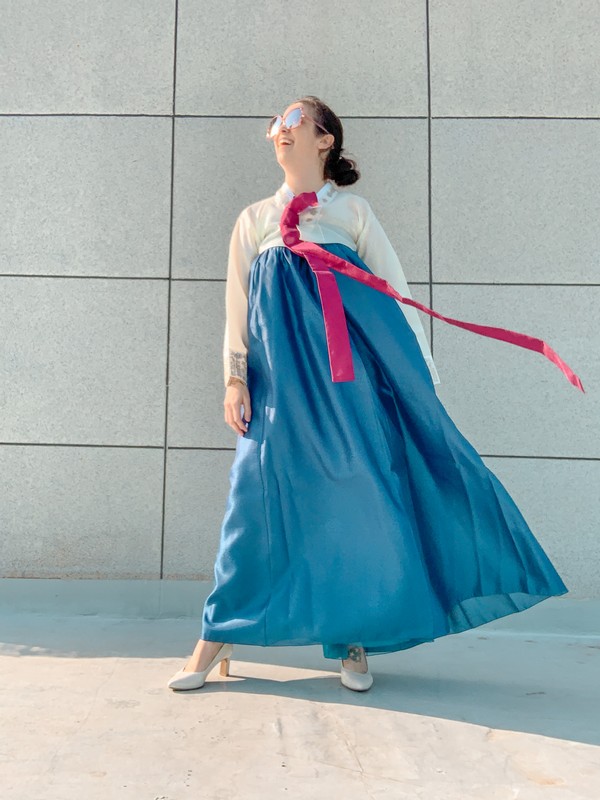
One of the most popular activities in Bukchon is to dress up in Hanboks, traditional Korean dresses, and stroll the historic streets. Choose a colorful skirt and top and head out to take gorgeous pictures among the Hanok homes and tea houses. This is the most popular experience for a reason… it’s just fun.
There are numerous colors to choose from and Koreans invite anyone and everyone to wear their traditional clothing so don’t be shy about taking part. It’s definitely an experience to wear one and I highly recommend it. Hanboks are available for men in sizes XS to XXL, for women in sizes XS to 4XL, and for children too!
- Learn more about renting Hanboks in Seoul.
Bukchon Hanok Village One Day Itinerary
Map of the Bukchon Hanok Village
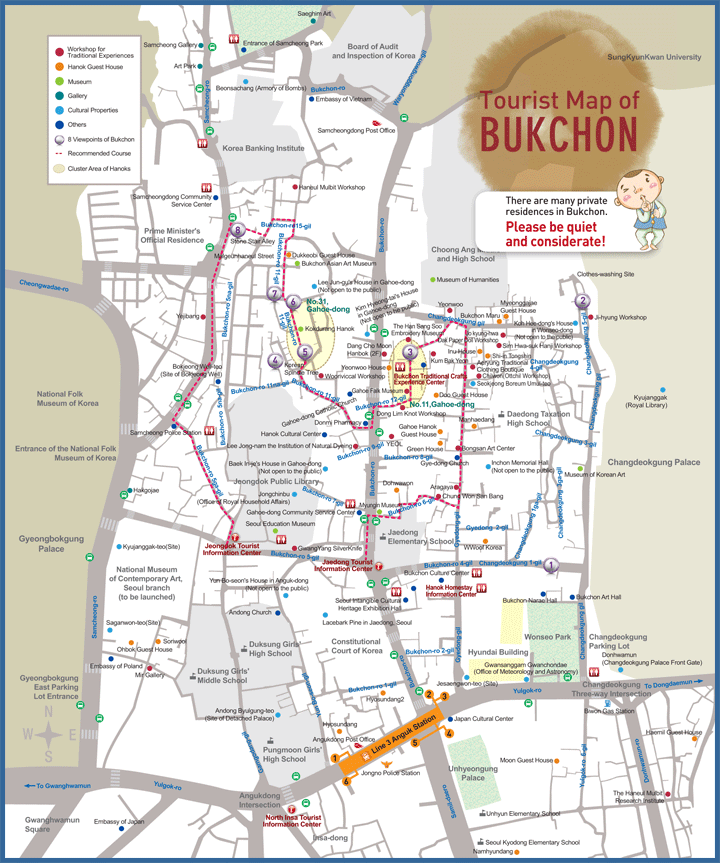
The Bukchon Hanok Village is one of those places that can feel underwhelming… or unforgettable. The difference is usually just knowing where to start. Follow this route, take your time, and don’t be afraid to wander a little once you get your bearings. Some of the best moments here happen when you turn down the quieter alleys and just take it all in.
Did you like this post? Pin it!