Nurungji: What Is Korean Burnt Rice and How To Make It
Last Updated on October 13, 2026
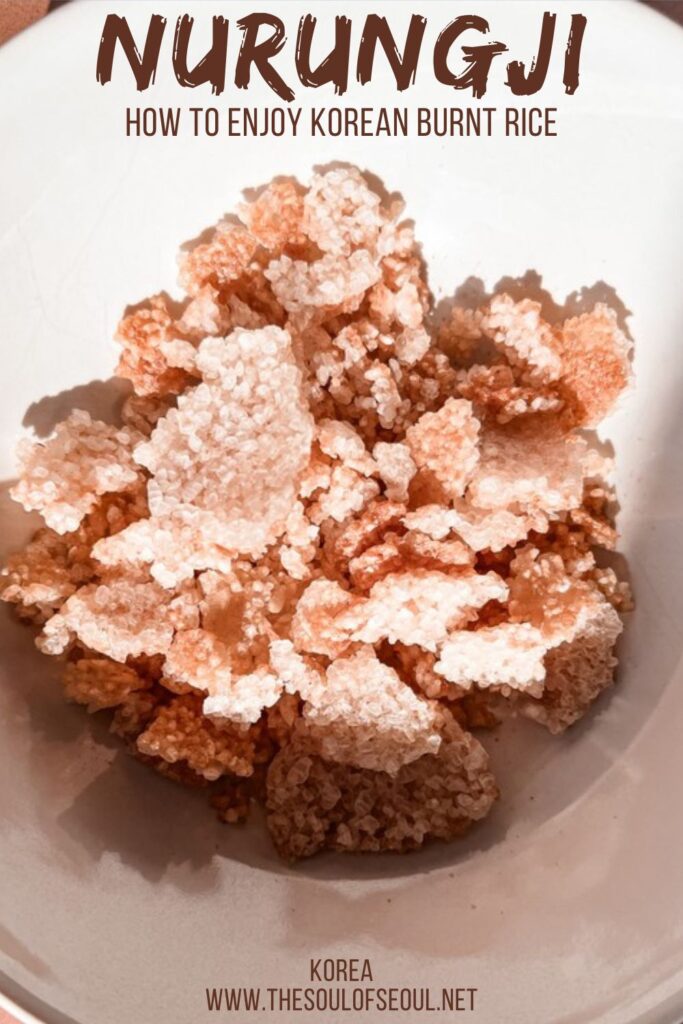
Nurungji (누룽지) is a traditional Korean delicacy that holds a prominent place in Korean cuisine and if you’re my daughter, it’s your favorite Korean comfort food. Called burnt rice or scorched rice, nurungji is the crispy, golden crust that forms at the bottom of the hot pot when cooking rice. The name makes it sound like a mistake. It isn’t. It’s intentional, beloved, and more versatile than most people expect.
Want to learn more about nurungji, including its health benefits, when Koreans typically enjoy it, and how to make this delectable treat, you’ve come to the right spot.
Learn more about one of our favorite Korean comfort foods, nurugnji:
- What Is Nurungji?
- Is Nurungji Healthy?
- Where To Buy Nurungji Online
- When Koreans Eat Nurungji
- How To Make Nurungji
- Nurungji In Modern Korean Food
- FAQ
(This post contains affiliate links, which means I receive a certain percentage of a sale if you purchase after clicking at no cost to you. Thank you for your support.)
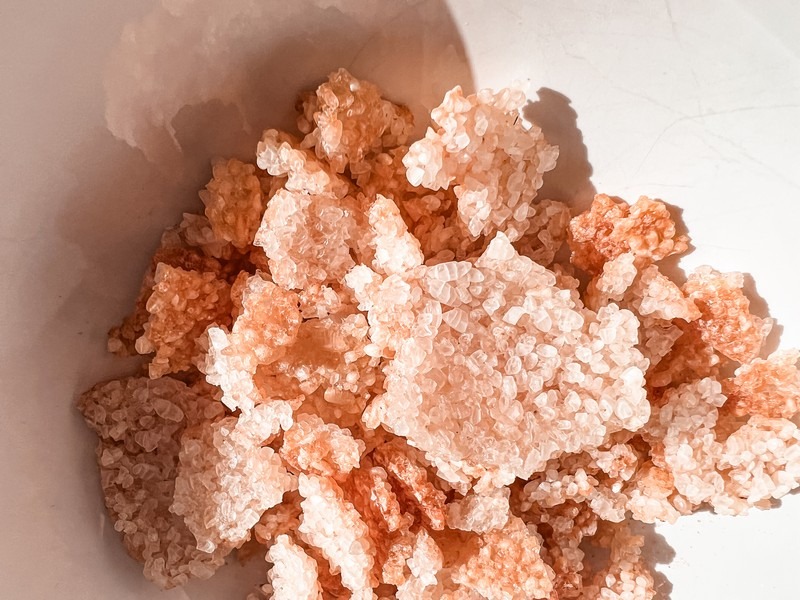
What Is Nurungji?
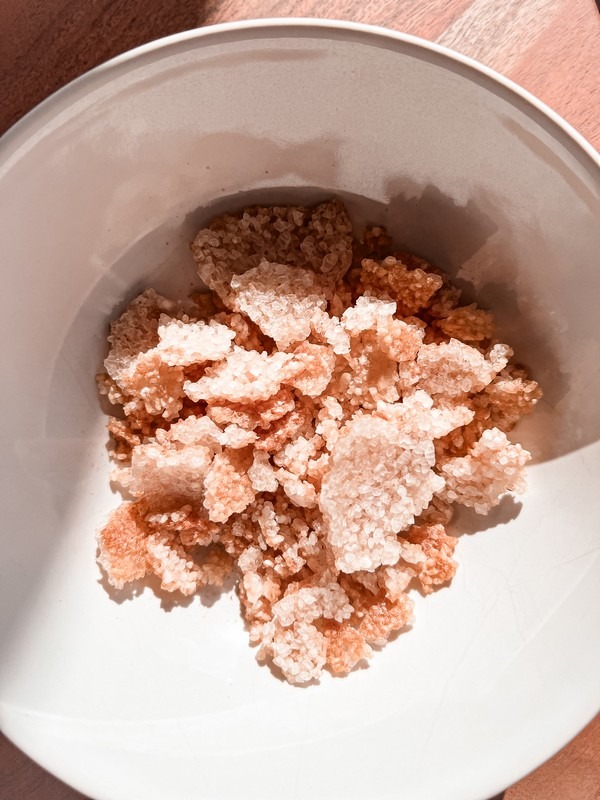
Nurungji is usually translated as a burnt rice or scorched rice. This can make it sound less than appetizing, but it is meant to be eaten this way. After the rice is boiled and most of it is taken out of the pot, a thin crust on the bottom is left to continue cooking and crisp, or burn.
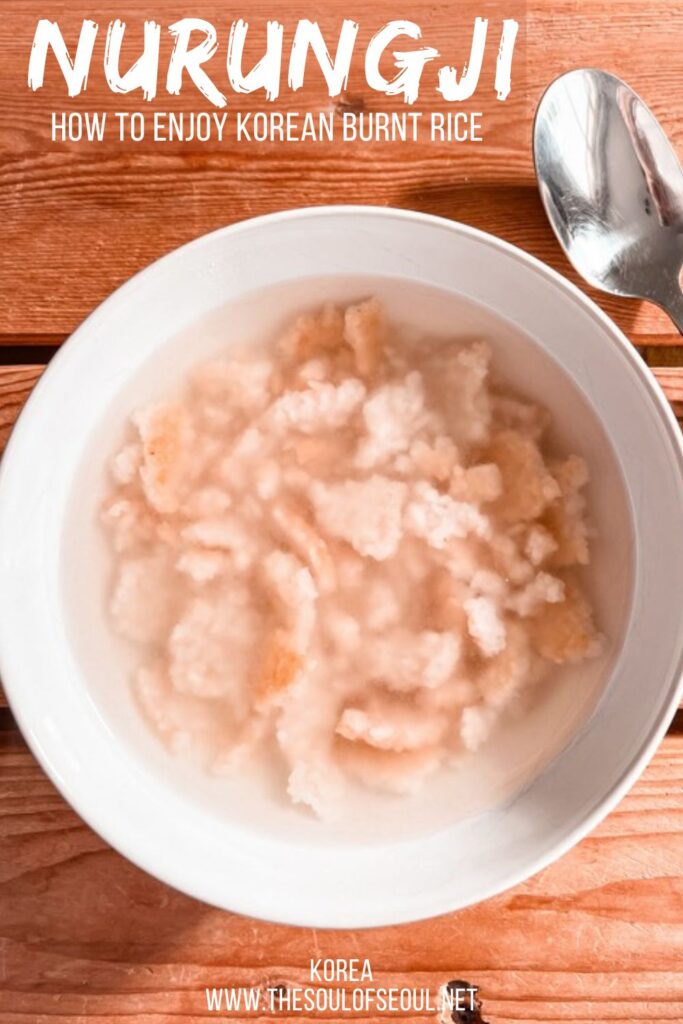
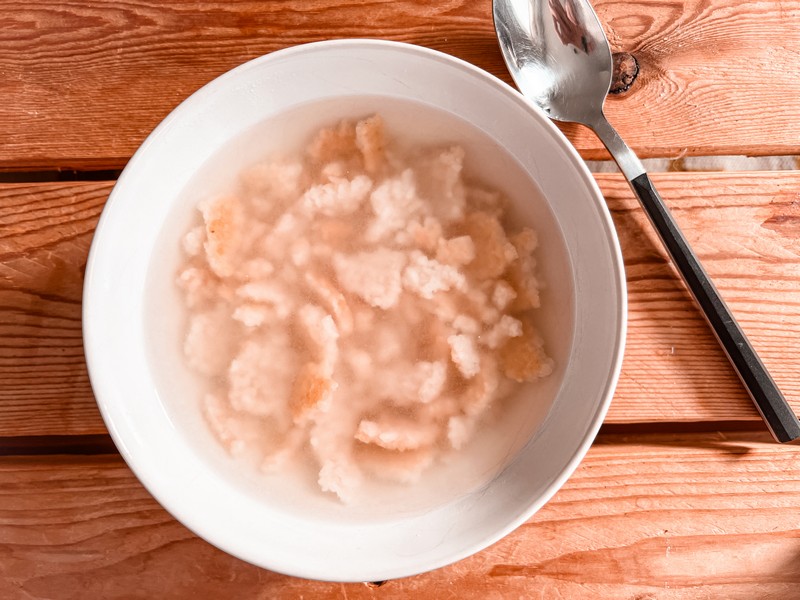
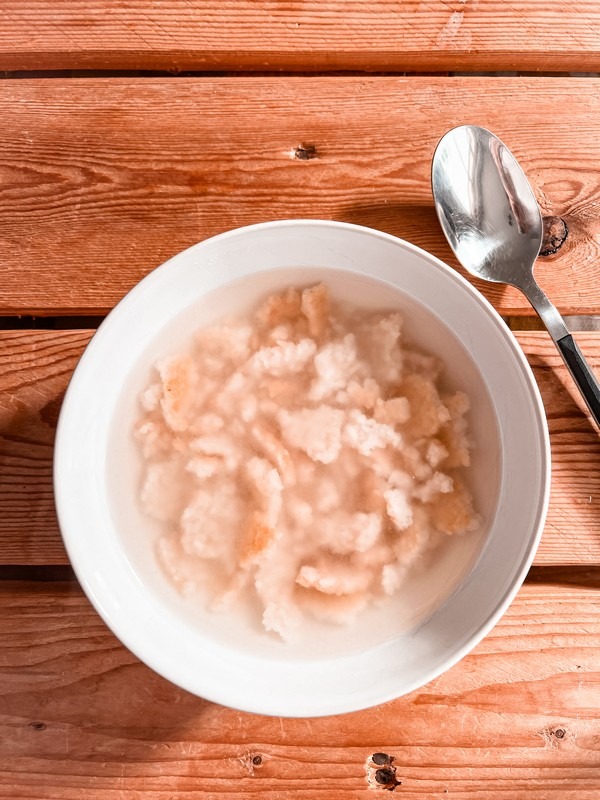
Nurungji can be eaten in a crispy state as a snack, or with hot water to make a kind of after meal rice tea. If you’re at a restaurant that serves rice in a hot pot with a wooden lid on it, you’re supposed to remove the majority of the rice and then fill the pot with water from a kettle on the table and cover it again to create the nurungji soup you’ll eat at the end of the meal.
If You’ve eaten dolsot bibimbap (돌솥 비빔밥), or the bibimbap that comes in a hot pot still cooking away when served, then you’ve already encountered nurungji. The rice touching the bottom of the hot pot is doing exactly the same thing: forming a crispy crust as it cooks.
Nurungji is a comfort food for many, including my daughter, and is easy to keep around as it can be stored conveniently in the pantry or in a cupboard. Nurungji is so popular that you don’t have to burn rice on your own at home if you don’t want to. You can purchase it at markets in Korea or buy it online.
Is Nurungji Healthy?
Burnt rice, or nurungji, contains a lot of carbon which can enhance immunity and detoxify bad toxins in the body. It also contains a lot of amino acids helping to increase the energy of the body and helps with recovery and regeneration of the body so it’s recommended as a good hangover cure in Korea.
The health benefits of nurungji include being:
- High in fiber: Nurungji retains significant dietary fiber from the original rice, which supports digestion and gut health.
- Rich in antioxidants: The toasting process that creates nurungji increases antioxidant content. Antioxidants help protect cells from oxidative damage.
- Sustained energy: As a complex carbohydrate, nurungji releases energy more slowly than simple sugars, making it a reasonable energy source for breakfast or before physical activity.
- Nutrient retention: Nurungji retains minerals from the rice including potassium, magnesium, and phosphorus.
- Hangover recovery: Nurungji is commonly eaten in Korea as a hangover food, light on the stomach, easy to prepare, and providing a gentle carbohydrate base for recovery.
Where To Buy Nurungji Online
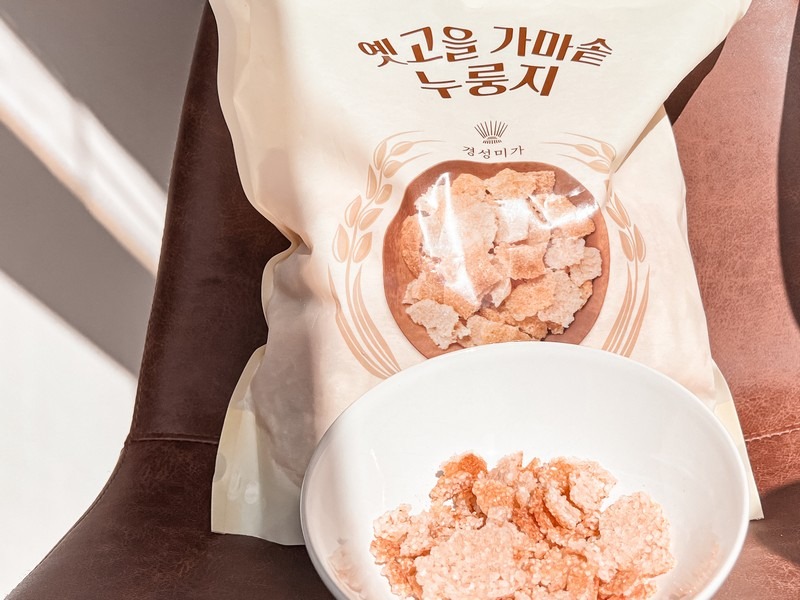
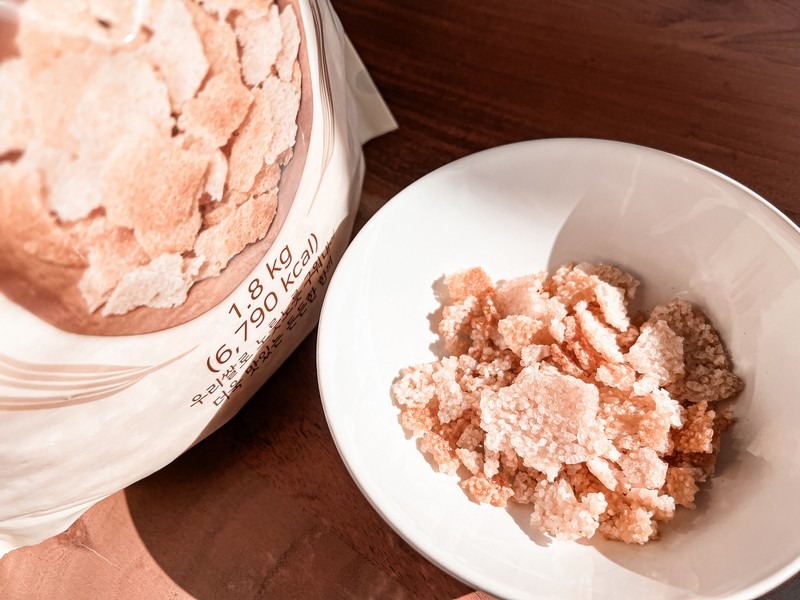
Pre-made nurungji is great to have on hand. It doesn’t require lengthy soaking time. Just pop it onto the stove with some water and you can make burnt rice porridge quickly and easily. Dried nurungji rehydrates and softens easily while simmering on the stove. Or, just crunch on it as is if you like snacking on it.
For soup or porridge: You can find Gugane Foods Korean Cauldron Nurungji Crispy Rice on Amazon as well as Yaksun Seokchangpo Nurungji on Amazon which are two great choices.
For snacking: There also nurungji snacks which you can buy that are already premade. They’re thinner and not meant to be made into soup or tea but more of a cracker snack to enjoy. You can try the THE PLAINY Korean Healthy Snack mix or the Kindness Scorched Rice – 5 type assorted set. I tried some of these offered to us as snacks when I was doing a radio show on TBS.efm and they are pretty delicious. Definitely lighter and snacky, but delicious.
When Koreans Eat Nurungji
Koreans typically enjoy nurungji in various settings, each with its own unique charm:
- Breakfast: Mixed with hot water to make nurungji-guk, a light rice soup. A gentle, warming start to the day that’s easy on the stomach.
- As a snack: The dry, crispy version, eaten as is, the way my daughter eats it after school. Sometimes with a sprinkle of sugar for a sweeter version, though the plain savory version is more common.
- After a meal: In a restaurant with a rice hot pot, this is the traditional way to close the meal, add hot water to the remaining pot, wait a few minutes, and drink the lightly flavored rice soup.
- At celebrations: Nurungji traditionally appears at Korean celebrations including weddings, symbolizing good luck and abundance. It’s one of those foods with a cultural resonance that goes beyond its simplicity.
- As a recovery food: Korea’s drinking culture has its own food ecosystem, and nurungji is one of the gentler hangover remedies, easy to digest, warming, and light on an unsettled stomach.
How To Make Nurungji
Making nurungji from scratch is a straightforward process and you may even do it accidentally sometimes. That’s how I ended up making it the first time anyway and then my husband stepped in to save the day.
- Cook the rice
- Begin by preparing a pot of rice using your preferred method. Korean short-grain rice, such as “sushi rice” or “sticky rice,” works best for producing nurungji.
- Allow for crust formation
- Once the rice is cooked, let it sit in the pot for an additional 5-10 minutes with the heat turned off. This allows the bottom layer of rice to develop a crispy crust.
- Toast the crust
- Turn the heat back on to low and place the pot back on the stove. Gently scrape the bottom of the pot to release the crispy crust. Stir the rice occasionally to ensure even toasting and prevent burning.
- Serve and enjoy
- Once the crust turns golden brown and achieves the desired crunchiness, remove it from the heat and transfer it to a serving dish. Nurungji can be enjoyed on its own as a snack or used to create delicious dishes like nurungji-guk.
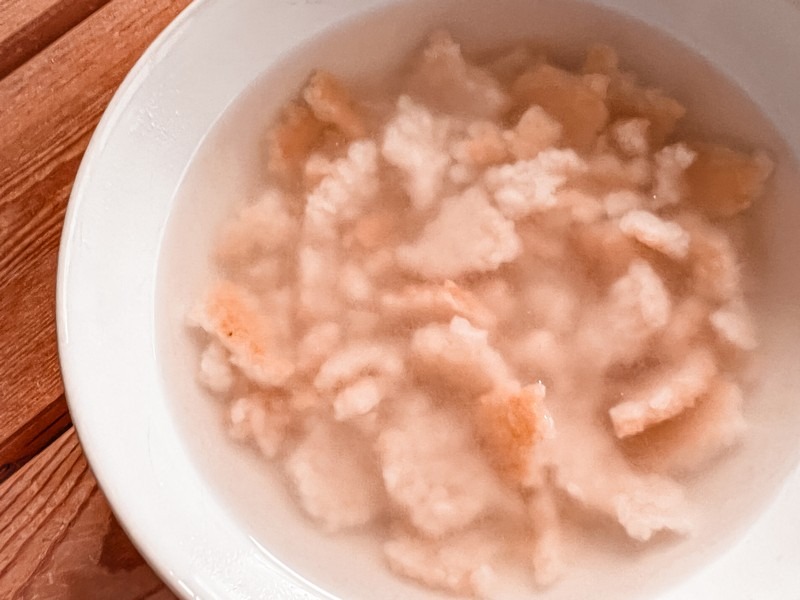
To make nurungji soup (nurungji-guk): Add enough hot water to cover the crust in the pot. Cover with a lid and let sit for 3 to 5 minutes on low heat. The crust will soften and release its flavor into the water. Season lightly with salt if desired. Serve warm.
Nurungji In Modern Korean Food
Beyond the traditional forms, nurungji has found its way into more modern Korean dishes:
Nurungji samgyetang: Some samgyetang restaurants (ginseng chicken soup) serve a version where nurungji is added to the broth, giving it a toasty rice flavor and slightly different texture. The first time I had this was in Jeju and I was immediately converted. Read the complete samgyetang guide for more on this dish.
Nurungji bingsu: Some bingsu cafes incorporate nurungji into their shaved ice desserts, the crispy rice adding a textural contrast to the cold, soft ice. Read the complete bingsu guide for more on Korean shaved ice.
Nurungji juk (porridge): A thicker version of nurungji-guk, cooked longer until it becomes more of a porridge consistency. Often eaten by the elderly or anyone recovering from illness.
Nurungji, the toasted rice crust adored in Korean cuisine, offers not only a delightful taste but also numerous health benefits. Its high fiber content, antioxidants, and rich nutrient profile make it a valuable addition to a balanced diet.
Whether enjoyed for breakfast, as a snack, or during celebratory occasions, nurungji has earned its place as a cherished culinary tradition in Korea. So why not try making this delectable treat and savor the unique flavors of nurungji for yourself?
Did you like this post? Pin iT!