Namhansanseong Fortress: Hiking a UNESCO World Heritage Site Near Seoul
Last Updated on October 13, 2026
If you’re looking for a great hike near Seoul that works for all fitness levels, all seasons, and all ages, including families with young children, Namhansanseong Fortress (남한산성도립공원) belongs on the list. Compared to the Seoul Fortress Wall, which can involve some pretty steep climbing in sections, Namhansanseong is far more accessible: the paths inside the walls are relatively even, and even in winter the trails stay walkable without serious gear.
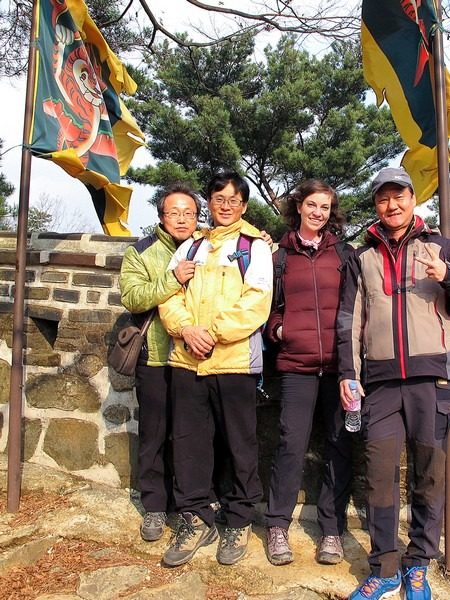
Additionally, the Namhansanseong Fortress is a UNESCO World Heritage Site, a fortress city that served as the emergency capital of the Joseon Dynasty, built on the ruins of a fortress dating back to 672 AD, and defended against a Qing invasion in 1636 by 13,600 soldiers and 3,000 Buddhist monk-soldiers for 45 consecutive days. There’s a small mountain town inside the walls with restaurants, temples, and old gates. I’ve been twice with a hiking club and would go again without hesitation.
Get ready to hike in Namhansanseong:
- How To Get There
- History and UNESCO Significance
- Trail Options
- What To See Inside the Walls
- Mangwolsa Temple and the Buddhist Monk-Soldiers
- What To Eat
- FAQ
(This post contains affiliate links, which means I receive a certain percentage of a sale if you purchase after clicking. Thank you for your support.)
How To Get There
Address: Sanseong-ri Joongbu-myeon Gwangju-si, Gyeonggi-do (경기도 광주시 중부면 산성리)
By Public Transportation: Take Seoul Subway Line 8 to Sanseong Station, Exit 2. Walk straight about 100 meters to the bus stop. Take bus 9 (about 21 minutes to Namhansanseong bus stop) or bus 9-1 or 52 (about 11 minutes, less frequent). A taxi from Sanseong Station takes about 11 minutes. After getting off the bus, walk about 30 meters in the direction the bus came from to reach the main roundabout, where most trails begin. The Temporary Palace and North Gate are directly in front of you, with signage throughout.
Join a tour:
- Namhansanseong UNESCO Historical Sites Private Tour: Book this Viator tour to travel back in time to the days of the Joseon Dynasty on a private 8- to 9-hour tour from Seoul. Begin with a tour at the UNESCO listed Namhansanseong Fortress set amongst the scenic mountains.
History and UNESCO Significance
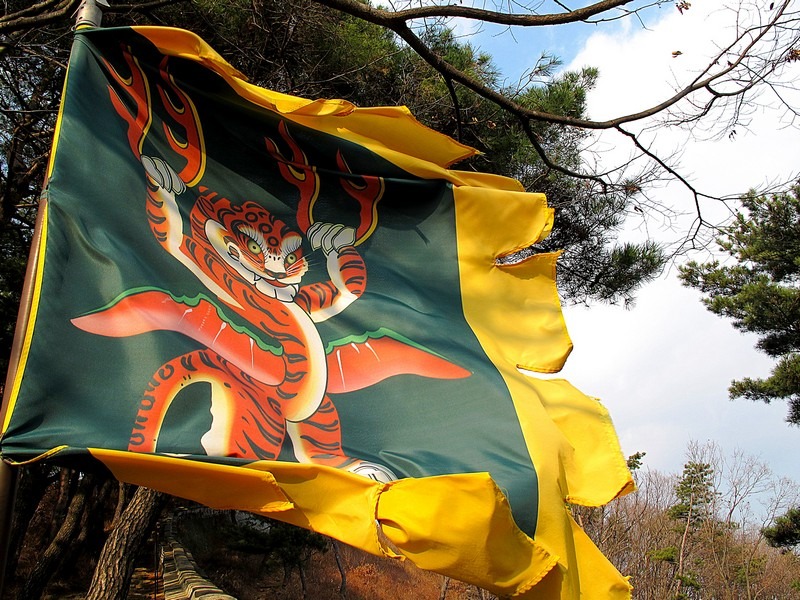
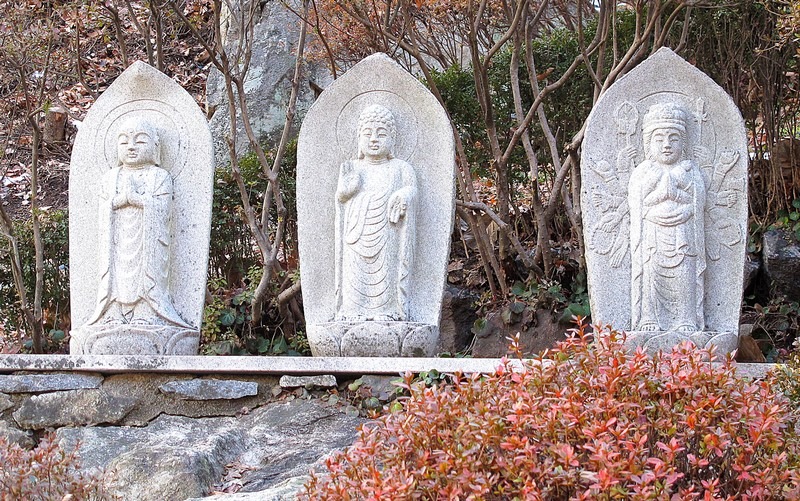
Namhansanseong sits 25 kilometers southeast of Seoul on a mountainous site averaging over 480 meters above sea level. The earliest fortification here dates to 672 AD, during the reign of King Munmu of the Unified Silla Dynasty, built on the site now known as Jujangseong Fortress. The current walls were built in 1626 during the reign of King Injo of the Joseon Dynasty, specifically in anticipation of the growing threat from the Sino-Manchu Qing Dynasty.
That threat arrived in 1636. The Manchu forces invaded Korea in the dead of winter, and King Injo took refuge within the fortress with 13,600 soldiers and 3,000 Buddhist monk-soldiers. They held out for 45 days before supply shortages forced King Injo to surrender, exiting the fortress and bowing in submission before the Qing emperor in one of the most humiliating moments in Joseon history. The event is still a cultural touchstone in Korea, the subject of the 2017 film “The Fortress” (남한산성).
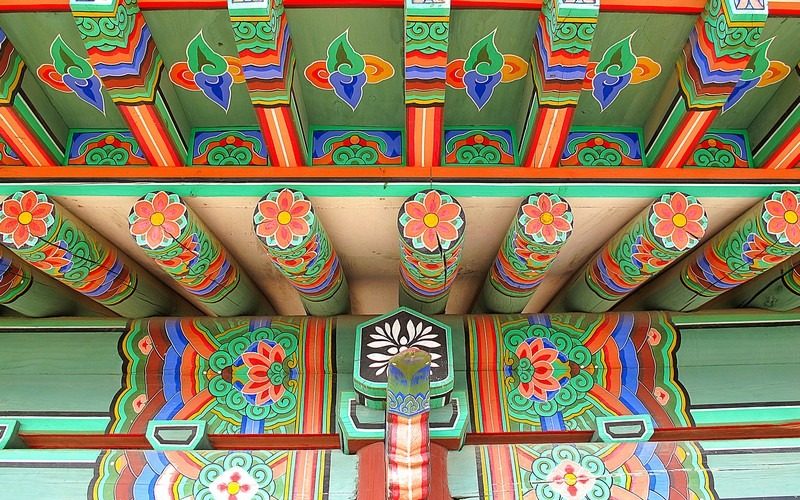
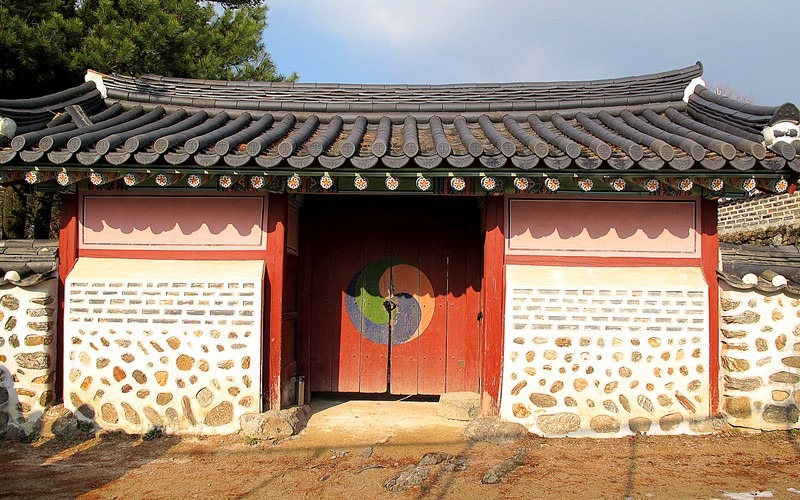
The fortress was designed not just as a military installation but as a functioning city, an emergency capital for the royal family and court in times of war. It contains evidence of military, administrative, civic, and religious functions built over more than 1,200 years, embodying the exchange of fortification technologies between Korea, China, and Japan during the 16th-18th centuries, including the adaptation of defensive design to account for European-introduced artillery. UNESCO inscribed it as a World Heritage Site in 2014 for its outstanding universal value.
Trail Options
Five official trail courses run through the fortress, all beginning from the main roundabout area near the bus stop. Maps are available at the information counter.
- Course 1: 3.8 km of relatively flat, easy walking, the most most popular and beginner-friendly option.
- Course 2: 2.9 km, the shortest trail, oriented toward natural surroundings.
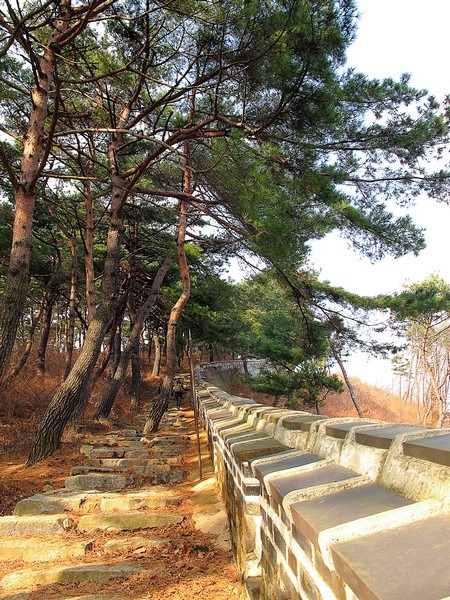
- Course 3: 5.7 km along the castle walls, the best option for experiencing the full character of the fortress perimeter.
- Course 4: 3.8 km with strong panoramic views of the surrounding mountains and city.
- Course 5: 7.7 km, the longest route, covering the broadest ground for those who want a full day inside the fortress.
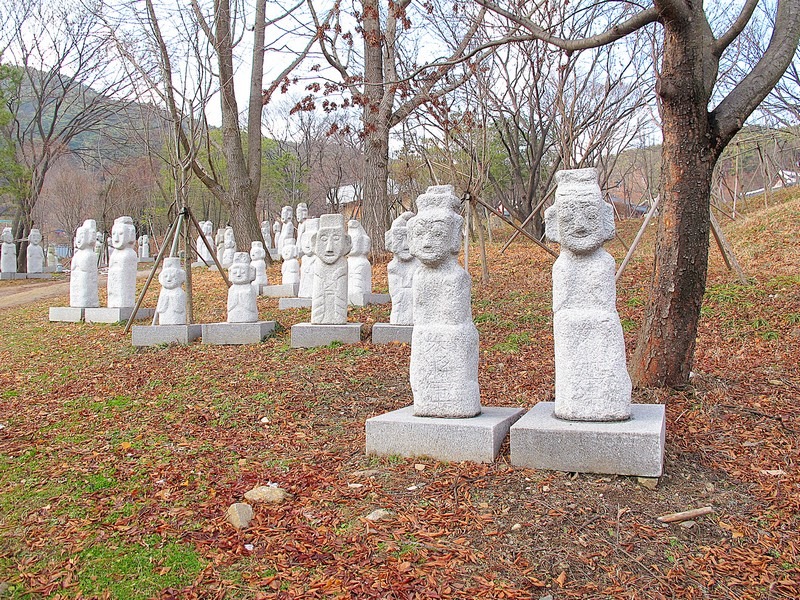
Walking the entire wall without taking any shortcuts takes roughly four hours. All trails have clear signage and bathrooms are available throughout the park.
Personal aside: While walking along the wall, we could hear gunshots echo from the army practice range nearby. It creates an oddly immersive historical atmosphere. The fortress technically still retains a military function, which is a strange and fitting detail for a place with this kind of defensive history.
What To See Inside the Walls
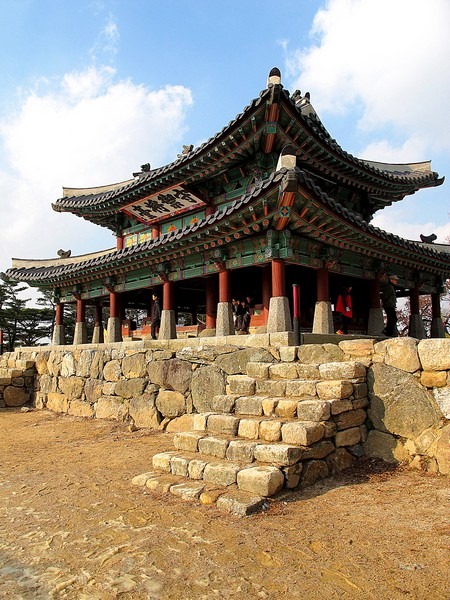
Sueojangdae Command Post
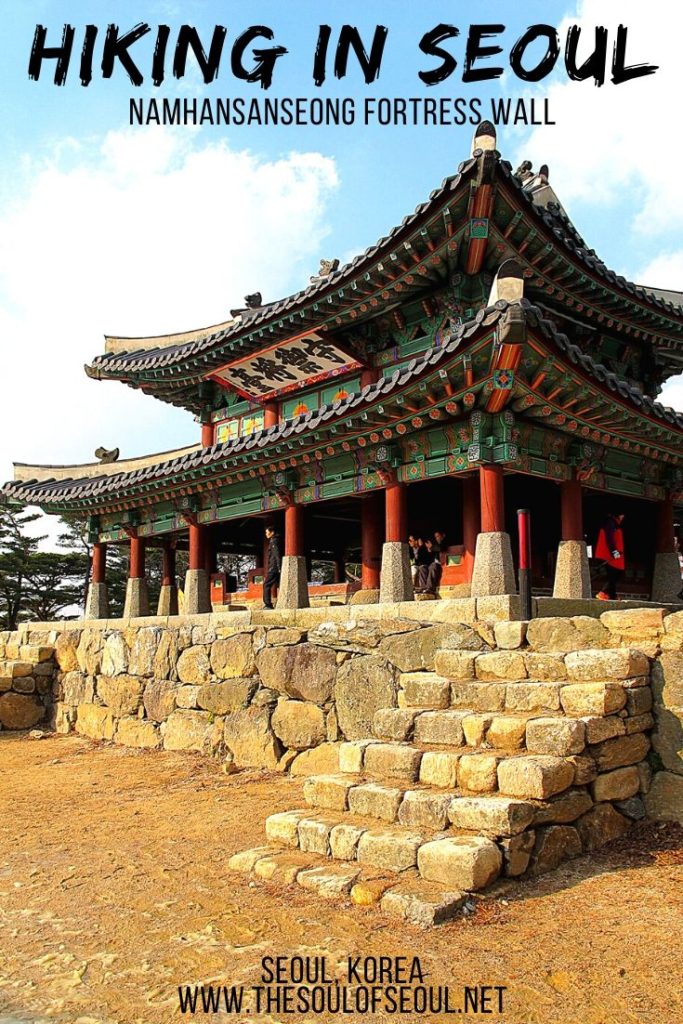
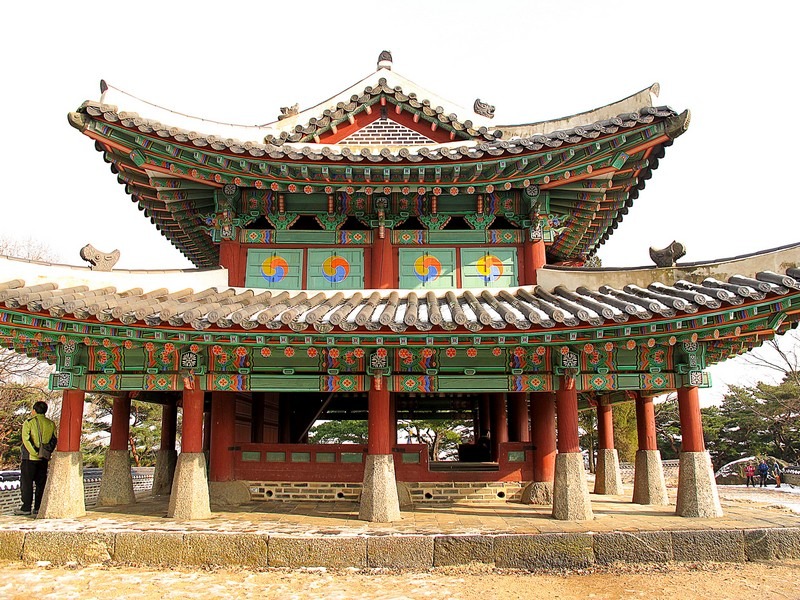
The only surviving command post inside the fortress walls. Originally built in 1674 as a single-story structure, a second story was added in 1751. Beside it stands a shrine dedicated to General Lee Hoi, who directed the construction and was wrongfully executed for allegedly embezzling construction funds. His wife and his concubine, upon hearing of his execution, threw themselves into the Han River.
According to the story told in the plaques nearby, General Lee had proclaimed his innocence until the end and predicted a hawk would appear to prove it, and a hawk reportedly did appear and watched as he died. These small tragic stories attached to specific places inside the fortress are part of what makes it genuinely worth slowing down for.
Temporary Palace (Haenggung)
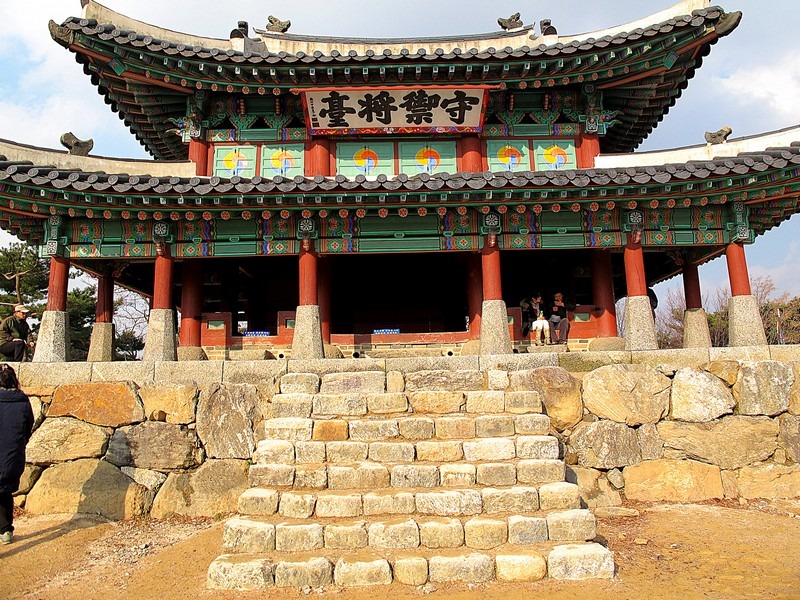
The emergency palace where the king would relocate in times of crisis, and where royal ancestral tablets were kept when the king sheltered here.
The fortress itself is free to enter, but there is a separate admission for the palace: adults: W2,000 and children: W1,000
Four Gates
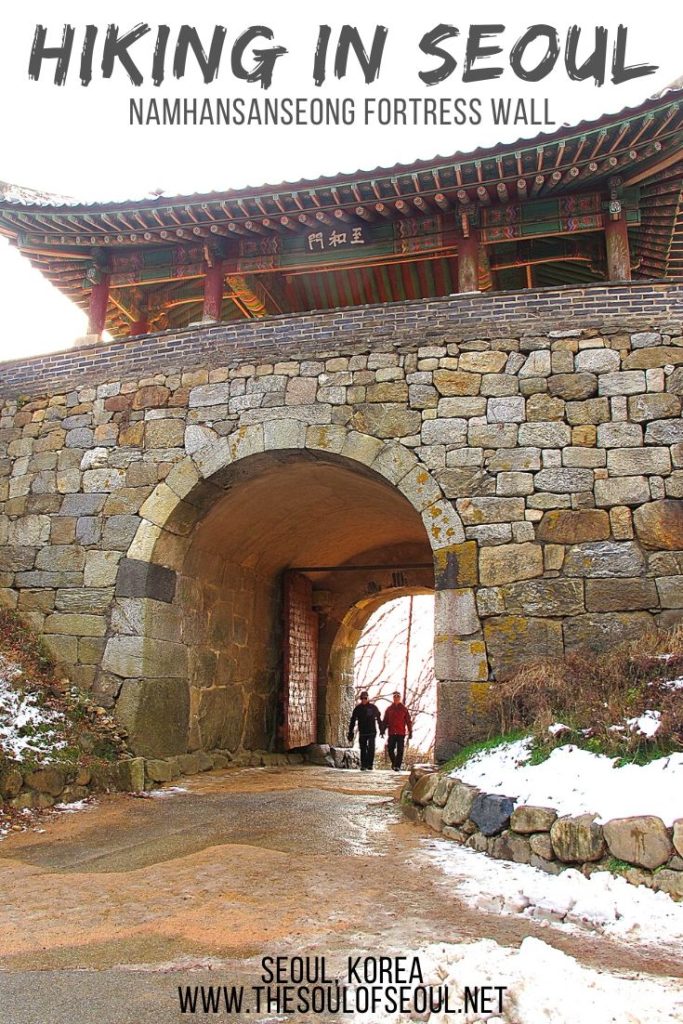
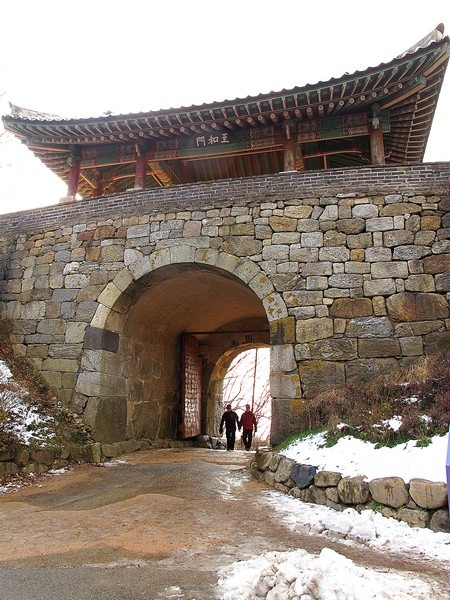
North Gate, South Gate, East Gate, and West Gate mark the four main entry and exit points through the outer wall. Walking between gates gives a clear sense of the fortress’s scale and the terrain it was designed to exploit.
Mangwolsa Temple and the Buddhist Monk-Soldiers
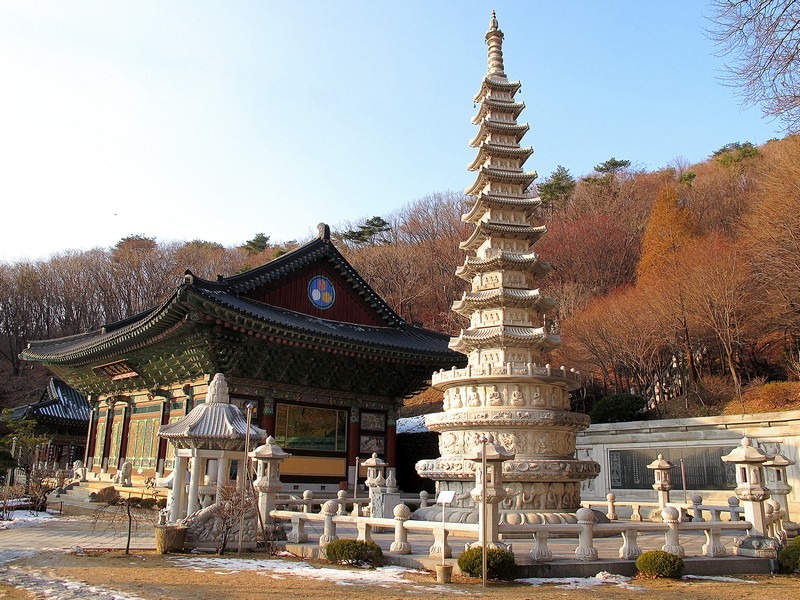
Ten Buddhist temples exist within the fortress walls, all of them originally built not just for worship but as military installations. Mangwolsa (망월사) is the oldest of the ten, predating the fortress walls themselves, it was established during the Goryeo Period as Mangwolam Hermitage. When King Taejo, founder of the Joseon Dynasty, moved the capital to Seoul, he had the Jeongeuisa Temple dismantled and its most sacred items, a Buddha statue and a gold-lettered copy of the Lotus Sutra, moved to Mangwolsa for safekeeping.
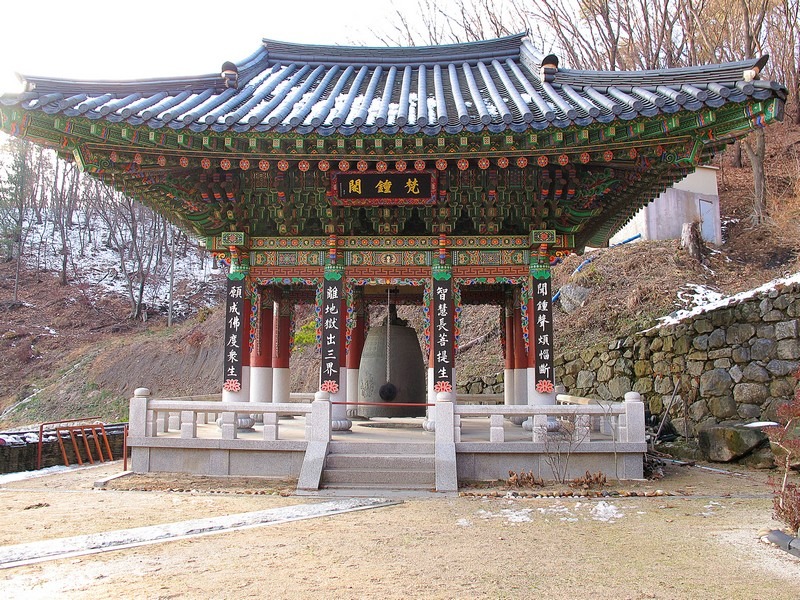
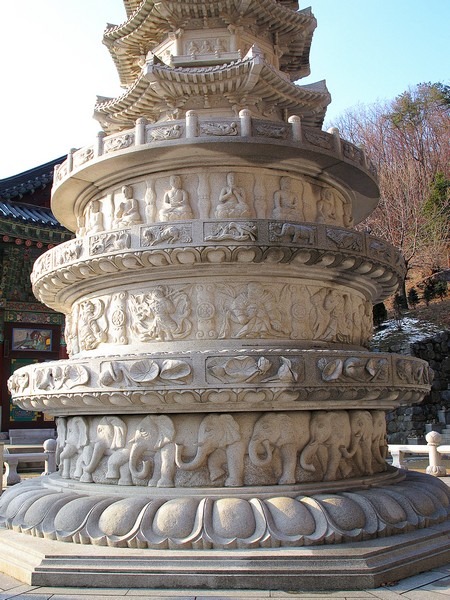
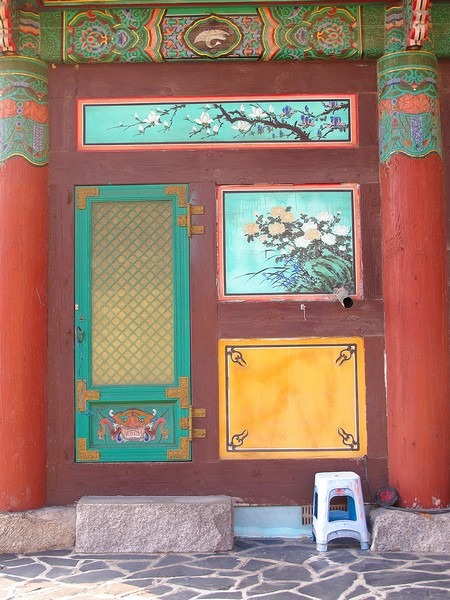
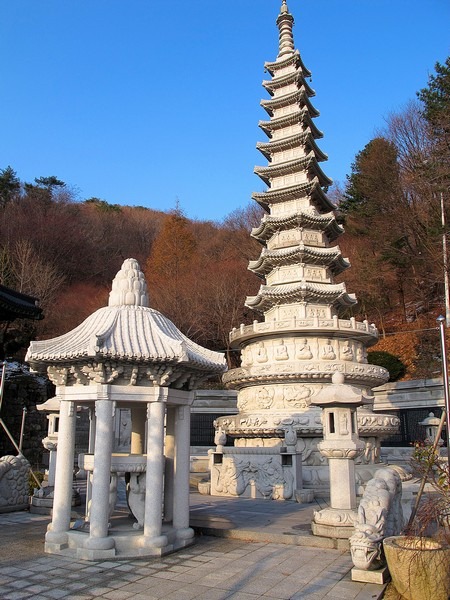
The temple system within Namhansanseong was deliberately constructed as a military-religious hybrid. The Buddhist monk-soldiers who lived here practiced Buddhism alongside active martial and defensive duties. Each temple’s position within the fortress was strategic, near an outer wall, a hidden gate, or a cannon tower. The temples housed armories and gunpowder stores alongside their religious functions.
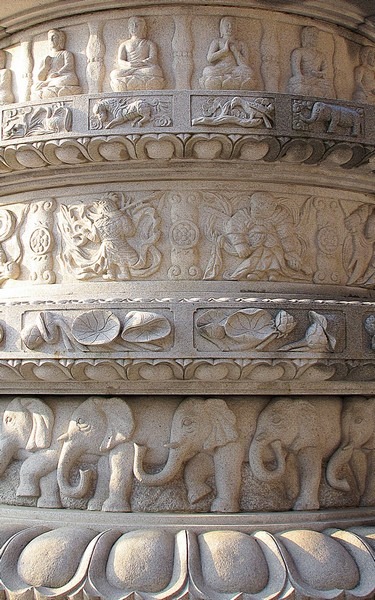
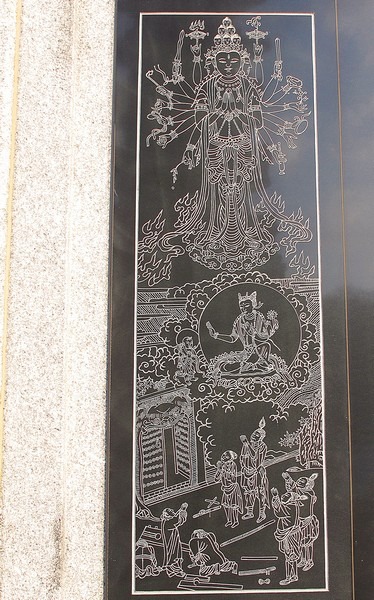
The system operated this way until the 1894 Gabo Reform, which abolished the Buddhist monk-soldier tradition. In 1907, Japanese forces burned most of the temples during the colonial period. The temples that exist today have been rebuilt, but the rebuilt structures still carry the unusual weight of knowing that Buddhism and military defense operated side by side on this mountain for nearly three centuries.
What To Eat
The roundabout in the center of the fortress is surrounded by restaurants and small cafes that have evolved to serve the steady stream of hikers, walkers, and day-trippers. There is plenty to choose from for a bite.
Two foods unique to this area: hyojonggaeng, a traditional hangover soup with Joseon-era origins that became associated with this mountain town, and Sanseong soju, a traditional alcoholic beverage made with traditional taffy and local wheat. If you’re spending a half-day or full day here, a meal at the roundabout restaurants is one of the better parts of the visit.
FAQ
Is Namhansanseong Fortress a UNESCO World Heritage Site?
Yes. UNESCO inscribed Namhansanseong as a World Heritage Site in 2014, recognizing its outstanding universal value as an emergency capital city and as an example of fortification technology exchange across East Asia from the 7th to 19th centuries.
How difficult is hiking at Namhansanseong?
The trails range from easy (Course 2 at 2.9km and Course 1 at 3.8km) to a full day’s walk (Course 5 at 7.7km). The paths inside the walls are relatively even compared to the Seoul Fortress Wall, making this a good option for families with young children, older hikers, and first-time hikers.
Is Namhansanseong Fortress free to visit?
The fortress itself is free to enter. The Temporary Palace (Haenggung) has a separate admission: ₩2,000 for adults (19-64), ₩1,000 for youth (7-18), and free for children, seniors, and visitors wearing hanbok.
How do I get to Namhansanseong from Seoul?
Take Line 8 to Sanseong Station, Exit 2, then bus 9 (21 minutes) or bus 9-1/52 (11 minutes) to Namhansanseong bus stop. A taxi from the station takes about 11 minutes.
What season is best for hiking Namhansanseong?
All seasons work. Autumn foliage against the stone walls is especially striking. Winter is manageable, the paths stay accessible and the mountain town atmosphere with snow cover is genuinely beautiful. Summer offers shade from the forested sections.
How long does it take to walk the full fortress wall?
Walking the entire perimeter while stopping at sights takes about four hours. Shorter trail options (2.9km to 3.8km) work well for a 1.5-2 hour visit.
Namhansanseong rewards the kind of visit where you slow down and read the plaques, step into the temples, and let the stories attach to the landscape around you. The hawk that appeared at General Lee’s execution, the 45 days King Injo held this mountain against the Qing, the monk-soldiers who kept gunpowder in their temple storerooms, none of it is obvious at first glance. It reveals itself as you walk.
Did you like this post? Pin It!